betamethasone brands
45 registered brands containing betamethasone in Malawi.
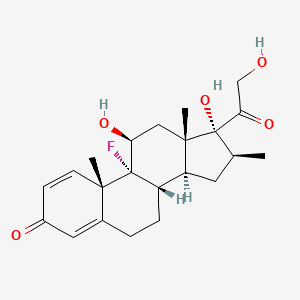
2D structure
Betamethasone
PubChem CID 9782Molecular formula: C22H29FO5
Glucocorticoids inhibit neutrophil apoptosis and demargination, and inhibit NF-Kappa B and other inflammatory transcription factors. They also inhibit phospholipase A2, leading to decreased formation of arachidonic acid derivatives. In addition, glucocorticoids promote anti-inflammatory genes like interleukin-10. Corticosteroids like betamethasone can act through nongenomic and genomic pathways. The genomic pathway is slower and occurs when glucocorticoids activate glucocorticoid receptors and initiate downstream effects that promote transcription of anti-inflammatory genes including phosphoenolpyruvate carboxykinase (PEPCK), IL-1-receptor antagonist, and tyrosine amino transferase (TAT). On the other hand, the nongenomic pathway is able to elicit a quicker response by modulating T-cell, platelet and monocyte activity through the use of existing membrane-bound receptors and second messengers. Corticosteroids interact with specific receptor proteins in target tissues to regulate the expression of corticosteroid responsive genes, thereby changing the levels and array of proteins synthesized by the various target tissues. As a consequence of the time required for changes in gene expression and protein synthesis, most effects of corticosteroids are not immediate, but become apparent after several hours. ... Although corticosteroids predominantly act to increase expression of target genes, there are well documented examples where glucocorticoids decrease transcription of target genes ... In contrast to these genomic effects, recent studies have raised the possibility that some actions of corticosteroids are immediate and are mediated by membrane-bound receptors. /Adrenocorticosteroids/ The mechanisms by which glucocorticoids inhibit glucose utilization in peripheral tissues are not fully understood. Glucocorticoids decrease glucose uptake in adipose tissue, skin, fibroblasts, thymocytes, and polymorphonuclear leukocytes; these effects are postulated to result from translocation of the glucose transporters from the plasma membrane to an intracellular location. These peripheral effects are associated with a number of catabolic actions, including atrophy of lymphoid tissue, decreased muscle mass, negative nitrogen balance, and thinning of the skin. /Adrenocorticalsteroids/ The mechanisms by which the glucocorticoids promote gluconeogenesis are not fully defined. Amino acids mobilized from a number of tissues in response to glucocorticoids reach the liver and provide substrate for the production of glucose and glycogen. In the liver, glucocorticoids induce the transcription of a number of enzymes involved in gluconeogenesis and amino acid metabolism, including phosphoenolpyruvate carboxykinase, glucose-6-phosphatase, and fructose-2,6-bisphosphatase. Analyses of the molecular basis for regulation of phosphoenolpyruvate carboxykinase gene expression have identified complex regulatory influences involving an interplay among glucocorticoids, insulin, glucagon, and catecholamine. The effects of these hormones and amines on phosphoenolpyruvate carboxykinase gene expression mirror the complex regulation of gluconeogenesis in the intact organism. /Adrenocorticalsteroids/ ... /A/ major action of corticosteroids on the cardiovascular system is to enhance vascular reactivity to other vasoactive substances. Hypoadrenalism generally is associated with hypotension and reduced response to vasoconstrictors such as norepinephrine and angiotensin II. This diminished pressor response is explained partly by recent studies in experimental systems showing that glucocorticoids increase expression of adrenergic receptors in the vascular wall. Conversely, hypertension is seen in patients with excessive glucocorticoid secretion, occurring in most patients with Cushing's syndrome and in a subset of patients treated with synthetic glucocorticoids (even those lacking any significant mineralocorticoid action). /Adrenocorticosteroids/ For more Mechanism of Action (
Source: PubChem (NCBI) · compound 9782