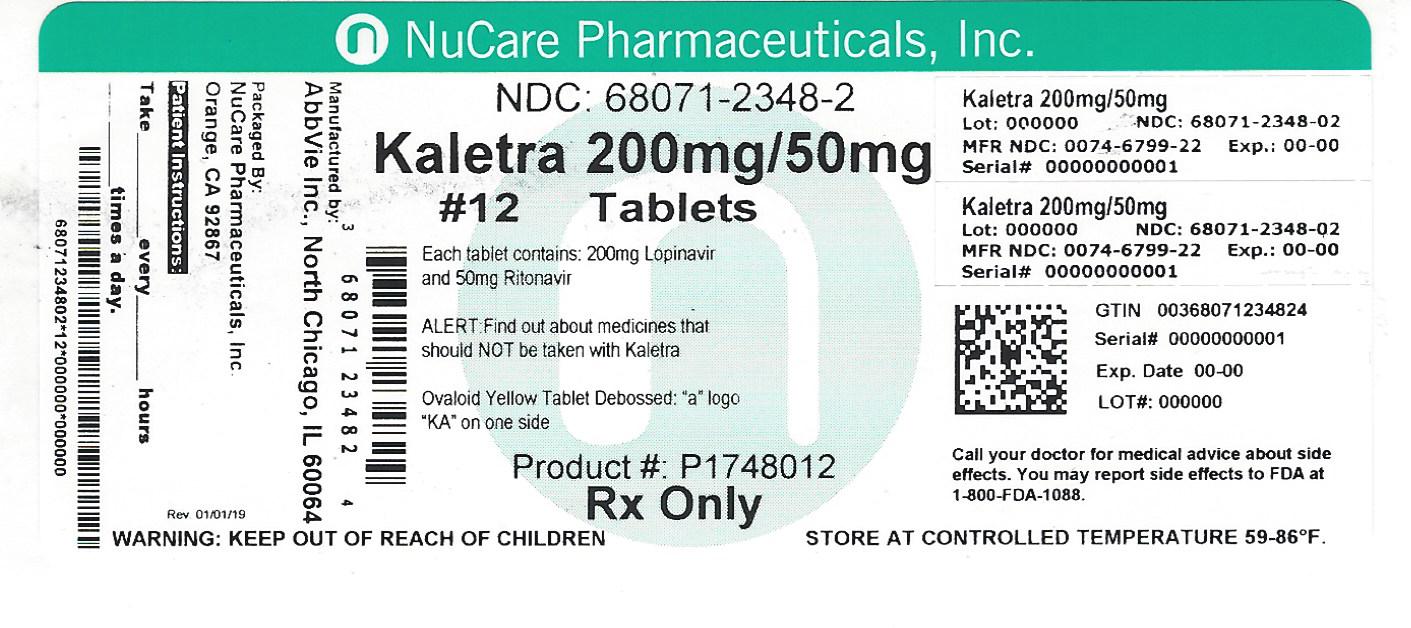
(lopinavir · DailyMed)
Abacavir, Lamivudine, Lopinavir and Ritonavir…
Abacavir Sulfate Lamivudine Lopinavir Ritonavir
What it does
Abacavir is a medicine used to help manage HIV infection.
Commonly used for: HIV infection, Human Immunodeficiency Virus (HIV)
Read more in plain English ↓Plain-language summary for general understanding - not medical advice. Always follow your pharmacist/doctor.
Ask about this medicine
Answers come only from this medicine's registration record, BNF monograph and interaction data - not medical advice.
Hard to find? We help patients in Kenya source rare medicines. We don't sell or dispense medicines - licensed pharmacies do.
Source this medicineRegistration & product details
Source: Pharmacy and Poisons Board · fetched 2026-03-01 02:03:03 · updated 2026-08-09 02:03:56
Drug Interactions
65Pharmacodynamic Warnings
Lamivudine appears in TABLE 12: Drugs that cause peripheral neuropathy
Severe (12)
Antipsychotics, Second Generation - affects exposure
Ritonavir is predicted to affect the exposure to antipsychotics, second generation (clozapine). Avoid.
Benzodiazepines - increases exposure
Ritonavir is predicted to increase the exposure to benzodiazepines (diazepam, flurazepam). Avoid.
Clopidogrel - decreases efficacy
Ritonavirmightdecreasetheefficacyofclopidogrel.Avoid. oTheoretical
Clozapine - affects exposure
Ritonavir is predicted to affect the exposure to antipsychotics, second generation (clozapine). Avoid.
Dabigatran - increases exposure
Ritonavir is predicted to increase the exposure to thrombin inhibitors (dabigatran). Avoid.
Moderate (12)
Antipsychotics, Second Generation - decreases exposure
Ritonavir is predicted to decrease the exposure to antipsychotics, second generation (olanzapine). Monitor and adjust dose.
Clarithromycin - increases exposure
Ritonavir increases the exposure to macrolides (clarithromycin). Adjust dose in renal impairment.
Deferasirox - decreases exposure
Ritonavir is predicted to decrease the exposure to iron chelators (deferasirox). Monitor serum ferritin and adjust dose.
Digoxin - increases concentration
Ritonavir increases the concentration of digoxin. Adjust dose and monitor concentration.
Ironchelators - decreases exposure
Ritonavir is predicted to decrease the exposure to iron chelators (deferasirox). Monitor serum ferritin and adjust dose.
Unknown (41)
Agomelatine - decreases exposure
Ritonavirispredictedtodecreasetheexposuretoagomelatine. oTheoretical
Albendazole - decreases exposure
Ritonavir decreases the exposure to albendazole.
Aliskiren - increases exposure
Ritonavirispredictedtoincreasetheexposuretoaliskiren. oTheoretical
Aminophylline - decreases exposure
Ritonavir decreases the exposure to aminophylline. Adjust dose.
Anaesthetics,local - decreases exposure
Ritonavir is predicted to decrease the exposure to anaesthetics, local (ropivacaine).
Data from BNF 85 (British National Formulary). This is not a substitute for professional medical advice. Matched via: exact
About abacavir
Abacavir is a medicine used to help manage HIV infection.
What it treats
- HIV infection
- Human Immunodeficiency Virus (HIV)
How it works
Abacavir works by preventing the virus from multiplying in the body, helping to control the infection.
Who it's for
This medication is for adults and children who are living with HIV.
AI-assisted summary grounded in BNF data - general information only, not medical advice. Always confirm with your pharmacist or doctor.
About lamivudine
Lamivudine is an antiviral medication used to treat certain viral infections.
What it treats
- HIV infection
- Chronic hepatitis B
How it works
It works by stopping the virus from multiplying in the body.
Who it's for
This medication is for adults and children who are infected with HIV or hepatitis B.
Cautions
- • Be careful if you are taking other medications that can cause nerve problems.
AI-assisted summary grounded in BNF data - general information only, not medical advice. Always confirm with your pharmacist or doctor.
About lopinavir
Lopinavir is an antiviral medicine used to help control HIV infection.
What it treats
- HIV infection (human immunodeficiency virus)
- AIDS (acquired immune deficiency syndrome)
How it works
Lopinavir works by stopping the virus from multiplying in the body, helping to manage HIV and improve immune function.
Who it's for
Lopinavir is for people living with HIV to help control the virus and improve their health.
AI-assisted summary grounded in BNF data - general information only, not medical advice. Always confirm with your pharmacist or doctor.
About ritonavir
Ritonavir is a medication primarily used to treat HIV infection. It helps boost the effectiveness of other HIV medications.
What it treats
- HIV infection
- Acquired Immunodeficiency Syndrome (AIDS)
How it works
Ritonavir works by inhibiting an enzyme that HIV needs to multiply, thus helping to control the virus in the body.
Who it's for
This medication is for individuals diagnosed with HIV or AIDS.
AI-assisted summary grounded in BNF data - general information only, not medical advice. Always confirm with your pharmacist or doctor.
Clinical monograph: Lamivudine
BNF-referencedLamivudine is a synthetic nucleoside analogue primarily used in the treatment of Human Immunodeficiency Virus (HIV) infections and chronic hepatitis B virus (HBV) infections. It is marketed under the brand name Epivir and functions as a nucleoside reverse transcriptase inhibitor (NRTI). By interfering with viral DNA synthesis, lamivudine plays a critical role in antiviral therapy, particularly in combination therapies for HIV.
Indications
- HIV infection in combination with other antiretroviral drugs
- Chronic hepatitis B infection with evidence of viral replication and active liver inflammation or fibrosis
Dosage
Children: For children aged 3 months to
Adults: For HIV infection, the adult dose is 150 mg every 12 hours or alternatively 300 mg once daily. For chronic hepatitis B, the recommended dose is 300 mg once daily.
Mechanism of action
Lamivudine is phosphorylated intracellularly to its active form, lamivudine triphosphate (L-TP). This active metabolite is incorporated into viral DNA by HIV reverse transcriptase and HBV polymerase, leading to DNA chain termination. Lamivudine competes with deoxycytidine triphosphate for binding to reverse transcriptase, and its incorporation into DNA results in the disruption of DNA synthesis due to the absence of a 3'-OH group necessary for chain elongation.
Pharmacodynamics
As a nucleoside reverse transcriptase inhibitor (NRTI), lamivudine disrupts the viral DNA synthesis pathway, particularly for HIV-1 and HBV. The active metabolite formed competes with natural nucleotides and incorporates into the growing viral DNA chain, ultimately leading to chain termination. This action inhibits the replication of the virus, thereby reducing viral load in infected individuals.
Pharmacokinetics
Lamivudine is absorbed via passive diffusion and is rapidly phosphorylated to its active triphosphate form within cells. Its bioavailability is approximately 80-85% when taken orally. The drug has a half-life of about 5-7 hours in plasma and is primarily eliminated via the kidneys through glomerular filtration and active tubular secretion. Renal impairment necessitates dose adjustments, particularly in patients with creatinine clearance below 50 mL/min.
Contra-indications
- Severe hypersensitivity to lamivudine or any of its excipients
- Patients with decompensated liver disease when used for chronic hepatitis B
Adverse effects
- Peripheral neuropathy
- Headache
- Nausea
- Diarrhea
- Fatigue
- Insomnia
- Malaise
- Cough
- Pharyngitis
- Respiratory tract infections
- Alopecia
- Arthralgia
Interactions
- Trimethoprim may increase exposure to lamivudine
- Concomitant use with other antiretroviral drugs should be evaluated for cross-resistance
Precautions
- Monitor liver function tests every 3 months in patients with chronic hepatitis B
- Recurrent hepatitis may occur upon discontinuation in chronic hepatitis B patients
- Use with caution in renal impairment; dose adjustments may be necessary if creatinine clearance is less than 50 mL/min
Pregnancy
Lamivudine is classified as category B, indicating that there are no known risks in humans, but caution should be exercised. It may be used during pregnancy if deemed necessary by the healthcare provider.
Breast-feeding
Lamivudine can be used with caution while breastfeeding, provided adequate measures are taken to prevent hepatitis B infection in infants.
Storage
Store in a cool, dry place away from direct sunlight. Keep out of reach of children.
Formulations
- Lamivudine 150 mg tablets
- Lamivudine 300 mg tablets
- Epivir oral solution
AI-synthesized from BNF references - general information only, not a substitute for professional medical advice or the current BNF. Verify doses with a pharmacist.
Clinical monograph: Ritonavir
BNF-referencedRitonavir is an antiretroviral medication primarily used in the treatment of HIV infection. It functions as a protease inhibitor, impeding the HIV protease enzyme's ability to cleave viral polyproteins, resulting in the production of immature and non-infectious viral particles. Ritonavir is often used in combination with other antiretroviral agents to enhance efficacy and improve therapeutic outcomes.
Indications
- HIV infection in combination with other antiretroviral drugs
Dosage
Children: For children over 2 years of age
Adults: The typical adult dose of ritonavir is 100–200 mg taken 1–2 times a day. For high-dose ritonavir used as a booster, the recommended dose is 800/200 mg once daily, but this should only be used in patients with an HIV strain that has fewer than 3 mutations to protease inhibitors.
Mechanism of action
Ritonavir inhibits the HIV protease enzyme, which is crucial for the cleavage of the viral polyprotein precursors into functional proteins essential for the formation of infectious HIV particles. By binding to the active site of the protease, ritonavir prevents this cleavage, leading to the production of non-infectious viral particles. Additionally, ritonavir is a potent inhibitor of the cytochrome P450 CYP3A4 isoenzyme, which enhances the pharmacokinetic profile of other protease inhibitors by reducing their metabolism.
Pharmacodynamics
Ritonavir exhibits antiviral activity specifically against HIV-1 by preventing the function of the viral protease. This inhibition disrupts the normal life cycle of HIV, resulting in immature viral particles that cannot propagate infection. Ritonavir is generally administered in conjunction with other antiretroviral therapies to achieve a synergistic effect, enhancing the overall antiviral activity and therapeutic success.
Pharmacokinetics
Ritonavir is well-absorbed when taken orally, with peak plasma concentrations occurring approximately 2 to 4 hours post-administration. Its bioavailability is influenced by food intake. The drug is extensively metabolized in the liver, primarily by the CYP3A4 enzyme. Ritonavir has a half-life of about 3 to 5 hours in adults, requiring multiple daily doses to maintain effective plasma levels. The drug is excreted mainly in feces, with minimal renal excretion.
Contra-indications
- Severe hepatic impairment
- Severe renal impairment
- History of pancreatitis
Adverse effects
- Nausea
- Diarrhea
- Vomiting
- Abdominal pain
- Increased risk of infections
- Pancreatitis
- Hyperlipidemia
- Fat redistribution
- Liver enzyme elevation
- Cardiac conduction disorders
- Visual impairment
- Peripheral neuropathy
- Hypersensitivity reactions
Interactions
- Ritonavir + antipsychotics (second-generation): Severe (affects exposure)
- Ritonavir + clozapine: Severe (affects exposure)
- Ritonavir + benzodiazepines: Severe (increases exposure)
- Ritonavir + diazepam: Severe (increases exposure)
- Ritonavir + flurazepam: Severe (increases exposure)
- Ritonavir + clopidogrel: Severe (decreases efficacy)
- Ritonavir + glecaprevir: Severe (increases exposure)
- Ritonavir + opioids: Severe (increases risk of central nervous system toxicity)
- Ritonavir + pethidine: Severe (increases risk of central nervous system toxicity)
- Ritonavir + tepotinib: Severe (increases exposure)
Precautions
- Monitor liver function tests regularly
- Use with caution in patients with a history of cardiac conduction disorders
- Evaluate signs of pancreatitis, discontinue if diagnosed
- Avoid use in severe impairment of hepatic or renal function
- Consider potential for drug interactions due to CYP3A4 inhibition
Pregnancy
Use during pregnancy only if the potential benefit justifies the potential risk to the fetus. Ritonavir is classified as Category B.
Breast-feeding
Ritonavir is excreted in breast milk. Weigh the benefits of breastfeeding against the potential risks of HIV transmission or adverse effects to the infant.
Storage
Store at room temperature, away from moisture and heat. Keep out of reach of children.
Formulations
- Ritonavir 50 mg tablets
AI-synthesized from BNF references - general information only, not a substitute for professional medical advice or the current BNF. Verify doses with a pharmacist.
Clinical monograph: Abacavir
BNF-referencedAbacavir is an antiretroviral medication used in the treatment of HIV infection. It is a nucleoside reverse transcriptase inhibitor (NRTI) that helps to reduce the viral load in patients and improve immune function.
Indications
- HIV infection
- HIV-1 infection
Dosage
Children: For children aged 12–17 years, the recommended dose is 25 mg once daily.
Adults: The usual adult dosage of abacavir is 600 mg once daily or 300 mg twice daily.
Mechanism of action
Abacavir inhibits the reverse transcriptase enzyme, which is essential for the replication of HIV. By incorporating itself into the viral DNA, it prevents the synthesis of viral RNA and DNA, thereby halting viral replication.
Pharmacodynamics
The pharmacodynamic effects of abacavir include a reduction in the viral load of HIV in plasma, leading to improved immune function and a decrease in the risk of HIV-related complications.
Pharmacokinetics
Abacavir is rapidly absorbed after oral administration and reaches peak plasma concentrations within 1-2 hours. It is primarily metabolized in the liver through glucuronidation and has a half-life of about 1.5 hours. It is excreted mainly in urine as metabolites.
Contra-indications
- Hypersensitivity to abacavir or any component of the formulation
- Severe hepatic impairment
Adverse effects
- Hypersensitivity reactions
- Abdominal pain
- Anaemia
- Decreased appetite
- Dizziness
- Fatigue
- Headache
- Nausea
- Rash
- Vomiting
- Immune reconstitution inflammatory syndrome
- Mitochondrial dysfunction
Interactions
- Increased exposure when used with riociguat
Precautions
- Caution in patients with chronic hepatitis B or C (increased risk of hepatic side-effects)
- Monitoring of liver function required in patients with hepatic disease
- Patients should be monitored for signs of hypersensitivity reactions
Pregnancy
Manufacturer advises to avoid unless essential-no information available.
Breast-feeding
Use with caution; limited information on the excretion in breast milk.
Storage
Store in a cool, dry place away from direct sunlight.
Formulations
- Tablet
- Oral suspension
AI-synthesized from BNF references - general information only, not a substitute for professional medical advice or the current BNF. Verify doses with a pharmacist.
Clinical monograph: abacavirsulfate
BNF-referencedAbacavir sulfate is an antiretroviral medication used primarily in the treatment of HIV infection. It belongs to the class of drugs known as nucleoside reverse transcriptase inhibitors (NRTIs). Abacavir works by inhibiting the reverse transcriptase enzyme, which is essential for the replication of the HIV virus. It is often used in combination with other antiretroviral agents to achieve effective viral suppression.
Indications
- HIV infection
- HIV-1 infection
- HIV/AIDS treatment
Dosage
Children: For children aged 3 months to 16 years, the dosage of abacavir sulfate should be determined based on body weight. Refer to the B
Adults: The usual adult dose of abacavir sulfate is 300 mg twice daily or 600 mg once daily, taken with or without food.
Mechanism of action
Abacavir is converted intracellularly to its active form, carbovir triphosphate, which competes with the natural nucleotides for incorporation into viral DNA. This incorporation leads to termination of the DNA chain, thereby inhibiting viral replication. The conversion process involves several steps and enzymes, primarily adenosine phosphotransferase and cellular kinases, which phosphorylate abacavir to its active metabolite. Importantly, this activation occurs in both infected and uninfected cells.
Pharmacodynamics
As an NRTI, abacavir exhibits dose-dependent antiviral activity against HIV-1. The drug is effective in reducing viral load and increasing CD4 cell counts in patients with HIV. Resistance may develop through mutations in the reverse transcriptase enzyme, reducing the efficacy of abacavir. Adverse effects can include hypersensitivity reactions, which are significant and require immediate discontinuation of the drug.
Pharmacokinetics
Abacavir is well absorbed following oral administration, with peak plasma concentrations occurring approximately 1.5 hours post-dose. The drug has a half-life of about 1.5 hours, and its elimination is primarily hepatic, with metabolites excreted in the urine. It has good tissue distribution, including penetration into the central nervous system. The pharmacokinetics can be influenced by genetic factors, particularly the presence of the HLA-B*5701 allele, which is associated with an increased risk of hypersensitivity reactions.
Contra-indications
- Hypersensitivity to abacavir or any component of the formulation
- Severe hepatic impairment
- History of hypersensitivity reaction to abacavir
Adverse effects
- Hypersensitivity reactions
- Nausea
- Vomiting
- Diarrhea
- Fatigue
- Headache
- Rash
- Liver enzyme abnormalities
- Lactic acidosis
- Fat redistribution
Interactions
- May interact with other antiretroviral agents
- Alcohol may increase the risk of hypersensitivity reactions
- Other medications metabolized by the liver may influence abacavir levels
Precautions
- Monitor for signs of hypersensitivity reactions
- Assess liver function prior to initiation and during therapy
- Consider HLA-B*5701 testing before starting treatment to reduce the risk of hypersensitivity
- Use caution in patients with cardiovascular disease
Pregnancy
Abacavir is categorized as a Category C drug. Use during pregnancy only if the potential benefit justifies the potential risk to the fetus.
Breast-feeding
Abacavir is excreted in breast milk. A decision should be made whether to discontinue nursing or to discontinue the drug, considering the importance of the drug to the mother.
Storage
Store at room temperature, away from light and moisture. Keep out of reach of children.
Formulations
- Abacavir sulfate 300 mg film-coated tablets
- Abacavir sulfate 20 mg/ml oral solution
AI-synthesized from BNF references - general information only, not a substitute for professional medical advice or the current BNF. Verify doses with a pharmacist.
Clinical monograph: lopinavir
BNF-referencedLopinavir is an antiretroviral medication that is primarily used in combination with ritonavir for the treatment of HIV infection. It belongs to the class of drugs known as protease inhibitors, which work by inhibiting the HIV-1 protease enzyme, thereby preventing the cleavage of viral proteins necessary for the maturation of infectious viral particles. Lopinavir is used as part of highly active antiretroviral therapy (HAART) to reduce viral load and improve immune function in individuals living with HIV.
Indications
- HIV infection
- AIDS (Acquired Immunodeficiency Syndrome)
- HIV-related opportunistic infections
Dosage
Adults: The recommended dose of lopinavir when used in combination with ritonavir is 400 mg/100 mg taken twice daily or 800 mg/200 mg taken
Mechanism of action
Lopinavir acts as an inhibitor of the HIV-1 protease enzyme, a dimeric aspartic protease that cleaves the Gag polyprotein into functional viral proteins. By mimicking the normal peptide linkage cleaved by the HIV protease, lopinavir prevents the proteolytic cleavage of the Gag polyprotein, leading to the production of immature, non-infectious viral particles. This mechanism disrupts the HIV lifecycle and reduces the infectivity of the virus.
Pharmacodynamics
Lopinavir inhibits the activity of HIV protease, which is critical for HIV maturation. It has a moderate duration of action, necessitating administration once or twice daily. As a protease inhibitor, lopinavir is prone to drug interactions due to its effects on the cytochrome P450 enzyme system. Caution is advised when administering it alongside other medications. Adverse effects may include hepatotoxicity and pancreatitis, particularly in patients with pre-existing risk factors.
Pharmacokinetics
Lopinavir is well absorbed after oral administration, with a bioavailability that can be affected by food. It is metabolized primarily by the liver through the cytochrome P450 system, particularly CYP3A4, which can lead to significant drug interactions. The elimination half-life of lopinavir is approximately 5 to 6 hours, but it can be prolonged when taken with ritonavir. The drug is primarily excreted in the feces, with a small percentage eliminated in the urine.
Contra-indications
- Severe hypersensitivity to lopinavir or any component of the formulation
- Severe hepatic impairment
- Concomitant use with certain drugs that are highly dependent on CYP3A for clearance and that may cause significant drug interactions
Adverse effects
- Nausea
- Diarrhea
- Vomiting
- Abdominal pain
- Headache
- Fatigue
- Hyperlipidemia
- Hepatotoxicity
- Pancreatitis
Interactions
- CYP3A4 inhibitors and inducers
- Anticoagulants
- Anticonvulsants
- Antituberculosis medications
- Hormonal contraceptives
Precautions
- Monitor liver function tests due to risk of hepatotoxicity
- Monitor for signs and symptoms of pancreatitis
- Use with caution in patients with a history of liver disease or pancreatitis
- Evaluate for potential drug-drug interactions before initiating therapy
Pregnancy
Lopinavir is classified as category C. It should be used during pregnancy only if the potential benefit justifies the potential risk to the fetus.
Breast-feeding
Lopinavir is excreted in human milk. The decision to continue or discontinue breastfeeding should consider the importance of the drug to the mother.
Storage
Store at room temperature, away from moisture and heat. Protect from light.
Formulations
- Lopinavir/ritonavir combination tablets
- Lopinavir/ritonavir oral solution
AI-synthesized from BNF references - general information only, not a substitute for professional medical advice or the current BNF. Verify doses with a pharmacist.
Molecular reference: Abacavir
PubChem CID 441300Molecular formula: C14H18N6O
Mechanism of action
Abacavir is a carbocyclic synthetic nucleoside analogue and an antiviral agent. Intracellularly, abacavir is converted by cellular enzymes to the active metabolite carbovir triphosphate, an analogue of deoxyguanosine-5'-triphosphate (dGTP). Carbovir triphosphate inhibits the activity of HIV-1 reverse transcriptase (RT) both by competing with the natural substrate dGTP and by its incorporation into viral DNA. Viral DNA growth is terminated because the incorporated nucleotide lacks a 3'-OH group, which is needed to form the 5′ to 3′ phosphodiester linkage essential for DNA chain elongation.
Pharmacodynamics
Abacavir is a nucleoside reverse transcriptase inhibitor (NRTI) with activity against Human Immunodeficiency Virus Type 1 (HIV-1). Abacavir is phosphorylated to active metabolites that compete for incorporation into viral DNA. They inhibit the HIV reverse transcriptase enzyme competitively and act as a chain terminator of DNA synthesis. The concentration of drug necessary to effect viral replication by 50 percent (EC50) ranged from 3.7 to 5.8 μM (1 μM = 0.28 mcg/mL) and 0.07 to 1.0 μM against HIV-1IIIB and HIV-1BaL, respectively, and was 0.26 ± 0.18 μM against 8 clinical isolates. Abacavir had synergistic activity in cell culture in combination with the nucleoside reverse transcriptase inhibitor (NRTI) zidovudine, the non-nucleoside reverse transcriptase inhibitor (NNRTI) nevirapine, and the protease inhibitor (PI) amprenavir; and additive activity in combination with the NRTIs didanosine, emtricitabine, lamivudine, stavudine, tenofovir, and zalcitabine.
Biological pathways
Source: PubChem (NCBI) · pathways from PathBank, Reactome, WikiPathways & PharmGKB.
Molecular reference: Lamivudine
PubChem CID 60825Molecular formula: C8H11N3O3S
Mechanism of action
Lamivudine is a synthetic nucleoside analogue and is phosphorylated intracellularly to its active 5'-triphosphate metabolite, lamivudine triphosphate (L-TP). This nucleoside analogue is incorporated into viral DNA by HIV reverse transcriptase and HBV polymerase, resulting in DNA chain termination. Lamivudine enters cells by passive diffusion and is phosphorylated to its active metabolite, lamivudine triphosphate. Lamivudine triphosphate competes with deoxycytidine triphosphate for binding to reverse transcriptase, and incorporation into DNA results in chain termination. Lamivudine has very low affinity for human alpha and omega DNA polymerases, moderate affinity for beta DNA polymerase, and higher affinity for gamma DNA polymerase.
Pharmacodynamics
Lamivudine is a nucleoside reverse transcriptase inhibitor (NRTI) with activity against Human Immunodeficiency Virus Type 1 (HIV-1) and hepatitis B (HBV) to disrupt viral DNA synthesis. When phosphorylated, lamivudine can form active metabolites that compete for incorporation into viral DNA. Via DNA incorporation, lamivudine metabolites competitively inhibit the activity of the HIV reverse transcriptase enzyme and act as a chain terminator of DNA synthesis. Due to the lack of a 3'-OH group, incorporated nucleoside analogues prevent the formation of a 5' to 3' phosphodiester linkage that is essential for DNA chain elongation.
Biological pathways
Source: PubChem (NCBI) · pathways from PathBank, Reactome, WikiPathways & PharmGKB.
Molecular reference: Ritonavir
PubChem CID 392622Molecular formula: C37H48N6O5S2
Mechanism of action
Ritonavic inhibits the HIV viral proteinase enzyme that normally cleaves the structural and replicative proteins that arise from major HIV genes, such as *gag* and *pol*. *Gag* encodes proteins involved in the core and the nucleocapsid, while *pol* encodes the the HIV reverse transcriptase, ribonuclease H, integrase, and protease. The *pol*-encoded proteins are initially translated in the form of a larger precursoe polypeptide, *gag-pol*, and needs to be cleaved by HIV protease to form other complement proteins. Ritonavir prevents the cleavage of the *gag-pol* polyprotein, which results in noninfectious, immature viral particles. Ritonavir is a potent inhibitor of cytochrome P450 CYP3A4 isoenzyme present both in the intestinal tract and liver. It is a type II ligand that perfectly fits into the CYP3A4 active site cavity and irreversibly binds to the heme iron via the thiazole nitrogen, which decreases the redox potential of the protein and precludes its reduction with the redox partner, cytochrome P450 reductase. Ritonavir may also play a role in limiting cellular transport and efflux of other protease inhibitors via the P-glycoprotein and MRP efflux channels. Unlike nucleoside antiretroviral agents, the antiviral activity of ritonavir does not depend on intracellular conversion to an active metabolite. Ritonavir and other HIV protease inhibitors (e.g., amprenavir, indinavir, lopinavir, nelfinavir, saquinavir) act at a different stage of the HIV replication cycle than nucleoside and nonnucleoside reverse transcriptase inhibitors, and results of in vitro studies indicate that the antiretroviral effects of HIV protease inhibitors and some nucleoside or nonnucleoside antiretroviral agents may be additive or synergistic. Ritonavir is a selective, competitive, reversible inhibitor of HIV protease. HIV protease, an aspartic endopeptidase that functions as a homodimer, plays an essential role in the HIV replication cycle and the formation of infectious virus. During HIV replication, HIV protease cleaves viral polypeptide products of the gag and gag-pol genes (i.e., p55 and p160) to form structural proteins of the virion core (i.e., p17, p24, p9, and p7) and essential viral enzymes (i.e., reverse transcriptase, integrase, and protease). By interfering with the formation of these essential proteins and enzymes, ritonavir blocks maturation of the virus and causes formation of nonfunctional, immature, noninfectious virions. Ritonavir is active in both acutely and chronically infected cells since it targets the HIV replication cycle after translation and before assembly. Thus, the drug is active in chronically infected cells (e.g., monocytes and macrophages) that generally are not affected by nucleoside reverse transcriptase inhibitors (e.g., didanosine, lamivudine, stavudine, zalcitabine, zidovudine). Ritonavir does not affect early stages of the HIV replication cycle; however, the drug interferes with production of infectious HIV and limits further infectious spread of the virus. While the complete mechanisms of antiviral activity of ritonavir have not been fully elucidated, ritonavir apparently inhibits replication of retroviruses, including human immunodeficiency virus type 1 (HIV-1) and 2 (HIV-2), by interfering with HIV protease. The drug, therefore, exerts a virustatic effect against retroviruses by acting as an HIV protease inhibitor.
Pharmacodynamics
Ritonavir is a protease inhibitor with activity against Human Immunodeficiency Virus Type 1 (HIV-1). Protease inhibitors block the part of HIV called protease. HIV-1 protease is an enzyme required for the proteolytic cleavage of the viral polyprotein precursors into the individual functional proteins found in infectious HIV-1. Ritonavir binds to the protease active site and inhibits the activity of the enzyme. This inhibition prevents cleavage of the viral polyproteins resulting in the formation of immature non-infectious viral particles. Protease inhibitors are almost always used in combination with at least two other anti-HIV drugs. Modern protease inhibitors require the use of low-dose ritonavir to boost pharmacokinetic exposure through inhibition of metabolism via the cytochrome P450 3A4 enzyme pathway.
Source: PubChem (NCBI) · pathways from PathBank, Reactome, WikiPathways & PharmGKB.
Molecular reference: abacavirsulfate
PubChem CID 441384Molecular formula: C28H38N12O6S
Mechanism of action
Like dideoxynucleoside reverse transcriptase inhibitors (e.g., didanosine, lamivudine, stavudine, zalcitabine, zidovudine), the antiviral activity of abacavir appears to depend on intracellular conversion of the drug to a 5-triphosphate metabolite; thus, carbovir triphosphate (carbocyclic guanosine triphosphate) and not unchanged abacavir appears to be the pharmacologically active form of the drug. Substantial differences exist in the rates at which human cells phosphorylate various nucleoside antiviral agents and in the enzymatic pathways involved. Enzymatic conversion of abacavir to carbovir triphosphate appears to be complex and involves certain steps and enzymes that differ from those involved in the enzymatic conversion of dideoxynucleoside reverse transcriptase inhibitors. Abacavir is phosphorylated by adenosine phosphotransferase to abacavir monophosphate, which is converted to carbovir monophosphate by a cytosolic enzyme. Subsequently, carbovir monophosphate is phosphorylated by cellular kinases to carbovir triphosphate. Abacavir is not a substrate for enzymes (i.e., thymidine kinase, deoxycytidine kinase, adenosine kinase, mitochondrial deoxyguanosine kinase) known to phosphorylate other nucleoside analogs. Because phosphorylation of abacavir depends on cellular rather than viral enzymes, conversion of the drug to the active triphosphate derivative occurs in both virus-infected and uninfected cells. Carbovir triphosphate is a structural analog of deoxyguanosine-5-triphosphate (dGTP), the usual substrate for viral RNA-directed DNA polymerase. Although other mechanisms may be involved in the antiretroviral activity of the drug, carbovir triphosphate appears to compete with deoxyguanosine-5-triphosphate for viral RNA-directed DNA polymerase and incorporation into viral DNA. Following incorporation of carbovir triphosphate into the viral DNA chain instead of deoxyguanosine-5-triphosphate, DNA synthesis is prematurely terminated because the absence of the 3-hydroxy group on the drug prevents further 5 to 3 phosphodiester linkages. The complete mechanism(s) of antiviral activity of abacavir has not been fully elucidated. Following conversion to a pharmacologically active metabolite, abacavir apparently inhibits replication of retroviruses, including human immunodeficiency virus type 1 (HIV-1) and type 2 (HIV-2), by interfering with viral RNA-directed DNA polymerase (reverse transcriptase). The drug, therefore, exerts a virustatic effect against retroviruses by acting as a reverse transcriptase inhibitor.
Source: PubChem (NCBI) · pathways from PathBank, Reactome, WikiPathways & PharmGKB.
Molecular reference: lopinavir
PubChem CID 92727Molecular formula: C37H48N4O5
Mechanism of action
The HIV lifecycle is comprised of 3 distinct stages: assembly, involving creation and packaging of essential viral components; budding, wherein the viral particle crosses the host cell plasma membrane and forms a lipid envelope; and maturation, wherein the viral particle alters its structure and becomes infectious. At the center of this lifecycle is the Gag polyprotein which, along with the products of its proteolysis, coordinate these stages and function as the major structural proteins of the virus. The HIV-1 protease enzyme, a dimeric aspartic protease, is the enzyme responsible for cleaving the Gag polyprotein and thus plays a critical role in many aspects of the HIV viral lifecycle. Lopinavir is an inhibitor of the HIV-1 protease enzyme. Its design is based on the "peptidomimetic" principle, wherein the molecule contains a hydroxyethylene scaffold which mimics the normal peptide linkage (cleaved by HIV protease) but which itself cannot be cleaved. By preventing HIV-1 protease activity, and thus the proteolysis of the Gag polyprotein, lopinavir results in the production of immature, non-infectious viral particles. /The researchers/ have previously shown that the HIV protease inhibitor lopinavir has selective toxicity against human papillomavirus (HPV)-positive cervical carcinoma cells via an unknown mechanism. SiHa cervical carcinoma cells were stably transfected with the proteasome sensor vector pZsProSensor-1 to confirm lopinavir inhibits the proteasome in these cells. The Panorama Xpress profiler 725 antibody array was then used to analyse specific changes in protein expression in lopinavir-treated versus control untreated SiHa cells followed by PCR and western blotting. Colorimetric growth assays of lopinavir-treated E6/E7 immortalised versus control human keratinocytes were performed. Targeted small interfering RNA gene silencing followed by growth assay comparison of lopinavir-treated/untreated SiHa cells was also used. Lopinavir induced an increase in the fluorescence of pZsProSensor-1 transfected SiHa cells, indicative of proteasomal inhibition. Ribonuclease L (RNASEL) protein was shown to be up-regulated in lopinavir-treated SiHa cells, which was confirmed by PCR and western blot. Targeted silencing of RNASEL reduced the sensitivity of SiHa cells to lopinavir. Selective toxicity against E6/E7 immortalised keratinocytes versus control cells was also seen with lopinavir and was associated with up-regulated RNASEL expression. These data are consistent with the toxicity of lopinavir against HPV-positive cervical carcinoma cells being related to its ability to block viral proteasome activation and induce an up-regulation of the antiviral protein RNASEL. This is supported by the drug's selective toxicity and up-regulation of RNASEL in E6/E7 immortalised keratinocytes combined with the increased resistance to lopinavir observed in SiHa cells following silencing of RNASEL gene expression. Lopinavir inhibits replication of HIV type 1 (HIV-1) by interfering with HIV protease. During HIV replication, HIV protease cleaves viral polypeptide products of the gag and gag-pol genes to form structural proteins of the virion core and essential viral enzymes. By interfering with the formation of these essential proteins and enzymes, lopinavir blocks maturation of the virus and causes formation of nonfunctional, immature, noninfectious virions. Lopinavir also has some in vitro activity against HIV type 2 (HIV-2).
Pharmacodynamics
Lopinavir inhibits the activity of an enzyme critical for the HIV viral lifecycle. It has a moderate duration of action necessitating once or twice daily dosing. Lopinavir, like other protease inhibitors, has a propensity for participating in drug interactions - use caution when administering lopinavir to patients maintained on other pharmaceutical agents as pharmacodynamic and pharmacokinetic interactions are common. Fatal hepatotoxicity and pancreatitis have been noted in patients undergoing therapy with lopinavir and patients with an increased baseline risk of these events should be monitored closely throughout therapy.
Source: PubChem (NCBI) · pathways from PathBank, Reactome, WikiPathways & PharmGKB.
This drug in other countries
The same active ingredient registered across other registries we cover - including different brands.
- ABACAVIR / LAMIVUDINE DISPERSIBLE TABLETS · Micro Labs
- ABACAVIR / LAMIVUDINE DISPERSIBLE TABLETS · Micro Labs Limited
- ABACAVIR AND LAMIVUDINE TABLETS USP · Macleods Pharmaceuticals
- ACRIPTEGA · Mylan Laboratories
- ACRIPTEGA · Mylan Laboratories Ltd
- ADCO-LAMIVUDINE · Adcock Ingram
- ABACAVIR AND LAMIVUDINE TABLETS · Macleods Pharmaceuticals
- ABACAVIR SULFATE/LAMIVUDINE 120MG/60MG DISPERSIBLE TABLETS (Each dispersible tablet contains Abacavir Sulfate/Lamivudine 120mg/60mg) · Mylan Laboratories
- ABACAVIR/ LAMIVUDINE TABLETS (Each tablet contains Abacavir Sulfate/Lamivudine 600mg/300mg) · Sun Pharmaceutical Industries
- ABACAVIR/DOLUTEGRAVIR/LAMIVUDINE TABLETS FOR ORAL SUSPENSION (Each tablet contains: Abacavir Sulfate/Dolutegravir Sodium/Lamivudine 60mg/5mg/30mg) · Cipla
- ABACAVIR/DOLUTEGRAVIR/LAMIVUDINE TABLETS · Laurus Labs
- ABACAVIR/LAMIVUDINE 600MG/300MG TABLETS (Each film-coated tablet contains Abacavir Sulfate/Lamivudine 600mg/300mg) · Mylan Laboratories