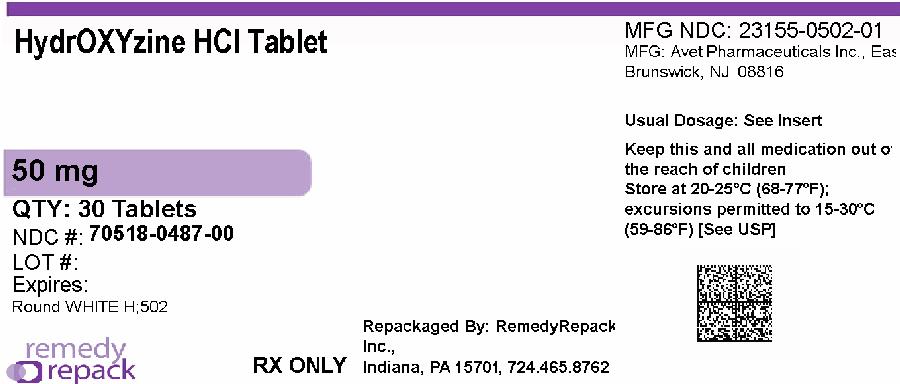
(hydroxy · DailyMed)
Acretin cream 0.025%
Butylated Hydroxy Toluene 1.00 mg/g,Isopropyl Myristate 100.00 mg/g,Polyoxyl 40 Stearate 50.00 mg/g,Purified Water 621.75 mg/g,Sorbic Acid 2.00 mg/g,Stearic Acid 190.00 mg/g,Stearyl Alcohol 30.00 mg/g,Tretinoin 0.025 %w/w,Xanthan gum 5.00 mg/g
What it does
Alcohol is a substance that can affect your mood and behavior. It is important to use it carefully, especially if you are taking other medications.
Commonly used for: social enjoyment, anxiety relief, temporary relaxation
Read more in plain English ↓Plain-language summary for general understanding - not medical advice. Always follow your pharmacist/doctor.
Ask about this medicine
Answers come only from this medicine's registration record, BNF monograph and interaction data - not medical advice.
Medicine sourcing is available in Kenya only. We don't sell or dispense medicines - licensed pharmacies do.
Sourcing - Kenya onlyRegistration & product details
Source: Tanzania Medicines and Medical Devices Authority · fetched 2026-03-11 23:36:38 · updated 2026-09-24 03:00:46
Drug Interactions
10Pharmacodynamic Warnings
Alcohol appears in TABLE 1: Drugs that cause hepatotoxicity
Tretinoin appears in TABLE 5: Drugs that cause thromboembolism
Alcohol appears in TABLE 8: Drugs that cause hypotension
Alcohol appears in TABLE 11: Drugs with CNS depressant effects
Severe (1)
Vitamin - increases risk of vitamin a toxicity
TretinoinispredictedtoincreasetheriskofvitaminAtoxicity whengivenwithvitaminA.Avoid.rStudy Ribavirin e
Moderate (1)
Tretinoin - increases risk of tretinoin toxicity
Posaconazole is predicted to increase the risk of tretinoin toxicity when given with retinoids (tretinoin). Monitor and adjust dose.
Unknown (8)
Acitretin - increases concentration
Alcohol potentially increases the concentration of retinoids (acitretin). Avoid and for 2 months after stopping acitretin.
Antiepileptics - increases risk of visual disturbances
Alcohol potentially increases the risk of visual disturbances when given with antiepileptics (retigabine).
Methylphenidate - increases concentration
Alcoholmightincreasetheconcentrationofmethylphenidate. Avoid.oStudy
Retigabine - increases risk of visual disturbances
Alcohol potentially increases the risk of visual disturbances when given with antiepileptics (retigabine).
Retinoids - increases concentration
Alcohol potentially increases the concentration of retinoids (acitretin). Avoid and for 2 months after stopping acitretin.
Topical Pimecrolimus - increases risk of facial flushing and skin irritation
Alcohol increases the risk of facial flushing and skin irritation when given with topical pimecrolimus.
Topical Tacrolimus - increases risk of facial flushing and skin irritation
Alcohol increases the risk of facial flushing and skin irritation when given with topical tacrolimus.
Vasopressin - decreases antidiuretic effect
Alcoholmightdecreasetheantidiureticeffectofvasopressin. oTheoretical Aldesleukin →seeTABLE15p.1520(myelosuppression) Alectinib →seeTABLE6p.1518(bradycardia),TABLE1p.1517 (hepatotoxicity) com/codemedic
Data from BNF 85 (British National Formulary). This is not a substitute for professional medical advice. Matched via: exact
About alcohol
Alcohol is a substance that can affect your mood and behavior. It is important to use it carefully, especially if you are taking other medications.
What it treats
- social enjoyment
- anxiety relief
- temporary relaxation
How it works
Alcohol affects the brain and central nervous system, leading to changes in mood and behavior.
Who it's for
Adults who consume alcohol in moderation for social or relaxation purposes.
Cautions
- • Be cautious if taking medications that can harm the liver.
- • Use with care if you have low blood pressure.
- • Avoid combining with medications that can cause drowsiness.
AI-assisted summary grounded in BNF data - general information only, not medical advice. Always confirm with your pharmacist or doctor.
About butylated
Butylated is a chemical used to prevent food and products from spoiling by stopping fats and oils from going bad.
What it treats
- preservative in food products
- stabilizer in cosmetics
How it works
It works by slowing down the process of oxidation, which can cause spoilage and rancidity in fats and oils.
Who it's for
It is generally used in food manufacturing and cosmetic industries.
AI-assisted summary grounded in BNF data - general information only, not medical advice. Always confirm with your pharmacist or doctor.
About gum
Gum is a chewable product often used for freshening breath and promoting oral health.
What it treats
- breath freshening
- oral health improvement
How it works
Chewing gum stimulates saliva production, which helps clean the mouth and reduce cavities.
Who it's for
Anyone who wants to improve their breath or maintain oral hygiene.
AI-assisted summary grounded in BNF data - general information only, not medical advice. Always confirm with your pharmacist or doctor.
About hydroxy
Hydroxy is a medication used to treat various health conditions. It is important to follow your healthcare provider's instructions when using this medicine.
What it treats
- autoimmune diseases (such as rheumatoid arthritis)
- malaria prevention and treatment
- certain skin conditions (like lupus)
How it works
Hydroxy helps to reduce inflammation and the activity of the immune system.
Who it's for
This medicine is for people with specific autoimmune disorders, those at risk of malaria, or those with certain skin issues.
AI-assisted summary grounded in BNF data - general information only, not medical advice. Always confirm with your pharmacist or doctor.
About isopropyl
Isopropyl is commonly used in various topical applications for its antiseptic properties.
What it treats
- skin disinfectant
- cleaning agent
- antiseptic for minor cuts and scrapes
How it works
Isopropyl works by killing bacteria and preventing infection when applied to the skin.
Who it's for
It is suitable for anyone needing a disinfectant for minor skin issues.
AI-assisted summary grounded in BNF data - general information only, not medical advice. Always confirm with your pharmacist or doctor.
About myristate
Myristate is a compound often used in various formulations for its beneficial properties.
What it treats
- skin conditions
- moisturizing products
How it works
Myristate helps to keep the skin hydrated and can support the skin's barrier function.
Who it's for
Myristate is suitable for people looking to improve skin moisture and treat dry skin.
AI-assisted summary grounded in BNF data - general information only, not medical advice. Always confirm with your pharmacist or doctor.
About polyoxyl
Polyoxyl is a substance used in various medical applications, often as a surfactant or emulsifier.
What it treats
- skin conditions
- wound care
- certain formulations in medicine
How it works
Polyoxyl helps to stabilize mixtures and improve the delivery of other ingredients in treatments.
Who it's for
Adults and children, depending on the specific formulation and application.
AI-assisted summary grounded in BNF data - general information only, not medical advice. Always confirm with your pharmacist or doctor.
About purified
Purified ingredients are often used in various medicines to ensure safety and effectiveness by removing impurities.
What it treats
- various medical conditions
How it works
Purified ingredients help in delivering the intended effects of the medicine without the risk of contaminants.
Who it's for
People who need medications with safe and effective ingredients.
AI-assisted summary grounded in BNF data - general information only, not medical advice. Always confirm with your pharmacist or doctor.
About sorbic
Sorbic is often used as a preservative in food products to prevent spoilage from mold and yeast.
What it treats
- preservative in food products
- prevention of mold growth
- prevention of yeast growth
How it works
Sorbic works by inhibiting the growth of certain fungi and bacteria, helping to keep products fresh for longer.
Who it's for
Sorbic is suitable for food manufacturers looking to extend the shelf life of their products.
AI-assisted summary grounded in BNF data - general information only, not medical advice. Always confirm with your pharmacist or doctor.
About stearic
Stearic acid is a fatty acid used in various formulations, primarily as a thickening agent or emulsifier.
What it treats
- used in skincare products
- used in dietary supplements
How it works
Stearic acid helps to stabilize and thicken products, making them easier to apply and enhancing their texture.
Who it's for
It is suitable for individuals looking for thickening agents in lotions, creams, and supplements.
AI-assisted summary grounded in BNF data - general information only, not medical advice. Always confirm with your pharmacist or doctor.
About stearyl
Stearyl is a compound used in various formulations for its properties.
What it treats
- skin conditions
- moisturizing products
How it works
Stearyl helps to soften and smooth the skin, making it effective in moisturizing and protecting the skin barrier.
Who it's for
This ingredient is suitable for individuals looking for skin care solutions.
AI-assisted summary grounded in BNF data - general information only, not medical advice. Always confirm with your pharmacist or doctor.
About toluene
Toluene is a chemical commonly used as a solvent in various industrial applications. It is not typically used as a medication.
How it works
Toluene works by dissolving substances, making it useful in manufacturing and cleaning processes.
Who it's for
Toluene is primarily used by industries; it is not intended for personal use or treatment of medical conditions.
AI-assisted summary grounded in BNF data - general information only, not medical advice. Always confirm with your pharmacist or doctor.
About tretinoin
Tretinoin is a medication used to treat acne and certain skin conditions by promoting skin cell turnover.
What it treats
- acne
- acne vulgaris
- sun-damaged skin
- certain types of skin cancer
How it works
Tretinoin helps to unclog pores and reduce the formation of acne by speeding up the growth of new skin cells.
Who it's for
This medication is suitable for individuals suffering from acne or specific skin issues.
Cautions
- • Be cautious if taking other medications that may cause blood clots.
AI-assisted summary grounded in BNF data - general information only, not medical advice. Always confirm with your pharmacist or doctor.
About xanthan
Xanthan is a natural thickening agent used in food and other products.
What it treats
- thickening agent in food
- stabilizer in cosmetics
- binding agent in pharmaceuticals
How it works
Xanthan helps to improve the texture and consistency of products by thickening them.
Who it's for
Suitable for most people, including those with certain dietary restrictions.
AI-assisted summary grounded in BNF data - general information only, not medical advice. Always confirm with your pharmacist or doctor.
Clinical monograph: Alcohol
BNF-referencedAlcohol is a volatile, flammable liquid used primarily as an antiseptic for skin disinfection and preparation before injections. It is commonly employed in medical settings to cleanse the skin and reduce the risk of infection.
Indications
- Skin disinfection
- Preparation of skin before injections
- Cleansing minor wounds
Dosage
Children: Apply to the skin as required; consult product literature for specific guidance.
Adults: Apply to the skin as required for disinfection.
Mechanism of action
Alcohol exerts its antiseptic effect by denaturing proteins, disrupting cell membranes, and dehydrating microbial cells, leading to cell lysis and death.
Pharmacodynamics
Alcohol has broad-spectrum antimicrobial activity, effective against bacteria, fungi, and viruses. Its efficacy is influenced by concentration, with higher concentrations generally being more effective.
Pharmacokinetics
Alcohol is rapidly absorbed through the skin and mucous membranes. It is metabolized primarily in the liver, with a half-life that varies based on the individual's metabolic rate and the amount consumed.
Contra-indications
- Concomitant use with lithium
- Regular use in neonates
- Patients with severe burns when diathermy has been preceded by application of alcoholic skin disinfectants
Adverse effects
- Eye erythema
- Punctate keratitis
- Cytotoxicity
- Eye discolouration
Interactions
- Increases risk of visual disturbances with antiepileptics
- Increases concentration with methylphenidate
- Increases risk of facial flushing and skin irritation with topical pimecrolimus
- Increases concentration with retinoids
- Increases concentration with acitretin
- Increases risk of facial flushing and skin irritation with topical tacrolimus
- Decreases antidiuretic effect with vasopressin
Precautions
- Avoid regular application to inflamed or broken skin or mucosa
- Avoid broken skin
- Flammable
Pregnancy
Sufficient iodine may be absorbed to affect the fetal thyroid in the second and third trimester.
Breast-feeding
Avoid regular or excessive use.
Storage
Store in a cool, dry place away from heat and direct sunlight.
Formulations
- Betadine 2.5% dry powder spray
- Industrial methylated spirit
- Povidone-Iodine 25 mg per 1 gram
AI-synthesized from BNF references - general information only, not a substitute for professional medical advice or the current BNF. Verify doses with a pharmacist.
Clinical monograph: Tretinoin
BNF-referencedTretinoin, also known as all-trans retinoic acid, is a derivative of vitamin A used primarily in the treatment of skin conditions such as acne vulgaris and in the management of acute promyelocytic leukemia (APL). It functions by promoting cell turnover and differentiation, which aids in normalizing the growth and differentiation of skin cells and leukemic cells. Its applications extend to dermatological and oncological uses due to its cytotoxic properties against certain malignancies.
Indications
- Acne vulgaris
- Acute promyelocytic leukemia (APL)
- Cytotoxic responsive malignancies
Dosage
Children: For children, consult local protocols or BNF for Children for specific dosing regimens.
Adults: For acute promyelocytic leukemia, the recommended dose is 45 mg/m2 daily in two divided doses for a maximum duration of 90 days.
Mechanism of action
Tretinoin exerts its pharmacological effects by binding to and activating retinoic acid receptors (RARs) and retinoid X receptors (RXRs) in the nucleus. This binding induces transcriptional regulation of genes involved in cell differentiation and proliferation. In skin conditions, it enhances keratinocyte turnover and reduces inflammation, while in APL, it promotes differentiation of leukemic cells.
Pharmacodynamics
Tretinoin promotes cell production, proliferation, and differentiation, primarily affecting epidermal cells. Topically, it regulates epidermal turnover and collagen synthesis, thereby preventing collagen degradation and enhancing skin appearance. It also exhibits antineoplastic effects by inducing cytodifferentiation in tumor cells, particularly in APL, leading to decreased proliferation of leukemic cells.
Pharmacokinetics
Tretinoin is well absorbed after oral administration, with peak plasma concentrations occurring within 1-2 hours. It is extensively metabolized in the liver, primarily through oxidation and conjugation, yielding several active and inactive metabolites. The elimination half-life ranges from 0.5 to 2 hours, and its metabolites are excreted in urine. The pharmacokinetics may be affected by liver function, necessitating caution in hepatic impairment.
Contra-indications
- Pregnancy
- Breastfeeding
- Hypersensitivity to tretinoin
- History of depression or severe neuropsychiatric reactions
Adverse effects
- Headache
- Dizziness
- Nausea
- Vomiting
- Abdominal pain
- Dry skin
- Erythema
- Chills
- Insomnia
- Intracranial hypertension
- Visual impairment
- Emotional lability
- Increased risk of thromboembolism
- Hypercalcemia
- Tinnitus
- Skin reactions
Interactions
- Tretinoin and vitamin A: Severe (increases risk of vitamin A toxicity)
- Tretinoin and posaconazole: Moderate (increases risk of tretinoin toxicity)
Precautions
- Caution in hepatic impairment
- Monitor haematological and coagulation profile, liver function, serum calcium, and plasma lipids before and during treatment
- Risk of neuropsychiatric reactions; advise patients to seek medical attention for mood changes
Pregnancy
Tretinoin is teratogenic; avoid use during pregnancy.
Breast-feeding
Avoid; discontinue breastfeeding during treatment.
Storage
Store in a cool, dry place away from direct sunlight.
Formulations
- Capsules (75 mg)
- Solution for injection
- Topical formulations (cream or gel)
AI-synthesized from BNF references - general information only, not a substitute for professional medical advice or the current BNF. Verify doses with a pharmacist.
Clinical monograph: butylated
Butylated compounds, particularly butylated hydroxyanisole (BHA) and butylated hydroxytoluene (BHT), are synthetic antioxidants widely used in food preservation and cosmetics. They prevent the oxidative degradation of fats and oils, thereby extending the shelf life of products. While they are generally regarded as safe at low concentrations, concerns have been raised regarding their long-term effects and potential carcinogenicity.
Dosage
Children: Refer to specific formulations and usages, as dosing can vary widely depending on the application and regulatory guidelines.
Adults: Refer to specific formulations and usages, as dosing can vary widely depending on the application and regulatory guidelines.
Mechanism of action
Butylated hydroxyanisole (BHA) and butylated hydroxytoluene (BHT) act as antioxidants by inhibiting the oxidation of lipids. They scavenge free radicals and donate hydrogen atoms to reactive species, thus stabilizing and preventing oxidative damage to cellular components. This action helps to protect the integrity of cell membranes and prevent the formation of harmful peroxides.
Pharmacodynamics
The pharmacodynamic properties of butylated compounds are primarily related to their antioxidant activity. They exhibit a dose-dependent ability to inhibit lipid peroxidation, which is crucial in protecting cells from oxidative stress. Furthermore, they may modulate certain biochemical pathways involved in cell signaling and apoptosis, although these effects are less well-characterized.
Pharmacokinetics
Butylated compounds are absorbed from the gastrointestinal tract following oral ingestion. They undergo metabolic processing primarily in the liver, where they are conjugated and excreted in urine. The half-life of butylated compounds in humans is variable, influenced by factors such as dosage and individual metabolism. Accumulation in tissues is generally low, but prolonged exposure may lead to higher tissue concentrations.
Adverse effects
- Gastrointestinal disturbances
- Allergic reactions
- Potential carcinogenic effects with prolonged exposure
Precautions
- Use with caution in patients with a history of hypersensitivity to butylated compounds
- Avoid prolonged exposure due to potential toxicity
Pregnancy
Limited data available, use only if the benefits outweigh the risks.
Breast-feeding
Unknown, exercise caution and consult a healthcare provider.
Storage
Store in a cool, dry place away from light.
Formulations
- Butylated hydroxytoluene (BHT)
- Butylated hydroxyanisole (BHA)
AI-synthesized from BNF references - general information only, not a substitute for professional medical advice or the current BNF. Verify doses with a pharmacist.
Clinical monograph: hydroxy
BNF-referencedHydroxyzine is an antihistamine of the first generation, primarily used for its sedative and anxiolytic properties. It is effective in treating anxiety, nausea, and allergic conditions. Hydroxyzine also possesses anticholinergic properties, which contribute to its sedative effects. It is commonly used in both adult and pediatric populations for various indications, including preoperative sedation and management of pruritus.
Indications
- Anxiety disorders
- Nausea and vomiting
- Allergic conditions
- Preoperative sedation
- Pruritus
Dosage
Children: Refer to the BNF for Children for appropriate dosing recommendations based on age and weight.
Adults: Refer to the BNF for specific dosing guidelines based on the indication and patient characteristics.
Mechanism of action
Hydroxyzine works by antagonizing the H1 histamine receptors, leading to a reduction in the effects of histamine in the body. This action helps alleviate symptoms of allergic reactions and promotes sedation. Additionally, it may exert effects on serotonin and adrenergic receptors, which could contribute to its anxiolytic properties. Hydroxyzine is also involved in various metabolic pathways, including selenium metabolism and the degradation of reactive oxygen species.
Pharmacodynamics
The pharmacodynamic effects of hydroxyzine include sedation, anxiolysis, and reduction of allergic symptoms. Its sedative effects can make it useful in managing anxiety and inducing sleep, while its antihistaminic properties help to relieve symptoms such as itching and rashes associated with allergic reactions. The onset of action is typically within 15 to 30 minutes when taken orally, with peak effects occurring within 1 to 2 hours.
Pharmacokinetics
Hydroxyzine is well absorbed from the gastrointestinal tract, with peak plasma concentrations occurring approximately 2 hours after oral administration. It is extensively metabolized in the liver, with metabolites, including cetirizine, possessing their own therapeutic effects. Hydroxyzine has a half-life of approximately 20 hours, allowing for once or twice daily dosing. It is primarily excreted in the urine, with less than 1% of the unchanged drug found in urine.
Interactions
- hydroxyzine+antiepileptics: Severe (increases risk of overheating and dehydration)
- hydroxyzine+zonisamide: Severe (increases risk of overheating and dehydration)
- hydroxychloroquine+penicillamine: Severe (increases risk of haematological toxicity)
- hydroxychloroquine+agalsidase alfa: Unknown (decreases effects)
- hydroxychloroquine+agalsidase beta: Unknown (decreases exposure)
- hydroxychloroquine+oral cholera vaccine: Unknown (decreases efficacy)
- live vaccines+hydroxy carbamide: Unknown (increases risk of generalised infection (possibly life-threatening))
- lanthanum+hydroxychloroquine: Unknown (decreases absorption)
- macrolides+hydroxychloroquine: Unknown (increases risk of serious cardiovascular adverse effects)
- hydroxychloroquine+remdesivir: Unknown (decreases effects)
Pregnancy
Safety in pregnancy has not been established. Use only if the potential benefit justifies the potential risk to the fetus.
Breast-feeding
Use with caution. Hydroxychloroquine is excreted in breast milk, and effects on the infant are unknown.
Storage
Store in a cool, dry place, protected from light. Keep out of reach of children.
Formulations
- Tablets
- Oral solution
AI-synthesized from BNF references - general information only, not a substitute for professional medical advice or the current BNF. Verify doses with a pharmacist.
Clinical monograph: isopropyl
BNF-referencedIsopropyl alcohol, also known as isopropanol or 2-propanol, is a colorless, flammable chemical compound with the molecular formula C3H8O. It is commonly used as a solvent, antiseptic, and disinfectant. Isopropyl alcohol has broad applications in medical, industrial, and household settings due to its effective antimicrobial properties and ability to dissolve a wide range of non-polar compounds.
Indications
- Antiseptic for skin disinfection
- Solvent in pharmaceutical formulations
- Cleaning agent in laboratories and healthcare settings
Dosage
Children: For pediatric use, consult specific guidelines in the BNF for Children, as dosing may vary based on age, weight, and clinical circumstances.
Adults: For skin antisepsis, apply isopropyl alcohol topically in a concentration of 70% to the affected area. Dosage may vary based on clinical indication and setting.
Mechanism of action
Isopropyl alcohol works primarily as an antiseptic by denaturing proteins and disrupting cell membranes of bacteria, viruses, and fungi, leading to cell lysis and death. Its efficacy is enhanced by the presence of water, which facilitates the penetration of the alcohol into microbial cells.
Pharmacodynamics
Isopropyl alcohol exhibits a rapid onset of action against a variety of pathogens, including gram-positive and gram-negative bacteria, fungi, and some viruses. Its antimicrobial activity is concentration-dependent, with higher concentrations generally providing a broader spectrum of activity. It is commonly used in concentrations ranging from 60% to 90%, with 70% being optimal for disinfection due to its ability to penetrate the cell wall effectively.
Pharmacokinetics
Isopropyl alcohol is readily absorbed through the skin and mucous membranes. After absorption, it is metabolized primarily in the liver to acetone, which is then further metabolized and excreted, mostly via urine. The elimination half-life of isopropyl alcohol varies but is typically around 2 to 3 hours. Its effects can be influenced by factors such as dosage, route of exposure, and individual metabolic differences.
Pregnancy
Isopropyl alcohol should be used with caution during pregnancy. It is a category C drug, indicating that risk cannot be ruled out.
Breast-feeding
Caution is advised when using isopropyl alcohol during breastfeeding, as it is not known if it is excreted in human milk.
Storage
Isopropyl alcohol should be stored at room temperature, away from heat and flame. Keep the container tightly closed and in a well-ventilated area.
Formulations
- Isopropyl alcohol 70% solution
- Isopropyl alcohol 99% solution
AI-synthesized from BNF references - general information only, not a substitute for professional medical advice or the current BNF. Verify doses with a pharmacist.
Clinical monograph: myristate
BNF-referencedMyristate is a fatty acid ester derived from myristic acid. It is commonly used in various formulations, including topical preparations and as a lubricant in pharmaceutical products. Myristate may also be involved in metabolic pathways and has applications in the food industry as well.
Indications
- Topical emollient for dry skin
- Ingredient in cosmetic formulations
- Lubricant in pharmaceutical preparations
Dosage
Children: Refer to the BNF for Children for specific pediatric dosing recommendations, as dosing may vary based on age and condition.
Adults: For topical use, myristate is typically applied as needed to the affected area. Specific dosages may vary based on the formulation and clinical condition. Refer to the specific product guidelines for detailed dosing information.
Mechanism of action
Myristate acts primarily as an emollient, providing lubrication and moisture to the skin. It can also function as a surfactant, aiding in the solubilization of other ingredients in formulations. Its role as an ester of myristic acid allows it to penetrate lipid membranes, potentially impacting cellular metabolism in certain contexts.
Pharmacodynamics
The pharmacodynamics of myristate involve its capacity to interact with cell membranes, enhancing permeability and facilitating the absorption of compounds. It exhibits emollient properties that help in maintaining skin barrier integrity and hydration. Its action as a surfactant can also enhance the efficacy of other active ingredients in formulations.
Pharmacokinetics
The pharmacokinetics of myristate, when used topically, are characterized by minimal systemic absorption. It is primarily localized at the site of application, where it exerts its effects. In terms of metabolism, myristate can be broken down into myristic acid and subsequently undergoes beta-oxidation within the body, contributing to energy metabolism.
AI-synthesized from BNF references - general information only, not a substitute for professional medical advice or the current BNF. Verify doses with a pharmacist.
Clinical monograph: polyoxyl
Polyoxyl, also known as polyethylene glycol (PEG), is a hydrophilic polymer widely used as a laxative and in various pharmaceutical formulations as an excipient. It functions primarily as an osmotic agent, drawing water into the intestines to facilitate bowel movements. Polyoxyl is non-toxic, non-absorbable, and is utilized in both adult and pediatric populations for the treatment of constipation and bowel preparation prior to medical procedures.
Indications
- Constipation
- Bowel preparation before colonoscopy or surgery
Dosage
Children: Refer to specific product guidelines for dosing instructions.
Adults: Refer to specific product guidelines for dosing instructions.
Mechanism of action
Polyoxyl works by retaining water in the stool, increasing its bulk and consistency. This osmotic effect stimulates bowel movements by softening the stool and promoting peristalsis. The water-retaining properties are attributed to its high molecular weight and hydrophilicity, which allow it to attract and hold water within the gastrointestinal tract.
Pharmacodynamics
The pharmacodynamic profile of polyoxyl includes its ability to enhance stool water content, thereby improving fecal passage through the intestines. This results in increased stool frequency and decreased transit time. Polyoxyl does not significantly affect electrolyte balance, making it a safe option for chronic constipation management.
Pharmacokinetics
Polyoxyl is not absorbed systemically; it remains in the gastrointestinal tract where it exerts its effects. The onset of action can vary but typically occurs within 24 to 72 hours after administration. The elimination of polyoxyl occurs through fecal excretion, with no significant metabolism or renal clearance involved.
Adverse effects
- Nausea
- Vomiting
- Diarrhea
- Abdominal cramps
- Allergic reactions
Precautions
- Use with caution in patients with gastrointestinal disorders.
- Monitor for allergic reactions in patients with a history of hypersensitivity.
Pregnancy
Polyoxyl is generally regarded as safe for use during pregnancy, but specific clinical guidance should be consulted.
Breast-feeding
Polyoxyl is considered safe during breastfeeding, though maternal factors should be assessed.
Storage
Store at room temperature, away from moisture and heat. Keep out of reach of children.
Formulations
- Oral solution
- Tablet
- Topical cream
AI-synthesized from BNF references - general information only, not a substitute for professional medical advice or the current BNF. Verify doses with a pharmacist.
Clinical monograph: purified
Purified refers to a substance that has been processed to remove impurities, contaminants, or unwanted substances, resulting in a more concentrated and effective form of the original compound. In pharmacology, purified compounds are often used to enhance therapeutic efficacy and reduce adverse effects. The purification process can apply to a variety of substances, including drugs, biological products, and chemical compounds.
Dosage
Children: Refer to specific drug formulations and product labels as purified substances can vary widely in their use and dosing.
Adults: Refer to specific drug formulations and product labels as purified substances can vary widely in their use and dosing.
Mechanism of action
The mechanism of action for purified compounds varies widely depending on the specific substance. Generally, purified drugs exert their effects by interacting with specific biological targets, such as receptors, enzymes, or ion channels, leading to a desired therapeutic effect. This interaction can involve binding to receptors to activate or inhibit signaling pathways, modulating enzymatic activity, or altering physiological processes.
Pharmacodynamics
Pharmacodynamics describes the effects of a drug on the body and the relationship between drug concentration and effect. For purified drugs, this can involve dose-response relationships and the time course of their action. The purified form often enhances potency and reduces variability in response among patients, which can lead to more predictable therapeutic outcomes. The overall effect is determined by the drug's affinity for its target, the efficacy of the drug-receptor interaction, and the downstream signaling pathways activated as a result of this interaction.
Pharmacokinetics
Pharmacokinetics involves the absorption, distribution, metabolism, and excretion (ADME) of a drug. For purified substances, absorption can be more efficient due to the absence of impurities that may affect solubility or stability. Distribution may also be enhanced, leading to higher bioavailability. Metabolism can be influenced by the structure of the purified compound, as it may be metabolized more readily by liver enzymes. Excretion typically occurs through the kidneys or liver, depending on the molecular characteristics of the purified drug.
Pregnancy
Consult with a healthcare professional, as the safety of purified forms of medications during pregnancy may vary depending on the specific substance.
Breast-feeding
Consult with a healthcare professional, as the safety of purified forms of medications during breastfeeding may vary depending on the specific substance.
Storage
Store in a cool, dry place, away from light and moisture, and keep out of reach of children.
AI-synthesized from BNF references - general information only, not a substitute for professional medical advice or the current BNF. Verify doses with a pharmacist.
Clinical monograph: sorbic
Sorbic acid, commonly known as sorbic, is a compound primarily used as a preservative in food and cosmetic products due to its ability to inhibit the growth of molds, yeast, and some bacteria. It is a naturally occurring compound found in various berries and has been widely adopted in the food industry for its efficacy in extending shelf life. Sorbic acid is generally recognized as safe (GRAS) when used within recommended limits.
Indications
- Food preservation
- Cosmetic preservation
- Pharmaceutical preservation
Dosage
Children: Refer to applicable regulations and guidelines for specific usage limits, typically not exceeding 0.1% to 0.3% in food products.
Adults: Refer to applicable regulations and guidelines for specific usage limits, typically not exceeding 0.1% to 0.3% in food products.
Mechanism of action
Sorbic acid exerts its antimicrobial effects by inhibiting the enzyme activity required for yeast and mold growth. It disrupts the metabolic pathways of these microorganisms, preventing their reproduction and leading to cell death. The undissociated form of sorbic acid penetrates the microbial cell membrane, where it lowers the intracellular pH, thus inhibiting vital cellular processes.
Pharmacodynamics
Sorbic acid is effective against a wide range of fungi and some bacteria. Its antimicrobial activity is pH-dependent, exhibiting greater efficacy at lower pH levels. The compound is particularly effective in acidic environments, making it suitable for use in acidic food products. The inhibitory concentration varies depending on the type of microorganism, with molds generally being more susceptible than bacteria.
Pharmacokinetics
Sorbic acid is poorly absorbed in the gastrointestinal tract when ingested, leading to minimal systemic exposure. It is primarily excreted unchanged in the urine. The half-life of sorbic acid in the body is short, which correlates with its rapid elimination. The compound does not accumulate in tissues, making it safe for short-term consumption at low doses.
Adverse effects
- Allergic reactions
- Skin irritation
- Gastrointestinal disturbances
Precautions
- Use with caution in patients with known allergies to sorbates
- Should be used in moderation to avoid potential gastrointestinal upset
Pregnancy
Safety during pregnancy has not been established; consult a healthcare provider before use.
Breast-feeding
Consult a healthcare provider before use while breastfeeding.
Storage
Store in a cool, dry place, away from direct sunlight. Keep out of reach of children.
Formulations
- Sorbic acid
- Potassium sorbate
AI-synthesized from BNF references - general information only, not a substitute for professional medical advice or the current BNF. Verify doses with a pharmacist.
Clinical monograph: stearic
Stearic acid is a saturated fatty acid that is commonly found in various animal and plant fats. It is a long-chain fatty acid with an 18-carbon chain and is often used in the production of soaps, cosmetics, and food products. In the human body, stearic acid can be metabolized to produce energy and is involved in various lipid metabolic processes.
Dosage
Children: Refer to established dietary guidelines for children, as specific dosing for stearic acid is not typically defined.
Adults: Refer to established dietary guidelines and clinical recommendations for fatty acid intake, as specific dosing for stearic acid is not typically defined.
Mechanism of action
Stearic acid is metabolized in the liver and can be converted to oleic acid through a process called desaturation. It does not significantly affect cholesterol levels compared to other saturated fatty acids, as it can be converted into monounsaturated fatty acids. Stearic acid may also modulate signaling pathways involved in inflammation and metabolism.
Pharmacodynamics
Stearic acid exhibits various physiological effects, including modulation of lipid metabolism. It has been shown to influence the composition of cell membranes and can affect the fluidity and function of membranes due to its saturated structure. Stearic acid may also play a role in the regulation of gene expression related to lipid metabolism and inflammation.
Pharmacokinetics
Stearic acid is absorbed from the gastrointestinal tract and is incorporated into chylomicrons for transport in the bloodstream. It is metabolized primarily in the liver, where it undergoes beta-oxidation to produce energy. The elimination half-life and specific metabolic pathways may vary based on dietary intake and individual metabolic differences.
Pregnancy
There are no established guidelines regarding the use of stearic acid during pregnancy. Consultation with a healthcare provider is recommended.
Breast-feeding
There is limited information available on the use of stearic acid during breastfeeding. Caution is advised.
Storage
Store in a cool, dry place away from direct sunlight. Keep container tightly closed.
Formulations
- Capsules
- Tablets
- Powder
- Topical ointments
AI-synthesized from BNF references - general information only, not a substitute for professional medical advice or the current BNF. Verify doses with a pharmacist.
Clinical monograph: stearyl
Stearyl, also known as stearyl alcohol, is a long-chain saturated fatty alcohol commonly used in various cosmetic and pharmaceutical formulations. It serves as an emollient, emulsifier, and thickening agent, contributing to the stability and texture of products. Stearyl alcohol is typically derived from natural sources such as palm oil or coconut oil, and it is recognized for its skin-conditioning properties.
Indications
- Dry skin conditions
- Cosmetic formulations
- Emollient in topical creams and lotions
- Emulsifying agent in pharmaceutical preparations
Dosage
Children: For pediatric use, refer to specific product formulations and guidelines, as dosing may vary based on the formulation and concentration.
Adults: Stearyl alcohol is used topically in various formulations. Specific dosing is typically determined by the formulation and intended use, refer to product guidelines for detailed instructions.
Mechanism of action
Stearyl alcohol functions primarily as an emollient and emulsifier. It aids in the formation of stable emulsions by reducing the surface tension between oil and water phases, allowing for the creation of creams and lotions. Its hydrophobic tail interacts with lipids, while the hydroxyl group can form hydrogen bonds with water, enhancing moisture retention in the skin.
Pharmacodynamics
Stearyl alcohol acts by providing a protective barrier on the skin, reducing transepidermal water loss and enhancing hydration. Its emollient properties make it effective in softening and smoothing the skin, which can alleviate dryness and improve the overall appearance of the skin. Additionally, it can enhance the delivery of other active ingredients in topical formulations.
Pharmacokinetics
Stearyl alcohol is not significantly absorbed systemically when applied topically. Its primary action is local to the site of application, where it exerts its emollient effects. The compound is metabolized in the body to various fatty acids and alcohols, and it is excreted primarily through the skin and gastrointestinal tract, with minimal systemic exposure.
Pregnancy
Stearyl is generally considered safe for use during pregnancy; however, specific formulations should be evaluated for their ingredients.
Breast-feeding
Stearyl can be used while breastfeeding, but it's recommended to consult a healthcare provider for specific concerns regarding topical applications.
Storage
Store in a cool, dry place away from direct sunlight. Keep out of reach of children.
Formulations
- Cream
- Ointment
- Lotion
AI-synthesized from BNF references - general information only, not a substitute for professional medical advice or the current BNF. Verify doses with a pharmacist.
Clinical monograph: toluene
BNF-referencedToluene is an aromatic hydrocarbon commonly used as an industrial solvent and in the production of various chemicals. It is known for its psychoactive properties when inhaled, leading to its misuse as an inhalant. Toluene exposure can result in both reversible and irreversible effects on the central nervous system, particularly affecting dopaminergic pathways. Its molecular formula is C7H8.
Dosage
Children: There are no established therapeutic doses for toluene in pediatric populations due to its potential for abuse and toxicity. Exposure should be avoided.
Adults: There are no established therapeutic doses for toluene due to its potential for abuse and toxicity. Exposure should be minimized as per occupational safety guidelines.
Mechanism of action
Toluene primarily affects the dopaminergic mechanisms of the basal ganglia, leading to alterations in sensory-motor integration. At low concentrations, it reduces dopamine turnover in the anterior nucleus caudate, while at higher concentrations, it increases dopamine turnover in the cholecystokinin-dopamine terminals of the limbic system, contributing to its euphoric effects. Toluene also influences various neurotransmitter systems, including glutamate and GABA, and alters the activities of neurotransmitter synthesizing enzymes, which can indicate permanent loss of neuronal activity.
Pharmacodynamics
Toluene exhibits central nervous system depressant effects, which can lead to symptoms such as euphoria, dizziness, and cognitive impairment. Chronic exposure may result in neurotoxic effects, including potential damage to catecholaminergic neurons and changes in neurotransmitter levels. The drug's psychoactive effects are associated with its ability to modulate dopamine pathways, ultimately affecting mood, perception, and motor coordination.
Pharmacokinetics
Toluene is rapidly absorbed through inhalation and can distribute throughout the body, with a high affinity for fatty tissues. It undergoes metabolic degradation primarily in the liver, where it is converted into various metabolites. The elimination half-life of toluene varies depending on the route of exposure and the concentration, with significant excretion occurring through urine as metabolites, including hippuric acid.
Adverse effects
- CNS depression
- Dizziness
- Headaches
- Nausea
- Vomiting
- Respiratory irritation
- Cognitive impairment
- Potential for addiction and euphoric effects
Precautions
- Use with caution in individuals with pre-existing neurological disorders
- Avoid exposure in pregnant women due to potential risks to fetal development
- Monitor for signs of abuse in individuals with a history of substance misuse
Pregnancy
Toluene exposure during pregnancy may pose risks to fetal development, including potential teratogenic effects. Caution is advised.
Breast-feeding
Due to the potential for adverse effects, breastfeeding is not recommended during exposure to toluene.
Storage
Store in a cool, well-ventilated area away from sources of ignition. Keep container tightly closed.
Formulations
- Inhalation vapors
- Solvent formulations
AI-synthesized from BNF references - general information only, not a substitute for professional medical advice or the current BNF. Verify doses with a pharmacist.
Clinical monograph: xanthan
BNF-referencedXanthan is a polysaccharide that is produced by the fermentation of glucose or sucrose by the bacterium Xanthomonas campestris. It is commonly used as a thickening agent and stabilizer in food products, as well as in pharmaceuticals and cosmetics due to its ability to form gels and enhance viscosity. Xanthan is known for its pseudoplastic behavior, where its viscosity decreases under shear stress, making it useful in various formulations.
Indications
- Used as a thickening agent in food products
- Utilized in pharmaceutical formulations as a stabilizer
- Employed in cosmetics for texture improvement
- Applied in industrial products for its viscosity properties
Dosage
Children: Refer to specific product guidelines for appropriate use. Xanthan is used in formulations as a thickener or stabilizer, and dosage should be evaluated based on the specific product and formulation.
Adults: Refer to specific product guidelines for appropriate use. Xanthan is typically used in small quantities as a thickener or stabilizer in food and pharmaceutical products.
Mechanism of action
Xanthan functions primarily as a thickener and stabilizer. It acts by interacting with water molecules to form a gel-like consistency, which enhances the texture and stability of products. Its unique rheological properties allow it to maintain viscosity under varying conditions, which is beneficial in food and pharmaceutical applications.
Pharmacodynamics
Xanthan's action is primarily physical rather than pharmacological. It does not exert a direct therapeutic effect but influences the delivery and stability of active ingredients in formulations. The gel formation and viscosity changes help ensure the uniform distribution of substances in liquid formulations, which can improve the effectiveness of the drug delivery.
Pharmacokinetics
As xanthan is a polysaccharide, it is not absorbed in the gastrointestinal tract when ingested. It passes through the digestive system largely unchanged. In terms of metabolism, xanthan is broken down by colonic bacteria, resulting in short-chain fatty acids. Its pharmacokinetic profile indicates that it has a low bioavailability due to its large molecular size and structure.
Pregnancy
There is insufficient data on the use of xanthan during pregnancy. Consult a healthcare professional before use.
Breast-feeding
There is insufficient data on the excretion of xanthan in human milk. Consult a healthcare professional before use.
Storage
Store in a cool, dry place, away from direct sunlight.
Formulations
- Xanthan gum powder
AI-synthesized from BNF references - general information only, not a substitute for professional medical advice or the current BNF. Verify doses with a pharmacist.
Molecular reference: Alcohol
PubChem CID 702Molecular formula: C2H6O
Mechanism of action
Ethanol affects the brain’s neurons in several ways. It alters their membranes as well as their ion channels, enzymes, and receptors. Alcohol also binds directly to the receptors for acetylcholine, serotonin, GABA, and the NMDA receptors for glutamate. The sedative effects of ethanol are mediated through binding to GABA receptors and glycine receptors (alpha 1 and alpha 2 subunits). It also inhibits NMDA receptor functioning. In its role as an anti-infective, ethanol acts as an osmolyte or dehydrating agent that disrupts the osmotic balance across cell membranes. ... Ethanol is known to affect a large number of membrane proteins that participate in signaling pathways such as neurotransmitter receptors, enzymes, and ion channels, and there is extensive evidence that ethanol interacts with a variety of neurotransmitters. The major actions of ethanol involve enhancing the inhibitory effects of gamma-aminobutyric acid (GABA) at GABAa receptors and blockade of the N-methyl-D-aspartate (NMDA) subtype of glutamate, an excitatory amine acid (EAA) receptor. Animal studies indicate that the acute effects of ethanol result from competitive inhibition of glycine binding to NMDA receptor and disruption of glutamatergic neurotransmission by inhibiting the response of the NMDA receptor. Persistent glycine antagonism and attenuation of glutamatergic neurotransmission by chronic ethanol exposure results in tolerance to ethanol by enhancing EAA neurotransmission and NMDA receptor upregulation. The latter appears to involve selective increases in NMDA R2B subunit concentrations and other molecular changes in specific brain loci. The abrupt withdrawal of ethanol thus produces a hyperexcitable state that leads to the ethanol withdrawal syndrome and excitotoxic neuronal death. GABA-mediated inhibition, which normally acts to limit excitation, is eliminated during ethanol withdrawal syndrome and further intensifies this excitation. In addition, NMDA receptors function to inhibit the release of dopamine in the nucleus accumbens and mesolimbic structures, which modulate the reinforcing action of addictive xenobiotics such as ethanol. By inhibiting NMDA receptor activity, ethanol could increase dopamine release from the nucleus accumbens and ventral tegmental area and could thus create dependence. Chronic ethanol administration also results in tolerance, dependence, and an ethanol withdrawal syndrome, mediated, in part, by desensitization and or downregulation of GABAa receptors. The development of alcoholic ketoacidosis (AKA) requires that a combination of physical and physiologic events occur. The normal response to starvation and depletion of hepatic glycogen stores is for amino acids to be converted to pyruvate. Pyruvate can serve as a substrate for gluconeogenesis, be converted to acetyl-CoA, which can enter the Krebs cycle or can be utilized in various biosynthetic pathways (eg, fatty acid, ketone bodies, cholesterol, and acetylcholine) ... Ethanol metabolism generates NADH, resulting in an excess of reducing potential. This high redox state favors the conversion of pyruvate to lactate, diverting pyruvate from being a substrate for gluconeogenesis. To compensate for the lack of normal metabolic substrates, the body mobilizes fat from adipose tissue and increased fatty acid metabolism as an alternative source of energy. This response is mediated by a decrease in insulin and an increased secretion of glucagon, catecholamines, growth hormone, and cortisol. Fatty acid metabolism results in the formation of acetyl-CoA and it combines with the excess acetate that is generated from ethanol metabolism to form acetoacetate. Most of the acetoacetate is reduced to beta-hydroxybutyrate due to the excess reducing potential or high redox state of the cell. Volume depletion interferes with the renal elimination of acetoacetate and beta-hydroxybutyrate, and contributes to the acidosis. An elevated lactate concentration may result from shunting from pyruvate or
Pharmacodynamics
Alcohol produces injury to cells by dehydration and precipitation of the cytoplasm or protoplasm. This accounts for its bacteriocidal and antifungal action. When alcohol is injected in close proximity to nerve tissues, it produces neuritis and nerve degeneration (neurolysis). Ninety to 98% of ethanol that enters the body is completely oxidized. Ethanol is also used as a cosolvent to dissolve many insoluble drugs and to serve as a mild sedative in some medicinal formulations. Ethanol also binds to GABA, glycine, NMDA receptors and modulates their effects. Ethanol is also metabolised by the hepatic enzyme alcohol dehydrogenase.
Biological pathways
Source: PubChem (NCBI) · pathways from PathBank, Reactome, WikiPathways & PharmGKB.
Molecular reference: Tretinoin
PubChem CID 444795Molecular formula: C20H28O2
Mechanism of action
The exact mechanism of action of tretinoin in skin conditions and acute promyelocytic leukemia (APL) has not been fully elucidated; however, several proposed mechanisms exist. Tretinoin is believed to exert its pharmacological actions by binding to and activating two types of nuclear receptors - retinoic acid receptors (RARs) alpha, beta, and gamma and retinoid X receptors (RXRs). In the human skin, RARs (especially RAR-alpha) form heterodimers with RXR to act as inducible transcription regulators of genes involved in cell differentiation by binding to retinoic acid response elements. Tretinoin binds to RXRs to promote epidermal proliferation. It also blocks the actions of inflammatory mediators, enhancing procollagen production and collagen type I and III formations. Some animal and human studies suggest that tretinoin induces the expression of transforming growth factor beta (TGF-β), which stimulates the transcription of several types of collagen messenger RNA. Collagen formation curtails further solar UV-induced skin damage and aging processes. Acne is associated with abnormal follicular formation from excessive keratinization of epithelial cells. Tretinoin promotes cornified cell detachment and enhances keratinocyte shedding. It also stimulates mitotic activity and loosely-adherent corneocyte turnover to expel comedo contents, reducing microcomedo precursor lesions of acne vulgaris. Tretinoin may reduce epidermal melanin and pigmentation by increasing keratinocyte turnover and reducing tyrosinase activity. RAR-alpha and -beta have also been implicated in APL. APL is characterized by a t(15;17) chromosomal translocation, which fuses the promyelocytic myeloid leukemia (PML) gene with the RAR-alpha gene. The resulting PML-RAR-alpha fusion protein plays a role in the pathogenesis of APL by aberrating promyelocyte differentiation. The PML-RAR-alpha fusion protein is found to be predominant in leukemic cells, exerting a dominant negative effect on RAR, RXR and PML function. Tretinoin induces terminal differentiation in hemopoietic precursor cell lines and APL cells. Tretinoin is believed to promote caspase-mediated cleavage and proteasome-dependent degradation to cause apoptosis and degradation of the PML-RAR-alpha fusion protein. It may also convert the fusion protein from a transcription repressor to an activator. Although the precise mechanism(s) of action of tretinoin has not been fully elucidated, it is known that the drug is not a cytolytic agent. Tretinoin induces cellular differentiation and decreases the proliferation of acute promyelocytic leukemia (APL) cells. The PML/RAR-a fusion protein resulting from the chromosomal translocation appears to block myeloid differentiation at the promyelocyte stage, possibly by complexing and inactivating wild-type PML or by inhibiting the normal retinoic acid signaling pathway. In patients with APL who achieve a complete remission with tretinoin therapy, the drug causes an initial maturation of the primitive promyelocytes derived from the cellular leukemic clone followed by a repopulation of the bone marrow and peripheral blood by normal, polyclonal hematopoietic cells. Observations supporting cellular differentiation effects as a mechanism of tretinoin include the absence of bone marrow hypoplasia during induction, the appearance of immunophenotypically unique "intermediate cells" expressing both mature and immature cell surface antigens, and the presence of both Auer rods and the translocation in morphologically mature granulocytes until a late stage of induction. The mechanism by which the population of malignant cells is eliminated is not fully understood but appears to involve apoptosis (programmed cell death). Following induction therapy, the PML/RAR-a fusion protein can be detected in the majority of patients, suggesting that tretinoin alone does not eradicate the leukemic clone.
Pharmacodynamics
Tretinoin is a vitamin A derivative that promotes cell production, proliferation, and differentiation. When used topically, tretinoin regulates epidermal cell turnover and collagen production. It also prevents collagen loss, reduces inflammation, and blocks the induction of matrix metalloproteinase (MMP), which are enzymes that disrupt collagen and elastic fibres. In short-term and long-term studies, topical application of tretinoin at doses ranging from 0.001% to 0.1% was associated with improvements in clinical signs of photoaging and fine wrinkles, increased epidermal thickness, compaction of the stratum corneum, and decreased melanin content. It also improved melanocyte differentiation and distribution, promotion of epidermal hyperplasia, and angiogenesis. Tretinoin exhibits antineoplastic activities when given orally. Tretinoin was shown to induce differentiation in tumour cells. It induced cytodifferentiation and decreased acute promyelocytic leukemia (APL) cell proliferation in culture and _in vivo_. In patients with APL, tretinoin promoted the initial maturation of the primitive promyelocytes derived from the leukemic clone, followed by a repopulation of the bone marrow and peripheral blood by normal, polyclonal hematopoietic cells in patients achieving complete remission.
Biological pathways
Source: PubChem (NCBI) · pathways from PathBank, Reactome, WikiPathways & PharmGKB.
Molecular reference: hydroxy
PubChem CID 961Molecular formula: HO-
Biological pathways
Source: PubChem (NCBI) · pathways from PathBank, Reactome, WikiPathways & PharmGKB.
Molecular reference: isopropyl
PubChem CID 3776Molecular formula: C3H8O
Biological pathways
Source: PubChem (NCBI) · pathways from PathBank, Reactome, WikiPathways & PharmGKB.
Molecular reference: myristate
PubChem CID 4075158Molecular formula: C14H27O2-
Source: PubChem (NCBI) · pathways from PathBank, Reactome, WikiPathways & PharmGKB.
Molecular reference: toluene
PubChem CID 1140Molecular formula: C7H8
Mechanism of action
The present study demonstrates reductions of dopamine (DA) turnover in various areas of the anterior nucleus caudate of rat by toluene at concentrations lower than the current OSHA threshold limit value (100 ppm). Thus, toluene at low concentrations may produce disturbances in dopaminergic mechanisms of the basal ganglia probably leading to functional changes in sensory-motor integration. The increases in DA turnover in the cholecystokinin (CCK)-DA terminals of the subcortical limbic system induced by high concentrations of toluene may be part of the neurochemical basis for its abuse as a euphoric agent in man. Exposure to toluene causes both reversible and irreversible changes in the central nervous system. The effects of toluene inhalation on some specific enzymes and glutamate and GABA receptor binding in defined parts of the rat brain were studied following several exposure schemes. The activities of the transmitter synthesizing enzymes glutamic acid decarboxylase (GAD), choline acetyltransferase (ChAT) and aromatic amino-acid decarboxylase (AAD) were used as markers for permanent loss of neuronal activity. Catecholaminergic neurons showed a 50% reduction in the brain stem after 4 weeks exposure to 250 and 1000 ppm toluene. Following 500 ppm of toluene, 16 hr/day for 3 months, a general increase in the activities was seen. This is most probably due to a reduction in total protein content, to which the activities were related. The neurotransmitters glutamate and GABA had their specific receptor binding increased in most of the brain areas studied, but decreased in some areas. The glial enzyme, glutamine synthetase, has its activity increased in the cerebellar hemisphere following 4 weeks exposure to 1000 ppm. This suggests that glial cells in the area may have proliferated, a frequent phenomenon following CNS damage. The effect on energetic metabolism of rat liver mitochondria (RLM) of styrene and other aliphatic benzene derivatives, i.e. toluene, ethylbenzene, alpha-methylstyrene and butylbenzene, is studied. It is shown that these compounds uncouple oxidative phosphorylation and this effect is connected with the stimulation of passive entry of protons into mitochondria. The relationship between hydrophobicity of these compounds and their biological activity and mechanism of uncoupling effect are discussed.
Biological pathways
Source: PubChem (NCBI) · pathways from PathBank, Reactome, WikiPathways & PharmGKB.
Molecular reference: xanthan
PubChem CID 7107Molecular formula: C13H10O
Source: PubChem (NCBI) · pathways from PathBank, Reactome, WikiPathways & PharmGKB.
This drug in other countries
The same active ingredient registered across other registries we cover - including different brands.
- ACRETIN CREAM (Each gram contains Tretinoin 0.05%w/w) · Jamjoom Pharmaceuticals
- ACRETIN C GEL (Each 30g Aluminium collapsible tube contains Clindamycin Phosphate/Tretinoin 1.2%/0.025%) · Jamjoom Pharmaceuticals
- ACRETIN TRETINOIN (Each 30g tube contains Tretinoin 0.025%w/w) · Jamjoom Pharmaceuticals
- ACRETINC GEL (Each 30g Aluminium collapsible tube contains Clindamycin Phosphate/ tretinoin · Jamjoom Pharmaceuticals
- ASHITOX POWDER (Each gram contains: Propionic Acid/Benzoic acid/Sorbic Acid /Acetic Acid/MOS/Aluminum Silicate 5.75%/1.5%/0.63%/7.00%/0.50%/84.62%) · Advanced Agrovets Biotechnologies
- B- TOX POWDER (Each gram contains: Propionic acid/ Benzoic acid/ Sorbic acid/ Acetic acid/ Hydrated sodium calcium aluminosilicates 8.75%/ 1.5%/ 0.63%/ 10%) · Tradeon Band
- ABHAYRAB · Surgipharm
- ACNE-SAF · Shaj Pharma
- ACNE-SAF · Shaj Pharma
- ACNESOL CREAM · Universal Corporation
- ACNESTAR CREAM · National Pharmacy
- ACNEZON · Pharmazon Healthcare
- BEVAC® · Biological E. Limited
- CARBAMAZEPINE TABLETS 200MG · Medreich Limited
- COTRIMOL 400/80 · Ipca Labotratories Ltd
- CP-GLIMEPIRIDE 2 · Acme Formulation Pvt. Ltd
- EMPIGET TABLET 10MG · Getz Pharma Private Limited
- EMPIGET TABLET 25MG · Getz Pharma Private Limited