International reference: 6 US FDA recalls for this ingredient
CGMP deviations: the bulk product was rejected by the Quality Unit after routine inspection of the mixing vessel showed scratches on the sides and bottom of the mixing vessel. Product was to be rejected but was inadvertently released and shipped to customers. (released)
CGMP Deviations: Hydroxyzine Pamoate Capsules, USP, 100 mg were manufactured using an unapproved material: API was incorrectly released for use in manufacturing. (released)
Labeling: Incorrect or Missing Lot and/or Exp Date: released with wrong expiry date as Feb.2027 instead of Jan.2027 (released)
Failed Dissolution Specifications: high out of specification results for dissolution when measuring the amount of drug released at certain time points. (released)
cGMP Deviations; Olmesartan Medoximil Tablets 20 mg was released in error with alternate API source prior to filing and approval of Prior Approval Supplement. (released)
CGMP Deviations: Product was released to market prior to microbiological testing. (released)
US-market enforcement records (OpenFDA), shown for reference - not specific to this product in Rwanda.
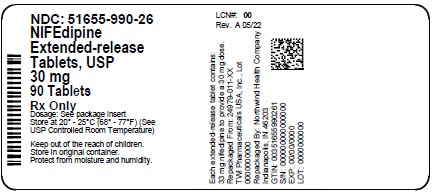
(nifedipine · DailyMed)
AGOPINE SR TABLETS
NIFEDIPINE SUSTAINED RELEASED TABLETS BP
What it does
Nifedipine is a medication that helps relax blood vessels, making it easier for the heart to pump blood.
Commonly used for: high blood pressure (hypertension), angina (chest pain due to heart disease)
Read more in plain English ↓Plain-language summary for general understanding - not medical advice. Always follow your pharmacist/doctor.
Ask about this medicine
Answers come only from this medicine's registration record, BNF monograph and interaction data - not medical advice.
Medicine sourcing is available in Kenya only. We don't sell or dispense medicines - licensed pharmacies do.
Sourcing - Kenya onlyRegistration & product details
Source: Rwanda Food and Drugs Authority · fetched 2026-03-11 22:07:02 · updated 2026-09-21 02:30:18
Drug Interactions
21Pharmacodynamic Warnings
Nifedipine appears in TABLE 8: Drugs that cause hypotension
Severe (2)
Nifedipine - increases exposure
Grapefruit juice increases the exposure to calcium channel blockers (nifedipine, verapamil). Avoid.
Nifedipine - decreases exposure
Rifampicin moderately decreases the exposure to calcium channel blockers (nifedipine). Avoid.
Moderate (17)
Nifedipine - decreases exposure
Enzalutamide is predicted to decrease the exposure to calcium channel blockers (amlodipine, felodipine, lacidipine, lercanidipine, nicardipine, nifedipine, nimodipine). Monitor and adjust dose.
Nifedipine - increases exposure
Dronedarone is predicted to increase the exposure to calcium channel blockers (amlodipine, felodipine, lacidipine, lercanidipine, nicardipine, nifedipine, nimodipine). Monitor and adjust dose.
Nifedipine - increases exposure
Antifungals, azoles (fluconazole, isavuconazole, posaconazole) are predicted to increase the exposure to calcium channel blockers (amlodipine, felodipine, lacidipine, lercanidipine, nicardipine, nifed
Nifedipine - increases exposure
Miconazole is predicted to increase the exposure to calcium channel blockers (amlodipine, felodipine, lacidipine, lercanidipine, nicardipine, nifedipine, nimodipine, verapamil). Use with caution and a
Nifedipine - increases exposure
Cobicistat is predicted to increase the exposure to calcium channel blockers (amlodipine, felodipine, lacidipine, nicardipine, nifedipine, nimodipine). Monitor and adjust dose.
Unknown (2)
Nifedipine - increases risk of hypotension
Intravenous magnesium potentially increases the risk of hypotension when given with calcium channel blockers (amlodipine, felodipine, lacidipine, lercanidipine, nicardipine, nifedipine, nimodipine, ve
Nifedipine - increases risk of angioedema
Temsirolimusispredictedtoincreasetheriskofangioedema whengivenwithcalciumchannelblockers(amlodipine, felodipine,lacidipine,lercanidipine,nicardipine,nifedipine, nimodipine).oTheoretical https://www.fa
Data from BNF 85 (British National Formulary). This is not a substitute for professional medical advice. Matched via: exact
About nifedipine
Nifedipine is a medication that helps relax blood vessels, making it easier for the heart to pump blood.
What it treats
- high blood pressure (hypertension)
- angina (chest pain due to heart disease)
How it works
It works by blocking calcium from entering the heart and blood vessel cells, which helps lower blood pressure and reduce chest pain.
Who it's for
It is used for adults who need treatment for high blood pressure or angina.
Drug class
Calcium channel blockers
Cautions
- • Be careful if taking other medications that lower blood pressure.
AI-assisted summary grounded in BNF data - general information only, not medical advice. Always confirm with your pharmacist or doctor.
About released
Released is a medication used to manage certain health conditions. It may help relieve symptoms or improve health outcomes.
What it treats
- specific health conditions (exact conditions depend on the formulation)
How it works
Released works by affecting certain processes in the body to help improve health or reduce symptoms.
Who it's for
This medication is for individuals with specific health issues as determined by a healthcare provider.
Cautions
- • Always follow your healthcare provider's instructions.
- • Inform your doctor about any other medications you are taking.
AI-assisted summary grounded in BNF data - general information only, not medical advice. Always confirm with your pharmacist or doctor.
About sustained
Sustained is a medication that helps manage certain health conditions by providing a steady release of its active ingredients over time.
What it treats
- chronic pain
- anxiety disorders
- sleep disorders
How it works
It releases its active ingredients slowly, which helps maintain consistent levels in the body and provides longer-lasting effects.
Who it's for
This medication is suitable for adults and children who need long-term management of specific conditions.
AI-assisted summary grounded in BNF data - general information only, not medical advice. Always confirm with your pharmacist or doctor.
Clinical monograph: Nifedipine
BNF-referencedNifedipine is a calcium channel blocker primarily used to manage hypertension and angina pectoris. It functions by blocking voltage-gated L-type calcium channels in vascular smooth muscle and myocardial cells, leading to vasodilation and decreased blood pressure. Nifedipine is available in both immediate-release and modified-release formulations, with dosing adjusted based on clinical response. It is contraindicated in certain conditions including severe hypotension and cardiogenic shock.
Indications
- Hypertension
- Angina pectoris (prophylaxis)
Dosage
Children: Not licensed for use in children.
Adults: Initially 5 mg three times a day, which may be adjusted according to response, with a typical maintenance dose of 10-20 mg three times a day. For modified-release formulations, the initial dose is often 20 mg twice daily.
Mechanism of action
Nifedipine blocks voltage-gated L-type calcium channels in vascular smooth muscle and myocardial cells. This action prevents calcium ions from entering the cells during depolarization, reducing peripheral arterial resistance and dilating coronary arteries. This results in lowered blood pressure and increased oxygen delivery to the heart, alleviating angina symptoms. The mechanism by which nifedipine inhibits calcium influx is not completely understood, but it is believed to involve interference with ion-control gating mechanisms of the calcium channels.
Pharmacodynamics
Nifedipine is an inhibitor of L-type voltage-gated calcium channels, which reduces blood pressure and increases oxygen supply to the heart. The immediate-release formulations require dosing three times daily due to their shorter duration of action. The typical daily dose ranges from 10 to 120 mg, with careful monitoring for excessive hypotension and potential angina exacerbation.
Pharmacokinetics
Nifedipine is rapidly absorbed following oral administration, with peak plasma concentrations typically occurring within 30 minutes to 2 hours for immediate-release forms. Its bioavailability is affected by first-pass metabolism, and it is extensively metabolized in the liver. The half-life of nifedipine varies, but it generally ranges from 2 to 5 hours. The drug is primarily excreted as metabolites in the urine, with only a small fraction excreted unchanged.
Contra-indications
- Cardiogenic shock
- Aortic stenosis
- Severe maternal hypotension
- Fatal fetal hypoxia in pregnancy
Adverse effects
- Constipation
- Malaise
- Oedema
- Allergic reactions
- Angioedema
- Hypotension
- Reflex tachycardia
Interactions
- Grapefruit juice (severe increase in exposure)
- Rifampicin (severe decrease in exposure)
- Enzalutamide (moderate decrease in exposure)
- Dronedarone (moderate increase in exposure)
- Antifungal azoles (moderate increase in exposure)
- Miconazole (moderate increase in exposure)
- Cobicistat (moderate increase in exposure)
- Crizotinib (moderate increase in exposure)
- Dabrafenib (moderate decrease in exposure)
- Idelalisib (moderate increase in exposure)
Precautions
- Monitor blood pressure and heart rate regularly
- Use with caution in patients with significant left ventricular dysfunction
- Avoid excessive decrease in blood pressure
- Consider initial low doses in patients with renal impairment
Pregnancy
May inhibit labour; not to be used in multiple pregnancies unless no other acceptable alternative.
Breast-feeding
Manufacturer advises to avoid; present in breast milk.
Storage
Store at room temperature, away from moisture and heat.
Formulations
- Immediate-release capsules
- Modified-release formulations
- Oral suspension
- Solution for infusion
AI-synthesized from BNF references - general information only, not a substitute for professional medical advice or the current BNF. Verify doses with a pharmacist.
Clinical monograph: released
Released is a term that may refer to various medications or formulations that have been made available for general use. Without a specific drug name or context, it is challenging to provide detailed information. Generally, medications categorized as 'released' may pertain to those that have completed clinical trials and received regulatory approval for public consumption. This can include a range of pharmacological agents targeting different medical conditions.
Dosage
Children: Refer to specific drug guidelines for dosing information, as it varies by medication.
Adults: Refer to specific drug guidelines for dosing information, as it varies by medication.
Mechanism of action
The mechanism of action would depend on the specific drug referred to as 'released'. Generally, pharmacological agents may act through various pathways such as receptor binding, enzyme inhibition, or modulation of physiological processes. For example, some medications may function as agonists or antagonists at specific receptors, influencing cellular signaling pathways and physiological responses.
Pharmacodynamics
Pharmacodynamics describes the effects of the drug on the body, including the relationship between drug concentration and effect. This may vary significantly based on the specific medication. Factors such as drug-receptor interactions, therapeutic index, and side effects are crucial to understanding its pharmacodynamics. Typically, the efficacy and potency of the drug are assessed through clinical outcomes and dose-response relationships.
Pharmacokinetics
Pharmacokinetics involves the absorption, distribution, metabolism, and excretion of the drug. The specific pharmacokinetic profile would depend on the drug in question. Generally, pharmacokinetic parameters such as bioavailability, half-life, volume of distribution, and clearance rates are essential for determining dosing regimens and predicting therapeutic outcomes.
Pregnancy
Safety during pregnancy has not been established. Use only if the potential benefit justifies the potential risk to the fetus.
Breast-feeding
Use with caution. It is not known whether released is excreted in human milk.
Storage
Store at room temperature, away from moisture and heat. Keep out of reach of children.
AI-synthesized from BNF references - general information only, not a substitute for professional medical advice or the current BNF. Verify doses with a pharmacist.
Clinical monograph: sustained
Sustained release formulations are designed to release a drug over an extended period, allowing for a prolonged therapeutic effect while minimizing side effects associated with peak concentrations. These formulations are commonly used for various medications to improve patient adherence, reduce dosing frequency, and maintain stable drug levels in the bloodstream.
Indications
- Chronic pain management
- Hypertension
- Diabetes management
- Attention-deficit hyperactivity disorder (ADHD)
- Chronic obstructive pulmonary disease (COPD)
Dosage
Children: Refer to specific drug formulations and guidelines for paediatric dosing, as it varies between different medications.
Adults: Refer to specific drug formulations and guidelines for adult dosing, as it varies between different medications.
Mechanism of action
Sustained release formulations utilize various physical and chemical mechanisms to control the rate of drug release. These may include the use of matrix systems, reservoir systems, or osmotic devices, which modulate the release of the active ingredient based on diffusion, erosion, or osmotic pressure. This controlled release can help to maintain therapeutic drug concentrations and improve efficacy.
Pharmacodynamics
The pharmacodynamic properties of sustained release drugs depend on the specific drug involved, but generally, they aim to provide a consistent therapeutic effect over time. The goal is to maintain plasma drug concentrations within the therapeutic window, avoiding the peaks and troughs often associated with immediate release formulations. This can result in improved clinical outcomes, reduced side effects, and enhanced patient quality of life.
Pharmacokinetics
Sustained release formulations typically exhibit altered pharmacokinetic profiles compared to immediate release forms. The onset of action may be delayed, but the duration of effect is prolonged. The absorption rate is modified to ensure a steady release of the drug, which can lead to reduced peak plasma concentrations and less frequent dosing. Key pharmacokinetic parameters such as bioavailability, half-life, and clearance may be influenced by the formulation design.
Pregnancy
Consult healthcare provider for advice on use during pregnancy.
Breast-feeding
Consult healthcare provider for advice on use while breastfeeding.
Storage
Store in a cool, dry place away from direct sunlight.
AI-synthesized from BNF references - general information only, not a substitute for professional medical advice or the current BNF. Verify doses with a pharmacist.
Molecular reference: Nifedipine
PubChem CID 4485Molecular formula: C17H18N2O6
Mechanism of action
Nifedipine blocks voltage gated L-type calcium channels in vascular smooth muscle and myocardial cells. This blockage prevents the entry of calcium ions into cells during depolarization, reducing peripheral arterial vascular resistance and dilating coronary arteries. These actions reduce blood pressure and increase the supply of oxygen to the heart, alleviating angina. The principal physiologic action of nifedipine is to inhibit the transmembrane influx of extracellular calcium ions across the membranes of myocardial cells and vascular smooth muscle cells, without changing serum calcium concentrations. Calcium plays important roles in the excitation-contraction coupling processes of the heart and vascular smooth muscle cells and in the electrical discharge of the specialized conduction cells of the heart. The membranes of these cells contain numerous channels that carry a slow inward current and that are selective for calcium. Activation of these slow calcium channels contributes to the plateau phase (phase 2) of the action potential of cardiac and vascular smooth muscle cells. The exact mechanism whereby nifedipine inhibits calcium ion influx across the slow calcium channels is not known, but the drug is thought to inhibit ion-control gating mechanisms of the channel, deform the slow channel, and/or interfere with release of calcium from the sarcoplasmic reticulum. By inhibiting calcium influx, nifedipine inhibits the contractile processes of cardiac and vascular smooth muscle, thereby dilating the main coronary and systemic arteries. Nifedipine is a peripheral arterial vasodilator which acts directly on vascular smooth muscle. The binding of nifedipine to voltage-dependent and possibly receptor-operated channels in vascular smooth muscle results in an inhibition of calcium influx through these channels. Stores of intracellular calcium in vascular smooth muscle are limited and thus dependent upon the influx of extracellular calcium for contraction to occur. The reduction in calcium influx by nifedipine causes arterial vasodilation and decreased peripheral vascular resistance which results in reduced arterial blood pressure.
Pharmacodynamics
Nifedipine is an inhibitor of L-type voltage gated calcium channels that reduces blood pressure and increases oxygen supply to the heart. Immediate release nifedipine's duration of action requires dosing 3 times daily. Nifedipine dosing is generally 10-120mg daily. Patients should be counselled regarding the risk of excessive hypotension, angina, and myocardial infarction.
Biological pathways
Source: PubChem (NCBI) · pathways from PathBank, Reactome, WikiPathways & PharmGKB.
This drug in other countries
The same active ingredient registered across other registries we cover - including different brands.
- ADALAT TABLETS (Each tablet contains Nifedipine 30mg) · Bayer AG
- BEDIN 20MG · Centurion Remedies
- BEDIN 30MG · Bedita Pharmaceuticals
- CARDIGEN RETARD 20 TABLETS · Ciron Drugs & Pharmaceuticals
- CARDIGEN RETARD 30 TABLETS · Ciron Drugs & Pharmaceuticals
- CARDIOFIN 20 SR TABLETS (Each tablet contains Nifedipine 20mg ) · Medopharm
- ADALAT LA · Bayer
- ADALAT LA · Bayer
- ADALAT RETARD · Bayer
- Adalat LA 30mg · Bayer Pharma AG
- BETA NICARDIA · Harleys
- CALCIGARD RETARD · Medox Pharmaceuticals