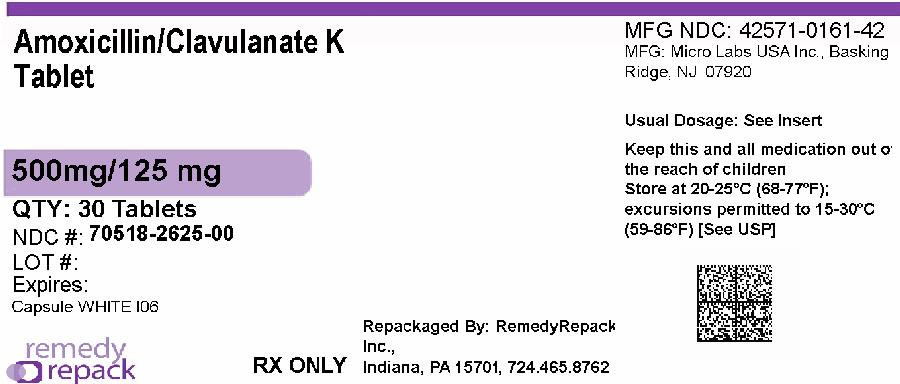
(amoxicillin · DailyMed)
AMOKLAVIN BID 200/28 MG
Amoxicillin Trihydrate 200 mg/5mL,Colloidal Silicon Dioxide 12.50 mg/5 ml,Golden Syrup Flavour, powder 5.35 mg/5 ml,Hydroxypropyl Methylcellulose 75.01 mg/5 ml,Methyl Parahydroxybenzoate 2.50 mg/5 ml,Orange Flavour, powder 3.57 mg/5 ml,Potassium Clavulanate Equivalent to Clavulanic Acid 28.5 mg/5mL,Silicon Dioxide 72.52 mg/5 ml,Sodium Saccharine 6.25 mg/5 ml,Succinic Acid 0.71 mg/5 ml,Xanthan gum 6.25 mg/5 ml
What it does
Amoxicillin is an antibiotic used to treat infections caused by bacteria.
Commonly used for: infections of the ear, nose, and throat, urinary tract infections, pneumonia, skin infections
Read more in plain English ↓Plain-language summary for general understanding - not medical advice. Always follow your pharmacist/doctor.
Ask about this medicine
Answers come only from this medicine's registration record, BNF monograph and interaction data - not medical advice.
Medicine sourcing is available in Kenya only. We don't sell or dispense medicines - licensed pharmacies do.
Sourcing - Kenya onlyRegistration & product details
Source: Tanzania Medicines and Medical Devices Authority · fetched 2026-03-11 23:37:03 · updated 2026-09-28 03:00:44
Drug Interactions
7Pharmacodynamic Warnings
Clavulanate appears in TABLE 1: Drugs that cause hepatotoxicity
Severe (1)
Penicillins - increases risk of adverse effects
Valproate increases the risk of adverse effects when given with penicillins (pivmecillinam). Avoid.
Unknown (6)
Amoxicillin - increases risk of skin rash
Allopurinol increases the risk of skin rash when given with penicillins (amoxicillin, ampicillin).
Penicillins - increases risk of skin rash
Allopurinol increases the risk of skin rash when given with penicillins (amoxicillin, ampicillin).
Penicillins - increases exposure
Leflunomide is predicted to increase the exposure to penicillins (benzylpenicillin).
Penicillins - increases exposure
Nitisinone is predicted to increase the exposure to penicillins (benzylpenicillin).
Penicillins - increases exposure
Teriflunomide is predicted to increase the exposure to penicillins (benzylpenicillin).
Phenindione - increases risk of bleeding events
Penicillins are predicted to increase the risk of bleeding events when given with phenindione.
Data from BNF 85 (British National Formulary). This is not a substitute for professional medical advice. Matched via: class
About amoxicillin
Amoxicillin is an antibiotic used to treat infections caused by bacteria.
What it treats
- infections of the ear, nose, and throat
- urinary tract infections
- pneumonia
- skin infections
How it works
It kills bacteria or stops their growth, helping to clear up infections.
Who it's for
Amoxicillin is suitable for adults and children who have bacterial infections.
Drug class
Penicillins
AI-assisted summary grounded in BNF data - general information only, not medical advice. Always confirm with your pharmacist or doctor.
About clavulanate
Clavulanate is a medication that helps fight bacterial infections, often used alongside other antibiotics.
What it treats
- bacterial infections
- infections caused by certain bacteria
How it works
Clavulanate works by inhibiting the enzymes that bacteria use to resist antibiotics, making the antibiotics more effective.
Who it's for
It is for patients who have bacterial infections that require treatment, especially when other antibiotics may not work.
Cautions
- • Avoid using with other drugs that can harm the liver.
AI-assisted summary grounded in BNF data - general information only, not medical advice. Always confirm with your pharmacist or doctor.
About clavulanic
Clavulanic acid is a substance that helps antibiotics work better by preventing certain bacteria from becoming resistant to treatment.
What it treats
- infections caused by bacteria
- bacterial infections (e.g., pneumonia, bronchitis)
How it works
It works by blocking enzymes that bacteria produce to resist antibiotics, making the antibiotics more effective.
Who it's for
It is used for adults and children who have bacterial infections that need antibiotic treatment.
AI-assisted summary grounded in BNF data - general information only, not medical advice. Always confirm with your pharmacist or doctor.
About colloidal
Colloidal solutions are often used in various medical treatments and can help improve the delivery of certain medications.
What it treats
- supporting hydration
- helping with nutrient absorption
- improving medication effectiveness
How it works
Colloidal solutions contain small particles that can help carry and deliver substances in the body more effectively.
Who it's for
Adults and children who need assistance with hydration or nutrient delivery.
AI-assisted summary grounded in BNF data - general information only, not medical advice. Always confirm with your pharmacist or doctor.
About dioxide
Dioxide is used in various medical applications, but specific details about its class or interactions are not provided.
How it works
The exact mechanism of action for dioxide is not specified, but it generally serves various therapeutic roles in medicine.
Who it's for
Dioxide may be suitable for individuals needing treatment related to its specific applications, but more information is needed to identify specific patient groups.
AI-assisted summary grounded in BNF data - general information only, not medical advice. Always confirm with your pharmacist or doctor.
About flavour
Flavour is used to enhance the taste of products and make them more enjoyable.
What it treats
- improving the taste of foods and drinks
- masking unpleasant tastes in medications
How it works
Flavours work by stimulating our taste buds, making foods and drinks taste better.
Who it's for
Flavour can be used by anyone who wants to improve the taste of their food or beverages.
AI-assisted summary grounded in BNF data - general information only, not medical advice. Always confirm with your pharmacist or doctor.
About golden
Golden is a natural remedy commonly used for various health benefits.
What it treats
- general wellness
- anti-inflammatory effects
- supporting the immune system
How it works
Golden contains compounds that may help reduce inflammation and support overall health.
Who it's for
Suitable for adults looking to improve their general health and wellness.
Cautions
- • Consult a healthcare professional before use if you are pregnant or breastfeeding.
- • May not be suitable for individuals with certain allergies.
AI-assisted summary grounded in BNF data - general information only, not medical advice. Always confirm with your pharmacist or doctor.
About gum
Gum is a chewable product often used for freshening breath and promoting oral health.
What it treats
- breath freshening
- oral health improvement
How it works
Chewing gum stimulates saliva production, which helps clean the mouth and reduce cavities.
Who it's for
Anyone who wants to improve their breath or maintain oral hygiene.
AI-assisted summary grounded in BNF data - general information only, not medical advice. Always confirm with your pharmacist or doctor.
About hydroxypropyl
Hydroxypropyl is a compound often used in various formulations for its properties, though specific details about its uses are not provided.
How it works
Hydroxypropyl serves as an ingredient that can help improve the consistency and stability of products, but its specific mechanism is not detailed.
Who it's for
Hydroxypropyl may be included in products for various populations, depending on its application in formulations.
AI-assisted summary grounded in BNF data - general information only, not medical advice. Always confirm with your pharmacist or doctor.
About methyl
Methyl is an active ingredient used in various medications. It is involved in different treatments for health conditions.
What it treats
- mood disorders
- depression
- anxiety
How it works
Methyl helps to improve mood and reduce feelings of anxiety by affecting certain chemicals in the brain.
Who it's for
This medication is for adults experiencing mood-related issues.
AI-assisted summary grounded in BNF data - general information only, not medical advice. Always confirm with your pharmacist or doctor.
About methylcellulose
Methylcellulose is a type of fiber that helps relieve constipation and can also be used as a thickening agent in foods.
What it treats
- constipation
- irregular bowel movements
How it works
Methylcellulose absorbs water in the intestines, which helps to form a soft stool and makes it easier to pass.
Who it's for
It is suitable for adults and children who need help with bowel regularity.
AI-assisted summary grounded in BNF data - general information only, not medical advice. Always confirm with your pharmacist or doctor.
About orange
Orange is a fruit that is rich in vitamins and nutrients, particularly vitamin C, which can support overall health.
What it treats
- boosting the immune system
- providing hydration
- improving skin health
How it works
Oranges contain antioxidants and vitamins that help protect the body from damage and support various bodily functions.
Who it's for
Oranges can be enjoyed by most people as part of a healthy diet.
AI-assisted summary grounded in BNF data - general information only, not medical advice. Always confirm with your pharmacist or doctor.
About parahydroxybenzoate
Parahydroxybenzoate is a substance often used as a preservative in various products.
What it treats
- preservative in cosmetics and food
- used in pharmaceutical preparations
How it works
It helps to prevent the growth of bacteria and fungi, keeping products safe for use.
Who it's for
It is suitable for use by the general population, including those using cosmetic and pharmaceutical products.
AI-assisted summary grounded in BNF data - general information only, not medical advice. Always confirm with your pharmacist or doctor.
About saccharine
Saccharin is a sweetening agent that is often used as a sugar substitute in food and beverages.
What it treats
- diabetes management
- weight loss
- sugar alternative
How it works
Saccharin provides a sweet taste without calories, making it useful for those looking to reduce sugar intake.
Who it's for
People with diabetes, those trying to lose weight, or anyone looking for a sugar substitute.
AI-assisted summary grounded in BNF data - general information only, not medical advice. Always confirm with your pharmacist or doctor.
About silicon
Silicon is a mineral that may help support healthy bones and connective tissues.
What it treats
- bone health
- joint health
- skin health
How it works
Silicon helps form collagen, which is important for maintaining the strength and elasticity of bones and tissues.
Who it's for
Silicon is for individuals looking to support their bone and joint health.
AI-assisted summary grounded in BNF data - general information only, not medical advice. Always confirm with your pharmacist or doctor.
About succinic
Succinic is a compound that may be used in various health conditions.
What it treats
- energy support
- recovery from illness
How it works
Succinic helps improve energy levels and supports recovery in the body.
Who it's for
It may be used by individuals needing extra energy or support during recovery.
AI-assisted summary grounded in BNF data - general information only, not medical advice. Always confirm with your pharmacist or doctor.
About xanthan
Xanthan is a natural thickening agent used in food and other products.
What it treats
- thickening agent in food
- stabilizer in cosmetics
- binding agent in pharmaceuticals
How it works
Xanthan helps to improve the texture and consistency of products by thickening them.
Who it's for
Suitable for most people, including those with certain dietary restrictions.
AI-assisted summary grounded in BNF data - general information only, not medical advice. Always confirm with your pharmacist or doctor.
Clinical monograph: Amoxicillin
BNF-referencedAmoxicillin is a broad-spectrum antibiotic belonging to the penicillin class, effective against a variety of bacterial infections. It is commonly used to treat conditions such as urinary tract infections, sinusitis, community-acquired pneumonia, and salmonellosis.
Indications
- Bacterial infections
- Urinary tract infections
- Sinusitis
- Uncomplicated community-acquired pneumonia
- Salmonellosis
- Oral infections
- Lyme disease (under expert supervision)
- Acute exacerbation of bronchiectasis
- Anthrax (treatment and post-exposure prophylaxis)
Dosage
Children: 1 month–11 years: 30 mg/kg 3 times a day for 21 days; children 1–4 years: 250 mg 3 times a day; children 5–11 years: 500 mg 3 times a day.
Adults: 500 mg 3 times a day; increased if necessary up to 1 g 3 times a day in severe infections.
Mechanism of action
Amoxicillin works by inhibiting bacterial cell wall synthesis, leading to cell lysis and death. It binds to penicillin-binding proteins (PBPs) located inside the bacterial cell wall, interfering with the transpeptidation process necessary for cell wall integrity.
Pharmacodynamics
Amoxicillin exhibits bactericidal activity against susceptible bacteria. Its action is time-dependent, meaning that its effectiveness is related to the duration of time that the drug concentration remains above the minimum inhibitory concentration (MIC) for the target pathogen.
Pharmacokinetics
Amoxicillin is well absorbed from the gastrointestinal tract, with peak plasma concentrations achieved within 1-2 hours after oral administration. It is widely distributed in body tissues and fluids, and it is excreted primarily via the kidneys. The elimination half-life is approximately 1 hour, and renal impairment may necessitate dosage adjustments.
Adverse effects
- Skin rash
- Gastrointestinal disturbances (nausea, vomiting, diarrhea)
- Allergic reactions (including anaphylaxis)
- Superinfection (due to resistant organisms)
Interactions
- Allopurinol (increases risk of skin rash)
Precautions
- History of penicillin allergy
- Renal impairment (reduce dose)
- Use with caution in patients with mononucleosis
Pregnancy
Use only if clearly needed; no adequate studies in pregnant women.
Breast-feeding
Amoxicillin is excreted in breast milk; use with caution.
Storage
Store in a cool, dry place away from direct sunlight.
Formulations
- Phenoxymethylpenicillin 250mg/5ml oral solution
- Phenoxymethylpenicillin 250 mg tablets
AI-synthesized from BNF references - general information only, not a substitute for professional medical advice or the current BNF. Verify doses with a pharmacist.
Clinical monograph: Methylcellulose
BNF-referencedMethylcellulose is a bulk-forming laxative that is primarily used to relieve constipation by increasing the bulk of the stool, which stimulates peristalsis and promotes bowel movements. It is a non-digestible polysaccharide derived from cellulose, and it acts by absorbing water in the intestines, forming a gel-like substance that adds bulk to the stool.
Indications
- Constipation
- Faecal impaction
Dosage
Children: For children aged 1 month to 5 years, the recommended dosage is 2.5 to 5 mL twice daily. Dosage may vary based on individual response and should be guided by a healthcare professional.
Adults: For adults, the typical dosage is 1 to 2 tablespoons (around 15 to 30 mL) mixed with at least 240 mL of water, taken up to three times daily. It is important to ensure adequate fluid intake to avoid gastrointestinal obstruction.
Mechanism of action
Methylcellulose acts as a bulk-forming laxative by absorbing water in the gastrointestinal tract. This increases the stool's bulk and promotes bowel motility through mechanical stimulation of the intestinal walls, which enhances peristalsis. It does not undergo significant metabolism and directly influences the physical properties of the stool.
Pharmacodynamics
The pharmacodynamic profile of methylcellulose indicates that it increases stool bulk and moisture content, facilitating easier passage of stool. The osmotic effect helps to soften the stool, while the bulk created stimulates intestinal contractions, reducing the time stool remains in the colon and alleviating constipation.
Pharmacokinetics
Methylcellulose is not absorbed systemically as it is a non-digestible fiber. Its effects are localized to the gastrointestinal tract. After oral administration, it acts primarily in the intestines, where it retains water to form a gel-like mass. The onset of action may vary, with effects usually observed within 24 to 72 hours.
Adverse effects
- abdominal discomfort
- bloating
- diarrhea
- nausea
Precautions
- Ensure adequate fluid intake to prevent intestinal blockage.
- Use cautiously in patients with pre-existing gastrointestinal disorders.
Pregnancy
Methylcellulose is generally considered safe during pregnancy. However, it is advisable to consult with a healthcare professional before use.
Breast-feeding
Methylcellulose is excreted in breast milk. Consult a healthcare provider for advice on use while breastfeeding.
Storage
Store in a cool, dry place away from direct sunlight. Keep out of reach of children.
Formulations
- Oral liquid
- Granules
AI-synthesized from BNF references - general information only, not a substitute for professional medical advice or the current BNF. Verify doses with a pharmacist.
Clinical monograph: clavulanate
BNF-referencedClavulanate is a beta-lactam compound that is primarily used as a beta-lactamase inhibitor. It is often combined with penicillin antibiotics, such as amoxicillin, to enhance their effectiveness against bacteria that produce beta-lactamase enzymes, which can render these antibiotics ineffective. Clavulanate itself has limited antibacterial activity but plays a crucial role in overcoming bacterial resistance mechanisms.
Indications
- Bacterial infections caused by beta-lactamase producing organisms
- Community-acquired pneumonia
- Respiratory tract infections
- Urinary tract infections
- Skin and soft tissue infections
Dosage
Children: Paediatric dosing of clavulanate should be determined based on the specific indication and the formulation used. Refer to the BNF for
Adults: The usual adult dose of clavulanate varies depending on the specific antibiotic it is combined with, generally ranging from 125 mg to 250 mg, taken every 8 hours when combined with amoxicillin.
Mechanism of action
Clavulanate works by irreversibly binding to the active site of beta-lactamase enzymes. By inhibiting these enzymes, clavulanate protects beta-lactam antibiotics from degradation, allowing them to exert their antibacterial effects effectively. This mechanism enhances the spectrum of activity of the co-administered antibiotic, thereby improving clinical outcomes in infections caused by beta-lactamase producing organisms.
Pharmacodynamics
Clavulanate exhibits a time-dependent antibacterial effect, characterized by its ability to maintain effective concentrations against beta-lactamase producing bacteria. Its pharmacodynamic properties are mainly influenced by its interaction with beta-lactam antibiotics, enhancing their efficacy in treating infections. The overall effect is a synergistic relationship that increases the potency of the antibiotic treatment.
Pharmacokinetics
Clavulanate is usually administered orally or parenterally, and it is rapidly absorbed from the gastrointestinal tract. It reaches peak plasma concentrations within 1 to 2 hours after administration. The drug is widely distributed in body tissues, with a volume of distribution indicative of good tissue penetration. Clavulanate undergoes hepatic metabolism, primarily by conjugation, and is excreted largely in the urine as metabolites. The elimination half-life is approximately 1 hour, necessitating frequent dosing for optimal therapeutic effect.
Contra-indications
- Hypersensitivity to clavulanate or any component of the formulation
- History of jaundice or hepatic impairment related to previous use of beta-lactam antibiotics
Adverse effects
- Diarrhea
- Nausea
- Vomiting
- Rash
- Hepatic dysfunction
- Allergic reactions
Interactions
- Probenecid may increase concentrations of clavulanate
- Anticoagulants may have altered effects due to changes in gut flora
Precautions
- Monitor liver function during prolonged therapy
- Use cautiously in patients with renal impairment
- Assess for history of allergy to penicillins or cephalosporins
Pregnancy
Clavulanate is classified as category B. Animal studies have not shown teratogenic effects, but adequate and well-controlled studies in pregnant women are lacking.
Breast-feeding
Clavulanate is excreted in breast milk. Caution is advised when administering to nursing mothers.
Storage
Store in a cool, dry place away from direct light. Keep out of reach of children.
Formulations
- Clavulanate potassium 125 mg/5 mL
- Clavulanate potassium 250 mg/5 mL
AI-synthesized from BNF references - general information only, not a substitute for professional medical advice or the current BNF. Verify doses with a pharmacist.
Clinical monograph: clavulanic
Clavulanic acid is a beta-lactamase inhibitor that is often combined with penicillin antibiotics to enhance their efficacy against beta-lactamase-producing bacteria. It is structurally related to penicillins and prevents the hydrolysis of beta-lactam antibiotics, thereby extending their spectrum of activity. Clavulanic acid itself has minimal antibacterial activity but is crucial in overcoming antibiotic resistance.
Indications
- Infections caused by beta-lactamase-producing bacteria
- Acute bacterial sinusitis
- Acute otitis media
- Lower respiratory tract infections
- Urinary tract infections
Dosage
Children: Refer to the BNF for Children for specific dosing according to age and weight; adjustments may be necessary based on the clinical scenario.
Adults: Refer to specific product guidelines for dosing; typical regimens depend on the combination antibiotic used and the severity of the infection.
Mechanism of action
Clavulanic acid works by irreversibly binding to the active site of beta-lactamase enzymes that are produced by certain bacteria to inactivate beta-lactam antibiotics. By inhibiting these enzymes, clavulanic acid protects the penicillin antibiotic from degradation, allowing it to exert its antibacterial effects.
Pharmacodynamics
Clavulanic acid has a synergistic effect when combined with other antibiotics, particularly amoxicillin. The presence of clavulanic acid allows for the effective treatment of infections caused by bacteria that would otherwise be resistant to penicillins. Its antibacterial activity is generally weak on its own but significantly enhances the efficacy of other beta-lactam antibiotics.
Pharmacokinetics
Clavulanic acid is rapidly absorbed after oral administration, with peak plasma concentrations occurring within 1 hour. It is widely distributed throughout the body and has a half-life of approximately 1 hour. The drug is primarily excreted unchanged in the urine. In the presence of renal impairment, dosage adjustment may be necessary, as the elimination of clavulanic acid can be affected.
Contra-indications
- Hypersensitivity to clavulanic acid or any of the excipients
- History of jaundice or hepatic impairment associated with previous use of penicillins or beta-lactam antibiotics
Adverse effects
- Nausea
- Diarrhea
- Rash
- Elevated liver enzymes
- Allergic reactions including anaphylaxis
- Superinfection
Interactions
- May enhance the effects of anticoagulants such as warfarin
- Probenecid may increase plasma concentrations of clavulanic acid
- May reduce the efficacy of oral contraceptives
Precautions
- Caution in patients with renal impairment
- Monitor liver function in patients receiving prolonged therapy
- Use with caution in patients with a history of allergic reactions to beta-lactams
Pregnancy
Clavulanic acid is categorized as pregnancy category B. Animal studies have not shown any harm to the fetus, but there are no adequate and well-controlled studies in pregnant women.
Breast-feeding
Clavulanic acid is excreted in breast milk, but it is generally considered safe for use during breastfeeding. Monitor for potential effects in the infant.
Storage
Store at room temperature, away from moisture and heat. Protect from light. Keep out of reach of children.
Formulations
- Oral tablets
- Oral suspension
- Injectable forms
AI-synthesized from BNF references - general information only, not a substitute for professional medical advice or the current BNF. Verify doses with a pharmacist.
Clinical monograph: colloidal
Colloidal solutions are mixtures in which small particles are dispersed throughout a continuous medium. They can be used in various medical applications, including as intravenous fluids for volume expansion and as drug delivery systems. Colloidal solutions can improve the solubility and stability of drugs, enhancing their therapeutic effects.
Indications
- Hypovolemic shock
- Severe burns
- Postoperative fluid replacement
- Sepsis
- Trauma management
Dosage
Children: Refer to established guidelines for specific dosing, as it varies based on the type of colloidal solution used and the clinical condition being treated.
Adults: Refer to established guidelines for specific dosing, as it varies based on the type of colloidal solution used and the clinical condition being treated.
Mechanism of action
Colloidal solutions work by maintaining oncotic pressure in the blood, thus helping to retain fluid within the vascular system. This is primarily due to the large molecular weight of the colloidal particles, which cannot easily pass through capillary walls. The presence of colloids in the blood helps to draw water into the circulation, increasing blood volume and improving tissue perfusion.
Pharmacodynamics
The pharmacodynamics of colloidal solutions are centered on their ability to exert osmotic pressure, which helps maintain blood volume and pressure. This effect is particularly important in conditions such as hypovolemia and shock, where fluid replacement is necessary to restore hemodynamic stability. The efficacy of colloidal solutions can vary depending on the type of colloid used, as well as the underlying clinical condition being treated.
Pharmacokinetics
Colloidal solutions are typically administered intravenously and their pharmacokinetics can vary based on the specific formulation. Generally, colloids are distributed throughout the vascular compartment and have a longer duration of action compared to crystalloids, as they remain in circulation longer. The elimination of colloids is primarily through the reticuloendothelial system, where they are metabolized or eliminated by the liver and spleen. Factors such as particle size and composition can influence their distribution and clearance.
Adverse effects
- Allergic reactions
- Injection site reactions
- Nausea
- Vomiting
- Headache
- Fever
Precautions
- Use with caution in patients with known allergies to any component of the formulation
- Monitor for signs of hypersensitivity during administration
- Consider volume overload in patients with cardiac or renal impairment
Pregnancy
The safety of colloidal solutions during pregnancy has not been established. Use only if the potential benefit justifies the potential risk to the fetus.
Breast-feeding
It is not known whether colloidal solutions are excreted in human milk. Caution should be exercised when administering to breastfeeding mothers.
Storage
Store at room temperature, protect from light, and do not freeze. Keep out of reach of children.
Formulations
- Colloidal silver
- Colloidal gold
- Colloidal iron
- Other metal colloids
AI-synthesized from BNF references - general information only, not a substitute for professional medical advice or the current BNF. Verify doses with a pharmacist.
Clinical monograph: dioxide
Dioxide refers to a class of chemical compounds that contain two oxygen atoms bonded to another element or group. The most commonly referenced dioxide is carbon dioxide (CO2), a colorless, odorless gas produced by respiration in animals and plants and by the combustion of organic matter. In a clinical context, dioxides are often involved in various physiological processes and can play roles in drug mechanisms, particularly with respect to gas exchange and acid-base balance in the body.
Indications
- Monitoring respiratory function
- Assessment of metabolic status
- Management of respiratory acidosis
- Management of respiratory alkalosis
Dosage
Children: Dosing for interventions related to carbon dioxide levels in pediatric patients should be guided by clinical protocols and the BNF for Children.
Adults: Dosing for interventions related to carbon dioxide levels is typically based on clinical assessment and individual patient needs. Refer to clinical guidelines for specific scenarios.
Mechanism of action
Carbon dioxide acts primarily as a signaling molecule in the body, influencing respiratory drive and blood pH. It is produced during cellular respiration and is a critical component of the bicarbonate buffering system, which helps maintain acid-base homeostasis. Elevated levels of CO2 in the blood stimulate ventilation in the lungs, increasing the rate of gas exchange and facilitating the removal of excess CO2.
Pharmacodynamics
The pharmacodynamic effects of dioxides, particularly carbon dioxide, are closely related to its concentration in the blood. As CO2 levels increase, it leads to respiratory acidosis, which can stimulate the respiratory centers in the brain to increase ventilation. Conversely, low levels of CO2 can cause respiratory alkalosis, potentially leading to decreased respiratory drive. CO2 also plays a role in vasodilation and can affect blood flow and pressure through its influence on smooth muscle tone.
Pharmacokinetics
Carbon dioxide is produced endogenously during metabolic processes and is transported in the bloodstream primarily in three forms: dissolved in plasma, as bicarbonate ions (HCO3-), and bound to hemoglobin. The half-life of CO2 in the bloodstream is very short due to its rapid exchange with alveolar gas in the lungs. The elimination of CO2 occurs through exhalation, making it a dynamic component of respiratory physiology.
Pregnancy
Data on the effects of dioxide during pregnancy are limited. Caution is advised due to potential risks associated with exposure.
Breast-feeding
Limited data are available regarding the excretion of dioxide in human milk. Caution is recommended.
Storage
Store in a cool, dry place, away from direct sunlight and moisture.
AI-synthesized from BNF references - general information only, not a substitute for professional medical advice or the current BNF. Verify doses with a pharmacist.
Clinical monograph: flavour
Flavour agents, often referred to as flavorings, are substances added to food and beverages to impart a specific taste or aroma. They can be natural or artificial and are widely used in the food industry to enhance palatability and consumer acceptance of products. Natural flavors are derived from fruits, vegetables, spices, and other plant materials, while artificial flavors are synthesized to mimic natural tastes.
Indications
- Enhancement of taste in food and beverages
- Improvement of palatability in nutritional products
- Masking undesirable flavors in medications
Dosage
Children: There is no specific pediatric dosage for flavor agents as they are used as needed to improve the taste of food and beverages.
Adults: There is no specific dosage for flavor agents as they are used as needed to achieve the desired taste and aroma in food and beverages.
Mechanism of action
Flavor compounds interact with taste receptors on the tongue, stimulating the sensory neurons responsible for taste perception. This interaction influences the overall flavor profile of food and beverages, enhancing the eating experience. Some flavors may also have a psychological effect, stimulating appetite or evoking pleasant memories associated with certain tastes.
Pharmacodynamics
While flavor agents are primarily used for sensory enhancement in food, their pharmacodynamic effects are minimal as they are not designed to elicit a pharmacological response. However, certain flavors may influence digestion and metabolism indirectly by enhancing saliva production or affecting gut motility. The enjoyment of flavored products can also lead to increased food intake and satisfaction.
Pharmacokinetics
Flavour compounds are typically ingested and metabolized by the body. Their absorption rates can vary depending on their chemical structure and formulation. Once ingested, they may be rapidly metabolized in the liver and other tissues, with excretion primarily via urine. The specific pharmacokinetic profiles of flavor agents can vary significantly based on their source and chemical properties.
Pregnancy
Flavours are generally considered safe for use during pregnancy, but specific assessments should be made based on the type of flavouring agent.
Breast-feeding
Most flavouring agents are deemed safe during breastfeeding, although it's advisable to consult healthcare professionals regarding specific ingredients.
Storage
Store in a cool, dry place away from direct sunlight and heat sources. Ensure that the container is tightly sealed to prevent contamination.
AI-synthesized from BNF references - general information only, not a substitute for professional medical advice or the current BNF. Verify doses with a pharmacist.
Clinical monograph: golden
Golden is not a specific drug but may refer to various substances or formulations known for their therapeutic benefits. Generally, substances associated with the term 'golden' might be used in alternative medicine or specific dietary supplements aimed at improving health. They may contain compounds such as curcumin, which is derived from turmeric, known for its anti-inflammatory and antioxidant properties. The therapeutic use of such substances can vary widely and should be approached with caution, ensuring evidence-based practice.
Indications
- Inflammation
- Pain management
- Antioxidant support
- Potential adjunct in cancer therapy
- Chronic conditions linked to oxidative stress
Dosage
Children: Pediatric dosing for golden-related substances should be determined based on specific formulations and clinical guidelines. Consultation with a healthcare provider is essential to ascertain safe and effective dosing for children
Adults: For golden-related supplements, dosage varies widely depending on the specific formulation and purpose. It is crucial to refer to product-specific guidelines or consult healthcare professionals for appropriate dosing.
Mechanism of action
Compounds often referred to as 'golden', like curcumin, exert their effects primarily through modulation of various signaling pathways. They are known to inhibit pro-inflammatory cytokines and enzymes, such as cyclooxygenase-2 (COX-2) and lipoxygenase. Additionally, they may inhibit the NF-kB pathway, which is critical in regulating the immune response. This leads to a reduction in inflammation and may provide protective effects against chronic diseases.
Pharmacodynamics
The pharmacodynamic properties of golden-related compounds often include anti-inflammatory, antioxidant, and anticancer effects. These compounds can enhance the bioavailability of other drugs and may exhibit synergistic effects when combined with conventional therapies. Their impact on cellular signaling pathways allows them to potentially influence numerous physiological processes, including pain modulation and immune response.
Pharmacokinetics
The pharmacokinetics of golden-related compounds like curcumin involve factors such as absorption, distribution, metabolism, and excretion (ADME). Curcumin is poorly absorbed in the gastrointestinal tract, and its bioavailability is low. It undergoes rapid metabolism in the liver and intestines, leading to the production of various metabolites. The elimination half-life can vary, and food intake can significantly affect absorption rates. Enhanced formulations, such as those with piperine, have been developed to improve bioavailability.
Pregnancy
There is limited data on the safety of golden in pregnancy. Caution is advised, and it should only be used if the potential benefit justifies the potential risk to the fetus.
Breast-feeding
It is not known whether golden is excreted in human milk. Caution is advised when administering to nursing mothers.
Storage
Store in a cool, dry place away from direct sunlight. Keep out of reach of children.
AI-synthesized from BNF references - general information only, not a substitute for professional medical advice or the current BNF. Verify doses with a pharmacist.
Clinical monograph: hydroxypropyl
BNF-referencedHydroxypropyl is a chemical compound derived from propylene glycol, commonly used as an excipient in pharmaceuticals and cosmetics. It serves various roles, including acting as a solvent, stabilizer, and humectant. Hydroxypropyl is notable for its ability to enhance the solubility and stability of active pharmaceutical ingredients, making it a valuable component in formulation science.
Indications
- Used as an excipient in pharmaceutical formulations
- Improves solubility and stability of active ingredients
- Facilitates drug absorption
Dosage
Children: Refer to specific product guidelines as hydroxypropyl is typically used as an excipient and not dosed independently.
Adults: Refer to specific product guidelines as hydroxypropyl is typically used as an excipient and not dosed independently.
Mechanism of action
Hydroxypropyl functions primarily as a solubilizing agent, which aids in the dissolution of poorly soluble drugs. It interacts with water and other solvents to improve the dispersion of pharmaceutical compounds, thereby enhancing their bioavailability. Hydroxypropyl may also facilitate the permeability of drug molecules through biological membranes, contributing to their overall efficacy.
Pharmacodynamics
The pharmacodynamics of hydroxypropyl relate to its role in improving the physicochemical properties of drug formulations. By increasing solubility and stability, hydroxypropyl can enhance the absorption of drugs administered via various routes, including oral and topical. Its non-toxic nature allows for safe incorporation into formulations, making it suitable for a wide range of applications.
Pharmacokinetics
The pharmacokinetics of hydroxypropyl have not been extensively studied as it primarily acts as an excipient rather than an active pharmaceutical ingredient. When used in formulations, it is typically not absorbed into systemic circulation in significant amounts, thereby minimizing potential systemic effects. Hydroxypropyl is generally regarded as safe when used in appropriate amounts in drug formulations.
Pregnancy
Hydroxypropyl is not classified for use during pregnancy, and its safety has not been established. Caution is advised.
Breast-feeding
There is limited information on the excretion of hydroxypropyl in human milk. Caution is advised when administering to breastfeeding women.
Storage
Store in a cool, dry place, away from light. Keep out of reach of children.
AI-synthesized from BNF references - general information only, not a substitute for professional medical advice or the current BNF. Verify doses with a pharmacist.
Clinical monograph: methyl
BNF-referencedMethyl compounds, including corticosteroids like methylprednisolone, are synthetic derivatives of naturally occurring steroids. They are widely used for their anti-inflammatory and immunosuppressive properties. Methylprednisolone is notably effective in managing various conditions involving inflammation and autoimmunity.
Indications
- Allergic conditions
- Autoimmune diseases
- Asthma and chronic obstructive pulmonary disease (COPD)
- Certain cancers (e.g., leukemia, lymphoma)
- Skin conditions (e.g., dermatitis)
- Inflammatory bowel disease
- Multiple sclerosis exacerbations
- Severe infections requiring immunosuppression
Dosage
Children: Refer to BNF for Children for specific dosing; doses vary significantly based on the child's age, weight, and condition being treated.
Adults: Refer to BNF for specific dosing; typically, initial doses range from 4 to 48 mg depending on the severity of the condition.
Mechanism of action
Methylprednisolone exerts its effects by binding to glucocorticoid receptors, leading to the modulation of gene expression. This interaction influences the transcription of anti-inflammatory proteins while suppressing the expression of pro-inflammatory genes, ultimately resulting in reduced inflammation and immune response.
Pharmacodynamics
The pharmacodynamic effects of methylprednisolone are characterized by its ability to decrease inflammation, suppress the immune response, and affect carbohydrate metabolism. Therapeutic doses lead to various systemic effects, including modification of leukocyte distribution and inhibition of cytokine production.
Pharmacokinetics
Methylprednisolone is well absorbed after oral administration, with a bioavailability of approximately 50%. It has a volume of distribution that reflects extensive tissue binding. The drug is metabolized primarily in the liver through conjugation and reduction, and its metabolites are excreted in urine. The half-life varies based on the route of administration but is generally around 18 to 36 hours.
Adverse effects
- Increased blood pressure
- Hyperglycemia
- Weight gain
- Mood changes
- Insomnia
- Gastrointestinal disturbances
- Increased susceptibility to infections
Interactions
- methylphenidate+apraclonidine: Severe (decreases effects)
- methylthioninium chloride+bupropion: Severe (increases risk of severe hypertension)
- methylphenidate+linezolid: Severe (increases risk of elevated blood pressure)
- rasagiline+methylphenidate: Severe (increases risk of a hypertensive crisis)
- mao-inhibitors+methylphenidate: Severe (increases risk of a hypertensive crisis)
- dronedarone+methylprednisolone: Moderate (increases exposure)
- miconazole+methylprednisolone: Moderate (increases concentration)
- antifungals, azoles+methylprednisolone: Moderate (increases exposure)
- crizotinib+methylprednisolone: Moderate (increases exposure)
Precautions
- Use with caution in patients with hypertension
- Monitor blood glucose levels in diabetic patients
- Consider potential for infection risk due to immunosuppression
- Evaluate for psychiatric effects in susceptible individuals
Pregnancy
Corticosteroids may be used during pregnancy if the potential benefit justifies the risk to the fetus. Careful monitoring is advised.
Breast-feeding
Corticosteroids are excreted in breast milk; caution is advised. Monitor the infant for potential effects.
Storage
Store in a cool, dry place, away from light. Keep out of reach of children.
Formulations
- Tablets
- Injectable solutions
- Topical preparations
AI-synthesized from BNF references - general information only, not a substitute for professional medical advice or the current BNF. Verify doses with a pharmacist.
Clinical monograph: methylsulphate
BNF-referencedMethylsulphate, with the molecular formula CH3O4S, is an organic compound that serves as a methylating agent. It is commonly used in various chemical reactions, including the methylation of nucleophiles in organic synthesis. Methylsulphate is not typically used as a therapeutic agent in clinical practice but may be encountered in laboratory settings.
Mechanism of action
Methylsulphate functions as a methylating agent, transferring a methyl group to nucleophiles. This process involves the formation of a sulfonium ion, which is highly reactive and can readily react with nucleophilic sites on various substrates, leading to methylation reactions.
Pharmacodynamics
The pharmacodynamics of methylsulphate is primarily related to its role as a methylating agent in biochemical reactions. It can alter the structure and function of biological molecules, potentially affecting cellular processes and signaling pathways. However, detailed pharmacodynamic studies specific to therapeutic use are limited.
Pharmacokinetics
There is limited information on the pharmacokinetics of methylsulphate, given its typical use as a reagent in laboratory settings rather than a clinical drug. When used in chemical reactions, its reactivity and transformation into other compounds would dictate its pharmacokinetic profile, which could vary significantly based on the specific context of use.
Pregnancy
There is limited data on the use of methylsulphate in pregnancy. Consult relevant guidelines.
Breast-feeding
Data on the excretion of methylsulphate in human milk is not available. Caution is advised.
Storage
Store in a cool, dry place, away from direct sunlight.
AI-synthesized from BNF references - general information only, not a substitute for professional medical advice or the current BNF. Verify doses with a pharmacist.
Clinical monograph: orange
Orange juice is a popular beverage derived from the fruit of the orange tree. It is rich in vitamin C, flavonoids, and various other nutrients. While primarily consumed for its refreshing taste and nutritional benefits, it may also interact with certain medications, affecting their absorption and efficacy.
Dosage
Children: Refer to BNF for Children for specific recommendations regarding the consumption of orange juice in children.
Adults: There is no standard dosage for orange juice as it is typically consumed as a beverage. Moderation is advised, especially for individuals on certain medications.
Mechanism of action
The exact mechanism of action of orange juice is not fully understood, but it is known to contain compounds that can influence the metabolism of certain drugs. For instance, it may affect the activity of cytochrome P450 enzymes, particularly CYP3A4, which can alter the pharmacokinetics of medications.
Pharmacodynamics
Orange juice is known to enhance the bioavailability of certain nutrients and may influence the pharmacological effects of some drugs. Its high vitamin C content contributes to various physiological functions, including antioxidant activity, which may indirectly support overall health.
Pharmacokinetics
The pharmacokinetics of orange juice itself are not extensively studied, but it is generally absorbed well through the gastrointestinal tract. The compounds in orange juice can affect the absorption and metabolism of medications, leading to varied clinical effects depending on the drug in question.
Interactions
- orange juice + celiprolol: Unknown (decreases exposure)
Formulations
- juice
- whole fruit
AI-synthesized from BNF references - general information only, not a substitute for professional medical advice or the current BNF. Verify doses with a pharmacist.
Clinical monograph: parahydroxybenzoate
BNF-referencedParahydroxybenzoate, also known as parabens, is a parahydroxy derivative of benzoic acid, commonly used as a preservative in pharmaceuticals, cosmetics, and food products due to its antimicrobial properties. It is recognized for its ability to inhibit the growth of fungi and bacteria, thereby extending the shelf life of products. Parahydroxybenzoate is also a metabolite involved in various biochemical pathways, particularly in the metabolism of vitamins and cofactors.
Indications
- Preservative in pharmaceuticals
- Preservative in cosmetics
- Food additive for preservation
Dosage
Children: Refer to specific product guidelines as dosing may vary based on formulation and intended use.
Adults: Refer to specific product guidelines as dosing may vary based on formulation and intended use.
Mechanism of action
Parahydroxybenzoate acts as a competitive inhibitor of the enzyme para-aminobenzoate (PABA) synthetase, which is involved in the synthesis of folate in microorganisms. This inhibition leads to the disruption of folate metabolism, essential for nucleic acid synthesis in bacteria and fungi. Additionally, parahydroxybenzoate can disrupt cellular membrane integrity in microbes, contributing to its antimicrobial effects.
Pharmacodynamics
Parahydroxybenzoate exhibits antimicrobial activity primarily against a range of bacteria and fungi. Its effectiveness is influenced by concentration, pH, and the presence of other substances. The compound is well-absorbed and has a relatively low toxicity profile, making it suitable for use in various formulations. However, some individuals may experience allergic reactions or sensitivities to parabens, leading to concerns about their widespread use.
Pharmacokinetics
Parahydroxybenzoate is rapidly absorbed after topical application or ingestion and is metabolized in the liver. It undergoes conjugation to form parahydroxybenzoate esters, which are then excreted primarily through urine. The elimination half-life and specific pharmacokinetic parameters can vary based on the route of administration and individual patient factors.
Pregnancy
Safety in pregnancy has not been established. Use only if the potential benefits justify the potential risks to the fetus.
Breast-feeding
It is not known whether parahydroxybenzoate is excreted in human milk. Caution should be exercised when administered to a nursing woman.
Storage
Store in a cool, dry place away from direct sunlight. Keep out of reach of children.
AI-synthesized from BNF references - general information only, not a substitute for professional medical advice or the current BNF. Verify doses with a pharmacist.
Clinical monograph: saccharine
BNF-referencedSaccharin is a synthetic sweetener known for its intense sweetness, estimated to be 300 to 400 times sweeter than sucrose. It is often used as a sugar substitute in various food and beverage products, particularly for individuals managing diabetes or those on calorie-restricted diets. Saccharin is non-nutritive, meaning it contains no calories, making it a popular choice for sweetening without the caloric load of sugars.
Indications
- Management of diabetes
- Weight management
- Sugar substitutes in food and beverages
Dosage
Children: Refer to the BNF for Children for specific dosage information. Caution is advised when using artificial sweeteners in children.
Adults: Refer to the BNF for specific dosage information. Generally, saccharin is used in very small quantities due to its high sweetness intensity.
Mechanism of action
Saccharin activates specific T2R bitter taste receptors, contributing to the perception of sweetness and the bitter aftertaste associated with saccharin and acesulfame-K. Additionally, it has been shown to stimulate transient receptor potential vanilloid-1 (TRPV1) receptors, which are present in taste receptor cells and nerve terminals throughout the oral cavity. The activation of TRPV1 may play a role in the aftertaste or metallic taste sensation often reported with saccharin consumption.
Pharmacodynamics
Due to its high sweetness intensity, saccharin can effectively mimic the taste of sugar without contributing to caloric intake. It alters taste perception by engaging receptors responsible for taste sensation, particularly affecting the sweet and bitter taste pathways. Its effect on TRPV1 receptors suggests a complex interaction that may enhance the sensory experience of sweetness while also causing potential off-tastes.
Pharmacokinetics
Saccharin is not metabolized by the body and is excreted unchanged in the urine. Its absorption occurs in the gastrointestinal tract, but due to its non-nutritive nature, it does not undergo significant metabolic processes. The pharmacokinetic profile indicates that saccharin has a rapid onset of action with a prolonged sweet taste effect, although individual responses may vary.
Adverse effects
- Allergic reactions
- Headaches
- Nausea
- Gastrointestinal disturbances
Precautions
- Use with caution in individuals with a history of hypersensitivity to saccharin or its derivatives
- Avoid excessive consumption to prevent possible adverse effects
Pregnancy
Saccharin is generally not recommended during pregnancy due to potential risks, although human studies have shown no clear evidence of harm.
Breast-feeding
Saccharin is excreted in breast milk; caution is advised when used by nursing mothers.
Storage
Store in a cool, dry place away from light.
Formulations
- Tablets
- Powder
AI-synthesized from BNF references - general information only, not a substitute for professional medical advice or the current BNF. Verify doses with a pharmacist.
Clinical monograph: silicon
BNF-referencedSilicon, represented by the molecular formula Si, is a metalloid that plays a significant role in various biological processes, particularly in the formation of connective tissues and bone. It is thought to contribute to the structural integrity of collagen and other extracellular matrix components. Silicon is not classified as an essential element in the human diet, but it is involved in the metabolism of minerals and may affect bone health and formation.
Indications
- Potential role in bone health
- Support for connective tissue formation
- May aid in mineral metabolism
Dosage
Children: There is no established clinical dosage for silicon in paediatric populations, as it is not classified as an essential nutrient.
Adults: There is no established clinical dosage for silicon in adults, as it is not classified as an essential nutrient.
Mechanism of action
Silicon is believed to enhance the synthesis of glycosaminoglycans and collagen, which are important for the structural integrity of connective tissues. It may also influence the activity of certain enzymes involved in bone mineralization, thus playing a role in maintaining bone density and health.
Pharmacodynamics
The pharmacodynamics of silicon is not fully elucidated; however, it is thought to involve the modulation of bone metabolism and the promotion of connective tissue health. Silicon may have a synergistic effect with other minerals, such as calcium and magnesium, aiding in their utilization and metabolism in the body.
Pharmacokinetics
The pharmacokinetics of silicon is complex, as it is not absorbed through typical gastrointestinal pathways. Instead, silicon is thought to be taken up in the form of silicates and then distributed throughout the body, particularly in connective tissues. The elimination of silicon occurs primarily through renal excretion, with some variations depending on dietary intake and individual metabolism.
Pregnancy
Silicon is generally considered safe during pregnancy, as it is a naturally occurring element in the human body. However, specific recommendations regarding supplementation should be followed based on the advice of a healthcare provider.
Breast-feeding
Silicon is present in breast milk in small amounts. Its safety during breastfeeding is generally regarded as acceptable, although supplementation should be approached with caution and under medical advice.
Storage
Silicon should be stored in a cool, dry place, protected from light and moisture. Follow specific storage recommendations provided by the manufacturer if available.
AI-synthesized from BNF references - general information only, not a substitute for professional medical advice or the current BNF. Verify doses with a pharmacist.
Clinical monograph: succinic
Succinic acid is a dicarboxylic acid that plays a critical role in the metabolic pathways of the body. It is a key intermediate in the citric acid cycle, which is essential for energy production in aerobic respiration. Succinic acid is involved in various biochemical processes, including the synthesis of amino acids and the regulation of energy metabolism. It has been investigated for potential therapeutic uses, including its role in enhancing cellular energy production and its possible neuroprotective effects.
Indications
- Energy metabolism disorders
- Neuroprotection
- Potential adjunct therapy in mitochondrial dysfunction
- Investigational uses in ischemic conditions
Dosage
Children: Refer to specific guidelines and clinical recommendations for paediatric dosing as it may vary based on the therapeutic context.
Adults: Refer to specific guidelines and clinical recommendations for adult dosing as it may vary based on the therapeutic context.
Mechanism of action
Succinic acid acts primarily as a substrate in the citric acid cycle, where it is converted to fumarate by the enzyme succinate dehydrogenase. This reaction is part of the electron transport chain, which is vital for ATP production. Additionally, succinic acid can influence cellular signaling pathways, contributing to the regulation of mitochondrial function and energy homeostasis. It also has effects on GABA receptors, which may modulate neuronal excitability and contribute to its neuroprotective properties.
Pharmacodynamics
The pharmacological effects of succinic acid are related to its role in metabolism and energy production. By participating in the citric acid cycle, it helps maintain the balance of energy substrates in cells. Succinic acid may also have antioxidant properties, reducing oxidative stress and mitigating cellular damage. In the context of neuroprotection, it may enhance neuronal survival in conditions of hypoxia or ischemia.
Pharmacokinetics
Succinic acid is rapidly absorbed from the gastrointestinal tract and distributed throughout the body. It is metabolized in the liver and can be converted to various metabolites that enter the citric acid cycle. The elimination of succinic acid occurs primarily through renal excretion. The half-life and specific pharmacokinetic parameters may vary based on the formulation and method of administration.
Pregnancy
There is limited information on the safety of succinic acid during pregnancy. Consult healthcare professionals before use.
Breast-feeding
It is not known whether succinic acid is excreted in human milk. Caution is advised.
Storage
Store in a cool, dry place, away from direct sunlight. Keep out of reach of children.
AI-synthesized from BNF references - general information only, not a substitute for professional medical advice or the current BNF. Verify doses with a pharmacist.
Clinical monograph: xanthan
BNF-referencedXanthan is a polysaccharide that is produced by the fermentation of glucose or sucrose by the bacterium Xanthomonas campestris. It is commonly used as a thickening agent and stabilizer in food products, as well as in pharmaceuticals and cosmetics due to its ability to form gels and enhance viscosity. Xanthan is known for its pseudoplastic behavior, where its viscosity decreases under shear stress, making it useful in various formulations.
Indications
- Used as a thickening agent in food products
- Utilized in pharmaceutical formulations as a stabilizer
- Employed in cosmetics for texture improvement
- Applied in industrial products for its viscosity properties
Dosage
Children: Refer to specific product guidelines for appropriate use. Xanthan is used in formulations as a thickener or stabilizer, and dosage should be evaluated based on the specific product and formulation.
Adults: Refer to specific product guidelines for appropriate use. Xanthan is typically used in small quantities as a thickener or stabilizer in food and pharmaceutical products.
Mechanism of action
Xanthan functions primarily as a thickener and stabilizer. It acts by interacting with water molecules to form a gel-like consistency, which enhances the texture and stability of products. Its unique rheological properties allow it to maintain viscosity under varying conditions, which is beneficial in food and pharmaceutical applications.
Pharmacodynamics
Xanthan's action is primarily physical rather than pharmacological. It does not exert a direct therapeutic effect but influences the delivery and stability of active ingredients in formulations. The gel formation and viscosity changes help ensure the uniform distribution of substances in liquid formulations, which can improve the effectiveness of the drug delivery.
Pharmacokinetics
As xanthan is a polysaccharide, it is not absorbed in the gastrointestinal tract when ingested. It passes through the digestive system largely unchanged. In terms of metabolism, xanthan is broken down by colonic bacteria, resulting in short-chain fatty acids. Its pharmacokinetic profile indicates that it has a low bioavailability due to its large molecular size and structure.
Pregnancy
There is insufficient data on the use of xanthan during pregnancy. Consult a healthcare professional before use.
Breast-feeding
There is insufficient data on the excretion of xanthan in human milk. Consult a healthcare professional before use.
Storage
Store in a cool, dry place, away from direct sunlight.
Formulations
- Xanthan gum powder
AI-synthesized from BNF references - general information only, not a substitute for professional medical advice or the current BNF. Verify doses with a pharmacist.
Molecular reference: Amoxicillin
PubChem CID 33613Molecular formula: C16H19N3O5S
Mechanism of action
Amoxicillin competitively inhibits penicillin-binding protein 1 and other high molecular weight penicillin binding proteins. Penicillin bind proteins are responsible for glycosyltransferase and transpeptidase reactions that lead to cross-linking of D-alanine and D-aspartic acid in bacterial cell walls. Without the action of penicillin binding proteins, bacteria upregulate autolytic enzymes and are unable to build and repair the cell wall, leading to bacteriocidal action. The penicillins and their metabolites are potent immunogens because of their ability to combine with proteins and act as haptens for acute antibody-mediated reactions. The most frequent (about 95 percent) or "major" determinant of penicillin allergy is the penicilloyl determinant produced by opening the beta-lactam ring of the penicillin. This allows linkage of the penicillin to protein at the amide group. "Minor" determinants (less frequent) are the other metabolites formed, including native penicillin and penicilloic acids. /Penicillins/ Amoxicillin is similar to penicillin in its bactericidal action against susceptible bacteria during the stage of active multiplication. It acts through the inhibition of cell wall biosynthesis that leads to the death of the bacteria.
Pharmacodynamics
Amoxicillin competitively inhibit penicillin binding proteins, leading to upregulation of autolytic enzymes and inhibition of cell wall synthesis. Amoxicillin has a long duration of action as it is usually given twice daily. Amoxicillin has a wide therapeutic range as mild overdoses are not associated with significant toxicity. Patients should be counselled regarding the risk of anaphylaxis, _Clostridium difficile_ infections, and bacterial resistance.
Biological pathways
Source: PubChem (NCBI) · pathways from PathBank, Reactome, WikiPathways & PharmGKB.
Molecular reference: clavulanate
PubChem CID 16204478Molecular formula: C8H8NO5-
Biological pathways
Source: PubChem (NCBI) · pathways from PathBank, Reactome, WikiPathways & PharmGKB.
Molecular reference: hydroxypropyl
PubChem CID 53627505Molecular formula: C3H5O
Source: PubChem (NCBI) · pathways from PathBank, Reactome, WikiPathways & PharmGKB.
Molecular reference: methyl
PubChem CID 3034819Molecular formula: CH3
Source: PubChem (NCBI) · pathways from PathBank, Reactome, WikiPathways & PharmGKB.
Molecular reference: methylbromide
PubChem CID 6323Molecular formula: CH3Br
Biological pathways
Source: PubChem (NCBI) · pathways from PathBank, Reactome, WikiPathways & PharmGKB.
Molecular reference: methylsulfate
PubChem CID 4694097Molecular formula: CH3O4S-
Source: PubChem (NCBI) · pathways from PathBank, Reactome, WikiPathways & PharmGKB.
Molecular reference: methylsulphate
PubChem CID 4694097Molecular formula: CH3O4S-
Source: PubChem (NCBI) · pathways from PathBank, Reactome, WikiPathways & PharmGKB.
Molecular reference: parahydroxybenzoate
PubChem CID 54675830Molecular formula: C7H5O3-
Biological pathways
Source: PubChem (NCBI) · pathways from PathBank, Reactome, WikiPathways & PharmGKB.
Molecular reference: saccharine
PubChem CID 5143Molecular formula: C7H5NO3S
Mechanism of action
...it has been shown that the activation of particular T2R bitter taste receptors is partially involved with the bitter aftertaste sensation of saccharin and acesulfame-K. ... /This study/ addressed the question of whether /they/ could stimulate transient receptor potential vanilloid-1 (TRPV1) receptors, as these receptors are activated by a large range of structurally different chemicals. Moreover, TRPV1 receptors and/or their variants are found in taste receptor cells and in nerve terminals throughout the oral cavity. Hence, TRPV1 activation could be involved in the ... aftertaste or even contribute to the poorly understood metallic taste sensation. Using Ca(2+) imaging on TRPV1 receptors heterologously expressed in the human embryonic kidney (HEK) 293 cells and on dissociated primary sensory neurons,... /it was found/ that in both systems, .../sweeteners/ activate TRPV1 receptors, and, moreover, they sensitize these channels to acid and heat. ... /it was/also found that TRPV1 receptors were activated by CuSO(4), ZnSO(4), and FeSO(4), three salts known to produce a metallic taste sensation. In summary, .../the/ results identify a novel group of compounds that activate TRPV1 and, consequently, provide a molecular mechanism that may account for off tastes of sweeteners and metallic tasting salts.
Source: PubChem (NCBI) · pathways from PathBank, Reactome, WikiPathways & PharmGKB.
Molecular reference: silicon
PubChem CID 5461123Molecular formula: Si
Source: PubChem (NCBI) · pathways from PathBank, Reactome, WikiPathways & PharmGKB.
Molecular reference: xanthan
PubChem CID 7107Molecular formula: C13H10O
Source: PubChem (NCBI) · pathways from PathBank, Reactome, WikiPathways & PharmGKB.
This drug in other countries
The same active ingredient registered across other registries we cover - including different brands.
- AC-CLAV 1000 TABLETS (Each film coated tablet contains Amoxicillin and Cluvalanate Potassium 1000mg · Kiux Pharma
- AC-CLAV 625 TABLETS (Each film coated tablet contains Amoxicillin and Clavulanate Potassium 625 · Kiux Pharma
- ACICLAVCARE 1G TABLETS (Each film-coated tablet contains Amoxicillin trihydrate / Potassium clavulanate 1g) · East African Overseas
- ACINET 1.2G INJECTION (Each vial contains Amoxicillin Sodium/Potassium Clavulanate 1g/0.2g · East African Creasteas
- ACINET 228.5MG/5ML DRY SUSPENSION (Each 5ml of reconstituted suspension contains Amoxicillin Trihydrate/Potassium Clavulanate 200mg/28.5mg) · Indchemie Health Specialities
- ACINET 457MG/5ML DRY SUSPENSION (Each 5ml of reconstituted suspension contains Amoxicillin Trihydrate/Potassium Clavulanate 400mg/57mg) · Indchemie Health Specialities