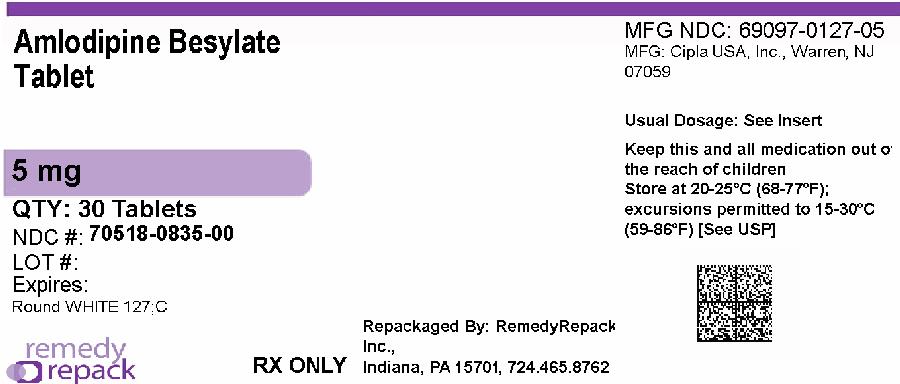
(amlodipine · DailyMed)
AMOLAB-5 TABLETS
Aerosil 200. 1.45 mg/6 mL,Amlodipine Besilate 5 mg,Croscarmellose Sodium 3.00 mg/6 mL,Dummy granules 120.00 mg/6 mL,Magnesium Stearate 2.47 mg/6 mL,Microcrystalline cellulose PH 102 9.18 mg/6 mL,Purified talc 2.00 mg/6 mL
What it does
Aerosil is a type of fine powder often used as an ingredient in various products, including medicines and cosmetics, to improve their texture and stability.
Commonly used for: improving texture in medicines, enhancing stability in cosmetics
Read more in plain English ↓Plain-language summary for general understanding - not medical advice. Always follow your pharmacist/doctor.
Ask about this medicine
Answers come only from this medicine's registration record, BNF monograph and interaction data - not medical advice.
Medicine sourcing is available in Kenya only. We don't sell or dispense medicines - licensed pharmacies do.
Sourcing - Kenya onlyRegistration & product details
Source: Tanzania Medicines and Medical Devices Authority · fetched 2026-08-10 03:00:40 · updated 2026-09-24 03:00:47
Drug Interactions
23Pharmacodynamic Warnings
Amlodipine appears in TABLE 8: Drugs that cause hypotension
Severe (1)
Amlodipine - increases exposure
Grapefruit juice very slightly increases the exposure to amlodipine. Avoid.
Moderate (18)
Amlodipine - decreases exposure
Enzalutamide is predicted to decrease the exposure to calcium channel blockers (amlodipine, felodipine, lacidipine, lercanidipine, nicardipine, nifedipine, nimodipine). Monitor and adjust dose.
Amlodipine - decreases exposure
Apalutamide is predicted to decrease the exposure to calcium channel blockers (amlodipine, felodipine, lacidipine, lercanidipine, nicardipine, nimodipine). Monitor and adjust dose.
Amlodipine - increases exposure
Dronedarone is predicted to increase the exposure to calcium channel blockers (amlodipine, felodipine, lacidipine, lercanidipine, nicardipine, nifedipine, nimodipine). Monitor and adjust dose.
Amlodipine - increases exposure
Antifungals, azoles (fluconazole, isavuconazole, posaconazole) are predicted to increase the exposure to calcium channel blockers (amlodipine, felodipine, lacidipine, lercanidipine, nicardipine, nifed
Amlodipine - increases exposure
Miconazole is predicted to increase the exposure to calcium channel blockers (amlodipine, felodipine, lacidipine, lercanidipine, nicardipine, nifedipine, nimodipine, verapamil). Use with caution and a
Unknown (4)
Amlodipine - increases risk of hypotension
Intravenous magnesium potentially increases the risk of hypotension when given with calcium channel blockers (amlodipine, felodipine, lacidipine, lercanidipine, nicardipine, nifedipine, nimodipine, ve
Amlodipine - increases risk of angioedema
Temsirolimusispredictedtoincreasetheriskofangioedema whengivenwithcalciumchannelblockers(amlodipine, felodipine,lacidipine,lercanidipine,nicardipine,nifedipine, nimodipine).oTheoretical https://www.fa
Simvastatin - increases exposure
Amlodipine slightly increases the exposure to statins (simvastatin). Adjust simvastatin dose, p. 224.
Statins - increases exposure
Amlodipine slightly increases the exposure to statins (simvastatin). Adjust simvastatin dose, p. 224.
Data from BNF 85 (British National Formulary). This is not a substitute for professional medical advice. Matched via: exact
About aerosil
Aerosil is a type of fine powder often used as an ingredient in various products, including medicines and cosmetics, to improve their texture and stability.
What it treats
- improving texture in medicines
- enhancing stability in cosmetics
How it works
Aerosil helps to keep ingredients mixed evenly and prevents clumping.
Who it's for
Aerosil is generally used in products for everyone, but always check specific product labels for any age restrictions or warnings.
AI-assisted summary grounded in BNF data - general information only, not medical advice. Always confirm with your pharmacist or doctor.
About amlodipine
Amlodipine is a medicine that helps lower blood pressure and improve blood flow by relaxing the blood vessels.
What it treats
- high blood pressure (hypertension)
- chest pain (angina)
How it works
It works by blocking calcium from entering the cells of the heart and blood vessels, which helps to relax and widen them.
Who it's for
Amlodipine is for adults who need help managing high blood pressure or chest pain.
Drug class
Calcium channel blockers
Cautions
- • Be careful if you are taking other medications that lower blood pressure.
AI-assisted summary grounded in BNF data - general information only, not medical advice. Always confirm with your pharmacist or doctor.
About cellulose
Cellulose is a type of fiber that helps with digestion and promotes bowel health.
What it treats
- constipation
- irregular bowel movements
How it works
Cellulose adds bulk to the stool, making it easier to pass through the intestines.
Who it's for
Suitable for people looking to improve their digestive health.
AI-assisted summary grounded in BNF data - general information only, not medical advice. Always confirm with your pharmacist or doctor.
About croscarmellose
Croscarmellose is a substance used in medicines to help them dissolve and be absorbed in the body.
What it treats
- helps improve the effectiveness of oral medications
How it works
It works by breaking down the medicine so that it can be easily absorbed in the stomach and intestines.
Who it's for
It is used in various oral medicines that require better absorption.
AI-assisted summary grounded in BNF data - general information only, not medical advice. Always confirm with your pharmacist or doctor.
About dummy
Dummy is a medication used to treat various health conditions.
What it treats
- symptoms of dummy disease
- dummy condition management
How it works
Dummy works by affecting certain pathways in the body to improve health.
Who it's for
This medication is suitable for adults and children who are diagnosed with relevant conditions.
Cautions
- • Consult a healthcare professional if pregnant or breastfeeding.
- • Be cautious if you have other health issues.
AI-assisted summary grounded in BNF data - general information only, not medical advice. Always confirm with your pharmacist or doctor.
About microcrystalline
Microcrystalline is a type of substance often used in medicines to help with various health issues. It is commonly used as a filler or binder in tablets and capsules.
What it treats
- stomach issues
- constipation
- weight management
How it works
It helps to improve the texture of medicines and can assist in the absorption of other ingredients in the body.
Who it's for
Adults and children who need help with specific health conditions, as directed by a healthcare professional.
AI-assisted summary grounded in BNF data - general information only, not medical advice. Always confirm with your pharmacist or doctor.
About purified
Purified ingredients are often used in various medicines to ensure safety and effectiveness by removing impurities.
What it treats
- various medical conditions
How it works
Purified ingredients help in delivering the intended effects of the medicine without the risk of contaminants.
Who it's for
People who need medications with safe and effective ingredients.
AI-assisted summary grounded in BNF data - general information only, not medical advice. Always confirm with your pharmacist or doctor.
About talc
Talc is a mineral used primarily to absorb moisture and reduce friction. It is commonly found in various personal care products.
What it treats
- skin irritation
- diaper rash
- chafing
- sweating
How it works
Talc works by absorbing moisture and providing a smooth surface, which helps to prevent irritation and discomfort on the skin.
Who it's for
Talc is suitable for anyone needing relief from moisture-related skin issues, including babies and adults.
Cautions
- • Avoid using on broken or irritated skin.
- • Keep away from the eyes and mouth.
AI-assisted summary grounded in BNF data - general information only, not medical advice. Always confirm with your pharmacist or doctor.
Clinical monograph: Amlodipine
BNF-referencedAmlodipine is a dihydropyridine calcium channel blocker primarily used for the treatment of hypertension and angina. It works by relaxing blood vessels, which lowers blood pressure and improves blood flow to the heart.
Indications
- Hypertension
- Angina
Dosage
Children: Children 1 month to 11 years: Initially 100–200 micrograms/kg once daily; increased if necessary at intervals of 1–2 weeks up to a maximum of 5 mg once daily.
Adults: Initially, 5 mg once daily, increased if necessary to a maximum of 10 mg once daily.
Mechanism of action
Amlodipine inhibits the influx of calcium ions into vascular smooth muscle and cardiac muscle cells, leading to vasodilation and decreased myocardial oxygen demand.
Pharmacodynamics
Amlodipine causes a reduction in systemic vascular resistance and arterial pressure, resulting in decreased workload on the heart. It has a long duration of action due to its slow onset and prolonged effects.
Pharmacokinetics
Amlodipine is well absorbed orally, with peak plasma concentrations occurring 6-12 hours after administration. It has a half-life of approximately 30-50 hours, allowing for once-daily dosing. It is extensively metabolized in the liver and excreted primarily in the urine.
Contra-indications
- Cardiogenic shock
- Aortic stenosis
Adverse effects
- Asthenia
- Constipation
- Diarrhoea
- Drowsiness
- Dyspnoea
- Gastrointestinal disturbances
Interactions
- Grapefruit juice (severe increase in exposure)
- Enzalutamide (moderate decrease in exposure)
- Apalutamide (moderate decrease in exposure)
- Dronedarone (moderate increase in exposure)
- Antifungals (azoles) (moderate increase in exposure)
- Miconazole (moderate increase in exposure)
- Cobicistat (moderate increase in exposure)
- Crizotinib (moderate increase in exposure)
- Dabrafenib (moderate decrease in exposure)
- Idelalisib (moderate increase in exposure)
Precautions
- Caution in hepatic impairment (risk of increased exposure)
- Monitor for sudden withdrawal effects, which may exacerbate myocardial ischaemia
Pregnancy
Manufacturer advises caution due to limited data on safety.
Breast-feeding
Manufacturer advises to avoid; no information available.
Storage
Store at room temperature, away from moisture and heat.
Formulations
- Amlodipine 5mg/5ml oral solution (sugar-free)
- Amlodipine 10mg/5ml oral solution (sugar-free)
- Amlodipine 5 mg tablets
- Amlodipine 10 mg tablets
AI-synthesized from BNF references - general information only, not a substitute for professional medical advice or the current BNF. Verify doses with a pharmacist.
Clinical monograph: aerosil
BNF-referencedAerosil, or pyrogenic silica, is a fine, amorphous form of silica (SiO2) produced from the combustion of silicon tetrachloride in an oxygen-rich flame. It is primarily used as a thickening agent, anti-caking agent, and carrier in various pharmaceutical and food formulations. Due to its unique properties, including high surface area and low density, it enhances the flow characteristics of powders and prevents clumping.
Indications
- Thickening agent in topical formulations
- Anti-caking agent in powders
- Carrier for active pharmaceutical ingredients
Dosage
Children: Refer to specific formulation guidelines in the BNF for Children.
Adults: Refer to specific formulation guidelines in the BNF.
Mechanism of action
Aerosil exerts its effects primarily through its surface characteristics. The interaction of silica particles with biological systems can lead to cytotoxicity and cellular transformation, which are influenced by the distribution of silanol groups and the presence of trace metals such as iron. The cytotoxic effects are related to the ability of silica to generate reactive oxygen species, leading to oxidative stress in cells. The biological response to aerosil is sensitive to the composition and structural features of the silica surface, indicating that its activity is a surface-originated phenomenon.
Pharmacodynamics
The pharmacodynamic properties of aerosil are related to its ability to modify the rheological properties of formulations, improve flowability, and prevent clumping. Its cytotoxic effects at high concentrations can lead to cellular stress and transformation, although these effects are primarily of concern in occupational exposure rather than therapeutic use. The dose-response relationship can vary based on the specific type of silica and its surface modifications.
Pharmacokinetics
Aerosil is not absorbed systemically when used in pharmaceutical formulations due to its high molecular weight and physical properties. Inhalation of silica dust can lead to pulmonary exposure, where it may elicit inflammatory responses and potentially lead to silicosis over prolonged exposure. Its elimination from the body does not occur via typical metabolic pathways; instead, silica particles may be cleared from the lungs by macrophage action and mucociliary clearance mechanisms.
AI-synthesized from BNF references - general information only, not a substitute for professional medical advice or the current BNF. Verify doses with a pharmacist.
Clinical monograph: cellulose
Cellulose is a complex carbohydrate and a key structural component of the plant cell wall. It is an indigestible polysaccharide made up of linear chains of glucose molecules linked by β-1,4-glycosidic bonds. As a dietary fiber, cellulose contributes to digestive health by promoting bowel regularity and is commonly used as a laxative and bulking agent in various food products and pharmaceuticals.
Indications
- Constipation
- Dietary fiber supplementation
- Irritable bowel syndrome
- Diverticular disease
- Weight management
Dosage
Children: Refer to appropriate guidelines for specific dosage; generally taken with adequate fluid intake.
Adults: Refer to appropriate guidelines for specific dosage; generally taken with adequate fluid intake.
Mechanism of action
Cellulose acts primarily as a bulk-forming laxative. It absorbs water in the intestines, which increases stool bulk and stimulates peristalsis, thus facilitating bowel movements. Additionally, cellulose is not digestible by human enzymes, leading to fermentation by gut bacteria, which may enhance gut health and alter gut microbiota composition.
Pharmacodynamics
Cellulose increases stool weight and frequency of bowel movements. It works by retaining water in the intestines, leading to softer stools and improved passage through the gastrointestinal tract. The bulking effect of cellulose can help alleviate constipation and promote overall digestive health. It may also play a role in cholesterol reduction and glycemic control through its effects on digestion and absorption of nutrients.
Pharmacokinetics
Cellulose is not absorbed into the bloodstream due to its indigestible nature. Instead, it passes through the gastrointestinal tract, where it adds bulk to the stool. Its fermentation by colonic bacteria produces short-chain fatty acids, which may have beneficial effects on colon health. The onset of action for cellulose as a laxative can vary but is generally within 24 to 72 hours after ingestion.
Adverse effects
- Bloating
- Flatulence
- Diarrhea
- Abdominal discomfort
Precautions
- Use with caution in patients with a history of gastrointestinal disorders.
- Monitor for potential allergic reactions in sensitive individuals.
Pregnancy
Cellulose is generally considered safe during pregnancy as it is a non-toxic, indigestible fiber.
Breast-feeding
Cellulose is also considered safe during breastfeeding; it is excreted in breast milk in negligible amounts.
Storage
Store in a cool, dry place away from direct sunlight.
Formulations
- Powder
- Capsules
- Tablets
- Granules
AI-synthesized from BNF references - general information only, not a substitute for professional medical advice or the current BNF. Verify doses with a pharmacist.
Clinical monograph: croscarmellose
Croscarmellose sodium is a pharmaceutical excipient widely used as a disintegrant in oral dosage forms. It enhances the dissolution of active pharmaceutical ingredients by promoting rapid disintegration of tablets and capsules upon contact with moisture. This characteristic makes it essential in improving the bioavailability of various medications.
Indications
- Used as a disintegrant in tablet formulations
- Enhances the bioavailability of active pharmaceutical ingredients
Dosage
Children: Refer to the specific formulation guidelines, as dosage will vary based on the active ingredient and formulation type.
Adults: Refer to the specific formulation guidelines, as dosage will vary based on the active ingredient and formulation type.
Mechanism of action
Croscarmellose sodium works by swelling and absorbing water when it comes into contact with gastrointestinal fluids. This swelling leads to the rapid disintegration of the tablet or capsule matrix, facilitating the release and absorption of the active pharmaceutical ingredients.
Pharmacodynamics
Croscarmellose sodium is classified as a superdisintegrant. Its ability to rapidly disintegrate solid dosage forms can significantly enhance the dissolution rate of the active ingredient, which is crucial for achieving therapeutic effects in a timely manner.
Pharmacokinetics
Croscarmellose sodium is not absorbed in the gastrointestinal tract and does not exert pharmacological effects in the body. It is considered non-toxic and is excreted unchanged. Its main role is as an excipient, influencing the formulation's characteristics rather than the pharmacokinetics of the active ingredients.
Precautions
- Use with caution in patients with known hypersensitivity to croscarmellose or its components.
Pregnancy
Safety in pregnancy has not been established. Use only if clearly needed.
Breast-feeding
Caution is advised when using during breastfeeding, as safety has not been established.
Storage
Store in a cool, dry place, away from moisture and heat.
Formulations
- Powder
- Granules
AI-synthesized from BNF references - general information only, not a substitute for professional medical advice or the current BNF. Verify doses with a pharmacist.
Clinical monograph: dummy
Dummy is a placeholder term often used in clinical scenarios to represent an unspecified drug. As such, it lacks specific pharmacological properties, indications, and dosing information. The term can refer to various medications depending on the context, serving primarily as a teaching tool or illustrative example rather than a specific therapeutic agent.
Dosage
Children: Refer to the specific drug's prescribing guidelines for paediatric dosing.
Adults: Refer to the specific drug's prescribing guidelines for adult dosing.
Mechanism of action
The mechanism of action for a 'dummy' drug would depend on the specific medication it refers to. In pharmacology, a drug's mechanism of action describes how it produces its effects in the body, typically through interaction with biological targets such as receptors, enzymes, or ion channels.
Pharmacodynamics
Pharmacodynamics involves understanding the relationship between drug concentration and effect. For a dummy drug, this will vary widely based on its actual identity, including its efficacy, potency, and therapeutic index.
Pharmacokinetics
Pharmacokinetics describes how the body absorbs, distributes, metabolizes, and excretes a drug. For a placeholder like 'dummy', these parameters would differ significantly based on the actual drug being represented.
Pregnancy
Safety during pregnancy has not been established. Use only if the potential benefit justifies the potential risk to the fetus.
Breast-feeding
Excretion in breast milk is unknown. Caution should be exercised when administered to nursing mothers.
Storage
Store at room temperature, away from moisture and heat. Keep out of reach of children.
AI-synthesized from BNF references - general information only, not a substitute for professional medical advice or the current BNF. Verify doses with a pharmacist.
Clinical monograph: microcrystalline
Microcrystalline cellulose is a refined wood pulp, commonly used as an excipient in pharmaceutical formulations. It serves as a bulking agent and stabilizer in tablets and capsules, improving the physical properties of the drug formulation. It is characterized by its ability to absorb moisture and provide a suitable texture for various dosage forms.
Indications
- Used as an excipient in tablet formulations
- Used as a bulking agent in capsule formulations
- Used in food products as a thickener or stabilizer
Dosage
Children: Refer to specific product guidelines as dosage will depend on the formulation and the active ingredients.
Adults: Refer to specific product guidelines as dosage will depend on the formulation and the active ingredients.
Mechanism of action
Microcrystalline cellulose acts as a non-digestible filler that enhances the flow properties of powders during the manufacturing of tablets and capsules. It does not have a direct pharmacological action on the body but ensures that the active ingredients are effectively delivered to the patient.
Pharmacodynamics
As a non-active ingredient, microcrystalline cellulose does not exert pharmacodynamic effects typical of active pharmaceutical ingredients. Its primary role is to provide a stable and consistent matrix for the drug, facilitating the release of the active compound once ingested.
Pharmacokinetics
Microcrystalline cellulose is not absorbed in the gastrointestinal tract; it passes through the digestive system largely unchanged. It adds bulk to the stool, which may aid in promoting regular bowel movements. The substance is excreted in feces, where it contributes to dietary fiber intake.
Pregnancy
Data regarding the use of microcrystalline cellulose during pregnancy is limited. It is advisable to consult with healthcare professionals before use.
Breast-feeding
Microcrystalline cellulose is considered safe during breastfeeding, as it is not absorbed systemically.
Storage
Store in a cool, dry place away from direct sunlight and moisture.
AI-synthesized from BNF references - general information only, not a substitute for professional medical advice or the current BNF. Verify doses with a pharmacist.
Clinical monograph: purified
Purified refers to a substance that has been processed to remove impurities, contaminants, or unwanted substances, resulting in a more concentrated and effective form of the original compound. In pharmacology, purified compounds are often used to enhance therapeutic efficacy and reduce adverse effects. The purification process can apply to a variety of substances, including drugs, biological products, and chemical compounds.
Dosage
Children: Refer to specific drug formulations and product labels as purified substances can vary widely in their use and dosing.
Adults: Refer to specific drug formulations and product labels as purified substances can vary widely in their use and dosing.
Mechanism of action
The mechanism of action for purified compounds varies widely depending on the specific substance. Generally, purified drugs exert their effects by interacting with specific biological targets, such as receptors, enzymes, or ion channels, leading to a desired therapeutic effect. This interaction can involve binding to receptors to activate or inhibit signaling pathways, modulating enzymatic activity, or altering physiological processes.
Pharmacodynamics
Pharmacodynamics describes the effects of a drug on the body and the relationship between drug concentration and effect. For purified drugs, this can involve dose-response relationships and the time course of their action. The purified form often enhances potency and reduces variability in response among patients, which can lead to more predictable therapeutic outcomes. The overall effect is determined by the drug's affinity for its target, the efficacy of the drug-receptor interaction, and the downstream signaling pathways activated as a result of this interaction.
Pharmacokinetics
Pharmacokinetics involves the absorption, distribution, metabolism, and excretion (ADME) of a drug. For purified substances, absorption can be more efficient due to the absence of impurities that may affect solubility or stability. Distribution may also be enhanced, leading to higher bioavailability. Metabolism can be influenced by the structure of the purified compound, as it may be metabolized more readily by liver enzymes. Excretion typically occurs through the kidneys or liver, depending on the molecular characteristics of the purified drug.
Pregnancy
Consult with a healthcare professional, as the safety of purified forms of medications during pregnancy may vary depending on the specific substance.
Breast-feeding
Consult with a healthcare professional, as the safety of purified forms of medications during breastfeeding may vary depending on the specific substance.
Storage
Store in a cool, dry place, away from light and moisture, and keep out of reach of children.
AI-synthesized from BNF references - general information only, not a substitute for professional medical advice or the current BNF. Verify doses with a pharmacist.
Clinical monograph: talc
BNF-referencedTalc is a mineral composed of magnesium, silicon, and oxygen, commonly used in various pharmaceutical applications due to its excellent absorptive properties. It is often employed as an excipient in drug formulations and as a bulking agent in tablets and powders. Talc is also utilized in some medical procedures, such as pleurodesis, to prevent the recurrence of pleural effusions.
Indications
- Used as an excipient in drug formulations
- Pleurodesis for the management of recurrent pleural effusions
Dosage
Children: Refer to specific guidelines for paediatric use, as dosing may differ based on age and clinical condition.
Adults: Refer to specific guidelines for the appropriate dosage in pleurodesis and other applications, as it may vary based on clinical context.
Mechanism of action
Talc exhibits very good absorptive properties, allowing it to absorb moisture and other substances effectively. This characteristic is particularly useful in pharmaceutical formulations, where it may enhance the stability and texture of the drug product.
Pharmacodynamics
Talc's primary pharmacodynamic effect is its ability to act as an inert filler and bulking agent in pharmaceutical preparations. It does not have any intrinsic pharmacological activity but serves to improve the physical properties of formulations, such as flowability and compressibility.
Pharmacokinetics
Talc is not absorbed systemically when used as an excipient or in medical procedures. Its effects are local, and it remains in the site of application, where it functions primarily as a mechanical agent. The pharmacokinetics of talc in the context of its use in pleurodesis involves its ability to promote adhesion of the pleural surfaces, thereby preventing fluid accumulation.
Pregnancy
Talc is classified as a substance with minimal systemic absorption, but safety during pregnancy has not been well established. Consult relevant guidelines.
Breast-feeding
Talc is not expected to be absorbed in significant amounts; however, caution is advised and consult guidelines.
Storage
Store in a cool, dry place, away from direct sunlight.
AI-synthesized from BNF references - general information only, not a substitute for professional medical advice or the current BNF. Verify doses with a pharmacist.
Molecular reference: Amlodipine
PubChem CID 2162Molecular formula: C20H25ClN2O5
Mechanism of action
**Mechanism of action on blood pressure** Amlodipine is considered a peripheral arterial vasodilator that exerts its action directly on vascular smooth muscle to lead to a reduction in peripheral vascular resistance, causing a decrease in blood pressure. Amlodipine is a dihydropyridine calcium antagonist (calcium ion antagonist or slow-channel blocker) that inhibits the influx of calcium ions into both vascular smooth muscle and cardiac muscle. Experimental studies imply that amlodipine binds to both _dihydropyridine_ and _nondihydropyridine_ binding sites, located on cell membranes. The contraction of cardiac muscle and vascular smooth muscle are dependent on the movement of extracellular calcium ions into these cells by specific ion channels. Amlodipine blocks calcium ion influx across cell membranes with selectivity. A stronger effect of amlodipine is exerted on vascular smooth muscle cells than on cardiac muscle cells. Direct actions of amlodipine on vascular smooth muscle result in reduced blood pressure. **Mechanism of action in angina** The exact mechanism by which amlodipine relieves the symptoms of angina have not been fully elucidated to this date, however, the mechanism of action is likely twofold: Amlodipine has a dilating effect on peripheral arterioles, reducing the total peripheral resistance (afterload) against which the cardiac muscle functions. Since the heart rate remains stable during amlodipine administration, the reduced work of the heart reduces both myocardial energy use and oxygen requirements. Dilatation of the main coronary arteries and coronary arterioles, both in healthy and ischemic areas, is another possible mechanism of amlodipine reduction of blood pressure. The dilatation causes an increase in myocardial oxygen delivery in patients experiencing coronary artery spasm (Prinzmetal's or variant angina) and reduces coronary vasoconstriction caused by smoking. Amlodipine is a dihydropyridine calcium antagonist (calcium ion antagonist or slow-channel blocker) that inhibits the transmembrane influx of calcium ions into vascular smooth muscle and cardiac muscle. Experimental data suggest that amlodipine binds to both dihydropyridine and nondihydropyridine binding sites. The contractile processes of cardiac muscle and vascular smooth muscle are dependent upon the movement of extracellular calcium ions into these cells through specific ion channels. Amlodipine inhibits calcium ion influx across cell membranes selectively, with a greater effect on vascular smooth muscle cells than on cardiac muscle cells. Negative inotropic effects can be detected in vitro but such effects have not been seen in intact animals at therapeutic doses. Serum calcium concentration is not affected by amlodipine. Within the physiologic pH range, amlodipine is an ionized compound (pKa=8.6), and its kinetic interaction with the calcium channel receptor is characterized by a gradual rate of association and dissociation with the receptor binding site, resulting in a gradual onset of effect. Recent studies have suggested that cytokines are capable of modifying cardiovascular function and that drugs used in the treatment of heart failure have various modulating properties on the production of cytokines. More recently, we have found that ouabain induces the production of cytokines. This study was performed to examine the effects of calcium channel blockers on the production of cytokines induced by a cardiac glycoside. Human peripheral blood mononuclear cells (PBMC) were obtained from healthy volunteers. PBMC were cultured in 0.1, 1, 10, and 30 umol/L amlodipine, diltiazem, and nifedipine in presence of 1 umol/L ouabain. After 24 hr of incubation, IL-1alpha, IL-1beta, IL-6, and TNF-alpha were measured in the culture supernatants by enzyme-linked immunosorbent assay. Ouabain induced the production of IL-1alpha, IL-1beta and IL-6, but not of TNF-alpha. Induction of IL-1beta was most prominent. The production of IL-1alpha, and IL-6 wa
Pharmacodynamics
**General pharmacodynamic effects** Amlodipine has a strong affinity for cell membranes, modulating calcium influx by inhibiting selected membrane calcium channels. This drug's unique binding properties allow for its long-acting action and less frequent dosing regimen,. **Hemodynamic effects** After the administration of therapeutic doses of amlodipine to patients diagnosed with hypertension, amlodipine causes vasodilation, which results in a reduction of supine and standing blood pressure. During these blood pressure reductions, there are no clinically significant changes in heart rate or plasma catecholamine levels with long-term use. Acute intravenous administration of amlodipine reduces arterial blood pressure and increases heart rate in patients with chronic stable angina, however, chronic oral administration of amlodipine in clinical studies did not cause clinically significant alterations in heart rate or blood pressures in patients diagnosed with angina and normal blood pressure. With long-term, once daily oral administration, antihypertensive effectiveness is maintained for at least 24 hours. **Electrophysiologic effects** Amlodipine does not change sinoatrial (SA) nodal function or atrioventricular (AV) conduction in animals or humans. In patients who were diagnosed with chronic stable angina, the intravenous administration of 10 mg of amlodipine did not cause clinically significant alterations A-H and H-V conduction and sinus node recovery time after cardiac pacing. Patients administered amlodipine with concomitant beta-blockers produced similar results. In clinical trials in which amlodipine was given in combination with beta-blockers to patients diagnosed with hypertension or angina, no adverse effects on electrocardiographic parameters were noted. In clinical studies comprised of angina patients alone, amlodipine did not change electrocardiographic intervals or produce high degrees of AV block. **Effects on angina** Amlodipine relieves the symptoms of chest pain associated with angina. In patients diagnosed with angina, daily administration of a single amlodipine dose increases total exercise time, the time to angina onset, and the time to 1 mm ST-segment depression on ECG studies, decreases anginal attack frequency, and decreases the requirement for nitroglycerin tablets.
Biological pathways
Source: PubChem (NCBI) · pathways from PathBank, Reactome, WikiPathways & PharmGKB.
Molecular reference: aerosil
PubChem CID 24261Molecular formula: O2Si
Mechanism of action
...Some quartz and cristobalite dusts (crystalline) as well as the diatomaceous earths (amorphous), but not the pyrogenic amorphous silica, were cytotoxic and induced morphological transformation of SHE cells in a concentration-dependent manner. The ranking in cytotoxicity was different from that in transforming potency, suggesting two separate molecular mechanisms for the two effects. The cytotoxic and transforming potencies were different from one dust to another, even among the same structural silicas. The type of crystalline structure (quartz vs cristobalite) and the crystalline vs biogenic amorphous form did not correlate with cytotoxic or transforming potency of silica dusts. Comparison of cellular effects induced by original and surface modified samples revealed that several surface functionalities modulate cytotoxic and transforming potencies. The cytotoxic effects appeared to be related to the distribution and abundance of silanol groups and to the presence of trace amounts of iron on the silica surface. Silica particles with fractured surfaces and/or iron-active sites, able to generate reactive oxygen species, induced SHE cell transformation. The results show that the activity of silica at the cellular level is sensitive to the composition and structure of surface functionalities and confirm that the biological response to silica is a surface originated phenomenon. In vivo exposure of rat lungs to crystalline silica either by intratracheal instillation or by inhalation results in an increase in mRNA levels for inducible nitric oxide synthase (iNOS) in bronchoalveolar lavage cells (BALC), elevated nitric oxide (.NO) production by BALC, and an increase in .NO-dependent chemiluminescence (CL) from alveolar macrophages (AM). Induction of iNOS message occurs in both AM and polymorphonuclear leukocytes (PMN) harvested from silica-exposed lungs but is not significantly elevated in lavaged lung tissue. This review presents characteristics of simple and complicated coal workers' pneumoconiosis (CWP) as well as pathologic indices of acute and chronic silicosis by summarizing results of in vitro, animal, and human investigations. These results support four basic mechanisms in the etiology of CWP and silicosis: a) direct cytotoxicity of coal dust or silica, resulting in lung cell damage, release of lipases and proteases, and eventual lung scarring; b) activation of oxidant production by pulmonary phagocytes, which overwhelms the antioxidant defenses and leads to lipid peroxidation, protein nitrosation, cell injury, and lung scarring; c) activation of mediator release from alveolar macrophages and epithelial cells, which leads to recruitment of polymorphonuclear leukocytes and macrophages, resulting in the production of proinflammatory cytokines and reactive species and in further lung injury and scarring; d) secretion of growth factors from alveolar macrophages and epithelial cells, stimulating fibroblast proliferation and eventual scarring. Results of in vitro and animal studies provide a basis for proposing these mechanisms for the initiation and progression of pneumoconiosis. Data obtained from exposed workers lend support to these mechanisms. /The authors/ reported previously that freshly fractured silica (FFSi) induces activator protein-1 (AP-1) activation through extracellular signal-regulated protein kinases (ERKs) and p38 kinase pathways. In the present study, the biologic activities of FFSi and aged silica (ASi) were compared by measuring their effects on the AP-1 activation and phosphorylation of ERKs and p38 kinase. The roles of reactive oxygen species (ROS) in this silica-induced AP-1 activation were also investigated. FFSi-induced AP-1 activation was four times higher than that of ASi in JB6 cells. FFSi also caused greater phosphorylation of ERKs and p38 kinase than ASi. FFSi generated more ROS than ASi when incubated with the cells as measured by electron spin resonance (ESR). Studies using ROS-sensitive dyes and
Source: PubChem (NCBI) · pathways from PathBank, Reactome, WikiPathways & PharmGKB.
Molecular reference: talc
PubChem CID 165411828Molecular formula: H2Mg3O12Si4
Mechanism of action
It has very good absorptive properties.
Source: PubChem (NCBI) · pathways from PathBank, Reactome, WikiPathways & PharmGKB.
This drug in other countries
The same active ingredient registered across other registries we cover - including different brands.
- ACTAPRESS DUO 40/5 · Inventia Healthcare
- ACTAPRESS DUO 40/10 · Inventia Healthcare
- ACTAPRESS DUO 80/10 · Inventia Healthcare
- ACTAPRESS DUO 80/5 · Inventia Healthcare
- ALEVE® · Bayer Bitterfeld GMBH
- AMCARDIA-10 · Unique Pharmaceutical Laboratories
- AMANAT 10MG TABLETS · Oa&j Pharmaceuticals
- AMANAT 5MG TABLETS · Oa&j Pharmaceuticals
- AMLEX 10 TABLETS · Unichem Industries
- AMLEX 5 TABLETS · Unichem Industries
- AMLO-DENK 10 TABLETS (Each tablet contains Amlodipine Mesilate 10mg) · Denk Pharma
- AMLO-DENK 5 TABLETS (Each tablet contains Amlodipine Mesilate 5mg) · Denk Pharma