International reference: 6 US FDA recalls for this ingredient
Tablets/Capsules Imprinted with Wrong ID: Some tablets incorrectly imprinted with an X on one side. (american)
CGMP Deviations: Lack of stability data and controls to support the manufacturers assigned retest or expiration date in firm's container/closure system. (american)
Presence of Precipitate; white substance confirmed as Guaifenesin, an active ingredient was observed in some bottles. (american)
Labeling: Label Mix-Up: Some cartons of AHP Ibuprofen Tablets, USP, 600mg, lot #142588 that contain blister cards filled with Ibuprofen tablets, 600mg drug product, were found to be mis-labeled with blister card print identifying the product as AHP Oxcarbazepine Tablets, 300mg, lot #142544 (american)
Lack of Assurance of Sterility: Concerns with product sterility by the manufacturer of the eye wash irrigating solution. (american)
CGMP Deviations: Lack of stability data and controls to support the manufacturers assigned retest or expiration date in firm's container/closure system. (american)
US-market enforcement records (OpenFDA), shown for reference - not specific to this product in Tanzania.
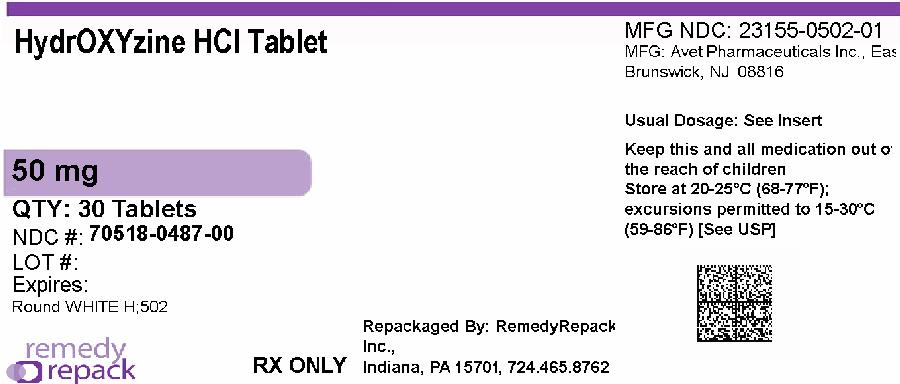
(hydroxy · DailyMed)
APDYL H
American Ice-cream Soda 0.020 mg/ 10ml,Carmellose Sodium 50.000 mg/ 10ml,Citric Acid Monohydrate 25.000 mg/ 10ml,Kulinjana T.P. 8:1 12.500 mg/ 10ml,Levomenthol 1.500 mg/ 10ml,Liquid Glucose 4000.000 mg/ 10ml,Liquid Sorbitol 1000.000 mg/ 10ml,Peppermint RS-1 0.003 mg/ 10ml,Pippali T.P. 3:1 3.330 mg/ 10ml,Purified Water q.s mg/ 10ml,Sodium Chloride 5.000 mg/ 10ml,Sodium Methyl Hydroxy Benzoate 18.000 mg/ 10ml,Sodium propyl hydroxybenzoate 2.000 mg/ 10ml,Sugar commercial 3000.000 mg/ 10ml,Vasaka T.P.3:1 IH 50.000 mg/ 10ml,Yashtimadhu T.P. 3:1 25.000 mg/ 10ml
What it does
American is a treatment used to manage various health conditions. It is important to use it as directed and be aware of any personal health concerns.
Read more in plain English ↓Plain-language summary for general understanding - not medical advice. Always follow your pharmacist/doctor.
Ask about this medicine
Answers come only from this medicine's registration record, BNF monograph and interaction data - not medical advice.
Medicine sourcing is available in Kenya only. We don't sell or dispense medicines - licensed pharmacies do.
Sourcing - Kenya onlyRegistration & product details
Source: Tanzania Medicines and Medical Devices Authority · fetched 2026-03-11 23:36:55 · updated 2026-10-29 03:00:48
About american
American is a treatment used to manage various health conditions. It is important to use it as directed and be aware of any personal health concerns.
How it works
The exact way American works is not specified, but it is designed to help improve health in specific conditions.
Who it's for
American is suitable for individuals with certain health conditions as determined by a healthcare provider.
AI-assisted summary grounded in BNF data - general information only, not medical advice. Always confirm with your pharmacist or doctor.
About benzoate
Benzoate is a compound often used as a preservative in food and medicines.
What it treats
- food preservation
- medicinal uses in certain formulations
How it works
Benzoate helps prevent the growth of harmful bacteria and fungi, keeping products safe for longer.
Who it's for
People consuming products containing benzoate, including children and adults.
AI-assisted summary grounded in BNF data - general information only, not medical advice. Always confirm with your pharmacist or doctor.
About carmellose
Carmellose is a substance used to help relieve dry eyes by keeping them moist and comfortable.
What it treats
- dry eyes
- ocular dryness
How it works
Carmellose works by forming a protective layer over the surface of the eye, helping to retain moisture.
Who it's for
Carmellose is suitable for anyone experiencing dry or irritated eyes.
AI-assisted summary grounded in BNF data - general information only, not medical advice. Always confirm with your pharmacist or doctor.
About citric
Citric acid is a natural substance often used to help with digestion and to support urinary health.
What it treats
- urinary tract infections (UTIs)
- kidney stones
- digestive issues
How it works
Citric acid helps to increase the acidity of urine, which can help to prevent the formation of certain types of kidney stones and may aid digestion.
Who it's for
Citric acid is suitable for adults and children who may need help with urinary health or digestion.
AI-assisted summary grounded in BNF data - general information only, not medical advice. Always confirm with your pharmacist or doctor.
About commercial
Commercial is a medication used to treat various conditions. Please consult your healthcare provider for specific information.
How it works
The exact way Commercial works is not specified, but it is designed to help manage certain health issues.
Who it's for
Commercial is for people who need treatment for specific medical conditions as determined by a healthcare professional.
AI-assisted summary grounded in BNF data - general information only, not medical advice. Always confirm with your pharmacist or doctor.
About glucose
Glucose is a simple sugar that provides energy to the body.
What it treats
- low blood sugar (hypoglycemia)
- energy supplement
How it works
Glucose quickly raises blood sugar levels, providing immediate energy.
Who it's for
People who need quick energy, especially those with low blood sugar.
AI-assisted summary grounded in BNF data - general information only, not medical advice. Always confirm with your pharmacist or doctor.
About hydroxy
Hydroxy is a medication used to treat various health conditions. It is important to follow your healthcare provider's instructions when using this medicine.
What it treats
- autoimmune diseases (such as rheumatoid arthritis)
- malaria prevention and treatment
- certain skin conditions (like lupus)
How it works
Hydroxy helps to reduce inflammation and the activity of the immune system.
Who it's for
This medicine is for people with specific autoimmune disorders, those at risk of malaria, or those with certain skin issues.
AI-assisted summary grounded in BNF data - general information only, not medical advice. Always confirm with your pharmacist or doctor.
About hydroxybenzoate
Hydroxybenzoate is a compound often used as a preservative in various products.
What it treats
- preservative in cosmetics
- preservative in food products
- preservative in pharmaceuticals
How it works
It helps prevent the growth of bacteria and fungi, keeping products safe and effective for longer.
Who it's for
Hydroxybenzoate is generally suitable for most people, but individuals with specific allergies should avoid it.
AI-assisted summary grounded in BNF data - general information only, not medical advice. Always confirm with your pharmacist or doctor.
About kulinjana
Kulinjana is used to treat various health conditions, helping to alleviate symptoms and improve overall well-being.
What it treats
- general health improvement
- symptom relief
How it works
Kulinjana works by influencing certain processes in the body to help manage health conditions.
Who it's for
Kulinjana is suitable for individuals seeking support for their overall health.
AI-assisted summary grounded in BNF data - general information only, not medical advice. Always confirm with your pharmacist or doctor.
About levomenthol
Levomenthol is a natural compound often used for its cooling and soothing effects.
What it treats
- muscle pain
- joint pain
- cough relief
- skin irritation
How it works
Levomenthol creates a cooling sensation on the skin or in the throat, which helps to relieve discomfort.
Who it's for
It is suitable for adults and children who need relief from mild pain or irritation.
AI-assisted summary grounded in BNF data - general information only, not medical advice. Always confirm with your pharmacist or doctor.
About liquid
Liquid medications can come in various forms, including solutions, syrups, and suspensions. They are often used for easier swallowing and faster absorption.
What it treats
- nausea and vomiting
- pain relief
- fever reduction
- cough relief
How it works
Liquid medications are absorbed quickly into the body, providing rapid relief for various symptoms.
Who it's for
Liquid medications can be suitable for people of all ages, especially those who have difficulty swallowing tablets or capsules.
AI-assisted summary grounded in BNF data - general information only, not medical advice. Always confirm with your pharmacist or doctor.
About methyl
Methyl is an active ingredient used in various medications. It is involved in different treatments for health conditions.
What it treats
- mood disorders
- depression
- anxiety
How it works
Methyl helps to improve mood and reduce feelings of anxiety by affecting certain chemicals in the brain.
Who it's for
This medication is for adults experiencing mood-related issues.
AI-assisted summary grounded in BNF data - general information only, not medical advice. Always confirm with your pharmacist or doctor.
About peppermint
Peppermint is a natural herb commonly used for its soothing properties.
What it treats
- digestive issues (like indigestion)
- headaches
- muscle pain
- colds and respiratory issues
How it works
Peppermint contains menthol, which helps relax muscles and has a cooling effect, providing relief from discomfort.
Who it's for
Anyone looking for natural relief from digestive problems, headaches, or muscle tension.
Cautions
- • May cause allergic reactions in some people.
- • Avoid if you have certain digestive conditions, like gastroesophageal reflux disease (GERD).
AI-assisted summary grounded in BNF data - general information only, not medical advice. Always confirm with your pharmacist or doctor.
About pippali
Pippali is an herbal remedy commonly used in traditional medicine.
What it treats
- digestive issues
- respiratory problems
- enhancing metabolism
How it works
Pippali is believed to support digestion and improve respiratory function by promoting the flow of energy in the body.
Who it's for
Pippali may be suitable for adults looking for natural support for digestion and respiratory health.
AI-assisted summary grounded in BNF data - general information only, not medical advice. Always confirm with your pharmacist or doctor.
About propyl
Propyl is a chemical compound often used in various medicines. It helps in treating certain health conditions, but specific information on its uses and interactions is not provided.
How it works
Propyl works by influencing biological processes in the body, but the exact mechanism is not detailed.
Who it's for
Propyl may be suitable for individuals needing treatment for specific health issues, though details are not provided.
AI-assisted summary grounded in BNF data - general information only, not medical advice. Always confirm with your pharmacist or doctor.
About purified
Purified ingredients are often used in various medicines to ensure safety and effectiveness by removing impurities.
What it treats
- various medical conditions
How it works
Purified ingredients help in delivering the intended effects of the medicine without the risk of contaminants.
Who it's for
People who need medications with safe and effective ingredients.
AI-assisted summary grounded in BNF data - general information only, not medical advice. Always confirm with your pharmacist or doctor.
About soda
Soda is a carbonated beverage that can provide hydration and a sweet taste but should be consumed in moderation due to high sugar content.
What it treats
- refreshment
- hydration
How it works
Soda contains carbonated water and sugar, which can provide a fizzy and sweet flavor that some people enjoy.
Who it's for
Soda is generally for anyone looking for a refreshing drink, but those with certain health conditions like diabetes should be cautious.
Cautions
- • High sugar content may contribute to weight gain.
- • Excessive consumption can lead to dental issues.
AI-assisted summary grounded in BNF data - general information only, not medical advice. Always confirm with your pharmacist or doctor.
About sorbitol
Sorbitol is a type of sugar alcohol used to help relieve constipation by softening the stool.
What it treats
- constipation
- bowel preparation
How it works
Sorbitol works by drawing water into the intestines, which helps to soften the stool and make it easier to pass.
Who it's for
Sorbitol is suitable for adults and children who need help with constipation.
AI-assisted summary grounded in BNF data - general information only, not medical advice. Always confirm with your pharmacist or doctor.
About sugar
Sugar is a simple carbohydrate that provides energy for the body.
What it treats
- providing energy
- sweetening food and drinks
How it works
Sugar is broken down in the body to release energy, which is essential for daily activities.
Who it's for
Everyone can consume sugar, but it should be in moderation, especially for those with certain health conditions.
Cautions
- • Excessive sugar intake can lead to weight gain.
- • High sugar consumption can increase the risk of diabetes and dental problems.
AI-assisted summary grounded in BNF data - general information only, not medical advice. Always confirm with your pharmacist or doctor.
About vasaka
Vasaka is a herbal remedy known for its benefits in respiratory health.
What it treats
- cough
- asthma
- bronchitis
How it works
Vasaka helps to clear mucus and soothe the airways, making it easier to breathe.
Who it's for
It is commonly used by individuals experiencing respiratory issues.
AI-assisted summary grounded in BNF data - general information only, not medical advice. Always confirm with your pharmacist or doctor.
About yashtimadhu
Yashtimadhu is a natural remedy known for its soothing properties, often used for respiratory issues and digestive health.
What it treats
- soothing sore throat
- helping with cough
- supporting digestion
How it works
Yashtimadhu works by calming irritation in the throat and supporting the body's natural healing processes.
Who it's for
Anyone looking for a natural way to relieve throat discomfort or improve digestion.
AI-assisted summary grounded in BNF data - general information only, not medical advice. Always confirm with your pharmacist or doctor.
Clinical monograph: Carmellosesodium
BNF-referencedCarmellose sodium is a high molecular weight polymer used primarily as a lubricant in ocular formulations. It is a derivative of cellulose and acts to relieve symptoms associated with dry eye conditions, including keratoconjunctivitis sicca. The compound forms a protective film on the surface of the eye, thereby enhancing comfort and stability of the tear film.
Indications
- Dry eye conditions
- Keratoconjunctivitis sicca
- Unstable tear film
Dosage
Children: Apply 3–4 times a day or when required to the eye.
Adults: Apply 3–4 times a day or when required to the eye.
Mechanism of action
Carmellose sodium acts as a viscosity-increasing agent, providing lubrication and hydration. It works by creating a gel-like consistency that mimics natural tears, thus improving moisture retention on the ocular surface. This action alleviates dryness and irritation in the eyes.
Pharmacodynamics
Carmellose sodium exhibits mucomimetic properties, which means it has the ability to mimic natural mucus in the eye. Its effectiveness in reducing symptoms of dryness is attributed to its ability to increase tear film stability and provide a protective barrier against environmental irritants. It does not have systemic effects as it is used topically.
Pharmacokinetics
Carmellose sodium is administered topically and is not absorbed systemically, making its pharmacokinetics primarily local. The onset of action is rapid, providing immediate relief for dry eye symptoms. The duration of action depends on factors such as the formulation and frequency of administration. Due to its high molecular weight, it remains on the ocular surface for an extended period, ensuring prolonged lubrication.
Adverse effects
- Transient blurred vision
- Eye irritation
- Allergic reactions
Precautions
- Consult a healthcare professional if symptoms persist
- Avoid contact with the tip of the dropper to prevent contamination
Pregnancy
Carmellose sodium is generally considered safe for use during pregnancy. However, consult a healthcare provider for personalized advice.
Breast-feeding
Carmellose sodium is not known to pose a risk during breastfeeding, but it is advisable to consult a healthcare provider.
Storage
Store at room temperature, away from direct sunlight. Keep out of reach of children.
Formulations
- Carmize 0.5% eye drops
- Carmize 1% eye drops
- Cellusan 0.5% eye drops
- Celluvisc 0.5% eye drops
- Liquivisc 0.25% eye gel
- Ocu-Lube Carmellose 0.5% eye drops
- Tearvis 0.5% eye drops
AI-synthesized from BNF references - general information only, not a substitute for professional medical advice or the current BNF. Verify doses with a pharmacist.
Clinical monograph: Glucose
BNF-referencedGlucose is a simple sugar and a vital carbohydrate that serves as the primary energy source for human cells. It is essential for various metabolic processes, providing energy through glycolysis and subsequent pathways. Glucose is utilized by nearly all tissues and plays a crucial role in maintaining energy homeostasis in the body. It can be administered orally or intravenously and is commonly used in clinical settings for fluid and electrolyte management.
Indications
- Fluid and electrolyte imbalances
- Hypoglycemia
- Nutritional supplementation
- Diabetic emergencies
Dosage
Children: Refer to the BNF for Children for appropriate paediatric dosing guidelines.
Adults: The dosage varies based on the clinical condition and specific formulation used. For intravenous administration, consult product literature for precise dosing.
Mechanism of action
Glucose supplies energy to tissues by undergoing glycolysis, which begins with its phosphorylation by hexokinase to form glucose 6-phosphate. This activates glucose for breakdown, ultimately generating ATP and NADH. The aerobic metabolism of glucose can yield up to 36 ATP molecules. Glucose also serves as a precursor for other biomolecules and regulates various physiological processes including gene transcription and hormone secretion.
Pharmacodynamics
Glucose is an obligatory energy source for cellular activities and plays a significant role in metabolic signaling. It is oxidized to yield energy through glycolysis, the citric acid cycle, and oxidative phosphorylation. Glucose can be converted into fat for energy storage and is stored as glycogen in the liver and muscles. Its administration increases blood glucose levels and stimulates insulin secretion, particularly through oral routes that activate gut incretin hormones.
Pharmacokinetics
Glucose is rapidly absorbed from the gastrointestinal tract or directly into the bloodstream when administered intravenously. It is distributed widely throughout the body and metabolized primarily in tissues requiring energy. The body maintains glucose homeostasis through regulatory mechanisms involving insulin and glucagon. Excess glucose can be stored as glycogen or converted to triglycerides for long-term energy storage.
Adverse effects
- Hyperglycemia
- Increased osmolarity
- Fluid overload
- Electrolyte imbalances
Interactions
- Insulin - may require dose adjustments
Precautions
- Use with caution in patients with diabetes mellitus
- Monitor blood glucose levels in patients receiving parenteral glucose
- Adjust dosage in renal impairment
Pregnancy
Glucose is generally considered safe in pregnancy; however, monitoring is advised, especially in diabetic patients.
Breast-feeding
Glucose is considered safe during breastfeeding, as it is a natural sugar found in breast milk.
Storage
Store at room temperature, away from light. Avoid freezing.
Formulations
- Glucose 5% solution for infusion
- Glucose 10% solution for infusion
- Glucose 0.9% solution for injection
- Glucose sodium chloride combination solutions
AI-synthesized from BNF references - general information only, not a substitute for professional medical advice or the current BNF. Verify doses with a pharmacist.
Clinical monograph: Levomenthol
BNF-referencedLevomenthol is a compound derived from menthol, primarily used for its topical cooling and analgesic effects. It is commonly found in various topical formulations aimed at alleviating discomfort associated with conditions such as pruritus and acne. Its cooling sensation is attributed to its ability to activate cold-sensitive receptors in the skin, providing symptomatic relief.
Indications
- Pruritus
- Eczema
- Acne
- Rosacea
Dosage
Children: For children aged 12-17 years, apply up to 3 grams 3-4 times a day, ensuring coverage is less than 10% of body surface area.
Adults: Apply thinly to the affected area 1-2 times a day. Maximum application should cover less than 10% of body surface area, with a total daily maximum of 12 grams.
Mechanism of action
Levomenthol primarily activates the cold-sensitive TRPM8 receptors in the skin. This stimulation leads to a feeling of coolness by inhibiting calcium ion currents in neuronal membranes. Additionally, menthol may exhibit analgesic properties through kappa-opioid receptor agonism, further contributing to its pain-relieving effects.
Pharmacodynamics
Levomenthol is a covalent organic compound that can be synthesized or extracted from peppermint and other mint oils. It induces a cooling sensation when applied topically, inhaled, or ingested, by stimulating cold-sensitive receptors located in the skin. Notably, this effect occurs without a decrease in actual skin temperature, making it useful in topical formulations for managing discomfort.
Pharmacokinetics
Levomenthol is absorbed through the skin upon topical application. Its effects are localized, and it does not significantly enter systemic circulation when used as directed. The onset of action is typically rapid, providing immediate symptomatic relief from conditions like itching and irritation.
Contra-indications
- Severe heart disease
- Severe hepatic impairment
- Glaucoma
- Urinary retention
- History of mania or arrhythmias
Adverse effects
- Drowsiness
- Dizziness
- Headache
- Nausea
- Vomiting
- Dry mouth
- Dry eyes
- Diarrhea
- Constipation
- Skin reactions
- Altered taste
- Blurred vision
- Suicidal behaviors
Interactions
- Tricyclic antidepressants
- Other central nervous system depressants
Precautions
- Avoid application to large areas of the skin
- Use caution in patients with a history of psychiatric disorders
- Caution advised for driving and skilled tasks due to potential somnolence or dizziness
Pregnancy
Manufacturer advises use only if potential benefit outweighs risk.
Breast-feeding
Manufacturer advises use only if potential benefit outweighs risk.
Storage
Store in a cool, dry place, protected from light.
Formulations
- AquaSoothe 1% cream (Menthol 10 mg per 1 gram)
- AquaSoothe 2% cream (Menthol 20 mg per 1 gram)
- Arjun 0.5% cream (Menthol 5 mg per 1 gram)
- Arjun 1% cream (Menthol 10 mg per 1 gram)
- Dermacool 0.5% cream (Menthol 5 mg per 1 gram)
- Dermacool 1% cream (Menthol 10 mg per 1 gram)
- Menthoderm 0.5% cream (Menthol 5 mg per 1 gram)
- Menthoderm 1% cream (Menthol 10 mg per 1 gram)
- Menthoderm 2% cream (Menthol 20 mg per 1 gram)
- Menthoderm 5% cream (Menthol 50 mg per 1 gram)
AI-synthesized from BNF references - general information only, not a substitute for professional medical advice or the current BNF. Verify doses with a pharmacist.
Clinical monograph: american
American (often referred to as American ginseng, Panax quinquefolius) is an herbal supplement derived from the root of the American ginseng plant. It is commonly used for its potential health benefits, including enhancing energy, reducing stress, and improving cognitive function. It is also believed to have adaptogenic properties, helping the body adapt to stress and promoting overall wellness.
Indications
- Fatigue
- Stress management
- Cognitive enhancement
- Immune system support
- General health and wellness
Dosage
Children: Refer to a healthcare professional or specific product guidelines regarding the use of American ginseng in children, as safety and efficacy have not been well established.
Adults: Refer to specific product guidelines, as doses may vary widely based on formulation and intended use.
Mechanism of action
The exact mechanism of action of American ginseng is not fully understood, but it is thought to involve modulation of the immune system and effects on the central nervous system. Compounds called ginsenosides are believed to be responsible for many of its pharmacological effects, which may include enhancing the activity of neurotransmitters, reducing oxidative stress, and influencing hormonal balance.
Pharmacodynamics
American ginseng exhibits various pharmacodynamic effects, including anti-fatigue, anti-stress, and cognitive enhancement properties. It may improve physical performance and increase resistance to stress and fatigue. Its immunomodulatory effects are also notable, as it may enhance the function of immune cells, thereby improving the body’s response to infections.
Pharmacokinetics
American ginseng is typically consumed orally, and its active components, primarily ginsenosides, undergo metabolism in the liver. The bioavailability and pharmacokinetics can vary significantly depending on the formulation and preparation of the ginseng product. Peak plasma concentrations of ginsenosides are usually reached within hours after administration. The elimination half-life of ginsenosides may vary, and factors such as age, sex, and health status can influence how the body processes American ginseng.
AI-synthesized from BNF references - general information only, not a substitute for professional medical advice or the current BNF. Verify doses with a pharmacist.
Clinical monograph: benzoate
BNF-referencedBenzoate is the conjugate base of benzoic acid, characterized by the molecular formula C7H5O2-. It is primarily utilized as a food preservative and has various roles in metabolic pathways within the human body. As a naturally occurring compound, it plays a role in the biosynthesis of several secondary metabolites and is involved in the degradation of certain aromatic compounds.
Indications
- Food preservative
- Treatment of urea cycle disorders
- Metabolic disorders involving benzoyl-CoA
Dosage
Children: Refer to the BNF for Children for specific dosing guidelines based on condition.
Adults: Refer to the BNF for specific dosing guidelines based on condition.
Mechanism of action
Benzoate acts mainly by inhibiting the growth of bacteria and fungi through its ability to lower the pH, creating an environment that is less favorable for microbial growth. It is also involved in metabolic pathways where it helps in the conjugation of toxic substances, facilitating their excretion from the body.
Pharmacodynamics
Benzoate is known for its antimicrobial properties, which are particularly effective against a wide range of fungi and bacteria. Its efficacy as a preservative is due to its ability to penetrate microbial cell membranes and disrupt their metabolic processes. Additionally, it has been observed to modulate various metabolic pathways, particularly those associated with aromatic compound degradation.
Pharmacokinetics
After ingestion, benzoate is rapidly absorbed in the gastrointestinal tract. It is metabolized primarily in the liver, where it undergoes conjugation with glycine to form hippurate, which is then excreted in the urine. The half-life of benzoate varies depending on individual metabolic rates but is generally short due to its efficient conversion and excretion.
Pregnancy
There is limited data on the use of benzoate in pregnancy. Consultation with healthcare professionals is advised before use.
Breast-feeding
Limited data is available on the excretion of benzoate in breast milk. Caution is recommended when administering to nursing mothers.
Storage
Store in a cool, dry place away from direct sunlight. Keep out of reach of children.
AI-synthesized from BNF references - general information only, not a substitute for professional medical advice or the current BNF. Verify doses with a pharmacist.
Clinical monograph: carmellose
Carmellose, also known as carboxymethyl cellulose (CMC), is a water-soluble polysaccharide derived from cellulose. It is commonly used as a thickening agent, emulsifier, and stabilizer in various pharmaceutical formulations, as well as in food products. Carmellose aids in the formation of gels and enhances the viscosity of solutions, making it useful in both topical and oral dosage forms.
Indications
- Dry eye syndrome
- Ocular lubrication
- Gastroesophageal reflux disease (GERD)
- Topical applications (as a lubricant or protectant)
Dosage
Children: Refer to specific formulation guidelines for recommended dosages, as doses vary widely depending on the formulation and intended use.
Adults: Refer to specific formulation guidelines for recommended dosages, as doses vary widely depending on the formulation and intended use.
Mechanism of action
Carmellose works by increasing the viscosity of solutions and forming a gel-like consistency when mixed with water. This property allows it to act as a lubricant and protectant, particularly in formulations designed for ocular or gastrointestinal use. The water-binding capacity of carmellose helps to retain moisture in tissues, which can be beneficial in treating dryness.
Pharmacodynamics
The pharmacodynamic properties of carmellose are primarily related to its ability to modify the physical properties of solutions and suspensions. It does not exert specific pharmacological effects but rather enhances the bioavailability and stability of active ingredients in pharmaceutical formulations. Its hydrophilic nature allows it to hold water and improve the consistency of products, thus facilitating drug delivery and absorption.
Pharmacokinetics
Carmellose is not absorbed systemically when administered orally, as it is primarily used as an excipient. It passes through the gastrointestinal tract without significant metabolism. The elimination half-life is not applicable, as it does not enter systemic circulation. Its effects are localized to the site of application or ingestion, where it acts as a bulking agent or thickener.
Adverse effects
- Gastrointestinal discomfort
- Bloating
- Diarrhea
Precautions
- Use with caution in patients with gastrointestinal disorders
- Monitor for hypersensitivity reactions
Pregnancy
Carmellose is generally considered safe during pregnancy, but it is advisable to consult a healthcare provider before use.
Breast-feeding
Carmellose is considered safe for use during breastfeeding, but it is recommended to seek advice from a healthcare professional.
Storage
Store in a cool, dry place away from direct sunlight.
Formulations
- Powder
- Tablet
- Capsule
- Suspension
AI-synthesized from BNF references - general information only, not a substitute for professional medical advice or the current BNF. Verify doses with a pharmacist.
Clinical monograph: citric
BNF-referencedCitric acid, a key intermediate in the citric acid cycle, is a weak organic acid with the molecular formula C10H18O. It is commonly found in citrus fruits and is widely used in the food and pharmaceutical industries for its preservative and flavoring properties. Citric acid is also utilized in various formulations for its ability to enhance solubility and stability of active ingredients.
Indications
- Acidulant in food and beverages
- Preservative in pharmaceutical formulations
- pH adjuster in various chemical preparations
Dosage
Children: Refer to product-specific guidelines for appropriate dosing based on formulation and indication.
Adults: Refer to product-specific guidelines for appropriate dosing based on formulation and indication.
Mechanism of action
Citric acid acts by chelating metal ions, which can enhance the solubility of certain compounds and improve their bioavailability. It also contributes to the acidity of the environment, which can influence enzymatic activity and metabolic pathways, particularly in the degradation of citronellol.
Pharmacodynamics
Citric acid exhibits mild pharmacological effects primarily attributed to its role in metabolic processes. It aids in the regulation of pH levels, which can impact enzymatic reactions and biochemical pathways. The acid's chelating properties may help to reduce the toxicity of certain metal ions in biological systems.
Pharmacokinetics
Citric acid is rapidly absorbed after oral administration and is metabolized in the liver. It undergoes conversion to various metabolites in the citric acid cycle, contributing to energy production. The elimination primarily occurs through urine, with minimal accumulation in the body.
Pregnancy
Citric acid is generally regarded as safe during pregnancy when used in food amounts. However, consult a healthcare provider for advice on medicinal use.
Breast-feeding
Citric acid is considered safe during breastfeeding when consumed in food amounts. For medicinal use, consult a healthcare provider.
Storage
Store in a cool, dry place away from direct sunlight.
AI-synthesized from BNF references - general information only, not a substitute for professional medical advice or the current BNF. Verify doses with a pharmacist.
Clinical monograph: commercial
Commercial is a term used to refer to various pharmaceutical products that are marketed for sale. These products can include a wide range of medications, each with specific indications, dosages, and pharmacological properties. The term 'commercial' does not refer to a specific drug but rather to the general concept of medications available in the market.
Dosage
Children: Refer to the specific product information for paediatric dosing recommendations, as this varies widely depending on the active ingredient and age of the child.
Adults: Refer to the specific product information for dosage recommendations, as this varies based on the active ingredient and condition being treated.
Mechanism of action
The mechanism of action for commercial drugs varies widely depending on the specific medication. Generally, drugs can work by interacting with specific receptors in the body, inhibiting enzymes, or affecting neurotransmitter levels, among other pathways.
Pharmacodynamics
Pharmacodynamics refers to the effects of a drug on the body, which can include changes in physiological processes, interactions with different receptors, and alterations in the pharmacological effects. For commercial drugs, this can vary significantly based on the active ingredients and their intended effects.
Pharmacokinetics
Pharmacokinetics involves the absorption, distribution, metabolism, and excretion of drugs. For commercial medications, these processes can differ widely based on the formulation, route of administration, and specific drug characteristics.
Pregnancy
Consult healthcare provider before use. The effects of commercial drugs during pregnancy can vary significantly based on the specific medication.
Breast-feeding
Consult healthcare provider before use. The safety of commercial drugs during breastfeeding can depend on the specific medication.
Storage
Store in a cool, dry place away from direct sunlight. Keep out of reach of children.
AI-synthesized from BNF references - general information only, not a substitute for professional medical advice or the current BNF. Verify doses with a pharmacist.
Clinical monograph: hydroxy
BNF-referencedHydroxyzine is an antihistamine of the first generation, primarily used for its sedative and anxiolytic properties. It is effective in treating anxiety, nausea, and allergic conditions. Hydroxyzine also possesses anticholinergic properties, which contribute to its sedative effects. It is commonly used in both adult and pediatric populations for various indications, including preoperative sedation and management of pruritus.
Indications
- Anxiety disorders
- Nausea and vomiting
- Allergic conditions
- Preoperative sedation
- Pruritus
Dosage
Children: Refer to the BNF for Children for appropriate dosing recommendations based on age and weight.
Adults: Refer to the BNF for specific dosing guidelines based on the indication and patient characteristics.
Mechanism of action
Hydroxyzine works by antagonizing the H1 histamine receptors, leading to a reduction in the effects of histamine in the body. This action helps alleviate symptoms of allergic reactions and promotes sedation. Additionally, it may exert effects on serotonin and adrenergic receptors, which could contribute to its anxiolytic properties. Hydroxyzine is also involved in various metabolic pathways, including selenium metabolism and the degradation of reactive oxygen species.
Pharmacodynamics
The pharmacodynamic effects of hydroxyzine include sedation, anxiolysis, and reduction of allergic symptoms. Its sedative effects can make it useful in managing anxiety and inducing sleep, while its antihistaminic properties help to relieve symptoms such as itching and rashes associated with allergic reactions. The onset of action is typically within 15 to 30 minutes when taken orally, with peak effects occurring within 1 to 2 hours.
Pharmacokinetics
Hydroxyzine is well absorbed from the gastrointestinal tract, with peak plasma concentrations occurring approximately 2 hours after oral administration. It is extensively metabolized in the liver, with metabolites, including cetirizine, possessing their own therapeutic effects. Hydroxyzine has a half-life of approximately 20 hours, allowing for once or twice daily dosing. It is primarily excreted in the urine, with less than 1% of the unchanged drug found in urine.
Interactions
- hydroxyzine+antiepileptics: Severe (increases risk of overheating and dehydration)
- hydroxyzine+zonisamide: Severe (increases risk of overheating and dehydration)
- hydroxychloroquine+penicillamine: Severe (increases risk of haematological toxicity)
- hydroxychloroquine+agalsidase alfa: Unknown (decreases effects)
- hydroxychloroquine+agalsidase beta: Unknown (decreases exposure)
- hydroxychloroquine+oral cholera vaccine: Unknown (decreases efficacy)
- live vaccines+hydroxy carbamide: Unknown (increases risk of generalised infection (possibly life-threatening))
- lanthanum+hydroxychloroquine: Unknown (decreases absorption)
- macrolides+hydroxychloroquine: Unknown (increases risk of serious cardiovascular adverse effects)
- hydroxychloroquine+remdesivir: Unknown (decreases effects)
Pregnancy
Safety in pregnancy has not been established. Use only if the potential benefit justifies the potential risk to the fetus.
Breast-feeding
Use with caution. Hydroxychloroquine is excreted in breast milk, and effects on the infant are unknown.
Storage
Store in a cool, dry place, protected from light. Keep out of reach of children.
Formulations
- Tablets
- Oral solution
AI-synthesized from BNF references - general information only, not a substitute for professional medical advice or the current BNF. Verify doses with a pharmacist.
Clinical monograph: hydroxybenzoate
BNF-referencedHydroxybenzoate, also known as a derivative of benzoic acid, is a compound that plays a significant role in various biochemical pathways, including the biosynthesis of salicylates and volatile benzenoids. It is commonly utilized in pharmaceutical formulations and is recognized for its potential applications in preserving medications and food products due to its antimicrobial properties.
Indications
- Use as a preservative in pharmaceutical formulations
- Antimicrobial agent in cosmetic and food products
- Potential use in the management of inflammatory conditions due to salicylate biosynthesis
Dosage
Children: Refer to the BNF for Children for appropriate dosing information.
Adults: Refer to the specific product guidelines and BNF for appropriate dosing information.
Mechanism of action
Hydroxybenzoate functions primarily as a preservative by inhibiting the growth of microorganisms. It exerts its effects through the disruption of microbial cell metabolism, thereby preventing spoilage and degradation. The compound is involved in various biosynthetic pathways, including the production of salicylates, which possess anti-inflammatory properties.
Pharmacodynamics
Hydroxybenzoate displays antimicrobial activity against a range of bacteria and fungi. Its efficacy is influenced by factors such as pH and concentration, with higher concentrations generally leading to greater antimicrobial effects. The compound may also exhibit antioxidant properties, contributing to its protective effects in various formulations.
Pharmacokinetics
The pharmacokinetics of hydroxybenzoate involves its absorption, distribution, metabolism, and excretion. It is readily absorbed when applied topically or ingested. Once in the system, it is metabolized primarily in the liver, with metabolites excreted through the urine. The elimination half-life may vary based on the formulation and route of administration.
Pregnancy
There is limited information available regarding the safety of hydroxybenzoate during pregnancy. Consult a healthcare provider for advice.
Breast-feeding
It is unclear if hydroxybenzoate is excreted in human milk. Consult a healthcare provider before use.
Storage
Store in a cool, dry place, away from direct sunlight. Keep out of reach of children.
AI-synthesized from BNF references - general information only, not a substitute for professional medical advice or the current BNF. Verify doses with a pharmacist.
Clinical monograph: kulinjana
Kulinjana, also known as Amaryllis belladonna, is a flowering plant whose bulb is traditionally used in herbal medicine. It has been utilized for its alkaloid content, which includes compounds such as atropine and scopolamine. These substances are known for their anticholinergic properties, affecting the autonomic nervous system. Kulinjana has been employed in various cultural practices to treat conditions related to muscle spasms, respiratory issues, and as a sedative.
Indications
- Muscle spasms
- Respiratory disorders
- Sedation
- Motion sickness
- Pre-anesthetic medication
Dosage
Children: Dosage is not well established and should be determined by a healthcare professional based on individual patient needs and clinical guidelines.
Adults: Dosage varies based on specific indication and formulation. Refer to established clinical guidelines and pharmacological references for specific dosing.
Mechanism of action
The primary active components of kulinjana are tropane alkaloids, such as atropine and scopolamine, which act as competitive antagonists of muscarinic acetylcholine receptors. By blocking these receptors, they inhibit the action of acetylcholine, leading to decreased secretions, bronchodilation, and reduced smooth muscle contraction. The central effects include sedation and amnesia, contributing to its use in various therapeutic applications.
Pharmacodynamics
The pharmacodynamic effects of kulinjana are largely attributed to its anticholinergic activity. This leads to increased heart rate, decreased glandular secretions, and relaxation of smooth muscle. The sedative effects can also result in drowsiness and reduced gastrointestinal motility. The onset and duration of action depend on the formulation and route of administration, with intravenous administration leading to rapid effects.
Pharmacokinetics
After administration, alkaloids from kulinjana are absorbed through the gastrointestinal tract and can cross the blood-brain barrier due to their lipid solubility. The peak plasma concentrations occur within a few hours, and the half-life can vary between 2 to 4 hours. The metabolism primarily occurs in the liver through cytochrome P450 enzymes, and elimination is mostly through urine, with some metabolites excreted in feces.
Pregnancy
Safety during pregnancy has not been established. Use only if clearly needed and potential benefits justify the risks.
Breast-feeding
Caution is advised when using during breastfeeding, as it is not known if the drug is excreted in human milk.
Storage
Store in a cool, dry place away from direct light. Keep out of reach of children.
AI-synthesized from BNF references - general information only, not a substitute for professional medical advice or the current BNF. Verify doses with a pharmacist.
Clinical monograph: liquid
BNF-referencedMethyl parathion is an organophosphate compound primarily used as an insecticide. It exerts its effects through inhibition of key enzymes involved in neurotransmission, leading to toxic effects associated with acute poisoning. It is important to note that toxic manifestations generally occur only after significant inhibition of plasma cholinesterase levels, specifically when more than 50% inhibition is observed. This compound has been studied for its acute toxicity and enzymatic interactions.
Indications
- Insecticide for agricultural use
- Research tool in toxicology
Dosage
Children: Refer to the BNF for Children for specific dosing and administration guidelines.
Adults: Refer to the BNF for specific dosing and administration guidelines.
Mechanism of action
Methyl parathion acts primarily by inhibiting the enzyme acetylcholinesterase, which is essential for the breakdown of the neurotransmitter acetylcholine. Its active metabolite, methyl paraoxon, is a potent inhibitor of both acetylcholinesterase and butyrylcholinesterase. The inhibition of these enzymes results in the accumulation of acetylcholine at synapses, leading to overstimulation of cholinergic receptors and resultant toxic effects.
Pharmacodynamics
The pharmacodynamics of methyl parathion involve its action as a noncompetitive inhibitor of acetylcholinesterase, causing prolonged effects of acetylcholine due to its inability to be hydrolyzed. The resultant cholinergic toxicity can lead to symptoms such as muscle twitching, respiratory distress, and potentially fatal outcomes if not treated promptly. The extent of inhibition is dose-dependent, with significant toxicity occurring after substantial enzyme inhibition.
Pharmacokinetics
Methyl parathion is absorbed through the gastrointestinal tract and can also be absorbed through the skin and respiratory tract. It is metabolized in the liver to form methyl paraoxon, which is responsible for the majority of its toxic effects. The distribution of methyl parathion in body tissues is influenced by its lipophilicity, and it is primarily excreted as metabolites in the urine. The elimination half-life and specific pharmacokinetic parameters can vary based on individual metabolism and exposure levels.
Pregnancy
There are no adequate and well-controlled studies in pregnant women. Use only if the potential benefit justifies the potential risk to the fetus.
Breast-feeding
It is not known whether this drug is excreted in human milk. Caution is advised when administering to nursing women.
Storage
Store in a cool, dry place away from direct sunlight. Keep out of reach of children.
Formulations
- Liquid formulation
AI-synthesized from BNF references - general information only, not a substitute for professional medical advice or the current BNF. Verify doses with a pharmacist.
Clinical monograph: methyl
BNF-referencedMethyl compounds, including corticosteroids like methylprednisolone, are synthetic derivatives of naturally occurring steroids. They are widely used for their anti-inflammatory and immunosuppressive properties. Methylprednisolone is notably effective in managing various conditions involving inflammation and autoimmunity.
Indications
- Allergic conditions
- Autoimmune diseases
- Asthma and chronic obstructive pulmonary disease (COPD)
- Certain cancers (e.g., leukemia, lymphoma)
- Skin conditions (e.g., dermatitis)
- Inflammatory bowel disease
- Multiple sclerosis exacerbations
- Severe infections requiring immunosuppression
Dosage
Children: Refer to BNF for Children for specific dosing; doses vary significantly based on the child's age, weight, and condition being treated.
Adults: Refer to BNF for specific dosing; typically, initial doses range from 4 to 48 mg depending on the severity of the condition.
Mechanism of action
Methylprednisolone exerts its effects by binding to glucocorticoid receptors, leading to the modulation of gene expression. This interaction influences the transcription of anti-inflammatory proteins while suppressing the expression of pro-inflammatory genes, ultimately resulting in reduced inflammation and immune response.
Pharmacodynamics
The pharmacodynamic effects of methylprednisolone are characterized by its ability to decrease inflammation, suppress the immune response, and affect carbohydrate metabolism. Therapeutic doses lead to various systemic effects, including modification of leukocyte distribution and inhibition of cytokine production.
Pharmacokinetics
Methylprednisolone is well absorbed after oral administration, with a bioavailability of approximately 50%. It has a volume of distribution that reflects extensive tissue binding. The drug is metabolized primarily in the liver through conjugation and reduction, and its metabolites are excreted in urine. The half-life varies based on the route of administration but is generally around 18 to 36 hours.
Adverse effects
- Increased blood pressure
- Hyperglycemia
- Weight gain
- Mood changes
- Insomnia
- Gastrointestinal disturbances
- Increased susceptibility to infections
Interactions
- methylphenidate+apraclonidine: Severe (decreases effects)
- methylthioninium chloride+bupropion: Severe (increases risk of severe hypertension)
- methylphenidate+linezolid: Severe (increases risk of elevated blood pressure)
- rasagiline+methylphenidate: Severe (increases risk of a hypertensive crisis)
- mao-inhibitors+methylphenidate: Severe (increases risk of a hypertensive crisis)
- dronedarone+methylprednisolone: Moderate (increases exposure)
- miconazole+methylprednisolone: Moderate (increases concentration)
- antifungals, azoles+methylprednisolone: Moderate (increases exposure)
- crizotinib+methylprednisolone: Moderate (increases exposure)
Precautions
- Use with caution in patients with hypertension
- Monitor blood glucose levels in diabetic patients
- Consider potential for infection risk due to immunosuppression
- Evaluate for psychiatric effects in susceptible individuals
Pregnancy
Corticosteroids may be used during pregnancy if the potential benefit justifies the risk to the fetus. Careful monitoring is advised.
Breast-feeding
Corticosteroids are excreted in breast milk; caution is advised. Monitor the infant for potential effects.
Storage
Store in a cool, dry place, away from light. Keep out of reach of children.
Formulations
- Tablets
- Injectable solutions
- Topical preparations
AI-synthesized from BNF references - general information only, not a substitute for professional medical advice or the current BNF. Verify doses with a pharmacist.
Clinical monograph: methylsulphate
BNF-referencedMethylsulphate, with the molecular formula CH3O4S, is an organic compound that serves as a methylating agent. It is commonly used in various chemical reactions, including the methylation of nucleophiles in organic synthesis. Methylsulphate is not typically used as a therapeutic agent in clinical practice but may be encountered in laboratory settings.
Mechanism of action
Methylsulphate functions as a methylating agent, transferring a methyl group to nucleophiles. This process involves the formation of a sulfonium ion, which is highly reactive and can readily react with nucleophilic sites on various substrates, leading to methylation reactions.
Pharmacodynamics
The pharmacodynamics of methylsulphate is primarily related to its role as a methylating agent in biochemical reactions. It can alter the structure and function of biological molecules, potentially affecting cellular processes and signaling pathways. However, detailed pharmacodynamic studies specific to therapeutic use are limited.
Pharmacokinetics
There is limited information on the pharmacokinetics of methylsulphate, given its typical use as a reagent in laboratory settings rather than a clinical drug. When used in chemical reactions, its reactivity and transformation into other compounds would dictate its pharmacokinetic profile, which could vary significantly based on the specific context of use.
Pregnancy
There is limited data on the use of methylsulphate in pregnancy. Consult relevant guidelines.
Breast-feeding
Data on the excretion of methylsulphate in human milk is not available. Caution is advised.
Storage
Store in a cool, dry place, away from direct sunlight.
AI-synthesized from BNF references - general information only, not a substitute for professional medical advice or the current BNF. Verify doses with a pharmacist.
Clinical monograph: peppermint
Peppermint, derived from the Mentha piperita plant, is commonly used in traditional and complementary medicine. Its essential oil contains menthol, which is primarily responsible for its therapeutic effects. Peppermint is often utilized for its soothing properties, particularly in digestive disorders and respiratory conditions. It is available in various forms, including oil, capsules, and teas.
Indications
- Irritable bowel syndrome
- Dyspepsia
- Nausea
- Headaches
- Respiratory congestion
Dosage
Children: Refer to the BNF for Children for appropriate dosing guidelines.
Adults: Refer to the relevant product-specific information for dosing recommendations, as peppermint formulations can vary widely.
Mechanism of action
The primary active component, menthol, works by activating the TRPM8 (transient receptor potential cation channel subfamily M member 8) ion channel, which is involved in the sensation of cold and cooling. This action can lead to a localized anesthetic effect, reducing pain and discomfort. Additionally, menthol can cause relaxation of smooth muscle in the gastrointestinal tract, aiding in the relief of digestive symptoms.
Pharmacodynamics
Peppermint exhibits antispasmodic effects, particularly in the gastrointestinal tract, by relaxing the smooth muscles. It also has a mild analgesic effect due to its cooling sensation, which can provide symptomatic relief in various conditions. Furthermore, peppermint oil may have antimicrobial properties, contributing to its use in treating certain infections.
Pharmacokinetics
Menthol is rapidly absorbed after oral administration and is metabolized in the liver. The peak plasma concentration typically occurs within a few hours. The elimination half-life of menthol is approximately 1.5 to 2 hours, and it is primarily excreted in the urine as metabolites. The pharmacokinetics of peppermint oil can vary based on the formulation and route of administration.
Interactions
- peppermint oil + lomitapide: Unknown (increases exposure)
Pregnancy
Peppermint is generally considered safe for use in pregnancy when used in culinary amounts. However, high doses should be avoided due to potential uterine stimulation.
Breast-feeding
Peppermint is considered safe during breastfeeding when used in culinary amounts. Caution is advised with high doses as effects on the infant are not well studied.
Storage
Store in a cool, dry place away from direct sunlight. Keep out of reach of children.
Formulations
- Peppermint oil
- Peppermint extract
- Peppermint tea
AI-synthesized from BNF references - general information only, not a substitute for professional medical advice or the current BNF. Verify doses with a pharmacist.
Clinical monograph: pippali
Pippali, also known as Piper longum, is a medicinal herb widely used in traditional Ayurvedic medicine. It is known for its potential health benefits, including enhancing bioavailability of other herbs and nutrients, improving digestion, and possessing anti-inflammatory and antioxidant properties. Pippali is commonly used to support respiratory health and may aid in the treatment of various respiratory conditions.
Indications
- Respiratory conditions (e.g., asthma, bronchitis)
- Digestive disorders
- Enhancing bioavailability of drugs
- Anti-inflammatory conditions
- Antioxidant support
Dosage
Children: For paediatric dosing, refer to established Ayurvedic practices or consult a healthcare professional for guidance.
Adults: For adults, specific dosing may vary based on the formulation and indication. It is advisable to refer to Ayurvedic guidelines or consult with a healthcare professional for appropriate dosing.
Mechanism of action
Pippali contains piperine, which enhances the bioavailability of various drugs by inhibiting certain enzymes involved in drug metabolism. It also exhibits bronchodilator activity, facilitating improved airflow in the lungs. The herb's active compounds may influence neurotransmitter activity and modulate inflammatory pathways, contributing to its therapeutic effects.
Pharmacodynamics
The pharmacodynamic properties of pippali are attributed to its active constituents, primarily piperine. Piperine has been shown to stimulate digestive enzymes, promote gastrointestinal absorption, and enhance the efficacy of certain medications. It also exhibits anti-inflammatory and analgesic effects, which may help in alleviating symptoms associated with inflammatory conditions. Additionally, pippali may exert antioxidant effects, combating oxidative stress in the body.
Pharmacokinetics
Piperine, the principal active component of pippali, is rapidly absorbed from the gastrointestinal tract. It undergoes extensive metabolism in the liver, primarily via glucuronidation and sulfation. The half-life of piperine is relatively short, necessitating multiple doses for sustained effects. Its ability to inhibit drug-metabolizing enzymes can lead to increased plasma concentrations of co-administered drugs, thereby enhancing their therapeutic effects.
Adverse effects
- Gastrointestinal upset
- Diarrhea
- Nausea
- Vomiting
Precautions
- Use with caution in individuals with gastrointestinal disorders
- Monitor for potential interactions with other herbal supplements or medications
Pregnancy
Pippali is generally considered safe in traditional usage, but limited scientific evidence is available. Consult a healthcare provider.
Breast-feeding
Limited data, consult a healthcare provider before use.
Storage
Store in a cool, dry place, away from direct sunlight and moisture.
Formulations
- Powder
- Capsules
- Extracts
- Infusions
AI-synthesized from BNF references - general information only, not a substitute for professional medical advice or the current BNF. Verify doses with a pharmacist.
Clinical monograph: propyl
BNF-referencedPropyl, or propyl group, refers to a branched alkyl group derived from propane and is often used in organic chemistry as a substituent on various compounds. In pharmacology, propyl derivatives have been associated with various therapeutic agents, including antithyroid medications. Propylthiouracil (PTU) is a notable drug that contains a propyl group and is used primarily in the management of hyperthyroidism. It inhibits the synthesis of thyroid hormones, thereby decreasing their levels in the body.
Indications
- Hyperthyroidism
- Graves' disease
- Thyroid storm
Dosage
Children: Refer to the BNF
Adults: The usual initial dose of propylthiouracil in adults is 300 mg per day, divided into 3 doses. The maintenance dose is typically 100-150 mg per day, adjusted based on thyroid function tests.
Mechanism of action
Propylthiouracil acts by inhibiting the enzyme thyroid peroxidase, which is involved in the iodination of tyrosine residues in thyroglobulin, a precursor of thyroid hormones. By blocking this enzyme, PTU reduces the production of thyroxine (T4) and triiodothyronine (T3), leading to decreased thyroid hormone levels in circulation. Additionally, PTU inhibits the conversion of T4 to T3 in peripheral tissues, further contributing to its antithyroid effects.
Pharmacodynamics
The pharmacodynamic effects of propylthiouracil are primarily centered around its ability to lower thyroid hormone levels, which helps alleviate symptoms of hyperthyroidism such as increased heart rate, weight loss, and anxiety. The onset of action can vary, but therapeutic effects may be observed within several weeks of initiation. Monitoring thyroid function tests is essential to assess the efficacy and adjust dosing as needed.
Pharmacokinetics
Propylthiouracil is well absorbed from the gastrointestinal tract, though its bioavailability can be affected by factors such as food intake. The drug is extensively metabolized in the liver, and its elimination half-life averages around 1-2 hours. Most of the drug is excreted in urine as metabolites. It is important to note that due to its rapid metabolism, multiple daily doses may be required to maintain therapeutic levels.
Interactions
- propylthiouracil+metyrapone: Severe (decreases effects)
AI-synthesized from BNF references - general information only, not a substitute for professional medical advice or the current BNF. Verify doses with a pharmacist.
Clinical monograph: purified
Purified refers to a substance that has been processed to remove impurities, contaminants, or unwanted substances, resulting in a more concentrated and effective form of the original compound. In pharmacology, purified compounds are often used to enhance therapeutic efficacy and reduce adverse effects. The purification process can apply to a variety of substances, including drugs, biological products, and chemical compounds.
Dosage
Children: Refer to specific drug formulations and product labels as purified substances can vary widely in their use and dosing.
Adults: Refer to specific drug formulations and product labels as purified substances can vary widely in their use and dosing.
Mechanism of action
The mechanism of action for purified compounds varies widely depending on the specific substance. Generally, purified drugs exert their effects by interacting with specific biological targets, such as receptors, enzymes, or ion channels, leading to a desired therapeutic effect. This interaction can involve binding to receptors to activate or inhibit signaling pathways, modulating enzymatic activity, or altering physiological processes.
Pharmacodynamics
Pharmacodynamics describes the effects of a drug on the body and the relationship between drug concentration and effect. For purified drugs, this can involve dose-response relationships and the time course of their action. The purified form often enhances potency and reduces variability in response among patients, which can lead to more predictable therapeutic outcomes. The overall effect is determined by the drug's affinity for its target, the efficacy of the drug-receptor interaction, and the downstream signaling pathways activated as a result of this interaction.
Pharmacokinetics
Pharmacokinetics involves the absorption, distribution, metabolism, and excretion (ADME) of a drug. For purified substances, absorption can be more efficient due to the absence of impurities that may affect solubility or stability. Distribution may also be enhanced, leading to higher bioavailability. Metabolism can be influenced by the structure of the purified compound, as it may be metabolized more readily by liver enzymes. Excretion typically occurs through the kidneys or liver, depending on the molecular characteristics of the purified drug.
Pregnancy
Consult with a healthcare professional, as the safety of purified forms of medications during pregnancy may vary depending on the specific substance.
Breast-feeding
Consult with a healthcare professional, as the safety of purified forms of medications during breastfeeding may vary depending on the specific substance.
Storage
Store in a cool, dry place, away from light and moisture, and keep out of reach of children.
AI-synthesized from BNF references - general information only, not a substitute for professional medical advice or the current BNF. Verify doses with a pharmacist.
Clinical monograph: soda
BNF-referencedSoda, commonly referred to as sodium bicarbonate or baking soda, is a chemical compound with the molecular formula Na2CO3. It is widely used as an antacid to relieve heartburn, acid indigestion, and upset stomach by neutralizing excess stomach acid. Additionally, it serves as an alkalizing agent in various medical and industrial applications. Its buffering action helps to maintain pH balance in the body and is utilized in the management of conditions requiring alkalization.
Indications
- Heartburn
- Acid indigestion
- Upset stomach
- Metabolic acidosis
- Urinary alkalinization
Dosage
Children: Refer to the BNF for Children for specific dosing recommendations for pediatric patients.
Adults: Refer to the BNF for specific dosing guidelines, as doses may vary based on indication and individual patient factors.
Mechanism of action
Carbon dioxide from the tissues diffuses rapidly into red blood cells, where it is hydrated with water to form carbonic acid. This reaction is accelerated by carbonic anhydrase, an enzyme present in high concentrations in red blood cells. The carbonic acid formed dissociates into bicarbonate and hydrogen ions. Most of the bicarbonate ions diffuse into the plasma, allowing for the regulation of blood pH. The Henderson-Hasselbach equation expresses pH in terms of bicarbonate ion concentration and partial pressure of CO2.
Pharmacodynamics
Sodium bicarbonate acts as an alkalizing buffering agent. It dissociates to provide bicarbonate ions, which can neutralize hydrogen ions, leading to systemic alkalinization. This excess bicarbonate can also alkalinize urine when excreted. Additionally, when taken orally, sodium bicarbonate neutralizes stomach acid, providing relief from conditions associated with acidity.
Pharmacokinetics
Sodium bicarbonate is rapidly absorbed from the gastrointestinal tract. It increases plasma bicarbonate levels, thereby affecting the acid-base balance in the body. The onset of action for oral administration is typically within 30 minutes, and its effects can last for several hours depending on the dose and individual metabolism. The elimination half-life is variable, influenced by the body's buffering systems and renal excretion.
Adverse effects
- Gastrointestinal disturbances
- Metabolic alkalosis
- Electrolyte imbalances
Interactions
- May interact with certain medications that require an acidic environment for absorption
- Can influence the pharmacokinetics of drugs like lithium
Precautions
- Use with caution in patients with renal impairment
- Monitor patients with heart failure or hypertension due to sodium content
Pregnancy
Sodium bicarbonate should only be used during pregnancy if the potential benefit justifies the potential risk to the fetus.
Breast-feeding
Sodium bicarbonate is generally considered safe during breastfeeding when used in recommended doses.
Storage
Store in a cool, dry place, away from moisture and heat. Keep tightly closed.
Formulations
- Powder for oral solution
- Tablets
AI-synthesized from BNF references - general information only, not a substitute for professional medical advice or the current BNF. Verify doses with a pharmacist.
Clinical monograph: sorbitol
BNF-referencedSorbitol is a sugar alcohol used primarily as a laxative due to its ability to draw water into the intestines, promoting bowel movements. It is also utilized in various food and pharmaceutical applications as a sweetener and humectant. Sorbitol is naturally found in certain fruits and can be synthesized from glucose. In addition to its laxative properties, sorbitol has been studied for its role in apoptosis in cancer cells and its involvement in metabolic pathways related to glucose.
Indications
- Constipation
- Diagnostic aid in colonoscopy preparation
- Management of hyperosmolality in various conditions
Dosage
Children: For children, the dosage should be determined based on age and condition, and it is advised to refer to the BNF for Children for specific dosing guidelines.
Adults: The typical dose for adults is 30 to 150 mL of sorbitol solution (70%) taken orally, as needed, usually before bedtime.
Mechanism of action
Sorbitol exerts its laxative effect by drawing water into the large intestine, thereby stimulating bowel movements. It acts as a hygroscopic agent, pulling water from tissues into the feces, which reflexively stimulates evacuation. In metabolic pathways, sorbitol is produced from glucose via aldose reductase and is converted to fructose by sorbitol dehydrogenase, with implications in diabetic complications such as retinopathy.
Pharmacodynamics
Sorbitol's laxative effect results from its osmotic properties, which increase the water content of the stool and soften it, facilitating easier passage. Additionally, sorbitol can induce apoptosis in certain cancer cell lines, indicating potential therapeutic implications beyond its laxative use. The modulation of intracellular signaling pathways through the regulation of proteins such as Bax and Bcl-2 suggests a complex role in cellular health and disease.
Pharmacokinetics
Sorbitol is poorly absorbed in the gastrointestinal tract, which contributes to its efficacy as a laxative. It is metabolized in the liver, primarily through the polyol pathway. The absorption and distribution of sorbitol are affected by its osmotic properties, leading to increased intestinal water retention. Its elimination is primarily via renal excretion, with minimal systemic absorption, thus reducing the risk of systemic side effects.
Adverse effects
- Diarrhea
- Abdominal cramps
- Nausea
- Vomiting
- Electrolyte imbalances
Precautions
- Use with caution in patients with renal impairment
- May exacerbate gastrointestinal conditions
Pregnancy
Sorbitol is generally considered safe during pregnancy, but should be used under medical supervision.
Breast-feeding
Sorbitol is excreted in breast milk in small amounts; consult a healthcare provider before use.
Storage
Store in a cool, dry place, away from direct sunlight.
Formulations
- Oral solution
- Syrup
AI-synthesized from BNF references - general information only, not a substitute for professional medical advice or the current BNF. Verify doses with a pharmacist.
Clinical monograph: sugar
BNF-referencedSugar, primarily referring to sucrose, is a carbohydrate that serves as a major source of energy in the human diet. It is a disaccharide composed of glucose and fructose, and is commonly derived from sugarcane and sugar beet. Sugar is utilized in various food products for sweetness, preservation, and texture enhancement.
Indications
- Providing energy in dietary supplementation
- Enhancing flavor in food products
- Replacement of carbohydrates in certain medical nutrition therapies
Dosage
Children: Refer to general dietary guidelines for carbohydrate intake in children. No specific dosing guidelines provided.
Adults: Refer to general dietary guidelines for carbohydrate intake. No specific dosing guidelines provided.
Mechanism of action
Sugar is metabolized in the body to provide energy. Upon ingestion, sucrose is broken down by the enzyme sucrase into its constituent monosaccharides, glucose and fructose, which are then absorbed into the bloodstream. These monosaccharides can be utilized by cells for energy or stored as glycogen in the liver and muscles.
Pharmacodynamics
As a simple carbohydrate, sugar elevates blood glucose levels rapidly after consumption, leading to increased insulin secretion from the pancreas. This insulin facilitates the uptake of glucose by tissues, promoting energy production. The rapid increase in blood sugar can provide quick energy but may also lead to potential negative effects on metabolism and weight if consumed in excess.
Pharmacokinetics
After oral administration, sugar is quickly hydrolyzed in the gastrointestinal tract. Peak plasma glucose concentrations typically occur within 30 minutes to 2 hours post-ingestion, depending on the amount consumed and individual metabolism. The half-life of glucose in the bloodstream is relatively short, as it is rapidly taken up by tissues or converted into glycogen.
Pregnancy
Sugar is generally considered safe for use during pregnancy, but excessive intake should be avoided to prevent gestational diabetes and excessive weight gain.
Breast-feeding
Sugar is safe during breastfeeding; however, excessive consumption should be avoided.
Storage
Store in a cool, dry place, away from moisture and direct sunlight.
Formulations
- Granulated sugar
- Brown sugar
- Powdered sugar
- Liquid sugar
AI-synthesized from BNF references - general information only, not a substitute for professional medical advice or the current BNF. Verify doses with a pharmacist.
Clinical monograph: vasaka
Vasaka, also known as Adhatoda vasica, is a medicinal plant widely used in traditional medicine, particularly in Ayurvedic practices. It is known for its expectorant, antitussive, and anti-inflammatory properties. The leaves of the plant are rich in alkaloids, flavonoids, and other phytochemicals, contributing to its therapeutic effects.
Indications
- Asthma
- Chronic bronchitis
- Cough
- Respiratory infections
- Lung conditions
Dosage
Children: Paediatric dosing is not specifically defined; consult relevant pediatric references or healthcare professionals for appropriate dosing.
Adults: Dosage varies based on the form of preparation and specific condition; refer to established guidelines for herbal medicines.
Mechanism of action
The active compounds in Vasaka, particularly vasicine and vasicinone, exhibit bronchodilator activity by relaxing bronchial smooth muscles. This action helps alleviate symptoms of respiratory conditions such as asthma and bronchitis. Additionally, these compounds have been shown to exert anti-inflammatory effects by inhibiting the release of pro-inflammatory mediators.
Pharmacodynamics
Vasaka has a significant impact on the respiratory system, primarily functioning as a mucolytic and bronchodilator. It facilitates the clearing of mucus from the airways, thereby improving airflow and easing breathing. The anti-inflammatory properties contribute to reducing the severity of respiratory conditions by decreasing airway inflammation.
Pharmacokinetics
The pharmacokinetics of Vasaka are not thoroughly documented in the literature. However, it is understood that the active constituents are absorbed after oral administration, with a variable bioavailability influenced by individual metabolism. The elimination half-life and specific metabolic pathways remain to be fully elucidated, necessitating further research in this area.
Adverse effects
- Gastrointestinal upset
- Nausea
- Vomiting
- Diarrhea
- Allergic reactions
Interactions
- May enhance the effects of anticoagulants
- Potential interaction with antidiabetic medications
Precautions
- Use with caution in patients with liver or kidney disease
- Monitor for signs of an allergic reaction
Pregnancy
Limited data available, consult healthcare provider before use.
Breast-feeding
Consult healthcare provider before use, as limited data is available on safety during lactation.
Storage
Store in a cool, dry place away from direct sunlight. Keep out of reach of children.
Formulations
- Dried leaves
- Powder
- Extracts
- Tinctures
AI-synthesized from BNF references - general information only, not a substitute for professional medical advice or the current BNF. Verify doses with a pharmacist.
Clinical monograph: yashtimadhu
Yashtimadhu, also known as Glycyrrhiza glabra or licorice root, is a traditional herbal remedy used in various cultures for its therapeutic properties. It is known for its anti-inflammatory, demulcent, and expectorant effects. The primary active component is glycyrrhizin, which is responsible for many of its pharmacological actions. Yashtimadhu has been traditionally used in the management of respiratory conditions, gastrointestinal disorders, and as a soothing agent for sore throats.
Indications
- Respiratory infections
- Sore throat
- Cough
- Gastroesophageal reflux disease (GERD)
- Peptic ulcers
- Adrenal insufficiency
Dosage
Children: Refer to established paediatric dosing guidelines or consult
Adults: Refer to established guidelines or consult a healthcare professional for appropriate dosing based on the specific indication and formulation.
Mechanism of action
Glycyrrhizin inhibits the enzyme 11β-hydroxysteroid dehydrogenase type 2, which leads to increased levels of cortisol. This results in enhanced glucocorticoid activity. Additionally, it exhibits anti-inflammatory effects by inhibiting the production of cytokines and other inflammatory mediators. Yashtimadhu also has mucoprotective and expectorant properties, enhancing mucus secretion and facilitating the clearance of respiratory secretions.
Pharmacodynamics
Yashtimadhu exhibits various pharmacodynamic effects, including anti-inflammatory, antiviral, and antioxidant activities. It acts as a demulcent, providing a protective coating to irritated mucous membranes. Its expectorant properties promote productive cough by stimulating mucus secretion and reducing viscosity. The modulation of immune response and reduction of inflammatory cytokines further contribute to its therapeutic effects.
Pharmacokinetics
The pharmacokinetics of Yashtimadhu are influenced by its active constituents. Glycyrrhizin is absorbed in the gastrointestinal tract and metabolized in the liver. It has a half-life of approximately 6 to 8 hours. The bioavailability of glycyrrhizin may be affected by food intake. It is primarily excreted in the urine as both intact compound and metabolites. Long-term use can lead to potential accumulation and side effects, necessitating caution in dosing.
Pregnancy
Yashtimadhu (Glycyrrhiza glabra) is generally considered safe in pregnancy when used in moderation. However, excessive consumption may lead to potential complications such as hypertension and fluid retention. Consultation with a healthcare provider is recommended.
Breast-feeding
Yashtimadhu is typically regarded as safe during breastfeeding, but it is advisable to use it in moderation. There is limited evidence on its effects during lactation, so consulting a healthcare provider is recommended.
Storage
Store in a cool, dry place away from direct sunlight. Keep out of reach of children.
Formulations
- Dried root powder
- Extracts (liquid and powdered)
- Teas
- Capsules
AI-synthesized from BNF references - general information only, not a substitute for professional medical advice or the current BNF. Verify doses with a pharmacist.
Molecular reference: Glucose
PubChem CID 5793Molecular formula: C6H12O6
Mechanism of action
Glucose supplies most of the energy to all tissues by generating energy molecules ATP and NADH during a series of metabolism reactions called glycolysis. Glycolysis can be divided into two main phases where the preparatory phase is initiated by the phosphorylation of glucose by hexokinase to form glucose 6-phosphate. The addition of the high-energy phosphate group activates glucose for the subsequent breakdown in later steps of glycolysis and is the rate-limiting step. Products end up as substrates for following reactions, to ultimately convert C6 glucose molecule into two C3 sugar molecules. These products enter the energy-releasing phase where the total of 4ATP and 2NADH molecules are generated per one glucose molecule. The total aerobic metabolism of glucose can produce up to 36 ATP molecules. These energy-producing reactions of glucose are limited to D-glucose as L-glucose cannot be phosphorylated by hexokinase. Glucose can act as precursors to generate other biomolecules such as vitamin C. It plays a role as a signaling molecule to control glucose and energy homeostasis. Glucose can regulate gene transcription, enzyme activity, hormone secretion, and the activity of glucoregulatory neurons. The types, number, and kinetics of glucose transporters expressed depends on the tissues and fine-tunes glucose uptake, metabolism, and signal generation to preserve cellular and whole body metabolic integrity. Vascular calcification is a hallmark of type 2 diabetes. Glucose stimulates calcification in culture of vascular smooth muscle cells (VSMCs) but the underlying mechanisms remain obscure. We observed that high glucose levels stimulated mouse and human VSMC trans-differentiation into chondrocytes, with increased levels of Sox9, type II collagen, glycosaminoglycan and Runx2 expression, and increased alkaline phosphatase activity and mineralization. These effects were associated with increased expression of IL-1beta, which stimulated alkaline phosphatase and calcification, suggesting that glucose induces chondrocyte differentiation of VSMCs, possibly through IL-1beta activation.
Pharmacodynamics
Blood glucose is an obligatory energy source for humans involved in various cellular activities, and it also acts as a signaling molecule for diverse glucose-sensing molecules and proteins. Glucose undergoes oxidation into carbon dioxide, water, and yields energy molecules in the process of glycolysis and subsequent citric cycle and oxidative phosphorylation. Glucose is readily converted into fat in the body which can be used as a source of energy as required. Under a similar conversion into storage of energy, glucose is stored in the liver and muscles as glycogen. Glucose stores are mobilized in a regulated manner, depending on the tissues' metabolic demands. Oral glucose tablets or injections serve to increase the supply of glucose and oral glucose administration is more effective in stimulating insulin secretion because it stimulates the incretin hormones from the gut, which promotes insulin secretion.
Biological pathways
Source: PubChem (NCBI) · pathways from PathBank, Reactome, WikiPathways & PharmGKB.
Molecular reference: Levomenthol
PubChem CID 16666Molecular formula: C10H20O
Mechanism of action
Menthol primarily activates the cold-sensitive TRPM8 receptors in the skin. Menthol, after topical application, causes a feeling of coolness due to stimulation of 'cold' receptors by inhibiting Ca++ currents of neuronal membranes. It may also yield analgesic properties via kappa-opioid receptor agonism.
Pharmacodynamics
Menthol is a covalent organic compound made synthetically or obtained from peppermint or other mint oils. Menthol induces a cooling sensation on the skin upon inhalation, oral ingestion, or topical application by stimulating the cold-sensitive receptors expressed on the skin, without actually causing a drop in the skin temperature.
Biological pathways
Source: PubChem (NCBI) · pathways from PathBank, Reactome, WikiPathways & PharmGKB.
Molecular reference: benzoate
PubChem CID 242Molecular formula: C7H5O2-
Biological pathways
Source: PubChem (NCBI) · pathways from PathBank, Reactome, WikiPathways & PharmGKB.
Molecular reference: citric
PubChem CID 7794Molecular formula: C10H18O
Biological pathways
Source: PubChem (NCBI) · pathways from PathBank, Reactome, WikiPathways & PharmGKB.
Molecular reference: hydroxy
PubChem CID 961Molecular formula: HO-
Biological pathways
Source: PubChem (NCBI) · pathways from PathBank, Reactome, WikiPathways & PharmGKB.
Molecular reference: hydroxybenzoate
PubChem CID 54675850Molecular formula: C7H5O3-
Biological pathways
Source: PubChem (NCBI) · pathways from PathBank, Reactome, WikiPathways & PharmGKB.
Molecular reference: liquid
PubChem CID 4130Molecular formula: C8H10NO5PS
Mechanism of action
Acute poisoning ... is related to ... inhibiting action on enzyme acetylcholinesterase. Toxic manifestations generally occur only after more than 50% of plasma cholinesterase is inhibited. ... Methyl parathion ... depend on oxidative activation by replacement of thiono-sulfur with oxygen for ... toxicity. Methyl parathion has only a slight inhibitory action on acetylcholinesterase and butyrylcholinesterase, but its active metabolite, methyl paraoxon, is a potent inhibitor of both these enzymes. A study was conducted examining the inhibition of (Ca2+ and Mg2+)-ATPase by parathion (56382) and methyl parathion. Enzyme activity was assessed spectrophotometrically in pig erythrocyte membranes containing calcium2+ (Ca2+) and magnesium2+ and in solubilized membrane preparations incubated with the test agents. The enzyme response to ATP was biphasic. Equations expressing the kinetics of the substrate curves described two classes of the ATP binding active site, one with high affinity and low maximum rate and one with low affinity and high maximum rate. High affinity active sites were stimulated by low ATP concentrations (20 uM), whereas low affinity active sites were stimulated by high ATP levels (2 mM). Parathion and methylparathion dose dependently inhibited enzyme activity; parathion had a greater inhibitory effect than methylparathion. Lineweaver-Burke and Dixon plots indicated noncompetitive inhibition. Parathion and methylparathion induced enzyme inhibition occurred over a range of free calcium ion concentrations (0.5 to 5 mM); the inhibition was significantly greater at lower Ca2+ concentrations (1 to 100 uM) than at higher concentrations. The authors conclude that parathion and methylparathion inhibit ATPase activity by binding to a site on the enzyme rather than through an interaction with associated lipids. For more Mechanism of Action (Complete) data for METHYL PARATHION (6 total), please visit the HSDB record page.
Biological pathways
Source: PubChem (NCBI) · pathways from PathBank, Reactome, WikiPathways & PharmGKB.
Molecular reference: methyl
PubChem CID 3034819Molecular formula: CH3
Source: PubChem (NCBI) · pathways from PathBank, Reactome, WikiPathways & PharmGKB.
Molecular reference: methylbromide
PubChem CID 6323Molecular formula: CH3Br
Biological pathways
Source: PubChem (NCBI) · pathways from PathBank, Reactome, WikiPathways & PharmGKB.
Molecular reference: methylsulfate
PubChem CID 4694097Molecular formula: CH3O4S-
Source: PubChem (NCBI) · pathways from PathBank, Reactome, WikiPathways & PharmGKB.
Molecular reference: methylsulphate
PubChem CID 4694097Molecular formula: CH3O4S-
Source: PubChem (NCBI) · pathways from PathBank, Reactome, WikiPathways & PharmGKB.
Molecular reference: propyl
PubChem CID 123145Molecular formula: C3H7
Source: PubChem (NCBI) · pathways from PathBank, Reactome, WikiPathways & PharmGKB.
Molecular reference: soda
PubChem CID 10340Molecular formula: Na2CO3
Mechanism of action
Carbon dioxide from the tissues diffuses rapidly into red blood cells, where it is hydrated with water to form carbonic acid. This reaction is accelerated by carbonic anhydrase, an enzyme present in high concentrations in red blood cells. The carbonic acid formed dissociates into bicarbonate and hydrogen ions. Most of the bicarbonate ions diffuse into the plasma. Since the ratio of H2CO3 to dissolved CO2 is constant at equilibrium, pH may be expressed in terms of bicarbonate ion concentration and partial pressure of CO2 by means of the Henderson-Hasselbach equation: pH = pk + log [HCO3-]/aPCO2
Pharmacodynamics
Alkalizing buffering action: Sodium bicarbonate is an alkalinizing agent that dissociates to provide bicarbonate ion. Bicarbonate in excess of that needed to buffer hydrogen ions causes systemic alkalinization and, when excreted, urine alkalinization as well. Oral antacid action: Taken orally, sodium bicarbonate neutralizes stomach acid by the above mechanism.
Source: PubChem (NCBI) · pathways from PathBank, Reactome, WikiPathways & PharmGKB.
Molecular reference: sorbitol
PubChem CID 5780Molecular formula: C6H14O6
Mechanism of action
Sorbitol exerts its laxative effect by drawing water into the large intestine, thereby stimulating bowel movements. ... Sorbitol exerts hygroscopic and/or local irritant action, drawing water from tissues into feces and reflexly stimulating evacuation. The polyol pathway consists of two enzymes aldose reductase (AR) and sorbitol dehydrogenase (SDH); the former is the first enzyme in the polyol pathway, that catalyzes the reduction of glucose to sorbitol, the latter is the second one, that converts sorbitol to fructose using by NAD(+) as a cofactor. ... SDH activity, the second step in the polyol pathway, might make a greater contribution to the etiology of diabetic retinopathy than does the first step involving AR. /This paper proposes/ a novel hypothesis that polymorphisms of SDH gene may be correlated with SDH gene expression levels in diabetic retinas, thus being a valuable genetic marker for diabetic retinopathy. It has been reported that sorbitol induces apoptosis in several cancer cell lines. ... In /this/ study, the intracellular signaling pathways of sorbitol-induced apoptosis in human K562 cells were investigated using both morphological analysis and DNA fragmentation technique. In this study, we demonstrated that sorbitol-induced apoptosis in human K562 cells is a concentration- and time-dependent manner. This sorbitol-induced apoptosis in human K562 cells was also accompanied by the up-regulation of Bax, and down-regulation of p-Bcl-2, but no effect on the levels of Bcl-X(L). Moreover, the sorbitol treatment resulted in a significant reduction of mitochondria membrane potential, increase in the release of mitochondrial cytochrome c (cyt c), and activation of caspase 3. Furthermore, treatment with caspase 3 inhibitor (z-DEVD-fmk) was capable of preventing the sorbitol-induced caspase 3 activity and cell death. These results clearly demonstrate that the induction of apoptosis by sorbitol involves multiple cellular/molecular pathways and strongly suggest that pro- and anti-apoptotic Bcl-2 family proteins, mitochondrial membrane potential, mitochondrial cyt c, and caspase 3, they all participate in sorbitol-induced apoptotic process in human K562 cells. Chronic diabetic complications, in particular, nephropathy, peripheral and autonomic neuropathy, "diabetic foot," retinopathy, and cardiovascular disease, remain the major cause of morbidity and mortality in patients with diabetes mellitus. Growing evidence indicates that both increased activity of the sorbitol pathway of glucose metabolism and enhanced oxidative stress are the leading factors in the pathogenesis of diabetic complications. The relation between the two mechanisms remains the area of controversy. One group has reported that increased sorbitol pathway activity has a protective rather than detrimental role in complication-prone tissues because the pathway detoxifies toxic lipid peroxidation products. Others put forward a so-called "unifying hypothesis" suggesting that activation of several major pathways implicated in diabetic complications (eg, sorbitol pathway) occurs due to increased production of superoxide anion radicals in mitochondria and resulting poly(ADP-ribose) polymerase activation. This review (a) presents findings supporting a key role for the sorbitol pathway in oxidative stress and oxidative stress-initiated downstream mechanisms of diabetic complications, and (b) summarizes experimental evidence against a detoxifying role of the sorbitol pathway, as well as the "unifying concept."
Biological pathways
Source: PubChem (NCBI) · pathways from PathBank, Reactome, WikiPathways & PharmGKB.
Molecular reference: sugar
PubChem CID 5988Molecular formula: C12H22O11
Biological pathways
Source: PubChem (NCBI) · pathways from PathBank, Reactome, WikiPathways & PharmGKB.
This drug in other countries
The same active ingredient registered across other registries we cover - including different brands.
- ADDRUB GEL ( Diclofenac Diethylamine/ Methyl Salicylate/Menthol/ Linseed Oil Gel 1.16%w/w/1.0%w/w/ 10.0% w/w / 5.0w/w/ 3.0w/w) · Addii Biotech
- AMINOVITALYTE WATER SOLUBLE POWDER (Each 1000gram contains: Vitamin A 13,500,000iu/ Vitamin D3 4,150,000iu/ Vitamin E 3750mg/ Vitamin K 4500mg/ Vitamin B2 4,500mg/ Vitamin B6 3000mg/ Vitamin B12 11,500mcg/ Vitamin C 5,000mg/ Biotin 50mcg/ Folic Acid 1,000mg/ Niacin 16,750mg/ Citric Acid 10,000mg/ Glutamic Acid 1660mg/ Proline 4,800mg/ Threonine 52,500mg/ Glycine 3820mg/ L-Lysine 16,000mg/ DL-Methionine 12,000mg/ D-Calcium Pantothenate 8000mg/ Dicalcium Phosphate 10,000mg/ Magnesium Sulphate 4000mg/ Manganese Sulphate 4000mg/ Copper Sulphate 7500mg/ Zinc Sulphate 1500mg/ Iron Sulphate 5000mg/ Sodium Chloride 50,000mg/ Potassium Chloride 88,000mg/ Sodium Selenite 50mg/ Probiotics(Lactic Acid Baccillus ) 5,000,000CFU) · Osamed Green Solution
- ARTHROFLEX PLUS TABLETS (Each tablet contains Glucosamine 500mg/ Chondroitin 400mg/ Methyl Sulfonyl Methane 250mg/ Collagen type 2 40mg/ Hyaluronic Acid 3.3mg) · Aayansh Wellness
- ASTYMIN 3 INFUSION (Each ml contains L-Arginine Hydrochloride/L-Histidine Hydrochloride H2O/L-Isoleucine/L-Leucine/L-Lysine Hydrochloride/L-Methionine/L-Phenylalanine/L-Threonine/L-Tryptophan/L-Valine/Glycine/Sorbitol ) · Tablets
- AXADEX D10 · Axa Parenterals
- AXADEX D5 · Axa Parenterals