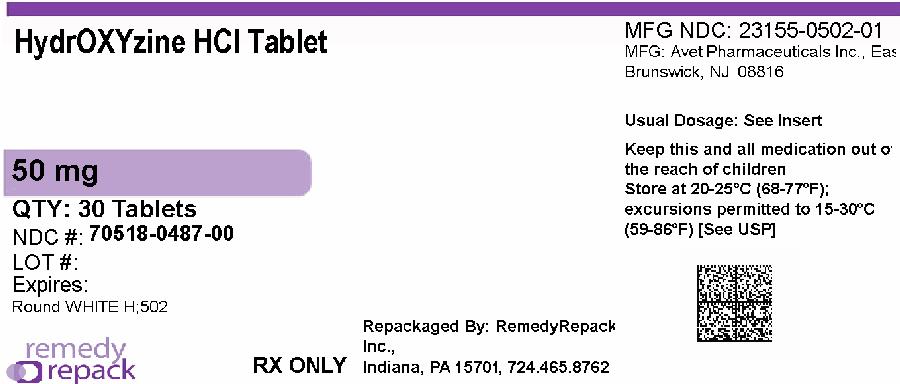
(hydroxy · DailyMed)
Artesunate and Amodiaquine
Amodiaquine Hydrochloride 135 mg,Artesunate 50 mg/6 mL,Colloidal Anhydrous Sillica ( Aersol 200) 2.150 mg/6 mL,Croscarmellose Sodium (Primellose) 2.500 mg/6 mL,Dichloromethane (Methylene Chloride) 0.000 q.s,Hydroxy Propyl Cellulose (Klucel EF) 2.500 mg/6 mL,Hydroxy Propyl Cellulose (Klucel EF) 4.000 mg/6 mL,Isopropyl Alcohol 0.000 q.s,Magnesium Stearate 2.150 mg/6 mL,Magnesium Stearate 4.200 mg/6 mL,Mannitol (Pearlitol SD 200) 141.70 mg/6 mL,Polysorbate-80 (TWEEN 80) 0.240 mg/6 mL,Pregelatinised Starch (Starch 1500) 64.23 mg/6 mL,Purified Water. 0.000 q.s
What it does
Alcohol is a substance that can affect your mood and behavior. It is important to use it carefully, especially if you are taking other medications.
Commonly used for: social enjoyment, anxiety relief, temporary relaxation
Read more in plain English ↓Plain-language summary for general understanding - not medical advice. Always follow your pharmacist/doctor.
Ask about this medicine
Answers come only from this medicine's registration record, BNF monograph and interaction data - not medical advice.
Medicine sourcing is available in Kenya only. We don't sell or dispense medicines - licensed pharmacies do.
Sourcing - Kenya onlyRegistration & product details
Source: Tanzania Medicines and Medical Devices Authority · fetched 2026-03-11 23:42:48 · updated 2026-09-28 03:00:45
Drug Interactions
8Pharmacodynamic Warnings
Alcohol appears in TABLE 1: Drugs that cause hepatotoxicity
Alcohol appears in TABLE 8: Drugs that cause hypotension
Alcohol appears in TABLE 11: Drugs with CNS depressant effects
Unknown (8)
Acitretin - increases concentration
Alcohol potentially increases the concentration of retinoids (acitretin). Avoid and for 2 months after stopping acitretin.
Antiepileptics - increases risk of visual disturbances
Alcohol potentially increases the risk of visual disturbances when given with antiepileptics (retigabine).
Methylphenidate - increases concentration
Alcoholmightincreasetheconcentrationofmethylphenidate. Avoid.oStudy
Retigabine - increases risk of visual disturbances
Alcohol potentially increases the risk of visual disturbances when given with antiepileptics (retigabine).
Retinoids - increases concentration
Alcohol potentially increases the concentration of retinoids (acitretin). Avoid and for 2 months after stopping acitretin.
Topical Pimecrolimus - increases risk of facial flushing and skin irritation
Alcohol increases the risk of facial flushing and skin irritation when given with topical pimecrolimus.
Topical Tacrolimus - increases risk of facial flushing and skin irritation
Alcohol increases the risk of facial flushing and skin irritation when given with topical tacrolimus.
Vasopressin - decreases antidiuretic effect
Alcoholmightdecreasetheantidiureticeffectofvasopressin. oTheoretical Aldesleukin →seeTABLE15p.1520(myelosuppression) Alectinib →seeTABLE6p.1518(bradycardia),TABLE1p.1517 (hepatotoxicity) com/codemedic
Data from BNF 85 (British National Formulary). This is not a substitute for professional medical advice. Matched via: exact
About alcohol
Alcohol is a substance that can affect your mood and behavior. It is important to use it carefully, especially if you are taking other medications.
What it treats
- social enjoyment
- anxiety relief
- temporary relaxation
How it works
Alcohol affects the brain and central nervous system, leading to changes in mood and behavior.
Who it's for
Adults who consume alcohol in moderation for social or relaxation purposes.
Cautions
- • Be cautious if taking medications that can harm the liver.
- • Use with care if you have low blood pressure.
- • Avoid combining with medications that can cause drowsiness.
AI-assisted summary grounded in BNF data - general information only, not medical advice. Always confirm with your pharmacist or doctor.
About amodiaquine
Amodiaquine is a medication used to treat malaria, a disease caused by parasites transmitted through mosquito bites.
What it treats
- malaria
- tropical malaria
How it works
Amodiaquine works by stopping the growth of malaria parasites in the blood.
Who it's for
This medication is for individuals diagnosed with malaria.
AI-assisted summary grounded in BNF data - general information only, not medical advice. Always confirm with your pharmacist or doctor.
About artesunate
Artesunate is a medication used to treat malaria, a serious illness caused by parasites transmitted through mosquito bites.
What it treats
- malaria
How it works
Artesunate works by killing the malaria parasites in the blood, helping to clear the infection.
Who it's for
It is for people diagnosed with malaria, especially those with severe cases.
AI-assisted summary grounded in BNF data - general information only, not medical advice. Always confirm with your pharmacist or doctor.
About cellulose
Cellulose is a type of fiber that helps with digestion and promotes bowel health.
What it treats
- constipation
- irregular bowel movements
How it works
Cellulose adds bulk to the stool, making it easier to pass through the intestines.
Who it's for
Suitable for people looking to improve their digestive health.
AI-assisted summary grounded in BNF data - general information only, not medical advice. Always confirm with your pharmacist or doctor.
About colloidal
Colloidal solutions are often used in various medical treatments and can help improve the delivery of certain medications.
What it treats
- supporting hydration
- helping with nutrient absorption
- improving medication effectiveness
How it works
Colloidal solutions contain small particles that can help carry and deliver substances in the body more effectively.
Who it's for
Adults and children who need assistance with hydration or nutrient delivery.
AI-assisted summary grounded in BNF data - general information only, not medical advice. Always confirm with your pharmacist or doctor.
About croscarmellose
Croscarmellose is a substance used in medicines to help them dissolve and be absorbed in the body.
What it treats
- helps improve the effectiveness of oral medications
How it works
It works by breaking down the medicine so that it can be easily absorbed in the stomach and intestines.
Who it's for
It is used in various oral medicines that require better absorption.
AI-assisted summary grounded in BNF data - general information only, not medical advice. Always confirm with your pharmacist or doctor.
About dichloromethane
Dichloromethane is a chemical commonly used as a solvent in various industrial and laboratory applications.
What it treats
- used in the production of plastics
- used in paint removers
- used in cleaning agents
How it works
Dichloromethane works by dissolving other substances, making it easier to remove or clean them.
Who it's for
Dichloromethane is mainly for industrial or laboratory use and not typically for personal or home use.
Cautions
- • Can be harmful if inhaled or absorbed through the skin.
- • May cause irritation to the eyes and skin.
- • Should only be used in well-ventilated areas.
AI-assisted summary grounded in BNF data - general information only, not medical advice. Always confirm with your pharmacist or doctor.
About hydroxy
Hydroxy is a medication used to treat various health conditions. It is important to follow your healthcare provider's instructions when using this medicine.
What it treats
- autoimmune diseases (such as rheumatoid arthritis)
- malaria prevention and treatment
- certain skin conditions (like lupus)
How it works
Hydroxy helps to reduce inflammation and the activity of the immune system.
Who it's for
This medicine is for people with specific autoimmune disorders, those at risk of malaria, or those with certain skin issues.
AI-assisted summary grounded in BNF data - general information only, not medical advice. Always confirm with your pharmacist or doctor.
About isopropyl
Isopropyl is commonly used in various topical applications for its antiseptic properties.
What it treats
- skin disinfectant
- cleaning agent
- antiseptic for minor cuts and scrapes
How it works
Isopropyl works by killing bacteria and preventing infection when applied to the skin.
Who it's for
It is suitable for anyone needing a disinfectant for minor skin issues.
AI-assisted summary grounded in BNF data - general information only, not medical advice. Always confirm with your pharmacist or doctor.
About mannitol
Mannitol is a type of sugar alcohol used mainly to help reduce swelling and pressure in the body, especially in the eyes and brain.
What it treats
- reducing pressure in the brain (intracranial hypertension)
- treating eye swelling (ocular hypertension)
- promoting urine production in kidney failure
How it works
Mannitol works by drawing water out of tissues and into the bloodstream, helping to decrease swelling and pressure.
Who it's for
Mannitol is typically used for patients with conditions that cause high pressure in the brain or eyes, and those with certain kidney issues.
AI-assisted summary grounded in BNF data - general information only, not medical advice. Always confirm with your pharmacist or doctor.
About polysorbate-80
Polysorbate-80 is a substance used as an emulsifier and stabilizer in various products, including medicines and foods.
What it treats
- used in some medications and vaccines
- helps mix ingredients that usually don't blend well
How it works
Polysorbate-80 helps to keep ingredients mixed together, ensuring even distribution in products.
Who it's for
This ingredient is generally safe for most people, but check with your healthcare provider if you have specific concerns.
AI-assisted summary grounded in BNF data - general information only, not medical advice. Always confirm with your pharmacist or doctor.
About pregelatinised
Pregelatinised is a modified form of starch used as a thickening agent and stabilizer in various products.
What it treats
- thickening agent in food
- stabilizer in pharmaceutical products
How it works
Pregelatinised starch helps improve the texture and consistency of products by absorbing water and forming a gel-like substance.
Who it's for
Suitable for people needing thickening agents in food or pharmaceuticals, including those with swallowing difficulties.
AI-assisted summary grounded in BNF data - general information only, not medical advice. Always confirm with your pharmacist or doctor.
About propyl
Propyl is a chemical compound often used in various medicines. It helps in treating certain health conditions, but specific information on its uses and interactions is not provided.
How it works
Propyl works by influencing biological processes in the body, but the exact mechanism is not detailed.
Who it's for
Propyl may be suitable for individuals needing treatment for specific health issues, though details are not provided.
AI-assisted summary grounded in BNF data - general information only, not medical advice. Always confirm with your pharmacist or doctor.
About purified
Purified ingredients are often used in various medicines to ensure safety and effectiveness by removing impurities.
What it treats
- various medical conditions
How it works
Purified ingredients help in delivering the intended effects of the medicine without the risk of contaminants.
Who it's for
People who need medications with safe and effective ingredients.
AI-assisted summary grounded in BNF data - general information only, not medical advice. Always confirm with your pharmacist or doctor.
About sillica
Silica is a natural substance often used to support health.
What it treats
- skin problems
- digestive issues
- promoting healthy hair and nails
How it works
Silica helps strengthen and support connective tissues in the body.
Who it's for
Silica can be used by adults looking to improve their skin, hair, and nail health.
AI-assisted summary grounded in BNF data - general information only, not medical advice. Always confirm with your pharmacist or doctor.
About starch
Starch is a carbohydrate that serves as a source of energy and is often used in various food products.
What it treats
- energy source
- dietary supplement
How it works
Starch is broken down by the body into glucose, which provides energy for daily activities.
Who it's for
Starch can be used by anyone needing extra energy in their diet, particularly those with increased energy needs.
AI-assisted summary grounded in BNF data - general information only, not medical advice. Always confirm with your pharmacist or doctor.
Clinical monograph: Alcohol
BNF-referencedAlcohol is a volatile, flammable liquid used primarily as an antiseptic for skin disinfection and preparation before injections. It is commonly employed in medical settings to cleanse the skin and reduce the risk of infection.
Indications
- Skin disinfection
- Preparation of skin before injections
- Cleansing minor wounds
Dosage
Children: Apply to the skin as required; consult product literature for specific guidance.
Adults: Apply to the skin as required for disinfection.
Mechanism of action
Alcohol exerts its antiseptic effect by denaturing proteins, disrupting cell membranes, and dehydrating microbial cells, leading to cell lysis and death.
Pharmacodynamics
Alcohol has broad-spectrum antimicrobial activity, effective against bacteria, fungi, and viruses. Its efficacy is influenced by concentration, with higher concentrations generally being more effective.
Pharmacokinetics
Alcohol is rapidly absorbed through the skin and mucous membranes. It is metabolized primarily in the liver, with a half-life that varies based on the individual's metabolic rate and the amount consumed.
Contra-indications
- Concomitant use with lithium
- Regular use in neonates
- Patients with severe burns when diathermy has been preceded by application of alcoholic skin disinfectants
Adverse effects
- Eye erythema
- Punctate keratitis
- Cytotoxicity
- Eye discolouration
Interactions
- Increases risk of visual disturbances with antiepileptics
- Increases concentration with methylphenidate
- Increases risk of facial flushing and skin irritation with topical pimecrolimus
- Increases concentration with retinoids
- Increases concentration with acitretin
- Increases risk of facial flushing and skin irritation with topical tacrolimus
- Decreases antidiuretic effect with vasopressin
Precautions
- Avoid regular application to inflamed or broken skin or mucosa
- Avoid broken skin
- Flammable
Pregnancy
Sufficient iodine may be absorbed to affect the fetal thyroid in the second and third trimester.
Breast-feeding
Avoid regular or excessive use.
Storage
Store in a cool, dry place away from heat and direct sunlight.
Formulations
- Betadine 2.5% dry powder spray
- Industrial methylated spirit
- Povidone-Iodine 25 mg per 1 gram
AI-synthesized from BNF references - general information only, not a substitute for professional medical advice or the current BNF. Verify doses with a pharmacist.
Clinical monograph: Mannitol
BNF-referencedMannitol is an osmotic diuretic and a sugar alcohol that is used primarily to reduce elevated intracranial pressure and to promote diuresis in various medical conditions, including cerebral edema and acute kidney injury. It is metabolically inert in humans and is eliminated primarily through the kidneys. Mannitol works by elevating blood plasma osmolality, drawing water out of tissues and into the bloodstream, which helps to reduce fluid volume and pressure in the brain and other compartments.
Indications
- Cerebral edema
- Elevated intracranial pressure
- Acute kidney injury
- Oliguria
- Glaucoma
- Renal function diagnostic aid
Dosage
Adults: For cerebral edema, administer 0
Mechanism of action
Mannitol elevates blood plasma osmolality, resulting in enhanced flow of water from tissues, including the brain and cerebrospinal fluid, into interstitial fluid and plasma. This action reduces cerebral edema and intracranial pressure. As a diuretic, it increases the osmolality of glomerular filtrate, leading to increased urinary excretion of water and preventing sodium and chloride reabsorption in the renal tubules. Mannitol also facilitates the urinary excretion of toxic substances and can help in assessing renal function by measuring glomerular filtration rate (GFR).
Pharmacodynamics
Mannitol is classified as an osmotic diuretic. It is chemically similar to other sugar alcohols but has a unique ability to promote diuresis by remaining unabsorbed in the renal tubules. Its use is indicated for conditions associated with increased body fluids, such as cerebral edema and glaucoma. Mannitol may be combined with other diuretics to enhance diuretic efficacy. Inhaled formulations are used in cystic fibrosis, though they may cause bronchospasm and hemoptysis.
Pharmacokinetics
Mannitol is freely filtered by the glomeruli with less than 10% tubular reabsorption, which allows for its urinary excretion rate to serve as a measurement of GFR. It does not undergo significant metabolism and is eliminated primarily through the kidneys. The onset of action occurs within 30 to 60 minutes after intravenous administration, with effects lasting for several hours. Administration may require monitoring of renal function and fluid balance.
Contra-indications
- Anuria
- Severe dehydration
- Severe renal impairment
- Intracranial bleeding
Adverse effects
- Asthenia
- Gastrointestinal disturbances
- Dry mouth
- Confusion
- Visual impairment
- Hypotension
- Electrolyte imbalances
- Pulmonary edema
- Hemoptysis (with inhalation use)
- Bronchospasm (with inhalation use)
Interactions
- Potassium-sparing diuretics may increase the risk of hyperkalemia
- Other diuretics may have additive effects
- Caution with nephrotoxic agents
Precautions
- Caution in patients with diabetes mellitus
- Caution in the elderly
- Caution in patients with gout
- Caution in patients with hepatic impairment
- Monitor renal function and electrolytes regularly
- May cause blue fluorescence of urine
Pregnancy
Manufacturer advises avoid due to potential toxicity in animal studies.
Breast-feeding
Manufacturer advises avoid due to lack of information available.
Storage
Store in a cool, dry place, away from light. Do not freeze.
Formulations
- Solution for injection
- Inhalation powder
- Oral solution
AI-synthesized from BNF references - general information only, not a substitute for professional medical advice or the current BNF. Verify doses with a pharmacist.
Clinical monograph: amodiaquine
BNF-referencedAmodiaquine is a 4-aminoquinoline derivative used primarily as an antimalarial agent. It is structurally similar to chloroquine and exhibits similar activity against certain strains of Plasmodium falciparum, including some that are resistant to chloroquine. In addition to its antimalarial properties, amodiaquine has anti-inflammatory effects and has been used in the treatment of conditions such as rheumatoid arthritis and lupus erythematosus. While it has been widely used for over 40 years, resistance to amodiaquine has been reported, necessitating careful consideration in clinical use.
Indications
- Malaria caused by Plasmodium falciparum
- Rheumatoid arthritis
- Lupus erythematosus
Mechanism of action
The exact mechanism of action of amodiaquine is not completely understood. It is believed to inhibit heme polymerase activity, leading to an accumulation of free heme, which is toxic to malarial parasites. Amodiaquine binds to free heme, preventing its conversion to a less toxic form, and this drug-heme complex disrupts membrane function within the parasite. Additionally, it may interfere with protein synthesis by binding to nucleoproteins and intercalating into double-stranded DNA, inhibiting DNA and RNA polymerase. Furthermore, it is known to concentrate in the digestive vacuoles of the parasites, increasing vacuolar pH and impairing the parasite's ability to metabolize hemoglobin.
Pharmacodynamics
Amodiaquine is effective against malaria and exhibits anti-inflammatory properties. It can depress cardiac muscle function, impair conduction, and produce vasodilation, which may lead to hypotension. Other side effects include respiratory depression, diplopia, dizziness, and nausea. While its effectiveness is comparable to that of chloroquine, the development of resistance to amodiaquine has been documented. The drug's adverse effects and potential for toxicity necessitate monitoring during treatment.
Pharmacokinetics
Amodiaquine is well absorbed after oral administration. It undergoes hepatic metabolism, with its active metabolite contributing to its antimalarial effects. The pharmacokinetics can be influenced by factors such as hepatic function and concurrent medications. The elimination half-life of amodiaquine may vary, and it is important to consider individual patient factors when determining dosing regimens.
Contra-indications
- Hypersensitivity to amodiaquine or any of its components
- Severe liver impairment
- History of retinopathy related to 4-aminoquinoline derivatives
- Severe hematological disorders, including agranulocytosis and aplastic anemia
Adverse effects
- Nausea
- Vomiting
- Diarrhea
- Dizziness
- Diplopia
- Hypotension
- Cardiac arrhythmias
- Hepatotoxicity
- Skin rashes
- Agranulocytosis
Interactions
- May enhance effects of anticoagulants
- Concomitant use with other antimalarials may increase risk of toxicity
- Caution with drugs that can cause hepatotoxicity
- May affect the metabolism of drugs that are substrates for CYP450 enzymes
Precautions
- Monitor liver function during treatment
- Use with caution in patients with a history of cardiovascular disease
- Assess for signs of hematological disorders
- Consider potential for cross-resistance with other 4-aminoquinoline derivatives
Pregnancy
Amodiaquine should be used in pregnancy only if the potential benefit justifies the potential risk to the fetus. It is advised to refer to local guidelines.
Breast-feeding
Amodiaquine is excreted in breast milk. Caution is advised when administering to breastfeeding mothers.
Storage
Store in a cool, dry place away from direct sunlight. Keep out of reach of children.
Formulations
- Tablets
- Oral suspension
AI-synthesized from BNF references - general information only, not a substitute for professional medical advice or the current BNF. Verify doses with a pharmacist.
Clinical monograph: artesunate
BNF-referencedArtesunate is an antimalarial medication derived from artemisinin, primarily used for the treatment of severe malaria caused by _Plasmodium falciparum_. It is often administered in combination therapies to enhance efficacy and reduce the risk of resistance. Artesunate is rapidly converted to its active metabolite, dihydroartemisinin (DHA), which exerts its therapeutic effects by disrupting the life cycle of malaria parasites within red blood cells.
Indications
- Severe malaria caused by _Plasmodium falciparum_
- Uncomplicated malaria in combination with other antimalarial agents
Dosage
Adults: For adults, the typical dosing regimen is an initial dose of 2.4 mg/kg intravenously, followed by 1.2 mg/kg at 12 and 24 hours, with subsequent doses depending on clinical response
Mechanism of action
Artesunate is metabolized to dihydroartemisinin (DHA), which reacts with heme, generating free radicals that inhibit protein and nucleic acid synthesis in _Plasmodium_ parasites during all erythrocytic stages. This interaction with free radicals can lead to the alkylation of essential parasitic proteins, disrupting their normal function. Two primary theories explain its action: one suggests that artemisinins are activated by interaction with ferrous iron or reduced heme, producing reactive radicals that alkylate biomolecules; the other posits that the intact artemisinin binds to vital proteins in the parasite, leading to the formation of reactive oxygen species.
Pharmacodynamics
As an artemisinin derivative, artesunate is metabolized to dihydroartemisinin, which generates free radicals that inhibit the function of _Plasmodium_ parasites. It has a short duration of action due to its short half-life, and while it possesses a moderate therapeutic index, patients should be informed about potential post-treatment hemolytic anemia and hypersensitivity reactions.
Pharmacokinetics
Artesunate is rapidly absorbed and converted to DHA, which has a short half-life. The pharmacokinetics of artesunate can be influenced by factors such as the presence of food and other medications. It is primarily metabolized in the liver and excreted in urine, with a rapid onset of action that makes it suitable for emergency treatment of severe malaria.
Adverse effects
- Hypersensitivity reactions
- Hemolytic anemia
- Gastrointestinal disturbances
- Headache
- Dizziness
- Fatigue
Precautions
- Caution in patients with a history of hypersensitivity to artemisinin derivatives
- Monitor for signs of hemolytic anemia
- Use with caution in patients with liver impairment
Pregnancy
Artesunate is classified as category C. The risks versus benefits should be assessed before use in pregnant women.
Breast-feeding
It is not known if artesunate is excreted in human milk. Caution is advised when administering to breastfeeding women.
Storage
Store at room temperature (15-30 degrees Celsius) in a tightly closed container, protected from light and moisture.
Formulations
- Injectable solution
- Oral tablets
AI-synthesized from BNF references - general information only, not a substitute for professional medical advice or the current BNF. Verify doses with a pharmacist.
Clinical monograph: cellulose
Cellulose is a complex carbohydrate and a key structural component of the plant cell wall. It is an indigestible polysaccharide made up of linear chains of glucose molecules linked by β-1,4-glycosidic bonds. As a dietary fiber, cellulose contributes to digestive health by promoting bowel regularity and is commonly used as a laxative and bulking agent in various food products and pharmaceuticals.
Indications
- Constipation
- Dietary fiber supplementation
- Irritable bowel syndrome
- Diverticular disease
- Weight management
Dosage
Children: Refer to appropriate guidelines for specific dosage; generally taken with adequate fluid intake.
Adults: Refer to appropriate guidelines for specific dosage; generally taken with adequate fluid intake.
Mechanism of action
Cellulose acts primarily as a bulk-forming laxative. It absorbs water in the intestines, which increases stool bulk and stimulates peristalsis, thus facilitating bowel movements. Additionally, cellulose is not digestible by human enzymes, leading to fermentation by gut bacteria, which may enhance gut health and alter gut microbiota composition.
Pharmacodynamics
Cellulose increases stool weight and frequency of bowel movements. It works by retaining water in the intestines, leading to softer stools and improved passage through the gastrointestinal tract. The bulking effect of cellulose can help alleviate constipation and promote overall digestive health. It may also play a role in cholesterol reduction and glycemic control through its effects on digestion and absorption of nutrients.
Pharmacokinetics
Cellulose is not absorbed into the bloodstream due to its indigestible nature. Instead, it passes through the gastrointestinal tract, where it adds bulk to the stool. Its fermentation by colonic bacteria produces short-chain fatty acids, which may have beneficial effects on colon health. The onset of action for cellulose as a laxative can vary but is generally within 24 to 72 hours after ingestion.
Adverse effects
- Bloating
- Flatulence
- Diarrhea
- Abdominal discomfort
Precautions
- Use with caution in patients with a history of gastrointestinal disorders.
- Monitor for potential allergic reactions in sensitive individuals.
Pregnancy
Cellulose is generally considered safe during pregnancy as it is a non-toxic, indigestible fiber.
Breast-feeding
Cellulose is also considered safe during breastfeeding; it is excreted in breast milk in negligible amounts.
Storage
Store in a cool, dry place away from direct sunlight.
Formulations
- Powder
- Capsules
- Tablets
- Granules
AI-synthesized from BNF references - general information only, not a substitute for professional medical advice or the current BNF. Verify doses with a pharmacist.
Clinical monograph: colloidal
Colloidal solutions are mixtures in which small particles are dispersed throughout a continuous medium. They can be used in various medical applications, including as intravenous fluids for volume expansion and as drug delivery systems. Colloidal solutions can improve the solubility and stability of drugs, enhancing their therapeutic effects.
Indications
- Hypovolemic shock
- Severe burns
- Postoperative fluid replacement
- Sepsis
- Trauma management
Dosage
Children: Refer to established guidelines for specific dosing, as it varies based on the type of colloidal solution used and the clinical condition being treated.
Adults: Refer to established guidelines for specific dosing, as it varies based on the type of colloidal solution used and the clinical condition being treated.
Mechanism of action
Colloidal solutions work by maintaining oncotic pressure in the blood, thus helping to retain fluid within the vascular system. This is primarily due to the large molecular weight of the colloidal particles, which cannot easily pass through capillary walls. The presence of colloids in the blood helps to draw water into the circulation, increasing blood volume and improving tissue perfusion.
Pharmacodynamics
The pharmacodynamics of colloidal solutions are centered on their ability to exert osmotic pressure, which helps maintain blood volume and pressure. This effect is particularly important in conditions such as hypovolemia and shock, where fluid replacement is necessary to restore hemodynamic stability. The efficacy of colloidal solutions can vary depending on the type of colloid used, as well as the underlying clinical condition being treated.
Pharmacokinetics
Colloidal solutions are typically administered intravenously and their pharmacokinetics can vary based on the specific formulation. Generally, colloids are distributed throughout the vascular compartment and have a longer duration of action compared to crystalloids, as they remain in circulation longer. The elimination of colloids is primarily through the reticuloendothelial system, where they are metabolized or eliminated by the liver and spleen. Factors such as particle size and composition can influence their distribution and clearance.
Adverse effects
- Allergic reactions
- Injection site reactions
- Nausea
- Vomiting
- Headache
- Fever
Precautions
- Use with caution in patients with known allergies to any component of the formulation
- Monitor for signs of hypersensitivity during administration
- Consider volume overload in patients with cardiac or renal impairment
Pregnancy
The safety of colloidal solutions during pregnancy has not been established. Use only if the potential benefit justifies the potential risk to the fetus.
Breast-feeding
It is not known whether colloidal solutions are excreted in human milk. Caution should be exercised when administering to breastfeeding mothers.
Storage
Store at room temperature, protect from light, and do not freeze. Keep out of reach of children.
Formulations
- Colloidal silver
- Colloidal gold
- Colloidal iron
- Other metal colloids
AI-synthesized from BNF references - general information only, not a substitute for professional medical advice or the current BNF. Verify doses with a pharmacist.
Clinical monograph: croscarmellose
Croscarmellose sodium is a pharmaceutical excipient widely used as a disintegrant in oral dosage forms. It enhances the dissolution of active pharmaceutical ingredients by promoting rapid disintegration of tablets and capsules upon contact with moisture. This characteristic makes it essential in improving the bioavailability of various medications.
Indications
- Used as a disintegrant in tablet formulations
- Enhances the bioavailability of active pharmaceutical ingredients
Dosage
Children: Refer to the specific formulation guidelines, as dosage will vary based on the active ingredient and formulation type.
Adults: Refer to the specific formulation guidelines, as dosage will vary based on the active ingredient and formulation type.
Mechanism of action
Croscarmellose sodium works by swelling and absorbing water when it comes into contact with gastrointestinal fluids. This swelling leads to the rapid disintegration of the tablet or capsule matrix, facilitating the release and absorption of the active pharmaceutical ingredients.
Pharmacodynamics
Croscarmellose sodium is classified as a superdisintegrant. Its ability to rapidly disintegrate solid dosage forms can significantly enhance the dissolution rate of the active ingredient, which is crucial for achieving therapeutic effects in a timely manner.
Pharmacokinetics
Croscarmellose sodium is not absorbed in the gastrointestinal tract and does not exert pharmacological effects in the body. It is considered non-toxic and is excreted unchanged. Its main role is as an excipient, influencing the formulation's characteristics rather than the pharmacokinetics of the active ingredients.
Precautions
- Use with caution in patients with known hypersensitivity to croscarmellose or its components.
Pregnancy
Safety in pregnancy has not been established. Use only if clearly needed.
Breast-feeding
Caution is advised when using during breastfeeding, as safety has not been established.
Storage
Store in a cool, dry place, away from moisture and heat.
Formulations
- Powder
- Granules
AI-synthesized from BNF references - general information only, not a substitute for professional medical advice or the current BNF. Verify doses with a pharmacist.
Clinical monograph: dichloromethane
BNF-referencedDichloromethane, also known as methylene chloride, is a colorless, volatile liquid with a sweet aroma. It is primarily used as a solvent in various industrial applications, including paint stripping, degreasing, and as a reagent in organic synthesis. Due to its potential toxicity and carcinogenic properties, its use is regulated in many regions.
Mechanism of action
Dichloromethane induces mammary adenomas in rats through an indirect mechanism involving hyperprolactinaemia, resulting in benign neoplasms. It does not bind to DNA in various tissues, suggesting that its carcinogenic effects are likely mediated through metabolic pathways in the liver. In mice, DCM acts as a hepatic and pulmonary carcinogen, mediated by interaction with DNA through a glutathione (GSH) conjugate produced by the enzyme glutathione S-transferase T1-1 (GST T1-1).
Pharmacodynamics
Dichloromethane exhibits carcinogenic properties, particularly evident in animal studies where exposure leads to liver and lung tumors. The incidence of tumors varies by species, with higher susceptibility observed in mice due to differences in glutathione transferase activity. Its effects on humans are still uncertain, necessitating caution in its handling and use due to potential health risks.
Pharmacokinetics
Dichloromethane is rapidly absorbed through inhalation and dermal exposure, with peak blood concentrations occurring shortly after exposure. It undergoes extensive hepatic metabolism primarily via cytochrome P450 enzymes, leading to the formation of reactive metabolites. The elimination half-life is relatively short, with excretion occurring mainly through the lungs and urine.
Pregnancy
Dichloromethane should be avoided during pregnancy due to its potential carcinogenic effects and lack of safety data in pregnant women.
Breast-feeding
It is not known whether dichloromethane is excreted in human milk, thus it should be used with caution in breastfeeding mothers.
Storage
Store in a cool, dry place away from heat and light. Keep container tightly closed.
AI-synthesized from BNF references - general information only, not a substitute for professional medical advice or the current BNF. Verify doses with a pharmacist.
Clinical monograph: hydroxy
BNF-referencedHydroxyzine is an antihistamine of the first generation, primarily used for its sedative and anxiolytic properties. It is effective in treating anxiety, nausea, and allergic conditions. Hydroxyzine also possesses anticholinergic properties, which contribute to its sedative effects. It is commonly used in both adult and pediatric populations for various indications, including preoperative sedation and management of pruritus.
Indications
- Anxiety disorders
- Nausea and vomiting
- Allergic conditions
- Preoperative sedation
- Pruritus
Dosage
Children: Refer to the BNF for Children for appropriate dosing recommendations based on age and weight.
Adults: Refer to the BNF for specific dosing guidelines based on the indication and patient characteristics.
Mechanism of action
Hydroxyzine works by antagonizing the H1 histamine receptors, leading to a reduction in the effects of histamine in the body. This action helps alleviate symptoms of allergic reactions and promotes sedation. Additionally, it may exert effects on serotonin and adrenergic receptors, which could contribute to its anxiolytic properties. Hydroxyzine is also involved in various metabolic pathways, including selenium metabolism and the degradation of reactive oxygen species.
Pharmacodynamics
The pharmacodynamic effects of hydroxyzine include sedation, anxiolysis, and reduction of allergic symptoms. Its sedative effects can make it useful in managing anxiety and inducing sleep, while its antihistaminic properties help to relieve symptoms such as itching and rashes associated with allergic reactions. The onset of action is typically within 15 to 30 minutes when taken orally, with peak effects occurring within 1 to 2 hours.
Pharmacokinetics
Hydroxyzine is well absorbed from the gastrointestinal tract, with peak plasma concentrations occurring approximately 2 hours after oral administration. It is extensively metabolized in the liver, with metabolites, including cetirizine, possessing their own therapeutic effects. Hydroxyzine has a half-life of approximately 20 hours, allowing for once or twice daily dosing. It is primarily excreted in the urine, with less than 1% of the unchanged drug found in urine.
Interactions
- hydroxyzine+antiepileptics: Severe (increases risk of overheating and dehydration)
- hydroxyzine+zonisamide: Severe (increases risk of overheating and dehydration)
- hydroxychloroquine+penicillamine: Severe (increases risk of haematological toxicity)
- hydroxychloroquine+agalsidase alfa: Unknown (decreases effects)
- hydroxychloroquine+agalsidase beta: Unknown (decreases exposure)
- hydroxychloroquine+oral cholera vaccine: Unknown (decreases efficacy)
- live vaccines+hydroxy carbamide: Unknown (increases risk of generalised infection (possibly life-threatening))
- lanthanum+hydroxychloroquine: Unknown (decreases absorption)
- macrolides+hydroxychloroquine: Unknown (increases risk of serious cardiovascular adverse effects)
- hydroxychloroquine+remdesivir: Unknown (decreases effects)
Pregnancy
Safety in pregnancy has not been established. Use only if the potential benefit justifies the potential risk to the fetus.
Breast-feeding
Use with caution. Hydroxychloroquine is excreted in breast milk, and effects on the infant are unknown.
Storage
Store in a cool, dry place, protected from light. Keep out of reach of children.
Formulations
- Tablets
- Oral solution
AI-synthesized from BNF references - general information only, not a substitute for professional medical advice or the current BNF. Verify doses with a pharmacist.
Clinical monograph: isopropyl
BNF-referencedIsopropyl alcohol, also known as isopropanol or 2-propanol, is a colorless, flammable chemical compound with the molecular formula C3H8O. It is commonly used as a solvent, antiseptic, and disinfectant. Isopropyl alcohol has broad applications in medical, industrial, and household settings due to its effective antimicrobial properties and ability to dissolve a wide range of non-polar compounds.
Indications
- Antiseptic for skin disinfection
- Solvent in pharmaceutical formulations
- Cleaning agent in laboratories and healthcare settings
Dosage
Children: For pediatric use, consult specific guidelines in the BNF for Children, as dosing may vary based on age, weight, and clinical circumstances.
Adults: For skin antisepsis, apply isopropyl alcohol topically in a concentration of 70% to the affected area. Dosage may vary based on clinical indication and setting.
Mechanism of action
Isopropyl alcohol works primarily as an antiseptic by denaturing proteins and disrupting cell membranes of bacteria, viruses, and fungi, leading to cell lysis and death. Its efficacy is enhanced by the presence of water, which facilitates the penetration of the alcohol into microbial cells.
Pharmacodynamics
Isopropyl alcohol exhibits a rapid onset of action against a variety of pathogens, including gram-positive and gram-negative bacteria, fungi, and some viruses. Its antimicrobial activity is concentration-dependent, with higher concentrations generally providing a broader spectrum of activity. It is commonly used in concentrations ranging from 60% to 90%, with 70% being optimal for disinfection due to its ability to penetrate the cell wall effectively.
Pharmacokinetics
Isopropyl alcohol is readily absorbed through the skin and mucous membranes. After absorption, it is metabolized primarily in the liver to acetone, which is then further metabolized and excreted, mostly via urine. The elimination half-life of isopropyl alcohol varies but is typically around 2 to 3 hours. Its effects can be influenced by factors such as dosage, route of exposure, and individual metabolic differences.
Pregnancy
Isopropyl alcohol should be used with caution during pregnancy. It is a category C drug, indicating that risk cannot be ruled out.
Breast-feeding
Caution is advised when using isopropyl alcohol during breastfeeding, as it is not known if it is excreted in human milk.
Storage
Isopropyl alcohol should be stored at room temperature, away from heat and flame. Keep the container tightly closed and in a well-ventilated area.
Formulations
- Isopropyl alcohol 70% solution
- Isopropyl alcohol 99% solution
AI-synthesized from BNF references - general information only, not a substitute for professional medical advice or the current BNF. Verify doses with a pharmacist.
Clinical monograph: polysorbate80
Polysorbate 80 is a nonionic surfactant and emulsifier commonly used in pharmaceuticals, food products, and cosmetics. It is a polyoxyethylene derivative of sorbitan monooleate, which allows it to solubilize hydrophobic compounds in aqueous solutions. Its emulsifying properties facilitate the formulation of stable mixtures of oil and water, making it a crucial ingredient in a variety of formulations, including vaccines and intravenous medications.
Indications
- Used as an emulsifier in pharmaceutical formulations
- Facilitates the solubilization of hydrophobic drugs
- Commonly included in vaccines to enhance efficacy and stability
- Acts as a stabilizer in food and cosmetic products
Dosage
Children: Refer to specific formulation guidelines for paediatric dosing, as polysorbate 80 is typically used in small amounts as an excipient.
Adults: Refer to specific formulation guidelines for adult dosing, as polysorbate 80 is typically used in small amounts as an excipient.
Mechanism of action
Polysorbate 80 functions by reducing the surface tension between two immiscible phases, such as oil and water. It contains both hydrophilic (water-attracting) and lipophilic (fat-attracting) components, which allows it to stabilize emulsions by preventing the coalescence of dispersed droplets. This mechanism enhances the bioavailability of hydrophobic substances by improving their solubility in aqueous environments.
Pharmacodynamics
As a surfactant, polysorbate 80 can improve the absorption and bioavailability of co-administered drugs by enhancing their solubility. Its ability to modify membrane permeability can also affect drug delivery and release profiles. However, polysorbate 80 is generally considered non-toxic at typical concentrations used in formulations.
Pharmacokinetics
Polysorbate 80 is not extensively absorbed through the gastrointestinal tract and is primarily eliminated through feces. It may undergo limited metabolism, with some hydrolysis occurring in the body. Due to its large molecular weight, it does not readily cross biological membranes. The pharmacokinetics can vary depending on the formulation and administration route, such as oral, intravenous, or topical.
Adverse effects
- Hypersensitivity reactions
- Gastrointestinal disturbances
- Injection site reactions
- Headache
Precautions
- Use with caution in patients with known allergies to polysorbates
- Monitor for hypersensitivity reactions, especially in parenteral formulations
Pregnancy
Polysorbate 80 is generally considered safe for use during pregnancy, but it should be used only if clearly needed.
Breast-feeding
Polysorbate 80 is considered safe during breastfeeding, as it is unlikely to affect the nursing infant.
Storage
Store in a cool, dry place, protected from light. Follow specific manufacturer's storage instructions for formulations.
Formulations
- Injectable solution
- Oral liquid
- Topical cream
AI-synthesized from BNF references - general information only, not a substitute for professional medical advice or the current BNF. Verify doses with a pharmacist.
Clinical monograph: pregelatinised
Pregelatinised starch is a modified starch used as an excipient in pharmaceutical formulations. It is created by pre-gelatinizing starch granules through a process of heating and moisture, making it soluble in cold water. This property allows it to be used as a binder, disintegrant, and thickening agent in tablet and capsule formulations. It enhances the bioavailability of active pharmaceutical ingredients by improving their solubility.
Indications
- Used as a binder in tablet formulations
- Serves as a disintegrant to improve drug release
- Acts as a thickening agent in liquid formulations
- Enhances bioavailability of poorly soluble drugs
Dosage
Children: Dosage is dependent on the specific formulation and intended use. Refer to formulation guidelines for appropriate concentrations.
Adults: Dosage is dependent on the specific formulation and intended use. Refer to formulation guidelines for appropriate concentrations.
Mechanism of action
Pregelatinised starch acts primarily as a thickening agent and binder in pharmaceutical formulations. When mixed with water, it swells and forms a gel-like consistency, which helps in the uniform distribution of active ingredients and enhances their release and absorption in the gastrointestinal tract. Its ability to gel enables better disintegration of tablets upon administration, facilitating the dissolution of the drug.
Pharmacodynamics
The pharmacodynamics of pregelatinised starch is closely related to its physical properties as a polymer. Upon contact with water, it hydrates and expands, creating a viscous solution that can improve the release profile of drugs. This can lead to enhanced dissolution rates of poorly soluble compounds, improving their bioavailability. Additionally, it can impact the stability and shelf-life of formulations by providing a protective matrix for active ingredients.
Pharmacokinetics
Pregelatinised starch is not absorbed systemically as it primarily acts as an excipient. It undergoes gastrointestinal transit without significant degradation. Its function is to facilitate the release and absorption of the active pharmaceutical ingredients in the formulation rather than exhibiting pharmacokinetic properties of its own.
Pregnancy
Pregelatinised starch is generally considered safe for use during pregnancy, but it is recommended to consult a healthcare provider before use.
Breast-feeding
Pregelatinised starch is considered safe during breastfeeding, but it is advisable to seek medical advice.
Storage
Store in a cool, dry place, away from direct sunlight and moisture.
Formulations
- Powder
- Capsules
- Tablets
AI-synthesized from BNF references - general information only, not a substitute for professional medical advice or the current BNF. Verify doses with a pharmacist.
Clinical monograph: propyl
BNF-referencedPropyl, or propyl group, refers to a branched alkyl group derived from propane and is often used in organic chemistry as a substituent on various compounds. In pharmacology, propyl derivatives have been associated with various therapeutic agents, including antithyroid medications. Propylthiouracil (PTU) is a notable drug that contains a propyl group and is used primarily in the management of hyperthyroidism. It inhibits the synthesis of thyroid hormones, thereby decreasing their levels in the body.
Indications
- Hyperthyroidism
- Graves' disease
- Thyroid storm
Dosage
Children: Refer to the BNF
Adults: The usual initial dose of propylthiouracil in adults is 300 mg per day, divided into 3 doses. The maintenance dose is typically 100-150 mg per day, adjusted based on thyroid function tests.
Mechanism of action
Propylthiouracil acts by inhibiting the enzyme thyroid peroxidase, which is involved in the iodination of tyrosine residues in thyroglobulin, a precursor of thyroid hormones. By blocking this enzyme, PTU reduces the production of thyroxine (T4) and triiodothyronine (T3), leading to decreased thyroid hormone levels in circulation. Additionally, PTU inhibits the conversion of T4 to T3 in peripheral tissues, further contributing to its antithyroid effects.
Pharmacodynamics
The pharmacodynamic effects of propylthiouracil are primarily centered around its ability to lower thyroid hormone levels, which helps alleviate symptoms of hyperthyroidism such as increased heart rate, weight loss, and anxiety. The onset of action can vary, but therapeutic effects may be observed within several weeks of initiation. Monitoring thyroid function tests is essential to assess the efficacy and adjust dosing as needed.
Pharmacokinetics
Propylthiouracil is well absorbed from the gastrointestinal tract, though its bioavailability can be affected by factors such as food intake. The drug is extensively metabolized in the liver, and its elimination half-life averages around 1-2 hours. Most of the drug is excreted in urine as metabolites. It is important to note that due to its rapid metabolism, multiple daily doses may be required to maintain therapeutic levels.
Interactions
- propylthiouracil+metyrapone: Severe (decreases effects)
AI-synthesized from BNF references - general information only, not a substitute for professional medical advice or the current BNF. Verify doses with a pharmacist.
Clinical monograph: purified
Purified refers to a substance that has been processed to remove impurities, contaminants, or unwanted substances, resulting in a more concentrated and effective form of the original compound. In pharmacology, purified compounds are often used to enhance therapeutic efficacy and reduce adverse effects. The purification process can apply to a variety of substances, including drugs, biological products, and chemical compounds.
Dosage
Children: Refer to specific drug formulations and product labels as purified substances can vary widely in their use and dosing.
Adults: Refer to specific drug formulations and product labels as purified substances can vary widely in their use and dosing.
Mechanism of action
The mechanism of action for purified compounds varies widely depending on the specific substance. Generally, purified drugs exert their effects by interacting with specific biological targets, such as receptors, enzymes, or ion channels, leading to a desired therapeutic effect. This interaction can involve binding to receptors to activate or inhibit signaling pathways, modulating enzymatic activity, or altering physiological processes.
Pharmacodynamics
Pharmacodynamics describes the effects of a drug on the body and the relationship between drug concentration and effect. For purified drugs, this can involve dose-response relationships and the time course of their action. The purified form often enhances potency and reduces variability in response among patients, which can lead to more predictable therapeutic outcomes. The overall effect is determined by the drug's affinity for its target, the efficacy of the drug-receptor interaction, and the downstream signaling pathways activated as a result of this interaction.
Pharmacokinetics
Pharmacokinetics involves the absorption, distribution, metabolism, and excretion (ADME) of a drug. For purified substances, absorption can be more efficient due to the absence of impurities that may affect solubility or stability. Distribution may also be enhanced, leading to higher bioavailability. Metabolism can be influenced by the structure of the purified compound, as it may be metabolized more readily by liver enzymes. Excretion typically occurs through the kidneys or liver, depending on the molecular characteristics of the purified drug.
Pregnancy
Consult with a healthcare professional, as the safety of purified forms of medications during pregnancy may vary depending on the specific substance.
Breast-feeding
Consult with a healthcare professional, as the safety of purified forms of medications during breastfeeding may vary depending on the specific substance.
Storage
Store in a cool, dry place, away from light and moisture, and keep out of reach of children.
AI-synthesized from BNF references - general information only, not a substitute for professional medical advice or the current BNF. Verify doses with a pharmacist.
Clinical monograph: sillica
Silica, also known as silicon dioxide, is a naturally occurring mineral composed of silicon and oxygen. It is commonly found in nature as quartz and is used in various industrial applications. In the context of medicine, silica is primarily recognized for its role in health supplements and its potential benefits in promoting skin health, strengthening connective tissues, and supporting bone health. However, its therapeutic use in clinical practice remains limited and is often considered as a dietary supplement rather than a medication.
Indications
- Support for skin health
- Promotion of connective tissue strength
- Potential enhancement of bone health
Dosage
Children: Refer to specific product guidelines, as silica supplementation varies widely and is not standardized.
Adults: Refer to specific product guidelines, as silica supplementation varies widely and is not standardized.
Mechanism of action
Silica is believed to play a role in the synthesis of collagen, a critical protein for maintaining the structure and integrity of connective tissues, skin, and bones. It may enhance the bioavailability of other minerals, such as calcium and magnesium, which are vital for bone health. Silica is thought to promote the formation of glycosaminoglycans, which are essential for maintaining cartilage and joint health.
Pharmacodynamics
Silica exhibits a low toxicity profile, and its pharmacodynamic effects are primarily related to its structural role in connective tissues. It may modulate the activity of various enzymes involved in collagen synthesis and support cellular processes that promote tissue repair and regeneration. Its effects on skin health include improving elasticity and hydration, while its impact on bone health involves facilitating the absorption and deposition of calcium.
Pharmacokinetics
Silica is not absorbed in the gastrointestinal tract to a significant extent when ingested. Instead, it is excreted primarily through feces. The bioavailability of silica from dietary sources varies, and its pharmacokinetic properties in human subjects have not been extensively studied. As a result, the precise kinetics of silica remain largely undefined, particularly in terms of absorption, distribution, metabolism, and elimination.
Pregnancy
Silica is generally considered safe in pregnancy; however, caution is advised due to potential respiratory effects when inhaled.
Breast-feeding
Silica is not known to be excreted in breast milk, but caution is recommended.
Storage
Store in a cool, dry place away from direct sunlight.
AI-synthesized from BNF references - general information only, not a substitute for professional medical advice or the current BNF. Verify doses with a pharmacist.
Clinical monograph: starch
Starch is a polysaccharide carbohydrate consisting of a large number of glucose units joined by glycosidic bonds. It is a major energy source in the human diet and is found in numerous food sources such as grains, legumes, and tubers. In a clinical setting, starch can also be used as an excipient in various pharmaceuticals and is sometimes utilized in enteral nutrition formulations.
Indications
- Nutritional supplementation
- Energy source in enteral nutrition
- Excipient in pharmaceutical formulations
Dosage
Children: Refer to specific guidelines or product inserts for dosing information, as it can vary based on the context of use.
Adults: Refer to specific guidelines or product inserts for dosing information, as it can vary based on the context of use.
Mechanism of action
Starch is broken down into glucose units by enzymes such as amylase during digestion. The glucose is then absorbed in the intestines and utilized for energy production in the body's cells. This pathway involves hydrolysis of the glycosidic bonds, converting starch into simpler sugars.
Pharmacodynamics
Starch primarily serves as an energy source. Its digestion and absorption lead to an increase in blood glucose levels, which provides energy for metabolic processes. In this context, it plays a crucial role in maintaining energy homeostasis in the body.
Pharmacokinetics
Starch is not absorbed in its polymeric form; it must first be enzymatically hydrolyzed into simpler sugars such as maltose and glucose. The digestion and absorption of starch occur predominantly in the small intestine, with glucose being readily absorbed into the bloodstream. The rate of absorption can vary depending on the type of starch and its physical form.
Adverse effects
- Allergic reactions
- Gastrointestinal discomfort
- Diarrhea
- Constipation
Precautions
- Use with caution in individuals with known allergies to starch or starch derivatives
- Monitor for gastrointestinal symptoms in patients with a history of digestive disorders
Pregnancy
Starch is generally considered safe for use during pregnancy. However, it should be consumed in moderation as part of a balanced diet.
Breast-feeding
Starch is deemed safe for nursing mothers when used in moderation as part of a balanced diet.
Storage
Store in a cool, dry place away from moisture and direct sunlight.
Formulations
- Powder
- Granules
- Tablets
- Suspensions
AI-synthesized from BNF references - general information only, not a substitute for professional medical advice or the current BNF. Verify doses with a pharmacist.
Molecular reference: Alcohol
PubChem CID 702Molecular formula: C2H6O
Mechanism of action
Ethanol affects the brain’s neurons in several ways. It alters their membranes as well as their ion channels, enzymes, and receptors. Alcohol also binds directly to the receptors for acetylcholine, serotonin, GABA, and the NMDA receptors for glutamate. The sedative effects of ethanol are mediated through binding to GABA receptors and glycine receptors (alpha 1 and alpha 2 subunits). It also inhibits NMDA receptor functioning. In its role as an anti-infective, ethanol acts as an osmolyte or dehydrating agent that disrupts the osmotic balance across cell membranes. ... Ethanol is known to affect a large number of membrane proteins that participate in signaling pathways such as neurotransmitter receptors, enzymes, and ion channels, and there is extensive evidence that ethanol interacts with a variety of neurotransmitters. The major actions of ethanol involve enhancing the inhibitory effects of gamma-aminobutyric acid (GABA) at GABAa receptors and blockade of the N-methyl-D-aspartate (NMDA) subtype of glutamate, an excitatory amine acid (EAA) receptor. Animal studies indicate that the acute effects of ethanol result from competitive inhibition of glycine binding to NMDA receptor and disruption of glutamatergic neurotransmission by inhibiting the response of the NMDA receptor. Persistent glycine antagonism and attenuation of glutamatergic neurotransmission by chronic ethanol exposure results in tolerance to ethanol by enhancing EAA neurotransmission and NMDA receptor upregulation. The latter appears to involve selective increases in NMDA R2B subunit concentrations and other molecular changes in specific brain loci. The abrupt withdrawal of ethanol thus produces a hyperexcitable state that leads to the ethanol withdrawal syndrome and excitotoxic neuronal death. GABA-mediated inhibition, which normally acts to limit excitation, is eliminated during ethanol withdrawal syndrome and further intensifies this excitation. In addition, NMDA receptors function to inhibit the release of dopamine in the nucleus accumbens and mesolimbic structures, which modulate the reinforcing action of addictive xenobiotics such as ethanol. By inhibiting NMDA receptor activity, ethanol could increase dopamine release from the nucleus accumbens and ventral tegmental area and could thus create dependence. Chronic ethanol administration also results in tolerance, dependence, and an ethanol withdrawal syndrome, mediated, in part, by desensitization and or downregulation of GABAa receptors. The development of alcoholic ketoacidosis (AKA) requires that a combination of physical and physiologic events occur. The normal response to starvation and depletion of hepatic glycogen stores is for amino acids to be converted to pyruvate. Pyruvate can serve as a substrate for gluconeogenesis, be converted to acetyl-CoA, which can enter the Krebs cycle or can be utilized in various biosynthetic pathways (eg, fatty acid, ketone bodies, cholesterol, and acetylcholine) ... Ethanol metabolism generates NADH, resulting in an excess of reducing potential. This high redox state favors the conversion of pyruvate to lactate, diverting pyruvate from being a substrate for gluconeogenesis. To compensate for the lack of normal metabolic substrates, the body mobilizes fat from adipose tissue and increased fatty acid metabolism as an alternative source of energy. This response is mediated by a decrease in insulin and an increased secretion of glucagon, catecholamines, growth hormone, and cortisol. Fatty acid metabolism results in the formation of acetyl-CoA and it combines with the excess acetate that is generated from ethanol metabolism to form acetoacetate. Most of the acetoacetate is reduced to beta-hydroxybutyrate due to the excess reducing potential or high redox state of the cell. Volume depletion interferes with the renal elimination of acetoacetate and beta-hydroxybutyrate, and contributes to the acidosis. An elevated lactate concentration may result from shunting from pyruvate or
Pharmacodynamics
Alcohol produces injury to cells by dehydration and precipitation of the cytoplasm or protoplasm. This accounts for its bacteriocidal and antifungal action. When alcohol is injected in close proximity to nerve tissues, it produces neuritis and nerve degeneration (neurolysis). Ninety to 98% of ethanol that enters the body is completely oxidized. Ethanol is also used as a cosolvent to dissolve many insoluble drugs and to serve as a mild sedative in some medicinal formulations. Ethanol also binds to GABA, glycine, NMDA receptors and modulates their effects. Ethanol is also metabolised by the hepatic enzyme alcohol dehydrogenase.
Biological pathways
Source: PubChem (NCBI) · pathways from PathBank, Reactome, WikiPathways & PharmGKB.
Molecular reference: Mannitol
PubChem CID 6251Molecular formula: C6H14O6
Mechanism of action
Mannitol is an osmotic diuretic that is metabolically inert in humans and occurs naturally, as a sugar or sugar alcohol, in fruits and vegetables. Mannitol elevates blood plasma osmolality, resulting in enhanced flow of water from tissues, including the brain and cerebrospinal fluid, into interstitial fluid and plasma. As a result, cerebral edema, elevated intracranial pressure, and cerebrospinal fluid volume and pressure may be reduced. As a diurectic mannitol induces diuresis because it is not reabsorbed in the renal tubule, thereby increasing the osmolality of the glomerular filtrate, facilitating excretion of water, and inhibiting the renal tubular reabsorption of sodium, chloride, and other solutes. Mannitol promotes the urinary excretion of toxic materials and protects against nephrotoxicity by preventing the concentration of toxic substances in the tubular fluid. As an Antiglaucoma agent mannitol levates blood plasma osmolarity, resulting in enhanced flow of water from the eye into plasma and a consequent reduction in intraocular pressure. As a renal function diagnostic aid mannitol is freely filtered by the glomeruli with less than 10% tubular reabsorption. Therefore, its urinary excretion rate may serve as a measurement of glomerular filtration rate (GFR). The exact mechanism of action of inhaled mannitol in the symptomatic maintenance treatment of cystic fibrosis remains unclear. It is hypothesized that mannitol produces an osmotic gradient across the airway epithelium that draws fluid into the extracellular space and alters the properties of the airway surface mucus layer, allowing easier mucociliary clearance. MANNITOL IS.../USED/ IN PROPHYLAXIS OF ACUTE RENAL FAILURE. IT IS USED FOR THIS PURPOSE IN CONDITIONS AS DIVERSE AS CARDIOVASCULAR OPERATIONS, SEVERE TRAUMATIC INJURY, OPERATIONS IN THE PRESENCE OF SEVERE JAUNDICE, AND MGMNT OF HEMOLYTIC TRANSFUSION REACTIONS. IN EACH OF THESE CONDITIONS, A PRECIPITOUS FALL IN THE FLOW OF URINE MAY BE ANTICIPATED EITHER AS THE RESULT OF AN ACUTELY REDUCED FILTRATION RATE OR FROM ACUTE CHANGES IN TUBULAR PERMEABILITY. THE LATTER MAY BE CONSEQUENCE OF THE PRESENCE OF NOXIOUS AGENT WITHIN THE TUBULAR FLUID IN EXCESSIVELY HIGH CONCN, IN SOME INSTANCES SUFFICIENT TO RESULT IN ACTUAL PRECIPITATION. IN THESE SITUATIONS, MANNITOL EXERTS OSMOTIC EFFECT WITHIN THE TUBULAR FLUID, INHIBITS WATER REABSORPTION, & MAINTAINS THE RATE OF URINE FLOW. ...CONCN OF TOXIC AGENT WITHIN TUBULAR FLUID DOES NOT REACH EXCESSIVELY HIGH LEVELS THAT OTHERWISE WOULD HAVE BEEN ACHIEVED BY MORE COMPLETE REABSORPTION OF WATER. ...EVEN THOUGH /GLOMERULAR/ FILTRATION RATE IS REDUCED, MANNITOL IS STILL FILTERED @ GLOMERULUS. THE TUBULAR IMPERMEABILITY TO MANNITOL IS NOT ALTERED BY ACUTE RENAL ISCHEMIA OF SHORT DURATION. HENCE, THE MANNITOL THAT IS FILTERED IS ALSO EXCRETED IN THE VOIDED URINE. UNREABSORBED SOLUTE LIMITS BACK DIFFUSION OF WATER. ...URINE VOL CAN BE MAINTAINED EVEN IN PRESENCE OF DECR GLOMERULAR FILTRATION.
Pharmacodynamics
Chemically, mannitol is an alcohol and a sugar, or a polyol; it is similar to xylitol or sorbitol. However, mannitol has a tendency to lose a hydrogen ion in aqueous solutions, which causes the solution to become acidic. For this reason, it is not uncommon to add a substance to adjust its pH, such as sodium bicarbonate. Mannitol is commonly used to increase urine production (diuretic). It is also used to treat or prevent medical conditions that are caused by an increase in body fluids/water (e.g., cerebral edema, glaucoma, kidney failure). Mannitol is frequently given along with other diuretics (e.g., furosemide, chlorothiazide) and/or IV fluid replacement. Inhaled mannitol has the possibility to cause bronchospasm and hemoptysis; the occurrence of either should lead to discontinuation of inhaled mannitol.
Biological pathways
Source: PubChem (NCBI) · pathways from PathBank, Reactome, WikiPathways & PharmGKB.
Molecular reference: amodiaquine
PubChem CID 2165Molecular formula: C20H22ClN3O
Mechanism of action
The mechanism of plasmodicidal action of amodiaquine is not completely certain. Like other quinoline derivatives, it is thought to inhibit heme polymerase activity. This results in accumulation of free heme, which is toxic to the parasites. The drug binds the free heme preventing the parasite from converting it to a form less toxic. This drug-heme complex is toxic and disrupts membrane function. Amodiaquine is a Mannich base 4-aminoquinoline with a mode of action similar to that of chloroquine. It is effective against some chloroquine-resistant strains of P. falciparum, although there is cross-resistance. The 4-aminoquinoline derivatives appear to bind to nucleoproteins and interfere with protein synthesis in susceptible organisms; the drugs intercalate readily into double-stranded DNA and inhibit both DNA and RNA polymerase. In addition, the drugs apparently concentrate in parasite digestive vacuoles, increase the pH of the vacuoles, and interfere with the parasite's ability to metabolize and utilize erythrocyte hemoglobin. Plasmodial forms that do not have digestive vacuoles and do not utilize hemoglobin, such as exoerythrocytic forms, are not affected by /these medications/. The 4-aminoquinoline derivatives ... have anti-inflammatory activity; however, the mechanism(s) of action of the drugs in the treatment of rheumatoid arthritis and lupus erythematosus has not been determined. /4-aminoquinoline derivatives/ reportedly antagonizes histamine in vitro, has antiserotonin effects, and inhibits prostaglandin effects in mammalian cells presumably by inhibiting conversion of arachidonic acid to prostaglandin F2. The mode of action of amodiaquine has not yet been determined. 4-Aminoquinolines depress cardiac muscle, impair cardiac conductivity, and produce vasodilatation with resultant hypotension; they depress respiration and cause diplopia, dizziness and nausea.
Pharmacodynamics
Amodiaquine, a 4-aminoquinoline similar to chloroquine in structure and activity, has been used as both an antimalarial and an anti-inflammatory agent for more than 40 years. Amodiaquine is at least as effective as chloroquine, and is effective against some chloroquine-resistant strains, although resistance to amodiaquine has been reported. The mode of action of amodiaquine has not yet been determined. 4-Aminoquinolines depress cardiac muscle, impair cardiac conductivity, and produce vasodilatation with resultant hypotension. They depress respiration and cause diplopia, dizziness and nausea.
Biological pathways
Source: PubChem (NCBI) · pathways from PathBank, Reactome, WikiPathways & PharmGKB.
Molecular reference: artesunate
PubChem CID 6917864Molecular formula: C19H28O8
Mechanism of action
Artesunate is metabolized to the active DHA. the endoperoxide bridge of DHA reacts with heme, generating free radicals which inhibit protein and nucleic acid synthesis of the _Plasmodium_ parasites during all erythrocytic stages. Reactions with these free radicals can also lead to alkylation of parasitic proteins such as a calcium adenosine triphosphatase and EXP1, a glutathione S-transferase. Two theories have been put forward for the mode of antimalarial action of the artemisinin antimalarials, in accodance with the known properties of peroxides with medicinal activity. The first assumes that the artemisinins must be activated by contact with either reduced haem (ferrous haem, Fe(ll)PPIX) or non-haem ferrous iron (exogenous iron), causing cleavage of the peroxide to generate oxygen-centered radicals (alkoxy radicals') which are the presumed to be converted into carbon-centered radicals by transfer of proximate hydrogen atoms from the periphery of the peroxide molecule. These carbon-centered radicals are then thought to alkylate sensitive, yet unspecified, biomolecules in the parasite. A second theory argues for a process in which the intact artemisinin binds to a site within a vital protein in the parasite. The act of binding causes the peroxide to be converted to hydroperoxide or similar open peroxide, which in accordance with known properties of such compounds, generates one or more active chemical entities, either oxidizing agents or oxygen transfer agents per se, or oxygen-centered free radicals. This would be associated with the binding process. In such a way, the artemisinins might act as (irreversibile) inhibitors. Iron may, or may not, be associated with the activation process. No specific biological target in the parasite has yet been identified in support of this theory, but it may be membrane-bound proteins. Artesunate is a water soluble derivative of artemisinin, an antimalarial compound isolated from the Chinese herb Qinghao (Artemisia annua). Artesunate is rapidly metabolized to dihydroartemisinin (DHA) in the body. Chemically, artesunate, and its active metabolite, DHA, are sesquiterpene lactones with a trioxane ring containing a peroxide bridge. The peroxide bridge appears to be essential for the antimalarial activity of artesunate. Structure-activity relationship studies show that the deoxy derivative of DHA (that lack the peroxide bridge) was 277-fold less active than DHA. The activity of deoxyartesunate was not measured. Deoxy derivatives of other artemisinin analogs were 10- to 1000-fold less active compared to the parent compounds. Artesunate increases superoxide anion production and lipid peroxidation in falciparum-infected erythrocytes in vitro. However, artesunate does not suppress the activity of antioxidant enzymes (superoxide dismutase, catalase, glutathione reductase, and glutathione peroxidase) in infected or uninfected erythrocytes. Erythrocytes infected with the ring or trophozoite forms in vitro accumulate 100- and 180- fold higher concentrations of DHA (12 nM ie, 3.40 ng/mL), respectively, compared to uninfected erythrocytes. These experiments were performed in a medium containing 10% human serum. The relevance of these findings to the uptake in vivo is unclear. The precise mechanism by which artesunate exhibits antiplasmodial activity is not understood. A 2025 systematic review notes Artesunate's pharmacological activities (antimalarial, antiparasite,antitumor, antivirus, antiinflammation, and antibacterial),and that it is a highly effective antimalarial agent with the potential to induce organ toxicity under certain conditions. The authors note that mechanisms of Artesunate-induced toxicity include oxidative stress, inflammation, and apoptotic signaling patthhways.They also note that Artesunate ameliorates MASH (Metabolic Dysfunction-Associated Steatohepatitis) by reducing inflammation and lipid accumulation by regulating NLRP3 inflammasome and reducing lipid accumulation (SREBP-1c, FAS).
Pharmacodynamics
Artesunate is an artemisinin derivative that is metabolized to DHA, which generates free radicals to inhibit normal function of _Plasmodium_ parasites. It has a short duration of action due to its short half life, and a moderate therapeutic index. Patients should be counselled regarding the risk of post treatment hemolytic anemia and hypersenstivity.
Source: PubChem (NCBI) · pathways from PathBank, Reactome, WikiPathways & PharmGKB.
Molecular reference: dichloromethane
PubChem CID 6344Molecular formula: CH2Cl2
Mechanism of action
The mechanism by which methylene chloride induces mammary adenomas in the rat is important for human hazard assessment. Female Sprague- Dawley rats receiving methylene chloride have a high blood level of prolactin. In common with the response to other agents which act via hyperprolactinaemia, the methylene chloride-induced response is of benign neoplasms only. There is no evidence for the binding of methylene chloride to the DNA of other tissues and hence it seems unlikely that it will bind to mammary tissue when the primary site of metabolism is the liver. It seems most likely, therefore, that the increased incidence of mammary adenomas is the result of an indirect mechanism operating via hyperprolactinaemia. Dichloromethane (DCM) is a hepatic and pulmonary carcinogen in mice exposed to high doses by inhalation. It has been shown previously that the incidence of liver and lung tumors does not increase in rats or hamsters exposed to the dihaloalkane under conditions similar to those that produced tumors in mice. The biological consequences of DCM exposure to humans is therefore uncertain. The carcinogenic effects of DCM in the mouse are caused by the interaction with DNA of a glutathione (GSH) conjugate that is produced by the class theta glutathione S-transferase T1-1 (GST T1-1). The species specificity is thought to be due to the greater amount of transferase activity in mouse target organs and specific nuclear localization of GST T1-1 in target cells. This paper directly compares the relative capacity and locality of DCM activation in mouse and human tissues. The results show that mouse GST T1-1 is more efficient in catalyzing the conjugation of DCM with GSH than the orthologous human enzyme. In addition, the mouse expresses higher levels of the transferase than humans in hepatic tissue. Histochemical analysis confirmed the presence of GST T1-1 in the nucleus of mouse liver cells. However, in human liver GST T1-1 was detected in bile duct epithelial cells and hepatocyte nuclei but was also present in the cytoplasm. Taking this information into account, it is unlikely that humans have a sufficiently high capacity to activate DCM for this compound to be considered to represent a carcinogenic risk. Dichloromethane (DCM) is considered a probable human carcinogen. Laboratory studies have shown an increased incidence of lung and liver cancer in mice but not in rats or hamsters. Despite the correlation between metabolism of DCM by the glutathione-S-transferase (GST) pathway and the occurrence of tumors in different species, the mechanism of tumor induction by DCM metabolites produced through the GST pathway remains unclear. In this study a V79 cell line stably transfected with the murine GST theta 1 gene (mGSTT1) was compared to the parent cell line (MZ) to determine how the construct affects DCM metabolism and the sensitivity of the cell line to DNA damage and cytotoxicity. V79 cells were treated with DCM (2.5-10mM) or formaldehyde (150-600muM) for 2hr. Also, formaldehyde produced by V79 cytosol metabolism of DCM was measured spectrophotometrically. DNA damage and DNA-protein crosslinks were measured by the standard and proteinase K-modified alkaline single cell gel electrophoresis (SCG) assays. Cytotoxicity was assessed by trypan blue stain exclusion, the Live/Dead((R)) cell viability/cytotoxicity kit for animal cells, and the neutral red assay. After DCM treatment a significant concentration-dependent increase in tail moment in the V79 MZ cells was observed compared to a significant concentration-dependent decrease in tail moment in the V79 mGSTT1 cells. Post-incubation with proteinase K significantly increased DNA migrations in DCM-treated V79 mGSTT1 cells. DCM formed significantly higher levels of formaldehyde in the cytosol of the V79 mGSTT1 cells than in the cytosol of the V79 MZ cells. Results using the cytotoxicity assays were comparable using the trypan blue and Live/Dead((R)) assays, neither showing a difference in resp
Source: PubChem (NCBI) · pathways from PathBank, Reactome, WikiPathways & PharmGKB.
Molecular reference: hydroxy
PubChem CID 961Molecular formula: HO-
Biological pathways
Source: PubChem (NCBI) · pathways from PathBank, Reactome, WikiPathways & PharmGKB.
Molecular reference: isopropyl
PubChem CID 3776Molecular formula: C3H8O
Biological pathways
Source: PubChem (NCBI) · pathways from PathBank, Reactome, WikiPathways & PharmGKB.
Molecular reference: propyl
PubChem CID 123145Molecular formula: C3H7
Source: PubChem (NCBI) · pathways from PathBank, Reactome, WikiPathways & PharmGKB.
This drug in other countries
The same active ingredient registered across other registries we cover - including different brands.
- ALEVE® · Bayer Bitterfeld GMBH
- ARTESUNATE/AMODIAQUINE · Micro Labs
- ARTESUNATE/AMODIAQUINE · Micro Labs
- ARTESUNATE/AMODIAQUINE · Micro Labs
- ARTESUNATE/AMODIAQUINE · Micro Labs
- ARTESUNATE/AMODIAQUINE · Micro Labs
- AMOFAN INFANT TABLET · Entrance Pharmaceuticals
- AMOTEX FORTE TABLETS · Kinapharma
- AQUZON SP KID TABLETS (Each dispersible tablet contains Sulfadoxine/Pyrimethamine/Amodiaquine 250mg/12.5mg/76.5mg) · Macleods Pharmaceuticals
- AQUZON SP TABLETS · Macleods Pharmaceuticals
- ARGESUN INJECTION (Each co-pack contains Artesunate/ Arginine/ Sodium bicarbonate-60mg/ 20mg/ml/ 8.4mg/ml Artesunate/ Arginine/ Sodium bicarbonate 60mg/ 20mg/ml/ 8.4mg/ml) · Shanghai Fosun Pharmaceutical
- ARMENATE 120 INJECTION · Indasi Lifescience