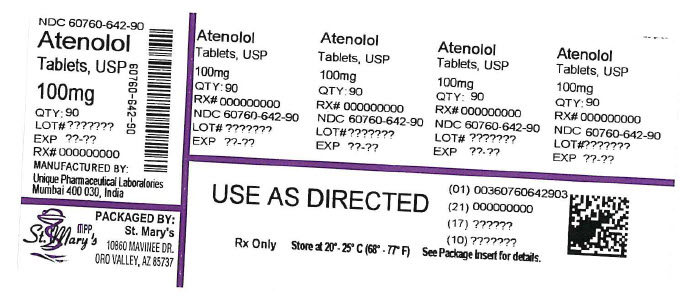
(atenolol · DailyMed)
ATENOLOL; CHLORTHALIDONE
ATENOLOL; CHLORTHALIDONE
What it does
Atenolol is a type of medicine called a beta blocker. It helps manage heart-related conditions.
Commonly used for: high blood pressure (hypertension), chest pain (angina), heart rhythm disorders
Read more in plain English ↓Plain-language summary for general understanding - not medical advice. Always follow your pharmacist/doctor.
Ask about this medicine
Answers come only from this medicine's registration record, BNF monograph and interaction data - not medical advice.
Medicine sourcing is available in Kenya only. We don't sell or dispense medicines - licensed pharmacies do.
Sourcing - Kenya onlyRegistration & product details
Source: Medicines Control Authority of Zimbabwe · fetched 2026-04-18 08:22:05 · updated 2026-07-01 04:30:04
Drug Interactions
1Pharmacodynamic Warnings
Atenolol appears in TABLE 6: Drugs that cause bradycardia
Atenolol appears in TABLE 8: Drugs that cause hypotension
Moderate (1)
Atenolol - increases risk of cardiovascular adverse effects
Propafenoneispredictedtoincreasetheriskofcardiovascular adverseeffectswhengivenwithbetablockers,selective (acebutolol,atenolol,betaxolol,bisoprolol,celiprolol,esmolol). Usewithcautionoravoid.rStudy →A
Data from BNF 85 (British National Formulary). This is not a substitute for professional medical advice. Matched via: exact
About atenolol
Atenolol is a type of medicine called a beta blocker. It helps manage heart-related conditions.
What it treats
- high blood pressure (hypertension)
- chest pain (angina)
- heart rhythm disorders
How it works
Atenolol works by slowing down the heart rate and reducing the heart's workload, which helps lower blood pressure and improve blood flow.
Who it's for
It is for adults who need treatment for certain heart conditions.
Drug class
Beta blockers
Cautions
- • Be careful if you are taking other medicines that slow your heart rate.
- • Be cautious if you take medicines that lower blood pressure.
AI-assisted summary grounded in BNF data - general information only, not medical advice. Always confirm with your pharmacist or doctor.
About chlorthalidone
Chlorthalidone is a medication that helps lower blood pressure and reduce extra fluid in the body.
What it treats
- high blood pressure (hypertension)
- fluid retention (edema)
How it works
Chlorthalidone works by helping the kidneys remove excess salt and water from the body, which lowers blood pressure and decreases fluid buildup.
Who it's for
This medication is for adults who need help managing high blood pressure or fluid retention.
AI-assisted summary grounded in BNF data - general information only, not medical advice. Always confirm with your pharmacist or doctor.
Clinical monograph: Atenolol
BNF-referencedAtenolol is a selective beta-1 adrenergic antagonist used primarily for the treatment of hypertension and certain arrhythmias. It reduces heart rate and myocardial oxygen demand.
Indications
- Hypertension
- Arrhythmias
- Angina pectoris
- Post-myocardial infarction
Dosage
Children: Child 12–17 years: 25–50 mg once daily. For children aged 1 month–11 years, 0.5–2 mg/kg once daily, given in 2 divided doses.
Adults: Usual starting dose for hypertension is 25-50 mg once daily, which can be adjusted based on response. Maximum daily dose is 100 mg.
Mechanism of action
Atenolol selectively blocks beta-1 adrenergic receptors in the heart, leading to decreased heart rate, myocardial contractility, and conduction velocity, thus reducing cardiac workload and oxygen consumption.
Pharmacodynamics
Atenolol lowers blood pressure and heart rate through its action on the heart, reducing the effects of catecholamines. It also decreases renin release from the kidneys, contributing to its antihypertensive effect.
Pharmacokinetics
Atenolol is well absorbed after oral administration, with a bioavailability of approximately 50%. It is primarily eliminated via the kidneys, and its half-life is about 6-9 hours. Dose adjustment may be necessary in renal impairment.
Adverse effects
- Gastrointestinal disorders
- Anxiety
- Decreased appetite
- Altered mood
- Postural hypotension
- Impaired concentration
- Drowsiness
- Hyperhidrosis
- Skin reactions
- Thrombocytopenia
- Arrhythmias
- Constipation
- Hypersensitivity
- Lupus-like syndrome
- Dry mouth
- Dyspepsia
- Flushing
- Oedema
- Pallor
- Pulmonary oedema
- Seizures
- Speech disorder
- Taste altered
- Abnormal thinking
- Urinary retention
- Cardiac arrest
- Extravasation necrosis
- Angioedema
- Coronary vasospasm
- Hyperkalaemia
- Metabolic acidosis
Interactions
- Propafenone (increases risk of cardiovascular adverse effects)
Precautions
- Care must be taken to ensure the correct drug is prescribed and dispensed.
- Use caution in renal impairment.
- Breastfeeding is advised to be avoided.
Pregnancy
Manufacturer advises caution.
Breast-feeding
Manufacturer advises avoidance.
Storage
Store in a cool, dry place, away from direct sunlight.
Formulations
- Atenolol 25 mg tablets
- Atenolol 50 mg tablets
- Atenolol 100 mg tablets
AI-synthesized from BNF references - general information only, not a substitute for professional medical advice or the current BNF. Verify doses with a pharmacist.
Clinical monograph: chlorthalidone
BNF-referencedChlorthalidone is a thiazide-like diuretic commonly used in the management of hypertension and edema associated with heart failure, liver cirrhosis, and renal dysfunction. It is effective in promoting diuresis, thereby reducing blood volume and blood pressure. Chlorthalidone is known for its prolonged duration of action compared to traditional thiazide diuretics, making it a preferred choice for long-term management of hypertension.
Indications
- Hypertension
- Edema associated with heart failure
- Edema due to liver cirrhosis
- Edema related to renal dysfunction
Dosage
Adults: The usual initial dose for adults is 12.5 mg once daily, which may be increased to 25 mg if necessary. For hypertension management, doses may vary based on individual patient
Mechanism of action
Chlorthalidone prevents reabsorption of sodium and chloride by inhibiting the Na+/Cl- symporter in the cortical diluting segment of the ascending limb of the loop of Henle. This inhibition leads to an osmotic diuresis, reducing extracellular fluid and plasma volume. The increased sodium delivery to the distal renal tubule causes enhanced potassium excretion through the sodium-potassium exchange mechanism. The antihypertensive effect is attributed to decreased plasma volume, which lowers cardiac output and ultimately reduces blood pressure. Additionally, chlorthalidone may decrease platelet aggregation and vascular permeability, contributing to cardiovascular risk reduction.
Pharmacodynamics
Chlorthalidone exhibits dose-dependent diuretic effects, leading to increased urine output and a reduction in plasma volume. This results in lower cardiac output initially, followed by a decrease in total peripheral resistance, which helps in lowering blood pressure. The drug's ability to affect renal tubular transport of ions also plays a significant role in its therapeutic effects.
Pharmacokinetics
Chlorthalidone is well-absorbed from the gastrointestinal tract, with peak plasma concentrations occurring within 2 to 6 hours after oral administration. It has a long half-life, allowing for once-daily dosing. Chlorthalidone is primarily eliminated via the kidneys, with about 60-70% of the dose excreted unchanged in the urine. Its pharmacokinetics can be affected by renal function, necessitating dose adjustments in patients with impaired renal clearance.
Contra-indications
- Hypersensitivity to chlorthalidone or any of its components
- Anuria
- Severe renal impairment
- Electrolyte imbalances, particularly hypokalemia
- Pregnancy (in certain cases)
Adverse effects
- Hypokalemia
- Hyponatremia
- Hyperuricemia
- Gastrointestinal disturbances
- Dizziness
- Headache
- Fatigue
- Rash
- Photosensitivity
- Increased blood sugar levels
Interactions
- Other antihypertensive agents (may enhance hypotensive effects)
- Non-steroidal anti-inflammatory drugs (NSAIDs) (may reduce diuretic effect)
- Lithium (may increase lithium levels)
- Digoxin (enhanced risk of toxicity due to hypokalemia)
- Corticosteroids (may exacerbate hypokalemia)
Precautions
- Monitor electrolyte levels, particularly potassium and sodium
- Use with caution in patients with renal impairment
- Assess volume status in patients at risk of dehydration
- Caution in patients with diabetes mellitus due to possible effects on glucose metabolism
- Consider potential for photosensitivity
Pregnancy
Chlorthalidone should be used during pregnancy only if the potential benefit justifies the potential risk to the fetus. It is generally advised to avoid use in the first trimester.
Breast-feeding
Chlorthalidone is excreted in breast milk, caution is advised when administered to nursing mothers.
Storage
Store at room temperature, away from moisture and heat. Keep out of reach of children.
Formulations
- Tablets: 25 mg, 50 mg
AI-synthesized from BNF references - general information only, not a substitute for professional medical advice or the current BNF. Verify doses with a pharmacist.
Molecular reference: Atenolol
PubChem CID 2249Molecular formula: C14H22N2O3
Mechanism of action
Atenolol is a cardioselective beta-blocker, called such because it selectively binds to the β1-adrenergic receptor as an antagonist up to a reported 26 fold more than β2 receptors. Selective activity at the β1 receptor produces cardioselectivity due to the higher population of this receptor in cardiac tissue. Some binding to β2 and possibly β3 receptors can still occur at therapeutic dosages but the effects mediated by antagonizing these are significantly reduced from those of non-selective agents. β1 and β2 receptors are G<sub>s</sub> coupled therefore antagonism of their activation reduces activity of adenylyl cyclase and its downstream signalling via cyclic adenosime monophosphate and protein kinase A (PKA). In cardiomyocytes PKA is thought to mediate activation of L-type calcium channels and ryanodine receptors through their phosphorylation. L-type calcium channels can then provide an initial rise in intracellular calcium and trigger the ryanodine receptors to release calcium stored in the sarcoplasmic reticulum (SR) and increased contractility. PKA also plays a role in the cessation of contraction by phosphorylating phospholamban which in turn increases the affinity of SR Ca<sup>2+</sup> ATPase to increase reuptake of calcium into the SR. It also phophorylates troponin I to reduce affinity of the protein for calcium. Both of these events lead to a reduction in contraction which, when coupled with the initial increase in contraction, allows for faster cycling and consequently higher heart rate with increased contractility. L-type calcium channels are also a major contributor to cardiac depolarization and their activation can increase frequency of action potentials and possibly the incidence of ectopic potentials. Similar inihibitory events occur in the bronchial smooth muscle to mediate relaxation including phosphorylation of myosin light-chain kinase, reducing its affinity for calcium. PKA also inhibits the excitatory G<sub>q</sub> coupled pathway by phosphorylating the inositol trisphosphate receptor and phospholipase C resulting in inhibition of intracellular calcium release. Antagonism of this activity by beta-blocker agents like atenolol can thus cause increased bronchoconstriction. By inhibiting myocardial beta 1-adrenergic receptors, atenolol produces negative chronotropic and inotropic activity. The negative chronotropic action of atenolol on the sinoatrial node results in a decrease in the rate of sinoatrial node discharge and an increase in recovery time, thereby decreasing resting and exercise stimulated heart rate and reflex orthostatic tachycardia by about 25-35%. High doses of the drug may produce sinus arrest, especially in patients with sinoatrial node disease (eg, sick sinus syndrome). Atenolol also slows conduction in the atrioventricular nose. Although stroke index may be increased moderately by about 10%, atenolol usually reduces cardiac output by about 20% probably secondary to its effect on heart rate. The decrease in myocardial contractability and heart rate, as well as the reduction in blood pressure, produced by atenolol generally lead to a reduction in myocardial oxygen consumption which accounts for the effectiveness of the drug in chronic stable angina pectoris; however, atenolol can increase oxygen requirements by increasing left ventricular fiber length and end-diastolic pressure, particularly in patients with cardiac failure. Atenolol suppresses plasma renin activity and suppresses the renin aldosterone angiotensin system. The toxic actions of beta-blockers appear to be related to properties such as membrane depressant activity and possibly due to actions on beta-adrenoceptors distinct from those in the cardiovascular system.
Pharmacodynamics
Atenolol is a cardio-selective beta-blocker and as such exerts most of its effects on the heart. It acts as an antagonist to sympathetic innervation and prevents increases in heart rate, electrical conductivity, and contractility in the heart due to increased release of norepinephrine from the peripheral nervous system. Together the decreases in contractility and rate produce a reduction in cardiac output resulting in a compensatory increase in peripheral vascular resistance in the short-term. This response later declines to baseline with long-term use of atenolol. More importantly, this reduction in the work demanded of the myocardium also reduces oxygen demand which provides therapeutic benefit by reducing the mismatch of oxygen supply and demand in settings where coronary blood flow is limited, such as in coronary atherosclerosis. Reducing oxygen demand, particularly due to exercise, can reduce the frequency of angina pectoris symptoms and potentially improve survival of the remaining myocardium after myocardial infarction. The decrease in rate of sinoatrial node potentials, electrical conduction, slowing of potentials traveling through the atrioventricular node, and reduced frequency of ectopic potentials due to blockade of adrenergic beta receptors has led to benefit in arrhythmic conditions such as atrial fibrillation by controlling the rate of action potential generation and allowing for more effective coordinated contractions. Since a degree of sympathetic activity is necessary to maintain cardiac function, the reduced contractility induced by atenolol may precipitate or worsen heart failure, especially during volume overload. The effects of atenolol on blood pressure have been established, although it is less effective than alternative beta-blockers, but the mechanism has not yet been characterized. As a β1 selective drug, it does not act via the vasodilation produced by non-selective agents. Despite this there is a sustained reduction in peripheral vascular resistance, and consequently blood pressure, alongside a decrease in cardiac output. It is thought that atenolol's antihypertensive activity may be related to action on the central nervous system (CNS) or it's inhibition of the renin-aldosterone-angiotensin system rather than direct effects on the vasculature. Atenolol produces CNS effects similar to other beta-blockers, but does so to a lesser extent due to reduces ability to cross the blood-brain barrier. It has the potential to produce fatigue, depression, and sleep disturbances such as nightmares or insomnia. The exact mechanisms behind these have not been characterized but their occurrence must be considered as they represent clinically relevant adverse effects. Atenolol exerts some effects on the respiratory system although to a much lesser extent than non-selective beta-blockers. Interaction with β2 receptors in the airways can produce bronchoconstriction by blocking the relaxation of bronchial smooth muscle mediated by the sympathetic nervous system. The same action can interfere with β-agonist therapies used in asthma and chronic obstructive pulmonary disease. Unlike some other beta-blocker drugs, atenolol does not have intrinsic sympathomimetic or membrane stabilizing activity nor does it produce changes in glycemic control.
Biological pathways
Source: PubChem (NCBI) · pathways from PathBank, Reactome, WikiPathways & PharmGKB.
Molecular reference: chlorthalidone
PubChem CID 2732Molecular formula: C14H11ClN2O4S
Mechanism of action
Chlorthalidone prevents reabsorption of sodium and chloride through inhibition of the Na+/Cl- symporter in the cortical diluting segment of the ascending limb of the loop of Henle. Reduction of sodium reabsorption subsequently reduces extracellular fluid and plasma volume via an osmotic, sodium-driven diuresis. By increasing the delivery of sodium to the distal renal tubule, Chlorthalidone indirectly increases potassium excretion via the sodium-potassium exchange mechanism. The exact mechanism of chlorthalidone's anti-hypertensive effect is under debate, however, it is thought that increased diuresis results in decreased plasma and extracellular fluid volume which therefore requires decreased cardiac output and overall lowers blood pressure. Chlorthalidone has also been shown to decrease platelet aggregation and vascular permeability, as well as promote angiogenesis in vitro, which is thought to be partly the result of reductions in carbonic anhydrase–dependent pathways. These pathways may play a role in chlorthalidone's cardiovascular risk reduction effects. ...ACT BY INHIBITING RENAL TUBULAR TRANSPORT OF VARIOUS IONS. Decreased plasma volume and decreased extracellular fluid volume; decreased cardiac output initially, followed by decreased total peripheral resistance with normalization of cardiac output ... /from table/ ...ANTIHYPERTENSIVE EFFECT OF CHLORTHALIDONE IS THOUGHT TO BE DUE TO DECR CARDIAC OUTPUT. The exact mechanism for reduction of arterial blood pressure by diuretics is not certain. Initially the drugs decrease extracellular volume and cardiac output. However, the hypotensive effect is maintained during long-term therapy because of reduced vascular resistance ... /Diuretics/ For more Mechanism of Action (Complete) data for CHLORTHALIDONE (8 total), please visit the HSDB record page.
Biological pathways
Source: PubChem (NCBI) · pathways from PathBank, Reactome, WikiPathways & PharmGKB.
This drug in other countries
The same active ingredient registered across other registries we cover - including different brands.
- AMDOCAL PLUS 25 TABLET · Madawa Pharmaceuticals
- AMDOCAL PLUS 50 TABLET · Madawa Pharmaceuticals
- AMLONG-A · Micro Labs
- AMTAS-AT · Accord Healthcare
- ANOLOL 100MG TABLETS · Syner-med Pharmaceuticalsltd
- ANOLOL 50MG TABLETS · Syner-med Pharmaceuticalsltd
- ATENOLOL 100MG TABLETS · Ernest Chemists
- ATENOLOL 50MG TABLETS · Ernest Chemists
- ATENOLOL 50MG TABLETS · Fredun Pharmaceuticals
- ATENOLOL TABLETS (Each tablets contains Atenolol 25mg ) · Teva UK
- ATENOVA-HTZ TABLETS (Each tablet contains Atenolol/ Hydrochlorothiazide 50mg/25mg) · Pharmanova
- TABLETS (Each tablet contains Atenolol 50mg) · Teva UK