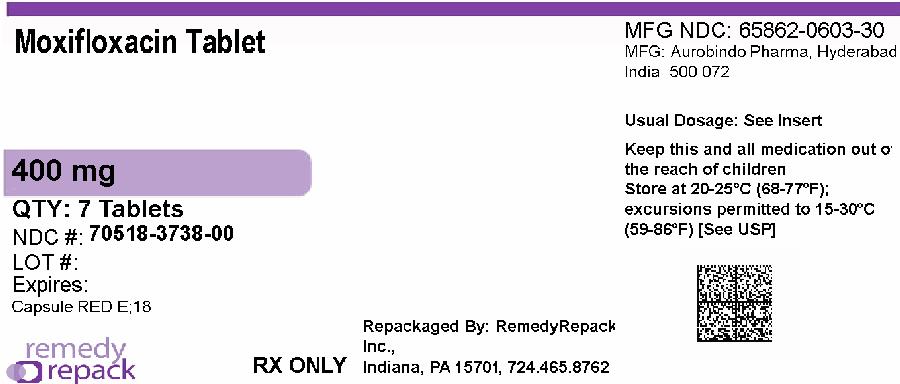
(moxifloxacin · DailyMed)
Avelox
Cellulose microcrystalline 136.0 mg/6 mL,Croscarmelose sodium. 32.0 mg/6 mL,Ferric Oxide (RED) 0.30-0.42 mg/6 mL,Hypromellose 15cps 9.0-12.6 mg/6 mL,Lactose Monohydrate 68.0 mg/6 mL,Macrogol 4000 3.0-4.2 mg/6 mL,Magnesium Sterate 6.0 mg/6 mL,Moxifloxacin Hydrochloride 400 mg/6 mL,Titanium Di Oxide 2.70-3.78 mg/6 mL
What it does
Cellulose is a type of fiber that helps with digestion and promotes bowel health.
Commonly used for: constipation, irregular bowel movements
Read more in plain English ↓Plain-language summary for general understanding - not medical advice. Always follow your pharmacist/doctor.
Ask about this medicine
Answers come only from this medicine's registration record, BNF monograph and interaction data - not medical advice.
Medicine sourcing is available in Kenya only. We don't sell or dispense medicines - licensed pharmacies do.
Sourcing - Kenya onlyRegistration & product details
Source: Tanzania Medicines and Medical Devices Authority · fetched 2026-03-11 23:53:22 · updated 2026-10-19 03:00:45
Drug Interactions
6Pharmacodynamic Warnings
Moxifloxacin appears in TABLE 9: Drugs that prolong the QT interval
Severe (1)
Quinolones - decreases absorption
Strontiumispredictedtodecreasetheabsorptionof quinolones.Avoid.oTheoretical
Unknown (5)
Quinolones - decreases exposure
Lanthanum moderately decreases the exposure to quinolones. Quinolones should be taken 2 hours before or 4 hours after lanthanum.
Quinolones - increases exposure
Leflunomideispredictedtoincreasetheexposuretoquinolones (ciprofloxacin).oTheoretical
Quinolones - decreases exposure
Sucralfate decreases the exposure to quinolones. Separate administration by 2 hours.
Quinolones - decreases exposure
Zinc is predicted to decrease the exposure to quinolones. Separate administration by 2 hours. Rabeprazole → see proton pump inhibitors Rabies immunoglobulin → see immunoglobulins Rabies vaccine
Quinolones - increases exposure
Teriflunomideispredictedtoincreasetheexposureto quinolones(ciprofloxacin).oTheoretical https://www.facebook.c (Books-Courses-Medic
Data from BNF 85 (British National Formulary). This is not a substitute for professional medical advice. Matched via: class
About cellulose
Cellulose is a type of fiber that helps with digestion and promotes bowel health.
What it treats
- constipation
- irregular bowel movements
How it works
Cellulose adds bulk to the stool, making it easier to pass through the intestines.
Who it's for
Suitable for people looking to improve their digestive health.
AI-assisted summary grounded in BNF data - general information only, not medical advice. Always confirm with your pharmacist or doctor.
About croscarmelose
Croscarmelose is a substance used to help medicines dissolve and be absorbed in the body more effectively.
What it treats
- to improve the effectiveness of oral medications
- to support the absorption of active ingredients in various drugs
How it works
Croscarmelose acts as a disintegrant, helping tablets or capsules break down quickly in the stomach so the body can use the medicine properly.
Who it's for
Croscarmelose is generally used in many types of medicines for adults and children, as it helps with the delivery of the active ingredients.
AI-assisted summary grounded in BNF data - general information only, not medical advice. Always confirm with your pharmacist or doctor.
About ferric
Ferric is a form of iron used to treat iron deficiency and related conditions.
What it treats
- iron deficiency
- iron deficiency anemia
How it works
Ferric works by providing your body with the iron it needs to make red blood cells, which carry oxygen.
Who it's for
Ferric is for people who have low iron levels or anemia caused by insufficient iron.
AI-assisted summary grounded in BNF data - general information only, not medical advice. Always confirm with your pharmacist or doctor.
About hypromellose
Hypromellose is a substance that helps to keep the eyes moist and can be used to soothe irritation.
What it treats
- dry eyes (keratoconjunctivitis sicca)
- eye irritation
How it works
It forms a protective layer over the eye, which helps to retain moisture and relieve discomfort.
Who it's for
This medication is suitable for anyone experiencing dry or irritated eyes.
AI-assisted summary grounded in BNF data - general information only, not medical advice. Always confirm with your pharmacist or doctor.
About lactose
Lactose is a sugar found in milk and dairy products. It is often used as an excipient in medications.
What it treats
- lactose intolerance
- as a filler in tablets and capsules
How it works
Lactose helps improve the texture and stability of medications and is sometimes used as a sweetener.
Who it's for
Individuals who require lactose as part of their medication or those who consume dairy products.
Cautions
- • May cause digestive issues in people with lactose intolerance.
AI-assisted summary grounded in BNF data - general information only, not medical advice. Always confirm with your pharmacist or doctor.
About macrogol
Macrogol is a laxative that helps relieve constipation by increasing the amount of water in the stool, making it easier to pass.
What it treats
- constipation
- irritable bowel syndrome
How it works
It works by drawing water into the bowel, which softens the stool and stimulates bowel movements.
Who it's for
Macrogol is suitable for adults and children who need help with bowel movements.
AI-assisted summary grounded in BNF data - general information only, not medical advice. Always confirm with your pharmacist or doctor.
About microcrystalline
Microcrystalline is a type of substance often used in medicines to help with various health issues. It is commonly used as a filler or binder in tablets and capsules.
What it treats
- stomach issues
- constipation
- weight management
How it works
It helps to improve the texture of medicines and can assist in the absorption of other ingredients in the body.
Who it's for
Adults and children who need help with specific health conditions, as directed by a healthcare professional.
AI-assisted summary grounded in BNF data - general information only, not medical advice. Always confirm with your pharmacist or doctor.
About moxifloxacin
Moxifloxacin is an antibiotic used to treat various bacterial infections.
What it treats
- bacterial infections
- lung infections (pneumonia)
- skin infections
- abdominal infections
How it works
It works by stopping the growth of bacteria, helping your body to fight off the infection.
Who it's for
It is for adults and children aged 2 months and above who have certain bacterial infections.
Drug class
Quinolones
Cautions
- • Be cautious if you are taking other medications that may affect heart rhythm.
AI-assisted summary grounded in BNF data - general information only, not medical advice. Always confirm with your pharmacist or doctor.
About oxide
Oxide is a type of compound often used in various treatments. It is important to understand its uses and any precautions necessary when taking it.
What it treats
- treatment of certain skin conditions
- used in some respiratory therapies
How it works
Oxide works by interacting with the body in a way that helps improve certain health conditions.
Who it's for
Oxide may be suitable for individuals suffering from specific health issues as determined by their healthcare provider.
Cautions
- • Always follow the healthcare provider's instructions when using this compound.
- • Inform your doctor about any other medications you are taking.
AI-assisted summary grounded in BNF data - general information only, not medical advice. Always confirm with your pharmacist or doctor.
About sterate
Sterate is a medication used for various health conditions.
What it treats
- Nutritional supplementation
- Fat malabsorption disorders
How it works
Sterate helps improve the absorption of fats in the body, providing essential nutrients.
Who it's for
It is suitable for individuals needing additional nutritional support or those with specific digestive issues.
AI-assisted summary grounded in BNF data - general information only, not medical advice. Always confirm with your pharmacist or doctor.
About titanium
Titanium is a material often used in medical implants and devices due to its strength and compatibility with the body.
What it treats
- surgical implants
- dental implants
- orthopedic devices
How it works
Titanium is used in medical devices because it is strong, lightweight, and does not react negatively with body tissues.
Who it's for
People who need implants or devices for medical conditions, such as joint replacements or dental issues.
AI-assisted summary grounded in BNF data - general information only, not medical advice. Always confirm with your pharmacist or doctor.
Clinical monograph: Hypromellose
BNF-referencedHypromellose is a semisynthetic polymer derived from cellulose, primarily used as an ocular lubricant in the management of dry eye conditions. It acts by forming a protective layer over the eye surface, providing moisture and relief from irritation, thereby improving comfort and protecting the corneal epithelium.
Indications
- Dry eye conditions
- Tear deficiency
- Keratoconjunctivitis sicca
Dosage
Children: Apply as required, typically in the form of eye drops.
Adults: Apply as required, typically in the form of eye drops.
Mechanism of action
Hypromellose acts by forming a viscous gel upon contact with the ocular surface, which helps to retain moisture and protect against irritants. This gel-like property enhances the stability of the tear film and reduces evaporation, thereby alleviating symptoms associated with dry eye conditions.
Pharmacodynamics
The pharmacodynamic effects of hypromellose are primarily related to its ability to mimic natural tears, providing lubrication to the ocular surface. This lubrication reduces friction during blinking and maintains corneal hydration, which is critical for ocular comfort and health. Its high viscosity also contributes to prolonged retention time on the eye surface.
Pharmacokinetics
Hypromellose is administered topically as eye drops and is not significantly absorbed systemically. The retention time of hypromellose on the ocular surface is enhanced due to its viscosity, allowing for extended relief of dry eye symptoms. The elimination of hypromellose occurs primarily through drainage from the eye and dilution by the natural tear fluid.
Adverse effects
- Temporary visual disturbance
- Eye irritation
Precautions
- Should not be used during contact lens wear
- Use with caution in patients with known hypersensitivity to any component of the formulation
Pregnancy
Hypromellose is generally considered safe for use during pregnancy. However, it should be used only if clearly needed and after consulting a healthcare provider.
Breast-feeding
Hypromellose is unlikely to affect breastfed infants when used as directed, but consultation with a healthcare provider is advisable.
Storage
Store in a cool, dry place away from direct sunlight. Once opened, use within a specified period as indicated on the packaging.
Formulations
- {'name': 'Teardew', 'concentration': '0.3%', 'form': 'eye drops', 'volume': '10 ml'}
- {'name': 'Xailin Hydrate', 'concentration': '0.3%', 'form': 'eye drops', 'volume': '10 ml'}
- {'name': 'AacuLose', 'concentration': '0.3%', 'form': 'eye drops', 'volume': '10 ml'}
- {'name': 'Artelac', 'concentration': '0.32%', 'form': 'eye drops', 'volume': '10 ml'}
- {'name': 'Lacrilube', 'concentration': '2 mg/g', 'form': 'eye ointment', 'volume': '3.5 g'}
- {'name': 'Celluvisc', 'concentration': '1%', 'form': 'eye drops', 'volume': '0.4 ml unit dose'}
AI-synthesized from BNF references - general information only, not a substitute for professional medical advice or the current BNF. Verify doses with a pharmacist.
Clinical monograph: Moxifloxacin
BNF-referencedMoxifloxacin is a fluoroquinolone antibiotic used to treat a variety of bacterial infections. It exhibits a broad spectrum of activity against both Gram-positive and Gram-negative bacteria and is particularly effective against respiratory tract infections, skin and soft tissue infections, and certain intra-abdominal infections. The drug is characterized by its bactericidal action, which results from the inhibition of bacterial DNA replication.
Indications
- Bacterial infections
- Complicated skin and soft-tissue infections
- Pelvic inflammatory disease
- Respiratory tract infections
- Intra-abdominal infections
Dosage
Children: Refer to the BNF for Children for appropriate dosing information.
Adults: 400 mg once daily for 7-21 days, depending on the specific infection being treated.
Mechanism of action
Moxifloxacin's bactericidal effect is primarily due to its inhibition of the enzymes topoisomerase II (DNA gyrase) and topoisomerase IV. By interfering with these enzymes, moxifloxacin prevents the replication, transcription, and repair of bacterial DNA. This mechanism is crucial for bacterial cell division and survival.
Pharmacodynamics
As a quinolone antibiotic, moxifloxacin is effective against a range of bacteria including aerobic Gram-positive organisms such as _Staphylococcus aureus_ and _Streptococcus pneumoniae_, as well as Gram-negative organisms like _Haemophilus influenzae_. It is known for its high affinity for bacterial DNA gyrase, which is approximately 100 times greater than its affinity for mammalian enzymes, making it selectively toxic to bacteria.
Pharmacokinetics
Moxifloxacin exhibits good oral bioavailability and is widely distributed in body tissues, reaching peak plasma concentrations approximately 1 to 2 hours after administration. The drug is primarily metabolized in the liver and excreted via the urine. The half-life of moxifloxacin is approximately 12 hours, allowing for once-daily dosing.
Contra-indications
- Acute myocardial infarction (risk factor for QT interval prolongation)
- Bradycardia (risk factor for QT interval prolongation)
- Congenital long QT syndrome (risk factor for QT interval prolongation)
- Electrolyte disturbances (risk factor for QT interval prolongation)
- Heart failure with reduced left ventricular ejection fraction (risk factor for QT interval prolongation)
- History of symptomatic arrhythmias (risk factor for QT interval prolongation)
Adverse effects
- Increased risk of infection
- Akathisia
- Angina pectoris
- Colitis associated with antibiotics
- Asthma
- Dehydration
- Gastritis
- Hyperlipidaemia
- Malaise
- Oedema
- Pelvic pain
- Thrombocytosis
- Vasodilation
Precautions
- May impair performance of skilled tasks (e.g. driving)
- Use with caution in patients with a history of seizures or CNS disorders
Pregnancy
Manufacturer advises use only if potential benefit outweighs risk.
Breast-feeding
Manufacturer advises avoid-present in milk in animal studies.
Storage
Store in a cool, dry place away from direct sunlight.
Formulations
- Tablets 400 mg
- Injection solution 400 mg/250 ml
- Nebuliser solution 100 mg/1 ml
AI-synthesized from BNF references - general information only, not a substitute for professional medical advice or the current BNF. Verify doses with a pharmacist.
Clinical monograph: cellulose
Cellulose is a complex carbohydrate and a key structural component of the plant cell wall. It is an indigestible polysaccharide made up of linear chains of glucose molecules linked by β-1,4-glycosidic bonds. As a dietary fiber, cellulose contributes to digestive health by promoting bowel regularity and is commonly used as a laxative and bulking agent in various food products and pharmaceuticals.
Indications
- Constipation
- Dietary fiber supplementation
- Irritable bowel syndrome
- Diverticular disease
- Weight management
Dosage
Children: Refer to appropriate guidelines for specific dosage; generally taken with adequate fluid intake.
Adults: Refer to appropriate guidelines for specific dosage; generally taken with adequate fluid intake.
Mechanism of action
Cellulose acts primarily as a bulk-forming laxative. It absorbs water in the intestines, which increases stool bulk and stimulates peristalsis, thus facilitating bowel movements. Additionally, cellulose is not digestible by human enzymes, leading to fermentation by gut bacteria, which may enhance gut health and alter gut microbiota composition.
Pharmacodynamics
Cellulose increases stool weight and frequency of bowel movements. It works by retaining water in the intestines, leading to softer stools and improved passage through the gastrointestinal tract. The bulking effect of cellulose can help alleviate constipation and promote overall digestive health. It may also play a role in cholesterol reduction and glycemic control through its effects on digestion and absorption of nutrients.
Pharmacokinetics
Cellulose is not absorbed into the bloodstream due to its indigestible nature. Instead, it passes through the gastrointestinal tract, where it adds bulk to the stool. Its fermentation by colonic bacteria produces short-chain fatty acids, which may have beneficial effects on colon health. The onset of action for cellulose as a laxative can vary but is generally within 24 to 72 hours after ingestion.
Adverse effects
- Bloating
- Flatulence
- Diarrhea
- Abdominal discomfort
Precautions
- Use with caution in patients with a history of gastrointestinal disorders.
- Monitor for potential allergic reactions in sensitive individuals.
Pregnancy
Cellulose is generally considered safe during pregnancy as it is a non-toxic, indigestible fiber.
Breast-feeding
Cellulose is also considered safe during breastfeeding; it is excreted in breast milk in negligible amounts.
Storage
Store in a cool, dry place away from direct sunlight.
Formulations
- Powder
- Capsules
- Tablets
- Granules
AI-synthesized from BNF references - general information only, not a substitute for professional medical advice or the current BNF. Verify doses with a pharmacist.
Clinical monograph: croscarmelose
Croscarmelose, also known as sodium carboxymethylcellulose, is a pharmaceutical excipient widely used as a disintegrant in oral dosage forms. It is derived from cellulose and enhances the dissolution of active pharmaceutical ingredients by promoting disintegration of tablets upon contact with water. Its ability to swell in the presence of moisture facilitates the breakdown of the tablet matrix, leading to improved bioavailability of the active components.
Indications
- Used as a disintegrant in tablet formulations
- Improves dissolution of active pharmaceutical ingredients
- Facilitates the breakdown of solid dosage forms
Dosage
Children: Refer to specific product information for dosing guidelines, as croscarmelose is used as an excipient and not dosed independently.
Adults: Refer to specific product information for dosing guidelines, as croscarmelose is used as an excipient and not dosed independently.
Mechanism of action
Croscarmelose functions by rapidly absorbing water and swelling upon hydration. This swelling action creates pressure within the tablet, leading to disintegration into smaller particles. The increased surface area of the drug particles enhances dissolution and absorption in the gastrointestinal tract, ultimately improving the pharmacokinetic profile of the active ingredients.
Pharmacodynamics
As a disintegrant, croscarmelose does not exert a pharmacological effect on its own but plays a critical role in the formulation of oral solid dosage forms. Its pharmacodynamic properties are primarily related to its ability to facilitate the release of active ingredients from their dosage forms, thereby influencing the onset and duration of action of the administered medication.
Pharmacokinetics
Croscarmelose is not absorbed systemically when ingested, as it functions primarily within the gastrointestinal tract. It is excreted unchanged in the feces following its role in aiding the dissolution and disintegration of solid dosage forms. Its safety profile is well-established, and it is considered non-toxic, with minimal adverse effects when used in recommended amounts.
Pregnancy
Croscarmelose is generally considered safe for use during pregnancy as it is an inert substance and does not have systemic effects.
Breast-feeding
Croscarmelose is not absorbed systemically and is considered safe for use during breastfeeding.
Storage
Store in a cool, dry place, away from direct sunlight and moisture.
Formulations
- Tablet
- Capsule
- Powder
AI-synthesized from BNF references - general information only, not a substitute for professional medical advice or the current BNF. Verify doses with a pharmacist.
Clinical monograph: ferric
BNF-referencedFerric, often referring to ferric iron or its salts, is an essential mineral primarily involved in oxygen transport and storage in the body. It plays a crucial role in erythropoiesis and is a key component of hemoglobin. Ferric compounds are commonly used in the treatment of iron deficiency anemia, a condition where the body lacks sufficient iron to produce adequate hemoglobin. The ferric ion is the oxidized form of iron, which is more stable in biological systems compared to ferrous iron.
Indications
- Iron deficiency anemia
- Chronic blood loss
- Nutritional iron deficiency
- Pregnancy-related anemia
Dosage
Children: Refer to the BNF for Children for specific dosing information as it may vary based on the formulation and clinical context.
Adults: Refer to the BNF for specific dosing information as it may vary based on the formulation and clinical context.
Mechanism of action
Ferric ions participate in various biological processes, including oxygen transport and electron transfer. They facilitate the formation of hemoglobin in red blood cells, allowing for efficient oxygen delivery throughout the body. Ferric compounds can also promote the absorption of iron from the gastrointestinal tract by providing a more bioavailable form of iron.
Pharmacodynamics
Ferric compounds exhibit their effects primarily through the restoration of iron levels in the body. This leads to improved synthesis of hemoglobin and overall enhancement of oxygen-carrying capacity. The pharmacological action is dose-dependent, with higher doses leading to more pronounced effects on hemoglobin levels and erythropoiesis. Additionally, ferric ions can influence various metabolic pathways involved in cellular respiration and energy production.
Pharmacokinetics
Ferric is absorbed in the gastrointestinal tract, with absorption rates influenced by dietary factors and the presence of other substances in the gut. Once absorbed, ferric ions are transported in the bloodstream bound to transferrin, a transport protein. The body regulates iron levels primarily through absorption rather than excretion, and excess iron can be stored in the liver, spleen, and bone marrow. The elimination of ferric compounds is generally slow, as they are incorporated into various biological systems or stored for future use.
Contra-indications
- Hypersensitivity to ferric compounds
- Iron overload conditions such as haemochromatosis or haemosiderosis
- Chronic liver disease
- Active peptic ulcer disease
Adverse effects
- Gastrointestinal disturbances including nausea, vomiting, and constipation
- Diarrhea
- Abdominal pain
- Black stools
- Allergic reactions including rashes and anaphylaxis
- Staining of teeth (with oral formulations)
Interactions
- Antacids may reduce the absorption of oral ferric preparations
- Tetracyclines and quinolone antibiotics may have reduced absorption when taken with iron
- Ascorbic acid may enhance the absorption of iron
Precautions
- Caution in patients with a history of gastrointestinal disease
- Monitor for signs of iron overload in patients receiving repeated doses
- Use with caution in patients with renal impairment
Pregnancy
Ferric compounds are generally considered safe in pregnancy when used as directed to treat iron deficiency, but should be used under medical supervision.
Breast-feeding
Ferric compounds are excreted in breast milk in small amounts, usually considered safe but should be used under medical supervision.
Storage
Store in a cool, dry place away from direct sunlight. Keep out of reach of children.
Formulations
- Oral tablets
- Oral solution
- Intravenous injection
AI-synthesized from BNF references - general information only, not a substitute for professional medical advice or the current BNF. Verify doses with a pharmacist.
Clinical monograph: lactose
BNF-referencedLactose is a disaccharide sugar composed of galactose and glucose, primarily found in milk and dairy products. It serves as a source of energy and is metabolized by the enzyme lactase. In individuals with lactase deficiency, lactose can lead to gastrointestinal symptoms such as bloating, diarrhea, and abdominal pain.
Indications
- Lactose intolerance
- As a filler or excipient in pharmaceutical formulations
Dosage
Children: Refer to the BNF for Children for specific dosing information based on age and clinical context.
Adults: Refer to the BNF for specific dosing information based on clinical context.
Mechanism of action
Lactose is metabolized in the intestine by the enzyme lactase into its constituent monosaccharides, glucose and galactose. In individuals with lactase deficiency, unabsorbed lactose passes into the colon, where it is fermented by bacteria, leading to gas production and osmotic effects that contribute to diarrhea.
Pharmacodynamics
The pharmacodynamics of lactose are primarily related to its effects on gastrointestinal function. In healthy individuals, lactose is effectively broken down into glucose and galactose, which are absorbed and utilized for energy. In individuals with lactose intolerance, the unabsorbed lactose can cause osmotic diarrhea and colonic fermentation, leading to discomfort and symptoms associated with lactose intolerance.
Pharmacokinetics
Lactose is not absorbed in the gastrointestinal tract until it is hydrolyzed into glucose and galactose by lactase. The absorption of glucose and galactose occurs in the small intestine. The half-life is not applicable as lactose is not typically administered as a medication but is rather ingested as a natural component of food. Its metabolism primarily occurs in the intestine.
Adverse effects
- Bloating
- Diarrhea
- Abdominal pain
- Flatulence
Precautions
- Use with caution in patients with lactose intolerance.
- Consider potential for gastrointestinal upset in sensitive individuals.
Pregnancy
Lactose is generally considered safe for use during pregnancy. However, consult a healthcare professional for individual advice.
Breast-feeding
Lactose is safe to use while breastfeeding, as it is a natural sugar present in breast milk.
Storage
Store in a cool, dry place, away from direct sunlight.
Formulations
- Powder
- Granules
- Tablets
- Syrup
AI-synthesized from BNF references - general information only, not a substitute for professional medical advice or the current BNF. Verify doses with a pharmacist.
Clinical monograph: macrogol
BNF-referencedMacrogol is a polymer of ethylene glycol used primarily as a laxative to treat constipation. It acts by retaining water in the stool, thereby increasing stool bulk and promoting bowel movements. It is often utilized in cases where increased dietary fiber is insufficient or for patients who require bowel cleansing prior to medical procedures.
Indications
- Constipation
- Bowel preparation for diagnostic procedures (e.g., colonoscopy)
Dosage
Children: For children, macrogol is typically used at a dose of 0.5 to 1 g/kg per day, not exceeding 17 g per day, depending on the child's age and condition. Refer to the BNF for Children for detailed pediatric dosing guidance.
Adults: Typical adult dosing for constipation is 8.4 grams of macrogol powder dissolved in water, taken once daily. For bowel preparation, specific dosing regimens may vary, and it is essential to follow product instructions or medical advice.
Mechanism of action
Macrogol works as an osmotic agent, drawing water into the bowel lumen through osmosis. This increased water content softens the stool, making it easier to pass. The presence of macrogol in the intestine increases the volume and viscosity of the stool, stimulating peristalsis and facilitating bowel evacuation.
Pharmacodynamics
Macrogol's laxative effect is dose-dependent, with higher doses generally resulting in more significant bowel movement stimulation. It is not absorbed systemically, which minimizes potential side effects and interactions. The osmotic effect leads to an increase in intraluminal pressure and stool volume, contributing to effective evacuation.
Pharmacokinetics
Macrogol is largely non-absorbed in the gastrointestinal tract, which allows it to exert its effects locally within the bowel. Due to its high molecular weight, it remains in the intestinal lumen, where it facilitates water retention. Elimination occurs through feces, as it is not metabolized by the body.
Pregnancy
Macrogol can be used during pregnancy if necessary, but caution should be exercised and medical advice sought.
Breast-feeding
Macrogol is generally considered safe to use during breastfeeding.
Storage
Store in a cool, dry place, protected from light. Keep out of reach of children.
AI-synthesized from BNF references - general information only, not a substitute for professional medical advice or the current BNF. Verify doses with a pharmacist.
Clinical monograph: microcrystalline
Microcrystalline cellulose is a refined wood pulp, commonly used as an excipient in pharmaceutical formulations. It serves as a bulking agent and stabilizer in tablets and capsules, improving the physical properties of the drug formulation. It is characterized by its ability to absorb moisture and provide a suitable texture for various dosage forms.
Indications
- Used as an excipient in tablet formulations
- Used as a bulking agent in capsule formulations
- Used in food products as a thickener or stabilizer
Dosage
Children: Refer to specific product guidelines as dosage will depend on the formulation and the active ingredients.
Adults: Refer to specific product guidelines as dosage will depend on the formulation and the active ingredients.
Mechanism of action
Microcrystalline cellulose acts as a non-digestible filler that enhances the flow properties of powders during the manufacturing of tablets and capsules. It does not have a direct pharmacological action on the body but ensures that the active ingredients are effectively delivered to the patient.
Pharmacodynamics
As a non-active ingredient, microcrystalline cellulose does not exert pharmacodynamic effects typical of active pharmaceutical ingredients. Its primary role is to provide a stable and consistent matrix for the drug, facilitating the release of the active compound once ingested.
Pharmacokinetics
Microcrystalline cellulose is not absorbed in the gastrointestinal tract; it passes through the digestive system largely unchanged. It adds bulk to the stool, which may aid in promoting regular bowel movements. The substance is excreted in feces, where it contributes to dietary fiber intake.
Pregnancy
Data regarding the use of microcrystalline cellulose during pregnancy is limited. It is advisable to consult with healthcare professionals before use.
Breast-feeding
Microcrystalline cellulose is considered safe during breastfeeding, as it is not absorbed systemically.
Storage
Store in a cool, dry place away from direct sunlight and moisture.
AI-synthesized from BNF references - general information only, not a substitute for professional medical advice or the current BNF. Verify doses with a pharmacist.
Clinical monograph: oxide
BNF-referencedOxide refers to a chemical compound that contains at least one oxygen atom and one other element. Oxides can be formed from a variety of elements, and their properties can vary significantly depending on the specific elements involved. Common oxides include metal oxides, such as iron oxide (rust), and non-metal oxides, such as carbon dioxide. In a pharmaceutical context, oxides may play roles as inactive ingredients or act as preservatives or stabilizers in drug formulations.
Mechanism of action
Oxides do not have a single mechanism of action as they are a broad category of compounds. However, in general, metal oxides can exhibit catalytic properties, while non-metal oxides may participate in biochemical reactions by forming acids or bases upon dissolution in water.
Pharmacodynamics
The pharmacodynamics of oxides depend on the specific type of oxide and its interaction with biological systems. For instance, metal oxides may have antimicrobial properties, while certain non-metal oxides can influence metabolic pathways through their acid-base chemistry. The effects vary widely, necessitating specific studies for each oxide's role in therapeutic contexts.
Pharmacokinetics
The pharmacokinetics of oxides are also variable. Many metal oxides are poorly soluble and thus have limited absorption when ingested. Non-metal oxides, such as carbon dioxide, can be readily absorbed and utilized in metabolic processes. The distribution, metabolism, and excretion of oxides depend on their chemical form and the biological system in which they are involved.
Pregnancy
Not applicable as oxide is not a drug but a class of chemical compounds.
Breast-feeding
Not applicable as oxide is not a drug but a class of chemical compounds.
Storage
Store in a cool, dry place away from direct sunlight.
AI-synthesized from BNF references - general information only, not a substitute for professional medical advice or the current BNF. Verify doses with a pharmacist.
Clinical monograph: sterate
Sterate is a term often associated with stearate salts, which are derivatives of stearic acid. These salts are typically utilized as excipients in pharmaceutical formulations, serving various functions such as stabilizers, emulsifiers, and lubricants. They help improve the solubility and bioavailability of active pharmaceutical ingredients.
Dosage
Children: Refer to specific product formulations for guidelines, as dosing can vary based on the formulation and therapeutic context.
Adults: Refer to specific product formulations for guidelines, as dosing can vary based on the formulation and therapeutic context.
Mechanism of action
Stearates, such as magnesium stearate, function primarily by reducing friction during tablet manufacturing and enhancing the flow properties of powders. They do not exert a therapeutic pharmacological action in the body but facilitate the delivery of other active substances.
Pharmacodynamics
Given that stearates are primarily excipients, they do not exhibit traditional pharmacodynamic properties as active drugs do. Their role is to optimize the formulation of drugs, enhancing physical characteristics such as texture and consistency, which indirectly affect the performance of the active ingredients.
Pharmacokinetics
Stearates are poorly absorbed in the gastrointestinal tract due to their lipid nature. When ingested, they may pass through the digestive system with minimal systemic absorption. Their primary action occurs at the site of formulation, where they assist in the dispersion and release of active ingredients rather than being metabolized or exerting effects in the body.
Pregnancy
The safety of sterate during pregnancy has not been established. It should only be used if the potential benefit justifies the potential risk to the fetus.
Breast-feeding
It is not known whether sterate is excreted in human milk. Caution should be exercised when administering to nursing mothers.
Storage
Store in a cool, dry place away from light. Keep out of reach of children.
AI-synthesized from BNF references - general information only, not a substitute for professional medical advice or the current BNF. Verify doses with a pharmacist.
Clinical monograph: titanium
BNF-referencedTitanium is a transition metal with the atomic number 22 and molecular formula Ti. It is known for its high strength-to-weight ratio, corrosion resistance, and biocompatibility, making it a valuable material in various medical and industrial applications, including implants and prosthetics. Its use in medicine primarily revolves around its incorporation into devices and materials rather than as a pharmacological agent.
Indications
- Orthopedic implants
- Dental implants
- Prosthetic devices
- Surgical instruments
Mechanism of action
Titanium does not have a specific mechanism of action as it is not a drug in the traditional sense. Instead, its biocompatibility allows it to integrate with biological tissues without eliciting significant immune responses, making it suitable for use in implants and prosthetic devices. The presence of titanium ions can influence biological processes, including cell proliferation and differentiation.
Pharmacodynamics
Titanium itself does not exhibit pharmacodynamics as it is not administered as a drug. Its interactions within biological systems are primarily mechanical and structural, providing support and stability in orthopedic and dental applications. The biocompatibility of titanium allows for favorable tissue integration and reduced rejection rates compared to other materials.
Pharmacokinetics
As titanium is not a pharmacological agent, traditional pharmacokinetic parameters such as absorption, distribution, metabolism, and excretion do not apply. Titanium is typically utilized in solid forms, such as implants, where it remains localized and does not undergo metabolism or systemic circulation.
Pregnancy
There is limited data on the use of titanium during pregnancy. Consult a healthcare professional before use.
Breast-feeding
There is limited data on the excretion of titanium in breast milk. Consult a healthcare professional before use.
Storage
Store in a cool, dry place away from direct sunlight.
AI-synthesized from BNF references - general information only, not a substitute for professional medical advice or the current BNF. Verify doses with a pharmacist.
Molecular reference: Moxifloxacin
PubChem CID 152946Molecular formula: C21H24FN3O4
Mechanism of action
The bactericidal action of moxifloxacin results from inhibition of the enzymes topoisomerase II (DNA gyrase) and topoisomerase IV. DNA gyrase is an essential enzyme that is involved in the replication, transcription and repair of bacterial DNA. Topoisomerase IV is an enzyme known to play a key role in the partitioning of the chromosomal DNA during bacterial cell division. The fluoroquinolone antibiotic moxifloxacin has been associated with the acquired long QT syndrome and is used as a positive control in the evaluation of the QT-interval prolonging potential of new drugs. In common with other QT-prolonging agents, moxifloxacin is known to inhibit the hERG potassium K+ channel, but at present there is little mechanistic information available on this action. This study was conducted in order to characterise the inhibition of hERG current (I(hERG)) by moxifloxacin, and to determine the role in drug binding of the S6 aromatic amino-acid residues Tyr652 and Phe656. hERG currents were studied using whole-cell patch clamp (at room temperature and at 35-37 degrees C) in an HEK293 cell line stably expressing hERG channels. Moxifloxacin reversibly inhibited currents in a dose-dependent manner. We investigated the effects of different voltage commands to elicit hERG currents on moxifloxacin potency. Using a 'step-ramp' protocol, the IC50 was 65 uM at room temperature and 29 microM at 35 degrees C. When a ventricular action potential waveform was used to elicit currents, the IC50 was 114 microM. Block of hERG by moxifloxacin was found to be voltage-dependent, occurred rapidly and was independent of stimulation frequency. Mutagenesis of the S6 helix residue Phe656 to Ala failed to eliminate or reduce the moxifloxacin-mediated block whereas mutation of Tyr652 to Ala reduced moxifloxacin block by approximately 66%. Our data demonstrate that moxifloxacin blocks the hERG channel with a preference for the activated channel state. The Tyr652 but not Phe656 S6 residue is involved in moxifloxacin block of hERG, concordant with an interaction in the channel inner cavity. The bactericidal action of moxifloxacin results from inhibition of the topoisomerase II (DNA gyrase) and topoisomerase IV required for bacterial DNA replication, transcription, repair, and recombination. It appears that the C8-methoxy moiety contributes to enhanced activity and lower selection of resistant mutants of Gram-positive bacteria compared to the C8-H moiety. The presence of the bulky bicycloamine substituent at the C-7 position prevents active efflux, associated with the NorA or pmrA genes seen in certain Gram-positive bacteria. Torsade de pointes (TdP) is increasingly recognized as a complication of drug therapy. The most common cause of drug-induced QT prolongation is inhibition of the rapidly activating component of the delayed potassium current (I(Kr)). Moxifloxacin, a widely used fluoroquinolone, is a weak I(Kr) inhibitor and has been associated with QT prolongation. Fluoroquinolones prolong the QT interval by blocking voltage-gated potassium channels, especially the rapid component of the delayed rectifier potassium current I(Kr), expressed by HERG (the human ether-a-go-go-related gene). According to the available case reports and clinical studies, moxifloxacin carries the greatest risk of QT prolongation from all available quinolones in clinical practice and it should be used with caution in patients with predisposing factors for Torsades de pointes (TdP).
Pharmacodynamics
Moxifloxacin is a quinolone/fluoroquinolone antibiotic. Moxifloxacin can be used to treat infections caused by the following bacteria: Aerobic Gram-positive microorganisms: _Corynebacterium_ species, _Micrococcus luteus_, _Staphylococcus aureus_, _Staphylococcus epidermidis_, _Staphylococcus haemolyticus_, _Staphylococcus hominis_, _Staphylococcus warneri_, _Streptococcus pneumoniae_, and _Streptococcus viridans_ group. Aerobic Gram-negative microorganisms: _Acinetobacter lwoffii_, _Haemophilus influenzae_, and _Haemophilus parainfluenzae_. Other microorganisms: _Chlamydia trachomatis_. Moxifloxacin is bactericidal and its mode of action depends on blocking of bacterial DNA replication by binding itself to an enzyme called DNA gyrase, which allows the untwisting required to replicate one DNA double helix into two. Notably the drug has 100 times higher affinity for bacterial DNA gyrase than for mammalian. Moxifloxacin is a broad-spectrum antibiotic that is active against both Gram-positive and Gram-negative bacteria.
Source: PubChem (NCBI) · pathways from PathBank, Reactome, WikiPathways & PharmGKB.
Molecular reference: ferric
PubChem CID 16048613Molecular formula: C30H21FeN3O15-3
Source: PubChem (NCBI) · pathways from PathBank, Reactome, WikiPathways & PharmGKB.
Molecular reference: lactose
PubChem CID 6134Molecular formula: C12H22O11
Source: PubChem (NCBI) · pathways from PathBank, Reactome, WikiPathways & PharmGKB.
Molecular reference: macrogol
PubChem CID 174Molecular formula: C2H6O2
Mechanism of action
Ethylene glycol is metabolized by alcohol dehydrogenase to glycoaldehyde, which is then metabolized to glycolic, glyoxylic, and oxalic acids. These acids, along with excess lactic acid are responsible for the anion gap metabolic acidosis. Oxalic acid readily precipitates with calcium to form insoluble calcium oxalate crystals. Tissue injury is caused by widespread deposition of oxalate crystals and the toxic effects of glycolic and glyoxylic acids.
Biological pathways
Source: PubChem (NCBI) · pathways from PathBank, Reactome, WikiPathways & PharmGKB.
Molecular reference: oxide
PubChem CID 190217Molecular formula: O-2
Source: PubChem (NCBI) · pathways from PathBank, Reactome, WikiPathways & PharmGKB.
Molecular reference: titanium
PubChem CID 23963Molecular formula: Ti
Source: PubChem (NCBI) · pathways from PathBank, Reactome, WikiPathways & PharmGKB.
This drug in other countries
The same active ingredient registered across other registries we cover - including different brands.
- ANOMEX OINTMENT (Each gram contains Hydrocortisone Acetate/Lidocaine/Zinc Oxide/Allantoin 0.25%w/w/3%w/w/5%w/w/0.5%w/w) · Kremoint Pharma
- AROX EYE DROPS · Jamjoom Pharmaceuticals
- AROX UD OPTHALMIC SOLUTION · Jampoon Pharmaceuticals
- BABY BOY GIRL DIAPER RASH CREAM · Ghandour Cosmetics
- BABY NAPPY RASH RELIEF CREAM (Each gram contains Zinc oxide/Castor oil 7.5%w/w/4.5%w/w) · Bells Sons & Company
- BELSOTER SYRUP (Each 5ml contains Ferric Ammonium Citrate/ Vitamin B12/ Vitamin B6/ Nicotinamide/ Zinc sulfate 225mg/ 7.5mcg/ 1.5mg/ 50mg/ 44.4mg) · Belco Pharma