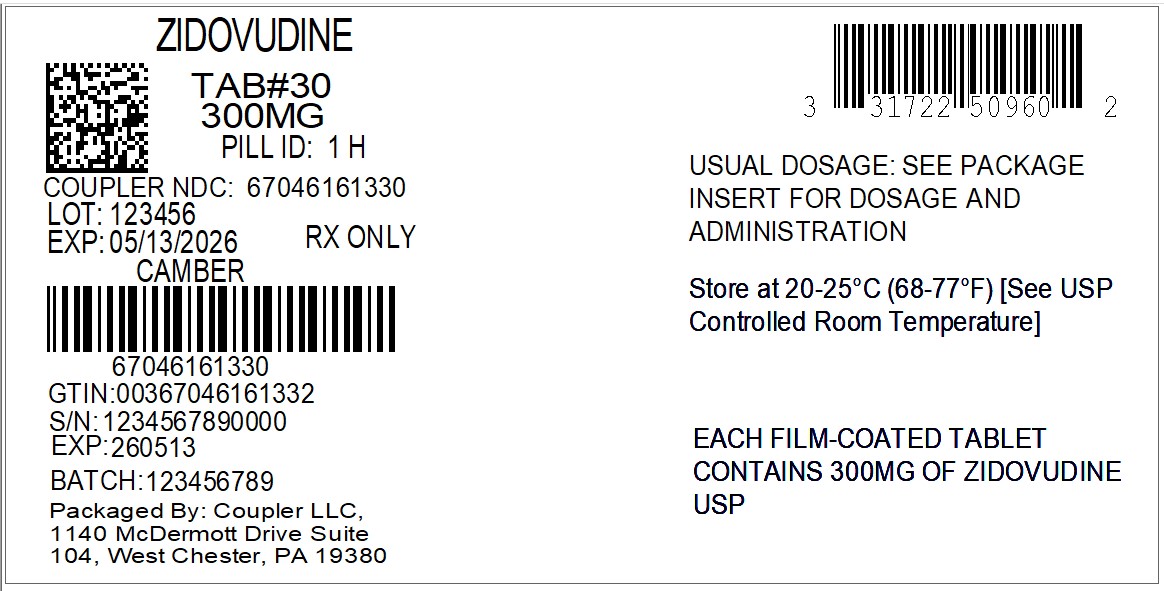
(zidovudine · DailyMed)
AVOCOMB-N KID COMBINATION PRODUCT TABLET
LAMIVUDINE, NEVIRAPINE & ZIDOVUDINE
What it does
Lamivudine is an antiviral medication used to treat certain viral infections.
Commonly used for: HIV infection, Chronic hepatitis B
Read more in plain English ↓Plain-language summary for general understanding - not medical advice. Always follow your pharmacist/doctor.
Ask about this medicine
Answers come only from this medicine's registration record, BNF monograph and interaction data - not medical advice.
Medicine sourcing is available in Kenya only. We don't sell or dispense medicines - licensed pharmacies do.
Sourcing - Kenya onlyRegistration & product details
Source: Pharmacy and Medicines Regulatory Authority · fetched 2026-04-21 17:37:46 · updated 2026-09-15 04:32:43
Drug Interactions
23Pharmacodynamic Warnings
Zidovudine appears in TABLE 2: Drugs that cause nephrotoxicity
Lamivudine appears in TABLE 12: Drugs that cause peripheral neuropathy
Severe (2)
Ketoconazole - decreases exposure
Nevirapine moderately decreases the exposure to antifungals, azoles (ketoconazole). Avoid.
Zidovudine - increases risk of anaemia and/or leucopenia
Ribavirin increases the risk of anaemia and/or leucopenia when given with zidovudine. Avoid.
Moderate (3)
Caspofungin - decreases concentration
Nevirapine is predicted to decrease the concentration of caspofungin. Adjust dose.
Midazolam - decreases concentration
Nevirapine decreases the concentration of benzodiazepines (midazolam). Monitor and adjust dose.
Voriconazole - decreases exposure
Nevirapine is predicted to decrease the exposure to antifungals, azoles (voriconazole) and antifungals, azoles (voriconazole) increase the exposure to nevirapine. Monitor and adjust dose.
Unknown (18)
Antiepileptics - decreases concentration
Nevirapine is predicted to decrease the concentration of antiepileptics (carbamazepine, fosphenytoin, phenobarbital, phenytoin, primidone) and antiepileptics (carbamazepine, fosphenytoin, phenobarbita
Antifungals,azoles - decreases exposure
Nevirapine moderately decreases the exposure to antifungals, azoles (itraconazole). Avoid and for 14 days after stopping nevirapine.
Benzodiazepines - decreases concentration
Nevirapine is predicted to decrease the concentration of benzodiazepines (clonazepam) and benzodiazepines (clonazepam) are predicted to decrease the concentration of nevirapine.
Carbamazepine - decreases concentration
Nevirapine is predicted to decrease the concentration of antiepileptics (carbamazepine, fosphenytoin, phenobarbital, phenytoin, primidone) and antiepileptics (carbamazepine, fosphenytoin, phenobarbita
Ciclosporin - decreases concentration
Nevirapine is predicted to decrease the concentration of ciclosporin.
Data from BNF 85 (British National Formulary). This is not a substitute for professional medical advice. Matched via: exact
About lamivudine
Lamivudine is an antiviral medication used to treat certain viral infections.
What it treats
- HIV infection
- Chronic hepatitis B
How it works
It works by stopping the virus from multiplying in the body.
Who it's for
This medication is for adults and children who are infected with HIV or hepatitis B.
Cautions
- • Be careful if you are taking other medications that can cause nerve problems.
AI-assisted summary grounded in BNF data - general information only, not medical advice. Always confirm with your pharmacist or doctor.
About nevirapine
Nevirapine is a medication used to help treat HIV infection by controlling the virus in the body.
What it treats
- HIV infection
- Human Immunodeficiency Virus (HIV) disease
How it works
It works by blocking the virus from multiplying, helping to keep the immune system stronger.
Who it's for
This medication is for adults and children living with HIV.
AI-assisted summary grounded in BNF data - general information only, not medical advice. Always confirm with your pharmacist or doctor.
About zidovudine
Zidovudine is a medicine used to treat HIV infection. It helps to manage the virus in the body.
What it treats
- HIV infection
- Human Immunodeficiency Virus (HIV)
How it works
Zidovudine works by stopping the virus from multiplying, helping to lower the amount of virus in the body.
Who it's for
This medicine is for people living with HIV.
Cautions
- • Be cautious if taking other medicines that can harm the kidneys.
AI-assisted summary grounded in BNF data - general information only, not medical advice. Always confirm with your pharmacist or doctor.
Clinical monograph: Zidovudine
BNF-referencedZidovudine, also known as AZT, is a nucleoside reverse transcriptase inhibitor (NRTI) used primarily in the management of Human Immunodeficiency Virus (HIV) infection. It acts by inhibiting the reverse transcription process, which is critical for viral replication. Zidovudine is a prodrug that is converted in the body to its active form, zidovudine triphosphate, which then competes with natural nucleotides for incorporation into viral DNA, leading to chain termination and cessation of viral replication.
Indications
- HIV infection
- Prevention of maternal-fetal HIV transmission
Dosage
Children: Refer to BNF for Children for appropriate dosing information.
Adults: 250–300 mg twice daily; for prevention of maternal-fetal transmission, seek specialist advice.
Mechanism of action
Zidovudine is a structural analog of thymidine. It is phosphorylated to its active triphosphate metabolite, zidovudine triphosphate (ZDV-TP), which inhibits HIV-1 reverse transcriptase by competing with the natural substrate dGTP and causing DNA chain termination upon incorporation into the viral DNA. While it has some inhibitory effects on mammalian DNA polymerases, its primary action is on the viral reverse transcriptase due to a higher affinity for the viral enzyme compared to cellular enzymes.
Pharmacodynamics
As an NRTI, zidovudine demonstrates antiviral activity against HIV-1 by competitively inhibiting the reverse transcriptase enzyme. The incorporation of zidovudine triphosphate into viral DNA prevents the formation of the essential phosphodiester bonds, terminating DNA synthesis. This mechanism leads to a decrease in viral load and assists in the management of HIV infection.
Pharmacokinetics
Zidovudine is rapidly absorbed following oral administration, with peak plasma concentrations occurring within 30 to 90 minutes. It is extensively metabolized in the liver, primarily via glucuronidation, and has a half-life of approximately 1 hour. The drug is excreted mainly in the urine as metabolites. Dosage adjustments may be necessary in patients with renal impairment due to increased risk of accumulation.
Contra-indications
- Severe hypersensitivity to zidovudine or any excipient
- Significant anemia or neutropenia
- Severe hepatic impairment
Adverse effects
- Common: Leucopenia, malaise, myalgia, neutropenia
- Uncommon: Bone marrow disorders, dyspnoea, fever, generalised pain, myopathy
- Rare: Alertness decreased, anxiety, appetite decreased, cardiomyopathy, chest pain, chills, cough, depression, drowsiness, dyspepsia, gynaecomastia
- Very rare: Lipoatrophy, metabolic effects including hyperlipidaemia and hyperglycaemia
Interactions
- Ribavirin: Severe interaction increasing risk of anaemia and/or leucopenia
- Leflunomide: Unknown interaction but may increase exposure
- Teriflunomide: Unknown interaction but may increase exposure
Precautions
- Use with caution in patients with pre-existing liver disease, including hepatomegaly and hepatitis
- Monitor for symptoms of hyperlactataemia, lactic acidosis, and progressive hepatomegaly
- Regular monitoring of blood counts recommended due to risk of myelosuppression
Pregnancy
Zidovudine is classified as a Category C drug. It should be used during pregnancy only if the potential benefit justifies the potential risk to the fetus. Zidovudine is recommended for the prevention of maternal-fetal transmission of HIV.
Breast-feeding
Zidovudine is excreted in breast milk. The decision to breastfeed should take into account the mother's need for the drug and any potential adverse effects on the breastfed infant.
Storage
Store at room temperature between 15°C to 30°C. Protect from light and moisture. Keep out of reach of children.
Formulations
- Oral tablet: 100 mg, 300 mg
- Oral solution: 10 mg/mL
- Intravenous solution: 200 mg/20 mL
AI-synthesized from BNF references - general information only, not a substitute for professional medical advice or the current BNF. Verify doses with a pharmacist.
Clinical monograph: Lamivudine
BNF-referencedLamivudine is a synthetic nucleoside analogue primarily used in the treatment of Human Immunodeficiency Virus (HIV) infections and chronic hepatitis B virus (HBV) infections. It is marketed under the brand name Epivir and functions as a nucleoside reverse transcriptase inhibitor (NRTI). By interfering with viral DNA synthesis, lamivudine plays a critical role in antiviral therapy, particularly in combination therapies for HIV.
Indications
- HIV infection in combination with other antiretroviral drugs
- Chronic hepatitis B infection with evidence of viral replication and active liver inflammation or fibrosis
Dosage
Children: For children aged 3 months to
Adults: For HIV infection, the adult dose is 150 mg every 12 hours or alternatively 300 mg once daily. For chronic hepatitis B, the recommended dose is 300 mg once daily.
Mechanism of action
Lamivudine is phosphorylated intracellularly to its active form, lamivudine triphosphate (L-TP). This active metabolite is incorporated into viral DNA by HIV reverse transcriptase and HBV polymerase, leading to DNA chain termination. Lamivudine competes with deoxycytidine triphosphate for binding to reverse transcriptase, and its incorporation into DNA results in the disruption of DNA synthesis due to the absence of a 3'-OH group necessary for chain elongation.
Pharmacodynamics
As a nucleoside reverse transcriptase inhibitor (NRTI), lamivudine disrupts the viral DNA synthesis pathway, particularly for HIV-1 and HBV. The active metabolite formed competes with natural nucleotides and incorporates into the growing viral DNA chain, ultimately leading to chain termination. This action inhibits the replication of the virus, thereby reducing viral load in infected individuals.
Pharmacokinetics
Lamivudine is absorbed via passive diffusion and is rapidly phosphorylated to its active triphosphate form within cells. Its bioavailability is approximately 80-85% when taken orally. The drug has a half-life of about 5-7 hours in plasma and is primarily eliminated via the kidneys through glomerular filtration and active tubular secretion. Renal impairment necessitates dose adjustments, particularly in patients with creatinine clearance below 50 mL/min.
Contra-indications
- Severe hypersensitivity to lamivudine or any of its excipients
- Patients with decompensated liver disease when used for chronic hepatitis B
Adverse effects
- Peripheral neuropathy
- Headache
- Nausea
- Diarrhea
- Fatigue
- Insomnia
- Malaise
- Cough
- Pharyngitis
- Respiratory tract infections
- Alopecia
- Arthralgia
Interactions
- Trimethoprim may increase exposure to lamivudine
- Concomitant use with other antiretroviral drugs should be evaluated for cross-resistance
Precautions
- Monitor liver function tests every 3 months in patients with chronic hepatitis B
- Recurrent hepatitis may occur upon discontinuation in chronic hepatitis B patients
- Use with caution in renal impairment; dose adjustments may be necessary if creatinine clearance is less than 50 mL/min
Pregnancy
Lamivudine is classified as category B, indicating that there are no known risks in humans, but caution should be exercised. It may be used during pregnancy if deemed necessary by the healthcare provider.
Breast-feeding
Lamivudine can be used with caution while breastfeeding, provided adequate measures are taken to prevent hepatitis B infection in infants.
Storage
Store in a cool, dry place away from direct sunlight. Keep out of reach of children.
Formulations
- Lamivudine 150 mg tablets
- Lamivudine 300 mg tablets
- Epivir oral solution
AI-synthesized from BNF references - general information only, not a substitute for professional medical advice or the current BNF. Verify doses with a pharmacist.
Clinical monograph: Nevirapine
BNF-referencedNevirapine is a non-nucleoside reverse transcriptase inhibitor (nNRTI) used primarily in the treatment of human immunodeficiency virus type 1 (HIV-1) infection. It works by inhibiting the reverse transcriptase enzyme, a critical component in the viral replication process, thereby preventing the virus from multiplying. Nevirapine is typically used in combination with other antiretroviral medications to enhance treatment efficacy and reduce the likelihood of resistance development.
Indications
- HIV infection in antiretroviral treatment-experienced adults
- HIV infection in antiretroviral treatment-experienced paediatric patients from 2 years of age
Dosage
Children: For children aged 3–17 years: 200 mg once daily for body surface area 0.
Adults: Initially 200 mg once daily for the first 14 days, followed by 200 mg twice daily. If treatment is interrupted for more than 7 days, restart with 200 mg once daily for 14 days.
Mechanism of action
Nevirapine binds directly to reverse transcriptase (RT) and inhibits its RNA-dependent and DNA-dependent DNA polymerase activities by disrupting the enzyme's catalytic site. This binding occurs in a deep pocket on the enzyme, affecting the alignment of essential components for the chemical reaction necessary for viral DNA synthesis, which ultimately hinders HIV replication.
Pharmacodynamics
As a non-nucleoside reverse transcriptase inhibitor, nevirapine exhibits selective activity against HIV-1, showing no inhibitory effects on HIV-2 RT or human DNA polymerases. It is generally prescribed when the immune system is compromised and in the presence of opportunistic infections. Nevirapine is effective only when used in combination with other antiretroviral agents, as monotherapy can lead to the development of drug resistance.
Pharmacokinetics
Nevirapine is well absorbed after oral administration, with peak plasma concentrations typically occurring within 4 hours. It undergoes extensive hepatic metabolism primarily via the cytochrome P450 system, particularly CYP3A4. The elimination half-life of nevirapine ranges from 25 to 30 hours, allowing for less frequent dosing. It is primarily excreted in urine as metabolites, with minimal unchanged drug excreted.
Contra-indications
- Acute porphyrias
Adverse effects
- Hypersensitivity reactions
- Rash
- Eosinophilia
- Fever
- General malaise
- Myalgia
- Arthralgia
- Blistering
- Oral lesions
- Conjunctivitis
- Hepatitis
- Diarrhoea
- Drowsiness
- Dry mouth
- Dyslipidaemia
- Dyspnoea
- Gastrointestinal discomfort
- Headache
- Hyperglycaemia
- Hypertension
- Memory loss
- Myocardial infarction
- Nausea
- Peripheral neuropathy
- Renal failure
- Abnormal skin reactions
- Sleep disorders
- Angina pectoris
- Angioedema
- Atrial fibrillation
- Bronchospasm
- Concentration impaired
- Confusion
- Gynaecomastia
- Haematemesis
- Hepatic disorders
- Inflammatory syndrome
- Pancreatitis
- Seizure
- Syncope
- Tremor
- Vertigo
- Weight increased
- Osteonecrosis
Interactions
- Nevirapine + ketoconazole: Severe (decreases exposure)
- Nevirapine + voriconazole: Moderate (decreases exposure)
- Nevirapine + midazolam: Moderate (decreases concentration)
- Nevirapine + caspofungin: Moderate (decreases concentration)
- Nevirapine + antiepileptics: Unknown (decreases concentration)
- Nevirapine + carbamazepine: Unknown (decreases concentration)
- Nevirapine + fosphenytoin: Unknown (decreases concentration)
- Nevirapine + phenobarbital: Unknown (decreases concentration)
- Nevirapine + phenytoin: Unknown (decreases concentration)
- Nevirapine + primidone: Unknown (decreases concentration)
Precautions
- C
AI-synthesized from BNF references - general information only, not a substitute for professional medical advice or the current BNF. Verify doses with a pharmacist.
Molecular reference: Lamivudine
PubChem CID 60825Molecular formula: C8H11N3O3S
Mechanism of action
Lamivudine is a synthetic nucleoside analogue and is phosphorylated intracellularly to its active 5'-triphosphate metabolite, lamivudine triphosphate (L-TP). This nucleoside analogue is incorporated into viral DNA by HIV reverse transcriptase and HBV polymerase, resulting in DNA chain termination. Lamivudine enters cells by passive diffusion and is phosphorylated to its active metabolite, lamivudine triphosphate. Lamivudine triphosphate competes with deoxycytidine triphosphate for binding to reverse transcriptase, and incorporation into DNA results in chain termination. Lamivudine has very low affinity for human alpha and omega DNA polymerases, moderate affinity for beta DNA polymerase, and higher affinity for gamma DNA polymerase.
Pharmacodynamics
Lamivudine is a nucleoside reverse transcriptase inhibitor (NRTI) with activity against Human Immunodeficiency Virus Type 1 (HIV-1) and hepatitis B (HBV) to disrupt viral DNA synthesis. When phosphorylated, lamivudine can form active metabolites that compete for incorporation into viral DNA. Via DNA incorporation, lamivudine metabolites competitively inhibit the activity of the HIV reverse transcriptase enzyme and act as a chain terminator of DNA synthesis. Due to the lack of a 3'-OH group, incorporated nucleoside analogues prevent the formation of a 5' to 3' phosphodiester linkage that is essential for DNA chain elongation.
Biological pathways
Source: PubChem (NCBI) · pathways from PathBank, Reactome, WikiPathways & PharmGKB.
Molecular reference: Nevirapine
PubChem CID 4463Molecular formula: C15H14N4O
Mechanism of action
Nevirapine binds directly to reverse transcriptase (RT) and blocks the RNA-dependent and DNA-dependent DNA polymerase activities by causing a disruption of the enzyme's catalytic site. The activity of nevirapine does not compete with template or nucleoside triphosphates. The binding site for nevirapine on HIV-1 reverse transcriptase is near, but not at the proposed site of active polymerization, in a deep pocket lying between the beta sheets of the palm and at the base of the thumb subdomains of the enzyme's p66 subunit. In the absence of nevirapine, the binding of deoxynucleoside triphosphate to the reverse transcriptase-template complex results in a change in the conformation of reverse transcriptase. This conformational change is followed by a magnesium-dependent chemical reaction in which deoxynucleoside triphosphate is incorporated into the newly forming viral DNA; the conformational change appears to be the rate-limiting step of the reverse transcriptase catalysis of viral DNA formation. Nevirapine appears to have no appreciable effect on the rate of or equilibrium constant for the conformational change but may slow the chemical reaction, which then becomes the rate-limiting step in the catalytic sequence. When nevirapine binds to the reverse transcriptase-template complex, changes may occur in the position of aspartic acid carboxyl groups in reverse transcriptase so that magnesium ions are not in proper alignment for the chemical reaction to occur efficiently, and the reaction is slowed. Therefore, although the nevirapine-reverse transcriptase-template complex may continue to bind deoxynucleoside triphosphate and to catalyze its incorporation into the newly forming viral DNA, it appears to do so at a slower rate. The mechanism of action of nevirapine differs from that of nucleoside reverse transcriptase inhibitors (e.g., abacavir, didanosine, lamivudine, stavudine, zalcitabine, zidovudine). Nucleoside antiretroviral agents require intracellular conversion to triphosphate metabolites, which then compete with naturally occurring deoxynucleoside triphosphates for incorporation into viral DNA by reverse transcriptase and cause premature viral DNA chain termination by preventing further 5 to 3 phosphodiester linkages. Nevirapine, however, is noncompetitive with respect to primer-template or nucleoside triphosphate binding and is specific for HIV-1 reverse transcriptase. The drug binds directly to heterodimeric HIV-1 reverse transcriptase and appears to inhibit viral RNA- and DNA-dependent DNA polymerase activities by disrupting the catalytic site of the enzyme. Nevirapine diffuses into the cell and binds to reverse transcriptase adjacent to the catalytic site. This induces conformational changes that inactivate the enzyme. Resistance develops rapidly in cells exposed to nevirapine. High-level resistance is associated with mutations at reverse transcriptase codons 101, 103, 106,108, 135, 181, 188, and 190. A single mutation at either codon 103 or 181 decreases susceptibility more than 100 fold. Cross-resistance may extend to all FDA-approved nonnucleoside reverse transcriptase inhibitors, especially with the codon 103 mutation. Nevirapine is a highly specific inhibitor of HIV-1 reverse transcriptase, and results of in vitro studies indicate that nevirapine does not appear to inhibit cellular DNA polymerases, including human alpha-, beta-, Gamma-, or Delta-polymerases.
Pharmacodynamics
Nevirapine is a non-nucleoside reverse transcriptase inhibitor (nNRTI) with activity against Human Immunodeficiency Virus Type 1 (HIV-1). HIV-2 RT and eukaryotic DNA polymerases (such as human DNA polymerases alpha, beta, or sigma) are not inhibited by nevirapine. Nevirapine is, in general, only prescribed after the immune system has declined and infections have become evident. It is always taken with at least one other HIV medication such as Retrovir or Videx. The virus can develop resistance to nevirapine if the drug is taken alone, although even if used properly, nevirapine is effective for only a limited time.
Biological pathways
Source: PubChem (NCBI) · pathways from PathBank, Reactome, WikiPathways & PharmGKB.
Molecular reference: Zidovudine
PubChem CID 35370Molecular formula: C10H13N5O4
Mechanism of action
Zidovudine, a structural analog of thymidine, is a prodrug that must be phosphorylated to its active 5′-triphosphate metabolite, zidovudine triphosphate (ZDV-TP). It inhibits the activity of HIV-1 reverse transcriptase (RT) via DNA chain termination after incorporation of the nucleotide analogue. It competes with the natural substrate dGTP and incorporates itself into viral DNA. It is also a weak inhibitor of cellular DNA polymerase α and γ. Zidovudine triphosphate can bind to and inhibit some mammalian cellular DNA polymerases, particularly beta- and gamma- polymerases, in vitro. However, zidovudine triphosphate appears to have a much greater affinity for viral RNA-directed DNA polymerase than for mammalian DNA polymerases. /Zidovudine triphosphate/ ... The antiretroviral activity of zidovudine appears to depend on intracellular conversion of the drug to a triphosphate metabolite; thus zidovudine triphosphate and not unchanged zidovudine appears to be the pharmacologically active form of the drug. Zidovudine is converted to zidovudine monophosphate by cellular thymidine kinase; the monophosphate is phosphorylated to zidovudine diphosphate via cellular thymidylate kinase and then to the triphosphate via other cellular enzymes. ... Conversion of the drug to the active triphosphate derivative occurs in both virus infected and uninfected cells. ... Zidovudine triphosphate appears to compete with thymidine triphosphate for viral RNA-directed DNA polymerase and incorporation into viral DNA. Following incorporation of zidovudine triphosphate into the viral DNA chain instead of thymidine triphosphate, DNA synthesis is prematurely terminated because the 3'-azido group of zidovudine prevents further 5' to 3' phosphodiester linkages. In addition, zidovudine monophosphate competitively inhibits thymidylate kinase, resulting in decreased formation of thymidine triphosphate; thus, the drug can decrease concentrations of this natural substrate for RNA-directed DNA polyerase and facilitate binding of zidovudine triphosphate to the enzyme. The drug also appears to decrease 2'-deoxycytidine triphosphate concentrations, but the mechanism of this effect is not known. ... Antibacterial action of zidovudine appears to result from premature termination of bacterial DNA synthesis secondary to incorporation of phosphorylated zidovudine in the bacterial DNA chain. In vitro exposure of susceptible bacteria to the drug results in bacterial elongation and death secondary to cell lysis. ... The antibacterial action appears to depend on conversion of zidovudine to the active phosphorylated form via bacterial enzymes rather than via host enzymes. Zidovudine monophosphate, diphosphate, and triphosphate exhibit antibacterial activity in vitro with the triphosphate being most active and the monophosphate being least active. Susceptibility of bacteria to zidovudine appears to depend in large part on the presence of bacterial thymidine kinase. ... Organisms lacking thymidine kinase ... have been resistant to zidovudine, while those with relatively high concentrations of the enzyme ... have been highly susceptible to the drug; in addition, mutants resistant to the drug have had relatively low concentrations of the enzyme. The antibacterial activity of zidovudine also appears to depend in part on other factors such as permeability of the organism to the drug. Zidovudine appears to alter nucleoside metabolism within host cells, resulting in decreased levels of thymidine triphosphate, 2'-deoxycytidine triphosphate, and several other deoxynucleoside triphosphates.
Pharmacodynamics
Zidovudine is a nucleoside reverse transcriptase inhibitor (NRTI) with activity against Human Immunodeficiency Virus Type 1 (HIV-1). Zidovudine is phosphorylated to active metabolites that compete for incorporation into viral DNA. They inhibit the HIV reverse transcriptase enzyme competitively and act as a chain terminator of DNA synthesis. The lack of a 3'-OH group in the incorporated nucleoside analogue prevents the formation of the 5' to 3' phosphodiester linkage essential for DNA chain elongation, and therefore, the viral DNA growth is terminated.
Biological pathways
Source: PubChem (NCBI) · pathways from PathBank, Reactome, WikiPathways & PharmGKB.
This drug in other countries
The same active ingredient registered across other registries we cover - including different brands.
- ABACAVIR / LAMIVUDINE DISPERSIBLE TABLETS · Micro Labs
- ABACAVIR / LAMIVUDINE DISPERSIBLE TABLETS · Micro Labs Limited
- ACRIPTEGA · Mylan Laboratories
- ACRIPTEGA · Mylan Laboratories Ltd
- ADCO-LAMIVUDINE · Adcock Ingram
- ADCO-LAMIVUDINE · Adcock Ingram
- ABACAVIR AND LAMIVUDINE TABLETS · Macleods Pharmaceuticals
- ABACAVIR SULFATE/LAMIVUDINE 120MG/60MG DISPERSIBLE TABLETS (Each dispersible tablet contains Abacavir Sulfate/Lamivudine 120mg/60mg) · Mylan Laboratories
- ABACAVIR/ LAMIVUDINE TABLETS (Each tablet contains Abacavir Sulfate/Lamivudine 600mg/300mg) · Sun Pharmaceutical Industries
- ABACAVIR/DOLUTEGRAVIR/LAMIVUDINE TABLETS FOR ORAL SUSPENSION (Each tablet contains: Abacavir Sulfate/Dolutegravir Sodium/Lamivudine 60mg/5mg/30mg) · Cipla
- ABACAVIR/DOLUTEGRAVIR/LAMIVUDINE TABLETS · Laurus Labs
- ABACAVIR/LAMIVUDINE 600MG/300MG TABLETS (Each film-coated tablet contains Abacavir Sulfate/Lamivudine 600mg/300mg) · Mylan Laboratories
- ABAC-LZ TABLETS · Sun Pharma
- ABACAVIR (AS SULFATE) AND LAMIVUDINE DISPERSIBLE TABLETS 120/60 MG · Phillips Healthcare
- ABACAVIR (AS SULFATE), DOLUTEGRAVIR (AS SODIUM) AND LAMIVUDINE 60 MG/ 5 MG/ 30 MG DISPERSIBLE TABLETS · Phillips Healthcare
- ABACAVIR AND LAMIVUDINE DISPERSIBLE TABLETS 120 MG / 60 MG · Micro Labs
- ABACAVIR AND LAMIVUDINE TABLETS USP 600 MG/300 MG · Sai Pharmaceuticals
- ABACAVIR AND LAMIVUDINE TABLETS USP 600MG/300MG · Dawa