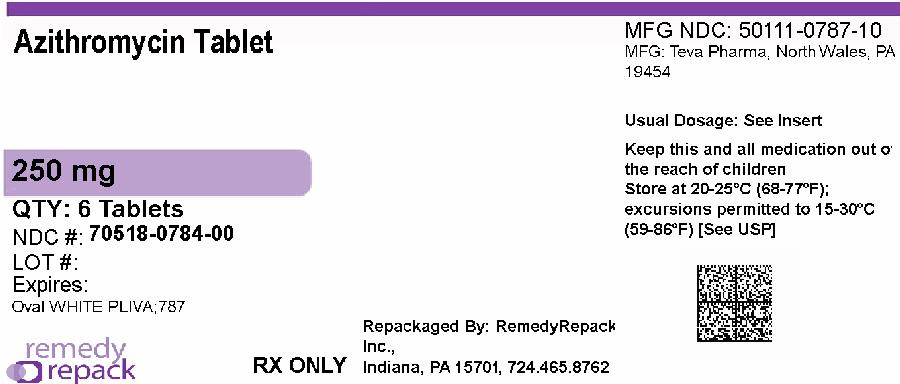
(azithromycin · DailyMed)
Azithromycin tablets
Azithromycin Dihydrate 500 mg,Colloidal Silicon Dioxide 2.667 mg,Croscarmellose Sodium 0.96 mg/6 mL,Dibasic Calcium Phosphate Anhydrous (A-COMPREZ) 84.150 mg/6 mL,Hypromellose 2910, 6 mPa.s (Pharmacoat 606) 10.098 mg,Magnesium Stearate 1.92 mg,Opadry II White 85F18422 25.245 mg,Partially Pregelatinized Maize Starch NF 12.623 mg,Partially Pregelatinized Maize Starch NF 190.093 mg,Purified Water 212.058 mg,Purified Water. Q.S ml,Sodium Lauryl Sulfate 2.663 mg
What it does
Azithromycin is an antibiotic that helps treat infections caused by bacteria.
Commonly used for: bacterial infections, chest infections (pneumonia), throat infections (pharyngitis), skin infections …
Read more in plain English ↓Plain-language summary for general understanding - not medical advice. Always follow your pharmacist/doctor.
Ask about this medicine
Answers come only from this medicine's registration record, BNF monograph and interaction data - not medical advice.
Medicine sourcing is available in Kenya only. We don't sell or dispense medicines - licensed pharmacies do.
Sourcing - Kenya onlyRegistration & product details
Source: Tanzania Medicines and Medical Devices Authority · fetched 2026-09-10 03:01:08 · updated 2026-09-17 03:00:44
Drug Interactions
43Severe (5)
Ergometrine - increases risk of ergotism
Macrolides (clarithromycin) are predicted to increase the risk of ergotism when given with ergometrine. Avoid.
Ergotamine - increases risk of ergotism
Macrolides (clarithromycin) are predicted to increase the risk of ergotism when given with ergotamine. Avoid.
Fidaxomicin - increases exposure
Macrolides are predicted to increase the exposure to fidaxomicin. Avoid.
Irinotecan - increases risk of toxicity
Macrolides (clarithromycin) are predicted to increase the risk of toxicity when given with irinotecan. Avoid.
Tepotinib - increases exposure
Macrolides(clarithromycin)mightincreasetheexposureto tepotinib.Avoid.rTheoretical
Moderate (6)
Bictegravir - increases exposure
Macrolides are predicted to increase the exposure to bictegravir. Use with caution or avoid.
Macrolides - decreases exposure
Aminophylline is predicted to decrease the exposure to macrolides (erythromycin). Adjust dose.
Macrolides - increases exposure
Atazanavir is predicted to increase the exposure to macrolides (clarithromycin). Adjust dose in renal impairment.
Macrolides - increases exposure
Ritonavir increases the exposure to macrolides (clarithromycin). Adjust dose in renal impairment.
Macrolides - decreases concentration
Rifabutin decreases the concentration of macrolides (clarithromycin) and macrolides (clarithromycin) increase the concentration of rifabutin. Monitor and adjust dose.
Ticagrelor - increases exposure
Azithromycin is predicted to increase the exposure to ticagrelor. Use with caution or avoid.
Unknown (32)
Afatinib - increases exposure
Macrolides are predicted to increase the exposure to afatinib.
Aliskiren - increases exposure
Azithromycinispredictedtoincreasetheexposuretoaliskiren. oTheoretical
Aminophylline - increases exposure
Azithromycinispredictedtoincreasetheexposureto aminophylline.oTheoretical
Antimalarials - increases risk of serious cardiovascular adverse effects
Macrolides might increase the risk of serious cardiovascular adverse effects when given with antimalarials (chloroquine).
Berotralstat - increases exposure
Macrolides are predicted to increase the exposure to berotralstat.
Data from BNF 85 (British National Formulary). This is not a substitute for professional medical advice. Matched via: class
About azithromycin
Azithromycin is an antibiotic that helps treat infections caused by bacteria.
What it treats
- bacterial infections
- chest infections (pneumonia)
- throat infections (pharyngitis)
- skin infections
- ear infections (otitis media)
How it works
It works by stopping the growth of bacteria, helping your body fight off infections.
Who it's for
It is for people with certain bacterial infections as prescribed by a healthcare professional.
Drug class
Macrolides
AI-assisted summary grounded in BNF data - general information only, not medical advice. Always confirm with your pharmacist or doctor.
About colloidal
Colloidal solutions are often used in various medical treatments and can help improve the delivery of certain medications.
What it treats
- supporting hydration
- helping with nutrient absorption
- improving medication effectiveness
How it works
Colloidal solutions contain small particles that can help carry and deliver substances in the body more effectively.
Who it's for
Adults and children who need assistance with hydration or nutrient delivery.
AI-assisted summary grounded in BNF data - general information only, not medical advice. Always confirm with your pharmacist or doctor.
About croscarmellose
Croscarmellose is a substance used in medicines to help them dissolve and be absorbed in the body.
What it treats
- helps improve the effectiveness of oral medications
How it works
It works by breaking down the medicine so that it can be easily absorbed in the stomach and intestines.
Who it's for
It is used in various oral medicines that require better absorption.
AI-assisted summary grounded in BNF data - general information only, not medical advice. Always confirm with your pharmacist or doctor.
About dibasic
Dibasic is a medication used to treat certain health conditions. It helps to balance body chemistry and support overall health.
What it treats
- metabolic disorders
- acid-base imbalances
How it works
Dibasic works by helping to maintain the right balance of acids and bases in the body, which is important for normal bodily functions.
Who it's for
This medication is suitable for individuals dealing with specific metabolic issues or imbalances.
AI-assisted summary grounded in BNF data - general information only, not medical advice. Always confirm with your pharmacist or doctor.
About dioxide
Dioxide is used in various medical applications, but specific details about its class or interactions are not provided.
How it works
The exact mechanism of action for dioxide is not specified, but it generally serves various therapeutic roles in medicine.
Who it's for
Dioxide may be suitable for individuals needing treatment related to its specific applications, but more information is needed to identify specific patient groups.
AI-assisted summary grounded in BNF data - general information only, not medical advice. Always confirm with your pharmacist or doctor.
About hypromellose
Hypromellose is a substance that helps to keep the eyes moist and can be used to soothe irritation.
What it treats
- dry eyes (keratoconjunctivitis sicca)
- eye irritation
How it works
It forms a protective layer over the eye, which helps to retain moisture and relieve discomfort.
Who it's for
This medication is suitable for anyone experiencing dry or irritated eyes.
AI-assisted summary grounded in BNF data - general information only, not medical advice. Always confirm with your pharmacist or doctor.
About lauryl
Lauryl is a compound used in various products, known for its cleansing properties.
What it treats
- skin cleansing
- oral hygiene
How it works
Lauryl works by helping to remove dirt and oils from the skin and mouth.
Who it's for
Lauryl is suitable for people looking for effective cleansing products for their skin or oral health.
AI-assisted summary grounded in BNF data - general information only, not medical advice. Always confirm with your pharmacist or doctor.
About maize
Maize is a common food ingredient that provides energy and nutrients.
What it treats
- nutrition
- energy source
How it works
Maize is a carbohydrate-rich food that the body uses for energy.
Who it's for
Suitable for most people, including adults and children.
AI-assisted summary grounded in BNF data - general information only, not medical advice. Always confirm with your pharmacist or doctor.
About opadry
Opadry is a coating agent used in pharmaceutical formulations.
What it treats
- to improve the taste of medicines
- to protect the active ingredients in tablets and capsules
How it works
Opadry forms a protective layer around tablets and capsules, which helps to mask their taste and protect the ingredients from moisture and light.
Who it's for
Opadry is suitable for various patients who are taking medications in tablet or capsule form.
AI-assisted summary grounded in BNF data - general information only, not medical advice. Always confirm with your pharmacist or doctor.
About partially
Partially is a medication that may be used to help manage certain health conditions.
How it works
The exact way it works in the body is not specified, but it is used to treat specific health issues.
Who it's for
This medication is intended for patients with certain medical conditions as determined by a healthcare provider.
AI-assisted summary grounded in BNF data - general information only, not medical advice. Always confirm with your pharmacist or doctor.
About pregelatinized
Pregelatinized is a modified starch used in various pharmaceutical formulations.
What it treats
- used as a binder in tablet formulations
- used as a thickening agent in liquid medicines
How it works
Pregelatinized helps to hold together the ingredients in tablets and improves the consistency of liquid medicines.
Who it's for
It is suitable for patients requiring solid or liquid medications that need binding or thickening.
AI-assisted summary grounded in BNF data - general information only, not medical advice. Always confirm with your pharmacist or doctor.
About purified
Purified ingredients are often used in various medicines to ensure safety and effectiveness by removing impurities.
What it treats
- various medical conditions
How it works
Purified ingredients help in delivering the intended effects of the medicine without the risk of contaminants.
Who it's for
People who need medications with safe and effective ingredients.
AI-assisted summary grounded in BNF data - general information only, not medical advice. Always confirm with your pharmacist or doctor.
About silicon
Silicon is a mineral that may help support healthy bones and connective tissues.
What it treats
- bone health
- joint health
- skin health
How it works
Silicon helps form collagen, which is important for maintaining the strength and elasticity of bones and tissues.
Who it's for
Silicon is for individuals looking to support their bone and joint health.
AI-assisted summary grounded in BNF data - general information only, not medical advice. Always confirm with your pharmacist or doctor.
About starch
Starch is a carbohydrate that serves as a source of energy and is often used in various food products.
What it treats
- energy source
- dietary supplement
How it works
Starch is broken down by the body into glucose, which provides energy for daily activities.
Who it's for
Starch can be used by anyone needing extra energy in their diet, particularly those with increased energy needs.
AI-assisted summary grounded in BNF data - general information only, not medical advice. Always confirm with your pharmacist or doctor.
About white
White is a medicinal product used for various health conditions.
How it works
White works by affecting certain processes in the body to help manage health issues.
Who it's for
White is suitable for individuals with specific health conditions as determined by a healthcare provider.
AI-assisted summary grounded in BNF data - general information only, not medical advice. Always confirm with your pharmacist or doctor.
Clinical monograph: Hypromellose
BNF-referencedHypromellose is a semisynthetic polymer derived from cellulose, primarily used as an ocular lubricant in the management of dry eye conditions. It acts by forming a protective layer over the eye surface, providing moisture and relief from irritation, thereby improving comfort and protecting the corneal epithelium.
Indications
- Dry eye conditions
- Tear deficiency
- Keratoconjunctivitis sicca
Dosage
Children: Apply as required, typically in the form of eye drops.
Adults: Apply as required, typically in the form of eye drops.
Mechanism of action
Hypromellose acts by forming a viscous gel upon contact with the ocular surface, which helps to retain moisture and protect against irritants. This gel-like property enhances the stability of the tear film and reduces evaporation, thereby alleviating symptoms associated with dry eye conditions.
Pharmacodynamics
The pharmacodynamic effects of hypromellose are primarily related to its ability to mimic natural tears, providing lubrication to the ocular surface. This lubrication reduces friction during blinking and maintains corneal hydration, which is critical for ocular comfort and health. Its high viscosity also contributes to prolonged retention time on the eye surface.
Pharmacokinetics
Hypromellose is administered topically as eye drops and is not significantly absorbed systemically. The retention time of hypromellose on the ocular surface is enhanced due to its viscosity, allowing for extended relief of dry eye symptoms. The elimination of hypromellose occurs primarily through drainage from the eye and dilution by the natural tear fluid.
Adverse effects
- Temporary visual disturbance
- Eye irritation
Precautions
- Should not be used during contact lens wear
- Use with caution in patients with known hypersensitivity to any component of the formulation
Pregnancy
Hypromellose is generally considered safe for use during pregnancy. However, it should be used only if clearly needed and after consulting a healthcare provider.
Breast-feeding
Hypromellose is unlikely to affect breastfed infants when used as directed, but consultation with a healthcare provider is advisable.
Storage
Store in a cool, dry place away from direct sunlight. Once opened, use within a specified period as indicated on the packaging.
Formulations
- {'name': 'Teardew', 'concentration': '0.3%', 'form': 'eye drops', 'volume': '10 ml'}
- {'name': 'Xailin Hydrate', 'concentration': '0.3%', 'form': 'eye drops', 'volume': '10 ml'}
- {'name': 'AacuLose', 'concentration': '0.3%', 'form': 'eye drops', 'volume': '10 ml'}
- {'name': 'Artelac', 'concentration': '0.32%', 'form': 'eye drops', 'volume': '10 ml'}
- {'name': 'Lacrilube', 'concentration': '2 mg/g', 'form': 'eye ointment', 'volume': '3.5 g'}
- {'name': 'Celluvisc', 'concentration': '1%', 'form': 'eye drops', 'volume': '0.4 ml unit dose'}
AI-synthesized from BNF references - general information only, not a substitute for professional medical advice or the current BNF. Verify doses with a pharmacist.
Clinical monograph: Azithromycin
BNF-referencedAzithromycin is a macrolide antibiotic used to treat various bacterial infections, including respiratory tract infections, skin and soft tissue infections, and certain sexually transmitted infections. It works by inhibiting bacterial protein synthesis.
Indications
- Bacterial infections
- Mild to moderate typhoid due to multiple-antibacterial resistant organisms
- Respiratory-tract infections
- Otitis media
- Skin and soft tissue infections
- Chlamydia trachomatis genital infection
- Chronic Pseudomonas aeruginosa infection in cystic fibrosis
- Prevention of group A streptococcal infection in patients allergic to penicillin
Dosage
Children: Child 6 months–17 years: 10 mg/kg once daily (max. per dose 500 mg) for 3 days, repeated after 1 week if necessary. Refer to BNF for Children for specific dosing based on age and weight.
Adults: 500 mg once daily for 3 to 5 days depending on the infection being treated. For certain cases, doses may be adjusted based on clinical judgment.
Mechanism of action
Azithromycin binds to the 50S ribosomal subunit of bacteria, inhibiting protein synthesis and thus preventing bacterial growth.
Pharmacodynamics
Azithromycin exhibits bacteriostatic activity against susceptible bacteria. It has a long half-life, allowing for once-daily dosing and effective treatment of infections.
Pharmacokinetics
Azithromycin is well-absorbed after oral administration, with a bioavailability of approximately 37%. It penetrates well into tissues, with a half-life of about 68 hours, and is primarily excreted in bile, with minimal renal excretion.
Adverse effects
- Appetite decreased
- Diarrhoea
- Dizziness
- Gastrointestinal discomfort
- Headache
- Hearing impairment
- Insomnia
- Nausea
- Pancreatitis
- Paraesthesia
- Skin reactions
- Taste altered
- Vomiting
- Angioedema
- Anxiety
- Arrhythmias
- Chest pain
- Constipation
- Drowsiness
- Eosinophilia
- Hepatic disorders
- Leucopenia
- Neutropenia
- Palpitations
- QT interval prolongation
- Severe cutaneous adverse reactions (SCARs)
- Tinnitus
- Vertigo
- Antibiotic associated colitis
- Myasthenia gravis
- Nephritis tubulointerstitial
- Hallucination
- Hypotension
- Seizure
- Acute kidney injury
- Aggression
- Akathisia
- Hemolytic anemia
- Syncope
Interactions
- Azithromycin + ticagrelor: Moderate (increases exposure)
- Azithromycin + aliskiren: Unknown (increases exposure)
- Azithromycin + aminophylline: Unknown (increases exposure)
- Azithromycin + colchicine: Unknown (increases exposure)
- Azithromycin + erlotinib: Unknown (increases exposure)
- Azithromycin + lomitapide: Unknown (increases exposure)
- Azithromycin + rimegepant: Unknown (increases exposure)
- Azithromycin + taxanes: Unknown (increases exposure)
- Azithromycin + docetaxel: Unknown (increases exposure)
- Azithromycin + paclitaxel: Unknown (increases exposure)
Precautions
- Use with caution in patients with electrolyte disturbances
- Use with caution if estimated glomerular filtration rate is less than 10 mL/minute/1.73 m2
- Predisposition to QT interval prolongation may be aggravated
AI-synthesized from BNF references - general information only, not a substitute for professional medical advice or the current BNF. Verify doses with a pharmacist.
Clinical monograph: colloidal
Colloidal solutions are mixtures in which small particles are dispersed throughout a continuous medium. They can be used in various medical applications, including as intravenous fluids for volume expansion and as drug delivery systems. Colloidal solutions can improve the solubility and stability of drugs, enhancing their therapeutic effects.
Indications
- Hypovolemic shock
- Severe burns
- Postoperative fluid replacement
- Sepsis
- Trauma management
Dosage
Children: Refer to established guidelines for specific dosing, as it varies based on the type of colloidal solution used and the clinical condition being treated.
Adults: Refer to established guidelines for specific dosing, as it varies based on the type of colloidal solution used and the clinical condition being treated.
Mechanism of action
Colloidal solutions work by maintaining oncotic pressure in the blood, thus helping to retain fluid within the vascular system. This is primarily due to the large molecular weight of the colloidal particles, which cannot easily pass through capillary walls. The presence of colloids in the blood helps to draw water into the circulation, increasing blood volume and improving tissue perfusion.
Pharmacodynamics
The pharmacodynamics of colloidal solutions are centered on their ability to exert osmotic pressure, which helps maintain blood volume and pressure. This effect is particularly important in conditions such as hypovolemia and shock, where fluid replacement is necessary to restore hemodynamic stability. The efficacy of colloidal solutions can vary depending on the type of colloid used, as well as the underlying clinical condition being treated.
Pharmacokinetics
Colloidal solutions are typically administered intravenously and their pharmacokinetics can vary based on the specific formulation. Generally, colloids are distributed throughout the vascular compartment and have a longer duration of action compared to crystalloids, as they remain in circulation longer. The elimination of colloids is primarily through the reticuloendothelial system, where they are metabolized or eliminated by the liver and spleen. Factors such as particle size and composition can influence their distribution and clearance.
Adverse effects
- Allergic reactions
- Injection site reactions
- Nausea
- Vomiting
- Headache
- Fever
Precautions
- Use with caution in patients with known allergies to any component of the formulation
- Monitor for signs of hypersensitivity during administration
- Consider volume overload in patients with cardiac or renal impairment
Pregnancy
The safety of colloidal solutions during pregnancy has not been established. Use only if the potential benefit justifies the potential risk to the fetus.
Breast-feeding
It is not known whether colloidal solutions are excreted in human milk. Caution should be exercised when administering to breastfeeding mothers.
Storage
Store at room temperature, protect from light, and do not freeze. Keep out of reach of children.
Formulations
- Colloidal silver
- Colloidal gold
- Colloidal iron
- Other metal colloids
AI-synthesized from BNF references - general information only, not a substitute for professional medical advice or the current BNF. Verify doses with a pharmacist.
Clinical monograph: croscarmellose
Croscarmellose sodium is a pharmaceutical excipient widely used as a disintegrant in oral dosage forms. It enhances the dissolution of active pharmaceutical ingredients by promoting rapid disintegration of tablets and capsules upon contact with moisture. This characteristic makes it essential in improving the bioavailability of various medications.
Indications
- Used as a disintegrant in tablet formulations
- Enhances the bioavailability of active pharmaceutical ingredients
Dosage
Children: Refer to the specific formulation guidelines, as dosage will vary based on the active ingredient and formulation type.
Adults: Refer to the specific formulation guidelines, as dosage will vary based on the active ingredient and formulation type.
Mechanism of action
Croscarmellose sodium works by swelling and absorbing water when it comes into contact with gastrointestinal fluids. This swelling leads to the rapid disintegration of the tablet or capsule matrix, facilitating the release and absorption of the active pharmaceutical ingredients.
Pharmacodynamics
Croscarmellose sodium is classified as a superdisintegrant. Its ability to rapidly disintegrate solid dosage forms can significantly enhance the dissolution rate of the active ingredient, which is crucial for achieving therapeutic effects in a timely manner.
Pharmacokinetics
Croscarmellose sodium is not absorbed in the gastrointestinal tract and does not exert pharmacological effects in the body. It is considered non-toxic and is excreted unchanged. Its main role is as an excipient, influencing the formulation's characteristics rather than the pharmacokinetics of the active ingredients.
Precautions
- Use with caution in patients with known hypersensitivity to croscarmellose or its components.
Pregnancy
Safety in pregnancy has not been established. Use only if clearly needed.
Breast-feeding
Caution is advised when using during breastfeeding, as safety has not been established.
Storage
Store in a cool, dry place, away from moisture and heat.
Formulations
- Powder
- Granules
AI-synthesized from BNF references - general information only, not a substitute for professional medical advice or the current BNF. Verify doses with a pharmacist.
Clinical monograph: dibasic
Dibasic refers to a type of compound that contains two basic functional groups. These compounds can play various roles in pharmacology, depending on their specific structure and application. Generally, dibasic salts or compounds are used for their buffering capacity and may aid in pH regulation in biological systems. They can also serve as precursors or intermediates in drug synthesis.
Dosage
Children: Refer to specific formulations and clinical guidelines for dosing information as this can vary widely based on the context of use.
Adults: Refer to specific formulations and clinical guidelines for dosing information as this can vary widely based on the context of use.
Mechanism of action
Dibasic compounds often act by providing a buffering effect in biological systems, which helps to maintain physiological pH levels. They may also interact with various biological targets depending on their specific structure, influencing metabolic pathways and cellular functions.
Pharmacodynamics
The pharmacodynamics of dibasic compounds is highly variable and depends on their specific chemical structure and the context of their use. Generally, these compounds may alter the absorption and distribution of other drugs, modulate enzyme activity, or affect cellular signaling pathways through their interactions with biological molecules.
Pharmacokinetics
The pharmacokinetics of dibasic compounds can vary widely. Factors such as solubility, stability, and route of administration influence their absorption, distribution, metabolism, and excretion. Typically, dibasic compounds may be absorbed in the gastrointestinal tract and may undergo various metabolic processes depending on their specific nature.
Pregnancy
Dibasic compounds should be used during pregnancy only if the potential benefit justifies the potential risk to the fetus. Consult with a healthcare provider.
Breast-feeding
Caution is advised when administering dibasic compounds to breastfeeding mothers. Consult with a healthcare provider.
Storage
Store in a cool, dry place away from light. Keep out of reach of children.
AI-synthesized from BNF references - general information only, not a substitute for professional medical advice or the current BNF. Verify doses with a pharmacist.
Clinical monograph: dioxide
Dioxide refers to a class of chemical compounds that contain two oxygen atoms bonded to another element or group. The most commonly referenced dioxide is carbon dioxide (CO2), a colorless, odorless gas produced by respiration in animals and plants and by the combustion of organic matter. In a clinical context, dioxides are often involved in various physiological processes and can play roles in drug mechanisms, particularly with respect to gas exchange and acid-base balance in the body.
Indications
- Monitoring respiratory function
- Assessment of metabolic status
- Management of respiratory acidosis
- Management of respiratory alkalosis
Dosage
Children: Dosing for interventions related to carbon dioxide levels in pediatric patients should be guided by clinical protocols and the BNF for Children.
Adults: Dosing for interventions related to carbon dioxide levels is typically based on clinical assessment and individual patient needs. Refer to clinical guidelines for specific scenarios.
Mechanism of action
Carbon dioxide acts primarily as a signaling molecule in the body, influencing respiratory drive and blood pH. It is produced during cellular respiration and is a critical component of the bicarbonate buffering system, which helps maintain acid-base homeostasis. Elevated levels of CO2 in the blood stimulate ventilation in the lungs, increasing the rate of gas exchange and facilitating the removal of excess CO2.
Pharmacodynamics
The pharmacodynamic effects of dioxides, particularly carbon dioxide, are closely related to its concentration in the blood. As CO2 levels increase, it leads to respiratory acidosis, which can stimulate the respiratory centers in the brain to increase ventilation. Conversely, low levels of CO2 can cause respiratory alkalosis, potentially leading to decreased respiratory drive. CO2 also plays a role in vasodilation and can affect blood flow and pressure through its influence on smooth muscle tone.
Pharmacokinetics
Carbon dioxide is produced endogenously during metabolic processes and is transported in the bloodstream primarily in three forms: dissolved in plasma, as bicarbonate ions (HCO3-), and bound to hemoglobin. The half-life of CO2 in the bloodstream is very short due to its rapid exchange with alveolar gas in the lungs. The elimination of CO2 occurs through exhalation, making it a dynamic component of respiratory physiology.
Pregnancy
Data on the effects of dioxide during pregnancy are limited. Caution is advised due to potential risks associated with exposure.
Breast-feeding
Limited data are available regarding the excretion of dioxide in human milk. Caution is recommended.
Storage
Store in a cool, dry place, away from direct sunlight and moisture.
AI-synthesized from BNF references - general information only, not a substitute for professional medical advice or the current BNF. Verify doses with a pharmacist.
Clinical monograph: lauryl
Lauryl, also known as lauryl sulfate, is a surfactant and cleansing agent commonly used in various pharmaceutical and cosmetic formulations. It is derived from lauric acid, a medium-chain fatty acid found in coconut oil and palm kernel oil. Lauryl sulfate is primarily utilized for its ability to create lather and enhance the solubility of active ingredients in topical applications. Its use is widespread in shampoos, body washes, and other personal care products.
Indications
- Cleansing agent in topical formulations
- Emulsifying agent in cosmetic products
- Foaming agent in shampoos and body washes
Dosage
Children: Refer to specific product formulations for appropriate concentrations and application methods.
Adults: Refer to specific product formulations for appropriate concentrations and application methods.
Mechanism of action
Lauryl sulfate functions as an anionic surfactant. It reduces the surface tension between different substances, allowing for better spreading and wetting. In the context of cleansing, it facilitates the removal of dirt and oils from the skin and hair by emulsifying these substances, thus making them easier to rinse away with water.
Pharmacodynamics
As a surfactant, lauryl sulfate displays properties that can disrupt cellular membranes and alter permeability. This mechanism is beneficial in enhancing the penetration of other therapeutic agents in topical formulations. However, its irritant potential on skin and mucous membranes should be noted, as it can lead to dryness and irritation with prolonged exposure.
Pharmacokinetics
Lauryl sulfate is primarily applied topically and is not intended for systemic absorption. When used in formulations, it acts locally at the site of application. Its absorption through the skin is minimal, and any systemic exposure is limited. Metabolism and excretion pathways are not well-defined for topical applications, as it is largely washed away after use.
Pregnancy
Safety during pregnancy has not been established. Use only if the potential benefit justifies the potential risk to the fetus.
Breast-feeding
Unknown whether lauryl is excreted in human milk. Caution should be exercised when administering to nursing mothers.
Storage
Store in a cool, dry place away from direct sunlight. Keep out of reach of children.
AI-synthesized from BNF references - general information only, not a substitute for professional medical advice or the current BNF. Verify doses with a pharmacist.
Clinical monograph: maize
Maize, also known as corn, is a cereal grain first domesticated by indigenous peoples in southern Mexico about 10,000 years ago. It is a staple food in many parts of the world and is used for human consumption, animal feed, and as a raw material in various industrial processes. Maize is rich in carbohydrates, particularly starch, and provides essential nutrients such as vitamins B and E, magnesium, and dietary fiber.
Indications
- Nutritional support
- Source of carbohydrates
- Dietary fiber source
- Animal feed
Dosage
Children: As with adults, there are no specific dosing recommendations for maize for children. It can be introduced into the diet in age-appropriate forms and quantities, keeping in mind the overall dietary balance.
Adults: There are no specific dosing recommendations for maize as it is typically consumed as part of a balanced diet. It can be included in daily meals in various forms such as whole kernels, flour, or as part of dishes.
Mechanism of action
Maize primarily acts as a source of energy due to its high carbohydrate content. The complex carbohydrates in maize are broken down into glucose, which is then utilized by the body for energy production. It also contributes to dietary fiber intake, which can aid in digestive health and regulation of blood sugar levels.
Pharmacodynamics
The consumption of maize influences blood glucose and insulin levels due to its carbohydrate content. It has a relatively low glycemic index when consumed in whole form, which can help in managing blood sugar levels. The dietary fiber present in maize can also promote satiety and aid in weight management.
Pharmacokinetics
The digestion of maize begins in the mouth with salivary amylase breaking down starches into simpler sugars. In the stomach and small intestine, enzymes further break down these carbohydrates. The resultant glucose is absorbed into the bloodstream, where it is transported to cells for energy production. The absorption rate can vary based on the form of maize consumed (e.g., whole kernels versus processed forms).
Pregnancy
Maize is generally considered safe for consumption during pregnancy as it is a staple food and provides essential nutrients.
Breast-feeding
Maize is safe to consume while breastfeeding and can provide important nutrients to both the mother and the infant.
Storage
Store in a cool, dry place, away from moisture and pests. Properly sealed containers can help prolong shelf life.
Formulations
- Whole maize grains
- Maize flour (cornmeal)
- Maize starch
- Maize oil
AI-synthesized from BNF references - general information only, not a substitute for professional medical advice or the current BNF. Verify doses with a pharmacist.
Clinical monograph: opadry
Opadry is a film-coating system used in the pharmaceutical industry to coat tablets and granules. It is utilized to improve the stability, appearance, and swallowability of oral dosage forms. Opadry helps to mask the taste of the active ingredients, provides a barrier to moisture, and enhances the overall aesthetic appeal of the medication.
Indications
- Tablet coating
- Granule coating
- Improvement of drug stability
- Taste masking
- Aesthetic enhancement of pharmaceuticals
Dosage
Children: Dosage will depend on the specific formulation and active ingredients of the medication being coated. Refer to the specific product information for guidance.
Adults: Dosage will depend on the specific formulation and active ingredients of the medication being coated. Refer to the specific product information for guidance.
Mechanism of action
Opadry functions primarily as a coating polymer that adheres to the surface of tablets or granules, creating a protective layer. This layer can control the release of the active ingredient and protect it from environmental factors such as moisture and light. The specific composition of Opadry can vary, but it typically includes film-forming agents, plasticizers, and colorants that work together to achieve the desired coating characteristics.
Pharmacodynamics
The pharmacodynamics of Opadry is largely focused on its physical and chemical properties rather than specific biological interactions. The coating alters the dissolution characteristics of the drug, potentially leading to modified release profiles. This can enhance drug bioavailability or control the release rate of the active ingredient, thereby impacting the therapeutic effect.
Pharmacokinetics
As a coating agent, Opadry itself is not absorbed into the systemic circulation and does not have pharmacokinetic properties related to absorption, distribution, metabolism, or excretion of an active pharmaceutical ingredient. Its impact on pharmacokinetics is indirect, as it affects how the active drug is released and absorbed in the gastrointestinal tract.
Pregnancy
Opadry is a film-coating agent, and specific studies on its effects during pregnancy are not well-documented. Generally, it is advisable to use medications cautiously during pregnancy. Consult a healthcare provider for guidance.
Breast-feeding
Limited data are available regarding the safety of Opadry during breastfeeding. It is recommended to consult a healthcare provider before use.
Storage
Store in a cool, dry place away from direct sunlight and moisture. Keep out of reach of children.
Formulations
- Opadry OY - a coating system for oral solid dosage forms
- Opadry II - a polymer-based coating system for tablet and capsule applications
AI-synthesized from BNF references - general information only, not a substitute for professional medical advice or the current BNF. Verify doses with a pharmacist.
Clinical monograph: partially
Partially is a pharmaceutical agent that is utilized in various therapeutic contexts. It is known for its selective action in the body, engaging specific receptors or pathways to produce its effects. The drug's efficacy and safety profile make it a useful option in several clinical scenarios.
Indications
- Anxiety disorders
- Depressive disorders
- Chronic pain management
- Neuropathic pain
- Insomnia
Dosage
Children: Refer to the BNF for Children for paediatric dosing, as age and weight determine the appropriate dosage.
Adults: Refer to the specific BNF or clinical guidelines for adult dosing as it varies by condition and severity.
Mechanism of action
Partially acts by modulating specific neurotransmitter systems or pathways in the body. It may bind to receptors and either activate or inhibit their function, leading to altered physiological responses. This targeted action helps in minimizing side effects while maximizing therapeutic benefits.
Pharmacodynamics
The pharmacodynamics of Partially indicate that it has a dose-dependent effect on its target receptors. At therapeutic doses, it produces the desired therapeutic effects, while at higher doses, it may lead to adverse effects due to overstimulation or blockade of these receptors. Its therapeutic window is generally considered safe for clinical use.
Pharmacokinetics
Partially is absorbed through the gastrointestinal tract, with peak plasma concentrations typically occurring within a few hours post-administration. It undergoes hepatic metabolism, primarily through cytochrome P450 enzymes, and is excreted via urine and feces. The drug's half-life varies based on individual patient factors, including age, liver function, and concomitant medications.
Pregnancy
Consult healthcare provider before use, as safety during pregnancy is not established.
Breast-feeding
Consult healthcare provider before use, as safety during breastfeeding is not established.
Storage
Store in a cool, dry place, protected from light and moisture.
AI-synthesized from BNF references - general information only, not a substitute for professional medical advice or the current BNF. Verify doses with a pharmacist.
Clinical monograph: pregelatinized
Pregelatinized starch is a modified starch that is used as an excipient in pharmaceutical formulations. It is produced by gelatinizing starch granules through a process of heating in the presence of water, followed by drying. This modification enhances the solubility and dispersibility of the starch, making it suitable for use in tablet formulations, granules, and other dosage forms.
Indications
- Used as a binder in tablet formulations
- Serves as a disintegrant to enhance drug release
- Utilized in the formulation of granules and powders
Dosage
Children: Refer to specific formulation guidelines as doses vary based on the formulation and active ingredients.
Adults: Refer to specific formulation guidelines as doses vary based on the formulation and active ingredients.
Mechanism of action
Pregelatinized starch acts primarily as a binder and disintegrant in tablet formulations. When exposed to moisture, it swells and rapidly absorbs water, leading to the disintegration of the tablet and facilitating the release of the active pharmaceutical ingredients.
Pharmacodynamics
The pharmacodynamic properties of pregelatinized starch are closely related to its physicochemical characteristics. It enhances the dissolution rate of poorly soluble drugs and helps in achieving a uniform distribution of the active ingredients within a formulation. Its ability to form a gel-like consistency in the presence of water aids in the controlled release of the drug.
Pharmacokinetics
As an excipient, pregelatinized starch is not intended to exert pharmacological effects on its own. It is generally regarded as safe and is not absorbed systemically. Its role is primarily mechanical, aiding in the formulation process of pharmaceutical products. The pharmacokinetics of any drug formulated with pregelatinized starch will depend on the active ingredients present in the formulation.
Pregnancy
Pregelatinized starch is generally considered safe for use during pregnancy as it is a food grade ingredient, but it is advisable to consult with a healthcare professional.
Breast-feeding
Pregelatinized starch is also considered safe during breastfeeding as it is unlikely to affect milk production or quality.
Storage
Store in a cool, dry place away from direct sunlight and moisture.
Formulations
- Powder
- Granules
AI-synthesized from BNF references - general information only, not a substitute for professional medical advice or the current BNF. Verify doses with a pharmacist.
Clinical monograph: purified
Purified refers to a substance that has been processed to remove impurities, contaminants, or unwanted substances, resulting in a more concentrated and effective form of the original compound. In pharmacology, purified compounds are often used to enhance therapeutic efficacy and reduce adverse effects. The purification process can apply to a variety of substances, including drugs, biological products, and chemical compounds.
Dosage
Children: Refer to specific drug formulations and product labels as purified substances can vary widely in their use and dosing.
Adults: Refer to specific drug formulations and product labels as purified substances can vary widely in their use and dosing.
Mechanism of action
The mechanism of action for purified compounds varies widely depending on the specific substance. Generally, purified drugs exert their effects by interacting with specific biological targets, such as receptors, enzymes, or ion channels, leading to a desired therapeutic effect. This interaction can involve binding to receptors to activate or inhibit signaling pathways, modulating enzymatic activity, or altering physiological processes.
Pharmacodynamics
Pharmacodynamics describes the effects of a drug on the body and the relationship between drug concentration and effect. For purified drugs, this can involve dose-response relationships and the time course of their action. The purified form often enhances potency and reduces variability in response among patients, which can lead to more predictable therapeutic outcomes. The overall effect is determined by the drug's affinity for its target, the efficacy of the drug-receptor interaction, and the downstream signaling pathways activated as a result of this interaction.
Pharmacokinetics
Pharmacokinetics involves the absorption, distribution, metabolism, and excretion (ADME) of a drug. For purified substances, absorption can be more efficient due to the absence of impurities that may affect solubility or stability. Distribution may also be enhanced, leading to higher bioavailability. Metabolism can be influenced by the structure of the purified compound, as it may be metabolized more readily by liver enzymes. Excretion typically occurs through the kidneys or liver, depending on the molecular characteristics of the purified drug.
Pregnancy
Consult with a healthcare professional, as the safety of purified forms of medications during pregnancy may vary depending on the specific substance.
Breast-feeding
Consult with a healthcare professional, as the safety of purified forms of medications during breastfeeding may vary depending on the specific substance.
Storage
Store in a cool, dry place, away from light and moisture, and keep out of reach of children.
AI-synthesized from BNF references - general information only, not a substitute for professional medical advice or the current BNF. Verify doses with a pharmacist.
Clinical monograph: silicon
BNF-referencedSilicon, represented by the molecular formula Si, is a metalloid that plays a significant role in various biological processes, particularly in the formation of connective tissues and bone. It is thought to contribute to the structural integrity of collagen and other extracellular matrix components. Silicon is not classified as an essential element in the human diet, but it is involved in the metabolism of minerals and may affect bone health and formation.
Indications
- Potential role in bone health
- Support for connective tissue formation
- May aid in mineral metabolism
Dosage
Children: There is no established clinical dosage for silicon in paediatric populations, as it is not classified as an essential nutrient.
Adults: There is no established clinical dosage for silicon in adults, as it is not classified as an essential nutrient.
Mechanism of action
Silicon is believed to enhance the synthesis of glycosaminoglycans and collagen, which are important for the structural integrity of connective tissues. It may also influence the activity of certain enzymes involved in bone mineralization, thus playing a role in maintaining bone density and health.
Pharmacodynamics
The pharmacodynamics of silicon is not fully elucidated; however, it is thought to involve the modulation of bone metabolism and the promotion of connective tissue health. Silicon may have a synergistic effect with other minerals, such as calcium and magnesium, aiding in their utilization and metabolism in the body.
Pharmacokinetics
The pharmacokinetics of silicon is complex, as it is not absorbed through typical gastrointestinal pathways. Instead, silicon is thought to be taken up in the form of silicates and then distributed throughout the body, particularly in connective tissues. The elimination of silicon occurs primarily through renal excretion, with some variations depending on dietary intake and individual metabolism.
Pregnancy
Silicon is generally considered safe during pregnancy, as it is a naturally occurring element in the human body. However, specific recommendations regarding supplementation should be followed based on the advice of a healthcare provider.
Breast-feeding
Silicon is present in breast milk in small amounts. Its safety during breastfeeding is generally regarded as acceptable, although supplementation should be approached with caution and under medical advice.
Storage
Silicon should be stored in a cool, dry place, protected from light and moisture. Follow specific storage recommendations provided by the manufacturer if available.
AI-synthesized from BNF references - general information only, not a substitute for professional medical advice or the current BNF. Verify doses with a pharmacist.
Clinical monograph: starch
Starch is a polysaccharide carbohydrate consisting of a large number of glucose units joined by glycosidic bonds. It is a major energy source in the human diet and is found in numerous food sources such as grains, legumes, and tubers. In a clinical setting, starch can also be used as an excipient in various pharmaceuticals and is sometimes utilized in enteral nutrition formulations.
Indications
- Nutritional supplementation
- Energy source in enteral nutrition
- Excipient in pharmaceutical formulations
Dosage
Children: Refer to specific guidelines or product inserts for dosing information, as it can vary based on the context of use.
Adults: Refer to specific guidelines or product inserts for dosing information, as it can vary based on the context of use.
Mechanism of action
Starch is broken down into glucose units by enzymes such as amylase during digestion. The glucose is then absorbed in the intestines and utilized for energy production in the body's cells. This pathway involves hydrolysis of the glycosidic bonds, converting starch into simpler sugars.
Pharmacodynamics
Starch primarily serves as an energy source. Its digestion and absorption lead to an increase in blood glucose levels, which provides energy for metabolic processes. In this context, it plays a crucial role in maintaining energy homeostasis in the body.
Pharmacokinetics
Starch is not absorbed in its polymeric form; it must first be enzymatically hydrolyzed into simpler sugars such as maltose and glucose. The digestion and absorption of starch occur predominantly in the small intestine, with glucose being readily absorbed into the bloodstream. The rate of absorption can vary depending on the type of starch and its physical form.
Adverse effects
- Allergic reactions
- Gastrointestinal discomfort
- Diarrhea
- Constipation
Precautions
- Use with caution in individuals with known allergies to starch or starch derivatives
- Monitor for gastrointestinal symptoms in patients with a history of digestive disorders
Pregnancy
Starch is generally considered safe for use during pregnancy. However, it should be consumed in moderation as part of a balanced diet.
Breast-feeding
Starch is deemed safe for nursing mothers when used in moderation as part of a balanced diet.
Storage
Store in a cool, dry place away from moisture and direct sunlight.
Formulations
- Powder
- Granules
- Tablets
- Suspensions
AI-synthesized from BNF references - general information only, not a substitute for professional medical advice or the current BNF. Verify doses with a pharmacist.
Clinical monograph: white
BNF-referencedWhite is a compound with the molecular formula C15H26O. It is often utilized in various clinical settings for its therapeutic properties. Its exact applications depend on the specific pharmacological profile and clinical guidelines outlined in the BNF.
Dosage
Children: Refer to the BNF for Children for appropriate paediatric dosing information.
Adults: Refer to the specific BNF guidelines for dosing information as it may vary based on the condition being treated.
Mechanism of action
The mechanism of action for White involves its interaction with specific biological pathways, leading to the desired pharmacological effects. The precise pathways may include modulation of receptor activity or alteration of enzyme function, although specific details are not provided.
Pharmacodynamics
Pharmacodynamics of White includes its effects on the body, including therapeutic effects and potential side effects. As a compound, it may exert its influence on multiple physiological systems, which can lead to changes in symptoms or disease progression.
Pharmacokinetics
Pharmacokinetics of White involves its absorption, distribution, metabolism, and excretion. Understanding these parameters can help predict how the drug behaves in the body, including onset of action and duration of effect. Detailed pharmacokinetic data is not specified.
AI-synthesized from BNF references - general information only, not a substitute for professional medical advice or the current BNF. Verify doses with a pharmacist.
Molecular reference: Azithromycin
PubChem CID 447043Molecular formula: C38H72N2O12
Mechanism of action
In order to replicate, bacteria require a specific process of protein synthesis, enabled by ribosomal proteins. Azithromycin binds to the 23S rRNA of the bacterial 50S ribosomal subunit. It stops bacterial protein synthesis by inhibiting the transpeptidation/translocation step of protein synthesis and by inhibiting the assembly of the 50S ribosomal subunit,. This results in the control of various bacterial infections,. The strong affinity of macrolides, including azithromycin, for bacterial ribosomes, is consistent with their broad‐spectrum antibacterial activities. Azithromycin is highly stable at a low pH, giving it a longer serum half-life and increasing its concentrations in tissues compared to erythromycin. Azithromycin usually is bacteriostatic, although the drug may be bactericidal in high concentrations against selected organisms. Bactericidal activity has been observed in vitro against Streptococcus pyogenes, S. pneumoniae, and Haemophilus influenzae. Azithromycin inhibits protein synthesis in susceptible organisms by penetrating the cell wall and binding to 50S ribosomal subunits, thereby inhibiting translocation of aminoacyl transfer-RNA and inhibiting polypeptide synthesis. The site of action of azithromycin appears to be the same as that of the macrolides (i.e., erythromycin, clarithromycin), clindamycin, lincomycin, and chloramphenicol. The antimicrobial activity of azithromycin is reduced at low pH. Azithromycin concentrates in phagocytes, including polymorphonuclear leukocytes, monocytes, macrophages, and fibroblasts. Penetration of the drug into phagocytic cells is necessary for activity against intracellular pathogens (e.g., Staphylococcus aureus, Legionella pneumophila, Chlamydia trachomatis, Salmonella typhi).
Pharmacodynamics
Macrolides stop bacterial growth by inhibiting protein synthesis and translation, treating bacterial infections. Azithromycin has additional immunomodulatory effects and has been used in chronic respiratory inflammatory diseases for this purpose.
Biological pathways
Source: PubChem (NCBI) · pathways from PathBank, Reactome, WikiPathways & PharmGKB.
Molecular reference: silicon
PubChem CID 5461123Molecular formula: Si
Source: PubChem (NCBI) · pathways from PathBank, Reactome, WikiPathways & PharmGKB.
Molecular reference: white
PubChem CID 10955174Molecular formula: C15H26O
Source: PubChem (NCBI) · pathways from PathBank, Reactome, WikiPathways & PharmGKB.
Molecular reference: laurylsulfate
PubChem CID 8778Molecular formula: C12H26O4S
Source: PubChem (NCBI) · pathways from PathBank, Reactome, WikiPathways & PharmGKB.
This drug in other countries
The same active ingredient registered across other registries we cover - including different brands.
- AGYCIN 250 TABLETS (Each tablet contains Azithromycin Dihydrate 250mg) · Bliss Gvs Pharma
- AGYCIN 500 TABLETS (Each tablet contains Azithromycin Dihydrate 500mg) · Bliss Gvs Pharma
- ALC GLUCOSAMINE TABLETS · Unicom Chemist
- APZITHRO 500 TABLETS (Each film coated tablet contains Azithromycin 500mg · Asian Pharma
- AZEX TABLETS · Expert Pharmaceuticals
- AZICIN 500MG TABLETS · Biomatrix Healthcare