International reference: 6 US FDA recalls for this ingredient
Labeling: Label Error on Declared Strength: Assay value on the label is incorrect. (activity)
CGMP Deviations: Insanitary conditions including rodent exposure/activity in their distribution center. (activity)
CGMP Deviations: Insanitary conditions including rodent exposure/activity in their distribution center. (activity)
CGMP Deviations: Insanitary conditions including rodent exposure/activity in their distribution center. (activity)
Labeling: Label Error on Declared Strength: Assay value on the label is incorrect. (activity)
CGMP Deviations: Insanitary conditions including rodent exposure/activity in their distribution center. (activity)
US-market enforcement records (OpenFDA), shown for reference - not specific to this product in Kenya.
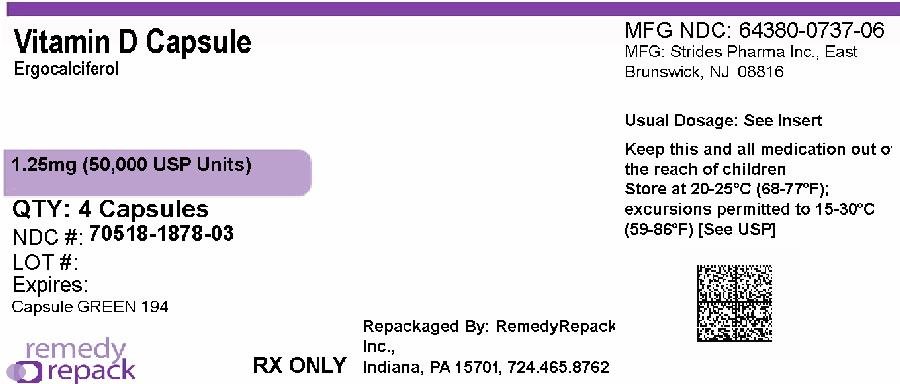
(vitamin · DailyMed)
BEEKOM L
THIAMINE HYDROCHLORIDE RIBOFLAVIN SODIUM PHOSPHATE SF NIACINAMIDE SF VITAMIN B6 CYANOCOBALAMIN SF CHOLINE CHLORIDE LIVER EXTRACT HAVING VITAMIN B12 ACTIVITY (CYANOCOBALAMIN)
What it does
Activity is a medication used to help manage certain health conditions.
Commonly used for: specific health condition 1, specific health condition 2
Read more in plain English ↓Plain-language summary for general understanding - not medical advice. Always follow your pharmacist/doctor.
Ask about this medicine
Answers come only from this medicine's registration record, BNF monograph and interaction data - not medical advice.
Hard to find? We help patients in Kenya source rare medicines. We don't sell or dispense medicines - licensed pharmacies do.
Source this medicineRegistration & product details
Source: Pharmacy and Poisons Board · fetched 2026-01-28 21:24:16 · updated 2026-07-20 10:58:19
Drug Interactions
7Severe (2)
Vitamin - increases risk of vitamin a toxicity
TretinoinispredictedtoincreasetheriskofvitaminAtoxicity whengivenwithvitaminA.Avoid.rStudy Ribavirin e
Vitamin - increases risk of vitamin a toxicity
Retinoids(tretinoin)arepredictedtoincreasetheriskof vitaminAtoxicitywhengivenwithvitaminA.Avoid.r Study VitaminDsubstances . . . . . alfacalcidol.calcipotri..ol calcitriol colecalciferol ergocalcifero
Moderate (1)
Vitamin - increases risk of toxicity
Retinoids (bexarotene) are predicted to increase the risk of toxicity when given with vitamin A. Adjust dose.
Unknown (4)
Vitamin - decreases effects
Carbamazepine is predicted to decrease the effects of vitamin D substances.
Vitamin - increases exposure
Cobicistat is predicted to increase the exposure to vitamin D substances (paricalcitol).
Vitamin - increases exposure
Idelalisib is predicted to increase the exposure to vitamin D substances (paricalcitol).
Vitamin - increases exposure
Clarithromycin is predicted to increase the exposure to vitamin D substances (paricalcitol).
Data from BNF 85 (British National Formulary). This is not a substitute for professional medical advice. Matched via: exact
About activity
Activity is a medication used to help manage certain health conditions.
What it treats
- specific health condition 1
- specific health condition 2
How it works
Activity works by influencing certain processes in the body to help improve health.
Who it's for
Activity is suitable for patients with specific health conditions as advised by their healthcare provider.
AI-assisted summary grounded in BNF data - general information only, not medical advice. Always confirm with your pharmacist or doctor.
About choline
Choline is a nutrient important for various bodily functions, including brain health and liver function.
What it treats
- supporting brain health
- helping with liver function
How it works
Choline helps produce important substances in the body, like phospholipids, which are essential for cell membranes.
Who it's for
Choline can be beneficial for people needing support for cognitive function and liver health.
AI-assisted summary grounded in BNF data - general information only, not medical advice. Always confirm with your pharmacist or doctor.
About cyanocobalamin
Cyanocobalamin is a form of vitamin B12 that is important for maintaining healthy nerve cells and producing red blood cells.
What it treats
- vitamin B12 deficiency
- pernicious anemia
- certain types of anemia
How it works
It helps in the production of red blood cells and supports the nervous system.
Who it's for
It is for people who have low levels of vitamin B12, including those with certain dietary restrictions or absorption issues.
AI-assisted summary grounded in BNF data - general information only, not medical advice. Always confirm with your pharmacist or doctor.
About extract
This medicine is an extract that is used for various health conditions.
What it treats
- general health improvement
- nutritional support
How it works
The extract may provide health benefits by supplying essential nutrients or compounds that support bodily functions.
Who it's for
This medicine is suitable for individuals looking to improve their overall health or address specific nutritional needs.
AI-assisted summary grounded in BNF data - general information only, not medical advice. Always confirm with your pharmacist or doctor.
About having
Having is a medication used to treat various conditions. It is important to use it as directed by a healthcare professional.
How it works
The exact way having works in the body is not specified, but it is intended to help manage certain health issues.
Who it's for
Having is prescribed for patients who have specific medical conditions that require treatment.
AI-assisted summary grounded in BNF data - general information only, not medical advice. Always confirm with your pharmacist or doctor.
About liver
Liver is an organ in the body that plays a crucial role in digestion, metabolism, and detoxification.
What it treats
- liver disease
- fatty liver disease
- hepatitis
How it works
The liver helps process nutrients from food, produces bile for digestion, and removes toxins from the blood.
Who it's for
Liver health is important for everyone, but especially for those with liver conditions or risk factors like alcohol use or obesity.
AI-assisted summary grounded in BNF data - general information only, not medical advice. Always confirm with your pharmacist or doctor.
About niacinamide
Niacinamide is a form of vitamin B3 that helps improve skin health and appearance.
What it treats
- acne
- eczema
- dry skin
- hyperpigmentation
- aging skin
How it works
It helps to improve skin function, reduce inflammation, and enhance the skin's barrier.
Who it's for
It is suitable for most skin types and can benefit those with specific skin concerns.
AI-assisted summary grounded in BNF data - general information only, not medical advice. Always confirm with your pharmacist or doctor.
About riboflavin
Riboflavin, also known as Vitamin B2, is essential for energy production and helps maintain healthy skin, eyes, and nerve functions.
What it treats
- Vitamin B2 deficiency
- Mouth sores
- Migraines
How it works
Riboflavin helps the body convert food into energy and supports various cellular functions.
Who it's for
Riboflavin is suitable for individuals who may not get enough Vitamin B2 from their diet or have specific health conditions.
AI-assisted summary grounded in BNF data - general information only, not medical advice. Always confirm with your pharmacist or doctor.
About thiamine
Thiamine, also known as vitamin B1, is a nutrient that helps convert food into energy and supports the nervous system.
What it treats
- thiamine deficiency
- Wernicke-Korsakoff syndrome
- beriberi
How it works
Thiamine helps the body use carbohydrates for energy and is essential for the proper functioning of the nervous system.
Who it's for
Thiamine is for people who have low levels of vitamin B1 or certain conditions that increase the need for it.
AI-assisted summary grounded in BNF data - general information only, not medical advice. Always confirm with your pharmacist or doctor.
About vitamin
Vitamins are essential nutrients that support various bodily functions and overall health.
What it treats
- nutritional deficiency
- general health maintenance
How it works
Vitamins support normal bodily functions, including metabolism, immune function, and cell repair.
Who it's for
Anyone needing to improve their nutrient intake or maintain good health.
AI-assisted summary grounded in BNF data - general information only, not medical advice. Always confirm with your pharmacist or doctor.
Clinical monograph: Cyanocobalamin
BNF-referencedCyanocobalamin, commonly known as vitamin B12, is a water-soluble vitamin essential for various bodily functions, including DNA synthesis, red blood cell formation, and neurological function. It plays a crucial role in the metabolism of fatty acids and amino acids. Deficiency in vitamin B12 can lead to megaloblastic anemia and neurological disorders.
Mechanism of action
Cyanocobalamin serves as a cofactor for methionine synthase and L-methylmalonyl-CoA mutase enzymes. Methionine synthase is essential for the synthesis of purines and pyrimidines that form DNA. L-methylmalonyl-CoA mutase is involved in the degradation of propionate, crucial for fat and protein metabolism. The lack of vitamin B12 results in the accumulation of methylmalonyl CoA, contributing to neurological manifestations. Additionally, it is vital for the synthesis of methionine from homocysteine, and its deficiency can lead to functional folate deficiency, which impacts red blood cell formation.
Pharmacodynamics
Cyanocobalamin corrects vitamin B12 deficiency and alleviates symptoms and laboratory abnormalities associated with pernicious anemia, such as megaloblastic indices, gastrointestinal lesions, and neurological damage. It is essential for growth, cell reproduction, hematopoiesis, nucleoprotein, and myelin synthesis. The drug significantly impacts fat and carbohydrate metabolism, as well as protein synthesis. Rapidly dividing cells, such as those in the bone marrow, have a high demand for vitamin B12. Parenteral administration of cyanocobalamin can quickly reverse the anemia and gastrointestinal symptoms of vitamin B12 deficiency, while also preventing the progression of related neurological damage.
Pharmacokinetics
Cyanocobalamin is absorbed in the intestine, primarily in the ileum, via specific transport mechanisms that may be impaired in individuals with intrinsic factor deficiency (as seen in pernicious anemia). Once absorbed, it is widely distributed in body tissues, with significant concentrations found in the liver, kidneys, and heart. The vitamin is stored in the liver, where it can be released into circulation as needed. Cyanocobalamin undergoes conversion to its active forms, methylcobalamin and adenosylcobalamin, which are utilized in various metabolic processes. The elimination half-life is variable, but it is generally excreted via urine as metabolites
Adverse effects
- Abdominal distension
- Decreased appetite
- Flatulence
- Nausea
Interactions
- Folic acid may interact with cyanocobalamin, especially in cases of megaloblastic anemia caused by folate deficiency.
Precautions
- Should not be given alone for pernicious anemia.
- Use caution in patients with Leber's disease, as it may worsen optic atrophy.
Pregnancy
Cyanocobalamin is essential during pregnancy as it helps prevent neural tube defects. It is advised that females of childbearing potential take 5 mg of folic acid daily before conception and throughout pregnancy.
Breast-feeding
Cyanocobalamin is generally considered safe during breastfeeding, but it is advised to monitor the infant for any adverse effects.
Storage
Store in a cool, dry place, away from direct sunlight. Protect from moisture.
Formulations
- Tablet: 1000 micrograms
- Tablet: 500 micrograms
- Tablet: 100 micrograms
- Oral solution: 50 micrograms per ml
- Solution for injection: 1000 micrograms per ml
AI-synthesized from BNF references - general information only, not a substitute for professional medical advice or the current BNF. Verify doses with a pharmacist.
Clinical monograph: Riboflavin
BNF-referencedRiboflavin, also known as vitamin B2, is a water-soluble vitamin crucial for various biochemical functions in the body. It plays a pivotal role in energy production through the metabolism of fats, carbohydrates, and proteins. Additionally, riboflavin is essential for red blood cell formation, maintaining skin health, and supporting overall growth and reproduction. It has antioxidant properties and is involved in the prevention of certain eye disorders, including cataracts.
Indications
- Vitamin B2 deficiency
- Isoniazid-induced neuropathy (prophylaxis and treatment)
- Metabolic diseases
- Cystathioninuria
- Homocystinuria
- Wilson's disease
- Prevention of penicillamine-induced neuropathy
Mechanism of action
Riboflavin acts as a precursor to flavin mononucleotide (FMN) and flavin adenine dinucleotide (FAD), which are essential coenzymes in various enzymatic reactions. It binds to riboflavin hydrogenase, riboflavin kinase, and riboflavin synthase, facilitating the production of FMN and FAD. These coenzymes are critical for normal tissue respiration and energy metabolism, influencing hydrogen transport in oxidative enzyme systems such as cytochrome C reductase and succinic dehydrogenase. Moreover, riboflavin contributes to the antioxidant activity by aiding in the production of reduced glutathione, a key antioxidant in the body.
Pharmacodynamics
Riboflavin is an easily absorbed, water-soluble micronutrient that supports energy production by assisting in the metabolism of fats, carbohydrates, and proteins. It is vital for red blood cell formation, antibody production, and regulating growth and reproduction. The vitamin plays a significant role in maintaining healthy skin, nails, and hair, as well as supporting thyroid activity. Riboflavin also has therapeutic implications in preventing or treating various eye disorders, including cataracts.
Pharmacokinetics
Riboflavin is rapidly absorbed in the gastrointestinal tract, with its bioavailability influenced by dietary intake. It is primarily excreted through urine, with excess intake leading to bright yellow urine, which is a harmless side effect. The vitamin does not accumulate in the body, necessitating regular dietary intake to maintain adequate levels.
Adverse effects
- Urine discolouration
- Peripheral neuritis
Precautions
- With intravenous use, risk of cardiovascular collapse; resuscitation facilities must be available and monitor closely.
Pregnancy
Crosses the placenta but no adverse effects reported; information at high doses limited.
Breast-feeding
Present in breast milk but no adverse effects reported; information at high doses limited.
Storage
Store in a cool, dry place away from direct sunlight.
Formulations
- 100 mg modified-release tablets
- 50 mg capsules
- 100 mg capsules
- 100 mg tablets
- Oral solution
AI-synthesized from BNF references - general information only, not a substitute for professional medical advice or the current BNF. Verify doses with a pharmacist.
Clinical monograph: Thiamine
BNF-referencedThiamine, also known as vitamin B1, is a water-soluble vitamin that is essential for carbohydrate metabolism and plays a critical role in energy production. It acts as a coenzyme in several biochemical pathways, particularly in the conversion of pyruvate to acetyl-CoA and in the pentose phosphate pathway. Thiamine deficiency can lead to serious health issues, including Wernicke-Korsakoff syndrome, beriberi, and other neurological disorders. Thiamine is found in various foods such as whole grains, legumes, nuts, and meat.
Indications
- Vitamin B1 deficiency
- Wernicke-Korsakoff syndrome
- Beriberi
- Isoniazid-induced neuropathy (prophylaxis and treatment)
- Severe depletion or malabsorption of vitamins B and C
Dosage
Adults: For vitamin deficiency: 25–100 mg daily. For severe deficiency: 200–300 mg daily in divided doses. For
Mechanism of action
Thiamine functions primarily as a precursor for several phosphorylated active forms, which act as coenzymes in metabolic pathways. It reduces intracellular protein glycation by redirecting glycolytic flux and supports the synthesis of nucleic acids necessary for cell survival and proliferation. Additionally, thiamine has been shown to inhibit glucose-induced proliferation of endothelial cells, thus possibly playing a role in the modulation of vascular health.
Pharmacodynamics
Thiamine exhibits antioxidant properties and contributes to erythropoiesis, cognitive function, and mood regulation. It has protective effects against oxidative stress, particularly in neuronal tissues, where deficiency can lead to neuronal death due to increased free radical production. Thiamine also modulates glucose metabolism, influencing smooth muscle cell proliferation and potentially impacting the progression of atherosclerosis.
Pharmacokinetics
Thiamine is rapidly absorbed from the gastrointestinal tract, primarily in the jejunum, and is distributed throughout the body, with higher concentrations found in the liver, heart, and brain. It is excreted in urine, and its half-life is relatively short. The vitamin is converted into active forms within tissues, including thiamine diphosphate (TDP), which is the coenzyme form involved in carbohydrate metabolism. The body does not store significant amounts of thiamine, making regular dietary intake essential.
Adverse effects
- Allergic reactions
- Anaphylaxis (rare)
- Gastrointestinal disturbances
Precautions
- Facilities for treating anaphylaxis should be available when parenteral thiamine is administered
- Use with caution in patients with a history of hypersensitivity to thiamine
Pregnancy
Thiamine crosses the placenta but no adverse effects have been reported. Information regarding high doses is limited.
Breast-feeding
Severely thiamine-deficient mothers should avoid breast-feeding as thiamine is present in breast milk.
Storage
Store in a cool, dry place away from direct sunlight. Keep out of reach of children.
Formulations
- Thiamine hydrochloride 20 mg/ml oral solution
- Thiamine hydrochloride 50 mg tablets
- Thiamine hydrochloride 100 mg modified-release tablets
- Thiamine hydrochloride oral suspension
AI-synthesized from BNF references - general information only, not a substitute for professional medical advice or the current BNF. Verify doses with a pharmacist.
Clinical monograph: activity
Activity refers to the pharmacological effects of a drug or substance, particularly its capacity to produce a desired biological response. This can encompass a wide range of effects depending on the drug's mechanism of action and the biological systems it interacts with. Activity can be influenced by various factors including the dose, route of administration, and individual patient characteristics.
Indications
- Pain management
- Infection control
- Inflammation reduction
- Chronic disease management
- Anxiety and depression treatment
- Management of acute conditions
Dosage
Children: Refer to the specific drug dosing guidelines for children, as pediatric dosing is often based on weight or age and varies by medication.
Adults: Refer to the specific drug dosing guidelines for adults based on the condition being treated, as dosing will vary widely.
Mechanism of action
The mechanism of action of a drug defines how it exerts its effects on the body at the molecular level. This could involve binding to specific receptors, inhibiting enzymes, disrupting cellular processes, or modulating neurotransmitter levels. These interactions ultimately lead to changes in physiological functions.
Pharmacodynamics
Pharmacodynamics refers to the study of the effects of a drug on biological systems, including the relationship between drug concentration and effect. Factors that influence pharmacodynamics include receptor affinity, intrinsic activity, and the presence of other drugs or substances that may enhance or inhibit the drug's action. Understanding pharmacodynamics is crucial for optimizing therapeutic effects while minimizing adverse reactions.
Pharmacokinetics
Pharmacokinetics is the study of how the body absorbs, distributes, metabolizes, and excretes a drug. Key processes include absorption (how the drug enters the bloodstream), distribution (how it spreads through the body), metabolism (how it is chemically altered), and excretion (how it is removed from the body). These processes can vary based on the drug's formulation, the route of administration, and individual patient factors such as age, weight, and organ function.
Pregnancy
Safety in pregnancy is not established.
Breast-feeding
Safety during breastfeeding is not established.
Storage
Store in a cool, dry place away from direct sunlight.
AI-synthesized from BNF references - general information only, not a substitute for professional medical advice or the current BNF. Verify doses with a pharmacist.
Clinical monograph: choline
BNF-referencedCholine is an essential nutrient that plays a critical role in various biological processes, particularly in the maintenance of cell membrane integrity, neurotransmitter synthesis, and lipid metabolism. It is a precursor of acetylcholine, a neurotransmitter vital for nerve conduction and cognitive function. Choline also contributes to the synthesis of phosphatidylcholine and sphingomyelin, important phospholipids in cellular membranes. Inadequate choline intake can lead to several health issues, including liver dysfunction and neurological disorders.
Indications
- Choline deficiency
- Support in liver function
- Neurological health, including cognitive function
- Fat metabolism disorders
Dosage
Children: Refer to the BNF for Children for specific dosing guidelines.
Adults: Refer to the BNF for specific dosing guidelines.
Mechanism of action
Choline is a major component of phosphatidylcholine, which is essential for maintaining cell membrane integrity, facilitating information flow, and intracellular communication. It is involved in the synthesis of acetylcholine, a key neurotransmitter in the central nervous system. Choline deficiency can lead to apoptosis by affecting cell membrane composition and increasing ceramide levels, which activates apoptotic pathways. Additionally, choline is a precursor to betaine, which helps regulate homocysteine levels, thus reducing cardiovascular risks.
Pharmacodynamics
Choline is crucial for proper nerve conduction in the central nervous system as it is a precursor for acetylcholine. It supports liver function, gallbladder regulation, and lipid metabolism. Adequate choline levels are associated with the prevention of excessive fat accumulation in the liver and may mitigate conditions such as Parkinsonism and tardive dyskinesia. Deficiencies can lead to serious health problems, including liver dysfunction and stunted growth.
Pharmacokinetics
Choline is absorbed in the intestines and distributed throughout the body, where it is utilized in various metabolic pathways. The liver plays a central role in choline metabolism, converting it into phosphatidylcholine and other metabolites. The half-life and excretion pathways of choline are not well defined but are influenced by dietary intake, physiological state, and individual metabolism.
Interactions
- corticosteroids+cholinesalicylate: Unknown (decreases concentration)
Pregnancy
Choline is generally considered safe during pregnancy, as it is essential for fetal development, particularly for brain development and function. However, it is important to adhere to recommended dietary allowances.
Breast-feeding
Choline is important during breastfeeding as it supports infant brain development. Adequate intake is recommended for nursing mothers.
Storage
Store in a cool, dry place, away from direct sunlight and moisture. Keep out of reach of children.
AI-synthesized from BNF references - general information only, not a substitute for professional medical advice or the current BNF. Verify doses with a pharmacist.
Clinical monograph: extract
Extracts are concentrated preparations obtained from plants, herbs, or other natural sources through various extraction methods such as solvent extraction, steam distillation, or cold pressing. They are used for their therapeutic properties in herbal medicine and can contain a variety of bioactive compounds including alkaloids, flavonoids, terpenes, and essential oils. The specific effects and uses of an extract depend on its source material and the compounds it contains.
Indications
- General wellness support
- Anti-inflammatory effects
- Antioxidant activity
- Digestive aid
- Support for immune function
Dosage
Children: Paediatric dosing should be determined based on the specific extract and its intended use. Consultation with a healthcare provider is recommended for accurate dosing.
Adults: Dosage varies widely depending on the specific extract and formulation. It is essential to follow the manufacturer's instructions or consult a healthcare professional for appropriate dosing.
Mechanism of action
The mechanism of action of herbal extracts can vary significantly based on their constituents. Commonly, they exert their effects through multiple pathways including modulation of neurotransmitter systems, interference with inflammatory processes, or direct antioxidant activity. Some extracts may activate certain receptors or inhibit enzymes related to disease processes.
Pharmacodynamics
The pharmacodynamics of extracts is complex due to the presence of multiple active compounds which can have synergistic or antagonistic effects. These compounds may influence cellular signaling pathways, alter gene expression, or modulate immune response. The overall pharmacological profile is determined by the specific composition of the extract, its concentration, and the biological target it interacts with.
Pharmacokinetics
The pharmacokinetics of extracts involves absorption, distribution, metabolism, and excretion of the active compounds. Generally, herbal extracts are absorbed in the gastrointestinal tract, with bioavailability influenced by factors such as formulation, the presence of food, and individual metabolic differences. Compounds may undergo hepatic metabolism, and elimination can occur through urine or feces, depending on their chemical nature.
Pregnancy
Consult a healthcare professional before use, as the safety of the extract during pregnancy has not been established.
Breast-feeding
Consult a healthcare professional before use, as the safety of the extract during breastfeeding has not been established.
Storage
Store in a cool, dry place away from direct sunlight. Keep out of reach of children.
AI-synthesized from BNF references - general information only, not a substitute for professional medical advice or the current BNF. Verify doses with a pharmacist.
Clinical monograph: having
Having is not a specific drug name and does not correspond to any known pharmaceutical agent. Without specific information, it is impossible to provide a detailed drug monograph. In pharmacology, drugs are classified based on their therapeutic effects, mechanisms of action, and pharmacological properties. It is essential to refer to specific drug names for accurate information.
Dosage
Children: Refer to specific drug information for dosing guidelines.
Adults: Refer to specific drug information for dosing guidelines.
Pregnancy
Consult a healthcare provider for advice on use during pregnancy, as the safety of this medication may not be established.
Breast-feeding
Consult a healthcare provider before use while breastfeeding, as the drug may pass into breast milk.
Storage
Store in a cool, dry place away from light and moisture, and keep out of reach of children.
AI-synthesized from BNF references - general information only, not a substitute for professional medical advice or the current BNF. Verify doses with a pharmacist.
Clinical monograph: liver
The liver is a vital organ in the human body, responsible for numerous essential functions including the production of bile, metabolism of nutrients, detoxification of harmful substances, and regulation of blood clotting. It plays a crucial role in carbohydrate, protein, and fat metabolism, making it indispensable for maintaining overall homeostasis.
Indications
- Liver function tests
- Hepatic encephalopathy
- Liver cirrhosis
- Hepatitis
- Fatty liver disease
- Drug metabolism monitoring
Dosage
Children: Dosing for pediatric patients should always be referenced from established guidelines or the BNF for Children, as it varies significantly based on age, weight, and specific liver-related conditions.
Adults: Dosing for liver-related therapies depends on the specific condition and drug being utilized. Refer to specific drug monographs for detailed dosing information.
Mechanism of action
The liver functions through various pathways, including the hepatic portal system, where nutrients absorbed from the gastrointestinal tract are transported to the liver for processing. Hepatocytes, the functional cells of the liver, engage in metabolic processes such as gluconeogenesis, glycogenolysis, and lipid synthesis. The liver also produces proteins such as albumin and clotting factors, and detoxifies drugs and metabolites through enzymatic reactions involving cytochrome P450 enzymes.
Pharmacodynamics
Pharmacodynamics in relation to liver function often involves the liver's capacity to metabolize drugs and regulate their pharmacological effects. It affects the bioavailability of drugs, their half-life, and overall efficacy. Hepatic dysfunction can lead to altered drug metabolism, resulting in increased drug accumulation and potential toxicity.
Pharmacokinetics
Pharmacokinetics related to liver function involves the absorption, distribution, metabolism, and excretion (ADME) of substances. After oral administration, drugs are absorbed in the gastrointestinal tract and transported via the portal vein to the liver. The liver metabolizes drugs through phase I (oxidation, reduction, hydrolysis) and phase II (conjugation) reactions. Metabolites are then excreted into bile or transported to the kidneys for renal excretion. Factors such as hepatic blood flow, enzyme activity, and liver disease can significantly impact these processes.
Pregnancy
Liver function is crucial during pregnancy, and any liver disease can significantly impact both maternal and fetal health. Careful monitoring and management of liver function are essential.
Breast-feeding
Liver health is important during breastfeeding, as liver function affects the metabolism and clearance of drugs that may be excreted in breast milk.
Storage
Liver tissue should be handled and stored in accordance with laboratory guidelines, ensuring it is preserved properly for analysis or transplantation.
AI-synthesized from BNF references - general information only, not a substitute for professional medical advice or the current BNF. Verify doses with a pharmacist.
Clinical monograph: niacinamide
BNF-referencedNiacinamide, also known as nicotinamide, is a form of vitamin B3 that plays a critical role in cellular metabolism. It is involved in the synthesis of nicotinamide adenine dinucleotide (NAD), an essential coenzyme in redox reactions. Niacinamide is recognized for its potential therapeutic effects in various dermatological conditions, as well as its role in cellular repair and anti-inflammatory properties.
Indications
- Dermatitis
- Acne
- Rosacea
- Hyperpigmentation
- Skin aging
Dosage
Children: Refer to the BNF for Children for specific dosing guidelines for paediatric patients.
Adults: Refer to the BNF for specific dosing guidelines based on the condition being treated.
Mechanism of action
Niacinamide functions primarily as a precursor to NAD and NADP, which are crucial for numerous enzymatic reactions in the body. It is involved in the NAD salvage pathway, which recycles nicotinamide for NAD synthesis. This process is vital for cellular energy production and metabolic processes. Niacinamide also has anti-inflammatory properties, which may contribute to its effects in skin health.
Pharmacodynamics
Niacinamide exhibits various pharmacological effects, including enhancing skin barrier function, reducing inflammation, and improving skin pigmentation. It has been shown to modulate keratinocyte function, improve collagen synthesis, and decrease the synthesis of sebum, thereby providing beneficial effects in conditions like acne and rosacea.
Pharmacokinetics
Niacinamide is readily absorbed from the gastrointestinal tract. It is distributed widely throughout the body and can cross biological membranes. The metabolism of niacinamide primarily occurs in the liver through methylation and conjugation, and it is excreted in urine as metabolites. The half-life of niacinamide is approximately 1-2 hours, and its effects can be prolonged due to its role in NAD synthesis.
Pregnancy
No evidence of harm, but use only if clearly needed.
Breast-feeding
Considered safe to use while breastfeeding.
Storage
Store in a cool, dry place away from light.
Formulations
- {'type': 'Topical cream', 'concentration': 'Various concentrations available'}
- {'type': 'Oral tablets', 'concentration': '100 mg, 250 mg, 500 mg'}
AI-synthesized from BNF references - general information only, not a substitute for professional medical advice or the current BNF. Verify doses with a pharmacist.
Clinical monograph: thiaminehydrochloride
Thiamine hydrochloride, also known as vitamin B1, is a water-soluble vitamin that plays a critical role in carbohydrate metabolism and is essential for the proper functioning of the nervous system. It is involved in the decarboxylation of alpha-keto acids and the hexose monophosphate shunt, which are vital processes for energy production from carbohydrates.
Indications
- Thiamine deficiency
- Wernicke's encephalopathy
- Beriberi
- Alcoholism-related complications
- Certain metabolic disorders
Dosage
Children: Refer to BNF for Children for appropriate dosing information.
Adults: Refer to established clinical guidelines or BNF for specific dosing recommendations.
Mechanism of action
Thiamine is a coenzyme for several important enzymatic reactions, including the pyruvate dehydrogenase complex and alpha-ketoglutarate dehydrogenase. It is essential for converting carbohydrates into energy, facilitating the metabolism of glucose, and maintaining normal nerve function.
Pharmacodynamics
Thiamine deficiency leads to impaired carbohydrate metabolism, which can result in neurological and cardiovascular dysfunction. Supplementation with thiamine helps restore normal metabolic function and can alleviate symptoms associated with deficiency, such as Wernicke's encephalopathy and Beriberi. It also plays a role in the synthesis of neurotransmitters and in maintaining myelin integrity.
Pharmacokinetics
Thiamine is readily absorbed from the gastrointestinal tract, with peak plasma concentrations occurring within 1-2 hours after oral administration. It is distributed throughout the body, primarily in the liver, kidneys, and heart. Thiamine is metabolized in the liver to its active form, thiamine pyrophosphate. It has a biological half-life of about 9-18 days and is excreted primarily in the urine. Excess thiamine is excreted, making toxicity rare.
Adverse effects
- Allergic reactions
- Hypersensitivity reactions
- Gastrointestinal disturbances
Interactions
- May interact with certain diuretics, leading to altered thiamine levels
Precautions
- Use with caution in patients with renal impairment
- Monitor patients with a history of thiamine deficiency
Pregnancy
Thiamine is considered safe during pregnancy, as it is an essential nutrient.
Breast-feeding
Thiamine is excreted in breast milk, but supplementation is generally considered safe for breastfeeding mothers.
Storage
Store in a cool, dry place away from direct sunlight.
Formulations
- Thiamine hydrochloride injection
- Thiamine hydrochloride oral tablets
- Thiamine hydrochloride oral solution
AI-synthesized from BNF references - general information only, not a substitute for professional medical advice or the current BNF. Verify doses with a pharmacist.
Clinical monograph: vitamin
BNF-referencedVitamins are organic compounds that are essential for various metabolic processes in the body. They play crucial roles in maintaining health, supporting the immune system, and promoting growth and development. Different vitamins have specific functions, and they are required in varying amounts depending on age, sex, and physiological conditions.
Indications
- Vitamin deficiency syndromes (e.g., scurvy for vitamin C deficiency, rickets for vitamin D deficiency)
- Support for immune function
- Antioxidant support
- Bone health maintenance
- Vision health
- Energy metabolism support
Dosage
Children: Refer to the BNF for Children for specific vitamin dosing guidelines, which depend on age and nutritional requirements.
Adults: Refer to specific vitamin guidelines as dosage varies significantly depending on the type of vitamin and individual needs.
Mechanism of action
Vitamins function primarily as coenzymes or precursors for coenzymes in enzymatic reactions. For instance, B vitamins are involved in energy metabolism, while vitamins A, C, D, E, and K support various physiological functions including vision, antioxidant activity, calcium regulation, and blood clotting. Each vitamin has a unique mechanism of action based on its structure and role in the body.
Pharmacodynamics
Vitamins exert their effects at the cellular level, influencing metabolic pathways, gene expression, and immune responses. For example, vitamin D regulates calcium and phosphate homeostasis, while vitamin A is crucial for vision and immune function. Deficiencies in vitamins can lead to a range of disorders, highlighting their importance in maintaining health.
Pharmacokinetics
The pharmacokinetics of vitamins vary widely. Fat-soluble vitamins (A, D, E, and K) are stored in liver and adipose tissues and can be released into circulation as needed. Water-soluble vitamins (B-complex and C) are not stored and must be consumed regularly, with excess amounts excreted in urine. Absorption rates, half-lives, and distribution can also differ based on the specific vitamin and individual metabolic factors.
Interactions
- tretinoin+vitamin: Severe (increases risk of vitamin toxicity)
- retinoids+vitamin: Severe (increases risk of vitamin toxicity)
- retinoids+vitamin: Moderate (increases risk of toxicity)
- carbamazepine+vitamin: Unknown (decreases effects)
- cobicistat+vitamin: Unknown (increases exposure)
- vitamin D substances+digoxin: Unknown (increases risk of toxicity)
- idelalisib+vitamin: Unknown (increases exposure)
- clarithromycin+vitamin: Unknown (increases exposure)
Pregnancy
Consult healthcare professional before use. Vitamin supplementation during pregnancy should be carefully managed to avoid hypervitaminosis.
Breast-feeding
Consult healthcare professional before use. Some vitamins can pass into breast milk and may affect the infant.
Storage
Store in a cool, dry place, away from direct sunlight. Ensure it is kept out of reach of children.
Formulations
- {'name': 'Vitamin A', 'form': 'Capsule', 'strength': '10000 IU'}
- {'name': 'Vitamin D', 'form': 'Tablet', 'strength': '1000 IU'}
- {'name': 'Vitamin E', 'form': 'Softgel', 'strength': '400 IU'}
AI-synthesized from BNF references - general information only, not a substitute for professional medical advice or the current BNF. Verify doses with a pharmacist.
Molecular reference: Cyanocobalamin
PubChem CID 166596686Molecular formula: C63H88CoN14O14P
Mechanism of action
Vitamin B12 serves as a cofactor for _methionine synthase_ and _L-methylmalonyl-CoA mutase_ enzymes. Methionine synthase is essential for the synthesis of purines and pyrimidines that form DNA. L-methylmalonyl-CoA mutase converts L-methylmalonyl-CoA to _succinyl-CoA_ in the degradation of propionate, an important reaction required for both fat and protein metabolism. It is a lack of vitamin B12 cofactor in the above reaction and the resulting accumulation of methylmalonyl CoA that is believed to be responsible for the neurological manifestations of B12 deficiency. Succinyl-CoA is also necessary for the synthesis of hemoglobin. In tissues, vitamin B12 is required for the synthesis of _methionine_ from homocysteine. Methionine is required for the formation of S-adenosylmethionine, a methyl donor for nearly 100 substrates, comprised of DNA, RNA, hormones, proteins, as well as lipids. Without vitamin B12, tetrahydrofolate cannot be regenerated from 5-methyltetrahydrofolate, and this can lead to functional folate deficiency,. This reaction is dependent on methylcobalamin (vitamin B12) as a co-factor and is also dependent on folate, in which the methyl group of methyltetrahydrofolate is transferred to homocysteine to form _methionine_ and _tetrahydrofolate_. Vitamin B12 incorporates into circulating folic acid into growing red blood cells; retaining the folate in these cells. A deficiency of vitamin B12 and the interruption of this reaction leads to the development of megaloblastic anemia.
Pharmacodynamics
**General effects** Cyanocobalamin corrects vitamin B12 deficiency and improves the symptoms and laboratory abnormalities associated with pernicious anemia (megaloblastic indices, gastrointestinal lesions, and neurologic damage). This drug aids in growth, cell reproduction, hematopoiesis, nucleoprotein, and myelin synthesis. It also plays an important role in fat metabolism, carbohydrate metabolism, as well as protein synthesis. Cells that undergo rapid division (for example, epithelial cells, bone marrow, and myeloid cells) have a high demand for vitamin B12. **Parenteral cyanocobalamin effects** The parenteral administration of vitamin B12 rapidly and completely reverses the megaloblastic anemia and gastrointestinal symptoms of vitamin B12 deficiency. Rapid parenteral administration of vitamin B12 in deficiency related neurological damage prevents the progression of this condition. **Nasal spray effects** In 24 vitamin B12 deficient patients who were already stabilized on intramuscular (IM) vitamin B12 therapy, single daily doses of intranasal cyanocobalamin for 8 weeks lead to serum vitamin B12 concentrations that were within the target therapeutic range (>200 ng/L).
Source: PubChem (NCBI) · pathways from PathBank, Reactome, WikiPathways & PharmGKB.
Molecular reference: Riboflavin
PubChem CID 493570Molecular formula: C17H20N4O6
Mechanism of action
Binds to riboflavin hydrogenase, riboflavin kinase, and riboflavin synthase. Riboflavin is the precursor of flavin mononucleotide (FMN, riboflavin monophosphate) and flavin adenine dinucleotide (FAD). The antioxidant activity of riboflavin is principally derived from its role as a precursor of FAD and the role of this cofactor in the production of the antioxidant reduced glutathione. Reduced glutathione is the cofactor of the selenium-containing glutathione peroxidases among other things. The glutathione peroxidases are major antioxidant enzymes. Reduced glutathione is generated by the FAD-containing enzyme glutathione reductase. Riboflavin is converted to 2 coenzymes, flavin mononucleotide (FMN) and flavin adenine dinucleotide (FAD), which are necessary for normal tissue respiration. Riboflavin is also required for activation of pyridoxine, conversion of tryptophan to niacin, and may be involved in maintaining erythrocyte integrity. Riboflavin functions as the coenzyme for flavin adenine dinucleotide (FAD) and flavin mononucleotide (FMN), which primarily influence hydrogen transport in oxidative enzyme systems (eg, cytochrome C reductase, succinic dehydrogenase, xanthine oxidase). Two active forms of riboflavin exist ... coenzyme flavin mononucleotide (FMN) and coenzyme flavin adenine dinucleotide (FAD). They are formed by reaction of riboflavin with 1 and 2 molecules of ATP as follow: riboflavin + ATP = riboflavin-P (FMN) + ADP; FMN + ATP = riboflavin-ADP (FAD) + PP. Riboflavin is a water-soluble, yellow, fluorescent compound. The primary form of the vitamin is as an integral component of the coenzymes flavin mononucleotide (FMN) and flavin-adenine dinucleotide (FAD). It is in these bound coenzyme forms that riboflavin functions as a catalyst for redox reactions in numerous metabolic pathways and in energy production. ... The redox reactions in which flavocoenzymes participate include flavoprotein-catalyzed dehydrogenations that are both pyridine nucleotide (niacin) dependent and independent, reactions with sulfur-containing compounds, hydroxylations, oxidative decarboxylations (involving thiamin as its pyrophosphate), dioxygenations, and reduction of oxygen to hydrogen peroxide. There are obligatory roles of flavocoenzymes in the formation of some vitamins and their coenzymes. For example, the biosynthesis of two niacin-containing coenzymes from tryptophan occurs via FAD-dependent kynurenine hydroxylase, an FMN-dependent oxidase catalyzes the conversion of the 5'-phosphates of vitamin B6 to coenzymic pyridoxal 5'-phosphate, and an FAD-dependent dehydrogenase reduces 5,10-methylene-tetrahydrofolate to the 5'-methyl product that interfaces with the B12-dependent formation of methionine from homocysteine and thus with sulfur amino acid metabolism. For more Mechanism of Action (Complete) data for Riboflavin (7 total), please visit the HSDB record page.
Pharmacodynamics
Riboflavin or vitamin B2 is an easily absorbed, water-soluble micronutrient with a key role in maintaining human health. Like the other B vitamins, it supports energy production by aiding in the metabolising of fats, carbohydrates, and proteins. Vitamin B2 is also required for red blood cell formation and respiration, antibody production, and for regulating human growth and reproduction. It is essential for healthy skin, nails, hair growth and general good health, including regulating thyroid activity. Riboflavin also helps in the prevention or treatment of many types of eye disorders, including some cases of cataracts.
Biological pathways
Source: PubChem (NCBI) · pathways from PathBank, Reactome, WikiPathways & PharmGKB.
Molecular reference: Thiamine
PubChem CID 1130Molecular formula: C12H17N4OS+
Mechanism of action
It is thought that the mechanism of action of thiamine on endothelial cells is related to a reduction in intracellular protein glycation by redirecting the glycolytic flux. Thiamine is mainly the transport form of the vitamin, while the active forms are phosphorylated thiamine derivatives. Natural derivatives of thiamine phosphate, such as thiamine monophosphate (ThMP), thiamine diphosphate (ThDP), also sometimes called thiamine pyrophosphate (TPP), thiamine triphosphate (ThTP), and thiamine triphosphate (AThTP), that act as coenzymes in addition to their each unique biological functions. Metabolic control analysis predicts that stimulators of transketolase enzyme synthesis such as thiamin (vitamin B-1) support a high rate of nucleic acid ribose synthesis necessary for tumor cell survival, chemotherapy resistance, and proliferation. Metabolic control analysis also predicts that transketolase inhibitor drugs will have the opposite effect on tumor cells. This may have important implications in the nutrition and future treatment of patients with cancer.
Pharmacodynamics
Thiamine is a vitamin with antioxidant, erythropoietic, cognition-and mood-modulatory, antiatherosclerotic, putative ergogenic, and detoxification activities. Thiamine has been found to protect against lead-induced lipid peroxidation in rat liver and kidney. Thiamine deficiency results in selective neuronal death in animal models. The neuronal death is associated with increased free radical production, suggesting that oxidative stress may play an important early role in brain damage associated with thiamine deficiency. Thiamine plays a key role in intracellular glucose metabolism and it is thought that thiamine inhibits the effect of glucose and insulin on arterial smooth muscle cell proliferation. Inhibition of endothelial cell proliferation may also promote atherosclerosis. Endothelial cells in culture have been found to have a decreased proliferative rate and delayed migration in response to hyperglycemic conditions. Thiamine has been shown to inhibit this effect of glucose on endothelial cells.
Biological pathways
Source: PubChem (NCBI) · pathways from PathBank, Reactome, WikiPathways & PharmGKB.
Molecular reference: choline
PubChem CID 305Molecular formula: C5H14NO+
Mechanism of action
Choline is a major part of the polar head group of phosphatidylcholine. Phosphatidylcholine's role in the maintenance of cell membrane integrity is vital to all of the basic biological processes: information flow, intracellular communication and bioenergetics. Inadequate choline intake would negatively affect all these processes. Choline is also a major part of another membrane phospholipid, sphingomyelin, also important for the maintenance of cell structure and function. It is noteworthy and not surprising that choline deficiency in cell culture causes apoptosis or programmed cell death. This appears to be due to abnormalities in cell membrane phosphatidylcholine content and an increase in ceramide, a precursor, as well as a metabolite, of sphingomyelin. Ceramide accumulation, which is caused by choline deficiency, appears to activate Caspase, a type of enzyme that mediates apoptosis. Betaine or trimethylglycine is derived from choline via an oxidation reaction. Betaine is one of the factors that maintains low levels of homocysteine by resynthesizing L-methionine from homocysteine. Elevated homocysteine levels are a significant risk factor for atherosclerosis, as well as other cardiovascular and neurological disorders. Acetylcholine is one of the major neurotransmitters and requires choline for its synthesis. Adequate acetylcholine levels in the brain are believed to be protective against certain types of dementia, including Alzheimer's disease.
Pharmacodynamics
This compound is needed for good nerve conduction throughout the CNS (central nervous system) as it is a precursor to acetylcholine (ACh). Choline is also needed for gallbladder regulation, liver function and lecithin (a key lipid) formation. Choline also aids in fat and cholesterol metabolism and prevents excessive fat build up in the liver. Choline has been used to mitigate the effects of Parkinsonism and tardive dyskinesia. Choline deficiencies may result in excessive build-up of fat in the liver, high blood pressure, gastric ulcers, kidney and liver dysfunction and stunted growth.
Biological pathways
Source: PubChem (NCBI) · pathways from PathBank, Reactome, WikiPathways & PharmGKB.
Molecular reference: niacinamide
PubChem CID 936Molecular formula: C6H6N2O
Biological pathways
Source: PubChem (NCBI) · pathways from PathBank, Reactome, WikiPathways & PharmGKB.
Molecular reference: vitamin
PubChem CID 266052Molecular formula: C14H15NO7
Source: PubChem (NCBI) · pathways from PathBank, Reactome, WikiPathways & PharmGKB.
This drug in other countries
The same active ingredient registered across other registries we cover - including different brands.
- .FORMULA 1 HEALTHY MEAL SHAKE MIX BANANA CREAM · Fine Foods
- .FORMULA 1 HEALTHY MEAL SHAKE MIX COOKIE CRUNCH · Fine Foods
- ABIVIT DROPS · Accelius Global
- ABVITE ADULT MULTIVITAMIN GUMMIES · Abvite
- ABYCO SYRUP (Clear syrupy liquid contains Cyproheptadine HCL BP/Thiamine HCL (Vitamin B1) BP/Riboflavin (Vitamin B2) (as a Riboflavin 5 phosphate sodium)/Pyridoxine HCL (Vitamin B6) BP/Cyanocobalamin (Vitamin B12) BP/D-Panthenol (Dexpanthenol) USP 2mg/5mg/2.2mg/5mg/5mg/25mg) · Socomed Pharma
- ABYCO CAPSULES ORAL (Each film-coated tablet contains Cyproheptadine Hydrochloride Eq/Cyproheptadine HCl Anhydrous/Thiamine Hydrochloride (Vitamin B1)/Riboflavin (Vitamin B2)/Pyridoxine Hydrochloride (Vitamin B6)/Cyanocobalamin (Vitamin B12) /Calcium Pantothenate 4mg/2mg/2.2mg/1.5mg/1mcg/5mg) · Socomed Pharma