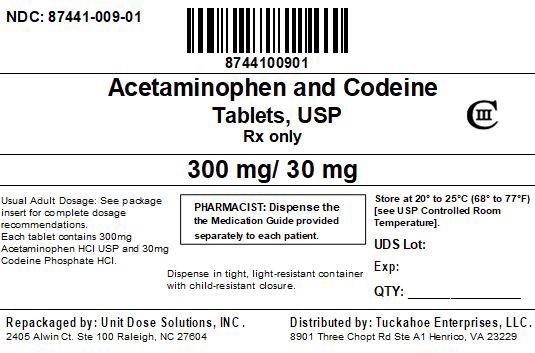
(codeine · DailyMed)
BETAPYN TABLETS
Paracetamol 450mg, caffeine 50mg, Codeine phosphate 10mg and Doxylamine succinate 5mg
What it does
Caffeine is a natural stimulant that helps increase alertness and reduce tiredness.
Commonly used for: fatigue, drowsiness, headaches, migraine (common migraine)
Read more in plain English ↓Plain-language summary for general understanding - not medical advice. Always follow your pharmacist/doctor.
Ask about this medicine
Answers come only from this medicine's registration record, BNF monograph and interaction data - not medical advice.
Medicine sourcing is available in Kenya only. We don't sell or dispense medicines - licensed pharmacies do.
Sourcing - Kenya onlyRegistration & product details
Source: Rwanda Food and Drugs Authority · fetched 2026-03-11 22:07:26 · updated 2026-09-17 02:30:44
Drug Interactions
72Pharmacodynamic Warnings
Paracetamol appears in TABLE 1: Drugs that cause hepatotoxicity
Codeine appears in TABLE 11: Drugs with CNS depressant effects
Severe (6)
Opioids - decreases concentration
Brigatinib potentially decreases the concentration of opioids (alfentanil, fentanyl). Avoid. Also see TABLE 6 p. 1518
Opioids - increases exposure
Ceritinib is predicted to increase the exposure to opioids (alfentanil, fentanyl). Avoid. Theoretical → Also see TABLE 6 p. 1518
Opioids - increases risk of cnstoxicity
Ritonavir increases the risk of CNS toxicity when given with opioids (pethidine). Avoid.
Opioids - decreases exposure
Lorlatinib is predicted to decrease the exposure to opioids (alfentanil, fentanyl). Avoid.
Opioids - increases risk of adverse effects
Selegiline increases the risk of adverse effects when given with opioids (pethidine). Avoid. Also see TABLE 13 p. 1520
Opioids - increases exposure
Selpercatinib is predicted to increase the exposure to opioids (alfentanil, buprenorphine). Avoid.
Moderate (34)
Opioids - increases exposure
Dronedaroneispredictedtoincreasetheexposuretoopioids (alfentanil,buprenorphine,fentanyl,oxycodone).Monitorand adjustdose.oStudy →AlsoseeTABLE6p.1518
Opioids - increases concentration
Amiodarone is predicted to increase the concentration of opioids (fentanyl). Monitor and adjust dose. Also see TABLE 6 p. 1518.
Opioids - decreases concentration
Carbamazepine decreases the concentration of opioids (tramadol). Adjust dose.
Opioids - increases exposure
Miconazole is predicted to increase the exposure to opioids (alfentanil). Use with caution and adjust dose.
Opioids - increases exposure
Antifungals, azoles (fluconazole, isavuconazole, posaconazole) are predicted to increase the exposure to opioids (alfentanil, buprenorphine, fentanyl, oxycodone). Monitor and adjust dose.
Unknown (32)
Codeine - decreases efficacy
Bupropionispredictedtodecreasetheefficacyofopioids (codeine).oTheoretical
Codeine - decreases efficacy
Cinacalcetispredictedtodecreasetheefficacyofopioids (codeine).oTheoretical
Codeine - decreases efficacy
Terbinafineispredictedtodecreasetheefficacyofcodeine. oTheoretical
Codeine - decreases exposure
Rifampicin decreases the exposure to opioids (codeine, morphine).
Coumarins - increases anticoagulant effect
Paracetamol increases the anticoagulant effect of coumarins.
Data from BNF 85 (British National Formulary). This is not a substitute for professional medical advice. Matched via: class
About caffeine
Caffeine is a natural stimulant that helps increase alertness and reduce tiredness.
What it treats
- fatigue
- drowsiness
- headaches
- migraine (common migraine)
How it works
Caffeine works by blocking certain receptors in the brain, which helps to improve mood and concentration.
Who it's for
Caffeine is suitable for adults who need a boost of energy or alertness.
AI-assisted summary grounded in BNF data - general information only, not medical advice. Always confirm with your pharmacist or doctor.
About codeine
Codeine is an opioid pain reliever used to treat mild to moderate pain.
What it treats
- pain relief
- mild to moderate pain management
How it works
Codeine works by blocking pain signals in the brain, helping to reduce the feeling of pain.
Who it's for
Codeine is for adults and children over 12 years who need relief from pain.
Drug class
Opioids
Cautions
- • Be cautious if taking other medications that can cause drowsiness or slow breathing.
AI-assisted summary grounded in BNF data - general information only, not medical advice. Always confirm with your pharmacist or doctor.
About doxylamine
Doxylamine is an antihistamine used to help with sleep and allergy symptoms.
What it treats
- insomnia (difficulty sleeping)
- allergic rhinitis (hay fever)
How it works
Doxylamine works by blocking histamine, a substance in the body that causes allergic symptoms and promotes wakefulness.
Who it's for
Doxylamine is for adults and children over a certain age who need relief from sleep problems or allergy symptoms.
AI-assisted summary grounded in BNF data - general information only, not medical advice. Always confirm with your pharmacist or doctor.
About paracetamol
Paracetamol is a common pain relief medication used to reduce fever and relieve mild to moderate pain.
What it treats
- fever
- headaches
- muscle aches
- joint pain
- toothaches
- menstrual cramps
How it works
Paracetamol works by blocking pain signals in the brain and helping to lower body temperature.
Who it's for
Paracetamol is suitable for most adults and children who need pain relief or fever reduction.
Cautions
- • Use with caution if you are taking other drugs that may harm the liver.
AI-assisted summary grounded in BNF data - general information only, not medical advice. Always confirm with your pharmacist or doctor.
Clinical monograph: Codeinephosphate
BNF-referencedCodeine phosphate is an opioid analgesic used primarily for the management of mild to moderate pain. It can be combined with other analgesics, such as paracetamol, to enhance its pain-relieving effects. Codeine is also sometimes used to relieve cough; however, its use in children, particularly for cough treatment, is highly restricted due to safety concerns.
Indications
- Mild to moderate pain
- Short-term treatment of acute moderate pain
- Dry or painful cough
Dosage
Children: Children aged 12-17 years: 30-60 mg every 6 hours if required for a maximum of 3 days; maximum 240 mg per day. Use is contraindicated in children under 12 years.
Adults: 30 mg 3-4 times daily; usual dose 15-60 mg 3-4 times daily; maximum dose 240 mg per day.
Mechanism of action
Codeine is metabolized in the liver to morphine, which binds to mu-opioid receptors in the central nervous system, resulting in analgesia. This action alters the perception of and response to painful stimuli, providing relief from pain. Additionally, it may reduce the cough reflex through action on the cough center in the medulla.
Pharmacodynamics
As an opioid, codeine has a dose-dependent effect on pain relief and is associated with side effects typical of opioids, such as sedation, constipation, and potential respiratory depression. Its efficacy varies significantly among individuals due to genetic differences in metabolism, particularly involving the CYP2D6 enzyme, which converts codeine to morphine.
Pharmacokinetics
Codeine phosphate is well absorbed from the gastrointestinal tract. It undergoes extensive first-pass metabolism in the liver, where it is converted to its active metabolite, morphine, and other metabolites. The peak plasma concentration occurs approximately 1-2 hours after oral administration. Codeine has a half-life of 3-4 hours, and both codeine and its metabolites are eliminated primarily via the kidneys.
Contra-indications
- Children under 12 years old
- Patients of any age known to be CYP2D6 ultra-rapid metabolisers
- Acute ulcerative colitis
- Antibiotic-associated colitis
- Children under 18 years who undergo the removal of tonsils or adenoids
Adverse effects
- Drowsiness
- Constipation
- Nausea
- Vomiting
- Dizziness
- Dry mouth
- Fatigue
- Malaise
- Mood alterations
- Hypotension
- Hypothermia
- Increased intracranial pressure
- Nightmares
- Muscle rigidity
- Lymphadenopathy
- Pancreatitis
Interactions
- CNS depressants (e.g. benzodiazepines, alcohol)
- MAO inhibitors
- Other opioids
- Antidepressants
- Antipsychotics
- Antihistamines
Precautions
- Use with caution in patients with respiratory depression
- History of substance abuse
- Cardiac arrhythmias
- Gallstones
- Mild to moderate pain in adolescents aged 12–18 years with breathing problems
Pregnancy
Codeine phosphate should be used in pregnancy only if the potential benefit justifies the potential risk to the fetus. There is a risk of neonatal opioid withdrawal syndrome if used in late pregnancy.
Breast-feeding
Codeine phosphate is not recommended for breastfeeding mothers due to the risk of opioid toxicity in infants. It is present in breast milk and the metabolism of codeine can vary significantly between individuals.
Storage
Store in a cool, dry place away from direct sunlight. Keep out of reach of children.
Formulations
- Codeine phosphate 30 mg capsules
- Codeine phosphate 30 mg tablets
- Combination products with paracetamol (e.g. Kapake, Solpadol, Tylex, Zapain)
AI-synthesized from BNF references - general information only, not a substitute for professional medical advice or the current BNF. Verify doses with a pharmacist.
Clinical monograph: Paracetamol
BNF-referencedParacetamol, also known as acetaminophen, is a widely used analgesic and antipyretic medication. It is effective in alleviating pain and reducing fever but does not possess anti-inflammatory properties. Paracetamol is often used for mild to moderate pain relief, including headaches, muscle aches, arthritis, backaches, toothaches, colds, and fevers. Its mechanism of action is primarily central, as it affects the brain's heat-regulating centers and increases pain thresholds.
Indications
- Mild to moderate pain
- Fever
- Headaches
- Muscle aches
- Arthritis
- Backaches
- Toothaches
- Colds
Dosage
Adults: For adults, the typical dosage is 500 mg to 1 g every 4 to 6 hours, with a maximum daily limit of 4 g. In cases of intravenous administration, the dosage is 15 mg/kg every
Mechanism of action
Paracetamol is thought to exert its analgesic effects by inhibiting cyclo-oxygenase (COX) enzymes, specifically COX-1 and COX-2, which are involved in the synthesis of prostaglandins responsible for pain sensation. Unlike most NSAIDs, paracetamol does not exhibit peripheral anti-inflammatory effects. Its antipyretic action is believed to result from direct action on heat-regulating centers in the brain, leading to peripheral vasodilation and sweating.
Pharmacodynamics
Paracetamol has been shown to have both antipyretic and analgesic effects, lacking any significant anti-inflammatory activity. It does not interfere with platelet aggregation or disrupt hemostasis, making it a safer option for individuals at risk of bleeding. Allergic reactions to paracetamol are rare. The drug does not affect uric acid secretion or acid-base balance when used at recommended doses.
Pharmacokinetics
Paracetamol is rapidly absorbed from the gastrointestinal tract, with peak plasma concentrations typically occurring within 30 to 60 minutes after oral administration. It is primarily metabolized in the liver via conjugation with glucuronide and sulfate, with a minor pathway involving cytochrome P450 enzymes. The elimination half-life ranges from 1 to 4 hours, with renal excretion of metabolites as the primary route of elimination.
Adverse effects
- Nausea and vomiting
- Liver injury
- Renal damage
- Hypersensitivity reactions
- Flushing
- Hypotension
- Anorectal erythema
- Angioedema
- Agranulocytosis
- Thrombocytopenia
- Leukopenia
- Severe cutaneous adverse reactions (SCARs)
Interactions
- Increased risk of methaemoglobinaemia with topical prilocaine
- Increased risk of methaemoglobinaemia with topical anaesthetics
- Increased anticoagulant effect with coumarins
- Increased risk of hepatotoxicity with imatinib
- Decreased exposure with rifampicin
- Decreased exposure with pitolisant
Precautions
- Monitor patients with liver disease or heavy alcohol use for increased risk of hepatotoxicity
- Adjust doses in patients taking enzyme-inducing antiepileptic medications
- Use caution in patients with renal impairment
- Clinical judgement is required for dose adjustment in weight-based dosing
Pregnancy
Paracetamol is generally considered safe to use during pregnancy for pain and fever relief, but should be used at the lowest effective dose for the shortest duration necessary.
Breast-feeding
Paracetamol is excreted in breast milk in small amounts and is considered safe for use while breastfeeding.
Storage
Store in a cool, dry place away from direct sunlight. Keep out of reach of children.
Formulations
- Oral tablets (500 mg)
- Oral suspension (120 mg/5 mL, 500 mg/5 mL)
- Rectal suppositories (various strengths)
- Intravenous infusion (various strengths)
AI-synthesized from BNF references - general information only, not a substitute for professional medical advice or the current BNF. Verify doses with a pharmacist.
Clinical monograph: caffeine
BNF-referencedCaffeine is a central nervous system stimulant that temporarily wards off drowsiness and restores alertness. It is widely consumed in beverages like coffee, tea, and energy drinks. Its pharmacological effects are attributed to its ability to block adenosine receptors and influence several signaling pathways, impacting multiple physiological systems.
Indications
- Management of apnea of prematurity
- Enhancement of alertness and cognitive performance
- Relief of headaches, particularly when combined with analgesics
- Enhancement of physical performance in sports
Dosage
Children: For infants, particularly for apnea of prematurity
Adults: The usual adult dose for alertness enhancement is 100 to 200 mg, taken as needed. For the management of apnea of prematurity, doses may vary and should be determined by a healthcare professional.
Mechanism of action
Caffeine acts primarily as an antagonist of adenosine receptors, inhibiting the action of adenosine, which normally promotes sleep and relaxation. This antagonism leads to increased neuronal firing and the release of neurotransmitters such as dopamine and norepinephrine. Caffeine also inhibits phosphodiesterase enzymes, enhancing levels of cyclic AMP and cyclic GMP, which are important for various cellular functions. Additionally, in the context of respiratory function, caffeine stimulates the respiratory centers in the central nervous system, enhancing ventilation.
Pharmacodynamics
Caffeine stimulates the central nervous system, increasing alertness and reducing fatigue. It relaxes smooth muscles, increases cardiac muscle contraction, and can enhance physical performance. Caffeine also promotes gastric acid secretion and gastrointestinal motility, and it exhibits mild diuretic properties. Its effects can lead to restlessness and agitation in some individuals, particularly at higher doses.
Pharmacokinetics
Caffeine is rapidly absorbed from the gastrointestinal tract, with peak plasma concentrations occurring within 30 to 120 minutes after ingestion. It is distributed widely throughout body tissues, readily crossing the blood-brain barrier. Caffeine is metabolized primarily in the liver by cytochrome P450 1A2, producing three primary metabolites: paraxanthine, theobromine, and theophylline. The elimination half-life varies significantly among individuals, influenced by factors such as age, liver function, pregnancy, and the use of certain medications. It is primarily excreted in urine.
Adverse effects
- Restlessness
- Agitation
- Insomnia
- Increased heart rate
- Nausea
- Gastrointestinal discomfort
- Headaches
Interactions
- caffeinecitrate+adenosine: Unknown (decreases efficacy)
- caffeinecitrate+antiarrhythmics: Unknown (decreases efficacy)
Precautions
- Use cautiously in patients with a history of anxiety disorders, insomnia, or cardiac arrhythmias.
- Monitor caffeine intake in individuals with certain medical conditions, such as hypertension.
Pregnancy
Caffeine crosses the placenta; excessive intake during pregnancy may be associated with adverse outcomes. It is generally recommended to limit caffeine consumption.
Breast-feeding
Caffeine is excreted in breast milk; moderate consumption is considered safe, but excessive intake may affect the infant's sleep and behavior.
Storage
Store in a cool, dry place away from direct light. Keep out of reach of children.
Formulations
- Tablets
- Oral solutions
- Injectable preparations
- Caffeine citrate
AI-synthesized from BNF references - general information only, not a substitute for professional medical advice or the current BNF. Verify doses with a pharmacist.
Clinical monograph: codeine
BNF-referencedCodeine is an opioid analgesic that is commonly used for the relief of mild to moderate pain and as a cough suppressant. It is similar in action to morphine but is less potent. Codeine acts primarily on the mu-opioid receptors in the central nervous system, where it alters the perception of pain and the emotional response to pain. It is also used to suppress cough and can cause sedation and respiratory depression.
Indications
- Mild to moderate pain relief
- Cough suppression
- Cough associated with tuberculosis
- Insomnia due to cough
Dosage
Children: Refer to
Adults: Refer to the BNF for specific dosing guidelines for adults.
Mechanism of action
Codeine exerts its analgesic and antitussive effects mainly through the agonism of mu-opioid receptors in the central nervous system. Although only a small portion of codeine is metabolized to morphine, the analgesic effect is believed to be mediated by codeine-6-glucuronide, which has an affinity for mu receptors and can be converted to morphine-6-glucuronide, a more potent metabolite. The activation of G-proteins reduces intracellular cAMP and calcium levels, leading to hyperpolarization of nociceptive neurons and impaired pain signal transmission. Additionally, codeine suppresses the cough reflex by acting on the cough center in the medulla.
Pharmacodynamics
Codeine is classified as a weak narcotic pain reliever and cough suppressant. It increases pain tolerance and reduces discomfort while also inducing sedation, drowsiness, and respiratory depression. Codeine's antitussive action is effective particularly in cases of cough associated with tuberculosis and insomnia due to coughing. Furthermore, it may decrease intestinal motility, leading to constipation, and chronic use can result in obstructive bowel disease in susceptible individuals.
Pharmacokinetics
Codeine is absorbed from the gastrointestinal tract, with peak plasma concentrations occurring approximately 1 to 2 hours after administration. It is metabolized primarily in the liver by the cytochrome P450 system, particularly CYP2D6, which converts a small percentage to morphine. Codeine has a variable half-life, typically ranging from 3 to 4 hours. It is excreted mainly in the urine, primarily as metabolites.
Contra-indications
- Hypersensitivity to codeine or any of its components
- Severe respiratory depression
- Acute or severe bronchial asthma or hypercapnia
- Concurrent use of monoamine oxidase inhibitors (MAOIs) or within 14 days of stopping MAOIs
- Paralytic ileus
Adverse effects
- Sedation
- Drowsiness
- Respiratory depression
- Constipation
- Nausea
- Vomiting
- Dry mouth
- Dizziness
- Headache
- Itching or rash
Interactions
- bupropion+codeine: Unknown (decreases efficacy)
- cinacalcet+codeine: Unknown (decreases efficacy)
- terbinafine+codeine: Unknown (decreases efficacy)
- rifampicin+codeine: Unknown (decreases exposure)
Precautions
- Use with caution in patients with a history of substance use disorder
- Monitor for signs of respiratory depression, especially in opioid-naïve patients
- Caution in elderly patients or those with impaired hepatic or renal function
- Risk of addiction, abuse, and misuse
- Avoid abrupt discontinuation in patients on prolonged therapy
Pregnancy
Use only if clearly needed, as codeine may affect the fetus. Prolonged use during pregnancy may lead to neonatal withdrawal syndrome.
Breast-feeding
Caution is advised as codeine is excreted in breast milk and may cause respiratory depression in nursing infants.
Storage
Store in a cool, dry place away from direct sunlight. Keep out of reach of children.
Formulations
- Oral tablets
- Oral solution
- Syrup
- Combination products with other analgesics or cough suppressants
AI-synthesized from BNF references - general information only, not a substitute for professional medical advice or the current BNF. Verify doses with a pharmacist.
Clinical monograph: doxylamine
BNF-referencedDoxylamine is an antihistamine primarily used for its sedative properties and to alleviate symptoms of allergic reactions, such as allergic rhinitis and urticaria. It belongs to the ethanolamine class of antihistamines and is recognized for its strong sedative effects, often employed as a sleep aid. Doxylamine is notable for its anticholinergic activity, contributing to its efficacy in treating allergies and inducing sleep.
Indications
- Insomnia
- Allergic rhinitis
- Urticaria
- Other allergic reactions
Dosage
Children: Refer to the BNF for Children for specific paediatric dosing guidance.
Adults: Refer to the BNF for specific adult dosing guidelines as it varies based on indication.
Mechanism of action
Doxylamine acts by competitively inhibiting histamine at H1 receptors, which reduces the effects of histamine in the body, leading to decreased allergy symptoms and sedation. Its substantial sedative and anticholinergic effects enhance its utility in treating sleep disturbances.
Pharmacodynamics
Doxylamine is widely recognized for its anti-allergic properties, surpassing many antihistamines in effectiveness, particularly in managing allergy symptoms and inducing sleep. It is more sedating than many prescription hypnotics and has been shown to be superior to phenobarbital in its sedative effects. Its potent anticholinergic properties further contribute to its overall therapeutic profile.
Pharmacokinetics
Doxylamine is well absorbed following oral administration. It undergoes hepatic metabolism and has a relatively long elimination half-life, which contributes to its prolonged sedative effects. The drug's pharmacokinetics may vary based on individual patient factors, including age and liver function.
Contra-indications
- Hypersensitivity to doxylamine or any component of the formulation
- Glaucoma
- Prostatic hypertrophy
- Bladder neck obstruction
Adverse effects
- Drowsiness
- Dizziness
- Dry mouth
- Constipation
- Blurred vision
- Urinary retention
Interactions
- Alcohol may enhance the sedative effects of doxylamine
- CNS depressants can increase sedation and respiratory depression
- MAO inhibitors can prolong and intensify the anticholinergic effects
Precautions
- Use with caution in patients with asthma or other respiratory conditions
- Caution in elderly patients due to increased sensitivity to anticholinergic effects
- Should not be used in patients with severe liver impairment
Pregnancy
Doxylamine is classified as category A in pregnancy; it is generally considered safe when used as directed for short-term management of nausea and vomiting in pregnancy.
Breast-feeding
Doxylamine is excreted in breast milk; caution is advised when administering to nursing mothers as it may cause sedation in the infant.
Storage
Store at room temperature, away from moisture and heat. Keep out of reach of children.
Formulations
- Tablets
- Liquid formulations
AI-synthesized from BNF references - general information only, not a substitute for professional medical advice or the current BNF. Verify doses with a pharmacist.
Molecular reference: Paracetamol
PubChem CID 1983Molecular formula: C8H9NO2
Mechanism of action
According to its FDA labeling, acetaminophen's exact mechanism of action has not been fully established - despite this, it is often categorized alongside NSAIDs (non-steroidal anti-inflammatory drugs) due to its ability to inhibit the cyclo-oxygenase (COX) pathways. It is thought to exert central actions which ultimately lead to the alleviation of pain symptoms. One theory is that acetaminophen increases the pain threshold by inhibiting two isoforms of cyclo-oxygenase, COX-1 and COX-2, which are involved in prostaglandin (PG) synthesis. Prostaglandins are responsible for eliciting pain sensations. Acetaminophen does not inhibit cyclooxygenase in peripheral tissues and, therefore, has no peripheral anti-inflammatory effects. Though acetylsalicylic acid (aspirin) is an irreversible inhibitor of COX and directly blocks the active site of this enzyme, studies have shown that acetaminophen (paracetamol) blocks COX indirectly. Studies also suggest that acetaminophen selectively blocks a variant type of the COX enzyme that is unique from the known variants COX-1 and COX-2. This enzyme has been referred to as _COX-3_. The antipyretic actions of acetaminophen are likely attributed to direct action on heat-regulating centers in the brain, resulting in peripheral vasodilation, sweating, and loss of body heat. The exact mechanism of action of this drug is not fully understood at this time, but future research may contribute to deeper knowledge. Although further investigation is warranted, the active metabolite of acetaminophen (AM404) was shown to interact with several molecular targets, including the Ca<sub>v</sub>3.2 calcium channel, the cannabinoid CB1 receptors, TRPV1 receptors, and Na<sub>v</sub>1.8 and Na<sub>v</sub>1.7 channels. Acetaminophen produces analgesia and antipyresis by a mechanism similar to that of salicylates. Unlike salicylates, however, acetaminophen does not have uricosuric activity. There is some evidence that acetaminophen has weak anti-inflammatory activity in some nonrheumatoid conditions (e.g., in patients who have had oral surgery). ... Acetaminophen lowers body temperature in patients with fever but rarely lowers normal body temperature. The drug acts on the hypothalamus to produce antipyresis; heat dissipation is increased as a result of vasodilation and increased peripheral blood flow. The effects of acetaminophen on cyclooxygenase activity have not been fully determined. Acetaminophen is a weak, reversible, isoform-nonspecific cyclooxygenase inhibitor at dosages of 1 g daily. The inhibitory effect of acetaminophen on cyclooxygenase-1 is limited, and the drug does not inhibit platelet function. Therapeutic doses of acetaminophen appear to have little effect on cardiovascular and respiratory systems; however, toxic doses may cause circulatory failure and rapid, shallow breathing. Acetaminophen (N-acetyl-p-aminophenol (APAP)) is the most common antipyretic/analgesic medicine worldwide. If APAP is overdosed, its metabolite, N-acetyl-p-benzo-quinoneimine (NAPQI), causes liver damage. However, epidemiological evidence has associated previous use of therapeutic APAP doses with the risk of chronic obstructive pulmonary disease (COPD) and asthma. The transient receptor potential ankyrin-1 (TRPA1) channel is expressed by peptidergic primary sensory neurons. Because NAPQI, like other TRPA1 activators, is an electrophilic molecule, /the researchers/ hypothesized that APAP, via NAPQI, stimulates TRPA1, thus causing airway neurogenic inflammation. NAPQI selectively excites human recombinant and native (neuroblastoma cells) TRPA1. TRPA1 activation by NAPQI releases proinflammatory neuropeptides (substance P and calcitonin gene-related peptide) from sensory nerve terminals in rodent airways, thereby causing neurogenic edema and neutrophilia. Single or repeated administration of therapeutic (15-60 mg/kg) APAP doses to mice produces detectable levels of NAPQI in the lung, and increases neutrophil numbers, myeloperoxidase
Pharmacodynamics
Animal and clinical studies have determined that acetaminophen has both antipyretic and analgesic effects. This drug has been shown to lack anti-inflammatory effects. As opposed to the _salicylate_ drug class, acetaminophen does not disrupt tubular secretion of uric acid and does not affect acid-base balance if taken at the recommended doses. Acetaminophen does not disrupt hemostasis and does not have inhibitory activities against platelet aggregation. Allergic reactions are rare occurrences following acetaminophen use.
Biological pathways
Source: PubChem (NCBI) · pathways from PathBank, Reactome, WikiPathways & PharmGKB.
Molecular reference: caffeine
PubChem CID 2519Molecular formula: C8H10N4O2
Mechanism of action
The mechanism of action of caffeine is complex, as it impacts several body systems, which are listed below. The effects as they relate to various body systems are described as follows: **General and cellular actions** Caffeine exerts several actions on cells, but the clinical relevance is poorly understood. One probable mechanism is the inhibition of nucleotide phosphodiesterase enzymes, adenosine receptors, regulation of calcium handling in cells, and participates in adenosine receptor antagonism. Phosphodiesterase enzymes regulate cell function via actions on second messengers cAMP and cGMP. This causes lipolysis through activation of hormone-sensitive lipases, releasing fatty acids and glycerol. **Respiratory** The exact mechanism of action of caffeine in treating apnea related to prematurity is unknown, however, there are several proposed mechanisms, including respiratory center stimulation in the central nervous system, a reduced threshold to hypercapnia with increased response, and increased consumption of oxygen, among others. The blocking of the adenosine receptors enhances respiratory drive via an increase in brain medullary response to carbon dioxide, stimulating ventilation and respiratory drive, while increasing contractility of the diaphragm. **Central nervous system** Caffeine demonstrates antagonism of all 4 adenosine receptor subtypes (A1, A2a, A2b, A3) in the central nervous system. Caffeine's effects on alertness and combatting drowsiness are specifically related to the antagonism of the A2a receptor. **Renal system** Caffeine has diuretic effects due to is stimulatory effects on renal blood flow, increase in glomerular filtration, and increase in sodium excretion. **Cardiovascular system** Adenosine receptor antagonism at the A1 receptor by caffeine stimulates inotropic effects in the heart. Blocking of adenosine receptors promotes catecholamine release, leading to stimulatory effects occurring in the heart and the rest of the body. In the blood vessels, caffeine exerts direct antagonism of adenosine receptors, causing vasodilation. It stimulates the endothelial cells in the blood vessel wall to release nitric oxide, potentiating blood vessel relaxation. Catecholamine release, however, antagonizes this and exerts inotropic and chronotropic effects on the heart, ultimately leading to vasoconstriction. Finally, caffeine is shown to raise systolic blood pressure measurements by 5 to 10 mmHg when it is not taken regularly, versus no effect in those who consume it regularly. The vasoconstricting effects of caffeine are beneficial in migraines and other types of headache, which are normally caused by vasodilation in the brain. Caffeine competitively inhibits phosphodiesterase, the enzyme that degrades cyclic 3',5'-adenosine monophosphate (AMP). Increased levels of intracellular cyclic AMP mediate most of caffeine's pharmacologic actions. Caffeine stimulates all levels of the CNS... Caffeine's cortical effects are milder and of shorter duration than those of amphetamines. In slightly larger doses, caffeine stimulates medullary, vagal, vasomotor, and respiratory centers, promoting bradycardia, vasoconstriction, and increased respiratory rate. Caffeine constricts cerebral vasculature. In contrast, the drug directly dilates peripheral blood vessels...
Pharmacodynamics
Caffeine stimulates the central nervous system (CNS), heightening alertness, and sometimes causing restlessness and agitation. It relaxes smooth muscle, stimulates the contraction of cardiac muscle, and enhances athletic performance. Caffeine promotes gastric acid secretion and increases gastrointestinal motility. It is often combined in products with analgesics and ergot alkaloids, relieving the symptoms of migraine and other types of headaches. Finally, caffeine acts as a mild diuretic.
Biological pathways
Source: PubChem (NCBI) · pathways from PathBank, Reactome, WikiPathways & PharmGKB.
Molecular reference: codeine
PubChem CID 5284371Molecular formula: C18H21NO3
Mechanism of action
Although the exact mechanism of action of codeine is still unknown, it is generally thought to be mediated through the agonism of opioid receptors, particularly the mu-opioid receptors. Morphine was previously postulated to contribute to the analgesic effect of codeine due to the O-demethylation of codeine to morphine by CYP2D6. Particularly, CYP2D6 poor metabolizer did not experience the analgesic effect of codeine. However, this is unlikely to be the main mechanism of action of codeine as only 5% of codeine is metabolized to morphine. Other hypotheses also postulate that codeine-6-glucuronide, the main metabolite of codeine, mediates the analgesic effect of codeine as it not only has an affinity to the mu receptors as codeine but also can be metabolized to morphine-6-glucuronide, which was observed to be more potent than morphine. Binding to the mu receptors by codeine activates the G-proteins Gα<sub>i</sub>, causing a decrease in intracellular cAMP and Ca<sup>2+</sup> level. This causes hyperpolarization of nociceptive neurons, thus imparing the transmission of pain signals. Codeine causes suppression of the cough reflex by a direct effect on the cough center in the medulla of the brain and appears to exert a drying effect on respiratory tract mucosa and to increase viscosity of bronchial secretions.
Pharmacodynamics
**General effects** Codeine is a weak narcotic pain reliever and cough suppressant that is similar to morphine and hydrocodone. A small amount of ingested codeine is converted to morphine in the body. Codeine increases tolerance to pain, reducing existing discomfort. In addition to decreasing pain, codeine also causes sedation, drowsiness, and respiratory depression. **Antitussive activity** This drug has shown antitussive activity in clinical trials and has been effective in cough secondary to tuberculosis and insomnia due to coughing. Codeine suppresses the cough reflex through a direct effect on the cough center in the medulla. **Effects on intestinal motility** Codeine may reduce intestinal motility through both a local and possibly central mechanism of action. This may possibly lead to constipation. The chronic use of opioids, including codeine sulfate, may lead to obstructive bowel disease, particularly in patients with underlying disorders of intestinal motility. **Effects on the central nervous system** Codeine phosphate is an opioid analgesic with uses similar to those of morphine, but is much less potent as an analgesic. Its primary site of action is at the _mu_ opioid receptors distributed throughout the central nervous system. The sedative activities of codeine are less potent than those of morphine. Codeine may cause respiratory system depression by the activation of μ-opioid receptors at specific sites in the central nervous system. **Effects on blood pressure** This drug poses an increased risk of compromised ability to maintain blood pressure due to peripheral vasodilation and other mechanisms. **Effects on chronic cancer pain and other types of pain** Codeine is an opioid analgesic with similar indications to those of morphine, however, is much less potent in its pain alleviating properties. Its primary action takes place at the mu opioid receptors, which are distributed throughout the central nervous system. The average duration of action is about 4 hours. Regular dosing of opioid analgesics such as codeine in patients with severe cancer pain has been well documented to improve symptoms,.
Biological pathways
Source: PubChem (NCBI) · pathways from PathBank, Reactome, WikiPathways & PharmGKB.
Molecular reference: doxylamine
PubChem CID 3162Molecular formula: C17H22N2O
Mechanism of action
Like other antihistamines, doxylamine acts by competitively inhibiting histamine at H1 receptors. It also has substantial sedative and anticholinergic effects.
Pharmacodynamics
Doxylamine is an antihistamine commonly used as a sleep aid. This drug is also used to relieve symptoms of hay fever (allergic rhinitis), hives (rash or itching), and other allergic reactions. Doxylamine is a member of the ethanolamine class of antihistamines and has anti-allergy power far superior to virtually every other antihistamine on the market, with the exception of diphenhydramine (Benadryl). It is also the most powerful over-the-counter sedative available in the United States, and more sedating than many prescription hypnotics. In a study, it was found to be superior to even the barbiturate, phenobarbital for use as a sedative. Doxylamine is also a potent anticholinergic.
Biological pathways
Source: PubChem (NCBI) · pathways from PathBank, Reactome, WikiPathways & PharmGKB.
This drug in other countries
The same active ingredient registered across other registries we cover - including different brands.
- ABMOL FORTE CAPSULES (Each hard gelatin contains Paracetamol / Diclofenac Sodium / Caffeine 325mg/50mg/30mg) · Socomed Pharma
- ABYCOLD SYRUP (Each 5ml contains Paracetamol/ Phenylephrine hydrochloride/ Chlorpheniramine maleate – 125mg/2.5mg/ 1mg Paracetamol/Phenylephrine Hydrochloride/Chlorpheniramine Maleate 125mg/2.5mg/ 1mg) · Socomed Pharmceuticals Pvt Limited
- ABYCOLD PLUS TABLETS · Socomed Pharma
- ABYCOLD-X TABLETS · Socomed Pharma
- ABYMOL FORTE CAPSULES (Each hard gelatin capsule contains Paracetamol/ Diclofenac sodium/ Caffeine Paracetamol/Phenylephrine Hydrochloride/Chlorpheniramine Maleate 325mg/50mg/30mg) · Socomed Pharmceuticals Pvt Limited
- ACELA 80 TABLETS · Osuka Pharmaceuticals