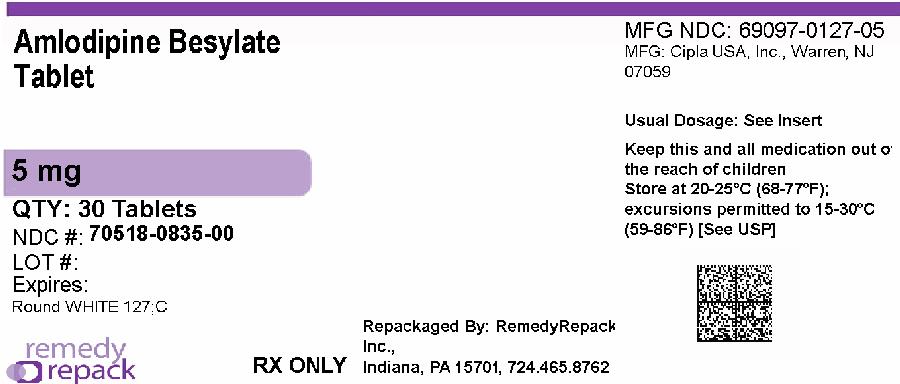
(amlodipine · DailyMed)
BP-TEL 40 ACT
AMLODIPINE 5MG, TELMISARTAN 40MG AND CHLORTHALIDONE 12.5MG TABLETS
What it does
Amlodipine is a medicine that helps lower blood pressure and improve blood flow by relaxing the blood vessels.
Commonly used for: high blood pressure (hypertension), chest pain (angina)
Read more in plain English ↓Plain-language summary for general understanding - not medical advice. Always follow your pharmacist/doctor.
Ask about this medicine
Answers come only from this medicine's registration record, BNF monograph and interaction data - not medical advice.
Hard to find? We help patients in Kenya source rare medicines. We don't sell or dispense medicines - licensed pharmacies do.
Source this medicineRegistration & product details
Source: Pharmacy and Poisons Board · fetched 2026-01-28 19:58:56 · updated 2026-08-03 03:08:10
Drug Interactions
23Pharmacodynamic Warnings
Telmisartan appears in TABLE 7: Drugs that cause first dose hypotension
Amlodipine appears in TABLE 8: Drugs that cause hypotension
Telmisartan appears in TABLE 8: Drugs that cause hypotension
Telmisartan appears in TABLE 16: Drugs that increase serum potassium
Severe (1)
Amlodipine - increases exposure
Grapefruit juice very slightly increases the exposure to amlodipine. Avoid.
Moderate (18)
Amlodipine - decreases exposure
Enzalutamide is predicted to decrease the exposure to calcium channel blockers (amlodipine, felodipine, lacidipine, lercanidipine, nicardipine, nifedipine, nimodipine). Monitor and adjust dose.
Amlodipine - decreases exposure
Apalutamide is predicted to decrease the exposure to calcium channel blockers (amlodipine, felodipine, lacidipine, lercanidipine, nicardipine, nimodipine). Monitor and adjust dose.
Amlodipine - increases exposure
Dronedarone is predicted to increase the exposure to calcium channel blockers (amlodipine, felodipine, lacidipine, lercanidipine, nicardipine, nifedipine, nimodipine). Monitor and adjust dose.
Amlodipine - increases exposure
Antifungals, azoles (fluconazole, isavuconazole, posaconazole) are predicted to increase the exposure to calcium channel blockers (amlodipine, felodipine, lacidipine, lercanidipine, nicardipine, nifed
Amlodipine - increases exposure
Miconazole is predicted to increase the exposure to calcium channel blockers (amlodipine, felodipine, lacidipine, lercanidipine, nicardipine, nifedipine, nimodipine, verapamil). Use with caution and a
Unknown (4)
Amlodipine - increases risk of hypotension
Intravenous magnesium potentially increases the risk of hypotension when given with calcium channel blockers (amlodipine, felodipine, lacidipine, lercanidipine, nicardipine, nifedipine, nimodipine, ve
Amlodipine - increases risk of angioedema
Temsirolimusispredictedtoincreasetheriskofangioedema whengivenwithcalciumchannelblockers(amlodipine, felodipine,lacidipine,lercanidipine,nicardipine,nifedipine, nimodipine).oTheoretical https://www.fa
Simvastatin - increases exposure
Amlodipine slightly increases the exposure to statins (simvastatin). Adjust simvastatin dose, p. 224.
Statins - increases exposure
Amlodipine slightly increases the exposure to statins (simvastatin). Adjust simvastatin dose, p. 224.
Data from BNF 85 (British National Formulary). This is not a substitute for professional medical advice. Matched via: exact
About amlodipine
Amlodipine is a medicine that helps lower blood pressure and improve blood flow by relaxing the blood vessels.
What it treats
- high blood pressure (hypertension)
- chest pain (angina)
How it works
It works by blocking calcium from entering the cells of the heart and blood vessels, which helps to relax and widen them.
Who it's for
Amlodipine is for adults who need help managing high blood pressure or chest pain.
Drug class
Calcium channel blockers
Cautions
- • Be careful if you are taking other medications that lower blood pressure.
AI-assisted summary grounded in BNF data - general information only, not medical advice. Always confirm with your pharmacist or doctor.
About chlorthalidone
Chlorthalidone is a medication that helps lower blood pressure and reduce extra fluid in the body.
What it treats
- high blood pressure (hypertension)
- fluid retention (edema)
How it works
Chlorthalidone works by helping the kidneys remove excess salt and water from the body, which lowers blood pressure and decreases fluid buildup.
Who it's for
This medication is for adults who need help managing high blood pressure or fluid retention.
AI-assisted summary grounded in BNF data - general information only, not medical advice. Always confirm with your pharmacist or doctor.
About telmisartan
Telmisartan is a medicine that helps lower blood pressure and protect your heart.
What it treats
- high blood pressure (hypertension)
- heart protection
How it works
Telmisartan works by blocking a substance in your body that can raise blood pressure, helping your blood vessels relax.
Who it's for
Telmisartan is for adults with high blood pressure or those needing heart protection.
Drug class
Angiotensin-II receptor antagonists
Cautions
- • Be careful if you take medications that can cause low blood pressure when starting this medicine.
- • Avoid medications that can lower blood pressure too much.
- • Watch out for medicines that can increase potassium levels in your blood.
AI-assisted summary grounded in BNF data - general information only, not medical advice. Always confirm with your pharmacist or doctor.
Clinical monograph: Amlodipine
BNF-referencedAmlodipine is a dihydropyridine calcium channel blocker primarily used for the treatment of hypertension and angina. It works by relaxing blood vessels, which lowers blood pressure and improves blood flow to the heart.
Indications
- Hypertension
- Angina
Dosage
Children: Children 1 month to 11 years: Initially 100–200 micrograms/kg once daily; increased if necessary at intervals of 1–2 weeks up to a maximum of 5 mg once daily.
Adults: Initially, 5 mg once daily, increased if necessary to a maximum of 10 mg once daily.
Mechanism of action
Amlodipine inhibits the influx of calcium ions into vascular smooth muscle and cardiac muscle cells, leading to vasodilation and decreased myocardial oxygen demand.
Pharmacodynamics
Amlodipine causes a reduction in systemic vascular resistance and arterial pressure, resulting in decreased workload on the heart. It has a long duration of action due to its slow onset and prolonged effects.
Pharmacokinetics
Amlodipine is well absorbed orally, with peak plasma concentrations occurring 6-12 hours after administration. It has a half-life of approximately 30-50 hours, allowing for once-daily dosing. It is extensively metabolized in the liver and excreted primarily in the urine.
Contra-indications
- Cardiogenic shock
- Aortic stenosis
Adverse effects
- Asthenia
- Constipation
- Diarrhoea
- Drowsiness
- Dyspnoea
- Gastrointestinal disturbances
Interactions
- Grapefruit juice (severe increase in exposure)
- Enzalutamide (moderate decrease in exposure)
- Apalutamide (moderate decrease in exposure)
- Dronedarone (moderate increase in exposure)
- Antifungals (azoles) (moderate increase in exposure)
- Miconazole (moderate increase in exposure)
- Cobicistat (moderate increase in exposure)
- Crizotinib (moderate increase in exposure)
- Dabrafenib (moderate decrease in exposure)
- Idelalisib (moderate increase in exposure)
Precautions
- Caution in hepatic impairment (risk of increased exposure)
- Monitor for sudden withdrawal effects, which may exacerbate myocardial ischaemia
Pregnancy
Manufacturer advises caution due to limited data on safety.
Breast-feeding
Manufacturer advises to avoid; no information available.
Storage
Store at room temperature, away from moisture and heat.
Formulations
- Amlodipine 5mg/5ml oral solution (sugar-free)
- Amlodipine 10mg/5ml oral solution (sugar-free)
- Amlodipine 5 mg tablets
- Amlodipine 10 mg tablets
AI-synthesized from BNF references - general information only, not a substitute for professional medical advice or the current BNF. Verify doses with a pharmacist.
Clinical monograph: Telmisartan
BNF-referencedTelmisartan is an angiotensin-II receptor antagonist primarily used to treat hypertension. It belongs to the class of drugs known for their ability to lower blood pressure by inhibiting the effects of angiotensin II, a potent vasoconstrictor. Additionally, telmisartan may offer metabolic benefits through its partial agonistic effects on peroxisome proliferator-activated receptor gamma (PPARγ).
Indications
- Hypertension
- Heart failure
- Chronic kidney disease
- Diabetic nephropathy
Dosage
Children: For paediatric patients, refer to the BNF for Children for appropriate dosing guidelines.
Adults: The usual starting dose is 40 mg once daily, which may be adjusted based on blood pressure response. The maximum recommended dose is 80 mg per day.
Mechanism of action
Telmisartan interferes with the binding of angiotensin II to the angiotensin II AT1 receptor by selectively binding to these receptors in vascular smooth muscle and the adrenal gland. This blockage leads to reduced systemic vascular resistance and lower blood pressure. Telmisartan is not an ACE inhibitor and does not affect other hormone receptors or ion channels. It may also enhance carbohydrate and lipid metabolism via its PPARγ activity.
Pharmacodynamics
Telmisartan exhibits high affinity for the AT1 receptor subtype, making it an effective angiotensin II antagonist. It plays a significant role in lowering blood pressure by preventing vasoconstriction and aldosterone release. The potential PPARγ agonistic properties suggest additional metabolic advantages, including improved glucose and lipid metabolism.
Pharmacokinetics
Telmisartan is administered orally and has a high bioavailability. It is extensively bound to plasma proteins and undergoes hepatic metabolism, primarily via glucuronidation. The drug has a long half-life, allowing for once-daily dosing. Excretion occurs mainly through the feces, with minimal renal elimination.
Contra-indications
- Hypersensitivity to telmisartan or any of the excipients
- Severe hepatic impairment
- Severe renal impairment or patients on dialysis
Adverse effects
- Dizziness
- Fatigue
- Hypotension
- Hyperkalemia
- Renal impairment
- Angioedema
Interactions
- Other antihypertensives
- Nonsteroidal anti-inflammatory drugs (NSAIDs)
- Lithium
- Potassium-sparing diuretics
- Renin-angiotensin-aldosterone system (RAAS) inhibitors
Precautions
- Monitor renal function, particularly in patients with renal artery stenosis
- Caution in patients with a history of angioedema
- Use with caution in patients with diabetes
- Monitor potassium levels in patients at risk for hyperkalemia
Pregnancy
Telmisartan is not recommended during pregnancy, particularly in the second and third trimesters, due to potential harm to the fetus.
Breast-feeding
The effects of telmisartan on breastfed infants are unknown; caution should be exercised.
Storage
Store at room temperature, away from moisture and heat.
Formulations
- Tablets: 20 mg, 40 mg
- Combination tablets with hydrochlorothiazide: 20 mg/12.5 mg, 40 mg/12.5 mg
AI-synthesized from BNF references - general information only, not a substitute for professional medical advice or the current BNF. Verify doses with a pharmacist.
Clinical monograph: chlorthalidone
BNF-referencedChlorthalidone is a thiazide-like diuretic commonly used in the management of hypertension and edema associated with heart failure, liver cirrhosis, and renal dysfunction. It is effective in promoting diuresis, thereby reducing blood volume and blood pressure. Chlorthalidone is known for its prolonged duration of action compared to traditional thiazide diuretics, making it a preferred choice for long-term management of hypertension.
Indications
- Hypertension
- Edema associated with heart failure
- Edema due to liver cirrhosis
- Edema related to renal dysfunction
Dosage
Adults: The usual initial dose for adults is 12.5 mg once daily, which may be increased to 25 mg if necessary. For hypertension management, doses may vary based on individual patient
Mechanism of action
Chlorthalidone prevents reabsorption of sodium and chloride by inhibiting the Na+/Cl- symporter in the cortical diluting segment of the ascending limb of the loop of Henle. This inhibition leads to an osmotic diuresis, reducing extracellular fluid and plasma volume. The increased sodium delivery to the distal renal tubule causes enhanced potassium excretion through the sodium-potassium exchange mechanism. The antihypertensive effect is attributed to decreased plasma volume, which lowers cardiac output and ultimately reduces blood pressure. Additionally, chlorthalidone may decrease platelet aggregation and vascular permeability, contributing to cardiovascular risk reduction.
Pharmacodynamics
Chlorthalidone exhibits dose-dependent diuretic effects, leading to increased urine output and a reduction in plasma volume. This results in lower cardiac output initially, followed by a decrease in total peripheral resistance, which helps in lowering blood pressure. The drug's ability to affect renal tubular transport of ions also plays a significant role in its therapeutic effects.
Pharmacokinetics
Chlorthalidone is well-absorbed from the gastrointestinal tract, with peak plasma concentrations occurring within 2 to 6 hours after oral administration. It has a long half-life, allowing for once-daily dosing. Chlorthalidone is primarily eliminated via the kidneys, with about 60-70% of the dose excreted unchanged in the urine. Its pharmacokinetics can be affected by renal function, necessitating dose adjustments in patients with impaired renal clearance.
Contra-indications
- Hypersensitivity to chlorthalidone or any of its components
- Anuria
- Severe renal impairment
- Electrolyte imbalances, particularly hypokalemia
- Pregnancy (in certain cases)
Adverse effects
- Hypokalemia
- Hyponatremia
- Hyperuricemia
- Gastrointestinal disturbances
- Dizziness
- Headache
- Fatigue
- Rash
- Photosensitivity
- Increased blood sugar levels
Interactions
- Other antihypertensive agents (may enhance hypotensive effects)
- Non-steroidal anti-inflammatory drugs (NSAIDs) (may reduce diuretic effect)
- Lithium (may increase lithium levels)
- Digoxin (enhanced risk of toxicity due to hypokalemia)
- Corticosteroids (may exacerbate hypokalemia)
Precautions
- Monitor electrolyte levels, particularly potassium and sodium
- Use with caution in patients with renal impairment
- Assess volume status in patients at risk of dehydration
- Caution in patients with diabetes mellitus due to possible effects on glucose metabolism
- Consider potential for photosensitivity
Pregnancy
Chlorthalidone should be used during pregnancy only if the potential benefit justifies the potential risk to the fetus. It is generally advised to avoid use in the first trimester.
Breast-feeding
Chlorthalidone is excreted in breast milk, caution is advised when administered to nursing mothers.
Storage
Store at room temperature, away from moisture and heat. Keep out of reach of children.
Formulations
- Tablets: 25 mg, 50 mg
AI-synthesized from BNF references - general information only, not a substitute for professional medical advice or the current BNF. Verify doses with a pharmacist.
Molecular reference: Amlodipine
PubChem CID 2162Molecular formula: C20H25ClN2O5
Mechanism of action
**Mechanism of action on blood pressure** Amlodipine is considered a peripheral arterial vasodilator that exerts its action directly on vascular smooth muscle to lead to a reduction in peripheral vascular resistance, causing a decrease in blood pressure. Amlodipine is a dihydropyridine calcium antagonist (calcium ion antagonist or slow-channel blocker) that inhibits the influx of calcium ions into both vascular smooth muscle and cardiac muscle. Experimental studies imply that amlodipine binds to both _dihydropyridine_ and _nondihydropyridine_ binding sites, located on cell membranes. The contraction of cardiac muscle and vascular smooth muscle are dependent on the movement of extracellular calcium ions into these cells by specific ion channels. Amlodipine blocks calcium ion influx across cell membranes with selectivity. A stronger effect of amlodipine is exerted on vascular smooth muscle cells than on cardiac muscle cells. Direct actions of amlodipine on vascular smooth muscle result in reduced blood pressure. **Mechanism of action in angina** The exact mechanism by which amlodipine relieves the symptoms of angina have not been fully elucidated to this date, however, the mechanism of action is likely twofold: Amlodipine has a dilating effect on peripheral arterioles, reducing the total peripheral resistance (afterload) against which the cardiac muscle functions. Since the heart rate remains stable during amlodipine administration, the reduced work of the heart reduces both myocardial energy use and oxygen requirements. Dilatation of the main coronary arteries and coronary arterioles, both in healthy and ischemic areas, is another possible mechanism of amlodipine reduction of blood pressure. The dilatation causes an increase in myocardial oxygen delivery in patients experiencing coronary artery spasm (Prinzmetal's or variant angina) and reduces coronary vasoconstriction caused by smoking. Amlodipine is a dihydropyridine calcium antagonist (calcium ion antagonist or slow-channel blocker) that inhibits the transmembrane influx of calcium ions into vascular smooth muscle and cardiac muscle. Experimental data suggest that amlodipine binds to both dihydropyridine and nondihydropyridine binding sites. The contractile processes of cardiac muscle and vascular smooth muscle are dependent upon the movement of extracellular calcium ions into these cells through specific ion channels. Amlodipine inhibits calcium ion influx across cell membranes selectively, with a greater effect on vascular smooth muscle cells than on cardiac muscle cells. Negative inotropic effects can be detected in vitro but such effects have not been seen in intact animals at therapeutic doses. Serum calcium concentration is not affected by amlodipine. Within the physiologic pH range, amlodipine is an ionized compound (pKa=8.6), and its kinetic interaction with the calcium channel receptor is characterized by a gradual rate of association and dissociation with the receptor binding site, resulting in a gradual onset of effect. Recent studies have suggested that cytokines are capable of modifying cardiovascular function and that drugs used in the treatment of heart failure have various modulating properties on the production of cytokines. More recently, we have found that ouabain induces the production of cytokines. This study was performed to examine the effects of calcium channel blockers on the production of cytokines induced by a cardiac glycoside. Human peripheral blood mononuclear cells (PBMC) were obtained from healthy volunteers. PBMC were cultured in 0.1, 1, 10, and 30 umol/L amlodipine, diltiazem, and nifedipine in presence of 1 umol/L ouabain. After 24 hr of incubation, IL-1alpha, IL-1beta, IL-6, and TNF-alpha were measured in the culture supernatants by enzyme-linked immunosorbent assay. Ouabain induced the production of IL-1alpha, IL-1beta and IL-6, but not of TNF-alpha. Induction of IL-1beta was most prominent. The production of IL-1alpha, and IL-6 wa
Pharmacodynamics
**General pharmacodynamic effects** Amlodipine has a strong affinity for cell membranes, modulating calcium influx by inhibiting selected membrane calcium channels. This drug's unique binding properties allow for its long-acting action and less frequent dosing regimen,. **Hemodynamic effects** After the administration of therapeutic doses of amlodipine to patients diagnosed with hypertension, amlodipine causes vasodilation, which results in a reduction of supine and standing blood pressure. During these blood pressure reductions, there are no clinically significant changes in heart rate or plasma catecholamine levels with long-term use. Acute intravenous administration of amlodipine reduces arterial blood pressure and increases heart rate in patients with chronic stable angina, however, chronic oral administration of amlodipine in clinical studies did not cause clinically significant alterations in heart rate or blood pressures in patients diagnosed with angina and normal blood pressure. With long-term, once daily oral administration, antihypertensive effectiveness is maintained for at least 24 hours. **Electrophysiologic effects** Amlodipine does not change sinoatrial (SA) nodal function or atrioventricular (AV) conduction in animals or humans. In patients who were diagnosed with chronic stable angina, the intravenous administration of 10 mg of amlodipine did not cause clinically significant alterations A-H and H-V conduction and sinus node recovery time after cardiac pacing. Patients administered amlodipine with concomitant beta-blockers produced similar results. In clinical trials in which amlodipine was given in combination with beta-blockers to patients diagnosed with hypertension or angina, no adverse effects on electrocardiographic parameters were noted. In clinical studies comprised of angina patients alone, amlodipine did not change electrocardiographic intervals or produce high degrees of AV block. **Effects on angina** Amlodipine relieves the symptoms of chest pain associated with angina. In patients diagnosed with angina, daily administration of a single amlodipine dose increases total exercise time, the time to angina onset, and the time to 1 mm ST-segment depression on ECG studies, decreases anginal attack frequency, and decreases the requirement for nitroglycerin tablets.
Biological pathways
Source: PubChem (NCBI) · pathways from PathBank, Reactome, WikiPathways & PharmGKB.
Molecular reference: Telmisartan
PubChem CID 65999Molecular formula: C33H30N4O2
Mechanism of action
Telmisartan interferes with the binding of angiotensin II to the angiotensin II AT<sub>1</sub>-receptor by binding reversibly and selectively to the receptors in vascular smooth muscle and the adrenal gland. As angiotensin II is a vasoconstrictor, which also stimulates the synthesis and release of aldosterone, blockage of its effects results in decreases in systemic vascular resistance. Telmisartan does not inhibit the angiotensin converting enzyme, other hormone receptors, or ion channels. Studies also suggest that telmisartan is a partial agonist of PPARγ, which is an established target for antidiabetic drugs. This suggests that telmisartan can improve carbohydrate and lipid metabolism, as well as control insulin resistance without causing the side effects that are associated with full PPARγ activators. Migration of CD4-positive lymphocytes into the vessel wall represents an important step in early atherogenesis. Telmisartan is an angiotensin type 1 receptor (AT1R) blocker with peroxisome proliferator-activated receptor (PPAR)-gamma-activating properties. The present study examined the effect of telmisartan on CD4-positive cell migration and the role of PPARgamma in this context. CD4-positive lymphocytes express both the AT1R and PPARgamma. Stimulation of CD4-positive lymphocytes with stromal cell-derived factor (SDF)-1 leads to a 4.1+/-3.1-fold increase in cell migration. Pretreatment of cells with telmisartan reduces this effect in a concentration-dependent manner to a maximal 1.6+/-0.7-fold induction at 10 mumol/L of telmisartan (P<0.01 compared with SDF-1-treated cells; n=22). Three different PPARgamma activators, rosiglitazone, pioglitazone, and GW1929, had similar effects, whereas eprosartan, a non-PPARgamma-activating AT1R blocker, did not affect chemokine-induced lymphocyte migration. Telmisartan's effect on CD4-positive lymphocyte migration was mediated through an early inhibition of chemokine-induced phosphatidylinositol 3-kinase activity. Downstream, telmisartan inhibited F-actin formation, as well as intercellular adhesion molecule-3 translocation. Transfection of CD4-positive lymphocytes with PPARgamma small interfering RNA abolished telmisartan's effect on migration, whereas blockade of the AT1R had no such effect. Telmisartan inhibits chemokine-induced CD4-positive cell migration independent of the AT1R via PPARgamma. These data provide a novel mechanism to explain how telmisartan modulates lymphocyte activation by its PPARgamma-activating properties. Angiotensin II is formed from angiotensin I in a reaction catalyzed by angiotensin-converting enzyme (ACE, kininase II). Angiotensin II is the principal pressor agent of the renin-angiotensin system, with effects that include vasoconstriction, stimulation of synthesis and release of aldosterone, cardiac stimulation, and renal reabsorption of sodium. Telmisartan blocks the vasoconstrictor and aldosterone-secreting effects of angiotensin II by selectively blocking the binding of angiotensin II to the AT1 receptor in many tissues, such as vascular smooth muscle and the adrenal gland. Its action is therefore independent of the pathways for angiotensin II synthesis. There is also an AT2 receptor found in many tissues, but AT2 is not known to be associated with cardiovascular homeostasis. Telmisartan has much greater affinity (>3,000 fold) for the AT1 receptor than for the AT2 receptor. Blockade of the renin-angiotensin system with ACE inhibitors, which inhibit the biosynthesis of angiotensin II from angiotensin I, is widely used in the treatment of hypertension. ACE inhibitors also inhibit the degradation of bradykinin, a reaction also catalyzed by ACE. Because telmisartan does not inhibit ACE (kininase II), it does not affect the response to bradykinin. Whether this difference has clinical relevance is not yet known. Telmisartan does not bind to or block other hormone receptors or ion channels known to be important in cardiovascular regulation. Block
Pharmacodynamics
Telmisartan is an orally active nonpeptide angiotensin II antagonist that acts on the AT<sub>1</sub> receptor subtype. It has the highest affinity for the AT<sub>1</sub> receptor among commercially available ARBs and has minimal affinity for the AT<sub>2</sub> receptor. New studies suggest that telmisartan may also have PPARγ agonistic properties that could potentially confer beneficial metabolic effects, as PPARγ is a nuclear receptor that regulates specific gene transcription, and whose target genes are involved in the regulation of glucose and lipid metabolism, as well as anti-inflammatory responses. This observation is currently being explored in clinical trials. Angiotensin II is formed from angiotensin I in a reaction catalyzed by angiotensin-converting enzyme (ACE, kininase II). Angiotensin II is the principal pressor agent of the renin-angiotensin system, with effects that include vasoconstriction, stimulation of synthesis and release of aldosterone, cardiac stimulation, and renal reabsorption of sodium. Telmisartan works by blocking the vasoconstrictor and aldosterone secretory effects of angiotensin II.
Biological pathways
Source: PubChem (NCBI) · pathways from PathBank, Reactome, WikiPathways & PharmGKB.
Molecular reference: chlorthalidone
PubChem CID 2732Molecular formula: C14H11ClN2O4S
Mechanism of action
Chlorthalidone prevents reabsorption of sodium and chloride through inhibition of the Na+/Cl- symporter in the cortical diluting segment of the ascending limb of the loop of Henle. Reduction of sodium reabsorption subsequently reduces extracellular fluid and plasma volume via an osmotic, sodium-driven diuresis. By increasing the delivery of sodium to the distal renal tubule, Chlorthalidone indirectly increases potassium excretion via the sodium-potassium exchange mechanism. The exact mechanism of chlorthalidone's anti-hypertensive effect is under debate, however, it is thought that increased diuresis results in decreased plasma and extracellular fluid volume which therefore requires decreased cardiac output and overall lowers blood pressure. Chlorthalidone has also been shown to decrease platelet aggregation and vascular permeability, as well as promote angiogenesis in vitro, which is thought to be partly the result of reductions in carbonic anhydrase–dependent pathways. These pathways may play a role in chlorthalidone's cardiovascular risk reduction effects. ...ACT BY INHIBITING RENAL TUBULAR TRANSPORT OF VARIOUS IONS. Decreased plasma volume and decreased extracellular fluid volume; decreased cardiac output initially, followed by decreased total peripheral resistance with normalization of cardiac output ... /from table/ ...ANTIHYPERTENSIVE EFFECT OF CHLORTHALIDONE IS THOUGHT TO BE DUE TO DECR CARDIAC OUTPUT. The exact mechanism for reduction of arterial blood pressure by diuretics is not certain. Initially the drugs decrease extracellular volume and cardiac output. However, the hypotensive effect is maintained during long-term therapy because of reduced vascular resistance ... /Diuretics/ For more Mechanism of Action (Complete) data for CHLORTHALIDONE (8 total), please visit the HSDB record page.
Biological pathways
Source: PubChem (NCBI) · pathways from PathBank, Reactome, WikiPathways & PharmGKB.
This drug in other countries
The same active ingredient registered across other registries we cover - including different brands.
- ACTAPRESS DUO 40/5 · Inventia Healthcare
- ACTAPRESS DUO 40/10 · Inventia Healthcare
- ACTAPRESS DUO 80/10 · Inventia Healthcare
- ACTAPRESS DUO 80/5 · Inventia Healthcare
- AMCARDIA-10 · Unique Pharmaceutical Laboratories
- AMCARDIA-5 · Unique Pharmaceutical Laboratories
- AMANAT 10MG TABLETS · Oa&j Pharmaceuticals
- AMANAT 5MG TABLETS · Oa&j Pharmaceuticals
- AMLEX 10 TABLETS · Unichem Industries
- AMLEX 5 TABLETS · Unichem Industries
- AMLO-DENK 10 TABLETS (Each tablet contains Amlodipine Mesilate 10mg) · Denk Pharma
- AMLO-DENK 5 TABLETS (Each tablet contains Amlodipine Mesilate 5mg) · Denk Pharma