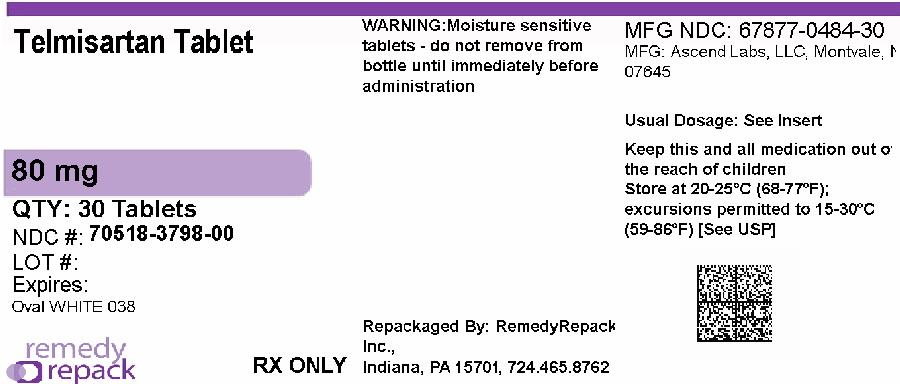
(telmisartan · DailyMed)
BP-TEL 5/40 NB TABLETS
NEBIVOLOL HYDROCHLORIDE & TELMISARTAN
What it does
Nebivolol is a type of medicine known as a beta blocker, used to manage certain heart conditions.
Commonly used for: high blood pressure (hypertension), heart issues
Read more in plain English ↓Plain-language summary for general understanding - not medical advice. Always follow your pharmacist/doctor.
Ask about this medicine
Answers come only from this medicine's registration record, BNF monograph and interaction data - not medical advice.
Hard to find? We help patients in Kenya source rare medicines. We don't sell or dispense medicines - licensed pharmacies do.
Source this medicineRegistration & product details
Source: Pharmacy and Poisons Board · fetched 2026-01-28 19:39:15 · updated 2026-10-23 02:33:21
Drug Interactions
10Pharmacodynamic Warnings
Nebivolol appears in TABLE 6: Drugs that cause bradycardia
Telmisartan appears in TABLE 7: Drugs that cause first dose hypotension
Nebivolol appears in TABLE 8: Drugs that cause hypotension
Telmisartan appears in TABLE 8: Drugs that cause hypotension
Telmisartan appears in TABLE 16: Drugs that increase serum potassium
Severe (2)
Nebivolol - increases exposure
Propafenone is predicted to increase the exposure to beta blockers, selective (nebivolol) and beta blockers, selective (nebivolol) are predicted to increase the risk of cardiodepression when given wit
Nebivolol - increases exposure
Dacomitinib is predicted to markedly increase the exposure to beta blockers, selective (metoprolol, nebivolol). Avoid.
Moderate (4)
Nebivolol - increases exposure
Berotralstat is predicted to increase the exposure to beta blockers, selective (nebivolol). Adjust dose.
Nebivolol - increases exposure
Fedratinib is predicted to increase the exposure to nebivolol. Monitor and adjust dose.
Nebivolol - increases exposure
Givosiran is predicted to increase the exposure to nebivolol. Use with caution and adjust dose.
Nebivolol - increases exposure
Panobinostat is predicted to increase the exposure to nebivolol. Monitor and adjust dose.
Unknown (4)
Nebivolol - increases exposure
Bupropion is predicted to increase the exposure to beta blockers, selective (metoprolol, nebivolol).
Nebivolol - increases exposure
Cinacalcet is predicted to increase the exposure to beta blockers, selective (metoprolol, nebivolol).
Nebivolol - increases exposure
Terbinafine is predicted to increase the exposure to beta blockers, selective (metoprolol, nebivolol).
Nebivolol - increases exposure
Ropeginterferon alfa is predicted to increase the exposure to beta blockers, selective (nebivolol).
Data from BNF 85 (British National Formulary). This is not a substitute for professional medical advice. Matched via: exact
About nebivolol
Nebivolol is a type of medicine known as a beta blocker, used to manage certain heart conditions.
What it treats
- high blood pressure (hypertension)
- heart issues
How it works
It helps by relaxing blood vessels and slowing down the heart rate, which lowers blood pressure and makes it easier for the heart to pump blood.
Who it's for
This medicine is for adults with high blood pressure or specific heart problems.
Drug class
Beta blockers
Cautions
- • Be careful if taking other medicines that slow down the heart rate.
- • Use cautiously with medicines that can lower blood pressure.
AI-assisted summary grounded in BNF data - general information only, not medical advice. Always confirm with your pharmacist or doctor.
About telmisartan
Telmisartan is a medicine that helps lower blood pressure and protect your heart.
What it treats
- high blood pressure (hypertension)
- heart protection
How it works
Telmisartan works by blocking a substance in your body that can raise blood pressure, helping your blood vessels relax.
Who it's for
Telmisartan is for adults with high blood pressure or those needing heart protection.
Drug class
Angiotensin-II receptor antagonists
Cautions
- • Be careful if you take medications that can cause low blood pressure when starting this medicine.
- • Avoid medications that can lower blood pressure too much.
- • Watch out for medicines that can increase potassium levels in your blood.
AI-assisted summary grounded in BNF data - general information only, not medical advice. Always confirm with your pharmacist or doctor.
Clinical monograph: Nebivolol
BNF-referencedNebivolol is a selective beta-1 adrenergic receptor antagonist used primarily for the management of hypertension. It exhibits additional properties due to its beta-3 adrenergic receptor agonism, which leads to vasodilation and improved cardiac performance. This dual action makes nebivolol effective not only in lowering blood pressure but also in enhancing cardiac output, making it beneficial for patients with heart failure.
Indications
- Essential hypertension
- Migraine prophylaxis
- Hypertension in patients with renal impairment
- Adjunct treatment in stable mild to moderate heart failure
- Management of arrhythmias during anesthesia
Dosage
Children: Refer to the BNF for Children for specific dosing recommendations.
Adults: Initially 5 mg once daily, with a maximum of 40 mg daily depending on clinical response and tolerance.
Mechanism of action
Nebivolol selectively antagonizes beta-1 adrenergic receptors, leading to decreased heart rate, myocardial contractility, and blood pressure. Additionally, it stimulates beta-3 adrenergic receptors, causing increased nitric oxide production and subsequent vasodilation. This reduces vascular resistance and enhances cardiac output while minimizing adverse effects commonly associated with non-selective beta blockers.
Pharmacodynamics
Nebivolol decreases vascular resistance and increases stroke volume and cardiac output without negatively impacting left ventricular function. Its effects can persist for up to 48 hours after discontinuation of the drug. It possesses a wide therapeutic window, with typical doses ranging from 5 to 40 mg daily. Patients, especially those with coronary artery disease, should not stop treatment abruptly as this may exacerbate their condition. Additionally, diabetic patients should monitor blood glucose levels, as nebivolol may mask hypoglycemic symptoms.
Pharmacokinetics
Nebivolol is well absorbed and undergoes extensive first-pass metabolism. It has a half-life that allows for once-daily dosing, making it convenient for patient adherence. The drug is primarily metabolized by the liver, and its elimination is influenced by renal function. The pharmacokinetic profile supports its use in various patient populations, including the elderly, who may require dose adjustments.
Contra-indications
- Acute or decompensated heart failure requiring intravenous inotropes
- Severe bradycardia
- Heart block (greater than first degree) unless a functioning pacemaker is present
- Cardiogenic shock
- Severe hepatic impairment
Adverse effects
- Constipation
- Oedema
- Postural hypotension
- Dyspepsia
- Flatulence
- Skin reactions
- Palpitations
- Alopecia
- Arrhythmia
- Conjunctivitis
- Dry eyes
- Fatigue
- Thrombocytopenia
- Sexual dysfunction
Interactions
- Propafenone: Severe (increases exposure)
- Dacomitinib: Severe (increases exposure)
- Berotralstat: Moderate (increases exposure)
- Fedratinib: Moderate (increases exposure)
- Givosiran: Moderate (increases exposure)
- Panobinostat: Moderate (increases exposure)
- Bupropion: Unknown (increases exposure)
- Cinacalcet: Unknown (increases exposure)
- Terbinafine: Unknown (increases exposure)
- Ropeginterferonalfa: Unknown (increases exposure)
Precautions
- Use with caution in patients with diabetes, as beta-blockers may mask signs of hypoglycemia
- Monitor blood pressure and heart rate regularly
- Taper off the medication gradually to avoid exacerbation of coronary artery disease
- Caution in patients with a history of bronchospastic disease
Pregnancy
Use only if the benefits outweigh the risks, as safety in pregnancy has not been established.
Breast-feeding
Manufacturers advise avoidance due to potential effects on the infant.
Storage
Store in a cool, dry place away from direct sunlight. Keep out of reach of children.
Formulations
- Nebivolol 1.25 mg tablet
- Nebivolol 5 mg tablet
- Nebivolol 10 mg tablet
- Nebivolol solution for injection
AI-synthesized from BNF references - general information only, not a substitute for professional medical advice or the current BNF. Verify doses with a pharmacist.
Clinical monograph: Telmisartan
BNF-referencedTelmisartan is an angiotensin-II receptor antagonist primarily used to treat hypertension. It belongs to the class of drugs known for their ability to lower blood pressure by inhibiting the effects of angiotensin II, a potent vasoconstrictor. Additionally, telmisartan may offer metabolic benefits through its partial agonistic effects on peroxisome proliferator-activated receptor gamma (PPARγ).
Indications
- Hypertension
- Heart failure
- Chronic kidney disease
- Diabetic nephropathy
Dosage
Children: For paediatric patients, refer to the BNF for Children for appropriate dosing guidelines.
Adults: The usual starting dose is 40 mg once daily, which may be adjusted based on blood pressure response. The maximum recommended dose is 80 mg per day.
Mechanism of action
Telmisartan interferes with the binding of angiotensin II to the angiotensin II AT1 receptor by selectively binding to these receptors in vascular smooth muscle and the adrenal gland. This blockage leads to reduced systemic vascular resistance and lower blood pressure. Telmisartan is not an ACE inhibitor and does not affect other hormone receptors or ion channels. It may also enhance carbohydrate and lipid metabolism via its PPARγ activity.
Pharmacodynamics
Telmisartan exhibits high affinity for the AT1 receptor subtype, making it an effective angiotensin II antagonist. It plays a significant role in lowering blood pressure by preventing vasoconstriction and aldosterone release. The potential PPARγ agonistic properties suggest additional metabolic advantages, including improved glucose and lipid metabolism.
Pharmacokinetics
Telmisartan is administered orally and has a high bioavailability. It is extensively bound to plasma proteins and undergoes hepatic metabolism, primarily via glucuronidation. The drug has a long half-life, allowing for once-daily dosing. Excretion occurs mainly through the feces, with minimal renal elimination.
Contra-indications
- Hypersensitivity to telmisartan or any of the excipients
- Severe hepatic impairment
- Severe renal impairment or patients on dialysis
Adverse effects
- Dizziness
- Fatigue
- Hypotension
- Hyperkalemia
- Renal impairment
- Angioedema
Interactions
- Other antihypertensives
- Nonsteroidal anti-inflammatory drugs (NSAIDs)
- Lithium
- Potassium-sparing diuretics
- Renin-angiotensin-aldosterone system (RAAS) inhibitors
Precautions
- Monitor renal function, particularly in patients with renal artery stenosis
- Caution in patients with a history of angioedema
- Use with caution in patients with diabetes
- Monitor potassium levels in patients at risk for hyperkalemia
Pregnancy
Telmisartan is not recommended during pregnancy, particularly in the second and third trimesters, due to potential harm to the fetus.
Breast-feeding
The effects of telmisartan on breastfed infants are unknown; caution should be exercised.
Storage
Store at room temperature, away from moisture and heat.
Formulations
- Tablets: 20 mg, 40 mg
- Combination tablets with hydrochlorothiazide: 20 mg/12.5 mg, 40 mg/12.5 mg
AI-synthesized from BNF references - general information only, not a substitute for professional medical advice or the current BNF. Verify doses with a pharmacist.
Molecular reference: Nebivolol
PubChem CID 71301Molecular formula: C22H25F2NO4
Mechanism of action
Nebivolol is a highly selective beta-1 adrenergic receptor antagonist with weak beta-2 adrenergic receptor antagonist activity. Blocking beta-1 adrenergic receptors by d-nebivolol leads to decreased resting heart rate, exercise heart rate, myocardial contracility, systolic blood pressure, and diastolic blood pressure. The selectivity of d-nebivolol limits the magnitude of beta blocker adverse effects in the airways or relating to insulin sensitivity. Nebivolol also inhibits aldosterone, and beta-1 antagonism in the juxtaglomerular apparatus also inhibits the release of renin. Decreased aldosterone leads to decreased blood volume, and decreased renin leads to reduced vasoconstriction. l-nebivolol is responsible for beta-3 adrenergic receptor agonist activity that stimulates endothelial nitric oxide synthase, increasing nitric oxide levels; leading to vasodilation, decreased peripheral vascular resistance, increased stroke volume, ejection fraction, and cardiac output. The vasodilation, reduced oxidative stress, and reduced platelet volume and aggregation of nebivolol may lead to benefits in heart failure patients.
Pharmacodynamics
Nebivolol is a selective beta-1 adrenergic receptor antagonist that decreases vascular resistance, increases stroke volume and cardiac output, and does not negatively affect left ventricular function. It has a long duration of action as effects can be seen 48 hours after stopping the medication and a wide therapeutic window as patients generally take 5-40mg daily. Patients should not abruptly stop taking this medication as this may lead to exacerbation of coronary artery disease. Diabetic patients should monitor their blood glucose levels as beta blockers may mask signs of hypoglycemia.
Biological pathways
Source: PubChem (NCBI) · pathways from PathBank, Reactome, WikiPathways & PharmGKB.
Molecular reference: Telmisartan
PubChem CID 65999Molecular formula: C33H30N4O2
Mechanism of action
Telmisartan interferes with the binding of angiotensin II to the angiotensin II AT<sub>1</sub>-receptor by binding reversibly and selectively to the receptors in vascular smooth muscle and the adrenal gland. As angiotensin II is a vasoconstrictor, which also stimulates the synthesis and release of aldosterone, blockage of its effects results in decreases in systemic vascular resistance. Telmisartan does not inhibit the angiotensin converting enzyme, other hormone receptors, or ion channels. Studies also suggest that telmisartan is a partial agonist of PPARγ, which is an established target for antidiabetic drugs. This suggests that telmisartan can improve carbohydrate and lipid metabolism, as well as control insulin resistance without causing the side effects that are associated with full PPARγ activators. Migration of CD4-positive lymphocytes into the vessel wall represents an important step in early atherogenesis. Telmisartan is an angiotensin type 1 receptor (AT1R) blocker with peroxisome proliferator-activated receptor (PPAR)-gamma-activating properties. The present study examined the effect of telmisartan on CD4-positive cell migration and the role of PPARgamma in this context. CD4-positive lymphocytes express both the AT1R and PPARgamma. Stimulation of CD4-positive lymphocytes with stromal cell-derived factor (SDF)-1 leads to a 4.1+/-3.1-fold increase in cell migration. Pretreatment of cells with telmisartan reduces this effect in a concentration-dependent manner to a maximal 1.6+/-0.7-fold induction at 10 mumol/L of telmisartan (P<0.01 compared with SDF-1-treated cells; n=22). Three different PPARgamma activators, rosiglitazone, pioglitazone, and GW1929, had similar effects, whereas eprosartan, a non-PPARgamma-activating AT1R blocker, did not affect chemokine-induced lymphocyte migration. Telmisartan's effect on CD4-positive lymphocyte migration was mediated through an early inhibition of chemokine-induced phosphatidylinositol 3-kinase activity. Downstream, telmisartan inhibited F-actin formation, as well as intercellular adhesion molecule-3 translocation. Transfection of CD4-positive lymphocytes with PPARgamma small interfering RNA abolished telmisartan's effect on migration, whereas blockade of the AT1R had no such effect. Telmisartan inhibits chemokine-induced CD4-positive cell migration independent of the AT1R via PPARgamma. These data provide a novel mechanism to explain how telmisartan modulates lymphocyte activation by its PPARgamma-activating properties. Angiotensin II is formed from angiotensin I in a reaction catalyzed by angiotensin-converting enzyme (ACE, kininase II). Angiotensin II is the principal pressor agent of the renin-angiotensin system, with effects that include vasoconstriction, stimulation of synthesis and release of aldosterone, cardiac stimulation, and renal reabsorption of sodium. Telmisartan blocks the vasoconstrictor and aldosterone-secreting effects of angiotensin II by selectively blocking the binding of angiotensin II to the AT1 receptor in many tissues, such as vascular smooth muscle and the adrenal gland. Its action is therefore independent of the pathways for angiotensin II synthesis. There is also an AT2 receptor found in many tissues, but AT2 is not known to be associated with cardiovascular homeostasis. Telmisartan has much greater affinity (>3,000 fold) for the AT1 receptor than for the AT2 receptor. Blockade of the renin-angiotensin system with ACE inhibitors, which inhibit the biosynthesis of angiotensin II from angiotensin I, is widely used in the treatment of hypertension. ACE inhibitors also inhibit the degradation of bradykinin, a reaction also catalyzed by ACE. Because telmisartan does not inhibit ACE (kininase II), it does not affect the response to bradykinin. Whether this difference has clinical relevance is not yet known. Telmisartan does not bind to or block other hormone receptors or ion channels known to be important in cardiovascular regulation. Block
Pharmacodynamics
Telmisartan is an orally active nonpeptide angiotensin II antagonist that acts on the AT<sub>1</sub> receptor subtype. It has the highest affinity for the AT<sub>1</sub> receptor among commercially available ARBs and has minimal affinity for the AT<sub>2</sub> receptor. New studies suggest that telmisartan may also have PPARγ agonistic properties that could potentially confer beneficial metabolic effects, as PPARγ is a nuclear receptor that regulates specific gene transcription, and whose target genes are involved in the regulation of glucose and lipid metabolism, as well as anti-inflammatory responses. This observation is currently being explored in clinical trials. Angiotensin II is formed from angiotensin I in a reaction catalyzed by angiotensin-converting enzyme (ACE, kininase II). Angiotensin II is the principal pressor agent of the renin-angiotensin system, with effects that include vasoconstriction, stimulation of synthesis and release of aldosterone, cardiac stimulation, and renal reabsorption of sodium. Telmisartan works by blocking the vasoconstrictor and aldosterone secretory effects of angiotensin II.
Biological pathways
Source: PubChem (NCBI) · pathways from PathBank, Reactome, WikiPathways & PharmGKB.
This drug in other countries
The same active ingredient registered across other registries we cover - including different brands.
- CILZEC 20 · Msn Laboratories
- CILZEC 40 · Msn Laboratories
- CILZEC 80 · Msn Laboratories
- CO-MICARDIS · Boehringer Ingelheim
- CO-MICARDIS · Boehringer Ingelheim
- CO-MICARDIS 40/12.5MG TABLETS (Each tablet contains Telmisartan/Hydrochlorothiazide 40mg/12.5mg) · Boehringer Ingelheim
- AMLISAR 40/10 · Zaklady Farmaceutyczne Polpharma S.a
- AMLISAR 40/5 · Zaklady Farmaceutyczne Polpharma S.a
- AMLISAR 80/10 · Zaklady Farmaceutyczne Polpharma S.a
- AMLISAR 80/5 · Zaklady Farmaceutyczne Polpharma S.a
- AVACARD 40 · Inventia Healthcare
- AVACARD 80 · Inventia Healthcare