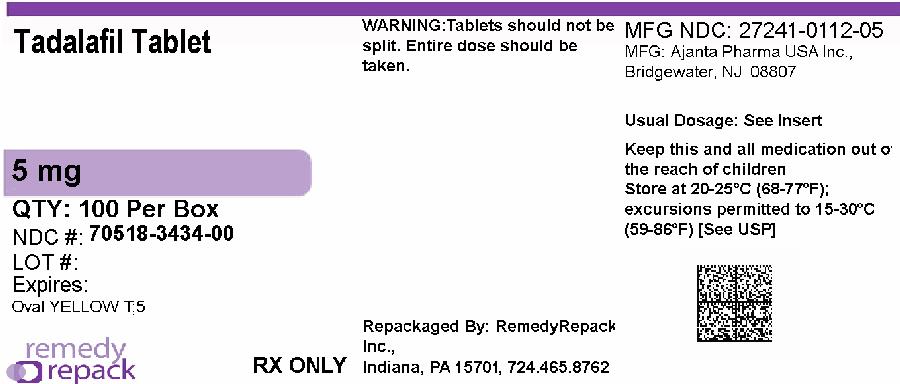
(tadalafil · DailyMed)
BRILIMANZ ODS 20
Ferric Oxide Yellow (Yellow Iron Oxide /Idacol Yellow Oxide of Iron/Sicovit Yellow 10) 0.400 mg/6 mL,Glycerol. 8.6 mg/6 mL,Hypromellose 5 cP (syn. Hydroxypropylmethylcellulose 2910) 38 mg/6 mL,Peppermint oil dementholised 2.0 mg/6 mL,Polysorbate-80 3.5 mg/6 mL,Propylene Gylcol 3.5 mg/6 mL,Purified Water Q.S. litres,Sodium lauryl sulfate. 2.00 mg/6 mL,Sucralose 2.00 mg/6 mL,Tadalafil 20 mg/6 mL
What it does
Dementholised is a medication used to relieve symptoms associated with certain conditions.
Commonly used for: cough, cold, throat irritation
Read more in plain English ↓Plain-language summary for general understanding - not medical advice. Always follow your pharmacist/doctor.
Ask about this medicine
Answers come only from this medicine's registration record, BNF monograph and interaction data - not medical advice.
Medicine sourcing is available in Kenya only. We don't sell or dispense medicines - licensed pharmacies do.
Sourcing - Kenya onlyRegistration & product details
Source: Tanzania Medicines and Medical Devices Authority · fetched 2026-03-11 23:41:00 · updated 2026-09-17 03:00:43
Drug Interactions
7Pharmacodynamic Warnings
Tadalafil appears in TABLE 8: Drugs that cause hypotension
Moderate (1)
Tadalafil - increases exposure
Cobicistat is predicted to increase the exposure to tadalafil. Use with caution or avoid.
Unknown (6)
Tadalafil - increases exposure
Antifungals, azoles (fluconazole, isavuconazole, posaconazole) are predicted to increase the exposure to tadalafil.
Tadalafil - increases exposure
Crizotinibispredictedtoincreasetheexposuretotadalafil. rTheoretical
Tadalafil - increases exposure
Idelalisib is predicted to increase the exposure to tadalafil. Use with caution or avoid.
Tadalafil - increases exposure
Imatinibispredictedtoincreasetheexposuretotadalafil. rTheoretical
Tadalafil - increases exposure
Letermovirispredictedtoincreasetheexposuretotadalafil. rTheoretical
Tadalafil - increases exposure
Nilotinibispredictedtoincreasetheexposuretotadalafil. rTheoretical
Data from BNF 85 (British National Formulary). This is not a substitute for professional medical advice. Matched via: exact
About dementholised
Dementholised is a medication used to relieve symptoms associated with certain conditions.
What it treats
- cough
- cold
- throat irritation
How it works
It helps soothe the throat and reduce coughing by numbing the area.
Who it's for
This medication is for adults and children who are experiencing coughing or throat discomfort.
AI-assisted summary grounded in BNF data - general information only, not medical advice. Always confirm with your pharmacist or doctor.
About ferric
Ferric is a form of iron used to treat iron deficiency and related conditions.
What it treats
- iron deficiency
- iron deficiency anemia
How it works
Ferric works by providing your body with the iron it needs to make red blood cells, which carry oxygen.
Who it's for
Ferric is for people who have low iron levels or anemia caused by insufficient iron.
AI-assisted summary grounded in BNF data - general information only, not medical advice. Always confirm with your pharmacist or doctor.
About glycerol
Glycerol is a natural compound often used to relieve constipation by drawing water into the intestines.
What it treats
- constipation
- bowel movement difficulties
How it works
Glycerol helps soften stool and makes it easier to pass by increasing moisture in the intestines.
Who it's for
It is suitable for adults and children who need help with constipation.
AI-assisted summary grounded in BNF data - general information only, not medical advice. Always confirm with your pharmacist or doctor.
About gylcol
Glycol is a substance used in various medical products, often to help with certain health conditions.
How it works
Glycol helps to maintain moisture and improve the texture of products.
Who it's for
Glycol can be used by individuals needing skin hydration or for specific medical applications.
AI-assisted summary grounded in BNF data - general information only, not medical advice. Always confirm with your pharmacist or doctor.
About hypromellose
Hypromellose is a substance that helps to keep the eyes moist and can be used to soothe irritation.
What it treats
- dry eyes (keratoconjunctivitis sicca)
- eye irritation
How it works
It forms a protective layer over the eye, which helps to retain moisture and relieve discomfort.
Who it's for
This medication is suitable for anyone experiencing dry or irritated eyes.
AI-assisted summary grounded in BNF data - general information only, not medical advice. Always confirm with your pharmacist or doctor.
About lauryl
Lauryl is a compound used in various products, known for its cleansing properties.
What it treats
- skin cleansing
- oral hygiene
How it works
Lauryl works by helping to remove dirt and oils from the skin and mouth.
Who it's for
Lauryl is suitable for people looking for effective cleansing products for their skin or oral health.
AI-assisted summary grounded in BNF data - general information only, not medical advice. Always confirm with your pharmacist or doctor.
About litres
Litres is a unit of measurement, not a medication.
AI-assisted summary grounded in BNF data - general information only, not medical advice. Always confirm with your pharmacist or doctor.
About oxide
Oxide is a type of compound often used in various treatments. It is important to understand its uses and any precautions necessary when taking it.
What it treats
- treatment of certain skin conditions
- used in some respiratory therapies
How it works
Oxide works by interacting with the body in a way that helps improve certain health conditions.
Who it's for
Oxide may be suitable for individuals suffering from specific health issues as determined by their healthcare provider.
Cautions
- • Always follow the healthcare provider's instructions when using this compound.
- • Inform your doctor about any other medications you are taking.
AI-assisted summary grounded in BNF data - general information only, not medical advice. Always confirm with your pharmacist or doctor.
About peppermint
Peppermint is a natural herb commonly used for its soothing properties.
What it treats
- digestive issues (like indigestion)
- headaches
- muscle pain
- colds and respiratory issues
How it works
Peppermint contains menthol, which helps relax muscles and has a cooling effect, providing relief from discomfort.
Who it's for
Anyone looking for natural relief from digestive problems, headaches, or muscle tension.
Cautions
- • May cause allergic reactions in some people.
- • Avoid if you have certain digestive conditions, like gastroesophageal reflux disease (GERD).
AI-assisted summary grounded in BNF data - general information only, not medical advice. Always confirm with your pharmacist or doctor.
About polysorbate-80
Polysorbate-80 is a substance used as an emulsifier and stabilizer in various products, including medicines and foods.
What it treats
- used in some medications and vaccines
- helps mix ingredients that usually don't blend well
How it works
Polysorbate-80 helps to keep ingredients mixed together, ensuring even distribution in products.
Who it's for
This ingredient is generally safe for most people, but check with your healthcare provider if you have specific concerns.
AI-assisted summary grounded in BNF data - general information only, not medical advice. Always confirm with your pharmacist or doctor.
About propylene
Propylene is a compound used in various medical applications, often as a solvent or carrier for medications.
What it treats
- used in some topical treatments
- acts as a solvent in pharmaceuticals
How it works
Propylene helps dissolve other substances, making them easier to apply or absorb in the body.
Who it's for
It is typically for adults and children who need certain medications delivered in a specific form.
AI-assisted summary grounded in BNF data - general information only, not medical advice. Always confirm with your pharmacist or doctor.
About purified
Purified ingredients are often used in various medicines to ensure safety and effectiveness by removing impurities.
What it treats
- various medical conditions
How it works
Purified ingredients help in delivering the intended effects of the medicine without the risk of contaminants.
Who it's for
People who need medications with safe and effective ingredients.
AI-assisted summary grounded in BNF data - general information only, not medical advice. Always confirm with your pharmacist or doctor.
About sucralose
Sucralose is a low-calorie artificial sweetener used to provide sweetness without the calories of sugar.
What it treats
- sugar substitute
- weight management
- diabetes management
How it works
Sucralose is made from sugar but is processed in such a way that your body does not absorb it, meaning it adds sweetness without calories.
Who it's for
It is suitable for people looking to reduce sugar intake, including those with diabetes or those trying to lose weight.
AI-assisted summary grounded in BNF data - general information only, not medical advice. Always confirm with your pharmacist or doctor.
About tadalafil
Tadalafil is a medication used to treat erectile dysfunction (impotence) and symptoms of benign prostatic hyperplasia (BPH), which is an enlarged prostate.
What it treats
- erectile dysfunction (impotence)
- benign prostatic hyperplasia (BPH)
How it works
Tadalafil works by relaxing blood vessels, which increases blood flow to specific areas of the body, helping achieve and maintain an erection.
Who it's for
Tadalafil is suitable for adult men experiencing difficulties with erections or related urinary symptoms due to an enlarged prostate.
Cautions
- • Avoid using with other medications that lower blood pressure.
AI-assisted summary grounded in BNF data - general information only, not medical advice. Always confirm with your pharmacist or doctor.
About yellow
Yellow is a medicinal product used to treat various conditions.
What it treats
- general health support
How it works
The exact way Yellow works is not specified, but it is designed to support overall well-being.
Who it's for
Yellow is suitable for individuals looking to improve their general health.
AI-assisted summary grounded in BNF data - general information only, not medical advice. Always confirm with your pharmacist or doctor.
Clinical monograph: Hypromellose
BNF-referencedHypromellose is a semisynthetic polymer derived from cellulose, primarily used as an ocular lubricant in the management of dry eye conditions. It acts by forming a protective layer over the eye surface, providing moisture and relief from irritation, thereby improving comfort and protecting the corneal epithelium.
Indications
- Dry eye conditions
- Tear deficiency
- Keratoconjunctivitis sicca
Dosage
Children: Apply as required, typically in the form of eye drops.
Adults: Apply as required, typically in the form of eye drops.
Mechanism of action
Hypromellose acts by forming a viscous gel upon contact with the ocular surface, which helps to retain moisture and protect against irritants. This gel-like property enhances the stability of the tear film and reduces evaporation, thereby alleviating symptoms associated with dry eye conditions.
Pharmacodynamics
The pharmacodynamic effects of hypromellose are primarily related to its ability to mimic natural tears, providing lubrication to the ocular surface. This lubrication reduces friction during blinking and maintains corneal hydration, which is critical for ocular comfort and health. Its high viscosity also contributes to prolonged retention time on the eye surface.
Pharmacokinetics
Hypromellose is administered topically as eye drops and is not significantly absorbed systemically. The retention time of hypromellose on the ocular surface is enhanced due to its viscosity, allowing for extended relief of dry eye symptoms. The elimination of hypromellose occurs primarily through drainage from the eye and dilution by the natural tear fluid.
Adverse effects
- Temporary visual disturbance
- Eye irritation
Precautions
- Should not be used during contact lens wear
- Use with caution in patients with known hypersensitivity to any component of the formulation
Pregnancy
Hypromellose is generally considered safe for use during pregnancy. However, it should be used only if clearly needed and after consulting a healthcare provider.
Breast-feeding
Hypromellose is unlikely to affect breastfed infants when used as directed, but consultation with a healthcare provider is advisable.
Storage
Store in a cool, dry place away from direct sunlight. Once opened, use within a specified period as indicated on the packaging.
Formulations
- {'name': 'Teardew', 'concentration': '0.3%', 'form': 'eye drops', 'volume': '10 ml'}
- {'name': 'Xailin Hydrate', 'concentration': '0.3%', 'form': 'eye drops', 'volume': '10 ml'}
- {'name': 'AacuLose', 'concentration': '0.3%', 'form': 'eye drops', 'volume': '10 ml'}
- {'name': 'Artelac', 'concentration': '0.32%', 'form': 'eye drops', 'volume': '10 ml'}
- {'name': 'Lacrilube', 'concentration': '2 mg/g', 'form': 'eye ointment', 'volume': '3.5 g'}
- {'name': 'Celluvisc', 'concentration': '1%', 'form': 'eye drops', 'volume': '0.4 ml unit dose'}
AI-synthesized from BNF references - general information only, not a substitute for professional medical advice or the current BNF. Verify doses with a pharmacist.
Clinical monograph: Glycerol
BNF-referencedGlycerol, also known as glycerin, is a colorless, odorless, viscous liquid that is hygroscopic and sweet-tasting. It is primarily used as an osmotic laxative for the relief of constipation, especially in cases where other treatments may not be effective. Glycerol works by drawing water into the intestines and stimulating evacuation. It is also used in various pharmaceutical formulations and has applications in skin care due to its moisturizing properties.
Indications
- Constipation
- Bowel cleansing
Dosage
Children: Child 1–11 months: 1 g as required, Child 1–11 years: 2 g as required, Child 12–17 years: 4 g as required.
Adults: 4 g as required, usually administered rectally.
Mechanism of action
When administered rectally, glycerol exerts a hygroscopic and/or local irritant action, drawing water from the tissues into the feces and reflexively stimulating evacuation. It decreases intraocular pressure by creating an osmotic gradient between the blood and intraocular fluid, causing fluid to move from the aqueous and vitreous humors into the bloodstream. Glycerol is classified as a hyperosmotic laxative and may also have lubricating and fecal softening effects.
Pharmacodynamics
Glycerol is commonly classified as an osmotic laxative, acting through its local irritant effects and possibly having lubricating and fecal softening actions. Glycerol suppositories usually produce effects within 15 to 30 minutes, providing quick relief from constipation.
Pharmacokinetics
Glycerol is rapidly absorbed through the gastrointestinal tract. It is metabolized in the liver and other tissues, with a half-life that varies depending on the route of administration. Following rectal administration, glycerol is primarily excreted in urine. The pharmacokinetics may vary based on dosage forms and individual patient factors.
Contra-indications
- Acute abdominal conditions
- Acute inflammatory bowel disease
- Intestinal obstruction
- Severe dehydration
Adverse effects
- Abdominal cramps
- Asthenia
- Gastrointestinal disorders
- Hypermagnesaemia
- Skin reactions
- Urine discolouration
Precautions
- Avoid prolonged contact with skin, especially in incontinent patients or infants wearing nappies due to the risk of irritation and excoriation.
- Excessive use may cause diarrhea and related effects such as hypokalaemia.
Pregnancy
Manufacturers advise avoidance due to limited information available.
Breast-feeding
Manufacturers advise avoidance as there is no information available.
Storage
Store at room temperature, away from direct sunlight.
Formulations
- Glycerol 1g suppositories
- Glycerol 2g suppositories
- Glycerol 4g suppositories
- Glycerol oral suspension
AI-synthesized from BNF references - general information only, not a substitute for professional medical advice or the current BNF. Verify doses with a pharmacist.
Clinical monograph: Tadalafil
BNF-referencedTadalafil is a selective phosphodiesterase-5 (PDE5) inhibitor primarily used for the treatment of erectile dysfunction (ED) and pulmonary arterial hypertension (PAH). By inhibiting PDE5, tadalafil enhances the effects of nitric oxide, leading to increased cGMP levels, which facilitates smooth muscle relaxation and vasodilation in the penis and pulmonary vasculature. It is also used for benign prostatic hyperplasia (BPH) due to its effects on smooth muscle relaxation.
Indications
- Erectile dysfunction (ED)
- Pulmonary arterial hypertension (PAH)
- Benign prostatic hyperplasia (BPH)
Dosage
Children: Not established; refer to the BNF for Children for further guidance.
Adults: Refer to the specific guidelines in the BNF for appropriate dosage.
Mechanism of action
Tadalafil selectively inhibits phosphodiesterase-5 (PDE5), leading to increased levels of cyclic guanosine monophosphate (cGMP). This enhances smooth muscle relaxation in penile tissues during sexual arousal by preventing the breakdown of cGMP, thereby facilitating increased blood flow and erection. In PAH, tadalafil promotes vasodilation of the pulmonary arteries, reducing blood pressure in these vessels. In BPH, it may decrease smooth muscle cell proliferation, alleviating urinary symptoms.
Pharmacodynamics
Tadalafil enhances sexual stimulation-dependent smooth muscle relaxation in the penis, resulting in increased blood flow and erection. In PAH, it produces vasodilation in the pulmonary vasculature, lowering pulmonary artery pressure. For BPH, tadalafil may alleviate urinary symptoms by reducing prostate size and relieving anatomical obstruction. Its lower affinity for PDE6 compared to other PDE5 inhibitors results in fewer visual side effects.
Pharmacokinetics
Tadalafil is well absorbed orally, with peak plasma concentrations occurring within 2 hours. Its bioavailability is approximately 80%, and it has a half-life of approximately 17.5 hours, allowing for once-daily dosing for some indications. Tadalafil is metabolized primarily in the liver via the cytochrome P450 system, mainly CYP3A4, and is excreted as metabolites in the feces and urine. The presence of food does not significantly affect its absorption.
Contra-indications
- Systolic blood pressure less than 90 mmHg
- Concurrent use of nitrates for angina
Adverse effects
- Headache
- Flushing
- Dyspepsia
- Nausea
- Back pain
- Myalgia
- Visual disturbances
- Hearing impairment
- Priapism
- Hypotension
Interactions
- Cobicistat + tadalafil: Moderate (increases exposure)
- Antifungals, azoles + tadalafil: Unknown (increases exposure)
- Crizotinib + tadalafil: Unknown (increases exposure)
- Idelalisib + tadalafil: Unknown (increases exposure)
- Imatinib + tadalafil: Unknown (increases exposure)
- Letermovir + tadalafil: Unknown (increases exposure)
- Nilotinib + tadalafil: Unknown (increases exposure)
Precautions
- Caution in patients with hepatic impairment
- Consider dose adjustment in mild to moderate impairment
- Discontinue if sudden visual impairment occurs
Pregnancy
Use only if potential benefit outweighs risk; no evidence of harm in animal studies.
Breast-feeding
Manufacturer advises avoiding use; no information available.
Storage
Store in a cool, dry place away from light.
Formulations
- Tadalafil 2.5 mg tablets
- Tadalafil 5 mg tablets
- Tadalafil 10 mg tablets
- Tadalafil 20 mg tablets
AI-synthesized from BNF references - general information only, not a substitute for professional medical advice or the current BNF. Verify doses with a pharmacist.
Clinical monograph: dementholised
Dementholised is a topical formulation derived from menthol, which has been processed to remove the menthol component. This formulation is primarily used for its local analgesic and counterirritant properties. It is commonly applied to the skin to relieve minor aches and pains in muscles and joints, providing a soothing sensation without the cooling effect associated with menthol.
Indications
- Mild to moderate muscle pain
- Joint pain
- Backache
- Arthritis-related discomfort
- Sports injuries
- Strains and sprains
Dosage
Children: For children, refer to specific guidelines based on age and weight, and consult a healthcare professional for appropriate dosing.
Adults: Apply a thin layer to the affected area up to three times daily, or as directed by a healthcare professional.
Mechanism of action
The mechanism of action of dementholised is not fully elucidated, but it is believed to work by stimulating sensory neurons, which can lead to a reduction in the perception of pain. The modified formulation ensures that users receive the analgesic benefits while minimizing the cooling sensation typical of menthol.
Pharmacodynamics
Dementholised exhibits local analgesic properties by interacting with sensory neurons in the affected area. This interaction can promote blood flow and provide a sensation that helps to alleviate discomfort. The absence of menthol's cooling effect allows for a more neutral application, which may be preferable for certain patients.
Pharmacokinetics
Due to its topical application, dementholised is generally not absorbed significantly into systemic circulation. Its effects are localized to the site of application, which minimizes systemic side effects. The onset of action is typically rapid, with effects lasting for a few hours depending on the concentration and area of application.
Pregnancy
There is limited data on the safety of dementholised during pregnancy. Caution is advised, and it should only be used if the potential benefit justifies the potential risk to the fetus.
Breast-feeding
Dementholised should be used with caution during breastfeeding, as it is not known whether it is excreted in human milk.
Storage
Store at room temperature, in a tightly closed container, away from moisture and heat.
AI-synthesized from BNF references - general information only, not a substitute for professional medical advice or the current BNF. Verify doses with a pharmacist.
Clinical monograph: ferric
BNF-referencedFerric, often referring to ferric iron or its salts, is an essential mineral primarily involved in oxygen transport and storage in the body. It plays a crucial role in erythropoiesis and is a key component of hemoglobin. Ferric compounds are commonly used in the treatment of iron deficiency anemia, a condition where the body lacks sufficient iron to produce adequate hemoglobin. The ferric ion is the oxidized form of iron, which is more stable in biological systems compared to ferrous iron.
Indications
- Iron deficiency anemia
- Chronic blood loss
- Nutritional iron deficiency
- Pregnancy-related anemia
Dosage
Children: Refer to the BNF for Children for specific dosing information as it may vary based on the formulation and clinical context.
Adults: Refer to the BNF for specific dosing information as it may vary based on the formulation and clinical context.
Mechanism of action
Ferric ions participate in various biological processes, including oxygen transport and electron transfer. They facilitate the formation of hemoglobin in red blood cells, allowing for efficient oxygen delivery throughout the body. Ferric compounds can also promote the absorption of iron from the gastrointestinal tract by providing a more bioavailable form of iron.
Pharmacodynamics
Ferric compounds exhibit their effects primarily through the restoration of iron levels in the body. This leads to improved synthesis of hemoglobin and overall enhancement of oxygen-carrying capacity. The pharmacological action is dose-dependent, with higher doses leading to more pronounced effects on hemoglobin levels and erythropoiesis. Additionally, ferric ions can influence various metabolic pathways involved in cellular respiration and energy production.
Pharmacokinetics
Ferric is absorbed in the gastrointestinal tract, with absorption rates influenced by dietary factors and the presence of other substances in the gut. Once absorbed, ferric ions are transported in the bloodstream bound to transferrin, a transport protein. The body regulates iron levels primarily through absorption rather than excretion, and excess iron can be stored in the liver, spleen, and bone marrow. The elimination of ferric compounds is generally slow, as they are incorporated into various biological systems or stored for future use.
Contra-indications
- Hypersensitivity to ferric compounds
- Iron overload conditions such as haemochromatosis or haemosiderosis
- Chronic liver disease
- Active peptic ulcer disease
Adverse effects
- Gastrointestinal disturbances including nausea, vomiting, and constipation
- Diarrhea
- Abdominal pain
- Black stools
- Allergic reactions including rashes and anaphylaxis
- Staining of teeth (with oral formulations)
Interactions
- Antacids may reduce the absorption of oral ferric preparations
- Tetracyclines and quinolone antibiotics may have reduced absorption when taken with iron
- Ascorbic acid may enhance the absorption of iron
Precautions
- Caution in patients with a history of gastrointestinal disease
- Monitor for signs of iron overload in patients receiving repeated doses
- Use with caution in patients with renal impairment
Pregnancy
Ferric compounds are generally considered safe in pregnancy when used as directed to treat iron deficiency, but should be used under medical supervision.
Breast-feeding
Ferric compounds are excreted in breast milk in small amounts, usually considered safe but should be used under medical supervision.
Storage
Store in a cool, dry place away from direct sunlight. Keep out of reach of children.
Formulations
- Oral tablets
- Oral solution
- Intravenous injection
AI-synthesized from BNF references - general information only, not a substitute for professional medical advice or the current BNF. Verify doses with a pharmacist.
Clinical monograph: gylcol
Glycol refers to a class of compounds that includes various diols, with ethylene glycol and propylene glycol being the most commonly known. These compounds are primarily used as solvents, antifreeze agents, and in various industrial applications. In a clinical context, propylene glycol is often used as a pharmaceutical excipient and may also be utilized to treat certain medical conditions, although its use in humans should be carefully monitored due to potential toxicity at high doses.
Indications
- Solvent in pharmaceutical formulations
- Moisturizer and humectant in topical applications
- Potential use in the management of drug solubility issues
Dosage
Children: Refer to specific formulations and clinical guidelines, as dosing varies widely based on the application and formulation.
Adults: Refer to specific formulations and clinical guidelines, as dosing varies widely based on the application and formulation.
Mechanism of action
Glycols, particularly propylene glycol, act as humectants, which help to retain moisture in formulations. They can also enhance the solubility of drugs, aiding in their absorption when used as excipients. Propylene glycol is metabolized in the liver to lactate and subsequently to glucose, providing a source of energy when utilized in metabolic pathways.
Pharmacodynamics
The pharmacodynamics of glycols involve their ability to modulate the viscosity of solutions and enhance the solubility of other compounds. Propylene glycol can also facilitate the absorption of other drugs when used in formulations. It exhibits a low toxicity profile when used appropriately, but excessive systemic exposure can lead to metabolic acidosis and other adverse effects.
Pharmacokinetics
Glycols are rapidly absorbed when administered intravenously or orally. Propylene glycol is metabolized primarily in the liver, with a half-life varying based on the dose and individual metabolism. Renal excretion plays a role in the elimination of metabolites. Accumulation can occur in individuals with impaired liver or kidney function, necessitating careful monitoring of dosing in such populations.
Pregnancy
The safety of glycol in pregnancy is not well established. Consult healthcare professionals before use.
Breast-feeding
Glycol's effects during breastfeeding are not well characterized. Caution is advised.
Storage
Store in a cool, dry place away from direct sunlight and moisture.
AI-synthesized from BNF references - general information only, not a substitute for professional medical advice or the current BNF. Verify doses with a pharmacist.
Clinical monograph: lauryl
Lauryl, also known as lauryl sulfate, is a surfactant and cleansing agent commonly used in various pharmaceutical and cosmetic formulations. It is derived from lauric acid, a medium-chain fatty acid found in coconut oil and palm kernel oil. Lauryl sulfate is primarily utilized for its ability to create lather and enhance the solubility of active ingredients in topical applications. Its use is widespread in shampoos, body washes, and other personal care products.
Indications
- Cleansing agent in topical formulations
- Emulsifying agent in cosmetic products
- Foaming agent in shampoos and body washes
Dosage
Children: Refer to specific product formulations for appropriate concentrations and application methods.
Adults: Refer to specific product formulations for appropriate concentrations and application methods.
Mechanism of action
Lauryl sulfate functions as an anionic surfactant. It reduces the surface tension between different substances, allowing for better spreading and wetting. In the context of cleansing, it facilitates the removal of dirt and oils from the skin and hair by emulsifying these substances, thus making them easier to rinse away with water.
Pharmacodynamics
As a surfactant, lauryl sulfate displays properties that can disrupt cellular membranes and alter permeability. This mechanism is beneficial in enhancing the penetration of other therapeutic agents in topical formulations. However, its irritant potential on skin and mucous membranes should be noted, as it can lead to dryness and irritation with prolonged exposure.
Pharmacokinetics
Lauryl sulfate is primarily applied topically and is not intended for systemic absorption. When used in formulations, it acts locally at the site of application. Its absorption through the skin is minimal, and any systemic exposure is limited. Metabolism and excretion pathways are not well-defined for topical applications, as it is largely washed away after use.
Pregnancy
Safety during pregnancy has not been established. Use only if the potential benefit justifies the potential risk to the fetus.
Breast-feeding
Unknown whether lauryl is excreted in human milk. Caution should be exercised when administering to nursing mothers.
Storage
Store in a cool, dry place away from direct sunlight. Keep out of reach of children.
AI-synthesized from BNF references - general information only, not a substitute for professional medical advice or the current BNF. Verify doses with a pharmacist.
Clinical monograph: litres
Litres (or liters) is a unit of volume commonly used in the metric system to measure liquids. It is defined as one cubic decimeter (dm³) and is equal to 1,000 milliliters (mL). In clinical settings, litres are often used to quantify fluid volumes administered intravenously or in other therapeutic contexts.
Dosage
Children: Paediatric fluid requirements should be calculated based on age, weight, and clinical condition. Refer to the guidelines in the BNF for Children for detailed recommendations.
Adults: Dosage in litres may vary depending on clinical circumstances, such as fluid resuscitation needs, maintenance fluid requirements, or medication delivery. Refer to clinical guidelines for specific scenarios.
Mechanism of action
Litres do not have a pharmacological mechanism of action as they are a unit of measurement rather than a drug. However, the administration of fluids measured in litres can influence various physiological processes, including hydration status, electrolyte balance, and overall fluid homeostasis in the body.
Pharmacodynamics
As a measurement unit, litres do not exhibit pharmacodynamics. However, the volume of fluid administered can impact the pharmacodynamics of medications that are diluted or delivered in fluid form, affecting the rate of absorption, distribution, metabolism, and excretion of drugs.
Pharmacokinetics
Litres as a unit of volume do not possess pharmacokinetic properties. The pharmacokinetics of a drug may be influenced by the volume of fluid in which it is administered, as this can affect the concentration of the drug in the bloodstream and its subsequent pharmacological effects.
AI-synthesized from BNF references - general information only, not a substitute for professional medical advice or the current BNF. Verify doses with a pharmacist.
Clinical monograph: oxide
BNF-referencedOxide refers to a chemical compound that contains at least one oxygen atom and one other element. Oxides can be formed from a variety of elements, and their properties can vary significantly depending on the specific elements involved. Common oxides include metal oxides, such as iron oxide (rust), and non-metal oxides, such as carbon dioxide. In a pharmaceutical context, oxides may play roles as inactive ingredients or act as preservatives or stabilizers in drug formulations.
Mechanism of action
Oxides do not have a single mechanism of action as they are a broad category of compounds. However, in general, metal oxides can exhibit catalytic properties, while non-metal oxides may participate in biochemical reactions by forming acids or bases upon dissolution in water.
Pharmacodynamics
The pharmacodynamics of oxides depend on the specific type of oxide and its interaction with biological systems. For instance, metal oxides may have antimicrobial properties, while certain non-metal oxides can influence metabolic pathways through their acid-base chemistry. The effects vary widely, necessitating specific studies for each oxide's role in therapeutic contexts.
Pharmacokinetics
The pharmacokinetics of oxides are also variable. Many metal oxides are poorly soluble and thus have limited absorption when ingested. Non-metal oxides, such as carbon dioxide, can be readily absorbed and utilized in metabolic processes. The distribution, metabolism, and excretion of oxides depend on their chemical form and the biological system in which they are involved.
Pregnancy
Not applicable as oxide is not a drug but a class of chemical compounds.
Breast-feeding
Not applicable as oxide is not a drug but a class of chemical compounds.
Storage
Store in a cool, dry place away from direct sunlight.
AI-synthesized from BNF references - general information only, not a substitute for professional medical advice or the current BNF. Verify doses with a pharmacist.
Clinical monograph: peppermint
Peppermint, derived from the Mentha piperita plant, is commonly used in traditional and complementary medicine. Its essential oil contains menthol, which is primarily responsible for its therapeutic effects. Peppermint is often utilized for its soothing properties, particularly in digestive disorders and respiratory conditions. It is available in various forms, including oil, capsules, and teas.
Indications
- Irritable bowel syndrome
- Dyspepsia
- Nausea
- Headaches
- Respiratory congestion
Dosage
Children: Refer to the BNF for Children for appropriate dosing guidelines.
Adults: Refer to the relevant product-specific information for dosing recommendations, as peppermint formulations can vary widely.
Mechanism of action
The primary active component, menthol, works by activating the TRPM8 (transient receptor potential cation channel subfamily M member 8) ion channel, which is involved in the sensation of cold and cooling. This action can lead to a localized anesthetic effect, reducing pain and discomfort. Additionally, menthol can cause relaxation of smooth muscle in the gastrointestinal tract, aiding in the relief of digestive symptoms.
Pharmacodynamics
Peppermint exhibits antispasmodic effects, particularly in the gastrointestinal tract, by relaxing the smooth muscles. It also has a mild analgesic effect due to its cooling sensation, which can provide symptomatic relief in various conditions. Furthermore, peppermint oil may have antimicrobial properties, contributing to its use in treating certain infections.
Pharmacokinetics
Menthol is rapidly absorbed after oral administration and is metabolized in the liver. The peak plasma concentration typically occurs within a few hours. The elimination half-life of menthol is approximately 1.5 to 2 hours, and it is primarily excreted in the urine as metabolites. The pharmacokinetics of peppermint oil can vary based on the formulation and route of administration.
Interactions
- peppermint oil + lomitapide: Unknown (increases exposure)
Pregnancy
Peppermint is generally considered safe for use in pregnancy when used in culinary amounts. However, high doses should be avoided due to potential uterine stimulation.
Breast-feeding
Peppermint is considered safe during breastfeeding when used in culinary amounts. Caution is advised with high doses as effects on the infant are not well studied.
Storage
Store in a cool, dry place away from direct sunlight. Keep out of reach of children.
Formulations
- Peppermint oil
- Peppermint extract
- Peppermint tea
AI-synthesized from BNF references - general information only, not a substitute for professional medical advice or the current BNF. Verify doses with a pharmacist.
Clinical monograph: polysorbate80
Polysorbate 80 is a nonionic surfactant and emulsifier commonly used in pharmaceuticals, food products, and cosmetics. It is a polyoxyethylene derivative of sorbitan monooleate, which allows it to solubilize hydrophobic compounds in aqueous solutions. Its emulsifying properties facilitate the formulation of stable mixtures of oil and water, making it a crucial ingredient in a variety of formulations, including vaccines and intravenous medications.
Indications
- Used as an emulsifier in pharmaceutical formulations
- Facilitates the solubilization of hydrophobic drugs
- Commonly included in vaccines to enhance efficacy and stability
- Acts as a stabilizer in food and cosmetic products
Dosage
Children: Refer to specific formulation guidelines for paediatric dosing, as polysorbate 80 is typically used in small amounts as an excipient.
Adults: Refer to specific formulation guidelines for adult dosing, as polysorbate 80 is typically used in small amounts as an excipient.
Mechanism of action
Polysorbate 80 functions by reducing the surface tension between two immiscible phases, such as oil and water. It contains both hydrophilic (water-attracting) and lipophilic (fat-attracting) components, which allows it to stabilize emulsions by preventing the coalescence of dispersed droplets. This mechanism enhances the bioavailability of hydrophobic substances by improving their solubility in aqueous environments.
Pharmacodynamics
As a surfactant, polysorbate 80 can improve the absorption and bioavailability of co-administered drugs by enhancing their solubility. Its ability to modify membrane permeability can also affect drug delivery and release profiles. However, polysorbate 80 is generally considered non-toxic at typical concentrations used in formulations.
Pharmacokinetics
Polysorbate 80 is not extensively absorbed through the gastrointestinal tract and is primarily eliminated through feces. It may undergo limited metabolism, with some hydrolysis occurring in the body. Due to its large molecular weight, it does not readily cross biological membranes. The pharmacokinetics can vary depending on the formulation and administration route, such as oral, intravenous, or topical.
Adverse effects
- Hypersensitivity reactions
- Gastrointestinal disturbances
- Injection site reactions
- Headache
Precautions
- Use with caution in patients with known allergies to polysorbates
- Monitor for hypersensitivity reactions, especially in parenteral formulations
Pregnancy
Polysorbate 80 is generally considered safe for use during pregnancy, but it should be used only if clearly needed.
Breast-feeding
Polysorbate 80 is considered safe during breastfeeding, as it is unlikely to affect the nursing infant.
Storage
Store in a cool, dry place, protected from light. Follow specific manufacturer's storage instructions for formulations.
Formulations
- Injectable solution
- Oral liquid
- Topical cream
AI-synthesized from BNF references - general information only, not a substitute for professional medical advice or the current BNF. Verify doses with a pharmacist.
Clinical monograph: propylene
BNF-referencedPropylene, also known as propene, is a colorless gas with a faint petroleum-like odor. It is primarily used as a chemical feedstock in the production of polypropylene, a widely used plastic. Propylene also has applications in agriculture as a plant growth inhibitor, where it functions by affecting the oxidation processes in plants.
Indications
- Plant growth regulation
- Agricultural applications as a growth inhibitor
Dosage
Children: Not applicable.
Adults: Refer to the relevant agricultural guidelines for specific applications.
Mechanism of action
In an in vitro study, propylene acts as a plant growth inhibitor by inhibiting the oxidation of indole-3-acetic acid by peroxidase in the presence of superoxide anion radicals. This inhibition is linked to the activation of an iron complex (compound III) shuttle, which enhances the reaction rate between superoxide and peroxidase, ultimately affecting plant growth processes. Propylene is a less effective inhibitor compared to ethylene.
Pharmacodynamics
The pharmacodynamic effects of propylene are primarily observed in its role as a growth inhibitor in plants. By modulating the oxidation of phytohormones like indole-3-acetic acid, propylene can influence various growth responses in plants, potentially affecting processes such as cell elongation and division.
Pharmacokinetics
Information on the pharmacokinetics of propylene in humans is not well-documented, as its primary uses are industrial and agricultural. Its metabolism may be influenced by environmental factors, and its effects are primarily studied in the context of plant biology rather than human pharmacology.
AI-synthesized from BNF references - general information only, not a substitute for professional medical advice or the current BNF. Verify doses with a pharmacist.
Clinical monograph: purified
Purified refers to a substance that has been processed to remove impurities, contaminants, or unwanted substances, resulting in a more concentrated and effective form of the original compound. In pharmacology, purified compounds are often used to enhance therapeutic efficacy and reduce adverse effects. The purification process can apply to a variety of substances, including drugs, biological products, and chemical compounds.
Dosage
Children: Refer to specific drug formulations and product labels as purified substances can vary widely in their use and dosing.
Adults: Refer to specific drug formulations and product labels as purified substances can vary widely in their use and dosing.
Mechanism of action
The mechanism of action for purified compounds varies widely depending on the specific substance. Generally, purified drugs exert their effects by interacting with specific biological targets, such as receptors, enzymes, or ion channels, leading to a desired therapeutic effect. This interaction can involve binding to receptors to activate or inhibit signaling pathways, modulating enzymatic activity, or altering physiological processes.
Pharmacodynamics
Pharmacodynamics describes the effects of a drug on the body and the relationship between drug concentration and effect. For purified drugs, this can involve dose-response relationships and the time course of their action. The purified form often enhances potency and reduces variability in response among patients, which can lead to more predictable therapeutic outcomes. The overall effect is determined by the drug's affinity for its target, the efficacy of the drug-receptor interaction, and the downstream signaling pathways activated as a result of this interaction.
Pharmacokinetics
Pharmacokinetics involves the absorption, distribution, metabolism, and excretion (ADME) of a drug. For purified substances, absorption can be more efficient due to the absence of impurities that may affect solubility or stability. Distribution may also be enhanced, leading to higher bioavailability. Metabolism can be influenced by the structure of the purified compound, as it may be metabolized more readily by liver enzymes. Excretion typically occurs through the kidneys or liver, depending on the molecular characteristics of the purified drug.
Pregnancy
Consult with a healthcare professional, as the safety of purified forms of medications during pregnancy may vary depending on the specific substance.
Breast-feeding
Consult with a healthcare professional, as the safety of purified forms of medications during breastfeeding may vary depending on the specific substance.
Storage
Store in a cool, dry place, away from light and moisture, and keep out of reach of children.
AI-synthesized from BNF references - general information only, not a substitute for professional medical advice or the current BNF. Verify doses with a pharmacist.
Clinical monograph: sucralose
BNF-referencedSucralose is a non-caloric artificial sweetener derived from sucrose, commonly used as a sugar substitute in various food and beverage products. It is significantly sweeter than sugar, making it a popular choice for individuals seeking to reduce caloric intake without sacrificing sweetness. Sucralose is not metabolized by the body, thus it provides no calories when consumed.
Indications
- Caloric reduction in food and beverages
- Management of diabetes
- Weight management
Dosage
Children: Refer to the BNF for Children for specific guidelines on the use of sucralose in pediatric populations.
Adults: Sucralose is typically used in food and beverage products as a sweetener. There are no specific dosage recommendations for adults, as it is used according to taste preference and product formulation.
Mechanism of action
Sucralose acts as a positive allosteric modulator of the human sweet taste receptor. It interacts with the T1R taste receptor family, particularly enhancing the sweetness perception by binding to the hinge region of the receptor. This interaction induces a conformational change that stabilizes the active state of the receptor, increasing its responsiveness to sweet stimuli. This mechanism allows sucralose to mimic the taste of sugar without the associated caloric intake.
Pharmacodynamics
As a non-nutritive sweetener, sucralose does not undergo metabolic processing in the body, which means it does not contribute to energy intake. It provides intense sweetness at low concentrations, stimulating the sweetness receptors in the taste buds. The pharmacodynamic profile indicates minimal physiological effects beyond taste perception, making it suitable for dietary use without impacting blood glucose levels.
Pharmacokinetics
Sucralose is poorly absorbed in the gastrointestinal tract, with an estimated absorption rate of less than 15%. The majority of ingested sucralose is excreted unchanged in the urine. The elimination half-life is not well defined due to its minimal absorption, but it is generally considered to have a rapid clearance from the body. The pharmacokinetic properties support its use as a safe alternative to sugar for those managing caloric intake.
Pregnancy
Sucralose is generally considered safe during pregnancy, but it is recommended to consult a healthcare provider.
Breast-feeding
Sucralose is also considered safe during breastfeeding, although it is advisable to seek medical advice.
Storage
Store in a cool, dry place away from direct sunlight.
Formulations
- Granulated sucralose
- Liquid sucralose
- Tablets
AI-synthesized from BNF references - general information only, not a substitute for professional medical advice or the current BNF. Verify doses with a pharmacist.
Clinical monograph: yellow
BNF-referencedYellow is a compound with the molecular formula C24H12O2. It is not a specific drug but may refer to a class of compounds or a colorant used in various applications. Detailed pharmacological data and clinical applications are not provided in the standard references.
Pregnancy
No specific data available, consult a healthcare professional.
Breast-feeding
No specific data available, consult a healthcare professional.
Storage
Store in a cool, dry place away from light.
AI-synthesized from BNF references - general information only, not a substitute for professional medical advice or the current BNF. Verify doses with a pharmacist.
Molecular reference: Glycerol
PubChem CID 753Molecular formula: C3H8O3
Mechanism of action
When administered rectally, glycerin exerts a hygroscopic and/or local irritant action, drawing water from the tissues into the feces and reflexively stimulating evacuation. Glycerin decreases intraocular pressure by creating an osmotic gradient between the blood and intraocular fluid, causing fluid to move out of the aqueous and vitreous humors into the bloodstream. Glycerin (glycerol) and sorbitol are hyperosmotic laxatives. When administered rectally, glycerin and sorbitol exert a hygroscopic and/or local irritant action, drawing water from the tissues into the feces and reflexly stimulating evacuation. The extent to which the simple physical distention of the rectum and the hygroscopic and/or local irritant actions are responsible for the laxative effects of some of these drugs is not known. Only extremely high oral doses of sorbitol (25 g daily) or glycerin exert laxative action. /Glycerin/ decreases intraocular pressure by creating an osmotic gradient between the blood and intraocular fluid, causing fluid to move out of the aqueous and vitreous humors into the bloodstream. The physicochemical effects of a series of alkanols, alkanediols and glycerol on erythrocyte shape and hemolysis at 4 and 20 degrees C were examined. We calculated the dielectric constant of the incubation medium, Ds, and the dielectric constant of the erythrocyte membrane Dm in the presence of organic solutes. The ratio Ds/Dm = -38.48 at 20 degrees C defines the normal biconcave shape in a medium without hemolytic agents. A decrease in Ds/Dm favors externalization or internalization with consequent hemolysis. Alkanols and alkanediols convert biconcave erythrocytes into echinocytes, which is accompanied by an increase in the projected surface area. Glycerol converts biconcave erythrocytes into stomatocytes, which was accompanied by a marginal decrease in the projected surface area. Progressive externalization in alkanols and alkanediols or internalization in glycerol resulted in a decrease in the projected surface area and the formation of smooth spheres. The degree of shape change induced was related to the degree of hemolysis and the ratio Ds/Dm. A decrease in temperature reduced both the degree of shape change and hemolysis. .../Thus/ physicochemical toxicity may be a result of a temperature dependent hydrophobic interaction between the organic solutes and the membrane and is best interpreted by the ability of the solutes to change Ds and Dm.
Pharmacodynamics
Glycerin is commonly classified as an osmotic laxative but may act additionally or alternatively through its local irritant effects; it may also have lubricating and fecal softening actions. Glycerin suppositories usually work within 15 to 30 minutes.
Biological pathways
Source: PubChem (NCBI) · pathways from PathBank, Reactome, WikiPathways & PharmGKB.
Molecular reference: Tadalafil
PubChem CID 110635Molecular formula: C22H19N3O4
Mechanism of action
Tadalafil is a selective phosphodiesterase-5 (PDE5) inhibitor that produces several downstream effects with the most common therapeutic effect being smooth muscle relaxation. Patients may experience ED due to a variety of causes including psychogenic, neurogenic, vasculogenic, iatrogenic, or endocrine. These causes result in dysfunction of penile smooth muscle relaxation through either disrupted neuronal signaling or direct influence on smooth muscle cells. During sexual arousal, non-adrenergic non-cholinergic (NANC) neurons release nitric oxide (NO). Nitric oxide stimulates guanylate cyclase which converts guanosine triphosphate to cyclic guanosine monophosphate (cGMP). cGMP activates the cGMP-dependent kinase (PKG) in a signal cascade which activates K+ channels leading to inhibition of Ca2+ channels, inhibits platelet activation, and inhibits smooth muscle cell proliferation while inducing apoptosis. This signal cascade is attenuated by PDE5 which breaks the phosphodiester bond of cGMP, converting it to GMP. Inhibition of PDE5 by tadalafil increases signaling via the PKG cascade which supports penile smooth muscle relaxation during sexual arousal by decreasing Ca2+ entry into smooth muscle cells. This smooth muscle relaxation allows blood to fill the corpus cavernosum thereby producing an erection. In PAH, blood pressure in the pulmonary arteries is raised due to a variety of mechanisms stemming from endothelial dysfunction. Decreased production of NO and prostacyclin reduce vasodilatory signaling while overproduction of endothelin-1 and thromboxane increase vasoconstriction. Inflammation, thromboses, and hypoxia later contribute to vascular remodeling which further reduces luminal size. The resultant increase in blood pressure reduces the capacity for gas exchange and increases afterload at the right ventricle, producing symptoms of dyspnea, fatigue, and dizziness as well as leading to right-sided heart failure. Tadalafil exerts its therapeutic effect in PAH through boosting NO-cGMP signaling to contribute to smooth muscle relaxation as with ED. Lastly, tadalafil is used to treat BPH. BPH produces urinary dysfunction through hyperproliferation of the epithelial and smooth muscle layers of the prostate. The increased size of the prostate blocks urine flow through the urethra resulting in higher residual volumes due to incomplete emptying. Tadalafil does not appear to exert its benefit via smooth muscle relaxation of the prostate. It may instead exert its effect through a mix of increased oxygenation and decreased inflammation, which decreases tissue remodeling, and inhibition of cell proliferation through the cGMP cascade. The decreased affinity for PDE6 compared to other PDE5 inhibitors may explain the decreased incidence of visual side effects as PDE6 is present in the eye and contributes to color vision. In vitro studies have shown that the effect of tadalafil is more potent on phosphodiesterase type 5 (PDE5) than on other phosphodiesterases. These studies have shown that tadalafil is >10,000-fold more potent for PDE5 than for PDE1, PDE2, PDE4, and PDE7 enzymes, which are found in the heart, brain, blood vessels, liver, leukocytes, skeletal muscle, and other organs. Tadalafil is >10,000-fold more potent for PDE5 than for PDE3, an enzyme found in the heart and blood vessels. Additionally, tadalafil is 700-fold more potent for PDE5 than for PDE8, PDE9, PDE10 and 14-fold more potent for PDE5 than for PDE11A1, an enzyme found in human skeletal muscle. Tadalafil inhibits human recombinant PDE11A1 activity at concentrations within the therapeutic range. The physiological role and clinical consequence of PDE11 inhibition in humans have not been defined. Studies in vitro have demonstrated that tadalafil is a selective inhibitor of phosphodiesterase type 5 (PDE5). PDE5 is found in corpus cavernosum smooth muscle, vascular and visceral smooth muscle, skeletal muscle, platelets, kidney, lung, cerebellum, and pancreas. Penile ere
Pharmacodynamics
Tadalafil exerts a therapeutic effect in ED by increasing sexual stimulation-dependant smooth muscle relaxation in the penis, allowing the corpus cavernosum to fill with blood to produce an erection. Smooth muscle relaxation in the pulmonary vasculature helps to produce vasodilation in PAH which reduces blood pressure in the pulmonary arteries. In BPH, tadalafil may contribute to decreased smooth muscle cell proliferation which may reduce the size of the prostate and relieve the anatomical obstruction which produces urinary symptoms of BPH. The decreased affinity of tadalafil for PDE6 compared to other PDE5 inhibitors may explain the reduced incidence of visual side effects.
Source: PubChem (NCBI) · pathways from PathBank, Reactome, WikiPathways & PharmGKB.
Molecular reference: ferric
PubChem CID 16048613Molecular formula: C30H21FeN3O15-3
Source: PubChem (NCBI) · pathways from PathBank, Reactome, WikiPathways & PharmGKB.
Molecular reference: oxide
PubChem CID 190217Molecular formula: O-2
Source: PubChem (NCBI) · pathways from PathBank, Reactome, WikiPathways & PharmGKB.
Molecular reference: propylene
PubChem CID 8252Molecular formula: C3H6
Mechanism of action
In an in vitro study of the mechanism of action of ethylene as a plant growth inhibitor, the effects of ethylene and some of its analogs, including propylene, on the oxidation of indole-3-acetic acid were examined. Ethylene and its analogs inhibited the oxidation of indole-3-acetic acid by peroxidase under conditions where the iron complex (compound III, an oxy-ferrous complex of peroxidase) shuttle was activated. Inhibition occurred only in the presence of the superoxide anion radical 02(-). Spectral and kinetic data indicated that ethylene and its analogs enhanced the rate of reaction of 02(-) with peroxidase; ie, the iron complex (compound III) shuttle, resulting in the formation of compound III. Propylene was a less effective inhibitor than ethylene.
Biological pathways
Source: PubChem (NCBI) · pathways from PathBank, Reactome, WikiPathways & PharmGKB.
Molecular reference: sucralose
PubChem CID 71485Molecular formula: C12H19Cl3O8
Mechanism of action
Positive allosteric modulators of the human sweet taste receptor ...developed as a new way of reducing dietary sugar intake .../can be used as/ ...valuable tool molecules to study the general mechanism of positive allosteric modulations of T1R taste receptors. Using chimeric receptors, mutagenesis, and molecular modeling, .../the study/ reveal how ...sweet enhancers follow a similar mechanism as the natural umami taste enhancer molecules. Whereas the sweeteners bind to the hinge region and induce the closure of the Venus flytrap domain of T1R2, the enhancers bind close to the opening and further stabilize the closed and active conformation of the receptor.
Source: PubChem (NCBI) · pathways from PathBank, Reactome, WikiPathways & PharmGKB.
Molecular reference: yellow
PubChem CID 31412Molecular formula: C24H12O2
Source: PubChem (NCBI) · pathways from PathBank, Reactome, WikiPathways & PharmGKB.
Molecular reference: laurylsulfate
PubChem CID 8778Molecular formula: C12H26O4S
Source: PubChem (NCBI) · pathways from PathBank, Reactome, WikiPathways & PharmGKB.
This drug in other countries
The same active ingredient registered across other registries we cover - including different brands.
- ANOMEX OINTMENT (Each gram contains Hydrocortisone Acetate/Lidocaine/Zinc Oxide/Allantoin 0.25%w/w/3%w/w/5%w/w/0.5%w/w) · Kremoint Pharma
- AOLI TADALAFIL 20MG TABLETS (Each film-coated tablet contains Tadalafil 20mg) · Jiangsu Lianhuan Pharmaceutical
- BABY BOY GIRL DIAPER RASH CREAM · Ghandour Cosmetics
- BABY NAPPY RASH RELIEF CREAM (Each gram contains Zinc oxide/Castor oil 7.5%w/w/4.5%w/w) · Bells Sons & Company
- BEEHIVE BALSAM SYRUP · Ayrton Saunders
- BELSOTER SYRUP (Each 5ml contains Ferric Ammonium Citrate/ Vitamin B12/ Vitamin B6/ Nicotinamide/ Zinc sulfate 225mg/ 7.5mcg/ 1.5mg/ 50mg/ 44.4mg) · Belco Pharma