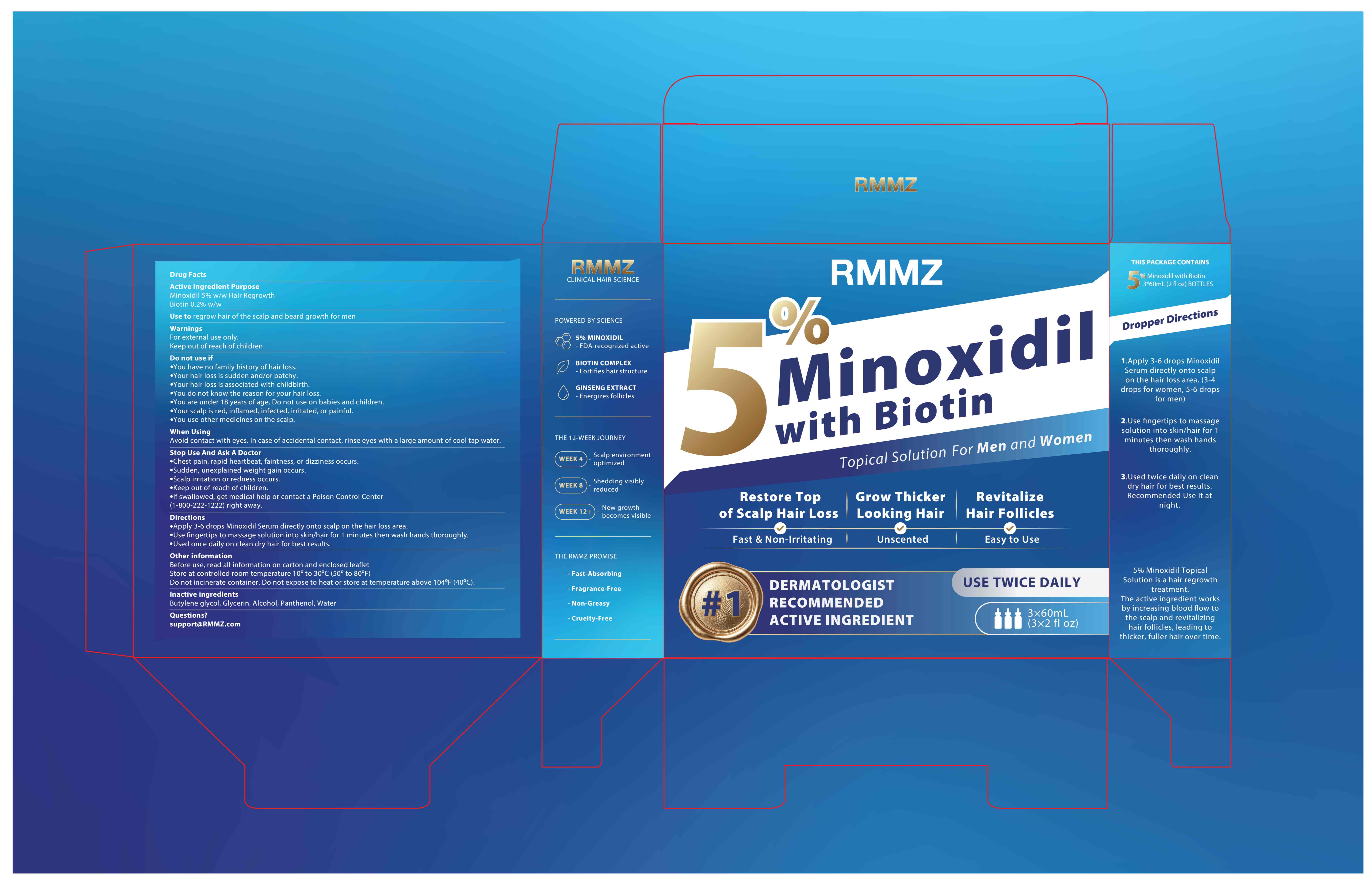
(biotin · DailyMed)
Broiler Boost Multivitamin
Biotin 10,250 mg,Calcium Pantothenate 5,750 mg,Copper Sulphate 13,250 mg,Iron Sulphate 5,250 mg,Lysine 15,000 mg,Magnesium Sulphate 12,750 mg,Manganese Sulphate 12,750 mg,Methionine 12,000 mg,Nicotinamide 16,500 mg,Potassium Chloride 73,750 mg,Sodium Chloride 48,750 mg,Sodium Sulphate 215,000 mg,Vitamin A 25,000,000 IU/Kg,Vitamin B12 11,750 mg,Vitamin B2 4,750 mg,Vitamin B6 2,750 mg,Vitamin C 10,000 mg,Vitamin D3 4,750,000 IU/Kg,Vitamin E 5,050 IU/Kg,Vitamin K 4,850 mg,Zinc Sulphate 13,250 mg
What it does
Biotin is a vitamin that helps support healthy hair, skin, and nails.
Commonly used for: brittle nails, hair loss, skin health
Read more in plain English ↓Plain-language summary for general understanding - not medical advice. Always follow your pharmacist/doctor.
Ask about this medicine
Answers come only from this medicine's registration record, BNF monograph and interaction data - not medical advice.
Medicine sourcing is available in Kenya only. We don't sell or dispense medicines - licensed pharmacies do.
Sourcing - Kenya onlyRegistration & product details
Source: Zambia Medicines Regulatory Authority · fetched 2026-06-02 06:24:17 · updated 2026-10-19 03:35:25
Drug Interactions
7Severe (2)
Vitamin - increases risk of vitamin a toxicity
TretinoinispredictedtoincreasetheriskofvitaminAtoxicity whengivenwithvitaminA.Avoid.rStudy Ribavirin e
Vitamin - increases risk of vitamin a toxicity
Retinoids(tretinoin)arepredictedtoincreasetheriskof vitaminAtoxicitywhengivenwithvitaminA.Avoid.r Study VitaminDsubstances . . . . . alfacalcidol.calcipotri..ol calcitriol colecalciferol ergocalcifero
Moderate (1)
Vitamin - increases risk of toxicity
Retinoids (bexarotene) are predicted to increase the risk of toxicity when given with vitamin A. Adjust dose.
Unknown (4)
Vitamin - decreases effects
Carbamazepine is predicted to decrease the effects of vitamin D substances.
Vitamin - increases exposure
Cobicistat is predicted to increase the exposure to vitamin D substances (paricalcitol).
Vitamin - increases exposure
Idelalisib is predicted to increase the exposure to vitamin D substances (paricalcitol).
Vitamin - increases exposure
Clarithromycin is predicted to increase the exposure to vitamin D substances (paricalcitol).
Data from BNF 85 (British National Formulary). This is not a substitute for professional medical advice. Matched via: exact
About biotin
Biotin is a vitamin that helps support healthy hair, skin, and nails.
What it treats
- brittle nails
- hair loss
- skin health
How it works
Biotin helps the body convert food into energy and is important for the health of hair, skin, and nails.
Who it's for
Biotin is suitable for individuals looking to improve the strength of their nails and hair health.
AI-assisted summary grounded in BNF data - general information only, not medical advice. Always confirm with your pharmacist or doctor.
About copper
Copper is a mineral that is essential for various bodily functions, playing a role in the formation of red blood cells and maintaining healthy bones and nerves.
What it treats
- copper deficiency
- anemia
- bone health
- nerve health
How it works
Copper helps the body create red blood cells and supports the proper functioning of nerves and bones.
Who it's for
Copper supplements may be recommended for individuals with low copper levels or certain health conditions that affect copper absorption.
Cautions
- • Excessive copper intake can be harmful.
- • People with certain health conditions should consult a healthcare provider before use.
AI-assisted summary grounded in BNF data - general information only, not medical advice. Always confirm with your pharmacist or doctor.
About lysine
Lysine is an essential amino acid that helps your body build proteins and supports immune function.
What it treats
- to support the treatment of cold sores (herpes simplex)
- to promote muscle recovery and growth
- to improve overall health and wellness
How it works
Lysine helps the body produce proteins and supports various bodily functions, including the immune system.
Who it's for
Lysine is for people looking to boost their protein intake, support immune health, or manage cold sores.
Cautions
- • Consult a healthcare professional if you have kidney issues.
- • May cause gastrointestinal discomfort in some individuals.
AI-assisted summary grounded in BNF data - general information only, not medical advice. Always confirm with your pharmacist or doctor.
About manganese
Manganese is a trace mineral important for many bodily functions, including bone formation and metabolism.
What it treats
- nutritional support
- bone health
How it works
Manganese helps the body use certain nutrients and is involved in the formation of connective tissue, bones, and blood-clotting factors.
Who it's for
Adults and children who may have low manganese levels due to dietary deficiencies.
Cautions
- • Excessive intake can lead to toxicity.
- • Consult a healthcare provider if you have liver problems.
AI-assisted summary grounded in BNF data - general information only, not medical advice. Always confirm with your pharmacist or doctor.
About methionine
Methionine is an amino acid that plays a role in various body functions, including making proteins and supporting metabolism.
What it treats
- liver disease
- certain types of depression
- cognitive disorders
How it works
Methionine helps in the production of important substances in the body, such as proteins and antioxidants.
Who it's for
Methionine may be used by adults and children who need support for liver health or specific mental health conditions.
AI-assisted summary grounded in BNF data - general information only, not medical advice. Always confirm with your pharmacist or doctor.
About nicotinamide
Nicotinamide is a form of vitamin B3 that helps maintain healthy skin and supports various body functions.
What it treats
- acne (acne vulgaris)
- skin conditions
- dry skin
- certain types of dermatitis
How it works
Nicotinamide helps improve skin health by reducing inflammation and promoting cell repair.
Who it's for
It is suitable for people looking to improve their skin condition or reduce acne.
AI-assisted summary grounded in BNF data - general information only, not medical advice. Always confirm with your pharmacist or doctor.
About pantothenate
Pantothenate is a form of vitamin B5 that helps support overall health and wellbeing.
What it treats
- fatigue
- stress
- skin conditions
- hair loss
How it works
Pantothenate helps the body convert food into energy and is important for making red blood cells.
Who it's for
This supplement is suitable for people looking to boost their energy levels or support their skin and hair health.
AI-assisted summary grounded in BNF data - general information only, not medical advice. Always confirm with your pharmacist or doctor.
About vitamin
Vitamins are essential nutrients that support various bodily functions and overall health.
What it treats
- nutritional deficiency
- general health maintenance
How it works
Vitamins support normal bodily functions, including metabolism, immune function, and cell repair.
Who it's for
Anyone needing to improve their nutrient intake or maintain good health.
AI-assisted summary grounded in BNF data - general information only, not medical advice. Always confirm with your pharmacist or doctor.
Clinical monograph: Biotin
BNF-referencedBiotin, also known as vitamin H, is a water-soluble B-vitamin that plays a crucial role in carbohydrate, fat, and protein metabolism. It is involved in the synthesis of fatty acids and glucose, and is essential for normal physiological functions.
Indications
- Isolated carboxylase defects
- Defects of biotin metabolism
- Prevention of deficiency in complete biliary obstruction
Dosage
Children: Neonate: Initially 10 mg once daily, adjusted according to response; maintenance 5–20 mg daily. Child: Initially 10 mg once daily, adjusted according to response; maintenance 5–20 mg daily, higher doses may be required.
Adults: For adults, the dosing may vary based on the condition being treated. General guidance is to refer to the BNF for specific dosing recommendations.
Mechanism of action
Biotin acts as a coenzyme for carboxylase enzymes, facilitating critical metabolic processes including gluconeogenesis, fatty acid synthesis, and amino acid catabolism.
Pharmacodynamics
Biotin is essential for the carboxylation of substrates in metabolic pathways, influencing energy metabolism and the synthesis of important biomolecules. It supports normal growth and development.
Pharmacokinetics
Biotin is absorbed in the intestine and is widely distributed in body tissues. It is not stored in large amounts, with excess being excreted in urine. The half-life and specific pharmacokinetic parameters can vary based on individual metabolism and dietary intake.
Adverse effects
- Rough skin
- Dry hair
- Enlarged liver
- Increases in erythrocyte sedimentation rate
- Increased serum calcium
- Increased serum alkaline phosphatase concentration
Precautions
- Excessive doses may be teratogenic
- High levels of vitamin A may cause birth defects
Pregnancy
No information available.
Breast-feeding
No information available.
Formulations
- Tablet
- Oral suspension
- Oral solution
- Solution for injection
AI-synthesized from BNF references - general information only, not a substitute for professional medical advice or the current BNF. Verify doses with a pharmacist.
Clinical monograph: Nicotinamide
BNF-referencedNicotinamide, also known as niacinamide, is a form of vitamin B3 that is involved in numerous biological processes including energy metabolism and DNA repair. It is primarily utilized topically for the treatment of skin conditions such as papulopustular rosacea and inflammatory acne vulgaris. Nicotinamide is known for its anti-inflammatory properties and its ability to improve skin barrier function, making it beneficial for various dermatological conditions.
Indications
- Papulopustular rosacea
- Inflammatory acne vulgaris
Dosage
Children: Refer to the BNF for Children for specific dosing recommendations.
Adults: For papulopustular rosacea, apply daily for up to 4 months. The treatment course may be repeated; discontinue if no improvement is observed after 3 months. For inflammatory acne vulgaris, apply twice daily, reduced to once daily or alternate days if irritation occurs.
Mechanism of action
Nicotinamide exhibits anti-inflammatory effects by inhibiting the release of pro-inflammatory cytokines and enhancing the barrier function of the skin. It is also involved in the NAD salvage pathway, which is essential for maintaining cellular energy levels and promoting cell repair mechanisms. Additionally, nicotinamide contributes to the synthesis of coenzymes involved in metabolic processes, including the conversion of niacin into NAD+.
Pharmacodynamics
Nicotinamide is known for its ability to improve skin hydration and reduce transepidermal water loss. It has been shown to decrease the appearance of acne lesions and rosacea by modulating inflammatory responses and accelerating cell turnover. Its antioxidant properties also help to protect the skin from oxidative stress and UV damage.
Pharmacokinetics
When applied topically, nicotinamide is absorbed through the skin layers, with minimal systemic absorption. Its peak plasma concentrations are generally low, and the drug has a half-life that varies depending on the route of administration. The metabolism of nicotinamide occurs primarily in the liver, where it is converted into its active forms, including NAD+. The elimination route is via the kidneys, with metabolites excreted in urine.
Contra-indications
- Pregnancy
- Severe acne involving large areas
- Severe skin reactions
Adverse effects
- Sunburn
- Skin reactions (common or very common)
- Cheilitis
- Eyelid oedema
- Flushing
- Dry skin
- Eye irritation
- Photosensitivity reactions
- Transient skin pigmentation changes
Interactions
- Clindamycin
- Topical retinoids
- Abrasive cleaners
- Comedogenic cosmetics
Precautions
- Avoid exposure to UV light, including sunlight and sunlamps
- Wash hands immediately after use
- Avoid contact with eyes and mucous membranes
- Use moisturizers to reduce the risk of skin irritation
- Discontinue treatment if severe irritation occurs
Pregnancy
Avoid use during pregnancy due to potential risks, as limited information is available regarding toxicity.
Breast-feeding
Amount of drug in milk after topical application is probably too small to be harmful; ensure infant does not come in contact with treated areas.
Storage
Store at room temperature away from moisture and light.
Formulations
- Cream
- Gel
AI-synthesized from BNF references - general information only, not a substitute for professional medical advice or the current BNF. Verify doses with a pharmacist.
Clinical monograph: copper
BNF-referencedCopper is an essential trace element that plays a crucial role in various biological processes, including the functioning of enzymes and the formation of connective tissue. It is an important cofactor for many oxidase enzymes and has antioxidant properties. Copper deficiency can lead to serious health conditions such as Occipital Horn Syndrome and Menke's disease, which are associated with impaired development and neurological impairment. In addition, copper is used in certain contraceptive devices, where it reduces sperm viability and motility, thereby preventing fertilization.
Indications
- Copper deficiency
- Occipital Horn Syndrome
- Menke's disease
- Contraception (via copper IUD)
Dosage
Children: Refer to the BNF for Children for specific dosing information.
Adults: Refer to the relevant clinical guidelines and BNF for specific dosing information.
Mechanism of action
Copper is absorbed from the gastrointestinal tract via high affinity copper uptake proteins and low affinity copper uptake proteins, likely being reduced to the Cu1+ form prior to transport. Inside enterocytes, it binds to the copper transport protein ATOX1, which facilitates its transport to copper transporting ATPase-1 on the Golgi membrane for incorporation into the Golgi apparatus. Once in systemic circulation, copper binds primarily to ceruloplasmin, albumin, and alpha 2-macroglobulin. It acts as a cofactor in a variety of oxidase enzymes and also influences sperm motility when released from copper IUDs, contributing to its contraceptive effect.
Pharmacodynamics
Copper is essential for the activity of many enzymes and plays a vital role in processes such as iron metabolism, neurotransmitter synthesis, and antioxidant defense. Copper ions, particularly when released from intrauterine devices, have been shown to decrease sperm viability, thereby impacting fertility.
Pharmacokinetics
Copper is absorbed from the gut and is predominantly transported in the plasma bound to proteins such as ceruloplasmin and albumin. The absorption efficiency can vary; however, a significant portion of dietary copper is usually absorbed. The body regulates copper levels through hepatic excretion and storage mechanisms, ensuring homeostasis. Excess copper can lead to toxicity, while deficiency results in various health issues.
Pregnancy
Copper is considered essential during pregnancy, but excessive intake should be avoided due to potential toxicity.
Breast-feeding
Copper is excreted in breast milk, and adequate maternal intake is important for infant development.
Storage
Store in a cool, dry place, away from moisture and heat.
AI-synthesized from BNF references - general information only, not a substitute for professional medical advice or the current BNF. Verify doses with a pharmacist.
Clinical monograph: lysine
BNF-referencedLysine is an essential amino acid that plays a crucial role in various physiological processes, including protein synthesis, calcium absorption, and the production of antibodies, hormones, and enzymes. It is particularly noted for its potential in inhibiting the replication of the herpes simplex virus when present in higher ratios relative to L-arginine. Lysine deficiency can lead to a range of health issues such as fatigue, irritability, and reproductive problems.
Indications
- Herpes simplex virus infections
- Lysine deficiency
Dosage
Children: Refer to the BNF for Children for specific dosage recommendations.
Adults: Refer to the BNF for specific dosage recommendations.
Mechanism of action
Lysine inhibits the viral replication of the herpes simplex virus by altering the amino acid ratio in the tissue culture media. A higher concentration of L-lysine compared to L-arginine has been shown to reduce viral growth and cytopathogenicity. Additionally, lysine facilitates calcium absorption from the small intestine and is involved in protein synthesis through its role in the tRNA charging process, linking amino acids to their corresponding tRNA for translation.
Pharmacodynamics
Lysine ensures adequate calcium absorption and is involved in the formation of collagen, essential for bone, cartilage, and connective tissues. It aids in the production of various biological molecules, including antibodies, hormones, and enzymes. Deficiency in lysine can manifest as tiredness, inability to concentrate, irritability, and other health issues.
Pharmacokinetics
Lysine is absorbed in the small intestine and is transported in the bloodstream to various tissues, where it participates in protein synthesis and other metabolic processes. The metabolism of lysine involves its degradation and utilization in various biosynthetic pathways.
Adverse effects
- Gastrointestinal upset
- Diarrhea
- Nausea
- Abdominal pain
Precautions
- Use with caution in individuals with kidney disease
- Consult a healthcare professional before use if pregnant or breastfeeding
Pregnancy
Safety in pregnancy has not been established. Consult a healthcare professional before use.
Breast-feeding
Lysine is generally considered safe in breastfeeding, but consult a healthcare professional before use.
Storage
Store in a cool, dry place away from direct sunlight. Keep out of reach of children.
Formulations
- Oral tablet
- Oral capsule
- Powder for oral solution
AI-synthesized from BNF references - general information only, not a substitute for professional medical advice or the current BNF. Verify doses with a pharmacist.
Clinical monograph: manganese
BNF-referencedManganese is a trace mineral that is essential for human health, playing a critical role in various physiological processes. It is involved in the formation of connective tissue, bones, blood clotting factors, and sex hormones. Additionally, manganese is a cofactor for several important enzymes, including those involved in metabolism and antioxidant defense. It is found in foods such as nuts, seeds, whole grains, and leafy vegetables.
Indications
- Manganese deficiency
- Bone health and development
- Antioxidant support
- Enzyme cofactor in metabolic processes
Dosage
Children: Refer to the BNF for Children for appropriate dosing recommendations.
Adults: Refer to specific clinical guidelines or the BNF for appropriate dosing recommendations.
Mechanism of action
Manganese serves as a cofactor for several enzymes, including manganese superoxide dismutase (MnSOD), which protects cells from oxidative stress by catalyzing the dismutation of superoxide radicals into oxygen and hydrogen peroxide. It also participates in the activation of enzymes involved in carbohydrate, fat, and protein metabolism.
Pharmacodynamics
Manganese plays a role in various biochemical pathways, particularly in the metabolism of amino acids, cholesterol, glucose, and carbohydrates. It is crucial for bone formation and the maintenance of cartilage. Manganese also aids in the synthesis of glycosyltransferases, which are important for the formation of glycoproteins and proteoglycans.
Pharmacokinetics
Manganese is absorbed primarily in the small intestine, with absorption efficiency influenced by dietary factors and the presence of competing minerals. It is transported in the bloodstream bound to proteins such as alpha-2-macroglobulin and transferrin. Manganese is stored in the liver, pancreas, and bones, and is excreted primarily through bile and to a lesser extent in urine. Its half-life in the human body is not well defined due to its trace nature and variable absorption.
Pregnancy
Manganese is classified as a dietary mineral that is essential for human health, but excessive intake should be avoided during pregnancy as it may affect fetal development.
Breast-feeding
Manganese is present in breast milk, and normal dietary intake is considered safe during breastfeeding. However, excessive supplementation should be avoided.
Storage
Store in a cool, dry place, away from direct light and moisture.
AI-synthesized from BNF references - general information only, not a substitute for professional medical advice or the current BNF. Verify doses with a pharmacist.
Clinical monograph: methionine
BNF-referencedMethionine is an essential amino acid that plays a critical role in various metabolic processes, including protein synthesis, detoxification, and antioxidant defense. It serves as a precursor to other important biomolecules, including L-cysteine and S-adenosylmethionine, contributing to cellular functions such as methylation and sulfur metabolism. Methionine is also involved in the synthesis of lecithin, which is significant for liver health and cholesterol metabolism. Additionally, methionine has potential protective effects against hepatotoxic agents, including acetaminophen.
Indications
- Methionine deficiency
- Hepatotoxicity prevention
- Cholesterol management
Mechanism of action
The mechanism of the possible anti-hepatotoxic activity of L-methionine is not entirely clear. It is thought that metabolism of high doses of acetaminophen in the liver leads to decreased levels of hepatic glutathione and increased oxidative stress. L-methionine serves as a precursor to L-cysteine, which has antioxidant properties and is a precursor to glutathione. The antioxidant activity of L-methionine and its metabolites likely contribute to its potential anti-hepatotoxic effects. Methionine also exhibits free-radical scavenging activity and chelating ability due to its sulfur content.
Pharmacodynamics
L-Methionine functions as a primary supplier of sulfur, which is essential for preventing hair, skin, and nail disorders. It aids in lowering cholesterol levels by enhancing the liver's production of lecithin, reducing liver fat, and protecting kidney function. Methionine acts as a natural chelating agent for heavy metals and helps regulate ammonia formation, contributing to ammonia-free urine and reduced bladder irritation. Furthermore, it influences hair follicles and promotes hair growth, in addition to its potential protective effects against hepatotoxins like acetaminophen.
Pharmacokinetics
Methionine is absorbed from the gastrointestinal tract and is distributed throughout the body, where it is utilized in protein synthesis and converted into other metabolites, such as S-adenosylmethionine and L-cysteine. The metabolism of methionine involves several pathways, including transsulfuration to cysteine and incorporation into proteins. The renal clearance of methionine is significant, as it is involved in the regulation of nitrogen balance and the formation of ammonia.
Adverse effects
- Nausea
- Vomiting
- Abdominal pain
- Allergic reactions
Precautions
- Use with caution in patients with liver disease
- Monitor for allergic reactions in sensitive individuals
Pregnancy
There is insufficient evidence to determine the safety of methionine during pregnancy. Consult a healthcare provider before use.
Breast-feeding
It is not known whether methionine is excreted in human milk. Caution is advised when administering to breastfeeding women.
Storage
Store in a cool, dry place away from direct sunlight. Keep out of reach of children.
Formulations
- Oral tablets
- Powder for oral solution
AI-synthesized from BNF references - general information only, not a substitute for professional medical advice or the current BNF. Verify doses with a pharmacist.
Clinical monograph: pantothenate
BNF-referencedPantothenate, also known as vitamin B5, is a water-soluble vitamin that is essential for human metabolism. It is a component of coenzyme A, which plays a critical role in the synthesis and degradation of fatty acids, the metabolism of carbohydrates, and the synthesis of neurotransmitters. Pantothenate is involved in the synthesis of steroid hormones and hemoglobin and is required for the production of energy through the Krebs cycle.
Indications
- Pantothenate deficiency
- Support in energy metabolism
- Adjuvant therapy in chronic conditions requiring enhanced energy production
Dosage
Children: Refer to the BNF for Children for paediatric dosing recommendations.
Adults: Refer to the BNF for specific dosing information, generally 5-10 mg daily for adults.
Mechanism of action
Pantothenate functions primarily as a precursor to coenzyme A (CoA), which is vital for various biochemical reactions in the body. CoA is involved in the metabolism of fatty acids, the synthesis of cholesterol and steroid hormones, and the acetylation of various substrates, which is crucial for energy production and metabolic processes.
Pharmacodynamics
Pantothenate plays a significant role in energy metabolism, cellular respiration, and the biosynthesis of fatty acids. It facilitates the transfer of acyl groups, which is critical for the metabolism of carbohydrates and fats, thereby influencing the overall energy production in cells. Adequate levels of pantothenate are necessary for maintaining metabolic homeostasis and supporting growth and development.
Pharmacokinetics
Pantothenate is well absorbed from the gastrointestinal tract, with a bioavailability of approximately 70%. Once absorbed, it is widely distributed throughout the body, particularly in the liver, adrenal glands, and kidneys. The vitamin is metabolized primarily in the liver, where it is converted to coenzyme A. Excess pantothenate is excreted in the urine as pantothenic acid and its metabolites. The half-life of pantothenate in the body is not well-defined but is generally considered to be relatively short due to its water-soluble nature.
Pregnancy
Pantothenic acid (Vitamin B5) is generally regarded as safe during pregnancy. It is important to maintain adequate levels for fetal development.
Breast-feeding
Pantothenic acid is excreted in breast milk in small amounts. Adequate intake is important for breastfeeding mothers, but supplementation is typically not necessary.
Storage
Store in a cool, dry place, away from light. Keep out of reach of children.
Formulations
- Pantothenate tablets
- Pantothenic acid capsules
- Pantothenate injections
AI-synthesized from BNF references - general information only, not a substitute for professional medical advice or the current BNF. Verify doses with a pharmacist.
Clinical monograph: vitamin
BNF-referencedVitamins are organic compounds that are essential for various metabolic processes in the body. They play crucial roles in maintaining health, supporting the immune system, and promoting growth and development. Different vitamins have specific functions, and they are required in varying amounts depending on age, sex, and physiological conditions.
Indications
- Vitamin deficiency syndromes (e.g., scurvy for vitamin C deficiency, rickets for vitamin D deficiency)
- Support for immune function
- Antioxidant support
- Bone health maintenance
- Vision health
- Energy metabolism support
Dosage
Children: Refer to the BNF for Children for specific vitamin dosing guidelines, which depend on age and nutritional requirements.
Adults: Refer to specific vitamin guidelines as dosage varies significantly depending on the type of vitamin and individual needs.
Mechanism of action
Vitamins function primarily as coenzymes or precursors for coenzymes in enzymatic reactions. For instance, B vitamins are involved in energy metabolism, while vitamins A, C, D, E, and K support various physiological functions including vision, antioxidant activity, calcium regulation, and blood clotting. Each vitamin has a unique mechanism of action based on its structure and role in the body.
Pharmacodynamics
Vitamins exert their effects at the cellular level, influencing metabolic pathways, gene expression, and immune responses. For example, vitamin D regulates calcium and phosphate homeostasis, while vitamin A is crucial for vision and immune function. Deficiencies in vitamins can lead to a range of disorders, highlighting their importance in maintaining health.
Pharmacokinetics
The pharmacokinetics of vitamins vary widely. Fat-soluble vitamins (A, D, E, and K) are stored in liver and adipose tissues and can be released into circulation as needed. Water-soluble vitamins (B-complex and C) are not stored and must be consumed regularly, with excess amounts excreted in urine. Absorption rates, half-lives, and distribution can also differ based on the specific vitamin and individual metabolic factors.
Interactions
- tretinoin+vitamin: Severe (increases risk of vitamin toxicity)
- retinoids+vitamin: Severe (increases risk of vitamin toxicity)
- retinoids+vitamin: Moderate (increases risk of toxicity)
- carbamazepine+vitamin: Unknown (decreases effects)
- cobicistat+vitamin: Unknown (increases exposure)
- vitamin D substances+digoxin: Unknown (increases risk of toxicity)
- idelalisib+vitamin: Unknown (increases exposure)
- clarithromycin+vitamin: Unknown (increases exposure)
Pregnancy
Consult healthcare professional before use. Vitamin supplementation during pregnancy should be carefully managed to avoid hypervitaminosis.
Breast-feeding
Consult healthcare professional before use. Some vitamins can pass into breast milk and may affect the infant.
Storage
Store in a cool, dry place, away from direct sunlight. Ensure it is kept out of reach of children.
Formulations
- {'name': 'Vitamin A', 'form': 'Capsule', 'strength': '10000 IU'}
- {'name': 'Vitamin D', 'form': 'Tablet', 'strength': '1000 IU'}
- {'name': 'Vitamin E', 'form': 'Softgel', 'strength': '400 IU'}
AI-synthesized from BNF references - general information only, not a substitute for professional medical advice or the current BNF. Verify doses with a pharmacist.
Molecular reference: Biotin
PubChem CID 171548Molecular formula: C10H16N2O3S
Mechanism of action
Biotin is necessary for the proper functioning of enzymes that transport carboxyl units and fix carbon dioxide, and is required for various metabolic functions, including gluconeogenesis, lipogenesis, fatty acid biosynthesis, propionate metabolism, and catabolism of branched-chain amino acids. In human tissues biotin is a cofactor for the enzymatic carboxylation of four substrates: pyruvate, acetyl coenzyme A (CoA), propionyl CoA, and beta-methylcrotonyl CoA. As such, it plays an important role in both carbohydrate and fat metabolism. Carbon dioxide fixation occurs in a two-step reaction, the first involving binding of carbon dioxide to the biotin moiety of the holoenzyme, and the second involving transfer of the biotin-bound carbon dioxide to an appropriate acceptor. Biotin functions in carbon dioxide fixation reactions in intermediate metabolism, transferring the carboxyl group to acceptor molecules. It acts similarly in decarboxylation reactions. Biotin is essential in human metabolism for its part in the previously described enzymatic steps, in catalyzing deamination of amino acids, and in oleic acid synthesis. Biotin is a cofactor for the enzymatic carboxylation of pyruvate, acetyl coenzyme A (CoA), propionyl CoA, and beta-methylcrotonyl CoA, and, therefore, plays an important role in carbohydrate and fat metabolism. Protein folding in the endoplasmic reticulum (ER) depends on Ca2+; uptake of Ca2+ into the ER is mediated by sarco/endoplasmic reticulum Ca2+-ATPase 3 (SERCA3). The 5'-flanking region of the SERCA3 gene (ATP2A3) contains numerous binding sites for the transcription factors Sp1 and Sp3. Biotin affects the nuclear abundance of Sp1 and Sp3, which may act as transcriptional activators or repressors. Here we determined whether biotin affects the expression of the SERCA3 gene and, thus, protein folding in human lymphoid cells. Jurkat cells were cultured in media containing 0.025 nmol/L biotin (denoted "deficient") or 10 nmol/L biotin ("supplemented"). The transcriptional activity of the full-length human SERCA3 promoter was 50% lower in biotin-supplemented cells compared to biotin-deficient cells. Biotin-dependent repressors bind to elements located 731 to 1312 bp upstream from the transcription start site in the SERCA3 gene. The following suggest that low expression of SERCA3 in biotin-supplemented cells impaired folding of secretory proteins in the ER, triggering unfolded protein response: (i) sequestration of Ca2+ in the ER decreased by 14 to 24% in response to biotin supplementation; (ii) secretion of interleukin-2 into the extracellular space decreased by 75% in response to biotin supplementation; (iii) the nuclear abundance of stress-induced transcription factors increased in response to biotin supplementation; and (iv) the abundance of stress-related proteins such ubiquitin activating enzyme 1, growth arrest and DNA damage 153 gene, X-box binding protein 1 and phosphorylated eukaryotic translation initiation factor 2alpha increased in response to biotin supplementation. Collectively, this study suggests that supplements containing pharmacological doses of biotin may cause cell stress by impairing protein folding in the ER. Evidence is emerging that biotin participates in processes other than classical carboxylation reactions. Specifically, novel roles for biotin in cell signaling, gene expression, and chromatin structure have been identified in recent years. Human cells accumulate biotin by using both the sodium-dependent multivitamin transporter and monocarboxylate transporter 1. These transporters and other biotin-binding proteins partition biotin to compartments involved in biotin signaling: cytoplasm, mitochondria, and nuclei. The activity of cell signals such as biotinyl-AMP, Sp1 and Sp3, nuclear factor (NF)-kappaB, and receptor tyrosine kinases depends on biotin supply. Consistent with a role for biotin and its catabolites in modulating these cell signals, greater than 2000 biotin-dependent genes have
Pharmacodynamics
Biotin is a water-soluble B-complex vitamin which is composed of an ureido ring fused with a tetrahydrothiophene ring, which attaches a valeric acid substituent at one of its carbon atoms. Biotin is used in cell growth, the production of fatty acids, metabolism of fats, and amino acids. It plays a role in the Kreb cycle, which is the process in which energy is released from food. Biotin not only assists in various metabolic chemical conversions, but also helps with the transfer of carbon dioxide. Biotin is also helpful in maintaining a steady blood sugar level. Biotin is often recommended for strengthening hair and nails. Consequenty, it is found in many cosmetic and health products for the hair and skin. Biotin deficiency is a rare nutritional disorder caused by a deficiency of biotin. Initial symptoms of biotin deficiency include: Dry skin, Seborrheic dermatitis, Fungal infections, rashes including erythematous periorofacial macular rash, fine and brittle hair, and hair loss or total alopecia. If left untreated, neurological symptoms can develop, including mild depression, which may progress to profound lassitude and, eventually, to somnolence; changes in mental status, generalized muscular pains (myalgias), hyperesthesias and paresthesias. The treatment for biotin deficiency is to simply start taking some biotin supplements. A lack of biotin in infants will lead to a condition called seborrheic dermatitis or "cradle cap". Biotin deficiencies are extremely rare in adults but if it does occur, it will lead to anemia, depression, hair loss, high blood sugar levels, muscle pain, nausea, loss of appetite and inflamed mucous membranes.
Biological pathways
Source: PubChem (NCBI) · pathways from PathBank, Reactome, WikiPathways & PharmGKB.
Molecular reference: Nicotinamide
PubChem CID 936Molecular formula: C6H6N2O
Biological pathways
Source: PubChem (NCBI) · pathways from PathBank, Reactome, WikiPathways & PharmGKB.
Molecular reference: copper
PubChem CID 23978Molecular formula: Cu
Mechanism of action
Copper is absorbed from the gut via high affinity copper uptake protein and likely through low affinity copper uptake protein and natural resistance-associated macrophage protein-2. It is believed that copper is reduced to the Cu1+ form prior to transport. Once inside the enterocyte, it is bound to copper transport protein ATOX1 which shuttles the ion to copper transporting ATPase-1 on the golgi membrane which take up copper into the golgi apparatus. Once copper has been secreted by enterocytes into the systemic circulation it remain largely bound by ceruloplasmin (65-90%), albumin (18%), and alpha 2-macroglobulin (12%). Copper is an essential element in the body and is incorporated into many oxidase enzymes as a cofactor. It is also a component of zinc/copper super oxide dismutase, giving it an anti-oxidant role. Copper defiency occurs in Occipital Horn Syndrome and Menke's disease both of which are associated with impaired development of connective tissue due to the lack of copper to act as a cofactor in protein-lysine-6-oxidase. Menke's disease is also associated with progressive neurological impairment leading to death in infancy. The precise mechanisms of the effects of copper deficiency are vague due to the wide range of enzymes which use the ion as a cofactor. Copper appears to reduce the viabilty and motility of spermatozoa. This reduces the likelihood of fertilization with a copper IUD, producing copper's contraceptive effect. The exact mechanism of copper's effect on sperm are unknown. The reason for the less severe reaction when the foreign body is at a distance from the retina has been proposed to be ... that near the retina & its blood vessels there is greater oxygen tension than at a distance, which causes metallic copper to oxidize to toxic copper compounds more rapidly close to or in contact with the retina than at a distance. Furthermore, the abscess formation that is characteristic of copper undergoing oxidation close to the retina & choroiod can be attributed to attraction of polymorphonuclear leukocytes from these nearby vascular tissues, which become heavily infiltrated. Liquefaction & disorganization of the vitreous body has been explained on the basis of copper catalysis of oxidation of ascorbic acid, leading to depolymerization of the hyaluronic acid of the vitreous humor. Changes in protein & hexosamine content have also been related to decrease in viscosity of the vitreous humor. Increased content of amino acids in the vitreous humor has been consistent with proteolysis of the vitreous body, but decreased concentration in the aqueous humor has suggested suppression of secretion of amino acids by the ciliary body under the influence of copper.
Pharmacodynamics
Copper is incorporated into many enzymes throughout the body as an essential part of their function. Copper ions are known to reduce fertility when released from copper-containing IUDs.
Biological pathways
Source: PubChem (NCBI) · pathways from PathBank, Reactome, WikiPathways & PharmGKB.
Molecular reference: lysine
PubChem CID 5962Molecular formula: C6H14N2O2
Mechanism of action
Proteins of the herpes simplex virus are rich in L-arginine, and tissue culture studies indicate an enhancing effect on viral replication when the amino acid ratio of L-arginine to lysine is high in the tissue culture media. When the ratio of L-lysine to L-arginine is high, viral replication and the cytopathogenicity of herpes simplex virus have been found to be inhibited. L-lysine may facilitate the absorption of calcium from the small intestine. Amino acids are selected for protein synthesis by binding with transfer RNA (tRNA) in the cell cytoplasm. The information on the amino acid sequence of each individual protein is contained in the sequence of nucleotides in the messenger RNA (mRNA) molecules, which are synthesized in the nucleus from regions of DNA by the process of transcription. The mRNA molecules then interact with various tRNA molecules attached to specific amino acids in the cytoplasm to synthesize the specific protein by linking together individual amino acids; this process, known as translation, is regulated by amino acids (e.g., leucine), and hormones. Which specific proteins are expressed in any particular cell and the relative rates at which the different cellular proteins are synthesized, are determined by the relative abundances of the different mRNAs and the availability of specific tRNA-amino acid combinations, and hence by the rate of transcription and the stability of the messages. From a nutritional and metabolic point of view, it is important to recognize that protein synthesis is a continuing process that takes place in most cells of the body. In a steady state, when neither net growth nor protein loss is occurring, protein synthesis is balanced by an equal amount of protein degradation. The major consequence of inadequate protein intakes, or diets low or lacking in specific indispensable amino acids relative to other amino acids (often termed limiting amino acids), is a shift in this balance so that rates of synthesis of some body proteins decrease while protein degradation continues, thus providing an endogenous source of those amino acids most in need. /Amino acids/ The mechanism of intracellular protein degradation, by which protein is hydrolyzed to free amino acids, is more complex and is not as well characterized at the mechanistic level as that of synthesis. A wide variety of different enzymes that are capable of splitting peptide bonds are present in cells. However, the bulk of cellular proteolysis seems to be shared between two multienzyme systems: the lysosomal and proteasomal systems. The lysosome is a membrane-enclosed vesicle inside the cell that contains a variety of proteolytic enzymes and operates mostly at acid pH. Volumes of the cytoplasm are engulfed (autophagy) and are then subjected to the action of the protease enzymes at high concentration. This system is thought to be relatively unselective in most cases, although it can also degrade specific intracellular proteins. The system is highly regulated by hormones such as insulin and glucocorticoids, and by amino acids. The second system is the ATP-dependent ubiquitin-proteasome system, which is present in the cytoplasm. The first step is to join molecules of ubiquitin, a basic 76-amino acid peptide, to lysine residues in the target protein. Several enzymes are involved in this process, which selectively targets proteins for degradation by a second component, the proteasome. /Amino acids/
Pharmacodynamics
Insures the adequate absorption of calcium; helps form collagen ( which makes up bone cartilage & connective tissues); aids in the production of antibodies, hormones & enzymes. Recent studies have shown that Lysine may be effective against herpes by improving the balance of nutrients that reduce viral growth. A deficiency may result in tiredness, inability to concentrate, irritability, bloodshot eyes, retarded growth, hair loss, anemia & reproductive problems.
Biological pathways
Source: PubChem (NCBI) · pathways from PathBank, Reactome, WikiPathways & PharmGKB.
Molecular reference: manganese
PubChem CID 23930Molecular formula: Mn
Source: PubChem (NCBI) · pathways from PathBank, Reactome, WikiPathways & PharmGKB.
Molecular reference: methionine
PubChem CID 6137Molecular formula: C5H11NO2S
Mechanism of action
The mechanism of the possible anti-hepatotoxic activity of L-methionine is not entirely clear. It is thought that metabolism of high doses of acetaminophen in the liver lead to decreased levels of hepatic glutathione and increased oxidative stress. L-methionine is a precursor to L-cysteine. L-cysteine itself may have antioxidant activity. L-cysteine is also a precursor to the antioxidant glutathione. Antioxidant activity of L-methionine and metabolites of L-methionine appear to account for its possible anti-hepatotoxic activity. Recent research suggests that methionine itself has free-radical scavenging activity by virtue of its sulfur, as well as its chelating ability. Amino acids are selected for protein synthesis by binding with transfer RNA (tRNA) in the cell cytoplasm. The information on the amino acid sequence of each individual protein is contained in the sequence of nucleotides in the messenger RNA (mRNA) molecules, which are synthesized in the nucleus from regions of DNA by the process of transcription. The mRNA molecules then interact with various tRNA molecules attached to specific amino acids in the cytoplasm to synthesize the specific protein by linking together individual amino acids; this process, known as translation, is regulated by amino acids (e.g., leucine), and hormones. Which specific proteins are expressed in any particular cell and the relative rates at which the different cellular proteins are synthesized, are determined by the relative abundances of the different mRNAs and the availability of specific tRNA-amino acid combinations, and hence by the rate of transcription and the stability of the messages. From a nutritional and metabolic point of view, it is important to recognize that protein synthesis is a continuing process that takes place in most cells of the body. In a steady state, when neither net growth nor protein loss is occurring, protein synthesis is balanced by an equal amount of protein degradation. The major consequence of inadequate protein intakes, or diets low or lacking in specific indispensable amino acids relative to other amino acids (often termed limiting amino acids), is a shift in this balance so that rates of synthesis of some body proteins decrease while protein degradation continues, thus providing an endogenous source of those amino acids most in need. /Protein synthesis/ The mechanism of intracellular protein degradation, by which protein is hydrolyzed to free amino acids, is more complex and is not as well characterized at the mechanistic level as that of synthesis. A wide variety of different enzymes that are capable of splitting peptide bonds are present in cells. However, the bulk of cellular proteolysis seems to be shared between two multienzyme systems: the lysosomal and proteasomal systems. The lysosome is a membrane-enclosed vesicle inside the cell that contains a variety of proteolytic enzymes and operates mostly at acid pH. Volumes of the cytoplasm are engulfed (autophagy) and are then subjected to the action of the protease enzymes at high concentration. This system is thought to be relatively unselective in most cases, although it can also degrade specific intracellular proteins. The system is highly regulated by hormones such as insulin and glucocorticoids, and by amino acids. The second system is the ATP-dependent ubiquitin-proteasome system, which is present in the cytoplasm. The first step is to join molecules of ubiquitin, a basic 76-amino acid peptide, to lysine residues in the target protein. Several enzymes are involved in this process, which selectively targets proteins for degradation by a second component, the proteasome. /Protein degradation/ Methionine dependence, the inability of cells to grow when the amino acid methionine is replaced in culture medium by its metabolic precursor homocysteine, is characteristic of many cancer cell lines and some tumors in situ. Most cell lines proliferate normally under these conditions. The methionine dependent t
Pharmacodynamics
L-Methionine is a principle supplier of sulfur which prevents disorders of the hair, skin and nails; helps lower cholesterol levels by increasing the liver's production of lecithin; reduces liver fat and protects the kidneys; a natural chelating agent for heavy metals; regulates the formation of ammonia and creates ammonia-free urine which reduces bladder irritation; influences hair follicles and promotes hair growth. L-methionine may protect against the toxic effects of hepatotoxins, such as acetaminophen. Methionine may have antioxidant activity.
Biological pathways
Source: PubChem (NCBI) · pathways from PathBank, Reactome, WikiPathways & PharmGKB.
Molecular reference: pantothenate
PubChem CID 5191579Molecular formula: C9H16NO5-
Source: PubChem (NCBI) · pathways from PathBank, Reactome, WikiPathways & PharmGKB.
Molecular reference: vitamin
PubChem CID 266052Molecular formula: C14H15NO7
Source: PubChem (NCBI) · pathways from PathBank, Reactome, WikiPathways & PharmGKB.
This drug in other countries
The same active ingredient registered across other registries we cover - including different brands.
- ABIVIT DROPS · Accelius Global
- ABVITE ADULT MULTIVITAMIN GUMMIES · Abvite
- ABYCO CAPSULES ORAL (Each film-coated tablet contains Cyproheptadine Hydrochloride Eq/Cyproheptadine HCl Anhydrous/Thiamine Hydrochloride (Vitamin B1)/Riboflavin (Vitamin B2)/Pyridoxine Hydrochloride (Vitamin B6)/Cyanocobalamin (Vitamin B12) /Calcium Pantothenate 4mg/2mg/2.2mg/1.5mg/1mcg/5mg) · Socomed Pharma
- ABYTONE FORTE CAPSULES (Each hard gelatin capsule contains Cyproheptadine HCL (Anhydrous) BP/Vitamin A (as palmitate) BP/Vitamin D3 BP/Thiamine Hydrochloride BP/Riboflavin BP/Cyanocobalamin BP/Niacinamide BP/Calcium Pantothenate BP/Calcium Lactate BP 4mg/2500IU/200IU/2mg/1mcg/25mg/5mg/100mg/) · Socomed Pharma
- ABYVITA CAPSULES (Each capsule contains Cyproheptadine hydrochloride/Thiamine hydrochloride/ Riboflavin/ Pyridoxine hydrochloride/ Cyanocobalamin/ Calcium pantothenate – 4mg/ 2mg/ 2.2mg/ 1.5mg/ 1mcg/ 5mg Cyproheptadine Hydrochloride/Thiamine Hydrochloride (Vitamin B1)/Riboflavin (Vitamin B2)/Pyridoxine Hydrochloride (Vitamin B6)/Cynocobalamin (Vitamin B12)/Calcium Pantothenate 4mg/ 2mg/ 2.2mg/ 1.5mg/ 1mcg/ 5mg) · Socomed Pharmceuticals Pvt Limited
- ACTIKID MAGIC BEANS JELLY BEANS · Amapharm