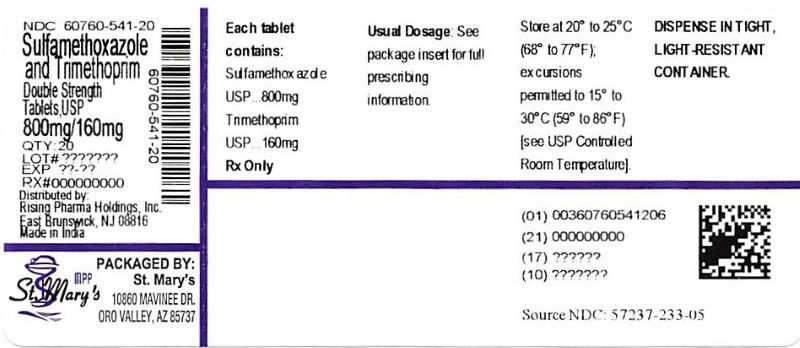
(sulfamethoxazole · DailyMed)
BRONQUIDIAZINA C.R
TRIMETHOPIM/SULPHAMETHOXAZOLE/BROMHEXINE
What it does
Bromhexine is a medicine that helps to clear mucus from the airways, making it easier to breathe.
Commonly used for: chest congestion, mucus build-up in the lungs, chronic bronchitis
Read more in plain English ↓Plain-language summary for general understanding - not medical advice. Always follow your pharmacist/doctor.
Ask about this medicine
Answers come only from this medicine's registration record, BNF monograph and interaction data - not medical advice.
Hard to find? We help patients in Kenya source rare medicines. We don't sell or dispense medicines - licensed pharmacies do.
Source this medicineRegistration & product details
Source: Pharmacy and Poisons Board · fetched 2026-01-28 20:50:00 · updated 2026-07-26 11:40:30
Drug Interactions
1Unknown (1)
Coumarins - increases anticoagulant effect
Sulfamethoxazole increases the anticoagulant effect of coumarins.
Data from BNF 85 (British National Formulary). This is not a substitute for professional medical advice. Matched via: exact
About bromhexine
Bromhexine is a medicine that helps to clear mucus from the airways, making it easier to breathe.
What it treats
- chest congestion
- mucus build-up in the lungs
- chronic bronchitis
How it works
Bromhexine works by thinning the mucus in the airways, which helps to loosen it and makes it easier to cough up.
Who it's for
Bromhexine is suitable for adults and children who have trouble clearing mucus from their lungs.
AI-assisted summary grounded in BNF data - general information only, not medical advice. Always confirm with your pharmacist or doctor.
About sulfamethoxazole
Sulfamethoxazole is an antibiotic used to treat bacterial infections.
What it treats
- bacterial infections
- urinary tract infections
- respiratory tract infections
How it works
It works by stopping the growth of bacteria.
Who it's for
This medication is for adults and children with certain bacterial infections.
AI-assisted summary grounded in BNF data - general information only, not medical advice. Always confirm with your pharmacist or doctor.
About trimethopim
Trimethoprim is an antibiotic used to treat bacterial infections.
What it treats
- urinary tract infections (UTIs)
- bacterial infections
How it works
Trimethoprim works by stopping the growth of bacteria, helping the body to fight off infections.
Who it's for
It is for people who have bacterial infections that are sensitive to this medication.
AI-assisted summary grounded in BNF data - general information only, not medical advice. Always confirm with your pharmacist or doctor.
Clinical monograph: bromhexine
BNF-referencedBromhexine is a mucolytic agent used primarily in the management of respiratory conditions characterized by excessive or thick mucus production. It works by reducing mucus viscosity, enhancing mucociliary clearance, and facilitating the expulsion of secretions from the respiratory tract. Given its pharmacological properties, bromhexine is particularly beneficial in conditions such as chronic bronchitis, asthma, and other respiratory ailments where mucus clearance is compromised.
Indications
- Chronic bronchitis
- Asthma
- Bronchiectasis
- Pneumonia
- Respiratory tract infections with productive cough
Dosage
Children: Refer to the BNF for Children for specific paediatric dosing recommendations.
Adults: Refer to the BNF for specific dosing information.
Mechanism of action
Bromhexine aids in mucus clearance by reducing the viscosity of mucus and activating the ciliary epithelium, allowing secretions to be expelled from the respiratory tract. Additionally, bromhexine has been shown to inhibit the transmembrane serine protease 2 receptor (TMPRSS2), which plays a crucial role in viral respiratory diseases. This inhibition may help in preventing or treating various respiratory illnesses, including COVID-19, by blocking viral entry into cells.
Pharmacodynamics
Bromhexine thins airway secretions, thus improving breathing and alleviating discomfort associated with thick mucus in the airways. Its action is particularly beneficial in respiratory disorders where mucus obstruction is a significant issue.
Pharmacokinetics
Bromhexine is well absorbed after oral administration, with peak plasma concentrations typically reached within 1 to 2 hours. It is metabolized in the liver, primarily to ambroxol, which is its active metabolite. The elimination half-life of bromhexine is approximately 8 to 12 hours, and it is excreted mainly through urine. The pharmacokinetics can be influenced by factors such as liver function and concurrent medications.
Adverse effects
- Gastrointestinal disturbances
- Nausea
- Vomiting
- Diarrhea
- Allergic reactions
Precautions
- Use with caution in patients with peptic ulcer disease
- Monitor patients with asthma or bronchospastic conditions
Pregnancy
Bromhexine should be used during pregnancy only if clearly needed and after careful consideration of the potential benefits and risks.
Breast-feeding
Bromhexine is excreted in breast milk; caution should be exercised when administering to nursing mothers.
Storage
Store in a cool, dry place away from direct sunlight. Keep out of reach of children.
Formulations
- Tablets
- Syrup
- Solution for inhalation
AI-synthesized from BNF references - general information only, not a substitute for professional medical advice or the current BNF. Verify doses with a pharmacist.
Clinical monograph: sulfamethoxazole
BNF-referencedSulfamethoxazole is a bacteriostatic sulfonamide antibiotic primarily used to treat bacterial infections by inhibiting folate synthesis in susceptible bacteria. It is often administered in combination with trimethoprim to enhance its efficacy and reduce the likelihood of bacterial resistance.
Indications
- Urinary tract infections
- Respiratory tract infections
- Gastrointestinal infections
- Pneumocystis pneumonia
- Toxoplasmosis
Dosage
Children: Refer to the BNF for Children for specific dosing information appropriate for paediatric patients, as doses are typically weight-based and vary by age and condition.
Adults: Refer to the BNF for specific dosing information based on the clinical condition being treated, as dosing may vary depending on the severity of the infection and patient characteristics.
Mechanism of action
Sulfamethoxazole inhibits bacterial dihydrofolic acid synthesis due to its structural similarity to para-aminobenzoic acid (PABA). It competitively inhibits dihydropteroate synthase, the enzyme responsible for converting PABA to dihydrofolic acid. This action prevents the synthesis of tetrahydrofolate, leading to the inhibition of bacterial purine and DNA synthesis, resulting in a bacteriostatic effect.
Pharmacodynamics
Sulfamethoxazole is generally bacteriostatic, inhibiting a crucial step in bacterial folate synthesis. It is typically used in combination with trimethoprim, which inhibits the reduction of dihydrofolic acid to tetrahydrofolate. This combination allows for a synergistic effect, reducing the rate of bacterial resistance development compared to using either drug alone. Care should be taken as sulfamethoxazole can cause hypersensitivity reactions, and it may contribute to folate deficiency, particularly in at-risk populations.
Pharmacokinetics
Sulfamethoxazole is well absorbed following oral administration and is widely distributed in body tissues. It has a moderate half-life, necessitating multiple daily doses for sustained therapeutic effect. The drug is metabolized in the liver and excreted primarily via the kidneys, with some metabolites being active. Its excretion can be influenced by renal function, necessitating dose adjustments in patients with compromised kidney function.
Contra-indications
- Hypersensitivity to sulfamethoxazole or other sulfonamides
- Severe liver impairment
- Severe renal impairment
- History of severe adverse reactions to sulfonamides (e.g., Stevens-Johnson syndrome)
Adverse effects
- Rash
- Nausea
- Vomiting
- Diarrhea
- Hematological reactions (e.g., leukopenia, thrombocytopenia)
- Liver toxicity
- Renal toxicity
- Hemolytic anemia in patients with G6PD deficiency
- Stevens-Johnson syndrome
- Toxic epidermal necrolysis
Interactions
- Sulfamethoxazole may increase the anticoagulant effect of coumarins
- Concurrent use with other folate antagonists may enhance toxicity
- May interact with methotrexate, increasing the risk of toxicity
Precautions
- Use with caution in patients with a history of hypersensitivity reactions
- Monitor for signs of folate deficiency
- Assess renal and liver function prior to and during treatment
- Discontinue immediately at the first sign of rash or skin reaction
Pregnancy
Sulfamethoxazole is generally not recommended during pregnancy, especially in the first trimester and near term, due to potential risks of teratogenic effects and kernicterus in the newborn.
Breast-feeding
Sulfamethoxazole is excreted in breast milk; caution is advised when administering to nursing mothers due to potential effects on the nursing infant.
Storage
Store at room temperature, away from moisture and heat. Protect from light.
Formulations
- Oral tablets
- Oral suspension
- Injection
AI-synthesized from BNF references - general information only, not a substitute for professional medical advice or the current BNF. Verify doses with a pharmacist.
Clinical monograph: trimethopim
Trimethoprim is an antibiotic that inhibits bacterial dihydrofolate reductase, an enzyme crucial for the synthesis of tetrahydrofolate, a form of folate essential for DNA synthesis. It is primarily used to treat urinary tract infections and other bacterial infections. Trimethoprim is often used in combination with sulfamethoxazole, enhancing its antibacterial efficacy.
Indications
- Urinary tract infections
- Acute exacerbations of chronic bronchitis
- Pneumocystis pneumonia (PCP) prophylaxis
- Bacterial infections in patients with compromised immune systems
Dosage
Children: Refer to the BNF for Children for specific pediatric dosing information, as it is based on age and weight.
Adults: Refer to the BNF for specific dosage information as it varies based on the indication and severity of infection.
Mechanism of action
Trimethoprim selectively inhibits dihydrofolate reductase, leading to a decrease in the production of tetrahydrofolate. This inhibition impairs bacterial growth by preventing the synthesis of nucleic acids and ultimately, bacterial cell reproduction.
Pharmacodynamics
Trimethoprim exhibits bactericidal activity against a wide range of gram-positive and gram-negative bacteria. Its antibacterial action is due to the interference with folate metabolism, which is crucial for DNA and RNA synthesis. The drug is particularly effective against Escherichia coli, a common pathogen in urinary tract infections.
Pharmacokinetics
Trimethoprim is well absorbed from the gastrointestinal tract with an oral bioavailability of approximately 90%. It reaches peak plasma concentrations within 1-4 hours. The drug is widely distributed throughout the body and penetrates well into bodily tissues, including the prostate and lungs. Trimethoprim is primarily eliminated via renal excretion, with a half-life of about 8-10 hours. Dose adjustments may be necessary in patients with renal impairment.
Contra-indications
- Hypersensitivity to trimethoprim or any of its excipients
- Severe renal impairment
- Pregnancy (especially in the first trimester) due to potential risk of teratogenic effects
Adverse effects
- Nausea
- Vomiting
- Rash
- Pruritus
- Bone marrow suppression leading to anemia
- Leukopenia
- Thrombocytopenia
- Elevated liver enzymes
- Hyperkalemia
- Elevated creatinine levels
Interactions
- Increased risk of hyperkalemia when used with potassium-sparing diuretics
- May enhance the effects of anticoagulants such as warfarin
- Decreased effectiveness when used with certain anticonvulsants
- May interact with methotrexate, increasing its toxicity
Precautions
- Use with caution in patients with renal impairment
- Monitor renal function during treatment
- Use cautiously in patients with a history of folate deficiency
- Consider alternative treatments in patients with known hypersensitivity to sulfonamides
Pregnancy
Trimethoprim is generally avoided during pregnancy, especially in the first trimester due to potential teratogenic effects. It is important to weigh the benefits against the risks before prescribing.
Breast-feeding
Trimethoprim is excreted in breast milk. Caution should be exercised when administering to nursing mothers. Monitor the infant for potential adverse effects.
Storage
Store at room temperature, away from moisture and heat. Keep out of reach of children.
Formulations
- Tablets
- Oral suspension
- Injectable solution
AI-synthesized from BNF references - general information only, not a substitute for professional medical advice or the current BNF. Verify doses with a pharmacist.
Molecular reference: bromhexine
PubChem CID 2442Molecular formula: C14H20Br2N2
Mechanism of action
Inflammation of the airways, increased mucus secretion, and altered mucociliary clearance are the hallmarks of various diseases of the respiratory tract. Mucus clearance is necessary for lung health; bromhexine aids in mucus clearance by reducing the viscosity of mucus and activating the ciliary epithelium, allowing secretions to be expelled from the respiratory tract. Recent have studies have demonstrated that bromhexine inhibits the transmembrane serine protease 2 receptor (TMPRSS2) in humans. Activation of TMPRSS2 plays an important role in viral respiratory diseases such as influenza A and Middle East Respiratory Syndrome (MERS). Inhibition of receptor activation and viral entry by bromhexine may be effective in preventing or treating various respiratory illnesses, including COVID-19. In vitro studies have suggested the action of ambroxol (a metabolite of bromhexine) on the angiogensin-converting enzyme receptor 2 (ACE2), prevents entry of the viral envelope-anchored spike glycoprotein of SARS-Cov-2 into alveolar cells or increases the secretion of surfactant, preventing viral entry.
Pharmacodynamics
Bromhexine thins airway secretions, improving breathing and discomfort associated with thick mucus in airways associated with a variety of respiratory conditions.
Source: PubChem (NCBI) · pathways from PathBank, Reactome, WikiPathways & PharmGKB.
Molecular reference: sulfamethoxazole
PubChem CID 5329Molecular formula: C10H11N3O3S
Mechanism of action
Sulfamethoxazole is a sulfonamide that inhibits bacterial dihydrofolic acid synthesis due to its structural similarity to an endogenous substrate, para-aminobenzoic acid (PABA). Most bacteria meet their need for folic acid by synthesizing it from PABA, as opposed to Animalia that require exogenous folic acid sources. Sulfamethoxazole competitively inhibits dihydropteroate synthase, the enzyme responsible for bacterial conversion of PABA to dihydrofolic acid. Inhibition of this pathway prevents the synthesis of tetrahydrofolate and, ultimately, the synthesis of bacterial purines and DNA, resulting in a bacteriostatic effect. Sulfonamides are usually bacteriostatic in action. Sulfonamides interfere with the utilization of p-aminobenzoic acid (PABA) in the biosynthesis of tetrahydrofolic acid (the reduced form of folic acid) cofactors in susceptible bacteria. Sulfonamides are structural analogs of PABA and appear to interfere with PABA utilization by competitively inhibiting the enzyme dihydropteroate synthase, which catalyzes the formation of dihydropteroic acid (a precursor of tetrahydrofolic acid) from PABA and pteridine; however, other mechanism(s) affecting the biosynthetic pathway also may be involved. Compounds such as pyrimethamine and trimethoprim, which block later stages in the synthesis of folic acid, act synergistically with sulfonamides. Only microorganisms that synthesize their own folic acid are inhibited by sulfonamides; animal cells and bacteria which are capable of utilizing folic acid precursors or preformed folic acid are not affected by these drugs. The antibacterial activity of the sulfonamides is reportedly decreased in the presence of blood or purulent body exudates. /Sulfonamides/ /Sulfonamides inhibit bacterial growth by preventing para-aminobenzoic acid (PABA) from being incorporated/ into dihydropteroic acid, the immediate precursor of folic acid. Sensitive microorganisms are those that must synthesize their own folic acid; bacteria that can utilize preformed folate are not affected. Bacteriostasis induced by sulfonamides is counteracted by PABA competitively. Sulfonamides do not affect mammalian cells by this mechanism, since they require preformed folic acid and cannot synthesize it. /Sulfonamides/ Sulfonamides are broad-spectrum, bacteriostatic anti-infectives. They are structural analogs of para-aminobenzoic acid and competively inhibit a bacterial enzyme, dihydropteroate synthetase, that is responsible for incorporation of para-aminobenzoic acid into dihydrofolic acid. This blocks the synthesis of dihydrofolic acid and decreases the amount of metabolically active tetrahydrofolic acid, a cofactor for the synthesis of purines, thymidine, and DNA. /Sulfonamides/ The hydroxylamine and nitroso metabolites formed by N4-oxidation of sulfonamides are thought to be involved in the pathogenesis of idiosyncratic reactions to this class of drugs. Idiosyncratic reactions to sulfonamides are characterized by multisystemic toxicity, including hepatitis, nephritis, dermatitis, and blood dyscrasias (aplastic anemia, agranulocytosis). Previously it has been shown that cytochrome p-450 in the liver metabolizes sulfamethoxazole to its hydroxylamine metabolite. In this paper the N4-oxidation of sulfamethoxazole by activated monocytes and neutrophils (human and canine) to form sulfamethoxazole hydroxylamine and nitrosulfamethoxazole is reported. The presumed nitroso intermediate was not detected. Purified myeloperoxidase and prostaglandin H synthase were also capable of mediating the oxidation of sulfamethoxazole. The present studies suggest that myeloperoxidase is responsible for the observed oxidation by phagocytic cells. Oxidation by neutrophils may play a role in agranulocytosis, and oxidation by monocytes may facilitate antigen presentation. Extrahepatic bioactivation of sulfonamides by peroxidases in phagocytic cells and other tissues may be important in determining the range of adverse reactions to sulfonamides
Pharmacodynamics
Sulfamethoxazole is a bacteriostatic sulfonamide antibiotic that inhibits a critical step in bacterial folate synthesis. It is generally given in combination with [trimethoprim], a dihydrofolate reductase inhibitor, which inhibits the reduction of dihydrofolic acid to tetrahydrofolic acid. Studies have shown that bacterial resistance develops more slowly with the combination of the two drugs than with either trimethoprim or sulfamethoxazole alone, as together they inhibit sequential steps in the bacterial folate synthesis pathway. Sulfonamides, including sulfamethoxazole, have been implicated in hypersensitivity reactions - these agents should be discontinued at the first sign of a developing rash, as this may signal the start of a more severe reaction such as Stevens-Johnson syndrome or toxic epidermal necrolysis. Sulfamethoxazole treatment may contribute to folate deficiency and should therefore be used with caution in patients at a higher risk of developing a deficiency. Hemolysis has been observed in patients with glucose-6-phosphate dehydrogenase deficiency who are using sulfamethoxazole/trimethoprim.
Source: PubChem (NCBI) · pathways from PathBank, Reactome, WikiPathways & PharmGKB.
This drug in other countries
The same active ingredient registered across other registries we cover - including different brands.
- ALPRIM 480MG TABLET
- ASCORIL COMBINATION PRODUCT SYRUP
- ASTRIM 480MG TABLET
- ASTRIM_960 960MG TABLET
- BETRIM-480 480MG TABLET
- BISEPTON 240MG/5ML ORAL 240MG/5ML ORAL SUSPENSION
- ADULT MALIN PLUS COUGH · M&g Pharmaceuticals
- ASCOREX EXPECTORANT · Glenmark Pharmaceuticals
- ASPANOL PRODUCTIVE COUGH SYRUP SYRUP (Each 5ml contains Guaifenesin BP/ Bromhexine Hydrochloride BP/ Phenylephrine Hydrochloride BP 100mg/4mg/30mg) · Kinapharma
- BLUKOF ADULT CHESTY COUGH SYRUP · Prowill Pharmaceuticals
- CENTRE TYLODOXINE FORTE WSP (Each gram contains Tylosin Tartrate 75mg/ Doxycycline Hyclate 50mg/ Bromhexine hydrochloride 8mg/ Vitamin A 8000iu/ Vitamin B1 4mg/ Vitamin B2 4mg/ Vitamin B6 2mg/ Vitamin B12 10mcg/ Vitamin C 30mg/ Vitamin D3 2000iu/ Vitamin E 4mg/Nicotinic Acid 20mg) · Aether Centre Biology
- CO-TRIMOXAZOLE · M&g Pharmaceuticals