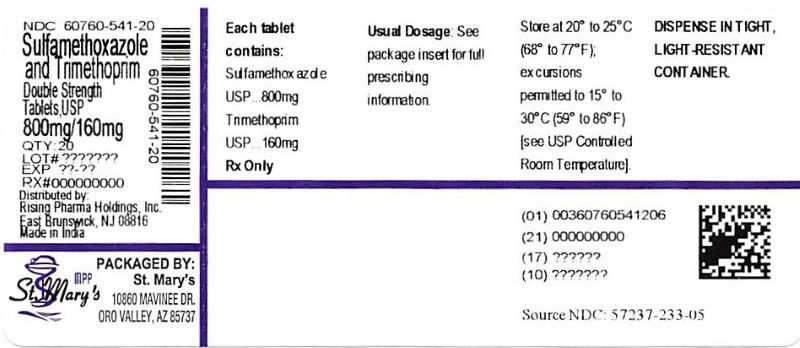
(sulfamethoxazole · DailyMed)
Bronquidiazina CR Suspension
5 Hydroxyanthranili Acid mg,Bromhexine HCI 4 mg,Glycerol mg,Sulfamethoxazole 400 mg,Tolu balsam 32.5 mg,Trimethoprim 80 mg
What it does
Balsam is a natural substance often used for its soothing properties. It is commonly found in topical treatments and some medicinal products.
Commonly used for: skin irritations, coughs (as an ingredient in syrups), wound healing
Read more in plain English ↓Plain-language summary for general understanding - not medical advice. Always follow your pharmacist/doctor.
Ask about this medicine
Answers come only from this medicine's registration record, BNF monograph and interaction data - not medical advice.
Medicine sourcing is available in Kenya only. We don't sell or dispense medicines - licensed pharmacies do.
Sourcing - Kenya onlyRegistration & product details
Source: Tanzania Medicines and Medical Devices Authority · fetched 2026-03-11 23:42:13 · updated 2026-09-24 03:00:47
Drug Interactions
15Pharmacodynamic Warnings
Trimethoprim appears in TABLE 2: Drugs that cause nephrotoxicity
Trimethoprim appears in TABLE 16: Drugs that increase serum potassium
Trimethoprim appears in TABLE 18: Drugs that cause hyponatraemia
Moderate (3)
Dopamine Receptor Agonists - increases exposure
Trimethoprim is predicted to increase the exposure to dopamine receptor agonists (pramipexole). Adjust dose.
Pramipexole - increases exposure
Trimethoprim is predicted to increase the exposure to pramipexole. Adjust dose.
Treprostinil - increases exposure
Trimethoprim is predicted to increase the exposure to treprostinil. Adjust dose. Theoretical Tretinoin → see retinoids Triamcinolone → see corticosteroids Triamterene → see potassium-sparing diuretics
Unknown (12)
Antiepileptics - increases concentration
Trimethoprim increases the concentration of antiepileptics (fosphenytoin, phenytoin).
Azathioprine In Renal Transplant Patients - increases risk of haematological toxicity
Trimethoprim might increase the risk of haematological toxicity when given with azathioprine in renal transplant patients. r Anecdotal Azelastine → see antihistamines, non-sedating Azilsartan → see an
Coumarins - increases anticoagulant effect
Sulfamethoxazole increases the anticoagulant effect of coumarins.
Digoxin - increases concentration
Trimethoprim increases the concentration of digoxin.
Fosphenytoin - increases concentration
Trimethoprim increases the concentration of antiepileptics (fosphenytoin, phenytoin).
Data from BNF 85 (British National Formulary). This is not a substitute for professional medical advice. Matched via: exact
About balsam
Balsam is a natural substance often used for its soothing properties. It is commonly found in topical treatments and some medicinal products.
What it treats
- skin irritations
- coughs (as an ingredient in syrups)
- wound healing
How it works
Balsam helps to soothe and protect the skin, and it may also help relieve coughs by acting on the throat.
Who it's for
Balsam can be used by adults and children who need relief from skin issues or coughs.
AI-assisted summary grounded in BNF data - general information only, not medical advice. Always confirm with your pharmacist or doctor.
About bromhexine
Bromhexine is a medicine that helps to clear mucus from the airways, making it easier to breathe.
What it treats
- chest congestion
- mucus build-up in the lungs
- chronic bronchitis
How it works
Bromhexine works by thinning the mucus in the airways, which helps to loosen it and makes it easier to cough up.
Who it's for
Bromhexine is suitable for adults and children who have trouble clearing mucus from their lungs.
AI-assisted summary grounded in BNF data - general information only, not medical advice. Always confirm with your pharmacist or doctor.
About glycerol
Glycerol is a natural compound often used to relieve constipation by drawing water into the intestines.
What it treats
- constipation
- bowel movement difficulties
How it works
Glycerol helps soften stool and makes it easier to pass by increasing moisture in the intestines.
Who it's for
It is suitable for adults and children who need help with constipation.
AI-assisted summary grounded in BNF data - general information only, not medical advice. Always confirm with your pharmacist or doctor.
About hci
HCl is a compound commonly used in various medications to help with certain health conditions.
What it treats
- stomach acid-related issues
- acid reflux (gastroesophageal reflux disease)
- digestive problems
How it works
HCl helps to regulate acidity in the stomach, aiding in digestion and reducing discomfort caused by excess stomach acid.
Who it's for
This medication is for individuals experiencing digestive issues related to stomach acidity.
AI-assisted summary grounded in BNF data - general information only, not medical advice. Always confirm with your pharmacist or doctor.
About hydroxyanthranili
Hydroxyanthranilic acid is a compound that may be involved in various body processes.
How it works
Hydroxyanthranilic acid plays a role in the metabolism of certain amino acids and may have effects on the nervous system.
Who it's for
This substance may be considered for individuals needing support in specific metabolic processes.
AI-assisted summary grounded in BNF data - general information only, not medical advice. Always confirm with your pharmacist or doctor.
About sulfamethoxazole
Sulfamethoxazole is an antibiotic used to treat bacterial infections.
What it treats
- bacterial infections
- urinary tract infections
- respiratory tract infections
How it works
It works by stopping the growth of bacteria.
Who it's for
This medication is for adults and children with certain bacterial infections.
AI-assisted summary grounded in BNF data - general information only, not medical advice. Always confirm with your pharmacist or doctor.
About tolu
Tolu is a substance used in various medical applications.
What it treats
- skin conditions (dermatitis)
- respiratory issues
How it works
Tolu helps by soothing and healing affected areas.
Who it's for
People suffering from certain skin or breathing problems.
AI-assisted summary grounded in BNF data - general information only, not medical advice. Always confirm with your pharmacist or doctor.
About trimethoprim
Trimethoprim is an antibiotic used to treat infections, primarily those of the urinary tract.
What it treats
- urinary tract infections
- bladder infections
- kidney infections
How it works
It works by stopping the growth of bacteria that cause infections.
Who it's for
It is for people suffering from bacterial infections, especially in the urinary system.
Cautions
- • Be cautious if you are taking medications that can harm the kidneys.
- • Avoid if you are on drugs that raise potassium levels in the blood.
- • Use with care if you are taking medications that can lower sodium levels.
AI-assisted summary grounded in BNF data - general information only, not medical advice. Always confirm with your pharmacist or doctor.
Clinical monograph: Glycerol
BNF-referencedGlycerol, also known as glycerin, is a colorless, odorless, viscous liquid that is hygroscopic and sweet-tasting. It is primarily used as an osmotic laxative for the relief of constipation, especially in cases where other treatments may not be effective. Glycerol works by drawing water into the intestines and stimulating evacuation. It is also used in various pharmaceutical formulations and has applications in skin care due to its moisturizing properties.
Indications
- Constipation
- Bowel cleansing
Dosage
Children: Child 1–11 months: 1 g as required, Child 1–11 years: 2 g as required, Child 12–17 years: 4 g as required.
Adults: 4 g as required, usually administered rectally.
Mechanism of action
When administered rectally, glycerol exerts a hygroscopic and/or local irritant action, drawing water from the tissues into the feces and reflexively stimulating evacuation. It decreases intraocular pressure by creating an osmotic gradient between the blood and intraocular fluid, causing fluid to move from the aqueous and vitreous humors into the bloodstream. Glycerol is classified as a hyperosmotic laxative and may also have lubricating and fecal softening effects.
Pharmacodynamics
Glycerol is commonly classified as an osmotic laxative, acting through its local irritant effects and possibly having lubricating and fecal softening actions. Glycerol suppositories usually produce effects within 15 to 30 minutes, providing quick relief from constipation.
Pharmacokinetics
Glycerol is rapidly absorbed through the gastrointestinal tract. It is metabolized in the liver and other tissues, with a half-life that varies depending on the route of administration. Following rectal administration, glycerol is primarily excreted in urine. The pharmacokinetics may vary based on dosage forms and individual patient factors.
Contra-indications
- Acute abdominal conditions
- Acute inflammatory bowel disease
- Intestinal obstruction
- Severe dehydration
Adverse effects
- Abdominal cramps
- Asthenia
- Gastrointestinal disorders
- Hypermagnesaemia
- Skin reactions
- Urine discolouration
Precautions
- Avoid prolonged contact with skin, especially in incontinent patients or infants wearing nappies due to the risk of irritation and excoriation.
- Excessive use may cause diarrhea and related effects such as hypokalaemia.
Pregnancy
Manufacturers advise avoidance due to limited information available.
Breast-feeding
Manufacturers advise avoidance as there is no information available.
Storage
Store at room temperature, away from direct sunlight.
Formulations
- Glycerol 1g suppositories
- Glycerol 2g suppositories
- Glycerol 4g suppositories
- Glycerol oral suspension
AI-synthesized from BNF references - general information only, not a substitute for professional medical advice or the current BNF. Verify doses with a pharmacist.
Clinical monograph: Trimethoprim
BNF-referencedTrimethoprim is an antimicrobial agent primarily used in the treatment of bacterial infections. It functions as a bacteriostatic agent by inhibiting the enzyme dihydrofolate reductase, which is crucial for the synthesis of tetrahydrofolic acid, an essential component for bacterial nucleic acid and protein production. It is often prescribed in combination with sulfamethoxazole to enhance its bactericidal effects.
Indications
- Bacterial infections
- Urinary tract infections
- Respiratory tract infections
- Prophylaxis of recurrent urinary tract infections
Dosage
Children: For children aged 6 weeks to 5 months: 4 mg/kg twice daily (max. 200 mg). For children 6 months to 5 years: 4 mg/kg twice daily (max. 200 mg). For children 6–11 years: 4 mg/kg twice daily (max. 200 mg). For children
Adults: 200 mg twice daily.
Mechanism of action
Trimethoprim is a reversible inhibitor of dihydrofolate reductase, an enzyme that catalyzes the formation of tetrahydrofolic acid from dihydrofolic acid. By inhibiting this enzyme, trimethoprim disrupts the biosynthesis of nucleic acids and proteins in bacteria, leading to their growth inhibition. The drug has a significantly higher affinity for bacterial dihydrofolate reductase compared to the mammalian enzyme, ensuring selective antibacterial activity.
Pharmacodynamics
Trimethoprim exerts its antimicrobial effects by disrupting bacterial nucleic acid synthesis. It is effective against various gram-negative bacteria and some coagulase-negative Staphylococcus species. Resistance can develop through mechanisms such as alterations to the bacterial cell wall or overproduction of the target enzyme. Monitoring for potential blood disorders is important during therapy, as rare adverse effects can occur.
Pharmacokinetics
Trimethoprim is well absorbed from the gastrointestinal tract and reaches peak plasma concentrations within 1-4 hours post-administration. It has a volume of distribution that suggests extensive tissue penetration, including into the lungs and kidneys, and is primarily excreted unchanged in the urine. The elimination half-life is approximately 8-10 hours, and dosing adjustments may be necessary in cases of renal impairment.
Contra-indications
- Severe renal impairment
- Known hypersensitivity to trimethoprim or any component of the formulation
Adverse effects
- Diarrhoea
- Nausea
- Headache
- Dizziness
- Fatigue
- Skin reactions
- Vomiting
- Anxiety
- Agranulocytosis
- Eosinophilia
- Photosensitivity reactions
- Thrombocytopenia
- Leukopenia
- Pseudomembranous colitis
Interactions
- Increases exposure to pramipexole
- Increases exposure to treprostinil
- Increases exposure to dopaminergic receptor agonists
- Increases concentration of antiepileptics
- Increases concentration of fosphenytoin
- Increases concentration of phenytoin
- Increases risk of haematological toxicity with azathioprine in renal transplant patients
- Increases concentration of digoxin
- Increases exposure to repaglinide
Precautions
- Caution in patients with renal impairment
- Caution in elderly patients (75 years and over)
- Monitor for signs of blood disorders such as sore throat, fever, and pallor
- Consider local antimicrobial susceptibility patterns before use
Pregnancy
Manufacturer advises avoidance due to potential fetal developmental toxicity observed in animal studies.
Breast-feeding
Manufacturer advises avoidance as trimethoprim is present in milk in animal studies.
Storage
Store in a cool, dry place, away from direct sunlight. Keep out of reach of children.
Formulations
- Tablets
- Oral suspension
- Injection solution
AI-synthesized from BNF references - general information only, not a substitute for professional medical advice or the current BNF. Verify doses with a pharmacist.
Clinical monograph: balsam
BNF-referencedBalsam refers to various aromatic resins obtained from certain trees, primarily used in traditional medicine and as flavoring agents in food and beverages. The most common types include balsam of Peru and balsam of Tolu. These substances are known for their pleasant fragrance and potential therapeutic properties.
Indications
- Skin conditions (e.g., eczema, dermatitis)
- Respiratory issues (e.g., cough, cold)
- Topical antiseptic applications
- Aromatic uses for mood enhancement
Dosage
Children: Refer to relevant product-specific guidelines as doses may vary by formulation and use.
Adults: Refer to relevant product-specific guidelines as doses may vary by formulation and use.
Mechanism of action
Balsam exerts its effects primarily through its volatile compounds, which may exhibit anti-inflammatory, antiseptic, and analgesic properties. The specific pathways are not well-characterized in modern pharmacology, but traditional uses suggest modulation of inflammatory pathways and soothing of mucosal irritations.
Pharmacodynamics
Balsam compounds may influence various biological pathways, contributing to their anti-inflammatory and soothing effects. The aromatic properties can enhance mood and well-being, while topical applications are known to relieve certain skin conditions. The pharmacodynamics in humans, however, require more clinical evidence to fully elucidate their mechanisms.
Pharmacokinetics
The pharmacokinetics of balsam components are not extensively documented, but it is known that the compounds can be absorbed through the skin and mucous membranes. Metabolism primarily occurs in the liver, and elimination is expected to be via urine. However, specific half-lives and clearance rates are not well-studied.
Pregnancy
There is limited information available regarding the safety of balsam during pregnancy. It is advisable to avoid use unless clearly necessary.
Breast-feeding
Due to insufficient data on the excretion of balsam in human milk, caution is advised when using balsam while breastfeeding.
Storage
Store in a cool, dry place away from direct sunlight.
Formulations
- {'name': 'Balsam', 'molecular_formula': 'C15H24', 'description': 'Balsam is a natural resin obtained from various trees, known for its aromatic and medicinal properties. It is often used in topical preparations and alternative medicine.'}
AI-synthesized from BNF references - general information only, not a substitute for professional medical advice or the current BNF. Verify doses with a pharmacist.
Clinical monograph: bromhexine
BNF-referencedBromhexine is a mucolytic agent used primarily in the management of respiratory conditions characterized by excessive or thick mucus production. It works by reducing mucus viscosity, enhancing mucociliary clearance, and facilitating the expulsion of secretions from the respiratory tract. Given its pharmacological properties, bromhexine is particularly beneficial in conditions such as chronic bronchitis, asthma, and other respiratory ailments where mucus clearance is compromised.
Indications
- Chronic bronchitis
- Asthma
- Bronchiectasis
- Pneumonia
- Respiratory tract infections with productive cough
Dosage
Children: Refer to the BNF for Children for specific paediatric dosing recommendations.
Adults: Refer to the BNF for specific dosing information.
Mechanism of action
Bromhexine aids in mucus clearance by reducing the viscosity of mucus and activating the ciliary epithelium, allowing secretions to be expelled from the respiratory tract. Additionally, bromhexine has been shown to inhibit the transmembrane serine protease 2 receptor (TMPRSS2), which plays a crucial role in viral respiratory diseases. This inhibition may help in preventing or treating various respiratory illnesses, including COVID-19, by blocking viral entry into cells.
Pharmacodynamics
Bromhexine thins airway secretions, thus improving breathing and alleviating discomfort associated with thick mucus in the airways. Its action is particularly beneficial in respiratory disorders where mucus obstruction is a significant issue.
Pharmacokinetics
Bromhexine is well absorbed after oral administration, with peak plasma concentrations typically reached within 1 to 2 hours. It is metabolized in the liver, primarily to ambroxol, which is its active metabolite. The elimination half-life of bromhexine is approximately 8 to 12 hours, and it is excreted mainly through urine. The pharmacokinetics can be influenced by factors such as liver function and concurrent medications.
Adverse effects
- Gastrointestinal disturbances
- Nausea
- Vomiting
- Diarrhea
- Allergic reactions
Precautions
- Use with caution in patients with peptic ulcer disease
- Monitor patients with asthma or bronchospastic conditions
Pregnancy
Bromhexine should be used during pregnancy only if clearly needed and after careful consideration of the potential benefits and risks.
Breast-feeding
Bromhexine is excreted in breast milk; caution should be exercised when administering to nursing mothers.
Storage
Store in a cool, dry place away from direct sunlight. Keep out of reach of children.
Formulations
- Tablets
- Syrup
- Solution for inhalation
AI-synthesized from BNF references - general information only, not a substitute for professional medical advice or the current BNF. Verify doses with a pharmacist.
Clinical monograph: hydroxyanthranili
Hydroxyanthranilic acid is a metabolite of the amino acid tryptophan and plays a role in the kynurenine pathway. It is involved in various biological processes, including the synthesis of niacin and the modulation of immune responses. Hydroxyanthranilic acid has been studied for its potential neuroprotective effects and its involvement in the pathophysiology of certain neurodegenerative diseases.
Indications
- Neurodegenerative diseases
- Oxidative stress-related conditions
- Potential use in mood disorders
Dosage
Children: Refer to specific clinical guidelines or the BNF for appropriate dosing information.
Adults: Refer to specific clinical guidelines or the BNF for appropriate dosing information.
Mechanism of action
Hydroxyanthranilic acid acts as a precursor in the biosynthesis of nicotinamide adenine dinucleotide (NAD) through the kynurenine pathway. It is also known to exhibit antioxidant properties, which may contribute to its neuroprotective effects. Additionally, hydroxyanthranilic acid can modulate the activity of various enzymes and receptors, potentially influencing neuroinflammatory processes.
Pharmacodynamics
Hydroxyanthranilic acid exhibits various pharmacodynamic effects, including antioxidant activity and modulation of neurotransmitter systems. Its role in NAD synthesis is crucial for cellular energy metabolism, while its neuroprotective properties may help mitigate oxidative stress and inflammation in neural tissues.
Pharmacokinetics
Hydroxyanthranilic acid is absorbed from the gastrointestinal tract and is subject to first-pass metabolism. The compound is distributed throughout the body, with a particular affinity for neural tissues. Metabolism occurs primarily in the liver, and it is excreted in urine. The half-life of hydroxyanthranilic acid is not well-defined, and further research is needed to elucidate its pharmacokinetic profile.
Adverse effects
- Nausea
- Vomiting
- Diarrhea
- Abdominal pain
- Headache
- Rash
Precautions
- Use with caution in patients with liver impairment
- Monitor for gastrointestinal disturbances
- Assess for allergic reactions prior to administration
Pregnancy
There is limited data on the use of hydroxyanthranilic acid during pregnancy. Caution is advised.
Breast-feeding
It is unknown if hydroxyanthranilic acid is excreted in human milk. Caution is recommended.
Storage
Store in a cool, dry place away from light. Keep out of reach of children.
Formulations
- Oral tablets
- Capsules
- Powder for oral solution
AI-synthesized from BNF references - general information only, not a substitute for professional medical advice or the current BNF. Verify doses with a pharmacist.
Clinical monograph: sulfamethoxazole
BNF-referencedSulfamethoxazole is a bacteriostatic sulfonamide antibiotic primarily used to treat bacterial infections by inhibiting folate synthesis in susceptible bacteria. It is often administered in combination with trimethoprim to enhance its efficacy and reduce the likelihood of bacterial resistance.
Indications
- Urinary tract infections
- Respiratory tract infections
- Gastrointestinal infections
- Pneumocystis pneumonia
- Toxoplasmosis
Dosage
Children: Refer to the BNF for Children for specific dosing information appropriate for paediatric patients, as doses are typically weight-based and vary by age and condition.
Adults: Refer to the BNF for specific dosing information based on the clinical condition being treated, as dosing may vary depending on the severity of the infection and patient characteristics.
Mechanism of action
Sulfamethoxazole inhibits bacterial dihydrofolic acid synthesis due to its structural similarity to para-aminobenzoic acid (PABA). It competitively inhibits dihydropteroate synthase, the enzyme responsible for converting PABA to dihydrofolic acid. This action prevents the synthesis of tetrahydrofolate, leading to the inhibition of bacterial purine and DNA synthesis, resulting in a bacteriostatic effect.
Pharmacodynamics
Sulfamethoxazole is generally bacteriostatic, inhibiting a crucial step in bacterial folate synthesis. It is typically used in combination with trimethoprim, which inhibits the reduction of dihydrofolic acid to tetrahydrofolate. This combination allows for a synergistic effect, reducing the rate of bacterial resistance development compared to using either drug alone. Care should be taken as sulfamethoxazole can cause hypersensitivity reactions, and it may contribute to folate deficiency, particularly in at-risk populations.
Pharmacokinetics
Sulfamethoxazole is well absorbed following oral administration and is widely distributed in body tissues. It has a moderate half-life, necessitating multiple daily doses for sustained therapeutic effect. The drug is metabolized in the liver and excreted primarily via the kidneys, with some metabolites being active. Its excretion can be influenced by renal function, necessitating dose adjustments in patients with compromised kidney function.
Contra-indications
- Hypersensitivity to sulfamethoxazole or other sulfonamides
- Severe liver impairment
- Severe renal impairment
- History of severe adverse reactions to sulfonamides (e.g., Stevens-Johnson syndrome)
Adverse effects
- Rash
- Nausea
- Vomiting
- Diarrhea
- Hematological reactions (e.g., leukopenia, thrombocytopenia)
- Liver toxicity
- Renal toxicity
- Hemolytic anemia in patients with G6PD deficiency
- Stevens-Johnson syndrome
- Toxic epidermal necrolysis
Interactions
- Sulfamethoxazole may increase the anticoagulant effect of coumarins
- Concurrent use with other folate antagonists may enhance toxicity
- May interact with methotrexate, increasing the risk of toxicity
Precautions
- Use with caution in patients with a history of hypersensitivity reactions
- Monitor for signs of folate deficiency
- Assess renal and liver function prior to and during treatment
- Discontinue immediately at the first sign of rash or skin reaction
Pregnancy
Sulfamethoxazole is generally not recommended during pregnancy, especially in the first trimester and near term, due to potential risks of teratogenic effects and kernicterus in the newborn.
Breast-feeding
Sulfamethoxazole is excreted in breast milk; caution is advised when administering to nursing mothers due to potential effects on the nursing infant.
Storage
Store at room temperature, away from moisture and heat. Protect from light.
Formulations
- Oral tablets
- Oral suspension
- Injection
AI-synthesized from BNF references - general information only, not a substitute for professional medical advice or the current BNF. Verify doses with a pharmacist.
Clinical monograph: tolu
Tolu, also known as toluene, is an aromatic hydrocarbon commonly used as an industrial solvent and in the production of various chemicals. It is a colorless liquid with a sweet odor, and it is primarily used in paint thinners, adhesives, and coatings. Toluene is known for its ability to dissolve a wide range of organic compounds, making it useful in various applications including chemical synthesis and extraction processes.
Dosage
Children: There are no established therapeutic doses for toluene in the pediatric population. Exposure should be avoided due to potential toxicity.
Adults: There are no established therapeutic doses for toluene as it is primarily used as an industrial solvent. Exposure should be minimized due to its toxic effects.
Mechanism of action
Toluene exerts its effects primarily through its interaction with the central nervous system. It acts as a neurotoxin and can influence neurotransmitter systems, particularly those involving gamma-aminobutyric acid (GABA) and glutamate. The exact pathways are not fully elucidated, but toluene is known to enhance GABAergic activity, leading to sedative and anxiolytic effects, while also disrupting glutamate signaling, which can contribute to neurotoxicity.
Pharmacodynamics
The pharmacodynamics of toluene involve its effects on the central nervous system, where it can lead to a range of symptoms from euphoria and intoxication to neurological impairment and respiratory depression at higher exposures. Chronic exposure may result in neurobehavioral deficits, cognitive dysfunction, and potential long-term neurological damage. The effects can vary significantly based on concentration, duration of exposure, and individual susceptibility.
Pharmacokinetics
Toluene is rapidly absorbed through inhalation and dermal routes, with peak blood concentrations occurring shortly after exposure. It is metabolized primarily in the liver via cytochrome P450 enzymes, leading to the formation of various metabolites, including benzyl alcohol and hippuric acid. These metabolites are excreted in the urine. The elimination half-life of toluene varies depending on the route of exposure and individual metabolic factors, generally ranging from a few hours to a day.
Pregnancy
Toluene is not recommended during pregnancy due to potential risks to fetal development. It may cause teratogenic effects.
Breast-feeding
Toluene may be excreted in breast milk, and its use is generally not recommended while breastfeeding due to potential harm to the nursing infant.
Storage
Store in a cool, dry place away from direct sunlight, heat, and ignition sources. Ensure containers are tightly sealed.
AI-synthesized from BNF references - general information only, not a substitute for professional medical advice or the current BNF. Verify doses with a pharmacist.
Molecular reference: Glycerol
PubChem CID 753Molecular formula: C3H8O3
Mechanism of action
When administered rectally, glycerin exerts a hygroscopic and/or local irritant action, drawing water from the tissues into the feces and reflexively stimulating evacuation. Glycerin decreases intraocular pressure by creating an osmotic gradient between the blood and intraocular fluid, causing fluid to move out of the aqueous and vitreous humors into the bloodstream. Glycerin (glycerol) and sorbitol are hyperosmotic laxatives. When administered rectally, glycerin and sorbitol exert a hygroscopic and/or local irritant action, drawing water from the tissues into the feces and reflexly stimulating evacuation. The extent to which the simple physical distention of the rectum and the hygroscopic and/or local irritant actions are responsible for the laxative effects of some of these drugs is not known. Only extremely high oral doses of sorbitol (25 g daily) or glycerin exert laxative action. /Glycerin/ decreases intraocular pressure by creating an osmotic gradient between the blood and intraocular fluid, causing fluid to move out of the aqueous and vitreous humors into the bloodstream. The physicochemical effects of a series of alkanols, alkanediols and glycerol on erythrocyte shape and hemolysis at 4 and 20 degrees C were examined. We calculated the dielectric constant of the incubation medium, Ds, and the dielectric constant of the erythrocyte membrane Dm in the presence of organic solutes. The ratio Ds/Dm = -38.48 at 20 degrees C defines the normal biconcave shape in a medium without hemolytic agents. A decrease in Ds/Dm favors externalization or internalization with consequent hemolysis. Alkanols and alkanediols convert biconcave erythrocytes into echinocytes, which is accompanied by an increase in the projected surface area. Glycerol converts biconcave erythrocytes into stomatocytes, which was accompanied by a marginal decrease in the projected surface area. Progressive externalization in alkanols and alkanediols or internalization in glycerol resulted in a decrease in the projected surface area and the formation of smooth spheres. The degree of shape change induced was related to the degree of hemolysis and the ratio Ds/Dm. A decrease in temperature reduced both the degree of shape change and hemolysis. .../Thus/ physicochemical toxicity may be a result of a temperature dependent hydrophobic interaction between the organic solutes and the membrane and is best interpreted by the ability of the solutes to change Ds and Dm.
Pharmacodynamics
Glycerin is commonly classified as an osmotic laxative but may act additionally or alternatively through its local irritant effects; it may also have lubricating and fecal softening actions. Glycerin suppositories usually work within 15 to 30 minutes.
Biological pathways
Source: PubChem (NCBI) · pathways from PathBank, Reactome, WikiPathways & PharmGKB.
Molecular reference: Trimethoprim
PubChem CID 5578Molecular formula: C14H18N4O3
Mechanism of action
Trimethoprim is a reversible inhibitor of dihydrofolate reductase, one of the principal enzymes catalyzing the formation of tetrahydrofolic acid (THF) from dihydrofolic acid (DHF). Tetrahydrofolic acid is necessary for the biosynthesis of bacterial nucleic acids and proteins and ultimately for continued bacterial survival - inhibiting its synthesis, then, results in bactericidal activity. Trimethoprim binds with a much stronger affinity to bacterial dihydrofolate reductase as compared to its mammalian counterpart, allowing trimethoprim to selectively interfere with bacterial biosynthetic processes. Trimethoprim is often given in combination with sulfamethoxazole, which inhibits the preceding step in bacterial protein synthesis - given together, sulfamethoxazole and trimethoprim inhibit two consecutive steps in the biosynthesis of bacterial nucleic acids and proteins. As a monotherapy trimethoprim is considered bacteriostatic, but in combination with sulfamethoxazole is thought to exert bactericidal activity. Trimethoprim is a bacteriostatic lipophilic weak base structurally related to pyrimethamine. It binds to and reversibly inhibits the bacterial enzyme dihydrofolate reductase, selectively blocking conversion of dihydrofolic acid to its functional form, tetrahydrofolic acid. This depletes folate, an essential cofactor in the biosynthesis of nucleic acids, resulting in interference with bacterial nucleic acid and protein production. Bacterial dihydrofolate reductase is approximately 50,000 to 60,000 times more tightly bound by trimethoprim than is the corresponding mammalian enzyme. To determine the incidence & severity of hyperkalemia during trimethoprim therapy, 30 consecutive patients with acquired immunodeficiency syndrome receiving high-dose (20 mg/kg/day) trimethoprim were studied; in addition, the mechanism of trimethoprim-induced hyperkalemia was investigated in rats. Trimethoprim increased serum potassium concn by 0.6 mmol/l despite normal adrenocortical function & glomerular filtration rate. Serum potassium levels >5 mmol/l were observed during trimethoprim treatment in 15 of 30 patients. In rats, iv trimethoprim inhibited renal potassium excretion by 40% & increased sodium excretion by 46%. It was concluded that trimethoprim blocks apical membrane sodium channels in the mammalian distal nephron. As a consequence, the transepithelial voltage is reduced & potassium secretion is inhibited. Decreased renal potassium excretion secondary to these direct effects on kidney tubules leads to hyperkalemia in a substantial number of patients being treated with trimethoprim-containing drugs.
Pharmacodynamics
Trimethoprim exerts its antimicrobial effects by inhibiting an essential step in the synthesis of bacterial nucleic acids and proteins. It has shown activity against several species of gram-negative bacteria, as well as coagulase-negative _Staphylococcus_ species. Resistance to trimethoprim may arise via a variety of mechanisms, including alterations to the bacterial cell wall, overproduction of dihydrofolate reductase, or production of resistant dihydrofolate reductase. Rarely, trimethoprim can precipitate the development of blood disorders (e.g. thrombocytopenia, leukopenia, etc.) which may be preceded by symptoms such as sore throat, fever, pallor, and or purpura - patients should be monitored closely for the development of these symptoms throught the course of therapy. As antimicrobial susceptibility patterns are geographically distinct, local antibiograms should be consulted to ensure adequate coverage of relevant pathogens prior to use.
Biological pathways
Source: PubChem (NCBI) · pathways from PathBank, Reactome, WikiPathways & PharmGKB.
Molecular reference: balsam
PubChem CID 133110026Molecular formula: C15H24
Source: PubChem (NCBI) · pathways from PathBank, Reactome, WikiPathways & PharmGKB.
Molecular reference: bromhexine
PubChem CID 2442Molecular formula: C14H20Br2N2
Mechanism of action
Inflammation of the airways, increased mucus secretion, and altered mucociliary clearance are the hallmarks of various diseases of the respiratory tract. Mucus clearance is necessary for lung health; bromhexine aids in mucus clearance by reducing the viscosity of mucus and activating the ciliary epithelium, allowing secretions to be expelled from the respiratory tract. Recent have studies have demonstrated that bromhexine inhibits the transmembrane serine protease 2 receptor (TMPRSS2) in humans. Activation of TMPRSS2 plays an important role in viral respiratory diseases such as influenza A and Middle East Respiratory Syndrome (MERS). Inhibition of receptor activation and viral entry by bromhexine may be effective in preventing or treating various respiratory illnesses, including COVID-19. In vitro studies have suggested the action of ambroxol (a metabolite of bromhexine) on the angiogensin-converting enzyme receptor 2 (ACE2), prevents entry of the viral envelope-anchored spike glycoprotein of SARS-Cov-2 into alveolar cells or increases the secretion of surfactant, preventing viral entry.
Pharmacodynamics
Bromhexine thins airway secretions, improving breathing and discomfort associated with thick mucus in airways associated with a variety of respiratory conditions.
Source: PubChem (NCBI) · pathways from PathBank, Reactome, WikiPathways & PharmGKB.
Molecular reference: sulfamethoxazole
PubChem CID 5329Molecular formula: C10H11N3O3S
Mechanism of action
Sulfamethoxazole is a sulfonamide that inhibits bacterial dihydrofolic acid synthesis due to its structural similarity to an endogenous substrate, para-aminobenzoic acid (PABA). Most bacteria meet their need for folic acid by synthesizing it from PABA, as opposed to Animalia that require exogenous folic acid sources. Sulfamethoxazole competitively inhibits dihydropteroate synthase, the enzyme responsible for bacterial conversion of PABA to dihydrofolic acid. Inhibition of this pathway prevents the synthesis of tetrahydrofolate and, ultimately, the synthesis of bacterial purines and DNA, resulting in a bacteriostatic effect. Sulfonamides are usually bacteriostatic in action. Sulfonamides interfere with the utilization of p-aminobenzoic acid (PABA) in the biosynthesis of tetrahydrofolic acid (the reduced form of folic acid) cofactors in susceptible bacteria. Sulfonamides are structural analogs of PABA and appear to interfere with PABA utilization by competitively inhibiting the enzyme dihydropteroate synthase, which catalyzes the formation of dihydropteroic acid (a precursor of tetrahydrofolic acid) from PABA and pteridine; however, other mechanism(s) affecting the biosynthetic pathway also may be involved. Compounds such as pyrimethamine and trimethoprim, which block later stages in the synthesis of folic acid, act synergistically with sulfonamides. Only microorganisms that synthesize their own folic acid are inhibited by sulfonamides; animal cells and bacteria which are capable of utilizing folic acid precursors or preformed folic acid are not affected by these drugs. The antibacterial activity of the sulfonamides is reportedly decreased in the presence of blood or purulent body exudates. /Sulfonamides/ /Sulfonamides inhibit bacterial growth by preventing para-aminobenzoic acid (PABA) from being incorporated/ into dihydropteroic acid, the immediate precursor of folic acid. Sensitive microorganisms are those that must synthesize their own folic acid; bacteria that can utilize preformed folate are not affected. Bacteriostasis induced by sulfonamides is counteracted by PABA competitively. Sulfonamides do not affect mammalian cells by this mechanism, since they require preformed folic acid and cannot synthesize it. /Sulfonamides/ Sulfonamides are broad-spectrum, bacteriostatic anti-infectives. They are structural analogs of para-aminobenzoic acid and competively inhibit a bacterial enzyme, dihydropteroate synthetase, that is responsible for incorporation of para-aminobenzoic acid into dihydrofolic acid. This blocks the synthesis of dihydrofolic acid and decreases the amount of metabolically active tetrahydrofolic acid, a cofactor for the synthesis of purines, thymidine, and DNA. /Sulfonamides/ The hydroxylamine and nitroso metabolites formed by N4-oxidation of sulfonamides are thought to be involved in the pathogenesis of idiosyncratic reactions to this class of drugs. Idiosyncratic reactions to sulfonamides are characterized by multisystemic toxicity, including hepatitis, nephritis, dermatitis, and blood dyscrasias (aplastic anemia, agranulocytosis). Previously it has been shown that cytochrome p-450 in the liver metabolizes sulfamethoxazole to its hydroxylamine metabolite. In this paper the N4-oxidation of sulfamethoxazole by activated monocytes and neutrophils (human and canine) to form sulfamethoxazole hydroxylamine and nitrosulfamethoxazole is reported. The presumed nitroso intermediate was not detected. Purified myeloperoxidase and prostaglandin H synthase were also capable of mediating the oxidation of sulfamethoxazole. The present studies suggest that myeloperoxidase is responsible for the observed oxidation by phagocytic cells. Oxidation by neutrophils may play a role in agranulocytosis, and oxidation by monocytes may facilitate antigen presentation. Extrahepatic bioactivation of sulfonamides by peroxidases in phagocytic cells and other tissues may be important in determining the range of adverse reactions to sulfonamides
Pharmacodynamics
Sulfamethoxazole is a bacteriostatic sulfonamide antibiotic that inhibits a critical step in bacterial folate synthesis. It is generally given in combination with [trimethoprim], a dihydrofolate reductase inhibitor, which inhibits the reduction of dihydrofolic acid to tetrahydrofolic acid. Studies have shown that bacterial resistance develops more slowly with the combination of the two drugs than with either trimethoprim or sulfamethoxazole alone, as together they inhibit sequential steps in the bacterial folate synthesis pathway. Sulfonamides, including sulfamethoxazole, have been implicated in hypersensitivity reactions - these agents should be discontinued at the first sign of a developing rash, as this may signal the start of a more severe reaction such as Stevens-Johnson syndrome or toxic epidermal necrolysis. Sulfamethoxazole treatment may contribute to folate deficiency and should therefore be used with caution in patients at a higher risk of developing a deficiency. Hemolysis has been observed in patients with glucose-6-phosphate dehydrogenase deficiency who are using sulfamethoxazole/trimethoprim.
Source: PubChem (NCBI) · pathways from PathBank, Reactome, WikiPathways & PharmGKB.
This drug in other countries
The same active ingredient registered across other registries we cover - including different brands.
- ADULT MALIN PLUS COUGH · M&g Pharmaceuticals
- AMPROLIUM 20% WSP · Henan Benon Biopharmaceutical
- APSASOL COCCI PLUS POWDER (Each kg contains Sulfamethazine 200g/ Sulfaquinoxaline sodium 25g/ Trimethoprim 45g/ Oxytetracycline hydrochloride 200g/ Vitamin A 5,000,000iu/ Vitamin K3 5g) · Multivet
- ASCOREX EXPECTORANT · Glenmark Pharmaceuticals
- ASPANOL PRODUCTIVE COUGH SYRUP SYRUP (Each 5ml contains Guaifenesin BP/ Bromhexine Hydrochloride BP/ Phenylephrine Hydrochloride BP 100mg/4mg/30mg) · Kinapharma
- BLUKOF ADULT CHESTY COUGH SYRUP · Prowill Pharmaceuticals