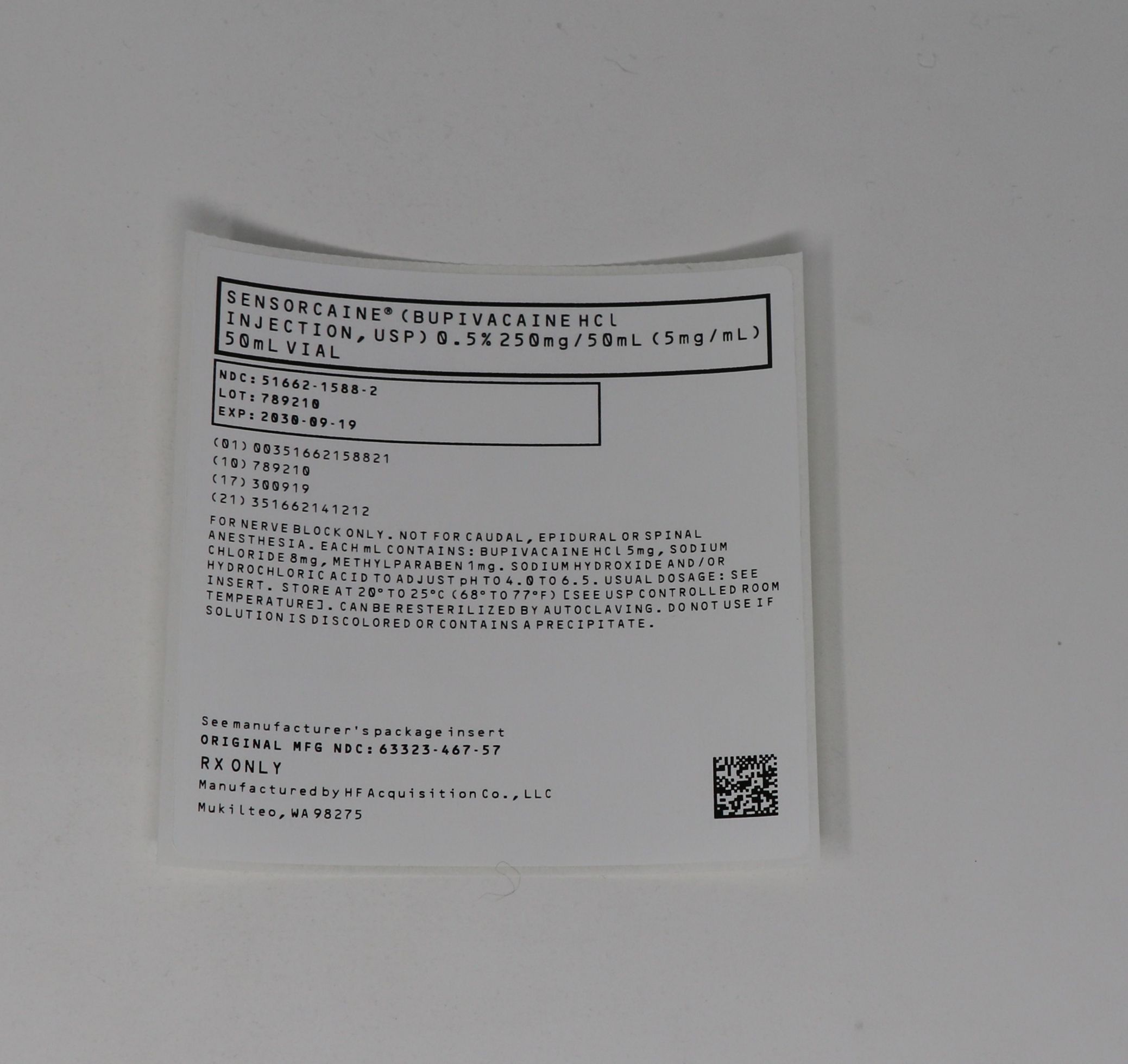
(bupivacaine · DailyMed)
BUPIVACAINE HCl 0,5 % Injection With Adrenaline 1:200 000 (as Bitartrate) Adco
BUPIVACAINE HYDROCHLORIDE , ADRENALINE BITARTRATE
What it does
Adrenaline is a hormone that helps the body respond to emergencies by increasing heart rate and blood flow.
Commonly used for: allergic reactions (anaphylaxis), cardiac arrest, asthma attacks, severe asthma
Read more in plain English ↓Plain-language summary for general understanding - not medical advice. Always follow your pharmacist/doctor.
Ask about this medicine
Answers come only from this medicine's registration record, BNF monograph and interaction data - not medical advice.
Medicine sourcing is available in Kenya only. We don't sell or dispense medicines - licensed pharmacies do.
Sourcing - Kenya onlyRegistration & product details
Source: South African Health Products Regulatory Authority · fetched 2026-04-15 21:12:46 · updated 2026-10-21 04:00:16
About adrenaline
Adrenaline is a hormone that helps the body respond to emergencies by increasing heart rate and blood flow.
What it treats
- allergic reactions (anaphylaxis)
- cardiac arrest
- asthma attacks
- severe asthma
How it works
Adrenaline works by narrowing blood vessels and opening the airways in the lungs, which helps improve breathing and increase blood flow to vital organs.
Who it's for
Adrenaline is for people experiencing life-threatening allergic reactions, cardiac emergencies, or severe asthma attacks.
AI-assisted summary grounded in BNF data - general information only, not medical advice. Always confirm with your pharmacist or doctor.
About bitartrate
Bitartrate is a compound used in various medicinal products, often to improve the effectiveness of other ingredients.
What it treats
- nausea
- vomiting
- motion sickness
How it works
Bitartrate helps to reduce nausea and vomiting by affecting the brain and gut.
Who it's for
It is suitable for adults and children who experience nausea or vomiting from different causes.
AI-assisted summary grounded in BNF data - general information only, not medical advice. Always confirm with your pharmacist or doctor.
About bupivacaine
Bupivacaine is a local anesthetic used to numb specific areas of the body during medical procedures.
What it treats
- pain relief during surgery
- pain management in childbirth
- relief of pain in certain medical conditions
How it works
Bupivacaine works by blocking nerve signals in the area where it is applied, preventing the sensation of pain.
Who it's for
Bupivacaine is suitable for adults and may be used in children under medical supervision.
Cautions
- • Avoid use with other drugs that can depress the central nervous system.
AI-assisted summary grounded in BNF data - general information only, not medical advice. Always confirm with your pharmacist or doctor.
Clinical monograph: Bupivacainehydrochloride
BNF-referencedBupivacaine hydrochloride is a long-acting amide local anaesthetic used primarily for the induction of local anaesthesia in various medical procedures. It works by inhibiting sodium ion influx through voltage-gated sodium channels, thus preventing the generation and conduction of nerve impulses. This agent is commonly utilized in infiltrative anaesthesia, nerve blocks, and epidural anaesthesia. The use of bupivacaine is particularly common in dentistry and during surgical interventions requiring prolonged analgesia.
Indications
- Infiltration anaesthesia in dentistry
- Nerve blocks for surgery
- Epidural anaesthesia
- Post-operative pain management
Dosage
Adults: Bolus doses of 1.5 mL/kg over 1 minute, with intervals of 5 minutes, and maximum cumulative doses should not exceed 12 mL/kg. For continuous infusion, the rate may
Mechanism of action
Bupivacaine hydrochloride acts by blocking voltage-gated sodium channels on the neuronal cell membrane, which inhibits the influx of sodium ions, leading to a decrease in depolarization and action potential generation. This mechanism results in reversible loss of sensation in the targeted area. The effect is dose-dependent and varies based on the route of administration.
Pharmacodynamics
Bupivacaine exhibits a high lipid solubility, which facilitates its action at the nerve membrane. The onset of action is typically within 10 to 20 minutes, with a duration of effect that can last from 2 to 8 hours, depending on the dosage and the method of administration. The drug provides effective analgesia, making it a preferred choice for procedures requiring prolonged pain relief. However, caution is advised as high concentrations can lead to systemic toxicity, primarily affecting the central nervous and cardiovascular systems.
Pharmacokinetics
Bupivacaine is rapidly absorbed following parenteral administration, with peak plasma concentrations occurring within 30 minutes to 2 hours. The drug is extensively metabolized in the liver by cytochrome P450 enzymes and excreted in the urine as metabolites. Its half-life ranges from 2.5 to 6 hours in healthy individuals, but it can be prolonged in patients with hepatic impairment. Due to its extensive protein binding (approximately 95%), the free fraction available for action is reduced in conditions affecting protein levels.
Contra-indications
- Hypersensitivity to bupivacaine or any of its components
- Application to damaged skin
- Severe hypertension
- Unstable cardiac rhythm
Adverse effects
- Face oedema
- Gingivitis
- Headache
- Nausea
- Abnormal sensation
Interactions
- Concurrent use of sympathomimetics may increase cardiovascular effects
- Adrenaline should be used with caution; total dose should not exceed 5 micrograms/kg
- Avoid using propofol as an alternative to lipid emulsion treatment
Precautions
- Use with caution in patients with hepatic impairment due to increased risk of toxicity
- Use with caution in patients with renal impairment
- Requires monitoring of blood pressure and ECG during administration
- Should only be administered by trained personnel experienced in its use
Pregnancy
Use only if potential benefit outweighs risk; no information available.
Breast-feeding
Avoid breastfeeding for 48 hours after administration.
Storage
Store at room temperature, away from light. Do not freeze.
Formulations
- Solution for injection cartridges
- Injectable preparation
AI-synthesized from BNF references - general information only, not a substitute for professional medical advice or the current BNF. Verify doses with a pharmacist.
Clinical monograph: adrenaline
BNF-referencedAdrenaline, also known as epinephrine, is a sympathomimetic catecholamine that acts on both alpha and beta-adrenergic receptors. It is primarily used in emergency medicine for the treatment of severe allergic reactions (anaphylaxis), cardiac arrest, and asthma exacerbations. Its pharmacological effects include vasoconstriction, increased heart rate, bronchodilation, and inhibition of histamine release, making it a critical agent in life-threatening situations.
Indications
- Anaphylaxis
- Cardiac arrest
- Severe asthma exacerbations
- Croup
- Vasodilatory shock
Dosage
Adults: For anaphylaxis, 0.5 mg (0.5 mL of 1:1000 solution) intramuscularly may be administered. In cardiac arrest, 1
Mechanism of action
Epinephrine acts on alpha and beta-adrenergic receptors. It minimizes vasodilation and increases vascular permeability during anaphylaxis, counteracting hypotension. Additionally, it relaxes bronchial smooth muscle, alleviating bronchospasm and wheezing. Its positive inotropic and chronotropic effects increase myocardial contractility and heart rate, respectively. The drug also raises blood sugar levels through glycogenolysis in the liver and acts as a histamine antagonist, beneficial in allergic reactions.
Pharmacodynamics
Epinephrine mimics sympathetic nervous system actions, increasing heart rate, myocardial contractility, and renin release via beta-1 receptors. Its beta-2 effects produce bronchodilation, aiding in asthma treatment. In croup, nebulized epinephrine results in significant symptom reduction. It also alleviates pruritus, urticaria, and angioedema, and relaxes smooth muscle in the gastrointestinal and genitourinary tracts, enhancing its efficacy in anaphylaxis.
Pharmacokinetics
Epinephrine is rapidly absorbed and has a short duration of action. It is metabolized mainly by monoamine oxidase (MAO) and catechol-O-methyltransferase (COMT) in the liver and other tissues. The onset of action occurs within minutes when administered parenterally, while the effects may last for several minutes, depending on the route of administration. The drug is excreted mainly in the urine as metabolites.
Contra-indications
- Hypersensitivity to adrenaline or any of its components
- In patients with narrow-angle glaucoma
- During general anaesthesia with halogenated hydrocarbons
- In cases of cardiomyopathy or ventricular tachyarrhythmias
Adverse effects
- Tachycardia
- Hypertension
- Anxiety
- Tremors
- Headache
- Nausea
- Vomiting
- Palpitations
Interactions
- Betablockers, selective: Increases risk of hypertension and bradycardia
- Entacapone: Increases risk of cardiovascular adverse effects
- Opicapone: Increases risk of cardiovascular adverse effects
- Tolcapone: Increases effects
Precautions
- Caution in patients with cardiovascular disease
- Caution in patients with hyperthyroidism
- Caution in patients with diabetes mellitus due to glycemic effects
- Monitor patients for potential adverse cardiovascular effects
Pregnancy
Epinephrine should be used during pregnancy only if the potential benefit justifies the potential risk to the fetus. It crosses the placenta.
Breast-feeding
Epinephrine is excreted in human milk. Caution should be exercised when administering to a nursing mother.
Storage
Store at room temperature, protected from light. Do not freeze.
Formulations
- Injection solution (1:1000, 1:10,000)
- Inhalation solution
- Auto-injector device
AI-synthesized from BNF references - general information only, not a substitute for professional medical advice or the current BNF. Verify doses with a pharmacist.
Clinical monograph: bitartrate
BNF-referencedBitartrate, also known as tartrate, is a salt or ester of tartaric acid. It is commonly used in various applications, including as a stabilizing agent in food and beverages, as well as in the pharmaceutical industry. Bitartrate compounds are often used in formulations to improve solubility and bioavailability of certain medications.
Indications
- Used as a stabilizing agent in pharmaceuticals
- Used in food products as a preservative or acidity regulator
Dosage
Children: Refer to specific product information for dosing recommendations in children, as pediatric dosing guidelines will depend on the formulation and indication.
Adults: Refer to specific product information for detailed dosing recommendations, as the dosage of bitartrate can vary based on its use in different formulations.
Mechanism of action
Bitartrate acts primarily as a buffering agent, helping to maintain pH balance in formulations. It may enhance the solubility of specific active ingredients, thereby facilitating their absorption and efficacy. The precise mechanisms may vary depending on the specific bitartrate compound and its application.
Pharmacodynamics
The pharmacodynamics of bitartrate compounds are largely dependent on their specific use. Generally, bitartrate can influence the pharmacokinetics of co-administered drugs by altering their solubility and stability. This can lead to increased absorption and improved therapeutic outcomes. The effects on the central nervous system or other systems are not well characterized, as bitartrate is primarily used for its physicochemical properties rather than direct pharmacological effects.
Pharmacokinetics
The pharmacokinetics of bitartrate compounds largely depend on the specific formulation and the active ingredients involved. Generally, bitartrate salts are expected to dissociate in the gastrointestinal tract, contributing to the systemic availability of the active drug. The absorption, distribution, metabolism, and excretion profiles will vary based on the formulation and route of administration.
Pregnancy
There are no adequate and well-controlled studies in pregnant women. Bitartrate should be used during pregnancy only if the potential benefit justifies the potential risk to the fetus.
Breast-feeding
Bitartrate is excreted in human milk. Caution should be exercised when administering to a nursing mother.
Storage
Store in a cool, dry place away from light. Keep out of reach of children.
AI-synthesized from BNF references - general information only, not a substitute for professional medical advice or the current BNF. Verify doses with a pharmacist.
Clinical monograph: bupivacaine
BNF-referencedBupivacaine is a local anesthetic of the amide type, primarily used to produce regional anesthesia. It is effective in various procedures, including surgical, obstetric, and pain management settings. Bupivacaine works by blocking nerve conduction in the targeted area, providing pain relief during and after surgical procedures.
Indications
- Regional anesthesia for surgical procedures
- Pain management in obstetric settings (e.g., epidural analgesia during labor)
- Postoperative analgesia
- Nerve blocks for pain control
Dosage
Children: Refer to the BNF for Children for specific dosing information in paediatric patients.
Adults: For infiltration anesthesia, the typical dose is 5 to 10 mL of a 0.25% to 0.5% solution. For epidural anesthesia, a dose of 10 to 20 mL of a 0.25% to 0.5% solution may be used, depending on the procedure.
Mechanism of action
Bupivacaine acts by inhibiting voltage-gated sodium channels in the neuronal cell membrane. This inhibition prevents the initiation and propagation of action potentials, leading to a reversible loss of sensation in the area supplied by the affected nerves. It predominantly affects small unmyelinated fibers, which are responsible for pain and temperature sensation.
Pharmacodynamics
The onset of action for bupivacaine is dose-dependent, with effects typically observed within 10 to 30 minutes after administration, depending on the route of administration. The duration of action can last from 2 to 8 hours, with longer durations noted for higher doses or when used in conjunction with vasoconstrictors. Bupivacaine is more potent than lidocaine and provides a longer duration of anesthesia.
Pharmacokinetics
Bupivacaine is well-absorbed after injection, with peak plasma concentrations occurring within 30 minutes. It is metabolized primarily in the liver by cytochrome P450 enzymes, and its metabolites are excreted in the urine. The elimination half-life ranges from 2.5 to 6 hours, depending on the route of administration and patient-specific factors.
Contra-indications
- Hypersensitivity to bupivacaine or any component of the formulation
- Severe heart block
- Severe hepatic impairment
- Uncontrolled hypotension
Adverse effects
- Cardiovascular collapse
- Hypotension
- Bradycardia
- Nausea
- Vomiting
- Dizziness
- Headache
- Numbness
- Paresthesia
- Tremors
Interactions
- Concurrent use with other local anesthetics may increase the risk of toxicity
- Caution advised when used with agents that can affect the cardiovascular system
Precautions
- Use with caution in patients with cardiovascular disease
- Monitor for signs of systemic toxicity, particularly in high doses or accidental intravascular injection
- Ensure resuscitation equipment and trained personnel are available during administration
Pregnancy
Bupivacaine can be used during pregnancy when the potential benefits justify the risks. Consult relevant clinical guidelines.
Breast-feeding
Bupivacaine is excreted in breast milk. Caution is advised when administering to nursing mothers.
Storage
Store at room temperature, away from light and moisture. Do not freeze.
Formulations
- Injection solution
- Epidural solution
- Nerve block solution
AI-synthesized from BNF references - general information only, not a substitute for professional medical advice or the current BNF. Verify doses with a pharmacist.
Molecular reference: adrenaline
PubChem CID 5816Molecular formula: C9H13NO3
Mechanism of action
Epinephrine acts on alpha and beta-adrenergic receptors. Epinephrine acts on alpha and beta receptors and is the strongest alpha receptor activator. Through its action on alpha-adrenergic receptors, epinephrine minimizes the vasodilation and increased the vascular permeability that occurs during anaphylaxis, which can cause the loss of intravascular fluid volume as well as hypotension. Epinephrine relaxes the smooth muscle of the bronchi and iris and is a histamine antagonist, rendering it useful in treating the manifestations of allergic reactions and associated conditions. This drug also produces an increase in blood sugar and increases glycogenolysis in the liver. Through its action on beta-adrenergic receptors, epinephrine leads to bronchial smooth muscle relaxation that helps to relieve bronchospasm, wheezing, and dyspnea that may occur during anaphylaxis. The mechanism of rise in blood pressure ... is threefold: a direct myocardial stimulation that increases the strength of ventricular contraction (positive inotropic action), an increased heart rate (positive chronotropic action), vasoconstriction in many vascular beds, especially in precapillary resistance vessels of skin, mucosa, and kidney, along with marked constriction of veins. ... Epinephrine affects respiration primarily by relaxing bronchial muscle. It has a powerful bronchodilator action, most evident when bronchial muscle is contracted because of disease, as in bronchial asthma, or in response to drugs or various autacoids. In such situations, epinephrine has a striking therapeutic effect as a physiological antagonist to substances that cause bronchoconstriction. The beneficial effects of epinephrine in asthma also may arise from inhibition of antigen-induced release of inflammatory mediators from mast cells, and to a lesser extent from diminution of bronchial secretions and congestion within the mucosa. Inhibition of mast cell secretion is mediated by beta2 receptors, while the effects on the mucosa are mediated by alpha receptors The electrophysiologic effects of circulating epinephrine in humans were examined in four study groups of 10 subjects each. In 10 subjects without structural heart disease (Group 1) and in 10 patients with coronary disease or dilated cardiomyopathy (Group 2) epinephrine infusion at 25 and 50 ng/kg body weight per min for 14 min resulted in an elevation of the plasma epinephrine concentration in the physiologic range. In both groups it produced a dose-dependent decrease in the effective refractory period of the atrium, atrioventricular node and ventricle and improvement in atrioventricular node conduction. Epinephrine facilitated the induction of sustained ventricular tachycardia in 3 of the 20 subjects. In Group 3, a beta-adrenergic blocking dose of propranolol was added to the infusion of 50 ng/kg per min of epinephrine. Propranolol not only reversed the effects of epinephrine, but also lengthened these variables compared with baseline values. In group 4, propranolol was administered first, followed by 50 ng/kg per min of epinephrine. Propranolol alone slowed atrioventricular node conduction and mildly prolonged the refractory periods. In the presence of beta-blockade, epinephrine had no effect on atrioventricular node properties but resulted in a lengthening of the atrial and ventricular effective refractory periods. In conclusion, epinephrine in physioloic doses shortens the effective refractory period of the atrium, atrioventricular node and ventricle, improves atrioventricular node conduction and may facilitate the induction of sustained ventricular tachycardia. The overall electrophysiologic effects of epinephrine result from stimulation of beta-receptors. Stimulation of alpha-receptors by epinephrine has no effect on the atrioventricular node but prolongs the effective refractory period of the atrium and ventricle, partially offsetting the shortening of refractory periods mediated by beta-receptor stimulation. Epinephrine
Pharmacodynamics
Epinephrine is a sympathomimetic drug. It causes an adrenergic receptive mechanism on effector cells and mimics all actions of the sympathetic nervous system except those on the facial arteries and sweat glands. Important effects of epinephrine include increased heart rate, myocardial contractility, and renin release via beta-1 receptors. Beta-2 effects produce bronchodilation which may be useful as an adjunct treatment of asthma exacerbations as well as vasodilation, tocolysis, and increased aqueous humor production. In croup, nebulized epinephrine is associated with both clinically and statistically significant transient reduction of croup symptoms 30 minutes post-treatment. Epinephrine also alleviates pruritus, urticaria, and angioedema and may be helpful in relieving gastrointestinal and genitourinary symptoms associated with anaphylaxis because of its relaxing effects on the smooth muscle of the stomach, intestine, uterus, and urinary bladder.
Biological pathways
Source: PubChem (NCBI) · pathways from PathBank, Reactome, WikiPathways & PharmGKB.
Molecular reference: bitartrate
PubChem CID 3667129Molecular formula: C4H5O6-
Source: PubChem (NCBI) · pathways from PathBank, Reactome, WikiPathways & PharmGKB.
Molecular reference: bupivacaine
PubChem CID 2474Molecular formula: C18H28N2O
Biological pathways
Source: PubChem (NCBI) · pathways from PathBank, Reactome, WikiPathways & PharmGKB.
This drug in other countries
The same active ingredient registered across other registries we cover - including different brands.
- ADRENALINE 1.0 MG · Reddys Pharma
- ADRENALINE AGUETTANT 0.1 MG/ML SULPHITE FREE, SOLUTION FOR INJECTION IN PRE-FILLED SYRINGE · Phillips Therapeutics
- ADRENALINE INJ 1MG/ML 1ML · Nairobi Pharmaceuticals
- ADRENALINE INJECTION · Dawa
- ADRENALINE INJECTION · Laboratory & Allied
- ADRENALINE INJECTION · Dawa
- ADRENALINE INJECTION BP (Each ml contains Adrenaline Acid Tartrate BP Eq. to Adrenaline BP 0.1mg) · Atlantic Lifesciences
- ADRENALINE INJECTION BP (Each ml contains Adrenaline Acid Tartrate BP Eq. to Adrenaline BP 1mg) · Atlantic Lifesciences
- ADRENALINE INJECTION (Each ml contains: Adrenaline 1mg) · Pharmax India
- ADRENALINE VEGA INJECTION 1MG/ML · Farbe Firma
- B-CANE HEAVY INJECTION (Each ml contains Bupivacaine Hydrochloride BP/ Glucose anhydrous BP Eq. to Glucose (Monohydrate) 5mg/ 80mg) · Aculife Healthcare
- BLUDOCAINE-ADR LIQUID INJECTION (Each ml contains Lidocaine/Adrenaline 20mg/0.01mg) · Pharmax