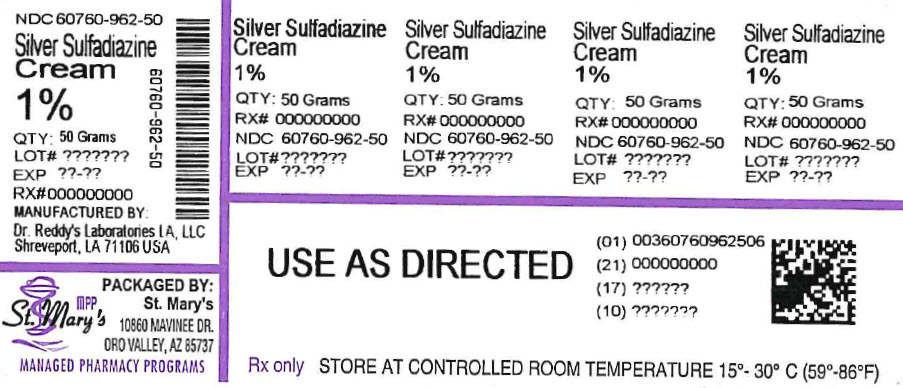
(silver · DailyMed)
What it does
Silver is used in various medical applications, particularly for its antibacterial properties.
Commonly used for: wound healing, burn treatment, infection prevention
Read more in plain English ↓Plain-language summary for general understanding - not medical advice. Always follow your pharmacist/doctor.
Ask about this medicine
Answers come only from this medicine's registration record, BNF monograph and interaction data - not medical advice.
Medicine sourcing is available in Kenya only. We don't sell or dispense medicines - licensed pharmacies do.
Sourcing - Kenya onlyRegistration & product details
Source: Pharmacy and Medicines Regulatory Authority · fetched 2026-04-21 17:37:42 · updated 2026-09-15 04:32:43
About silver
Silver is used in various medical applications, particularly for its antibacterial properties.
What it treats
- wound healing
- burn treatment
- infection prevention
How it works
Silver helps kill bacteria and reduce the risk of infection in wounds and burns.
Who it's for
It is suitable for individuals with wounds or burns that need to be protected from infection.
AI-assisted summary grounded in BNF data - general information only, not medical advice. Always confirm with your pharmacist or doctor.
About sulphadiazine
Sulphadiazine is an antibiotic used to treat various infections.
What it treats
- bacterial infections
- urinary tract infections
- pneumonia
- meningitis
How it works
It works by stopping the growth of bacteria in the body.
Who it's for
It is prescribed for adults and children to help fight infections caused by bacteria.
AI-assisted summary grounded in BNF data - general information only, not medical advice. Always confirm with your pharmacist or doctor.
Clinical monograph: silver
BNF-referencedSilver is a metallic element with antimicrobial properties, primarily used in various medical and dental applications due to its ability to inhibit a wide range of microorganisms. It is commonly employed in wound care, as well as in dental treatments to prevent and manage caries. Silver ions exert their effects by disrupting cell membranes of bacteria, fungi, and protozoa, leading to cellular damage and death.
Indications
- Management of wounds
- Burn treatment
- Dental caries prevention
- Topical antiseptic
- Infection control in medical devices
Dosage
Children: Refer to BNF for Children for age-appropriate dosing recommendations.
Adults: Refer to BNF for specific dosing guidelines depending on the clinical context and formulation used.
Mechanism of action
Silver ions precipitate with chloride or phosphate anions and bind to proteins, leading to antibacterial effects by disrupting cell membranes. They can bind to peptidoglycans in bacterial cell walls, causing loss of structural integrity and function. Silver also binds to and oxidizes sulphydryl groups in enzymes, inhibiting metabolic processes. Additionally, silver ions may attach to bacterial DNA, inhibiting replication, and silver nanoparticles can generate reactive oxygen species, causing oxidative stress.
Pharmacodynamics
Silver exhibits broad-spectrum antimicrobial activity, effective against both Gram-positive and Gram-negative bacteria, including _Streptococcus mutans_, _Staphylococcus aureus_, and _Escherichia coli_. It has shown dose-dependent effects against methicillin-resistant Staphylococcus aureus (MRSA). Furthermore, silver compounds have demonstrated anti-inflammatory properties in models of skin inflammation and ulcerative colitis, suppressing pro-inflammatory cytokines and matrix metalloproteinases.
Pharmacokinetics
Silver does not have a well-defined pharmacokinetic profile due to its nature as a metal; however, it is known to bind extensively to proteins and tissues. Chronic exposure to silver can lead to accumulation and potential toxicity. The absorption and distribution of silver ions can vary based on the form of silver administered, with nanoparticles showing different properties compared to ionic silver.
Pregnancy
Safety during pregnancy has not been established. Use only if clearly needed.
Breast-feeding
Caution is advised as it is not known whether silver is excreted in human milk.
Storage
Store in a well-closed container, protected from light, at room temperature.
Formulations
- Silver nitrate
- Nanocrystalline silver
AI-synthesized from BNF references - general information only, not a substitute for professional medical advice or the current BNF. Verify doses with a pharmacist.
Clinical monograph: sulphadiazine
BNF-referencedSulfadiazine is a synthetic sulfonamide antibiotic that exhibits bacteriostatic activity against a broad range of gram-positive and many gram-negative bacteria. It works by inhibiting the bacterial enzyme dihydropteroate synthetase, which is crucial for the synthesis of folic acid. This inhibition prevents the growth and multiplication of bacteria, making it useful in treating various bacterial infections.
Indications
- Bacterial infections
- Urinary tract infections
- Respiratory tract infections
- Certain types of meningitis
- Toxoplasmosis
Dosage
Children: Refer to BNF for Children for specific dosing guidelines.
Adults: Refer to BNF for specific dosing guidelines.
Mechanism of action
Sulfadiazine acts as a competitive inhibitor of the bacterial enzyme dihydropteroate synthetase. This enzyme plays a key role in the metabolism of para-aminobenzoic acid (PABA), which is essential for folic acid synthesis in bacteria. By inhibiting this enzyme, sulfadiazine disrupts the production of folic acid, which is vital for bacterial growth and replication.
Pharmacodynamics
Sulfadiazine is classified as a sulfonamide antibiotic, which means it is bacteriostatic and acts by inhibiting bacterial growth. Sulfonamides are effective against a wide spectrum of bacteria, but resistance may develop. The mechanism involves the competitive inhibition of PABA in the folic acid metabolism pathway, which is critical for bacterial survival. While many bacterial strains are sensitive to sulfadiazine, some may show resistance, indicating that sensitivity to one sulfonamide generally implies sensitivity to others.
Pharmacokinetics
Sulfadiazine is well absorbed when taken orally, although parenteral administration is less common due to its alkaline properties that can irritate tissues. The drug distributes widely throughout body tissues and fluids, achieving high concentrations in pleural, peritoneal, synovial, and ocular fluids. Although it is not commonly used for meningitis treatment, it can reach therapeutic levels in the cerebrospinal fluid during meningeal infections. Its antibacterial effectiveness can be reduced in the presence of pus.
Contra-indications
- Hypersensitivity to sulfadiazine or other sulfonamides
- Severe liver or kidney impairment
- Pregnancy near term
- Infants under 2 months of age
Adverse effects
- Nausea
- Vomiting
- Skin rash
- Hematological reactions such as agranulocytosis or thrombocytopenia
- Hypersensitivity reactions including Stevens-Johnson syndrome
- Renal impairment
Interactions
- May enhance the effects of anticoagulants such as warfarin
- May interact with methotrexate, increasing toxicity
- May decrease the efficacy of oral contraceptives
- Probenecid may increase sulfonamide levels and risk of toxicity
Precautions
- Use with caution in patients with G6PD deficiency
- Monitor for signs of blood dyscrasias
- Ensure adequate hydration to prevent crystalluria
- Assess renal function before initiation
Pregnancy
Sulfadiazine should not be used during pregnancy, especially near term, due to potential risks to the fetus.
Breast-feeding
Sulfadiazine is excreted in breast milk. Caution is advised when administering to nursing mothers.
Storage
Store in a cool, dry place away from light. Keep out of reach of children.
Formulations
- Tablets
- Oral suspension
- Injectable solution
AI-synthesized from BNF references - general information only, not a substitute for professional medical advice or the current BNF. Verify doses with a pharmacist.
Molecular reference: Silvernitrate
PubChem CID 24470Molecular formula: AgNO3
Mechanism of action
To elucidate the possible mechanism of initiation of lipid peroxidation in silver nitrate treated erythrocytes, the effect of AgNO3 on Hb catalyzed peroxidation of phospholipid liposomes was studied. Ag+ significantly increases the rate of Hb-catalyzed peroxidation. The inhibition of this effect by superoxide dismutase and catalase suggests that superoxide radical and H2O2 are involved. It was demonstrated also that Ag+ potentiates the Hb autoxidation and increases the binding of Hb to the erythrocyte membrane. Silver nitrate exhibits antiseptic, germicidal, astringent, and caustic or escharotic activity. These effects may result from silver ions readily combining with sulfhydryl, carboxyl, phosphate, amino, and other biologically important chemical groups. When silver ions interact with proteins, physical properties of the protein are usually altered; the protein may be denatured and precipitation usually occurs. Silver ions act on the surface of bacteria causing substantial changes in the cell wall and membrane. The germicidal activity of silver nitrate may be attributed to precipitation of bacterial proteins by liberated silver ions.
Biological pathways
Source: PubChem (NCBI) · pathways from PathBank, Reactome, WikiPathways & PharmGKB.
Molecular reference: silver
PubChem CID 23954Molecular formula: Ag
Mechanism of action
The majority of released silver ions precipitate with chloride or phosphate anions or bind to albumins, macroglobulins, or tissue debris. While bound silver ions do not exert antibacterial actions, they may potentially play a role in silver toxicity in case of chronic exposure. Silver ions mediate antibacterial effects via disrupting the bacterial, fungal, and protozoal cell membranes; they bind to disulphide in membrane proteins, readily allowing penetration through the membranes and intracellular absorption via pinocytosis. They may also bind to negatively-charged peptidoglycans in the cell wall via electrostatic interactions, leading to disruption of membrane transport function and loss of structural integrity. Silver ions also bind to and oxidize sulphydryl groups (SH) in bacterial cytoplasmic enzymes to aberrate their function in metabolic processes. Silver nanoparticles may cause an increase in reactive oxygen species (ROS) inside the microbial cells leading to metal-induced oxidative stress and cell damage. They also modulate cellular signal system via inhibition of phosphorylation of essential bacterial proteins to eventually cause cell death. It is also reported that silver ions also attach to guanine in bacterial DNA, which inhibits DNA replication. While it is not fully understood, the mode of action of silver compounds in preventing and arresting dental caries is thought to involve inhibition of the demineralization process in addition to cytoplasmic and membrane function perturbation mentioned above. Silver compounds may directly interact with hydroxyapatite, a major tooth component. Light catalyzes the reduction of silver salts deposited in skin to metallic silver & it /is/ subsequently oxidized to silver sulfide; it is the deposition of the latter compound which accounts for the gray discoloration pathognomonic of argyria. /Silver and compounds/ Silver nanoparticles (nano-Ag) are potent and broad-spectrum antimicrobial agents. In this study, spherical nano-Ag (average diameter = 9.3 nm) particles were synthesized using a borohydride reduction method and the mode of their antibacterial action against E. coli was investigated by proteomic approaches (2-DE and MS identification), conducted in parallel to analyses involving solutions of Ag(+) ions. The proteomic data revealed that a short exposure of E. coli cells to antibacterial concentrations of nano-Ag resulted in an accumulation of envelope protein precursors, indicative of the dissipation of proton motive force. Consistent with these proteomic findings, nano-Ag were shown to destabilize the outer membrane, collapse the plasma membrane potential and deplete the levels of intracellular ATP. The mode of action of nano-Ag was also found to be similar to that of Ag(+) ions ... however, the effective concentrations of nano-Ag and Ag(+) ions were at nanomolar and micromolar levels, respectively. Nano-Ag appear to be an efficient physicochemical system conferring antimicrobial silver activities.
Pharmacodynamics
Silver exhibits a broad-spectrum antimicrobial activity. Silver ions were shown to mediate an effective antibacterial action against _Streptococcus mutans_, one of major bacteria present in the human oral cavity and one of etiological microorganism of dental caries. A study reported a dose-dependent antimicrobial activity of silver nanoparticles against MRSA and non-MRSA bacteria. Silver nanoparticles were also shown to mediate antibacterial activity against Gram-positive _S. aureus_ and Gram-negative _E. coli_ by inhibiting the growth. In experimental dinitrochlorobenzene-induced inflammatory models in porcine or murine skin, topical application of silver nitrate and nanocrystalline silver were shown to exert anti-inflammatory effects associated with lymphocyte apoptosis, decreased expression of pro-inflammatory cytokines, and reduced gelatinase activity. In a rat model of ulcerative colitis, orally or intracolonically administered nanocrystalline silver were shown to suppress matrix metalloproteinase (MMP-9), tumour necrosis factor (TNF), and interleukin-β (IL-β) and IL-12.
Biological pathways
Source: PubChem (NCBI) · pathways from PathBank, Reactome, WikiPathways & PharmGKB.
Molecular reference: sulphadiazine
PubChem CID 5215Molecular formula: C10H10N4O2S
Mechanism of action
Sulfadiazine is a competitive inhibitor of the bacterial enzyme dihydropteroate synthetase. This enzyme is needed for the proper processing of para-aminobenzoic acid (PABA) which is essential for folic acid synthesis. The inhibited reaction is necessary in these organisms for the synthesis of folic acid.
Pharmacodynamics
Sulfadiazine is a sulfonamide antibiotic. The sulfonamides are synthetic bacteriostatic antibiotics with a wide spectrum against most gram-positive and many gram-negative organisms. However, many strains of an individual species may be resistant. Sulfonamides inhibit multiplication of bacteria by acting as competitive inhibitors of <i>p</i>-aminobenzoic acid in the folic acid metabolism cycle. Bacterial sensitivity is the same for the various sulfonamides, and resistance to one sulfonamide indicates resistance to all. Most sulfonamides are readily absorbed orally. However, parenteral administration is difficult, since the soluble sulfonamide salts are highly alkaline and irritating to the tissues. The sulfonamides are widely distributed throughout all tissues. High levels are achieved in pleural, peritoneal, synovial, and ocular fluids. Although these drugs are no longer used to treat meningitis, CSF levels are high in meningeal infections. Their antibacterial action is inhibited by pus.
Source: PubChem (NCBI) · pathways from PathBank, Reactome, WikiPathways & PharmGKB.
This drug in other countries
The same active ingredient registered across other registries we cover - including different brands.
- ASTRISUL 480 · Murphy Chemicals
- BURNAZINE CREAM · Laboratory & Allied
- BURNFIX CREAM · Signature Healthcare
- BURNIMED CREAM · Medivet Products
- BURNOX CREAM · Beta Healthcare
- BURNSIL CREAM · Madawa Pharmaceuticals
- Argisept · Centaur Pharmaceuticals
- Burn Cream · Prince Pharmaceuticals
- Burnox · Shelys Pharmaceuticals
- Dermogard · Indi Pharma
- HYPEX · Imaec
- NEMSCALD · Nem Laboratories
- Argisept cream · Centaur Pharmaceuticals
- Astrisul Powder · Ashish Life Science
- Biotrim WSP · Zenex Animal Health
- Burnazine (Silver Sulphadiazine 1%) Cream · Laboratory & Allied
- Burnazine cream · Laboratory And Allied
- Burnox cream · Shelys Pharmaceuticals
- BEDIZIN CREAM · Golpedas Visram
- BURNCURE CREAM ( Silver Sulfadiazine cream 1.0%w/w) · Baader-schulz Labs
- HILDEM-CH CREAM ( Silver Sulfadiazine/ Chitosan 10mg/ 20mg) · Absun Pharma
- IONSIL GEL · Virchow Biotech
- SILDIAZINE CREAM · Centurion Remedies
- SILVER SULFADIAZINE CREAM · Brassica Pharma