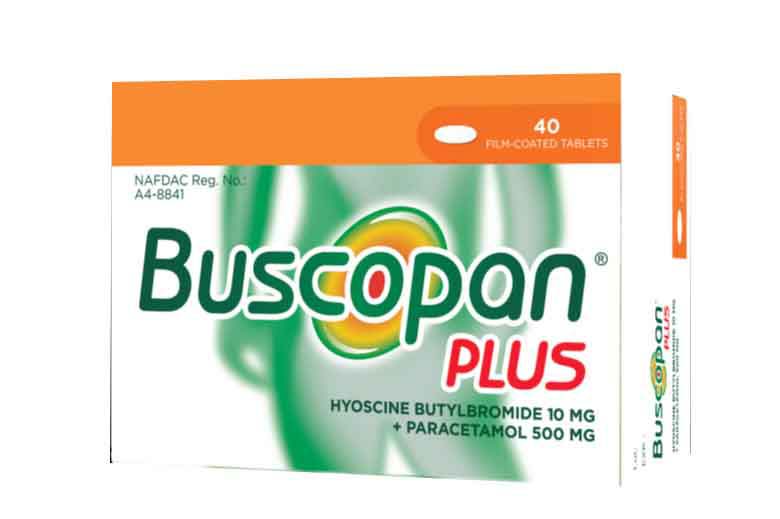
BUSCOPAN PLUS TABLETS
HYOSCINE BUTYLBROMIDE AND PARACETAMOL
What it does
Butylbromide is a medication used to relieve cramps and spasms in the stomach and intestines.
Commonly used for: stomach cramps, abdominal spasms
Read more in plain English ↓Plain-language summary for general understanding - not medical advice. Always follow your pharmacist/doctor.
Ask about this medicine
Answers come only from this medicine's registration record, BNF monograph and interaction data - not medical advice.
Hard to find? We help patients in Kenya source rare medicines. We don't sell or dispense medicines - licensed pharmacies do.
Source this medicineRegistration & product details
Source: Pharmacy and Poisons Board · fetched 2026-01-28 21:46:06 · updated 2026-03-23 04:31:11
Drug Interactions
10Pharmacodynamic Warnings
Paracetamol appears in TABLE 1: Drugs that cause hepatotoxicity
Hyoscine appears in TABLE 10: Drugs with antimuscarinic effects
Moderate (3)
Prilocaine - increases risk of methaemoglobinaemia
Paracetamol is predicted to increase the risk of methaemoglobinaemia when given with topical anaesthetics, local (prilocaine). Use with caution or avoid.
Topical Anaesthetics, Local - increases risk of methaemoglobinaemia
Paracetamol is predicted to increase the risk of methaemoglobinaemia when given with topical anaesthetics, local (prilocaine). Use with caution or avoid.
Topical Prilocaine - increases risk of methaemoglobinaemia
Paracetamolispredictedtoincreasetheriskof methaemoglobinaemiawhengivenwithtopicalprilocaine. Usewithcautionoravoid.rTheoretical 1xidneppA|snoitcaretnI A1 https://www.facebook.c (Books-Courses-Medic
Unknown (7)
Coumarins - increases anticoagulant effect
Paracetamol increases the anticoagulant effect of coumarins.
Dapsone - increases risk of methaemoglobinaemia
Paracetamol is predicted to increase the risk of methaemoglobinaemia when given with dapsone.
Hyoscine - additive effect
Clozapine can cause constipation, as can hyoscine; concurrent use might increase the risk of developing intestinal obstruction. Also see TABLE 10 p. 1519
Hyoscine - additive effect
Antipsychotics, second generation (clozapine) can cause constipation, as can hyoscine; concurrent use might increase the risk of developing intestinal obstruction. Also see TABLE 10 p. 1519 Ibandronat
Paracetamol - increases risk of hepatotoxicity
Imatinib increases the risk of hepatotoxicity when given with paracetamol.
Paracetamol - decreases exposure
Pitolisantispredictedtodecreasetheexposureto paracetamol.nTheoretical
Paracetamol - decreases exposure
Rifampicin decreases the exposure to paracetamol.
Data from BNF 85 (British National Formulary). This is not a substitute for professional medical advice. Matched via: exact
About butylbromide
Butylbromide is a medication used to relieve cramps and spasms in the stomach and intestines.
What it treats
- stomach cramps
- abdominal spasms
How it works
It helps relax the muscles in the stomach and intestines, which can reduce pain and discomfort.
Who it's for
This medication is typically for adults and may be used for children under medical supervision.
AI-assisted summary grounded in BNF data - general information only, not medical advice. Always confirm with your pharmacist or doctor.
About hyoscine
Hyoscine is a medication used to relieve symptoms like nausea and motion sickness.
What it treats
- nausea
- motion sickness
How it works
Hyoscine works by blocking certain signals in the brain that cause nausea and vomiting.
Who it's for
It is suitable for adults and children who experience nausea or motion sickness.
Cautions
- • Be cautious if you are taking other medications that have similar effects, as they may increase side effects.
AI-assisted summary grounded in BNF data - general information only, not medical advice. Always confirm with your pharmacist or doctor.
About paracetamol
Paracetamol is a common pain relief medication used to reduce fever and relieve mild to moderate pain.
What it treats
- fever
- headaches
- muscle aches
- joint pain
- toothaches
- menstrual cramps
How it works
Paracetamol works by blocking pain signals in the brain and helping to lower body temperature.
Who it's for
Paracetamol is suitable for most adults and children who need pain relief or fever reduction.
Cautions
- • Use with caution if you are taking other drugs that may harm the liver.
AI-assisted summary grounded in BNF data - general information only, not medical advice. Always confirm with your pharmacist or doctor.
Clinical monograph: Hyoscinehydrobromide
BNF-referencedHyoscine hydrobromide, also known as scopolamine, is an anticholinergic drug used primarily for the prevention of nausea and vomiting associated with motion sickness and for the treatment of various gastrointestinal disorders. It works by blocking the action of acetylcholine at muscarinic receptors in the central nervous system and the gastrointestinal tract, leading to decreased secretions and gastrointestinal motility.
Indications
- Nausea and vomiting due to motion sickness
- Palliative care for excessive respiratory secretions
- Premedication prior to surgery
- Management of bowel colic
Dosage
Children: Refer to the BNF for Children for specific dosing information; dosage
Adults: For motion sickness, the recommended dosage is 150–300 micrograms taken 30 minutes before travel, followed by 150–300 micrograms every 6 hours as needed, with a maximum of 900 micrograms per day. For palliative care and other indications, doses may vary; refer to BNF for specific guidance.
Mechanism of action
Hyoscine hydrobromide exerts its effects by antagonizing muscarinic receptors, particularly M1 receptors located in the vestibular system and the vomiting center of the brain. This action reduces the excitatory input from the vestibular system, which is responsible for motion sickness. Additionally, it diminishes gastrointestinal motility and secretions, effectively alleviating symptoms of nausea and vomiting.
Pharmacodynamics
As an anticholinergic agent, hyoscine hydrobromide decreases the activity of the parasympathetic nervous system. Its sedative effects can also lead to drowsiness and sedation, which may be beneficial in some patients but could impair the ability to perform skilled tasks. Its antimuscarinic properties can result in side effects like dry mouth, urinary retention, and blurred vision due to reduced secretions and muscle relaxation.
Pharmacokinetics
Hyoscine hydrobromide is well absorbed after oral administration, with peak plasma concentrations typically reached within 1 hour. It has a half-life of approximately 3 to 6 hours. The drug is extensively metabolized in the liver, and its metabolites are excreted primarily through the kidneys. Its effects can vary based on the route of administration, with transdermal patches providing prolonged action.
Contra-indications
- Asthma
- Bronchiectasis
- Bronchitis
- Epilepsy
- Severe coronary artery disease
- Pyloroduodenal obstruction
- Susceptibility to angle-closure glaucoma
- Urinary retention
Adverse effects
- Anticholinergic syndrome
- Anxiety
- Decreased appetite
- Arrhythmia
- Blood disorders
- Increased bronchial secretion viscosity
- Confusion
- Dizziness
- Drowsiness
- Dry mouth
- Epigastric discomfort
- Fatigue
- Haemolytic anaemia
- Headache
- Hypotension
- Jaundice
- Movement disorders
- Muscle spasms
- Nightmares
- Palpitations
- Photosensitivity reaction
- Urinary retention
- Blurred vision
Interactions
- Antihistamines
- Sedatives
- Clozapine therapy
Precautions
- Caution in elderly patients due to increased susceptibility to anticholinergic side effects
- Use with caution in hepatic impairment
- Use with caution in renal impairment
- May impair performance of skilled tasks (e.g. driving or cycling) due to drowsiness
Pregnancy
Most manufacturers advise avoiding use during pregnancy; however, there is no evidence of teratogenicity. Use in the latter part of the third trimester may cause adverse effects in neonates such as irritability, paradoxical excitability, and tremor.
Breast-feeding
Most antihistamines are present in breast milk in varying amounts; although not known to be harmful, most manufacturers advise avoiding their use in breastfeeding mothers.
Storage
Store at room temperature, away from moisture and heat.
Formulations
- Tablets
- Sublingual tablets
- Transdermal patches
- Subcutaneous injection
- Intramuscular injection
- Continuous subcutaneous infusion
AI-synthesized from BNF references - general information only, not a substitute for professional medical advice or the current BNF. Verify doses with a pharmacist.
Clinical monograph: Paracetamol
BNF-referencedParacetamol, also known as acetaminophen, is a widely used analgesic and antipyretic medication. It is effective in alleviating pain and reducing fever but does not possess anti-inflammatory properties. Paracetamol is often used for mild to moderate pain relief, including headaches, muscle aches, arthritis, backaches, toothaches, colds, and fevers. Its mechanism of action is primarily central, as it affects the brain's heat-regulating centers and increases pain thresholds.
Indications
- Mild to moderate pain
- Fever
- Headaches
- Muscle aches
- Arthritis
- Backaches
- Toothaches
- Colds
Dosage
Adults: For adults, the typical dosage is 500 mg to 1 g every 4 to 6 hours, with a maximum daily limit of 4 g. In cases of intravenous administration, the dosage is 15 mg/kg every
Mechanism of action
Paracetamol is thought to exert its analgesic effects by inhibiting cyclo-oxygenase (COX) enzymes, specifically COX-1 and COX-2, which are involved in the synthesis of prostaglandins responsible for pain sensation. Unlike most NSAIDs, paracetamol does not exhibit peripheral anti-inflammatory effects. Its antipyretic action is believed to result from direct action on heat-regulating centers in the brain, leading to peripheral vasodilation and sweating.
Pharmacodynamics
Paracetamol has been shown to have both antipyretic and analgesic effects, lacking any significant anti-inflammatory activity. It does not interfere with platelet aggregation or disrupt hemostasis, making it a safer option for individuals at risk of bleeding. Allergic reactions to paracetamol are rare. The drug does not affect uric acid secretion or acid-base balance when used at recommended doses.
Pharmacokinetics
Paracetamol is rapidly absorbed from the gastrointestinal tract, with peak plasma concentrations typically occurring within 30 to 60 minutes after oral administration. It is primarily metabolized in the liver via conjugation with glucuronide and sulfate, with a minor pathway involving cytochrome P450 enzymes. The elimination half-life ranges from 1 to 4 hours, with renal excretion of metabolites as the primary route of elimination.
Adverse effects
- Nausea and vomiting
- Liver injury
- Renal damage
- Hypersensitivity reactions
- Flushing
- Hypotension
- Anorectal erythema
- Angioedema
- Agranulocytosis
- Thrombocytopenia
- Leukopenia
- Severe cutaneous adverse reactions (SCARs)
Interactions
- Increased risk of methaemoglobinaemia with topical prilocaine
- Increased risk of methaemoglobinaemia with topical anaesthetics
- Increased anticoagulant effect with coumarins
- Increased risk of hepatotoxicity with imatinib
- Decreased exposure with rifampicin
- Decreased exposure with pitolisant
Precautions
- Monitor patients with liver disease or heavy alcohol use for increased risk of hepatotoxicity
- Adjust doses in patients taking enzyme-inducing antiepileptic medications
- Use caution in patients with renal impairment
- Clinical judgement is required for dose adjustment in weight-based dosing
Pregnancy
Paracetamol is generally considered safe to use during pregnancy for pain and fever relief, but should be used at the lowest effective dose for the shortest duration necessary.
Breast-feeding
Paracetamol is excreted in breast milk in small amounts and is considered safe for use while breastfeeding.
Storage
Store in a cool, dry place away from direct sunlight. Keep out of reach of children.
Formulations
- Oral tablets (500 mg)
- Oral suspension (120 mg/5 mL, 500 mg/5 mL)
- Rectal suppositories (various strengths)
- Intravenous infusion (various strengths)
AI-synthesized from BNF references - general information only, not a substitute for professional medical advice or the current BNF. Verify doses with a pharmacist.
Clinical monograph: butyl
BNF-referencedButyl is a term that generally refers to a group of organic compounds derived from butane, a four-carbon alkane. The butyl group is commonly found in various chemical structures, often as alkyl substituents in organic compounds. It is used in various applications, including as solvents, in the manufacture of plastics, and in pharmaceuticals. However, its specific clinical applications and pharmacological details may vary depending on the exact butyl compound in question.
Mechanism of action
Butyl compounds act by interacting with various biological pathways depending on their specific structure. For example, in the context of pharmaceutical use, they may function as solvents for drugs, enhancing solubility and bioavailability, or may have specific receptor interactions based on their functional groups. The precise mechanism of action would vary with the specific butyl derivative.
Pharmacodynamics
The pharmacodynamics of butyl compounds can vary widely. Generally, they may affect various physiological processes depending on their chemical nature. For example, butyl derivatives may exhibit anti-inflammatory, analgesic, or even anesthetic properties in certain contexts. The pharmacodynamic profile is largely dependent on the specific butyl compound and its interactions with cellular receptors and enzymes.
Pharmacokinetics
The pharmacokinetics of butyl compounds vary significantly among different derivatives. Commonly, these compounds are absorbed through various routes, depending on their formulation. They may undergo metabolic processes in the liver before being excreted primarily via urine. The exact absorption rates, half-lives, and clearance rates would depend on the specific butyl derivative and its formulation.
Pregnancy
There are no specific studies regarding the use of butyl compounds in pregnancy. Caution should be exercised.
Breast-feeding
There is limited information on the excretion of butyl compounds in human breast milk. Caution is advised.
Storage
Store in a well-closed container, protected from light and moisture.
AI-synthesized from BNF references - general information only, not a substitute for professional medical advice or the current BNF. Verify doses with a pharmacist.
Clinical monograph: butylbromide
BNF-referencedButylbromide, with the molecular formula C4H9Br, is an anticholinergic agent primarily used for its muscle relaxant properties. It is indicated for the relief of smooth muscle spasms in conditions such as irritable bowel syndrome and other gastrointestinal disorders. By reducing the activity of acetylcholine, it helps alleviate spasticity in the gastrointestinal tract.
Indications
- Irritable bowel syndrome
- Other gastrointestinal disorders associated with smooth muscle spasms
Dosage
Children: Refer to the BNF for Children for specific dosing information.
Adults: Refer to the BNF for specific dosing information.
Mechanism of action
Butylbromide acts as a competitive antagonist of muscarinic acetylcholine receptors. This inhibition decreases the contractility of smooth muscle in the gastrointestinal tract, leading to reduced spasms and discomfort. It predominantly affects the parasympathetic nervous system, which regulates involuntary bodily functions.
Pharmacodynamics
The pharmacodynamic effects of butylbromide include relaxation of smooth muscle and reduction of secretions in the gastrointestinal tract. This results in decreased gastrointestinal motility and relief from cramping and pain associated with smooth muscle contractions. The onset of action is typically rapid, making it effective for acute symptoms.
Pharmacokinetics
Butylbromide is absorbed from the gastrointestinal tract following oral administration. It is distributed throughout the body, with a preference for tissues with high cholinergic activity. The drug undergoes hepatic metabolism, and its metabolites are excreted primarily through the urine. The half-life and exact pharmacokinetic parameters can vary depending on individual patient factors.
Pregnancy
Butylbromide should be used in pregnancy only if the potential benefit justifies the potential risk to the fetus.
Breast-feeding
It is not known whether butylbromide is excreted in human milk. Caution should be exercised when administering to breastfeeding mothers.
Storage
Store in a cool, dry place away from light. Keep out of reach of children.
AI-synthesized from BNF references - general information only, not a substitute for professional medical advice or the current BNF. Verify doses with a pharmacist.
Clinical monograph: hyoscine
BNF-referencedHyoscine, also known as scopolamine, is an anticholinergic agent derived from the plant species of the Solanaceae family. It is commonly used for its sedative and antispasmodic effects, particularly in the treatment of motion sickness and as a pre-anesthetic medication. Hyoscine works by blocking the action of acetylcholine in the central and peripheral nervous systems, leading to a reduction in secretions and smooth muscle spasms.
Indications
- Motion sickness
- Nausea and vomiting
- Pre-operative sedation
- Spasmodic disorders of the gastrointestinal tract
Dosage
Children: Refer to the BNF for Children for specific dosing guidelines.
Adults: Refer to the BNF for specific dosing guidelines.
Mechanism of action
Hyoscine exerts its effects primarily by antagonizing muscarinic acetylcholine receptors, which inhibits cholinergic transmission in the central nervous system and peripheral tissues. This results in decreased gastrointestinal motility, reduced salivation, and diminished vestibular sensitivity, which are beneficial in preventing nausea and vomiting associated with motion sickness.
Pharmacodynamics
The pharmacodynamic effects of hyoscine include sedation, amnesia, reduction of motion sickness symptoms, and relaxation of smooth muscles in the gastrointestinal tract. These actions are dose-dependent, and the drug may also exhibit peripheral anticholinergic effects such as decreased secretions in the respiratory tract.
Pharmacokinetics
Hyoscine is well absorbed from the gastrointestinal tract and can also be administered transdermally or via injection. It has a bioavailability of approximately 90% when taken orally. The drug undergoes extensive hepatic metabolism, and its elimination half-life is about 3 to 6 hours. It is primarily excreted in the urine as metabolites, and the onset of action varies based on the route of administration.
Contra-indications
- Hypersensitivity to hyoscine or any of its excipients
- Myasthenia gravis
- Severe glaucoma
- Prostatic hypertrophy
- Obstructive gastrointestinal disease
Adverse effects
- Drowsiness
- Confusion
- Dry mouth
- Blurred vision
- Constipation
- Urinary retention
- Tachycardia
Interactions
- clozapine+hyoscine: Unknown (additive effect)
- antipsychotics, second generation+hyoscine: Unknown (additive effect)
Precautions
- Use with caution in patients with cardiovascular disease
- May impair the ability to drive or operate machinery
- Caution in patients with a history of seizures
Pregnancy
Hyoscine should be used in pregnancy only if the potential benefit justifies the potential risk to the fetus. Consult relevant guidelines.
Breast-feeding
Hyoscine is excreted in breast milk. Caution should be exercised when administering to breastfeeding mothers.
Storage
Store in a cool, dry place, away from light. Keep out of reach of children.
Formulations
- Tablets
- Injectable solution
- Transdermal patch
AI-synthesized from BNF references - general information only, not a substitute for professional medical advice or the current BNF. Verify doses with a pharmacist.
Molecular reference: Paracetamol
PubChem CID 1983Molecular formula: C8H9NO2
Mechanism of action
According to its FDA labeling, acetaminophen's exact mechanism of action has not been fully established - despite this, it is often categorized alongside NSAIDs (non-steroidal anti-inflammatory drugs) due to its ability to inhibit the cyclo-oxygenase (COX) pathways. It is thought to exert central actions which ultimately lead to the alleviation of pain symptoms. One theory is that acetaminophen increases the pain threshold by inhibiting two isoforms of cyclo-oxygenase, COX-1 and COX-2, which are involved in prostaglandin (PG) synthesis. Prostaglandins are responsible for eliciting pain sensations. Acetaminophen does not inhibit cyclooxygenase in peripheral tissues and, therefore, has no peripheral anti-inflammatory effects. Though acetylsalicylic acid (aspirin) is an irreversible inhibitor of COX and directly blocks the active site of this enzyme, studies have shown that acetaminophen (paracetamol) blocks COX indirectly. Studies also suggest that acetaminophen selectively blocks a variant type of the COX enzyme that is unique from the known variants COX-1 and COX-2. This enzyme has been referred to as _COX-3_. The antipyretic actions of acetaminophen are likely attributed to direct action on heat-regulating centers in the brain, resulting in peripheral vasodilation, sweating, and loss of body heat. The exact mechanism of action of this drug is not fully understood at this time, but future research may contribute to deeper knowledge. Although further investigation is warranted, the active metabolite of acetaminophen (AM404) was shown to interact with several molecular targets, including the Ca<sub>v</sub>3.2 calcium channel, the cannabinoid CB1 receptors, TRPV1 receptors, and Na<sub>v</sub>1.8 and Na<sub>v</sub>1.7 channels. Acetaminophen produces analgesia and antipyresis by a mechanism similar to that of salicylates. Unlike salicylates, however, acetaminophen does not have uricosuric activity. There is some evidence that acetaminophen has weak anti-inflammatory activity in some nonrheumatoid conditions (e.g., in patients who have had oral surgery). ... Acetaminophen lowers body temperature in patients with fever but rarely lowers normal body temperature. The drug acts on the hypothalamus to produce antipyresis; heat dissipation is increased as a result of vasodilation and increased peripheral blood flow. The effects of acetaminophen on cyclooxygenase activity have not been fully determined. Acetaminophen is a weak, reversible, isoform-nonspecific cyclooxygenase inhibitor at dosages of 1 g daily. The inhibitory effect of acetaminophen on cyclooxygenase-1 is limited, and the drug does not inhibit platelet function. Therapeutic doses of acetaminophen appear to have little effect on cardiovascular and respiratory systems; however, toxic doses may cause circulatory failure and rapid, shallow breathing. Acetaminophen (N-acetyl-p-aminophenol (APAP)) is the most common antipyretic/analgesic medicine worldwide. If APAP is overdosed, its metabolite, N-acetyl-p-benzo-quinoneimine (NAPQI), causes liver damage. However, epidemiological evidence has associated previous use of therapeutic APAP doses with the risk of chronic obstructive pulmonary disease (COPD) and asthma. The transient receptor potential ankyrin-1 (TRPA1) channel is expressed by peptidergic primary sensory neurons. Because NAPQI, like other TRPA1 activators, is an electrophilic molecule, /the researchers/ hypothesized that APAP, via NAPQI, stimulates TRPA1, thus causing airway neurogenic inflammation. NAPQI selectively excites human recombinant and native (neuroblastoma cells) TRPA1. TRPA1 activation by NAPQI releases proinflammatory neuropeptides (substance P and calcitonin gene-related peptide) from sensory nerve terminals in rodent airways, thereby causing neurogenic edema and neutrophilia. Single or repeated administration of therapeutic (15-60 mg/kg) APAP doses to mice produces detectable levels of NAPQI in the lung, and increases neutrophil numbers, myeloperoxidase
Pharmacodynamics
Animal and clinical studies have determined that acetaminophen has both antipyretic and analgesic effects. This drug has been shown to lack anti-inflammatory effects. As opposed to the _salicylate_ drug class, acetaminophen does not disrupt tubular secretion of uric acid and does not affect acid-base balance if taken at the recommended doses. Acetaminophen does not disrupt hemostasis and does not have inhibitory activities against platelet aggregation. Allergic reactions are rare occurrences following acetaminophen use.
Biological pathways
Source: PubChem (NCBI) · pathways from PathBank, Reactome, WikiPathways & PharmGKB.
Molecular reference: butyl
PubChem CID 137616Molecular formula: C4H9
Source: PubChem (NCBI) · pathways from PathBank, Reactome, WikiPathways & PharmGKB.
Molecular reference: butylbromide
PubChem CID 8002Molecular formula: C4H9Br
Source: PubChem (NCBI) · pathways from PathBank, Reactome, WikiPathways & PharmGKB.
Molecular reference: hyoscine
PubChem CID 3000322Molecular formula: C17H21NO4
Biological pathways
Source: PubChem (NCBI) · pathways from PathBank, Reactome, WikiPathways & PharmGKB.
This drug in other countries
The same active ingredient registered across other registries we cover - including different brands.
- ABMOL FORTE CAPSULES (Each hard gelatin contains Paracetamol / Diclofenac Sodium / Caffeine 325mg/50mg/30mg) · Socomed Pharma
- ABYCOLD SYRUP (Each 5ml contains Paracetamol/ Phenylephrine hydrochloride/ Chlorpheniramine maleate – 125mg/2.5mg/ 1mg Paracetamol/Phenylephrine Hydrochloride/Chlorpheniramine Maleate 125mg/2.5mg/ 1mg) · Socomed Pharmceuticals Pvt Limited
- ABYCOLD PLUS TABLETS · Socomed Pharma
- ABYCOLD-X TABLETS · Socomed Pharma
- ABYMOL FORTE CAPSULES (Each hard gelatin capsule contains Paracetamol/ Diclofenac sodium/ Caffeine Paracetamol/Phenylephrine Hydrochloride/Chlorpheniramine Maleate 325mg/50mg/30mg) · Socomed Pharmceuticals Pvt Limited
- ACELA 80 TABLETS · Osuka Pharmaceuticals