International reference: 1 US FDA recall for this ingredient
Lack of Assurance of Sterility (picolinate)
US-market enforcement records (OpenFDA), shown for reference - not specific to this product in Kenya.
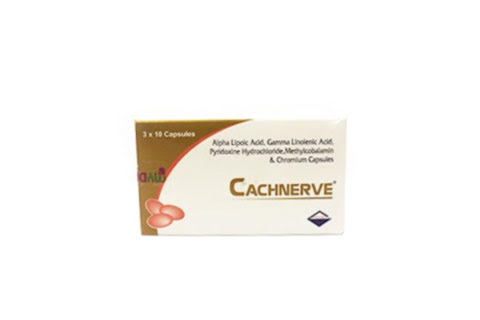
CACHNERVE CAPSULES
ALPHA LIPOIC ACID USP GAMMA LINOLENIC ACID PYRIDOXINE HCL BP METHYLCOBALAMINE CHROMIUM PICOLINATE USP EQV TO CHROMIUM
What it does
Alpha is a medication used to treat various health conditions. It is important to follow your healthcare provider's guidance when using this medication.
Commonly used for: high blood pressure (hypertension), anxiety disorders, certain types of pain
Read more in plain English ↓Plain-language summary for general understanding - not medical advice. Always follow your pharmacist/doctor.
Ask about this medicine
Answers come only from this medicine's registration record, BNF monograph and interaction data - not medical advice.
Hard to find? We help patients in Kenya source rare medicines. We don't sell or dispense medicines - licensed pharmacies do.
Source this medicineRegistration & product details
Source: Pharmacy and Poisons Board · fetched 2026-01-28 21:30:01 · updated 2026-07-20 11:04:09
About alpha
Alpha is a medication used to treat various health conditions. It is important to follow your healthcare provider's guidance when using this medication.
What it treats
- high blood pressure (hypertension)
- anxiety disorders
- certain types of pain
How it works
Alpha works by affecting certain chemicals in the brain that help regulate mood and pain perception.
Who it's for
Alpha is prescribed for adults and may also be used in children under the supervision of a healthcare provider.
AI-assisted summary grounded in BNF data - general information only, not medical advice. Always confirm with your pharmacist or doctor.
About chromium
Chromium is a mineral that may help with blood sugar control and improve insulin sensitivity.
What it treats
- type 2 diabetes
- high blood sugar
- metabolic syndrome
How it works
Chromium helps your body use insulin effectively, which can lower blood sugar levels.
Who it's for
It is typically used by people with type 2 diabetes or those looking to manage their blood sugar.
AI-assisted summary grounded in BNF data - general information only, not medical advice. Always confirm with your pharmacist or doctor.
About eqv
Eqv is a medication used to treat various health conditions by acting on specific pathways in the body.
What it treats
- certain types of infections
- pain relief
- inflammation
How it works
Eqv works by targeting and affecting specific systems in the body to help relieve symptoms or fight conditions.
Who it's for
Eqv is suitable for adults and children who need treatment for the appropriate conditions.
AI-assisted summary grounded in BNF data - general information only, not medical advice. Always confirm with your pharmacist or doctor.
About gamma
Gamma is a medication used to treat various conditions, particularly those related to nerve pain and certain mood disorders.
What it treats
- nerve pain (neuropathic pain)
- anxiety disorders
- seizures (epilepsy)
How it works
Gamma helps to stabilize electrical activity in the brain and affects certain chemicals that send signals in the nervous system.
Who it's for
It is generally prescribed for adults and sometimes for children, depending on their specific condition.
AI-assisted summary grounded in BNF data - general information only, not medical advice. Always confirm with your pharmacist or doctor.
About linolenic
Linolenic is a type of fatty acid that is important for overall health, particularly for heart health.
What it treats
- high cholesterol (hyperlipidemia)
- heart disease (cardiovascular disease)
- inflammation
How it works
Linolenic helps to lower bad cholesterol levels and reduce inflammation in the body.
Who it's for
Linolenic is suitable for adults looking to improve their heart health and reduce inflammation.
AI-assisted summary grounded in BNF data - general information only, not medical advice. Always confirm with your pharmacist or doctor.
About lipoic
Lipoic is a natural compound that acts as an antioxidant, helping to protect cells from damage.
What it treats
- diabetes (high blood sugar)
- nervous system disorders (neuropathy)
How it works
It helps reduce oxidative stress in the body, which can improve insulin sensitivity and support nerve health.
Who it's for
It is typically used by people with diabetes or those experiencing nerve pain.
AI-assisted summary grounded in BNF data - general information only, not medical advice. Always confirm with your pharmacist or doctor.
About methylcobalamine
Methylcobalamine is a form of vitamin B12 that helps in maintaining healthy nerve cells and supporting the production of red blood cells.
What it treats
- Vitamin B12 deficiency
- Peripheral neuropathy
- Anemia
How it works
It works by providing essential nutrients that help in the proper functioning of nerves and the formation of blood cells.
Who it's for
It is suitable for people who have low levels of vitamin B12, which may occur due to certain health conditions or dietary deficiencies.
AI-assisted summary grounded in BNF data - general information only, not medical advice. Always confirm with your pharmacist or doctor.
About picolinate
Picolinate is a compound often used to help with the absorption of certain minerals and may support metabolic processes.
What it treats
- supporting mineral absorption
- aiding metabolic processes
How it works
Picolinate helps the body absorb minerals better, which can enhance certain bodily functions.
Who it's for
People looking to improve their mineral intake and support their metabolism.
AI-assisted summary grounded in BNF data - general information only, not medical advice. Always confirm with your pharmacist or doctor.
About pyridoxine
Pyridoxine, also known as vitamin B6, is important for many bodily functions including the metabolism of proteins and the creation of neurotransmitters.
What it treats
- pyridoxine deficiency
- nerve pain (neuropathy)
- certain types of anemia
How it works
Pyridoxine helps the body use proteins and carbohydrates effectively and is essential for the production of chemicals that transmit signals in the brain.
Who it's for
Pyridoxine is for individuals who need to increase their vitamin B6 levels due to dietary deficiencies or certain health conditions.
AI-assisted summary grounded in BNF data - general information only, not medical advice. Always confirm with your pharmacist or doctor.
Clinical monograph: Pyridoxinehydrochloride
BNF-referencedPyridoxine hydrochloride, also known as Vitamin B6, is a water-soluble vitamin that plays a crucial role in various bodily functions, including amino acid metabolism, neurotransmitter synthesis, and the regulation of gene expression. It is essential for the proper function of enzymes involved in the metabolism of proteins, carbohydrates, and fats. Pyridoxine is commonly used to treat and prevent vitamin B6 deficiencies and is also indicated in specific neuropathies, including those induced by isoniazid and penicillamine.
Indications
- Vitamin B6 deficiency
- Isoniazid-induced neuropathy (prophylaxis and treatment)
- Idiopathic sideroblastic anaemia
- Prevention of penicillamine-induced neuropathy in Wilson's disease
- Metabolic diseases such as cystathioninuria and homocystinuria
- Premenstrual syndrome
Mechanism of action
Pyridoxine hydrochloride is converted in the body to pyridoxal phosphate, which is the active form of vitamin B6. It serves as a cofactor for more than 100 enzymatic reactions, particularly those involved in the metabolism of amino acids, the synthesis of neurotransmitters (such as serotonin, dopamine, and gamma-aminobutyric acid), and the production of hemoglobin. Its role in neurotransmitter synthesis makes it crucial for normal brain function and mood regulation.
Pharmacodynamics
Pyridoxine hydrochloride exerts its effects by facilitating the conversion of amino acids into neurotransmitters and is involved in the synthesis of heme. It impacts the metabolism of tryptophan to serotonin and is essential for the production of norepinephrine and gamma-aminobutyric acid, which are vital for proper neurological function. Deficiency of vitamin B6 can lead to neurological symptoms, including peripheral neuropathy and cognitive disturbances.
Pharmacokinetics
Pyridoxine hydrochloride is readily absorbed from the gastrointestinal tract. It is primarily metabolized in the liver, where it is converted to its active form, pyridoxal phosphate. The elimination half-life of pyridoxine is approximately 15-20 days, and it is excreted primarily through the urine. Renal impairment may affect the metabolism and excretion of pyridoxine, necessitating dose adjustments.
Contra-indications
- Hyperkalaemia
- Severe liver damage
Adverse effects
- Peripheral neuritis
- Hepatitis
- Hypoglycaemia
- Urine discolouration
Interactions
- Potassium aminobenzoate
- Isoniazid
Precautions
- Caution in renal impairment (increased risk of hyperkalaemia)
- Interrupt treatment during periods of low food intake (such as fasting, anorexia, and nausea) to reduce risk of hypoglycaemia
- Monitor liver function tests monthly during high-dose therapy
Pregnancy
Manufacturer advises avoiding use in pregnancy due to potential risk of birth defects; however, no adverse effects have been reported at normal dietary levels.
Breast-feeding
Theoretical risk of toxicity in infants if mothers take large doses.
Storage
Store in a cool, dry place away from direct sunlight. Keep out of reach of children.
Formulations
- Pyridoxine hydrochloride 10 mg tablets
- Pyridoxine hydrochloride 20 mg tablets
- Pyridoxine hydrochloride 50 mg tablets
- Pyridoxine hydrochloride oral solution 20 mg per 1 ml
AI-synthesized from BNF references - general information only, not a substitute for professional medical advice or the current BNF. Verify doses with a pharmacist.
Clinical monograph: alpha
BNF-referencedAlpha is a medication classified as an alpha-adrenergic antagonist. It is primarily used to treat conditions related to hypertension and other disorders involving the adrenergic system. It works by blocking alpha-adrenergic receptors, which leads to vasodilation and a subsequent reduction in blood pressure. Its pharmacological effects can also be utilized in managing symptoms of conditions such as benign prostatic hyperplasia.
Indications
- Hypertension
- Benign prostatic hyperplasia
- Urinary retention related to prostate enlargement
Dosage
Children: Refer to the BNF for Children for appropriate dosing guidelines in the paediatric population.
Adults: Refer to the BNF for specific dosing recommendations based on individual clinical scenarios.
Mechanism of action
Alpha acts by selectively blocking alpha-1 adrenergic receptors, which are responsible for mediating vasoconstriction in blood vessels. By inhibiting these receptors, alpha promotes vasodilation, leading to a decrease in peripheral vascular resistance and subsequently lowering blood pressure. Additionally, this action can help alleviate urinary symptoms associated with an enlarged prostate.
Pharmacodynamics
The pharmacodynamics of alpha involve its competitive antagonism at alpha-1 adrenergic receptors, resulting in decreased vasoconstriction and increased blood flow. This mechanism is beneficial in conditions characterized by high blood pressure and urinary retention due to prostatic enlargement. The onset of action typically occurs within hours, with peak effects observed within a few days of consistent dosing.
Pharmacokinetics
Alpha is absorbed well from the gastrointestinal tract, with peak plasma concentrations achieved within 1-3 hours post-administration. The drug undergoes hepatic metabolism, primarily via cytochrome P450 enzymes, resulting in active and inactive metabolites. The elimination half-life varies, but it generally is around 6-12 hours, allowing for once-daily dosing in many cases. Renal excretion is a significant route for its metabolites, necessitating caution in patients with renal impairment.
Interactions
- maois, irreversible + alpha blockers: Severe (increases effects)
- ribociclib + alpha blockers: Severe (increases exposure)
- cobicistat + alpha blockers: Moderate (increases exposure)
- idelalisib + alpha blockers: Moderate (increases exposure)
- dronedarone + alpha blockers: Unknown (increases exposure)
- antifungals, azoles + alpha blockers: Unknown (increases exposure)
- crizotinib + alpha blockers: Unknown (increases exposure)
- imatinib + alpha blockers: Unknown (increases exposure)
- letermovir + alpha blockers: Unknown (increases exposure)
- clarithromycin + alpha blockers: Unknown (increases exposure)
AI-synthesized from BNF references - general information only, not a substitute for professional medical advice or the current BNF. Verify doses with a pharmacist.
Clinical monograph: chromium
BNF-referencedChromium is an essential trace mineral that plays a critical role in carbohydrate, fat, and protein metabolism. It is particularly known for its involvement in enhancing insulin sensitivity and glucose metabolism. Chromium is often utilized as a dietary supplement for managing conditions related to insulin resistance, such as type 2 diabetes. It also contributes to the regulation of blood lipid levels, thereby playing a potential role in cardiovascular health.
Indications
- Type 2 diabetes mellitus
- Insulin resistance
- Impaired glucose tolerance
- Metabolic syndrome
- Hyperlipidemia
Dosage
Children: Refer to the BNF for Children for specific dosage recommendations suitable for pediatric patients.
Adults: Refer to the BNF for specific dosage recommendations based on the condition being treated.
Mechanism of action
Chromium enhances insulin signaling by upregulating insulin receptor-mediated pathways. It affects downstream effector molecules after insulin binds to its receptor, leading to the activation of phosphatidylinositol 2-kinase (PI3K) and protein kinase B (Akt). This process promotes the translocation of glucose transporter-4 (Glut4) to the cell membrane, facilitating increased glucose uptake. Additionally, chromium can promote GLUT-4 transporter translocation independently of insulin receptor activity under insulin-resistant conditions and aids in cholesterol efflux by increasing membrane fluidity.
Pharmacodynamics
Trivalent chromium is essential for the glucose tolerance factor, which activates insulin-mediated pathways. It enhances insulin binding to cells, increases the density of insulin receptors, and activates insulin receptor kinase, all of which contribute to improved insulin sensitivity. Chromium deficiency can lead to impaired glucose metabolism, and supplementation can normalize glucose tolerance in individuals exhibiting diabetic-like characteristics due to deficiency.
Pharmacokinetics
Chromium absorption occurs primarily in the intestines, but its bioavailability is influenced by various dietary factors, such as the presence of other minerals and vitamins. The mineral is transported in the bloodstream bound to transferrin and is predominantly stored in the liver, spleen, and bone. The elimination of chromium occurs mainly through urine, with small amounts excreted in feces. The half-life and exact metabolic pathways for chromium can vary based on its form and the individual's nutritional status.
Pregnancy
Chromium is generally considered safe during pregnancy when taken in appropriate amounts, but it is advisable to consult a healthcare provider.
Breast-feeding
Chromium is excreted in breast milk, and while it is deemed safe in moderate amounts, consultation with a healthcare provider is recommended.
Storage
Store in a cool, dry place away from light. Keep out of reach of children.
AI-synthesized from BNF references - general information only, not a substitute for professional medical advice or the current BNF. Verify doses with a pharmacist.
Clinical monograph: gamma
Gamma-aminobutyric acid (GABA) is a neurotransmitter in the central nervous system, primarily known for its inhibitory effects. It plays a crucial role in reducing neuronal excitability throughout the nervous system, making it significant in the modulation of muscle tone and anxiety levels. Gamma is often utilized in various forms, including as a supplement for its potential calming effects.
Indications
- Anxiety disorders
- Epilepsy
- Muscle spasms
- Sleep disorders
- Neuropathic pain
Dosage
Children: Refer to specific pediatric dosing guidelines based on clinical indications and formulations available.
Adults: Refer to specific product guidelines or clinical protocols as dosages may vary based on the formulation and intended use.
Mechanism of action
GABA exerts its effects by binding to GABA receptors (specifically GABA-A and GABA-B receptors) in the brain. The binding leads to the opening of ion channels that allow the influx of chloride ions into the neuron, resulting in hyperpolarization of the neuron and decreased likelihood of action potential firing. This mechanism is pivotal in reducing anxiety, seizures, and muscle spasms.
Pharmacodynamics
The primary pharmacodynamic effect of GABA is its ability to inhibit neurotransmission, leading to sedation, relaxation, and anticonvulsant effects. GABA is also involved in various physiological processes, including the regulation of muscle tone and the modulation of mood.
Pharmacokinetics
GABA has a limited ability to cross the blood-brain barrier when administered orally, which may affect its bioavailability and efficacy as a therapeutic agent. It is primarily metabolized in the brain and liver, with its effects being influenced by the overall balance of excitatory and inhibitory neurotransmitters in the central nervous system. The half-life of GABA varies based on the route of administration and individual patient factors.
Contra-indications
- Hypersensitivity to gamma-aminobutyric acid or any component of the formulation
- Severe respiratory depression
- Acute or severe liver disease
- Myasthenia gravis
- Pregnancy (unless under specific medical advice)
Adverse effects
- Drowsiness
- Dizziness
- Ataxia
- Nausea
- Vomiting
- Hypotension
- Respiratory depression
- Dependence potential
- Withdrawal symptoms upon discontinuation
Interactions
- CNS depressants (e.g., alcohol, benzodiazepines) may enhance sedative effects
- Antidepressants may have additive effects leading to increased sedation
- Medications that affect liver enzymes may alter gamma metabolism
Precautions
- Use with caution in patients with a history of substance abuse
- Monitor for signs of respiratory depression, especially in the elderly or those with pre-existing respiratory conditions
- Gradual dose reduction is recommended to minimize withdrawal symptoms
Pregnancy
Not recommended unless the potential benefit justifies the potential risk to the fetus. Consult healthcare provider.
Breast-feeding
Use with caution. Gamma may be excreted in breast milk. Monitor infant for sedation.
Storage
Store at room temperature, away from moisture and heat. Keep out of reach of children.
Formulations
- Oral tablets
- Oral solutions
- Injectable forms
AI-synthesized from BNF references - general information only, not a substitute for professional medical advice or the current BNF. Verify doses with a pharmacist.
Clinical monograph: linolenic
Linolenic acid is an omega-3 fatty acid that plays a crucial role in human health. It is a polyunsaturated fatty acid (PUFA) that is considered essential because the body cannot synthesize it. Linolenic acid is primarily found in plant oils, such as flaxseed oil, chia seeds, and walnuts. It is known for its anti-inflammatory properties and its potential benefits in cardiovascular health and brain function.
Indications
- Cardiovascular disease prevention
- Hyperlipidemia
- Inflammatory conditions
- Cognitive decline
- General nutritional supplementation
Dosage
Children: Refer to the BNF for Children for specific dosing recommendations based on age and condition.
Adults: Refer to specific clinical guidelines for dosing recommendations based on the condition being treated. Generally, dietary intake should include sources rich in linolenic acid, such as flaxseed oil or walnut oil.
Mechanism of action
Linolenic acid exerts its effects through its incorporation into cell membranes, influencing membrane fluidity and function. It serves as a precursor for the synthesis of eicosanoids, which are signaling molecules that mediate various physiological processes, including inflammation and immune response. Additionally, it activates the peroxisome proliferator-activated receptor (PPAR), which plays a role in lipid metabolism and inflammation regulation.
Pharmacodynamics
Linolenic acid contributes to the regulation of lipid metabolism and has been shown to lower triglyceride levels in the blood. It also has anti-inflammatory effects that may reduce the risk of chronic diseases such as atherosclerosis, rheumatoid arthritis, and other inflammatory conditions. The conversion of linolenic acid to eicosapentaenoic acid (EPA) and docosahexaenoic acid (DHA) in the body further enhances its beneficial effects on cardiovascular and neurological health.
Pharmacokinetics
Linolenic acid is absorbed in the gastrointestinal tract, and its bioavailability is influenced by dietary fat intake. Once absorbed, it is transported in the bloodstream bound to lipoproteins. It can be metabolized in the liver to longer-chain fatty acids, such as EPA and DHA. The half-life of linolenic acid in the body is variable and depends on dietary intake and metabolic demands. The elimination is primarily through metabolic conversion and incorporation into cellular structures.
Adverse effects
- Diarrhea
- Nausea
- Abdominal pain
- Bloating
- Allergic reactions
Precautions
- Use with caution in patients with a history of allergies to fish or shellfish.
- Monitor for gastrointestinal discomfort in patients taking high doses.
Pregnancy
Consult a healthcare provider before use, as safety during pregnancy is not fully established.
Breast-feeding
Consult a healthcare provider before use, as safety during breastfeeding is not fully established.
Storage
Store in a cool, dry place away from direct sunlight. Keep out of reach of children.
Formulations
- Capsules
- Liquid oil
AI-synthesized from BNF references - general information only, not a substitute for professional medical advice or the current BNF. Verify doses with a pharmacist.
Clinical monograph: lipoic
Lipoic acid, also known as alpha-lipoic acid, is a naturally occurring antioxidant that plays a crucial role in mitochondrial energy metabolism. It is both water-soluble and fat-soluble, allowing it to function in various cellular environments. Lipoic acid is involved in the regeneration of other antioxidants and the metabolism of carbohydrates, proteins, and fats.
Indications
- Diabetic neuropathy
- Oxidative stress-related disorders
- Metabolic syndrome
- Weight management
- Liver health
Dosage
Children: Refer to specific product guidelines, as safety and efficacy in children have not been established.
Adults: Refer to specific product guidelines, as dosages may vary based on the formulation and indication.
Mechanism of action
Lipoic acid acts as a cofactor for mitochondrial enzyme complexes, particularly those involved in the Krebs cycle, enhancing energy production. It also possesses antioxidant properties, neutralizing free radicals and regenerating other antioxidants such as vitamins C and E. Additionally, lipoic acid can modulate various signaling pathways, including those related to insulin sensitivity and inflammation.
Pharmacodynamics
Lipoic acid has a dual role as a coenzyme and an antioxidant. By participating in the decarboxylation of alpha-keto acids, it aids in energy production. Its antioxidant properties contribute to the protection of cells from oxidative stress, which is implicated in various chronic diseases. Lipoic acid can improve insulin sensitivity, making it beneficial in managing glucose metabolism disorders.
Pharmacokinetics
After oral administration, lipoic acid is absorbed in the gastrointestinal tract, with peak plasma concentrations occurring within 30 to 60 minutes. It undergoes hepatic metabolism, primarily via reduction and conjugation, resulting in various metabolites. The elimination half-life is approximately 30 minutes to 2 hours, and it is excreted primarily in urine. The bioavailability of lipoic acid can be affected by food intake.
Adverse effects
- Nausea
- Vomiting
- Abdominal pain
- Skin rash
- Hypoglycemia
Interactions
- May enhance the effects of insulin and other antidiabetic medications
- May interact with heavy metal chelators
Precautions
- Use with caution in patients with diabetes due to the risk of hypoglycemia
- Monitor blood sugar levels in diabetic patients
Pregnancy
Safety during pregnancy has not been established; use only if clearly needed.
Breast-feeding
It is not known whether lipoic acid is excreted in human breast milk; caution is advised.
Storage
Store in a cool, dry place away from light.
Formulations
- Capsules
- Tablets
- Injectable solutions
AI-synthesized from BNF references - general information only, not a substitute for professional medical advice or the current BNF. Verify doses with a pharmacist.
Clinical monograph: methylcobalamine
Methylcobalamin is a bioactive form of vitamin B12 that plays a critical role in various biological processes, particularly in the functioning of the nervous system and the formation of red blood cells. It is involved in the synthesis of methionine from homocysteine, which is crucial for DNA synthesis and neuronal health. Methylcobalamin is often used as a dietary supplement and in the treatment of vitamin B12 deficiency-related conditions, including peripheral neuropathy and megaloblastic anemia.
Indications
- Vitamin B12 deficiency
- Peripheral neuropathy
- Megaloblastic anemia
- Homocystinuria
Dosage
Children: Refer to the BNF for Children for appropriate paediatric dosing information.
Adults: Refer to the BNF for specific dosing recommendations based on the indication.
Mechanism of action
Methylcobalamin functions as a coenzyme in the conversion of homocysteine to methionine, facilitating the synthesis of S-adenosylmethionine (SAMe). SAMe is a critical methyl donor in numerous biochemical reactions, including the methylation of DNA and proteins. Additionally, methylcobalamin is essential for the regeneration of folate, impacting DNA synthesis and repair. It also promotes nerve regeneration and repair, making it beneficial in conditions involving nerve damage.
Pharmacodynamics
Methylcobalamin exhibits neuroprotective properties by enhancing nerve growth factor (NGF) synthesis and supporting neuronal survival. It aids in the reduction of neuropathic pain and may improve neurological function in patients with vitamin B12 deficiency. The compound's role in methylation processes further influences cellular metabolism, contributing to overall health.
Pharmacokinetics
Methylcobalamin is absorbed in the intestines, and its bioavailability can be influenced by the presence of intrinsic factor, which is necessary for vitamin B12 absorption. Once absorbed, it is distributed throughout the body, particularly in the liver, kidneys, and nervous tissue. The elimination half-life of methylcobalamin is variable, and the compound is primarily excreted in the urine as metabolites. Storage and transport within the body are facilitated by transcobalamin II, a specific transport protein.
Adverse effects
- Headache
- Nausea
- Diarrhea
- Dizziness
- Rash
- Itching
Interactions
- Alcohol may decrease the absorption of methylcobalamin
- Certain medications that affect vitamin B12 levels
Precautions
- Patients with Leber's disease should use with caution
- Monitor for signs of hypersensitivity
Pregnancy
Methylcobalamin is generally considered safe during pregnancy as it is a form of vitamin B12, but consult a healthcare provider for personalized advice.
Breast-feeding
Methylcobalamin is excreted in breast milk, but is considered safe for use during breastfeeding; consult a healthcare provider for personalized advice.
Storage
Store in a tightly closed container at room temperature, away from moisture and heat.
Formulations
- Oral tablets
- Sublingual tablets
- Injectable solution
AI-synthesized from BNF references - general information only, not a substitute for professional medical advice or the current BNF. Verify doses with a pharmacist.
Clinical monograph: picolinate
BNF-referencedPicolinate is a compound derived from the amino acid tryptophan and is involved in various metabolic processes. It is utilized in the body primarily as a metabolic intermediate in the degradation of tryptophan and plays a role in several biochemical pathways, including amino acid metabolism and the biosynthesis of NAD. Picolinate is sometimes considered for its potential effects on metabolic health and as a supplement in various contexts.
Dosage
Children: Refer to specific guidelines or consult a healthcare professional for appropriate dosing information, as current literature does not provide standardized dosing recommendations.
Adults: Refer to specific guidelines or consult a healthcare professional for appropriate dosing information, as current literature does not provide standardized dosing recommendations.
Mechanism of action
Picolinate acts as a metabolic intermediate, particularly in the catabolism of tryptophan. It participates in several biochemical pathways such as amino acid and derivative metabolism, and its presence is crucial for the degradation of tryptophan into various metabolites. This process includes its involvement in the production of important coenzymes and other bioactive compounds, thus influencing metabolic pathways and cellular functions.
Pharmacodynamics
Picolinate is involved in the metabolism of tryptophan, leading to the generation of kynurenine and other metabolites. The compound plays a role in the biosynthesis of NAD, which is essential for cellular respiration and energy production. Its effects may include modulation of metabolic pathways and potential influence on cognitive and metabolic health, although specific pharmacodynamic effects can vary based on the context of use.
Pharmacokinetics
The pharmacokinetics of picolinate, including absorption, distribution, metabolism, and excretion, are not extensively documented. It is generally understood that compounds involved in amino acid metabolism are absorbed and utilized by the body in a manner that supports metabolic functions. However, specific parameters such as bioavailability, half-life, and excretion pathways are not well-characterized.
Pregnancy
There is insufficient data on the safety of picolinate in pregnancy. Consult healthcare providers for advice.
Breast-feeding
Limited data is available on the excretion of picolinate in human milk. Caution is advised.
Storage
Store in a cool, dry place away from direct sunlight. Keep out of reach of children.
AI-synthesized from BNF references - general information only, not a substitute for professional medical advice or the current BNF. Verify doses with a pharmacist.
Clinical monograph: pyridoxine
BNF-referencedPyridoxine, also known as vitamin B6, is a water-soluble vitamin that is essential for various biochemical processes in the body. It comprises a group of three related compounds, including pyridoxine, pyridoxal, and pyridoxamine, along with their phosphorylated derivatives. Pyridoxine primarily serves as a precursor to pyridoxal 5'-phosphate, the active coenzyme form that plays a vital role in amino acid metabolism, glycogen synthesis, and the production of neurotransmitters such as serotonin and dopamine.
Indications
- Vitamin B6 deficiency
- Peripheral neuropathy associated with isoniazid therapy
- Supplementation in specific dietary deficiencies
Dosage
Children: Refer to the BNF for Children for specific paediatric dosing guidance.
Adults: Refer to the BNF for specific dosing details, typically 10-50 mg daily for deficiency.
Mechanism of action
Pyridoxine, mainly in its active form pyridoxal 5'-phosphate, is involved in numerous biochemical reactions, including amino acid metabolism, glycogen breakdown, nucleic acid synthesis, and the production of key neurotransmitters. It aids in the synthesis of hemoglobin and sphingolipids, and its deficiency can impair several physiological processes, including immune response and vascular health.
Pharmacodynamics
Pyridoxine is utilized for the prevention and treatment of vitamin B6 deficiency, particularly in individuals undergoing treatment with isoniazid, which can deplete vitamin B6 levels. It may also have beneficial effects on blood pressure and lipid profiles, as studies have shown it can lower both systolic and diastolic blood pressure, inhibit platelet aggregation, and improve cholesterol levels. Additionally, it plays a role in enhancing immune function and protecting endothelial cells from injury.
Pharmacokinetics
Pyridoxine is rapidly absorbed from the gastrointestinal tract. It is transported to tissues where it is phosphorylated to its active form, pyridoxal 5'-phosphate. The vitamin is primarily excreted in urine as pyridoxine and its metabolites. Its half-life varies depending on the individual’s nutritional status and other factors. Adequate dietary intake is essential for maintaining optimal levels in the body.
Pregnancy
Pyridoxine is generally considered safe during pregnancy. However, high doses should be avoided unless specifically prescribed.
Breast-feeding
Pyridoxine is excreted in breast milk, but at normal dietary levels it is considered safe for breastfeeding mothers.
Storage
Store in a cool, dry place away from direct sunlight. Keep out of reach of children.
Formulations
- Tablets
- Oral solution
- Injectable form
AI-synthesized from BNF references - general information only, not a substitute for professional medical advice or the current BNF. Verify doses with a pharmacist.
Molecular reference: alpha
PubChem CID 14647596Molecular formula: C10H13NO2
Source: PubChem (NCBI) · pathways from PathBank, Reactome, WikiPathways & PharmGKB.
Molecular reference: chromium
PubChem CID 23976Molecular formula: Cr
Mechanism of action
Chromium is an essential nutrient involved in the metabolism of glucose, insulin and blood lipids. Its role in potentiating insulin signalling cascades has been implicated in several studies. Chromium upregulates insulin-stimulated insulin signal transduction via affecting effector molecules downstream of the insulin receptor (IR). IR-mediated signalling pathway involves phoshorylation of multiple intracellular domains and protein kinases, and downstream effector molecules. Upon activation by ligands, intracellular β-subunit of IR autophosphorylates and activates tyrosine kinase domain of the IR, followed by activation and phosphorylation of regulatory proteins and downstream signalling effectors including phosphatidylinositol 2-kinase (PI3K). PI3K activates further downstream reaction cascades to activate protein kinase B (Akt) to ultimately promote translocation of glucose transporter-4 (Glut4)-vesicles from the cytoplasm to the cell surface and regulate glucose uptake. Chromium enhances the kinase activity of insulin receptor β and increases the activity of downstream effectors, pI3-kinase and Akt. Under insulin-resistant conditions, chromium also promotes GLUT-4 transporter translocation that is independent of activity of IR, IRS-1, PI3-kinase, or Akt; chromium mediates cholesterol efflux from the membranes via increasing fluidity of the membrane by decreasing the membrane cholesterol and upregulation of sterol regulatory element-binding protein. As a result, intracellular GLUT-4 transporters are stimulated to translocate from intracellular to the plasma membrane, leading to enhanced glucose uptake in muscle cells. Chromium attenuates the activity of PTP-1B _in vitro,_ which is a negative regulator of insulin signaling. It also alleviates ER stress that is observed to be elevated the suppression of insulin signaling. ER stress is thought to activate c-Jun N-terminal kinase (JNK), which subsequently induces serine phosphorylation of IRS and aberration of insulin signalling. Transient upregulation of AMPK by chromium also leads to increased glucose uptake. While the toxicity of metals and metalloids, like arsenic, cadmium, mercury, lead and chromium, is undisputed, the underlying molecular mechanisms are not entirely clear. General consensus holds that proteins are the prime targets; heavy metals interfere with the physiological activity of specific, particularly susceptible proteins, either by forming a complex with functional side chain groups or by displacing essential metal ions in metalloproteins. Recent studies have revealed an additional mode of metal action targeted at proteins in a non-native state; certain heavy metals and metalloids have been found to inhibit the in vitro refolding of chemically denatured proteins, to interfere with protein folding in vivo and to cause aggregation of nascent proteins in living cells. Apparently, unfolded proteins with motile backbone and side chains are considerably more prone to engage in stable, pluridentate metal complexes than native proteins with their well-defined 3D structure. By interfering with the folding process, heavy metal ions and metalloids profoundly affect protein homeostasis and cell viability. This review describes how heavy metals impede protein folding and promote protein aggregation, how cells regulate quality control systems to protect themselves from metal toxicity and how metals might contribute to protein misfolding disorders.
Pharmacodynamics
Trivalent chromium is part of glucose tolerance factor, an essential activator of insulin-mediated reactions. Chromium helps to maintain normal glucose metabolism and peripheral nerve function. Chromium increases insulin binding to cells, increases insulin receptor density and activates insulin receptor kinase leading to enhanced insulin sensitivity. In chromium deficiency, intravenous administration of chromium resulted in normalization of the glucose tolerance curve from the diabetic-like curve typical of chromium deficiency.
Source: PubChem (NCBI) · pathways from PathBank, Reactome, WikiPathways & PharmGKB.
Molecular reference: picolinate
PubChem CID 6920223Molecular formula: C6H4NO2-
Biological pathways
Source: PubChem (NCBI) · pathways from PathBank, Reactome, WikiPathways & PharmGKB.
Molecular reference: pyridoxine
PubChem CID 1054Molecular formula: C8H11NO3
Mechanism of action
Vitamin B6 is the collective term for a group of three related compounds, pyridoxine (PN), pyridoxal (PL) and pyridoxamine (PM), and their phosphorylated derivatives, pyridoxine 5'-phosphate (PNP), pyridoxal 5'-phosphate (PLP) and pyridoxamine 5'-phosphate (PMP). Although all six of these compounds should technically be referred to as vitamin B6, the term vitamin B6 is commonly used interchangeably with just one of them, pyridoxine. Vitamin B6, principally in its biologically active coenzyme form pyridoxal 5'-phosphate, is involved in a wide range of biochemical reactions, including the metabolism of amino acids and glycogen, the synthesis of nucleic acids, hemogloblin, sphingomyelin and other sphingolipids, and the synthesis of the neurotransmitters serotonin, dopamine, norepinephrine and gamma-aminobutyric acid (GABA).
Pharmacodynamics
Vitamin B6 (pyridoxine) is a water-soluble vitamin used in the prophylaxis and treatment of vitamin B6 deficiency and peripheral neuropathy in those receiving isoniazid (isonicotinic acid hydrazide, INH). Vitamin B6 has been found to lower systolic and diastolic blood pressure in a small group of subjects with essential hypertension. Hypertension is another risk factor for atherosclerosis and coronary heart disease. Another study showed pyridoxine hydrochloride to inhibit ADP- or epinephrine-induced platelet aggregation and to lower total cholesterol levels and increase HDL-cholesterol levels, again in a small group of subjects. Vitamin B6, in the form of pyridoxal 5'-phosphate, was found to protect vascular endothelial cells in culture from injury by activated platelets. Endothelial injury and dysfunction are critical initiating events in the pathogenesis of atherosclerosis. Human studies have demonstrated that vitamin B6 deficiency affects cellular and humoral responses of the immune system. Vitamin B6 deficiency results in altered lymphocyte differentiation and maturation, reduced delayed-type hypersensitivity (DTH) responses, impaired antibody production, decreased lymphocyte proliferation and decreased interleukin (IL)-2 production, among other immunologic activities.
Biological pathways
Source: PubChem (NCBI) · pathways from PathBank, Reactome, WikiPathways & PharmGKB.
This drug in other countries
The same active ingredient registered across other registries we cover - including different brands.
- .FORMULA 1 HEALTHY MEAL SHAKE MIX BANANA CREAM · Fine Foods
- ABIVIT DROPS · Accelius Global
- ABVITE ADULT MULTIVITAMIN GUMMIES · Abvite
- ABYCO SYRUP (Clear syrupy liquid contains Cyproheptadine HCL BP/Thiamine HCL (Vitamin B1) BP/Riboflavin (Vitamin B2) (as a Riboflavin 5 phosphate sodium)/Pyridoxine HCL (Vitamin B6) BP/Cyanocobalamin (Vitamin B12) BP/D-Panthenol (Dexpanthenol) USP 2mg/5mg/2.2mg/5mg/5mg/25mg) · Socomed Pharma
- ABYCO CAPSULES ORAL (Each film-coated tablet contains Cyproheptadine Hydrochloride Eq/Cyproheptadine HCl Anhydrous/Thiamine Hydrochloride (Vitamin B1)/Riboflavin (Vitamin B2)/Pyridoxine Hydrochloride (Vitamin B6)/Cyanocobalamin (Vitamin B12) /Calcium Pantothenate 4mg/2mg/2.2mg/1.5mg/1mcg/5mg) · Socomed Pharma
- ABYTONE SYRUP (Each 5ml contains Cyproheptadine HCL (Anhydrous) / Vitamin B1 / Vitamin B2 / Vitamin B6 / D-panthenol / Vitamin B3 – 2.0mg / 2.0mg / 2.0mg / 0.75mg / 2.5mg / 22.5 mg Cyproheptadine HCL (Anhydrous) / Vitamin B1 / Vitamin B2 / Vitamin B6 / D-panthenol / Vitamin B3 2.0mg / 2.0mg / 2.0mg / 0.75mg / 2.5mg / 22.5 mg) · Socomed Pharmaceuticals