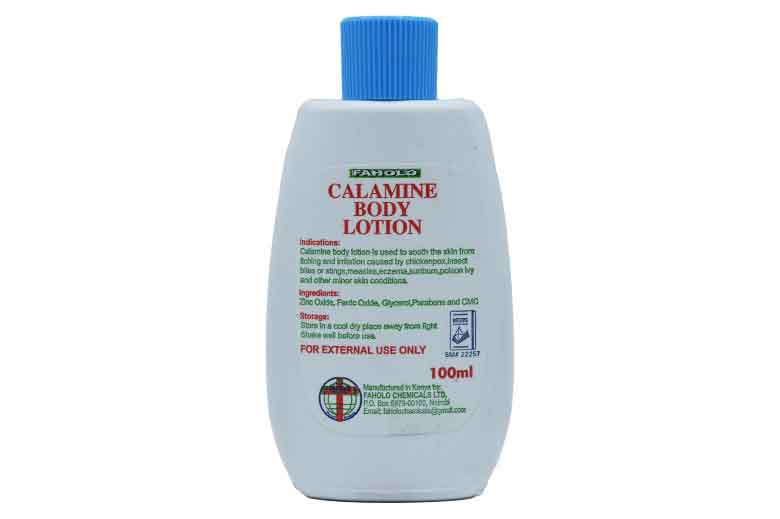
CALAMINE LOTION
CALAMINE POWDER ZINC OXIDE BENTONITE SODIUM CITRATE LIQUEFIED PHENOL & GLYCEROL.
What it does
Bentonite is a type of clay that is used to help absorb toxins and relieve digestive issues.
Commonly used for: digestive problems, toxin absorption
Read more in plain English ↓Plain-language summary for general understanding - not medical advice. Always follow your pharmacist/doctor.
Ask about this medicine
Answers come only from this medicine's registration record, BNF monograph and interaction data - not medical advice.
Hard to find? We help patients in Kenya source rare medicines. We don't sell or dispense medicines - licensed pharmacies do.
Source this medicineRegistration & product details
Source: Pharmacy and Poisons Board · fetched 2026-01-28 21:40:41 · updated 2026-07-20 11:15:04
About bentonite
Bentonite is a type of clay that is used to help absorb toxins and relieve digestive issues.
What it treats
- digestive problems
- toxin absorption
How it works
Bentonite works by binding to substances in the stomach and intestines, helping to remove them from the body.
Who it's for
It is suitable for adults and children experiencing digestive discomfort or those needing detoxification.
AI-assisted summary grounded in BNF data - general information only, not medical advice. Always confirm with your pharmacist or doctor.
About calamine
Calamine is a topical skin treatment commonly used to soothe and relieve irritation and itching.
What it treats
- itchy skin
- sunburn
- insect bites
- chickenpox
- eczema
How it works
Calamine works by cooling the skin and providing a protective barrier to reduce irritation.
Who it's for
Calamine is suitable for adults and children who need relief from mild skin irritations.
AI-assisted summary grounded in BNF data - general information only, not medical advice. Always confirm with your pharmacist or doctor.
About glycerol
Glycerol is a natural compound often used to relieve constipation by drawing water into the intestines.
What it treats
- constipation
- bowel movement difficulties
How it works
Glycerol helps soften stool and makes it easier to pass by increasing moisture in the intestines.
Who it's for
It is suitable for adults and children who need help with constipation.
AI-assisted summary grounded in BNF data - general information only, not medical advice. Always confirm with your pharmacist or doctor.
About liquefied
Liquefied is a medication used to help loosen mucus in the airways, making it easier to cough up.
What it treats
- chest congestion
- mucus buildup
How it works
It works by thinning the mucus in the airways, which helps clear it out and improves breathing.
Who it's for
This medication is suitable for people who have conditions that cause thick mucus, such as bronchitis or other respiratory illnesses.
AI-assisted summary grounded in BNF data - general information only, not medical advice. Always confirm with your pharmacist or doctor.
About oxide
Oxide is a type of compound often used in various treatments. It is important to understand its uses and any precautions necessary when taking it.
What it treats
- treatment of certain skin conditions
- used in some respiratory therapies
How it works
Oxide works by interacting with the body in a way that helps improve certain health conditions.
Who it's for
Oxide may be suitable for individuals suffering from specific health issues as determined by their healthcare provider.
Cautions
- • Always follow the healthcare provider's instructions when using this compound.
- • Inform your doctor about any other medications you are taking.
AI-assisted summary grounded in BNF data - general information only, not medical advice. Always confirm with your pharmacist or doctor.
About phenol
Phenol is a chemical used for its antiseptic properties and can help relieve pain.
What it treats
- pain relief
- antiseptic for minor cuts and burns
- throat pain (sore throat)
How it works
Phenol works by killing bacteria and reducing pain in the area where it is applied.
Who it's for
Phenol is suitable for adults and children who need pain relief or antiseptic treatment.
Cautions
- • Avoid using on large areas of skin or deep wounds.
- • Do not swallow or use in large amounts.
AI-assisted summary grounded in BNF data - general information only, not medical advice. Always confirm with your pharmacist or doctor.
Clinical monograph: Glycerol
BNF-referencedGlycerol, also known as glycerin, is a colorless, odorless, viscous liquid that is hygroscopic and sweet-tasting. It is primarily used as an osmotic laxative for the relief of constipation, especially in cases where other treatments may not be effective. Glycerol works by drawing water into the intestines and stimulating evacuation. It is also used in various pharmaceutical formulations and has applications in skin care due to its moisturizing properties.
Indications
- Constipation
- Bowel cleansing
Dosage
Children: Child 1–11 months: 1 g as required, Child 1–11 years: 2 g as required, Child 12–17 years: 4 g as required.
Adults: 4 g as required, usually administered rectally.
Mechanism of action
When administered rectally, glycerol exerts a hygroscopic and/or local irritant action, drawing water from the tissues into the feces and reflexively stimulating evacuation. It decreases intraocular pressure by creating an osmotic gradient between the blood and intraocular fluid, causing fluid to move from the aqueous and vitreous humors into the bloodstream. Glycerol is classified as a hyperosmotic laxative and may also have lubricating and fecal softening effects.
Pharmacodynamics
Glycerol is commonly classified as an osmotic laxative, acting through its local irritant effects and possibly having lubricating and fecal softening actions. Glycerol suppositories usually produce effects within 15 to 30 minutes, providing quick relief from constipation.
Pharmacokinetics
Glycerol is rapidly absorbed through the gastrointestinal tract. It is metabolized in the liver and other tissues, with a half-life that varies depending on the route of administration. Following rectal administration, glycerol is primarily excreted in urine. The pharmacokinetics may vary based on dosage forms and individual patient factors.
Contra-indications
- Acute abdominal conditions
- Acute inflammatory bowel disease
- Intestinal obstruction
- Severe dehydration
Adverse effects
- Abdominal cramps
- Asthenia
- Gastrointestinal disorders
- Hypermagnesaemia
- Skin reactions
- Urine discolouration
Precautions
- Avoid prolonged contact with skin, especially in incontinent patients or infants wearing nappies due to the risk of irritation and excoriation.
- Excessive use may cause diarrhea and related effects such as hypokalaemia.
Pregnancy
Manufacturers advise avoidance due to limited information available.
Breast-feeding
Manufacturers advise avoidance as there is no information available.
Storage
Store at room temperature, away from direct sunlight.
Formulations
- Glycerol 1g suppositories
- Glycerol 2g suppositories
- Glycerol 4g suppositories
- Glycerol oral suspension
AI-synthesized from BNF references - general information only, not a substitute for professional medical advice or the current BNF. Verify doses with a pharmacist.
Clinical monograph: Phenol
BNF-referencedPhenol, also known as carbolic acid, is a colorless, volatile liquid with antiseptic and anesthetic properties. It acts as a potent proteolytic agent, capable of dissolving tissue on contact and inducing local anesthesia. Phenol is used in various medical applications, particularly for its local anesthetic effects and in the treatment of rectal and anal disorders.
Indications
- Rectal and anal disorders
- Haemorrhoids
- Pruritus ani
Dosage
Children: Refer to the BNF for Children for appropriate dosing information.
Adults: For rectal use using aerosol spray: 1 spray up to 3 times a day for no longer than 7 days without medical advice. For ointment: apply several times daily, for short-term use only.
Mechanism of action
Phenol exerts its effects by acting as a potent proteolytic agent. At concentrations of 5% to 7%, it can dissolve tissue through proteolysis. When injected near a nerve, it produces chemical neurolysis, affecting nerve fibers nonselectively. Local anesthetic effects are typically observed within 5 to 10 minutes of application.
Pharmacodynamics
Phenol's pharmacodynamic properties include its ability to cause tissue dissolution and local anesthesia. The local anesthetic effects result from its action on the nerve fibers, leading to a temporary loss of sensation in the affected area. The proteolytic action can assist in the treatment of various skin and mucosal conditions by facilitating tissue breakdown.
Pharmacokinetics
Phenol is absorbed through mucosal surfaces when applied locally. Its metabolism involves biological oxidation and phase I functionalization, primarily through cytochrome P450 enzymes. The elimination of phenol occurs through metabolic pathways, and it can be detected in urine as a result of its metabolism.
Contra-indications
- Infection
- Known hypersensitivity to phenol or its components
Adverse effects
- Local irritation
- Burning sensation
- Paraesthesia
- Vision disorders
- Skin reactions
- Adrenal suppression
Interactions
- Caution with other local anesthetics due to potential additive effects
Precautions
- Use for short periods only-no longer than a few days
- Avoid excessive application, especially on sensitive areas
- Consult product literature for specific guidelines
Pregnancy
Data on the use of phenol during pregnancy is limited; caution is advised.
Breast-feeding
Limited information available; caution is recommended when used in breastfeeding mothers.
Storage
Store in a cool, dry place away from direct sunlight. Keep out of reach of children.
Formulations
- Ointment
- Suppository
- Aerosol spray
AI-synthesized from BNF references - general information only, not a substitute for professional medical advice or the current BNF. Verify doses with a pharmacist.
Clinical monograph: bentonite
Bentonite is a type of clay consisting primarily of montmorillonite, a hydrated aluminosilicate mineral. It is widely used in various applications, including as an adsorbent, thickening agent, and for its ability to bind toxins and impurities. In medicine, bentonite is often utilized as an oral medication for its ability to absorb toxins in cases of gastrointestinal disturbances.
Indications
- Gastrointestinal disturbances
- Toxin adsorption in cases of poisoning
- Diarrhea
- Gastroenteritis
Dosage
Children: Refer to the specific product guidelines or consult clinical resources for dosing recommendations.
Adults: Refer to the specific product guidelines or consult clinical resources for dosing recommendations.
Mechanism of action
Bentonite works by adsorbing toxins and pathogens in the gastrointestinal tract. The high surface area and negative charge of bentonite particles attract positively charged ions, allowing it to bind to various substances, including bacteria and toxins, thereby facilitating their removal from the body.
Pharmacodynamics
Bentonite's pharmacodynamic properties are largely attributed to its adsorptive capacity. It can effectively bind to various drugs and toxins, reducing their bioavailability. This property makes it useful in treating cases of poisoning or overdose, as it can prevent the absorption of harmful substances in the intestines.
Pharmacokinetics
Bentonite is not absorbed systemically. After oral administration, it remains in the gastrointestinal tract where it exerts its effects. The clay is eventually excreted in the feces. The onset of action can vary depending on the formulation and the presence of other substances in the gastrointestinal tract.
Adverse effects
- Constipation
- Abdominal discomfort
- Nausea
Interactions
- May reduce the absorption of other medications when taken concurrently
Precautions
- Use with caution in patients with gastrointestinal obstructions
- Ensure adequate hydration to prevent constipation
Pregnancy
Bentonite is generally considered safe during pregnancy; however, clinical data is limited.
Breast-feeding
Bentonite is likely safe during breastfeeding, but consult a healthcare professional for personalized advice.
Storage
Store in a cool, dry place away from direct sunlight.
Formulations
- Powder
- Capsules
- Suspension
AI-synthesized from BNF references - general information only, not a substitute for professional medical advice or the current BNF. Verify doses with a pharmacist.
Clinical monograph: calamine
BNF-referencedCalamine is a topical medication primarily used for its soothing properties in the treatment of minor skin irritations, including insect bites, sunburn, and rashes. It typically contains a mixture of zinc oxide and ferric oxide, which contribute to its protective and anti-itching effects.
Indications
- Mild skin irritations
- Insect bites
- Sunburn
- Rashes
- Prickly heat
Dosage
Children: Refer to the BNF for Children for appropriate dosing guidelines based on age and condition.
Adults: Apply to the affected area as needed, usually 2 to 4 times daily.
Mechanism of action
Calamine exerts its effects mainly through the astringent properties of zinc oxide and the soothing effects of ferric oxide. It helps to dry out oozing and weeping skin, while also providing a cooling sensation to alleviate discomfort.
Pharmacodynamics
The pharmacodynamics of calamine involve its ability to act as a protective barrier on the skin, reducing irritation and discomfort associated with various skin conditions. The astringent properties help to reduce moisture and inflammation, making it effective for soothing skin irritations.
Pharmacokinetics
Calamine is applied topically and is not significantly absorbed into systemic circulation, which minimizes systemic side effects. Its local effects are immediate upon application, providing rapid relief from symptoms like itching and inflammation.
Pregnancy
Calamine is generally considered safe for use during pregnancy, as it is a topical agent with limited systemic absorption.
Breast-feeding
Calamine is also considered safe for use during breastfeeding, as it is unlikely to pose a risk to the nursing infant.
Storage
Store in a cool, dry place away from direct sunlight. Keep out of reach of children.
Formulations
- Calamine lotion
- Calamine cream
AI-synthesized from BNF references - general information only, not a substitute for professional medical advice or the current BNF. Verify doses with a pharmacist.
Clinical monograph: liquefied
Liquefied refers to a state in which a substance transitions from a solid or gas to a liquid form, commonly used in various pharmaceutical applications, including aerosolized medications and solutions for inhalation or injection. The liquefaction process is critical for enhancing the bioavailability and absorption of certain medications, facilitating easier administration and improved patient compliance.
Indications
- Asthma
- Chronic obstructive pulmonary disease (COPD)
- Allergic rhinitis
- Local or systemic anesthesia
- Mucolytic therapy in respiratory conditions
Dosage
Children: Refer to specific drug guidelines for paediatric dosing, which will depend on the active ingredient and the child's age, weight, and clinical condition.
Adults: Refer to specific drug guidelines for dosing information, as the dosage will vary depending on the active ingredient in the liquefied formulation and the condition being treated.
Mechanism of action
Liquefaction itself does not have a specific mechanism of action as it is a physical process rather than a pharmacological one. However, for liquefied medications, the mechanism of action would depend on the active pharmaceutical ingredient (API) included in the formulation. For example, liquefied corticosteroids used in inhalers work by reducing inflammation in the airways, while liquefied anesthetics may block nerve conduction when administered.
Pharmacodynamics
The pharmacodynamics of liquefied medications will vary based on the specific drug being delivered in a liquefied form. Generally, the efficacy and safety of liquefied medications are influenced by factors such as the concentration of the drug, the delivery method, and the patient's physiological conditions. For instance, liquefied bronchodilators act by relaxing bronchial smooth muscle, leading to bronchodilation and improved airflow.
Pharmacokinetics
The pharmacokinetics of liquefied medications depend on the formulation and the route of administration. Liquefied drugs administered via inhalation typically have rapid onset due to direct delivery to the lungs, leading to quick absorption into the systemic circulation. Factors such as particle size, viscosity, and solubility can affect the rate and extent of absorption. The distribution, metabolism, and excretion of the active ingredient will follow standard pharmacokinetic principles relevant to that specific drug.
Pregnancy
Consult a healthcare professional before use. Safety during pregnancy has not been established.
Breast-feeding
Consult a healthcare professional before use. Safety during breastfeeding has not been established.
Storage
Store in a cool, dry place away from direct sunlight. Keep out of reach of children.
AI-synthesized from BNF references - general information only, not a substitute for professional medical advice or the current BNF. Verify doses with a pharmacist.
Clinical monograph: oxide
BNF-referencedOxide refers to a chemical compound that contains at least one oxygen atom and one other element. Oxides can be formed from a variety of elements, and their properties can vary significantly depending on the specific elements involved. Common oxides include metal oxides, such as iron oxide (rust), and non-metal oxides, such as carbon dioxide. In a pharmaceutical context, oxides may play roles as inactive ingredients or act as preservatives or stabilizers in drug formulations.
Mechanism of action
Oxides do not have a single mechanism of action as they are a broad category of compounds. However, in general, metal oxides can exhibit catalytic properties, while non-metal oxides may participate in biochemical reactions by forming acids or bases upon dissolution in water.
Pharmacodynamics
The pharmacodynamics of oxides depend on the specific type of oxide and its interaction with biological systems. For instance, metal oxides may have antimicrobial properties, while certain non-metal oxides can influence metabolic pathways through their acid-base chemistry. The effects vary widely, necessitating specific studies for each oxide's role in therapeutic contexts.
Pharmacokinetics
The pharmacokinetics of oxides are also variable. Many metal oxides are poorly soluble and thus have limited absorption when ingested. Non-metal oxides, such as carbon dioxide, can be readily absorbed and utilized in metabolic processes. The distribution, metabolism, and excretion of oxides depend on their chemical form and the biological system in which they are involved.
Pregnancy
Not applicable as oxide is not a drug but a class of chemical compounds.
Breast-feeding
Not applicable as oxide is not a drug but a class of chemical compounds.
Storage
Store in a cool, dry place away from direct sunlight.
AI-synthesized from BNF references - general information only, not a substitute for professional medical advice or the current BNF. Verify doses with a pharmacist.
Molecular reference: Glycerol
PubChem CID 753Molecular formula: C3H8O3
Mechanism of action
When administered rectally, glycerin exerts a hygroscopic and/or local irritant action, drawing water from the tissues into the feces and reflexively stimulating evacuation. Glycerin decreases intraocular pressure by creating an osmotic gradient between the blood and intraocular fluid, causing fluid to move out of the aqueous and vitreous humors into the bloodstream. Glycerin (glycerol) and sorbitol are hyperosmotic laxatives. When administered rectally, glycerin and sorbitol exert a hygroscopic and/or local irritant action, drawing water from the tissues into the feces and reflexly stimulating evacuation. The extent to which the simple physical distention of the rectum and the hygroscopic and/or local irritant actions are responsible for the laxative effects of some of these drugs is not known. Only extremely high oral doses of sorbitol (25 g daily) or glycerin exert laxative action. /Glycerin/ decreases intraocular pressure by creating an osmotic gradient between the blood and intraocular fluid, causing fluid to move out of the aqueous and vitreous humors into the bloodstream. The physicochemical effects of a series of alkanols, alkanediols and glycerol on erythrocyte shape and hemolysis at 4 and 20 degrees C were examined. We calculated the dielectric constant of the incubation medium, Ds, and the dielectric constant of the erythrocyte membrane Dm in the presence of organic solutes. The ratio Ds/Dm = -38.48 at 20 degrees C defines the normal biconcave shape in a medium without hemolytic agents. A decrease in Ds/Dm favors externalization or internalization with consequent hemolysis. Alkanols and alkanediols convert biconcave erythrocytes into echinocytes, which is accompanied by an increase in the projected surface area. Glycerol converts biconcave erythrocytes into stomatocytes, which was accompanied by a marginal decrease in the projected surface area. Progressive externalization in alkanols and alkanediols or internalization in glycerol resulted in a decrease in the projected surface area and the formation of smooth spheres. The degree of shape change induced was related to the degree of hemolysis and the ratio Ds/Dm. A decrease in temperature reduced both the degree of shape change and hemolysis. .../Thus/ physicochemical toxicity may be a result of a temperature dependent hydrophobic interaction between the organic solutes and the membrane and is best interpreted by the ability of the solutes to change Ds and Dm.
Pharmacodynamics
Glycerin is commonly classified as an osmotic laxative but may act additionally or alternatively through its local irritant effects; it may also have lubricating and fecal softening actions. Glycerin suppositories usually work within 15 to 30 minutes.
Biological pathways
Source: PubChem (NCBI) · pathways from PathBank, Reactome, WikiPathways & PharmGKB.
Molecular reference: Phenol
PubChem CID 996Molecular formula: C6H6O
Mechanism of action
Phenol is a potent proteolytic agent. Concentrations in the 5% to 7% range dissolve tissue on contact via proteolysis. In high concentrations when injected next to a nerve, phenol produces a chemical neurolysis which is nonselective across nerve fiber size and most prominent on its outer aspect. Local anesthetic effects occur within 5-10 minutes. The effects of monoamine depletors and monoamine denervators on phenol induced tremor were studied in mice. The tremor induced by phenol was enhanced by pretreatment with reserpine or tetrabenazine, but not with syrosingopine. However, alpha-methyl-p-tyrosine, p-chlorophenylalanine or 6-hydroxydopamine did not affect the tremor. These results suggest that the depletion of central monoamines as a whole contribute to the enhancement of the tremor induced by phenol.
Biological pathways
Source: PubChem (NCBI) · pathways from PathBank, Reactome, WikiPathways & PharmGKB.
Molecular reference: calamine
PubChem CID 23083748Molecular formula: Fe2O4Zn
Source: PubChem (NCBI) · pathways from PathBank, Reactome, WikiPathways & PharmGKB.
Molecular reference: oxide
PubChem CID 190217Molecular formula: O-2
Source: PubChem (NCBI) · pathways from PathBank, Reactome, WikiPathways & PharmGKB.
This drug in other countries
The same active ingredient registered across other registries we cover - including different brands.
- ANOMEX OINTMENT (Each gram contains Hydrocortisone Acetate/Lidocaine/Zinc Oxide/Allantoin 0.25%w/w/3%w/w/5%w/w/0.5%w/w) · Kremoint Pharma
- BABY BOY GIRL DIAPER RASH CREAM · Ghandour Cosmetics
- BABY NAPPY RASH RELIEF CREAM (Each gram contains Zinc oxide/Castor oil 7.5%w/w/4.5%w/w) · Bells Sons & Company
- BLUKOF BABY COUGH · Prowill Pharmaceuticals
- CHILDREN'S CALAMINE LOTION (Each ml contains Calamine/Zinc oxide 15%/5%) · Bells Sons & Company
- COVONIA DRY AND TICKLY COUGH LINCTUS SYRUP (Each 5ml contains Glycerol 1.36g) · Thornton And Ross
- ANOMEX COMBINATION PRODUCT OINTMENT
- ANOMEX COMBINATION PRODUCT SUPPOSITORY
- ANUCARE 107.5/18.8/12.5MG/G OINTMENT
- ANUCARE 300/50/33MG SUPPOSITORY
- ANUSOL_OINTMENT 22.5/8.75/107.5/1G OINTMENT
- ANUSOL_SUPPOSITORY 59/24/296 SUPPOSITORY