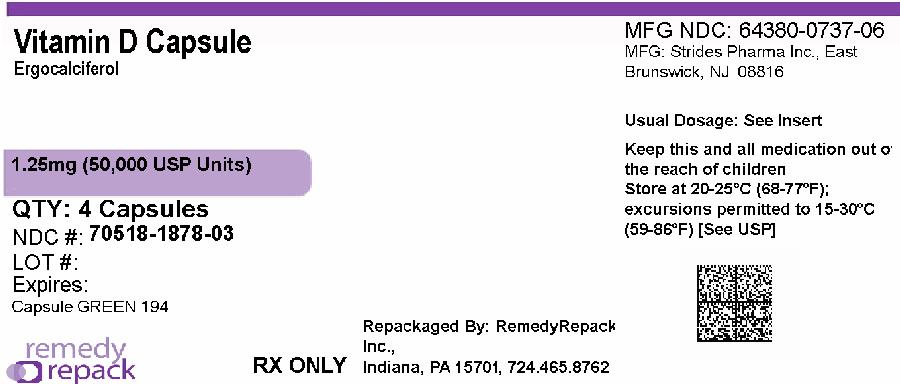
(vitamin · DailyMed)
CALOSTO SOFT COMBINATION PRODUCT CAPSULE
CALCIUN WITH VITAMIN D3 NAD MINERALS
What it does
Calcium is an important mineral that helps keep bones and teeth strong. It also plays a role in muscle function and blood clotting.
Commonly used for: osteoporosis (weak bones), hypocalcemia (low calcium levels), rickets (bone development issues in children)
Read more in plain English ↓Plain-language summary for general understanding - not medical advice. Always follow your pharmacist/doctor.
Ask about this medicine
Answers come only from this medicine's registration record, BNF monograph and interaction data - not medical advice.
Medicine sourcing is available in Kenya only. We don't sell or dispense medicines - licensed pharmacies do.
Sourcing - Kenya onlyRegistration & product details
Source: Pharmacy and Medicines Regulatory Authority · fetched 2026-04-21 17:37:43 · updated 2026-09-29 04:33:06
Drug Interactions
7Severe (2)
Vitamin - increases risk of vitamin a toxicity
TretinoinispredictedtoincreasetheriskofvitaminAtoxicity whengivenwithvitaminA.Avoid.rStudy Ribavirin e
Vitamin - increases risk of vitamin a toxicity
Retinoids(tretinoin)arepredictedtoincreasetheriskof vitaminAtoxicitywhengivenwithvitaminA.Avoid.r Study VitaminDsubstances . . . . . alfacalcidol.calcipotri..ol calcitriol colecalciferol ergocalcifero
Moderate (1)
Vitamin - increases risk of toxicity
Retinoids (bexarotene) are predicted to increase the risk of toxicity when given with vitamin A. Adjust dose.
Unknown (4)
Vitamin - decreases effects
Carbamazepine is predicted to decrease the effects of vitamin D substances.
Vitamin - increases exposure
Cobicistat is predicted to increase the exposure to vitamin D substances (paricalcitol).
Vitamin - increases exposure
Idelalisib is predicted to increase the exposure to vitamin D substances (paricalcitol).
Vitamin - increases exposure
Clarithromycin is predicted to increase the exposure to vitamin D substances (paricalcitol).
Data from BNF 85 (British National Formulary). This is not a substitute for professional medical advice. Matched via: exact
About calciun
Calcium is an important mineral that helps keep bones and teeth strong. It also plays a role in muscle function and blood clotting.
What it treats
- osteoporosis (weak bones)
- hypocalcemia (low calcium levels)
- rickets (bone development issues in children)
How it works
Calcium helps to build and maintain healthy bones and teeth, and is essential for various bodily functions.
Who it's for
Calcium is for people who need to increase their calcium intake, especially those with low calcium levels or at risk of bone diseases.
Cautions
- • Consult a doctor before use if you have kidney problems.
- • May need to be taken with food to enhance absorption.
AI-assisted summary grounded in BNF data - general information only, not medical advice. Always confirm with your pharmacist or doctor.
About minerals
Minerals are essential nutrients that help your body function properly. They play a key role in various bodily processes, including bone health, hydration, and maintaining overall well-being.
What it treats
- supports overall health
- maintains bone strength
- aids in hydration
- helps in muscle function
How it works
Minerals work by contributing to various physiological functions in the body, such as building strong bones, transmitting nerve signals, and regulating fluid balance.
Who it's for
Minerals are important for everyone, especially those with dietary deficiencies, athletes, and individuals with specific health conditions.
AI-assisted summary grounded in BNF data - general information only, not medical advice. Always confirm with your pharmacist or doctor.
About nad
Nad is a supplement that helps support energy production in the body.
What it treats
- fatigue
- low energy levels
How it works
Nad helps to convert food into energy, which can improve overall vitality.
Who it's for
Nad is suitable for adults who feel tired or have low energy.
AI-assisted summary grounded in BNF data - general information only, not medical advice. Always confirm with your pharmacist or doctor.
About vitamin
Vitamins are essential nutrients that support various bodily functions and overall health.
What it treats
- nutritional deficiency
- general health maintenance
How it works
Vitamins support normal bodily functions, including metabolism, immune function, and cell repair.
Who it's for
Anyone needing to improve their nutrient intake or maintain good health.
AI-assisted summary grounded in BNF data - general information only, not medical advice. Always confirm with your pharmacist or doctor.
Clinical monograph: calciun
Calcium is a vital mineral essential for various physiological functions, including the formation of bones and teeth, blood coagulation, and muscle contraction. It plays a crucial role in neurotransmitter release and cellular signaling. Calcium is predominantly stored in bones and teeth, with only a small fraction present in the blood and soft tissues, where it is tightly regulated.
Indications
- Calcium deficiency
- Osteoporosis
- Hypoparathyroidism
- Rickets
- Osteomalacia
- Certain cardiac conditions
Dosage
Children: Refer to specific clinical guidelines or BNF for Children for dosing information, as it may vary based on the child's age, weight, and specific health needs.
Adults: Refer to specific clinical guidelines or BNF for dosing information, as it may vary based on the clinical condition being treated.
Mechanism of action
Calcium exerts its effects primarily through its role as a secondary messenger in various signaling pathways. It binds to proteins such as calmodulin, which modulates several cellular processes, including muscle contraction, neurotransmitter release, and enzyme activity. Additionally, calcium is involved in the regulation of parathyroid hormone secretion, which maintains serum calcium levels by promoting calcium mobilization from bones, increasing renal tubular reabsorption, and enhancing intestinal absorption.
Pharmacodynamics
Calcium is essential for maintaining normal physiological functions. It contributes to the structural integrity of bones and teeth, facilitates muscle contraction by interacting with actin and myosin, and is crucial for the release of neurotransmitters at synaptic junctions. Calcium levels in the blood are tightly regulated by hormones such as parathyroid hormone and calcitonin, which modulate its release and absorption.
Pharmacokinetics
Calcium is absorbed primarily in the small intestine, with the efficiency of absorption influenced by factors such as dietary calcium intake, age, and the presence of vitamin D. Once absorbed, it is distributed throughout the body, with the majority found in bones. Calcium is excreted mainly through the kidneys, with a small amount lost in feces and sweat. The half-life of calcium in the body is variable, depending on the physiological state and dietary intake.
Adverse effects
- Gastrointestinal disturbances (e.g., constipation, nausea, vomiting)
- Kidney stones
- Hypercalcemia
- Cardiac arrhythmias
- Muscle weakness
Interactions
- Calcium may reduce the absorption of certain medications such as bisphosphonates and tetracyclines.
- High doses of calcium can interfere with the efficacy of some antihypertensive medications.
- Calcium supplementation can increase the risk of hypercalcemia when taken with vitamin D or thiazide diuretics.
Precautions
- Use with caution in patients with renal impairment.
- Monitor serum calcium levels in patients receiving high doses or those with risk factors for hypercalcemia.
- Avoid excessive intake in patients with a history of kidney stones.
Pregnancy
Calcium is generally regarded as safe during pregnancy, but supplementation should be considered based on dietary intake and individual needs.
Breast-feeding
Calcium is excreted in breast milk; adequate maternal intake is essential for optimal infant health.
Storage
Store in a cool, dry place away from direct sunlight. Keep out of reach of children.
Formulations
- Calcium carbonate tablets
- Calcium citrate tablets
- Calcium gluconate injections
- Calcium lactate tablets
- Calcium-fortified foods and beverages
AI-synthesized from BNF references - general information only, not a substitute for professional medical advice or the current BNF. Verify doses with a pharmacist.
Clinical monograph: minerals
Minerals are essential inorganic nutrients that play crucial roles in various physiological processes within the human body. They are required for numerous biochemical functions, including enzyme activation, hormone production, and maintaining structural integrity of bones and teeth. Common minerals include calcium, potassium, magnesium, sodium, and iron, among others, each serving specific functions in health and disease management.
Indications
- Calcium deficiency
- Iron deficiency anemia
- Magnesium deficiency
- Potassium depletion
- Electrolyte imbalances
Dosage
Children: Paediatric doses of minerals should be determined based on age, weight, and specific clinical indications. Consultation with pediatric dosing guidelines or the BNF for Children is recommended.
Adults: Doses of minerals vary widely based on the specific mineral and the condition being treated. It is essential to refer to established guidelines or the relevant pharmacopoeia for specific dosing recommendations.
Mechanism of action
Minerals exert their effects through various mechanisms, often by interacting with specific enzymes or cellular receptors. For example, calcium is vital for muscle contraction and neurotransmitter release, while iron is a key component of hemoglobin, facilitating oxygen transport in the blood. Additionally, minerals can influence physiological pathways such as nerve conduction, fluid balance, and cellular signaling.
Pharmacodynamics
Minerals contribute to numerous physiological functions, including muscle contraction, nerve impulse transmission, and cellular metabolism. Their pharmacodynamic effects depend on the specific mineral. For instance, magnesium plays a role in over 300 enzymatic reactions, while potassium is crucial for maintaining normal cellular function and fluid balance. Imbalances can lead to conditions such as hypertension, osteoporosis, and anemia.
Pharmacokinetics
The absorption, distribution, metabolism, and excretion of minerals vary widely among different types. Generally, minerals are absorbed in the gastrointestinal tract, with bioavailability influenced by dietary factors and the presence of other nutrients. For example, vitamin C enhances iron absorption, while phytates and oxalates can inhibit it. Once absorbed, minerals are distributed in the body fluids and tissues, with excess amounts typically excreted through the kidneys. Specific transport proteins may facilitate their uptake and distribution.
Pregnancy
Minerals are essential nutrients during pregnancy, with some, like iron and calcium, being particularly important. However, excessive intake of certain minerals can be harmful.
Breast-feeding
Minerals are important for lactating women, as they are necessary for both maternal health and the development of the nursing infant. Adequate mineral intake is recommended, but supplementation should be approached cautiously.
Storage
Store in a cool, dry place away from direct sunlight. Specific storage conditions may vary based on the type of mineral supplement.
AI-synthesized from BNF references - general information only, not a substitute for professional medical advice or the current BNF. Verify doses with a pharmacist.
Clinical monograph: vitamin
BNF-referencedVitamins are organic compounds that are essential for various metabolic processes in the body. They play crucial roles in maintaining health, supporting the immune system, and promoting growth and development. Different vitamins have specific functions, and they are required in varying amounts depending on age, sex, and physiological conditions.
Indications
- Vitamin deficiency syndromes (e.g., scurvy for vitamin C deficiency, rickets for vitamin D deficiency)
- Support for immune function
- Antioxidant support
- Bone health maintenance
- Vision health
- Energy metabolism support
Dosage
Children: Refer to the BNF for Children for specific vitamin dosing guidelines, which depend on age and nutritional requirements.
Adults: Refer to specific vitamin guidelines as dosage varies significantly depending on the type of vitamin and individual needs.
Mechanism of action
Vitamins function primarily as coenzymes or precursors for coenzymes in enzymatic reactions. For instance, B vitamins are involved in energy metabolism, while vitamins A, C, D, E, and K support various physiological functions including vision, antioxidant activity, calcium regulation, and blood clotting. Each vitamin has a unique mechanism of action based on its structure and role in the body.
Pharmacodynamics
Vitamins exert their effects at the cellular level, influencing metabolic pathways, gene expression, and immune responses. For example, vitamin D regulates calcium and phosphate homeostasis, while vitamin A is crucial for vision and immune function. Deficiencies in vitamins can lead to a range of disorders, highlighting their importance in maintaining health.
Pharmacokinetics
The pharmacokinetics of vitamins vary widely. Fat-soluble vitamins (A, D, E, and K) are stored in liver and adipose tissues and can be released into circulation as needed. Water-soluble vitamins (B-complex and C) are not stored and must be consumed regularly, with excess amounts excreted in urine. Absorption rates, half-lives, and distribution can also differ based on the specific vitamin and individual metabolic factors.
Interactions
- tretinoin+vitamin: Severe (increases risk of vitamin toxicity)
- retinoids+vitamin: Severe (increases risk of vitamin toxicity)
- retinoids+vitamin: Moderate (increases risk of toxicity)
- carbamazepine+vitamin: Unknown (decreases effects)
- cobicistat+vitamin: Unknown (increases exposure)
- vitamin D substances+digoxin: Unknown (increases risk of toxicity)
- idelalisib+vitamin: Unknown (increases exposure)
- clarithromycin+vitamin: Unknown (increases exposure)
Pregnancy
Consult healthcare professional before use. Vitamin supplementation during pregnancy should be carefully managed to avoid hypervitaminosis.
Breast-feeding
Consult healthcare professional before use. Some vitamins can pass into breast milk and may affect the infant.
Storage
Store in a cool, dry place, away from direct sunlight. Ensure it is kept out of reach of children.
Formulations
- {'name': 'Vitamin A', 'form': 'Capsule', 'strength': '10000 IU'}
- {'name': 'Vitamin D', 'form': 'Tablet', 'strength': '1000 IU'}
- {'name': 'Vitamin E', 'form': 'Softgel', 'strength': '400 IU'}
AI-synthesized from BNF references - general information only, not a substitute for professional medical advice or the current BNF. Verify doses with a pharmacist.
Molecular reference: vitamin
PubChem CID 266052Molecular formula: C14H15NO7
Source: PubChem (NCBI) · pathways from PathBank, Reactome, WikiPathways & PharmGKB.
This drug in other countries
The same active ingredient registered across other registries we cover - including different brands.
- ABIVIT DROPS · Accelius Global
- ACTIKID MAGIC BEANS JELLY BEANS · Amapharm
- ACTILIFE CAPSULES · Oa&j Pharmaceuticals
- ADVANCED EGG FORMULA POWDER · Advanced Agrovets Biotechnologies
- AJ WELLNESS VITALMAN 45+ CAPSULES · Renown Pharmaceuticals
- AJ WELLNESS VITALMAN 65+ CAPSULES · Renown Pharmaceuticals