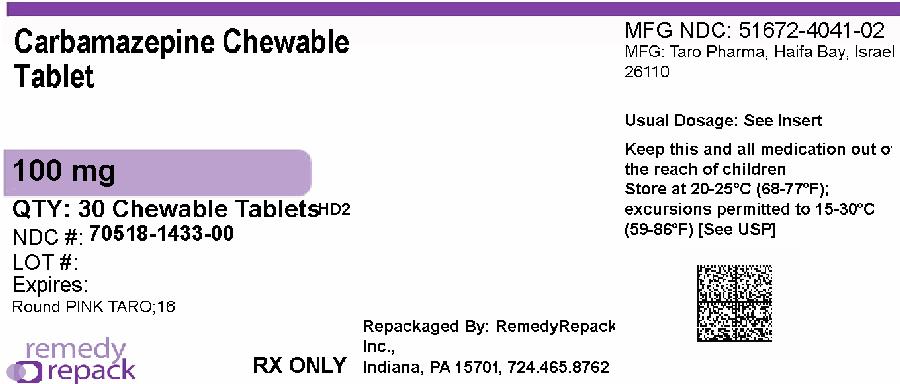
(carbamazepine · DailyMed)
Carbamazepine Extended Release Tablets USP 400 mg
Carbamazepine 400 mg/6 mL,Cellulose Acetate Phthalate 21.90 mg/6 mL,Cellulose Acetate Phthalate 3.30 mg/6 mL,Dextrose 108.50 mg/6 mL,Ferric Oxide (RED) 0.15 mg/6 mL,Ferric oxide (Yellow) (Sicovit Yellow 10 E 172) 0.85 mg/6 mL,Hydroxyethyl cellulose 10 mg/6 mL,Hydroxyethyl cellulose 40 mg/6 mL,Hypromellose (Methocel E3 Premium LV) 40 mg/6 mL,Hypromellose(Methocel E-15 LV M Premium) 2.40 mg/6 mL,Macrogols (Polyethylene glycol 8000 P) 2.40 mg/6 mL,Magnesium Sterate 7.00 mg/6 mL,Mannitol (Pearlitol 50 C) 108.50 mg/6 mL,Purified Water USP-NF/Ph.Eur 160.00 mg/6 mL,Sodium Lauryl Sulfate 5.00 mg/6 mL,methanol 114.00 mg/6 mL,methylene chloride 456.00 mg/6 mL
What it does
Carbamazepine is a medication used to treat seizures and certain types of nerve pain. It belongs to a class of drugs called antiepileptics.
Commonly used for: seizures (epilepsy), nerve pain (neuropathic pain)
Read more in plain English ↓Plain-language summary for general understanding - not medical advice. Always follow your pharmacist/doctor.
Ask about this medicine
Answers come only from this medicine's registration record, BNF monograph and interaction data - not medical advice.
Medicine sourcing is available in Kenya only. We don't sell or dispense medicines - licensed pharmacies do.
Sourcing - Kenya onlyRegistration & product details
Source: Tanzania Medicines and Medical Devices Authority · fetched 2026-03-11 23:38:18 · updated 2026-09-24 03:00:46
Drug Interactions
113Pharmacodynamic Warnings
Carbamazepine appears in TABLE 1: Drugs that cause hepatotoxicity
Carbamazepine appears in TABLE 18: Drugs that cause hyponatraemia
Severe (15)
Antiepileptics - decreases absorption
Iron chelators (dexrazoxane) might decrease the absorption of antiepileptics (fosphenytoin, phenytoin). Avoid.
Antiepileptics - decreases exposure
Lumacaftor is predicted to decrease the exposure to antiepileptics (carbamazepine, fosphenytoin, phenobarbital, phenytoin, primidone). Avoid.
Antiepileptics - decreases concentration
St John’s wort is predicted to decrease the concentration of antiepileptics (fosphenytoin, phenobarbital, phenytoin, primidone). Avoid.
Antiepileptics - increases risk of overheating and dehydration
Hydroxyzine potentially increases the risk of overheating and dehydration when given with antiepileptics (zonisamide). Avoid in children.
Antiepileptics - increases risk of overheating and dehydration
Haloperidol potentially increases the risk of overheating and dehydration when given with antiepileptics (zonisamide). Avoid in children.
Moderate (47)
Antiepileptics - increases concentration
Intravenous chloramphenicol increases the concentration of antiepileptics (fosphenytoin, phenytoin) and antiepileptics (fosphenytoin, phenytoin) affect the concentration of intravenous chloramphenicol
Antiepileptics - decreases concentration
Diazoxide decreases the concentration of antiepileptics (fosphenytoin, phenytoin) and antiepileptics (fosphenytoin, phenytoin) are predicted to decrease the effects of diazoxide. Monitor concentration
Antiepileptics - increases concentration
Disulfiramincreasestheconcentrationofantiepileptics (fosphenytoin,phenytoin).Monitorconcentrationandadjust dose.rStudy →AlsoseeTABLE12p.1520
Antiepileptics - increases concentration
Fluorouracilincreasestheconcentrationofantiepileptics (fosphenytoin,phenytoin).Monitorconcentrationandadjust dose.rAnecdotal 1xidneppA|snoitcaretnI A1 https://www.facebook.c (Books-Courses-Medic
Antiepileptics - decreases concentration
Folates are predicted to decrease the concentration of antiepileptics (fosphenytoin, phenobarbital, phenytoin, primidone). Monitor concentration and adjust dose.
Unknown (51)
Afatinib - decreases exposure
Carbamazepine is predicted to decrease the exposure to afatinib.
Aliskiren - decreases exposure
Carbamazepine decreases the exposure to aliskiren.
Antiepileptics - increases risk of overheating and dehydration
Acetazolamide potentially increases the risk of overheating and dehydration when given with antiepileptics (zonisamide). Avoid in children.
Antiepileptics - increases risk of visual disturbances
Alcohol potentially increases the risk of visual disturbances when given with antiepileptics (retigabine).
Antiepileptics - decreases exposure
Enzalutamide is predicted to slightly decrease the exposure to antiepileptics (brivaracetam).
Data from BNF 85 (British National Formulary). This is not a substitute for professional medical advice. Matched via: class
About carbamazepine
Carbamazepine is a medication used to treat seizures and certain types of nerve pain. It belongs to a class of drugs called antiepileptics.
What it treats
- seizures (epilepsy)
- nerve pain (neuropathic pain)
How it works
Carbamazepine helps stabilize electrical activity in the brain, reducing the frequency and severity of seizures.
Who it's for
This medication is for individuals with epilepsy or specific nerve pain conditions.
Drug class
Antiepileptics
Cautions
- • Be careful if you are taking drugs that can harm the liver.
- • Be cautious if you are taking medications that can lower sodium levels in the blood.
AI-assisted summary grounded in BNF data - general information only, not medical advice. Always confirm with your pharmacist or doctor.
About cellulose
Cellulose is a type of fiber that helps with digestion and promotes bowel health.
What it treats
- constipation
- irregular bowel movements
How it works
Cellulose adds bulk to the stool, making it easier to pass through the intestines.
Who it's for
Suitable for people looking to improve their digestive health.
AI-assisted summary grounded in BNF data - general information only, not medical advice. Always confirm with your pharmacist or doctor.
About dextrose
Dextrose is a form of sugar that provides energy and can be used to treat low blood sugar levels.
What it treats
- low blood sugar (hypoglycemia)
- dehydration
- providing energy for patients unable to eat
How it works
Dextrose is quickly absorbed into the bloodstream and raises blood sugar levels, providing immediate energy.
Who it's for
Dextrose is suitable for people who need a quick source of energy, especially those with diabetes or other conditions that cause low blood sugar.
AI-assisted summary grounded in BNF data - general information only, not medical advice. Always confirm with your pharmacist or doctor.
About ferric
Ferric is a form of iron used to treat iron deficiency and related conditions.
What it treats
- iron deficiency
- iron deficiency anemia
How it works
Ferric works by providing your body with the iron it needs to make red blood cells, which carry oxygen.
Who it's for
Ferric is for people who have low iron levels or anemia caused by insufficient iron.
AI-assisted summary grounded in BNF data - general information only, not medical advice. Always confirm with your pharmacist or doctor.
About hydroxyethyl
Hydroxyethyl is often used in various medical applications for its properties that help improve fluid balance in the body.
What it treats
- fluid replacement therapy
- treatment of shock
- surgery support
How it works
It helps to maintain blood volume and improve circulation by drawing fluid into the blood vessels.
Who it's for
This treatment is suitable for patients who have lost significant fluid, such as during surgery or due to medical conditions.
AI-assisted summary grounded in BNF data - general information only, not medical advice. Always confirm with your pharmacist or doctor.
About hypromellose
Hypromellose is a substance that helps to keep the eyes moist and can be used to soothe irritation.
What it treats
- dry eyes (keratoconjunctivitis sicca)
- eye irritation
How it works
It forms a protective layer over the eye, which helps to retain moisture and relieve discomfort.
Who it's for
This medication is suitable for anyone experiencing dry or irritated eyes.
AI-assisted summary grounded in BNF data - general information only, not medical advice. Always confirm with your pharmacist or doctor.
About lauryl
Lauryl is a compound used in various products, known for its cleansing properties.
What it treats
- skin cleansing
- oral hygiene
How it works
Lauryl works by helping to remove dirt and oils from the skin and mouth.
Who it's for
Lauryl is suitable for people looking for effective cleansing products for their skin or oral health.
AI-assisted summary grounded in BNF data - general information only, not medical advice. Always confirm with your pharmacist or doctor.
About macrogols
Macrogols are used to treat constipation by helping to soften stools and make them easier to pass.
What it treats
- constipation
- bowel obstruction
How it works
Macrogols work by drawing water into the bowel, which helps to soften the stool and increase the amount of water in the intestines.
Who it's for
Macrogols are suitable for adults and children who are experiencing constipation or need to clear their bowels.
AI-assisted summary grounded in BNF data - general information only, not medical advice. Always confirm with your pharmacist or doctor.
About mannitol
Mannitol is a type of sugar alcohol used mainly to help reduce swelling and pressure in the body, especially in the eyes and brain.
What it treats
- reducing pressure in the brain (intracranial hypertension)
- treating eye swelling (ocular hypertension)
- promoting urine production in kidney failure
How it works
Mannitol works by drawing water out of tissues and into the bloodstream, helping to decrease swelling and pressure.
Who it's for
Mannitol is typically used for patients with conditions that cause high pressure in the brain or eyes, and those with certain kidney issues.
AI-assisted summary grounded in BNF data - general information only, not medical advice. Always confirm with your pharmacist or doctor.
About methanol
Methanol is a toxic substance and should not be used as a medication.
How it works
Methanol is not used for any medical purpose and is dangerous to health.
Who it's for
Methanol is not suitable for anyone as it is harmful.
Cautions
- • Ingesting methanol can cause serious health problems and is potentially fatal.
AI-assisted summary grounded in BNF data - general information only, not medical advice. Always confirm with your pharmacist or doctor.
About methylene
Methylene is a compound used for various medical purposes, including treatment for certain conditions.
What it treats
- methemoglobinemia (a condition where blood cannot carry oxygen properly)
- certain types of poisoning
How it works
Methylene helps to restore the normal function of blood, allowing it to carry oxygen effectively.
Who it's for
Methylene is for people experiencing specific blood conditions or certain types of poisoning.
AI-assisted summary grounded in BNF data - general information only, not medical advice. Always confirm with your pharmacist or doctor.
About oxide
Oxide is a type of compound often used in various treatments. It is important to understand its uses and any precautions necessary when taking it.
What it treats
- treatment of certain skin conditions
- used in some respiratory therapies
How it works
Oxide works by interacting with the body in a way that helps improve certain health conditions.
Who it's for
Oxide may be suitable for individuals suffering from specific health issues as determined by their healthcare provider.
Cautions
- • Always follow the healthcare provider's instructions when using this compound.
- • Inform your doctor about any other medications you are taking.
AI-assisted summary grounded in BNF data - general information only, not medical advice. Always confirm with your pharmacist or doctor.
About phthalate
Phthalate is a chemical often used in various products but is not a medication itself.
How it works
Phthalate is mainly used to make plastics more flexible and durable.
Who it's for
Phthalate is not intended for medical use and does not treat any health conditions.
AI-assisted summary grounded in BNF data - general information only, not medical advice. Always confirm with your pharmacist or doctor.
About purified
Purified ingredients are often used in various medicines to ensure safety and effectiveness by removing impurities.
What it treats
- various medical conditions
How it works
Purified ingredients help in delivering the intended effects of the medicine without the risk of contaminants.
Who it's for
People who need medications with safe and effective ingredients.
AI-assisted summary grounded in BNF data - general information only, not medical advice. Always confirm with your pharmacist or doctor.
About sterate
Sterate is a medication used for various health conditions.
What it treats
- Nutritional supplementation
- Fat malabsorption disorders
How it works
Sterate helps improve the absorption of fats in the body, providing essential nutrients.
Who it's for
It is suitable for individuals needing additional nutritional support or those with specific digestive issues.
AI-assisted summary grounded in BNF data - general information only, not medical advice. Always confirm with your pharmacist or doctor.
Clinical monograph: Hypromellose
BNF-referencedHypromellose is a semisynthetic polymer derived from cellulose, primarily used as an ocular lubricant in the management of dry eye conditions. It acts by forming a protective layer over the eye surface, providing moisture and relief from irritation, thereby improving comfort and protecting the corneal epithelium.
Indications
- Dry eye conditions
- Tear deficiency
- Keratoconjunctivitis sicca
Dosage
Children: Apply as required, typically in the form of eye drops.
Adults: Apply as required, typically in the form of eye drops.
Mechanism of action
Hypromellose acts by forming a viscous gel upon contact with the ocular surface, which helps to retain moisture and protect against irritants. This gel-like property enhances the stability of the tear film and reduces evaporation, thereby alleviating symptoms associated with dry eye conditions.
Pharmacodynamics
The pharmacodynamic effects of hypromellose are primarily related to its ability to mimic natural tears, providing lubrication to the ocular surface. This lubrication reduces friction during blinking and maintains corneal hydration, which is critical for ocular comfort and health. Its high viscosity also contributes to prolonged retention time on the eye surface.
Pharmacokinetics
Hypromellose is administered topically as eye drops and is not significantly absorbed systemically. The retention time of hypromellose on the ocular surface is enhanced due to its viscosity, allowing for extended relief of dry eye symptoms. The elimination of hypromellose occurs primarily through drainage from the eye and dilution by the natural tear fluid.
Adverse effects
- Temporary visual disturbance
- Eye irritation
Precautions
- Should not be used during contact lens wear
- Use with caution in patients with known hypersensitivity to any component of the formulation
Pregnancy
Hypromellose is generally considered safe for use during pregnancy. However, it should be used only if clearly needed and after consulting a healthcare provider.
Breast-feeding
Hypromellose is unlikely to affect breastfed infants when used as directed, but consultation with a healthcare provider is advisable.
Storage
Store in a cool, dry place away from direct sunlight. Once opened, use within a specified period as indicated on the packaging.
Formulations
- {'name': 'Teardew', 'concentration': '0.3%', 'form': 'eye drops', 'volume': '10 ml'}
- {'name': 'Xailin Hydrate', 'concentration': '0.3%', 'form': 'eye drops', 'volume': '10 ml'}
- {'name': 'AacuLose', 'concentration': '0.3%', 'form': 'eye drops', 'volume': '10 ml'}
- {'name': 'Artelac', 'concentration': '0.32%', 'form': 'eye drops', 'volume': '10 ml'}
- {'name': 'Lacrilube', 'concentration': '2 mg/g', 'form': 'eye ointment', 'volume': '3.5 g'}
- {'name': 'Celluvisc', 'concentration': '1%', 'form': 'eye drops', 'volume': '0.4 ml unit dose'}
AI-synthesized from BNF references - general information only, not a substitute for professional medical advice or the current BNF. Verify doses with a pharmacist.
Clinical monograph: Carbamazepine
BNF-referencedCarbamazepine is an antiepileptic drug primarily used to manage epilepsy, particularly focal and generalized tonic-clonic seizures. It is also indicated for other conditions such as trigeminal neuralgia and bipolar disorder. Carbamazepine functions by inhibiting sodium channels, thereby reducing neuronal excitability and stabilizing mood in bipolar disorder. It has a narrow therapeutic index, necessitating careful monitoring of plasma levels to avoid toxicity.
Indications
- Epilepsy (focal and generalized tonic-clonic seizures)
- Trigeminal neuralgia
- Bipolar disorder (manic episodes)
- Adjunctive therapy in acute alcohol withdrawal
- Diabetic neuropathy
Dosage
Children: For children
Adults: Initially, 100 mg 1-2 times a day, increased gradually according to response; usual dose 200 mg 3-4 times a day, increased if necessary up to 1.6 g daily.
Mechanism of action
Carbamazepine's mechanism of action is associated with its ability to inhibit voltage-dependent sodium channels, which reduces the firing of action potentials and stabilizes neuronal membranes. This results in decreased polysynaptic nerve responses and inhibition of excessive neuronal firing, effectively controlling seizure activity. In bipolar disorder, it may enhance GABA transmission and increase dopamine turnover, alleviating manic and depressive symptoms.
Pharmacodynamics
Carbamazepine exhibits anticonvulsant effects by limiting high-frequency repetitive firing of action potentials in neurons. It shows effectiveness in treating manic episodes in bipolar disorder and alleviating pain associated with trigeminal neuralgia. The drug has a narrow therapeutic index, which requires careful dose management to balance efficacy with the risk of adverse effects. Genetic variations can affect carbamazepine metabolism and efficacy, with certain genotypes conferring resistance to treatment.
Pharmacokinetics
Carbamazepine is well absorbed orally and undergoes extensive hepatic metabolism, primarily by cytochrome P450 enzymes. It has a half-life of about 12-17 hours, but this can decrease with chronic use due to autoinduction of its metabolism. The drug is primarily excreted in urine as metabolites, with only a small fraction excreted unchanged. Plasma levels should be monitored, particularly in patients with significant genetic variations affecting drug metabolism.
Contra-indications
- History of hypersensitivity to carbamazepine or any of its components
- Bone marrow depression
- History of aplastic anaemia or agranulocytosis associated with carbamazepine
- Concomitant use with monoamine oxidase inhibitors
Adverse effects
- Dizziness
- Drowsiness
- Nausea
- Vomiting
- Rash
- Agranulocytosis
- Aplastic anaemia
- Hepatic dysfunction
- Stevens-Johnson syndrome
- Toxic epidermal necrolysis
Interactions
- Carbamazepine + Antipsychotics (second-generation): Severe (increases risk of myelosuppression)
- Carbamazepine + Clozapine: Severe (increases risk of myelosuppression)
- Carbamazepine + Berotralstat: Severe (decreases concentration)
- Carbamazepine + Ledipasvir: Severe (decreases exposure)
- Carbamazepine + Lumacaftor: Severe (decreases exposure)
- Carbamazepine + Sofosbuvir: Severe (decreases exposure)
- Carbamazepine + Thrombin inhibitors: Severe (decreases exposure)
- Carbamazepine + Dabigatran: Severe (decreases exposure)
- Carbamazepine + Antifungals (azoles): Moderate (decreases efficacy)
- Carbamazepine + Itraconazole: Moderate (decreases efficacy)
Precautions
- Monitor hepatic function regularly, especially in long-term therapy
- Caution in patients with a history of bone marrow suppression
- Gradual withdrawal recommended to avoid seizure exacerbation
- Consider genetic testing for HLA-B*1502 to assess risk of serious skin reactions in certain populations
Pregnancy
Use during pregnancy only if the potential benefit justifies the potential risk to the fetus. Monitor closely as carbamazepine may cause fetal harm.
Breast-feeding
Carbamazepine is excreted in breast milk. Caution is advised; monitor the infant for side effects.
Storage
Store
AI-synthesized from BNF references - general information only, not a substitute for professional medical advice or the current BNF. Verify doses with a pharmacist.
Clinical monograph: Mannitol
BNF-referencedMannitol is an osmotic diuretic and a sugar alcohol that is used primarily to reduce elevated intracranial pressure and to promote diuresis in various medical conditions, including cerebral edema and acute kidney injury. It is metabolically inert in humans and is eliminated primarily through the kidneys. Mannitol works by elevating blood plasma osmolality, drawing water out of tissues and into the bloodstream, which helps to reduce fluid volume and pressure in the brain and other compartments.
Indications
- Cerebral edema
- Elevated intracranial pressure
- Acute kidney injury
- Oliguria
- Glaucoma
- Renal function diagnostic aid
Dosage
Adults: For cerebral edema, administer 0
Mechanism of action
Mannitol elevates blood plasma osmolality, resulting in enhanced flow of water from tissues, including the brain and cerebrospinal fluid, into interstitial fluid and plasma. This action reduces cerebral edema and intracranial pressure. As a diuretic, it increases the osmolality of glomerular filtrate, leading to increased urinary excretion of water and preventing sodium and chloride reabsorption in the renal tubules. Mannitol also facilitates the urinary excretion of toxic substances and can help in assessing renal function by measuring glomerular filtration rate (GFR).
Pharmacodynamics
Mannitol is classified as an osmotic diuretic. It is chemically similar to other sugar alcohols but has a unique ability to promote diuresis by remaining unabsorbed in the renal tubules. Its use is indicated for conditions associated with increased body fluids, such as cerebral edema and glaucoma. Mannitol may be combined with other diuretics to enhance diuretic efficacy. Inhaled formulations are used in cystic fibrosis, though they may cause bronchospasm and hemoptysis.
Pharmacokinetics
Mannitol is freely filtered by the glomeruli with less than 10% tubular reabsorption, which allows for its urinary excretion rate to serve as a measurement of GFR. It does not undergo significant metabolism and is eliminated primarily through the kidneys. The onset of action occurs within 30 to 60 minutes after intravenous administration, with effects lasting for several hours. Administration may require monitoring of renal function and fluid balance.
Contra-indications
- Anuria
- Severe dehydration
- Severe renal impairment
- Intracranial bleeding
Adverse effects
- Asthenia
- Gastrointestinal disturbances
- Dry mouth
- Confusion
- Visual impairment
- Hypotension
- Electrolyte imbalances
- Pulmonary edema
- Hemoptysis (with inhalation use)
- Bronchospasm (with inhalation use)
Interactions
- Potassium-sparing diuretics may increase the risk of hyperkalemia
- Other diuretics may have additive effects
- Caution with nephrotoxic agents
Precautions
- Caution in patients with diabetes mellitus
- Caution in the elderly
- Caution in patients with gout
- Caution in patients with hepatic impairment
- Monitor renal function and electrolytes regularly
- May cause blue fluorescence of urine
Pregnancy
Manufacturer advises avoid due to potential toxicity in animal studies.
Breast-feeding
Manufacturer advises avoid due to lack of information available.
Storage
Store in a cool, dry place, away from light. Do not freeze.
Formulations
- Solution for injection
- Inhalation powder
- Oral solution
AI-synthesized from BNF references - general information only, not a substitute for professional medical advice or the current BNF. Verify doses with a pharmacist.
Clinical monograph: cellulose
Cellulose is a complex carbohydrate and a key structural component of the plant cell wall. It is an indigestible polysaccharide made up of linear chains of glucose molecules linked by β-1,4-glycosidic bonds. As a dietary fiber, cellulose contributes to digestive health by promoting bowel regularity and is commonly used as a laxative and bulking agent in various food products and pharmaceuticals.
Indications
- Constipation
- Dietary fiber supplementation
- Irritable bowel syndrome
- Diverticular disease
- Weight management
Dosage
Children: Refer to appropriate guidelines for specific dosage; generally taken with adequate fluid intake.
Adults: Refer to appropriate guidelines for specific dosage; generally taken with adequate fluid intake.
Mechanism of action
Cellulose acts primarily as a bulk-forming laxative. It absorbs water in the intestines, which increases stool bulk and stimulates peristalsis, thus facilitating bowel movements. Additionally, cellulose is not digestible by human enzymes, leading to fermentation by gut bacteria, which may enhance gut health and alter gut microbiota composition.
Pharmacodynamics
Cellulose increases stool weight and frequency of bowel movements. It works by retaining water in the intestines, leading to softer stools and improved passage through the gastrointestinal tract. The bulking effect of cellulose can help alleviate constipation and promote overall digestive health. It may also play a role in cholesterol reduction and glycemic control through its effects on digestion and absorption of nutrients.
Pharmacokinetics
Cellulose is not absorbed into the bloodstream due to its indigestible nature. Instead, it passes through the gastrointestinal tract, where it adds bulk to the stool. Its fermentation by colonic bacteria produces short-chain fatty acids, which may have beneficial effects on colon health. The onset of action for cellulose as a laxative can vary but is generally within 24 to 72 hours after ingestion.
Adverse effects
- Bloating
- Flatulence
- Diarrhea
- Abdominal discomfort
Precautions
- Use with caution in patients with a history of gastrointestinal disorders.
- Monitor for potential allergic reactions in sensitive individuals.
Pregnancy
Cellulose is generally considered safe during pregnancy as it is a non-toxic, indigestible fiber.
Breast-feeding
Cellulose is also considered safe during breastfeeding; it is excreted in breast milk in negligible amounts.
Storage
Store in a cool, dry place away from direct sunlight.
Formulations
- Powder
- Capsules
- Tablets
- Granules
AI-synthesized from BNF references - general information only, not a substitute for professional medical advice or the current BNF. Verify doses with a pharmacist.
Clinical monograph: dextrose
BNF-referencedDextrose, also known as D-glucose, is a simple sugar that serves as a primary energy source for the body. It is commonly used in medical settings to treat hypoglycemia and provide caloric intake in patients unable to consume food orally. Dextrose is readily absorbed and utilized by various tissues, making it essential for cellular metabolism.
Indications
- Hypoglycemia
- Caloric supplementation in patients unable to eat
- Fluid replacement therapy
- Parenteral nutrition
Dosage
Children: Paediatric doses must be determined based on clinical condition and specific needs. Refer to the BNF for Children for appropriate dosing information.
Adults: The dosage of dextrose in adults varies based on clinical condition and route of administration. For hypoglycemia, intravenous dextrose 50% (D50W) is commonly administered. Refer to the BNF for specific dosing guidelines.
Mechanism of action
Dextrose supplies energy to tissues by generating ATP and NADH through glycolysis, where glucose is phosphorylated by hexokinase to form glucose 6-phosphate. This activates glucose for breakdown, ultimately converting glucose into energy molecules. Dextrose also plays a role in gene transcription, enzyme activity, and hormone secretion, regulating glucose homeostasis and cellular metabolic integrity.
Pharmacodynamics
Blood glucose acts as a crucial energy source for cellular activities and functions as a signaling molecule. It is oxidized into carbon dioxide and water, producing energy through glycolysis, the citric cycle, and oxidative phosphorylation. Dextrose can be converted into fat for energy storage and is stored as glycogen in the liver and muscles. Its administration, particularly orally, enhances insulin secretion due to stimulation of incretin hormones.
Pharmacokinetics
Dextrose is rapidly absorbed in the gastrointestinal tract, leading to a quick elevation of blood glucose levels. It is distributed throughout the body and can be utilized by various tissues for energy. The metabolism of dextrose primarily occurs in the liver, where it can be stored as glycogen or converted into fat. Renal excretion may occur when blood glucose levels are excessively high.
Adverse effects
- Hyperglycemia
- Fluid overload
- Hypokalemia
- Thrombophlebitis at injection site
Interactions
- Corticosteroids may increase blood glucose levels
- Beta-blockers may mask symptoms of hypoglycemia
- Diuretics may cause electrolyte imbalances
Precautions
- Use with caution in patients with diabetes mellitus
- Monitor blood glucose levels regularly
- Use cautiously in patients with renal impairment or heart failure
Pregnancy
Dextrose is generally considered safe for use during pregnancy when clinically indicated, but should be used with caution.
Breast-feeding
Dextrose can be used during breastfeeding as it is a natural sugar found in breast milk.
Storage
Store at room temperature, away from direct sunlight, and protect from freezing.
Formulations
- Dextrose 5% solution for infusion
- Dextrose 10% solution for infusion
- Dextrose 50% solution for injection
- Oral dextrose tablets
AI-synthesized from BNF references - general information only, not a substitute for professional medical advice or the current BNF. Verify doses with a pharmacist.
Clinical monograph: ferric
BNF-referencedFerric, often referring to ferric iron or its salts, is an essential mineral primarily involved in oxygen transport and storage in the body. It plays a crucial role in erythropoiesis and is a key component of hemoglobin. Ferric compounds are commonly used in the treatment of iron deficiency anemia, a condition where the body lacks sufficient iron to produce adequate hemoglobin. The ferric ion is the oxidized form of iron, which is more stable in biological systems compared to ferrous iron.
Indications
- Iron deficiency anemia
- Chronic blood loss
- Nutritional iron deficiency
- Pregnancy-related anemia
Dosage
Children: Refer to the BNF for Children for specific dosing information as it may vary based on the formulation and clinical context.
Adults: Refer to the BNF for specific dosing information as it may vary based on the formulation and clinical context.
Mechanism of action
Ferric ions participate in various biological processes, including oxygen transport and electron transfer. They facilitate the formation of hemoglobin in red blood cells, allowing for efficient oxygen delivery throughout the body. Ferric compounds can also promote the absorption of iron from the gastrointestinal tract by providing a more bioavailable form of iron.
Pharmacodynamics
Ferric compounds exhibit their effects primarily through the restoration of iron levels in the body. This leads to improved synthesis of hemoglobin and overall enhancement of oxygen-carrying capacity. The pharmacological action is dose-dependent, with higher doses leading to more pronounced effects on hemoglobin levels and erythropoiesis. Additionally, ferric ions can influence various metabolic pathways involved in cellular respiration and energy production.
Pharmacokinetics
Ferric is absorbed in the gastrointestinal tract, with absorption rates influenced by dietary factors and the presence of other substances in the gut. Once absorbed, ferric ions are transported in the bloodstream bound to transferrin, a transport protein. The body regulates iron levels primarily through absorption rather than excretion, and excess iron can be stored in the liver, spleen, and bone marrow. The elimination of ferric compounds is generally slow, as they are incorporated into various biological systems or stored for future use.
Contra-indications
- Hypersensitivity to ferric compounds
- Iron overload conditions such as haemochromatosis or haemosiderosis
- Chronic liver disease
- Active peptic ulcer disease
Adverse effects
- Gastrointestinal disturbances including nausea, vomiting, and constipation
- Diarrhea
- Abdominal pain
- Black stools
- Allergic reactions including rashes and anaphylaxis
- Staining of teeth (with oral formulations)
Interactions
- Antacids may reduce the absorption of oral ferric preparations
- Tetracyclines and quinolone antibiotics may have reduced absorption when taken with iron
- Ascorbic acid may enhance the absorption of iron
Precautions
- Caution in patients with a history of gastrointestinal disease
- Monitor for signs of iron overload in patients receiving repeated doses
- Use with caution in patients with renal impairment
Pregnancy
Ferric compounds are generally considered safe in pregnancy when used as directed to treat iron deficiency, but should be used under medical supervision.
Breast-feeding
Ferric compounds are excreted in breast milk in small amounts, usually considered safe but should be used under medical supervision.
Storage
Store in a cool, dry place away from direct sunlight. Keep out of reach of children.
Formulations
- Oral tablets
- Oral solution
- Intravenous injection
AI-synthesized from BNF references - general information only, not a substitute for professional medical advice or the current BNF. Verify doses with a pharmacist.
Clinical monograph: hydroxyethyl
BNF-referencedHydroxyethyl is a chemical compound primarily known for its role as a hydrophilic moiety in various pharmaceutical formulations. It is often used in the production of hydroxyethyl starch, a volume expander in clinical settings, particularly in managing hypovolemia. Hydroxyethyl compounds can affect the properties of drug formulations, enhancing solubility and stability.
Indications
- Hypovolemia
- Shock
- Fluid resuscitation
Dosage
Children: Refer to the BNF for Children for paediatric dosing guidelines.
Adults: Refer to the BNF for appropriate dosing guidelines depending on the clinical scenario and formulation used.
Mechanism of action
Hydroxyethyl starch works by increasing oncotic pressure in the blood, thereby drawing fluid into the vascular space. This helps to expand blood volume and improve circulation. The mechanism involves its ability to mimic natural plasma proteins, resulting in an effective volume expansion.
Pharmacodynamics
Hydroxyethyl starch acts as a colloid, helping to maintain intravascular volume. It is metabolized in the body, with its effects depending on the degree of substitution and molecular weight. The drug's colloidal properties facilitate the retention of fluid within the vascular system, which is crucial in treating conditions such as hypovolemia and shock.
Pharmacokinetics
Hydroxyethyl starch is administered intravenously and is distributed throughout the vascular system. It is gradually metabolized by the reticuloendothelial system, primarily the liver and spleen. The elimination half-life varies depending on the molecular weight and concentration of the formulation used. Higher molecular weight formulations tend to persist longer in circulation.
Pregnancy
Not established. Use with caution and only if the potential benefit justifies the potential risk to the fetus.
Breast-feeding
Use with caution. Limited data available.
Storage
Store in a cool, dry place away from direct sunlight. Keep out of reach of children.
AI-synthesized from BNF references - general information only, not a substitute for professional medical advice or the current BNF. Verify doses with a pharmacist.
Clinical monograph: lauryl
Lauryl, also known as lauryl sulfate, is a surfactant and cleansing agent commonly used in various pharmaceutical and cosmetic formulations. It is derived from lauric acid, a medium-chain fatty acid found in coconut oil and palm kernel oil. Lauryl sulfate is primarily utilized for its ability to create lather and enhance the solubility of active ingredients in topical applications. Its use is widespread in shampoos, body washes, and other personal care products.
Indications
- Cleansing agent in topical formulations
- Emulsifying agent in cosmetic products
- Foaming agent in shampoos and body washes
Dosage
Children: Refer to specific product formulations for appropriate concentrations and application methods.
Adults: Refer to specific product formulations for appropriate concentrations and application methods.
Mechanism of action
Lauryl sulfate functions as an anionic surfactant. It reduces the surface tension between different substances, allowing for better spreading and wetting. In the context of cleansing, it facilitates the removal of dirt and oils from the skin and hair by emulsifying these substances, thus making them easier to rinse away with water.
Pharmacodynamics
As a surfactant, lauryl sulfate displays properties that can disrupt cellular membranes and alter permeability. This mechanism is beneficial in enhancing the penetration of other therapeutic agents in topical formulations. However, its irritant potential on skin and mucous membranes should be noted, as it can lead to dryness and irritation with prolonged exposure.
Pharmacokinetics
Lauryl sulfate is primarily applied topically and is not intended for systemic absorption. When used in formulations, it acts locally at the site of application. Its absorption through the skin is minimal, and any systemic exposure is limited. Metabolism and excretion pathways are not well-defined for topical applications, as it is largely washed away after use.
Pregnancy
Safety during pregnancy has not been established. Use only if the potential benefit justifies the potential risk to the fetus.
Breast-feeding
Unknown whether lauryl is excreted in human milk. Caution should be exercised when administering to nursing mothers.
Storage
Store in a cool, dry place away from direct sunlight. Keep out of reach of children.
AI-synthesized from BNF references - general information only, not a substitute for professional medical advice or the current BNF. Verify doses with a pharmacist.
Clinical monograph: macrogols
BNF-referencedMacrogols, also known as polyethylene glycols, are a group of osmotic laxatives used primarily for the treatment of constipation. They work by retaining water in the stool, which increases stool bulk and facilitates bowel movements. Macrogols are commonly used in both adults and children and can be prescribed for bowel preparation prior to surgical or diagnostic procedures.
Indications
- Constipation
- Bowel preparation for surgical procedures
- Bowel cleansing for diagnostic procedures
Dosage
Children: For children, the dosage of macrogols varies based on age and weight. Generally, it is advised to refer to the BNF for Children for specific dosing guidelines.
Adults: The usual adult dose for constipation is 8.4 grams of macrogol in a glass of water daily. For bowel preparation, the dosing regimen may vary depending on the procedure and should be followed as directed by healthcare professionals.
Mechanism of action
Macrogols exert their laxative effect by increasing the osmotic pressure in the intestinal lumen, which leads to enhanced water retention in the stool. This results in softer stools and stimulates peristalsis, promoting bowel movements. The mechanism involves the prevention of water reabsorption in the colon, thereby increasing stool volume and frequency of defecation.
Pharmacodynamics
The pharmacodynamics of macrogols involve their ability to attract and retain water in the gastrointestinal tract. This osmotic effect leads to increased stool water content, which softens the stool and decreases transit time. As a result, macrogols are effective in alleviating constipation and are also used for bowel cleansing prior to various medical procedures.
Pharmacokinetics
Macrogols are not absorbed systemically; they remain in the gastrointestinal tract and exert their effects locally. Due to their high molecular weight, they are not significantly broken down by intestinal enzymes. The onset of action typically occurs within 24 to 48 hours after administration, making them suitable for both acute and chronic constipation management.
Pregnancy
Macrogols are not absorbed systemically and are generally considered safe for use during pregnancy.
Breast-feeding
Macrogols are not absorbed systemically and are considered safe for use while breastfeeding.
Storage
Store in a cool, dry place. Protect from light and moisture.
Formulations
- powder for oral solution
- oral solution
AI-synthesized from BNF references - general information only, not a substitute for professional medical advice or the current BNF. Verify doses with a pharmacist.
Clinical monograph: methanol
BNF-referencedMethanol, also known as wood alcohol, is a colorless, volatile liquid with a slightly sweet odor. It is primarily used as an industrial solvent, antifreeze, and fuel. Methanol is toxic to humans and can cause severe metabolic acidosis, visual disturbances, and central nervous system depression when ingested. Its toxicity is primarily due to its metabolic conversion to formaldehyde and formic acid, which lead to various harmful effects.
Dosage
Children: Refer to the BNF for Children for specific dosing guidelines in cases of methanol poisoning in pediatric patients.
Adults: In cases of methanol poisoning, immediate medical attention is required. Treatment typically involves the administration of fomepizole or ethanol as antidotes, along with supportive care and correction of metabolic acidosis. Dosing should be guided by clinical protocols.
Mechanism of action
Methanol is metabolized in the liver by alcohol dehydrogenase to formaldehyde, which is further oxidized to formic acid. Formic acid is responsible for many of the toxic effects of methanol, including metabolic acidosis and visual impairment. The severity of toxicity can depend on individual susceptibility and the activity of metabolic pathways, particularly those involving folic acid metabolism, which is necessary for formate metabolism.
Pharmacodynamics
Methanol toxicity manifests through its metabolic products, primarily formic acid, which decreases blood pH, leading to metabolic acidosis. This acidosis can cause complications such as respiratory distress and cardiovascular instability. The accumulation of formic acid also impacts mitochondrial function and can lead to cellular hypoxia and damage, particularly in the optic nerve, resulting in visual impairment or blindness.
Pharmacokinetics
Methanol is rapidly absorbed through the gastrointestinal tract and can cross the blood-brain barrier. It is metabolized primarily in the liver, with a significant portion converted to formaldehyde and then to formic acid. The elimination half-life of methanol varies and can be prolonged in cases of intoxication due to saturation of metabolic pathways. The time to peak concentrations can vary significantly; toxicity can develop long after initial ingestion, complicating management.
Adverse effects
- Metabolic acidosis
- Visual impairment
- Headaches
- Nausea
- Vomiting
- Dizziness
- Coma
- Death
Precautions
- Use with caution in individuals with liver impairment
- Monitor for signs of toxicity, especially in cases of suspected overdose
Pregnancy
Methanol is classified as a teratogen and should be avoided during pregnancy due to the risk of fetal toxicity and developmental harm.
Breast-feeding
Methanol is not recommended while breastfeeding due to potential harmful effects in the nursing infant.
Storage
Store in a cool, dry place away from light and heat. Keep container tightly closed and out of reach of children.
AI-synthesized from BNF references - general information only, not a substitute for professional medical advice or the current BNF. Verify doses with a pharmacist.
Clinical monograph: methylene
BNF-referencedMethylene, often referred to in its diatomic form as methylene blue, is a synthetic dye with various applications in medicine and biology. It is primarily recognized for its role as a medication in treating methemoglobinemia, a condition where hemoglobin is oxidized and unable to effectively release oxygen to tissues. Methylene blue also has applications in the treatment of certain types of urinary tract infections and as a staining agent in laboratory procedures.
Indications
- Methemoglobinemia
- Urinary tract infections
- Laboratory staining agent
Dosage
Children: Refer to the BNF for Children for specific dosing recommendations based on the condition being treated.
Adults: Refer to the BNF for specific dosing recommendations based on the condition being treated.
Mechanism of action
Methylene blue acts as a reducing agent that facilitates the conversion of methemoglobin back to hemoglobin. It does this by donating electrons to the ferric ion in methemoglobin, reducing it to ferrous iron, which restores the molecule's ability to transport oxygen. It also has mild monoamine oxidase inhibitor activity, affecting neurotransmitter metabolism.
Pharmacodynamics
Methylene blue exhibits a variety of pharmacodynamic effects, primarily through its action on hemoglobin. By reducing methemoglobin levels, it improves oxygen delivery to tissues. Additionally, it has been noted to possess properties such as antimicrobial activity and potential neuroprotective effects in certain contexts. The overall effect is a restoration of normal oxygen transport and metabolism.
Pharmacokinetics
Methylene blue is rapidly absorbed after intravenous administration, with peak plasma concentrations occurring shortly after dosing. It is distributed widely in body tissues, including the liver and kidneys. The drug undergoes hepatic metabolism, primarily by the cytochrome P450 system, and is excreted mainly in the urine as metabolites. The elimination half-life is approximately 5 to 6 hours, but this can vary depending on dosage and patient factors.
Pregnancy
Safety in pregnancy has not been established.
Breast-feeding
There is no information available regarding its excretion in human milk.
Storage
Store in a well-closed container in a cool, dry place.
AI-synthesized from BNF references - general information only, not a substitute for professional medical advice or the current BNF. Verify doses with a pharmacist.
Clinical monograph: oxide
BNF-referencedOxide refers to a chemical compound that contains at least one oxygen atom and one other element. Oxides can be formed from a variety of elements, and their properties can vary significantly depending on the specific elements involved. Common oxides include metal oxides, such as iron oxide (rust), and non-metal oxides, such as carbon dioxide. In a pharmaceutical context, oxides may play roles as inactive ingredients or act as preservatives or stabilizers in drug formulations.
Mechanism of action
Oxides do not have a single mechanism of action as they are a broad category of compounds. However, in general, metal oxides can exhibit catalytic properties, while non-metal oxides may participate in biochemical reactions by forming acids or bases upon dissolution in water.
Pharmacodynamics
The pharmacodynamics of oxides depend on the specific type of oxide and its interaction with biological systems. For instance, metal oxides may have antimicrobial properties, while certain non-metal oxides can influence metabolic pathways through their acid-base chemistry. The effects vary widely, necessitating specific studies for each oxide's role in therapeutic contexts.
Pharmacokinetics
The pharmacokinetics of oxides are also variable. Many metal oxides are poorly soluble and thus have limited absorption when ingested. Non-metal oxides, such as carbon dioxide, can be readily absorbed and utilized in metabolic processes. The distribution, metabolism, and excretion of oxides depend on their chemical form and the biological system in which they are involved.
Pregnancy
Not applicable as oxide is not a drug but a class of chemical compounds.
Breast-feeding
Not applicable as oxide is not a drug but a class of chemical compounds.
Storage
Store in a cool, dry place away from direct sunlight.
AI-synthesized from BNF references - general information only, not a substitute for professional medical advice or the current BNF. Verify doses with a pharmacist.
Clinical monograph: phthalate
BNF-referencedPhthalates are a group of chemicals used as plasticizers in the production of polyvinyl chloride (PVC) plastics and other materials. They are esters of phthalic acid and are commonly found in various consumer products, including toys, food packaging, and personal care products. They are known for their ability to increase flexibility and durability in plastics. Phthalates have raised health concerns due to their potential endocrine-disrupting effects and possible adverse effects on human health and the environment.
Dosage
Children: Dosage information for phthalates is not applicable, as they are not intended for therapeutic use in pediatrics.
Adults: Dosage information for phthalates is typically not specified as they are not used therapeutically but rather as industrial chemicals.
Mechanism of action
Phthalates primarily act as plasticizers by interfering with the polymerization process of PVC and other materials. They also have been shown to affect hormone signaling pathways, particularly those involving steroid hormones. The degradation pathways of phthalates in biological systems involve various enzymatic processes, leading to their conversion into less harmful metabolites.
Pharmacodynamics
Phthalates exhibit a range of pharmacodynamic effects, particularly concerning their role as endocrine disruptors. They can bind to hormone receptors, influencing the synthesis and activity of hormones such as testosterone and estrogen. This can lead to developmental and reproductive toxicity, as well as potential impacts on metabolic processes.
Pharmacokinetics
Phthalates are rapidly absorbed in the gastrointestinal tract, and their distribution varies based on their molecular weight and chemical structure. They are metabolized primarily in the liver, where they undergo hydrolysis and oxidation, leading to the formation of monoester metabolites. These metabolites are excreted primarily through urine. The half-life of phthalates can vary significantly depending on the specific compound and the individual's metabolism.
Pregnancy
There is limited information available regarding the safety of phthalates during pregnancy. Caution is advised in use and exposure.
Breast-feeding
Limited data available. Caution is advised regarding exposure.
Storage
Store in a cool, dry place, away from direct sunlight and moisture.
AI-synthesized from BNF references - general information only, not a substitute for professional medical advice or the current BNF. Verify doses with a pharmacist.
Clinical monograph: purified
Purified refers to a substance that has been processed to remove impurities, contaminants, or unwanted substances, resulting in a more concentrated and effective form of the original compound. In pharmacology, purified compounds are often used to enhance therapeutic efficacy and reduce adverse effects. The purification process can apply to a variety of substances, including drugs, biological products, and chemical compounds.
Dosage
Children: Refer to specific drug formulations and product labels as purified substances can vary widely in their use and dosing.
Adults: Refer to specific drug formulations and product labels as purified substances can vary widely in their use and dosing.
Mechanism of action
The mechanism of action for purified compounds varies widely depending on the specific substance. Generally, purified drugs exert their effects by interacting with specific biological targets, such as receptors, enzymes, or ion channels, leading to a desired therapeutic effect. This interaction can involve binding to receptors to activate or inhibit signaling pathways, modulating enzymatic activity, or altering physiological processes.
Pharmacodynamics
Pharmacodynamics describes the effects of a drug on the body and the relationship between drug concentration and effect. For purified drugs, this can involve dose-response relationships and the time course of their action. The purified form often enhances potency and reduces variability in response among patients, which can lead to more predictable therapeutic outcomes. The overall effect is determined by the drug's affinity for its target, the efficacy of the drug-receptor interaction, and the downstream signaling pathways activated as a result of this interaction.
Pharmacokinetics
Pharmacokinetics involves the absorption, distribution, metabolism, and excretion (ADME) of a drug. For purified substances, absorption can be more efficient due to the absence of impurities that may affect solubility or stability. Distribution may also be enhanced, leading to higher bioavailability. Metabolism can be influenced by the structure of the purified compound, as it may be metabolized more readily by liver enzymes. Excretion typically occurs through the kidneys or liver, depending on the molecular characteristics of the purified drug.
Pregnancy
Consult with a healthcare professional, as the safety of purified forms of medications during pregnancy may vary depending on the specific substance.
Breast-feeding
Consult with a healthcare professional, as the safety of purified forms of medications during breastfeeding may vary depending on the specific substance.
Storage
Store in a cool, dry place, away from light and moisture, and keep out of reach of children.
AI-synthesized from BNF references - general information only, not a substitute for professional medical advice or the current BNF. Verify doses with a pharmacist.
Clinical monograph: sterate
Sterate is a term often associated with stearate salts, which are derivatives of stearic acid. These salts are typically utilized as excipients in pharmaceutical formulations, serving various functions such as stabilizers, emulsifiers, and lubricants. They help improve the solubility and bioavailability of active pharmaceutical ingredients.
Dosage
Children: Refer to specific product formulations for guidelines, as dosing can vary based on the formulation and therapeutic context.
Adults: Refer to specific product formulations for guidelines, as dosing can vary based on the formulation and therapeutic context.
Mechanism of action
Stearates, such as magnesium stearate, function primarily by reducing friction during tablet manufacturing and enhancing the flow properties of powders. They do not exert a therapeutic pharmacological action in the body but facilitate the delivery of other active substances.
Pharmacodynamics
Given that stearates are primarily excipients, they do not exhibit traditional pharmacodynamic properties as active drugs do. Their role is to optimize the formulation of drugs, enhancing physical characteristics such as texture and consistency, which indirectly affect the performance of the active ingredients.
Pharmacokinetics
Stearates are poorly absorbed in the gastrointestinal tract due to their lipid nature. When ingested, they may pass through the digestive system with minimal systemic absorption. Their primary action occurs at the site of formulation, where they assist in the dispersion and release of active ingredients rather than being metabolized or exerting effects in the body.
Pregnancy
The safety of sterate during pregnancy has not been established. It should only be used if the potential benefit justifies the potential risk to the fetus.
Breast-feeding
It is not known whether sterate is excreted in human milk. Caution should be exercised when administering to nursing mothers.
Storage
Store in a cool, dry place away from light. Keep out of reach of children.
AI-synthesized from BNF references - general information only, not a substitute for professional medical advice or the current BNF. Verify doses with a pharmacist.
Molecular reference: Carbamazepine
PubChem CID 2554Molecular formula: C15H12N2O
Mechanism of action
Carbamazepine's mechanism of action is not fully elucidated and is widely debated. One major hypothesis is that carbamazepine inhibits sodium channel firing, treating seizure activity. Animal research studies have demonstrated that carbamazepine exerts its effects by lowering polysynaptic nerve response and inhibiting post-tetanic potentiation. In both cats and rats, carbamazepine was shown to decrease pain caused by infraorbital nerve stimulation. A decrease in the action potential in the nucleus ventralis of the thalamus in the brain and inhibition of the lingual mandibular reflex were observed in other studies after carbamazepine use. Carbamazepine causes the above effects by binding to voltage-dependent sodium channels and preventing action potentials, which normally lead to stimulatory effects on nerves. In bipolar disorder, carbamazepine is thought to increase dopamine turnover and increase GABA transmission, treating manic and depressive symptoms. A common issue that has arisen is resistance to this drug in up to 30% of epileptic patients, which may occur to altered metabolism in patients with variant genotypes. A potential therapeutic target to combat carbamazepine resistance has recently been identified as the EPHX1 gene promoter, potentially conferring resistance to carbamazepine through methylation. Anticonvulsant: Exact mechanism unknown; may act postsynaptically by limiting the ability of neurons to sustain high frequency repetitive firing of action potentials through enhancement of sodium channel inactivation; in addition to altering neuronal excitability, may act presynaptically to block the release of neurotransmitter by blocking presynaptic sodium channels and the firing of action potentials, which in turn decreases synaptic transmission. Antineuralgic: Exact mechanism unknown; may involve gamma-aminobutyric acid (GABAB) receptors, which may be linked to calcium channels. Antimanic; antipsychotic: Exact mechanism is unknown; may be related to either the anticonvulsant or the antineuralgic effects of carbamazepine, or to tis effects on neurotransmitter modulator systems. Antidiuretic: Exact mechanism unknown; may exert a hypothalamic effect on the osmoreceptors mediated via secretion of antidiuretic hormone (ADH), or may have a direct effect on the renal tubule. For more Mechanism of Action (Complete) data for CARBAMAZEPINE (8 total), please visit the HSDB record page.
Pharmacodynamics
**General effects** Carbamazepine treats seizures and the symptoms of trigeminal neuralgia by inhibiting sodium channels. In bipolar 1 disorder, carbamazepine has been found to decrease mania symptoms in a clinically significant manner according to the Young Mania Rating Scale (YMRS). Carbamazepine has a narrow therapeutic index. **A note on genetic variation and carbamazepine use** In studies of Han Chinese ancestry patients, a pronounced association between the HLA-B*1502 genotype and Steven Johnson syndrome and/or toxic epidermal necrolysis (SJS/TEN) resulting from carbamazepine use was observed.
Biological pathways
Source: PubChem (NCBI) · pathways from PathBank, Reactome, WikiPathways & PharmGKB.
Molecular reference: Mannitol
PubChem CID 6251Molecular formula: C6H14O6
Mechanism of action
Mannitol is an osmotic diuretic that is metabolically inert in humans and occurs naturally, as a sugar or sugar alcohol, in fruits and vegetables. Mannitol elevates blood plasma osmolality, resulting in enhanced flow of water from tissues, including the brain and cerebrospinal fluid, into interstitial fluid and plasma. As a result, cerebral edema, elevated intracranial pressure, and cerebrospinal fluid volume and pressure may be reduced. As a diurectic mannitol induces diuresis because it is not reabsorbed in the renal tubule, thereby increasing the osmolality of the glomerular filtrate, facilitating excretion of water, and inhibiting the renal tubular reabsorption of sodium, chloride, and other solutes. Mannitol promotes the urinary excretion of toxic materials and protects against nephrotoxicity by preventing the concentration of toxic substances in the tubular fluid. As an Antiglaucoma agent mannitol levates blood plasma osmolarity, resulting in enhanced flow of water from the eye into plasma and a consequent reduction in intraocular pressure. As a renal function diagnostic aid mannitol is freely filtered by the glomeruli with less than 10% tubular reabsorption. Therefore, its urinary excretion rate may serve as a measurement of glomerular filtration rate (GFR). The exact mechanism of action of inhaled mannitol in the symptomatic maintenance treatment of cystic fibrosis remains unclear. It is hypothesized that mannitol produces an osmotic gradient across the airway epithelium that draws fluid into the extracellular space and alters the properties of the airway surface mucus layer, allowing easier mucociliary clearance. MANNITOL IS.../USED/ IN PROPHYLAXIS OF ACUTE RENAL FAILURE. IT IS USED FOR THIS PURPOSE IN CONDITIONS AS DIVERSE AS CARDIOVASCULAR OPERATIONS, SEVERE TRAUMATIC INJURY, OPERATIONS IN THE PRESENCE OF SEVERE JAUNDICE, AND MGMNT OF HEMOLYTIC TRANSFUSION REACTIONS. IN EACH OF THESE CONDITIONS, A PRECIPITOUS FALL IN THE FLOW OF URINE MAY BE ANTICIPATED EITHER AS THE RESULT OF AN ACUTELY REDUCED FILTRATION RATE OR FROM ACUTE CHANGES IN TUBULAR PERMEABILITY. THE LATTER MAY BE CONSEQUENCE OF THE PRESENCE OF NOXIOUS AGENT WITHIN THE TUBULAR FLUID IN EXCESSIVELY HIGH CONCN, IN SOME INSTANCES SUFFICIENT TO RESULT IN ACTUAL PRECIPITATION. IN THESE SITUATIONS, MANNITOL EXERTS OSMOTIC EFFECT WITHIN THE TUBULAR FLUID, INHIBITS WATER REABSORPTION, & MAINTAINS THE RATE OF URINE FLOW. ...CONCN OF TOXIC AGENT WITHIN TUBULAR FLUID DOES NOT REACH EXCESSIVELY HIGH LEVELS THAT OTHERWISE WOULD HAVE BEEN ACHIEVED BY MORE COMPLETE REABSORPTION OF WATER. ...EVEN THOUGH /GLOMERULAR/ FILTRATION RATE IS REDUCED, MANNITOL IS STILL FILTERED @ GLOMERULUS. THE TUBULAR IMPERMEABILITY TO MANNITOL IS NOT ALTERED BY ACUTE RENAL ISCHEMIA OF SHORT DURATION. HENCE, THE MANNITOL THAT IS FILTERED IS ALSO EXCRETED IN THE VOIDED URINE. UNREABSORBED SOLUTE LIMITS BACK DIFFUSION OF WATER. ...URINE VOL CAN BE MAINTAINED EVEN IN PRESENCE OF DECR GLOMERULAR FILTRATION.
Pharmacodynamics
Chemically, mannitol is an alcohol and a sugar, or a polyol; it is similar to xylitol or sorbitol. However, mannitol has a tendency to lose a hydrogen ion in aqueous solutions, which causes the solution to become acidic. For this reason, it is not uncommon to add a substance to adjust its pH, such as sodium bicarbonate. Mannitol is commonly used to increase urine production (diuretic). It is also used to treat or prevent medical conditions that are caused by an increase in body fluids/water (e.g., cerebral edema, glaucoma, kidney failure). Mannitol is frequently given along with other diuretics (e.g., furosemide, chlorothiazide) and/or IV fluid replacement. Inhaled mannitol has the possibility to cause bronchospasm and hemoptysis; the occurrence of either should lead to discontinuation of inhaled mannitol.
Biological pathways
Source: PubChem (NCBI) · pathways from PathBank, Reactome, WikiPathways & PharmGKB.
Molecular reference: dextrose
PubChem CID 5793Molecular formula: C6H12O6
Mechanism of action
Glucose supplies most of the energy to all tissues by generating energy molecules ATP and NADH during a series of metabolism reactions called glycolysis. Glycolysis can be divided into two main phases where the preparatory phase is initiated by the phosphorylation of glucose by hexokinase to form glucose 6-phosphate. The addition of the high-energy phosphate group activates glucose for the subsequent breakdown in later steps of glycolysis and is the rate-limiting step. Products end up as substrates for following reactions, to ultimately convert C6 glucose molecule into two C3 sugar molecules. These products enter the energy-releasing phase where the total of 4ATP and 2NADH molecules are generated per one glucose molecule. The total aerobic metabolism of glucose can produce up to 36 ATP molecules. These energy-producing reactions of glucose are limited to D-glucose as L-glucose cannot be phosphorylated by hexokinase. Glucose can act as precursors to generate other biomolecules such as vitamin C. It plays a role as a signaling molecule to control glucose and energy homeostasis. Glucose can regulate gene transcription, enzyme activity, hormone secretion, and the activity of glucoregulatory neurons. The types, number, and kinetics of glucose transporters expressed depends on the tissues and fine-tunes glucose uptake, metabolism, and signal generation to preserve cellular and whole body metabolic integrity. Vascular calcification is a hallmark of type 2 diabetes. Glucose stimulates calcification in culture of vascular smooth muscle cells (VSMCs) but the underlying mechanisms remain obscure. We observed that high glucose levels stimulated mouse and human VSMC trans-differentiation into chondrocytes, with increased levels of Sox9, type II collagen, glycosaminoglycan and Runx2 expression, and increased alkaline phosphatase activity and mineralization. These effects were associated with increased expression of IL-1beta, which stimulated alkaline phosphatase and calcification, suggesting that glucose induces chondrocyte differentiation of VSMCs, possibly through IL-1beta activation.
Pharmacodynamics
Blood glucose is an obligatory energy source for humans involved in various cellular activities, and it also acts as a signaling molecule for diverse glucose-sensing molecules and proteins. Glucose undergoes oxidation into carbon dioxide, water, and yields energy molecules in the process of glycolysis and subsequent citric cycle and oxidative phosphorylation. Glucose is readily converted into fat in the body which can be used as a source of energy as required. Under a similar conversion into storage of energy, glucose is stored in the liver and muscles as glycogen. Glucose stores are mobilized in a regulated manner, depending on the tissues' metabolic demands. Oral glucose tablets or injections serve to increase the supply of glucose and oral glucose administration is more effective in stimulating insulin secretion because it stimulates the incretin hormones from the gut, which promotes insulin secretion.
Biological pathways
Source: PubChem (NCBI) · pathways from PathBank, Reactome, WikiPathways & PharmGKB.
Molecular reference: ferric
PubChem CID 16048613Molecular formula: C30H21FeN3O15-3
Source: PubChem (NCBI) · pathways from PathBank, Reactome, WikiPathways & PharmGKB.
Molecular reference: hydroxyethyl
PubChem CID 123157Molecular formula: C2H5O
Source: PubChem (NCBI) · pathways from PathBank, Reactome, WikiPathways & PharmGKB.
Molecular reference: macrogols
PubChem CID 174Molecular formula: C2H6O2
Mechanism of action
Ethylene glycol is metabolized by alcohol dehydrogenase to glycoaldehyde, which is then metabolized to glycolic, glyoxylic, and oxalic acids. These acids, along with excess lactic acid are responsible for the anion gap metabolic acidosis. Oxalic acid readily precipitates with calcium to form insoluble calcium oxalate crystals. Tissue injury is caused by widespread deposition of oxalate crystals and the toxic effects of glycolic and glyoxylic acids.
Biological pathways
Source: PubChem (NCBI) · pathways from PathBank, Reactome, WikiPathways & PharmGKB.
Molecular reference: methanol
PubChem CID 887Molecular formula: CH4O
Mechanism of action
... The metabolic mechanisms of methanol toxicity /are/ reviewed. ... It is noted that the most severe toxicity occurs many hours following peak blood and tissue methanol concentrations so that these do not necessarily provide an accurate indication of toxicity. Individual differences are seen both in this latent period and in individual susceptibility to methanol. This susceptibility may depend on the activity of folic acid requiring metabolic reactions involved in formate metabolism, formate being an intermediate produced during methanol oxidation and responsible for many toxic effects of methanol. Studies of the characteristics of methanol poisoning in non-primates and monkeys are examined. Despite the ingestion of lethal doses of methanol, non-primates generally do not develop significant metabolic acidosis nor impairment of vision, and no consistent histopathology has been demonstrated in these species. In monkeys, results suggest that the latent period represents a period of compensated metabolic acidosis; when compensatory mechanisms are exhausted, blood pH begins to drop. Formate accumulates and produces acidosis in the methanol poisoned monkey, but not in the rat, apparently due to a slower rate of formate metabolism to carbon dioxide in the monkey. ... Studies demonstrating the role of alcohol dehydrogenase in methanol metabolism in the monkey are reported; however, the catalase/peroxidative system which participates in methanol metabolism in rats apparently does not function in the monkey. Formaldehyde and formate metabolism are also examined. The regulation of the rate of formate metabolism is governed by regulation of the hepatic tetrahydrofolate concentrations. ... Further research is needed to determine what step or process it is which places the primate at a distinct liability in the metabolic disposition of one carbon moieties. Methanol toxicity is observed in monkeys and humans but is not seen in rats or mice. The expression of methanol poisoning is related to the ability of an animal to metabolize formate to carbon dioxide. Since the rate of formate oxidation is related to hepatic tetrahydrofolate content and the activites of folate dependent enzymes, studies were designed to determine hepatic concentrations of hepatic tetrahydrofolate and activites of folate dependent enzymes of human liver and livers of species considered insensitive to methanol poisoning. An excellent correlation between hepatic tetrahydrofolate and maximal rates of formate oxidation has been observed. In human liver, levels were only 50% of those observed for rat liver and similar to those found in monkey liver. Total folate was also lower (60% decreased) in human liver than that found in rat or monkey liver. Interestingly, mouse liver contains much higher hepatic tetrahydrofolate and total folate than rat or monkey liver. This is consistent with higher formate oxidation rates in this species. A second important observation has been made. 10-Formyltetrahydrofolate dehydrogenase activity, the enzyme catalyzing the final step of formate oxidation to carbon dioxide, was markedly reduced in both monkey and human liver. Thus, two mechanisms may be operative in explaining low formate oxidation in species susceptible to methanol toxicity, low hepatic tetahydrofolate levels and reduced hepatic 10-formyltetrahydrofolate dehydrogenase activity. Formic acid, the toxic metabolite of methanol, has been hypothesized to produce retinal and optic nerve toxicity by disrupting mitochondrial energy production. It has been shown in vitro to inhibit the activity of cytochrome oxidase, a vital component of the mitochondrial electron transport chain involved in ATP synthesis. Inhibition occurs subsequent to the binding of formic acid to the ferric heme iron of cytochrome oxidase, and the apparent inhibition constant is between 5 and 30 mM. Concentrations of formate present in the blood and tissues of methanol-intoxicated humans, non-human primates and rodent m
Biological pathways
Source: PubChem (NCBI) · pathways from PathBank, Reactome, WikiPathways & PharmGKB.
Molecular reference: methylene
PubChem CID 123164Molecular formula: CH2
Source: PubChem (NCBI) · pathways from PathBank, Reactome, WikiPathways & PharmGKB.
Molecular reference: oxide
PubChem CID 190217Molecular formula: O-2
Source: PubChem (NCBI) · pathways from PathBank, Reactome, WikiPathways & PharmGKB.
Molecular reference: phthalate
PubChem CID 181977Molecular formula: C8H4O4-2
Biological pathways
Source: PubChem (NCBI) · pathways from PathBank, Reactome, WikiPathways & PharmGKB.
Molecular reference: laurylsulfate
PubChem CID 8778Molecular formula: C12H26O4S
Source: PubChem (NCBI) · pathways from PathBank, Reactome, WikiPathways & PharmGKB.
This drug in other countries
The same active ingredient registered across other registries we cover - including different brands.
- ANOMEX OINTMENT (Each gram contains Hydrocortisone Acetate/Lidocaine/Zinc Oxide/Allantoin 0.25%w/w/3%w/w/5%w/w/0.5%w/w) · Kremoint Pharma
- AXAZOLID INTRAVENOUS INJECTION · Axa Parenterals
- BABY BOY GIRL DIAPER RASH CREAM · Ghandour Cosmetics
- BABY NAPPY RASH RELIEF CREAM (Each gram contains Zinc oxide/Castor oil 7.5%w/w/4.5%w/w) · Bells Sons & Company
- BEEHIVE BALSAM SYRUP · Ayrton Saunders
- BELSOTER SYRUP (Each 5ml contains Ferric Ammonium Citrate/ Vitamin B12/ Vitamin B6/ Nicotinamide/ Zinc sulfate 225mg/ 7.5mcg/ 1.5mg/ 50mg/ 44.4mg) · Belco Pharma