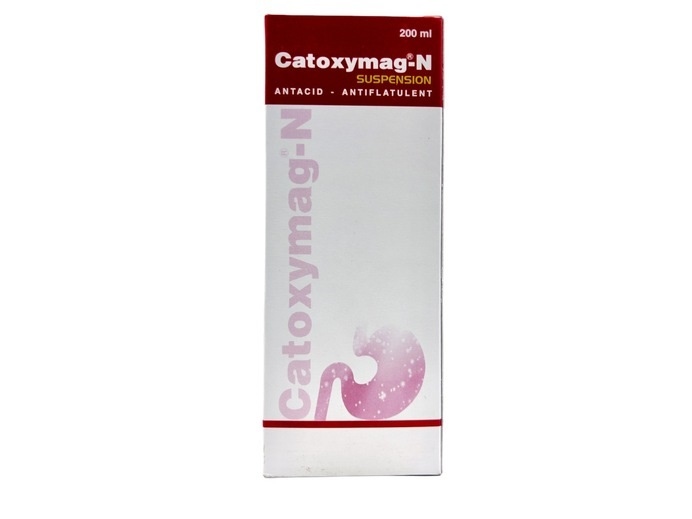
CATOXYMAG N SUSPENSION
DRIED ALUMINIUM HYDROXIDEMAGNESIUM TRISILICATEMAGNESIUM HYDROXIDESODIUM ALGINATESIMETHICONE
What it does
Alginates and simethicone work together to relieve symptoms of excess gas and heartburn.
Commonly used for: heartburn (acid reflux), indigestion, excess gas
Read more in plain English ↓Plain-language summary for general understanding - not medical advice. Always follow your pharmacist/doctor.
Ask about this medicine
Answers come only from this medicine's registration record, BNF monograph and interaction data - not medical advice.
Hard to find? We help patients in Kenya source rare medicines. We don't sell or dispense medicines - licensed pharmacies do.
Source this medicineRegistration & product details
Source: Pharmacy and Poisons Board · fetched 2026-01-28 22:09:13 · updated 2026-03-23 04:54:23
About alginatesimethicone
Alginates and simethicone work together to relieve symptoms of excess gas and heartburn.
What it treats
- heartburn (acid reflux)
- indigestion
- excess gas
How it works
Alginates form a protective layer on top of the stomach contents, while simethicone helps reduce gas bubbles in the stomach and intestines.
Who it's for
This medicine is suitable for adults and children who experience discomfort from heartburn and gas.
AI-assisted summary grounded in BNF data - general information only, not medical advice. Always confirm with your pharmacist or doctor.
About aluminium
Aluminium is a substance often used in various medical applications, particularly in certain types of medications.
What it treats
- heartburn (dyspepsia)
- stomach upset
- acid indigestion
How it works
Aluminium works by neutralizing stomach acid, which helps to relieve discomfort from acid-related conditions.
Who it's for
This is suitable for adults and children who experience symptoms related to excess stomach acid.
AI-assisted summary grounded in BNF data - general information only, not medical advice. Always confirm with your pharmacist or doctor.
About dried
Dried is a natural substance that is often used for various health benefits.
What it treats
- general health support
- herbal supplements
How it works
Dried works by providing nutrients and compounds that may support overall health and wellness.
Who it's for
This product is suitable for adults looking for natural health support.
Cautions
- • Ensure you are not allergic to the specific type of dried being used.
- • Consult a healthcare provider if you are pregnant, nursing, or have a medical condition.
AI-assisted summary grounded in BNF data - general information only, not medical advice. Always confirm with your pharmacist or doctor.
About hydroxidemagnesium
Hydroxide magnesium is a medicine used to reduce stomach acid and relieve symptoms like heartburn and indigestion.
What it treats
- heartburn
- indigestion
- stomach upset
How it works
It works by neutralizing excess stomach acid, which helps to soothe the stomach and reduce discomfort.
Who it's for
It is suitable for adults and children who experience symptoms related to excess stomach acid.
AI-assisted summary grounded in BNF data - general information only, not medical advice. Always confirm with your pharmacist or doctor.
About hydroxidesodium
Hydroxide sodium is a chemical used in various medical applications, primarily as a strong alkaline agent.
What it treats
- used in certain pharmaceutical formulations
- may help in the treatment of conditions requiring alkaline solutions
How it works
It works by increasing the pH level of a solution, making it more alkaline.
Who it's for
It is generally used in specific medical scenarios as directed by healthcare professionals.
Cautions
- • Use with care, as it can be very corrosive
- • Avoid contact with skin and eyes
AI-assisted summary grounded in BNF data - general information only, not medical advice. Always confirm with your pharmacist or doctor.
About trisilicatemagnesium
Trisilicatemagnesium is a medication used to relieve symptoms of indigestion and heartburn.
What it treats
- indigestion
- heartburn
- gastric discomfort
How it works
It helps by neutralizing stomach acid, which reduces discomfort and improves digestion.
Who it's for
This medication is suitable for adults and children experiencing digestive issues.
AI-assisted summary grounded in BNF data - general information only, not medical advice. Always confirm with your pharmacist or doctor.
Clinical monograph: alginatesimethicone
Alginatesimethicone is a combination medication that is commonly used to relieve symptoms of gastroesophageal reflux disease (GERD) and dyspepsia. It works by forming a barrier that prevents stomach acid from irritating the esophagus and by reducing gas-related discomfort in the gastrointestinal tract. This combination is often found in over-the-counter products aimed at managing heartburn and indigestion.
Indications
- Gastroesophageal reflux disease (GERD)
- Dyspepsia
- Heartburn
- Bloating and discomfort associated with gas
Dosage
Children: Refer to the BNF for Children for specific dosing information, as paediatric doses must be tailored based on age and weight.
Adults: Refer to specific product guidelines, as dosages can vary based on formulation and manufacturer recommendations.
Mechanism of action
Alginatesimethicone acts through two primary mechanisms. Alginates work by reacting with gastric acid to form a viscous gel that floats on the surface of the stomach contents, creating a barrier that minimizes reflux of acid into the esophagus. Simethicone, a silicone-based compound, reduces surface tension of gas bubbles, facilitating their coalescence and elimination, thus relieving bloating and discomfort associated with gas.
Pharmacodynamics
The pharmacodynamic properties of alginatesimethicone involve its ability to physically change the properties of gastric contents. The alginate gel provides a physical barrier against acid reflux, protecting the esophageal mucosa from acidic injury. Simethicone acts as an anti-foaming agent, reducing the tension of gas bubbles and enhancing their elimination from the gastrointestinal tract, which helps alleviate bloating and discomfort.
Pharmacokinetics
Alginates are not significantly absorbed systemically, as they primarily act locally in the gastrointestinal tract. The onset of action is typically rapid, with effects seen shortly after administration. Simethicone also remains unabsorbed and works locally to reduce gas-related symptoms. The overall duration of effect can vary depending on the formulation and individual patient factors.
Adverse effects
- Constipation
- Diarrhea
- Abdominal discomfort
- Flatulence
Precautions
- Use with caution in patients with known hypersensitivity to any of the components.
- Patients with pre-existing gastrointestinal conditions should be monitored closely.
Pregnancy
Generally considered safe for use during pregnancy, but should be used under the guidance of a healthcare provider.
Breast-feeding
Considered safe for use while breastfeeding, but consultation with a healthcare provider is recommended.
Storage
Store in a cool, dry place, away from direct sunlight. Keep out of reach of children.
Formulations
- Oral suspension
- Chewable tablets
AI-synthesized from BNF references - general information only, not a substitute for professional medical advice or the current BNF. Verify doses with a pharmacist.
Clinical monograph: aluminium
BNF-referencedAluminum, commonly used as an antacid, primarily functions to neutralize stomach acid and alleviate symptoms of dyspepsia, such as heartburn and indigestion. Its astringent properties allow it to constrict tissues, which can aid in the treatment of various gastrointestinal conditions. Aluminum salts, particularly aluminum hydroxide, are widely used in clinical practice.
Indications
- Dyspepsia
- Peptic ulcer disease
- Gastroesophageal reflux disease (GERD)
- Heartburn
- Diarrhea
- Mucosal irritations
Dosage
Children: Refer to the BNF for Children for appropriate dosing guidelines.
Adults: Refer to the BNF for specific dosing recommendations based on the condition being treated.
Mechanism of action
Aluminum acts as an astringent, causing local shrinkage or constriction of body tissues through osmotic flow of fluids away from the area of application. This mechanism assists in reducing mucous secretions and managing conditions such as peptic ulcers and diarrhea. Additionally, it can help in drying and hardening of tissues when applied topically.
Pharmacodynamics
Aluminum-based antacids work by neutralizing gastric acid, leading to an increase in gastric pH. This action helps to alleviate symptoms associated with excess gastric acid, such as heartburn and discomfort. The astringent properties of aluminum also contribute to its therapeutic effects in managing mucosal irritations and secretions.
Pharmacokinetics
Aluminum is absorbed minimally when taken orally, with a bioavailability of about 0.1 to 0.5%. The majority of aluminum is excreted renally, and its half-life can be prolonged in individuals with renal impairment. Long-term use may lead to accumulation and potential toxicity, particularly impacting bone and neurological health.
Interactions
- aluminiumhydroxide+deferasirox: Severe (decreases exposure)
- aluminiumhydroxide+enteralfeeds: Unknown (increases risk of blocked enteral or nasogastric tubes)
- aluminiumhydroxide+roxadustat: Unknown (decreases exposure)
Pregnancy
Aluminum compounds are generally considered safe in pregnancy when used as directed. However, excessive exposure should be avoided.
Breast-feeding
Aluminum is excreted in breast milk; caution is advised when administered to nursing mothers.
Storage
Store in a cool, dry place, away from direct sunlight.
Formulations
- aluminium hydroxide suspension
- aluminium hydroxide tablets
AI-synthesized from BNF references - general information only, not a substitute for professional medical advice or the current BNF. Verify doses with a pharmacist.
Clinical monograph: dried
Dried refers to the process of removing moisture from substances, commonly applied to foods and herbs to preserve them. In the context of pharmacology, dried preparations, such as dried extracts or powders, are often used in herbal medicine as they concentrate the active constituents of the plant material, allowing for more potent effects.
Indications
- Nutritional supplementation
- Herbal therapy for various conditions
- Preservation of medicinal properties of plants
Dosage
Children: Dosage for dried herbal preparations in children should be approached cautiously and is best determined by a healthcare professional. Refer to paediatric guidelines for specific dosing recommendations.
Adults: Dosage for dried herbal preparations varies widely depending on the specific herb and its intended use. Refer to specific guidelines or reputable sources for dosing information.
Mechanism of action
The mechanism of action for dried herbal preparations varies depending on the specific plant material involved. Generally, the active constituents in dried herbs can exert their effects through various pathways, such as modulating neurotransmitter systems, influencing metabolic pathways, and acting on specific receptors in the body. For instance, flavonoids, terpenes, and alkaloids found in certain dried herbs can exhibit anti-inflammatory, antioxidant, or antimicrobial properties.
Pharmacodynamics
The pharmacodynamics of dried drugs depend on their specific chemical constituents. These compounds can affect physiological functions, such as modulating inflammatory responses, enhancing immune function, or affecting neurotransmission. The effects can vary widely based on the type of herb, the method of drying, and the concentration of active ingredients.
Pharmacokinetics
The pharmacokinetics of dried herbal preparations can vary significantly based on the specific herb used. Generally, after ingestion, the active compounds are absorbed in the gastrointestinal tract, metabolized primarily by the liver, and then excreted through urine or feces. The bioavailability of these compounds can be influenced by factors such as the form of the preparation (e.g., powder, extract), the presence of other food substances, and individual patient characteristics.
Pregnancy
Safety during pregnancy has not been established. Consult a healthcare provider before use.
Breast-feeding
Consult a healthcare provider before use during breastfeeding.
Storage
Store in a cool, dry place, away from direct sunlight.
AI-synthesized from BNF references - general information only, not a substitute for professional medical advice or the current BNF. Verify doses with a pharmacist.
Clinical monograph: hydroxide
BNF-referencedHydroxide, represented by the molecular formula HO-, is an anion commonly found in various chemical and biological systems. It plays a crucial role in acid-base chemistry and is a fundamental component in many biochemical pathways. Hydroxide ions are involved in maintaining pH balance in biological systems and participate in various metabolic processes.
Dosage
Children: Refer to specific guidelines for pediatric dosing; consult the BNF for Children for accurate dosage information.
Adults: Refer to specific guidelines for use; dosage may vary based on the context of use.
Mechanism of action
Hydroxide ions act primarily as bases, neutralizing acids to form water and salts. They participate in various biochemical pathways, including selenium metabolism and the degradation of reactive oxygen species. Hydroxide can influence enzyme activity and stability by altering the pH of the environment, thereby affecting metabolic reactions.
Pharmacodynamics
Hydroxide ions can impact biological processes by changing the local pH, which influences enzyme activity, ion transport, and the solubility of other compounds. Their ability to neutralize acids can help regulate physiological pH, contributing to homeostasis in living organisms.
Pharmacokinetics
As an inorganic ion, hydroxide does not undergo traditional pharmacokinetic processes like absorption, distribution, metabolism, or excretion. Instead, it is rapidly equilibrated in biological fluids and participates in acid-base reactions, having immediate effects on the local environment.
Pregnancy
There is limited information regarding the use of hydroxide during pregnancy. Consult a healthcare professional for advice.
Breast-feeding
Limited data is available on the excretion of hydroxide in breast milk. Consult a healthcare professional before use.
Storage
Store in a cool, dry place away from direct sunlight. Keep out of reach of children.
AI-synthesized from BNF references - general information only, not a substitute for professional medical advice or the current BNF. Verify doses with a pharmacist.
Clinical monograph: hydroxidemagnesium
Hydroxide magnesium, commonly known as magnesium hydroxide, is an inorganic compound that acts as an antacid and laxative. It is primarily used to relieve symptoms of heartburn, indigestion, and constipation. It works by neutralizing stomach acid and drawing water into the intestines, thereby facilitating bowel movements.
Indications
- Gastroesophageal reflux disease (GERD)
- Peptic ulcers
- Heartburn
- Indigestion
- Constipation
Dosage
Children: Refer to BNF for Children for specific dosing recommendations.
Adults: Refer to BNF for specific dosing recommendations.
Mechanism of action
Magnesium hydroxide functions as an antacid by dissociating in the stomach to form magnesium ions (Mg²+) and hydroxide ions (OH-). The hydroxide ions react with gastric acid (HCl) to form water and magnesium chloride, which neutralizes acidity. Additionally, magnesium hydroxide draws water into the intestinal lumen via osmosis, stimulating bowel movements and alleviating constipation.
Pharmacodynamics
The pharmacodynamic effects of magnesium hydroxide include the neutralization of gastric acid and an increase in intraluminal fluid volume in the intestines. These effects lead to symptomatic relief from acid-related conditions and promote laxation. The onset of action for antacid effects typically occurs within 30 minutes to 1 hour, while laxative effects may take 6 to 12 hours post-ingestion.
Pharmacokinetics
Magnesium hydroxide is minimally absorbed from the gastrointestinal tract, with most of the compound remaining in the gut. The magnesium ions that are absorbed are excreted primarily by the kidneys. Its bioavailability is low because it acts mainly locally within the gastrointestinal tract. The half-life of magnesium in the body depends on renal function, as impaired renal function can lead to accumulation and potential toxicity.
Contra-indications
- Hypersensitivity to magnesium hydroxide or any component of the formulation
- Severe renal impairment
- Abdominal pain of unknown origin
- Bowel obstruction
Adverse effects
- Diarrhea
- Abdominal cramping
- Nausea
- Electrolyte imbalances, particularly hypermagnesemia
- Dehydration
Interactions
- May interact with certain antibiotics (e.g., tetracyclines, quinolones) by reducing their absorption
- May affect the absorption of other medications due to its antacid properties
- Concurrent use with other magnesium-containing products may increase the risk of hypermagnesemia
Precautions
- Use with caution in patients with renal impairment
- Monitor renal function in patients receiving prolonged therapy
- Assess for signs of electrolyte imbalance, particularly in the elderly or those with underlying health issues
Pregnancy
Magnesium hydroxide is generally considered safe for use during pregnancy, but it should only be used if clearly needed.
Breast-feeding
Magnesium hydroxide is excreted in breast milk, but is not expected to cause adverse effects in nursing infants when used as directed.
Storage
Store at room temperature, away from moisture and heat. Keep out of reach of children.
Formulations
- Oral suspension
- Chewable tablets
- Powder for oral solution
AI-synthesized from BNF references - general information only, not a substitute for professional medical advice or the current BNF. Verify doses with a pharmacist.
Clinical monograph: hydroxidesodium
Sodium hydroxide, commonly referred to as caustic soda, is an inorganic compound with the formula NaOH. It is a strong base that is highly soluble in water and is known for its corrosive properties. Sodium hydroxide is used in various industrial applications, including the production of soap, paper, and textiles, as well as in water treatment and as a pH adjuster in various chemical processes.
Indications
- pH adjustment in chemical processes
- water treatment
- saponification in soap making
- industrial cleaning agent
Dosage
Children: Refer to specific industrial or laboratory guidelines for appropriate concentrations and safety measures, as sodium hydroxide is typically not used in therapeutic contexts.
Adults: Refer to specific industrial or laboratory guidelines for appropriate concentrations and safety measures, as sodium hydroxide is typically not used in therapeutic contexts.
Mechanism of action
Sodium hydroxide acts by dissociating in water to yield sodium ions (Na+) and hydroxide ions (OH-). The hydroxide ions increase the pH of the solution, making it more alkaline. This alkalinity can neutralize acids and can lead to saponification when reacting with fats and oils. The strong basicity of sodium hydroxide can also cause protein denaturation, leading to tissue damage in cases of exposure.
Pharmacodynamics
As a strong base, sodium hydroxide has a rapid and potent effect on biological tissues. Its alkaline nature can disrupt cellular processes, leading to cell lysis and inflammation upon contact. In therapeutic settings, it is primarily used to modify pH levels rather than for direct pharmacological effects.
Pharmacokinetics
Sodium hydroxide does not undergo significant metabolism in the body. Its effects are primarily local, occurring at the site of application. Systemic absorption is minimal due to its strong corrosive nature, which limits its use in clinical settings. The compound is rapidly neutralized by acids in the gastrointestinal tract when ingested, leading to the formation of sodium salts and water.
Contra-indications
- Hypersensitivity to sodium hydroxide
- Severe burns or skin injuries caused by caustic substances
Adverse effects
- Chemical burns upon contact with skin or mucous membranes
- Respiratory irritation if inhaled
- Gastrointestinal burns if ingested
- Corrosive damage to tissues
Precautions
- Use with caution in patients with a history of respiratory conditions
- Handle with care to avoid accidental exposure
- Avoid contact with strong acids as it can produce violent reactions
Pregnancy
There is limited information on the use of sodium hydroxide during pregnancy. It should only be used if the potential benefits justify the risks.
Breast-feeding
Caution is advised; there is insufficient data on the effects of sodium hydroxide during breastfeeding.
Storage
Store in a cool, dry place, away from incompatible materials. Keep tightly closed and out of reach of children.
Formulations
- Sodium hydroxide solution
- Sodium hydroxide pellets
AI-synthesized from BNF references - general information only, not a substitute for professional medical advice or the current BNF. Verify doses with a pharmacist.
Clinical monograph: trisilicatemagnesium
Trisilicatemagnesium, commonly referred to as magnesium trisilicate, is an inorganic compound used primarily as an antacid. It acts by neutralizing gastric acid in the stomach, providing relief from conditions associated with excess acidity. It is often employed in the management of peptic ulcers, gastroesophageal reflux disease (GERD), and dyspepsia.
Indications
- Peptic ulcers
- Gastroesophageal reflux disease (GERD)
- Dyspepsia
- Heartburn
Dosage
Children: Refer to BNF for Children for specific dosing information.
Adults: Refer to prescribing guidelines for specific doses.
Mechanism of action
Magnesium trisilicate works by chemically reacting with gastric hydrochloric acid (HCl) to form magnesium chloride, water, and silicate. This reaction increases the pH of the stomach contents, effectively neutralizing acidity and providing symptomatic relief from heartburn and indigestion. Additionally, the silicate component may contribute to the formation of a protective barrier on the gastric mucosa.
Pharmacodynamics
The pharmacodynamic properties of magnesium trisilicate include its ability to reduce gastric acidity and increase gastric pH. This action helps to alleviate symptoms associated with acid-related disorders. The onset of action is generally rapid, providing quick relief from discomfort. The duration of action may vary depending on the formulation and individual patient factors.
Pharmacokinetics
Magnesium trisilicate is not absorbed systemically; its action is localized within the gastrointestinal tract. Once ingested, the compound remains in the stomach and does not significantly enter the bloodstream. The elimination of magnesium is primarily through renal pathways, and caution should be exercised in patients with renal impairment to avoid potential toxicity.
Contra-indications
- Hypersensitivity to trisilicatemagnesium or any of its components
- Severe renal impairment
- Gastrointestinal obstruction
Adverse effects
- Constipation
- Diarrhea
- Abdominal discomfort
- Nausea
- Electrolyte imbalance
Interactions
- May reduce the absorption of certain drugs due to altered gastric pH
- Antacids may interact with tetracycline and other antibiotics, decreasing their effectiveness
- May affect the bioavailability of certain medications such as digoxin and warfarin
Precautions
- Use with caution in patients with renal impairment
- Monitor for signs of electrolyte imbalance, especially in long-term use
- Consider potential interactions with other medications
Pregnancy
Trisilicatemagnesium is generally considered safe for use during pregnancy but should be used under medical supervision.
Breast-feeding
Trisilicatemagnesium is excreted in breast milk in small amounts, therefore caution is advised.
Storage
Store in a cool, dry place, away from direct sunlight. Keep out of reach of children.
Formulations
- Oral suspension
- Chewable tablets
- Effervescent tablets
AI-synthesized from BNF references - general information only, not a substitute for professional medical advice or the current BNF. Verify doses with a pharmacist.
Molecular reference: aluminium
PubChem CID 5359268Molecular formula: Al
Mechanism of action
Aluminum Acetate is an astringent. An astrignent is a chemical that tends to shrink or constrict body tissues, usually locally after topical medicinal application. The shrinkage or constriction is through osmotic flow of water (or other fluids) away from the area where the astringent was applied. Astringent medicines cause shrinkage of mucous membranes or exposed tissues and are often used internally to check discharge of blood serum or mucous secretions. This can happen with a sore throat, hemorrhages, diarrhea, or with peptic ulcers. Externally applied astringents, which cause mild coagulation of skin proteins, dry, harden, and protect the skin. Acne sufferers are often advised to use astringents if they have oily skin. Astringents also help heal stretch marks and other scars. Mild astringent solutions are used in the relief of such minor skin irritations as those resulting from superficial cuts, allergies, insect bites, or fungal infections such as athlete's foot. Excessive dietary aluminum has been proposed to be a factor contributing to several neurological disorders in humans. Six 8-week-old female Swiss Webster mice were fed for 10 wk purified diets containing 100 (control), 500 or 1000 ug aluminum/g diet. Brain and liver lipid peroxidation was determined by evaluating the production of 2-thiobarbituric acid reactive substances in brain and liver homogenates in the presence or absence of 50 uM ferrous iron. 2-Thiobarbituric acid reactive substances production in the absence of iron in brain homogenates from mice fed the 1000 ug/g diet was higher (30%) than that in the 100 ug/g control group (3.1 vs 2.4 nmol 2-thiobarbituric acid reactive substances/mg protein). The addition of ferrous iron increased 2-thiobarbituric acid reactive substances production in brain homogenates from all 3 dietary groups. The iron induced 2-thiobarbituric acid reactive substances production was 26% higher in the 1000 ug/g brain homogenates than in the 100 ug/g group (4.9 vs 3.9 nmol 2-thiobarbituric acid reactive substances/mg protein). Brain 2-thiobarbituric acid reactive substances production in the presence and absence of iron was similar between the 100 and 500 ug/g aluminum groups. 2-Thiobarbituric acid reactive substances production in liver homogenates measured either with or without iron was similar for the 3 groups. These results show that, in mice, dietary aluminum intoxication leads to increased brain 2-thiobarbituric acid reactive substance production, suggesting that enhanced lipid peroxidation may be one possible mechanism underlying the neurological damage associated with increased tissue aluminum. Evidence is presented indicating that dementias are associated with a relative insufficiency of magnesium in the brain. Such insufficiency may be attributable to low intake or retention of magnesium; high intake of a neurotoxic metal, such as aluminum, which inhibits activity of magnesium requiring enzymes; or impaired transport of magnesium and/or enhanced transport of the neurotoxic metal into brain tissue. It is proposed that Alzheimer's disease involves a defective transport process, characterized by both an abnormally high incorporation of aluminum and an abnormally low incorporation that an altered serum protein contributes to the progression of Alzheimer's disease by having a greater affinity for aluminum than for magnesium, in contrast to the normal protein, which binds magnesium better than aluminum. The altered protein crosses the blood-brain barrier more efficiently than the normal protein and competes with the normal protein in binding to brain neurons. Binding of the altered protein to the target neurons would both facilitate aluminum uptake and impede magnesium uptake. Evidence suggests that albumin is the serum protein that is altered. Aluminum is established as a neurotoxin, although the basis for its toxicity is unknown. It recently has been shown to alter the function of the blood-brain barrier, which regulates ex
Source: PubChem (NCBI) · pathways from PathBank, Reactome, WikiPathways & PharmGKB.
Molecular reference: hydroxide
PubChem CID 961Molecular formula: HO-
Biological pathways
Source: PubChem (NCBI) · pathways from PathBank, Reactome, WikiPathways & PharmGKB.
This drug in other countries
The same active ingredient registered across other registries we cover - including different brands.
- ABYCID SUSPENSION (Each 5ml contains Magnesium Hydroxide BP/ Dried Aluminium Hydroxide BP Magnesium Trisilicate BP Activated Dimethicone (Simethicone) B 225mg/200mg/25mg) · Socomed Pharmceuticals Pvt Limited
- ACIQUARD O SUSPENSION (Each 5ml contains Dried Aluminium Hydroxide / Magnesium Hydroxide / Simethicone / Oxethazaine 250mg/250mg/50mg/10mg) · Pharmanova
- ADULT MALIN COUGH SYRUP · M&g Pharmaceuticals
- ALUMINIUM HYDROXIDE 500MG TABLETS · Letap Pharmaceuticals
- ALUMINIUM HYDROXIDE TABLETS · M&g Pharmaceuticals
- ALUMINIUM HYDROXIDE TABLETS · Phyto-Riker Pharmaceutical
- ACIDEX COMBINATION PRODUCT TABLET
- ACTCID COMBINATION PRODUCT TABLET
- ALUGEL 120/250MG PER 5ML SUSPENSION
- ALUM:POTASSIUM BP
- ANTAGIT-DS COMBINATION PRODUCT MINT FLAVOUR GEL
- COMPOUND COMBINATION PRODUCT CHEWABLE TABLET