International reference: 5 US FDA recalls for this ingredient
CGMP Deviations: FDA lab confirmed presence an impurity, N-nitrosodimethylamine (NDEA) contained in the API used to manufacture the product above the interim acceptable daily intake level of 0.083 parts per million. (million)
Labeling: Label Mixup: LACTOBACILLUS ACIDOPHILUS, Tablet, 35 MILLION may have potentially been mislabeled as the following drug: REPAGLINIDE, Tablet, 1 mg, NDC 00169008281, Pedigree: W003924, EXP: 6/28/2014. (million)
Labeling: Label Mixup; LACTOBACILLUS ACIDOPHILUS, Capsule, 500 Million CFU may be potentially mislabeled as DOCUSATE SODIUM, Capsule, 250 mg, NDC 00536375710, Pedigree: W002694, EXP: 6/5/2014 (million)
Labeling: Label Mix-Up; cartons of Cefazolin for Injection, USP 1 gram were found to contain vials labeled as penicillin G potassium for Injection, USP, 20 million Unit. The vials contained Cefozalin (million)
CGMP Deviations: FDA lab confirmed presence an impurity, N-nitrosodimethylamine (NDEA) contained in the API used to manufacture the product above the interim acceptable daily intake level of 0.083 parts per million. (million)
US-market enforcement records (OpenFDA), shown for reference - not specific to this product in Kenya.
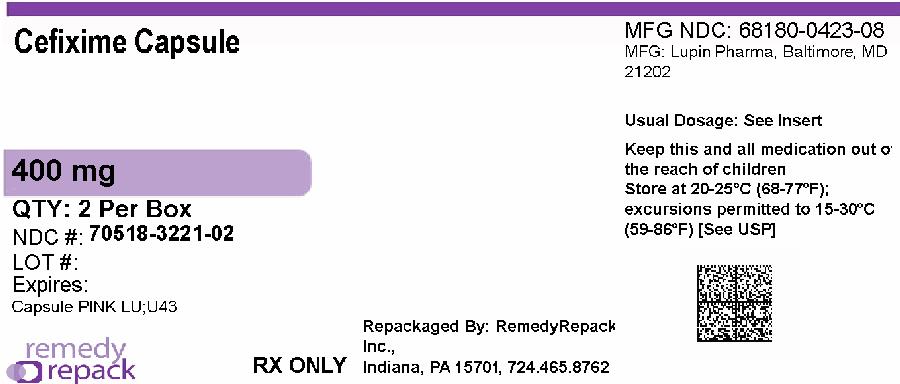
(cefixime · DailyMed)
CEFO-L DRY SYRUP
CEFIXIME TRIHYDRATE USP EQUIVALENT TO ANHYDROUS CEFIXIME 50 MG LACTIC ACID BACILLUS 60 MILLION SPORES
What it does
Bacillus is a type of bacteria that can be used in certain treatments to help with digestion and gut health.
Commonly used for: digestive issues, gastrointestinal disorders
Read more in plain English ↓Plain-language summary for general understanding - not medical advice. Always follow your pharmacist/doctor.
Ask about this medicine
Answers come only from this medicine's registration record, BNF monograph and interaction data - not medical advice.
Hard to find? We help patients in Kenya source rare medicines. We don't sell or dispense medicines - licensed pharmacies do.
Source this medicineRegistration & product details
Source: Pharmacy and Poisons Board · fetched 2026-01-28 20:37:52 · updated 2026-07-26 11:28:31
Drug Interactions
3Pharmacodynamic Warnings
Cefixime appears in TABLE 2: Drugs that cause nephrotoxicity
Unknown (3)
Cephalosporins - increases exposure
Leflunomideispredictedtoincreasetheexposureto cephalosporins(cefaclor).oTheoretical
Cephalosporins - increases exposure
Nitisinone is predicted to increase the exposure to cephalosporins (cefaclor).
Cephalosporins - increases exposure
Teriflunomide is predicted to increase the exposure to cephalosporins (cefaclor).
Data from BNF 85 (British National Formulary). This is not a substitute for professional medical advice. Matched via: class
About bacillus
Bacillus is a type of bacteria that can be used in certain treatments to help with digestion and gut health.
What it treats
- digestive issues
- gastrointestinal disorders
How it works
Bacillus works by promoting good bacteria in the gut, helping to restore balance and improve digestion.
Who it's for
This treatment is suitable for individuals experiencing digestive problems or those looking to support their gut health.
AI-assisted summary grounded in BNF data - general information only, not medical advice. Always confirm with your pharmacist or doctor.
About cefixime
Cefixime is an antibiotic used to treat various bacterial infections.
What it treats
- bacterial infections
- urinary tract infections
- gonorrhea
How it works
Cefixime works by stopping the growth of bacteria, helping the body to fight off the infection.
Who it's for
Cefixime is for people with bacterial infections that can be treated with this type of antibiotic.
Drug class
Cephalosporins
Cautions
- • Be cautious if taking other medications that can harm the kidneys.
AI-assisted summary grounded in BNF data - general information only, not medical advice. Always confirm with your pharmacist or doctor.
About lactic
Lactic acid is a substance that helps in various body functions and can be used in treatments.
What it treats
- muscle soreness
- lactic acidosis
- skin conditions
How it works
Lactic acid helps to improve the acidity level in certain body fluids, supporting better metabolism and skin health.
Who it's for
Lactic acid can be used by individuals experiencing muscle soreness or specific skin issues.
AI-assisted summary grounded in BNF data - general information only, not medical advice. Always confirm with your pharmacist or doctor.
About million
Million is a medication used to treat various health conditions. Please consult with your healthcare provider for more specific information.
How it works
The exact way Million works is not specified, but it is used to help manage certain health issues.
Who it's for
Million may be prescribed for individuals dealing with specific health conditions as determined by a healthcare professional.
AI-assisted summary grounded in BNF data - general information only, not medical advice. Always confirm with your pharmacist or doctor.
About spores
Spores are a type of microscopic structure that can be used in various treatments.
What it treats
- certain infections
- immune system support
How it works
Spores can help the body fight off infections and support the immune system.
Who it's for
People who need treatment for specific infections or want to boost their immune health.
AI-assisted summary grounded in BNF data - general information only, not medical advice. Always confirm with your pharmacist or doctor.
Clinical monograph: Cefixime
BNF-referencedCefixime is a third-generation cephalosporin antibiotic, effective against a range of Gram-positive and Gram-negative bacterial infections. It works by inhibiting bacterial cell wall synthesis, leading to cell lysis. As a broad-spectrum antibiotic, cefixime is particularly useful in treating infections caused by bacteria that produce beta-lactamase enzymes, which typically confer resistance to other penicillins and cephalosporins.
Indications
- Bacterial infections due to sensitive Gram-positive and Gram-negative bacteria
- Surgical prophylaxis
- Haemophilus influenzae epiglottitis
- Acute infections
- Meningitis (emergency treatment)
- Uncomplicated gonorrhoea
- Disseminated gonococcal infection
Dosage
Children: In children aged 1 month to 11 years
Adults: For adults, the typical dosage is 1 g every 12 hours for severe infections, or 400 mg for a single dose in cases of uncomplicated gonorrhoea.
Mechanism of action
Cefixime binds to penicillin-binding proteins (PBPs) located in the bacterial cell wall. This binding inhibits the transpeptidase activity essential for peptidoglycan cross-linking, thereby disrupting cell wall synthesis and integrity, which ultimately leads to bacterial cell lysis, especially in rapidly growing bacteria.
Pharmacodynamics
Cefixime exhibits bactericidal activity by preventing the final stages of bacterial cell wall synthesis. It is stable against certain beta-lactamases, making it effective against some resistant bacterial strains. The drug can cause hypersensitivity reactions and is associated with a risk of Clostridium difficile-associated diarrhea. It may also lead to a decrease in prothrombin activity, necessitating caution in susceptible populations.
Pharmacokinetics
Cefixime is well-absorbed after oral administration, with a bioavailability of approximately 40-50%. Peak plasma concentrations occur within 2-6 hours post-dose. It is widely distributed in body tissues and fluids, including urine. The drug is primarily eliminated via the kidneys, with dose adjustments required in patients with renal impairment. Cefixime has a half-life of about 3-4 hours, necessitating multiple doses for sustained therapeutic effect.
Contra-indications
- Hypersensitivity to cefixime or other cephalosporins
- Severe renal impairment
Adverse effects
- Acute kidney injury
- Arthralgia
- Drug fever
- Dyspepsia
- Dyspnoea
- Edema
- Flatulence
- Genital pruritus
- Hypereosinophilia
- Jaundice
- Serum sickness-like reaction
- Thrombocytosis
Interactions
- Probenecid may increase cefixime levels
- Cephalosporins may interact with anticoagulants and increase bleeding risk
- Certain antibiotics may have additive effects
Precautions
- Caution in patients with a history of gastrointestinal disease, particularly colitis
- Monitor renal function in patients with renal impairment
- Use with caution in patients on dialysis
Pregnancy
Not known to be harmful.
Breast-feeding
Present in milk in low concentrations; use with caution.
Storage
Store in a cool, dry place away from direct light. Keep out of reach of children.
Formulations
- Oral tablets
- Injection (intravenous and intramuscular)
AI-synthesized from BNF references - general information only, not a substitute for professional medical advice or the current BNF. Verify doses with a pharmacist.
Clinical monograph: bacillus
Bacillus Calmette-Guérin (BCG) is a live attenuated strain of Mycobacterium bovis, primarily used in immunotherapy for bladder cancer and as a vaccine against tuberculosis. BCG stimulates a cellular immune response, enhancing the body's ability to fight infections and malignancies. It is administered intravesically for bladder cancer and subcutaneously for tuberculosis vaccination.
Indications
- Bladder cancer
- Tuberculosis vaccination
Dosage
Children: Refer to the BNF for Children for appropriate dosing based on indication.
Adults: Refer to specific guidelines based on indication. For bladder cancer, a common regimen is instillation once a week for six weeks.
Mechanism of action
BCG works by stimulating the immune system, particularly through the activation of T-cells and macrophages. It enhances the immune response against tumor cells and Mycobacterium tuberculosis, promoting the release of cytokines and other immune mediators that contribute to the destruction of cancerous cells and pathogens.
Pharmacodynamics
The pharmacodynamics of BCG involve the induction of a robust immune response characterized by the activation of both innate and adaptive immunity. This includes the proliferation of T-lymphocytes and the production of cytokines such as tumor necrosis factor-alpha (TNF-alpha) and interleukins, leading to increased immune surveillance and anti-tumor activity. The effectiveness of BCG is influenced by factors such as the host's immune status and the presence of any concurrent infections.
Pharmacokinetics
BCG is administered locally, and its pharmacokinetics are determined by the route of administration. After intravesical administration, BCG remains in the bladder and exerts its effects locally, with minimal systemic absorption. The half-life and clearance of BCG can vary based on the patient's immune response and presence of any concurrent conditions.
Interactions
- normal immunoglobulin + bacillus calmette-gurin vaccine: Unknown (decreases efficacy)
Pregnancy
Bacillus Calmette-Guérin (BCG) vaccine can be administered during pregnancy if the potential benefit outweighs the potential risk.
Breast-feeding
BCG vaccine may be administered during breastfeeding; however, caution is advised.
Storage
Store at 2-8 degrees Celsius. Do not freeze.
Formulations
- Bacillus Calmette-Guérin vaccine
AI-synthesized from BNF references - general information only, not a substitute for professional medical advice or the current BNF. Verify doses with a pharmacist.
Clinical monograph: lactic
Lactic acid is a naturally occurring organic acid involved in various metabolic processes, particularly in anaerobic respiration. It is a byproduct of glycolysis, the process of converting glucose to energy in the absence of oxygen. Lactic acid is commonly used in clinical settings, particularly in the management of metabolic acidosis. It is also studied for its role in muscle metabolism and exercise physiology.
Indications
- Metabolic acidosis
- Lactic acidosis
- Support in shock or severe dehydration
- Exercise physiology research
Dosage
Children: Refer to clinical guidelines for specific dosing recommendations based on the clinical condition being treated.
Adults: Refer to clinical guidelines for specific dosing recommendations based on the clinical condition being treated.
Mechanism of action
Lactic acid primarily functions by contributing to the acid-base balance in the body. It can serve as a substrate for gluconeogenesis in the liver and is utilized in the Cori cycle, where it is converted back to glucose. Furthermore, lactic acid can act as a signaling molecule in various physiological processes, influencing metabolism and cellular responses during hypoxic conditions.
Pharmacodynamics
Lactic acid dissociates into lactate and hydrogen ions in solution, which can lead to a decrease in pH (acidosis) when produced in excess. Its accumulation in the body is indicative of anaerobic metabolism, often observed during intense exercise or in conditions of oxygen deprivation. The body can buffer the effects of lactic acid through bicarbonate and other mechanisms, maintaining homeostasis.
Pharmacokinetics
Lactic acid is rapidly absorbed and distributed throughout the body. It is metabolized primarily in the liver, where it can be converted to glucose or further metabolized to carbon dioxide and water. The elimination half-life of lactate varies depending on the metabolic state of the individual and the presence of underlying conditions. Renal function also plays a role in the clearance of lactate from the body.
Adverse effects
- Nausea
- Vomiting
- Abdominal pain
- Diarrhea
- Hypersensitivity reactions
Precautions
- Use with caution in patients with renal impairment
- Monitor for signs of metabolic acidosis
- Caution in patients with liver disease
Pregnancy
Lactic acid is generally regarded as safe, but clinical use should be evaluated on a case-by-case basis during pregnancy.
Breast-feeding
Considered safe for use during breastfeeding, but consult healthcare provider for individual cases.
Storage
Store at room temperature, away from direct sunlight and moisture.
Formulations
- Lactic acid injection
- Lactic acid oral solution
AI-synthesized from BNF references - general information only, not a substitute for professional medical advice or the current BNF. Verify doses with a pharmacist.
Clinical monograph: million
Million, also known as coenzyme Q10, is a naturally occurring antioxidant found in the body, primarily in the mitochondria. It plays a crucial role in the production of energy in the form of ATP and is involved in various cellular processes. Coenzyme Q10 is also known for its potential benefits in cardiovascular health, particularly in conditions such as heart failure and hypertension. Additionally, it may support mitochondrial function and has been explored for its use in neurodegenerative diseases.
Indications
- Heart failure
- Hypertension
- Mitochondrial disorders
- Neurodegenerative diseases
- Statin-associated myopathy
Dosage
Children: Refer to specific dosing guidelines in clinical literature or pharmacological references.
Adults: Refer to specific dosing guidelines in clinical literature or pharmacological references.
Mechanism of action
Coenzyme Q10 acts as an electron carrier in the mitochondrial electron transport chain, facilitating ATP synthesis. It also exhibits antioxidant properties by scavenging free radicals and regenerating other antioxidants, thus protecting cellular components from oxidative damage. Its involvement in maintaining mitochondrial membrane potential is critical for energy production.
Pharmacodynamics
Coenzyme Q10 enhances energy production in cells, particularly in tissues with high energy demands, such as the heart and skeletal muscles. Its antioxidant action helps reduce oxidative stress, which is implicated in various pathological conditions, including cardiovascular diseases and aging. Clinical studies suggest that it may improve cardiac function and exercise tolerance in patients with heart failure and may have a positive effect on blood pressure.
Pharmacokinetics
Coenzyme Q10 is absorbed in the gastrointestinal tract, with bioavailability influenced by its formulation (solubility and presence of fats). Peak plasma concentrations are typically reached within 6 to 8 hours post-ingestion. It is metabolized in the liver and has a half-life of around 33 hours. Coenzyme Q10 is excreted primarily in the bile and urine. Its absorption can be enhanced when taken with meals that contain fat.
Pregnancy
Consult healthcare provider for risks versus benefits.
Breast-feeding
Consult healthcare provider for risks versus benefits.
Storage
Store in a cool, dry place away from light.
AI-synthesized from BNF references - general information only, not a substitute for professional medical advice or the current BNF. Verify doses with a pharmacist.
Clinical monograph: spores
Spores are reproductive structures produced by certain bacteria, fungi, and plants, capable of developing into a new individual. They serve as a means of survival and dissemination, allowing organisms to withstand unfavorable environmental conditions. In the context of clinical use, spores can refer to bacterial spores, such as those from Bacillus species, which are of interest due to their potential in bioterrorism and certain infections. The study of spores also extends to their role in various biotechnological applications, including fermentation and as probiotics.
Indications
- Bacterial infections
- Probiotics
- Biodefense
- Food preservation
- Fermentation processes
Dosage
Children: Paediatric dosing varies widely based on the condition being treated and the specific spore type. Refer to paediatric guidelines for
Adults: Dosage depends on the specific clinical context and the organism involved. Refer to appropriate clinical guidelines for specific dosing information.
Mechanism of action
Bacterial spores, such as those from Bacillus anthracis, can form endospores that are highly resistant to heat, desiccation, and chemical agents. Upon exposure to favorable conditions, these spores can germinate into vegetative cells, leading to infection. In contrast, fungal spores can germinate and develop into mycelium, contributing to the organism's growth and reproduction. The germination process involves the breakdown of the spore coat, hydration, and metabolic activation of the dormant spore.
Pharmacodynamics
The pharmacodynamics of spores largely depend on the type of spores and the context of their use. For instance, Bacillus spores can produce toxins that contribute to pathogenicity upon germination. In probiotics, certain spores are utilized for their beneficial effects on gut health, such as enhancing the immune response and outcompeting harmful bacteria. The effects can be dose-dependent and vary with the strain and formulation used.
Pharmacokinetics
Spores do not follow traditional pharmacokinetic profiles, as they are not absorbed or distributed in the body in the same way as conventional drugs. In the case of bacterial spores, their resistance to environmental stresses allows them to survive passage through the gastrointestinal tract. Upon reaching a suitable environment, they can germinate and produce active bacteria. For probiotic spores, the efficacy can be influenced by the formulation, including the presence of prebiotics and the delivery mechanism.
Pregnancy
The safety of spores during pregnancy is not well established. Caution is advised.
Breast-feeding
Data on the excretion of spores in breast milk is limited. Use with caution while breastfeeding.
Storage
Store in a cool, dry place away from direct sunlight. Ensure that the container is sealed tightly.
AI-synthesized from BNF references - general information only, not a substitute for professional medical advice or the current BNF. Verify doses with a pharmacist.
Molecular reference: Cefixime
PubChem CID 5362065Molecular formula: C16H15N5O7S2
Mechanism of action
The bacterial cell wall, which is located at the periphery of Gram-positive bacteria and within the periplasm of Gram-negative bacteria, comprises a glycopeptide polymer synthesized through cross-linking of glycans to peptide stems on alternating saccharides, which is known commonly as peptidoglycan. Cell wall formation, recycling, and remodelling require numerous enzymes, including a family of enzymes with similar active site character despite distinct and sometimes overlapping roles as carboxypeptidases, endopeptidases, transpeptidases, and transglycosylases, known as "penicillin-binding proteins" (PBPs). The number of PBPs differs between bacteria, in which some are considered essential and others redundant. In general, inhibition of one or more essential PBPs results in impaired cell wall homeostasis, loss of cell integrity, and is ultimately bactericidal. Cefixime is a cephalosporin and cephalosporins work by using their beta-lactam rings to inhibit bacterial cell wall synthesis by binding to the penicillin-binding proteins transpeptidases on bacteria. The inhibition of synthesis of the bacteria cell wall will cause lysis, particularly in fast growing organisms such as bacteria. Specifically, cephalosporins inhibit penicillin-sensitive enzymes responsible for the final 3D structure of the bacterial cell wall which in turn inhibit bacterial cell wall peptidoglycan synthesis.
Pharmacodynamics
Cefixime, a broad-spectrum antibiotic, is an orally-active third-generation semisynthetic cephalosporin. Like other cephalosporins, the antibacterial action of cefixime results from inhibition of cell wall synthesis. Also like other cephalosporins, cefixime is stable when in the presence of certain beta-lactamase enzymes, which means certain organisms resistant to penicillins and some cephalosporins due to the presence of beta-lactamases could be susceptible to cefixime. Use of cefixime can result in hypersensitivity reactions including anaphylactic/anaphylactoid reactions and _Clostridium difficile_-associated diarrhea (CDAD); it may also be associated with a fall in prothrombin activity. Cefixime doses should be adjusted for patients that have renal impairment and patients undergoing continuous ambulatory peritoneal dialysis (CAPD) and hemodialysis (HD), while patients on dialysis should be monitored while taking cefixime.
Source: PubChem (NCBI) · pathways from PathBank, Reactome, WikiPathways & PharmGKB.
This drug in other countries
The same active ingredient registered across other registries we cover - including different brands.
- APSACID PLUS LIQUID (Each litre (L) contains Formic acid/ Lactic acid/ Propionic acid 250g/ 400g/ 200g) · Andres Pintluba
- BACIZIN ORAL SUSPENSION (Each 5ml contains Bacillus clausii spores 2 x 10^9 cfu/ Zinc gluconate (equivalent to 2 mg zinc) 14mg) · Ha Noi CPC1 Pharmaceutical
- BC GERMINA 2B SUSPENSION · Hi Tech Biosciences India
- CHIFIX-100 DS ORAL SUSPENSION · Chiros Pharma
- DOXYKO 100 TABLETS l · Veko Care
- DOXYKO 300 TABLETS · Veko Care
- BEKRACINE- 200 DISPERSIBLE TABLET · Baroque Pharmaceuticals
- BEKRACINE-100 · Baroque Pharmaceuticals
- C-TAX P DRY SYRUP · Emcure Pharmaceticals Ltd
- CEFAZIM TABLETS · Zim Laboratories
- CEFAZIM-DS · Zim Laboratories
- Cefim 200 · Covalent Laboratories