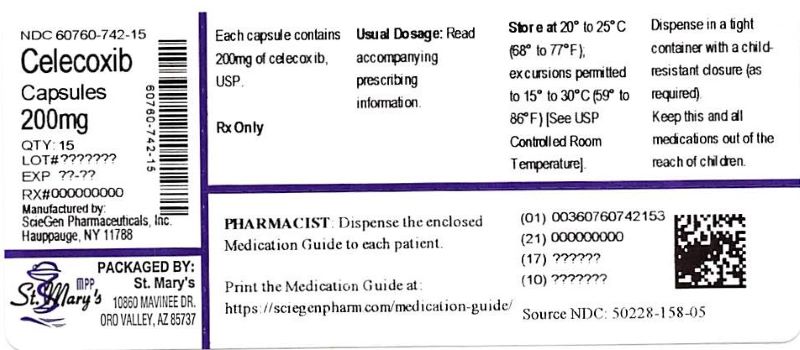
(celecoxib · DailyMed)
Celmac 200
Celecoxib 200 mg,Croscannellose Sodium 5.500 mg/6 mL,Empty Hard Gelatin Capsules size "1" Violet/white 1 mg/capsule,Lactose Monohydrate 84.500 mg/6 mL,Magnesium Sterate 2.500 mg/6 mL,Sodium Lauryl Sulfate 4 mg/6 mL
What it does
Celecoxib is a non-steroidal anti-inflammatory drug (NSAID) used to relieve pain and inflammation.
Commonly used for: arthritis, osteoarthritis, rheumatoid arthritis, pain from menstrual cramps …
Read more in plain English ↓Plain-language summary for general understanding - not medical advice. Always follow your pharmacist/doctor.
Ask about this medicine
Answers come only from this medicine's registration record, BNF monograph and interaction data - not medical advice.
Medicine sourcing is available in Kenya only. We don't sell or dispense medicines - licensed pharmacies do.
Sourcing - Kenya onlyRegistration & product details
Source: Tanzania Medicines and Medical Devices Authority · fetched 2026-03-11 23:49:37 · updated 2026-09-24 03:00:47
Drug Interactions
18Pharmacodynamic Warnings
Celecoxib appears in TABLE 2: Drugs that cause nephrotoxicity
Celecoxib appears in TABLE 4: Drugs with antiplatelet effects
Celecoxib appears in TABLE 16: Drugs that increase serum potassium
Celecoxib appears in TABLE 18: Drugs that cause hyponatraemia
Severe (1)
Mifamurtide - decreases efficacy
NSAIDs(high-dose)arepredictedtodecreasetheefficacyof mifamurtide.Avoid.rTheoretical
Moderate (8)
Antiarrhythmics - increases exposure
Celecoxib is predicted to increase the exposure to antiarrhythmics (flecainide, propafenone). Monitor and adjust dose.
Antiarrhythmics - increases exposure
NSAIDs (celecoxib) are predicted to increase the exposure to antiarrhythmics (flecainide, propafenone). Monitor and adjust dose.
Cladribine - increases exposure
NSAIDs(sulindac)mightincreasetheexposuretocladribine. Avoidoradjustdose.oTheoretical
Flecainide - increases exposure
Celecoxib is predicted to increase the exposure to antiarrhythmics (flecainide, propafenone). Monitor and adjust dose.
Flecainide - increases exposure
NSAIDs (celecoxib) are predicted to increase the exposure to antiarrhythmics (flecainide, propafenone). Monitor and adjust dose.
Pemetrexed - increases exposure
NSAIDs are predicted to increase the exposure to pemetrexed. Use with caution or avoid. Also see TABLE 2 p. 1517
Propafenone - increases exposure
Celecoxib is predicted to increase the exposure to antiarrhythmics (flecainide, propafenone). Monitor and adjust dose.
Propafenone - increases exposure
NSAIDs (celecoxib) are predicted to increase the exposure to antiarrhythmics (flecainide, propafenone). Monitor and adjust dose.
Unknown (9)
Alendronate - increases risk of gastrointestinal irritation
NSAIDs are predicted to increase the risk of gastrointestinal irritation when given with bisphosphonates (alendronate, ibandronate).
Bisphosphonates - increases risk of gastrointestinal irritation
NSAIDs are predicted to increase the risk of gastrointestinal irritation when given with bisphosphonates (alendronate, ibandronate).
Bisphosphonates - increases risk of renal impairment
NSAIDs are predicted to increase the risk of renal impairment when given with bisphosphonates (clodronate).
Celecoxib - increases exposure
Nitisinone is predicted to increase the exposure to celecoxib.
Clodronate - increases risk of renal impairment
NSAIDs are predicted to increase the risk of renal impairment when given with clodronate.
Deferasirox - increases risk of gastrointestinal bleeding
NSAIDs are predicted to increase the risk of gastrointestinal bleeding when given with deferasirox.
Deferiprone - increases exposure
NSAIDs(diclofenac)arepredictedtoincreasetheexposureto deferiprone.oTheoretical
Ibandronate - increases risk of gastrointestinal irritation
NSAIDs are predicted to increase the risk of gastrointestinal irritation when given with bisphosphonates (alendronate, ibandronate).
Ironchelators - increases risk of gastrointestinal bleeding
NSAIDs are predicted to increase the risk of gastrointestinal bleeding when given with iron chelators (deferasirox).
Data from BNF 85 (British National Formulary). This is not a substitute for professional medical advice. Matched via: class
About celecoxib
Celecoxib is a non-steroidal anti-inflammatory drug (NSAID) used to relieve pain and inflammation.
What it treats
- arthritis
- osteoarthritis
- rheumatoid arthritis
- pain from menstrual cramps
- acute pain
How it works
Celecoxib works by reducing hormones that cause inflammation and pain in the body.
Who it's for
Celecoxib is for adults who need relief from pain and inflammation associated with certain conditions.
Drug class
NSAIDs
Cautions
- • Be careful if you are taking drugs that can harm the kidneys.
- • Avoid if you are on medications that prevent blood clotting.
- • Watch out for drugs that can raise potassium levels in the blood.
- • Be cautious with medications that can lower sodium levels.
AI-assisted summary grounded in BNF data - general information only, not medical advice. Always confirm with your pharmacist or doctor.
About croscannellose
Croscannellose is a substance used to improve the effectiveness of certain medications by helping them dissolve better in the body.
What it treats
- helping certain medicines work better
How it works
It helps medications dissolve more easily, making them more effective when you take them.
Who it's for
People who are taking specific medicines that contain croscannellose.
AI-assisted summary grounded in BNF data - general information only, not medical advice. Always confirm with your pharmacist or doctor.
About empty
This medication is not classified or specified with any known interactions or cautions.
How it works
No specific mechanism of action is provided.
Who it's for
This medication is not indicated for any specific condition.
AI-assisted summary grounded in BNF data - general information only, not medical advice. Always confirm with your pharmacist or doctor.
About gelatin
Gelatin is a substance often used in various food products and supplements. It is derived from animal collagen and is commonly used to help improve joint health and support digestion.
What it treats
- joint pain
- digestive health
- skin elasticity
How it works
Gelatin helps to provide structure to the body, supporting joints, skin, and digestive tract by providing essential proteins.
Who it's for
Gelatin is suitable for people looking to support their joint health, improve skin appearance, or enhance digestion.
AI-assisted summary grounded in BNF data - general information only, not medical advice. Always confirm with your pharmacist or doctor.
About hard
Hard is a medicinal ingredient used to help with various health conditions.
How it works
Hard works by interacting with specific body systems to provide relief or treatment for certain conditions.
Who it's for
Hard is suitable for individuals experiencing the conditions it is meant to treat.
AI-assisted summary grounded in BNF data - general information only, not medical advice. Always confirm with your pharmacist or doctor.
About lactose
Lactose is a sugar found in milk and dairy products. It is often used as an excipient in medications.
What it treats
- lactose intolerance
- as a filler in tablets and capsules
How it works
Lactose helps improve the texture and stability of medications and is sometimes used as a sweetener.
Who it's for
Individuals who require lactose as part of their medication or those who consume dairy products.
Cautions
- • May cause digestive issues in people with lactose intolerance.
AI-assisted summary grounded in BNF data - general information only, not medical advice. Always confirm with your pharmacist or doctor.
About lauryl
Lauryl is a compound used in various products, known for its cleansing properties.
What it treats
- skin cleansing
- oral hygiene
How it works
Lauryl works by helping to remove dirt and oils from the skin and mouth.
Who it's for
Lauryl is suitable for people looking for effective cleansing products for their skin or oral health.
AI-assisted summary grounded in BNF data - general information only, not medical advice. Always confirm with your pharmacist or doctor.
About size
Size is a medication used to treat various health conditions, although specific details about its class and interactions are not provided.
How it works
The exact mechanism of how Size works is not detailed.
Who it's for
Size is prescribed for individuals needing treatment for certain health issues, but specific conditions are not mentioned.
AI-assisted summary grounded in BNF data - general information only, not medical advice. Always confirm with your pharmacist or doctor.
About sterate
Sterate is a medication used for various health conditions.
What it treats
- Nutritional supplementation
- Fat malabsorption disorders
How it works
Sterate helps improve the absorption of fats in the body, providing essential nutrients.
Who it's for
It is suitable for individuals needing additional nutritional support or those with specific digestive issues.
AI-assisted summary grounded in BNF data - general information only, not medical advice. Always confirm with your pharmacist or doctor.
About violet
Violet is a natural product often used for its soothing properties.
What it treats
- skin irritations
- inflammation
- minor wounds
How it works
Violet may help to calm and heal the skin, providing relief from irritation and promoting healing.
Who it's for
Anyone seeking relief from mild skin issues or irritations.
AI-assisted summary grounded in BNF data - general information only, not medical advice. Always confirm with your pharmacist or doctor.
About white
White is a medicinal product used for various health conditions.
How it works
White works by affecting certain processes in the body to help manage health issues.
Who it's for
White is suitable for individuals with specific health conditions as determined by a healthcare provider.
AI-assisted summary grounded in BNF data - general information only, not medical advice. Always confirm with your pharmacist or doctor.
Clinical monograph: Gelatin
BNF-referencedGelatin is a plasma substitute derived from protein obtained from plasma, serum, or normal placentas, with at least 95% of the protein being albumin. It is used to restore blood volume in patients with low blood volume conditions such as hypovolemic shock, burns, and during cardiopulmonary bypass procedures. Gelatin solutions can be isotonic, containing 3.5-5% protein, or concentrated, containing 15-25% protein.
Indications
- Low blood volume
- Hypovolemic shock
- Burns
- Cardiopulmonary bypass
Dosage
Children: Initially 10-20 mL per kilogram. Adjust according to the patient's condition and response, using 3.5-4% solution. Use under specialist supervision to mitigate the risk of fluid overload.
Adults: Dose according to requirements, typically administered intravenously. Consult product literature for specific dosing guidance.
Mechanism of action
Gelatin acts as a plasma expander by increasing the oncotic pressure in the vascular compartment, which helps to retain fluid within the bloodstream and restore circulating blood volume. This mechanism aids in maintaining blood pressure and improving tissue perfusion.
Pharmacodynamics
Gelatin solutions increase blood volume and improve hemodynamic stability in patients experiencing hypovolemic conditions. By drawing water into the vascular space, they help to counteract the effects of low blood volume, such as hypotension and compromised organ perfusion.
Pharmacokinetics
Gelatin is administered intravenously, and its effects can be observed relatively quickly. The half-life and the metabolic clearance depend on the formulation and concentration of the solution. Gelatin is gradually metabolized by macrophages and eliminated by the renal system. Close monitoring of fluid balance is essential, particularly in patients with cardiac or renal impairment.
Contra-indications
- Severe liver disease
- History of circulatory disease
- Severe cardiac disease
Adverse effects
- Fever
- Flushing
- Nausea
- Urticaria
- Rare or very rare shock
Interactions
- Calcium salts
Precautions
- Monitor cardiovascular and respiratory function
- Correct dehydration when administering
- Administer slowly to avoid rapid rise in blood pressure and cardiac failure
- Increased capillary permeability
Pregnancy
Consult product literature for specific guidance regarding use in pregnancy.
Breast-feeding
Consult product literature for specific guidance regarding use in breastfeeding.
Storage
Store at controlled room temperature, protect from light. Refer to product-specific storage instructions.
Formulations
- 5% solution for infusion
- 20% solution for infusion
- Concentrated solution (15-25% protein)
- Isotonic solution (3.5-5% protein)
AI-synthesized from BNF references - general information only, not a substitute for professional medical advice or the current BNF. Verify doses with a pharmacist.
Clinical monograph: Celecoxib
BNF-referencedCelecoxib is a non-steroidal anti-inflammatory drug (NSAID) that selectively inhibits cyclooxygenase-2 (COX-2), an enzyme involved in the inflammatory process. It is used primarily for the management of pain and inflammation associated with conditions such as osteoarthritis, rheumatoid arthritis, and ankylosing spondylitis. Celecoxib is known for its lower gastrointestinal side effects compared to traditional NSAIDs, due to its selective inhibition of COX-2.
Indications
- Pain and inflammation in osteoarthritis
- Pain and inflammation in rheumatoid arthritis
- Pain and inflammation in ankylosing spondylitis
Dosage
Adults: Adult: 100 mg twice daily, increased if necessary to 200 mg twice daily.
Mechanism of action
Celecoxib acts as a selective noncompetitive inhibitor of the COX-2 enzyme, which is primarily induced during inflammation. By inhibiting COX-2, celecoxib decreases the synthesis of various inflammatory mediators, including prostaglandins, which contribute to pain and inflammation. Additionally, celecoxib has anticancer properties by binding to cadherin-11 and inhibiting PDK-1 signaling, as well as by inhibiting carbonic anhydrase enzymes.
Pharmacodynamics
Celecoxib's primary pharmacological effect is the inhibition of pain and inflammation through COX-2 inhibition. Although it has a lower risk of gastrointestinal bleeding compared to non-selective NSAIDs, caution is warranted due to potential thrombotic risks associated with COX-2 inhibition. Studies have shown that celecoxib's cardiovascular safety profile is comparable to that of moderate doses of other NSAIDs like naproxen and ibuprofen, although monitoring is advised, especially in patients with cardiovascular risk factors.
Pharmacokinetics
Celecoxib is well-absorbed after oral administration, with peak plasma concentrations typically reached within 3 hours. It is extensively metabolized in the liver, primarily via cytochrome P450 enzymes (CYP2C9 and CYP3A4). The elimination half-life of celecoxib is approximately 11 hours. Renal excretion accounts for about 57% of the metabolites, while the rest is excreted via the faeces. Dose adjustments may be necessary in patients with hepatic impairment or those taking interacting medications.
Contra-indications
- history of hypersensitivity to aspirin or any other NSAID
- active gastrointestinal bleeding
- active gastrointestinal ulceration
- cerebrovascular disease
- inflammatory bowel disease
- ischaemic heart disease
- mild to severe heart failure
- peripheral arterial disease
Adverse effects
- fluid retention
- gastrointestinal discomfort
- hypertension
- myocardial infarction
- nausea
- skin reactions
- edema
- dyspepsia
- arrhythmias
- depression
- drowsiness
Interactions
- increased exposure with antiarrhythmics
- increased exposure with flecainide
- increased exposure with propafenone
- increased exposure with nitisinone
Precautions
- Monitor blood pressure before and during treatment
- Caution in patients with renal impairment
- Caution in patients with hepatic impairment
- Risk of thrombotic events
- Risk of gastrointestinal bleeding
Pregnancy
Avoid (teratogenic in animal studies)
Breast-feeding
Avoid-present in milk in animal studies
Storage
Store at room temperature, protect from light and moisture
Formulations
- Celecoxib 100 mg capsules
- Celecoxib 200 mg capsules
AI-synthesized from BNF references - general information only, not a substitute for professional medical advice or the current BNF. Verify doses with a pharmacist.
Clinical monograph: croscannellose
Croscarmellose sodium is a sodium salt of carboxymethylcellulose, primarily used as a disintegrant in pharmaceutical formulations. It enhances the dissolution of tablets and capsules by promoting rapid disintegration, allowing for improved bioavailability of active ingredients. Croscarmellose sodium is commonly utilized in various dosage forms, including oral tablets and capsules, and is recognized for its effectiveness in both immediate-release and controlled-release formulations.
Indications
- Used as a disintegrant in tablet and capsule formulations
- Enhancement of drug bioavailability
- Facilitation of rapid disintegration of oral dosage forms
Dosage
Children: Refer to the specific formulation guidelines, as croscarmellose sodium is used in varying concentrations depending on the formulation.
Adults: Refer to the specific formulation guidelines, as croscarmellose sodium is used in varying concentrations depending on the formulation.
Mechanism of action
Croscarmellose sodium acts by swelling and forming a gel-like structure upon contact with water. This swelling leads to the rapid breakdown of the tablet or capsule matrix, facilitating the liberation of active pharmaceutical ingredients. The mechanism involves the hydration of the polymer chains, which disrupts the cohesive forces in the formulation, allowing for quicker disintegration and subsequent absorption.
Pharmacodynamics
As a disintegrant, croscarmellose sodium does not exert pharmacological effects on the body but rather enhances the delivery and effectiveness of other active drugs. Its role is crucial in ensuring that medications dissolve properly, thereby influencing the onset of action, peak plasma concentrations, and overall therapeutic efficacy of the administered drugs.
Pharmacokinetics
Croscarmellose sodium is not absorbed in the gastrointestinal tract, as its primary function is to aid in the disintegration of solid dosage forms. After serving its purpose, it is excreted unchanged. The substance does not have a systemic pharmacokinetic profile since it does not enter systemic circulation.
Pregnancy
Croscarmellose sodium is generally considered safe during pregnancy, but consult a healthcare provider for specific recommendations.
Breast-feeding
Croscarmellose sodium is unlikely to pose a risk during breastfeeding; however, consult a healthcare provider for personalized advice.
Storage
Store in a cool, dry place away from moisture and direct sunlight.
Formulations
- Croscarmellose sodium is commonly available as a powder or granule for pharmaceutical use.
AI-synthesized from BNF references - general information only, not a substitute for professional medical advice or the current BNF. Verify doses with a pharmacist.
Clinical monograph: empty
BNF-referencedParitaprevir is an antiviral medication primarily used in the treatment of chronic hepatitis C virus (HCV) infection. It functions as a potent inhibitor of the NS3/4A serine protease, which is crucial for the viral life cycle. By blocking this enzyme, paritaprevir effectively disrupts the replication and assembly of the virus, thereby aiding in the management of HCV infection.
Indications
- Chronic hepatitis C virus infection
- Genotype 1 HCV infection
Dosage
Children: Refer to BNF for Children for specific dosing information tailored to paediatric patients.
Adults: Refer to BNF for specific dosing information based on the clinical scenario.
Mechanism of action
Paritaprevir inhibits the NS3/4A serine protease of the Hepatitis C Virus (HCV). This enzyme is responsible for cleaving the viral polypeptide into essential structural and nonstructural proteins necessary for the assembly of mature virus. By inhibiting NS3/4A, paritaprevir prevents viral replication and function.
Pharmacodynamics
At concentrations significantly above therapeutic levels, paritaprevir and its combination with ombitasvir do not prolong the QTc interval to a clinically relevant extent. This suggests a favorable safety profile concerning cardiac effects at therapeutic doses.
Pharmacokinetics
Paritaprevir is absorbed effectively after oral administration, with its pharmacokinetic profile characterized by a peak plasma concentration occurring within a few hours post-dose. It is extensively metabolized in the liver, primarily via CYP3A4, and is eliminated mainly through fecal excretion. The half-life of paritaprevir allows for once-daily dosing when used in combination therapies.
Pregnancy
The safety of paritaprevir in pregnancy has not been established. Use only if the potential benefit justifies the potential risk to the fetus.
Breast-feeding
It is unknown if paritaprevir is excreted in human milk. Caution is advised when administered to breastfeeding women.
Storage
Store at room temperature, away from moisture and heat. Keep out of reach of children.
AI-synthesized from BNF references - general information only, not a substitute for professional medical advice or the current BNF. Verify doses with a pharmacist.
Clinical monograph: hard
Hard, commonly referred to in various contexts, can refer to a range of substances or drugs depending on the specific context. In pharmacology, it is crucial to specify the drug in question for accurate information. Generally, the term may allude to substances that exhibit a strong, potent effect on the body, leading to significant pharmacological actions. The effects can vary widely based on the specific compound in question, its classification, and its intended medical use.
Dosage
Children: Refer to specific pediatric dosing guidelines based on the identified drug, as 'hard' does not provide sufficient information.
Adults: Refer to specific drug information for dosing guidelines, as 'hard' does not specify a particular medication.
Mechanism of action
The mechanism of action for drugs termed 'hard' must be specified for accurate information, as this phrase does not designate a specific compound. Mechanisms may involve receptor interaction, enzyme inhibition, or modulation of biochemical pathways, depending on the drug in question. For example, opioid analgesics work primarily by binding to mu-opioid receptors in the central nervous system, leading to analgesic effects.
Pharmacodynamics
Pharmacodynamics refers to the effects of a drug on the body and its mechanisms of action. The pharmacodynamics of any drug classified as 'hard' would depend on its specific pharmacological profile, including its efficacy, potency, and the nature of its therapeutic effects. For instance, in the case of opioids, pharmacodynamic effects include pain relief, sedation, and potential respiratory depression.
Pharmacokinetics
Pharmacokinetics involves the absorption, distribution, metabolism, and excretion (ADME) of a drug. The pharmacokinetics of a substance termed 'hard' would vary significantly based on the specific drug. For many medications, absorption may occur via oral or parenteral routes, distribution may involve binding to plasma proteins, metabolism may occur in the liver, and excretion is typically renal. Each of these parameters is critical for understanding the drug's action and potential side effects.
Pregnancy
Consult a healthcare professional before use, as safety has not been established.
Breast-feeding
Consult a healthcare professional before use, as safety has not been established.
Storage
Store in a cool, dry place, away from direct sunlight.
AI-synthesized from BNF references - general information only, not a substitute for professional medical advice or the current BNF. Verify doses with a pharmacist.
Clinical monograph: lactose
BNF-referencedLactose is a disaccharide sugar composed of galactose and glucose, primarily found in milk and dairy products. It serves as a source of energy and is metabolized by the enzyme lactase. In individuals with lactase deficiency, lactose can lead to gastrointestinal symptoms such as bloating, diarrhea, and abdominal pain.
Indications
- Lactose intolerance
- As a filler or excipient in pharmaceutical formulations
Dosage
Children: Refer to the BNF for Children for specific dosing information based on age and clinical context.
Adults: Refer to the BNF for specific dosing information based on clinical context.
Mechanism of action
Lactose is metabolized in the intestine by the enzyme lactase into its constituent monosaccharides, glucose and galactose. In individuals with lactase deficiency, unabsorbed lactose passes into the colon, where it is fermented by bacteria, leading to gas production and osmotic effects that contribute to diarrhea.
Pharmacodynamics
The pharmacodynamics of lactose are primarily related to its effects on gastrointestinal function. In healthy individuals, lactose is effectively broken down into glucose and galactose, which are absorbed and utilized for energy. In individuals with lactose intolerance, the unabsorbed lactose can cause osmotic diarrhea and colonic fermentation, leading to discomfort and symptoms associated with lactose intolerance.
Pharmacokinetics
Lactose is not absorbed in the gastrointestinal tract until it is hydrolyzed into glucose and galactose by lactase. The absorption of glucose and galactose occurs in the small intestine. The half-life is not applicable as lactose is not typically administered as a medication but is rather ingested as a natural component of food. Its metabolism primarily occurs in the intestine.
Adverse effects
- Bloating
- Diarrhea
- Abdominal pain
- Flatulence
Precautions
- Use with caution in patients with lactose intolerance.
- Consider potential for gastrointestinal upset in sensitive individuals.
Pregnancy
Lactose is generally considered safe for use during pregnancy. However, consult a healthcare professional for individual advice.
Breast-feeding
Lactose is safe to use while breastfeeding, as it is a natural sugar present in breast milk.
Storage
Store in a cool, dry place, away from direct sunlight.
Formulations
- Powder
- Granules
- Tablets
- Syrup
AI-synthesized from BNF references - general information only, not a substitute for professional medical advice or the current BNF. Verify doses with a pharmacist.
Clinical monograph: lauryl
Lauryl, also known as lauryl sulfate, is a surfactant and cleansing agent commonly used in various pharmaceutical and cosmetic formulations. It is derived from lauric acid, a medium-chain fatty acid found in coconut oil and palm kernel oil. Lauryl sulfate is primarily utilized for its ability to create lather and enhance the solubility of active ingredients in topical applications. Its use is widespread in shampoos, body washes, and other personal care products.
Indications
- Cleansing agent in topical formulations
- Emulsifying agent in cosmetic products
- Foaming agent in shampoos and body washes
Dosage
Children: Refer to specific product formulations for appropriate concentrations and application methods.
Adults: Refer to specific product formulations for appropriate concentrations and application methods.
Mechanism of action
Lauryl sulfate functions as an anionic surfactant. It reduces the surface tension between different substances, allowing for better spreading and wetting. In the context of cleansing, it facilitates the removal of dirt and oils from the skin and hair by emulsifying these substances, thus making them easier to rinse away with water.
Pharmacodynamics
As a surfactant, lauryl sulfate displays properties that can disrupt cellular membranes and alter permeability. This mechanism is beneficial in enhancing the penetration of other therapeutic agents in topical formulations. However, its irritant potential on skin and mucous membranes should be noted, as it can lead to dryness and irritation with prolonged exposure.
Pharmacokinetics
Lauryl sulfate is primarily applied topically and is not intended for systemic absorption. When used in formulations, it acts locally at the site of application. Its absorption through the skin is minimal, and any systemic exposure is limited. Metabolism and excretion pathways are not well-defined for topical applications, as it is largely washed away after use.
Pregnancy
Safety during pregnancy has not been established. Use only if the potential benefit justifies the potential risk to the fetus.
Breast-feeding
Unknown whether lauryl is excreted in human milk. Caution should be exercised when administering to nursing mothers.
Storage
Store in a cool, dry place away from direct sunlight. Keep out of reach of children.
AI-synthesized from BNF references - general information only, not a substitute for professional medical advice or the current BNF. Verify doses with a pharmacist.
Clinical monograph: size
Size is a term that typically refers to the physical dimensions or magnitude of an object or entity, but in pharmacological contexts, it may relate to dosage forms, concentrations, or the scale of drug effects. The specific context of 'size' in pharmacology is not well-defined, and as such, it is essential to consider the specific drug or compound in question for accurate information.
Dosage
Children: Refer to the specific drug's prescribing information for paediatric dosing guidelines.
Adults: Refer to the specific drug's prescribing information for adult dosing guidelines.
Mechanism of action
The mechanism of action would depend on the specific drug referred to by 'size'. Generally, drugs exert their effects through interaction with biological targets such as receptors, enzymes, or ion channels, leading to a physiological response.
Pharmacodynamics
Pharmacodynamics refers to the effects of the drug on the body, including the relationship between drug concentration and effect. This can involve receptor binding, signal transduction, and the resulting biological effects. Specific dynamics would vary based on the drug in question.
Pharmacokinetics
Pharmacokinetics describes the absorption, distribution, metabolism, and excretion (ADME) of a drug. Factors such as bioavailability, volume of distribution, half-life, and clearance would vary significantly based on the specific drug being considered.
Pregnancy
Safety in pregnancy has not been established. Use only if the potential benefit justifies the potential risk to the fetus.
Breast-feeding
Use with caution, as it is not known whether it is excreted in human milk.
Storage
Store in a cool, dry place away from direct sunlight.
AI-synthesized from BNF references - general information only, not a substitute for professional medical advice or the current BNF. Verify doses with a pharmacist.
Clinical monograph: sterate
Sterate is a term often associated with stearate salts, which are derivatives of stearic acid. These salts are typically utilized as excipients in pharmaceutical formulations, serving various functions such as stabilizers, emulsifiers, and lubricants. They help improve the solubility and bioavailability of active pharmaceutical ingredients.
Dosage
Children: Refer to specific product formulations for guidelines, as dosing can vary based on the formulation and therapeutic context.
Adults: Refer to specific product formulations for guidelines, as dosing can vary based on the formulation and therapeutic context.
Mechanism of action
Stearates, such as magnesium stearate, function primarily by reducing friction during tablet manufacturing and enhancing the flow properties of powders. They do not exert a therapeutic pharmacological action in the body but facilitate the delivery of other active substances.
Pharmacodynamics
Given that stearates are primarily excipients, they do not exhibit traditional pharmacodynamic properties as active drugs do. Their role is to optimize the formulation of drugs, enhancing physical characteristics such as texture and consistency, which indirectly affect the performance of the active ingredients.
Pharmacokinetics
Stearates are poorly absorbed in the gastrointestinal tract due to their lipid nature. When ingested, they may pass through the digestive system with minimal systemic absorption. Their primary action occurs at the site of formulation, where they assist in the dispersion and release of active ingredients rather than being metabolized or exerting effects in the body.
Pregnancy
The safety of sterate during pregnancy has not been established. It should only be used if the potential benefit justifies the potential risk to the fetus.
Breast-feeding
It is not known whether sterate is excreted in human milk. Caution should be exercised when administering to nursing mothers.
Storage
Store in a cool, dry place away from light. Keep out of reach of children.
AI-synthesized from BNF references - general information only, not a substitute for professional medical advice or the current BNF. Verify doses with a pharmacist.
Clinical monograph: violet
Violet is not a specific drug but may refer to a color used in various pharmaceutical formulations, commonly as a dye or coloring agent. Such agents are often used in medicines to enhance visual appeal or to differentiate between various formulations. Violet dyes may have implications in allergic reactions or sensitivities in some patients.
Dosage
Children: Refer to specific product information for details on use as a coloring agent in formulations.
Adults: Refer to specific product information for details on use as a coloring agent in formulations.
Mechanism of action
The mechanism of action for violet dyes generally involves their ability to absorb specific wavelengths of light, which contributes to their coloring properties. In the context of pharmacology, they do not possess therapeutic effects but rather serve a functional role in drug formulation.
Pharmacodynamics
As a coloring agent, violet dyes do not exhibit pharmacodynamic properties associated with therapeutic agents. They do not interact with biological targets in the manner that active pharmaceutical ingredients do, and their primary role is to provide color rather than therapeutic efficacy.
Pharmacokinetics
Violet dyes, being non-active agents, do not undergo typical pharmacokinetic processes such as absorption, distribution, metabolism, and excretion in the same way that active drugs do. Their presence in formulations is primarily for aesthetic purposes, and they are typically excreted unchanged.
Pregnancy
Safety not established; consult healthcare provider.
Breast-feeding
Safety not established; consult healthcare provider.
Storage
Store in a cool, dry place, away from light.
AI-synthesized from BNF references - general information only, not a substitute for professional medical advice or the current BNF. Verify doses with a pharmacist.
Clinical monograph: white
BNF-referencedWhite is a compound with the molecular formula C15H26O. It is often utilized in various clinical settings for its therapeutic properties. Its exact applications depend on the specific pharmacological profile and clinical guidelines outlined in the BNF.
Dosage
Children: Refer to the BNF for Children for appropriate paediatric dosing information.
Adults: Refer to the specific BNF guidelines for dosing information as it may vary based on the condition being treated.
Mechanism of action
The mechanism of action for White involves its interaction with specific biological pathways, leading to the desired pharmacological effects. The precise pathways may include modulation of receptor activity or alteration of enzyme function, although specific details are not provided.
Pharmacodynamics
Pharmacodynamics of White includes its effects on the body, including therapeutic effects and potential side effects. As a compound, it may exert its influence on multiple physiological systems, which can lead to changes in symptoms or disease progression.
Pharmacokinetics
Pharmacokinetics of White involves its absorption, distribution, metabolism, and excretion. Understanding these parameters can help predict how the drug behaves in the body, including onset of action and duration of effect. Detailed pharmacokinetic data is not specified.
AI-synthesized from BNF references - general information only, not a substitute for professional medical advice or the current BNF. Verify doses with a pharmacist.
Molecular reference: Celecoxib
PubChem CID 2662Molecular formula: C17H14F3N3O2S
Mechanism of action
Unlike most NSAIDs, which inhibit both types of cyclooxygenases (COX-1 and COX-2), celecoxib is a selective noncompetitive inhibitor of cyclooxygenase-2 (COX-2) enzyme. COX-2 is expressed heavily in inflamed tissues where it is induced by inflammatory mediators. The inhibition of this enzyme reduces the synthesis of metabolites that include prostaglandin E2 (PGE2), prostacyclin (PGI2), thromboxane (TXA2), prostaglandin D2 (PGD2), and prostaglandin F2 (PGF2). Resultant inhibition of these mediators leads to the alleviation of pain and inflammation. By inhibiting prostaglandin synthesis, non-steroidal anti-inflammatory drugs (NSAIDs) cause mucosal damage, ulceration and ulcer complication throughout the gastrointestinal tract. Celecoxib poses less of an ulceration risk than other NSAIDS, owing to its decreased effect on gastric mucosal prostaglandin synthesis when compared to placebo. Celecoxib exerts anticancer effects by binding to the cadherin-11 (CDH11)protein, which is thought to be involved in the progression of tumors, and inhibiting the 3-phosphoinositide-dependent kinase-1 (PDK-1) signaling mechanism. In addition, celecoxib has been found to inhibit carbonic anhydrase enzymes 2 and 3, further enhancing its anticancer effects. As mentioned in the pharmacodynamics section of this drug entry, celecoxib may cause an increased risk of thrombotic events. The risk of thrombosis resulting from COX-2 inhibition is caused by the vasoconstricting actions of thromboxane A2, leading to enhanced platelet aggregation, which is uncontrolled when the actions of prostacyclin, a platelet aggregation inhibitor, are suppressed through the inhibition of COX-2. Nonsteroidal anti-inflammatory drugs (NSAIDs) are well-known causes of acute renal insufficiency and gastropathy in patients with chronic inflammatory diseases. This action is presumed to result from nonselective inhibition of both constitutive and inducible forms of prostaglandin H synthases, also known as the cyclooxygenase enzymes (i.e., COX-1 amd COX-2). Celecoxib (Celebrex) is a COX-2 enzyme inhibitor and has emerged as a preferred therapeutic agent for the treatment of rheumatoid arthritis as compared to other NSAIDs. Celecoxib has recently been the subject of criticism for its side effects, mainly arterial thrombosis and renal hemorrhage, although it is considered a superior drug in protecting the gastrointestinal tract. In the present study, we report that celecoxib not only inhibited COX-2, but also exhibited the property of inhibiting adenylyl cyclase, an important enzyme forming the intracellular second messenger 3',5'-adenosine monophosphate (cAMP) from adenosine triphosphate (ATP). Celecoxib also inhibited cholera toxin-stimulated cAMP formation, which indicated its ability to permeate cell membranes in order to reach intracellular adenylyl cyclase. It inhibited in vitro adenylyl cyclase activity in both human colonic epithelial cells and purified adenylyl cyclase from Bordetella pertussis. The IC50 of celecoxib for B. pertussis adenylyl cyclase was calculated to be 0.375 mM. Lineweaver-Burk analysis showed that the type of enzyme inhibition was competitive. The apparent Km and Vm of adenylyl cyclase was calculated as 25.0 nM and 7.14 nmol/min/mg, respectively. Celecoxib changed the Km value to 66.6 nM without affecting the Vmax. The current study suggests that apart from inflammation, celecoxib therapy could be further extended to diseases involving cAMP upregulation either by endogenous reactions or exogenous agents. These new data showing inhibition of adenylyl cyclase should be considered in light of the drug's pathological effects or in patients specifically excluded from treatment (e.g., asthmatics). Cardiovascular disease is one of the leading causes of death worldwide, and evidence indicates a correlation between the inflammatory process and cardiac dysfunction. Selective inhibitors of cyclooxygenase-2 (COX-2) enzyme are not recommended for long-term use beca
Pharmacodynamics
Celecoxib inhibits cyclooxygenase 2 (COX-2) enzyme, reducing pain and inflammation. It is important to note that though the risk of bleeding with celecoxib is lower than with certain other NSAIDS, it exists nonetheless and caution must be observed when it is administered to those with a high risk of gastrointestinal bleeding. **A note on the risk of cardiovascular events** Significant concerns regarding the safety of COX-2 selective NSAIDs emerged in the early 2000s. [Rofecoxib], another member of the COX-2 inhibitor drug class, also known as Vioxx, was withdrawn from the market due to prothrombotic cardiovascular risks. Following an FDA Advisory Committee meeting in 2005, in which data from large clinical outcome trials were evaluated, the FDA concluded that the risk for cardiovascular thrombotic events for both COX-2 selective NSAIDs and nonselective NSAIDs was evident. It was determined that the benefits of celecoxib treatment, however, outweighed the risks. Postmarketing cardiovascular outcomes trial (PRECISION) revealed that the lowest possible dose of celecoxib was similar in cardiovascular safety to moderate strength doses of both naproxen and ibuprofen. Patients who had previous cardiovascular events including acute MI, coronary revascularization, or coronary stent insertion were not evaluated in the trial. It is not advisable to administer NSAIDS to these groups of patients.
Biological pathways
Source: PubChem (NCBI) · pathways from PathBank, Reactome, WikiPathways & PharmGKB.
Molecular reference: empty
PubChem CID 45110509Molecular formula: C40H43N7O7S
Mechanism of action
Paritaprevir is a potent inhibitor of the NS3/4A serine protease of Hepatitis C Virus (HCV). Following viral replication of HCV genetic material and translation into a single polypeptide, Nonstructural Protein 3 (NS3) and its activating cofactor Nonstructural Protein 4A (NS4A) are responsible for cleaving it into the following structural and nonstructural proteins required for assembly into mature virus: NS3, NS4A, NS4B, NS5A, and NS5B. By inhibiting viral protease NS3/4A, paritaprevir therefore prevents viral replication and function.
Pharmacodynamics
At concentrations approximately 6 and 1.8 times the therapeutic concentrations of paritaprevir and ombitasvir, the combination did not prolong QTc to any clinically relevant extent.
Source: PubChem (NCBI) · pathways from PathBank, Reactome, WikiPathways & PharmGKB.
Molecular reference: lactose
PubChem CID 6134Molecular formula: C12H22O11
Source: PubChem (NCBI) · pathways from PathBank, Reactome, WikiPathways & PharmGKB.
Molecular reference: white
PubChem CID 10955174Molecular formula: C15H26O
Source: PubChem (NCBI) · pathways from PathBank, Reactome, WikiPathways & PharmGKB.
Molecular reference: laurylsulfate
PubChem CID 8778Molecular formula: C12H26O4S
Source: PubChem (NCBI) · pathways from PathBank, Reactome, WikiPathways & PharmGKB.
This drug in other countries
The same active ingredient registered across other registries we cover - including different brands.
- BEECOX · Krishna Chemists
- BEECOX MR · Krishna Chemists
- BEECOX PLUS · Krishna Chemists
- BIONAC P TABLET · Medox Pharmaceuticals
- CELCOXX 100 MG CAPSULES · Harleys
- CELCOXX 200 MG CAPSULES · Harleys
- AJ WELLNESS VITALWOMAN 45+ CAPSULES · Renown Pharmaceuticals
- ALC GLUCOSAMINE TABLETS · Unicom Chemist
- CELEBREX 200MG CAPSULES · Vicdoris Pharmaceuticals
- CELECOXIB (BLUTRIS ) CAPSULES (Each hard gelatin capsule contains Celecoxib BP 200mg) · Blutris Healthcare
- CELECOXIB 200mg CAPSULES · Vega Biotec
- CELECOXIB CAPSULES (Each capsule contains Celecoxib 200mg) · Gss Pharm