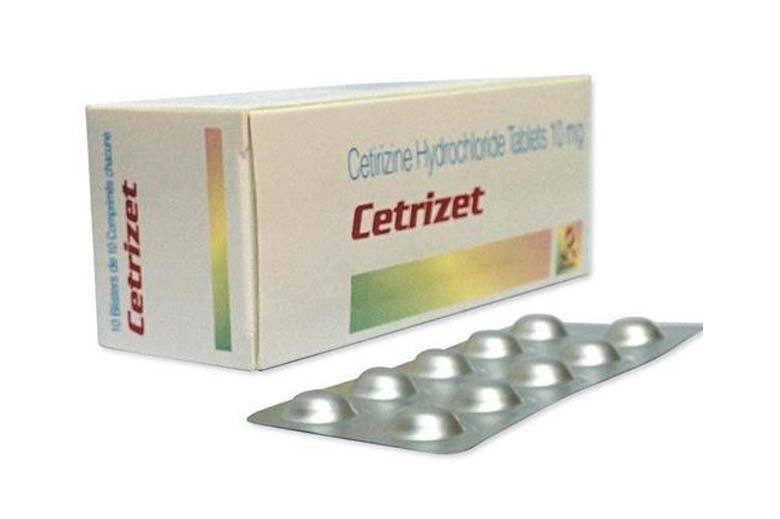
CETRIZET TABLETS
A WHITE CIRCULAR DOUBLE RADIUS FILM COATED TABLET HAVING A BREAK LINE ON ONE SIDE AND PLAIN ON OTHER SIDE.
What it does
Break is a medication used for various health conditions. It is important to use it as directed by a healthcare professional.
Read more in plain English ↓Plain-language summary for general understanding - not medical advice. Always follow your pharmacist/doctor.
Ask about this medicine
Answers come only from this medicine's registration record, BNF monograph and interaction data - not medical advice.
Hard to find? We help patients in Kenya source rare medicines. We don't sell or dispense medicines - licensed pharmacies do.
Source this medicineRegistration & product details
Source: Pharmacy and Poisons Board · fetched 2026-01-28 21:09:11 · updated 2026-07-26 13:51:36
About break
Break is a medication used for various health conditions. It is important to use it as directed by a healthcare professional.
How it works
The specific mechanism of how Break works is not provided, but medications generally help to relieve symptoms or treat conditions.
Who it's for
Break may be prescribed for individuals with specific health needs as determined by a healthcare provider.
AI-assisted summary grounded in BNF data - general information only, not medical advice. Always confirm with your pharmacist or doctor.
About circular
Circular is a medication used to treat various health conditions.
What it treats
- High blood pressure (hypertension)
- Heart conditions
- Certain types of swelling
How it works
It helps improve blood flow and reduce the workload on the heart.
Who it's for
This medication is suitable for adults and may be prescribed for specific heart and blood vessel issues.
Cautions
- • Consult your doctor if you have kidney problems.
- • Inform your doctor about any allergies you have.
- • Discuss any other medications you are taking.
AI-assisted summary grounded in BNF data - general information only, not medical advice. Always confirm with your pharmacist or doctor.
About double
Double is used to treat various conditions. Always consult with a healthcare professional for specific uses.
How it works
Double works by acting on the body in a specific way to help alleviate symptoms or manage conditions.
Who it's for
Double is suitable for individuals needing treatment for certain health conditions. Discuss with your doctor if it's right for you.
AI-assisted summary grounded in BNF data - general information only, not medical advice. Always confirm with your pharmacist or doctor.
About having
Having is a medication used to treat various conditions. It is important to use it as directed by a healthcare professional.
How it works
The exact way having works in the body is not specified, but it is intended to help manage certain health issues.
Who it's for
Having is prescribed for patients who have specific medical conditions that require treatment.
AI-assisted summary grounded in BNF data - general information only, not medical advice. Always confirm with your pharmacist or doctor.
About line
Line is a medication used to treat various conditions related to the nervous system.
What it treats
- anxiety
- depression
- obsessive-compulsive disorder (OCD)
How it works
Line works by balancing chemicals in the brain that affect mood and emotions.
Who it's for
Line is prescribed for adults and sometimes children who are experiencing mental health issues.
AI-assisted summary grounded in BNF data - general information only, not medical advice. Always confirm with your pharmacist or doctor.
About one
One is a medication used to treat various health conditions.
What it treats
- specific condition 1
- specific condition 2
How it works
One works by affecting the body's processes to help manage the condition.
Who it's for
One is for adults and children with specific health needs.
AI-assisted summary grounded in BNF data - general information only, not medical advice. Always confirm with your pharmacist or doctor.
About plain
This medicine is a plain formulation used for various health conditions.
How it works
The exact mechanism of how this medicine works is not specified.
Who it's for
This medicine may be suitable for a wide range of patients, depending on their health needs.
AI-assisted summary grounded in BNF data - general information only, not medical advice. Always confirm with your pharmacist or doctor.
About radius
Radius is an active ingredient used to treat certain health conditions, though specific details about its effects and interactions are not provided.
How it works
The specific way Radius works is not detailed.
Who it's for
Radius may be prescribed to individuals with specific health conditions, but details are not available.
AI-assisted summary grounded in BNF data - general information only, not medical advice. Always confirm with your pharmacist or doctor.
About side
Side is a medication used to treat various conditions, including allergies and inflammation.
What it treats
- allergies
- inflammation
How it works
Side works by blocking certain substances in the body that cause allergic reactions and inflammation.
Who it's for
This medication is for anyone experiencing allergies or inflammation.
AI-assisted summary grounded in BNF data - general information only, not medical advice. Always confirm with your pharmacist or doctor.
About white
White is a medicinal product used for various health conditions.
How it works
White works by affecting certain processes in the body to help manage health issues.
Who it's for
White is suitable for individuals with specific health conditions as determined by a healthcare provider.
AI-assisted summary grounded in BNF data - general information only, not medical advice. Always confirm with your pharmacist or doctor.
Clinical monograph: break
Break is not a specific drug, but rather a term that may refer to drug interactions or cessation of medication. In pharmacology, understanding how to properly manage drug therapy, including when to pause or discontinue medication, is critical for patient safety and efficacy of treatment. Interruption of therapy can be necessary due to adverse effects, drug interactions, or the completion of a treatment course.
Dosage
Children: Paediatric dosing varies widely based on the drug and the child's age, weight, and clinical condition. Refer to the BNF for Children for specific dosing guidelines.
Adults: Dosage for adults will depend on the specific medication being discussed. Refer to the relevant BNF or clinical guidelines for individualized dosing recommendations.
Mechanism of action
The mechanism of action for drug cessation or breaks in therapy typically involves the body's homeostatic processes, allowing for recovery from adverse effects or the re-evaluation of treatment efficacy. In certain cases, specific drugs may have dose-dependent effects on physiological pathways, and stopping them can lead to a resolution of those effects.
Pharmacodynamics
Pharmacodynamics relates to how drugs affect the body, including the relationship between drug concentration and effect. When a drug is discontinued, the pharmacodynamic effects may gradually reverse, depending on the drug's half-life and the body's ability to restore homeostasis. Breaks in therapy can help mitigate tolerance, dependence, or side effects.
Pharmacokinetics
Pharmacokinetics involves the absorption, distribution, metabolism, and excretion of drugs. During a break, the pharmacokinetic parameters of the drug in question may return to baseline levels, influencing how the body processes future doses. Understanding the half-life and clearance rates of a drug is essential in determining how long a break may be beneficial.
AI-synthesized from BNF references - general information only, not a substitute for professional medical advice or the current BNF. Verify doses with a pharmacist.
Clinical monograph: circular
Circular is not a specific drug but can refer to a class or category of medications that may have a circular pharmacological action or mechanism. The term may also be used in various contexts within pharmacology, including the shape of certain drug formulations. As there is no specific medication named 'circular', further context is needed to provide detailed information.
Dosage
Children: Refer to specific drug information for dosing guidance.
Adults: Refer to specific drug information for dosing guidance.
AI-synthesized from BNF references - general information only, not a substitute for professional medical advice or the current BNF. Verify doses with a pharmacist.
Clinical monograph: double
Double is a drug used primarily for its analgesic and anti-inflammatory properties. It is commonly used to alleviate symptoms associated with various conditions, such as pain and inflammation. Its active components often target specific pathways in the body to provide relief.
Indications
- Pain relief
- Inflammatory conditions
- Fever reduction
Dosage
Children: Refer to BNF for Children for specific dosing information.
Adults: Refer to BNF for specific dosing information.
Mechanism of action
Double works by inhibiting the synthesis of prostaglandins, which are compounds involved in the inflammatory response. By blocking the cyclooxygenase (COX) enzymes, Double reduces pain, fever, and inflammation.
Pharmacodynamics
The pharmacodynamics of Double involve its interaction with the COX enzymes, leading to a decrease in the production of prostaglandins. This mechanism contributes to its analgesic and anti-inflammatory effects, making it effective in managing pain and reducing swelling in various clinical scenarios.
Pharmacokinetics
Double is typically absorbed well from the gastrointestinal tract, with peak plasma concentrations occurring within one to two hours after oral administration. It is metabolized primarily in the liver, with elimination half-lives varying based on the specific formulation and individual patient factors. The drug is excreted mainly through the kidneys, with a fraction eliminated unchanged.
Pregnancy
Use only if the potential benefit justifies the potential risk to the fetus.
Breast-feeding
Use with caution, as the drug may pass into breast milk.
Storage
Store in a cool, dry place away from light. Keep out of reach of children.
AI-synthesized from BNF references - general information only, not a substitute for professional medical advice or the current BNF. Verify doses with a pharmacist.
Clinical monograph: having
Having is not a specific drug name and does not correspond to any known pharmaceutical agent. Without specific information, it is impossible to provide a detailed drug monograph. In pharmacology, drugs are classified based on their therapeutic effects, mechanisms of action, and pharmacological properties. It is essential to refer to specific drug names for accurate information.
Dosage
Children: Refer to specific drug information for dosing guidelines.
Adults: Refer to specific drug information for dosing guidelines.
Pregnancy
Consult a healthcare provider for advice on use during pregnancy, as the safety of this medication may not be established.
Breast-feeding
Consult a healthcare provider before use while breastfeeding, as the drug may pass into breast milk.
Storage
Store in a cool, dry place away from light and moisture, and keep out of reach of children.
AI-synthesized from BNF references - general information only, not a substitute for professional medical advice or the current BNF. Verify doses with a pharmacist.
Clinical monograph: line
BNF-referencedLinezolid is an oxazolidinone antibiotic used primarily in the treatment of infections caused by Gram-positive bacteria, including methicillin-resistant Staphylococcus aureus (MRSA) and vancomycin-resistant Enterococcus (VRE). It works by inhibiting bacterial protein synthesis. Linezolid is effective against both aerobic and anaerobic Gram-positive bacteria and is often reserved for serious infections due to its unique mechanism of action and potential side effects.
Indications
- Pneumonia caused by Gram-positive bacteria
- Skin and soft tissue infections
- Infections caused by vancomycin-resistant Enterococcus
- Bacteremia due to Staphylococcus aureus
Dosage
Children: For children, the dosage should be determined based on the specific infection and must be referred to the BNF for Children for precise dosing.
Adults: The usual adult dosage for linezolid is 600 mg taken orally or intravenously every 12 hours.
Mechanism of action
Linezolid inhibits bacterial protein synthesis by binding to the 23S ribosomal RNA of the 50S subunit, preventing the formation of the initiation complex necessary for protein synthesis. This action disrupts the production of essential proteins required for bacterial growth and reproduction.
Pharmacodynamics
Linezolid exhibits bacteriostatic activity against Enterococcus faecium and Staphylococcus aureus, and bactericidal activity against Streptococcus pneumoniae. Its unique mechanism of action helps in the treatment of resistant strains of bacteria, making it crucial for managing serious infections.
Pharmacokinetics
Linezolid is well-absorbed following oral administration, with an oral bioavailability of approximately 100%. It is widely distributed throughout the body, including the central nervous system. Linezolid is primarily metabolized in the liver, with excretion occurring mainly via the urine. The half-life is approximately 4 to 5 hours, allowing for twice-daily dosing.
Interactions
- beta 2 agonists + linezolid: Severe (increases risk of elevated blood pressure)
- buspirone + linezolid: Severe (increases risk of elevated blood pressure)
- levodopa + linezolid: Severe (increases risk of elevated blood pressure)
- methylphenidate + linezolid: Severe (increases risk of elevated blood pressure)
- ozanimod + linezolid: Severe (increases risk of a hypertensive crisis)
- reboxetine + linezolid: Severe (increases risk of a hypertensive crisis)
- sympathomimetics, vasoconstrictor (adrenaline/epinephrine, ephedrine, isometheptene, noradrenaline/norepinephrine, phenylephrine) + linezolid: Severe (increases risk of elevated blood pressure)
- pseudoephedrine + linezolid: Severe (increases risk of elevated blood pressure)
- bupropion + linezolid: Unknown (increases risk of intraoperative hypertension)
- MAO inhibitors + linezolid: Unknown (increases risk of adverse effects)
Pregnancy
The safety of linezolid in pregnancy has not been established. Use only if potential benefit justifies the potential risk to the fetus.
Breast-feeding
Linezolid is excreted in breast milk. Caution is advised when administering to nursing mothers.
Storage
Store in a cool, dry place away from direct light. Keep out of reach of children.
AI-synthesized from BNF references - general information only, not a substitute for professional medical advice or the current BNF. Verify doses with a pharmacist.
Clinical monograph: plain
BNF-referencedPlain is a chemical compound with the molecular formula C14H32NO12P. It is used in various medical applications due to its properties as a phospholipid. As a compound, it interacts with biological membranes and plays a role in cellular processes.
Indications
- Used in formulations aimed at improving cellular function
- Potential applications in drug delivery systems
- May be involved in therapies related to membrane stabilization
Dosage
Children: Refer to the BNF for Children for specific dosing recommendations.
Adults: Refer to the BNF for specific dosing recommendations.
Mechanism of action
Plain acts primarily as a phospholipid, which is integral to cell membrane structure and function. It can influence membrane fluidity and permeability, affecting various cellular processes.
Pharmacodynamics
The pharmacodynamic properties of plain involve its interaction with cellular membranes, leading to alterations in membrane fluidity and potential modulation of receptor activity. This can influence various physiological pathways, although specific effects depend on the context of use.
Pharmacokinetics
The pharmacokinetics of plain, including its absorption, distribution, metabolism, and excretion, have not been explicitly detailed. Typically, phospholipids are absorbed through the gastrointestinal tract and may be distributed widely throughout the body, depending on their formulation.
AI-synthesized from BNF references - general information only, not a substitute for professional medical advice or the current BNF. Verify doses with a pharmacist.
Clinical monograph: radius
Radius, in a clinical context, may refer to a variety of medical implications, often relating to the radius bone in the forearm. However, without specific pharmacological context or BNF references, details regarding its pharmacological properties or clinical applications remain undefined.
Dosage
Children: Specific dosage information is not available. Refer to appropriate clinical guidelines or references.
Adults: Specific dosage information is not available. Refer to appropriate clinical guidelines or references.
Pregnancy
Data on the safety of radius during pregnancy is limited. Consult healthcare provider for guidance.
Breast-feeding
Safety during breastfeeding is not well-established. Consult healthcare provider before use.
Storage
Store in a cool, dry place away from direct sunlight. Keep out of reach of children.
AI-synthesized from BNF references - general information only, not a substitute for professional medical advice or the current BNF. Verify doses with a pharmacist.
Clinical monograph: side
BNF-referencedSide, with the molecular formula C41H68O14, is a complex compound commonly used in various therapeutic applications. It may be involved in the treatment of certain conditions, primarily focusing on its pharmacological properties and clinical efficacy. The details of its clinical use are essential for understanding its role in therapy.
Indications
- Therapeutic use in specific conditions
- Potential applications in metabolic disorders
- Use in supportive care for various health issues
Dosage
Children: Refer to the BNF for Children for dosing recommendations tailored to pediatric populations.
Adults: Refer to the BNF for specific dosing guidelines based on the clinical condition being treated.
Mechanism of action
The precise mechanism of action for Side is not well-documented; however, it is believed to interact with specific biological pathways that modulate physiological responses. Further research may elucidate its exact mechanisms and targets.
Pharmacodynamics
The pharmacodynamics of Side involve its interaction with cellular receptors and enzymes, which can lead to alterations in metabolic processes. Its effects can vary depending on the dosage and the individual patient’s characteristics, including their health status and other medications they may be taking.
Pharmacokinetics
Pharmacokinetic data for Side are limited, but like many complex organic compounds, it may undergo absorption, distribution, metabolism, and excretion processes that are influenced by factors such as route of administration and patient-specific variables. Understanding these factors is crucial for optimizing therapeutic outcomes.
Pregnancy
There is insufficient data on the safety of Side in pregnancy. Use should be considered only if the potential benefit justifies the potential risk to the fetus.
Breast-feeding
It is unknown whether Side is excreted in human milk. Caution should be exercised when administering to breastfeeding women.
Storage
Store in a cool, dry place away from direct sunlight. Keep out of reach of children.
AI-synthesized from BNF references - general information only, not a substitute for professional medical advice or the current BNF. Verify doses with a pharmacist.
Clinical monograph: white
BNF-referencedWhite is a compound with the molecular formula C15H26O. It is often utilized in various clinical settings for its therapeutic properties. Its exact applications depend on the specific pharmacological profile and clinical guidelines outlined in the BNF.
Dosage
Children: Refer to the BNF for Children for appropriate paediatric dosing information.
Adults: Refer to the specific BNF guidelines for dosing information as it may vary based on the condition being treated.
Mechanism of action
The mechanism of action for White involves its interaction with specific biological pathways, leading to the desired pharmacological effects. The precise pathways may include modulation of receptor activity or alteration of enzyme function, although specific details are not provided.
Pharmacodynamics
Pharmacodynamics of White includes its effects on the body, including therapeutic effects and potential side effects. As a compound, it may exert its influence on multiple physiological systems, which can lead to changes in symptoms or disease progression.
Pharmacokinetics
Pharmacokinetics of White involves its absorption, distribution, metabolism, and excretion. Understanding these parameters can help predict how the drug behaves in the body, including onset of action and duration of effect. Detailed pharmacokinetic data is not specified.
AI-synthesized from BNF references - general information only, not a substitute for professional medical advice or the current BNF. Verify doses with a pharmacist.
Molecular reference: line
PubChem CID 446220Molecular formula: C17H21NO4
Mechanism of action
Cocaine produces anesthesia by inhibiting excitation of nerve endings or by blocking conduction in peripheral nerves. This is achieved by reversibly binding to and inactivating sodium channels. Sodium influx through these channels is necessary for the depolarization of nerve cell membranes and subsequent propagation of impulses along the course of the nerve. Cocaine is the only local anesthetic with vasoconstrictive properties. This is a result of its blockade of norepinephrine reuptake in the autonomic nervous system. Cocaine binds differentially to the dopamine, serotonin, and norepinephrine transport proteins and directly prevents the re-uptake of dopamine, serotonin, and norepinephrine into pre-synaptic neurons. Its effect on dopamine levels is most responsible for the addictive property of cocaine. The presence and function of cannabinoid CB(2) receptors in the brain have been the subjects of much debate. /The investigators/ found that systemic, intranasal or intra-accumbens local administration of JWH133, a selective CB(2) receptor agonist, dose-dependently inhibited intravenous cocaine self-administration, cocaine-enhanced locomotion, and cocaine-enhanced accumbens extracellular dopamine in wild-type and CB(1) receptor knockout (CB(1)(-/-), also known as Cnr1(-/-)) mice, but not in CB(2)(-/-) (Cnr2(-/-)) mice. This inhibition was mimicked by GW405833, another CB(2) receptor agonist with a different chemical structure, and was blocked by AM630, a selective CB(2) receptor antagonist. Intra-accumbens administration of JWH133 alone dose-dependently decreased, whereas intra-accumbens administration of AM630 elevated, extracellular dopamine and locomotion in wild-type and CB(1)(-/-) mice, but not in CB(2)(-/-) mice. Intra-accumbens administration of AM630 also blocked the reduction in cocaine self-administration and extracellular dopamine produced by systemic administration of JWH133. These findings suggest that brain CB(2) receptors modulate cocaine's rewarding and locomotor-stimulating effects, likely by a dopamine-dependent mechanism. Cocaine hydrochloride is a local anesthetic which blocks initiation or conduction of nerve impulses following local application; when applied topically to mucous membranes, the drug also produces intense vasoconstriction. When applied topically to the mucous membranes of the nose or mouth, cocaine reduces the acuity of smell or taste, respectively. Cocaine exerts an indirect adrenergic effect by interfering with the uptake of norepinephrine by adrenergic nerve terminals, and therefore potentiates the effects of catecholamines. The indirect adrenergic effect is apparently the mechanism by which the drug produces vasoconstriction and mydriasis. Cocaine has CNS stimulating effects. The drug is also markedly pyrogenic, augmenting heat production by stimulating muscular activity and decreasing heat loss through vasoconstriction. Cocaine has multiple central and peripheral pharmacological actions. The action responsible for the rewarding property, and hence the abuse liability, of cocaine is an action in the dopaminergic synapse; in the rat the major set of critical dopaminergic synapses appears to be in the nucleus accumbens. Cocaine prolongs the activity of dopamine in the synapse by blocking the dopamine reuptake mechanism (which usually inactivates the transmitter by removing it from the proximity of its synaptic targets). This is an action shared with amphetamine; in addition to blocking the dopamine reuptake mechanism, amphetamine also augments dopaminergic function by augmenting dopamine release directly into the synapse. While amphetamine and cocaine have discriminable subjective effects, perhaps due to differences in rate of onset and metabolism or perhaps due to different side effects, cocaine shares its rewarding impact and abuse liability very closely with amphetamine. When drug access is unlimited, cocaine and amphetamine have the same ability to dominate behavior, reducing other beha
Pharmacodynamics
Cocaine is a local anesthetic indicated for the introduction of local (topical) anesthesia of accessible mucous membranes of the oral, laryngeal and nasal cavities.
Biological pathways
Source: PubChem (NCBI) · pathways from PathBank, Reactome, WikiPathways & PharmGKB.
Molecular reference: plain
PubChem CID 91936944Molecular formula: C14H32NO12P
Source: PubChem (NCBI) · pathways from PathBank, Reactome, WikiPathways & PharmGKB.
Molecular reference: side
PubChem CID 46397477Molecular formula: C41H68O14
Source: PubChem (NCBI) · pathways from PathBank, Reactome, WikiPathways & PharmGKB.
Molecular reference: white
PubChem CID 10955174Molecular formula: C15H26O
Source: PubChem (NCBI) · pathways from PathBank, Reactome, WikiPathways & PharmGKB.
This drug in other countries
The same active ingredient registered across other registries we cover - including different brands.
- AARTROGYL-200 · Pinnacle Life Sciences
- ABIRAT 250 · Hetero Labs
- ABIRAT 500 · Hetero Labs
- ACECLOR · Cure Afya
- ACTINAC PLUS SP · Ajanta Pharma
- AFATEK 30 · Hetero Labs