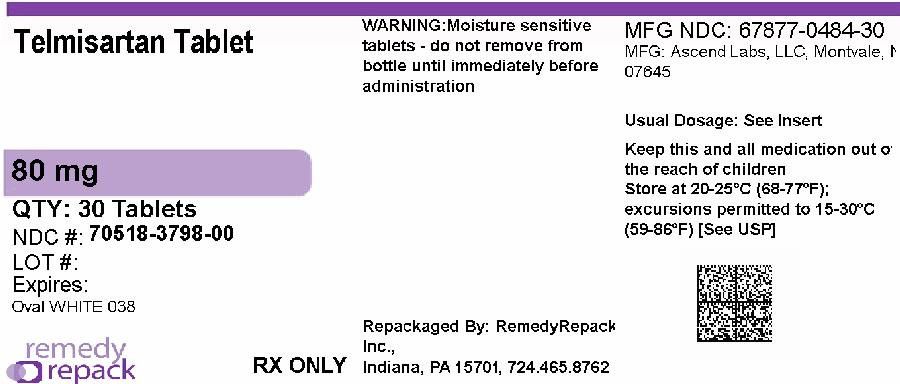
(telmisartan · DailyMed)
Cilzec 40
Croscarmellose Sodium mg,Magnesium Stearate mg,Meglumine mg,Microcrystalline Cellulose (Avicel PH 101) mg,Microcrystalline Cellulose (Avicel pH 102) mg,Poloxamer 188 mg,Povidone (K-30) mg,Telmisartan 40 mg
What it does
Cellulose is a type of fiber that helps with digestion and promotes bowel health.
Commonly used for: constipation, irregular bowel movements
Read more in plain English ↓Plain-language summary for general understanding - not medical advice. Always follow your pharmacist/doctor.
Ask about this medicine
Answers come only from this medicine's registration record, BNF monograph and interaction data - not medical advice.
Medicine sourcing is available in Kenya only. We don't sell or dispense medicines - licensed pharmacies do.
Sourcing - Kenya onlyRegistration & product details
Source: Tanzania Medicines and Medical Devices Authority · fetched 2026-03-11 23:44:40 · updated 2026-09-24 03:00:47
About cellulose
Cellulose is a type of fiber that helps with digestion and promotes bowel health.
What it treats
- constipation
- irregular bowel movements
How it works
Cellulose adds bulk to the stool, making it easier to pass through the intestines.
Who it's for
Suitable for people looking to improve their digestive health.
AI-assisted summary grounded in BNF data - general information only, not medical advice. Always confirm with your pharmacist or doctor.
About croscarmellose
Croscarmellose is a substance used in medicines to help them dissolve and be absorbed in the body.
What it treats
- helps improve the effectiveness of oral medications
How it works
It works by breaking down the medicine so that it can be easily absorbed in the stomach and intestines.
Who it's for
It is used in various oral medicines that require better absorption.
AI-assisted summary grounded in BNF data - general information only, not medical advice. Always confirm with your pharmacist or doctor.
About meglumine
Meglumine is a compound often used in medical imaging and diagnostic procedures.
What it treats
- medical imaging
- diagnostic procedures
How it works
Meglumine helps to enhance the visibility of certain areas in the body during imaging tests, making it easier for healthcare providers to see and diagnose conditions.
Who it's for
Meglumine is used for patients undergoing specific imaging tests, such as X-rays or CT scans.
AI-assisted summary grounded in BNF data - general information only, not medical advice. Always confirm with your pharmacist or doctor.
About microcrystalline
Microcrystalline is a type of substance often used in medicines to help with various health issues. It is commonly used as a filler or binder in tablets and capsules.
What it treats
- stomach issues
- constipation
- weight management
How it works
It helps to improve the texture of medicines and can assist in the absorption of other ingredients in the body.
Who it's for
Adults and children who need help with specific health conditions, as directed by a healthcare professional.
AI-assisted summary grounded in BNF data - general information only, not medical advice. Always confirm with your pharmacist or doctor.
About poloxamer
Poloxamer is a type of surfactant used in various formulations to help improve the solubility and delivery of other ingredients.
What it treats
- used in topical creams and gels
- helps in drug delivery systems
How it works
Poloxamer works by reducing the surface tension of substances, making it easier for other ingredients to mix and be absorbed by the skin or other tissues.
Who it's for
Poloxamer is typically used for individuals needing enhanced delivery of medications or for skin treatments.
AI-assisted summary grounded in BNF data - general information only, not medical advice. Always confirm with your pharmacist or doctor.
About povidone
Povidone is a synthetic polymer often used as a disinfectant and to help deliver medications in various forms.
What it treats
- skin infections
- wound care
- eye infections (conjunctivitis)
How it works
Povidone works by killing bacteria and other germs, helping to prevent infections.
Who it's for
Povidone is suitable for people needing treatment for skin or eye infections.
AI-assisted summary grounded in BNF data - general information only, not medical advice. Always confirm with your pharmacist or doctor.
About telmisartan
Telmisartan is a medicine that helps lower blood pressure and protect your heart.
What it treats
- high blood pressure (hypertension)
- heart protection
How it works
Telmisartan works by blocking a substance in your body that can raise blood pressure, helping your blood vessels relax.
Who it's for
Telmisartan is for adults with high blood pressure or those needing heart protection.
Drug class
Angiotensin-II receptor antagonists
Cautions
- • Be careful if you take medications that can cause low blood pressure when starting this medicine.
- • Avoid medications that can lower blood pressure too much.
- • Watch out for medicines that can increase potassium levels in your blood.
AI-assisted summary grounded in BNF data - general information only, not medical advice. Always confirm with your pharmacist or doctor.
Clinical monograph: Telmisartan
BNF-referencedTelmisartan is an angiotensin-II receptor antagonist primarily used to treat hypertension. It belongs to the class of drugs known for their ability to lower blood pressure by inhibiting the effects of angiotensin II, a potent vasoconstrictor. Additionally, telmisartan may offer metabolic benefits through its partial agonistic effects on peroxisome proliferator-activated receptor gamma (PPARγ).
Indications
- Hypertension
- Heart failure
- Chronic kidney disease
- Diabetic nephropathy
Dosage
Children: For paediatric patients, refer to the BNF for Children for appropriate dosing guidelines.
Adults: The usual starting dose is 40 mg once daily, which may be adjusted based on blood pressure response. The maximum recommended dose is 80 mg per day.
Mechanism of action
Telmisartan interferes with the binding of angiotensin II to the angiotensin II AT1 receptor by selectively binding to these receptors in vascular smooth muscle and the adrenal gland. This blockage leads to reduced systemic vascular resistance and lower blood pressure. Telmisartan is not an ACE inhibitor and does not affect other hormone receptors or ion channels. It may also enhance carbohydrate and lipid metabolism via its PPARγ activity.
Pharmacodynamics
Telmisartan exhibits high affinity for the AT1 receptor subtype, making it an effective angiotensin II antagonist. It plays a significant role in lowering blood pressure by preventing vasoconstriction and aldosterone release. The potential PPARγ agonistic properties suggest additional metabolic advantages, including improved glucose and lipid metabolism.
Pharmacokinetics
Telmisartan is administered orally and has a high bioavailability. It is extensively bound to plasma proteins and undergoes hepatic metabolism, primarily via glucuronidation. The drug has a long half-life, allowing for once-daily dosing. Excretion occurs mainly through the feces, with minimal renal elimination.
Contra-indications
- Hypersensitivity to telmisartan or any of the excipients
- Severe hepatic impairment
- Severe renal impairment or patients on dialysis
Adverse effects
- Dizziness
- Fatigue
- Hypotension
- Hyperkalemia
- Renal impairment
- Angioedema
Interactions
- Other antihypertensives
- Nonsteroidal anti-inflammatory drugs (NSAIDs)
- Lithium
- Potassium-sparing diuretics
- Renin-angiotensin-aldosterone system (RAAS) inhibitors
Precautions
- Monitor renal function, particularly in patients with renal artery stenosis
- Caution in patients with a history of angioedema
- Use with caution in patients with diabetes
- Monitor potassium levels in patients at risk for hyperkalemia
Pregnancy
Telmisartan is not recommended during pregnancy, particularly in the second and third trimesters, due to potential harm to the fetus.
Breast-feeding
The effects of telmisartan on breastfed infants are unknown; caution should be exercised.
Storage
Store at room temperature, away from moisture and heat.
Formulations
- Tablets: 20 mg, 40 mg
- Combination tablets with hydrochlorothiazide: 20 mg/12.5 mg, 40 mg/12.5 mg
AI-synthesized from BNF references - general information only, not a substitute for professional medical advice or the current BNF. Verify doses with a pharmacist.
Clinical monograph: cellulose
Cellulose is a complex carbohydrate and a key structural component of the plant cell wall. It is an indigestible polysaccharide made up of linear chains of glucose molecules linked by β-1,4-glycosidic bonds. As a dietary fiber, cellulose contributes to digestive health by promoting bowel regularity and is commonly used as a laxative and bulking agent in various food products and pharmaceuticals.
Indications
- Constipation
- Dietary fiber supplementation
- Irritable bowel syndrome
- Diverticular disease
- Weight management
Dosage
Children: Refer to appropriate guidelines for specific dosage; generally taken with adequate fluid intake.
Adults: Refer to appropriate guidelines for specific dosage; generally taken with adequate fluid intake.
Mechanism of action
Cellulose acts primarily as a bulk-forming laxative. It absorbs water in the intestines, which increases stool bulk and stimulates peristalsis, thus facilitating bowel movements. Additionally, cellulose is not digestible by human enzymes, leading to fermentation by gut bacteria, which may enhance gut health and alter gut microbiota composition.
Pharmacodynamics
Cellulose increases stool weight and frequency of bowel movements. It works by retaining water in the intestines, leading to softer stools and improved passage through the gastrointestinal tract. The bulking effect of cellulose can help alleviate constipation and promote overall digestive health. It may also play a role in cholesterol reduction and glycemic control through its effects on digestion and absorption of nutrients.
Pharmacokinetics
Cellulose is not absorbed into the bloodstream due to its indigestible nature. Instead, it passes through the gastrointestinal tract, where it adds bulk to the stool. Its fermentation by colonic bacteria produces short-chain fatty acids, which may have beneficial effects on colon health. The onset of action for cellulose as a laxative can vary but is generally within 24 to 72 hours after ingestion.
Adverse effects
- Bloating
- Flatulence
- Diarrhea
- Abdominal discomfort
Precautions
- Use with caution in patients with a history of gastrointestinal disorders.
- Monitor for potential allergic reactions in sensitive individuals.
Pregnancy
Cellulose is generally considered safe during pregnancy as it is a non-toxic, indigestible fiber.
Breast-feeding
Cellulose is also considered safe during breastfeeding; it is excreted in breast milk in negligible amounts.
Storage
Store in a cool, dry place away from direct sunlight.
Formulations
- Powder
- Capsules
- Tablets
- Granules
AI-synthesized from BNF references - general information only, not a substitute for professional medical advice or the current BNF. Verify doses with a pharmacist.
Clinical monograph: croscarmellose
Croscarmellose sodium is a pharmaceutical excipient widely used as a disintegrant in oral dosage forms. It enhances the dissolution of active pharmaceutical ingredients by promoting rapid disintegration of tablets and capsules upon contact with moisture. This characteristic makes it essential in improving the bioavailability of various medications.
Indications
- Used as a disintegrant in tablet formulations
- Enhances the bioavailability of active pharmaceutical ingredients
Dosage
Children: Refer to the specific formulation guidelines, as dosage will vary based on the active ingredient and formulation type.
Adults: Refer to the specific formulation guidelines, as dosage will vary based on the active ingredient and formulation type.
Mechanism of action
Croscarmellose sodium works by swelling and absorbing water when it comes into contact with gastrointestinal fluids. This swelling leads to the rapid disintegration of the tablet or capsule matrix, facilitating the release and absorption of the active pharmaceutical ingredients.
Pharmacodynamics
Croscarmellose sodium is classified as a superdisintegrant. Its ability to rapidly disintegrate solid dosage forms can significantly enhance the dissolution rate of the active ingredient, which is crucial for achieving therapeutic effects in a timely manner.
Pharmacokinetics
Croscarmellose sodium is not absorbed in the gastrointestinal tract and does not exert pharmacological effects in the body. It is considered non-toxic and is excreted unchanged. Its main role is as an excipient, influencing the formulation's characteristics rather than the pharmacokinetics of the active ingredients.
Precautions
- Use with caution in patients with known hypersensitivity to croscarmellose or its components.
Pregnancy
Safety in pregnancy has not been established. Use only if clearly needed.
Breast-feeding
Caution is advised when using during breastfeeding, as safety has not been established.
Storage
Store in a cool, dry place, away from moisture and heat.
Formulations
- Powder
- Granules
AI-synthesized from BNF references - general information only, not a substitute for professional medical advice or the current BNF. Verify doses with a pharmacist.
Clinical monograph: meglumine
BNF-referencedMeglumine is a compound used primarily as a pharmaceutical excipient and as a solubilizing agent in various medical preparations. It is a derivative of glucuronic acid and functions as a stabilizer for certain drug formulations, particularly in radiologic contrast media. Meglumine enhances the solubility of active ingredients, thereby improving their bioavailability.
Indications
- Used as a solubilizing agent in pharmaceutical preparations
- Used in radiographic contrast media formulations
Dosage
Children: Refer to specific formulations for paediatric dosing instructions as it varies depending on the application.
Adults: Refer to specific formulations for adult dosing instructions as it varies depending on the application.
Mechanism of action
Meglumine acts by enhancing the solubility and stability of drugs in solution, particularly in radiographic contrast agents. It is involved in purinergic signaling pathways, which are essential for various physiological processes, including neurotransmission and inflammation.
Pharmacodynamics
The pharmacodynamic profile of meglumine is largely influenced by its role as a solubilizing agent. It does not exhibit direct pharmacological effects on its own but rather facilitates the action of other active ingredients in formulations. Its impact on purinergic signaling may contribute to modulating physiological responses in the body.
Pharmacokinetics
Meglumine is rapidly absorbed when administered, with its pharmacokinetics closely tied to the properties of the drugs it accompanies. The distribution, metabolism, and excretion of meglumine are not well-defined as it typically functions as an excipient rather than an active therapeutic agent. Its elimination from the body is primarily via renal pathways.
Pregnancy
There is insufficient data on the use of meglumine in pregnancy, therefore it should only be used if the potential benefit justifies the potential risk to the fetus.
Breast-feeding
Caution is advised when administering meglumine to breastfeeding women, as its effects on infants are not well studied.
Storage
Store in a cool, dry place away from direct sunlight. Keep out of reach of children.
AI-synthesized from BNF references - general information only, not a substitute for professional medical advice or the current BNF. Verify doses with a pharmacist.
Clinical monograph: microcrystalline
Microcrystalline cellulose is a refined wood pulp, commonly used as an excipient in pharmaceutical formulations. It serves as a bulking agent and stabilizer in tablets and capsules, improving the physical properties of the drug formulation. It is characterized by its ability to absorb moisture and provide a suitable texture for various dosage forms.
Indications
- Used as an excipient in tablet formulations
- Used as a bulking agent in capsule formulations
- Used in food products as a thickener or stabilizer
Dosage
Children: Refer to specific product guidelines as dosage will depend on the formulation and the active ingredients.
Adults: Refer to specific product guidelines as dosage will depend on the formulation and the active ingredients.
Mechanism of action
Microcrystalline cellulose acts as a non-digestible filler that enhances the flow properties of powders during the manufacturing of tablets and capsules. It does not have a direct pharmacological action on the body but ensures that the active ingredients are effectively delivered to the patient.
Pharmacodynamics
As a non-active ingredient, microcrystalline cellulose does not exert pharmacodynamic effects typical of active pharmaceutical ingredients. Its primary role is to provide a stable and consistent matrix for the drug, facilitating the release of the active compound once ingested.
Pharmacokinetics
Microcrystalline cellulose is not absorbed in the gastrointestinal tract; it passes through the digestive system largely unchanged. It adds bulk to the stool, which may aid in promoting regular bowel movements. The substance is excreted in feces, where it contributes to dietary fiber intake.
Pregnancy
Data regarding the use of microcrystalline cellulose during pregnancy is limited. It is advisable to consult with healthcare professionals before use.
Breast-feeding
Microcrystalline cellulose is considered safe during breastfeeding, as it is not absorbed systemically.
Storage
Store in a cool, dry place away from direct sunlight and moisture.
AI-synthesized from BNF references - general information only, not a substitute for professional medical advice or the current BNF. Verify doses with a pharmacist.
Clinical monograph: poloxamer
Poloxamer is a nonionic surfactant and polymer that is used in various pharmaceutical formulations. It is known for its ability to reduce surface tension and enhance the solubility and stability of drugs in aqueous solutions. Poloxamer is often used in topical preparations, oral formulations, and as a drug delivery agent, particularly in formulations designed for controlled release.
Indications
- Topical drug delivery
- Emulsifying agent in pharmaceutical formulations
- Stabilizing agent in aqueous solutions
- Controlled drug release systems
Dosage
Children: Refer to specific product guidelines for dosing, as it varies based on formulation and intended use.
Adults: Refer to specific product guidelines for dosing, as it varies based on formulation and intended use.
Mechanism of action
Poloxamer acts primarily by reducing the surface tension at the interface between different phases, such as oil and water. This property allows it to stabilize emulsions and improve the solubility of poorly soluble drugs. Additionally, poloxamer can form micelles in solution, encapsulating hydrophobic drugs and facilitating their delivery in the body.
Pharmacodynamics
Poloxamer exhibits surfactant properties that can enhance drug absorption and bioavailability by altering the permeability of biological membranes. Its action as a solubilizing agent can improve the pharmacological effects of drugs by ensuring they remain in a bioavailable form longer. The polymeric nature of poloxamer can also lead to sustained release of encapsulated drugs, prolonging their therapeutic effect.
Pharmacokinetics
Poloxamer is poorly absorbed when administered orally and is primarily excreted unchanged in the feces. Its absorption through the skin is minimal, making it more suitable for topical applications. The pharmacokinetics can vary based on the formulation and route of administration, with its action typically being localized rather than systemic.
Adverse effects
- Skin irritation
- Allergic reactions
- Gastrointestinal disturbances
- Headache
Precautions
- Use with caution in patients with known allergies to surfactants
- Assess for skin sensitivity before use
- Monitor for adverse reactions during therapy
Pregnancy
Safety during pregnancy has not been established. Use only if clearly needed and potential benefits justify the risks.
Breast-feeding
It is not known whether poloxamer is excreted in human milk. Caution is advised when administering to nursing mothers.
Storage
Store at room temperature, away from moisture and heat. Keep container tightly closed.
Formulations
- Poloxamer 188 (used as a surfactant in various formulations)
- Poloxamer 407 (used in pharmaceutical formulations and drug delivery systems)
AI-synthesized from BNF references - general information only, not a substitute for professional medical advice or the current BNF. Verify doses with a pharmacist.
Clinical monograph: povidone
Povidone, also known as polyvinylpyrrolidone (PVP), is a synthetic polymer that is used as a water-soluble binder, stabilizer, and film-forming agent in various pharmaceutical formulations. It is recognized for its ability to enhance the solubility and bioavailability of drugs, making it valuable in both topical and oral therapies. Povidone has antiseptic properties and is commonly used in wound care, surgical scrubs, and as an excipient in medications.
Indications
- Topical antiseptic for skin disinfection
- Surgical scrubs and hand sanitizers
- Wound care management
- Pharmaceutical excipient in solid and liquid formulations
Dosage
Children: Refer to specific product guidelines for pediatric dosing recommendations, as doses can vary based on formulation and intended use.
Adults: Refer to specific product guidelines for dosing recommendations, as doses can vary based on the formulation and intended use.
Mechanism of action
Povidone acts by forming a complex with iodine when used as an antiseptic, which releases iodine slowly to exert its antimicrobial effect. The iodine disrupts microbial cell walls and interferes with protein synthesis, leading to cell death. Additionally, as a polymer, povidone can enhance drug solubility and stability by forming a hydrophilic matrix.
Pharmacodynamics
Povidone has a broad spectrum of antimicrobial activity against bacteria, viruses, and fungi. Its antiseptic properties are primarily due to the release of iodine, which is effective in reducing microbial load and preventing infection. The polymer's ability to bind to various substances allows it to be utilized in formulations that require improved stability and solubility.
Pharmacokinetics
Povidone is not absorbed systemically when applied topically, as it remains localized at the site of application. Its pharmacokinetics are largely dependent on the formulation and route of administration, with the polymer being metabolized by hydrolysis and excreted in urine as low-molecular-weight compounds. The release and activity of iodine are influenced by the concentration of povidone and the presence of organic matter.
Adverse effects
- Local irritation
- Allergic reactions
- Skin rashes
- Hypersensitivity reactions
Precautions
- Use with caution in patients with known allergies to iodine or povidone-iodine
- Avoid use in deep puncture wounds or serious burns
Pregnancy
Povidone is generally considered safe for use during pregnancy, but it is advisable to consult a healthcare professional before use.
Breast-feeding
Povidone is considered safe during breastfeeding, but it is recommended to consult a healthcare professional.
Storage
Store at room temperature, away from moisture and heat. Keep the container tightly closed.
Formulations
- Topical solution
- Ointment
- Surgical scrub
- Gauze impregnated with povidone-iodine
AI-synthesized from BNF references - general information only, not a substitute for professional medical advice or the current BNF. Verify doses with a pharmacist.
Molecular reference: meglumine
PubChem CID 8567Molecular formula: C7H17NO5
Biological pathways
Source: PubChem (NCBI) · pathways from PathBank, Reactome, WikiPathways & PharmGKB.
Molecular reference: Telmisartan
PubChem CID 65999Molecular formula: C33H30N4O2
Mechanism of action
Telmisartan interferes with the binding of angiotensin II to the angiotensin II AT<sub>1</sub>-receptor by binding reversibly and selectively to the receptors in vascular smooth muscle and the adrenal gland. As angiotensin II is a vasoconstrictor, which also stimulates the synthesis and release of aldosterone, blockage of its effects results in decreases in systemic vascular resistance. Telmisartan does not inhibit the angiotensin converting enzyme, other hormone receptors, or ion channels. Studies also suggest that telmisartan is a partial agonist of PPARγ, which is an established target for antidiabetic drugs. This suggests that telmisartan can improve carbohydrate and lipid metabolism, as well as control insulin resistance without causing the side effects that are associated with full PPARγ activators. Migration of CD4-positive lymphocytes into the vessel wall represents an important step in early atherogenesis. Telmisartan is an angiotensin type 1 receptor (AT1R) blocker with peroxisome proliferator-activated receptor (PPAR)-gamma-activating properties. The present study examined the effect of telmisartan on CD4-positive cell migration and the role of PPARgamma in this context. CD4-positive lymphocytes express both the AT1R and PPARgamma. Stimulation of CD4-positive lymphocytes with stromal cell-derived factor (SDF)-1 leads to a 4.1+/-3.1-fold increase in cell migration. Pretreatment of cells with telmisartan reduces this effect in a concentration-dependent manner to a maximal 1.6+/-0.7-fold induction at 10 mumol/L of telmisartan (P<0.01 compared with SDF-1-treated cells; n=22). Three different PPARgamma activators, rosiglitazone, pioglitazone, and GW1929, had similar effects, whereas eprosartan, a non-PPARgamma-activating AT1R blocker, did not affect chemokine-induced lymphocyte migration. Telmisartan's effect on CD4-positive lymphocyte migration was mediated through an early inhibition of chemokine-induced phosphatidylinositol 3-kinase activity. Downstream, telmisartan inhibited F-actin formation, as well as intercellular adhesion molecule-3 translocation. Transfection of CD4-positive lymphocytes with PPARgamma small interfering RNA abolished telmisartan's effect on migration, whereas blockade of the AT1R had no such effect. Telmisartan inhibits chemokine-induced CD4-positive cell migration independent of the AT1R via PPARgamma. These data provide a novel mechanism to explain how telmisartan modulates lymphocyte activation by its PPARgamma-activating properties. Angiotensin II is formed from angiotensin I in a reaction catalyzed by angiotensin-converting enzyme (ACE, kininase II). Angiotensin II is the principal pressor agent of the renin-angiotensin system, with effects that include vasoconstriction, stimulation of synthesis and release of aldosterone, cardiac stimulation, and renal reabsorption of sodium. Telmisartan blocks the vasoconstrictor and aldosterone-secreting effects of angiotensin II by selectively blocking the binding of angiotensin II to the AT1 receptor in many tissues, such as vascular smooth muscle and the adrenal gland. Its action is therefore independent of the pathways for angiotensin II synthesis. There is also an AT2 receptor found in many tissues, but AT2 is not known to be associated with cardiovascular homeostasis. Telmisartan has much greater affinity (>3,000 fold) for the AT1 receptor than for the AT2 receptor. Blockade of the renin-angiotensin system with ACE inhibitors, which inhibit the biosynthesis of angiotensin II from angiotensin I, is widely used in the treatment of hypertension. ACE inhibitors also inhibit the degradation of bradykinin, a reaction also catalyzed by ACE. Because telmisartan does not inhibit ACE (kininase II), it does not affect the response to bradykinin. Whether this difference has clinical relevance is not yet known. Telmisartan does not bind to or block other hormone receptors or ion channels known to be important in cardiovascular regulation. Block
Pharmacodynamics
Telmisartan is an orally active nonpeptide angiotensin II antagonist that acts on the AT<sub>1</sub> receptor subtype. It has the highest affinity for the AT<sub>1</sub> receptor among commercially available ARBs and has minimal affinity for the AT<sub>2</sub> receptor. New studies suggest that telmisartan may also have PPARγ agonistic properties that could potentially confer beneficial metabolic effects, as PPARγ is a nuclear receptor that regulates specific gene transcription, and whose target genes are involved in the regulation of glucose and lipid metabolism, as well as anti-inflammatory responses. This observation is currently being explored in clinical trials. Angiotensin II is formed from angiotensin I in a reaction catalyzed by angiotensin-converting enzyme (ACE, kininase II). Angiotensin II is the principal pressor agent of the renin-angiotensin system, with effects that include vasoconstriction, stimulation of synthesis and release of aldosterone, cardiac stimulation, and renal reabsorption of sodium. Telmisartan works by blocking the vasoconstrictor and aldosterone secretory effects of angiotensin II.
Biological pathways
Source: PubChem (NCBI) · pathways from PathBank, Reactome, WikiPathways & PharmGKB.
This drug in other countries
The same active ingredient registered across other registries we cover - including different brands.
- BETASEP SOLUTION · Jamjoom Pharmaceuticals
- CILZEC 20 · Msn Laboratories
- CILZEC 40 · Msn Laboratories
- CILZEC 80 · Msn Laboratories
- CLAVUAID 1000 TABLETS · Reyoung Pharmaceuticals
- CLAVUAID 625 TABLETS · Reyoung Pharmaceuticals
- ALEVE® · Bayer Bitterfeld GMBH
- AMLISAR 40/10 · Zaklady Farmaceutyczne Polpharma S.a
- AMLISAR 40/5 · Zaklady Farmaceutyczne Polpharma S.a
- AMLISAR 80/10 · Zaklady Farmaceutyczne Polpharma S.a
- AMLISAR 80/5 · Zaklady Farmaceutyczne Polpharma S.a
- AVACARD 40 · Inventia Healthcare