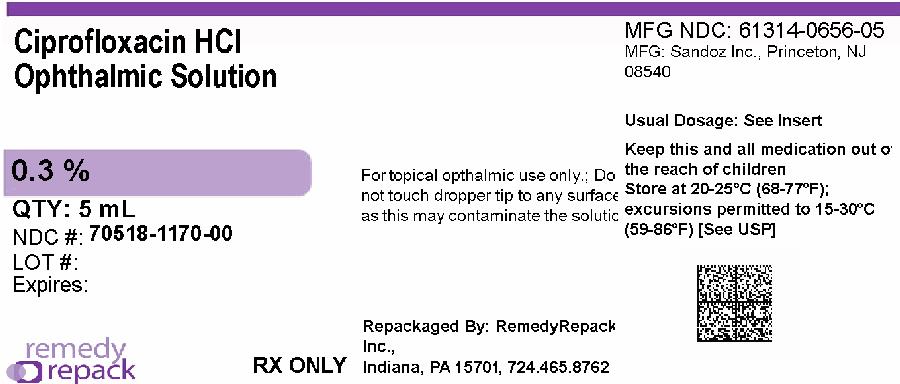
(ciprofloxacin · DailyMed)
CIPRIS
Ciprofloxacin Hydrochloride 200 mg,Citric Acid Monohydrate 12.00 /ml,Disodium EDTA 20.00 /ml,Hydrochloric acid Q.S. /ml,Lactic Acid 70.00 /ml,Sodium Chloride 900.00 /ml,Sodium Hydroxide 30.00 /ml
What it does
Ciprofloxacin is an antibiotic used to treat various bacterial infections.
Commonly used for: bacterial infections of the lungs (pneumonia), urinary tract infections (UTIs), skin infections, gastrointestinal infections
Read more in plain English ↓Plain-language summary for general understanding - not medical advice. Always follow your pharmacist/doctor.
Ask about this medicine
Answers come only from this medicine's registration record, BNF monograph and interaction data - not medical advice.
Medicine sourcing is available in Kenya only. We don't sell or dispense medicines - licensed pharmacies do.
Sourcing - Kenya onlyRegistration & product details
Source: Tanzania Medicines and Medical Devices Authority · fetched 2026-03-11 23:37:24 · updated 2026-10-01 03:00:44
Drug Interactions
41Severe (2)
Quinolones - decreases absorption
Strontiumispredictedtodecreasetheabsorptionof quinolones.Avoid.oTheoretical
Tizanidine - increases exposure
Ciprofloxacin increases the exposure to tizanidine. Avoid.
Moderate (16)
Aminophylline - increases exposure
Ciprofloxacin is predicted to increase the exposure to aminophylline. Adjust dose.
Antiepileptics - affects concentration
Ciprofloxacin affects the concentration of antiepileptics (fosphenytoin, phenytoin). Monitor concentration and adjust dose.
Antipsychotics, Second Generation - increases concentration
Ciprofloxacin increases the concentration of antipsychotics, second generation (clozapine). Monitor adverse effects and adjust dose.
Antipsychotics, Second Generation - increases exposure
Ciprofloxacin is predicted to increase the exposure to antipsychotics, second generation (olanzapine). Adjust dose.
Clozapine - increases concentration
Ciprofloxacin increases the concentration of antipsychotics, second generation (clozapine). Monitor adverse effects and adjust dose.
Unknown (23)
Agomelatine - increases exposure
Ciprofloxacin is predicted to increase the exposure to agomelatine.
Anaesthetics,local - increases exposure
Ciprofloxacin is predicted to increase the exposure to anaesthetics, local (ropivacaine).
Anagrelide - increases exposure
Ciprofloxacinispredictedtoincreasetheexposureto anagrelide.oTheoretical
Antiarrhythmics - increases exposure
Ciprofloxacin slightly increases the exposure to antiarrhythmics (lidocaine).
Chlorpromazine - increases exposure
Ciprofloxacin is predicted to increase the exposure to phenothiazines (chlorpromazine).
Data from BNF 85 (British National Formulary). This is not a substitute for professional medical advice. Matched via: class
About ciprofloxacin
Ciprofloxacin is an antibiotic used to treat various bacterial infections.
What it treats
- bacterial infections of the lungs (pneumonia)
- urinary tract infections (UTIs)
- skin infections
- gastrointestinal infections
How it works
It works by stopping the growth of bacteria in the body.
Who it's for
Ciprofloxacin is for adults and children who need treatment for bacterial infections.
Drug class
Quinolones
AI-assisted summary grounded in BNF data - general information only, not medical advice. Always confirm with your pharmacist or doctor.
About citric
Citric acid is a natural substance often used to help with digestion and to support urinary health.
What it treats
- urinary tract infections (UTIs)
- kidney stones
- digestive issues
How it works
Citric acid helps to increase the acidity of urine, which can help to prevent the formation of certain types of kidney stones and may aid digestion.
Who it's for
Citric acid is suitable for adults and children who may need help with urinary health or digestion.
AI-assisted summary grounded in BNF data - general information only, not medical advice. Always confirm with your pharmacist or doctor.
About disodium
Disodium is a compound that may be used in various medical applications, particularly in maintaining electrolyte balance.
What it treats
- maintaining salt and water balance in the body
- supporting kidney function
How it works
Disodium helps to regulate the levels of sodium in the body, which is important for many bodily functions, including nerve and muscle activity.
Who it's for
It is usually prescribed for individuals who need help with electrolyte balance, such as those with certain kidney conditions or those undergoing specific treatments.
AI-assisted summary grounded in BNF data - general information only, not medical advice. Always confirm with your pharmacist or doctor.
About edta
EDTA is a medication used to help remove heavy metals from the body.
What it treats
- heavy metal poisoning (e.g., lead poisoning)
- certain types of heart disease
How it works
EDTA binds to heavy metals in the body, allowing them to be excreted and reducing their harmful effects.
Who it's for
This medication is for individuals who have been exposed to high levels of heavy metals or have certain heart conditions.
AI-assisted summary grounded in BNF data - general information only, not medical advice. Always confirm with your pharmacist or doctor.
About hydrochloric
Hydrochloric acid is a substance that helps with digestion in the stomach.
What it treats
- stomach acidity issues
- digestive problems
How it works
It aids in breaking down food and absorbing nutrients in the stomach.
Who it's for
It is used for people who have low stomach acid or certain digestive disorders.
AI-assisted summary grounded in BNF data - general information only, not medical advice. Always confirm with your pharmacist or doctor.
About hydroxide
Hydroxide is a compound used to help neutralize stomach acid and relieve indigestion or heartburn.
What it treats
- indigestion
- heartburn
How it works
Hydroxide works by neutralizing the excess acid in the stomach, which helps to reduce discomfort.
Who it's for
Hydroxide is suitable for adults and children experiencing symptoms of excess stomach acid.
AI-assisted summary grounded in BNF data - general information only, not medical advice. Always confirm with your pharmacist or doctor.
About lactic
Lactic acid is a substance that helps in various body functions and can be used in treatments.
What it treats
- muscle soreness
- lactic acidosis
- skin conditions
How it works
Lactic acid helps to improve the acidity level in certain body fluids, supporting better metabolism and skin health.
Who it's for
Lactic acid can be used by individuals experiencing muscle soreness or specific skin issues.
AI-assisted summary grounded in BNF data - general information only, not medical advice. Always confirm with your pharmacist or doctor.
Clinical monograph: Ciprofloxacin
BNF-referencedCiprofloxacin is a broad-spectrum antibiotic belonging to the fluoroquinolone class, effective against a wide range of both Gram-negative and Gram-positive bacteria. It works primarily by inhibiting bacterial DNA gyrase and topoisomerase IV, enzymes crucial for DNA replication and transcription. This inhibition leads to the death of susceptible bacteria, making ciprofloxacin a valuable option in treating various bacterial infections, including urinary tract infections, respiratory infections, and skin infections.
Indications
- Bacterial infections
- Urinary tract infections
- Respiratory tract infections
- Skin and soft tissue infections
- Acute pyelonephritis
- Severe diabetic foot infections
- Anthrax (treatment and post-exposure prophylaxis)
- Disseminated gonococcal infection (unlicensed)
Mechanism of action
Ciprofloxacin acts on bacterial topoisomerase II (DNA gyrase) and topoisomerase IV. It binds to the alpha subunits of DNA gyrase, preventing the supercoiling of bacterial DNA, which is essential for DNA replication. This inhibition leads to bacterial cell death. Ciprofloxacin exhibits bactericidal activity during both logarithmic and stationary growth phases, particularly against organisms like Escherichia coli and Pseudomonas aeruginosa.
Pharmacodynamics
Ciprofloxacin is characterized by its potent activity against many Gram-negative and some Gram-positive bacteria, achieved through its mechanism of action on DNA gyrase and topoisomerase IV. It binds with significantly higher affinity to bacterial DNA gyrase compared to mammalian enzymes, thus minimizing potential side effects. There is no cross-resistance between ciprofloxacin and other antibiotic classes, which enhances its use in cases of antibiotic resistance. Additionally, ciprofloxacin is under investigation for potential effects against malaria, cancers, and AIDS.
Pharmacokinetics
Ciprofloxacin is rapidly absorbed after oral administration, with bioavailability around 70-80%. It is widely distributed in body tissues and fluids, including the lungs, liver, kidneys, and prostate. The drug undergoes hepatic metabolism and is primarily excreted via the kidneys, with a half-life of about 4 hours. Dosing adjustments may be necessary in renal impairment. Ciprofloxacin's pharmacokinetic profile supports its efficacy in treating systemic infections.
Contra-indications
- Hypersensitivity to ciprofloxacin or other quinolones
- Concurrent use with tizanidine
Adverse effects
- Nausea
- Diarrhea
- Headache
- Dizziness
- Tendon rupture
- QT interval prolongation
- Photosensitivity
- Rash
- Superinfection
Interactions
- Severe: ciprofloxacin + tizanidine (increases exposure)
- Moderate: ciprofloxacin + aminophylline (increases exposure)
- Moderate: ciprofloxacin + antiepileptics (affects concentration)
- Moderate: ciprofloxacin + fosphenytoin (affects concentration)
- Moderate: ciprofloxacin + phenytoin (affects concentration)
- Moderate: ciprofloxacin + antipsychotics (increases concentration)
- Moderate: ciprofloxacin + clozapine (increases concentration)
- Moderate: ciprofloxacin + olanzapine (increases exposure)
- Moderate: ciprofloxacin + dopaminereceptor agonists (increases exposure)
Precautions
- Risk of arthropathy in children
- History of tendon disorders
- Concurrent use of drugs that prolong the QT interval
- Ensure adequate hydration to prevent crystalluria
- Monitor for signs of superinfection
Pregnancy
Avoid in pregnancy due to potential risk of arthropathy in animal studies; safer alternatives should be considered.
Breast-feeding
Ciprofloxacin is excreted in breast milk; caution is advised when administered to nursing mothers.
Storage
Store at room temperature, away from moisture and heat. Protect from light.
Formulations
- Oral tablet: 250 mg, 500 mg, 750 mg
- Intravenous infusion: 400 mg/200 mL
- Eye drops: concentration may vary
AI-synthesized from BNF references - general information only, not a substitute for professional medical advice or the current BNF. Verify doses with a pharmacist.
Clinical monograph: citric
BNF-referencedCitric acid, a key intermediate in the citric acid cycle, is a weak organic acid with the molecular formula C10H18O. It is commonly found in citrus fruits and is widely used in the food and pharmaceutical industries for its preservative and flavoring properties. Citric acid is also utilized in various formulations for its ability to enhance solubility and stability of active ingredients.
Indications
- Acidulant in food and beverages
- Preservative in pharmaceutical formulations
- pH adjuster in various chemical preparations
Dosage
Children: Refer to product-specific guidelines for appropriate dosing based on formulation and indication.
Adults: Refer to product-specific guidelines for appropriate dosing based on formulation and indication.
Mechanism of action
Citric acid acts by chelating metal ions, which can enhance the solubility of certain compounds and improve their bioavailability. It also contributes to the acidity of the environment, which can influence enzymatic activity and metabolic pathways, particularly in the degradation of citronellol.
Pharmacodynamics
Citric acid exhibits mild pharmacological effects primarily attributed to its role in metabolic processes. It aids in the regulation of pH levels, which can impact enzymatic reactions and biochemical pathways. The acid's chelating properties may help to reduce the toxicity of certain metal ions in biological systems.
Pharmacokinetics
Citric acid is rapidly absorbed after oral administration and is metabolized in the liver. It undergoes conversion to various metabolites in the citric acid cycle, contributing to energy production. The elimination primarily occurs through urine, with minimal accumulation in the body.
Pregnancy
Citric acid is generally regarded as safe during pregnancy when used in food amounts. However, consult a healthcare provider for advice on medicinal use.
Breast-feeding
Citric acid is considered safe during breastfeeding when consumed in food amounts. For medicinal use, consult a healthcare provider.
Storage
Store in a cool, dry place away from direct sunlight.
AI-synthesized from BNF references - general information only, not a substitute for professional medical advice or the current BNF. Verify doses with a pharmacist.
Clinical monograph: disodium
BNF-referencedDisodium is a chemical compound composed of two sodium ions. It is not commonly referenced as a standalone drug but is often found in various formulations and compounds, particularly in the context of sodium salts. Disodium salts can have various applications in medicine, including as electrolytes in intravenous solutions and in the formulation of certain medications.
Indications
- Electrolyte replacement
- Volume expansion in hypovolemic patients
- Management of hyponatremia
- Support in intravenous fluid therapy
Dosage
Children: Refer to the BNF for Children for appropriate dosing in paediatric patients, as dosages may vary based on the formulation and clinical condition.
Adults: Refer to specific product information or clinical guidelines for dosage recommendations, as disodium is often part of combination products.
Mechanism of action
Disodium compounds often function by providing sodium ions that are essential for various physiological processes. Sodium ions play a critical role in maintaining osmotic balance, nerve impulse transmission, and muscle contraction. In the context of intravenous solutions, disodium helps to restore electrolyte balance in patients.
Pharmacodynamics
The pharmacodynamics of disodium is primarily related to its role in electrolyte balance and fluid homeostasis. Sodium ions are vital for the function of excitable tissues, including neurons and muscle cells. Changes in sodium levels can affect blood pressure, hydration status, and overall cellular function.
Pharmacokinetics
The pharmacokinetics of disodium compounds depend on their specific formulation and route of administration. When administered intravenously, disodium is rapidly distributed in the extracellular fluid, where it helps to maintain osmotic pressure. Sodium is primarily excreted by the kidneys, and its levels can be influenced by fluid intake, dietary sodium, and renal function.
Pregnancy
Use with caution. Consult a healthcare provider for specific guidance.
Breast-feeding
Use with caution. Consult a healthcare provider for specific guidance.
Storage
Store at room temperature, away from moisture and direct sunlight.
AI-synthesized from BNF references - general information only, not a substitute for professional medical advice or the current BNF. Verify doses with a pharmacist.
Clinical monograph: edta
BNF-referencedEdetate calcium disodium, commonly known as EDTA, is a chelating agent primarily used for the treatment of heavy metal poisoning, particularly lead poisoning. It functions by binding to divalent and trivalent metal ions in the bloodstream, facilitating their excretion through urine. EDTA has a high affinity for calcium and can displace it from its binding sites, forming stable complexes with various toxic metals while having limited efficacy against certain metals such as mercury and arsenic.
Indications
- Lead poisoning
- Zinc toxicity
- Cadmium poisoning
- Iron overload disorders
Dosage
Adults: Refer to the BNF for specific dosing recommendations for adults, as it may vary based on the condition being treated and the severity of metal poisoning.
Mechanism of action
The pharmacologic effects of edetate calcium disodium are due to the formation of chelates with divalent and trivalent metals. A stable chelate forms with any metal that can displace calcium from the molecule, which includes lead, zinc, cadmium, and iron. The excretion of zinc is significantly increased, while the effect on calcium excretion is minimal. The chelation process helps to reduce the toxicity of heavy metals in the body by promoting their urinary excretion.
Pharmacodynamics
Edetate calcium acts as a heavy metal chelating agent, forming stable, water-soluble complexes with metal ions that can be excreted in urine. One gram of edetate calcium can theoretically bind up to 620 mg of lead, though actual urinary excretion rates are lower, with approximately 5 mg of lead excreted per gram of EDTA in lead-poisoned patients. It is relatively ineffective against mercury, gold, or arsenic poisoning but can mobilize and eliminate zinc, cadmium, copper, iron, and manganese.
Pharmacokinetics
After intravenous administration, edetate calcium disodium is rapidly distributed in the blood and has a half-life that can vary based on the patient's condition and the presence of heavy metals. The drug is primarily excreted unchanged in the urine. Calcium levels may be transiently lowered during infusion, but significant mobilization of body calcium stores is usually not observed unless very slow infusions are administered. The effects on metal ion excretion are dose-dependent and vary according to the specific metal involved.
Contra-indications
- Hypersensitivity to edetate calcium disodium or any component of the formulation
- Pre-existing renal impairment
- Calcium deficiency states
Adverse effects
- Hypocalcemia
- Renal impairment
- Gastrointestinal disturbances such as nausea and vomiting
- Headache
- Hypotension
- Electrolyte imbalances
Interactions
- Increased risk of toxicity when used with nephrotoxic agents
- May interfere with the absorption of certain minerals and vitamins
- Should not be mixed with other intravenous drugs due to potential chemical interactions
Precautions
- Monitor renal function during treatment
- Use caution in patients with cardiovascular disease due to potential hypotensive effects
- Evaluate calcium levels periodically in patients receiving prolonged therapy
- Use with caution in patients with a history of seizures
Pregnancy
Limited data available on the use of edetate calcium disodium in pregnant women. Use only if clearly needed.
Breast-feeding
It is not known whether edetate calcium disodium is excreted in human milk. Caution is advised.
Storage
Store at room temperature, away from light and moisture. Keep out of reach of children.
Formulations
- Edetate calcium disodium injection
AI-synthesized from BNF references - general information only, not a substitute for professional medical advice or the current BNF. Verify doses with a pharmacist.
Clinical monograph: hydrochloric
Hydrochloric acid, commonly known as stomach acid, is a clear, colorless solution that is produced in the stomach. It plays a critical role in digestion by creating an acidic environment that aids in the breakdown of food and activates digestive enzymes. In a pharmaceutical context, hydrochloric acid is used in various formulations to adjust pH levels, facilitate drug absorption, and as a component in sterile preparations.
Indications
- Adjustment of pH in pharmaceutical formulations
- Facilitation of drug absorption
- Used in sterile preparations
Dosage
Children: Refer to specific product guidelines for dosing information, as hydrochloric acid is typically used in a controlled setting based on formulation requirements.
Adults: Refer to specific product guidelines for dosing information, as hydrochloric acid is typically used in a controlled setting based on formulation requirements.
Mechanism of action
Hydrochloric acid dissociates in aqueous solution to release hydrogen ions (H+), leading to a decrease in pH. This acidic environment promotes the activation of pepsinogen to pepsin, an enzyme essential for protein digestion. Additionally, the acidity aids in the absorption of certain minerals and drugs that require an acidic environment for optimal bioavailability.
Pharmacodynamics
The primary pharmacodynamic action of hydrochloric acid is the maintenance of gastric acidity, which is essential for normal digestive processes. The acidic environment helps in denaturing proteins, activating digestive enzymes, and providing a barrier against pathogenic microorganisms. Its effects can influence the absorption and efficacy of various medications, particularly those that are pH-dependent.
Pharmacokinetics
Hydrochloric acid does not undergo significant systemic absorption when used in its normal contexts, as it acts locally within the gastrointestinal tract. The amount of hydrochloric acid produced by the stomach varies with food intake and physiological needs. It is secreted by parietal cells in the gastric mucosa, and its secretion is regulated by neural, hormonal, and local factors. The half-life of hydrochloric acid is not applicable as it is continuously produced and neutralized within the gastrointestinal tract.
Contra-indications
- Hypersensitivity to hydrochloric acid or any of its components
- Severe renal impairment
- Active gastrointestinal bleeding
Adverse effects
- Abdominal pain
- Diarrhea
- Nausea
- Vomiting
- Esophageal irritation
- Gastric mucosal irritation
- Electrolyte imbalances
Interactions
- May interact with alkaline substances, potentially neutralizing hydrochloric acid
- Caution with antacids as they may affect the efficacy of hydrochloric acid
Precautions
- Use with caution in patients with a history of gastritis or gastric ulcers
- Monitor electrolytes in prolonged use
- Use cautiously in patients with respiratory conditions due to potential aspiration risks
Pregnancy
Hydrochloric acid is classified as a category C drug. Use during pregnancy only if clearly needed and the potential benefits justify the risks to the fetus.
Breast-feeding
There is limited data on the excretion of hydrochloric acid in human milk. Use with caution during breastfeeding.
Storage
Store in a cool, dry place away from direct sunlight and heat. Ensure the container is tightly closed.
Formulations
- Oral solutions
- Injectable forms
- Tablets
AI-synthesized from BNF references - general information only, not a substitute for professional medical advice or the current BNF. Verify doses with a pharmacist.
Clinical monograph: hydroxide
BNF-referencedHydroxide, represented by the molecular formula HO-, is an anion commonly found in various chemical and biological systems. It plays a crucial role in acid-base chemistry and is a fundamental component in many biochemical pathways. Hydroxide ions are involved in maintaining pH balance in biological systems and participate in various metabolic processes.
Dosage
Children: Refer to specific guidelines for pediatric dosing; consult the BNF for Children for accurate dosage information.
Adults: Refer to specific guidelines for use; dosage may vary based on the context of use.
Mechanism of action
Hydroxide ions act primarily as bases, neutralizing acids to form water and salts. They participate in various biochemical pathways, including selenium metabolism and the degradation of reactive oxygen species. Hydroxide can influence enzyme activity and stability by altering the pH of the environment, thereby affecting metabolic reactions.
Pharmacodynamics
Hydroxide ions can impact biological processes by changing the local pH, which influences enzyme activity, ion transport, and the solubility of other compounds. Their ability to neutralize acids can help regulate physiological pH, contributing to homeostasis in living organisms.
Pharmacokinetics
As an inorganic ion, hydroxide does not undergo traditional pharmacokinetic processes like absorption, distribution, metabolism, or excretion. Instead, it is rapidly equilibrated in biological fluids and participates in acid-base reactions, having immediate effects on the local environment.
Pregnancy
There is limited information regarding the use of hydroxide during pregnancy. Consult a healthcare professional for advice.
Breast-feeding
Limited data is available on the excretion of hydroxide in breast milk. Consult a healthcare professional before use.
Storage
Store in a cool, dry place away from direct sunlight. Keep out of reach of children.
AI-synthesized from BNF references - general information only, not a substitute for professional medical advice or the current BNF. Verify doses with a pharmacist.
Clinical monograph: lactic
Lactic acid is a naturally occurring organic acid involved in various metabolic processes, particularly in anaerobic respiration. It is a byproduct of glycolysis, the process of converting glucose to energy in the absence of oxygen. Lactic acid is commonly used in clinical settings, particularly in the management of metabolic acidosis. It is also studied for its role in muscle metabolism and exercise physiology.
Indications
- Metabolic acidosis
- Lactic acidosis
- Support in shock or severe dehydration
- Exercise physiology research
Dosage
Children: Refer to clinical guidelines for specific dosing recommendations based on the clinical condition being treated.
Adults: Refer to clinical guidelines for specific dosing recommendations based on the clinical condition being treated.
Mechanism of action
Lactic acid primarily functions by contributing to the acid-base balance in the body. It can serve as a substrate for gluconeogenesis in the liver and is utilized in the Cori cycle, where it is converted back to glucose. Furthermore, lactic acid can act as a signaling molecule in various physiological processes, influencing metabolism and cellular responses during hypoxic conditions.
Pharmacodynamics
Lactic acid dissociates into lactate and hydrogen ions in solution, which can lead to a decrease in pH (acidosis) when produced in excess. Its accumulation in the body is indicative of anaerobic metabolism, often observed during intense exercise or in conditions of oxygen deprivation. The body can buffer the effects of lactic acid through bicarbonate and other mechanisms, maintaining homeostasis.
Pharmacokinetics
Lactic acid is rapidly absorbed and distributed throughout the body. It is metabolized primarily in the liver, where it can be converted to glucose or further metabolized to carbon dioxide and water. The elimination half-life of lactate varies depending on the metabolic state of the individual and the presence of underlying conditions. Renal function also plays a role in the clearance of lactate from the body.
Adverse effects
- Nausea
- Vomiting
- Abdominal pain
- Diarrhea
- Hypersensitivity reactions
Precautions
- Use with caution in patients with renal impairment
- Monitor for signs of metabolic acidosis
- Caution in patients with liver disease
Pregnancy
Lactic acid is generally regarded as safe, but clinical use should be evaluated on a case-by-case basis during pregnancy.
Breast-feeding
Considered safe for use during breastfeeding, but consult healthcare provider for individual cases.
Storage
Store at room temperature, away from direct sunlight and moisture.
Formulations
- Lactic acid injection
- Lactic acid oral solution
AI-synthesized from BNF references - general information only, not a substitute for professional medical advice or the current BNF. Verify doses with a pharmacist.
Molecular reference: Ciprofloxacin
PubChem CID 2764Molecular formula: C17H18FN3O3
Mechanism of action
Ciprofloxacin acts on bacterial topoisomerase II (DNA gyrase) and topoisomerase IV. Ciprofloxacin's targeting of the alpha subunits of DNA gyrase prevents it from supercoiling the bacterial DNA which prevents DNA replication. The mechanism by which ciprofloxacin's inhibition of DNA gyrase or topoisomerase IV results in death in susceptible organisms has not been fully determined. Unlike beta-lactam anti-infectives, which are most active against susceptible bacteria when they are in the logarithmic phase of growth, studies using Escherichia coli and Pseudomonas aeruginosa indicate that ciprofloxacin can be bactericidal during both logarithmic and stationary phases of growth; this effect does not appear to occur with gram-positive bacteria (e.g., Staphylococcus aureus). In vitro studies indicate that ciprofloxacin concentrations that approximate the minimum inhibitory concentration (MIC) of the drug induce filamentation in susceptible organisms; high concentrations of the drug result in enlarged or elongated cells that may not be extensively filamented. Although the bactericidal effect of some fluoroquinolones (e.g., norfloxacin) evidently requires competent RNA and protein synthesis in the bacterial cell, and concurrent use of anti-infectives that affect protein synthesis (e.g., chloramphenicol, tetracyclines) or RNA synthesis (e.g., rifampin) inhibit the in vitro bactericidal activity of these drugs, the bactericidal effect of ciprofloxacin is only partially reduced in the presence of these anti-infectives. This suggests that ciprofloxacin has an additional mechanism of action that is independent of RNA and protein synthesis. Ciprofloxacin usually is bactericidal in action. Like other fluoroquinolone anti-infectives, ciprofloxacin inhibits DNA synthesis in susceptible organisms via inhibition of the enzymatic activities of 2 members of the DNA topoisomerase class of enzymes, DNA gyrase and topoisomerase IV. DNA gyrase and topoisomerase IV have distinct essential roles in bacterial DNA replication. DNA gyrase, a type II DNA topoisomerase, was the first identified quinolone target; DNA gyrase is a tetramer composed of 2 GyrA and 2 GyrB subunits. DNA gyrase introduces negative superhelical twists in DNA, an activity important for initiation of DNA replication. DNA gyrase also facilitates DNA replication by removing positive super helical twists. Topoisomerase IV, another type II DNA topoisomerase, is composed of 2 ParC and 2 ParE subunits. DNA gyrase and topoisomerase IV are structurally related; ParC is homologous to GyrA and ParE is homologous to GyrB. Topoisomerase IV acts at the terminal states of DNA replication by allowing for separation of interlinked daughter chromosomes so that segregation into daughter cells can occur. Fluoroquinolones inhibit these topoisomerase enzymes by stabilizing either the DNA-DNA gyrase complex or the DNA-topoismerase IV complex; these stabilized complexes block movement of the DNA replication fork and thereby inhibit DNA replication resulting in cell death. ... Ciprofloxacin is cytotoxic to a variety of cultured mammalian cell lines at concn that deplete cells of mtDNA. The IC50 values for ciprofloxacin varied from 40-80 ug/ml depending on the cell line tested. Cytotoxicity required continuous exposure of cells to drug for 2-4 days, which corresponded to approx three or four cell doublings. Shorter times of drug exposure did not cause significant cytotoxicity. In addition, cells became drug resistant when they were grown under conditions that bypassed the need for mitochondrial respiration. Resistance was not due to a decr in cellular drug accumulation, ... /indicating/ that ciprofloxacin cytotoxicity is caused by the loss of mtDNA encoded functions. Analysis of mtDNA from ciprofloxacin treated cells revealed the presence of site specific, double stranded DNA breaks. ... Exonuclease protection studies indicated that the 5'-, but not the 3', ends of the drug induced DNA breaks were tightly assoc
Pharmacodynamics
Ciprofloxacin is a second generation fluoroquinolone that is active against many Gram negative and Gram positive bacteria. It produces its action through inhibition of bacterial DNA gyrase and topoisomerase IV. Ciprofloxacin binds to bacterial DNA gyrase with 100 times the affinity of mammalian DNA gyrase. There is no cross resistance between fluoroquinolones and other classes of antibiotics, so it may be of clinical value when other antibiotics are no longer effective. Ciprofloxain and its derivatives are also being investigated for its action against malaria, cancers, and AIDS.
Biological pathways
Source: PubChem (NCBI) · pathways from PathBank, Reactome, WikiPathways & PharmGKB.
Molecular reference: citric
PubChem CID 7794Molecular formula: C10H18O
Biological pathways
Source: PubChem (NCBI) · pathways from PathBank, Reactome, WikiPathways & PharmGKB.
Molecular reference: disodium
PubChem CID 141233Molecular formula: Na2
Source: PubChem (NCBI) · pathways from PathBank, Reactome, WikiPathways & PharmGKB.
Molecular reference: edta
PubChem CID 6049Molecular formula: C10H16N2O8
Mechanism of action
The pharmacologic effects of edetate calcium disodium are due to the formation of chelates with divalent and trivalent metals. A stable chelate will form with any metal that has the ability to displace calcium from the molecule, a feature shared by lead, zinc, cadmium, manganese, iron and mercury. The amounts of manganese and iron metabolized are not significant. Copper is not mobilized and mercury is unavailable for chelation because it is too tightly bound to body ligands or it is stored in inaccessible body compartments. The excretion of calcium by the body is not increased following intravenous administration of edetate calcium disodium, but the excretion of zinc is considerably increased. Effects on rat liver glucocorticoid receptor in vitro was studied. At 4 °C, 10 mmole EDTA had a stablizing effect on unbound hepatic glucocorticoid receptors. Apparently, endogenous metal ions are involved in the processes of glucocorticoid-receptor complex stabilization and transformation. Edetate disodium injection forms chelates with the cations of calcium and many divalent and trivalent metals. Because of its affinity for calcium, edetate disodium will produce a lowering of the serum calcium level during intravenous infusion. Slow infusion over a protracted period may cause mobilization of extracirculatory calcium stores. Edetate disodium exerts a negative inotropic effect upon the heart. Edetate disodium likewise forms chelates with other polyvalent metals and produces increases in urinary excretion of magnesium, zinc and other trace elements. It does not form a chelate with potassium but may reduce the serum level and increase urinary loss of potassium.
Pharmacodynamics
Edetate calcium is a heavy metal chelating agent. The calcium in edetate calcium can be displaced by divalent or trivalent metals to form a stable water soluble complex that can be excreted in the urine. In theory, 1 g of edetate calcium can theoretically bind 620 mg of lead, but in reality only about 5 mg per gram is actually excreted into the urine in lead poisoned patients. In addition to chelating lead, edetate calcium also chelates and eliminates zinc from the body. Edetate calcium also binds cadmium, copper, iron and manganese, but to a much lesser extent than either lead or zinc. Edetate calcium is relatively ineffective for use in treating mercury, gold or arsenic poisoning.
Source: PubChem (NCBI) · pathways from PathBank, Reactome, WikiPathways & PharmGKB.
Molecular reference: hydroxide
PubChem CID 961Molecular formula: HO-
Biological pathways
Source: PubChem (NCBI) · pathways from PathBank, Reactome, WikiPathways & PharmGKB.
This drug in other countries
The same active ingredient registered across other registries we cover - including different brands.
- ABYCID SUSPENSION (Each 5ml contains Magnesium Hydroxide BP/ Dried Aluminium Hydroxide BP Magnesium Trisilicate BP Activated Dimethicone (Simethicone) B 225mg/200mg/25mg) · Socomed Pharmceuticals Pvt Limited
- ABYMED-500 TABLETS (Each tablet contains Ciprofloxacin 500mg) · Socomed Pharmaceuticals
- ACIQUARD O SUSPENSION (Each 5ml contains Dried Aluminium Hydroxide / Magnesium Hydroxide / Simethicone / Oxethazaine 250mg/250mg/50mg/10mg) · Pharmanova
- AFRICIP SOLUTION FOR INFUSION · Aishwarya Lifesciences
- ALCIPRO INFUSION · Atlantic Life Science
- ALUMINIUM HYDROXIDE 500MG TABLETS · Letap Pharmaceuticals