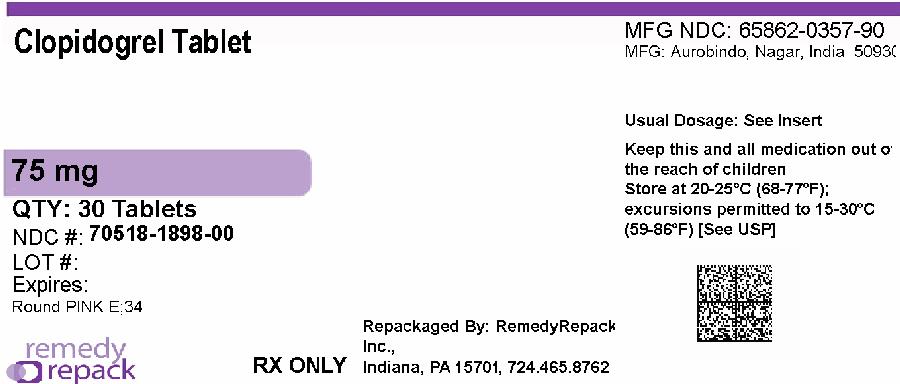
(clopidogrel · DailyMed)
CLOPA
Clopidogrel Bisulfate equivalent to clopidogrel 75 mg/6 mL,Colloidal Silicon Dioxide 1 mg/6 mL,Corn Starch 16.07 mg/6 mL,Croscarmellose Sodium 2 mg/6 mL,Hypromellose 4 mg/6 mL,Isopropyl Alcohol Q.S ml,Lactose Monohydrate 25 mg/6 mL,Magnesium Stearate 1.60 mg/6 mL,Microcrystalline cellulose 30 mg/6 mL,Polyethylene glycol 0.4 mg/6 mL,Povidone (K-30) 1 mg/6 mL,Sodium Starch Glycolate 24 mg/6 mL,Talc 0.60 mg/6 mL,Talc 1.50 mg/6 mL,Titanium dioxide 1 mg/6 mL,methylene chloride Q.S ml
What it does
Alcohol is a substance that can affect your mood and behavior. It is important to use it carefully, especially if you are taking other medications.
Commonly used for: social enjoyment, anxiety relief, temporary relaxation
Read more in plain English ↓Plain-language summary for general understanding - not medical advice. Always follow your pharmacist/doctor.
Ask about this medicine
Answers come only from this medicine's registration record, BNF monograph and interaction data - not medical advice.
Medicine sourcing is available in Kenya only. We don't sell or dispense medicines - licensed pharmacies do.
Sourcing - Kenya onlyRegistration & product details
Source: Tanzania Medicines and Medical Devices Authority · fetched 2026-03-11 23:38:31 · updated 2026-09-28 03:00:45
Drug Interactions
32Pharmacodynamic Warnings
Alcohol appears in TABLE 1: Drugs that cause hepatotoxicity
Clopidogrel appears in TABLE 4: Drugs with antiplatelet effects
Alcohol appears in TABLE 8: Drugs that cause hypotension
Alcohol appears in TABLE 11: Drugs with CNS depressant effects
Severe (4)
Clopidogrel - decreases efficacy
Voriconazole is predicted to decrease the efficacy of clopidogrel. Avoid.
Clopidogrel - decreases efficacy
HIV-protease inhibitors (ritonavir) might decrease the efficacy of clopidogrel. Avoid.
Clopidogrel - decreases efficacy
Moclobemide is predicted to decrease the efficacy of clopidogrel. Avoid.
Clopidogrel - decreases efficacy
Ritonavirmightdecreasetheefficacyofclopidogrel.Avoid. oTheoretical
Moderate (2)
Pioglitazone - increases exposure
Clopidogrel increases the exposure to pioglitazone. Monitor blood glucose and adjust dose.
Treprostinil - increases exposure
Clopidogrel is predicted to increase the exposure to treprostinil. Adjust dose. Also see TABLE 4 p. 1517
Unknown (26)
Acitretin - increases concentration
Alcohol potentially increases the concentration of retinoids (acitretin). Avoid and for 2 months after stopping acitretin.
Alitretinoin - increases exposure
Clopidogrel is predicted to increase the exposure to retinoids (alitretinoin). Adjust alitretinoin dose, p. 1382.
Anti-Androgens - increases exposure
Clopidogrel is predicted to increase the exposure to anti-androgens (apalutamide) and anti-androgens (apalutamide) are predicted to increase the exposure to the active metabolite of clopidogrel. Avoid
Antiepileptics - increases risk of visual disturbances
Alcohol potentially increases the risk of visual disturbances when given with antiepileptics (retigabine).
Apalutamide - increases exposure
Clopidogrel is predicted to increase the exposure to anti-androgens (apalutamide) and anti-androgens (apalutamide) are predicted to increase the exposure to the active metabolite of clopidogrel. Avoid
Data from BNF 85 (British National Formulary). This is not a substitute for professional medical advice. Matched via: exact
About alcohol
Alcohol is a substance that can affect your mood and behavior. It is important to use it carefully, especially if you are taking other medications.
What it treats
- social enjoyment
- anxiety relief
- temporary relaxation
How it works
Alcohol affects the brain and central nervous system, leading to changes in mood and behavior.
Who it's for
Adults who consume alcohol in moderation for social or relaxation purposes.
Cautions
- • Be cautious if taking medications that can harm the liver.
- • Use with care if you have low blood pressure.
- • Avoid combining with medications that can cause drowsiness.
AI-assisted summary grounded in BNF data - general information only, not medical advice. Always confirm with your pharmacist or doctor.
About bisulfate
Bisulfate is a medication often used to help manage certain health conditions.
What it treats
- heart conditions
- respiratory issues
How it works
Bisulfate works by helping to relax blood vessels and improve blood flow.
Who it's for
This medication is usually prescribed for adults who have specific heart or lung problems.
Cautions
- • Consult your doctor if you have allergies to sulfites.
- • Inform your healthcare provider if you are pregnant or breastfeeding.
AI-assisted summary grounded in BNF data - general information only, not medical advice. Always confirm with your pharmacist or doctor.
About cellulose
Cellulose is a type of fiber that helps with digestion and promotes bowel health.
What it treats
- constipation
- irregular bowel movements
How it works
Cellulose adds bulk to the stool, making it easier to pass through the intestines.
Who it's for
Suitable for people looking to improve their digestive health.
AI-assisted summary grounded in BNF data - general information only, not medical advice. Always confirm with your pharmacist or doctor.
About clopidogrel
Clopidogrel is a medication that helps prevent blood clots by making your blood less sticky.
What it treats
- prevention of heart attacks
- prevention of strokes
- peripheral artery disease management
How it works
Clopidogrel works by blocking platelets in your blood from sticking together, which helps to keep your blood flowing smoothly.
Who it's for
Clopidogrel is for individuals at risk of blood clots, such as those with heart conditions or a history of strokes.
Cautions
- • Avoid combining with other medications that also prevent blood clots.
AI-assisted summary grounded in BNF data - general information only, not medical advice. Always confirm with your pharmacist or doctor.
About colloidal
Colloidal solutions are often used in various medical treatments and can help improve the delivery of certain medications.
What it treats
- supporting hydration
- helping with nutrient absorption
- improving medication effectiveness
How it works
Colloidal solutions contain small particles that can help carry and deliver substances in the body more effectively.
Who it's for
Adults and children who need assistance with hydration or nutrient delivery.
AI-assisted summary grounded in BNF data - general information only, not medical advice. Always confirm with your pharmacist or doctor.
About corn
Corn is a common food ingredient that provides energy and nutrition.
What it treats
- energy source
- nutritional supplement
How it works
Corn is rich in carbohydrates, which the body converts into energy.
Who it's for
Suitable for most people as part of a balanced diet.
AI-assisted summary grounded in BNF data - general information only, not medical advice. Always confirm with your pharmacist or doctor.
About croscarmellose
Croscarmellose is a substance used in medicines to help them dissolve and be absorbed in the body.
What it treats
- helps improve the effectiveness of oral medications
How it works
It works by breaking down the medicine so that it can be easily absorbed in the stomach and intestines.
Who it's for
It is used in various oral medicines that require better absorption.
AI-assisted summary grounded in BNF data - general information only, not medical advice. Always confirm with your pharmacist or doctor.
About dioxide
Dioxide is used in various medical applications, but specific details about its class or interactions are not provided.
How it works
The exact mechanism of action for dioxide is not specified, but it generally serves various therapeutic roles in medicine.
Who it's for
Dioxide may be suitable for individuals needing treatment related to its specific applications, but more information is needed to identify specific patient groups.
AI-assisted summary grounded in BNF data - general information only, not medical advice. Always confirm with your pharmacist or doctor.
About glycol
Glycol is a substance used in various medical and industrial applications, primarily known for its properties as a solvent and humectant.
What it treats
- moisturizing skin (topical applications)
- acting as a solvent in medications
How it works
Glycol helps to retain moisture and can dissolve other substances, making it useful in creams and solutions.
Who it's for
Glycol is generally safe for use in topical products for adults and children when used as directed.
AI-assisted summary grounded in BNF data - general information only, not medical advice. Always confirm with your pharmacist or doctor.
About glycolate
Glycolate is a compound that may be used in various medical treatments.
How it works
Glycolate works by interacting with certain bodily processes, though specific details are not available.
Who it's for
Glycolate may be suitable for individuals needing treatment related to certain health conditions, but specific indications are not provided.
AI-assisted summary grounded in BNF data - general information only, not medical advice. Always confirm with your pharmacist or doctor.
About hypromellose
Hypromellose is a substance that helps to keep the eyes moist and can be used to soothe irritation.
What it treats
- dry eyes (keratoconjunctivitis sicca)
- eye irritation
How it works
It forms a protective layer over the eye, which helps to retain moisture and relieve discomfort.
Who it's for
This medication is suitable for anyone experiencing dry or irritated eyes.
AI-assisted summary grounded in BNF data - general information only, not medical advice. Always confirm with your pharmacist or doctor.
About isopropyl
Isopropyl is commonly used in various topical applications for its antiseptic properties.
What it treats
- skin disinfectant
- cleaning agent
- antiseptic for minor cuts and scrapes
How it works
Isopropyl works by killing bacteria and preventing infection when applied to the skin.
Who it's for
It is suitable for anyone needing a disinfectant for minor skin issues.
AI-assisted summary grounded in BNF data - general information only, not medical advice. Always confirm with your pharmacist or doctor.
About lactose
Lactose is a sugar found in milk and dairy products. It is often used as an excipient in medications.
What it treats
- lactose intolerance
- as a filler in tablets and capsules
How it works
Lactose helps improve the texture and stability of medications and is sometimes used as a sweetener.
Who it's for
Individuals who require lactose as part of their medication or those who consume dairy products.
Cautions
- • May cause digestive issues in people with lactose intolerance.
AI-assisted summary grounded in BNF data - general information only, not medical advice. Always confirm with your pharmacist or doctor.
About methylene
Methylene is a compound used for various medical purposes, including treatment for certain conditions.
What it treats
- methemoglobinemia (a condition where blood cannot carry oxygen properly)
- certain types of poisoning
How it works
Methylene helps to restore the normal function of blood, allowing it to carry oxygen effectively.
Who it's for
Methylene is for people experiencing specific blood conditions or certain types of poisoning.
AI-assisted summary grounded in BNF data - general information only, not medical advice. Always confirm with your pharmacist or doctor.
About microcrystalline
Microcrystalline is a type of substance often used in medicines to help with various health issues. It is commonly used as a filler or binder in tablets and capsules.
What it treats
- stomach issues
- constipation
- weight management
How it works
It helps to improve the texture of medicines and can assist in the absorption of other ingredients in the body.
Who it's for
Adults and children who need help with specific health conditions, as directed by a healthcare professional.
AI-assisted summary grounded in BNF data - general information only, not medical advice. Always confirm with your pharmacist or doctor.
About polyethylene
Polyethylene is a substance often used to relieve constipation by increasing the amount of water in the stool, making it easier to pass.
What it treats
- constipation
- bowel obstruction
How it works
It works by drawing water into the intestines, softening the stool and helping it move through the digestive system.
Who it's for
It is suitable for adults and children experiencing constipation or needing to clear their bowels.
AI-assisted summary grounded in BNF data - general information only, not medical advice. Always confirm with your pharmacist or doctor.
About povidone
Povidone is a synthetic polymer often used as a disinfectant and to help deliver medications in various forms.
What it treats
- skin infections
- wound care
- eye infections (conjunctivitis)
How it works
Povidone works by killing bacteria and other germs, helping to prevent infections.
Who it's for
Povidone is suitable for people needing treatment for skin or eye infections.
AI-assisted summary grounded in BNF data - general information only, not medical advice. Always confirm with your pharmacist or doctor.
About silicon
Silicon is a mineral that may help support healthy bones and connective tissues.
What it treats
- bone health
- joint health
- skin health
How it works
Silicon helps form collagen, which is important for maintaining the strength and elasticity of bones and tissues.
Who it's for
Silicon is for individuals looking to support their bone and joint health.
AI-assisted summary grounded in BNF data - general information only, not medical advice. Always confirm with your pharmacist or doctor.
About starch
Starch is a carbohydrate that serves as a source of energy and is often used in various food products.
What it treats
- energy source
- dietary supplement
How it works
Starch is broken down by the body into glucose, which provides energy for daily activities.
Who it's for
Starch can be used by anyone needing extra energy in their diet, particularly those with increased energy needs.
AI-assisted summary grounded in BNF data - general information only, not medical advice. Always confirm with your pharmacist or doctor.
About talc
Talc is a mineral used primarily to absorb moisture and reduce friction. It is commonly found in various personal care products.
What it treats
- skin irritation
- diaper rash
- chafing
- sweating
How it works
Talc works by absorbing moisture and providing a smooth surface, which helps to prevent irritation and discomfort on the skin.
Who it's for
Talc is suitable for anyone needing relief from moisture-related skin issues, including babies and adults.
Cautions
- • Avoid using on broken or irritated skin.
- • Keep away from the eyes and mouth.
AI-assisted summary grounded in BNF data - general information only, not medical advice. Always confirm with your pharmacist or doctor.
About titanium
Titanium is a material often used in medical implants and devices due to its strength and compatibility with the body.
What it treats
- surgical implants
- dental implants
- orthopedic devices
How it works
Titanium is used in medical devices because it is strong, lightweight, and does not react negatively with body tissues.
Who it's for
People who need implants or devices for medical conditions, such as joint replacements or dental issues.
AI-assisted summary grounded in BNF data - general information only, not medical advice. Always confirm with your pharmacist or doctor.
Clinical monograph: Hypromellose
BNF-referencedHypromellose is a semisynthetic polymer derived from cellulose, primarily used as an ocular lubricant in the management of dry eye conditions. It acts by forming a protective layer over the eye surface, providing moisture and relief from irritation, thereby improving comfort and protecting the corneal epithelium.
Indications
- Dry eye conditions
- Tear deficiency
- Keratoconjunctivitis sicca
Dosage
Children: Apply as required, typically in the form of eye drops.
Adults: Apply as required, typically in the form of eye drops.
Mechanism of action
Hypromellose acts by forming a viscous gel upon contact with the ocular surface, which helps to retain moisture and protect against irritants. This gel-like property enhances the stability of the tear film and reduces evaporation, thereby alleviating symptoms associated with dry eye conditions.
Pharmacodynamics
The pharmacodynamic effects of hypromellose are primarily related to its ability to mimic natural tears, providing lubrication to the ocular surface. This lubrication reduces friction during blinking and maintains corneal hydration, which is critical for ocular comfort and health. Its high viscosity also contributes to prolonged retention time on the eye surface.
Pharmacokinetics
Hypromellose is administered topically as eye drops and is not significantly absorbed systemically. The retention time of hypromellose on the ocular surface is enhanced due to its viscosity, allowing for extended relief of dry eye symptoms. The elimination of hypromellose occurs primarily through drainage from the eye and dilution by the natural tear fluid.
Adverse effects
- Temporary visual disturbance
- Eye irritation
Precautions
- Should not be used during contact lens wear
- Use with caution in patients with known hypersensitivity to any component of the formulation
Pregnancy
Hypromellose is generally considered safe for use during pregnancy. However, it should be used only if clearly needed and after consulting a healthcare provider.
Breast-feeding
Hypromellose is unlikely to affect breastfed infants when used as directed, but consultation with a healthcare provider is advisable.
Storage
Store in a cool, dry place away from direct sunlight. Once opened, use within a specified period as indicated on the packaging.
Formulations
- {'name': 'Teardew', 'concentration': '0.3%', 'form': 'eye drops', 'volume': '10 ml'}
- {'name': 'Xailin Hydrate', 'concentration': '0.3%', 'form': 'eye drops', 'volume': '10 ml'}
- {'name': 'AacuLose', 'concentration': '0.3%', 'form': 'eye drops', 'volume': '10 ml'}
- {'name': 'Artelac', 'concentration': '0.32%', 'form': 'eye drops', 'volume': '10 ml'}
- {'name': 'Lacrilube', 'concentration': '2 mg/g', 'form': 'eye ointment', 'volume': '3.5 g'}
- {'name': 'Celluvisc', 'concentration': '1%', 'form': 'eye drops', 'volume': '0.4 ml unit dose'}
AI-synthesized from BNF references - general information only, not a substitute for professional medical advice or the current BNF. Verify doses with a pharmacist.
Clinical monograph: Alcohol
BNF-referencedAlcohol is a volatile, flammable liquid used primarily as an antiseptic for skin disinfection and preparation before injections. It is commonly employed in medical settings to cleanse the skin and reduce the risk of infection.
Indications
- Skin disinfection
- Preparation of skin before injections
- Cleansing minor wounds
Dosage
Children: Apply to the skin as required; consult product literature for specific guidance.
Adults: Apply to the skin as required for disinfection.
Mechanism of action
Alcohol exerts its antiseptic effect by denaturing proteins, disrupting cell membranes, and dehydrating microbial cells, leading to cell lysis and death.
Pharmacodynamics
Alcohol has broad-spectrum antimicrobial activity, effective against bacteria, fungi, and viruses. Its efficacy is influenced by concentration, with higher concentrations generally being more effective.
Pharmacokinetics
Alcohol is rapidly absorbed through the skin and mucous membranes. It is metabolized primarily in the liver, with a half-life that varies based on the individual's metabolic rate and the amount consumed.
Contra-indications
- Concomitant use with lithium
- Regular use in neonates
- Patients with severe burns when diathermy has been preceded by application of alcoholic skin disinfectants
Adverse effects
- Eye erythema
- Punctate keratitis
- Cytotoxicity
- Eye discolouration
Interactions
- Increases risk of visual disturbances with antiepileptics
- Increases concentration with methylphenidate
- Increases risk of facial flushing and skin irritation with topical pimecrolimus
- Increases concentration with retinoids
- Increases concentration with acitretin
- Increases risk of facial flushing and skin irritation with topical tacrolimus
- Decreases antidiuretic effect with vasopressin
Precautions
- Avoid regular application to inflamed or broken skin or mucosa
- Avoid broken skin
- Flammable
Pregnancy
Sufficient iodine may be absorbed to affect the fetal thyroid in the second and third trimester.
Breast-feeding
Avoid regular or excessive use.
Storage
Store in a cool, dry place away from heat and direct sunlight.
Formulations
- Betadine 2.5% dry powder spray
- Industrial methylated spirit
- Povidone-Iodine 25 mg per 1 gram
AI-synthesized from BNF references - general information only, not a substitute for professional medical advice or the current BNF. Verify doses with a pharmacist.
Clinical monograph: Clopidogrel
BNF-referencedClopidogrel is an antiplatelet medication that belongs to the thienopyridine class. It is primarily used to prevent atherothrombotic events in patients at risk of myocardial infarction, stroke, and other cardiovascular complications. Clopidogrel is administered orally and is known for its ability to irreversibly inhibit platelet aggregation, thereby reducing the risk of clot formation. Its long duration of action and once-daily dosing make it a convenient option in clinical practice.
Indications
- Prevention of atherothrombotic events in patients with acute coronary syndrome
- Secondary prevention of ischaemic stroke
- Prevention of atherothrombotic events in peripheral arterial disease
Mechanism of action
Clopidogrel is activated through a two-step metabolic process to form an active thiol-containing metabolite. This metabolite irreversibly binds to the P2Y12 ADP receptors on platelets, preventing ADP from activating the GPIIb/IIIa complex, which is crucial for platelet aggregation. As a result, clopidogrel inhibits platelet aggregation for the lifespan of the platelets (approximately 7 to 10 days). The inhibition of the P2Y12 receptor reduces platelet activation and aggregation not just from ADP, but also from other agonists.
Pharmacodynamics
Clopidogrel is a prodrug that serves as a potent antiplatelet agent, effectively reducing the risk of myocardial infarction and stroke. Its pharmacological effects are long-lasting, allowing for once-daily dosing. Clopidogrel exhibits a broad therapeutic window, and its dosage ranges from 75 mg to 300 mg per day, depending on the clinical scenario. Its action helps maintain blood flow and prevent occlusive vascular events.
Pharmacokinetics
Clopidogrel is well absorbed in the gastrointestinal tract, with peak plasma concentrations occurring within 1 to 2 hours after oral administration. It undergoes extensive hepatic metabolism, primarily through CYP450 enzymes, which convert it into its active form. The elimination half-life of clopidogrel is approximately 6 hours, but the antiplatelet effect lasts much longer due to the irreversible nature of its action on platelets. It is primarily excreted through urine, with a majority of the dose eliminated as inactive metabolites.
Contra-indications
- Active bleeding
Adverse effects
- Confusion
- Fever
- Gynaecomastia
- Hallucination
- Hepatic disorders
- Hypotension
- Myalgia
- Neutropenia
- Severe cutaneous adverse reactions (SCARs)
- Stomatitis
- Taste altered
- Ulcerative colitis
- Vasculitis
- Vertigo
- Wound haemorrhage
Interactions
- Voriconazole + clopidogrel: Severe (decreases efficacy)
- HIV protease inhibitors + clopidogrel: Severe (decreases efficacy)
- Moclobemide + clopidogrel: Severe (decreases efficacy)
- Ritonavir + clopidogrel: Severe (decreases efficacy)
- Clopidogrel + pioglitazone: Moderate (increases exposure)
- Clopidogrel + treprostinil: Moderate (increases exposure)
- Clopidogrel + apalutamide: Unknown (increases exposure)
- Clopidogrel + enzalutamide: Unknown (increases exposure)
- Fluconazole + clopidogrel: Unknown (decreases efficacy)
- Clopidogrel + anti-androgens: Unknown (increases exposure)
Precautions
- Caution with history of hypersensitivity reactions to thienopyridines
- Caution in moderate hepatic impairment
- Caution in renal impairment
- Discontinue 7 days before elective surgery if antiplatelet effect not desirable
- Patients at risk of increased bleeding from trauma, surgery, or other pathological conditions
Pregnancy
Manufacturer advises avoid-no information available.
Breast-feeding
Manufacturer advises avoid.
Storage
Store in a cool, dry place, away from direct sunlight.
Formulations
- Clopidogrel 75 mg tablet
- Clopidogrel 300 mg tablet
- Clopidogrel oral suspension
AI-synthesized from BNF references - general information only, not a substitute for professional medical advice or the current BNF. Verify doses with a pharmacist.
Clinical monograph: bisulfate
BNF-referencedBisulfate, also known as hydrogen sulfate, is an anion derived from sulfuric acid. It plays a crucial role in various biochemical processes and is often utilized in industrial applications. In a medical context, bisulfate is involved in regulating pH levels and maintaining acid-base balance in the body.
Indications
- Acid-base imbalance
- Buffering agent in biochemical reactions
- Industrial applications
Mechanism of action
Bisulfate acts as a buffering agent, helping to maintain the pH of biological fluids. It can donate protons (H+) in solution, contributing to acid-base homeostasis. This property is essential in various metabolic pathways, particularly in the regulation of cellular functions and enzyme activities.
Pharmacodynamics
The pharmacodynamics of bisulfate involve its ability to interact with other ions and compounds in the body, influencing acid-base balance. By acting as a proton donor, bisulfate contributes to the overall acidity or alkalinity of the environment, which can affect cellular metabolism and function. It plays a significant role in respiratory and metabolic acidosis and alkalosis.
Pharmacokinetics
The pharmacokinetics of bisulfate are not extensively detailed in traditional pharmacological literature. However, it is known that bisulfate can be rapidly absorbed and utilized in metabolic processes. Its effects are largely dependent on the physiological conditions of the body, including the presence of other electrolytes and the overall acid-base status.
Pregnancy
There are no specific studies on the use of bisulfate in pregnancy. Caution is advised when administering to pregnant women.
Breast-feeding
It is not known whether bisulfate is excreted in human milk. Caution is advised when administering to breastfeeding women.
Storage
Store in a cool, dry place away from direct sunlight. Keep out of reach of children.
AI-synthesized from BNF references - general information only, not a substitute for professional medical advice or the current BNF. Verify doses with a pharmacist.
Clinical monograph: cellulose
Cellulose is a complex carbohydrate and a key structural component of the plant cell wall. It is an indigestible polysaccharide made up of linear chains of glucose molecules linked by β-1,4-glycosidic bonds. As a dietary fiber, cellulose contributes to digestive health by promoting bowel regularity and is commonly used as a laxative and bulking agent in various food products and pharmaceuticals.
Indications
- Constipation
- Dietary fiber supplementation
- Irritable bowel syndrome
- Diverticular disease
- Weight management
Dosage
Children: Refer to appropriate guidelines for specific dosage; generally taken with adequate fluid intake.
Adults: Refer to appropriate guidelines for specific dosage; generally taken with adequate fluid intake.
Mechanism of action
Cellulose acts primarily as a bulk-forming laxative. It absorbs water in the intestines, which increases stool bulk and stimulates peristalsis, thus facilitating bowel movements. Additionally, cellulose is not digestible by human enzymes, leading to fermentation by gut bacteria, which may enhance gut health and alter gut microbiota composition.
Pharmacodynamics
Cellulose increases stool weight and frequency of bowel movements. It works by retaining water in the intestines, leading to softer stools and improved passage through the gastrointestinal tract. The bulking effect of cellulose can help alleviate constipation and promote overall digestive health. It may also play a role in cholesterol reduction and glycemic control through its effects on digestion and absorption of nutrients.
Pharmacokinetics
Cellulose is not absorbed into the bloodstream due to its indigestible nature. Instead, it passes through the gastrointestinal tract, where it adds bulk to the stool. Its fermentation by colonic bacteria produces short-chain fatty acids, which may have beneficial effects on colon health. The onset of action for cellulose as a laxative can vary but is generally within 24 to 72 hours after ingestion.
Adverse effects
- Bloating
- Flatulence
- Diarrhea
- Abdominal discomfort
Precautions
- Use with caution in patients with a history of gastrointestinal disorders.
- Monitor for potential allergic reactions in sensitive individuals.
Pregnancy
Cellulose is generally considered safe during pregnancy as it is a non-toxic, indigestible fiber.
Breast-feeding
Cellulose is also considered safe during breastfeeding; it is excreted in breast milk in negligible amounts.
Storage
Store in a cool, dry place away from direct sunlight.
Formulations
- Powder
- Capsules
- Tablets
- Granules
AI-synthesized from BNF references - general information only, not a substitute for professional medical advice or the current BNF. Verify doses with a pharmacist.
Clinical monograph: colloidal
Colloidal solutions are mixtures in which small particles are dispersed throughout a continuous medium. They can be used in various medical applications, including as intravenous fluids for volume expansion and as drug delivery systems. Colloidal solutions can improve the solubility and stability of drugs, enhancing their therapeutic effects.
Indications
- Hypovolemic shock
- Severe burns
- Postoperative fluid replacement
- Sepsis
- Trauma management
Dosage
Children: Refer to established guidelines for specific dosing, as it varies based on the type of colloidal solution used and the clinical condition being treated.
Adults: Refer to established guidelines for specific dosing, as it varies based on the type of colloidal solution used and the clinical condition being treated.
Mechanism of action
Colloidal solutions work by maintaining oncotic pressure in the blood, thus helping to retain fluid within the vascular system. This is primarily due to the large molecular weight of the colloidal particles, which cannot easily pass through capillary walls. The presence of colloids in the blood helps to draw water into the circulation, increasing blood volume and improving tissue perfusion.
Pharmacodynamics
The pharmacodynamics of colloidal solutions are centered on their ability to exert osmotic pressure, which helps maintain blood volume and pressure. This effect is particularly important in conditions such as hypovolemia and shock, where fluid replacement is necessary to restore hemodynamic stability. The efficacy of colloidal solutions can vary depending on the type of colloid used, as well as the underlying clinical condition being treated.
Pharmacokinetics
Colloidal solutions are typically administered intravenously and their pharmacokinetics can vary based on the specific formulation. Generally, colloids are distributed throughout the vascular compartment and have a longer duration of action compared to crystalloids, as they remain in circulation longer. The elimination of colloids is primarily through the reticuloendothelial system, where they are metabolized or eliminated by the liver and spleen. Factors such as particle size and composition can influence their distribution and clearance.
Adverse effects
- Allergic reactions
- Injection site reactions
- Nausea
- Vomiting
- Headache
- Fever
Precautions
- Use with caution in patients with known allergies to any component of the formulation
- Monitor for signs of hypersensitivity during administration
- Consider volume overload in patients with cardiac or renal impairment
Pregnancy
The safety of colloidal solutions during pregnancy has not been established. Use only if the potential benefit justifies the potential risk to the fetus.
Breast-feeding
It is not known whether colloidal solutions are excreted in human milk. Caution should be exercised when administering to breastfeeding mothers.
Storage
Store at room temperature, protect from light, and do not freeze. Keep out of reach of children.
Formulations
- Colloidal silver
- Colloidal gold
- Colloidal iron
- Other metal colloids
AI-synthesized from BNF references - general information only, not a substitute for professional medical advice or the current BNF. Verify doses with a pharmacist.
Clinical monograph: corn
Corn, also known as maize, is a cereal grain first domesticated by indigenous peoples in southern Mexico about 10,000 years ago. It is a staple food in many parts of the world and is used in a variety of food products, as well as in animal feed and industrial applications. Corn is rich in carbohydrates and provides dietary fiber, vitamins, and minerals. It is a significant source of energy and is often used as a staple food in various cultures.
Indications
- Energy source
- Dietary fiber supplement
- Source of vitamins and minerals
- Antioxidant support
Dosage
Children: Corn can be introduced to children as part of a balanced diet. There is no specific paediatric dosage; it should be given according to age-appropriate dietary guidelines.
Adults: Corn can be consumed in various forms as part of a balanced diet. There is no specific adult dosage; intake should be based on dietary preferences and nutritional needs.
Mechanism of action
The primary component of corn is starch, which is a polysaccharide composed of glucose units. Upon ingestion, starch is broken down into glucose by enzymes such as amylase in the digestive system. The glucose is then absorbed into the bloodstream, providing energy to cells throughout the body. Corn also contains antioxidants such as lutein and zeaxanthin, which may help protect against oxidative stress and support eye health.
Pharmacodynamics
Corn is mainly metabolized for energy due to its high carbohydrate content. The dietary fiber in corn aids in digestion and promotes satiety. Additionally, the presence of vitamins and minerals contributes to overall health, supporting various bodily functions including immune response and bone health. The antioxidants in corn may help reduce inflammation and lower the risk of chronic diseases.
Pharmacokinetics
The digestion and absorption of corn depend on its form (whole kernel, cornmeal, corn syrup, etc.). Generally, carbohydrates are digested and absorbed relatively quickly, with glucose appearing in the bloodstream shortly after consumption. The fiber content can slow digestion and help maintain stable blood sugar levels. The bioavailability of nutrients from corn can vary based on processing methods, such as cooking or milling.
Pregnancy
Corn is generally considered safe during pregnancy. It provides essential nutrients such as fiber, vitamins, and minerals, but should be consumed in moderation as part of a balanced diet.
Breast-feeding
Corn is safe for consumption while breastfeeding. It can provide important nutrients, but it's advisable to monitor for any allergic reactions in infants.
Storage
Store corn in a cool, dry place. Fresh corn should be kept in the refrigerator and consumed within a few days for optimal freshness.
Formulations
- Fresh corn
- Canned corn
- Frozen corn
- Cornmeal
- Corn syrup
- Corn oil
AI-synthesized from BNF references - general information only, not a substitute for professional medical advice or the current BNF. Verify doses with a pharmacist.
Clinical monograph: croscarmellose
Croscarmellose sodium is a pharmaceutical excipient widely used as a disintegrant in oral dosage forms. It enhances the dissolution of active pharmaceutical ingredients by promoting rapid disintegration of tablets and capsules upon contact with moisture. This characteristic makes it essential in improving the bioavailability of various medications.
Indications
- Used as a disintegrant in tablet formulations
- Enhances the bioavailability of active pharmaceutical ingredients
Dosage
Children: Refer to the specific formulation guidelines, as dosage will vary based on the active ingredient and formulation type.
Adults: Refer to the specific formulation guidelines, as dosage will vary based on the active ingredient and formulation type.
Mechanism of action
Croscarmellose sodium works by swelling and absorbing water when it comes into contact with gastrointestinal fluids. This swelling leads to the rapid disintegration of the tablet or capsule matrix, facilitating the release and absorption of the active pharmaceutical ingredients.
Pharmacodynamics
Croscarmellose sodium is classified as a superdisintegrant. Its ability to rapidly disintegrate solid dosage forms can significantly enhance the dissolution rate of the active ingredient, which is crucial for achieving therapeutic effects in a timely manner.
Pharmacokinetics
Croscarmellose sodium is not absorbed in the gastrointestinal tract and does not exert pharmacological effects in the body. It is considered non-toxic and is excreted unchanged. Its main role is as an excipient, influencing the formulation's characteristics rather than the pharmacokinetics of the active ingredients.
Precautions
- Use with caution in patients with known hypersensitivity to croscarmellose or its components.
Pregnancy
Safety in pregnancy has not been established. Use only if clearly needed.
Breast-feeding
Caution is advised when using during breastfeeding, as safety has not been established.
Storage
Store in a cool, dry place, away from moisture and heat.
Formulations
- Powder
- Granules
AI-synthesized from BNF references - general information only, not a substitute for professional medical advice or the current BNF. Verify doses with a pharmacist.
Clinical monograph: dioxide
Dioxide refers to a class of chemical compounds that contain two oxygen atoms bonded to another element or group. The most commonly referenced dioxide is carbon dioxide (CO2), a colorless, odorless gas produced by respiration in animals and plants and by the combustion of organic matter. In a clinical context, dioxides are often involved in various physiological processes and can play roles in drug mechanisms, particularly with respect to gas exchange and acid-base balance in the body.
Indications
- Monitoring respiratory function
- Assessment of metabolic status
- Management of respiratory acidosis
- Management of respiratory alkalosis
Dosage
Children: Dosing for interventions related to carbon dioxide levels in pediatric patients should be guided by clinical protocols and the BNF for Children.
Adults: Dosing for interventions related to carbon dioxide levels is typically based on clinical assessment and individual patient needs. Refer to clinical guidelines for specific scenarios.
Mechanism of action
Carbon dioxide acts primarily as a signaling molecule in the body, influencing respiratory drive and blood pH. It is produced during cellular respiration and is a critical component of the bicarbonate buffering system, which helps maintain acid-base homeostasis. Elevated levels of CO2 in the blood stimulate ventilation in the lungs, increasing the rate of gas exchange and facilitating the removal of excess CO2.
Pharmacodynamics
The pharmacodynamic effects of dioxides, particularly carbon dioxide, are closely related to its concentration in the blood. As CO2 levels increase, it leads to respiratory acidosis, which can stimulate the respiratory centers in the brain to increase ventilation. Conversely, low levels of CO2 can cause respiratory alkalosis, potentially leading to decreased respiratory drive. CO2 also plays a role in vasodilation and can affect blood flow and pressure through its influence on smooth muscle tone.
Pharmacokinetics
Carbon dioxide is produced endogenously during metabolic processes and is transported in the bloodstream primarily in three forms: dissolved in plasma, as bicarbonate ions (HCO3-), and bound to hemoglobin. The half-life of CO2 in the bloodstream is very short due to its rapid exchange with alveolar gas in the lungs. The elimination of CO2 occurs through exhalation, making it a dynamic component of respiratory physiology.
Pregnancy
Data on the effects of dioxide during pregnancy are limited. Caution is advised due to potential risks associated with exposure.
Breast-feeding
Limited data are available regarding the excretion of dioxide in human milk. Caution is recommended.
Storage
Store in a cool, dry place, away from direct sunlight and moisture.
AI-synthesized from BNF references - general information only, not a substitute for professional medical advice or the current BNF. Verify doses with a pharmacist.
Clinical monograph: glycol
BNF-referencedEthylene glycol, a colorless, odorless liquid with a sweet taste, is primarily used in antifreeze and industrial applications. It is toxic to humans and can lead to severe metabolic acidosis and organ damage upon ingestion. Due to its potential for misuse and toxicity, it is classified as a hazardous substance.
Dosage
Children: Refer to the BNF for Children for appropriate dosing information in paediatric cases, especially in instances of overdose.
Adults: Refer to the BNF for specific dosing information based on clinical circumstances, particularly in cases of overdose.
Mechanism of action
Ethylene glycol is metabolized by alcohol dehydrogenase to glycoaldehyde, which is subsequently converted to glycolic, glyoxylic, and oxalic acids. These metabolites contribute to anion gap metabolic acidosis and are responsible for tissue injury through the formation of insoluble calcium oxalate crystals.
Pharmacodynamics
The toxicity of ethylene glycol arises from its metabolites, particularly glycolic and oxalic acids. These compounds induce metabolic acidosis, lead to renal failure through calcium oxalate crystal deposition in the kidneys, and can cause neurological impairment. The anion gap increases due to the accumulation of these acids, leading to complications such as cardiovascular instability and potential multi-organ failure.
Pharmacokinetics
Ethylene glycol is rapidly absorbed after oral ingestion. It undergoes first-pass metabolism primarily in the liver, where it is converted into its toxic metabolites. The elimination half-life of ethylene glycol varies but is generally prolonged in cases of renal impairment. Renal excretion of metabolites contributes to the duration of toxicity, necessitating prompt medical intervention in cases of overdose.
Adverse effects
- Metabolic acidosis
- Renal failure
- CNS depression
- Hypocalcemia
- Cardiovascular collapse
- Pulmonary edema
Precautions
- Use with caution in patients with renal impairment
- Monitor for signs of metabolic acidosis
- Evaluate electrolyte levels, particularly calcium
Pregnancy
There is limited data on the safety of ethylene glycol in pregnancy. It should only be used if clearly needed.
Breast-feeding
It is unknown if ethylene glycol is excreted in human milk. Caution is advised.
Storage
Store in a tightly closed container at room temperature, away from heat and moisture.
Formulations
- Liquid
AI-synthesized from BNF references - general information only, not a substitute for professional medical advice or the current BNF. Verify doses with a pharmacist.
Clinical monograph: glycolate
BNF-referencedGlycolate is an intermediate in the metabolism of ethylene glycol, a compound that can cause toxicity when ingested. The toxicity arises primarily from its conversion to glycolic acid and other harmful metabolites. Glycolate and its relation to ethylene glycol's elimination kinetics have been studied, revealing important insights into their toxicokinetics in animal models.
Dosage
Children: Refer to specific clinical guidelines for dosing in children, as no standard paediatric dosage is specified in the provided resources.
Adults: Refer to specific clinical guidelines for dosing, as no standard adult dosage is specified in the provided resources.
Mechanism of action
Ethylene glycol toxicity results from its metabolism to glycolic acid and other toxic metabolites. Glycolate accumulates in the body and is eliminated more slowly than ethylene glycol itself. The renal excretion of both compounds plays a crucial role in their elimination, accounting for a significant portion of the administered dose.
Pharmacodynamics
The pharmacodynamics of glycolate are closely tied to its role as a metabolite of ethylene glycol. Its accumulation can lead to metabolic acidosis, although minimal clinical effects have been observed at low doses. The relationship between glycolate and ethylene glycol indicates that glycolate may contribute to the overall toxic effects of ethylene glycol ingestion.
Pharmacokinetics
The pharmacokinetics of glycolate indicate that it reaches peak plasma levels between 4-6 hours after the administration of ethylene glycol. The elimination half-life of ethylene glycol is approximately 1.7 hours in rats and 3.4 hours in dogs. Glycolate is predominantly eliminated through renal excretion, with about 5% of the dose being excreted unchanged.
Pregnancy
There is limited data on the safety of glycolate in pregnancy. Caution is advised.
Breast-feeding
Data on the excretion of glycolate in human milk is not available. Caution is advised.
Storage
Store at room temperature, away from light and moisture.
AI-synthesized from BNF references - general information only, not a substitute for professional medical advice or the current BNF. Verify doses with a pharmacist.
Clinical monograph: isopropyl
BNF-referencedIsopropyl alcohol, also known as isopropanol or 2-propanol, is a colorless, flammable chemical compound with the molecular formula C3H8O. It is commonly used as a solvent, antiseptic, and disinfectant. Isopropyl alcohol has broad applications in medical, industrial, and household settings due to its effective antimicrobial properties and ability to dissolve a wide range of non-polar compounds.
Indications
- Antiseptic for skin disinfection
- Solvent in pharmaceutical formulations
- Cleaning agent in laboratories and healthcare settings
Dosage
Children: For pediatric use, consult specific guidelines in the BNF for Children, as dosing may vary based on age, weight, and clinical circumstances.
Adults: For skin antisepsis, apply isopropyl alcohol topically in a concentration of 70% to the affected area. Dosage may vary based on clinical indication and setting.
Mechanism of action
Isopropyl alcohol works primarily as an antiseptic by denaturing proteins and disrupting cell membranes of bacteria, viruses, and fungi, leading to cell lysis and death. Its efficacy is enhanced by the presence of water, which facilitates the penetration of the alcohol into microbial cells.
Pharmacodynamics
Isopropyl alcohol exhibits a rapid onset of action against a variety of pathogens, including gram-positive and gram-negative bacteria, fungi, and some viruses. Its antimicrobial activity is concentration-dependent, with higher concentrations generally providing a broader spectrum of activity. It is commonly used in concentrations ranging from 60% to 90%, with 70% being optimal for disinfection due to its ability to penetrate the cell wall effectively.
Pharmacokinetics
Isopropyl alcohol is readily absorbed through the skin and mucous membranes. After absorption, it is metabolized primarily in the liver to acetone, which is then further metabolized and excreted, mostly via urine. The elimination half-life of isopropyl alcohol varies but is typically around 2 to 3 hours. Its effects can be influenced by factors such as dosage, route of exposure, and individual metabolic differences.
Pregnancy
Isopropyl alcohol should be used with caution during pregnancy. It is a category C drug, indicating that risk cannot be ruled out.
Breast-feeding
Caution is advised when using isopropyl alcohol during breastfeeding, as it is not known if it is excreted in human milk.
Storage
Isopropyl alcohol should be stored at room temperature, away from heat and flame. Keep the container tightly closed and in a well-ventilated area.
Formulations
- Isopropyl alcohol 70% solution
- Isopropyl alcohol 99% solution
AI-synthesized from BNF references - general information only, not a substitute for professional medical advice or the current BNF. Verify doses with a pharmacist.
Clinical monograph: lactose
BNF-referencedLactose is a disaccharide sugar composed of galactose and glucose, primarily found in milk and dairy products. It serves as a source of energy and is metabolized by the enzyme lactase. In individuals with lactase deficiency, lactose can lead to gastrointestinal symptoms such as bloating, diarrhea, and abdominal pain.
Indications
- Lactose intolerance
- As a filler or excipient in pharmaceutical formulations
Dosage
Children: Refer to the BNF for Children for specific dosing information based on age and clinical context.
Adults: Refer to the BNF for specific dosing information based on clinical context.
Mechanism of action
Lactose is metabolized in the intestine by the enzyme lactase into its constituent monosaccharides, glucose and galactose. In individuals with lactase deficiency, unabsorbed lactose passes into the colon, where it is fermented by bacteria, leading to gas production and osmotic effects that contribute to diarrhea.
Pharmacodynamics
The pharmacodynamics of lactose are primarily related to its effects on gastrointestinal function. In healthy individuals, lactose is effectively broken down into glucose and galactose, which are absorbed and utilized for energy. In individuals with lactose intolerance, the unabsorbed lactose can cause osmotic diarrhea and colonic fermentation, leading to discomfort and symptoms associated with lactose intolerance.
Pharmacokinetics
Lactose is not absorbed in the gastrointestinal tract until it is hydrolyzed into glucose and galactose by lactase. The absorption of glucose and galactose occurs in the small intestine. The half-life is not applicable as lactose is not typically administered as a medication but is rather ingested as a natural component of food. Its metabolism primarily occurs in the intestine.
Adverse effects
- Bloating
- Diarrhea
- Abdominal pain
- Flatulence
Precautions
- Use with caution in patients with lactose intolerance.
- Consider potential for gastrointestinal upset in sensitive individuals.
Pregnancy
Lactose is generally considered safe for use during pregnancy. However, consult a healthcare professional for individual advice.
Breast-feeding
Lactose is safe to use while breastfeeding, as it is a natural sugar present in breast milk.
Storage
Store in a cool, dry place, away from direct sunlight.
Formulations
- Powder
- Granules
- Tablets
- Syrup
AI-synthesized from BNF references - general information only, not a substitute for professional medical advice or the current BNF. Verify doses with a pharmacist.
Clinical monograph: methylene
BNF-referencedMethylene, often referred to in its diatomic form as methylene blue, is a synthetic dye with various applications in medicine and biology. It is primarily recognized for its role as a medication in treating methemoglobinemia, a condition where hemoglobin is oxidized and unable to effectively release oxygen to tissues. Methylene blue also has applications in the treatment of certain types of urinary tract infections and as a staining agent in laboratory procedures.
Indications
- Methemoglobinemia
- Urinary tract infections
- Laboratory staining agent
Dosage
Children: Refer to the BNF for Children for specific dosing recommendations based on the condition being treated.
Adults: Refer to the BNF for specific dosing recommendations based on the condition being treated.
Mechanism of action
Methylene blue acts as a reducing agent that facilitates the conversion of methemoglobin back to hemoglobin. It does this by donating electrons to the ferric ion in methemoglobin, reducing it to ferrous iron, which restores the molecule's ability to transport oxygen. It also has mild monoamine oxidase inhibitor activity, affecting neurotransmitter metabolism.
Pharmacodynamics
Methylene blue exhibits a variety of pharmacodynamic effects, primarily through its action on hemoglobin. By reducing methemoglobin levels, it improves oxygen delivery to tissues. Additionally, it has been noted to possess properties such as antimicrobial activity and potential neuroprotective effects in certain contexts. The overall effect is a restoration of normal oxygen transport and metabolism.
Pharmacokinetics
Methylene blue is rapidly absorbed after intravenous administration, with peak plasma concentrations occurring shortly after dosing. It is distributed widely in body tissues, including the liver and kidneys. The drug undergoes hepatic metabolism, primarily by the cytochrome P450 system, and is excreted mainly in the urine as metabolites. The elimination half-life is approximately 5 to 6 hours, but this can vary depending on dosage and patient factors.
Pregnancy
Safety in pregnancy has not been established.
Breast-feeding
There is no information available regarding its excretion in human milk.
Storage
Store in a well-closed container in a cool, dry place.
AI-synthesized from BNF references - general information only, not a substitute for professional medical advice or the current BNF. Verify doses with a pharmacist.
Clinical monograph: microcrystalline
Microcrystalline cellulose is a refined wood pulp, commonly used as an excipient in pharmaceutical formulations. It serves as a bulking agent and stabilizer in tablets and capsules, improving the physical properties of the drug formulation. It is characterized by its ability to absorb moisture and provide a suitable texture for various dosage forms.
Indications
- Used as an excipient in tablet formulations
- Used as a bulking agent in capsule formulations
- Used in food products as a thickener or stabilizer
Dosage
Children: Refer to specific product guidelines as dosage will depend on the formulation and the active ingredients.
Adults: Refer to specific product guidelines as dosage will depend on the formulation and the active ingredients.
Mechanism of action
Microcrystalline cellulose acts as a non-digestible filler that enhances the flow properties of powders during the manufacturing of tablets and capsules. It does not have a direct pharmacological action on the body but ensures that the active ingredients are effectively delivered to the patient.
Pharmacodynamics
As a non-active ingredient, microcrystalline cellulose does not exert pharmacodynamic effects typical of active pharmaceutical ingredients. Its primary role is to provide a stable and consistent matrix for the drug, facilitating the release of the active compound once ingested.
Pharmacokinetics
Microcrystalline cellulose is not absorbed in the gastrointestinal tract; it passes through the digestive system largely unchanged. It adds bulk to the stool, which may aid in promoting regular bowel movements. The substance is excreted in feces, where it contributes to dietary fiber intake.
Pregnancy
Data regarding the use of microcrystalline cellulose during pregnancy is limited. It is advisable to consult with healthcare professionals before use.
Breast-feeding
Microcrystalline cellulose is considered safe during breastfeeding, as it is not absorbed systemically.
Storage
Store in a cool, dry place away from direct sunlight and moisture.
AI-synthesized from BNF references - general information only, not a substitute for professional medical advice or the current BNF. Verify doses with a pharmacist.
Clinical monograph: polyethylene
Polyethylene is a polymer used primarily as a laxative for the treatment of constipation. It is often administered in the form of polyethylene glycol (PEG), which acts by holding water in the stool, resulting in softer stools and increased bowel movements. It is generally considered safe for use in both adults and children, with minimal side effects when used as directed.
Indications
- Constipation
- Bowel preparation prior to surgical procedures or diagnostic tests
Dosage
Children: Refer to specific guidelines or BNF for Children for dosing information.
Adults: Refer to specific guidelines or BNF for detailed dosing information.
Mechanism of action
Polyethylene glycol works by osmotically retaining water in the intestinal lumen, which increases the water content of the stool. This enhances the passage of stool through the intestines and promotes bowel movements. The high molecular weight of polyethylene glycol prevents its absorption in the gastrointestinal tract, ensuring that it remains in the lumen to exert its effects.
Pharmacodynamics
The pharmacodynamic profile of polyethylene glycol involves its ability to increase stool water content, thereby reducing stool consistency and facilitating easier passage. It does not stimulate intestinal motility directly but rather relies on the osmotic effect to promote bowel evacuation. The onset of action typically occurs within 24 to 96 hours after ingestion.
Pharmacokinetics
Polyethylene glycol is not absorbed systemically, and its pharmacokinetics are characterized by its presence solely in the gastrointestinal tract. It is excreted unchanged in the stool. The volume of polyethylene glycol administered can influence the effectiveness and timing of its action, but its absorption is negligible, making systemic side effects rare.
Adverse effects
- Abdominal cramping
- Diarrhea
- Nausea
- Vomiting
- Bloating
- Flatulence
Precautions
- Use with caution in patients with gastrointestinal disorders or bowel obstruction.
- Ensure adequate hydration during use to prevent dehydration.
Pregnancy
Polyethylene glycol is generally considered safe during pregnancy, but should be used under medical supervision.
Breast-feeding
Polyethylene glycol is excreted in breast milk in very small amounts and is generally regarded as safe during breastfeeding.
Storage
Store at room temperature, away from moisture and heat.
Formulations
- Powder for oral solution
- Liquid formulation
AI-synthesized from BNF references - general information only, not a substitute for professional medical advice or the current BNF. Verify doses with a pharmacist.
Clinical monograph: povidone
Povidone, also known as polyvinylpyrrolidone (PVP), is a synthetic polymer that is used as a water-soluble binder, stabilizer, and film-forming agent in various pharmaceutical formulations. It is recognized for its ability to enhance the solubility and bioavailability of drugs, making it valuable in both topical and oral therapies. Povidone has antiseptic properties and is commonly used in wound care, surgical scrubs, and as an excipient in medications.
Indications
- Topical antiseptic for skin disinfection
- Surgical scrubs and hand sanitizers
- Wound care management
- Pharmaceutical excipient in solid and liquid formulations
Dosage
Children: Refer to specific product guidelines for pediatric dosing recommendations, as doses can vary based on formulation and intended use.
Adults: Refer to specific product guidelines for dosing recommendations, as doses can vary based on the formulation and intended use.
Mechanism of action
Povidone acts by forming a complex with iodine when used as an antiseptic, which releases iodine slowly to exert its antimicrobial effect. The iodine disrupts microbial cell walls and interferes with protein synthesis, leading to cell death. Additionally, as a polymer, povidone can enhance drug solubility and stability by forming a hydrophilic matrix.
Pharmacodynamics
Povidone has a broad spectrum of antimicrobial activity against bacteria, viruses, and fungi. Its antiseptic properties are primarily due to the release of iodine, which is effective in reducing microbial load and preventing infection. The polymer's ability to bind to various substances allows it to be utilized in formulations that require improved stability and solubility.
Pharmacokinetics
Povidone is not absorbed systemically when applied topically, as it remains localized at the site of application. Its pharmacokinetics are largely dependent on the formulation and route of administration, with the polymer being metabolized by hydrolysis and excreted in urine as low-molecular-weight compounds. The release and activity of iodine are influenced by the concentration of povidone and the presence of organic matter.
Adverse effects
- Local irritation
- Allergic reactions
- Skin rashes
- Hypersensitivity reactions
Precautions
- Use with caution in patients with known allergies to iodine or povidone-iodine
- Avoid use in deep puncture wounds or serious burns
Pregnancy
Povidone is generally considered safe for use during pregnancy, but it is advisable to consult a healthcare professional before use.
Breast-feeding
Povidone is considered safe during breastfeeding, but it is recommended to consult a healthcare professional.
Storage
Store at room temperature, away from moisture and heat. Keep the container tightly closed.
Formulations
- Topical solution
- Ointment
- Surgical scrub
- Gauze impregnated with povidone-iodine
AI-synthesized from BNF references - general information only, not a substitute for professional medical advice or the current BNF. Verify doses with a pharmacist.
Clinical monograph: silicon
BNF-referencedSilicon, represented by the molecular formula Si, is a metalloid that plays a significant role in various biological processes, particularly in the formation of connective tissues and bone. It is thought to contribute to the structural integrity of collagen and other extracellular matrix components. Silicon is not classified as an essential element in the human diet, but it is involved in the metabolism of minerals and may affect bone health and formation.
Indications
- Potential role in bone health
- Support for connective tissue formation
- May aid in mineral metabolism
Dosage
Children: There is no established clinical dosage for silicon in paediatric populations, as it is not classified as an essential nutrient.
Adults: There is no established clinical dosage for silicon in adults, as it is not classified as an essential nutrient.
Mechanism of action
Silicon is believed to enhance the synthesis of glycosaminoglycans and collagen, which are important for the structural integrity of connective tissues. It may also influence the activity of certain enzymes involved in bone mineralization, thus playing a role in maintaining bone density and health.
Pharmacodynamics
The pharmacodynamics of silicon is not fully elucidated; however, it is thought to involve the modulation of bone metabolism and the promotion of connective tissue health. Silicon may have a synergistic effect with other minerals, such as calcium and magnesium, aiding in their utilization and metabolism in the body.
Pharmacokinetics
The pharmacokinetics of silicon is complex, as it is not absorbed through typical gastrointestinal pathways. Instead, silicon is thought to be taken up in the form of silicates and then distributed throughout the body, particularly in connective tissues. The elimination of silicon occurs primarily through renal excretion, with some variations depending on dietary intake and individual metabolism.
Pregnancy
Silicon is generally considered safe during pregnancy, as it is a naturally occurring element in the human body. However, specific recommendations regarding supplementation should be followed based on the advice of a healthcare provider.
Breast-feeding
Silicon is present in breast milk in small amounts. Its safety during breastfeeding is generally regarded as acceptable, although supplementation should be approached with caution and under medical advice.
Storage
Silicon should be stored in a cool, dry place, protected from light and moisture. Follow specific storage recommendations provided by the manufacturer if available.
AI-synthesized from BNF references - general information only, not a substitute for professional medical advice or the current BNF. Verify doses with a pharmacist.
Clinical monograph: starch
Starch is a polysaccharide carbohydrate consisting of a large number of glucose units joined by glycosidic bonds. It is a major energy source in the human diet and is found in numerous food sources such as grains, legumes, and tubers. In a clinical setting, starch can also be used as an excipient in various pharmaceuticals and is sometimes utilized in enteral nutrition formulations.
Indications
- Nutritional supplementation
- Energy source in enteral nutrition
- Excipient in pharmaceutical formulations
Dosage
Children: Refer to specific guidelines or product inserts for dosing information, as it can vary based on the context of use.
Adults: Refer to specific guidelines or product inserts for dosing information, as it can vary based on the context of use.
Mechanism of action
Starch is broken down into glucose units by enzymes such as amylase during digestion. The glucose is then absorbed in the intestines and utilized for energy production in the body's cells. This pathway involves hydrolysis of the glycosidic bonds, converting starch into simpler sugars.
Pharmacodynamics
Starch primarily serves as an energy source. Its digestion and absorption lead to an increase in blood glucose levels, which provides energy for metabolic processes. In this context, it plays a crucial role in maintaining energy homeostasis in the body.
Pharmacokinetics
Starch is not absorbed in its polymeric form; it must first be enzymatically hydrolyzed into simpler sugars such as maltose and glucose. The digestion and absorption of starch occur predominantly in the small intestine, with glucose being readily absorbed into the bloodstream. The rate of absorption can vary depending on the type of starch and its physical form.
Adverse effects
- Allergic reactions
- Gastrointestinal discomfort
- Diarrhea
- Constipation
Precautions
- Use with caution in individuals with known allergies to starch or starch derivatives
- Monitor for gastrointestinal symptoms in patients with a history of digestive disorders
Pregnancy
Starch is generally considered safe for use during pregnancy. However, it should be consumed in moderation as part of a balanced diet.
Breast-feeding
Starch is deemed safe for nursing mothers when used in moderation as part of a balanced diet.
Storage
Store in a cool, dry place away from moisture and direct sunlight.
Formulations
- Powder
- Granules
- Tablets
- Suspensions
AI-synthesized from BNF references - general information only, not a substitute for professional medical advice or the current BNF. Verify doses with a pharmacist.
Clinical monograph: talc
BNF-referencedTalc is a mineral composed of magnesium, silicon, and oxygen, commonly used in various pharmaceutical applications due to its excellent absorptive properties. It is often employed as an excipient in drug formulations and as a bulking agent in tablets and powders. Talc is also utilized in some medical procedures, such as pleurodesis, to prevent the recurrence of pleural effusions.
Indications
- Used as an excipient in drug formulations
- Pleurodesis for the management of recurrent pleural effusions
Dosage
Children: Refer to specific guidelines for paediatric use, as dosing may differ based on age and clinical condition.
Adults: Refer to specific guidelines for the appropriate dosage in pleurodesis and other applications, as it may vary based on clinical context.
Mechanism of action
Talc exhibits very good absorptive properties, allowing it to absorb moisture and other substances effectively. This characteristic is particularly useful in pharmaceutical formulations, where it may enhance the stability and texture of the drug product.
Pharmacodynamics
Talc's primary pharmacodynamic effect is its ability to act as an inert filler and bulking agent in pharmaceutical preparations. It does not have any intrinsic pharmacological activity but serves to improve the physical properties of formulations, such as flowability and compressibility.
Pharmacokinetics
Talc is not absorbed systemically when used as an excipient or in medical procedures. Its effects are local, and it remains in the site of application, where it functions primarily as a mechanical agent. The pharmacokinetics of talc in the context of its use in pleurodesis involves its ability to promote adhesion of the pleural surfaces, thereby preventing fluid accumulation.
Pregnancy
Talc is classified as a substance with minimal systemic absorption, but safety during pregnancy has not been well established. Consult relevant guidelines.
Breast-feeding
Talc is not expected to be absorbed in significant amounts; however, caution is advised and consult guidelines.
Storage
Store in a cool, dry place, away from direct sunlight.
AI-synthesized from BNF references - general information only, not a substitute for professional medical advice or the current BNF. Verify doses with a pharmacist.
Clinical monograph: titanium
BNF-referencedTitanium is a transition metal with the atomic number 22 and molecular formula Ti. It is known for its high strength-to-weight ratio, corrosion resistance, and biocompatibility, making it a valuable material in various medical and industrial applications, including implants and prosthetics. Its use in medicine primarily revolves around its incorporation into devices and materials rather than as a pharmacological agent.
Indications
- Orthopedic implants
- Dental implants
- Prosthetic devices
- Surgical instruments
Mechanism of action
Titanium does not have a specific mechanism of action as it is not a drug in the traditional sense. Instead, its biocompatibility allows it to integrate with biological tissues without eliciting significant immune responses, making it suitable for use in implants and prosthetic devices. The presence of titanium ions can influence biological processes, including cell proliferation and differentiation.
Pharmacodynamics
Titanium itself does not exhibit pharmacodynamics as it is not administered as a drug. Its interactions within biological systems are primarily mechanical and structural, providing support and stability in orthopedic and dental applications. The biocompatibility of titanium allows for favorable tissue integration and reduced rejection rates compared to other materials.
Pharmacokinetics
As titanium is not a pharmacological agent, traditional pharmacokinetic parameters such as absorption, distribution, metabolism, and excretion do not apply. Titanium is typically utilized in solid forms, such as implants, where it remains localized and does not undergo metabolism or systemic circulation.
Pregnancy
There is limited data on the use of titanium during pregnancy. Consult a healthcare professional before use.
Breast-feeding
There is limited data on the excretion of titanium in breast milk. Consult a healthcare professional before use.
Storage
Store in a cool, dry place away from direct sunlight.
AI-synthesized from BNF references - general information only, not a substitute for professional medical advice or the current BNF. Verify doses with a pharmacist.
Molecular reference: Alcohol
PubChem CID 702Molecular formula: C2H6O
Mechanism of action
Ethanol affects the brain’s neurons in several ways. It alters their membranes as well as their ion channels, enzymes, and receptors. Alcohol also binds directly to the receptors for acetylcholine, serotonin, GABA, and the NMDA receptors for glutamate. The sedative effects of ethanol are mediated through binding to GABA receptors and glycine receptors (alpha 1 and alpha 2 subunits). It also inhibits NMDA receptor functioning. In its role as an anti-infective, ethanol acts as an osmolyte or dehydrating agent that disrupts the osmotic balance across cell membranes. ... Ethanol is known to affect a large number of membrane proteins that participate in signaling pathways such as neurotransmitter receptors, enzymes, and ion channels, and there is extensive evidence that ethanol interacts with a variety of neurotransmitters. The major actions of ethanol involve enhancing the inhibitory effects of gamma-aminobutyric acid (GABA) at GABAa receptors and blockade of the N-methyl-D-aspartate (NMDA) subtype of glutamate, an excitatory amine acid (EAA) receptor. Animal studies indicate that the acute effects of ethanol result from competitive inhibition of glycine binding to NMDA receptor and disruption of glutamatergic neurotransmission by inhibiting the response of the NMDA receptor. Persistent glycine antagonism and attenuation of glutamatergic neurotransmission by chronic ethanol exposure results in tolerance to ethanol by enhancing EAA neurotransmission and NMDA receptor upregulation. The latter appears to involve selective increases in NMDA R2B subunit concentrations and other molecular changes in specific brain loci. The abrupt withdrawal of ethanol thus produces a hyperexcitable state that leads to the ethanol withdrawal syndrome and excitotoxic neuronal death. GABA-mediated inhibition, which normally acts to limit excitation, is eliminated during ethanol withdrawal syndrome and further intensifies this excitation. In addition, NMDA receptors function to inhibit the release of dopamine in the nucleus accumbens and mesolimbic structures, which modulate the reinforcing action of addictive xenobiotics such as ethanol. By inhibiting NMDA receptor activity, ethanol could increase dopamine release from the nucleus accumbens and ventral tegmental area and could thus create dependence. Chronic ethanol administration also results in tolerance, dependence, and an ethanol withdrawal syndrome, mediated, in part, by desensitization and or downregulation of GABAa receptors. The development of alcoholic ketoacidosis (AKA) requires that a combination of physical and physiologic events occur. The normal response to starvation and depletion of hepatic glycogen stores is for amino acids to be converted to pyruvate. Pyruvate can serve as a substrate for gluconeogenesis, be converted to acetyl-CoA, which can enter the Krebs cycle or can be utilized in various biosynthetic pathways (eg, fatty acid, ketone bodies, cholesterol, and acetylcholine) ... Ethanol metabolism generates NADH, resulting in an excess of reducing potential. This high redox state favors the conversion of pyruvate to lactate, diverting pyruvate from being a substrate for gluconeogenesis. To compensate for the lack of normal metabolic substrates, the body mobilizes fat from adipose tissue and increased fatty acid metabolism as an alternative source of energy. This response is mediated by a decrease in insulin and an increased secretion of glucagon, catecholamines, growth hormone, and cortisol. Fatty acid metabolism results in the formation of acetyl-CoA and it combines with the excess acetate that is generated from ethanol metabolism to form acetoacetate. Most of the acetoacetate is reduced to beta-hydroxybutyrate due to the excess reducing potential or high redox state of the cell. Volume depletion interferes with the renal elimination of acetoacetate and beta-hydroxybutyrate, and contributes to the acidosis. An elevated lactate concentration may result from shunting from pyruvate or
Pharmacodynamics
Alcohol produces injury to cells by dehydration and precipitation of the cytoplasm or protoplasm. This accounts for its bacteriocidal and antifungal action. When alcohol is injected in close proximity to nerve tissues, it produces neuritis and nerve degeneration (neurolysis). Ninety to 98% of ethanol that enters the body is completely oxidized. Ethanol is also used as a cosolvent to dissolve many insoluble drugs and to serve as a mild sedative in some medicinal formulations. Ethanol also binds to GABA, glycine, NMDA receptors and modulates their effects. Ethanol is also metabolised by the hepatic enzyme alcohol dehydrogenase.
Biological pathways
Source: PubChem (NCBI) · pathways from PathBank, Reactome, WikiPathways & PharmGKB.
Molecular reference: Clopidogrel
PubChem CID 60606Molecular formula: C16H16ClNO2S
Mechanism of action
Clopidogrel is activated via a 2 steps reaction to an active thiol-containing metabolite. This active form is a platelet inhibitor that irreversibly binds to P2Y<sub>12</sub> ADP receptors on platelets. This binding prevents ADP binding to P2Y<sub>12</sub> receptors, activation of the glycoprotein GPIIb/IIIa complex, and platelet aggregation. Clopidogrel must be metabolized by CYP450 enzymes to produce the active metabolite that inhibits platelet aggregation. The active metabolite of clopidogrel selectively inhibits the binding of adenosine diphosphate (ADP) to its platelet P2Y12 receptor and the subsequent ADP-mediated activation of the glycoprotein GPIIb/IIIa complex, thereby inhibiting platelet aggregation. This action is irreversible. Consequently, platelets exposed to clopidogrel's active metabolite are affected for the remainder of their lifespan (about 7 to 10 days). Platelet aggregation induced by agonists other than ADP is also inhibited by blocking the amplification of platelet activation by released ADP. The P2Y12 receptor plays a crucial role in the regulation of platelet activation by several agonists, which is irreversibly antagonized by the active metabolite of clopidogrel, a widely used anti-thrombotic drug. In this study, we investigated whether reduction of platelet reactivity leads to reduced inflammatory responses using a rat model of erosive arthritis. We evaluated the effect of clopidogrel on inflammation in Lewis rats in a peptidoglycan polysaccharide (PG-PS)-induced arthritis model with four groups of rats: 1) untreated, 2) clopidogrel-treated, 3) PG-PS-induced, and 4) PG-PS-induced and clopidogrel-treated. There were significant differences between the PG-PS+clopidogrel group when compared to the PG-PS group including: increased joint diameter and clinical manifestations of inflammation, elevated plasma levels of pro-inflammatory cytokines (IL-1 beta, interferon (IFN) gamma, and IL-6), an elevated neutrophil blood count and an increased circulating platelet count. Plasma levels of IL-10 were significantly lower in the PG-PS+clopidogrel group compared to the PG-PS group. Plasma levels of platelet factor 4 (PF4) were elevated in both the PG-PS and the PG-PS+clopidogrel groups, however PF4 levels showed no difference upon clopidogrel treatment, suggesting that the pro- inflammatory effect of clopidogrel may be due to its action on cells other than platelets. Histology indicated an increase in leukocyte infiltration at the inflammatory area of the joint, increased pannus formation, blood vessel proliferation, subsynovial fibrosis and cartilage erosion upon treatment with clopidogrel in PG-PS-induced arthritis animals. In summary, animals treated with clopidogrel showed a pro-inflammatory effect in the PG-PS-induced arthritis animal model, which might not be mediated by platelets.
Pharmacodynamics
Clopidogrel is a prodrug of a platelet inhibitor used to reduce the risk of myocardial infarction and stroke. It has a long duration of action as it is taken once daily and a large therapeutic window as it is given in doses of 75-300mg daily.
Biological pathways
Source: PubChem (NCBI) · pathways from PathBank, Reactome, WikiPathways & PharmGKB.
Molecular reference: bisulfate
PubChem CID 61778Molecular formula: HO4S-
Source: PubChem (NCBI) · pathways from PathBank, Reactome, WikiPathways & PharmGKB.
Molecular reference: glycol
PubChem CID 174Molecular formula: C2H6O2
Mechanism of action
Ethylene glycol is metabolized by alcohol dehydrogenase to glycoaldehyde, which is then metabolized to glycolic, glyoxylic, and oxalic acids. These acids, along with excess lactic acid are responsible for the anion gap metabolic acidosis. Oxalic acid readily precipitates with calcium to form insoluble calcium oxalate crystals. Tissue injury is caused by widespread deposition of oxalate crystals and the toxic effects of glycolic and glyoxylic acids.
Biological pathways
Source: PubChem (NCBI) · pathways from PathBank, Reactome, WikiPathways & PharmGKB.
Molecular reference: glycolate
PubChem CID 757Molecular formula: C2H4O3
Mechanism of action
Ethylene glycol toxicity results from its metabolism to glycolic acid and other toxic metabolites. The accumulation of glycolate and the elimination kinetics of ethylene glycol and its metabolites are not well understood, so studies with male Sprague-Dawley rats and mixed breed dogs have been carried out. Ethylene glycol was administered by gavage to rats and dogs which were placed in metabolic cages for urine and blood sample collection at timed intervals. The peak plasma level of ethylene glycol occurred at 2 hr after dosing and that of glycolate between 4-6 hr. The rate of ethylene glycol elimination was somewhat faster in rats with a half-life of 1.7 hr compared to 3.4 hr in dogs. The maximum plasma level of glycolate was greater in rats although the pattern of accumulation was similar to that in dogs. Glycolate disappeared from the plasma at the same time as ethylene glycol, suggesting a slower rate of elimination of the metabolite than that of ethylene glycol. Renal excretion of ethylene glycol was an important route for its elimination accounting for 20-30% of the dose. Renal excretion of glycolate represented about 5% of the dose. Ethylene glycol induced an immediate, but short lived diuresis compared to that in control rats. Minimal clinical effects (mild acidosis with no sedation) were noted at these doses of ethylene glycol (1-2 g/kg) in both rats and dogs. The results indicate that the toxicokinetics of ethylene glycol and glycolate were similar in both species. The effect of 0.35 to 0.8 mmol/kg glycolic acid and 1.0 to 4.4 mmol/kg sodium glycolate on cyclopropane-epinephrine induced cardiac arrhythmias was examined using dogs. Doses of 0.35 to 0.5 mmol/kg glycolic acid increased the duration of arrhythmias in the 13 dogs tested, whereas doses >0.5 mmol/kg decreased or totally eliminated the arrhythmias in each of 11 dogs. Depression was observed for many of the dogs at higher doses. Sodium glycolate was much less effective in decreasing the arrhythmias, with 3 mmol/kg being required and its action being transient.
Biological pathways
Source: PubChem (NCBI) · pathways from PathBank, Reactome, WikiPathways & PharmGKB.
Molecular reference: isopropyl
PubChem CID 3776Molecular formula: C3H8O
Biological pathways
Source: PubChem (NCBI) · pathways from PathBank, Reactome, WikiPathways & PharmGKB.
Molecular reference: lactose
PubChem CID 6134Molecular formula: C12H22O11
Source: PubChem (NCBI) · pathways from PathBank, Reactome, WikiPathways & PharmGKB.
Molecular reference: methylene
PubChem CID 123164Molecular formula: CH2
Source: PubChem (NCBI) · pathways from PathBank, Reactome, WikiPathways & PharmGKB.
Molecular reference: silicon
PubChem CID 5461123Molecular formula: Si
Source: PubChem (NCBI) · pathways from PathBank, Reactome, WikiPathways & PharmGKB.
Molecular reference: talc
PubChem CID 165411828Molecular formula: H2Mg3O12Si4
Mechanism of action
It has very good absorptive properties.
Source: PubChem (NCBI) · pathways from PathBank, Reactome, WikiPathways & PharmGKB.
Molecular reference: titanium
PubChem CID 23963Molecular formula: Ti
Source: PubChem (NCBI) · pathways from PathBank, Reactome, WikiPathways & PharmGKB.
This drug in other countries
The same active ingredient registered across other registries we cover - including different brands.
- ANTIPLAR TABLETS · Emcure Pharmaceuticals
- BETASEP SOLUTION · Jamjoom Pharmaceuticals
- BLUPLEX INJECTION · Pharmax India
- CIROTAMIN CAPLETS · Ciron Drugs & Pharmaceuticals
- CLAVUAID 1000 TABLETS · Reyoung Pharmaceuticals
- CLAVUAID 625 TABLETS · Reyoung Pharmaceuticals
- ALEVE® · Bayer Bitterfeld GMBH
- CLOPI-DENK · Artesan Pharma
- ETIMIB-DENK 10 MG · Artesan Pharma
- KRYXANA 200 MG · Novartis
- KRYXANA 200 MG · Novartis Singapore Pharmaceutical, Manufacturing PTY. Ltd
- LENACAPAVIR GILEAD FILM COATED TABLETS · Rottendorf Pharma