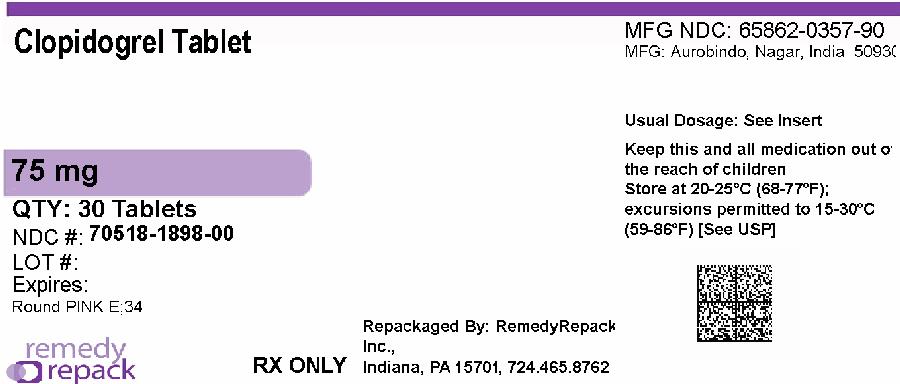
(clopidogrel · DailyMed)
Clopi 75
Clopidogrel Bisulfate equivalent to clopidogrel 75 mg/6 mL,Colloidal Silicon dioxide ( Aerosil 200) (anhydrous) 1.75 mg/6 mL,Dimethicone 2.50 mg/6 mL,Instacoat Universal Pink (A05D00598) 11.0 mg/6 mL,Lactose Monohydrate DCL- 11 191.375 mg/6 mL,Low Substituted Hydroxyl Propyl Cellulose (LH 11) 52.5 mg/6 mL,POLYOXYL 40 HYDROGENATED CASTOR OIL 4.00 mg/6 mL,Purified Water q.s mg/6 mL
What it does
Bisulfate is a medication often used to help manage certain health conditions.
Commonly used for: heart conditions, respiratory issues
Read more in plain English ↓Plain-language summary for general understanding - not medical advice. Always follow your pharmacist/doctor.
Ask about this medicine
Answers come only from this medicine's registration record, BNF monograph and interaction data - not medical advice.
Medicine sourcing is available in Kenya only. We don't sell or dispense medicines - licensed pharmacies do.
Sourcing - Kenya onlyRegistration & product details
Source: Tanzania Medicines and Medical Devices Authority · fetched 2026-03-11 23:49:02 · updated 2026-09-28 03:00:45
Drug Interactions
24Pharmacodynamic Warnings
Clopidogrel appears in TABLE 4: Drugs with antiplatelet effects
Severe (4)
Clopidogrel - decreases efficacy
Voriconazole is predicted to decrease the efficacy of clopidogrel. Avoid.
Clopidogrel - decreases efficacy
HIV-protease inhibitors (ritonavir) might decrease the efficacy of clopidogrel. Avoid.
Clopidogrel - decreases efficacy
Moclobemide is predicted to decrease the efficacy of clopidogrel. Avoid.
Clopidogrel - decreases efficacy
Ritonavirmightdecreasetheefficacyofclopidogrel.Avoid. oTheoretical
Moderate (2)
Pioglitazone - increases exposure
Clopidogrel increases the exposure to pioglitazone. Monitor blood glucose and adjust dose.
Treprostinil - increases exposure
Clopidogrel is predicted to increase the exposure to treprostinil. Adjust dose. Also see TABLE 4 p. 1517
Unknown (18)
Alitretinoin - increases exposure
Clopidogrel is predicted to increase the exposure to retinoids (alitretinoin). Adjust alitretinoin dose, p. 1382.
Anti-Androgens - increases exposure
Clopidogrel is predicted to increase the exposure to anti-androgens (apalutamide) and anti-androgens (apalutamide) are predicted to increase the exposure to the active metabolite of clopidogrel. Avoid
Apalutamide - increases exposure
Clopidogrel is predicted to increase the exposure to anti-androgens (apalutamide) and anti-androgens (apalutamide) are predicted to increase the exposure to the active metabolite of clopidogrel. Avoid
Apalutamide And Apalutamide Is Predicted To Increase The Https - increases exposure
Clopidogrelispredictedtoincreasetheexposureto apalutamideandapalutamideispredictedtoincreasethe https://www.facebook.c (Books-Courses-Medic
Clopidogrel - decreases efficacy
Fluconazoleispredictedtodecreasetheefficacyofclopidogrel. Avoid.rTheoretical
Data from BNF 85 (British National Formulary). This is not a substitute for professional medical advice. Matched via: exact
About bisulfate
Bisulfate is a medication often used to help manage certain health conditions.
What it treats
- heart conditions
- respiratory issues
How it works
Bisulfate works by helping to relax blood vessels and improve blood flow.
Who it's for
This medication is usually prescribed for adults who have specific heart or lung problems.
Cautions
- • Consult your doctor if you have allergies to sulfites.
- • Inform your healthcare provider if you are pregnant or breastfeeding.
AI-assisted summary grounded in BNF data - general information only, not medical advice. Always confirm with your pharmacist or doctor.
About castor
Castor is a natural substance derived from the seeds of the castor bean plant, often used for its health benefits.
What it treats
- constipation
- skin conditions
- inducing labor (in pregnant women)
How it works
Castor works by stimulating the intestines to promote bowel movements and has moisturizing properties for the skin.
Who it's for
Castor is suitable for adults and may be used in specific situations by pregnant women under medical supervision.
Cautions
- • Do not use if allergic to castor or its components.
- • Should be used carefully in pregnant women and only under medical guidance.
AI-assisted summary grounded in BNF data - general information only, not medical advice. Always confirm with your pharmacist or doctor.
About cellulose
Cellulose is a type of fiber that helps with digestion and promotes bowel health.
What it treats
- constipation
- irregular bowel movements
How it works
Cellulose adds bulk to the stool, making it easier to pass through the intestines.
Who it's for
Suitable for people looking to improve their digestive health.
AI-assisted summary grounded in BNF data - general information only, not medical advice. Always confirm with your pharmacist or doctor.
About clopidogrel
Clopidogrel is a medication that helps prevent blood clots by making your blood less sticky.
What it treats
- prevention of heart attacks
- prevention of strokes
- peripheral artery disease management
How it works
Clopidogrel works by blocking platelets in your blood from sticking together, which helps to keep your blood flowing smoothly.
Who it's for
Clopidogrel is for individuals at risk of blood clots, such as those with heart conditions or a history of strokes.
Cautions
- • Avoid combining with other medications that also prevent blood clots.
AI-assisted summary grounded in BNF data - general information only, not medical advice. Always confirm with your pharmacist or doctor.
About colloidal
Colloidal solutions are often used in various medical treatments and can help improve the delivery of certain medications.
What it treats
- supporting hydration
- helping with nutrient absorption
- improving medication effectiveness
How it works
Colloidal solutions contain small particles that can help carry and deliver substances in the body more effectively.
Who it's for
Adults and children who need assistance with hydration or nutrient delivery.
AI-assisted summary grounded in BNF data - general information only, not medical advice. Always confirm with your pharmacist or doctor.
About dimethicone
Dimethicone is a silicone-based compound often used to relieve discomfort from gas and bloating.
What it treats
- gas (flatulence)
- bloating
- indigestion
How it works
Dimethicone works by decreasing the surface tension of gas bubbles in the stomach and intestines, making it easier for them to be eliminated.
Who it's for
It is suitable for adults and children experiencing gas-related discomfort.
AI-assisted summary grounded in BNF data - general information only, not medical advice. Always confirm with your pharmacist or doctor.
About dioxide
Dioxide is used in various medical applications, but specific details about its class or interactions are not provided.
How it works
The exact mechanism of action for dioxide is not specified, but it generally serves various therapeutic roles in medicine.
Who it's for
Dioxide may be suitable for individuals needing treatment related to its specific applications, but more information is needed to identify specific patient groups.
AI-assisted summary grounded in BNF data - general information only, not medical advice. Always confirm with your pharmacist or doctor.
About hydrogenated
Hydrogenated ingredients are often used in various products to improve texture and stability.
How it works
Hydrogenation changes the chemical structure of fats, making them more solid at room temperature.
Who it's for
This may be used in food products and cosmetics, but specific uses depend on the formulation.
AI-assisted summary grounded in BNF data - general information only, not medical advice. Always confirm with your pharmacist or doctor.
About hydroxyl
Hydroxyl is a medication often used to treat various conditions, but specific details about its uses are not provided.
How it works
The exact way hydroxyl works is not detailed, but it is typically used to help manage certain health issues.
Who it's for
This medication may be prescribed for individuals dealing with specific health conditions, but no details are available.
AI-assisted summary grounded in BNF data - general information only, not medical advice. Always confirm with your pharmacist or doctor.
About instacoat
Instacoat is a medication used for a variety of health conditions, often related to skin and tissue treatments.
What it treats
- skin conditions
- wound healing
- tissue protection
How it works
Instacoat forms a protective layer over the skin or tissue, helping to promote healing and protect against further damage.
Who it's for
This medication is suitable for individuals needing treatment for skin or tissue-related issues.
AI-assisted summary grounded in BNF data - general information only, not medical advice. Always confirm with your pharmacist or doctor.
About lactose
Lactose is a sugar found in milk and dairy products. It is often used as an excipient in medications.
What it treats
- lactose intolerance
- as a filler in tablets and capsules
How it works
Lactose helps improve the texture and stability of medications and is sometimes used as a sweetener.
Who it's for
Individuals who require lactose as part of their medication or those who consume dairy products.
Cautions
- • May cause digestive issues in people with lactose intolerance.
AI-assisted summary grounded in BNF data - general information only, not medical advice. Always confirm with your pharmacist or doctor.
About low
Low is a medication used to manage various health conditions. Please consult a healthcare provider for specific details.
How it works
Information about how Low works is not provided.
Who it's for
Low is prescribed for individuals with specific health conditions as determined by a healthcare provider.
AI-assisted summary grounded in BNF data - general information only, not medical advice. Always confirm with your pharmacist or doctor.
About pink
Pink is used to treat various conditions but specific information is not provided.
How it works
The specific mechanism of action for Pink is not detailed.
Who it's for
Pink may be prescribed for individuals with specific health needs, but details are not available.
AI-assisted summary grounded in BNF data - general information only, not medical advice. Always confirm with your pharmacist or doctor.
About polyoxyl
Polyoxyl is a substance used in various medical applications, often as a surfactant or emulsifier.
What it treats
- skin conditions
- wound care
- certain formulations in medicine
How it works
Polyoxyl helps to stabilize mixtures and improve the delivery of other ingredients in treatments.
Who it's for
Adults and children, depending on the specific formulation and application.
AI-assisted summary grounded in BNF data - general information only, not medical advice. Always confirm with your pharmacist or doctor.
About propyl
Propyl is a chemical compound often used in various medicines. It helps in treating certain health conditions, but specific information on its uses and interactions is not provided.
How it works
Propyl works by influencing biological processes in the body, but the exact mechanism is not detailed.
Who it's for
Propyl may be suitable for individuals needing treatment for specific health issues, though details are not provided.
AI-assisted summary grounded in BNF data - general information only, not medical advice. Always confirm with your pharmacist or doctor.
About purified
Purified ingredients are often used in various medicines to ensure safety and effectiveness by removing impurities.
What it treats
- various medical conditions
How it works
Purified ingredients help in delivering the intended effects of the medicine without the risk of contaminants.
Who it's for
People who need medications with safe and effective ingredients.
AI-assisted summary grounded in BNF data - general information only, not medical advice. Always confirm with your pharmacist or doctor.
About silicon
Silicon is a mineral that may help support healthy bones and connective tissues.
What it treats
- bone health
- joint health
- skin health
How it works
Silicon helps form collagen, which is important for maintaining the strength and elasticity of bones and tissues.
Who it's for
Silicon is for individuals looking to support their bone and joint health.
AI-assisted summary grounded in BNF data - general information only, not medical advice. Always confirm with your pharmacist or doctor.
About substituted
Substituted is a medication that may be used for various health conditions.
How it works
The specific mechanism of action for substituted is not detailed, but it is designed to affect certain body processes to help manage health issues.
Who it's for
This medication is prescribed to individuals based on their specific health needs and conditions.
AI-assisted summary grounded in BNF data - general information only, not medical advice. Always confirm with your pharmacist or doctor.
About universal
Universal is a medication used to treat various conditions. It is important to use it as directed by a healthcare provider.
How it works
Universal works by targeting specific pathways in the body to help manage symptoms or treat conditions.
Who it's for
Universal can be prescribed for adults and children depending on the specific condition being treated.
AI-assisted summary grounded in BNF data - general information only, not medical advice. Always confirm with your pharmacist or doctor.
Clinical monograph: Clopidogrel
BNF-referencedClopidogrel is an antiplatelet medication that belongs to the thienopyridine class. It is primarily used to prevent atherothrombotic events in patients at risk of myocardial infarction, stroke, and other cardiovascular complications. Clopidogrel is administered orally and is known for its ability to irreversibly inhibit platelet aggregation, thereby reducing the risk of clot formation. Its long duration of action and once-daily dosing make it a convenient option in clinical practice.
Indications
- Prevention of atherothrombotic events in patients with acute coronary syndrome
- Secondary prevention of ischaemic stroke
- Prevention of atherothrombotic events in peripheral arterial disease
Mechanism of action
Clopidogrel is activated through a two-step metabolic process to form an active thiol-containing metabolite. This metabolite irreversibly binds to the P2Y12 ADP receptors on platelets, preventing ADP from activating the GPIIb/IIIa complex, which is crucial for platelet aggregation. As a result, clopidogrel inhibits platelet aggregation for the lifespan of the platelets (approximately 7 to 10 days). The inhibition of the P2Y12 receptor reduces platelet activation and aggregation not just from ADP, but also from other agonists.
Pharmacodynamics
Clopidogrel is a prodrug that serves as a potent antiplatelet agent, effectively reducing the risk of myocardial infarction and stroke. Its pharmacological effects are long-lasting, allowing for once-daily dosing. Clopidogrel exhibits a broad therapeutic window, and its dosage ranges from 75 mg to 300 mg per day, depending on the clinical scenario. Its action helps maintain blood flow and prevent occlusive vascular events.
Pharmacokinetics
Clopidogrel is well absorbed in the gastrointestinal tract, with peak plasma concentrations occurring within 1 to 2 hours after oral administration. It undergoes extensive hepatic metabolism, primarily through CYP450 enzymes, which convert it into its active form. The elimination half-life of clopidogrel is approximately 6 hours, but the antiplatelet effect lasts much longer due to the irreversible nature of its action on platelets. It is primarily excreted through urine, with a majority of the dose eliminated as inactive metabolites.
Contra-indications
- Active bleeding
Adverse effects
- Confusion
- Fever
- Gynaecomastia
- Hallucination
- Hepatic disorders
- Hypotension
- Myalgia
- Neutropenia
- Severe cutaneous adverse reactions (SCARs)
- Stomatitis
- Taste altered
- Ulcerative colitis
- Vasculitis
- Vertigo
- Wound haemorrhage
Interactions
- Voriconazole + clopidogrel: Severe (decreases efficacy)
- HIV protease inhibitors + clopidogrel: Severe (decreases efficacy)
- Moclobemide + clopidogrel: Severe (decreases efficacy)
- Ritonavir + clopidogrel: Severe (decreases efficacy)
- Clopidogrel + pioglitazone: Moderate (increases exposure)
- Clopidogrel + treprostinil: Moderate (increases exposure)
- Clopidogrel + apalutamide: Unknown (increases exposure)
- Clopidogrel + enzalutamide: Unknown (increases exposure)
- Fluconazole + clopidogrel: Unknown (decreases efficacy)
- Clopidogrel + anti-androgens: Unknown (increases exposure)
Precautions
- Caution with history of hypersensitivity reactions to thienopyridines
- Caution in moderate hepatic impairment
- Caution in renal impairment
- Discontinue 7 days before elective surgery if antiplatelet effect not desirable
- Patients at risk of increased bleeding from trauma, surgery, or other pathological conditions
Pregnancy
Manufacturer advises avoid-no information available.
Breast-feeding
Manufacturer advises avoid.
Storage
Store in a cool, dry place, away from direct sunlight.
Formulations
- Clopidogrel 75 mg tablet
- Clopidogrel 300 mg tablet
- Clopidogrel oral suspension
AI-synthesized from BNF references - general information only, not a substitute for professional medical advice or the current BNF. Verify doses with a pharmacist.
Clinical monograph: bisulfate
BNF-referencedBisulfate, also known as hydrogen sulfate, is an anion derived from sulfuric acid. It plays a crucial role in various biochemical processes and is often utilized in industrial applications. In a medical context, bisulfate is involved in regulating pH levels and maintaining acid-base balance in the body.
Indications
- Acid-base imbalance
- Buffering agent in biochemical reactions
- Industrial applications
Mechanism of action
Bisulfate acts as a buffering agent, helping to maintain the pH of biological fluids. It can donate protons (H+) in solution, contributing to acid-base homeostasis. This property is essential in various metabolic pathways, particularly in the regulation of cellular functions and enzyme activities.
Pharmacodynamics
The pharmacodynamics of bisulfate involve its ability to interact with other ions and compounds in the body, influencing acid-base balance. By acting as a proton donor, bisulfate contributes to the overall acidity or alkalinity of the environment, which can affect cellular metabolism and function. It plays a significant role in respiratory and metabolic acidosis and alkalosis.
Pharmacokinetics
The pharmacokinetics of bisulfate are not extensively detailed in traditional pharmacological literature. However, it is known that bisulfate can be rapidly absorbed and utilized in metabolic processes. Its effects are largely dependent on the physiological conditions of the body, including the presence of other electrolytes and the overall acid-base status.
Pregnancy
There are no specific studies on the use of bisulfate in pregnancy. Caution is advised when administering to pregnant women.
Breast-feeding
It is not known whether bisulfate is excreted in human milk. Caution is advised when administering to breastfeeding women.
Storage
Store in a cool, dry place away from direct sunlight. Keep out of reach of children.
AI-synthesized from BNF references - general information only, not a substitute for professional medical advice or the current BNF. Verify doses with a pharmacist.
Clinical monograph: castor
Castor is derived from the seeds of the Ricinus communis plant, commonly known as castor bean. It is primarily known for its oil, which has been used for centuries for its laxative properties and as a lubricant. The oil contains ricinoleic acid, which is responsible for its therapeutic effects. Castor oil is often employed in various formulations to treat constipation, induce labor, and as a topical agent for skin conditions.
Indications
- Constipation
- Labor induction
- Topical treatment for skin conditions
Dosage
Children: Refer to the BNF for Children for appropriate pediatric dosing guidelines, as no specific doses are provided.
Adults: Refer to specific guidelines for adult dosing based on the formulation used and the condition being treated, as no standardized dose is provided.
Mechanism of action
Ricinoleic acid, the main active component of castor oil, acts as a stimulant laxative. It works by increasing the peristaltic movement of the intestines, which aids in the evacuation of stool. Additionally, it may inhibit the absorption of water in the intestines, resulting in softer stools. The oil is also believed to have anti-inflammatory properties, which can be beneficial in treating certain skin conditions.
Pharmacodynamics
The pharmacodynamic properties of castor oil include its ability to stimulate intestinal motility and increase the secretion of intestinal fluids. This leads to a faster transit time for stool through the bowel. In topical applications, castor oil exhibits emollient and moisturizing effects, promoting healing and soothing irritated skin. Its anti-inflammatory effects may also contribute to the reduction of swelling and pain in inflamed tissues.
Pharmacokinetics
Castor oil is absorbed in the gastrointestinal tract, where it is metabolized to ricinoleic acid. The onset of action for its laxative effect typically occurs within 2 to 6 hours after oral administration. The duration of action varies, but effects usually last for several hours. When applied topically, castor oil penetrates the skin and may provide localized effects without significant systemic absorption.
Adverse effects
- Abdominal cramps
- Diarrhea
- Nausea
- Vomiting
- Dehydration
Precautions
- Use with caution in patients with gastrointestinal disorders
- Not recommended for prolonged use
- Monitor for signs of dehydration
Pregnancy
Castor oil is generally not recommended during pregnancy due to potential uterine contractions and risk of premature labor.
Breast-feeding
Castor oil should be used with caution during breastfeeding as it may cause gastrointestinal discomfort in nursing infants.
Storage
Store in a cool, dry place, away from direct sunlight.
Formulations
- Liquid
- Capsules
AI-synthesized from BNF references - general information only, not a substitute for professional medical advice or the current BNF. Verify doses with a pharmacist.
Clinical monograph: cellulose
Cellulose is a complex carbohydrate and a key structural component of the plant cell wall. It is an indigestible polysaccharide made up of linear chains of glucose molecules linked by β-1,4-glycosidic bonds. As a dietary fiber, cellulose contributes to digestive health by promoting bowel regularity and is commonly used as a laxative and bulking agent in various food products and pharmaceuticals.
Indications
- Constipation
- Dietary fiber supplementation
- Irritable bowel syndrome
- Diverticular disease
- Weight management
Dosage
Children: Refer to appropriate guidelines for specific dosage; generally taken with adequate fluid intake.
Adults: Refer to appropriate guidelines for specific dosage; generally taken with adequate fluid intake.
Mechanism of action
Cellulose acts primarily as a bulk-forming laxative. It absorbs water in the intestines, which increases stool bulk and stimulates peristalsis, thus facilitating bowel movements. Additionally, cellulose is not digestible by human enzymes, leading to fermentation by gut bacteria, which may enhance gut health and alter gut microbiota composition.
Pharmacodynamics
Cellulose increases stool weight and frequency of bowel movements. It works by retaining water in the intestines, leading to softer stools and improved passage through the gastrointestinal tract. The bulking effect of cellulose can help alleviate constipation and promote overall digestive health. It may also play a role in cholesterol reduction and glycemic control through its effects on digestion and absorption of nutrients.
Pharmacokinetics
Cellulose is not absorbed into the bloodstream due to its indigestible nature. Instead, it passes through the gastrointestinal tract, where it adds bulk to the stool. Its fermentation by colonic bacteria produces short-chain fatty acids, which may have beneficial effects on colon health. The onset of action for cellulose as a laxative can vary but is generally within 24 to 72 hours after ingestion.
Adverse effects
- Bloating
- Flatulence
- Diarrhea
- Abdominal discomfort
Precautions
- Use with caution in patients with a history of gastrointestinal disorders.
- Monitor for potential allergic reactions in sensitive individuals.
Pregnancy
Cellulose is generally considered safe during pregnancy as it is a non-toxic, indigestible fiber.
Breast-feeding
Cellulose is also considered safe during breastfeeding; it is excreted in breast milk in negligible amounts.
Storage
Store in a cool, dry place away from direct sunlight.
Formulations
- Powder
- Capsules
- Tablets
- Granules
AI-synthesized from BNF references - general information only, not a substitute for professional medical advice or the current BNF. Verify doses with a pharmacist.
Clinical monograph: colloidal
Colloidal solutions are mixtures in which small particles are dispersed throughout a continuous medium. They can be used in various medical applications, including as intravenous fluids for volume expansion and as drug delivery systems. Colloidal solutions can improve the solubility and stability of drugs, enhancing their therapeutic effects.
Indications
- Hypovolemic shock
- Severe burns
- Postoperative fluid replacement
- Sepsis
- Trauma management
Dosage
Children: Refer to established guidelines for specific dosing, as it varies based on the type of colloidal solution used and the clinical condition being treated.
Adults: Refer to established guidelines for specific dosing, as it varies based on the type of colloidal solution used and the clinical condition being treated.
Mechanism of action
Colloidal solutions work by maintaining oncotic pressure in the blood, thus helping to retain fluid within the vascular system. This is primarily due to the large molecular weight of the colloidal particles, which cannot easily pass through capillary walls. The presence of colloids in the blood helps to draw water into the circulation, increasing blood volume and improving tissue perfusion.
Pharmacodynamics
The pharmacodynamics of colloidal solutions are centered on their ability to exert osmotic pressure, which helps maintain blood volume and pressure. This effect is particularly important in conditions such as hypovolemia and shock, where fluid replacement is necessary to restore hemodynamic stability. The efficacy of colloidal solutions can vary depending on the type of colloid used, as well as the underlying clinical condition being treated.
Pharmacokinetics
Colloidal solutions are typically administered intravenously and their pharmacokinetics can vary based on the specific formulation. Generally, colloids are distributed throughout the vascular compartment and have a longer duration of action compared to crystalloids, as they remain in circulation longer. The elimination of colloids is primarily through the reticuloendothelial system, where they are metabolized or eliminated by the liver and spleen. Factors such as particle size and composition can influence their distribution and clearance.
Adverse effects
- Allergic reactions
- Injection site reactions
- Nausea
- Vomiting
- Headache
- Fever
Precautions
- Use with caution in patients with known allergies to any component of the formulation
- Monitor for signs of hypersensitivity during administration
- Consider volume overload in patients with cardiac or renal impairment
Pregnancy
The safety of colloidal solutions during pregnancy has not been established. Use only if the potential benefit justifies the potential risk to the fetus.
Breast-feeding
It is not known whether colloidal solutions are excreted in human milk. Caution should be exercised when administering to breastfeeding mothers.
Storage
Store at room temperature, protect from light, and do not freeze. Keep out of reach of children.
Formulations
- Colloidal silver
- Colloidal gold
- Colloidal iron
- Other metal colloids
AI-synthesized from BNF references - general information only, not a substitute for professional medical advice or the current BNF. Verify doses with a pharmacist.
Clinical monograph: dimethicone
Dimethicone is a type of silicone polymer used primarily as an anti-foaming agent and emollient in various formulations. It is utilized in both pharmaceutical and cosmetic products to alleviate dry skin and provide a smooth texture. As a non-toxic compound, dimethicone is widely regarded for its ability to reduce surface tension, thereby preventing the formation of foam and enhancing the spreadability of topical products.
Indications
- Dry skin
- Skin irritation
- Eczema
- Dermatitis
- Cosmetic applications as a moisturizer and thickening agent
Dosage
Children: Refer to specific product guidelines as dosing can vary based on formulation and intended use.
Adults: Refer to specific product guidelines as dosing can vary based on formulation and intended use.
Mechanism of action
Dimethicone works by forming a protective layer on the skin, which helps to seal in moisture and protect the skin from irritants. Its anti-foaming properties are due to its ability to reduce surface tension, allowing gas bubbles to coalesce and escape more easily, thus diminishing the formation of foam in solutions.
Pharmacodynamics
Dimethicone exhibits emollient properties, which means it can soften and soothe the skin. It acts by creating a barrier that prevents transepidermal water loss, thereby enhancing hydration. Its non-irritating nature makes it suitable for sensitive skin, and it does not clog pores, making it a preferred choice in many dermatological preparations.
Pharmacokinetics
Dimethicone is not absorbed systemically; it remains on the skin surface and does not penetrate into the deeper layers of the skin. This characteristic makes it effective as a topical agent. Because it is not metabolized or excreted by the body, its pharmacokinetic profile is primarily focused on its local effects rather than systemic absorption.
Adverse effects
- Allergic reactions
- Skin irritation
- Gastrointestinal discomfort
Precautions
- Use with caution in patients with a history of allergic reactions to silicone-based compounds
- Monitor for any signs of adverse reactions during treatment
Pregnancy
Dimethicone is generally considered safe for use during pregnancy, as it is not absorbed systemically.
Breast-feeding
Dimethicone is considered safe for use during breastfeeding, as it is not absorbed and is unlikely to affect breastfed infants.
Storage
Store in a cool, dry place away from direct sunlight. Keep out of reach of children.
Formulations
- Topical creams
- Lotions
- Ointments
- Oral suspensions
AI-synthesized from BNF references - general information only, not a substitute for professional medical advice or the current BNF. Verify doses with a pharmacist.
Clinical monograph: dioxide
Dioxide refers to a class of chemical compounds that contain two oxygen atoms bonded to another element or group. The most commonly referenced dioxide is carbon dioxide (CO2), a colorless, odorless gas produced by respiration in animals and plants and by the combustion of organic matter. In a clinical context, dioxides are often involved in various physiological processes and can play roles in drug mechanisms, particularly with respect to gas exchange and acid-base balance in the body.
Indications
- Monitoring respiratory function
- Assessment of metabolic status
- Management of respiratory acidosis
- Management of respiratory alkalosis
Dosage
Children: Dosing for interventions related to carbon dioxide levels in pediatric patients should be guided by clinical protocols and the BNF for Children.
Adults: Dosing for interventions related to carbon dioxide levels is typically based on clinical assessment and individual patient needs. Refer to clinical guidelines for specific scenarios.
Mechanism of action
Carbon dioxide acts primarily as a signaling molecule in the body, influencing respiratory drive and blood pH. It is produced during cellular respiration and is a critical component of the bicarbonate buffering system, which helps maintain acid-base homeostasis. Elevated levels of CO2 in the blood stimulate ventilation in the lungs, increasing the rate of gas exchange and facilitating the removal of excess CO2.
Pharmacodynamics
The pharmacodynamic effects of dioxides, particularly carbon dioxide, are closely related to its concentration in the blood. As CO2 levels increase, it leads to respiratory acidosis, which can stimulate the respiratory centers in the brain to increase ventilation. Conversely, low levels of CO2 can cause respiratory alkalosis, potentially leading to decreased respiratory drive. CO2 also plays a role in vasodilation and can affect blood flow and pressure through its influence on smooth muscle tone.
Pharmacokinetics
Carbon dioxide is produced endogenously during metabolic processes and is transported in the bloodstream primarily in three forms: dissolved in plasma, as bicarbonate ions (HCO3-), and bound to hemoglobin. The half-life of CO2 in the bloodstream is very short due to its rapid exchange with alveolar gas in the lungs. The elimination of CO2 occurs through exhalation, making it a dynamic component of respiratory physiology.
Pregnancy
Data on the effects of dioxide during pregnancy are limited. Caution is advised due to potential risks associated with exposure.
Breast-feeding
Limited data are available regarding the excretion of dioxide in human milk. Caution is recommended.
Storage
Store in a cool, dry place, away from direct sunlight and moisture.
AI-synthesized from BNF references - general information only, not a substitute for professional medical advice or the current BNF. Verify doses with a pharmacist.
Clinical monograph: hydrogenated
Hydrogenated substances refer to organic compounds that have undergone hydrogenation, a chemical reaction that adds hydrogen to a compound. This process is commonly used to convert unsaturated fats into saturated fats, enhancing stability and shelf life, particularly in food products. In pharmacology, hydrogenation can apply to various compounds, affecting their properties and uses.
Dosage
Children: Paediatric dosing information is not standardized and should be derived from specific product guidelines or expert consultation.
Adults: Dosage and usage depend on the specific hydrogenated compound and its intended therapeutic application. Refer to specific product guidelines for detailed dosing information.
Mechanism of action
Hydrogenation alters the molecular structure of fatty acids, transforming double bonds into single bonds. This process increases the saturation level of fats, which can influence their metabolic pathways and lipid profiles in the body.
Pharmacodynamics
The pharmacodynamic effects of hydrogenated compounds depend on the specific substance being hydrogenated. Generally, hydrogenated fats can affect lipid metabolism, potentially leading to increased levels of LDL cholesterol and decreased levels of HDL cholesterol when consumed in excess. The physiological effects may include changes in insulin sensitivity and inflammatory responses.
Pharmacokinetics
The pharmacokinetics of hydrogenated compounds vary widely based on the specific hydrogenated product. Generally, these compounds are absorbed in the gastrointestinal tract, where they may undergo further metabolism by enzymes. The bioavailability, distribution, metabolism, and excretion depend on the fatty acid composition and the presence of other dietary components.
Pregnancy
Hydrogenated compounds, depending on their specific type, may have varying safety profiles in pregnancy. It is essential to consult specific guidelines or studies related to the particular hydrogenated substance in question.
Breast-feeding
The safety of hydrogenated compounds during breastfeeding may vary. Consultation with healthcare professionals regarding specific substances is advisable.
Storage
Hydrogenated substances should be stored in a cool, dry place, away from direct sunlight and heat to maintain stability.
AI-synthesized from BNF references - general information only, not a substitute for professional medical advice or the current BNF. Verify doses with a pharmacist.
Clinical monograph: hydroxyl
BNF-referencedHydroxyl, represented by the molecular formula HO, is a fundamental chemical group involved in various biochemical pathways. It plays a crucial role in oxidative stress responses and is a significant contributor to the detoxification processes in cells. Hydroxyl groups are reactive and participate in numerous reactions, including those involving reactive oxygen species.
Mechanism of action
The hydroxyl group acts as a nucleophile, participating in various biochemical reactions, including the degradation of reactive oxygen species. It helps in the detoxification of oxidized guanosine triphosphate (GTP) and deoxyguanosine triphosphate (dGTP), which is critical for maintaining cellular integrity and function.
Pharmacodynamics
The presence of hydroxyl groups in compounds can significantly alter their pharmacological effects, enhancing solubility and reactivity. Hydroxyl groups can stabilize reactive intermediates, leading to increased efficacy in biochemical pathways, particularly in processes involving oxidative stress and cellular detoxification.
Pharmacokinetics
Hydroxyl-containing compounds typically exhibit variable absorption, distribution, metabolism, and excretion profiles depending on their specific structure. The pharmacokinetics of hydroxyl as a standalone entity is not well-defined, but its presence in larger molecules often influences their bioavailability and elimination.
Pregnancy
There is insufficient data to determine the safety of hydroxyl in pregnancy. Caution is advised.
Breast-feeding
There is no specific information available regarding the excretion of hydroxyl in human milk. Caution is advised.
Storage
Store in a cool, dry place away from direct sunlight.
AI-synthesized from BNF references - general information only, not a substitute for professional medical advice or the current BNF. Verify doses with a pharmacist.
Clinical monograph: instacoat
Instacoat is a topical medical product primarily used for the treatment of various dermatological conditions. It is designed to provide a protective barrier and enhance the healing process of the skin. The formulation may contain a blend of active ingredients that work synergistically to promote skin repair and reduce inflammation. Instacoat is typically indicated for use in cases of skin irritation, minor cuts, abrasions, and other superficial skin lesions.
Indications
- Skin irritation
- Minor cuts
- Abrasions
- Superficial skin lesions
Dosage
Children: Apply a thin layer to the affected area as needed, following the manufacturer's instructions.
Adults: Apply a thin layer to the affected area as needed, following the manufacturer's instructions.
Mechanism of action
The specific mechanism of action of Instacoat can vary depending on its active ingredients. Generally, topical formulations exhibit local effects by forming a protective layer over the skin, which can help in preventing infection and facilitating the natural healing process. Some ingredients may have anti-inflammatory properties that reduce redness and swelling, while others may promote cellular regeneration and wound healing.
Pharmacodynamics
Instacoat acts locally at the site of application, with minimal systemic absorption. The pharmacodynamic effects are mainly related to the ingredients used in the formulation. These effects can include enhancement of skin hydration, reduction of inflammation, and promotion of tissue regeneration. The overall outcome is improved skin integrity and faster healing of affected areas.
Pharmacokinetics
As a topical agent, Instacoat is primarily applied to the skin, resulting in localized effects. The pharmacokinetics would largely depend on the specific formulation and its active components. Typically, topical medications show limited systemic absorption, ensuring that the primary effects are exerted locally. The onset of action may occur within a few hours following application, with the duration of effect varying based on the formulation and skin characteristics.
Pregnancy
Data on the use of Instacoat during pregnancy is limited. Its use should be considered only if the potential benefit justifies the potential risk to the fetus.
Breast-feeding
It is not known whether Instacoat is excreted in human milk. Caution should be exercised when administering to nursing mothers.
Storage
Store in a cool, dry place away from direct sunlight. Keep out of reach of children.
AI-synthesized from BNF references - general information only, not a substitute for professional medical advice or the current BNF. Verify doses with a pharmacist.
Clinical monograph: lactose
BNF-referencedLactose is a disaccharide sugar composed of galactose and glucose, primarily found in milk and dairy products. It serves as a source of energy and is metabolized by the enzyme lactase. In individuals with lactase deficiency, lactose can lead to gastrointestinal symptoms such as bloating, diarrhea, and abdominal pain.
Indications
- Lactose intolerance
- As a filler or excipient in pharmaceutical formulations
Dosage
Children: Refer to the BNF for Children for specific dosing information based on age and clinical context.
Adults: Refer to the BNF for specific dosing information based on clinical context.
Mechanism of action
Lactose is metabolized in the intestine by the enzyme lactase into its constituent monosaccharides, glucose and galactose. In individuals with lactase deficiency, unabsorbed lactose passes into the colon, where it is fermented by bacteria, leading to gas production and osmotic effects that contribute to diarrhea.
Pharmacodynamics
The pharmacodynamics of lactose are primarily related to its effects on gastrointestinal function. In healthy individuals, lactose is effectively broken down into glucose and galactose, which are absorbed and utilized for energy. In individuals with lactose intolerance, the unabsorbed lactose can cause osmotic diarrhea and colonic fermentation, leading to discomfort and symptoms associated with lactose intolerance.
Pharmacokinetics
Lactose is not absorbed in the gastrointestinal tract until it is hydrolyzed into glucose and galactose by lactase. The absorption of glucose and galactose occurs in the small intestine. The half-life is not applicable as lactose is not typically administered as a medication but is rather ingested as a natural component of food. Its metabolism primarily occurs in the intestine.
Adverse effects
- Bloating
- Diarrhea
- Abdominal pain
- Flatulence
Precautions
- Use with caution in patients with lactose intolerance.
- Consider potential for gastrointestinal upset in sensitive individuals.
Pregnancy
Lactose is generally considered safe for use during pregnancy. However, consult a healthcare professional for individual advice.
Breast-feeding
Lactose is safe to use while breastfeeding, as it is a natural sugar present in breast milk.
Storage
Store in a cool, dry place, away from direct sunlight.
Formulations
- Powder
- Granules
- Tablets
- Syrup
AI-synthesized from BNF references - general information only, not a substitute for professional medical advice or the current BNF. Verify doses with a pharmacist.
Clinical monograph: pink
BNF-referencedPink is a chemical compound with the molecular formula C16H22Cl2N2O. It is used in various therapeutic applications, although specific indications are not provided in the BNF text. The compound's properties suggest it may have a role in treating conditions related to its pharmacological activity.
Mechanism of action
The exact mechanism of action for Pink is not detailed in the provided information. However, compounds with similar structures often function as antagonists or inhibitors at certain receptors or enzymes, which modulates physiological processes.
Pharmacodynamics
Pharmacodynamics details for Pink are not specified. Typically, the pharmacodynamics of similar compounds involve interactions with neurotransmitter systems, influencing both central and peripheral nervous system functions. This can lead to varying therapeutic effects depending on the target receptors.
Pharmacokinetics
The pharmacokinetics of Pink, including absorption, distribution, metabolism, and excretion, are not explicitly stated. However, compounds of this nature generally exhibit moderate to high oral bioavailability, with metabolism primarily occurring in the liver, followed by renal excretion of metabolites.
AI-synthesized from BNF references - general information only, not a substitute for professional medical advice or the current BNF. Verify doses with a pharmacist.
Clinical monograph: polyoxyl
Polyoxyl, also known as polyethylene glycol (PEG), is a hydrophilic polymer widely used as a laxative and in various pharmaceutical formulations as an excipient. It functions primarily as an osmotic agent, drawing water into the intestines to facilitate bowel movements. Polyoxyl is non-toxic, non-absorbable, and is utilized in both adult and pediatric populations for the treatment of constipation and bowel preparation prior to medical procedures.
Indications
- Constipation
- Bowel preparation before colonoscopy or surgery
Dosage
Children: Refer to specific product guidelines for dosing instructions.
Adults: Refer to specific product guidelines for dosing instructions.
Mechanism of action
Polyoxyl works by retaining water in the stool, increasing its bulk and consistency. This osmotic effect stimulates bowel movements by softening the stool and promoting peristalsis. The water-retaining properties are attributed to its high molecular weight and hydrophilicity, which allow it to attract and hold water within the gastrointestinal tract.
Pharmacodynamics
The pharmacodynamic profile of polyoxyl includes its ability to enhance stool water content, thereby improving fecal passage through the intestines. This results in increased stool frequency and decreased transit time. Polyoxyl does not significantly affect electrolyte balance, making it a safe option for chronic constipation management.
Pharmacokinetics
Polyoxyl is not absorbed systemically; it remains in the gastrointestinal tract where it exerts its effects. The onset of action can vary but typically occurs within 24 to 72 hours after administration. The elimination of polyoxyl occurs through fecal excretion, with no significant metabolism or renal clearance involved.
Adverse effects
- Nausea
- Vomiting
- Diarrhea
- Abdominal cramps
- Allergic reactions
Precautions
- Use with caution in patients with gastrointestinal disorders.
- Monitor for allergic reactions in patients with a history of hypersensitivity.
Pregnancy
Polyoxyl is generally regarded as safe for use during pregnancy, but specific clinical guidance should be consulted.
Breast-feeding
Polyoxyl is considered safe during breastfeeding, though maternal factors should be assessed.
Storage
Store at room temperature, away from moisture and heat. Keep out of reach of children.
Formulations
- Oral solution
- Tablet
- Topical cream
AI-synthesized from BNF references - general information only, not a substitute for professional medical advice or the current BNF. Verify doses with a pharmacist.
Clinical monograph: propyl
BNF-referencedPropyl, or propyl group, refers to a branched alkyl group derived from propane and is often used in organic chemistry as a substituent on various compounds. In pharmacology, propyl derivatives have been associated with various therapeutic agents, including antithyroid medications. Propylthiouracil (PTU) is a notable drug that contains a propyl group and is used primarily in the management of hyperthyroidism. It inhibits the synthesis of thyroid hormones, thereby decreasing their levels in the body.
Indications
- Hyperthyroidism
- Graves' disease
- Thyroid storm
Dosage
Children: Refer to the BNF
Adults: The usual initial dose of propylthiouracil in adults is 300 mg per day, divided into 3 doses. The maintenance dose is typically 100-150 mg per day, adjusted based on thyroid function tests.
Mechanism of action
Propylthiouracil acts by inhibiting the enzyme thyroid peroxidase, which is involved in the iodination of tyrosine residues in thyroglobulin, a precursor of thyroid hormones. By blocking this enzyme, PTU reduces the production of thyroxine (T4) and triiodothyronine (T3), leading to decreased thyroid hormone levels in circulation. Additionally, PTU inhibits the conversion of T4 to T3 in peripheral tissues, further contributing to its antithyroid effects.
Pharmacodynamics
The pharmacodynamic effects of propylthiouracil are primarily centered around its ability to lower thyroid hormone levels, which helps alleviate symptoms of hyperthyroidism such as increased heart rate, weight loss, and anxiety. The onset of action can vary, but therapeutic effects may be observed within several weeks of initiation. Monitoring thyroid function tests is essential to assess the efficacy and adjust dosing as needed.
Pharmacokinetics
Propylthiouracil is well absorbed from the gastrointestinal tract, though its bioavailability can be affected by factors such as food intake. The drug is extensively metabolized in the liver, and its elimination half-life averages around 1-2 hours. Most of the drug is excreted in urine as metabolites. It is important to note that due to its rapid metabolism, multiple daily doses may be required to maintain therapeutic levels.
Interactions
- propylthiouracil+metyrapone: Severe (decreases effects)
AI-synthesized from BNF references - general information only, not a substitute for professional medical advice or the current BNF. Verify doses with a pharmacist.
Clinical monograph: purified
Purified refers to a substance that has been processed to remove impurities, contaminants, or unwanted substances, resulting in a more concentrated and effective form of the original compound. In pharmacology, purified compounds are often used to enhance therapeutic efficacy and reduce adverse effects. The purification process can apply to a variety of substances, including drugs, biological products, and chemical compounds.
Dosage
Children: Refer to specific drug formulations and product labels as purified substances can vary widely in their use and dosing.
Adults: Refer to specific drug formulations and product labels as purified substances can vary widely in their use and dosing.
Mechanism of action
The mechanism of action for purified compounds varies widely depending on the specific substance. Generally, purified drugs exert their effects by interacting with specific biological targets, such as receptors, enzymes, or ion channels, leading to a desired therapeutic effect. This interaction can involve binding to receptors to activate or inhibit signaling pathways, modulating enzymatic activity, or altering physiological processes.
Pharmacodynamics
Pharmacodynamics describes the effects of a drug on the body and the relationship between drug concentration and effect. For purified drugs, this can involve dose-response relationships and the time course of their action. The purified form often enhances potency and reduces variability in response among patients, which can lead to more predictable therapeutic outcomes. The overall effect is determined by the drug's affinity for its target, the efficacy of the drug-receptor interaction, and the downstream signaling pathways activated as a result of this interaction.
Pharmacokinetics
Pharmacokinetics involves the absorption, distribution, metabolism, and excretion (ADME) of a drug. For purified substances, absorption can be more efficient due to the absence of impurities that may affect solubility or stability. Distribution may also be enhanced, leading to higher bioavailability. Metabolism can be influenced by the structure of the purified compound, as it may be metabolized more readily by liver enzymes. Excretion typically occurs through the kidneys or liver, depending on the molecular characteristics of the purified drug.
Pregnancy
Consult with a healthcare professional, as the safety of purified forms of medications during pregnancy may vary depending on the specific substance.
Breast-feeding
Consult with a healthcare professional, as the safety of purified forms of medications during breastfeeding may vary depending on the specific substance.
Storage
Store in a cool, dry place, away from light and moisture, and keep out of reach of children.
AI-synthesized from BNF references - general information only, not a substitute for professional medical advice or the current BNF. Verify doses with a pharmacist.
Clinical monograph: silicon
BNF-referencedSilicon, represented by the molecular formula Si, is a metalloid that plays a significant role in various biological processes, particularly in the formation of connective tissues and bone. It is thought to contribute to the structural integrity of collagen and other extracellular matrix components. Silicon is not classified as an essential element in the human diet, but it is involved in the metabolism of minerals and may affect bone health and formation.
Indications
- Potential role in bone health
- Support for connective tissue formation
- May aid in mineral metabolism
Dosage
Children: There is no established clinical dosage for silicon in paediatric populations, as it is not classified as an essential nutrient.
Adults: There is no established clinical dosage for silicon in adults, as it is not classified as an essential nutrient.
Mechanism of action
Silicon is believed to enhance the synthesis of glycosaminoglycans and collagen, which are important for the structural integrity of connective tissues. It may also influence the activity of certain enzymes involved in bone mineralization, thus playing a role in maintaining bone density and health.
Pharmacodynamics
The pharmacodynamics of silicon is not fully elucidated; however, it is thought to involve the modulation of bone metabolism and the promotion of connective tissue health. Silicon may have a synergistic effect with other minerals, such as calcium and magnesium, aiding in their utilization and metabolism in the body.
Pharmacokinetics
The pharmacokinetics of silicon is complex, as it is not absorbed through typical gastrointestinal pathways. Instead, silicon is thought to be taken up in the form of silicates and then distributed throughout the body, particularly in connective tissues. The elimination of silicon occurs primarily through renal excretion, with some variations depending on dietary intake and individual metabolism.
Pregnancy
Silicon is generally considered safe during pregnancy, as it is a naturally occurring element in the human body. However, specific recommendations regarding supplementation should be followed based on the advice of a healthcare provider.
Breast-feeding
Silicon is present in breast milk in small amounts. Its safety during breastfeeding is generally regarded as acceptable, although supplementation should be approached with caution and under medical advice.
Storage
Silicon should be stored in a cool, dry place, protected from light and moisture. Follow specific storage recommendations provided by the manufacturer if available.
AI-synthesized from BNF references - general information only, not a substitute for professional medical advice or the current BNF. Verify doses with a pharmacist.
Clinical monograph: substituted
Substituted drugs refer to a class of compounds that have been chemically modified to enhance their therapeutic efficacy or reduce side effects. These modifications can involve altering functional groups, changing molecular structures, or introducing new substituents to the parent compound. The therapeutic uses of substituted drugs vary widely depending on their specific structure and mechanism of action.
Dosage
Children: Refer to BNF for Children for appropriate dosing guidelines for paediatric patients.
Adults: Refer to specific guidelines or BNF for the appropriate dosing of substituted drugs as they vary widely based on the specific compound and its clinical use.
Mechanism of action
The mechanism of action for substituted drugs typically involves interaction with specific biological targets such as receptors, enzymes, or ion channels. By binding to these targets, substituted drugs can modulate various physiological processes, leading to desired therapeutic effects, such as analgesia, anti-inflammatory action, or modulation of neurotransmitter activity.
Pharmacodynamics
Pharmacodynamics of substituted drugs depends on their specific structure and target interactions. Generally, they exert effects through receptor activation or inhibition, leading to alterations in signaling pathways. This can result in enhanced or diminished cellular responses, contributing to the overall therapeutic outcome. The potency and efficacy of these drugs can vary widely based on their chemical modifications.
Pharmacokinetics
The pharmacokinetics of substituted drugs involves absorption, distribution, metabolism, and excretion (ADME). Factors such as the lipophilicity, molecular weight, and chemical stability of the substituents can affect how the drug is absorbed in the gastrointestinal tract, distributed throughout the body, metabolized by the liver, and ultimately excreted through the kidneys. Variations in these parameters will influence the drug's bioavailability, half-life, and duration of action.
Pregnancy
Consult healthcare provider before use. Safety during pregnancy has not been established.
Breast-feeding
Consult healthcare provider before use. Limited data available on safety during breastfeeding.
Storage
Store in a cool, dry place away from direct sunlight. Keep out of reach of children.
AI-synthesized from BNF references - general information only, not a substitute for professional medical advice or the current BNF. Verify doses with a pharmacist.
Clinical monograph: universal
Universal refers to a hypothetical or broad-spectrum drug that is theorized to be effective against a wide variety of conditions. In pharmacology, such drugs are often designed to target multiple pathways or mechanisms of action, potentially offering therapeutic benefits across various diseases and disorders. However, there is no specific drug named 'universal' with established clinical use or dosing guidelines.
Dosage
Children: Refer to specific product information for paediatric dosing, as it will depend on the formulation and indication.
Adults: Refer to specific product information for dosing guidance, as it will vary based on formulation and clinical use.
Mechanism of action
The mechanism of action for a universal drug would depend on its specific formulation and intended targets. Generally, such drugs might act on multiple receptors or pathways, potentially modulating immune responses, inflammatory processes, or neurotransmitter systems. The aim would be to exert a beneficial effect across different physiological systems.
Pharmacodynamics
Pharmacodynamics of a universal drug would involve its effects on the body, including the relationship between drug concentration and therapeutic effect. A universal drug may exhibit dose-dependent responses, with efficacy influenced by receptor affinity, intrinsic activity, and the presence of other competing endogenous substances. Side effects may also vary based on the specific biological pathways affected.
Pharmacokinetics
Pharmacokinetics refers to how a drug is absorbed, distributed, metabolized, and excreted in the body. For a universal drug, this could involve varied absorption rates depending on the route of administration, extensive distribution to various tissues, metabolism by liver enzymes, and renal or biliary excretion. Factors such as age, sex, genetic polymorphisms, and comorbid conditions could influence its pharmacokinetic profile.
Pregnancy
Consult with a healthcare provider to evaluate risks versus benefits.
Breast-feeding
Consult with a healthcare provider to evaluate risks versus benefits.
Storage
Store at room temperature, away from moisture and heat.
AI-synthesized from BNF references - general information only, not a substitute for professional medical advice or the current BNF. Verify doses with a pharmacist.
Molecular reference: Clopidogrel
PubChem CID 60606Molecular formula: C16H16ClNO2S
Mechanism of action
Clopidogrel is activated via a 2 steps reaction to an active thiol-containing metabolite. This active form is a platelet inhibitor that irreversibly binds to P2Y<sub>12</sub> ADP receptors on platelets. This binding prevents ADP binding to P2Y<sub>12</sub> receptors, activation of the glycoprotein GPIIb/IIIa complex, and platelet aggregation. Clopidogrel must be metabolized by CYP450 enzymes to produce the active metabolite that inhibits platelet aggregation. The active metabolite of clopidogrel selectively inhibits the binding of adenosine diphosphate (ADP) to its platelet P2Y12 receptor and the subsequent ADP-mediated activation of the glycoprotein GPIIb/IIIa complex, thereby inhibiting platelet aggregation. This action is irreversible. Consequently, platelets exposed to clopidogrel's active metabolite are affected for the remainder of their lifespan (about 7 to 10 days). Platelet aggregation induced by agonists other than ADP is also inhibited by blocking the amplification of platelet activation by released ADP. The P2Y12 receptor plays a crucial role in the regulation of platelet activation by several agonists, which is irreversibly antagonized by the active metabolite of clopidogrel, a widely used anti-thrombotic drug. In this study, we investigated whether reduction of platelet reactivity leads to reduced inflammatory responses using a rat model of erosive arthritis. We evaluated the effect of clopidogrel on inflammation in Lewis rats in a peptidoglycan polysaccharide (PG-PS)-induced arthritis model with four groups of rats: 1) untreated, 2) clopidogrel-treated, 3) PG-PS-induced, and 4) PG-PS-induced and clopidogrel-treated. There were significant differences between the PG-PS+clopidogrel group when compared to the PG-PS group including: increased joint diameter and clinical manifestations of inflammation, elevated plasma levels of pro-inflammatory cytokines (IL-1 beta, interferon (IFN) gamma, and IL-6), an elevated neutrophil blood count and an increased circulating platelet count. Plasma levels of IL-10 were significantly lower in the PG-PS+clopidogrel group compared to the PG-PS group. Plasma levels of platelet factor 4 (PF4) were elevated in both the PG-PS and the PG-PS+clopidogrel groups, however PF4 levels showed no difference upon clopidogrel treatment, suggesting that the pro- inflammatory effect of clopidogrel may be due to its action on cells other than platelets. Histology indicated an increase in leukocyte infiltration at the inflammatory area of the joint, increased pannus formation, blood vessel proliferation, subsynovial fibrosis and cartilage erosion upon treatment with clopidogrel in PG-PS-induced arthritis animals. In summary, animals treated with clopidogrel showed a pro-inflammatory effect in the PG-PS-induced arthritis animal model, which might not be mediated by platelets.
Pharmacodynamics
Clopidogrel is a prodrug of a platelet inhibitor used to reduce the risk of myocardial infarction and stroke. It has a long duration of action as it is taken once daily and a large therapeutic window as it is given in doses of 75-300mg daily.
Biological pathways
Source: PubChem (NCBI) · pathways from PathBank, Reactome, WikiPathways & PharmGKB.
Molecular reference: bisulfate
PubChem CID 61778Molecular formula: HO4S-
Source: PubChem (NCBI) · pathways from PathBank, Reactome, WikiPathways & PharmGKB.
Molecular reference: hydroxyl
PubChem CID 157350Molecular formula: HO
Biological pathways
Source: PubChem (NCBI) · pathways from PathBank, Reactome, WikiPathways & PharmGKB.
Molecular reference: lactose
PubChem CID 6134Molecular formula: C12H22O11
Source: PubChem (NCBI) · pathways from PathBank, Reactome, WikiPathways & PharmGKB.
Molecular reference: pink
PubChem CID 13544016Molecular formula: C16H22Cl2N2O
Source: PubChem (NCBI) · pathways from PathBank, Reactome, WikiPathways & PharmGKB.
Molecular reference: propyl
PubChem CID 123145Molecular formula: C3H7
Source: PubChem (NCBI) · pathways from PathBank, Reactome, WikiPathways & PharmGKB.
Molecular reference: silicon
PubChem CID 5461123Molecular formula: Si
Source: PubChem (NCBI) · pathways from PathBank, Reactome, WikiPathways & PharmGKB.
This drug in other countries
The same active ingredient registered across other registries we cover - including different brands.
- ABYCID SUSPENSION (Each 5ml contains Magnesium Hydroxide BP/ Dried Aluminium Hydroxide BP Magnesium Trisilicate BP Activated Dimethicone (Simethicone) B 225mg/200mg/25mg) · Socomed Pharmceuticals Pvt Limited
- ANTAGEL A PLUS SUSPENSION · Brussels Laboratories
- ANTAGEL A SUSPENSION 200ML · Brussels Laboratories
- ANTAGEL O SUSPENSION · Brussels Laboratories
- ANTAGEL SUSPENSION · Enicar Pharmaceutical
- ANTIPLAR TABLETS · Emcure Pharmaceuticals