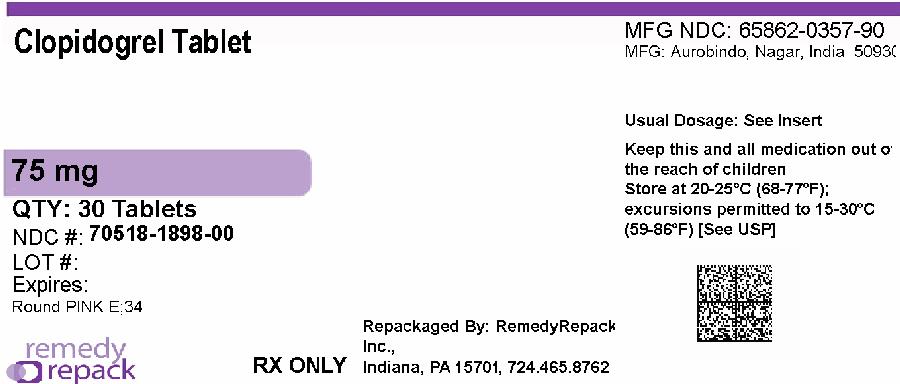
(clopidogrel · DailyMed)
CLOPIDOGREL ASPIRIN 75/75 mg PD
CLOPIDOGREL HYDROGEN SULPHATE EQUIVALENT TO CLOPIDOGREL ,ACETYLSALICYLIC ACID
What it does
Acetylsalicylic acid is a medication commonly known as aspirin, used to relieve pain, reduce inflammation, and lower fever.
Commonly used for: pain relief (analgesic), inflammation reduction (anti-inflammatory), fever reduction (antipyretic), prevention of heart attacks and strokes
Read more in plain English ↓Plain-language summary for general understanding - not medical advice. Always follow your pharmacist/doctor.
Ask about this medicine
Answers come only from this medicine's registration record, BNF monograph and interaction data - not medical advice.
Medicine sourcing is available in Kenya only. We don't sell or dispense medicines - licensed pharmacies do.
Sourcing - Kenya onlyRegistration & product details
Source: South African Health Products Regulatory Authority · fetched 2026-04-15 21:30:04 · updated 2026-09-16 04:01:14
Drug Interactions
24Pharmacodynamic Warnings
Clopidogrel appears in TABLE 4: Drugs with antiplatelet effects
Severe (4)
Clopidogrel - decreases efficacy
Voriconazole is predicted to decrease the efficacy of clopidogrel. Avoid.
Clopidogrel - decreases efficacy
HIV-protease inhibitors (ritonavir) might decrease the efficacy of clopidogrel. Avoid.
Clopidogrel - decreases efficacy
Moclobemide is predicted to decrease the efficacy of clopidogrel. Avoid.
Clopidogrel - decreases efficacy
Ritonavirmightdecreasetheefficacyofclopidogrel.Avoid. oTheoretical
Moderate (2)
Pioglitazone - increases exposure
Clopidogrel increases the exposure to pioglitazone. Monitor blood glucose and adjust dose.
Treprostinil - increases exposure
Clopidogrel is predicted to increase the exposure to treprostinil. Adjust dose. Also see TABLE 4 p. 1517
Unknown (18)
Alitretinoin - increases exposure
Clopidogrel is predicted to increase the exposure to retinoids (alitretinoin). Adjust alitretinoin dose, p. 1382.
Anti-Androgens - increases exposure
Clopidogrel is predicted to increase the exposure to anti-androgens (apalutamide) and anti-androgens (apalutamide) are predicted to increase the exposure to the active metabolite of clopidogrel. Avoid
Apalutamide - increases exposure
Clopidogrel is predicted to increase the exposure to anti-androgens (apalutamide) and anti-androgens (apalutamide) are predicted to increase the exposure to the active metabolite of clopidogrel. Avoid
Apalutamide And Apalutamide Is Predicted To Increase The Https - increases exposure
Clopidogrelispredictedtoincreasetheexposureto apalutamideandapalutamideispredictedtoincreasethe https://www.facebook.c (Books-Courses-Medic
Clopidogrel - decreases efficacy
Fluconazoleispredictedtodecreasetheefficacyofclopidogrel. Avoid.rTheoretical
Data from BNF 85 (British National Formulary). This is not a substitute for professional medical advice. Matched via: exact
About acetylsalicylic
Acetylsalicylic acid is a medication commonly known as aspirin, used to relieve pain, reduce inflammation, and lower fever.
What it treats
- pain relief (analgesic)
- inflammation reduction (anti-inflammatory)
- fever reduction (antipyretic)
- prevention of heart attacks and strokes
How it works
Aspirin works by blocking certain chemicals in the body that cause pain and inflammation, and it also helps to prevent blood clots.
Who it's for
Aspirin is suitable for adults and children over a certain age, but it's important to consult a healthcare provider before use.
Cautions
- • May cause stomach upset or ulcers.
- • Not recommended for people with certain bleeding disorders.
- • Should be used with caution in those with asthma or allergies to NSAIDs.
AI-assisted summary grounded in BNF data - general information only, not medical advice. Always confirm with your pharmacist or doctor.
About clopidogrel
Clopidogrel is a medication that helps prevent blood clots by making your blood less sticky.
What it treats
- prevention of heart attacks
- prevention of strokes
- peripheral artery disease management
How it works
Clopidogrel works by blocking platelets in your blood from sticking together, which helps to keep your blood flowing smoothly.
Who it's for
Clopidogrel is for individuals at risk of blood clots, such as those with heart conditions or a history of strokes.
Cautions
- • Avoid combining with other medications that also prevent blood clots.
AI-assisted summary grounded in BNF data - general information only, not medical advice. Always confirm with your pharmacist or doctor.
About hydrogen
Hydrogen is a chemical element often used in various applications but is not a conventional medicine. It is important to understand its uses and safety.
How it works
Hydrogen is a basic element and does not have a direct medicinal effect like traditional drugs. Its properties are utilized in various scientific and industrial processes.
Who it's for
Hydrogen is not prescribed for specific medical conditions as it is not classified as a medicine.
AI-assisted summary grounded in BNF data - general information only, not medical advice. Always confirm with your pharmacist or doctor.
Clinical monograph: Clopidogrel
BNF-referencedClopidogrel is an antiplatelet medication that belongs to the thienopyridine class. It is primarily used to prevent atherothrombotic events in patients at risk of myocardial infarction, stroke, and other cardiovascular complications. Clopidogrel is administered orally and is known for its ability to irreversibly inhibit platelet aggregation, thereby reducing the risk of clot formation. Its long duration of action and once-daily dosing make it a convenient option in clinical practice.
Indications
- Prevention of atherothrombotic events in patients with acute coronary syndrome
- Secondary prevention of ischaemic stroke
- Prevention of atherothrombotic events in peripheral arterial disease
Mechanism of action
Clopidogrel is activated through a two-step metabolic process to form an active thiol-containing metabolite. This metabolite irreversibly binds to the P2Y12 ADP receptors on platelets, preventing ADP from activating the GPIIb/IIIa complex, which is crucial for platelet aggregation. As a result, clopidogrel inhibits platelet aggregation for the lifespan of the platelets (approximately 7 to 10 days). The inhibition of the P2Y12 receptor reduces platelet activation and aggregation not just from ADP, but also from other agonists.
Pharmacodynamics
Clopidogrel is a prodrug that serves as a potent antiplatelet agent, effectively reducing the risk of myocardial infarction and stroke. Its pharmacological effects are long-lasting, allowing for once-daily dosing. Clopidogrel exhibits a broad therapeutic window, and its dosage ranges from 75 mg to 300 mg per day, depending on the clinical scenario. Its action helps maintain blood flow and prevent occlusive vascular events.
Pharmacokinetics
Clopidogrel is well absorbed in the gastrointestinal tract, with peak plasma concentrations occurring within 1 to 2 hours after oral administration. It undergoes extensive hepatic metabolism, primarily through CYP450 enzymes, which convert it into its active form. The elimination half-life of clopidogrel is approximately 6 hours, but the antiplatelet effect lasts much longer due to the irreversible nature of its action on platelets. It is primarily excreted through urine, with a majority of the dose eliminated as inactive metabolites.
Contra-indications
- Active bleeding
Adverse effects
- Confusion
- Fever
- Gynaecomastia
- Hallucination
- Hepatic disorders
- Hypotension
- Myalgia
- Neutropenia
- Severe cutaneous adverse reactions (SCARs)
- Stomatitis
- Taste altered
- Ulcerative colitis
- Vasculitis
- Vertigo
- Wound haemorrhage
Interactions
- Voriconazole + clopidogrel: Severe (decreases efficacy)
- HIV protease inhibitors + clopidogrel: Severe (decreases efficacy)
- Moclobemide + clopidogrel: Severe (decreases efficacy)
- Ritonavir + clopidogrel: Severe (decreases efficacy)
- Clopidogrel + pioglitazone: Moderate (increases exposure)
- Clopidogrel + treprostinil: Moderate (increases exposure)
- Clopidogrel + apalutamide: Unknown (increases exposure)
- Clopidogrel + enzalutamide: Unknown (increases exposure)
- Fluconazole + clopidogrel: Unknown (decreases efficacy)
- Clopidogrel + anti-androgens: Unknown (increases exposure)
Precautions
- Caution with history of hypersensitivity reactions to thienopyridines
- Caution in moderate hepatic impairment
- Caution in renal impairment
- Discontinue 7 days before elective surgery if antiplatelet effect not desirable
- Patients at risk of increased bleeding from trauma, surgery, or other pathological conditions
Pregnancy
Manufacturer advises avoid-no information available.
Breast-feeding
Manufacturer advises avoid.
Storage
Store in a cool, dry place, away from direct sunlight.
Formulations
- Clopidogrel 75 mg tablet
- Clopidogrel 300 mg tablet
- Clopidogrel oral suspension
AI-synthesized from BNF references - general information only, not a substitute for professional medical advice or the current BNF. Verify doses with a pharmacist.
Clinical monograph: acetylsalicylic
Acetylsalicylic acid, commonly known as aspirin, is a nonsteroidal anti-inflammatory drug (NSAID) that is widely used for its analgesic, antipyretic, and anti-inflammatory properties. It is also utilized in low doses for its antiplatelet effects, making it an important medication in the prevention of cardiovascular events such as myocardial infarctions and strokes.
Indications
- Mild to moderate pain relief
- Fever reduction
- Management of inflammatory conditions such as rheumatoid arthritis and osteoarthritis
- Prevention of cardiovascular events in patients with a history of myocardial infarction or stroke
- Management of acute coronary syndrome
Dosage
Children: Refer to the BNF for Children for appropriate dosing in paediatric patients, as this may differ significantly from adult dosing.
Adults: Refer to the BNF for specific dosing guidelines, as doses may vary based on the indication and patient factors.
Mechanism of action
Aspirin works primarily by irreversibly inhibiting cyclooxygenase (COX-1 and COX-2) enzymes, leading to a decrease in the synthesis of prostaglandins and thromboxanes. This results in reduced inflammation, pain, and fever. The inhibition of COX-1 also reduces platelet aggregation by decreasing thromboxane A2 production, which is crucial for platelet activation and aggregation.
Pharmacodynamics
The analgesic effects of aspirin are attributed to its ability to inhibit the generation of prostaglandins, which mediate pain and inflammation. In addition to its pain-relieving and anti-inflammatory effects, aspirin's antiplatelet action is significant in the context of cardiovascular health, as it reduces the risk of thrombus formation in blood vessels.
Pharmacokinetics
Aspirin is rapidly absorbed from the gastrointestinal tract, with peak plasma concentrations occurring within 1 to 2 hours after oral administration. It is extensively metabolized in the liver, primarily via hydrolysis to salicylic acid, which has its own therapeutic effects. The elimination half-life varies depending on the dose, ranging from 15 to 20 minutes for aspirin and several hours for salicylic acid. Aspirin and its metabolites are excreted primarily in the urine.
Contra-indications
- Active gastrointestinal bleeding
- History of peptic ulcer disease
- Severe renal impairment
- Severe hepatic impairment
- Hypersensitivity to acetylsalicylic acid or other NSAIDs
- Children and teenagers with viral infections (risk of Reye's syndrome)
Adverse effects
- Gastrointestinal irritation and bleeding
- Nausea and vomiting
- Dyspepsia
- Allergic reactions such as rash or asthma exacerbation
- Tinnitus (ringing in the ears)
- Renal impairment
- Hepatic dysfunction
Interactions
- Increased risk of gastrointestinal bleeding with other NSAIDs or anticoagulants
- Enhanced effects of anticoagulants (e.g., warfarin, heparin)
- Reduced effectiveness of antihypertensive drugs (e.g., ACE inhibitors)
- Increased risk of renal impairment with diuretics
- Potential interaction with methotrexate, leading to increased toxicity
Precautions
- Use with caution in patients with a history of gastrointestinal disorders
- Monitor renal function in long-term use or in patients with renal impairment
- Assess the risk of bleeding before surgery or dental procedures
- Caution in patients with asthma or nasal polyps due to potential hypersensitivity reactions
- Consider the potential for Reye's syndrome in children and adolescents
Pregnancy
Use during pregnancy is generally not recommended, particularly in the third trimester, due to the risk of adverse effects on the fetus and complications during delivery.
Breast-feeding
Acetylsalicylic acid is excreted in breast milk; caution is advised if used while breastfeeding.
Storage
Store in a cool, dry place away from direct sunlight. Keep out of reach of children.
Formulations
- Tablets
- Enteric-coated tablets
- Effervescent tablets
- Suppositories
- Oral suspension
AI-synthesized from BNF references - general information only, not a substitute for professional medical advice or the current BNF. Verify doses with a pharmacist.
Clinical monograph: hydrogen
BNF-referencedHydrogen (H2) is a colorless, odorless gas that has garnered significant interest for its potential therapeutic effects, particularly due to its antioxidant and anti-inflammatory properties. Research suggests that hydrogen-rich water may have beneficial effects on vascular health and could serve as an anti-aging agent by reducing oxidative stress and inflammation in endothelial cells. Its mechanism of action involves the activation of the Nrf2 pathway, which contributes to the protective effects against cellular senescence and other forms of oxidative damage.
Indications
- Oxidative stress-related conditions
- Inflammatory conditions
- Potential anti-aging applications
- Vascular health enhancement
Dosage
Children: Refer to specific product formulations and guidelines, as dosing can vary based on the concentration of hydrogen in the product used.
Adults: Refer to specific product formulations and guidelines, as dosing can vary based on the concentration of hydrogen in the product used.
Mechanism of action
Molecular hydrogen acts primarily as an antioxidant and anti-inflammatory agent. It is believed to exert its beneficial effects through the activation of the Nrf2 pathway, which enhances the expression of antioxidant enzymes and protects cells from oxidative stress. Hydrogen-rich environments have been shown to mitigate the harmful effects of various toxins on human umbilical vein endothelial cells, thereby promoting vascular health and longevity.
Pharmacodynamics
Hydrogen's pharmacodynamic properties are linked to its role as a potent antioxidant, which reduces reactive oxygen species (ROS) and modulates inflammation. It has been documented to counteract cellular senescence in endothelial cells, thereby maintaining vascular integrity and promoting overall health. The long-lasting effects of hydrogen exposure can be observed even after its concentration in the medium has decreased, suggesting a sustained activation of protective cellular pathways.
Pharmacokinetics
Hydrogen is a gaseous molecule that diffuses rapidly across biological membranes. Its absorption and distribution in the body are influenced by the method of administration, with hydrogen-rich water being a common delivery form. Once in the bloodstream, hydrogen is quickly utilized by tissues, and its concentration diminishes rapidly, with a half-life that can vary based on conditions. The elimination of hydrogen primarily occurs via exhalation, making it a non-toxic molecule with a favorable safety profile.
Pregnancy
Hydrogen is generally considered safe during pregnancy, but it is advisable to consult a healthcare provider for specific recommendations.
Breast-feeding
Hydrogen is considered safe during breastfeeding, but as with any substance, it is recommended to discuss with a healthcare provider.
Storage
Hydrogen should be stored in a cool, dry place away from direct sunlight and heat sources, in appropriate gas cylinders designed for compressed gases.
Formulations
- Hydrogen gas (H2)
- Hydrogen-rich water
AI-synthesized from BNF references - general information only, not a substitute for professional medical advice or the current BNF. Verify doses with a pharmacist.
Clinical monograph: hydrogenphosphate
BNF-referencedHydrogenphosphate (HPO4^2-) is an inorganic phosphate compound that plays a crucial role in various biological processes, including energy metabolism and cellular signaling. It is a key component in the formation of nucleotides, nucleic acids, and phospholipids, and is essential for ATP production and cellular energy transfer.
Mechanism of action
Hydrogenphosphate acts as a substrate for various enzymatic reactions where phosphate groups are transferred or incorporated into organic molecules. It is involved in metabolic pathways such as nicotine biosynthesis and NAD/NADH cycling, facilitating biochemical reactions that are vital for cellular function.
Pharmacodynamics
Hydrogenphosphate is crucial for maintaining cellular homeostasis. It regulates acid-base balance and is involved in energy metabolism. The phosphate groups it provides are integral to the structure and function of ATP, which is the primary energy currency of the cell. Additionally, hydrogenphosphate influences signal transduction pathways through phosphorylation and dephosphorylation processes.
Pharmacokinetics
Hydrogenphosphate is readily absorbed in the gastrointestinal tract and distributed throughout the body. Its elimination primarily occurs through renal excretion, where it is filtered and reabsorbed by the kidneys. The balance of hydrogenphosphate levels is tightly regulated by various physiological mechanisms to ensure proper metabolic function.
Pregnancy
There is limited information regarding the safety of hydrogenphosphate in pregnancy. Consult relevant guidelines and consider potential risks versus benefits.
Breast-feeding
Data on the excretion of hydrogenphosphate in human milk are not available. Caution is advised.
Storage
Store in a cool, dry place away from direct sunlight. Ensure containers are tightly closed.
AI-synthesized from BNF references - general information only, not a substitute for professional medical advice or the current BNF. Verify doses with a pharmacist.
Molecular reference: Clopidogrel
PubChem CID 60606Molecular formula: C16H16ClNO2S
Mechanism of action
Clopidogrel is activated via a 2 steps reaction to an active thiol-containing metabolite. This active form is a platelet inhibitor that irreversibly binds to P2Y<sub>12</sub> ADP receptors on platelets. This binding prevents ADP binding to P2Y<sub>12</sub> receptors, activation of the glycoprotein GPIIb/IIIa complex, and platelet aggregation. Clopidogrel must be metabolized by CYP450 enzymes to produce the active metabolite that inhibits platelet aggregation. The active metabolite of clopidogrel selectively inhibits the binding of adenosine diphosphate (ADP) to its platelet P2Y12 receptor and the subsequent ADP-mediated activation of the glycoprotein GPIIb/IIIa complex, thereby inhibiting platelet aggregation. This action is irreversible. Consequently, platelets exposed to clopidogrel's active metabolite are affected for the remainder of their lifespan (about 7 to 10 days). Platelet aggregation induced by agonists other than ADP is also inhibited by blocking the amplification of platelet activation by released ADP. The P2Y12 receptor plays a crucial role in the regulation of platelet activation by several agonists, which is irreversibly antagonized by the active metabolite of clopidogrel, a widely used anti-thrombotic drug. In this study, we investigated whether reduction of platelet reactivity leads to reduced inflammatory responses using a rat model of erosive arthritis. We evaluated the effect of clopidogrel on inflammation in Lewis rats in a peptidoglycan polysaccharide (PG-PS)-induced arthritis model with four groups of rats: 1) untreated, 2) clopidogrel-treated, 3) PG-PS-induced, and 4) PG-PS-induced and clopidogrel-treated. There were significant differences between the PG-PS+clopidogrel group when compared to the PG-PS group including: increased joint diameter and clinical manifestations of inflammation, elevated plasma levels of pro-inflammatory cytokines (IL-1 beta, interferon (IFN) gamma, and IL-6), an elevated neutrophil blood count and an increased circulating platelet count. Plasma levels of IL-10 were significantly lower in the PG-PS+clopidogrel group compared to the PG-PS group. Plasma levels of platelet factor 4 (PF4) were elevated in both the PG-PS and the PG-PS+clopidogrel groups, however PF4 levels showed no difference upon clopidogrel treatment, suggesting that the pro- inflammatory effect of clopidogrel may be due to its action on cells other than platelets. Histology indicated an increase in leukocyte infiltration at the inflammatory area of the joint, increased pannus formation, blood vessel proliferation, subsynovial fibrosis and cartilage erosion upon treatment with clopidogrel in PG-PS-induced arthritis animals. In summary, animals treated with clopidogrel showed a pro-inflammatory effect in the PG-PS-induced arthritis animal model, which might not be mediated by platelets.
Pharmacodynamics
Clopidogrel is a prodrug of a platelet inhibitor used to reduce the risk of myocardial infarction and stroke. It has a long duration of action as it is taken once daily and a large therapeutic window as it is given in doses of 75-300mg daily.
Biological pathways
Source: PubChem (NCBI) · pathways from PathBank, Reactome, WikiPathways & PharmGKB.
Molecular reference: hydrogen
PubChem CID 783Molecular formula: H2
Mechanism of action
Substantial evidence indicates that molecular hydrogen (H2) has beneficial vascular effects because of its antioxidant and/or anti-inflammatory effects. Thus, hydrogen-rich water may prove to be an effective anti-aging drink. This study examined the effects of H2 on endothelial senescence and clarified the mechanisms involved. Hydrogen-rich medium was produced by a high-purity hydrogen gas generator. Human umbilical vein endothelial cells (HUVECs) were incubated with 2,3,7,8-tetrachlorodibenzo-p-dioxin (TCDD) for various time periods in normal or hydrogen-rich medium. The baseline H2concentration in hydrogen-rich medium was 0.55 +/- 0.07 mmol/L. This concentration gradually decreased, and H2 was almost undetectable in medium after 12 hr. At 24 hr after TCDD exposure, HUVECs treated with TCDD exhibited increased 8OHdG and acetyl-p53 expression, decreased nicotinamide adenine dinucleotide (NAD(+))/NADH ratio, impaired Sirt1 activity, and enhanced senescence-associated beta-galactosidase. However, HUVECs incubated in hydrogen-rich medium did not exhibit these TCDD-induced changes accompanying Nrf2 activation, which was observed even after H2 was undetectable in the medium. Chrysin, an inhibitor of Nrf2, abolished the protective effects of H2 on HUVECs. H2 has long-lasting antioxidant and anti-aging effects on vascular endothelial cells through the Nrf2 pathway, even after transient exposure to H2. Hydrogen-rich water may thus be a functional drink that increases longevity. /Hydrogen-rich water/ Amyloid beta (Abeta) peptides are identified /as a/ cause of neurodegenerative diseases such as Alzheimer's disease (AD). Previous evidence suggests Abeta-induced neurotoxicity is linked to the stimulation of reactive oxygen species (ROS) production. The accumulation of Abeta-induced ROS leads to increased mitochondrial dysfunction and triggers apoptotic cell death. This suggests antioxidant therapies may be beneficial for preventing ROS-related diseases such as AD. Recently, hydrogen-rich water (HRW) has been proven effective in treating oxidative stress-induced disorders because of its ROS-scavenging abilities. However, the precise molecular mechanisms whereby HRW prevents neuronal death are still unclear. In the present study, we evaluated the putative pathways by which HRW protects against Abeta-induced cytotoxicity /in SK-N-MC cells/. Our results indicated that HRW directly counteracts oxidative damage by neutralizing excessive ROS, leading to the alleviation of Abeta-induced cell death. In addition, HRW also stimulated AMP-activated protein kinase (AMPK) in a sirtuin 1 (Sirt1)-dependent pathway, which upregulates forkhead box protein O3a (FoxO3a) downstream antioxidant response and diminishes Abeta-induced mitochondrial potential loss and oxidative stress. Taken together, our findings suggest that HRW may have potential therapeutic value to inhibit Abeta-induced neurotoxicity. /Hydrogen-rich water/ The NLRP3 inflammasome, an intracellular multi-protein complex controlling the maturation of cytokine interleukin-1beta, plays an important role in lipopolysaccharide (LPS)-induced inflammatory cascades. Recently, the production of mitochondrial reactive oxygen species (mtROS) in macrophages stimulated with LPS has been suggested to act as a trigger during the process of NLRP3 inflammasome activation that can be blocked by some mitochondria-targeted antioxidants. Known as a ROS scavenger, molecular hydrogen (H2) has been shown to possess therapeutic benefit on LPS-induced inflammatory damage in many animal experiments. Due to the unique molecular structure, H2 can easily target the mitochondria, suggesting that H2 is a potential antagonist of mtROS-dependent NLRP3 inflammasome activation. Here we have showed that, in mouse macrophages, H2 exhibited substantial inhibitory activity against LPS-initiated NLRP3 inflammasome activation by scavenging mtROS. Moreover, the elimination of mtROS by H2 resultantly inhibited mtROS-mediated NLRP3 deubi
Biological pathways
Source: PubChem (NCBI) · pathways from PathBank, Reactome, WikiPathways & PharmGKB.
Molecular reference: hydrogenphosphate
PubChem CID 3681305Molecular formula: HO4P-2
Biological pathways
Source: PubChem (NCBI) · pathways from PathBank, Reactome, WikiPathways & PharmGKB.
This drug in other countries
The same active ingredient registered across other registries we cover - including different brands.
- ALKADIP LIQUID · Surgilinks
- ALKANIL · Krishna Chemists
- ANTIPLATT · Harleys
- ANTIPLATT PLUS 150 · Harleys
- APC TABLETS · Elys Chemical Industries
- ASCARD 75MG TABLETS. · Globe Pharmacy
- ANTIPLAR TABLETS · Emcure Pharmaceuticals
- ASPIRIN 75MG DISPERSIBLE TABLETS (Each dispersible tablet contains Acetylsalicylic acid 75mg) · Medreich
- ASPIRIN 75MG DISPERSIBLE TABLETS (Each dispersible tablet contains Acetylsalicylic acid 75mg) · Medreich
- ASPIRIN CARDIO TABLETS · Bayer
- CLOPEDO 75 TABLETS (Each film-coated tablet contains Clopidogrel Bisulfate 75mg) · Mars Remedies
- CLOPIDOGREL · Torrent Pharmaceuticals