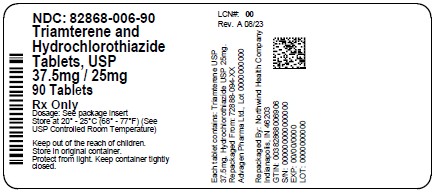
(hydrochlorothiazide · DailyMed)
Co-Irda
Anhydrous Colloidal Silica (Aerosil) 16.50 mg/6 mL,Cellactose 80 120.00 mg/6 mL,Croscarmellose Sodium(AC-DI-SOL) 30.00 mg/6 mL,Ethyl Alcohol 96% 147.00 mg/6 mL,Film Coating material No. 3 (Opadry Pink OY-34948) 18.00 mg/6 mL,Hydrochlorothiazide 12.5 mg/6 mL,Irbesartan 300 mg/6 mL,Magnesium Sterate 6.00 mg/6 mL,Microcrystalline cellulose PH-102 115.00 mg/6 mL,Purified Water 132.00 mg/6 mL
What it does
Alcohol is a substance that can affect your mood and behavior. It is important to use it carefully, especially if you are taking other medications.
Commonly used for: social enjoyment, anxiety relief, temporary relaxation
Read more in plain English ↓Plain-language summary for general understanding - not medical advice. Always follow your pharmacist/doctor.
Ask about this medicine
Answers come only from this medicine's registration record, BNF monograph and interaction data - not medical advice.
Medicine sourcing is available in Kenya only. We don't sell or dispense medicines - licensed pharmacies do.
Sourcing - Kenya onlyRegistration & product details
Source: Tanzania Medicines and Medical Devices Authority · fetched 2026-03-11 23:37:24 · updated 2026-10-19 03:00:44
Drug Interactions
9Pharmacodynamic Warnings
Alcohol appears in TABLE 1: Drugs that cause hepatotoxicity
Irbesartan appears in TABLE 7: Drugs that cause first dose hypotension
Hydrochlorothiazide appears in TABLE 8: Drugs that cause hypotension
Alcohol appears in TABLE 8: Drugs that cause hypotension
Irbesartan appears in TABLE 8: Drugs that cause hypotension
Alcohol appears in TABLE 11: Drugs with CNS depressant effects
Irbesartan appears in TABLE 16: Drugs that increase serum potassium
Hydrochlorothiazide appears in TABLE 17: Drugs that reduce serum potassium
Hydrochlorothiazide appears in TABLE 18: Drugs that cause hyponatraemia
Unknown (9)
Acitretin - increases concentration
Alcohol potentially increases the concentration of retinoids (acitretin). Avoid and for 2 months after stopping acitretin.
Antiepileptics - increases risk of visual disturbances
Alcohol potentially increases the risk of visual disturbances when given with antiepileptics (retigabine).
Bulevirtide - affects efficacy
Irbesartanispredictedtoaffecttheefficacyofbulevirtide. Avoid.rTheoretical
Methylphenidate - increases concentration
Alcoholmightincreasetheconcentrationofmethylphenidate. Avoid.oStudy
Retigabine - increases risk of visual disturbances
Alcohol potentially increases the risk of visual disturbances when given with antiepileptics (retigabine).
Retinoids - increases concentration
Alcohol potentially increases the concentration of retinoids (acitretin). Avoid and for 2 months after stopping acitretin.
Topical Pimecrolimus - increases risk of facial flushing and skin irritation
Alcohol increases the risk of facial flushing and skin irritation when given with topical pimecrolimus.
Topical Tacrolimus - increases risk of facial flushing and skin irritation
Alcohol increases the risk of facial flushing and skin irritation when given with topical tacrolimus.
Vasopressin - decreases antidiuretic effect
Alcoholmightdecreasetheantidiureticeffectofvasopressin. oTheoretical Aldesleukin →seeTABLE15p.1520(myelosuppression) Alectinib →seeTABLE6p.1518(bradycardia),TABLE1p.1517 (hepatotoxicity) com/codemedic
Data from BNF 85 (British National Formulary). This is not a substitute for professional medical advice. Matched via: exact
About alcohol
Alcohol is a substance that can affect your mood and behavior. It is important to use it carefully, especially if you are taking other medications.
What it treats
- social enjoyment
- anxiety relief
- temporary relaxation
How it works
Alcohol affects the brain and central nervous system, leading to changes in mood and behavior.
Who it's for
Adults who consume alcohol in moderation for social or relaxation purposes.
Cautions
- • Be cautious if taking medications that can harm the liver.
- • Use with care if you have low blood pressure.
- • Avoid combining with medications that can cause drowsiness.
AI-assisted summary grounded in BNF data - general information only, not medical advice. Always confirm with your pharmacist or doctor.
About cellactose
Cellactose is a medication that is used to help treat various conditions, though specific details on its uses are not provided.
How it works
The exact way cellactose works is not detailed, but it is intended to assist in managing certain health issues.
Who it's for
Cellactose may be suitable for individuals with specific health conditions, as determined by a healthcare professional.
AI-assisted summary grounded in BNF data - general information only, not medical advice. Always confirm with your pharmacist or doctor.
About cellulose
Cellulose is a type of fiber that helps with digestion and promotes bowel health.
What it treats
- constipation
- irregular bowel movements
How it works
Cellulose adds bulk to the stool, making it easier to pass through the intestines.
Who it's for
Suitable for people looking to improve their digestive health.
AI-assisted summary grounded in BNF data - general information only, not medical advice. Always confirm with your pharmacist or doctor.
About coating
Coating is a treatment used to protect and cover the surface of the stomach and intestines.
What it treats
- stomach ulcers
- gastroesophageal reflux disease (GERD)
- irritable bowel syndrome
How it works
Coating forms a protective layer on the lining of the stomach and intestines, helping to soothe irritation and promote healing.
Who it's for
This treatment is suitable for individuals experiencing stomach or intestinal discomfort, ulcers, or acid reflux.
AI-assisted summary grounded in BNF data - general information only, not medical advice. Always confirm with your pharmacist or doctor.
About colloidal
Colloidal solutions are often used in various medical treatments and can help improve the delivery of certain medications.
What it treats
- supporting hydration
- helping with nutrient absorption
- improving medication effectiveness
How it works
Colloidal solutions contain small particles that can help carry and deliver substances in the body more effectively.
Who it's for
Adults and children who need assistance with hydration or nutrient delivery.
AI-assisted summary grounded in BNF data - general information only, not medical advice. Always confirm with your pharmacist or doctor.
About croscarmellose
Croscarmellose is a substance used in medicines to help them dissolve and be absorbed in the body.
What it treats
- helps improve the effectiveness of oral medications
How it works
It works by breaking down the medicine so that it can be easily absorbed in the stomach and intestines.
Who it's for
It is used in various oral medicines that require better absorption.
AI-assisted summary grounded in BNF data - general information only, not medical advice. Always confirm with your pharmacist or doctor.
About ethyl
Ethyl is a chemical compound used in various applications, including as a solvent and in the production of other chemicals.
How it works
Ethyl typically acts as a solvent that helps dissolve other substances, making it useful in various industrial and laboratory settings.
Who it's for
Ethyl is generally used in industrial and laboratory settings, not for direct medical treatment.
AI-assisted summary grounded in BNF data - general information only, not medical advice. Always confirm with your pharmacist or doctor.
About film
Film is used to help treat various conditions by delivering medication in a thin layer that dissolves in the mouth.
What it treats
- nausea
- vomiting
- pain relief
How it works
Film releases medication quickly when placed in the mouth, allowing for fast absorption into the body.
Who it's for
This medicine is suitable for adults and children who need quick relief from certain symptoms.
Cautions
- • Do not use if you are allergic to any ingredients in the film.
- • Consult your doctor if you have any other health conditions.
AI-assisted summary grounded in BNF data - general information only, not medical advice. Always confirm with your pharmacist or doctor.
About hydrochlorothiazide
Hydrochlorothiazide is a type of medicine known as a thiazide diuretic, which helps the body get rid of excess water and salt through urine.
What it treats
- high blood pressure (hypertension)
- heart failure
- fluid retention (edema)
How it works
It works by helping the kidneys remove excess fluid and salt from the body, which lowers blood pressure and reduces swelling.
Who it's for
It is commonly prescribed for adults with high blood pressure, heart problems, or those retaining too much fluid.
Drug class
Thiazide diuretics
Cautions
- • Be careful if you are taking medications that can lower blood pressure.
- • Avoid using with drugs that lower potassium levels in the blood.
- • Use with caution if you are on medications that can cause low sodium levels.
AI-assisted summary grounded in BNF data - general information only, not medical advice. Always confirm with your pharmacist or doctor.
About irbesartan
Irbesartan is a medication that helps lower blood pressure and protect the kidneys.
What it treats
- high blood pressure (hypertension)
- kidney problems related to diabetes
How it works
Irbesartan works by blocking a substance in the body that causes blood vessels to tighten, helping them to relax and lower blood pressure.
Who it's for
Irbesartan is for adults with high blood pressure or certain kidney issues.
Drug class
Angiotensin-II receptor antagonists
Cautions
- • Be careful if you are taking other medications that can lower blood pressure.
- • Avoid medications that can cause low blood pressure.
- • Watch out for drugs that may increase potassium levels in the blood.
AI-assisted summary grounded in BNF data - general information only, not medical advice. Always confirm with your pharmacist or doctor.
About material
This medicine contains material and is used to treat certain health conditions.
How it works
Material works by targeting specific processes in the body to help manage or relieve symptoms.
Who it's for
This medicine is suitable for individuals diagnosed with conditions that material is intended to treat.
AI-assisted summary grounded in BNF data - general information only, not medical advice. Always confirm with your pharmacist or doctor.
About microcrystalline
Microcrystalline is a type of substance often used in medicines to help with various health issues. It is commonly used as a filler or binder in tablets and capsules.
What it treats
- stomach issues
- constipation
- weight management
How it works
It helps to improve the texture of medicines and can assist in the absorption of other ingredients in the body.
Who it's for
Adults and children who need help with specific health conditions, as directed by a healthcare professional.
AI-assisted summary grounded in BNF data - general information only, not medical advice. Always confirm with your pharmacist or doctor.
About purified
Purified ingredients are often used in various medicines to ensure safety and effectiveness by removing impurities.
What it treats
- various medical conditions
How it works
Purified ingredients help in delivering the intended effects of the medicine without the risk of contaminants.
Who it's for
People who need medications with safe and effective ingredients.
AI-assisted summary grounded in BNF data - general information only, not medical advice. Always confirm with your pharmacist or doctor.
About silica
Silica is a natural substance that can be found in various forms and is often used to help with digestion and absorb excess moisture.
What it treats
- digestive issues
- absorption of moisture
How it works
Silica helps improve digestion by supporting the body's ability to break down food and absorb nutrients.
Who it's for
Silica may be suitable for adults experiencing digestive discomfort or needing help with moisture control.
AI-assisted summary grounded in BNF data - general information only, not medical advice. Always confirm with your pharmacist or doctor.
About sterate
Sterate is a medication used for various health conditions.
What it treats
- Nutritional supplementation
- Fat malabsorption disorders
How it works
Sterate helps improve the absorption of fats in the body, providing essential nutrients.
Who it's for
It is suitable for individuals needing additional nutritional support or those with specific digestive issues.
AI-assisted summary grounded in BNF data - general information only, not medical advice. Always confirm with your pharmacist or doctor.
Clinical monograph: Alcohol
BNF-referencedAlcohol is a volatile, flammable liquid used primarily as an antiseptic for skin disinfection and preparation before injections. It is commonly employed in medical settings to cleanse the skin and reduce the risk of infection.
Indications
- Skin disinfection
- Preparation of skin before injections
- Cleansing minor wounds
Dosage
Children: Apply to the skin as required; consult product literature for specific guidance.
Adults: Apply to the skin as required for disinfection.
Mechanism of action
Alcohol exerts its antiseptic effect by denaturing proteins, disrupting cell membranes, and dehydrating microbial cells, leading to cell lysis and death.
Pharmacodynamics
Alcohol has broad-spectrum antimicrobial activity, effective against bacteria, fungi, and viruses. Its efficacy is influenced by concentration, with higher concentrations generally being more effective.
Pharmacokinetics
Alcohol is rapidly absorbed through the skin and mucous membranes. It is metabolized primarily in the liver, with a half-life that varies based on the individual's metabolic rate and the amount consumed.
Contra-indications
- Concomitant use with lithium
- Regular use in neonates
- Patients with severe burns when diathermy has been preceded by application of alcoholic skin disinfectants
Adverse effects
- Eye erythema
- Punctate keratitis
- Cytotoxicity
- Eye discolouration
Interactions
- Increases risk of visual disturbances with antiepileptics
- Increases concentration with methylphenidate
- Increases risk of facial flushing and skin irritation with topical pimecrolimus
- Increases concentration with retinoids
- Increases concentration with acitretin
- Increases risk of facial flushing and skin irritation with topical tacrolimus
- Decreases antidiuretic effect with vasopressin
Precautions
- Avoid regular application to inflamed or broken skin or mucosa
- Avoid broken skin
- Flammable
Pregnancy
Sufficient iodine may be absorbed to affect the fetal thyroid in the second and third trimester.
Breast-feeding
Avoid regular or excessive use.
Storage
Store in a cool, dry place away from heat and direct sunlight.
Formulations
- Betadine 2.5% dry powder spray
- Industrial methylated spirit
- Povidone-Iodine 25 mg per 1 gram
AI-synthesized from BNF references - general information only, not a substitute for professional medical advice or the current BNF. Verify doses with a pharmacist.
Clinical monograph: Hydrochlorothiazide
BNF-referencedHydrochlorothiazide is a thiazide diuretic primarily used in the management of hypertension and edema associated with heart failure. By promoting the excretion of sodium and water, it helps lower blood pressure and reduce fluid retention. Its mechanism of action involves inhibition of sodium reabsorption in the distal convoluted tubule of the nephron, which results in increased urine output.
Indications
- Hypertension
- Edema associated with congestive heart failure
- Edema due to renal dysfunction
Dosage
Children: Refer to the BNF for Children for specific dosing information.
Adults: 2.5 mg daily, taken in the morning for hypertension; higher doses may be used for other indications.
Mechanism of action
Hydrochlorothiazide is transported into epithelial cells of the distal convoluted tubule via organic anion transporters OAT1, OAT3, and OAT4. It inhibits the sodium-chloride symporter (SLC12A3), preventing sodium reabsorption. This action reduces the concentration gradient that promotes water reabsorption, leading to increased urine production.
Pharmacodynamics
Hydrochlorothiazide increases the excretion of sodium and water, thereby promoting diuresis. It is effective in lowering blood pressure and has a wide therapeutic range, with doses typically ranging from 25 to 100 mg. The drug exhibits a greater antihypertensive effect at lower doses due to enhanced vasodilation, while higher doses primarily exert their effects through diuresis. Caution is advised in patients with renal or hepatic impairment.
Pharmacokinetics
Hydrochlorothiazide is well absorbed from the gastrointestinal tract, with peak plasma concentrations occurring within 1-2 hours post-administration. It has a half-life of about 6-15 hours, depending on individual patient factors. The drug is primarily excreted unchanged in the urine. Dosage adjustments may be necessary in patients with renal impairment due to the risk of accumulation.
Contra-indications
- History of hypersensitivity to sulfonamides
- Acute porphyrias
- Severe renal impairment
Adverse effects
- Angina pectoris
- Arrhythmias
- Arthralgia
- Asthenia
- Chest pain
- Confusion
- Dry mouth
- Haemolytic anaemia
- Hepatic disorders
- Hyperkalaemia
- Hypokalemia
- Nausea
- Rhabdomyolysis
- Syncope
- Vertigo
Interactions
- Potassium-sparing diuretics
- Other antihypertensives
- Lithium
- Non-steroidal anti-inflammatory drugs (NSAIDs)
- Corticosteroids
Precautions
- Diabetes mellitus
- Elderly patients
- Basal cell carcinoma
- Cutaneous lupus erythematosus
- Patients with hepatic impairment
- Monitoring of electrolytes
Pregnancy
Hydrochlorothiazide should be used during pregnancy only if the potential benefit justifies the potential risk to the fetus. It is advisable to avoid use, especially during the first trimester.
Breast-feeding
Hydrochlorothiazide is present in breast milk; however, the amount is probably too small to be harmful. Caution is advised as large doses may suppress lactation.
Storage
Store in a cool, dry place away from light. Keep out of reach of children.
Formulations
- Tablets: 12.5 mg, 25 mg
- Oral solution
- Combination products with amiloride
AI-synthesized from BNF references - general information only, not a substitute for professional medical advice or the current BNF. Verify doses with a pharmacist.
Clinical monograph: Irbesartan
BNF-referencedIrbesartan is an angiotensin-II receptor antagonist commonly used to treat hypertension and to slow the progression of diabetic nephropathy in patients with type 2 diabetes. It works by blocking the action of angiotensin II, a potent vasoconstrictor, leading to vasodilation and reduced blood pressure. Irbesartan is usually administered orally and has a long duration of action, allowing for once-daily dosing.
Indications
- Hypertension
- Diabetic nephropathy in patients with type 2 diabetes
Dosage
Children: Refer to BNF for Children for specific dosing information.
Adults: Initially 75–150 mg once daily, may be increased to 300 mg once daily if tolerated.
Mechanism of action
Irbesartan prevents angiotensin II binding to the AT1 receptor in tissues such as vascular smooth muscle and the adrenal gland. It binds to the AT1 receptor with over 8500 times more affinity than to the AT2 receptor. By blocking angiotensin II from binding, irbesartan induces vascular smooth muscle relaxation and inhibits aldosterone secretion, which together lower blood pressure. This action counteracts the vasoconstrictive and sodium-retaining effects of angiotensin II.
Pharmacodynamics
Irbesartan is an effective angiotensin receptor blocker that lowers blood pressure and has a wide therapeutic index. It is well-tolerated at doses up to 900 mg daily, although typical therapeutic doses range from 150 mg. Its long half-life allows for once-daily dosing, making it convenient for patient adherence.
Pharmacokinetics
Irbesartan is well absorbed following oral administration, with peak plasma concentrations occurring within 1-2 hours. It undergoes extensive hepatic metabolism, primarily by glucuronidation, and is excreted via the urine and feces. The elimination half-life is approximately 11 hours, which supports its once-daily dosing regimen. Renal impairment may necessitate cautious use, especially in patients with creatinine clearance less than 30 mL/min.
Contra-indications
- Hypersensitivity to irbesartan or any of the excipients
- Severe hepatic impairment
- Bilateral renal artery stenosis or stenosis in a solitary kidney
Adverse effects
- Dizziness
- Fatigue
- Hypotension
- Angioedema
- Elevated blood urea or creatinine
- Hyperkalemia
- Gastrointestinal disturbances
Interactions
- Irbesartan and bulevirtide: Unknown (affects efficacy)
- Other antihypertensive agents may have additive effects
- Non-steroidal anti-inflammatory drugs (NSAIDs) may reduce the antihypertensive effect of irbesartan
Precautions
- Caution in patients with a history of angioedema
- Monitor renal function in patients with renal impairment
- Use with caution in patients with diabetes or heart failure
Pregnancy
Irbesartan is contraindicated during pregnancy due to potential harm to the fetus, particularly in the second and third trimesters.
Breast-feeding
Caution is advised as it is not known if irbesartan is excreted in human milk.
Storage
Store at room temperature, away from moisture and heat.
Formulations
- Irbesartan 75 mg tablets
- Irbesartan 150 mg tablets
- Irbesartan 300 mg tablets
- Oral suspension (special order)
AI-synthesized from BNF references - general information only, not a substitute for professional medical advice or the current BNF. Verify doses with a pharmacist.
Clinical monograph: cellactose
Cellactose is a synthetic disaccharide composed of glucose and galactose. It is primarily used as a laxative due to its osmotic properties, which help to draw water into the intestines, facilitating bowel movements. This drug is often utilized in the management of constipation and in preparing the bowel for diagnostic procedures.
Indications
- Constipation
- Preparation for diagnostic bowel procedures
Dosage
Children: Refer to pediatric dosing guidelines as provided in relevant medical literature or local protocols. Dosing in children should be carefully considered based on age, weight, and clinical condition.
Adults: Refer to established guidelines or local protocols for specific dosing. Generally, the dose may vary based on the severity of constipation and individual response.
Mechanism of action
Cellactose exerts its effects by increasing the osmotic pressure within the intestinal lumen. This osmotic effect draws water into the bowel, softening the stool and promoting peristalsis, which assists in the evacuation of the bowels. The increased volume of fluid in the intestines stimulates the stretch receptors, leading to enhanced peristaltic activity.
Pharmacodynamics
Cellactose acts primarily in the gastrointestinal tract. Its osmotic mechanism increases intestinal fluid content, resulting in softer stools and a more effective passage through the gastrointestinal tract. The onset of action typically occurs within 24 to 48 hours, depending on individual patient factors and the dosage administered. Its use can help alleviate symptoms of constipation, contributing to overall gastrointestinal health.
Pharmacokinetics
Cellactose is not absorbed systemically; it functions locally within the gastrointestinal tract. After oral administration, it reaches the colon intact, where it undergoes fermentation by colonic bacteria, leading to the production of short-chain fatty acids and gases. The fermentation process also plays a role in further increasing osmotic pressure in the intestines. The elimination of cellactose occurs through feces as it is not metabolized or absorbed into the bloodstream.
Pregnancy
Cellactose is not well-studied in pregnant populations. Caution is advised if used during pregnancy.
Breast-feeding
Limited information is available regarding the excretion of Cellactose in human milk. It should be used with caution while breastfeeding.
Storage
Store in a cool, dry place away from direct sunlight. Keep out of reach of children.
AI-synthesized from BNF references - general information only, not a substitute for professional medical advice or the current BNF. Verify doses with a pharmacist.
Clinical monograph: cellulose
Cellulose is a complex carbohydrate and a key structural component of the plant cell wall. It is an indigestible polysaccharide made up of linear chains of glucose molecules linked by β-1,4-glycosidic bonds. As a dietary fiber, cellulose contributes to digestive health by promoting bowel regularity and is commonly used as a laxative and bulking agent in various food products and pharmaceuticals.
Indications
- Constipation
- Dietary fiber supplementation
- Irritable bowel syndrome
- Diverticular disease
- Weight management
Dosage
Children: Refer to appropriate guidelines for specific dosage; generally taken with adequate fluid intake.
Adults: Refer to appropriate guidelines for specific dosage; generally taken with adequate fluid intake.
Mechanism of action
Cellulose acts primarily as a bulk-forming laxative. It absorbs water in the intestines, which increases stool bulk and stimulates peristalsis, thus facilitating bowel movements. Additionally, cellulose is not digestible by human enzymes, leading to fermentation by gut bacteria, which may enhance gut health and alter gut microbiota composition.
Pharmacodynamics
Cellulose increases stool weight and frequency of bowel movements. It works by retaining water in the intestines, leading to softer stools and improved passage through the gastrointestinal tract. The bulking effect of cellulose can help alleviate constipation and promote overall digestive health. It may also play a role in cholesterol reduction and glycemic control through its effects on digestion and absorption of nutrients.
Pharmacokinetics
Cellulose is not absorbed into the bloodstream due to its indigestible nature. Instead, it passes through the gastrointestinal tract, where it adds bulk to the stool. Its fermentation by colonic bacteria produces short-chain fatty acids, which may have beneficial effects on colon health. The onset of action for cellulose as a laxative can vary but is generally within 24 to 72 hours after ingestion.
Adverse effects
- Bloating
- Flatulence
- Diarrhea
- Abdominal discomfort
Precautions
- Use with caution in patients with a history of gastrointestinal disorders.
- Monitor for potential allergic reactions in sensitive individuals.
Pregnancy
Cellulose is generally considered safe during pregnancy as it is a non-toxic, indigestible fiber.
Breast-feeding
Cellulose is also considered safe during breastfeeding; it is excreted in breast milk in negligible amounts.
Storage
Store in a cool, dry place away from direct sunlight.
Formulations
- Powder
- Capsules
- Tablets
- Granules
AI-synthesized from BNF references - general information only, not a substitute for professional medical advice or the current BNF. Verify doses with a pharmacist.
Clinical monograph: coating
Coating refers to the process of covering a pharmaceutical tablet or capsule with a layer of material to protect the active ingredient, enhance stability, improve the taste, or control the release of the drug. Coatings can be made from various substances, including polymers, sugars, and waxes. This technique is commonly employed in the formulation of oral medications to improve patient compliance and therapeutic outcomes.
Indications
- Protection of drugs from degradation
- Taste masking
- Controlled release of active ingredients
- Improvement of patient compliance
- Targeted delivery of medications
Dosage
Children: Refer to specific product labeling for dosing information, as this varies widely based on formulation and indication.
Adults: Refer to specific product labeling for dosing information, as this varies widely based on formulation and indication.
Mechanism of action
The mechanism of action of coatings primarily involves the modification of drug release profiles. By altering the solubility and permeability of the drug through the coating material, the release rate can be controlled. For example, enteric coatings prevent drug dissolution in the acidic environment of the stomach, allowing the drug to be released in the more neutral pH of the intestine.
Pharmacodynamics
Pharmacodynamics of coated formulations can vary significantly based on the type of coating used. Immediate-release coatings dissolve quickly, leading to rapid absorption and onset of action. Controlled-release coatings are designed to dissolve slowly over time, providing a sustained release of the drug, which can lead to prolonged therapeutic effects and reduced dosing frequency. The choice of coating material and thickness influences the overall pharmacodynamic profile of the drug.
Pharmacokinetics
The pharmacokinetics of coated drugs are influenced by the coating material and the drug itself. Factors such as the rate of dissolution, absorption site, and first-pass metabolism play critical roles. Coatings can alter the bioavailability and distribution of the drug. For example, enteric coatings can enhance the absorption of drugs that are unstable in acidic conditions, potentially increasing their bioavailability when the drug reaches the intestine.
Pregnancy
Safety in pregnancy has not been established. Use only if the potential benefit justifies the potential risk to the fetus.
Breast-feeding
Caution is advised as it is not known whether it passes into breast milk.
Storage
Store in a cool, dry place, away from light. Keep out of reach of children.
AI-synthesized from BNF references - general information only, not a substitute for professional medical advice or the current BNF. Verify doses with a pharmacist.
Clinical monograph: colloidal
Colloidal solutions are mixtures in which small particles are dispersed throughout a continuous medium. They can be used in various medical applications, including as intravenous fluids for volume expansion and as drug delivery systems. Colloidal solutions can improve the solubility and stability of drugs, enhancing their therapeutic effects.
Indications
- Hypovolemic shock
- Severe burns
- Postoperative fluid replacement
- Sepsis
- Trauma management
Dosage
Children: Refer to established guidelines for specific dosing, as it varies based on the type of colloidal solution used and the clinical condition being treated.
Adults: Refer to established guidelines for specific dosing, as it varies based on the type of colloidal solution used and the clinical condition being treated.
Mechanism of action
Colloidal solutions work by maintaining oncotic pressure in the blood, thus helping to retain fluid within the vascular system. This is primarily due to the large molecular weight of the colloidal particles, which cannot easily pass through capillary walls. The presence of colloids in the blood helps to draw water into the circulation, increasing blood volume and improving tissue perfusion.
Pharmacodynamics
The pharmacodynamics of colloidal solutions are centered on their ability to exert osmotic pressure, which helps maintain blood volume and pressure. This effect is particularly important in conditions such as hypovolemia and shock, where fluid replacement is necessary to restore hemodynamic stability. The efficacy of colloidal solutions can vary depending on the type of colloid used, as well as the underlying clinical condition being treated.
Pharmacokinetics
Colloidal solutions are typically administered intravenously and their pharmacokinetics can vary based on the specific formulation. Generally, colloids are distributed throughout the vascular compartment and have a longer duration of action compared to crystalloids, as they remain in circulation longer. The elimination of colloids is primarily through the reticuloendothelial system, where they are metabolized or eliminated by the liver and spleen. Factors such as particle size and composition can influence their distribution and clearance.
Adverse effects
- Allergic reactions
- Injection site reactions
- Nausea
- Vomiting
- Headache
- Fever
Precautions
- Use with caution in patients with known allergies to any component of the formulation
- Monitor for signs of hypersensitivity during administration
- Consider volume overload in patients with cardiac or renal impairment
Pregnancy
The safety of colloidal solutions during pregnancy has not been established. Use only if the potential benefit justifies the potential risk to the fetus.
Breast-feeding
It is not known whether colloidal solutions are excreted in human milk. Caution should be exercised when administering to breastfeeding mothers.
Storage
Store at room temperature, protect from light, and do not freeze. Keep out of reach of children.
Formulations
- Colloidal silver
- Colloidal gold
- Colloidal iron
- Other metal colloids
AI-synthesized from BNF references - general information only, not a substitute for professional medical advice or the current BNF. Verify doses with a pharmacist.
Clinical monograph: croscarmellose
Croscarmellose sodium is a pharmaceutical excipient widely used as a disintegrant in oral dosage forms. It enhances the dissolution of active pharmaceutical ingredients by promoting rapid disintegration of tablets and capsules upon contact with moisture. This characteristic makes it essential in improving the bioavailability of various medications.
Indications
- Used as a disintegrant in tablet formulations
- Enhances the bioavailability of active pharmaceutical ingredients
Dosage
Children: Refer to the specific formulation guidelines, as dosage will vary based on the active ingredient and formulation type.
Adults: Refer to the specific formulation guidelines, as dosage will vary based on the active ingredient and formulation type.
Mechanism of action
Croscarmellose sodium works by swelling and absorbing water when it comes into contact with gastrointestinal fluids. This swelling leads to the rapid disintegration of the tablet or capsule matrix, facilitating the release and absorption of the active pharmaceutical ingredients.
Pharmacodynamics
Croscarmellose sodium is classified as a superdisintegrant. Its ability to rapidly disintegrate solid dosage forms can significantly enhance the dissolution rate of the active ingredient, which is crucial for achieving therapeutic effects in a timely manner.
Pharmacokinetics
Croscarmellose sodium is not absorbed in the gastrointestinal tract and does not exert pharmacological effects in the body. It is considered non-toxic and is excreted unchanged. Its main role is as an excipient, influencing the formulation's characteristics rather than the pharmacokinetics of the active ingredients.
Precautions
- Use with caution in patients with known hypersensitivity to croscarmellose or its components.
Pregnancy
Safety in pregnancy has not been established. Use only if clearly needed.
Breast-feeding
Caution is advised when using during breastfeeding, as safety has not been established.
Storage
Store in a cool, dry place, away from moisture and heat.
Formulations
- Powder
- Granules
AI-synthesized from BNF references - general information only, not a substitute for professional medical advice or the current BNF. Verify doses with a pharmacist.
Clinical monograph: ethyl
BNF-referencedEthyl, represented by the molecular formula C2H5, is a functional group derived from ethane. It is commonly found in various organic compounds and is often associated with the ethyl alcohol (ethanol) in pharmacology. Ethyl groups are integral in a wide array of chemical reactions and are fundamental in the synthesis of numerous medications and substances in both industrial and clinical settings.
Indications
- Alcohol use disorder
- Anxiety disorders
- Sedation
- Muscle relaxation
Dosage
Children: Refer to the BNF for Children for specific dosing guidelines in paediatric populations.
Adults: Refer to the specific BNF guidelines for dosing related to alcohol use disorder and other indications.
Mechanism of action
Ethyl groups serve primarily as substituents in organic chemistry, influencing the properties and reactivity of the parent molecules. In the context of ethanol, which contains an ethyl group, its mechanism of action involves the enhancement of gamma-aminobutyric acid (GABA) receptor activity, leading to increased inhibitory neurotransmission. This results in its sedative, anxiolytic, and muscle relaxant effects.
Pharmacodynamics
The pharmacodynamics of compounds containing the ethyl group, particularly ethanol, include its effects on the central nervous system, where it acts as a depressant. Ethanol enhances the effects of GABA, resulting in sedation, impaired motor function, and decreased anxiety. It can also affect the dopaminergic pathways, leading to the release of dopamine, which contributes to its reinforcing properties.
Pharmacokinetics
Ethanol is rapidly absorbed from the gastrointestinal tract, with peak blood concentrations typically reached within 30 to 90 minutes after consumption. It is metabolized primarily in the liver by alcohol dehydrogenase and aldehyde dehydrogenase, with a first-order elimination kinetics, typically at a rate of 10 to 15 mL of pure alcohol per hour. Ethanol is also known to exhibit a volume of distribution of approximately 0.5 to 0.7 L/kg in adults.
AI-synthesized from BNF references - general information only, not a substitute for professional medical advice or the current BNF. Verify doses with a pharmacist.
Clinical monograph: film
Film is a term that generally refers to a thin layer or coating, but in pharmacology, it can indicate a formulation such as a film-coated tablet or an oral dissolving film. These formulations are designed to improve drug delivery, enhance patient compliance, and mask unpleasant tastes. Film formulations can be used for various medications and are particularly useful for patients who have difficulty swallowing tablets.
Dosage
Children: Refer to specific BNF for Children guidelines for the medication contained within the film formulation, as dosing will depend on the active ingredient and the patient's age and weight.
Adults: Refer to specific BNF guidelines for the medication contained within the film formulation, as dosing will vary widely based on the active ingredient.
Mechanism of action
The mechanism of action for drugs delivered via film formulations varies depending on the active pharmaceutical ingredient contained within the film. Generally, the drug is absorbed through the mucosal membranes in the mouth or gastrointestinal tract, leading to systemic circulation. This can enhance the onset of action compared to traditional solid dosage forms.
Pharmacodynamics
Pharmacodynamics will vary based on the specific drug contained in the film formulation. In general, pharmacodynamics refers to the biochemical and physiological effects of the drug on the body, including its mechanism of action, therapeutic effects, and side effects. Film formulations may provide rapid onset of action due to faster dissolution and absorption of the drug.
Pharmacokinetics
Pharmacokinetics, which includes absorption, distribution, metabolism, and excretion (ADME), will also vary by the specific active ingredient in the film formulation. In general, films may exhibit faster absorption rates due to their design, leading to quicker peak plasma concentrations. The distribution will depend on the lipophilicity of the drug, while metabolism will occur primarily in the liver, and excretion can be renal or fecal, depending on the drug's characteristics.
Pregnancy
The safety of film in pregnancy has not been well established. Use only if clearly needed.
Breast-feeding
It is unknown if film is excreted in human milk. Use with caution while breastfeeding.
Storage
Store in a cool, dry place, away from direct sunlight and out of reach of children.
AI-synthesized from BNF references - general information only, not a substitute for professional medical advice or the current BNF. Verify doses with a pharmacist.
Clinical monograph: material
Material is not a specific drug, but rather a term that encompasses various substances used in pharmaceutical formulations. These can include active pharmaceutical ingredients (APIs) as well as excipients used in the creation of tablets, capsules, injectables, and other dosage forms. The choice of materials in drug formulation can significantly impact the drug's bioavailability, stability, and overall effectiveness.
Dosage
Children: Refer to specific drug formulations and their respective dosing guidelines.
Adults: Refer to specific drug formulations and their respective dosing guidelines.
Mechanism of action
The mechanism of action for any specific material will depend on the particular active ingredient or excipient in question. For active pharmaceutical ingredients, mechanisms can range from receptor binding and enzyme inhibition to modulation of ion channels, depending on the therapeutic goal. Excipients may serve various roles such as stabilizers, fillers, or binders, facilitating the delivery of the active drug.
Pharmacodynamics
Pharmacodynamics varies widely among different materials. For active ingredients, it reflects their interaction with biological systems, including dose-response relationships and the time course of therapeutic effects. This may involve receptor activation, signal transduction pathways, or metabolic pathways influencing physiological responses. For excipients, pharmacodynamic effects are usually minimal but can affect the release and absorption profiles of the active ingredient.
Pharmacokinetics
Pharmacokinetics of materials, especially active ingredients, involves the study of absorption, distribution, metabolism, and excretion (ADME). Factors influencing pharmacokinetics include the route of administration, formulation characteristics, and patient-specific variables such as age, weight, and organ function. For excipients, their impact on pharmacokinetics is often related to their role in formulation, such as altering the absorption of the active drug.
AI-synthesized from BNF references - general information only, not a substitute for professional medical advice or the current BNF. Verify doses with a pharmacist.
Clinical monograph: microcrystalline
Microcrystalline cellulose is a refined wood pulp, commonly used as an excipient in pharmaceutical formulations. It serves as a bulking agent and stabilizer in tablets and capsules, improving the physical properties of the drug formulation. It is characterized by its ability to absorb moisture and provide a suitable texture for various dosage forms.
Indications
- Used as an excipient in tablet formulations
- Used as a bulking agent in capsule formulations
- Used in food products as a thickener or stabilizer
Dosage
Children: Refer to specific product guidelines as dosage will depend on the formulation and the active ingredients.
Adults: Refer to specific product guidelines as dosage will depend on the formulation and the active ingredients.
Mechanism of action
Microcrystalline cellulose acts as a non-digestible filler that enhances the flow properties of powders during the manufacturing of tablets and capsules. It does not have a direct pharmacological action on the body but ensures that the active ingredients are effectively delivered to the patient.
Pharmacodynamics
As a non-active ingredient, microcrystalline cellulose does not exert pharmacodynamic effects typical of active pharmaceutical ingredients. Its primary role is to provide a stable and consistent matrix for the drug, facilitating the release of the active compound once ingested.
Pharmacokinetics
Microcrystalline cellulose is not absorbed in the gastrointestinal tract; it passes through the digestive system largely unchanged. It adds bulk to the stool, which may aid in promoting regular bowel movements. The substance is excreted in feces, where it contributes to dietary fiber intake.
Pregnancy
Data regarding the use of microcrystalline cellulose during pregnancy is limited. It is advisable to consult with healthcare professionals before use.
Breast-feeding
Microcrystalline cellulose is considered safe during breastfeeding, as it is not absorbed systemically.
Storage
Store in a cool, dry place away from direct sunlight and moisture.
AI-synthesized from BNF references - general information only, not a substitute for professional medical advice or the current BNF. Verify doses with a pharmacist.
Clinical monograph: purified
Purified refers to a substance that has been processed to remove impurities, contaminants, or unwanted substances, resulting in a more concentrated and effective form of the original compound. In pharmacology, purified compounds are often used to enhance therapeutic efficacy and reduce adverse effects. The purification process can apply to a variety of substances, including drugs, biological products, and chemical compounds.
Dosage
Children: Refer to specific drug formulations and product labels as purified substances can vary widely in their use and dosing.
Adults: Refer to specific drug formulations and product labels as purified substances can vary widely in their use and dosing.
Mechanism of action
The mechanism of action for purified compounds varies widely depending on the specific substance. Generally, purified drugs exert their effects by interacting with specific biological targets, such as receptors, enzymes, or ion channels, leading to a desired therapeutic effect. This interaction can involve binding to receptors to activate or inhibit signaling pathways, modulating enzymatic activity, or altering physiological processes.
Pharmacodynamics
Pharmacodynamics describes the effects of a drug on the body and the relationship between drug concentration and effect. For purified drugs, this can involve dose-response relationships and the time course of their action. The purified form often enhances potency and reduces variability in response among patients, which can lead to more predictable therapeutic outcomes. The overall effect is determined by the drug's affinity for its target, the efficacy of the drug-receptor interaction, and the downstream signaling pathways activated as a result of this interaction.
Pharmacokinetics
Pharmacokinetics involves the absorption, distribution, metabolism, and excretion (ADME) of a drug. For purified substances, absorption can be more efficient due to the absence of impurities that may affect solubility or stability. Distribution may also be enhanced, leading to higher bioavailability. Metabolism can be influenced by the structure of the purified compound, as it may be metabolized more readily by liver enzymes. Excretion typically occurs through the kidneys or liver, depending on the molecular characteristics of the purified drug.
Pregnancy
Consult with a healthcare professional, as the safety of purified forms of medications during pregnancy may vary depending on the specific substance.
Breast-feeding
Consult with a healthcare professional, as the safety of purified forms of medications during breastfeeding may vary depending on the specific substance.
Storage
Store in a cool, dry place, away from light and moisture, and keep out of reach of children.
AI-synthesized from BNF references - general information only, not a substitute for professional medical advice or the current BNF. Verify doses with a pharmacist.
Clinical monograph: silica
BNF-referencedSilica, primarily in the form of silicon dioxide (SiO2), is a naturally occurring mineral found in various forms, including crystalline and amorphous structures. It is widely used in various industries, including construction, manufacturing, and as a food additive. Silica is known for its high melting point and chemical stability. In clinical contexts, exposure to crystalline silica has been linked to respiratory diseases such as silicosis and lung cancer due to its cytotoxic effects on lung cells. The different forms of silica exhibit varying degrees of biological activity, with crystalline silica being more hazardous than amorphous types.
Indications
- Silicosis
- Chronic obstructive pulmonary disease (COPD)
- Lung cancer associated with silica exposure
Dosage
Adults: Silica is not administered as a drug, but rather
Mechanism of action
Silica, particularly crystalline forms like quartz and cristobalite, can induce cytotoxicity and morphological transformation in cells. The cytotoxic effects are attributed to the presence of silanol groups and trace iron on the silica surface, which can generate reactive oxygen species. These interactions lead to cellular damage and transformation, suggesting multiple molecular mechanisms underlying silica's biological effects. The activity is sensitive to the silica's surface structure and composition, indicating that the biological response is a phenomenon originating from the silica's surface characteristics.
Pharmacodynamics
Silica's pharmacodynamic effects are largely related to its cytotoxic and transforming properties, particularly in lung tissue. The inhalation of crystalline silica can lead to the activation of inflammatory pathways, oxidative stress, and apoptosis in alveolar macrophages and epithelial cells. This can result in chronic inflammation, fibrosis, and ultimately, diseases such as silicosis and lung cancer. The degree of these effects varies based on the type of silica, its crystalline structure, and the presence of surface modifications.
Pharmacokinetics
The pharmacokinetics of silica is complex as it is not absorbed systemically when inhaled or ingested. Instead, inhaled silica particles can deposit in the alveolar region of the lungs, where they may persist for long periods. The body responds to silica exposure through inflammatory processes, and macrophages attempt to phagocytize silica particles. However, the persistence of these particles can lead to chronic lung conditions. Clearance mechanisms are inefficient, leading to prolonged retention in lung tissue.
Adverse effects
- Cytotoxicity
- Morphological transformation of cells
- Respiratory issues
- Silicosis
- Lung cancer
Precautions
- Use caution in occupational settings with silica dust exposure
- Regular monitoring of lung function in exposed individuals
Pregnancy
There is insufficient data on the effects of silica on pregnancy. It is advised to minimize exposure.
Breast-feeding
Limited data available; caution is advised due to potential respiratory effects.
Storage
Store in a cool, dry place, away from moisture and incompatible materials.
Formulations
- Crystalline silica
- Amorphous silica (diatomaceous earth)
- Silica gel
AI-synthesized from BNF references - general information only, not a substitute for professional medical advice or the current BNF. Verify doses with a pharmacist.
Clinical monograph: sterate
Sterate is a term often associated with stearate salts, which are derivatives of stearic acid. These salts are typically utilized as excipients in pharmaceutical formulations, serving various functions such as stabilizers, emulsifiers, and lubricants. They help improve the solubility and bioavailability of active pharmaceutical ingredients.
Dosage
Children: Refer to specific product formulations for guidelines, as dosing can vary based on the formulation and therapeutic context.
Adults: Refer to specific product formulations for guidelines, as dosing can vary based on the formulation and therapeutic context.
Mechanism of action
Stearates, such as magnesium stearate, function primarily by reducing friction during tablet manufacturing and enhancing the flow properties of powders. They do not exert a therapeutic pharmacological action in the body but facilitate the delivery of other active substances.
Pharmacodynamics
Given that stearates are primarily excipients, they do not exhibit traditional pharmacodynamic properties as active drugs do. Their role is to optimize the formulation of drugs, enhancing physical characteristics such as texture and consistency, which indirectly affect the performance of the active ingredients.
Pharmacokinetics
Stearates are poorly absorbed in the gastrointestinal tract due to their lipid nature. When ingested, they may pass through the digestive system with minimal systemic absorption. Their primary action occurs at the site of formulation, where they assist in the dispersion and release of active ingredients rather than being metabolized or exerting effects in the body.
Pregnancy
The safety of sterate during pregnancy has not been established. It should only be used if the potential benefit justifies the potential risk to the fetus.
Breast-feeding
It is not known whether sterate is excreted in human milk. Caution should be exercised when administering to nursing mothers.
Storage
Store in a cool, dry place away from light. Keep out of reach of children.
AI-synthesized from BNF references - general information only, not a substitute for professional medical advice or the current BNF. Verify doses with a pharmacist.
Molecular reference: Alcohol
PubChem CID 702Molecular formula: C2H6O
Mechanism of action
Ethanol affects the brain’s neurons in several ways. It alters their membranes as well as their ion channels, enzymes, and receptors. Alcohol also binds directly to the receptors for acetylcholine, serotonin, GABA, and the NMDA receptors for glutamate. The sedative effects of ethanol are mediated through binding to GABA receptors and glycine receptors (alpha 1 and alpha 2 subunits). It also inhibits NMDA receptor functioning. In its role as an anti-infective, ethanol acts as an osmolyte or dehydrating agent that disrupts the osmotic balance across cell membranes. ... Ethanol is known to affect a large number of membrane proteins that participate in signaling pathways such as neurotransmitter receptors, enzymes, and ion channels, and there is extensive evidence that ethanol interacts with a variety of neurotransmitters. The major actions of ethanol involve enhancing the inhibitory effects of gamma-aminobutyric acid (GABA) at GABAa receptors and blockade of the N-methyl-D-aspartate (NMDA) subtype of glutamate, an excitatory amine acid (EAA) receptor. Animal studies indicate that the acute effects of ethanol result from competitive inhibition of glycine binding to NMDA receptor and disruption of glutamatergic neurotransmission by inhibiting the response of the NMDA receptor. Persistent glycine antagonism and attenuation of glutamatergic neurotransmission by chronic ethanol exposure results in tolerance to ethanol by enhancing EAA neurotransmission and NMDA receptor upregulation. The latter appears to involve selective increases in NMDA R2B subunit concentrations and other molecular changes in specific brain loci. The abrupt withdrawal of ethanol thus produces a hyperexcitable state that leads to the ethanol withdrawal syndrome and excitotoxic neuronal death. GABA-mediated inhibition, which normally acts to limit excitation, is eliminated during ethanol withdrawal syndrome and further intensifies this excitation. In addition, NMDA receptors function to inhibit the release of dopamine in the nucleus accumbens and mesolimbic structures, which modulate the reinforcing action of addictive xenobiotics such as ethanol. By inhibiting NMDA receptor activity, ethanol could increase dopamine release from the nucleus accumbens and ventral tegmental area and could thus create dependence. Chronic ethanol administration also results in tolerance, dependence, and an ethanol withdrawal syndrome, mediated, in part, by desensitization and or downregulation of GABAa receptors. The development of alcoholic ketoacidosis (AKA) requires that a combination of physical and physiologic events occur. The normal response to starvation and depletion of hepatic glycogen stores is for amino acids to be converted to pyruvate. Pyruvate can serve as a substrate for gluconeogenesis, be converted to acetyl-CoA, which can enter the Krebs cycle or can be utilized in various biosynthetic pathways (eg, fatty acid, ketone bodies, cholesterol, and acetylcholine) ... Ethanol metabolism generates NADH, resulting in an excess of reducing potential. This high redox state favors the conversion of pyruvate to lactate, diverting pyruvate from being a substrate for gluconeogenesis. To compensate for the lack of normal metabolic substrates, the body mobilizes fat from adipose tissue and increased fatty acid metabolism as an alternative source of energy. This response is mediated by a decrease in insulin and an increased secretion of glucagon, catecholamines, growth hormone, and cortisol. Fatty acid metabolism results in the formation of acetyl-CoA and it combines with the excess acetate that is generated from ethanol metabolism to form acetoacetate. Most of the acetoacetate is reduced to beta-hydroxybutyrate due to the excess reducing potential or high redox state of the cell. Volume depletion interferes with the renal elimination of acetoacetate and beta-hydroxybutyrate, and contributes to the acidosis. An elevated lactate concentration may result from shunting from pyruvate or
Pharmacodynamics
Alcohol produces injury to cells by dehydration and precipitation of the cytoplasm or protoplasm. This accounts for its bacteriocidal and antifungal action. When alcohol is injected in close proximity to nerve tissues, it produces neuritis and nerve degeneration (neurolysis). Ninety to 98% of ethanol that enters the body is completely oxidized. Ethanol is also used as a cosolvent to dissolve many insoluble drugs and to serve as a mild sedative in some medicinal formulations. Ethanol also binds to GABA, glycine, NMDA receptors and modulates their effects. Ethanol is also metabolised by the hepatic enzyme alcohol dehydrogenase.
Biological pathways
Source: PubChem (NCBI) · pathways from PathBank, Reactome, WikiPathways & PharmGKB.
Molecular reference: Hydrochlorothiazide
PubChem CID 3639Molecular formula: C7H8ClN3O4S2
Mechanism of action
Hydrochlorothiazide is transported from the circulation into epithelial cells of the distal convoluted tubule by the organic anion transporters OAT1, OAT3, and OAT4. From these cells, hydrochlorothiazide is transported to the lumen of the tubule by multidrug resistance associated protein 4 (MRP4). Normally, sodium is reabsorbed into epithelial cells of the distal convoluted tubule and pumped into the basolateral interstitium by a sodium-potassium ATPase, creating a concentration gradient between the epithelial cell and the distal convoluted tubule that promotes the reabsorption of water. Hydrochlorothiazide acts on the proximal region of the distal convoluted tubule, inhibiting reabsorption by the sodium-chloride symporter, also known as Solute Carrier Family 12 Member 3 (SLC12A3). Inhibition of SLC12A3 reduces the magnitude of the concentration gradient between the epithelial cell and distal convoluted tubule, reducing the reabsorption of water.
Pharmacodynamics
Hydrochlorothiazide prevents the reabsorption of sodium and water from the distal convoluted tubule, allowing for the increased elimination of water in the urine. Hydrochlorothiazide has a wide therapeutic window as dosing is individualized and can range from 25-100mg. Hydrochlorothiazide should be used with caution in patients with reduced kidney or liver function.
Biological pathways
Source: PubChem (NCBI) · pathways from PathBank, Reactome, WikiPathways & PharmGKB.
Molecular reference: Irbesartan
PubChem CID 3749Molecular formula: C25H28N6O
Mechanism of action
Irbesartan prevents angiotensin II binding to the AT<sub>1</sub> receptor in tissues like vascular smooth muscle and the adrenal gland. Irbesartan and its active metabolite bind the AT<sub>1</sub> receptor with 8500 times more affinity than they bind to the AT<sub>2</sub> receptor. Irbesartan's prevention of angiotensin II binding causes vascular smooth muscle relaxation and prevents the secretion of aldosterone, lowering blood pressure. Angiotensin II would otherwise bind to the AT<sub>1</sub> receptor, inducing vasoconstriction and aldosterone secretion, raising blood pressure. Angiotensin II is a potent vasoconstrictor formed from angiotensin I in a reaction catalyzed by angiotensin-converting enzyme (ACE, kininase II). Angiotensin II is the principal pressor agent of the renin-angiotensin system (RAS) and also stimulates aldosterone synthesis and secretion by adrenal cortex, cardiac contraction, renal resorption of sodium, activity of the sympathetic nervous system, and smooth muscle cell growth. Irbesartan blocks the vasoconstrictor and aldosterone-secreting effects of angiotensin II by selectively binding to the AT1 angiotensin II receptor. There is also an AT2 receptor in many tissues, but it is not involved in cardiovascular homeostasis. Irbesartan is a specific competitive antagonist of AT1 receptors with a much greater affinity (more than 8500-fold) for the AT1 receptor than for the AT2 receptor and no agonist activity. Blockade of the AT1 receptor removes the negative feedback of angiotensin II on renin secretion, but the resulting increased plasma renin activity and circulating angiotensin II do not overcome the effects of irbesartan on blood pressure. Irbesartan does not inhibit ACE or renin or affect other hormone receptors or ion channels known to be involved in the cardiovascular regulation of blood pressure and sodium homeostasis. Because irbesartan does not inhibit ACE, it does not affect the response to bradykinin; whether this has clinical relevance is not known.
Pharmacodynamics
Irbesartan is an angiotensin receptor blocker used to treat hypertension and diabetic nephropathy. It has a long duration of action as it is usually taken once daily and a wide therapeutic index as doses may be as low as 150mg daily but doses of 900mg/day were well tolerated in healthy human subjects.
Biological pathways
Source: PubChem (NCBI) · pathways from PathBank, Reactome, WikiPathways & PharmGKB.
Molecular reference: ethyl
PubChem CID 123138Molecular formula: C2H5
Source: PubChem (NCBI) · pathways from PathBank, Reactome, WikiPathways & PharmGKB.
Molecular reference: ethylsuccinate
PubChem CID 22057009Molecular formula: C6H8O4-2
Source: PubChem (NCBI) · pathways from PathBank, Reactome, WikiPathways & PharmGKB.
Molecular reference: silica
PubChem CID 24261Molecular formula: O2Si
Mechanism of action
...Some quartz and cristobalite dusts (crystalline) as well as the diatomaceous earths (amorphous), but not the pyrogenic amorphous silica, were cytotoxic and induced morphological transformation of SHE cells in a concentration-dependent manner. The ranking in cytotoxicity was different from that in transforming potency, suggesting two separate molecular mechanisms for the two effects. The cytotoxic and transforming potencies were different from one dust to another, even among the same structural silicas. The type of crystalline structure (quartz vs cristobalite) and the crystalline vs biogenic amorphous form did not correlate with cytotoxic or transforming potency of silica dusts. Comparison of cellular effects induced by original and surface modified samples revealed that several surface functionalities modulate cytotoxic and transforming potencies. The cytotoxic effects appeared to be related to the distribution and abundance of silanol groups and to the presence of trace amounts of iron on the silica surface. Silica particles with fractured surfaces and/or iron-active sites, able to generate reactive oxygen species, induced SHE cell transformation. The results show that the activity of silica at the cellular level is sensitive to the composition and structure of surface functionalities and confirm that the biological response to silica is a surface originated phenomenon. In vivo exposure of rat lungs to crystalline silica either by intratracheal instillation or by inhalation results in an increase in mRNA levels for inducible nitric oxide synthase (iNOS) in bronchoalveolar lavage cells (BALC), elevated nitric oxide (.NO) production by BALC, and an increase in .NO-dependent chemiluminescence (CL) from alveolar macrophages (AM). Induction of iNOS message occurs in both AM and polymorphonuclear leukocytes (PMN) harvested from silica-exposed lungs but is not significantly elevated in lavaged lung tissue. This review presents characteristics of simple and complicated coal workers' pneumoconiosis (CWP) as well as pathologic indices of acute and chronic silicosis by summarizing results of in vitro, animal, and human investigations. These results support four basic mechanisms in the etiology of CWP and silicosis: a) direct cytotoxicity of coal dust or silica, resulting in lung cell damage, release of lipases and proteases, and eventual lung scarring; b) activation of oxidant production by pulmonary phagocytes, which overwhelms the antioxidant defenses and leads to lipid peroxidation, protein nitrosation, cell injury, and lung scarring; c) activation of mediator release from alveolar macrophages and epithelial cells, which leads to recruitment of polymorphonuclear leukocytes and macrophages, resulting in the production of proinflammatory cytokines and reactive species and in further lung injury and scarring; d) secretion of growth factors from alveolar macrophages and epithelial cells, stimulating fibroblast proliferation and eventual scarring. Results of in vitro and animal studies provide a basis for proposing these mechanisms for the initiation and progression of pneumoconiosis. Data obtained from exposed workers lend support to these mechanisms. /The authors/ reported previously that freshly fractured silica (FFSi) induces activator protein-1 (AP-1) activation through extracellular signal-regulated protein kinases (ERKs) and p38 kinase pathways. In the present study, the biologic activities of FFSi and aged silica (ASi) were compared by measuring their effects on the AP-1 activation and phosphorylation of ERKs and p38 kinase. The roles of reactive oxygen species (ROS) in this silica-induced AP-1 activation were also investigated. FFSi-induced AP-1 activation was four times higher than that of ASi in JB6 cells. FFSi also caused greater phosphorylation of ERKs and p38 kinase than ASi. FFSi generated more ROS than ASi when incubated with the cells as measured by electron spin resonance (ESR). Studies using ROS-sensitive dyes and
Source: PubChem (NCBI) · pathways from PathBank, Reactome, WikiPathways & PharmGKB.
This drug in other countries
The same active ingredient registered across other registries we cover - including different brands.
- ALEVE® · Bayer Bitterfeld GMBH
- AVACARD CO 80/25 · Inventia Healthcare Limited
- BEVAC® · Biological E. Limited
- CARBAMAZEPINE TABLETS 200MG · Medreich Limited
- CO-MICARDIS · Boehringer Ingelheim
- CO-MICARDIS · Boehringer Ingelheim
- AMLOSAR-H TABLETS (Each tablet contains Amlodipine 5mg/ Losartan Potassium 50mg/ Hydrochlorothiazide 12.5mg) · Oa&j Pharmaceuticals
- APROVASC 5MG/300MG TABLETS · Sanofi
- APROVASC TABLETS (Each film-coated tablet contains Amlodipine besilate/ Irbesartan 10mg + 150mg) · Sanofi Aventis
- APROVASC TABLETS (Each film-coated tablet contains Amlodipine besilate/ Irbesartan 5mg + 150mg) · Sanofi Aventis
- APROVASC TABLETS (Each tablet contains Amlodipine besilate/ Irbesartan 10mg + 300mg) · Sanofi Aventis
- ATACAND PLUS 16MG/12.5MG TABLETS · AstraZeneca