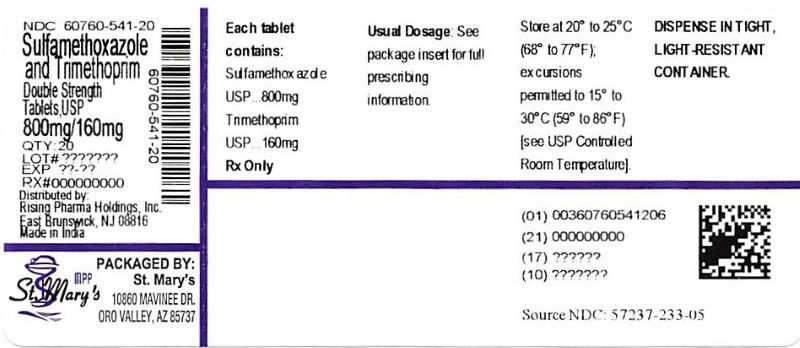
(sulfamethoxazole · DailyMed)
Cotrimol 800/160
Docusate Sodium 85% Powder 0.800 mg/tablet,Magnesium stearate (vegetable) 7.490 mg/tablet,Pregelatinised Starch 74.960 mg/tablet,Purified Water QS QS,Sodium Starch Glycolate Type A (Primojel) 21.400 mg/tablet,Sodium Starch Glycolate Type A (Primojel) 5.350 mg/tablet,Sulfamethoxazole 800 mg,Trimethoprim 160 mg
What it does
Docusate is a stool softener that helps relieve constipation by making bowel movements easier.
Commonly used for: constipation, hard stools
Read more in plain English ↓Plain-language summary for general understanding - not medical advice. Always follow your pharmacist/doctor.
Ask about this medicine
Answers come only from this medicine's registration record, BNF monograph and interaction data - not medical advice.
Medicine sourcing is available in Kenya only. We don't sell or dispense medicines - licensed pharmacies do.
Sourcing - Kenya onlyRegistration & product details
Source: Tanzania Medicines and Medical Devices Authority · fetched 2026-03-11 23:39:56 · updated 2026-09-17 03:00:43
Drug Interactions
15Pharmacodynamic Warnings
Trimethoprim appears in TABLE 2: Drugs that cause nephrotoxicity
Trimethoprim appears in TABLE 16: Drugs that increase serum potassium
Trimethoprim appears in TABLE 18: Drugs that cause hyponatraemia
Moderate (3)
Dopamine Receptor Agonists - increases exposure
Trimethoprim is predicted to increase the exposure to dopamine receptor agonists (pramipexole). Adjust dose.
Pramipexole - increases exposure
Trimethoprim is predicted to increase the exposure to pramipexole. Adjust dose.
Treprostinil - increases exposure
Trimethoprim is predicted to increase the exposure to treprostinil. Adjust dose. Theoretical Tretinoin → see retinoids Triamcinolone → see corticosteroids Triamterene → see potassium-sparing diuretics
Unknown (12)
Antiepileptics - increases concentration
Trimethoprim increases the concentration of antiepileptics (fosphenytoin, phenytoin).
Azathioprine In Renal Transplant Patients - increases risk of haematological toxicity
Trimethoprim might increase the risk of haematological toxicity when given with azathioprine in renal transplant patients. r Anecdotal Azelastine → see antihistamines, non-sedating Azilsartan → see an
Coumarins - increases anticoagulant effect
Sulfamethoxazole increases the anticoagulant effect of coumarins.
Digoxin - increases concentration
Trimethoprim increases the concentration of digoxin.
Fosphenytoin - increases concentration
Trimethoprim increases the concentration of antiepileptics (fosphenytoin, phenytoin).
Data from BNF 85 (British National Formulary). This is not a substitute for professional medical advice. Matched via: exact
About docusate
Docusate is a stool softener that helps relieve constipation by making bowel movements easier.
What it treats
- constipation
- hard stools
How it works
It works by increasing the amount of water and fats in the stool, which helps soften it.
Who it's for
It is suitable for adults and children who need help with bowel movements.
AI-assisted summary grounded in BNF data - general information only, not medical advice. Always confirm with your pharmacist or doctor.
About glycolate
Glycolate is a compound that may be used in various medical treatments.
How it works
Glycolate works by interacting with certain bodily processes, though specific details are not available.
Who it's for
Glycolate may be suitable for individuals needing treatment related to certain health conditions, but specific indications are not provided.
AI-assisted summary grounded in BNF data - general information only, not medical advice. Always confirm with your pharmacist or doctor.
About pregelatinised
Pregelatinised is a modified form of starch used as a thickening agent and stabilizer in various products.
What it treats
- thickening agent in food
- stabilizer in pharmaceutical products
How it works
Pregelatinised starch helps improve the texture and consistency of products by absorbing water and forming a gel-like substance.
Who it's for
Suitable for people needing thickening agents in food or pharmaceuticals, including those with swallowing difficulties.
AI-assisted summary grounded in BNF data - general information only, not medical advice. Always confirm with your pharmacist or doctor.
About purified
Purified ingredients are often used in various medicines to ensure safety and effectiveness by removing impurities.
What it treats
- various medical conditions
How it works
Purified ingredients help in delivering the intended effects of the medicine without the risk of contaminants.
Who it's for
People who need medications with safe and effective ingredients.
AI-assisted summary grounded in BNF data - general information only, not medical advice. Always confirm with your pharmacist or doctor.
About starch
Starch is a carbohydrate that serves as a source of energy and is often used in various food products.
What it treats
- energy source
- dietary supplement
How it works
Starch is broken down by the body into glucose, which provides energy for daily activities.
Who it's for
Starch can be used by anyone needing extra energy in their diet, particularly those with increased energy needs.
AI-assisted summary grounded in BNF data - general information only, not medical advice. Always confirm with your pharmacist or doctor.
About sulfamethoxazole
Sulfamethoxazole is an antibiotic used to treat bacterial infections.
What it treats
- bacterial infections
- urinary tract infections
- respiratory tract infections
How it works
It works by stopping the growth of bacteria.
Who it's for
This medication is for adults and children with certain bacterial infections.
AI-assisted summary grounded in BNF data - general information only, not medical advice. Always confirm with your pharmacist or doctor.
About trimethoprim
Trimethoprim is an antibiotic used to treat infections, primarily those of the urinary tract.
What it treats
- urinary tract infections
- bladder infections
- kidney infections
How it works
It works by stopping the growth of bacteria that cause infections.
Who it's for
It is for people suffering from bacterial infections, especially in the urinary system.
Cautions
- • Be cautious if you are taking medications that can harm the kidneys.
- • Avoid if you are on drugs that raise potassium levels in the blood.
- • Use with care if you are taking medications that can lower sodium levels.
AI-assisted summary grounded in BNF data - general information only, not medical advice. Always confirm with your pharmacist or doctor.
Clinical monograph: Docusatesodium
BNF-referencedDocusate sodium is a surfactant laxative primarily used to alleviate constipation by promoting the softening of stool. It functions by reducing the surface tension of the stool, allowing water and lipids to penetrate and soften the stool mass. It is commonly indicated for the treatment of constipation and for use in bowel cleansing prior to medical procedures.
Indications
- Constipation
- Softening of impacted feces
- Bowel cleansing prior to medical procedures
Dosage
Children: For children aged 2-11 years: 12.5 to 25 mg 3 times a day, adjusted according to response. For children aged 12-17 years: 120 mg for 1 dose.
Adults: For oral use: 50 to 500 mg daily in divided doses, adjusted according to response. For rectal use: 120 mg as a single dose.
Mechanism of action
Docusate sodium acts as a stool softener by increasing the wetting efficiency of the intestinal fluid, facilitating the mixing of aqueous and fatty substances, which leads to a reduction in stool hardness. It also promotes the secretion of intestinal fluids, which aids in the overall ease of bowel movements.
Pharmacodynamics
Docusate sodium works by altering the surface tension of the stool, making it easier for water to mix with the stool, thus softening it. Its effects are generally observed within 1 to 3 days of oral administration, while rectal administration can lead to a quicker response, typically within 20 minutes.
Pharmacokinetics
Docusate sodium is absorbed in the gastrointestinal tract, with a peak plasma concentration occurring approximately 1 to 2 hours after administration. The elimination half-life is not well-characterized, but the drug is excreted mainly in the urine. The onset of action varies depending on the route of administration; oral doses typically take 1-3 days to have an effect, whereas rectal doses have a faster onset.
Contra-indications
- Inflammatory bowel disease (except under medical supervision)
- Intestinal obstruction
- Hypersensitivity to soya
- History of hypersensitivity to arachis oil or peanuts
Adverse effects
- Anal irritation
- Contact dermatitis
- Granuloma pneumonia
- Lipoid pneumonia
- Rectal discharge
Interactions
- Avoid concurrent use with liquid paraffin
- Excessive use of stimulant laxatives may cause diarrhea and related effects such as hypokalemia
Precautions
- Prolonged use should be avoided
- Administered at night for optimal effect
- Rectal preparations not indicated if hemorrhoids or anal fissure are present
Pregnancy
Manufacturer advises caution; consult a healthcare professional before use during pregnancy.
Breast-feeding
Manufacturer advises caution; present in small amounts in milk following oral administration.
Storage
Store in a cool, dry place away from direct sunlight. Keep out of reach of children.
Formulations
- Docusate sodium 2.5 mg per 1 ml oral solution
- Docusate sodium 10 mg per 1 ml oral solution
- Docusate sodium 12.5 mg/5 ml oral solution
- Docusate sodium 100 mg capsules
- Docusate sodium 120 mg enema
AI-synthesized from BNF references - general information only, not a substitute for professional medical advice or the current BNF. Verify doses with a pharmacist.
Clinical monograph: Trimethoprim
BNF-referencedTrimethoprim is an antimicrobial agent primarily used in the treatment of bacterial infections. It functions as a bacteriostatic agent by inhibiting the enzyme dihydrofolate reductase, which is crucial for the synthesis of tetrahydrofolic acid, an essential component for bacterial nucleic acid and protein production. It is often prescribed in combination with sulfamethoxazole to enhance its bactericidal effects.
Indications
- Bacterial infections
- Urinary tract infections
- Respiratory tract infections
- Prophylaxis of recurrent urinary tract infections
Dosage
Children: For children aged 6 weeks to 5 months: 4 mg/kg twice daily (max. 200 mg). For children 6 months to 5 years: 4 mg/kg twice daily (max. 200 mg). For children 6–11 years: 4 mg/kg twice daily (max. 200 mg). For children
Adults: 200 mg twice daily.
Mechanism of action
Trimethoprim is a reversible inhibitor of dihydrofolate reductase, an enzyme that catalyzes the formation of tetrahydrofolic acid from dihydrofolic acid. By inhibiting this enzyme, trimethoprim disrupts the biosynthesis of nucleic acids and proteins in bacteria, leading to their growth inhibition. The drug has a significantly higher affinity for bacterial dihydrofolate reductase compared to the mammalian enzyme, ensuring selective antibacterial activity.
Pharmacodynamics
Trimethoprim exerts its antimicrobial effects by disrupting bacterial nucleic acid synthesis. It is effective against various gram-negative bacteria and some coagulase-negative Staphylococcus species. Resistance can develop through mechanisms such as alterations to the bacterial cell wall or overproduction of the target enzyme. Monitoring for potential blood disorders is important during therapy, as rare adverse effects can occur.
Pharmacokinetics
Trimethoprim is well absorbed from the gastrointestinal tract and reaches peak plasma concentrations within 1-4 hours post-administration. It has a volume of distribution that suggests extensive tissue penetration, including into the lungs and kidneys, and is primarily excreted unchanged in the urine. The elimination half-life is approximately 8-10 hours, and dosing adjustments may be necessary in cases of renal impairment.
Contra-indications
- Severe renal impairment
- Known hypersensitivity to trimethoprim or any component of the formulation
Adverse effects
- Diarrhoea
- Nausea
- Headache
- Dizziness
- Fatigue
- Skin reactions
- Vomiting
- Anxiety
- Agranulocytosis
- Eosinophilia
- Photosensitivity reactions
- Thrombocytopenia
- Leukopenia
- Pseudomembranous colitis
Interactions
- Increases exposure to pramipexole
- Increases exposure to treprostinil
- Increases exposure to dopaminergic receptor agonists
- Increases concentration of antiepileptics
- Increases concentration of fosphenytoin
- Increases concentration of phenytoin
- Increases risk of haematological toxicity with azathioprine in renal transplant patients
- Increases concentration of digoxin
- Increases exposure to repaglinide
Precautions
- Caution in patients with renal impairment
- Caution in elderly patients (75 years and over)
- Monitor for signs of blood disorders such as sore throat, fever, and pallor
- Consider local antimicrobial susceptibility patterns before use
Pregnancy
Manufacturer advises avoidance due to potential fetal developmental toxicity observed in animal studies.
Breast-feeding
Manufacturer advises avoidance as trimethoprim is present in milk in animal studies.
Storage
Store in a cool, dry place, away from direct sunlight. Keep out of reach of children.
Formulations
- Tablets
- Oral suspension
- Injection solution
AI-synthesized from BNF references - general information only, not a substitute for professional medical advice or the current BNF. Verify doses with a pharmacist.
Clinical monograph: docusate
BNF-referencedDocusate is a stool softener and laxative primarily used to treat constipation by facilitating the incorporation of water and fats into the stool, resulting in a softer fecal mass. It is often indicated for patients who may be at risk of straining during defecation, such as those recovering from surgery or childbirth.
Indications
- Constipation
- Prevention of straining during bowel movements
- Management of conditions such as hemorrhoids or anal fissures
Dosage
Children: Refer to the BNF for Children for appropriate dosing in children.
Adults: The usual oral dosage is 50 to 500 mg daily in divided doses, or 100 to 250 mg taken once daily. Rectal administration can involve 283 to 566 mg as a single dose.
Mechanism of action
Docusate exerts its effects primarily through its surfactant properties in the intestines. It allows for the incorporation of fat and water into the feces, which softens the stool. Studies have shown that docusate increases the secretion of water, sodium, chloride, and potassium while decreasing the absorption of glucose and bicarbonate. This mechanism may involve an increase in intracellular cyclic AMP, either directly by docusate or through E series prostaglandins.
Pharmacodynamics
As an anionic detergent and laxative, docusate promotes stool softening by reducing surface tension. Its onset of action varies, with oral administration taking 6 to 72 hours and rectal administration acting within 2 to 15 minutes. The effects are localized in the jejunum, aiding in the passage of feces.
Pharmacokinetics
Docusate is absorbed in the gastrointestinal tract, but its specific absorption and elimination characteristics are not well-documented. It is primarily metabolized in the intestines, and the active metabolites facilitate the stool softening effect. The pharmacokinetic profile indicates that its action can vary based on the route of administration and individual patient factors.
Adverse effects
- Abdominal cramping
- Diarrhea
- Nausea
- Throat irritation
Precautions
- Use with caution in patients with intestinal obstruction or abdominal pain of unknown origin
- Not recommended for long-term use
Pregnancy
Docusate is generally considered safe to use during pregnancy, but it is advisable to consult a healthcare provider before use.
Breast-feeding
Docusate is excreted in breast milk; however, it is considered safe to use while breastfeeding.
Storage
Store at room temperature, away from moisture and heat. Keep out of reach of children.
Formulations
- Oral capsules
- Oral liquid
- Rectal suppositories
AI-synthesized from BNF references - general information only, not a substitute for professional medical advice or the current BNF. Verify doses with a pharmacist.
Clinical monograph: glycolate
BNF-referencedGlycolate is an intermediate in the metabolism of ethylene glycol, a compound that can cause toxicity when ingested. The toxicity arises primarily from its conversion to glycolic acid and other harmful metabolites. Glycolate and its relation to ethylene glycol's elimination kinetics have been studied, revealing important insights into their toxicokinetics in animal models.
Dosage
Children: Refer to specific clinical guidelines for dosing in children, as no standard paediatric dosage is specified in the provided resources.
Adults: Refer to specific clinical guidelines for dosing, as no standard adult dosage is specified in the provided resources.
Mechanism of action
Ethylene glycol toxicity results from its metabolism to glycolic acid and other toxic metabolites. Glycolate accumulates in the body and is eliminated more slowly than ethylene glycol itself. The renal excretion of both compounds plays a crucial role in their elimination, accounting for a significant portion of the administered dose.
Pharmacodynamics
The pharmacodynamics of glycolate are closely tied to its role as a metabolite of ethylene glycol. Its accumulation can lead to metabolic acidosis, although minimal clinical effects have been observed at low doses. The relationship between glycolate and ethylene glycol indicates that glycolate may contribute to the overall toxic effects of ethylene glycol ingestion.
Pharmacokinetics
The pharmacokinetics of glycolate indicate that it reaches peak plasma levels between 4-6 hours after the administration of ethylene glycol. The elimination half-life of ethylene glycol is approximately 1.7 hours in rats and 3.4 hours in dogs. Glycolate is predominantly eliminated through renal excretion, with about 5% of the dose being excreted unchanged.
Pregnancy
There is limited data on the safety of glycolate in pregnancy. Caution is advised.
Breast-feeding
Data on the excretion of glycolate in human milk is not available. Caution is advised.
Storage
Store at room temperature, away from light and moisture.
AI-synthesized from BNF references - general information only, not a substitute for professional medical advice or the current BNF. Verify doses with a pharmacist.
Clinical monograph: pregelatinised
Pregelatinised starch is a modified starch used as an excipient in pharmaceutical formulations. It is created by pre-gelatinizing starch granules through a process of heating and moisture, making it soluble in cold water. This property allows it to be used as a binder, disintegrant, and thickening agent in tablet and capsule formulations. It enhances the bioavailability of active pharmaceutical ingredients by improving their solubility.
Indications
- Used as a binder in tablet formulations
- Serves as a disintegrant to improve drug release
- Acts as a thickening agent in liquid formulations
- Enhances bioavailability of poorly soluble drugs
Dosage
Children: Dosage is dependent on the specific formulation and intended use. Refer to formulation guidelines for appropriate concentrations.
Adults: Dosage is dependent on the specific formulation and intended use. Refer to formulation guidelines for appropriate concentrations.
Mechanism of action
Pregelatinised starch acts primarily as a thickening agent and binder in pharmaceutical formulations. When mixed with water, it swells and forms a gel-like consistency, which helps in the uniform distribution of active ingredients and enhances their release and absorption in the gastrointestinal tract. Its ability to gel enables better disintegration of tablets upon administration, facilitating the dissolution of the drug.
Pharmacodynamics
The pharmacodynamics of pregelatinised starch is closely related to its physical properties as a polymer. Upon contact with water, it hydrates and expands, creating a viscous solution that can improve the release profile of drugs. This can lead to enhanced dissolution rates of poorly soluble compounds, improving their bioavailability. Additionally, it can impact the stability and shelf-life of formulations by providing a protective matrix for active ingredients.
Pharmacokinetics
Pregelatinised starch is not absorbed systemically as it primarily acts as an excipient. It undergoes gastrointestinal transit without significant degradation. Its function is to facilitate the release and absorption of the active pharmaceutical ingredients in the formulation rather than exhibiting pharmacokinetic properties of its own.
Pregnancy
Pregelatinised starch is generally considered safe for use during pregnancy, but it is recommended to consult a healthcare provider before use.
Breast-feeding
Pregelatinised starch is considered safe during breastfeeding, but it is advisable to seek medical advice.
Storage
Store in a cool, dry place, away from direct sunlight and moisture.
Formulations
- Powder
- Capsules
- Tablets
AI-synthesized from BNF references - general information only, not a substitute for professional medical advice or the current BNF. Verify doses with a pharmacist.
Clinical monograph: purified
Purified refers to a substance that has been processed to remove impurities, contaminants, or unwanted substances, resulting in a more concentrated and effective form of the original compound. In pharmacology, purified compounds are often used to enhance therapeutic efficacy and reduce adverse effects. The purification process can apply to a variety of substances, including drugs, biological products, and chemical compounds.
Dosage
Children: Refer to specific drug formulations and product labels as purified substances can vary widely in their use and dosing.
Adults: Refer to specific drug formulations and product labels as purified substances can vary widely in their use and dosing.
Mechanism of action
The mechanism of action for purified compounds varies widely depending on the specific substance. Generally, purified drugs exert their effects by interacting with specific biological targets, such as receptors, enzymes, or ion channels, leading to a desired therapeutic effect. This interaction can involve binding to receptors to activate or inhibit signaling pathways, modulating enzymatic activity, or altering physiological processes.
Pharmacodynamics
Pharmacodynamics describes the effects of a drug on the body and the relationship between drug concentration and effect. For purified drugs, this can involve dose-response relationships and the time course of their action. The purified form often enhances potency and reduces variability in response among patients, which can lead to more predictable therapeutic outcomes. The overall effect is determined by the drug's affinity for its target, the efficacy of the drug-receptor interaction, and the downstream signaling pathways activated as a result of this interaction.
Pharmacokinetics
Pharmacokinetics involves the absorption, distribution, metabolism, and excretion (ADME) of a drug. For purified substances, absorption can be more efficient due to the absence of impurities that may affect solubility or stability. Distribution may also be enhanced, leading to higher bioavailability. Metabolism can be influenced by the structure of the purified compound, as it may be metabolized more readily by liver enzymes. Excretion typically occurs through the kidneys or liver, depending on the molecular characteristics of the purified drug.
Pregnancy
Consult with a healthcare professional, as the safety of purified forms of medications during pregnancy may vary depending on the specific substance.
Breast-feeding
Consult with a healthcare professional, as the safety of purified forms of medications during breastfeeding may vary depending on the specific substance.
Storage
Store in a cool, dry place, away from light and moisture, and keep out of reach of children.
AI-synthesized from BNF references - general information only, not a substitute for professional medical advice or the current BNF. Verify doses with a pharmacist.
Clinical monograph: starch
Starch is a polysaccharide carbohydrate consisting of a large number of glucose units joined by glycosidic bonds. It is a major energy source in the human diet and is found in numerous food sources such as grains, legumes, and tubers. In a clinical setting, starch can also be used as an excipient in various pharmaceuticals and is sometimes utilized in enteral nutrition formulations.
Indications
- Nutritional supplementation
- Energy source in enteral nutrition
- Excipient in pharmaceutical formulations
Dosage
Children: Refer to specific guidelines or product inserts for dosing information, as it can vary based on the context of use.
Adults: Refer to specific guidelines or product inserts for dosing information, as it can vary based on the context of use.
Mechanism of action
Starch is broken down into glucose units by enzymes such as amylase during digestion. The glucose is then absorbed in the intestines and utilized for energy production in the body's cells. This pathway involves hydrolysis of the glycosidic bonds, converting starch into simpler sugars.
Pharmacodynamics
Starch primarily serves as an energy source. Its digestion and absorption lead to an increase in blood glucose levels, which provides energy for metabolic processes. In this context, it plays a crucial role in maintaining energy homeostasis in the body.
Pharmacokinetics
Starch is not absorbed in its polymeric form; it must first be enzymatically hydrolyzed into simpler sugars such as maltose and glucose. The digestion and absorption of starch occur predominantly in the small intestine, with glucose being readily absorbed into the bloodstream. The rate of absorption can vary depending on the type of starch and its physical form.
Adverse effects
- Allergic reactions
- Gastrointestinal discomfort
- Diarrhea
- Constipation
Precautions
- Use with caution in individuals with known allergies to starch or starch derivatives
- Monitor for gastrointestinal symptoms in patients with a history of digestive disorders
Pregnancy
Starch is generally considered safe for use during pregnancy. However, it should be consumed in moderation as part of a balanced diet.
Breast-feeding
Starch is deemed safe for nursing mothers when used in moderation as part of a balanced diet.
Storage
Store in a cool, dry place away from moisture and direct sunlight.
Formulations
- Powder
- Granules
- Tablets
- Suspensions
AI-synthesized from BNF references - general information only, not a substitute for professional medical advice or the current BNF. Verify doses with a pharmacist.
Clinical monograph: sulfamethoxazole
BNF-referencedSulfamethoxazole is a bacteriostatic sulfonamide antibiotic primarily used to treat bacterial infections by inhibiting folate synthesis in susceptible bacteria. It is often administered in combination with trimethoprim to enhance its efficacy and reduce the likelihood of bacterial resistance.
Indications
- Urinary tract infections
- Respiratory tract infections
- Gastrointestinal infections
- Pneumocystis pneumonia
- Toxoplasmosis
Dosage
Children: Refer to the BNF for Children for specific dosing information appropriate for paediatric patients, as doses are typically weight-based and vary by age and condition.
Adults: Refer to the BNF for specific dosing information based on the clinical condition being treated, as dosing may vary depending on the severity of the infection and patient characteristics.
Mechanism of action
Sulfamethoxazole inhibits bacterial dihydrofolic acid synthesis due to its structural similarity to para-aminobenzoic acid (PABA). It competitively inhibits dihydropteroate synthase, the enzyme responsible for converting PABA to dihydrofolic acid. This action prevents the synthesis of tetrahydrofolate, leading to the inhibition of bacterial purine and DNA synthesis, resulting in a bacteriostatic effect.
Pharmacodynamics
Sulfamethoxazole is generally bacteriostatic, inhibiting a crucial step in bacterial folate synthesis. It is typically used in combination with trimethoprim, which inhibits the reduction of dihydrofolic acid to tetrahydrofolate. This combination allows for a synergistic effect, reducing the rate of bacterial resistance development compared to using either drug alone. Care should be taken as sulfamethoxazole can cause hypersensitivity reactions, and it may contribute to folate deficiency, particularly in at-risk populations.
Pharmacokinetics
Sulfamethoxazole is well absorbed following oral administration and is widely distributed in body tissues. It has a moderate half-life, necessitating multiple daily doses for sustained therapeutic effect. The drug is metabolized in the liver and excreted primarily via the kidneys, with some metabolites being active. Its excretion can be influenced by renal function, necessitating dose adjustments in patients with compromised kidney function.
Contra-indications
- Hypersensitivity to sulfamethoxazole or other sulfonamides
- Severe liver impairment
- Severe renal impairment
- History of severe adverse reactions to sulfonamides (e.g., Stevens-Johnson syndrome)
Adverse effects
- Rash
- Nausea
- Vomiting
- Diarrhea
- Hematological reactions (e.g., leukopenia, thrombocytopenia)
- Liver toxicity
- Renal toxicity
- Hemolytic anemia in patients with G6PD deficiency
- Stevens-Johnson syndrome
- Toxic epidermal necrolysis
Interactions
- Sulfamethoxazole may increase the anticoagulant effect of coumarins
- Concurrent use with other folate antagonists may enhance toxicity
- May interact with methotrexate, increasing the risk of toxicity
Precautions
- Use with caution in patients with a history of hypersensitivity reactions
- Monitor for signs of folate deficiency
- Assess renal and liver function prior to and during treatment
- Discontinue immediately at the first sign of rash or skin reaction
Pregnancy
Sulfamethoxazole is generally not recommended during pregnancy, especially in the first trimester and near term, due to potential risks of teratogenic effects and kernicterus in the newborn.
Breast-feeding
Sulfamethoxazole is excreted in breast milk; caution is advised when administering to nursing mothers due to potential effects on the nursing infant.
Storage
Store at room temperature, away from moisture and heat. Protect from light.
Formulations
- Oral tablets
- Oral suspension
- Injection
AI-synthesized from BNF references - general information only, not a substitute for professional medical advice or the current BNF. Verify doses with a pharmacist.
Molecular reference: Trimethoprim
PubChem CID 5578Molecular formula: C14H18N4O3
Mechanism of action
Trimethoprim is a reversible inhibitor of dihydrofolate reductase, one of the principal enzymes catalyzing the formation of tetrahydrofolic acid (THF) from dihydrofolic acid (DHF). Tetrahydrofolic acid is necessary for the biosynthesis of bacterial nucleic acids and proteins and ultimately for continued bacterial survival - inhibiting its synthesis, then, results in bactericidal activity. Trimethoprim binds with a much stronger affinity to bacterial dihydrofolate reductase as compared to its mammalian counterpart, allowing trimethoprim to selectively interfere with bacterial biosynthetic processes. Trimethoprim is often given in combination with sulfamethoxazole, which inhibits the preceding step in bacterial protein synthesis - given together, sulfamethoxazole and trimethoprim inhibit two consecutive steps in the biosynthesis of bacterial nucleic acids and proteins. As a monotherapy trimethoprim is considered bacteriostatic, but in combination with sulfamethoxazole is thought to exert bactericidal activity. Trimethoprim is a bacteriostatic lipophilic weak base structurally related to pyrimethamine. It binds to and reversibly inhibits the bacterial enzyme dihydrofolate reductase, selectively blocking conversion of dihydrofolic acid to its functional form, tetrahydrofolic acid. This depletes folate, an essential cofactor in the biosynthesis of nucleic acids, resulting in interference with bacterial nucleic acid and protein production. Bacterial dihydrofolate reductase is approximately 50,000 to 60,000 times more tightly bound by trimethoprim than is the corresponding mammalian enzyme. To determine the incidence & severity of hyperkalemia during trimethoprim therapy, 30 consecutive patients with acquired immunodeficiency syndrome receiving high-dose (20 mg/kg/day) trimethoprim were studied; in addition, the mechanism of trimethoprim-induced hyperkalemia was investigated in rats. Trimethoprim increased serum potassium concn by 0.6 mmol/l despite normal adrenocortical function & glomerular filtration rate. Serum potassium levels >5 mmol/l were observed during trimethoprim treatment in 15 of 30 patients. In rats, iv trimethoprim inhibited renal potassium excretion by 40% & increased sodium excretion by 46%. It was concluded that trimethoprim blocks apical membrane sodium channels in the mammalian distal nephron. As a consequence, the transepithelial voltage is reduced & potassium secretion is inhibited. Decreased renal potassium excretion secondary to these direct effects on kidney tubules leads to hyperkalemia in a substantial number of patients being treated with trimethoprim-containing drugs.
Pharmacodynamics
Trimethoprim exerts its antimicrobial effects by inhibiting an essential step in the synthesis of bacterial nucleic acids and proteins. It has shown activity against several species of gram-negative bacteria, as well as coagulase-negative _Staphylococcus_ species. Resistance to trimethoprim may arise via a variety of mechanisms, including alterations to the bacterial cell wall, overproduction of dihydrofolate reductase, or production of resistant dihydrofolate reductase. Rarely, trimethoprim can precipitate the development of blood disorders (e.g. thrombocytopenia, leukopenia, etc.) which may be preceded by symptoms such as sore throat, fever, pallor, and or purpura - patients should be monitored closely for the development of these symptoms throught the course of therapy. As antimicrobial susceptibility patterns are geographically distinct, local antibiograms should be consulted to ensure adequate coverage of relevant pathogens prior to use.
Biological pathways
Source: PubChem (NCBI) · pathways from PathBank, Reactome, WikiPathways & PharmGKB.
Molecular reference: docusate
PubChem CID 11339Molecular formula: C20H38O7S
Mechanism of action
Recent studies suggest that docusate's mechanism of action is due largely to it's surfactant effect in the intestines, which allow fat and water into the feces to soften the stool. Docusate’s mechanism of action was investigated in 1985 on healthy patients. Docusate was added directly to the jejunum based on calculated concentrations of docusate in the jejunum. At this concentration, there was an increase in secretion of water, sodium, chloride, and potassium as well as a decrease in absorption of glucose and bicarbonate. Based on in vitro data, the authors suggested this effect was due to an increase in intracellular cyclic AMP either directly through docusate or E series prostaglandins.
Pharmacodynamics
Docusate sodium is a laxative and an anionic detergent that supposedly promotes incorporation of water and fats into stool through a reduction in surface tension, resulting in softer fecal mass. Docusate's onset of action is 6-72 hours orally and 2-15 minutes rectally. The effects of docusate are thought to be exerted locally in the jejunum.
Source: PubChem (NCBI) · pathways from PathBank, Reactome, WikiPathways & PharmGKB.
Molecular reference: glycolate
PubChem CID 757Molecular formula: C2H4O3
Mechanism of action
Ethylene glycol toxicity results from its metabolism to glycolic acid and other toxic metabolites. The accumulation of glycolate and the elimination kinetics of ethylene glycol and its metabolites are not well understood, so studies with male Sprague-Dawley rats and mixed breed dogs have been carried out. Ethylene glycol was administered by gavage to rats and dogs which were placed in metabolic cages for urine and blood sample collection at timed intervals. The peak plasma level of ethylene glycol occurred at 2 hr after dosing and that of glycolate between 4-6 hr. The rate of ethylene glycol elimination was somewhat faster in rats with a half-life of 1.7 hr compared to 3.4 hr in dogs. The maximum plasma level of glycolate was greater in rats although the pattern of accumulation was similar to that in dogs. Glycolate disappeared from the plasma at the same time as ethylene glycol, suggesting a slower rate of elimination of the metabolite than that of ethylene glycol. Renal excretion of ethylene glycol was an important route for its elimination accounting for 20-30% of the dose. Renal excretion of glycolate represented about 5% of the dose. Ethylene glycol induced an immediate, but short lived diuresis compared to that in control rats. Minimal clinical effects (mild acidosis with no sedation) were noted at these doses of ethylene glycol (1-2 g/kg) in both rats and dogs. The results indicate that the toxicokinetics of ethylene glycol and glycolate were similar in both species. The effect of 0.35 to 0.8 mmol/kg glycolic acid and 1.0 to 4.4 mmol/kg sodium glycolate on cyclopropane-epinephrine induced cardiac arrhythmias was examined using dogs. Doses of 0.35 to 0.5 mmol/kg glycolic acid increased the duration of arrhythmias in the 13 dogs tested, whereas doses >0.5 mmol/kg decreased or totally eliminated the arrhythmias in each of 11 dogs. Depression was observed for many of the dogs at higher doses. Sodium glycolate was much less effective in decreasing the arrhythmias, with 3 mmol/kg being required and its action being transient.
Biological pathways
Source: PubChem (NCBI) · pathways from PathBank, Reactome, WikiPathways & PharmGKB.
Molecular reference: sulfamethoxazole
PubChem CID 5329Molecular formula: C10H11N3O3S
Mechanism of action
Sulfamethoxazole is a sulfonamide that inhibits bacterial dihydrofolic acid synthesis due to its structural similarity to an endogenous substrate, para-aminobenzoic acid (PABA). Most bacteria meet their need for folic acid by synthesizing it from PABA, as opposed to Animalia that require exogenous folic acid sources. Sulfamethoxazole competitively inhibits dihydropteroate synthase, the enzyme responsible for bacterial conversion of PABA to dihydrofolic acid. Inhibition of this pathway prevents the synthesis of tetrahydrofolate and, ultimately, the synthesis of bacterial purines and DNA, resulting in a bacteriostatic effect. Sulfonamides are usually bacteriostatic in action. Sulfonamides interfere with the utilization of p-aminobenzoic acid (PABA) in the biosynthesis of tetrahydrofolic acid (the reduced form of folic acid) cofactors in susceptible bacteria. Sulfonamides are structural analogs of PABA and appear to interfere with PABA utilization by competitively inhibiting the enzyme dihydropteroate synthase, which catalyzes the formation of dihydropteroic acid (a precursor of tetrahydrofolic acid) from PABA and pteridine; however, other mechanism(s) affecting the biosynthetic pathway also may be involved. Compounds such as pyrimethamine and trimethoprim, which block later stages in the synthesis of folic acid, act synergistically with sulfonamides. Only microorganisms that synthesize their own folic acid are inhibited by sulfonamides; animal cells and bacteria which are capable of utilizing folic acid precursors or preformed folic acid are not affected by these drugs. The antibacterial activity of the sulfonamides is reportedly decreased in the presence of blood or purulent body exudates. /Sulfonamides/ /Sulfonamides inhibit bacterial growth by preventing para-aminobenzoic acid (PABA) from being incorporated/ into dihydropteroic acid, the immediate precursor of folic acid. Sensitive microorganisms are those that must synthesize their own folic acid; bacteria that can utilize preformed folate are not affected. Bacteriostasis induced by sulfonamides is counteracted by PABA competitively. Sulfonamides do not affect mammalian cells by this mechanism, since they require preformed folic acid and cannot synthesize it. /Sulfonamides/ Sulfonamides are broad-spectrum, bacteriostatic anti-infectives. They are structural analogs of para-aminobenzoic acid and competively inhibit a bacterial enzyme, dihydropteroate synthetase, that is responsible for incorporation of para-aminobenzoic acid into dihydrofolic acid. This blocks the synthesis of dihydrofolic acid and decreases the amount of metabolically active tetrahydrofolic acid, a cofactor for the synthesis of purines, thymidine, and DNA. /Sulfonamides/ The hydroxylamine and nitroso metabolites formed by N4-oxidation of sulfonamides are thought to be involved in the pathogenesis of idiosyncratic reactions to this class of drugs. Idiosyncratic reactions to sulfonamides are characterized by multisystemic toxicity, including hepatitis, nephritis, dermatitis, and blood dyscrasias (aplastic anemia, agranulocytosis). Previously it has been shown that cytochrome p-450 in the liver metabolizes sulfamethoxazole to its hydroxylamine metabolite. In this paper the N4-oxidation of sulfamethoxazole by activated monocytes and neutrophils (human and canine) to form sulfamethoxazole hydroxylamine and nitrosulfamethoxazole is reported. The presumed nitroso intermediate was not detected. Purified myeloperoxidase and prostaglandin H synthase were also capable of mediating the oxidation of sulfamethoxazole. The present studies suggest that myeloperoxidase is responsible for the observed oxidation by phagocytic cells. Oxidation by neutrophils may play a role in agranulocytosis, and oxidation by monocytes may facilitate antigen presentation. Extrahepatic bioactivation of sulfonamides by peroxidases in phagocytic cells and other tissues may be important in determining the range of adverse reactions to sulfonamides
Pharmacodynamics
Sulfamethoxazole is a bacteriostatic sulfonamide antibiotic that inhibits a critical step in bacterial folate synthesis. It is generally given in combination with [trimethoprim], a dihydrofolate reductase inhibitor, which inhibits the reduction of dihydrofolic acid to tetrahydrofolic acid. Studies have shown that bacterial resistance develops more slowly with the combination of the two drugs than with either trimethoprim or sulfamethoxazole alone, as together they inhibit sequential steps in the bacterial folate synthesis pathway. Sulfonamides, including sulfamethoxazole, have been implicated in hypersensitivity reactions - these agents should be discontinued at the first sign of a developing rash, as this may signal the start of a more severe reaction such as Stevens-Johnson syndrome or toxic epidermal necrolysis. Sulfamethoxazole treatment may contribute to folate deficiency and should therefore be used with caution in patients at a higher risk of developing a deficiency. Hemolysis has been observed in patients with glucose-6-phosphate dehydrogenase deficiency who are using sulfamethoxazole/trimethoprim.
Source: PubChem (NCBI) · pathways from PathBank, Reactome, WikiPathways & PharmGKB.
This drug in other countries
The same active ingredient registered across other registries we cover - including different brands.
- ABHAYRAB · Surgipharm
- ALCORIM SUSPENSION · Biopharma
- ALCORIM TABLETS · Biopharma
- ALFATRIM POWDER · Agrilords
- ALPRIM · Elys Chemical Industries
- ARTHRELLA OINTMENT · Surgilinks
- AMPROLIUM 20% WSP · Henan Benon Biopharmaceutical
- APSASOL COCCI PLUS POWDER (Each kg contains Sulfamethazine 200g/ Sulfaquinoxaline sodium 25g/ Trimethoprim 45g/ Oxytetracycline hydrochloride 200g/ Vitamin A 5,000,000iu/ Vitamin K3 5g) · Multivet
- BEEHIVE BALSAM SYRUP · Ayrton Saunders
- CO-TRIMOXAZOLE · M&g Pharmaceuticals
- CO-TRIMOXAZOLE TABLETS (Each tablet contains Sulphamethoxazole B.P/Trimethoprim 400mg/80mg) · Entrance Pharmaceuticals
- CO-TRIMOXAZOLE TABLETS · M&g Pharmaceuticals