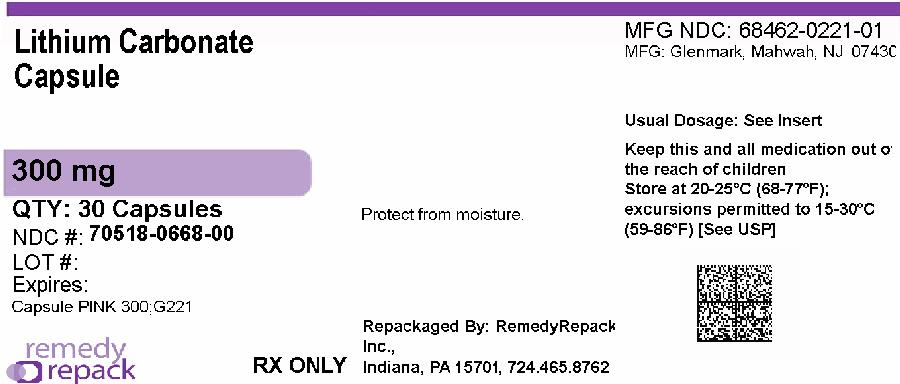
(carbonate · DailyMed)
CYANIDE ANTIDOTE A
CITRIC ACID; FERROUS SULPHATE; SODIUM CARBONATE
What it does
Carbonate is used to help manage acidity in the stomach and can be found in various over-the-counter products.
Commonly used for: stomach acidity, indigestion, heartburn
Read more in plain English ↓Plain-language summary for general understanding - not medical advice. Always follow your pharmacist/doctor.
Ask about this medicine
Answers come only from this medicine's registration record, BNF monograph and interaction data - not medical advice.
Medicine sourcing is available in Kenya only. We don't sell or dispense medicines - licensed pharmacies do.
Sourcing - Kenya onlyRegistration & product details
Source: Medicines Control Authority of Zimbabwe · fetched 2026-04-18 08:22:06 · updated 2026-10-18 04:30:05
About carbonate
Carbonate is used to help manage acidity in the stomach and can be found in various over-the-counter products.
What it treats
- stomach acidity
- indigestion
- heartburn
How it works
Carbonate helps neutralize stomach acid, providing relief from discomfort caused by excess acidity.
Who it's for
Adults and children experiencing symptoms of stomach acidity or indigestion.
AI-assisted summary grounded in BNF data - general information only, not medical advice. Always confirm with your pharmacist or doctor.
About citric
Citric acid is a natural substance often used to help with digestion and to support urinary health.
What it treats
- urinary tract infections (UTIs)
- kidney stones
- digestive issues
How it works
Citric acid helps to increase the acidity of urine, which can help to prevent the formation of certain types of kidney stones and may aid digestion.
Who it's for
Citric acid is suitable for adults and children who may need help with urinary health or digestion.
AI-assisted summary grounded in BNF data - general information only, not medical advice. Always confirm with your pharmacist or doctor.
About ferrous
Ferrous is a type of iron supplement used to treat or prevent low iron levels in the body.
What it treats
- iron deficiency anemia
- low iron levels
How it works
Ferrous provides the body with iron, which is necessary for producing red blood cells and transporting oxygen.
Who it's for
It is suitable for individuals who have low iron levels or are at risk of iron deficiency, such as pregnant women, vegetarians, or those with certain medical conditions.
AI-assisted summary grounded in BNF data - general information only, not medical advice. Always confirm with your pharmacist or doctor.
Clinical monograph: Ferrousfumarate
BNF-referencedFerrous fumarate is an iron supplement used primarily in the treatment and prevention of iron deficiency anemia. It provides elemental iron, which is essential for the synthesis of hemoglobin and the production of red blood cells. This compound plays a crucial role in increasing the iron stores in the body, which can be depleted in conditions such as chronic blood loss, malnutrition, or increased physiological demands.
Indications
- Iron deficiency anemia
- Prophylaxis of iron deficiency in at-risk populations
- Epithelial tissue changes such as atrophic glossitis and koilonychia
Dosage
Children: For children aged 1 month to 11 years: 0.25 mL per kilogram twice daily, with the total daily dose possibly given in 3 divided doses, not exceeding 20 mL per day. For children aged 12-17 years: 10 mL once daily.
Adults: The dose is calculated according to body weight and the iron deficit, specifying both the iron salt and formulation. For specific dosing, consult product literature.
Mechanism of action
Iron is necessary for the production of hemoglobin. Iron deficiency can lead to decreased production of hemoglobin and a microcytic, hypochromic anemia. Ferrous fumarate releases iron in the gastrointestinal tract, facilitating its absorption and subsequent incorporation into hemoglobin, thus alleviating anemia.
Pharmacodynamics
The major activity of supplemental iron, including ferrous fumarate, is in the prevention and treatment of iron deficiency anemia. Iron also has putative immune-enhancing, anticarcinogenic, and cognition-enhancing activities, supporting overall health and functionality.
Pharmacokinetics
Ferrous fumarate is absorbed in the gastrointestinal tract, with absorption being optimal in an acidic environment. The bioavailability can be influenced by dietary factors, such as the presence of certain foods or medications that may inhibit iron absorption. Once absorbed, iron is transported in the blood bound to transferrin and is stored in tissues as ferritin and hemosiderin. The elimination half-life of iron is variable and depends on the individual's iron status and the amount of iron stored.
Contra-indications
- Iron overload syndromes
- Repeated blood transfusions
- Porphyria cutanea tarda
Adverse effects
- Asthenia
- Drowsiness
- Urine discoloration
- Cold sweat
- Confusion
- Decreased level of consciousness
- Thrombophlebitis
- Headache
- Joint stiffness
- Pain in extremities
- Skin reactions
- Small intestinal bacterial overgrowth
- Thirst
- Nausea
- Constipation
- Diarrhea
- Decreased appetite
Interactions
- Iron absorption may be affected by antacids and certain medications that alter gastric pH.
Precautions
- Monitor iron status to avoid iron overload.
- Caution in patients with intestinal strictures or diverticular disease.
- Care in elderly patients and those on high doses.
Pregnancy
Iron is generally considered safe during pregnancy, but supplementation should be monitored to avoid overload.
Breast-feeding
Iron supplementation may be necessary for exclusively breast-fed infants if maternal iron stores are low.
Storage
Store in a cool, dry place, away from direct sunlight. Keep out of reach of children.
Formulations
- Solution for injection (Iron as Iron sucrose 20 mg per 1 ml)
- Capsules containing iron formulations
AI-synthesized from BNF references - general information only, not a substitute for professional medical advice or the current BNF. Verify doses with a pharmacist.
Clinical monograph: Ferroussulfate
BNF-referencedFerrous sulfate is an iron supplement used primarily for the treatment and prevention of iron-deficiency anemia. It provides the body with iron, an essential component of hemoglobin in red blood cells, facilitating oxygen transport throughout the body. Iron-deficiency anemia can result from inadequate dietary intake, chronic blood loss, or increased physiological demands such as pregnancy.
Indications
- Iron-deficiency anemia (therapeutic)
- Iron-deficiency anemia (prophylactic)
Dosage
Children: For children aged 1 month to 11 years: 0.25 mL/kilogram twice daily. For children aged 12 to 17 years: 10 mL once daily.
Adults: 280 mg twice daily.
Mechanism of action
Ferrous sulfate acts as a source of iron, which is essential for the synthesis of hemoglobin, the protein in red blood cells that carries oxygen. Iron is absorbed in the intestines, where it is converted into a form that can be incorporated into hemoglobin. The mechanism involves transport proteins that facilitate iron uptake and incorporation into the heme group of hemoglobin.
Pharmacodynamics
The pharmacodynamic effect of ferrous sulfate is the increase in hemoglobin levels and improvement in symptoms of anemia, such as fatigue and weakness. Iron supplementation leads to increased erythropoiesis (red blood cell production) in the bone marrow, effectively correcting the deficit in iron stores and enhancing oxygen-carrying capacity.
Pharmacokinetics
Ferrous sulfate is absorbed in the gastrointestinal tract, particularly in the duodenum and proximal jejunum. The bioavailability of iron from ferrous sulfate can be affected by dietary factors, with enhanced absorption in acidic environments. Peak plasma concentrations typically occur within 2 to 6 hours post-administration. Iron is primarily stored in the liver and bone marrow, and any excess iron is excreted through feces, urine, and sweat.
Contra-indications
- Hypersensitivity to ferrous sulfate or any of its excipients
- Hemochromatosis
- Hemosiderosis
- Thalassemia
- Other anemias not due to iron deficiency
Adverse effects
- Gastrointestinal disturbances (nausea, constipation, diarrhea, abdominal pain)
- Dark stools
- Staining of teeth (with liquid formulations)
- Allergic reactions (rare)
Interactions
- Antacids may reduce the absorption of iron
- Tetracycline antibiotics may interfere with iron absorption
- Ascorbic acid (vitamin C) may enhance iron absorption
- Certain foods and beverages (e.g., tea, coffee, dairy) can decrease iron absorption
Precautions
- Use with caution in patients with peptic ulcer disease
- Monitor for signs of iron overload
- Assess the cause of anemia before initiation of therapy
- Keep out of reach of children to prevent accidental overdose
Pregnancy
Ferrous sulfate is generally considered safe for use during pregnancy to prevent or treat iron-deficiency anemia.
Breast-feeding
Ferrous sulfate is excreted in breast milk in small amounts but is considered safe for breastfeeding mothers.
Storage
Store in a cool, dry place away from direct sunlight. Keep out of reach of children.
Formulations
- Ferrous sulfate 200 mg tablets
- Ferrous sulfate 325 mg modified-release tablets
- Ferrous sulfate oral solution 140 mg/5 mL
- Ferrous sulfate drops
AI-synthesized from BNF references - general information only, not a substitute for professional medical advice or the current BNF. Verify doses with a pharmacist.
Clinical monograph: carbonate
BNF-referencedCarbonate is a polyatomic ion with the molecular formula CO3^2-. It plays a critical role in various biological processes, including the regulation of pH in biological systems and the formation of bicarbonate, which is essential for maintaining acid-base balance. Carbonates are commonly found in nature and are involved in buffering systems in blood and other bodily fluids.
Mechanism of action
Carbonate ions participate in buffering reactions that help maintain pH homeostasis in biological systems. They can react with acids to form bicarbonate and carbon dioxide, thus neutralizing excess acidity in the body. This mechanism is crucial in processes such as respiration and metabolism.
Pharmacodynamics
As a buffer, carbonate helps to stabilize pH levels in different biological environments, preventing excessive acidity or alkalinity that could impair cellular functions. It is involved in the transport of carbon dioxide in the blood and plays a role in maintaining the acid-base equilibrium necessary for physiological processes.
Pharmacokinetics
Carbonate ions are readily absorbed in the gastrointestinal tract when ingested and can be found in various body fluids. They are involved in the bicarbonate buffering system, where they are converted to bicarbonate (HCO3-) and carbon dioxide (CO2) through reactions with acids. The kidneys regulate the levels of bicarbonate and carbonate in the body, excreting or reabsorbing them as needed to maintain homeostasis.
Pregnancy
There is no specific information available regarding the use of carbonate compounds during pregnancy. Consult a healthcare provider for advice.
Breast-feeding
There is no specific information available regarding the use of carbonate compounds while breastfeeding. Consult a healthcare provider for advice.
Storage
Store in a cool, dry place away from direct sunlight. Keep out of reach of children.
AI-synthesized from BNF references - general information only, not a substitute for professional medical advice or the current BNF. Verify doses with a pharmacist.
Clinical monograph: citric
BNF-referencedCitric acid, a key intermediate in the citric acid cycle, is a weak organic acid with the molecular formula C10H18O. It is commonly found in citrus fruits and is widely used in the food and pharmaceutical industries for its preservative and flavoring properties. Citric acid is also utilized in various formulations for its ability to enhance solubility and stability of active ingredients.
Indications
- Acidulant in food and beverages
- Preservative in pharmaceutical formulations
- pH adjuster in various chemical preparations
Dosage
Children: Refer to product-specific guidelines for appropriate dosing based on formulation and indication.
Adults: Refer to product-specific guidelines for appropriate dosing based on formulation and indication.
Mechanism of action
Citric acid acts by chelating metal ions, which can enhance the solubility of certain compounds and improve their bioavailability. It also contributes to the acidity of the environment, which can influence enzymatic activity and metabolic pathways, particularly in the degradation of citronellol.
Pharmacodynamics
Citric acid exhibits mild pharmacological effects primarily attributed to its role in metabolic processes. It aids in the regulation of pH levels, which can impact enzymatic reactions and biochemical pathways. The acid's chelating properties may help to reduce the toxicity of certain metal ions in biological systems.
Pharmacokinetics
Citric acid is rapidly absorbed after oral administration and is metabolized in the liver. It undergoes conversion to various metabolites in the citric acid cycle, contributing to energy production. The elimination primarily occurs through urine, with minimal accumulation in the body.
Pregnancy
Citric acid is generally regarded as safe during pregnancy when used in food amounts. However, consult a healthcare provider for advice on medicinal use.
Breast-feeding
Citric acid is considered safe during breastfeeding when consumed in food amounts. For medicinal use, consult a healthcare provider.
Storage
Store in a cool, dry place away from direct sunlight.
AI-synthesized from BNF references - general information only, not a substitute for professional medical advice or the current BNF. Verify doses with a pharmacist.
Clinical monograph: ferrous
BNF-referencedFerrous refers to iron in its +2 oxidation state, primarily encountered as ferrous sulfate, which is used as an iron supplement to treat or prevent iron deficiency anemia. Iron is a crucial component of hemoglobin in red blood cells, facilitating oxygen transport throughout the body. Adequate iron levels are essential for various biological functions, including energy metabolism and immune system performance.
Indications
- Iron deficiency anemia
- Iron deficiency due to inadequate dietary intake
- Anemia associated with chronic disease
- Pregnancy-related anemia
Dosage
Children: Refer to the BNF for Children for specific dosing recommendations based on age and weight.
Adults: Refer to the BNF for specific dosing recommendations, generally, adults may require 100-200 mg of elemental iron daily divided into several doses.
Mechanism of action
Ferrous ions (Fe2+) play a vital role in hemoglobin production by participating in the synthesis of heme, the iron-containing compound essential for oxygen transport in the blood. In addition, iron is a cofactor for various enzymes involved in metabolic pathways, including those related to DNA synthesis and energy production.
Pharmacodynamics
The pharmacodynamic effects of ferrous include increased hemoglobin synthesis, improved oxygen transport, and enhanced cellular energy metabolism. Supplementation leads to an increase in serum ferritin levels and replenishment of iron stores in the body, which is particularly beneficial in cases of iron deficiency anemia.
Pharmacokinetics
Ferrous iron is absorbed primarily in the duodenum and upper jejunum of the small intestine. The absorption rate can be influenced by various factors, including the presence of food, the form of iron, and individual patient characteristics. Once absorbed, ferrous is transported in the bloodstream bound to transferrin, and it is stored in the liver, spleen, and bone marrow as ferritin. The elimination half-life of iron is not well-defined as it is not excreted directly but rather recycled in the body.
Pregnancy
Not contraindicated, but iron supplementation should be done under medical supervision.
Breast-feeding
Iron is excreted in breast milk, but supplementation is generally considered safe.
Storage
Store in a cool, dry place away from sunlight. Keep out of reach of children.
AI-synthesized from BNF references - general information only, not a substitute for professional medical advice or the current BNF. Verify doses with a pharmacist.
Molecular reference: Ferrousfumarate
PubChem CID 6433164Molecular formula: C4H2FeO4
Mechanism of action
Iron is necessary for the production of hemoglobin. Iron-deficiency can lead to decreased production of hemoglobin and a microcytic, hypochromic anemia.
Pharmacodynamics
The major activity of supplemental iron is in the prevention and treatment of iron deficiency anemia. Iron has putative immune-enhancing, anticarcinogenic and cognition-enhancing activities.
Source: PubChem (NCBI) · pathways from PathBank, Reactome, WikiPathways & PharmGKB.
Molecular reference: Ferrousgluconate
PubChem CID 23616740Molecular formula: C12H22FeO14
Mechanism of action
Iron is necessary for the production of hemoglobin. Iron-deficiency can lead to decreased production of hemoglobin and a microcytic, hypochromic anemia.
Pharmacodynamics
The major activity of supplemental iron is in the prevention and treatment of iron deficiency anemia. Iron has putative immune-enhancing, anticarcinogenic and cognition-enhancing activities.
Source: PubChem (NCBI) · pathways from PathBank, Reactome, WikiPathways & PharmGKB.
Molecular reference: carbonate
PubChem CID 19660Molecular formula: CO3-2
Biological pathways
Source: PubChem (NCBI) · pathways from PathBank, Reactome, WikiPathways & PharmGKB.
Molecular reference: citric
PubChem CID 7794Molecular formula: C10H18O
Biological pathways
Source: PubChem (NCBI) · pathways from PathBank, Reactome, WikiPathways & PharmGKB.
Molecular reference: ferrous
PubChem CID 27284Molecular formula: Fe+2
Biological pathways
Source: PubChem (NCBI) · pathways from PathBank, Reactome, WikiPathways & PharmGKB.
This drug in other countries
The same active ingredient registered across other registries we cover - including different brands.
- AMINOVITALYTE WATER SOLUBLE POWDER (Each 1000gram contains: Vitamin A 13,500,000iu/ Vitamin D3 4,150,000iu/ Vitamin E 3750mg/ Vitamin K 4500mg/ Vitamin B2 4,500mg/ Vitamin B6 3000mg/ Vitamin B12 11,500mcg/ Vitamin C 5,000mg/ Biotin 50mcg/ Folic Acid 1,000mg/ Niacin 16,750mg/ Citric Acid 10,000mg/ Glutamic Acid 1660mg/ Proline 4,800mg/ Threonine 52,500mg/ Glycine 3820mg/ L-Lysine 16,000mg/ DL-Methionine 12,000mg/ D-Calcium Pantothenate 8000mg/ Dicalcium Phosphate 10,000mg/ Magnesium Sulphate 4000mg/ Manganese Sulphate 4000mg/ Copper Sulphate 7500mg/ Zinc Sulphate 1500mg/ Iron Sulphate 5000mg/ Sodium Chloride 50,000mg/ Potassium Chloride 88,000mg/ Sodium Selenite 50mg/ Probiotics(Lactic Acid Baccillus ) 5,000,000CFU) · Osamed Green Solution
- ASTYFER CAPSULES · Til Healthcare
- ASTYFER LIQUID SYRUP ( Ferrous Glycine Sulphate/ L-Histidine Hydrochloride Monohydrate/ L-Lysine Hydrochloride/ Thiamine Hydrochloride/ Riboflavin/ Pyridoxine Hydrochloride/ Nicotinamide/ D-Panthenol/ Cyanocobalamin/ Folic acid 275mg/4mg/25mg/5mg/3mg/1.5mg/25mg/2.5mg/2.5mcg/0.5mg) · Til Healthcare
- BABYVITE TONIC · Mercury Laboratory
- BABYVITE TONIC · Mercury Laboratory
- BABYVITE TONIC · Mercury Laboratory