International reference: 6 US FDA recalls for this ingredient
Microbial contamination (formula)
cGMP Deviations (formula)
CGMP Deviations: Intermittent exposure to temperature excursion during storage. (supplement)
Microbial contamination (formula)
Marketed without an approved NDA/ANDA: Products found to contain undeclared sildenafil and/or tadalafil. (formula)
Superpotent Drug: The vitamin supplement contains an extremely high level of vitamin D3 (Cholecalciferol). (supplement)
US-market enforcement records (OpenFDA), shown for reference - not specific to this product in Kenya.
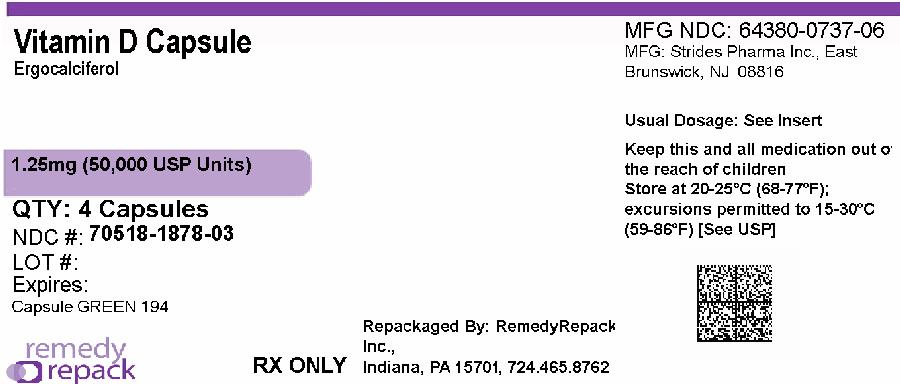
(vitamin · DailyMed)
DAILY VITALITY PACK
FORMULA IV FOOD SUPPLEMENT CAPSULES VITAMIN E 200 IU CAPSULE VITAMIN B CO SUSTAINED RELEASE TABLET VITAMIN C SUSTAINED RELEASE TABLET AND MULTI-MINERAL PLUS ALFALFA TABLET.
What it does
Alfalfa is a plant-based supplement often used for its potential health benefits.
Commonly used for: high cholesterol, diabetes, kidney problems, digestive issues …
Read more in plain English ↓Plain-language summary for general understanding - not medical advice. Always follow your pharmacist/doctor.
Ask about this medicine
Answers come only from this medicine's registration record, BNF monograph and interaction data - not medical advice.
Hard to find? We help patients in Kenya source rare medicines. We don't sell or dispense medicines - licensed pharmacies do.
Source this medicineRegistration & product details
Source: Pharmacy and Poisons Board · fetched 2026-01-28 21:26:44 · updated 2026-07-20 11:00:49
Drug Interactions
7Severe (2)
Vitamin - increases risk of vitamin a toxicity
TretinoinispredictedtoincreasetheriskofvitaminAtoxicity whengivenwithvitaminA.Avoid.rStudy Ribavirin e
Vitamin - increases risk of vitamin a toxicity
Retinoids(tretinoin)arepredictedtoincreasetheriskof vitaminAtoxicitywhengivenwithvitaminA.Avoid.r Study VitaminDsubstances . . . . . alfacalcidol.calcipotri..ol calcitriol colecalciferol ergocalcifero
Moderate (1)
Vitamin - increases risk of toxicity
Retinoids (bexarotene) are predicted to increase the risk of toxicity when given with vitamin A. Adjust dose.
Unknown (4)
Vitamin - decreases effects
Carbamazepine is predicted to decrease the effects of vitamin D substances.
Vitamin - increases exposure
Cobicistat is predicted to increase the exposure to vitamin D substances (paricalcitol).
Vitamin - increases exposure
Idelalisib is predicted to increase the exposure to vitamin D substances (paricalcitol).
Vitamin - increases exposure
Clarithromycin is predicted to increase the exposure to vitamin D substances (paricalcitol).
Data from BNF 85 (British National Formulary). This is not a substitute for professional medical advice. Matched via: exact
About alfalfa
Alfalfa is a plant-based supplement often used for its potential health benefits.
What it treats
- high cholesterol
- diabetes
- kidney problems
- digestive issues
- increasing appetite
How it works
Alfalfa may help lower cholesterol and support overall health, but the exact way it works is not fully understood.
Who it's for
Alfalfa may be suitable for adults looking to manage cholesterol levels or support digestion.
Cautions
- • Consult a healthcare professional before use, especially if pregnant or breastfeeding.
- • May cause allergic reactions in some individuals.
AI-assisted summary grounded in BNF data - general information only, not medical advice. Always confirm with your pharmacist or doctor.
About food
Food is essential for providing the nutrients and energy your body needs to function properly.
What it treats
- nutrition
- energy supply
- growth and development
- maintenance of body functions
How it works
Food provides the body with essential nutrients such as carbohydrates, proteins, fats, vitamins, and minerals, which are necessary for overall health and well-being.
Who it's for
Everyone, as all individuals need food to support their health and daily activities.
AI-assisted summary grounded in BNF data - general information only, not medical advice. Always confirm with your pharmacist or doctor.
About formula
Formula is a type of nutritional supplement designed to provide essential nutrients for those who may not get enough from their diet.
What it treats
- Nutritional support for infants and children
- Dietary supplement for adults with specific nutritional needs
How it works
Formula provides a balanced mix of proteins, fats, carbohydrates, vitamins, and minerals to support growth and health.
Who it's for
It is suitable for infants, children, and adults who require additional nutrition.
Cautions
- • Consult a healthcare professional before use, especially for infants or individuals with specific health conditions.
AI-assisted summary grounded in BNF data - general information only, not medical advice. Always confirm with your pharmacist or doctor.
About plus
Plus is a medication used to treat various conditions, but specific details about its effects must be provided by a healthcare professional.
How it works
The exact mechanism of how Plus works is not specified, but it is designed to address certain medical conditions.
Who it's for
Plus may be prescribed for individuals with specific health issues, determined by a healthcare provider.
AI-assisted summary grounded in BNF data - general information only, not medical advice. Always confirm with your pharmacist or doctor.
About supplement
Supplements are products taken to enhance nutrition or health, often containing vitamins, minerals, herbs, or other substances.
What it treats
- general health improvement
- nutritional deficiency support
- boosting immune function
- supporting energy levels
How it works
Supplements provide additional nutrients that may be lacking in your diet, helping to support various bodily functions.
Who it's for
Supplements can be used by anyone looking to improve their health or dietary intake, but it's best to consult a healthcare professional before starting.
Cautions
- • Always check with a healthcare professional before starting any supplement.
- • Some supplements may not be suitable for everyone, especially those with certain health conditions.
AI-assisted summary grounded in BNF data - general information only, not medical advice. Always confirm with your pharmacist or doctor.
About vitamin
Vitamins are essential nutrients that support various bodily functions and overall health.
What it treats
- nutritional deficiency
- general health maintenance
How it works
Vitamins support normal bodily functions, including metabolism, immune function, and cell repair.
Who it's for
Anyone needing to improve their nutrient intake or maintain good health.
AI-assisted summary grounded in BNF data - general information only, not medical advice. Always confirm with your pharmacist or doctor.
Clinical monograph: alfalfa
Alfalfa, scientifically known as Medicago sativa, is a perennial flowering plant in the legume family, Fabaceae. It is commonly used as a dietary supplement due to its rich nutritional profile, which includes vitamins, minerals, and amino acids. Traditionally, alfalfa has been utilized in herbal medicine to support various health conditions, including digestive issues, high cholesterol, and to promote overall health. Its leaves and sprouts are particularly valued for their concentrated nutrient content.
Indications
- Hyperlipidemia
- Digestive disorders
- Nutritional supplementation
- Menopausal symptoms
- Diabetes management
Dosage
Adults: Dosage varies widely based on the form of alfalfa (e.g., capsules, tablets, or sprouts) and individual health needs. It is advised to refer to specific product guidelines or consult a healthcare professional for appropriate dosing.
Mechanism of action
The mechanisms of action of alfalfa are primarily attributed to its phytochemical constituents, including saponins, flavonoids, and coumarins. These compounds may help to lower cholesterol levels by binding bile acids, promoting their excretion, and thereby reducing lipid absorption. Alfalfa also exhibits antioxidant properties, which may help in reducing oxidative stress and inflammation in the body. Additionally, the high fiber content aids in digestive health by promoting bowel regularity.
Pharmacodynamics
Alfalfa has been shown to have various pharmacodynamic effects, including lipid-lowering activity, anti-inflammatory effects, and antioxidant properties. Its saponins can influence lipid metabolism, while flavonoids may exert anti-inflammatory actions. The plant's high fiber content helps to regulate bowel movements and can promote satiety, which may assist in weight management. The bioactive compounds in alfalfa also contribute to its potential benefits in promoting cardiovascular health.
Pharmacokinetics
The pharmacokinetics of alfalfa are not extensively studied; however, it is noted that the bioactive compounds are absorbed through the gastrointestinal tract. The presence of dietary fiber may slow down the absorption of some nutrients, but this can also contribute to overall health benefits. Metabolism of alfalfa constituents occurs mainly in the liver, and excretion primarily happens through feces and urine. The half-life of specific compounds within alfalfa is not well defined.
Adverse effects
- Allergic reactions
- Gastrointestinal upset
- Hypersensitivity reactions
Interactions
- May interact with anticoagulants and antiplatelet medications due to potential vitamin K content
- Can affect the absorption of certain medications due to high fiber content
Precautions
- Use with caution in individuals with hormone-sensitive conditions due to phytoestrogen content
- Monitor for allergic reactions in sensitive individuals
Pregnancy
Consult healthcare professionals before use due to insufficient evidence on safety.
Breast-feeding
Consult healthcare professionals before use as safety is not well established.
Storage
Store in a cool, dry place, protected from light.
Formulations
- Dried leaf powder
- Tablets
- Capsules
- Tinctures
AI-synthesized from BNF references - general information only, not a substitute for professional medical advice or the current BNF. Verify doses with a pharmacist.
Clinical monograph: food
Food encompasses a wide variety of substances consumed to provide nutritional support for the body. It is essential for sustaining life, providing energy, and supplying the necessary nutrients for growth, maintenance, and repair of tissues. Food can be classified into macronutrients, which include carbohydrates, proteins, and fats, and micronutrients, which include vitamins and minerals.
Indications
- Nutritional support
- Energy provision
- Disease management
- Growth and development
- Maintenance of health
Dosage
Children: Nutritional needs for children vary widely based on age, growth rate, and activity level. It is essential to provide age-appropriate food portions and a balanced diet to support healthy growth and development.
Adults: Dietary recommendations vary based on individual needs, health status, activity level, and specific dietary goals. General guidelines suggest a balanced diet that includes a variety of foods from all food groups.
Mechanism of action
Food acts through various biochemical pathways to provide energy and nutrients necessary for metabolic processes. Macronutrients are broken down into glucose, amino acids, and fatty acids, which are utilized by cells for energy production (ATP), synthesis of biomolecules, and regulation of metabolic pathways. The digestion and absorption of food involve enzymes and transport mechanisms that facilitate the uptake of nutrients in the gastrointestinal tract.
Pharmacodynamics
The pharmacodynamic effects of food depend on its composition and the specific nutrients it contains. Carbohydrates provide a quick source of energy, while proteins are crucial for muscle repair and growth. Fats are vital for long-term energy storage and absorption of fat-soluble vitamins. Food's impact on satiety, metabolism, and overall health is mediated through complex interactions with hormonal signals such as insulin, leptin, and ghrelin.
Pharmacokinetics
The pharmacokinetics of food involves its digestion, absorption, distribution, metabolism, and excretion. Digestion begins in the mouth and continues in the stomach and small intestine, where enzymes and acids break down food into absorbable units. Nutrients are then absorbed primarily in the small intestine and transported via the bloodstream to various tissues. The metabolism of nutrients occurs in the liver and other tissues, and any excess nutrients may be stored or excreted as necessary.
Pregnancy
Nutritional needs must be met during pregnancy, and dietary choices can impact fetal development. Consult healthcare professionals for appropriate dietary guidelines.
Breast-feeding
Nutritional intake during breastfeeding is crucial for milk quality and maternal health. A well-balanced diet is recommended.
Storage
Food should be stored according to type; perishable items must be kept refrigerated, while dry goods should be stored in a cool, dry place.
AI-synthesized from BNF references - general information only, not a substitute for professional medical advice or the current BNF. Verify doses with a pharmacist.
Clinical monograph: formula
Formula refers to a variety of nutritional products designed to provide essential nutrients for individuals who are unable to obtain adequate nutrition from regular food sources. These products are commonly used in medical settings for patients with specific dietary needs, such as those with malabsorption syndromes, certain metabolic disorders, or those recovering from surgery. They are available in various forms, including powders, liquids, and ready-to-drink formulations, and are tailored to meet the nutritional requirements of different patient populations.
Indications
- Malnutrition
- Post-operative recovery
- Chronic illness management
- Enteral feeding in patients with swallowing difficulties
- Metabolic disorders requiring specific nutrient ratios
- Gastrointestinal disorders leading to malabsorption
Dosage
Children: Refer to specific product guidelines and clinical indications, as dosages vary based on individual needs and type of formula used.
Adults: Refer to specific product guidelines and clinical indications, as dosages vary based on individual needs and type of formula used.
Mechanism of action
The mechanism of action for formula products is primarily based on their ability to provide macronutrients (proteins, carbohydrates, fats) and micronutrients (vitamins and minerals) necessary for the maintenance of health, growth, and development. The specific formulations may contain specialized ingredients that target particular metabolic pathways or deficiencies, thereby enhancing nutrient absorption and utilization.
Pharmacodynamics
The pharmacodynamics of nutritional formulas involves the absorption and metabolism of the provided nutrients. Once ingested, macronutrients are broken down into their constituent components (amino acids from proteins, glucose from carbohydrates, and fatty acids from fats) and are utilized by the body for energy, cellular repair, and growth. The specific blend of nutrients can influence metabolic rates and support physiological functions, such as immune response and tissue healing.
Pharmacokinetics
The pharmacokinetics of nutritional formulas varies based on their composition. Generally, macronutrients are rapidly absorbed in the gastrointestinal tract, with proteins being digested into amino acids, carbohydrates into simple sugars, and fats into fatty acids and glycerol. The absorption rate may be influenced by factors such as the type of formula, the presence of other foods, and the individual's digestive health. Nutrients are distributed throughout the body via the bloodstream, and excess nutrients can be stored or excreted as needed.
Pregnancy
Consult healthcare professionals for individualized advice. Generally, formula feeding is considered safe during pregnancy when proper guidelines are followed.
Breast-feeding
Infant formula can be used as a supplement or alternative to breastfeeding when necessary. Always consult a healthcare professional for guidance.
Storage
Store in a cool, dry place. Once opened, use within the timeframe specified on the packaging, and refrigerate if necessary.
AI-synthesized from BNF references - general information only, not a substitute for professional medical advice or the current BNF. Verify doses with a pharmacist.
Clinical monograph: plus
Plus is a combination medication that is commonly used to manage symptoms of respiratory conditions, particularly in individuals suffering from cough, congestion, and other related ailments. It typically contains a mixture of active ingredients such as antihistamines, decongestants, and sometimes analgesics or antipyretics, depending on the formulation. The combination aims to alleviate symptoms associated with colds, allergies, and sinusitis.
Indications
- Allergic rhinitis
- Common cold
- Sinusitis
- Nasal congestion
- Cough associated with colds or allergies
Dosage
Children: Refer to B
Adults: Refer to specific product guidelines for dosing; generally taken every 4 to 6 hours as needed, not exceeding the maximum daily limit.
Mechanism of action
The active components in Plus work synergistically to relieve symptoms. Antihistamines block the action of histamine at H1 receptors, reducing allergy symptoms such as sneezing and runny nose. Decongestants act on alpha-adrenergic receptors in the nasal mucosa, leading to vasoconstriction and reduced edema, thereby relieving nasal congestion. If an analgesic or antipyretic is included, it typically works by inhibiting cyclooxygenase enzymes, leading to decreased production of prostaglandins, which are mediators of pain and fever.
Pharmacodynamics
The pharmacodynamic effects of Plus vary based on its specific formulation. Antihistamines provide symptomatic relief from allergic reactions, while decongestants improve airflow through the nasal passages. The analgesic component, if present, helps in reducing pain and fever, enhancing overall comfort during illness. The onset of action varies with the route of administration, generally occurring within 30 minutes to an hour after oral intake.
Pharmacokinetics
The pharmacokinetics of Plus depend on its individual components. Generally, antihistamines are well absorbed from the gastrointestinal tract, with peak plasma concentrations occurring within 1 to 3 hours. They undergo hepatic metabolism and are eliminated primarily through the urine. Decongestants also have good oral bioavailability, with a similar onset of action. Their elimination half-lives vary, ranging from 2 to 12 hours. If analgesic components are present, they may have longer half-lives and specific metabolic pathways.
AI-synthesized from BNF references - general information only, not a substitute for professional medical advice or the current BNF. Verify doses with a pharmacist.
Clinical monograph: supplement
Supplements refer to a variety of products that are intended to enhance dietary intake of nutrients, such as vitamins, minerals, amino acids, fatty acids, and other substances. They can come in various forms including tablets, capsules, powders, and liquids. Supplements are used to address nutritional deficiencies, support overall health, and in some cases, to manage specific health conditions.
Indications
- Nutritional deficiencies
- Bone health
- Immune support
- Cognitive function
- Muscle recovery
- Cardiovascular health
- Pregnancy support
Dosage
Children: Refer to the BNF for Children for specific paediatric dosing recommendations, as these will depend on the individual supplement and the child's age and health status.
Adults: Refer to specific supplement guidelines, as dosing varies widely based on the supplement type and individual health needs.
Mechanism of action
The mechanism of action of dietary supplements varies widely depending on the specific nutrient or compound. For example, vitamins and minerals act as cofactors in enzymatic reactions, amino acids serve as building blocks for proteins and neurotransmitters, and fatty acids can influence inflammatory pathways and cellular membrane integrity.
Pharmacodynamics
The pharmacodynamics of supplements depend on the specific substances involved. Generally, they exert their effects by participating in metabolic processes, altering cellular signaling pathways, or modulating physiological responses. For example, vitamin D contributes to calcium homeostasis and bone health, while omega-3 fatty acids have anti-inflammatory properties.
Pharmacokinetics
The pharmacokinetics of supplements varies by type. Vitamins and minerals may have different absorption rates and bioavailability based on their solubility (water-soluble vs fat-soluble), while amino acids and fatty acids are absorbed in the gastrointestinal tract and transported via the bloodstream to tissues. Factors influencing pharmacokinetics include dosage form, presence of food, and individual metabolic differences.
Pregnancy
Consult a healthcare provider before using supplements during pregnancy, as some supplements may not be safe and can affect fetal development.
Breast-feeding
Consult a healthcare provider before using supplements while breastfeeding, as certain supplements may pass into breast milk and affect the infant.
Storage
Store in a cool, dry place away from direct sunlight and out of reach of children.
AI-synthesized from BNF references - general information only, not a substitute for professional medical advice or the current BNF. Verify doses with a pharmacist.
Clinical monograph: vitamin
BNF-referencedVitamins are organic compounds that are essential for various metabolic processes in the body. They play crucial roles in maintaining health, supporting the immune system, and promoting growth and development. Different vitamins have specific functions, and they are required in varying amounts depending on age, sex, and physiological conditions.
Indications
- Vitamin deficiency syndromes (e.g., scurvy for vitamin C deficiency, rickets for vitamin D deficiency)
- Support for immune function
- Antioxidant support
- Bone health maintenance
- Vision health
- Energy metabolism support
Dosage
Children: Refer to the BNF for Children for specific vitamin dosing guidelines, which depend on age and nutritional requirements.
Adults: Refer to specific vitamin guidelines as dosage varies significantly depending on the type of vitamin and individual needs.
Mechanism of action
Vitamins function primarily as coenzymes or precursors for coenzymes in enzymatic reactions. For instance, B vitamins are involved in energy metabolism, while vitamins A, C, D, E, and K support various physiological functions including vision, antioxidant activity, calcium regulation, and blood clotting. Each vitamin has a unique mechanism of action based on its structure and role in the body.
Pharmacodynamics
Vitamins exert their effects at the cellular level, influencing metabolic pathways, gene expression, and immune responses. For example, vitamin D regulates calcium and phosphate homeostasis, while vitamin A is crucial for vision and immune function. Deficiencies in vitamins can lead to a range of disorders, highlighting their importance in maintaining health.
Pharmacokinetics
The pharmacokinetics of vitamins vary widely. Fat-soluble vitamins (A, D, E, and K) are stored in liver and adipose tissues and can be released into circulation as needed. Water-soluble vitamins (B-complex and C) are not stored and must be consumed regularly, with excess amounts excreted in urine. Absorption rates, half-lives, and distribution can also differ based on the specific vitamin and individual metabolic factors.
Interactions
- tretinoin+vitamin: Severe (increases risk of vitamin toxicity)
- retinoids+vitamin: Severe (increases risk of vitamin toxicity)
- retinoids+vitamin: Moderate (increases risk of toxicity)
- carbamazepine+vitamin: Unknown (decreases effects)
- cobicistat+vitamin: Unknown (increases exposure)
- vitamin D substances+digoxin: Unknown (increases risk of toxicity)
- idelalisib+vitamin: Unknown (increases exposure)
- clarithromycin+vitamin: Unknown (increases exposure)
Pregnancy
Consult healthcare professional before use. Vitamin supplementation during pregnancy should be carefully managed to avoid hypervitaminosis.
Breast-feeding
Consult healthcare professional before use. Some vitamins can pass into breast milk and may affect the infant.
Storage
Store in a cool, dry place, away from direct sunlight. Ensure it is kept out of reach of children.
Formulations
- {'name': 'Vitamin A', 'form': 'Capsule', 'strength': '10000 IU'}
- {'name': 'Vitamin D', 'form': 'Tablet', 'strength': '1000 IU'}
- {'name': 'Vitamin E', 'form': 'Softgel', 'strength': '400 IU'}
AI-synthesized from BNF references - general information only, not a substitute for professional medical advice or the current BNF. Verify doses with a pharmacist.
Molecular reference: vitamin
PubChem CID 266052Molecular formula: C14H15NO7
Source: PubChem (NCBI) · pathways from PathBank, Reactome, WikiPathways & PharmGKB.
This drug in other countries
The same active ingredient registered across other registries we cover - including different brands.
- ABIVIT DROPS · Accelius Global
- ACTIKID MAGIC BEANS JELLY BEANS · Amapharm
- ADVANCED EGG FORMULA POWDER · Advanced Agrovets Biotechnologies
- AJ WELLNESS VITALMAN 45+ CAPSULES · Renown Pharmaceuticals
- AJ WELLNESS VITALMAN 65+ CAPSULES · Renown Pharmaceuticals
- AJ WELLNESS VITALWOMAN 65+ CAPSULES · Renown Pharmaceuticals