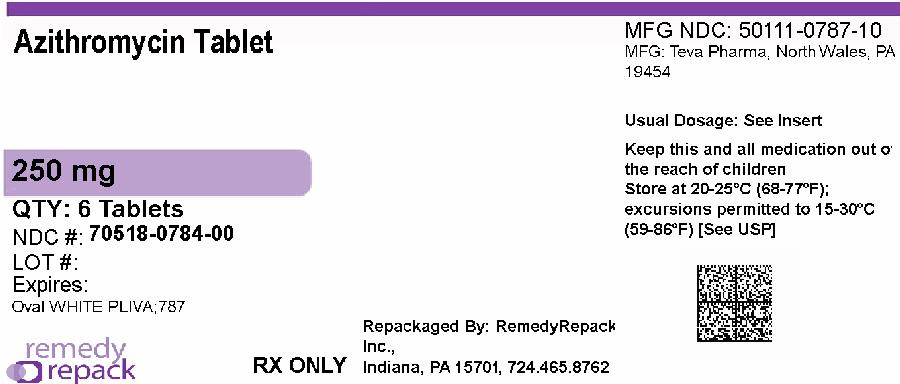
(azithromycin · DailyMed)
DAZEL KIT
Azithromycin Tablets 1g, Secnidazole Tablets 1g and Fluconazole Tablets 150mg
What it does
Azithromycin is an antibiotic that helps treat infections caused by bacteria.
Commonly used for: bacterial infections, chest infections (pneumonia), throat infections (pharyngitis), skin infections …
Read more in plain English ↓Plain-language summary for general understanding - not medical advice. Always follow your pharmacist/doctor.
Ask about this medicine
Answers come only from this medicine's registration record, BNF monograph and interaction data - not medical advice.
Medicine sourcing is available in Kenya only. We don't sell or dispense medicines - licensed pharmacies do.
Sourcing - Kenya onlyRegistration & product details
Source: Rwanda Food and Drugs Authority · fetched 2026-03-11 22:07:35 · updated 2026-09-21 02:30:20
Drug Interactions
69Pharmacodynamic Warnings
Fluconazole appears in TABLE 1: Drugs that cause hepatotoxicity
Fluconazole appears in TABLE 9: Drugs that prolong the QT interval
Severe (7)
Bosentan - increases exposure
Fluconazole is predicted to increase the exposure to endothelin receptor antagonists (bosentan). Avoid.
Endothelin Receptor Antagonists - increases exposure
Fluconazole is predicted to increase the exposure to endothelin receptor antagonists (bosentan). Avoid.
Ergometrine - increases risk of ergotism
Macrolides (clarithromycin) are predicted to increase the risk of ergotism when given with ergometrine. Avoid.
Ergotamine - increases risk of ergotism
Macrolides (clarithromycin) are predicted to increase the risk of ergotism when given with ergotamine. Avoid.
Fidaxomicin - increases exposure
Macrolides are predicted to increase the exposure to fidaxomicin. Avoid.
Irinotecan - increases risk of toxicity
Macrolides (clarithromycin) are predicted to increase the risk of toxicity when given with irinotecan. Avoid.
Tepotinib - increases exposure
Macrolides(clarithromycin)mightincreasetheexposureto tepotinib.Avoid.rTheoretical
Moderate (17)
Antiepileptics - increases concentration
Fluconazole increases the concentration of antiepileptics (fosphenytoin, phenytoin). Monitor concentration and adjust dose.
Atorvastatin - increases exposure
Fluconazole is predicted to increase the exposure to statins (atorvastatin, simvastatin). Monitor and adjust dose. Also see TABLE 1 p. 1517.
Bictegravir - increases exposure
Macrolides are predicted to increase the exposure to bictegravir. Use with caution or avoid.
Coumarins - increases anticoagulant effect
Fluconazole increases the anticoagulant effect of coumarins. Monitor INR and adjust dose.
Fluconazole - decreases exposure
Rifampicin slightly decreases the exposure to antifungals, azoles (fluconazole). Adjust dose.
Unknown (45)
Abrocitinib - increases exposure
Fluconazole is predicted to increase the exposure to abrocitinib. Adjust abrocitinib dose, p. 1380.
Afatinib - increases exposure
Macrolides are predicted to increase the exposure to afatinib.
Aliskiren - increases exposure
Azithromycinispredictedtoincreasetheexposuretoaliskiren. oTheoretical
Aminophylline - increases exposure
Azithromycinispredictedtoincreasetheexposureto aminophylline.oTheoretical
Antiarrhythmics - increases exposure
Fluconazole is predicted to increase the exposure to antiarrhythmics (dronedarone). Theoretical → Also see TABLE 9 p. 1519
Data from BNF 85 (British National Formulary). This is not a substitute for professional medical advice. Matched via: exact
About azithromycin
Azithromycin is an antibiotic that helps treat infections caused by bacteria.
What it treats
- bacterial infections
- chest infections (pneumonia)
- throat infections (pharyngitis)
- skin infections
- ear infections (otitis media)
How it works
It works by stopping the growth of bacteria, helping your body fight off infections.
Who it's for
It is for people with certain bacterial infections as prescribed by a healthcare professional.
Drug class
Macrolides
AI-assisted summary grounded in BNF data - general information only, not medical advice. Always confirm with your pharmacist or doctor.
About fluconazole
Fluconazole is an antifungal medication used to treat infections caused by fungi.
What it treats
- fungal infections (mycoses)
- thrush (oral candidiasis)
- fungal infections in the blood (candidemia)
How it works
Fluconazole works by stopping the growth of fungi in the body.
Who it's for
Fluconazole is for people with fungal infections, including those with weakened immune systems.
Cautions
- • Be careful if you are taking other medications that can harm the liver.
- • Avoid if taking medications that can affect heart rhythm.
AI-assisted summary grounded in BNF data - general information only, not medical advice. Always confirm with your pharmacist or doctor.
About secnidazole
Secnidazole is an antibiotic used to treat infections caused by certain parasites and bacteria.
What it treats
- bacterial infections
- parasitic infections (e.g., giardiasis, amoebiasis)
How it works
Secnidazole works by killing the germs that cause the infection.
Who it's for
This medication is for people with specific infections caused by bacteria or parasites.
AI-assisted summary grounded in BNF data - general information only, not medical advice. Always confirm with your pharmacist or doctor.
Clinical monograph: Fluconazole
BNF-referencedFluconazole is a triazole antifungal agent that is primarily used to prevent and treat various fungal infections, particularly those caused by Candida species and Cryptococcus neoformans. It works by inhibiting the synthesis of ergosterol, an essential component of fungal cell membranes, thereby exhibiting fungistatic activity. Fluconazole is administered either orally or intravenously, making it versatile for different clinical settings, including in immunocompromised patients.
Indications
- Invasive candidal infections (including candidaemia and disseminated candidiasis)
- Cryptococcal infections (including meningitis)
- Candidal balanitis
- Vulvovaginal candidiasis
- Mucosal candidiasis (except genital)
- Prevention of fungal infections in immunocompromised patients
Dosage
Adults: For most indications, the adult oral dose is 50 mg daily for 2–4
Mechanism of action
Fluconazole selectively inhibits the fungal cytochrome P450 enzyme lanosterol 14-α-demethylase, which is crucial for converting lanosterol to ergosterol, necessary for fungal cell wall synthesis. By binding to the iron in the heme group of this enzyme, fluconazole prevents the demethylation of lanosterol, leading to the accumulation of methylated sterols in the fungal membrane, disrupting its structure and function and halting fungal growth.
Pharmacodynamics
Fluconazole exhibits fungistatic activity against a wide range of fungi, including Candida albicans, Candida glabrata, Candida parapsilosis, Candida tropicalis, and Cryptococcus neoformans. Its action involves interference with cell wall synthesis and growth, as well as cell adhesion, making it effective in treating fungal infections. Resistance can develop due to mutations in the target enzyme or other mechanisms, highlighting the importance of susceptibility testing.
Pharmacokinetics
Fluconazole is well-absorbed after oral administration, with bioavailability exceeding 90%. It has a long half-life, allowing for once-daily dosing. The drug is primarily excreted unchanged in the urine, which necessitates dose adjustments in patients with renal impairment. Fluconazole penetrates well into various body fluids, including cerebrospinal fluid, making it particularly useful for treating central nervous system infections.
Contra-indications
- Acute porphyrias
Adverse effects
- Nausea
- Abdominal pain
- Diarrhea
- Headache
- Dizziness
- Skin rash
- Elevated liver enzymes
- QT interval prolongation
Interactions
- Fluconazole + endothelin receptor antagonists: Severe (increases exposure)
- Fluconazole + bosentan: Severe (increases exposure)
- Fluconazole + antiepileptics: Moderate (increases concentration)
- Fluconazole + fosphenytoin: Moderate (increases concentration)
- Fluconazole + phenytoin: Moderate (increases concentration)
- Fluconazole + coumarins: Moderate (increases anticoagulant effect)
- Fluconazole + rifamycins: Moderate (increases risk of uveitis)
- Fluconazole + rifabutin: Moderate (increases risk of uveitis)
- Fluconazole + ruxolitinib: Moderate (increases exposure)
- Fluconazole + statins: Moderate (increases exposure)
Precautions
- Monitor liver function tests during therapy
- Use with caution in patients with a history of QT interval prolongation
- Assess for potential drug interactions, especially with other medications that prolong QT interval
Pregnancy
Fluconazole is categorized as a pregnancy category D drug, indicating evidence of risk to the fetus. It should be used only if the potential benefit justifies the potential risk.
Breast-feeding
Fluconazole is excreted in breast milk. Caution should be exercised when administering fluconazole to a nursing mother.
Storage
Store at room temperature, protected from light and moisture. Reconstituted solutions should be used promptly or stored at controlled temperatures as specified by product guidelines.
Formulations
- Oral tablets (50 mg, 150 mg, 200 mg)
- Oral suspension (10 mg/mL, 40 mg/mL)
- Intravenous infusion (2 mg/mL)
AI-synthesized from BNF references - general information only, not a substitute for professional medical advice or the current BNF. Verify doses with a pharmacist.
Clinical monograph: Azithromycin
BNF-referencedAzithromycin is a macrolide antibiotic used to treat various bacterial infections, including respiratory tract infections, skin and soft tissue infections, and certain sexually transmitted infections. It works by inhibiting bacterial protein synthesis.
Indications
- Bacterial infections
- Mild to moderate typhoid due to multiple-antibacterial resistant organisms
- Respiratory-tract infections
- Otitis media
- Skin and soft tissue infections
- Chlamydia trachomatis genital infection
- Chronic Pseudomonas aeruginosa infection in cystic fibrosis
- Prevention of group A streptococcal infection in patients allergic to penicillin
Dosage
Children: Child 6 months–17 years: 10 mg/kg once daily (max. per dose 500 mg) for 3 days, repeated after 1 week if necessary. Refer to BNF for Children for specific dosing based on age and weight.
Adults: 500 mg once daily for 3 to 5 days depending on the infection being treated. For certain cases, doses may be adjusted based on clinical judgment.
Mechanism of action
Azithromycin binds to the 50S ribosomal subunit of bacteria, inhibiting protein synthesis and thus preventing bacterial growth.
Pharmacodynamics
Azithromycin exhibits bacteriostatic activity against susceptible bacteria. It has a long half-life, allowing for once-daily dosing and effective treatment of infections.
Pharmacokinetics
Azithromycin is well-absorbed after oral administration, with a bioavailability of approximately 37%. It penetrates well into tissues, with a half-life of about 68 hours, and is primarily excreted in bile, with minimal renal excretion.
Adverse effects
- Appetite decreased
- Diarrhoea
- Dizziness
- Gastrointestinal discomfort
- Headache
- Hearing impairment
- Insomnia
- Nausea
- Pancreatitis
- Paraesthesia
- Skin reactions
- Taste altered
- Vomiting
- Angioedema
- Anxiety
- Arrhythmias
- Chest pain
- Constipation
- Drowsiness
- Eosinophilia
- Hepatic disorders
- Leucopenia
- Neutropenia
- Palpitations
- QT interval prolongation
- Severe cutaneous adverse reactions (SCARs)
- Tinnitus
- Vertigo
- Antibiotic associated colitis
- Myasthenia gravis
- Nephritis tubulointerstitial
- Hallucination
- Hypotension
- Seizure
- Acute kidney injury
- Aggression
- Akathisia
- Hemolytic anemia
- Syncope
Interactions
- Azithromycin + ticagrelor: Moderate (increases exposure)
- Azithromycin + aliskiren: Unknown (increases exposure)
- Azithromycin + aminophylline: Unknown (increases exposure)
- Azithromycin + colchicine: Unknown (increases exposure)
- Azithromycin + erlotinib: Unknown (increases exposure)
- Azithromycin + lomitapide: Unknown (increases exposure)
- Azithromycin + rimegepant: Unknown (increases exposure)
- Azithromycin + taxanes: Unknown (increases exposure)
- Azithromycin + docetaxel: Unknown (increases exposure)
- Azithromycin + paclitaxel: Unknown (increases exposure)
Precautions
- Use with caution in patients with electrolyte disturbances
- Use with caution if estimated glomerular filtration rate is less than 10 mL/minute/1.73 m2
- Predisposition to QT interval prolongation may be aggravated
AI-synthesized from BNF references - general information only, not a substitute for professional medical advice or the current BNF. Verify doses with a pharmacist.
Clinical monograph: secnidazole
BNF-referencedSecnidazole is a broad-spectrum nitroimidazole antimicrobial agent that exhibits potent activity against various anaerobic Gram-positive and Gram-negative bacteria, as well as protozoa. It is primarily used in the treatment of infections caused by specific pathogens, such as Trichomonas vaginalis, Entamoeba histolytica, and Giardia lamblia. Its mechanism of action involves the reduction of its nitro group by microbial enzymes, leading to the production of reactive intermediates that damage DNA and inhibit protein synthesis, ultimately resulting in cell death.
Indications
- Trichomoniasis
- Amebiasis
- Giardiasis
- Bacterial vaginosis
Dosage
Children: Refer to the BNF for Children for specific dosing tailored to paediatric patients.
Adults: Refer to the BNF for appropriate dosing information based on the specific infection being treated.
Mechanism of action
Secnidazole's antimicrobial and antiprotozoal effects stem from the reduction of its nitro group by bacterial or parasitic nitroreductase enzymes. This process generates radical anions and reactive intermediates that deplete thiols, damage DNA helix structure, disrupt protein synthesis, and lead to the replication inhibition and death of susceptible microorganisms.
Pharmacodynamics
Secnidazole is effective against a variety of anaerobic pathogens, including Bacteroides fragilis and Trichomonas vaginalis. It also shows activity against Entamoeba histolytica and Giardia lamblia in in vitro studies. While secnidazole may prolong the QTc interval, this effect is generally not considered clinically significant.
Pharmacokinetics
Secnidazole is well-absorbed and has a bioavailability that supports its efficacy in treating infections. It is metabolized in the liver and excreted primarily in urine. The pharmacokinetic properties facilitate its use in a variety of infectious conditions, ensuring adequate therapeutic concentrations are achieved in affected tissues.
Contra-indications
- Hypersensitivity to secnidazole or any component of the formulation
- Severe hepatic impairment
- History of seizure disorders
Adverse effects
- Nausea
- Vomiting
- Abdominal pain
- Dizziness
- Headache
- Dry mouth
- Altered taste
- Peripheral neuropathy
- Skin reactions
Interactions
- Alcohol - may cause disulfiram-like reactions
- Anticoagulants - may enhance anticoagulant effects
- Lithium - may increase lithium levels
Precautions
- Use with caution in patients with a history of neurological disorders
- Monitor for signs of peripheral neuropathy
- Caution in patients with hepatic impairment
Pregnancy
Secnidazole should be used during pregnancy only if the potential benefit justifies the potential risk to the fetus. Consultation with a healthcare provider is recommended.
Breast-feeding
It is not known whether secnidazole is excreted in human milk. Caution should be exercised when administering to breastfeeding women.
Storage
Store at room temperature, away from moisture and heat. Keep out of reach of children.
Formulations
- Tablets for oral administration
AI-synthesized from BNF references - general information only, not a substitute for professional medical advice or the current BNF. Verify doses with a pharmacist.
Molecular reference: Azithromycin
PubChem CID 447043Molecular formula: C38H72N2O12
Mechanism of action
In order to replicate, bacteria require a specific process of protein synthesis, enabled by ribosomal proteins. Azithromycin binds to the 23S rRNA of the bacterial 50S ribosomal subunit. It stops bacterial protein synthesis by inhibiting the transpeptidation/translocation step of protein synthesis and by inhibiting the assembly of the 50S ribosomal subunit,. This results in the control of various bacterial infections,. The strong affinity of macrolides, including azithromycin, for bacterial ribosomes, is consistent with their broad‐spectrum antibacterial activities. Azithromycin is highly stable at a low pH, giving it a longer serum half-life and increasing its concentrations in tissues compared to erythromycin. Azithromycin usually is bacteriostatic, although the drug may be bactericidal in high concentrations against selected organisms. Bactericidal activity has been observed in vitro against Streptococcus pyogenes, S. pneumoniae, and Haemophilus influenzae. Azithromycin inhibits protein synthesis in susceptible organisms by penetrating the cell wall and binding to 50S ribosomal subunits, thereby inhibiting translocation of aminoacyl transfer-RNA and inhibiting polypeptide synthesis. The site of action of azithromycin appears to be the same as that of the macrolides (i.e., erythromycin, clarithromycin), clindamycin, lincomycin, and chloramphenicol. The antimicrobial activity of azithromycin is reduced at low pH. Azithromycin concentrates in phagocytes, including polymorphonuclear leukocytes, monocytes, macrophages, and fibroblasts. Penetration of the drug into phagocytic cells is necessary for activity against intracellular pathogens (e.g., Staphylococcus aureus, Legionella pneumophila, Chlamydia trachomatis, Salmonella typhi).
Pharmacodynamics
Macrolides stop bacterial growth by inhibiting protein synthesis and translation, treating bacterial infections. Azithromycin has additional immunomodulatory effects and has been used in chronic respiratory inflammatory diseases for this purpose.
Biological pathways
Source: PubChem (NCBI) · pathways from PathBank, Reactome, WikiPathways & PharmGKB.
Molecular reference: Fluconazole
PubChem CID 3365Molecular formula: C13H12F2N6O
Mechanism of action
Fluconazole is a very selective inhibitor of fungal cytochrome P450 dependent enzyme _lanosterol 14-α-demethylase_. This enzyme normally works to convert _lanosterol_ to _ergosterol_, which is necessary for fungal cell wall synthesis. The free nitrogen atom located on the azole ring of fluconazole binds with a single iron atom located in the heme group of lanosterol 14-α-demethylase. This prevents oxygen activation and, as a result, inhibits the demethylation of lanosterol, halting the process of ergosterol biosynthesis. Methylated sterols are then found to accumulate in the fungal cellular membrane, leading to an arrest of fungal growth. These accumulated sterols negatively affect the structure and function of the fungal cell plasma membrane. Fluconazole resistance may arise from an alteration in the amount or function of the target enzyme (lanosterol 14-α-demethylase), altered access to this enzyme, or a combination of the above. Other mechanisms may also be implicated, and studies are ongoing. Fluconazole usually is fungistatic in action. Fluconazole and other triazole-derivative antifungal agents (e.g., itraconazole, terconazole) appear to have a mechanism of action similar to that of the imidazole-derivative antifungal agents (e.g., butoconazole, clotrimazole, econazole, ketoconazole, miconazole, oxiconazole). Like imidazoles, fluconazole presumably exerts its antifungal activity by altering cellular membranes resulting in increased membrane permeability, leakage of essential elements (eg, amino acids, potassium), and impaired uptake of precursor molecules (eg, purine and pyrimidine precursors to DNA). Although the exact mechanism of action of fluconazole and other triazoles has not been fully determined, the drugs inhibit cytochrome P-450 14-a-desmethylase in susceptible fungi, which leads to accumulation of C-14 methylated sterols (e.g., lanosterol) and decreased concentrations of ergosterol. It appears that this may occur because a nitrogen atom (N-4) in the triazole molecule binds to the heme iron of cytochrome P-450 14-a-desmethylase in susceptible fungi. Unlike some imidazoles (eg, clotrimazole, econazole, miconazole, oxiconazole) that suppress ATP concentrations in intact cells and spheroplasts of C. albicans, fluconazole does not appear to have an appreciable effect on ATP concentrations in the organism. It is unclear whether this effect is related to the in vivo antifungal effects of the drugs. Fluconazole generally is fungistatic against Candida albicans when the organism is in either the stationary or early logarithmic phase of growth. Fungistatic; may be fungicidal, depending on the concentration; azole antifungals interfere with cytochrome P450 enzyme activity, which is necessary for the demethylation of 14-alpha-methylsterols to ergosterol. Ergosterol, the principal sterol in the fungal cell membrane, becomes depleted. This damages the cell membrane, producing alterations in membrane functions and permeability. In Candida albicans, azole antifungals inhibit transformation of blastospores into invasive mycelial form.
Pharmacodynamics
Fluconazole has been demonstrated to show fungistatic activity against the majority of strains of the following microorganisms, curing fungal infections: _Candida albicans, Candida glabrata (Many strains are intermediately susceptible), Candida parapsilosis, Candida tropicalis, Cryptococcus neoformans_ This is achieved through steroidal inhibition in fungal cells, interfering with cell wall synthesis and growth as well as cell adhesion, thereby treating fungal infections and their symptoms. The fungistatic activity of fluconazole has also been shown in normal and immunocompromised animal models with both systemic and intracranial fungal infections caused by _Cryptococcus neoformans_ and for systemic infections caused by Candida albicans. It is important to note that resistant organisms have been found against various strains of organisms treated with fluconazole. This further substantiates the need to perform susceptibility testing when fluconazole is considered as an antifungal therapy. **A note on steroidal effects of fluconazole** There has been some concern that fluconazole may interfere with and inactivate human steroids/hormones due to the inhibition of hepatic cytochrome enzymes. Fluconazole has demonstrated to be more selective for _fungal_ cytochrome P-450 enzymes than for a variety of mammalian cytochrome P-450 enzymes. Fluconazole 50 mg administered daily for up to 28 days in individuals of reproductive age has been show to have no effect on testosterone plasma concentrations of males and plasma concentrations of steroids in females. A 200-400 mg dose of fluconazole showed no clinically relevant effect on steroid levels or on ACTH-stimulated steroid response in healthy males, in one clinical study mentioned on the European Medicines Agency label. Other studies have shown no significant effects of fluconazole on steroid levels, further confirming these data.
Source: PubChem (NCBI) · pathways from PathBank, Reactome, WikiPathways & PharmGKB.
Molecular reference: secnidazole
PubChem CID 71815Molecular formula: C7H11N3O3
Mechanism of action
Like other 5-nitroimidazole antimicrobials, the antimicrobial and antiprotozoal activity of secnidazole is accounted for by the nitro group in the imidazole ring. Upon entering the target pathogen, the nitro group of secnidazole is reduced by bacterial or parasitic nitroreductase enzymes, producing radical anions and reactive intermediates. Radical anions and reactive intermediates cause the depletion of thiols, DNA helix damage, disruption of bacterial or parasitic protein synthesis and replication, and ultimately, cell death of susceptible isolates of Gram positive bacteria, Gram negative bacteria and _T. vaginalis_.
Pharmacodynamics
Secnidazole is a broad-spectrum nitroimidazole antimicrobial drug. It is selective against many anaerobic Gram-positive and Gram-negative bacteria and protozoa. According to _in vitro_ studies, secnidazole mediates antibacterial effects against _Bacteroides fragilis_, _Trichomonas vaginalis_, _Entamoeba histolytica_, and _Giardia lamblia_. Secnidazole may prolong the QTc interval, but not to a clinically significant extent.
Source: PubChem (NCBI) · pathways from PathBank, Reactome, WikiPathways & PharmGKB.
This drug in other countries
The same active ingredient registered across other registries we cover - including different brands.
- AGYCIN 250 TABLETS (Each tablet contains Azithromycin Dihydrate 250mg) · Bliss Gvs Pharma
- AGYCIN 500 TABLETS (Each tablet contains Azithromycin Dihydrate 500mg) · Bliss Gvs Pharma
- APZITHRO 500 TABLETS (Each film coated tablet contains Azithromycin 500mg · Asian Pharma
- AZEX TABLETS · Expert Pharmaceuticals
- AZICIN 500MG TABLETS · Biomatrix Healthcare
- AZIDRIVE 250 TABLETS ( Azithromycin Dihydrate 250mg) · Addii Biotech