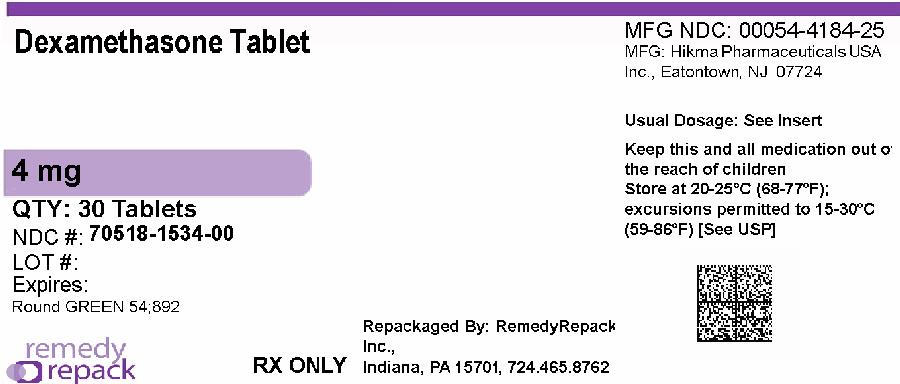
(dexamethasone · DailyMed)
DEEXA-N
Benzalkonium Chloride Solution 0.0002 ml ml,Borax (Sodium Borate) 1.10 mg/5.26ml,Creatinine 5.00 mg/5.26ml,Dexamethasone Sodium Sulphate 0.1 % w/v,Disodium Edetate (Inj.) 1.00 mg/5.26ml,Hydrochloric Acid (AR Grade) Q.S to 1 ml mg/5.26ml,Neomycin sulfate equivalent to Neomycin 0.5 % w/v,Polysorbate-80 5.00 mg/5.26ml,Sodium Bisulphite (AR Grade) 1.00 mg/5.26ml,Sodium Citrate. 4.50 mg/5.26ml,Water for injections Q.S to 1 ml ml
What it does
Benzalkonium is a disinfectant and antiseptic used to kill germs and prevent infections.
Commonly used for: skin infections, wound cleaning, eye infections, nasal congestion relief
Read more in plain English ↓Plain-language summary for general understanding - not medical advice. Always follow your pharmacist/doctor.
Ask about this medicine
Answers come only from this medicine's registration record, BNF monograph and interaction data - not medical advice.
Medicine sourcing is available in Kenya only. We don't sell or dispense medicines - licensed pharmacies do.
Sourcing - Kenya onlyRegistration & product details
Source: Tanzania Medicines and Medical Devices Authority · fetched 2026-03-11 23:38:52 · updated 2026-10-19 03:00:44
Drug Interactions
56Pharmacodynamic Warnings
Neomycin appears in TABLE 2: Drugs that cause nephrotoxicity
Dexamethasone appears in TABLE 17: Drugs that reduce serum potassium
Neomycin appears in TABLE 19: Drugs that cause ototoxicity
Neomycin appears in TABLE 20: Drugs with neuromuscular blocking effects
Severe (4)
Agalsidasealfa - decreases effects
Aminoglycosidesarepredictedtodecreasetheeffectsof agalsidasealfa.Avoid.oTheoretical
Agalsidasebeta - decreases effects
Aminoglycosidesarepredictedtodecreasetheeffectsof agalsidasebeta.Avoid.oTheoretical
Avapritinib - decreases exposure
Dexamethasoneispredictedtodecreasetheexposureto avapritinib.Avoid.rTheoretical
Mifamurtide - decreases efficacy
Corticosteroidsarepredictedtodecreasetheefficacyof mifamurtide.Avoid.rTheoretical
Moderate (24)
Corticosteroids - increases exposure
Dronedarone is predicted to increase the exposure to corticosteroids (methylprednisolone). Monitor and adjust dose.
Corticosteroids - increases concentration
Miconazole is predicted to increase the concentration of corticosteroids (methylprednisolone). Monitor and adjust dose.
Corticosteroids - increases exposure
Antifungals, azoles (fluconazole, isavuconazole, posaconazole) are predicted to increase the exposure to corticosteroids (methylprednisolone). Monitor and adjust dose.
Corticosteroids - decreases exposure
Cenobamate is predicted to decrease the exposure to corticosteroids (fluticasone). Adjust dose.
Corticosteroids - decreases efficacy
Mifepristone is predicted to decrease the efficacy of corticosteroids. Use with caution and adjust dose.
Unknown (28)
Aminoglycosides - decreases exposure
Miconazole potentially decreases the exposure to aminoglycosides (tobramycin).
Aspirin - decreases concentration
Corticosteroids are predicted to decrease the concentration of aspirin (high-dose) and aspirin (high-dose) increases the risk of gastrointestinal bleeding when given with corticosteroids.
Caspofungin - decreases concentration
Dexamethasone is predicted to decrease the concentration of caspofungin. Adjust caspofungin dose, p. 654.
Choline Salicylate - decreases concentration
Corticosteroids are predicted to decrease the concentration of cholinesalicylate. Ciclesonide → see corticosteroids Ciclosporin → see TABLE 2 p. 1517 (nephrotoxicity), TABLE 16 p. 1521 (increased seru
Corticosteroids - increases exposure
Cobicistat is predicted to increase the exposure to corticosteroids (beclometasone) (risk with beclometasone is likely to be lower than with other corticosteroids).
Data from BNF 85 (British National Formulary). This is not a substitute for professional medical advice. Matched via: class
About benzalkonium
Benzalkonium is a disinfectant and antiseptic used to kill germs and prevent infections.
What it treats
- skin infections
- wound cleaning
- eye infections
- nasal congestion relief
How it works
Benzalkonium works by disrupting the cell membranes of bacteria and viruses, effectively killing them.
Who it's for
It is suitable for adults and children needing antiseptic treatment or disinfection.
Cautions
- • Avoid contact with eyes and sensitive skin.
- • Do not use on deep wounds or serious burns.
AI-assisted summary grounded in BNF data - general information only, not medical advice. Always confirm with your pharmacist or doctor.
About bisulphite
Bisulphite is a chemical compound often used as a preservative and antioxidant in various products.
What it treats
- preservative in food and beverages
- antioxidant in pharmaceutical formulations
How it works
Bisulphite helps prevent oxidation, which can spoil food and medications, keeping them fresh for longer.
Who it's for
People who consume products containing bisulphite, including those with allergies or sensitivities to sulfites.
Cautions
- • May cause allergic reactions in some individuals, especially those with asthma.
AI-assisted summary grounded in BNF data - general information only, not medical advice. Always confirm with your pharmacist or doctor.
About borax
Borax is a compound often used in cleaning products and as a natural remedy for various conditions.
What it treats
- skin irritations
- fungal infections
- cleaning agent
How it works
Borax works by creating an environment that is hostile to certain fungi and bacteria, helping to reduce infections.
Who it's for
Borax may be used by adults seeking natural options for treating minor skin issues or for cleaning purposes.
Cautions
- • Avoid using on broken skin.
- • Keep away from children.
- • Use with caution if you have sensitive skin.
AI-assisted summary grounded in BNF data - general information only, not medical advice. Always confirm with your pharmacist or doctor.
About creatinine
Creatinine is a waste product that is usually measured to assess kidney function.
What it treats
- kidney function assessment
- monitoring kidney health
How it works
Creatinine levels in the blood can indicate how well the kidneys are removing waste from the body.
Who it's for
Individuals undergoing kidney function tests or those with kidney-related conditions.
AI-assisted summary grounded in BNF data - general information only, not medical advice. Always confirm with your pharmacist or doctor.
About dexamethasone
Dexamethasone is a corticosteroid used to treat various conditions by reducing inflammation and suppressing the immune system.
What it treats
- inflammation
- allergic reactions
- certain cancers
- autoimmune diseases (e.g., lupus)
- skin conditions (e.g., eczema)
How it works
It works by mimicking the effects of hormones produced by the adrenal glands, helping to decrease inflammation and control the immune response.
Who it's for
It is prescribed for adults and children with specific health issues that require inflammation control or immune suppression.
Drug class
Corticosteroids
Cautions
- • Be cautious if taking medications that lower potassium levels.
AI-assisted summary grounded in BNF data - general information only, not medical advice. Always confirm with your pharmacist or doctor.
About disodium
Disodium is a compound that may be used in various medical applications, particularly in maintaining electrolyte balance.
What it treats
- maintaining salt and water balance in the body
- supporting kidney function
How it works
Disodium helps to regulate the levels of sodium in the body, which is important for many bodily functions, including nerve and muscle activity.
Who it's for
It is usually prescribed for individuals who need help with electrolyte balance, such as those with certain kidney conditions or those undergoing specific treatments.
AI-assisted summary grounded in BNF data - general information only, not medical advice. Always confirm with your pharmacist or doctor.
About edetate
Edetate is used to treat conditions caused by metal poisoning, such as lead or mercury poisoning.
What it treats
- metal poisoning
- lead poisoning
- mercury poisoning
How it works
Edetate works by binding to heavy metals in the body, helping to remove them through urine.
Who it's for
It is for individuals who have been exposed to harmful levels of certain metals.
AI-assisted summary grounded in BNF data - general information only, not medical advice. Always confirm with your pharmacist or doctor.
About hydrochloric
Hydrochloric acid is a substance that helps with digestion in the stomach.
What it treats
- stomach acidity issues
- digestive problems
How it works
It aids in breaking down food and absorbing nutrients in the stomach.
Who it's for
It is used for people who have low stomach acid or certain digestive disorders.
AI-assisted summary grounded in BNF data - general information only, not medical advice. Always confirm with your pharmacist or doctor.
About injections
Injections are a method of delivering medication directly into the body using a syringe and needle.
What it treats
- administering vaccines
- treating infections
- managing pain
- delivering hormones
- providing nutrients
How it works
Injections allow medicines to enter the bloodstream quickly, helping them work faster than oral medications.
Who it's for
Injections may be used for anyone who needs medication that cannot be taken by mouth or needs rapid effect.
Cautions
- • May cause discomfort or pain at the injection site.
- • Risk of infection if not administered properly.
- • Some people may have allergic reactions to injected medications.
AI-assisted summary grounded in BNF data - general information only, not medical advice. Always confirm with your pharmacist or doctor.
About neomycin
Neomycin is an antibiotic used to treat infections caused by certain bacteria.
What it treats
- bacterial infections
- skin infections
- ear infections
How it works
Neomycin works by stopping the growth of bacteria.
Who it's for
Neomycin is for people who have bacterial infections that are sensitive to this antibiotic.
Drug class
Aminoglycosides
Cautions
- • Be careful if you are taking other medications that can harm the kidneys.
- • Avoid use with drugs that may cause hearing problems.
- • Use caution with medications that can affect muscle function.
AI-assisted summary grounded in BNF data - general information only, not medical advice. Always confirm with your pharmacist or doctor.
About polysorbate-80
Polysorbate-80 is a substance used as an emulsifier and stabilizer in various products, including medicines and foods.
What it treats
- used in some medications and vaccines
- helps mix ingredients that usually don't blend well
How it works
Polysorbate-80 helps to keep ingredients mixed together, ensuring even distribution in products.
Who it's for
This ingredient is generally safe for most people, but check with your healthcare provider if you have specific concerns.
AI-assisted summary grounded in BNF data - general information only, not medical advice. Always confirm with your pharmacist or doctor.
Clinical monograph: Neomycinsulfate
BNF-referencedNeomycin sulfate is an aminoglycoside antibiotic used primarily for its effectiveness against a wide range of gram-negative bacterial infections. It is often employed in topical formulations but can also be used systemically for bowel sterilization before surgical procedures and in the treatment of hepatic coma. The drug acts by inhibiting bacterial protein synthesis, thus halting bacterial growth and replication.
Indications
- Bowel sterilization before surgery
- Hepatic coma
- Topical infections caused by susceptible organisms
Dosage
Children: Refer to the BNF for Children for appropriate dosing information.
Adults: By mouth: 1 g every 1 hour for 4 hours, then 1 g every 4 hours for 2–3 days. For hepatic coma: Up to 4 g daily in divided doses usually for 5–7 days.
Mechanism of action
Neomycin sulfate binds to the 30S ribosomal subunit of bacteria, leading to the misreading of mRNA and the inhibition of protein synthesis. This disrupts the production of essential proteins needed for bacterial growth and function, ultimately resulting in cell death.
Pharmacodynamics
Neomycin demonstrates bactericidal activity against susceptible bacteria. Its efficacy is enhanced in alkaline environments, which is why it is often used in combination with other agents for surgical prophylaxis. The drug is primarily effective against a range of gram-negative organisms, including Escherichia coli and Klebsiella species, but also has some activity against gram-positive organisms.
Pharmacokinetics
Neomycin is poorly absorbed from the gastrointestinal tract, and its systemic absorption is minimal when administered orally. In cases of systemic use, such as intramuscular or intravenous administration, neomycin is distributed widely in the body but is primarily excreted unchanged in the urine. The elimination half-life varies but is generally around 2 to 3 hours in individuals with normal renal function. Monitoring of serum concentrations is essential to prevent toxicity, especially in patients with renal impairment.
Adverse effects
- neurotoxicity
- ototoxicity
- nephrotoxicity
- allergic reactions
- skin rashes
- hearing loss
Interactions
- other nephrotoxic drugs
- loop diuretics
- neuromuscular blocking agents
Precautions
- monitor renal function
- use cautiously in patients with hearing impairment
- avoid concurrent use with other ototoxic medications
- ensure adequate hydration
Pregnancy
Safety in pregnancy has not been established. Use only if the potential benefit justifies the potential risk to the fetus.
Breast-feeding
Use caution; neomycin can be absorbed systemically and may affect the nursing infant.
Storage
Store at room temperature, away from light and moisture. Keep out of reach of children.
Formulations
- oral tablets
- topical ointments
- injectable solutions
AI-synthesized from BNF references - general information only, not a substitute for professional medical advice or the current BNF. Verify doses with a pharmacist.
Clinical monograph: Benzalkoniumchloride
BNF-referencedBenzalkonium chloride is a quaternary ammonium compound used primarily as an antiseptic and disinfectant. It is effective against a broad spectrum of microorganisms, including bacteria, viruses, and fungi, making it suitable for various topical applications.
Indications
- Seborrhoeic dermatitis
- Dandruff
- Scalp psoriasis
- Bacterial infections affecting the scalp
Dosage
Children: For children, apply 3 times a week for 1 week, then apply twice weekly as needed. Refer to BNF for Children for further details.
Adults: Apply to the affected area as directed, typically 1-3 times weekly depending on the condition being treated. Refer to specific product guidelines for detailed dosing.
Mechanism of action
Benzalkonium chloride exerts its antimicrobial effect by disrupting the cell membrane of microorganisms, leading to leakage of cellular contents and ultimately cell death. This is facilitated by its cationic nature, which allows it to bind to negatively charged bacterial surfaces.
Pharmacodynamics
Benzalkonium chloride demonstrates rapid bactericidal activity, with effectiveness observed against gram-positive and gram-negative bacteria, fungi, and some viruses. Its antiseptic properties may be enhanced in the presence of moisture and are typically influenced by the concentration of the solution used.
Pharmacokinetics
Benzalkonium chloride is poorly absorbed through the skin. After topical application, it remains primarily at the site of application, where it exerts localized effects. Systemic absorption is minimal, and it is primarily eliminated through the skin and urine. However, specific pharmacokinetic data may vary based on formulation and application site.
Pregnancy
Benzalkonium chloride should be used with caution during pregnancy. Refer to specific guidelines or consult a healthcare professional.
Breast-feeding
Benzalkonium chloride should be used with caution while breastfeeding. Refer to specific guidelines or consult a healthcare professional.
Storage
Store in a cool, dry place away from direct sunlight. Keep out of reach of children.
Formulations
- Shampoo
- Soap or detergent
- Topical solution
AI-synthesized from BNF references - general information only, not a substitute for professional medical advice or the current BNF. Verify doses with a pharmacist.
Clinical monograph: Dexamethasone
BNF-referencedDexamethasone is a synthetic corticosteroid with potent anti-inflammatory and immunosuppressive properties. It has predominantly glucocorticoid activity and is used to treat various inflammatory and allergic conditions. Its mechanisms include decreasing vasodilation and permeability of capillaries, inhibiting leukocyte migration, and altering gene expression related to inflammation. Dexamethasone is administered orally or via injection, and it is important to manage dosing carefully to avoid potential side effects.
Indications
- Suppression of inflammatory and allergic disorders
- Adjunctive treatment of suspected bacterial meningitis
- Reduction of peri- and neonatal morbidity and mortality in preterm birth
- Management of severe croup
- Congenital adrenal hyperplasia
- COVID-19 requiring supplemental oxygen
Dosage
Adults: For adults, the typical dosing varies by condition
Mechanism of action
Dexamethasone binds to the glucocorticoid receptor, leading to changes in gene expression that result in decreased inflammatory and immune responses. It inhibits phospholipase A2, reducing the formation of pro-inflammatory mediators, and promotes anti-inflammatory genes like interleukin-10. The drug also inhibits neutrophil apoptosis and demargination, contributing to its anti-inflammatory effects. Its glucocorticoid activity results in significant immunosuppression at higher doses.
Pharmacodynamics
Dexamethasone's pharmacodynamics involve the modulation of inflammatory responses through glucocorticoid receptor binding. It inhibits pro-inflammatory signals while promoting anti-inflammatory signals. The duration of action varies based on the administration route, and careful dosing is required to avoid suppression of the hypothalamic-pituitary-adrenal axis and increased infection risk. The drug has a wide therapeutic window, allowing for higher doses than the body's natural production.
Pharmacokinetics
Dexamethasone is well-absorbed after oral administration, with peak plasma concentrations typically occurring within 1-2 hours. It is extensively metabolized in the liver, primarily through hepatic cytochrome P450 enzymes. The elimination half-life ranges from 3 to 4 hours, although it may be longer in certain populations. The drug is excreted mainly in urine as metabolites. The pharmacokinetics can be affected by factors such as liver function and co-administered medications.
Contra-indications
- Systemic fungal infections
- Hypersensitivity to dexamethasone or any component of the formulation
- Active tuberculosis
- Cautious use in patients with peptic ulcer disease
Adverse effects
- Oedema
- Hypotension
- Increased susceptibility to infections
- Mood changes
- Cushing's syndrome
- Hyperglycemia
- Gastrointestinal perforation
- Osteoporosis
- Adrenal suppression
Interactions
- Severe interaction with avapritinib (decreases exposure)
- Moderate interaction with mitotane (decreases exposure)
- Moderate interaction with monoclonal antibodies (decreases exposure)
- Moderate interaction with tocilizumab (decreases exposure)
- Moderate interaction with aprepitant (increases exposure)
- Moderate interaction with netupitant (increases exposure)
- Moderate interaction with rifampicin (decreases exposure)
- Unknown interaction with cobicistat (increases exposure)
- Unknown interaction with caspofungin (decreases concentration)
- Unknown interaction with idelalisib (increases exposure)
Precautions
- Use with caution in patients with a history of tuberculosis
- Monitor for signs of infection due to immunosuppressive effects
- Consider dose adjustments in hepatic impairment
- Taper dosage to avoid withdrawal symptoms after prolonged use
- Monitor blood glucose levels in diabetic patients
Pregnancy
Dexamethasone is classified as a pregnancy category C drug. It should only be used if the potential benefit justifies the potential risk to the fetus.
Breast-feeding
Dexamethasone is excreted in breast milk. Caution is advised when administering to breastfeeding women, and the risks versus benefits should be considered.
Storage
Store at room temperature (15-30 degrees Celsius), protect from light, and keep out of reach of children.
Formulations
- Tablet (6 mg)
- Solution for injection (3.3 mg/1 ml)
- Dexamethasone sodium phosphate solution for injection (6.6 mg/2 ml)
AI-synthesized from BNF references - general information only, not a substitute for professional medical advice or the current BNF. Verify doses with a pharmacist.
Clinical monograph: benzalkonium
BNF-referencedBenzalkonium chloride is a cationic surfactant and biocidal agent used for its antimicrobial properties. It is commonly utilized as a disinfectant, antiseptic, and preservative in various pharmaceutical and healthcare applications. Its bactericidal action is primarily attributed to its ability to disrupt cellular membranes of microorganisms, leading to loss of cellular integrity and function.
Indications
- Disinfection of surfaces
- Antiseptic for skin
- Preservative in pharmaceuticals
- Treatment of minor cuts and abrasions
Dosage
Children: Refer to the BNF for Children for specific dosing recommendations in pediatric populations.
Adults: Refer to the BNF for specific formulations and concentrations as doses may vary based on the application and preparation.
Mechanism of action
The bactericidal action of benzalkonium chloride is believed to result from the disruption of intermolecular interactions, which leads to the dissociation of cellular membrane lipid bilayers in bacteria. This disruption compromises cellular permeability, causing leakage of vital cellular contents. Moreover, the agent can deactivate important molecular complexes such as enzymes that regulate various respiratory and metabolic activities within the cells. Cationic surfactants like benzalkonium chloride can thus effectively disrupt critical intermolecular interactions and tertiary structures in biochemical systems, impairing bacterial function.
Pharmacodynamics
Benzalkonium chloride is classified as a biocidal agent with a relatively long duration of action. It exhibits a spectrum of activity against various microorganisms, including bacteria, certain viruses, fungi, and protozoa; however, it is ineffective against bacterial spores. The agent tends to demonstrate greater efficacy against gram-positive bacteria compared to gram-negative ones. The mode of action can be bacteriostatic (preventing growth) or bactericidal (killing bacteria), depending on its concentration. The activity of benzalkonium chloride is generally stable across different pH levels but is enhanced at elevated temperatures and with extended exposure.
Pharmacokinetics
The pharmacokinetic properties of benzalkonium chloride, including absorption, distribution, metabolism, and excretion, are not fully characterized. Its topical application limits systemic exposure, and it primarily exerts localized effects at the site of application. The duration of action and efficacy may be influenced by the formulation and concentration used.
Pregnancy
Benzalkonium chloride is generally considered safe for use during pregnancy when applied topically, but systemic absorption should be minimized. Always consult a healthcare provider for use during pregnancy.
Breast-feeding
Benzalkonium chloride is considered safe for topical application during breastfeeding, but care should be taken to avoid exposure to the infant. Consultation with a healthcare provider is recommended.
Storage
Store at room temperature, away from moisture and heat. Keep in a tightly closed container, protected from light.
Formulations
- Topical solution
- Disinfectant wipes
- Liquid antiseptics
AI-synthesized from BNF references - general information only, not a substitute for professional medical advice or the current BNF. Verify doses with a pharmacist.
Clinical monograph: bisulphite
BNF-referencedBisulphite, also known as hydrogen sulfite, is a chemical compound with the molecular formula HO3S-. It is primarily used as a preservative and antioxidant in food and beverages, and it plays a role in various biochemical pathways related to amino acid metabolism, particularly the degradation of sulfur-containing amino acids such as cysteine and homocysteine. Bisulphite is involved in the metabolism of sulfur amino acids, which are essential for the synthesis of proteins and other vital biological molecules.
Indications
- Preservative in food and beverages
- Antioxidant in pharmaceutical formulations
Mechanism of action
Bisulphite acts by donating a sulfite ion, which can interact with various biological molecules. Its primary function in metabolic pathways includes the reduction of disulfide bonds in proteins, leading to changes in protein structure and function. This action is crucial during the metabolism of sulfur amino acids, facilitating their breakdown and utilization in the body.
Pharmacodynamics
The pharmacodynamics of bisulphite are closely related to its role in amino acid metabolism. It influences the levels of cysteine and homocysteine, which are important for various metabolic processes, including the synthesis of glutathione, a critical antioxidant in the body. The modulation of these amino acids affects cellular redox status and can impact overall metabolic health and detoxification processes.
Pharmacokinetics
The pharmacokinetics of bisulphite involve its absorption, distribution, metabolism, and excretion. Bisulphite is rapidly absorbed in the gastrointestinal tract when ingested. It is primarily metabolized in the liver, where it undergoes various biochemical transformations related to sulfur metabolism. The excretion of bisulphite occurs mainly through the kidneys, with sulfite and sulfate being the primary forms in which it is excreted. The half-life of bisulphite in the body can vary based on individual metabolic rates and renal function.
Pregnancy
No specific data available. Consult relevant guidelines for use in pregnancy.
Breast-feeding
No specific data available. Consult relevant guidelines for use during breastfeeding.
Storage
Store in a cool, dry place away from light.
Formulations
- {'type': 'chemical compound', 'name': 'Bisulphite', 'molecular_formula': 'HO3S-'}
AI-synthesized from BNF references - general information only, not a substitute for professional medical advice or the current BNF. Verify doses with a pharmacist.
Clinical monograph: borax
BNF-referencedBorax, also known as sodium tetraborate, is a naturally occurring mineral and a compound of boron. It is primarily used in various industrial applications, household cleaning products, and as a fungicide. Its use in medicine is limited, but it has been noted for its antifungal and antibacterial properties, particularly in the treatment of certain infections. Borax is often utilized in a diluted form for topical applications.
Indications
- Topical antifungal treatment
- Treatment of yeast infections
- Disinfectant for minor cuts and abrasions
Dosage
Children: Refer to specific product guidelines or medical literature as dosages can vary based on formulation and indication.
Adults: Refer to specific product guidelines or medical literature as dosages can vary based on formulation and indication.
Mechanism of action
Information regarding the mechanism of action of boric acid in mediating its antibacterial or antifungal actions is limited. Boric acid inhibits biofilm formation and hyphal transformation of Candida albicans, which are critical virulence factors. In addition, arrest of fungal growth was observed with the treatment of boric acid.
Pharmacodynamics
Boric acid exhibits minimal bacteriostatic and antifungal activities. It is likely to mediate antifungal actions at high concentrations over prolonged exposures. The effectiveness of boric acid as a topical agent depends on the concentration and duration of exposure to the target organism.
Pharmacokinetics
The pharmacokinetics of borax are not extensively documented. However, it is known that borax is poorly absorbed when ingested orally, and its effects are primarily local when applied topically. Systemic absorption can occur, but this is generally minimal. Boron, the active component in borax, may accumulate in body tissues with prolonged exposure, although specific details regarding the distribution, metabolism, and excretion of borax remain limited.
Pregnancy
Boric acid should be used with caution during pregnancy. Consult a healthcare professional before use.
Breast-feeding
Use of boric acid while breastfeeding is not well established. Consult a healthcare professional.
Storage
Store in a cool, dry place, protected from light. Keep out of reach of children.
AI-synthesized from BNF references - general information only, not a substitute for professional medical advice or the current BNF. Verify doses with a pharmacist.
Clinical monograph: creatinine
BNF-referencedCreatinine is a nitrogenous waste product formed from the normal breakdown of muscle tissue. It is produced from creatine, an important molecule for energy metabolism in muscles. Creatinine levels in the blood and urine are commonly used to assess kidney function, as it is primarily excreted by the kidneys. Elevated creatinine levels can indicate impaired kidney function or other renal pathologies.
Indications
- Assessment of kidney function
- Monitoring of renal disease
- Evaluation of muscle mass
- Diagnosis of acute kidney injury
Dosage
Children: Creatinine is not administered as a drug, hence no dosage is applicable for paediatrics.
Adults: Creatinine is not administered as a drug, hence no dosage is applicable for adults.
Mechanism of action
Creatinine is not a drug that acts on a biological target; rather, it is a metabolic byproduct of creatine. It is formed through the non-enzymatic cyclization of creatine and phosphocreatine, and its concentration in the blood reflects the muscle mass and renal function of an individual. Its formation and clearance are crucial in assessing kidney health.
Pharmacodynamics
Creatinine levels are influenced by muscle mass, diet, age, and sex. The relationship between blood creatinine concentration and kidney function is used in clinical practice to estimate glomerular filtration rate (GFR). An increase in serum creatinine is indicative of reduced renal clearance, suggesting potential kidney dysfunction or failure.
Pharmacokinetics
Creatinine is produced at a relatively constant rate proportional to muscle mass. It is freely filtered at the glomeruli and is not significantly reabsorbed by the renal tubules. Its excretion is primarily through urine. The half-life of creatinine in the body is approximately 3-4 hours, but this can vary based on kidney function. Factors such as hydration status, dietary protein intake, and muscle mass can impact its serum and urinary levels.
Pregnancy
Creatinine is a byproduct of muscle metabolism and is not administered as a medication. Its levels are often used as an indicator of renal function. Normal creatinine levels do not pose a risk during pregnancy, but elevated levels may indicate renal impairment.
Breast-feeding
Creatinine is an endogenous substance and its levels are not affected by breastfeeding. Elevated creatinine levels may suggest renal impairment, which should be monitored.
Storage
Store at room temperature, in a dry place, away from direct sunlight.
AI-synthesized from BNF references - general information only, not a substitute for professional medical advice or the current BNF. Verify doses with a pharmacist.
Clinical monograph: disodium
BNF-referencedDisodium is a chemical compound composed of two sodium ions. It is not commonly referenced as a standalone drug but is often found in various formulations and compounds, particularly in the context of sodium salts. Disodium salts can have various applications in medicine, including as electrolytes in intravenous solutions and in the formulation of certain medications.
Indications
- Electrolyte replacement
- Volume expansion in hypovolemic patients
- Management of hyponatremia
- Support in intravenous fluid therapy
Dosage
Children: Refer to the BNF for Children for appropriate dosing in paediatric patients, as dosages may vary based on the formulation and clinical condition.
Adults: Refer to specific product information or clinical guidelines for dosage recommendations, as disodium is often part of combination products.
Mechanism of action
Disodium compounds often function by providing sodium ions that are essential for various physiological processes. Sodium ions play a critical role in maintaining osmotic balance, nerve impulse transmission, and muscle contraction. In the context of intravenous solutions, disodium helps to restore electrolyte balance in patients.
Pharmacodynamics
The pharmacodynamics of disodium is primarily related to its role in electrolyte balance and fluid homeostasis. Sodium ions are vital for the function of excitable tissues, including neurons and muscle cells. Changes in sodium levels can affect blood pressure, hydration status, and overall cellular function.
Pharmacokinetics
The pharmacokinetics of disodium compounds depend on their specific formulation and route of administration. When administered intravenously, disodium is rapidly distributed in the extracellular fluid, where it helps to maintain osmotic pressure. Sodium is primarily excreted by the kidneys, and its levels can be influenced by fluid intake, dietary sodium, and renal function.
Pregnancy
Use with caution. Consult a healthcare provider for specific guidance.
Breast-feeding
Use with caution. Consult a healthcare provider for specific guidance.
Storage
Store at room temperature, away from moisture and direct sunlight.
AI-synthesized from BNF references - general information only, not a substitute for professional medical advice or the current BNF. Verify doses with a pharmacist.
Clinical monograph: edetate
BNF-referencedEdetate, also known as edetic acid or disodium edetate, is a chelating agent used primarily to treat heavy metal poisoning, particularly lead and mercury. It works by binding to metal ions in the bloodstream, facilitating their excretion from the body. Edetate is also utilized in certain diagnostic procedures and as part of treatment regimens for conditions associated with calcium overload.
Indications
- Lead poisoning
- Mercury poisoning
- Calcium overload
- Certain diagnostic procedures involving heavy metals
Dosage
Children: Refer to the BNF for Children for appropriate dosing information tailored for paediatric patients.
Adults: Refer to the BNF for specific dosing guidelines based on the condition being treated, considering factors such as the severity of metal poisoning and renal function.
Mechanism of action
Edetate functions by forming stable complexes with divalent and trivalent metal ions, including lead and calcium, through its multiple carboxylate and amine groups. This chelation renders the metals more soluble and promotes their renal excretion, thereby reducing their toxic effects in the body.
Pharmacodynamics
The chelation of metals by edetate decreases the free metal concentration in the bloodstream, which mitigates the toxic effects associated with heavy metal accumulation. The efficacy of edetate in removing metals such as lead has been well documented, and its ability to bind calcium can influence calcium homeostasis in certain clinical scenarios.
Pharmacokinetics
Edetate is administered intravenously, with rapid distribution throughout the extracellular fluid. It is primarily excreted unchanged by the kidneys. The onset of action occurs quickly after administration, and the duration depends on the dose and the patient's renal function. The elimination half-life is approximately 1 hour but may vary based on renal clearance.
Contra-indications
- Hypersensitivity to edetate or any component of the formulation
- Severe renal impairment
- Active bleeding disorders
Adverse effects
- Hypocalcemia
- Nausea
- Vomiting
- Diarrhea
- Abdominal pain
- Headache
- Rash
- Fever
Interactions
- May enhance the effects of anticoagulants
- Concurrent use with calcium supplements may reduce effectiveness
- May interfere with the absorption of certain medications due to changes in gastrointestinal motility
Precautions
- Use with caution in patients with renal impairment
- Monitor electrolyte levels, particularly calcium, during treatment
- Assess the patient's hydration status before administration
Pregnancy
Limited data on the use of edetate in pregnancy. Use only if the potential benefit justifies the potential risk to the fetus.
Breast-feeding
Caution is advised as it is not known whether edetate is excreted in human milk. Weigh the risks and benefits before use.
Storage
Store in a cool, dry place, protected from light. Do not freeze.
Formulations
- Edetate disodium injection
- Edetate calcium disodium injection
AI-synthesized from BNF references - general information only, not a substitute for professional medical advice or the current BNF. Verify doses with a pharmacist.
Clinical monograph: hydrochloric
Hydrochloric acid, commonly known as stomach acid, is a clear, colorless solution that is produced in the stomach. It plays a critical role in digestion by creating an acidic environment that aids in the breakdown of food and activates digestive enzymes. In a pharmaceutical context, hydrochloric acid is used in various formulations to adjust pH levels, facilitate drug absorption, and as a component in sterile preparations.
Indications
- Adjustment of pH in pharmaceutical formulations
- Facilitation of drug absorption
- Used in sterile preparations
Dosage
Children: Refer to specific product guidelines for dosing information, as hydrochloric acid is typically used in a controlled setting based on formulation requirements.
Adults: Refer to specific product guidelines for dosing information, as hydrochloric acid is typically used in a controlled setting based on formulation requirements.
Mechanism of action
Hydrochloric acid dissociates in aqueous solution to release hydrogen ions (H+), leading to a decrease in pH. This acidic environment promotes the activation of pepsinogen to pepsin, an enzyme essential for protein digestion. Additionally, the acidity aids in the absorption of certain minerals and drugs that require an acidic environment for optimal bioavailability.
Pharmacodynamics
The primary pharmacodynamic action of hydrochloric acid is the maintenance of gastric acidity, which is essential for normal digestive processes. The acidic environment helps in denaturing proteins, activating digestive enzymes, and providing a barrier against pathogenic microorganisms. Its effects can influence the absorption and efficacy of various medications, particularly those that are pH-dependent.
Pharmacokinetics
Hydrochloric acid does not undergo significant systemic absorption when used in its normal contexts, as it acts locally within the gastrointestinal tract. The amount of hydrochloric acid produced by the stomach varies with food intake and physiological needs. It is secreted by parietal cells in the gastric mucosa, and its secretion is regulated by neural, hormonal, and local factors. The half-life of hydrochloric acid is not applicable as it is continuously produced and neutralized within the gastrointestinal tract.
Contra-indications
- Hypersensitivity to hydrochloric acid or any of its components
- Severe renal impairment
- Active gastrointestinal bleeding
Adverse effects
- Abdominal pain
- Diarrhea
- Nausea
- Vomiting
- Esophageal irritation
- Gastric mucosal irritation
- Electrolyte imbalances
Interactions
- May interact with alkaline substances, potentially neutralizing hydrochloric acid
- Caution with antacids as they may affect the efficacy of hydrochloric acid
Precautions
- Use with caution in patients with a history of gastritis or gastric ulcers
- Monitor electrolytes in prolonged use
- Use cautiously in patients with respiratory conditions due to potential aspiration risks
Pregnancy
Hydrochloric acid is classified as a category C drug. Use during pregnancy only if clearly needed and the potential benefits justify the risks to the fetus.
Breast-feeding
There is limited data on the excretion of hydrochloric acid in human milk. Use with caution during breastfeeding.
Storage
Store in a cool, dry place away from direct sunlight and heat. Ensure the container is tightly closed.
Formulations
- Oral solutions
- Injectable forms
- Tablets
AI-synthesized from BNF references - general information only, not a substitute for professional medical advice or the current BNF. Verify doses with a pharmacist.
Clinical monograph: injections
Injections refer to the administration of a substance directly into the body through a syringe and needle. This method is commonly used for delivering medications, vaccines, or biological therapies. Injections can be administered intravenously, intramuscularly, subcutaneously, or intradermally, depending on the drug's properties and the desired effect. This route ensures rapid onset of action, making it ideal for emergencies or when immediate therapeutic effects are required.
Indications
- Pain management
- Vaccination
- Antibiotic therapy
- Hormonal therapies
- Anesthesia
- Nutritional support
- Chemotherapy
Dosage
Children: Refer to specific drug guidelines for paediatric dosing, as it requires careful consideration of weight and age.
Adults: Refer to specific drug guidelines for adult dosing, as it varies widely depending on the medication and clinical condition.
Mechanism of action
The mechanism of action of injected drugs varies widely based on the specific medication being administered. Generally, injected drugs enter the bloodstream directly, allowing them to circulate rapidly throughout the body. For instance, antibiotics may work by inhibiting bacterial cell wall synthesis, while analgesics may modulate pain pathways in the central nervous system. Each drug has unique pathways through which it achieves its therapeutic effects.
Pharmacodynamics
Pharmacodynamics refers to the effects of drugs on the body and their mechanisms of action. For injectable medications, effects can be immediate or delayed, depending on the drug's formulation and route of administration. Factors influencing pharmacodynamics include receptor affinity, drug concentration, and the presence of other substances that may enhance or inhibit the drug's effects. For example, some injectable drugs may require specific receptors to exert their effects, while others may have a broader range of action.
Pharmacokinetics
Pharmacokinetics involves the absorption, distribution, metabolism, and excretion (ADME) of injected drugs. After administration, drugs are rapidly absorbed into the bloodstream, leading to quick therapeutic effects. The distribution depends on factors such as blood flow, tissue permeability, and protein binding. Drugs are metabolized primarily in the liver and excreted through the kidneys or bile. The pharmacokinetic profile can vary widely based on the drug's chemical nature, dosage, and individual patient factors.
Pregnancy
Safety during pregnancy depends on the specific injection and its active ingredients. It is essential to consult a healthcare professional for guidance.
Breast-feeding
The safety of injections during breastfeeding varies by the specific medication. It is recommended to seek advice from a healthcare provider.
Storage
Store injections as per manufacturer's guidelines, usually in a cool, dry place away from direct sunlight. Some may require refrigeration.
AI-synthesized from BNF references - general information only, not a substitute for professional medical advice or the current BNF. Verify doses with a pharmacist.
Clinical monograph: neomycin
BNF-referencedNeomycin is an aminoglycoside antibiotic that is primarily used to treat infections caused by aerobic bacteria. It acts by binding to the 30S ribosomal subunit of bacteria, leading to the misreading of mRNA and disrupting protein synthesis. Neomycin is effective against a range of gram-positive and gram-negative bacteria, including strains of Escherichia coli and Klebsiella species. It is also utilized in specific clinical situations such as hepatic coma to reduce ammonia-producing bacteria in the colon, thereby improving neurologic symptoms.
Indications
- Bacterial infections caused by aerobic organisms
- Topical treatment of skin infections
Mechanism of action
Neomycin binds to specific proteins and 16S rRNA within the 30S ribosomal subunit of susceptible bacteria. This binding interferes with the decoding site, causing misreading of mRNA and leading to the incorporation of incorrect amino acids into polypeptides. As a result, nonfunctional or toxic peptides are produced, and polysomes are disrupted into nonfunctional monosomes. Neomycin's bactericidal action is characterized by its ability to irreversibly bind to the 30S ribosomal subunit, thereby inhibiting bacterial protein synthesis.
Pharmacodynamics
Neomycin is primarily active against aerobic bacteria and is not effective against fungi, viruses, or most anaerobic bacteria. It mediates its bactericidal effects by inhibiting protein synthesis, which suppresses bacterial growth and survival. Following oral administration, neomycin exhibits a duration of bactericidal activity lasting between 48 to 72 hours. It is particularly useful in treating infections caused by strains of E. coli and Klebsiella, and it also acts to reduce colonic bacterial populations in patients with hepatic coma.
Pharmacokinetics
Neomycin is poorly absorbed from the gastrointestinal tract when taken orally, which limits its systemic availability and enhances its utility in targeting colonic bacteria. It is generally not used parenterally due to its potential for nephrotoxicity and ototoxicity. The duration of action following oral administration can last from 48 to 72 hours, and it is primarily excreted unchanged in the urine. Caution should be exercised when using neomycin in patients with renal impairment, as the risk of toxicity increases.
Adverse effects
- Nephrotoxicity
- Ototoxicity
- Allergic reactions
- Diarrhea
- Nausea
- Vomiting
Interactions
- neomycin+digoxin: Unknown (decreases absorption)
- neomycin+sorafenib: Unknown (decreases exposure)
Precautions
- Use with caution in patients with renal impairment
- Monitor renal function during therapy
- Evaluate hearing function in long-term use
Pregnancy
Neomycin is classified as category D; it should be used only if the potential benefit justifies the potential risk to the fetus.
Breast-feeding
Neomycin is excreted in breast milk; caution should be exercised when administered to nursing mothers.
Storage
Store in a cool, dry place away from light. Keep out of reach of children.
Formulations
- Topical ointment
- Cream
- Eye drops
- Oral tablets
AI-synthesized from BNF references - general information only, not a substitute for professional medical advice or the current BNF. Verify doses with a pharmacist.
Clinical monograph: polysorbate80
Polysorbate 80 is a nonionic surfactant and emulsifier commonly used in pharmaceuticals, food products, and cosmetics. It is a polyoxyethylene derivative of sorbitan monooleate, which allows it to solubilize hydrophobic compounds in aqueous solutions. Its emulsifying properties facilitate the formulation of stable mixtures of oil and water, making it a crucial ingredient in a variety of formulations, including vaccines and intravenous medications.
Indications
- Used as an emulsifier in pharmaceutical formulations
- Facilitates the solubilization of hydrophobic drugs
- Commonly included in vaccines to enhance efficacy and stability
- Acts as a stabilizer in food and cosmetic products
Dosage
Children: Refer to specific formulation guidelines for paediatric dosing, as polysorbate 80 is typically used in small amounts as an excipient.
Adults: Refer to specific formulation guidelines for adult dosing, as polysorbate 80 is typically used in small amounts as an excipient.
Mechanism of action
Polysorbate 80 functions by reducing the surface tension between two immiscible phases, such as oil and water. It contains both hydrophilic (water-attracting) and lipophilic (fat-attracting) components, which allows it to stabilize emulsions by preventing the coalescence of dispersed droplets. This mechanism enhances the bioavailability of hydrophobic substances by improving their solubility in aqueous environments.
Pharmacodynamics
As a surfactant, polysorbate 80 can improve the absorption and bioavailability of co-administered drugs by enhancing their solubility. Its ability to modify membrane permeability can also affect drug delivery and release profiles. However, polysorbate 80 is generally considered non-toxic at typical concentrations used in formulations.
Pharmacokinetics
Polysorbate 80 is not extensively absorbed through the gastrointestinal tract and is primarily eliminated through feces. It may undergo limited metabolism, with some hydrolysis occurring in the body. Due to its large molecular weight, it does not readily cross biological membranes. The pharmacokinetics can vary depending on the formulation and administration route, such as oral, intravenous, or topical.
Adverse effects
- Hypersensitivity reactions
- Gastrointestinal disturbances
- Injection site reactions
- Headache
Precautions
- Use with caution in patients with known allergies to polysorbates
- Monitor for hypersensitivity reactions, especially in parenteral formulations
Pregnancy
Polysorbate 80 is generally considered safe for use during pregnancy, but it should be used only if clearly needed.
Breast-feeding
Polysorbate 80 is considered safe during breastfeeding, as it is unlikely to affect the nursing infant.
Storage
Store in a cool, dry place, protected from light. Follow specific manufacturer's storage instructions for formulations.
Formulations
- Injectable solution
- Oral liquid
- Topical cream
AI-synthesized from BNF references - general information only, not a substitute for professional medical advice or the current BNF. Verify doses with a pharmacist.
Molecular reference: Dexamethasone
PubChem CID 5743Molecular formula: C22H29FO5
Mechanism of action
The short term effects of corticosteroids are decreased vasodilation and permeability of capillaries, as well as decreased leukocyte migration to sites of inflammation. Corticosteroids binding to the glucocorticoid receptor mediates changes in gene expression that lead to multiple downstream effects over hours to days. Glucocorticoids inhibit neutrophil apoptosis and demargination; they inhibit phospholipase A2, which decreases the formation of arachidonic acid derivatives; they inhibit NF-Kappa B and other inflammatory transcription factors; they promote anti-inflammatory genes like interleukin-10. Lower doses of corticosteroids provide an anti-inflammatory effect, while higher doses are immunosuppressive. High doses of glucocorticoids for an extended period bind to the mineralocorticoid receptor, raising sodium levels and decreasing potassium levels. Corticosteroids diffuse across cell membranes and complex with specific cytoplasmic receptors. These complexes then enter the cell nucleus, bind to DNA, and stimulate transcription of mRNA and subsequent protein synthesis of enzymes ultimately responsible for anti-inflammatory effects of topical application of corticosteroids to the eye. In high concentrations which may be achieved after topical application, corticosteroids may exert direct membrane effects. Corticosteroids decrease cellular and fibrinous exudation and tissue infiltration, inhibit fibroblastic and collagen-forming activity, retard epithelial regeneration, diminish postinflammatory neovascularization and reduce toward normal levels the excessive permeability of inflamed capillaries. /Corticosteroids (Otic)/ Glucocorticoids are capable of suppressing the inflammatory process through numerous pathways. They interact with specific intracellular receptor proteins in target tissues to alter the expression of corticosteroid-responsive genes. Glucocorticoid-specific receptors in the cell cytoplasm bind with steroid ligands to form hormone-receptor complexes that eventually translocate to the cell nucleus. There these complexes bind to specific DNA sequences and alter their expression. The complexes may induce the transcription of mRNA leading to synthesis of new proteins. Such proteins include lipocortin, a protein known to inhibit PLA2a and thereby block the synthesis of prostaglandins, leukotrienes, and PAF. Glucocorticoids also inhibit the production of other mediators including AA metabolites such as COX, cytokines, the interleukins, adhesion molecules, and enzymes such as collagenase. /Glucocorticoids/ Corticosteroids diffuse across cell membranes and complex with specific cytoplasmic receptors. These complexes then enter the cell nucleus, bind to DNA (chromatin), and stimulate transcription of messenger RNA (mRNA) and subsequent protein synthesis of various inhibitory enzymes responsible for the anti-inflammatory effects of topical corticosteroids. These anti-inflammatory effects include inhibition of early processes such as edema, fibrin deposition, capillary dilatation, movement of phagocttes into the area, and phagocytic activities. Later processes, such as capillary production, collagen deposition, and keloid formation also are inhibited by corticosteroids. The overall actions of topical corticosteroids are catabolic. /Corticosteroids (topical)/
Pharmacodynamics
Corticosteroids bind to the glucocorticoid receptor, inhibiting pro-inflammatory signals, and promoting anti-inflammatory signals. Dexamethasone's duration of action varies depending on the route. Corticosteroids have a wide therapeutic window as patients may require doses that are multiples of what the body naturally produces. Patients taking corticosteroids should be counselled regarding the risk of hypothalamic-pituitary-adrenal axis suppression and increased susceptibility to infections.
Biological pathways
Source: PubChem (NCBI) · pathways from PathBank, Reactome, WikiPathways & PharmGKB.
Molecular reference: benzalkonium
PubChem CID 2330Molecular formula: C22H40N+
Mechanism of action
Although not entirely elucidated, the bactericidal action of benzalkonium chloride is believed to be due to the disruption of intermolecular interactions. Such disruption can cause the dissociation of cellular membrane lipid bilayers of bacteria, resulting in compromised cellular permeability control and the leakage of important cellular contents. Additionally, other important molecular complexes like enzymes which control the maintenance of a great range of respiratory and metabolic cellular activities, are also susceptible to such deactivation. Consequently, a variety of critical intermolecular interactions and tertiary structures in very highly specific biochemical systems that allow bacterial agents to function normally can be readily disrupted or deactivated by cationic surfactants like benzalkonium chloride..
Pharmacodynamics
Benzalkonium chloride solutions are generally categorized as biocidal agents with relative long durations of action. Their spectrum of activity has been demonstrated against bacteria, to some viruses, fungi, and protozoa, although bacterial spores are treated as being resistant to the agent. Additionally, the agent generally shows more activity against gram-positive than gram-negative bacteria. Finally, solutions of benzalkonium chloride are bacteriostatic or bactericidal based on their concentration. Bacteriostatic agents act to prevent further growth of bacterial organisms that are present while bactericidal agents function to kill bacteria that are present. In general, the activity of the agent is not largely affected by pH, but such activity does increase substantially at higher temperatures and prolonged exposure times.
Source: PubChem (NCBI) · pathways from PathBank, Reactome, WikiPathways & PharmGKB.
Molecular reference: bisulphite
PubChem CID 104748Molecular formula: HO3S-
Biological pathways
Source: PubChem (NCBI) · pathways from PathBank, Reactome, WikiPathways & PharmGKB.
Molecular reference: borax
PubChem CID 16211214Molecular formula: B4Na2O7.10H2O
Mechanism of action
Information regarding the mechanism of action of boric acid in mediating its antibacterial or antifungal actions is limited. Boric acid inhibits biofilm formation and hyphal transformation of _Candida albicans_, which are critical virulence factors. In addition, arrest of fungal growth was observed with the treatment of boric acid.
Pharmacodynamics
Boric acid exhibits minimal bacteriostatic and antifungal activities. Boric acid is likely to mediate antifungal actions at high concentrations over prolonged exposures.
Source: PubChem (NCBI) · pathways from PathBank, Reactome, WikiPathways & PharmGKB.
Molecular reference: creatinine
PubChem CID 588Molecular formula: C4H7N3O
Biological pathways
Source: PubChem (NCBI) · pathways from PathBank, Reactome, WikiPathways & PharmGKB.
Molecular reference: disodium
PubChem CID 141233Molecular formula: Na2
Source: PubChem (NCBI) · pathways from PathBank, Reactome, WikiPathways & PharmGKB.
Molecular reference: edetate
PubChem CID 6144Molecular formula: C10H12N2O8Na4
Source: PubChem (NCBI) · pathways from PathBank, Reactome, WikiPathways & PharmGKB.
Molecular reference: neomycin
PubChem CID 8378Molecular formula: C23H46N6O13
Mechanism of action
Framycetin binds to specific 30S-subunit proteins and 16S rRNA, four nucleotides of 16S rRNA and a single amino acid of protein S12. This interferes with decoding site in the vicinity of nucleotide 1400 in 16S rRNA of 30S subunit. This region interacts with the wobble base in the anticodon of tRNA. This leads to interference with the initiation complex, misreading of mRNA so incorrect amino acids are inserted into the polypeptide leading to nonfunctional or toxic peptides and the breakup of polysomes into nonfunctional monosomes. Like other aminoglycoside antibiotic drugs, neomycin inhibits bacterial ribosomes by binding to the 30S ribosomal subunit of susceptible bacteria and disrupting the translational machinery of bacterial protein synthesis. Bacterial translation is normally initiated by the mRNA binding to the 30S ribosomal subunit and subsequent binding with 50S subunit for elongation. Aminoglycosides are usually bactericidal in action. Although the exact mechanism of action has not been fully elucidated, the drugs appear to inhibit protein synthesis in susceptible bacteria by irreversibly binding to 30S ribosomal subunits. /Aminoglycosides/ A class of angiogenesis inhibitor has emerged from our mechanistic study of the action of angiogenin, a potent angiogenic factor. Neomycin, an aminoglycoside antibiotic, inhibits nuclear translocation of human angiogenin in human endothelial cells, an essential step for angiogenin-induced angiogenesis. The phospholipase C-inhibiting activity of neomycin appears to be involved, because U-73122, another phospholipase C inhibitor, has a similar effect. In contrast, genistein, oxophenylarsine, and staurosporine, inhibitors of tyrosine kinase, phosphotyrosine phosphatase, and protein kinase C, respectively, do not inhibit nuclear translocation of angiogenin. Neomycin inhibits angiogenin-induced proliferation of human endothelial cells in a dose-dependent manner. At 50 microM, neomycin abolishes angiogenin-induced proliferation but does not affect the basal level of proliferation and cell viability. Other aminoglycoside antibiotics, including gentamicin, streptomycin, kanamycin, amikacin, and paromomycin, have no effect on angiogenin-induced cell proliferation. Most importantly, neomycin completely inhibits angiogenin-induced angiogenesis in the chicken chorioallantoic membrane at a dose as low as 20 ng per egg. These results suggest that neomycin and its analogs are a class of agents that may be developed for anti-angiogenin therapy. ... Aminoglycosides are aminocyclitols that kill bacteria by inhibiting protein synthesis as they bind to the 16S rRNA and by disrupting the integrity of bacterial cell membrane. Aminoglycoside resistance mechanisms include: (a) the deactivation of aminoglycosides by N-acetylation, adenylylation or O-phosphorylation, (b) the reduction of the intracellular concentration of aminoglycosides by changes in outer membrane permeability, decreased inner membrane transport, active efflux, and drug trapping, (c) the alteration of the 30S ribosomal subunit target by mutation, and (d) methylation of the aminoglycoside binding site. ... /Aminoglycosides/
Pharmacodynamics
Framycetin is used for the treatment of bacterial eye infections such as conjunctivitis. Framycetin is an antibiotic. It is not active against fungi, viruses and most kinds of anaerobic bacteria. Framycetin works by binding to the bacterial 30S ribosomal subunit, causing misreading of t-RNA, leaving the bacterium unable to synthesize proteins vital to its growth. Framycetin is useful primarily in infections involving aerobic bacteria bacteria. Neomycin mediates its bactericidal action by inhibiting bacterial protein synthesis, thereby suppressing the growth and survival of susceptible bacteria. Following oral administration, the duration of bactericidal activity of neomycin ranged from 48 to 72 hours. By decreasing colonic bacteria that produce ammonia, neomycin was shown to be effective as an adjunctive therapy in hepatic coma to improve neurologic symptoms. Neomycin is active against both gram positive and gram negative organisms, including the major _E. coli_ species resident in the colon as well as the enteropathogenic forms of _E. coli_. It is also active against _Klebsiella_-_Enterobacter_ group. Resistant strains of _E. coli_, _Klebsiella_ and _Proteus spp_. may emerge from neomycin therapy. Neomycin has no antifungal activity and has some activity against some protozoa.
Biological pathways
Source: PubChem (NCBI) · pathways from PathBank, Reactome, WikiPathways & PharmGKB.
This drug in other countries
The same active ingredient registered across other registries we cover - including different brands.
- ALPHAGAN P · Allergan
- AVIR CREAM BP · Lincoln Pharmaceuticals
- B-PROST 1 · Indoco Remedies
- BIOSULIN 30:70 · M.j Biopharm Pvt Ltd
- BIOSULIN N · M. J. Biopharm Pvt. Ltd
- BIOSULIN R · Mj Biopharm
- ADACT CREAM (Each gram contains Clotrimazole / Betamethasone Dipropionate / Neomycin Sulphate 1%w/w/0.025%w/w/0.5%w/w) · Rednex Phramaceuticals Pvt. Ltd
- AMIDERM PLUS TRIPLE ACTION CREAM · Kremoint Pharma
- BADRUF CREAM (Each cream contains Clotrimazole / Betamethasone Dipropionate / Neomycin Sulphate 1.0%/w/v 0.05%/w/v 0.5%w/v) · Centurion Remedies
- BENZAL 5 LIQUID · Hebei Pangovet
- BEXAMET-N DROPS · Royal Charisma
- BLUXATROL EYE DROPS · Pharmax India