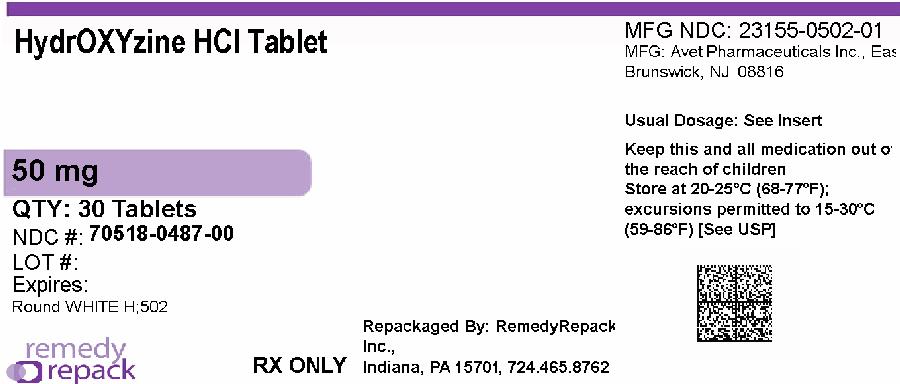
(hydroxy · DailyMed)
DERMAGUARD FORTE CREAM
Butylated Hydroxy Toulene 0.1 %w/w,Cetomacrogol Emulsifying Wax(Hydol 20) 2 %w/w,Cetostearyl Alcohol 7.2 %w/w,Chlorocresol 0.1 %w/w,Clobetasol Propionate 0.05 %w/w,Disodium Edetate 0.01 %w/w,Gentamicin Sulfate Eq. to Gentamicin 0.1 %w/w,Light Liquid Paraffin 4.12 %w/w,Miconazole Nitrate 2.0 %w/w,Propylene Glycol 5 %w/w,White Soft Paraffin 18 %w/w
What it does
Alcohol is a substance that can affect your mood and behavior. It is important to use it carefully, especially if you are taking other medications.
Commonly used for: social enjoyment, anxiety relief, temporary relaxation
Read more in plain English ↓Plain-language summary for general understanding - not medical advice. Always follow your pharmacist/doctor.
Ask about this medicine
Answers come only from this medicine's registration record, BNF monograph and interaction data - not medical advice.
Medicine sourcing is available in Kenya only. We don't sell or dispense medicines - licensed pharmacies do.
Sourcing - Kenya onlyRegistration & product details
Source: Tanzania Medicines and Medical Devices Authority · fetched 2026-03-11 23:45:06 · updated 2026-09-24 03:00:47
Drug Interactions
59Pharmacodynamic Warnings
Alcohol appears in TABLE 1: Drugs that cause hepatotoxicity
Gentamicin appears in TABLE 2: Drugs that cause nephrotoxicity
Alcohol appears in TABLE 8: Drugs that cause hypotension
Alcohol appears in TABLE 11: Drugs with CNS depressant effects
Gentamicin appears in TABLE 19: Drugs that cause ototoxicity
Gentamicin appears in TABLE 20: Drugs with neuromuscular blocking effects
Severe (7)
Agalsidasealfa - decreases effects
Aminoglycosidesarepredictedtodecreasetheeffectsof agalsidasealfa.Avoid.oTheoretical
Agalsidasebeta - decreases effects
Aminoglycosidesarepredictedtodecreasetheeffectsof agalsidasebeta.Avoid.oTheoretical
Antihistamines,non-Sedating - increases exposure
Miconazole is predicted to increase the exposure to antihistamines, non-sedating (mizolastine). Avoid.
Ergometrine - increases exposure
Miconazoleispredictedtoincreasetheexposureto ergometrine.Avoid.oTheoretical
Ergotamine - increases exposure
Miconazoleispredictedtoincreasetheexposureto ergotamine.Avoid.oTheoretical
Mizolastine - increases exposure
Miconazole is predicted to increase the exposure to antihistamines, non-sedating (mizolastine). Avoid.
Oral Benzodiazepines - increases exposure
Miconazole is predicted to increase the exposure to oral benzodiazepines (midazolam). Avoid.
Moderate (33)
Alfentanil - increases exposure
Miconazole is predicted to increase the exposure to opioids (alfentanil). Use with caution and adjust dose.
Alkylating Agents - increases concentration
Miconazole is predicted to increase the concentration of alkylating agents (busulfan). Use with caution and adjust dose.
Alprazolam - increases exposure
Miconazole is predicted to increase the exposure to benzodiazepines (alprazolam). Use with caution and adjust dose.
Amlodipine - increases exposure
Miconazole is predicted to increase the exposure to calcium channel blockers (amlodipine, felodipine, lacidipine, lercanidipine, nicardipine, nifedipine, nimodipine, verapamil). Use with caution and a
Antiarrhythmics - increases exposure
Miconazole is predicted to increase the exposure to antiarrhythmics (disopyramide). Use with caution and adjust dose.
Unknown (19)
Acitretin - increases concentration
Alcohol potentially increases the concentration of retinoids (acitretin). Avoid and for 2 months after stopping acitretin.
Aminoglycosides - decreases exposure
Miconazole potentially decreases the exposure to aminoglycosides (tobramycin).
Aminoglycosides - decreases exposure
Miconazole potentially decreases the exposure to aminoglycosides (tobramycin).
Antiepileptics - increases risk of visual disturbances
Alcohol potentially increases the risk of visual disturbances when given with antiepileptics (retigabine).
Cobimetinib - increases exposure
Miconazoleispredictedtoincreasetheexposureto cobimetinib.rTheoretical
Data from BNF 85 (British National Formulary). This is not a substitute for professional medical advice. Matched via: class
About alcohol
Alcohol is a substance that can affect your mood and behavior. It is important to use it carefully, especially if you are taking other medications.
What it treats
- social enjoyment
- anxiety relief
- temporary relaxation
How it works
Alcohol affects the brain and central nervous system, leading to changes in mood and behavior.
Who it's for
Adults who consume alcohol in moderation for social or relaxation purposes.
Cautions
- • Be cautious if taking medications that can harm the liver.
- • Use with care if you have low blood pressure.
- • Avoid combining with medications that can cause drowsiness.
AI-assisted summary grounded in BNF data - general information only, not medical advice. Always confirm with your pharmacist or doctor.
About butylated
Butylated is a chemical used to prevent food and products from spoiling by stopping fats and oils from going bad.
What it treats
- preservative in food products
- stabilizer in cosmetics
How it works
It works by slowing down the process of oxidation, which can cause spoilage and rancidity in fats and oils.
Who it's for
It is generally used in food manufacturing and cosmetic industries.
AI-assisted summary grounded in BNF data - general information only, not medical advice. Always confirm with your pharmacist or doctor.
About cetomacrogol
Cetomacrogol is a substance used to help keep the skin moist and protect it from dryness.
What it treats
- dry skin
- eczema
- psoriasis
How it works
Cetomacrogol works by forming a barrier on the skin, which helps to lock in moisture and prevent water loss.
Who it's for
This product is suitable for anyone experiencing dry skin conditions.
AI-assisted summary grounded in BNF data - general information only, not medical advice. Always confirm with your pharmacist or doctor.
About cetostearyl
Cetostearyl is a type of emulsifying agent often used in skincare and topical treatments.
What it treats
- dry skin
- eczema
- dermatitis
How it works
Cetostearyl helps to blend oil and water in creams and lotions, making them smoother and more effective for moisturizing the skin.
Who it's for
Cetostearyl is suitable for anyone needing relief from dry or irritated skin conditions.
AI-assisted summary grounded in BNF data - general information only, not medical advice. Always confirm with your pharmacist or doctor.
About chlorocresol
Chlorocresol is an antiseptic that helps prevent infections by killing germs.
What it treats
- skin infections
- wound care
- preparation of skin before surgery
How it works
Chlorocresol works by destroying harmful bacteria and preventing their growth.
Who it's for
Chlorocresol is suitable for people needing to treat minor skin infections or prepare their skin for medical procedures.
AI-assisted summary grounded in BNF data - general information only, not medical advice. Always confirm with your pharmacist or doctor.
About clobetasol
Clobetasol is a powerful topical steroid used to reduce inflammation and treat various skin conditions.
What it treats
- eczema
- psoriasis
- dermatitis
- skin allergies
How it works
It works by calming down the immune response in the skin, which reduces swelling, redness, and itching.
Who it's for
Clobetasol is suitable for adults and children over a certain age, as directed by a healthcare professional.
AI-assisted summary grounded in BNF data - general information only, not medical advice. Always confirm with your pharmacist or doctor.
About disodium
Disodium is a compound that may be used in various medical applications, particularly in maintaining electrolyte balance.
What it treats
- maintaining salt and water balance in the body
- supporting kidney function
How it works
Disodium helps to regulate the levels of sodium in the body, which is important for many bodily functions, including nerve and muscle activity.
Who it's for
It is usually prescribed for individuals who need help with electrolyte balance, such as those with certain kidney conditions or those undergoing specific treatments.
AI-assisted summary grounded in BNF data - general information only, not medical advice. Always confirm with your pharmacist or doctor.
About edetate
Edetate is used to treat conditions caused by metal poisoning, such as lead or mercury poisoning.
What it treats
- metal poisoning
- lead poisoning
- mercury poisoning
How it works
Edetate works by binding to heavy metals in the body, helping to remove them through urine.
Who it's for
It is for individuals who have been exposed to harmful levels of certain metals.
AI-assisted summary grounded in BNF data - general information only, not medical advice. Always confirm with your pharmacist or doctor.
About emulsifying
Emulsifying agents help combine water and oils in products, making them smoother and easier to use.
What it treats
- skin conditions (dermatitis)
- dry skin (xerosis)
- eczema
How it works
Emulsifiers work by mixing ingredients that usually don't blend well, helping to create a stable and uniform product.
Who it's for
Emulsifying agents are suitable for people of all ages needing skin hydration and protection.
AI-assisted summary grounded in BNF data - general information only, not medical advice. Always confirm with your pharmacist or doctor.
About gentamicin
Gentamicin is an antibiotic used to treat various bacterial infections.
What it treats
- bacterial infections
- severe infections
- infections in the blood (sepsis)
How it works
Gentamicin works by stopping bacteria from growing and multiplying.
Who it's for
Gentamicin is for individuals with bacterial infections, particularly those severe or resistant to other antibiotics.
Drug class
Aminoglycosides
Cautions
- • Be cautious if taking other drugs that can harm the kidneys.
- • Be cautious if taking other drugs that can affect hearing.
- • Be cautious if taking drugs that can weaken muscle function.
AI-assisted summary grounded in BNF data - general information only, not medical advice. Always confirm with your pharmacist or doctor.
About glycol
Glycol is a substance used in various medical and industrial applications, primarily known for its properties as a solvent and humectant.
What it treats
- moisturizing skin (topical applications)
- acting as a solvent in medications
How it works
Glycol helps to retain moisture and can dissolve other substances, making it useful in creams and solutions.
Who it's for
Glycol is generally safe for use in topical products for adults and children when used as directed.
AI-assisted summary grounded in BNF data - general information only, not medical advice. Always confirm with your pharmacist or doctor.
About hydroxy
Hydroxy is a medication used to treat various health conditions. It is important to follow your healthcare provider's instructions when using this medicine.
What it treats
- autoimmune diseases (such as rheumatoid arthritis)
- malaria prevention and treatment
- certain skin conditions (like lupus)
How it works
Hydroxy helps to reduce inflammation and the activity of the immune system.
Who it's for
This medicine is for people with specific autoimmune disorders, those at risk of malaria, or those with certain skin issues.
AI-assisted summary grounded in BNF data - general information only, not medical advice. Always confirm with your pharmacist or doctor.
About light
Light therapy is used to treat various conditions by exposing the skin to specific wavelengths of light.
What it treats
- seasonal affective disorder (SAD)
- psoriasis
- eczema
- acne
How it works
Light therapy works by using specific types of light to help improve mood or skin conditions.
Who it's for
Light therapy is for people suffering from mood disorders or certain skin conditions.
AI-assisted summary grounded in BNF data - general information only, not medical advice. Always confirm with your pharmacist or doctor.
About liquid
Liquid medications can come in various forms, including solutions, syrups, and suspensions. They are often used for easier swallowing and faster absorption.
What it treats
- nausea and vomiting
- pain relief
- fever reduction
- cough relief
How it works
Liquid medications are absorbed quickly into the body, providing rapid relief for various symptoms.
Who it's for
Liquid medications can be suitable for people of all ages, especially those who have difficulty swallowing tablets or capsules.
AI-assisted summary grounded in BNF data - general information only, not medical advice. Always confirm with your pharmacist or doctor.
About miconazole
Miconazole is an antifungal medication used to treat fungal infections on the skin and in the mouth.
What it treats
- fungal infections of the skin
- oral thrush (fungal infection in the mouth)
How it works
It works by stopping the growth of fungi, helping to clear the infection.
Who it's for
This medication is for adults and children who have fungal infections.
AI-assisted summary grounded in BNF data - general information only, not medical advice. Always confirm with your pharmacist or doctor.
About paraffin
Paraffin is a substance used to help relieve constipation by softening stools.
What it treats
- constipation
- hard stools
How it works
Paraffin works by coating the stool and the intestines, making it easier to pass stools.
Who it's for
Paraffin is suitable for people experiencing constipation, particularly in cases where dietary changes are not sufficient.
Cautions
- • Avoid using if you have abdominal pain or intestinal blockage.
- • Consult a healthcare provider if symptoms persist.
AI-assisted summary grounded in BNF data - general information only, not medical advice. Always confirm with your pharmacist or doctor.
About propylene
Propylene is a compound used in various medical applications, often as a solvent or carrier for medications.
What it treats
- used in some topical treatments
- acts as a solvent in pharmaceuticals
How it works
Propylene helps dissolve other substances, making them easier to apply or absorb in the body.
Who it's for
It is typically for adults and children who need certain medications delivered in a specific form.
AI-assisted summary grounded in BNF data - general information only, not medical advice. Always confirm with your pharmacist or doctor.
About soft
Soft is a medication that can help with various health issues.
What it treats
- general discomfort
- pain relief
- inflammation
How it works
Soft works by reducing pain and swelling in the body.
Who it's for
It is suitable for adults and children who need relief from discomfort or pain.
Cautions
- • Consult a healthcare provider before use if you have allergies.
- • Use with care if you have liver or kidney problems.
AI-assisted summary grounded in BNF data - general information only, not medical advice. Always confirm with your pharmacist or doctor.
About toulene
Toluene is a solvent often used in industrial processes and as a paint thinner. It can also be found in some household products.
What it treats
- solvent for paints and coatings
- thinner for varnishes
- component in adhesives
How it works
Toluene works by dissolving other substances, making it easier to apply or mix them.
Who it's for
Toluene is used by professionals in industries such as painting, construction, and manufacturing.
Cautions
- • Avoid inhaling toluene fumes, as they can be harmful.
- • Use in well-ventilated areas to reduce exposure.
AI-assisted summary grounded in BNF data - general information only, not medical advice. Always confirm with your pharmacist or doctor.
About white
White is a medicinal product used for various health conditions.
How it works
White works by affecting certain processes in the body to help manage health issues.
Who it's for
White is suitable for individuals with specific health conditions as determined by a healthcare provider.
AI-assisted summary grounded in BNF data - general information only, not medical advice. Always confirm with your pharmacist or doctor.
Clinical monograph: Clobetasolpropionate
BNF-referencedClobetasol propionate is a very potent synthetic corticosteroid used primarily for the short-term treatment of severe inflammatory skin disorders such as eczema and psoriasis. It is available in various formulations including cream, ointment, foam, and scalp applications, with a concentration of 0.05%. Its use is generally limited to short-term applications due to the risk of side effects associated with prolonged use.
Indications
- Severe resistant inflammatory skin disorders
- Eczema unresponsive to less potent corticosteroids
- Psoriasis
Dosage
Children: For children aged 1–17 years: apply 1–2 times a day for up to 4 weeks, to be applied thinly.
Adults: Apply 1–2 times a day for up to 4 weeks, to be applied thinly, with a maximum of 50 g of 0.05% preparation per week between courses of more potent corticosteroids.
Mechanism of action
Clobetasol propionate exerts its effects by binding to the glucocorticoid receptor, leading to decreased vasodilation and capillary permeability, reduced leukocyte migration to inflammation sites, and modulation of gene expression. It inhibits the production of pro-inflammatory mediators and promotes the expression of anti-inflammatory genes, resulting in an overall anti-inflammatory effect. The drug also has immunosuppressive properties at higher doses.
Pharmacodynamics
As a corticosteroid, clobetasol propionate significantly inhibits pro-inflammatory signals while promoting anti-inflammatory responses. Its effects can last for an extended duration when applied twice daily. It has a wide therapeutic window, allowing for doses significantly higher than the body's natural corticosteroid production. However, long-term use can lead to suppression of the hypothalamic-pituitary-adrenal axis and increase the risk of infections.
Pharmacokinetics
Clobetasol propionate is well-absorbed through the skin, with systemic absorption dependent on the formulation and application site. Once absorbed, it is distributed throughout the body and metabolized primarily in the liver. Its elimination half-life varies, but the drug is generally excreted in urine. Due to its potency, careful monitoring is required to avoid systemic side effects, particularly with prolonged use.
Adverse effects
- skin atrophy
- telangiectasia
- striae
- systemic absorption leading to adrenal suppression
- burning sensation at application site
- allergic reactions including contact dermatitis
Precautions
- Use with caution in patients with a history of diabetes or hypertension
- Avoid prolonged use on large surface areas
- Monitor for signs of infection at the application site
- Consider potential systemic effects with high doses or extended use
Pregnancy
Clobetasol propionate should be used in pregnancy only if the potential benefit justifies the potential risk to the fetus. Topical corticosteroids should be used cautiously.
Breast-feeding
It is not known whether clobetasol propionate is excreted in human milk. Caution should be exercised when administering to nursing women.
Storage
Store in a cool, dry place away from direct sunlight. Keep out of reach of children.
Formulations
- 0.05% cream
- 0.05% ointment
- 0.05% foam
- 0.05% scalp application
- 0.05% shampoo
AI-synthesized from BNF references - general information only, not a substitute for professional medical advice or the current BNF. Verify doses with a pharmacist.
Clinical monograph: Miconazole
BNF-referencedMiconazole is an azole antifungal agent utilized for the treatment of various fungal infections, particularly those caused by Candida species. It acts primarily by inhibiting the synthesis of ergosterol, a key component of fungal cell membranes, thereby compromising the integrity and function of the fungal cell. Miconazole can be administered topically, orally, or intravaginally, making it versatile for treating conditions such as oropharyngeal candidiasis, vaginal candidiasis, and superficial skin infections.
Indications
- Vaginal candidiasis
- Oropharyngeal candidiasis
- Vulvovaginal infections
- Superficial fungal infections
Dosage
Adults: For vaginal candidiasis, miconazole cream is typically applied twice daily, using 5 g inserted into the vagina for 7 days. For oropharyngeal candidiasis, the oral gel is usually administered as 2.5 mL four times a day.
Mechanism of action
Miconazole primarily acts through the inhibition of the CYP450 14α-lanosterol demethylase enzyme, leading to disrupted ergosterol production in fungal cell membranes. This disruption results in increased cell membrane permeability and leakage of essential cellular constituents. Additionally, miconazole inhibits fungal peroxidase and catalase, increasing the production of reactive oxygen species (ROS) which contribute to fungal cell death. Miconazole also elevates intracellular levels of farnesol, which disrupts quorum sensing in Candida, preventing the transition to more virulent forms.
Pharmacodynamics
Miconazole is predominantly applied topically, leading to minimal systemic absorption. Its primary adverse reactions are usually localized to hypersensitivity reactions, with the potential for anaphylaxis in rare cases. Patients using intravaginal miconazole are advised to avoid reliance on other contraceptive methods and not to use tampons simultaneously due to the risk of altered vaginal flora.
Pharmacokinetics
Miconazole is poorly absorbed when applied topically or intravaginally, resulting in low systemic exposure. The pharmacokinetics of miconazole can vary based on the route of administration, but systemic absorption is generally low, thus limiting systemic side effects and interactions. Miconazole is extensively metabolized in the liver, and its metabolites are excreted primarily through the urine.
Contra-indications
- Hypersensitivity to miconazole or any of its excipients
- Recent arterial thromboembolic disease (e.g. angina, myocardial infarction)
- Undiagnosed vaginal bleeding
- Oestrogen-dependent tumors (e.g. breast cancer in first-degree relatives)
- Acute porphyrias
- Severe diabetes (increased risk of heart disease)
Adverse effects
- Dysmenorrhoea
- Skin reactions
- Increased risk of gallbladder disease
- Migraine or migraine-like headaches
- Abdominal pain
- Dysuria
- Nausea
- Pelvic cramps
- Vaginal hemorrhage
- Angioedema
Interactions
- Miconazole + antihistamines (non-sedating): Severe (increases exposure)
- Miconazole + mizolastine: Severe (increases exposure)
- Miconazole + oral benzodiazepines: Severe (increases exposure)
- Miconazole + ergometrine: Severe (increases exposure)
- Miconazole + ergotamine: Severe (increases exposure)
- Miconazole + alkylating agents: Moderate (increases concentration)
- Miconazole + busulfan: Moderate (increases concentration)
- Miconazole + antiarrhythmics: Moderate (increases exposure)
- Miconazole + disopyramide: Moderate (increases exposure)
- Miconazole + benzodiazepines: Moderate (increases exposure)
Precautions
- Caution in patients with history of breast cancer
- Monitor breast status regularly in women on oestrogen therapy
- Risk of endometrial cancer with prolonged use of oestrogens
- Risk of ovarian cancer with long-term use of combined HRT
- Increased risk of venous thromboembolism in women using combined or oestrogen-only HRT
Pregnancy
Pregnant women may require a longer duration of treatment, usually about 7 days, to clear the infection. Caution is advised.
Breast-feeding
Manufacturer advises caution; no specific information available.
AI-synthesized from BNF references - general information only, not a substitute for professional medical advice or the current BNF. Verify doses with a pharmacist.
Clinical monograph: Alcohol
BNF-referencedAlcohol is a volatile, flammable liquid used primarily as an antiseptic for skin disinfection and preparation before injections. It is commonly employed in medical settings to cleanse the skin and reduce the risk of infection.
Indications
- Skin disinfection
- Preparation of skin before injections
- Cleansing minor wounds
Dosage
Children: Apply to the skin as required; consult product literature for specific guidance.
Adults: Apply to the skin as required for disinfection.
Mechanism of action
Alcohol exerts its antiseptic effect by denaturing proteins, disrupting cell membranes, and dehydrating microbial cells, leading to cell lysis and death.
Pharmacodynamics
Alcohol has broad-spectrum antimicrobial activity, effective against bacteria, fungi, and viruses. Its efficacy is influenced by concentration, with higher concentrations generally being more effective.
Pharmacokinetics
Alcohol is rapidly absorbed through the skin and mucous membranes. It is metabolized primarily in the liver, with a half-life that varies based on the individual's metabolic rate and the amount consumed.
Contra-indications
- Concomitant use with lithium
- Regular use in neonates
- Patients with severe burns when diathermy has been preceded by application of alcoholic skin disinfectants
Adverse effects
- Eye erythema
- Punctate keratitis
- Cytotoxicity
- Eye discolouration
Interactions
- Increases risk of visual disturbances with antiepileptics
- Increases concentration with methylphenidate
- Increases risk of facial flushing and skin irritation with topical pimecrolimus
- Increases concentration with retinoids
- Increases concentration with acitretin
- Increases risk of facial flushing and skin irritation with topical tacrolimus
- Decreases antidiuretic effect with vasopressin
Precautions
- Avoid regular application to inflamed or broken skin or mucosa
- Avoid broken skin
- Flammable
Pregnancy
Sufficient iodine may be absorbed to affect the fetal thyroid in the second and third trimester.
Breast-feeding
Avoid regular or excessive use.
Storage
Store in a cool, dry place away from heat and direct sunlight.
Formulations
- Betadine 2.5% dry powder spray
- Industrial methylated spirit
- Povidone-Iodine 25 mg per 1 gram
AI-synthesized from BNF references - general information only, not a substitute for professional medical advice or the current BNF. Verify doses with a pharmacist.
Clinical monograph: Gentamicin
BNF-referencedGentamicin is an aminoglycoside antibiotic used for the treatment of various bacterial infections. It is effective against a broad range of Gram-negative and some Gram-positive bacteria. Gentamicin works by inhibiting bacterial protein synthesis and disrupting the integrity of the bacterial cell membrane, leading to cell death. It is often used in serious infections such as sepsis, pneumonia, meningitis, and endocarditis, particularly in hospital settings.
Indications
- Bacterial infections
- Sepsis
- Pneumonia
- Meningitis
- Endocarditis
- Biliary tract infections
- Prostatitis
- Surgical prophylaxis
- Acute diverticulitis
- Leg ulcer infections
Dosage
Adults: 3–5 mg/kg daily in 3 divided doses, or a single daily dose of 5–7 mg/kg adjusted according to serum-gentamicin concentration. For surgical prophylaxis, 1.5 mg/kg administered intraven
Mechanism of action
Gentamicin exerts its antibacterial effects through a multi-phase mechanism. Initially, it binds to negatively charged components of bacterial cell membranes, increasing membrane permeability. Following this, it enters the bacterial cell via energy-dependent transport mechanisms, where it binds to the 30S ribosomal subunit. This binding causes mistranslation of proteins and disrupts membrane integrity, resulting in bacterial cell death. The action is concentration-dependent, leading to rapid bactericidal effects.
Pharmacodynamics
Gentamicin has a rapid onset of action due to its mechanism of disrupting the bacterial cell membrane and inhibiting protein synthesis. Its effectiveness is enhanced by higher concentrations, and it demonstrates a post-antibiotic effect where bacteria remain suppressed even after drug levels fall below the minimum inhibitory concentration. The drug's efficacy is influenced by factors like the bacterial strain and its susceptibility patterns.
Pharmacokinetics
Gentamicin is usually administered intravenously or intramuscularly. It has a volume of distribution of approximately 0.25 L/kg and is not significantly protein-bound. The drug is primarily eliminated via renal excretion, with a half-life of 2 to 3 hours in individuals with normal renal function. Dosing adjustments are necessary in patients with renal impairment to avoid toxicity. Serum levels should be monitored to optimize therapeutic efficacy while minimizing toxicity.
Contra-indications
- Hypersensitivity to gentamicin or any aminoglycoside
- Severe renal impairment
- Pre-existing auditory or vestibular dysfunction
Adverse effects
- Ototoxicity (hearing loss, vertigo, tinnitus)
- Nephrotoxicity
- Neuromuscular blockade
- Allergic reactions (rash, pruritus)
- Injection site reactions
Interactions
- Gentamicin + relugolix: Unknown (increases exposure)
- Gentamicin + other nephrotoxic drugs (e.g., vancomycin, cisplatin): Increased risk of nephrotoxicity
- Gentamicin + neuromuscular blocking agents: Enhanced neuromuscular blockade
Precautions
- Monitor renal function during therapy, especially in patients with pre-existing renal impairment
- Caution in patients with pre-existing hearing loss or vestibular disorders
- Use with caution in pregnant women and during breastfeeding
Pregnancy
Use only if clearly needed and the benefit justifies the risk to the fetus. Limited data on use in pregnancy.
Breast-feeding
Gentamicin is excreted in breast milk, exercise caution when administering to breastfeeding mothers. Monitor infant for possible side effects.
Storage
Store below 25°C. Protect from light. Do not freeze.
Formulations
- Injection solution (various concentrations)
- Ophthalmic solution (0.3% w/v)
- Topical ointment (0.1% w/v)
AI-synthesized from BNF references - general information only, not a substitute for professional medical advice or the current BNF. Verify doses with a pharmacist.
Clinical monograph: butylated
Butylated compounds, particularly butylated hydroxyanisole (BHA) and butylated hydroxytoluene (BHT), are synthetic antioxidants widely used in food preservation and cosmetics. They prevent the oxidative degradation of fats and oils, thereby extending the shelf life of products. While they are generally regarded as safe at low concentrations, concerns have been raised regarding their long-term effects and potential carcinogenicity.
Dosage
Children: Refer to specific formulations and usages, as dosing can vary widely depending on the application and regulatory guidelines.
Adults: Refer to specific formulations and usages, as dosing can vary widely depending on the application and regulatory guidelines.
Mechanism of action
Butylated hydroxyanisole (BHA) and butylated hydroxytoluene (BHT) act as antioxidants by inhibiting the oxidation of lipids. They scavenge free radicals and donate hydrogen atoms to reactive species, thus stabilizing and preventing oxidative damage to cellular components. This action helps to protect the integrity of cell membranes and prevent the formation of harmful peroxides.
Pharmacodynamics
The pharmacodynamic properties of butylated compounds are primarily related to their antioxidant activity. They exhibit a dose-dependent ability to inhibit lipid peroxidation, which is crucial in protecting cells from oxidative stress. Furthermore, they may modulate certain biochemical pathways involved in cell signaling and apoptosis, although these effects are less well-characterized.
Pharmacokinetics
Butylated compounds are absorbed from the gastrointestinal tract following oral ingestion. They undergo metabolic processing primarily in the liver, where they are conjugated and excreted in urine. The half-life of butylated compounds in humans is variable, influenced by factors such as dosage and individual metabolism. Accumulation in tissues is generally low, but prolonged exposure may lead to higher tissue concentrations.
Adverse effects
- Gastrointestinal disturbances
- Allergic reactions
- Potential carcinogenic effects with prolonged exposure
Precautions
- Use with caution in patients with a history of hypersensitivity to butylated compounds
- Avoid prolonged exposure due to potential toxicity
Pregnancy
Limited data available, use only if the benefits outweigh the risks.
Breast-feeding
Unknown, exercise caution and consult a healthcare provider.
Storage
Store in a cool, dry place away from light.
Formulations
- Butylated hydroxytoluene (BHT)
- Butylated hydroxyanisole (BHA)
AI-synthesized from BNF references - general information only, not a substitute for professional medical advice or the current BNF. Verify doses with a pharmacist.
Clinical monograph: cetomacrogol
BNF-referencedCetomacrogol is a non-ionic surfactant and emulsifying agent commonly used in pharmaceutical formulations. It is primarily utilized in topical preparations to enhance the spreadability and absorption of active ingredients. Cetomacrogol is a compound that can also function as a skin conditioning agent, improving moisture retention in the skin, making it beneficial in formulations for dry skin conditions.
Indications
- Dry skin conditions
- Atopic dermatitis
- Psoriasis
- Eczema
- Skin hydration enhancement
Dosage
Children: Refer to the BNF for Children for specific dosing recommendations based on age and condition.
Adults: Refer to the specific product monograph, as dosing may vary based on formulation and condition being treated.
Mechanism of action
Cetomacrogol acts as a surfactant, reducing the surface tension between different substances. This property facilitates the formation of emulsions and enhances the solubility of hydrophobic substances in aqueous solutions. By providing a barrier on the skin, it helps to prevent transepidermal water loss, thereby maintaining skin hydration.
Pharmacodynamics
The pharmacodynamic properties of cetomacrogol are characterized by its ability to improve the consistency and stability of emulsions, allowing for better delivery of topical agents. Its moisturizing effects help to alleviate symptoms associated with dry skin conditions, such as scaling, itching, and cracking.
Pharmacokinetics
Cetomacrogol is not systemically absorbed when applied topically, as it primarily acts at the site of application. Its pharmacokinetic profile is characterized by local action with minimal risk of systemic effects. Due to its emulsifying properties, it enhances the penetration of active ingredients in topical formulations without significant metabolic transformation.
Pregnancy
There are no known adverse effects in pregnancy. However, it is advisable to use only when clearly needed.
Breast-feeding
Cetomacrogol is generally considered safe to use during breastfeeding, but consult a healthcare professional before use.
Storage
Store in a cool, dry place, away from direct light.
Formulations
- Cream
- Ointment
- Emulsion
AI-synthesized from BNF references - general information only, not a substitute for professional medical advice or the current BNF. Verify doses with a pharmacist.
Clinical monograph: cetostearyl
Cetostearyl alcohol is a fatty alcohol that is commonly used as an emollient, emulsifier, and thickening agent in pharmaceutical formulations and cosmetic products. It is a mixture of cetyl and stearyl alcohol, which are long-chain fatty alcohols derived from natural sources such as plant oils or animal fats. Cetostearyl alcohol enhances the texture and stability of creams and lotions, providing a smooth application and improving skin hydration.
Indications
- Dry skin conditions
- Eczema
- Psoriasis
- Irritated or inflamed skin
- As a base in topical formulations
Dosage
Children: Refer to specific product guidelines for paediatric use.
Adults: Apply as needed as a topical formulation. Refer to specific product guidelines for details.
Mechanism of action
Cetostearyl alcohol acts primarily as an emollient and emulsifying agent. It forms a barrier on the skin's surface, which helps to retain moisture and prevent transepidermal water loss. As an emulsifier, it stabilizes oil-in-water mixtures, allowing for the uniform distribution of active ingredients in topical formulations. Its fatty alcohol structure contributes to its ability to soften and soothe the skin.
Pharmacodynamics
The pharmacodynamic properties of cetostearyl alcohol are primarily related to its emollient and emulsifying actions. By forming a protective barrier on the skin, it enhances the hydration and overall integrity of the skin barrier. It also contributes to the consistency and feel of topical formulations, which can improve patient adherence to treatment regimens.
Pharmacokinetics
Cetostearyl alcohol is not systemically absorbed when applied topically; it remains primarily on the skin surface to exert its effects. Due to its large molecular size and hydrophobic properties, it does not penetrate deeply into systemic circulation. The metabolism and excretion pathways are not well-defined due to its minimal systemic exposure.
Pregnancy
Cetostearyl alcohol is generally considered safe for use during pregnancy, but it is recommended to consult a healthcare professional.
Breast-feeding
Cetostearyl alcohol is unlikely to pose a risk to breastfeeding infants when used in topical formulations.
Storage
Store in a cool, dry place, away from direct sunlight and moisture.
Formulations
- Creams
- Lotions
- Ointments
- Emulsions
AI-synthesized from BNF references - general information only, not a substitute for professional medical advice or the current BNF. Verify doses with a pharmacist.
Clinical monograph: chlorocresol
BNF-referencedChlorocresol is an aromatic compound classified as a chlorinated cresol, primarily known for its antiseptic and preservative properties. It is often utilized in pharmaceutical formulations and as a disinfectant in various applications. Chlorocresol exhibits bactericidal action and is commonly used in topical antiseptic preparations.
Indications
- Topical antiseptic
- Preservative in pharmaceuticals
- Disinfectant
Dosage
Children: Refer to the BNF for Children for appropriate dosing recommendations, as pediatric doses can vary based on age, weight, and formulation.
Adults: For topical use, apply as needed to the affected area, ensuring it is clean and dry. Refer to specific product guidelines for concentration and formulation.
Mechanism of action
Chlorocresol acts as a potent activator of calcium (Ca2+) release from the sarcoplasmic reticulum in skeletal muscle, mediated by ryanodine receptors. It has been shown to facilitate Ca2+ release in cerebellar microsomes and in PC12 cells, demonstrating its ability to release Ca2+ from intracellular stores. The structural components of chlorocresol, particularly the chloro and methyl groups, are critical for this activation process, specifically targeting ryanodine receptor types 1 and 2.
Pharmacodynamics
The pharmacodynamics of chlorocresol involve its role as a calcium mobilizer within cells, enhancing intracellular calcium levels which can modulate various physiological processes. Its antiseptic properties are attributed to its ability to disrupt bacterial cell membranes, leading to cell lysis and death. This makes chlorocresol effective in controlling microbial growth in topical applications.
Pharmacokinetics
Chlorocresol is absorbed through the skin upon topical application. The extent of systemic absorption is influenced by formulation and concentration. It is metabolized in the liver, with metabolites excreted primarily through urine. The exact pharmacokinetic parameters, such as half-life and volume of distribution, are not well-documented in the literature.
Pregnancy
There is insufficient data on the safety of chlorocresol during pregnancy. Use cautiously and only if the benefits outweigh the risks.
Breast-feeding
Chlorocresol is excreted in breast milk. Caution is advised when administering to nursing mothers.
Storage
Store in a tightly closed container, at room temperature, away from light and moisture.
Formulations
- Topical solution
- Emulsions
AI-synthesized from BNF references - general information only, not a substitute for professional medical advice or the current BNF. Verify doses with a pharmacist.
Clinical monograph: clobetasol
BNF-referencedClobetasol is a highly potent topical corticosteroid used primarily for the treatment of inflammatory skin disorders. It is effective in reducing inflammation, itching, and redness associated with various dermatological conditions. Clobetasol is often prescribed for conditions that do not respond to less potent corticosteroids, making it beneficial for severe cases of dermatitis, psoriasis, and other inflammatory skin diseases.
Indications
- Severe eczema
- Psoriasis
- Contact dermatitis
- Lichen planus
- Seborrheic dermatitis
- Dermatitis herpetiformis
- Nummular eczema
Dosage
Children: Refer to the BNF for Children for specific dosing guidance, as clobetasol is typically used in children with caution and under medical supervision.
Adults: Apply a thin layer to the affected area once or twice daily, depending on the severity of the condition and the area involved. Treatment should be limited to the shortest duration necessary to control symptoms.
Mechanism of action
Clobetasol propionate has anti-inflammatory, antipruritic, and vasoconstrictive properties. Its anti-inflammatory activity is believed to stem from the induction of phospholipase A2 inhibitory proteins, known as lipocortins. These proteins are thought to regulate the production of inflammatory mediators such as prostaglandins and leukotrienes by inhibiting the release of arachidonic acid, a precursor to these mediators, from membrane phospholipids.
Pharmacodynamics
Clobetasol works by modulating the immune response and inflammatory process in the skin. By limiting the release of pro-inflammatory substances, clobetasol reduces the signs and symptoms of inflammation, such as redness, swelling, and itching. Its vasoconstrictive properties also contribute to its efficacy by reducing blood flow to the affected area, further diminishing inflammation.
Pharmacokinetics
Clobetasol is well-absorbed through the skin, and its absorption can be influenced by the condition of the skin barrier and the vehicle in which it is delivered. It is primarily metabolized in the liver and excreted via the urine. The pharmacokinetic profile of clobetasol indicates a relatively short systemic half-life due to its rapid metabolism, minimizing the risk of systemic side effects when used topically as directed.
Contra-indications
- Hypersensitivity to clobetasol or any of its excipients
- Viral infections (e.g., herpes simplex, chickenpox)
- Bacterial infections
- Fungal infections
- Rosacea
- Acne vulgaris
Adverse effects
- Burning sensation
- Itching
- Skin atrophy
- Telangiectasia
- Striae
- Systemic effects (with prolonged use)
Precautions
- Use with caution in patients with a history of steroid sensitivity
- Long-term use may lead to adrenal suppression
- Monitor for signs of local or systemic infections
- Not recommended for use on the face or in intertriginous areas without medical advice
Pregnancy
Clobetasol should be used in pregnancy only if the potential benefit justifies the potential risk to the fetus. Limited data available on the use of topical corticosteroids in pregnancy.
Breast-feeding
Caution is advised when using clobetasol during breastfeeding. It is not known if it is excreted in human milk.
Storage
Store at room temperature, away from direct sunlight and moisture. Keep out of reach of children.
Formulations
- Topical cream
- Topical ointment
- Topical lotion
AI-synthesized from BNF references - general information only, not a substitute for professional medical advice or the current BNF. Verify doses with a pharmacist.
Clinical monograph: disodium
BNF-referencedDisodium is a chemical compound composed of two sodium ions. It is not commonly referenced as a standalone drug but is often found in various formulations and compounds, particularly in the context of sodium salts. Disodium salts can have various applications in medicine, including as electrolytes in intravenous solutions and in the formulation of certain medications.
Indications
- Electrolyte replacement
- Volume expansion in hypovolemic patients
- Management of hyponatremia
- Support in intravenous fluid therapy
Dosage
Children: Refer to the BNF for Children for appropriate dosing in paediatric patients, as dosages may vary based on the formulation and clinical condition.
Adults: Refer to specific product information or clinical guidelines for dosage recommendations, as disodium is often part of combination products.
Mechanism of action
Disodium compounds often function by providing sodium ions that are essential for various physiological processes. Sodium ions play a critical role in maintaining osmotic balance, nerve impulse transmission, and muscle contraction. In the context of intravenous solutions, disodium helps to restore electrolyte balance in patients.
Pharmacodynamics
The pharmacodynamics of disodium is primarily related to its role in electrolyte balance and fluid homeostasis. Sodium ions are vital for the function of excitable tissues, including neurons and muscle cells. Changes in sodium levels can affect blood pressure, hydration status, and overall cellular function.
Pharmacokinetics
The pharmacokinetics of disodium compounds depend on their specific formulation and route of administration. When administered intravenously, disodium is rapidly distributed in the extracellular fluid, where it helps to maintain osmotic pressure. Sodium is primarily excreted by the kidneys, and its levels can be influenced by fluid intake, dietary sodium, and renal function.
Pregnancy
Use with caution. Consult a healthcare provider for specific guidance.
Breast-feeding
Use with caution. Consult a healthcare provider for specific guidance.
Storage
Store at room temperature, away from moisture and direct sunlight.
AI-synthesized from BNF references - general information only, not a substitute for professional medical advice or the current BNF. Verify doses with a pharmacist.
Clinical monograph: edetate
BNF-referencedEdetate, also known as edetic acid or disodium edetate, is a chelating agent used primarily to treat heavy metal poisoning, particularly lead and mercury. It works by binding to metal ions in the bloodstream, facilitating their excretion from the body. Edetate is also utilized in certain diagnostic procedures and as part of treatment regimens for conditions associated with calcium overload.
Indications
- Lead poisoning
- Mercury poisoning
- Calcium overload
- Certain diagnostic procedures involving heavy metals
Dosage
Children: Refer to the BNF for Children for appropriate dosing information tailored for paediatric patients.
Adults: Refer to the BNF for specific dosing guidelines based on the condition being treated, considering factors such as the severity of metal poisoning and renal function.
Mechanism of action
Edetate functions by forming stable complexes with divalent and trivalent metal ions, including lead and calcium, through its multiple carboxylate and amine groups. This chelation renders the metals more soluble and promotes their renal excretion, thereby reducing their toxic effects in the body.
Pharmacodynamics
The chelation of metals by edetate decreases the free metal concentration in the bloodstream, which mitigates the toxic effects associated with heavy metal accumulation. The efficacy of edetate in removing metals such as lead has been well documented, and its ability to bind calcium can influence calcium homeostasis in certain clinical scenarios.
Pharmacokinetics
Edetate is administered intravenously, with rapid distribution throughout the extracellular fluid. It is primarily excreted unchanged by the kidneys. The onset of action occurs quickly after administration, and the duration depends on the dose and the patient's renal function. The elimination half-life is approximately 1 hour but may vary based on renal clearance.
Contra-indications
- Hypersensitivity to edetate or any component of the formulation
- Severe renal impairment
- Active bleeding disorders
Adverse effects
- Hypocalcemia
- Nausea
- Vomiting
- Diarrhea
- Abdominal pain
- Headache
- Rash
- Fever
Interactions
- May enhance the effects of anticoagulants
- Concurrent use with calcium supplements may reduce effectiveness
- May interfere with the absorption of certain medications due to changes in gastrointestinal motility
Precautions
- Use with caution in patients with renal impairment
- Monitor electrolyte levels, particularly calcium, during treatment
- Assess the patient's hydration status before administration
Pregnancy
Limited data on the use of edetate in pregnancy. Use only if the potential benefit justifies the potential risk to the fetus.
Breast-feeding
Caution is advised as it is not known whether edetate is excreted in human milk. Weigh the risks and benefits before use.
Storage
Store in a cool, dry place, protected from light. Do not freeze.
Formulations
- Edetate disodium injection
- Edetate calcium disodium injection
AI-synthesized from BNF references - general information only, not a substitute for professional medical advice or the current BNF. Verify doses with a pharmacist.
Clinical monograph: emulsifying
Emulsifying agents are substances that help to stabilize emulsions, which are mixtures of two immiscible liquids, such as oil and water. They work by reducing the surface tension at the interface between the liquids, allowing them to mix more easily. Emulsifiers are widely used in food, pharmaceuticals, and cosmetics to improve texture, stability, and shelf life of products.
Indications
- Stabilization of emulsions in pharmaceutical formulations
- Improvement of drug solubility and bioavailability
- Enhancement of texture and stability in food products
- Use in topical formulations for skin hydration
Dosage
Children: Refer to specific product guidelines or consult the manufacturer's information for recommended dosage, as emulsifying agents are often used as excipients rather than active pharmacological agents.
Adults: Refer to specific product guidelines or consult the manufacturer's information for recommended dosage, as emulsifying agents are often used as excipients rather than active pharmacological agents.
Mechanism of action
Emulsifying agents function by accumulating at the interface of the dispersed and continuous phases of an emulsion. They possess both hydrophilic (water-attracting) and hydrophobic (water-repelling) properties, which allows them to stabilize the emulsion by forming a protective barrier around the droplets of one liquid phase, preventing coalescence. This mechanism is crucial for maintaining the stability and homogeneity of the emulsified mixture.
Pharmacodynamics
The pharmacodynamic properties of emulsifying agents are largely related to their ability to stabilize emulsions and enhance the delivery of active pharmaceutical ingredients. By improving the solubility of hydrophobic compounds in aqueous environments, emulsifiers can enhance the bioavailability of certain drugs. Their action can also modify the release profiles of drugs from emulsified formulations.
Pharmacokinetics
The pharmacokinetics of emulsifying agents depend on their chemical structure, molecular weight, and the formulation in which they are used. Generally, emulsifiers are not absorbed systemically when used in pharmaceutical preparations; rather, they act locally at the site of application or in the gastrointestinal tract. The metabolism and excretion of emulsifying agents can vary, but many are excreted unchanged in the feces.
Adverse effects
- Gastrointestinal discomfort
- Nausea
- Diarrhea
Precautions
- Use with caution in patients with known allergies to emulsifiers or similar compounds
- Monitor for gastrointestinal symptoms in patients with pre-existing gastrointestinal disorders
Pregnancy
Emulsifiers are generally considered safe for use during pregnancy, but caution is advised. Consult healthcare professionals for individual assessment.
Breast-feeding
Emulsifiers are typically regarded as safe during breastfeeding, yet it is recommended to consult healthcare professionals for personalized advice.
Storage
Store in a cool, dry place away from direct sunlight. Ensure the container is tightly closed to prevent moisture absorption.
Formulations
- Liquid emulsions
- Creams and lotions
- Powdered emulsifiers
AI-synthesized from BNF references - general information only, not a substitute for professional medical advice or the current BNF. Verify doses with a pharmacist.
Clinical monograph: glycol
BNF-referencedEthylene glycol, a colorless, odorless liquid with a sweet taste, is primarily used in antifreeze and industrial applications. It is toxic to humans and can lead to severe metabolic acidosis and organ damage upon ingestion. Due to its potential for misuse and toxicity, it is classified as a hazardous substance.
Dosage
Children: Refer to the BNF for Children for appropriate dosing information in paediatric cases, especially in instances of overdose.
Adults: Refer to the BNF for specific dosing information based on clinical circumstances, particularly in cases of overdose.
Mechanism of action
Ethylene glycol is metabolized by alcohol dehydrogenase to glycoaldehyde, which is subsequently converted to glycolic, glyoxylic, and oxalic acids. These metabolites contribute to anion gap metabolic acidosis and are responsible for tissue injury through the formation of insoluble calcium oxalate crystals.
Pharmacodynamics
The toxicity of ethylene glycol arises from its metabolites, particularly glycolic and oxalic acids. These compounds induce metabolic acidosis, lead to renal failure through calcium oxalate crystal deposition in the kidneys, and can cause neurological impairment. The anion gap increases due to the accumulation of these acids, leading to complications such as cardiovascular instability and potential multi-organ failure.
Pharmacokinetics
Ethylene glycol is rapidly absorbed after oral ingestion. It undergoes first-pass metabolism primarily in the liver, where it is converted into its toxic metabolites. The elimination half-life of ethylene glycol varies but is generally prolonged in cases of renal impairment. Renal excretion of metabolites contributes to the duration of toxicity, necessitating prompt medical intervention in cases of overdose.
Adverse effects
- Metabolic acidosis
- Renal failure
- CNS depression
- Hypocalcemia
- Cardiovascular collapse
- Pulmonary edema
Precautions
- Use with caution in patients with renal impairment
- Monitor for signs of metabolic acidosis
- Evaluate electrolyte levels, particularly calcium
Pregnancy
There is limited data on the safety of ethylene glycol in pregnancy. It should only be used if clearly needed.
Breast-feeding
It is unknown if ethylene glycol is excreted in human milk. Caution is advised.
Storage
Store in a tightly closed container at room temperature, away from heat and moisture.
Formulations
- Liquid
AI-synthesized from BNF references - general information only, not a substitute for professional medical advice or the current BNF. Verify doses with a pharmacist.
Clinical monograph: hydroxy
BNF-referencedHydroxyzine is an antihistamine of the first generation, primarily used for its sedative and anxiolytic properties. It is effective in treating anxiety, nausea, and allergic conditions. Hydroxyzine also possesses anticholinergic properties, which contribute to its sedative effects. It is commonly used in both adult and pediatric populations for various indications, including preoperative sedation and management of pruritus.
Indications
- Anxiety disorders
- Nausea and vomiting
- Allergic conditions
- Preoperative sedation
- Pruritus
Dosage
Children: Refer to the BNF for Children for appropriate dosing recommendations based on age and weight.
Adults: Refer to the BNF for specific dosing guidelines based on the indication and patient characteristics.
Mechanism of action
Hydroxyzine works by antagonizing the H1 histamine receptors, leading to a reduction in the effects of histamine in the body. This action helps alleviate symptoms of allergic reactions and promotes sedation. Additionally, it may exert effects on serotonin and adrenergic receptors, which could contribute to its anxiolytic properties. Hydroxyzine is also involved in various metabolic pathways, including selenium metabolism and the degradation of reactive oxygen species.
Pharmacodynamics
The pharmacodynamic effects of hydroxyzine include sedation, anxiolysis, and reduction of allergic symptoms. Its sedative effects can make it useful in managing anxiety and inducing sleep, while its antihistaminic properties help to relieve symptoms such as itching and rashes associated with allergic reactions. The onset of action is typically within 15 to 30 minutes when taken orally, with peak effects occurring within 1 to 2 hours.
Pharmacokinetics
Hydroxyzine is well absorbed from the gastrointestinal tract, with peak plasma concentrations occurring approximately 2 hours after oral administration. It is extensively metabolized in the liver, with metabolites, including cetirizine, possessing their own therapeutic effects. Hydroxyzine has a half-life of approximately 20 hours, allowing for once or twice daily dosing. It is primarily excreted in the urine, with less than 1% of the unchanged drug found in urine.
Interactions
- hydroxyzine+antiepileptics: Severe (increases risk of overheating and dehydration)
- hydroxyzine+zonisamide: Severe (increases risk of overheating and dehydration)
- hydroxychloroquine+penicillamine: Severe (increases risk of haematological toxicity)
- hydroxychloroquine+agalsidase alfa: Unknown (decreases effects)
- hydroxychloroquine+agalsidase beta: Unknown (decreases exposure)
- hydroxychloroquine+oral cholera vaccine: Unknown (decreases efficacy)
- live vaccines+hydroxy carbamide: Unknown (increases risk of generalised infection (possibly life-threatening))
- lanthanum+hydroxychloroquine: Unknown (decreases absorption)
- macrolides+hydroxychloroquine: Unknown (increases risk of serious cardiovascular adverse effects)
- hydroxychloroquine+remdesivir: Unknown (decreases effects)
Pregnancy
Safety in pregnancy has not been established. Use only if the potential benefit justifies the potential risk to the fetus.
Breast-feeding
Use with caution. Hydroxychloroquine is excreted in breast milk, and effects on the infant are unknown.
Storage
Store in a cool, dry place, protected from light. Keep out of reach of children.
Formulations
- Tablets
- Oral solution
AI-synthesized from BNF references - general information only, not a substitute for professional medical advice or the current BNF. Verify doses with a pharmacist.
Clinical monograph: light
Light is a form of electromagnetic radiation that is visible to the human eye. It plays a critical role in various biological processes, including vision, photosynthesis, and circadian rhythms. Light can be categorized into different wavelengths, with visible light ranging approximately from 400 to 700 nanometers. It influences numerous physiological functions and can have therapeutic applications, such as in phototherapy for skin conditions and mood disorders.
Indications
- Vision correction
- Phototherapy for skin conditions (e.g., psoriasis, eczema)
- Treatment of seasonal affective disorder (SAD)
- Circadian rhythm disorders
- Wound healing
Dosage
Children: Light therapy for paediatric patients should be approached with caution and always under professional guidance. Specific dosages will depend on the individual treatment protocol and condition being addressed.
Adults: Dosage of light therapy varies based on the condition being treated and should be tailored to individual needs, typically ranging from 15 minutes to 2 hours of exposure per day depending on the specific treatment protocol.
Mechanism of action
Light affects biological systems primarily through phototransduction, which involves the conversion of light into electrical signals within photoreceptor cells in the retina. This process initiates a cascade of biochemical reactions that ultimately lead to visual perception. In addition, specific wavelengths of light can interact with various biological molecules, triggering cellular responses such as the production of vitamin D through skin exposure to UVB radiation.
Pharmacodynamics
The pharmacodynamic effects of light are highly dependent on its wavelength and intensity. Short-wavelength blue light (around 480 nm) is known to influence circadian rhythms by affecting melatonin secretion. In therapeutic settings, light can modulate biological responses, such as promoting wound healing, reducing inflammation, and alleviating symptoms of seasonal affective disorder (SAD) through bright light therapy.
Pharmacokinetics
Light does not undergo traditional pharmacokinetic processes such as absorption, distribution, metabolism, or excretion. Instead, its effects are immediate and localized, depending on the intensity and duration of exposure. The penetration depth of light varies with wavelength; for example, UV light can penetrate the skin and affect deeper tissues, while visible light primarily affects the surface layers.
Pregnancy
There is limited data on the effects of light exposure during pregnancy. However, excessive exposure to bright light can be harmful to both the mother and the developing fetus.
Breast-feeding
Light exposure is generally considered safe while breastfeeding, but excessive exposure should be avoided to prevent potential harm to the infant.
Storage
Light should be properly controlled and managed in environments where it is used, ensuring that exposure levels are safe and effective.
AI-synthesized from BNF references - general information only, not a substitute for professional medical advice or the current BNF. Verify doses with a pharmacist.
Clinical monograph: liquid
BNF-referencedMethyl parathion is an organophosphate compound primarily used as an insecticide. It exerts its effects through inhibition of key enzymes involved in neurotransmission, leading to toxic effects associated with acute poisoning. It is important to note that toxic manifestations generally occur only after significant inhibition of plasma cholinesterase levels, specifically when more than 50% inhibition is observed. This compound has been studied for its acute toxicity and enzymatic interactions.
Indications
- Insecticide for agricultural use
- Research tool in toxicology
Dosage
Children: Refer to the BNF for Children for specific dosing and administration guidelines.
Adults: Refer to the BNF for specific dosing and administration guidelines.
Mechanism of action
Methyl parathion acts primarily by inhibiting the enzyme acetylcholinesterase, which is essential for the breakdown of the neurotransmitter acetylcholine. Its active metabolite, methyl paraoxon, is a potent inhibitor of both acetylcholinesterase and butyrylcholinesterase. The inhibition of these enzymes results in the accumulation of acetylcholine at synapses, leading to overstimulation of cholinergic receptors and resultant toxic effects.
Pharmacodynamics
The pharmacodynamics of methyl parathion involve its action as a noncompetitive inhibitor of acetylcholinesterase, causing prolonged effects of acetylcholine due to its inability to be hydrolyzed. The resultant cholinergic toxicity can lead to symptoms such as muscle twitching, respiratory distress, and potentially fatal outcomes if not treated promptly. The extent of inhibition is dose-dependent, with significant toxicity occurring after substantial enzyme inhibition.
Pharmacokinetics
Methyl parathion is absorbed through the gastrointestinal tract and can also be absorbed through the skin and respiratory tract. It is metabolized in the liver to form methyl paraoxon, which is responsible for the majority of its toxic effects. The distribution of methyl parathion in body tissues is influenced by its lipophilicity, and it is primarily excreted as metabolites in the urine. The elimination half-life and specific pharmacokinetic parameters can vary based on individual metabolism and exposure levels.
Pregnancy
There are no adequate and well-controlled studies in pregnant women. Use only if the potential benefit justifies the potential risk to the fetus.
Breast-feeding
It is not known whether this drug is excreted in human milk. Caution is advised when administering to nursing women.
Storage
Store in a cool, dry place away from direct sunlight. Keep out of reach of children.
Formulations
- Liquid formulation
AI-synthesized from BNF references - general information only, not a substitute for professional medical advice or the current BNF. Verify doses with a pharmacist.
Clinical monograph: paraffin
Paraffin, commonly referred to as mineral oil, is a colorless, odorless, and tasteless oil derived from petroleum. It is primarily used as a laxative and emollient. In medicinal formulations, it is often employed to relieve constipation by lubricating the intestinal tract, thus facilitating the passage of stool. Additionally, it can be used in topical applications to soften and moisturize the skin.
Indications
- Constipation
- Dry skin
- Skin irritation
Dosage
Children: Refer to specific guidelines and prescribing information for paediatric dosing.
Adults: Refer to specific guidelines and prescribing information for adult dosing.
Mechanism of action
Paraffin acts as a lubricating agent in the gastrointestinal tract. It coats the stool and the intestinal walls, which helps to ease the passage of feces by reducing friction. This action promotes bowel movements and alleviates constipation. When used topically, it forms a barrier on the skin, which helps to retain moisture and protect against irritants.
Pharmacodynamics
Paraffin has a low viscosity and surface tension, which allows it to spread easily over surfaces. Its lubricating properties facilitate the movement of stool through the intestines, while its emollient properties help in maintaining skin hydration and barrier function. The onset of action for oral administration typically occurs within 6 to 8 hours, making it effective in treating occasional constipation.
Pharmacokinetics
Paraffin is not absorbed systemically when ingested; it remains in the gastrointestinal tract and is excreted unchanged in the feces. After oral administration, it acts locally in the intestines without significant systemic effects. When used topically, it remains on the skin surface and does not penetrate deeply, providing a protective layer without altering systemic pharmacokinetics.
Adverse effects
- Abdominal cramps
- Diarrhea
- Nausea
- Vomiting
- Lipid pneumonia (when aspirated)
- Electrolyte imbalances
Precautions
- Use with caution in patients with gastrointestinal obstruction
- Avoid in patients with a history of aspiration
- Monitor for signs of dehydration with prolonged use
Pregnancy
Use only if clearly needed. Consult a healthcare provider for advice.
Breast-feeding
Paraffin can be excreted in breast milk, use with caution.
Storage
Store at room temperature away from moisture and heat.
Formulations
- Liquid paraffin
- Soft paraffin (for topical use)
AI-synthesized from BNF references - general information only, not a substitute for professional medical advice or the current BNF. Verify doses with a pharmacist.
Clinical monograph: propylene
BNF-referencedPropylene, also known as propene, is a colorless gas with a faint petroleum-like odor. It is primarily used as a chemical feedstock in the production of polypropylene, a widely used plastic. Propylene also has applications in agriculture as a plant growth inhibitor, where it functions by affecting the oxidation processes in plants.
Indications
- Plant growth regulation
- Agricultural applications as a growth inhibitor
Dosage
Children: Not applicable.
Adults: Refer to the relevant agricultural guidelines for specific applications.
Mechanism of action
In an in vitro study, propylene acts as a plant growth inhibitor by inhibiting the oxidation of indole-3-acetic acid by peroxidase in the presence of superoxide anion radicals. This inhibition is linked to the activation of an iron complex (compound III) shuttle, which enhances the reaction rate between superoxide and peroxidase, ultimately affecting plant growth processes. Propylene is a less effective inhibitor compared to ethylene.
Pharmacodynamics
The pharmacodynamic effects of propylene are primarily observed in its role as a growth inhibitor in plants. By modulating the oxidation of phytohormones like indole-3-acetic acid, propylene can influence various growth responses in plants, potentially affecting processes such as cell elongation and division.
Pharmacokinetics
Information on the pharmacokinetics of propylene in humans is not well-documented, as its primary uses are industrial and agricultural. Its metabolism may be influenced by environmental factors, and its effects are primarily studied in the context of plant biology rather than human pharmacology.
AI-synthesized from BNF references - general information only, not a substitute for professional medical advice or the current BNF. Verify doses with a pharmacist.
Clinical monograph: soft
Soft (generic name: soft) is a term often used to describe various formulations such as soft gels or soft tablets which may include different active pharmaceutical ingredients. The pharmacological characteristics, indications, and specific uses depend on the actual active ingredients contained within the formulation. Without a specific drug name or active ingredient, comprehensive details cannot be provided.
Dosage
Children: Refer to specific product information for dosing guidelines.
Adults: Refer to specific product information for dosing guidelines.
Pregnancy
Consult a healthcare professional before use. The effects of Soft during pregnancy are not well-documented.
Breast-feeding
Consult a healthcare professional before use. The safety of Soft during breastfeeding is not well-established.
Storage
Store in a cool, dry place away from direct sunlight.
AI-synthesized from BNF references - general information only, not a substitute for professional medical advice or the current BNF. Verify doses with a pharmacist.
Clinical monograph: toulene
Toluene is a colorless, volatile liquid with a sweet smell that is commonly used as an industrial solvent. It is a member of the aromatic hydrocarbon family and is found in products such as paints, paint thinners, adhesives, and nail polish removers. Toluene can be absorbed through inhalation, ingestion, or dermal exposure, leading to various degrees of toxicity. Chronic exposure can result in neurological effects and other health issues.
Dosage
Children: Refer to established guidelines for exposure and toxicity management as there is no standard dosing for therapeutic use.
Adults: Refer to established guidelines for exposure and toxicity management as there is no standard dosing for therapeutic use.
Mechanism of action
Toluene exerts its effects primarily through the central nervous system. It acts as a non-specific CNS depressant, interfering with neurotransmitter systems and causing disruption in synaptic transmission. Toluene is known to enhance the inhibitory effects of GABA (gamma-aminobutyric acid) and may inhibit NMDA (N-methyl-D-aspartate) receptors, contributing to its sedative effects.
Pharmacodynamics
The pharmacodynamic effects of toluene include sedation, euphoria, and decreased cognitive and motor functions. Due to its lipophilic nature, toluene readily crosses the blood-brain barrier, leading to central nervous system effects. Toxicological effects can include headaches, dizziness, ataxia, and, in severe cases, unconsciousness or coma. Chronic exposure can lead to neurotoxicity and cognitive deficits.
Pharmacokinetics
Toluene is rapidly absorbed through inhalation, as well as through the gastrointestinal tract and skin. It is widely distributed in body tissues, particularly in lipid-rich organs like the brain and adipose tissue. Metabolism occurs primarily in the liver via cytochrome P450 enzymes, leading to the formation of various metabolites, including benzyl alcohol and benzoic acid. Excretion occurs mainly through urine, with a half-life that can vary depending on the route of exposure and individual factors.
Adverse effects
- Headache
- Dizziness
- Nausea
- Vomiting
- Central nervous system depression
- Respiratory irritation
- Dermatitis
- Liver damage
- Kidney damage
- Hearing loss
Precautions
- Use with caution in patients with a history of substance abuse
- Avoid exposure in patients with respiratory diseases
- Handle with care in pregnant women due to potential teratogenic effects
- Ensure adequate ventilation when using toluene
Pregnancy
Toluene is classified as a teratogen and can cause developmental issues in the fetus if exposure occurs during pregnancy. Caution is advised.
Breast-feeding
Toluene can be excreted in breast milk. Caution is advised for nursing mothers to avoid exposure.
Storage
Store in a cool, dry place away from direct sunlight and heat sources. Keep container tightly closed.
Formulations
- Solvent
- Aerosol spray
- Adhesives
- Paint thinners
AI-synthesized from BNF references - general information only, not a substitute for professional medical advice or the current BNF. Verify doses with a pharmacist.
Clinical monograph: white
BNF-referencedWhite is a compound with the molecular formula C15H26O. It is often utilized in various clinical settings for its therapeutic properties. Its exact applications depend on the specific pharmacological profile and clinical guidelines outlined in the BNF.
Dosage
Children: Refer to the BNF for Children for appropriate paediatric dosing information.
Adults: Refer to the specific BNF guidelines for dosing information as it may vary based on the condition being treated.
Mechanism of action
The mechanism of action for White involves its interaction with specific biological pathways, leading to the desired pharmacological effects. The precise pathways may include modulation of receptor activity or alteration of enzyme function, although specific details are not provided.
Pharmacodynamics
Pharmacodynamics of White includes its effects on the body, including therapeutic effects and potential side effects. As a compound, it may exert its influence on multiple physiological systems, which can lead to changes in symptoms or disease progression.
Pharmacokinetics
Pharmacokinetics of White involves its absorption, distribution, metabolism, and excretion. Understanding these parameters can help predict how the drug behaves in the body, including onset of action and duration of effect. Detailed pharmacokinetic data is not specified.
AI-synthesized from BNF references - general information only, not a substitute for professional medical advice or the current BNF. Verify doses with a pharmacist.
Molecular reference: Alcohol
PubChem CID 702Molecular formula: C2H6O
Mechanism of action
Ethanol affects the brain’s neurons in several ways. It alters their membranes as well as their ion channels, enzymes, and receptors. Alcohol also binds directly to the receptors for acetylcholine, serotonin, GABA, and the NMDA receptors for glutamate. The sedative effects of ethanol are mediated through binding to GABA receptors and glycine receptors (alpha 1 and alpha 2 subunits). It also inhibits NMDA receptor functioning. In its role as an anti-infective, ethanol acts as an osmolyte or dehydrating agent that disrupts the osmotic balance across cell membranes. ... Ethanol is known to affect a large number of membrane proteins that participate in signaling pathways such as neurotransmitter receptors, enzymes, and ion channels, and there is extensive evidence that ethanol interacts with a variety of neurotransmitters. The major actions of ethanol involve enhancing the inhibitory effects of gamma-aminobutyric acid (GABA) at GABAa receptors and blockade of the N-methyl-D-aspartate (NMDA) subtype of glutamate, an excitatory amine acid (EAA) receptor. Animal studies indicate that the acute effects of ethanol result from competitive inhibition of glycine binding to NMDA receptor and disruption of glutamatergic neurotransmission by inhibiting the response of the NMDA receptor. Persistent glycine antagonism and attenuation of glutamatergic neurotransmission by chronic ethanol exposure results in tolerance to ethanol by enhancing EAA neurotransmission and NMDA receptor upregulation. The latter appears to involve selective increases in NMDA R2B subunit concentrations and other molecular changes in specific brain loci. The abrupt withdrawal of ethanol thus produces a hyperexcitable state that leads to the ethanol withdrawal syndrome and excitotoxic neuronal death. GABA-mediated inhibition, which normally acts to limit excitation, is eliminated during ethanol withdrawal syndrome and further intensifies this excitation. In addition, NMDA receptors function to inhibit the release of dopamine in the nucleus accumbens and mesolimbic structures, which modulate the reinforcing action of addictive xenobiotics such as ethanol. By inhibiting NMDA receptor activity, ethanol could increase dopamine release from the nucleus accumbens and ventral tegmental area and could thus create dependence. Chronic ethanol administration also results in tolerance, dependence, and an ethanol withdrawal syndrome, mediated, in part, by desensitization and or downregulation of GABAa receptors. The development of alcoholic ketoacidosis (AKA) requires that a combination of physical and physiologic events occur. The normal response to starvation and depletion of hepatic glycogen stores is for amino acids to be converted to pyruvate. Pyruvate can serve as a substrate for gluconeogenesis, be converted to acetyl-CoA, which can enter the Krebs cycle or can be utilized in various biosynthetic pathways (eg, fatty acid, ketone bodies, cholesterol, and acetylcholine) ... Ethanol metabolism generates NADH, resulting in an excess of reducing potential. This high redox state favors the conversion of pyruvate to lactate, diverting pyruvate from being a substrate for gluconeogenesis. To compensate for the lack of normal metabolic substrates, the body mobilizes fat from adipose tissue and increased fatty acid metabolism as an alternative source of energy. This response is mediated by a decrease in insulin and an increased secretion of glucagon, catecholamines, growth hormone, and cortisol. Fatty acid metabolism results in the formation of acetyl-CoA and it combines with the excess acetate that is generated from ethanol metabolism to form acetoacetate. Most of the acetoacetate is reduced to beta-hydroxybutyrate due to the excess reducing potential or high redox state of the cell. Volume depletion interferes with the renal elimination of acetoacetate and beta-hydroxybutyrate, and contributes to the acidosis. An elevated lactate concentration may result from shunting from pyruvate or
Pharmacodynamics
Alcohol produces injury to cells by dehydration and precipitation of the cytoplasm or protoplasm. This accounts for its bacteriocidal and antifungal action. When alcohol is injected in close proximity to nerve tissues, it produces neuritis and nerve degeneration (neurolysis). Ninety to 98% of ethanol that enters the body is completely oxidized. Ethanol is also used as a cosolvent to dissolve many insoluble drugs and to serve as a mild sedative in some medicinal formulations. Ethanol also binds to GABA, glycine, NMDA receptors and modulates their effects. Ethanol is also metabolised by the hepatic enzyme alcohol dehydrogenase.
Biological pathways
Source: PubChem (NCBI) · pathways from PathBank, Reactome, WikiPathways & PharmGKB.
Molecular reference: Clobetasolpropionate
PubChem CID 32798Molecular formula: C25H32ClFO5
Mechanism of action
The short term effects of corticosteroids are decreased vasodilation and permeability of capillaries, as well as decreased leukocyte migration to sites of inflammation. Corticosteroids binding to the glucocorticoid receptor mediates changes in gene expression that lead to multiple downstream effects over hours to days. Glucocorticoids inhibit neutrophil apoptosis and demargination; they inhibit phospholipase A2, which decreases the formation of arachidonic acid derivatives; they inhibit NF-Kappa B and other inflammatory transcription factors; they promote anti-inflammatory genes like interleukin-10. Lower doses of corticosteroids provide an anti-inflammatory effect, while higher doses are immunosuppressive. High doses of glucocorticoids for an extended period bind to the mineralocorticoid receptor, raising sodium levels and decreasing potassium levels.
Pharmacodynamics
Corticosteroids bind to the glucocorticoid receptor, inhibiting pro-inflammatory signals, and promoting anti-inflammatory signals. Clobetasol propionate is generally applied twice daily so the duration of action is long. Corticosteroids have a wide therapeutic window as patients may require doses that are multiples of what the body naturally produces. Patients taking corticosteroids should be counselled regarding the risk of hypothalamic-pituitary-adrenal axis suppression and increased susceptibility to infections.
Source: PubChem (NCBI) · pathways from PathBank, Reactome, WikiPathways & PharmGKB.
Molecular reference: Gentamicin
PubChem CID 3467Molecular formula: C21H43N5O7
Mechanism of action
There are 3 key phases of aminoglycoside entry into cells. The first “ionic binding phase” occurs when polycationic aminoglycosides bind electrostatically to negatively charged components of bacterial cell membranes including with lipopolysaccharides and phospholipids within the outer membrane of Gram-negative bacteria and to teichoic acids and phospholipids within the cell membrane of Gram-positive bacteria. This binding results in displacement of divalent cations and increased membrane permeability, allowing for aminoglycoside entry. The second “energy-dependent phase I” of aminoglycoside entry into the cytoplasm relies on the proton-motive force and allows a limited amount of aminoglycoside access to its primary intracellular target - the bacterial 30S ribosome. This ultimately results in the mistranslation of proteins and disruption of the cytoplasmic membrane. Finally, in the “energy-dependent phase II” stage, concentration-dependent bacterial killing is observed. Aminoglycoside rapidly accumulates in the cell due to the damaged cytoplasmic membrane, and protein mistranslation and synthesis inhibition is amplified. The necessity of oxygen-dependent active transport explains why aminoglycosides are ineffective against anaerobic bacteria. Hence, aminoglycosides have both immediate bactericidal effects through membrane disruption and delayed bactericidal effects through impaired protein synthesis; observed experimental data and mathematical modeling support this two-mechanism model. Inhibition of protein synthesis is a key component of aminoglycoside efficacy. Structural and cell biological studies suggest that aminoglycosides bind to the 16S rRNA in helix 44 (h44), near the A site of the 30S ribosomal subunit, altering interactions between h44 and h45. This binding also displaces two important residues, A1492 and A1493, from h44, mimicking normal conformational changes that occur with successful codon-anticodon pairing in the A site. Overall, aminoglycoside binding has several negative effects including inhibition of translation, initiation, elongation, and ribosome recycling. Recent evidence suggests that the latter effect is due to a cryptic second binding site situated in h69 of the 23S rRNA of the 50S ribosomal subunit. Also, by stabilizing a conformation that mimics correct codon-anticodon pairing, aminoglycosides promote error-prone translation. Mistranslated proteins can incorporate into the cell membrane, inducing the damage discussed above. Aminoglycosides are usually bactericidal in action. Although the exact mechanism of action has not been fully elucidated, the drugs appear to inhibit protein synthesis in susceptible bacteria by irreversibly binding to 30S ribosomal subunits. /Aminoglycosides/ ... Aminoglycosides are aminocyclitols that kill bacteria by inhibiting protein synthesis as they bind to the 16S rRNA and by disrupting the integrity of bacterial cell membrane. Aminoglycoside resistance mechanisms include: (a) the deactivation of aminoglycosides by N-acetylation, adenylylation or O-phosphorylation, (b) the reduction of the intracellular concentration of aminoglycosides by changes in outer membrane permeability, decreased inner membrane transport, active efflux, and drug trapping, (c) the alteration of the 30S ribosomal subunit target by mutation, and (d) methylation of the aminoglycoside binding site. ... /Aminoglycosides/
Biological pathways
Source: PubChem (NCBI) · pathways from PathBank, Reactome, WikiPathways & PharmGKB.
Molecular reference: Miconazole
PubChem CID 4189Molecular formula: C18H14Cl4N2O
Mechanism of action
Miconazole is an azole antifungal used to treat a variety of conditions, including those caused by _Candida_ overgrowth. Unique among the azoles, miconazole is thought to act through three main mechanisms. The primary mechanism of action is through inhibition of the CYP450 14α-lanosterol demethylase enzyme, which results in altered ergosterol production and impaired cell membrane composition and permeability, which in turn leads to cation, phosphate, and low molecular weight protein leakage. In addition, miconazole inhibits fungal peroxidase and catalase while not affecting NADH oxidase activity, leading to increased production of reactive oxygen species (ROS). Increased intracellular ROS leads to downstream pleiotropic effects and eventual apoptosis. Lastly, likely as a result of lanosterol demethylation inhibition, miconazole causes a rise in intracellular levels of farnesol. This molecule participates in quorum sensing in _Candida_, preventing the transition from yeast to mycelial forms and thereby the formation of biofilms, which are more resistant to antibiotics. In addition, farnesol is an inhibitor of drug efflux ABC transporters, namely _Candida_ CaCdr1p and CaCdr2p, which may additionally contribute to increased effectiveness of azole drugs.
Pharmacodynamics
Miconazole is an azole antifungal that functions primarily through inhibition of a specific demethylase within the CYP450 complex. As miconazole is typically applied topically and is minimally absorbed into the systemic circulation following application, the majority of patient reactions are limited to hypersensitivity and cases of anaphylaxis. Patients using intravaginal miconazole products are advised not to rely on contraceptives to prevent pregnancy and sexually transmitted infections, as well as not to use tampons concurrently.
Biological pathways
Source: PubChem (NCBI) · pathways from PathBank, Reactome, WikiPathways & PharmGKB.
Molecular reference: cetomacrogol
PubChem CID 2724259Molecular formula: C56H114O21
Source: PubChem (NCBI) · pathways from PathBank, Reactome, WikiPathways & PharmGKB.
Molecular reference: chlorocresol
PubChem CID 1732Molecular formula: C7H7ClO
Mechanism of action
...In skeletal muscle sarcoplasmic reticulum, 4-chloro-m-cresol was found to be a potent activator of Ca2+ release mediated by a ruthenium red/caffeine-sensitive Ca2+ release channel. In cerebellar microsomes, this compound released Ca2+ from an inositol-1,4,5-trisphosphate-insensitive store, suggesting that there too it was acting at the ryanodine receptor level. When tested on PC12 cells, chlorocresol released Ca2+ from a caffeine- and thapsigargin-sensitive intracellular store. In addition, the compound was capable of releasing Ca2+ after pretreatment of PC12 cells with bradykinin, suggesting that it acts on a channel contained within an intracellular Ca2+ store that is distinct from that sensitive to inositol-1,4,5-trisphosphate. Structure-activity relationship analyses suggest that the chloro and methyl groups in chlorocresols are important for the activation of the ryanodine receptor Ca2+ release channel. The ryanodine receptor type 1 (RyR1) and type 2 (RyR2), but not type 3 (RyR3), are efficiently activated by 4-chloro-m-cresol (4-CmC). /It was/ previously /shown/ that a 173-amino acid segment of RyR1 (residues 4007-4180) is required for channel activation by 4-CmC ... present study... used site-directed mutagenesis to identify individual amino acid(s) within this region that mediate 4-CmC activation. In RyR1, substitution of 11 amino acids conserved between RyR1 and RyR2, but divergent in RyR3, with their RyR3 counterparts reduced 4-CmC sensitivity to the same degree as substitution of the entire 173-amino acid segment. Further analysis of various RyR1 mutants containing successively smaller numbers of these mutations identified 2 amino acid residues (Gln(4020) and Lys(4021)) that, when mutated to their RyR3 counterparts (Leu(3873) and Gln(3874)), abolished 4-CmC activation of RyR1. Mutation of either of these residues alone did not abolish 4-CmC sensitivity, although Q4020L partially reduced 4-CmC-induced Ca /ion/ transients. In addition, mutation of the corresponding residues in RyR3 to their RyR1 counterparts (L3873Q/Q3874K) imparted 4-CmC sensitivity to RyR3. Recordings of single RyR1 channels indicated that 4-CmC applied to either the luminal or cytoplasmic side activated the channel with equal potency. Secondary structure modeling in the vicinity of the Gln(4020)-Lys(4021) dipeptide suggests that the region contains a surface-exposed region adjacent to a hydrophobic segment, indicating that both hydrophilic and hydrophobic regions of RyR1 are necessary for 4-CmC binding to the channel and/or to translate allosteric 4-CmC binding into channel activation.
Source: PubChem (NCBI) · pathways from PathBank, Reactome, WikiPathways & PharmGKB.
Molecular reference: clobetasol
PubChem CID 5311051Molecular formula: C22H28ClFO4
Mechanism of action
Like other topical corticosteroids, clobetasol propionate has anti-inflammatory, antipruritic, and vasoconstrictive properties. The mechanism of the anti-inflammatory activity of the topical steroids, in general, is unclear. However, corticosteroids are thought to act by the induction of phospholipase A2 inhibitory proteins, collectively called lipocortins. It is postulated that these proteins control the biosynthesis of potent mediators of inflammation such as prostaglandins and leukotrienes by inhibiting the release of their common precursor, arachidonic acid. Arachidonic acid is released from membrane phospholipids by phospholipase A2.
Source: PubChem (NCBI) · pathways from PathBank, Reactome, WikiPathways & PharmGKB.
Molecular reference: disodium
PubChem CID 141233Molecular formula: Na2
Source: PubChem (NCBI) · pathways from PathBank, Reactome, WikiPathways & PharmGKB.
Molecular reference: edetate
PubChem CID 6144Molecular formula: C10H12N2O8Na4
Source: PubChem (NCBI) · pathways from PathBank, Reactome, WikiPathways & PharmGKB.
Molecular reference: glycol
PubChem CID 174Molecular formula: C2H6O2
Mechanism of action
Ethylene glycol is metabolized by alcohol dehydrogenase to glycoaldehyde, which is then metabolized to glycolic, glyoxylic, and oxalic acids. These acids, along with excess lactic acid are responsible for the anion gap metabolic acidosis. Oxalic acid readily precipitates with calcium to form insoluble calcium oxalate crystals. Tissue injury is caused by widespread deposition of oxalate crystals and the toxic effects of glycolic and glyoxylic acids.
Biological pathways
Source: PubChem (NCBI) · pathways from PathBank, Reactome, WikiPathways & PharmGKB.
Molecular reference: hydroxy
PubChem CID 961Molecular formula: HO-
Biological pathways
Source: PubChem (NCBI) · pathways from PathBank, Reactome, WikiPathways & PharmGKB.
Molecular reference: liquid
PubChem CID 4130Molecular formula: C8H10NO5PS
Mechanism of action
Acute poisoning ... is related to ... inhibiting action on enzyme acetylcholinesterase. Toxic manifestations generally occur only after more than 50% of plasma cholinesterase is inhibited. ... Methyl parathion ... depend on oxidative activation by replacement of thiono-sulfur with oxygen for ... toxicity. Methyl parathion has only a slight inhibitory action on acetylcholinesterase and butyrylcholinesterase, but its active metabolite, methyl paraoxon, is a potent inhibitor of both these enzymes. A study was conducted examining the inhibition of (Ca2+ and Mg2+)-ATPase by parathion (56382) and methyl parathion. Enzyme activity was assessed spectrophotometrically in pig erythrocyte membranes containing calcium2+ (Ca2+) and magnesium2+ and in solubilized membrane preparations incubated with the test agents. The enzyme response to ATP was biphasic. Equations expressing the kinetics of the substrate curves described two classes of the ATP binding active site, one with high affinity and low maximum rate and one with low affinity and high maximum rate. High affinity active sites were stimulated by low ATP concentrations (20 uM), whereas low affinity active sites were stimulated by high ATP levels (2 mM). Parathion and methylparathion dose dependently inhibited enzyme activity; parathion had a greater inhibitory effect than methylparathion. Lineweaver-Burke and Dixon plots indicated noncompetitive inhibition. Parathion and methylparathion induced enzyme inhibition occurred over a range of free calcium ion concentrations (0.5 to 5 mM); the inhibition was significantly greater at lower Ca2+ concentrations (1 to 100 uM) than at higher concentrations. The authors conclude that parathion and methylparathion inhibit ATPase activity by binding to a site on the enzyme rather than through an interaction with associated lipids. For more Mechanism of Action (Complete) data for METHYL PARATHION (6 total), please visit the HSDB record page.
Biological pathways
Source: PubChem (NCBI) · pathways from PathBank, Reactome, WikiPathways & PharmGKB.
Molecular reference: propylene
PubChem CID 8252Molecular formula: C3H6
Mechanism of action
In an in vitro study of the mechanism of action of ethylene as a plant growth inhibitor, the effects of ethylene and some of its analogs, including propylene, on the oxidation of indole-3-acetic acid were examined. Ethylene and its analogs inhibited the oxidation of indole-3-acetic acid by peroxidase under conditions where the iron complex (compound III, an oxy-ferrous complex of peroxidase) shuttle was activated. Inhibition occurred only in the presence of the superoxide anion radical 02(-). Spectral and kinetic data indicated that ethylene and its analogs enhanced the rate of reaction of 02(-) with peroxidase; ie, the iron complex (compound III) shuttle, resulting in the formation of compound III. Propylene was a less effective inhibitor than ethylene.
Biological pathways
Source: PubChem (NCBI) · pathways from PathBank, Reactome, WikiPathways & PharmGKB.
Molecular reference: white
PubChem CID 10955174Molecular formula: C15H26O
Source: PubChem (NCBI) · pathways from PathBank, Reactome, WikiPathways & PharmGKB.
This drug in other countries
The same active ingredient registered across other registries we cover - including different brands.
- AJ WELLNESS VITALWOMAN 45+ CAPSULES · Renown Pharmaceuticals
- ALC GLUCOSAMINE TABLETS · Unicom Chemist
- AMIDERM CREAM · Lincoln Pharmaceuticals
- ASCOT GENTAMICIN EYE/EAR DROPS (Each bottle contains Gentamicin Sulfate 0.3%w/v) · Pharmax India
- ASCOT GENTAMICIN 0.3%w/v EYE/EAR DROPS · Pharmax India
- BECLOGEN CREAM · S Kant Healthcare
- DERMOLIN · Lincoln Pharmaceutical Limited
- DIPROGENTA · Schering Plough
- MENTHOLATUM DEEP HEAT RUB · The Mentholatum Company Limited
- MICONA ORAL GEL 2% W/W · Centaur Pharmaceuticals
- MICONA ORAL GEL 2% W/W · Centaur Pharmaceuticals Pvt. Ltd
- PHARMA-Q GENTAMICIN INJECTION · Pharma Q