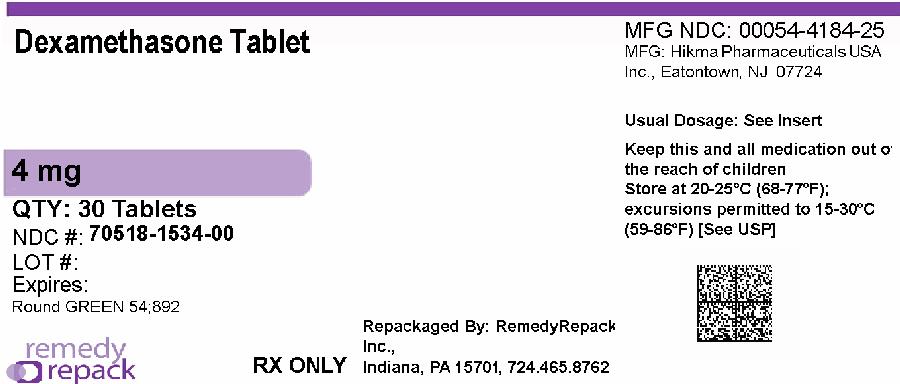
(dexamethasone · DailyMed)
Dexona Vet Injection
Benzyl alcohol 15.600 mg/5.26ml,Citric Acid Monohydrate Q.S. ml,Dexamethasone Sodium Phosphate equivalent to Dexamethasone Phosphate 2 mg/ml,Sodium Citrate (Buffer) 10.000 mg/5.26ml,Sodium Hydroxide Q.S. ml,Sodium metabisulfite 0.750 mg/5.26ml,Water for Injection Q.S. ml
What it does
Alcohol is a substance that can affect your mood and behavior. It is important to use it carefully, especially if you are taking other medications.
Commonly used for: social enjoyment, anxiety relief, temporary relaxation
Read more in plain English ↓Plain-language summary for general understanding - not medical advice. Always follow your pharmacist/doctor.
Ask about this medicine
Answers come only from this medicine's registration record, BNF monograph and interaction data - not medical advice.
Medicine sourcing is available in Kenya only. We don't sell or dispense medicines - licensed pharmacies do.
Sourcing - Kenya onlyRegistration & product details
Source: Tanzania Medicines and Medical Devices Authority · fetched 2026-03-11 23:39:56 · updated 2026-09-28 03:00:45
Drug Interactions
56Pharmacodynamic Warnings
Alcohol appears in TABLE 1: Drugs that cause hepatotoxicity
Alcohol appears in TABLE 8: Drugs that cause hypotension
Alcohol appears in TABLE 11: Drugs with CNS depressant effects
Dexamethasone appears in TABLE 17: Drugs that reduce serum potassium
Severe (2)
Avapritinib - decreases exposure
Dexamethasoneispredictedtodecreasetheexposureto avapritinib.Avoid.rTheoretical
Mifamurtide - decreases efficacy
Corticosteroidsarepredictedtodecreasetheefficacyof mifamurtide.Avoid.rTheoretical
Moderate (24)
Corticosteroids - increases exposure
Dronedarone is predicted to increase the exposure to corticosteroids (methylprednisolone). Monitor and adjust dose.
Corticosteroids - increases concentration
Miconazole is predicted to increase the concentration of corticosteroids (methylprednisolone). Monitor and adjust dose.
Corticosteroids - increases exposure
Antifungals, azoles (fluconazole, isavuconazole, posaconazole) are predicted to increase the exposure to corticosteroids (methylprednisolone). Monitor and adjust dose.
Corticosteroids - decreases exposure
Cenobamate is predicted to decrease the exposure to corticosteroids (fluticasone). Adjust dose.
Corticosteroids - decreases efficacy
Mifepristone is predicted to decrease the efficacy of corticosteroids. Use with caution and adjust dose.
Unknown (30)
Acitretin - increases concentration
Alcohol potentially increases the concentration of retinoids (acitretin). Avoid and for 2 months after stopping acitretin.
Antiepileptics - increases risk of visual disturbances
Alcohol potentially increases the risk of visual disturbances when given with antiepileptics (retigabine).
Aspirin - decreases concentration
Corticosteroids are predicted to decrease the concentration of aspirin (high-dose) and aspirin (high-dose) increases the risk of gastrointestinal bleeding when given with corticosteroids.
Caspofungin - decreases concentration
Dexamethasone is predicted to decrease the concentration of caspofungin. Adjust caspofungin dose, p. 654.
Choline Salicylate - decreases concentration
Corticosteroids are predicted to decrease the concentration of cholinesalicylate. Ciclesonide → see corticosteroids Ciclosporin → see TABLE 2 p. 1517 (nephrotoxicity), TABLE 16 p. 1521 (increased seru
Data from BNF 85 (British National Formulary). This is not a substitute for professional medical advice. Matched via: exact
About alcohol
Alcohol is a substance that can affect your mood and behavior. It is important to use it carefully, especially if you are taking other medications.
What it treats
- social enjoyment
- anxiety relief
- temporary relaxation
How it works
Alcohol affects the brain and central nervous system, leading to changes in mood and behavior.
Who it's for
Adults who consume alcohol in moderation for social or relaxation purposes.
Cautions
- • Be cautious if taking medications that can harm the liver.
- • Use with care if you have low blood pressure.
- • Avoid combining with medications that can cause drowsiness.
AI-assisted summary grounded in BNF data - general information only, not medical advice. Always confirm with your pharmacist or doctor.
About benzyl
Benzyl is an ingredient used in various treatments, often in topical formulations.
What it treats
- skin infections
- eczema
- scabies
How it works
Benzyl helps to kill bacteria or parasites on the skin, promoting healing.
Who it's for
This treatment is for individuals with skin conditions requiring antibacterial or antiparasitic action.
AI-assisted summary grounded in BNF data - general information only, not medical advice. Always confirm with your pharmacist or doctor.
About citric
Citric acid is a natural substance often used to help with digestion and to support urinary health.
What it treats
- urinary tract infections (UTIs)
- kidney stones
- digestive issues
How it works
Citric acid helps to increase the acidity of urine, which can help to prevent the formation of certain types of kidney stones and may aid digestion.
Who it's for
Citric acid is suitable for adults and children who may need help with urinary health or digestion.
AI-assisted summary grounded in BNF data - general information only, not medical advice. Always confirm with your pharmacist or doctor.
About dexamethasone
Dexamethasone is a corticosteroid used to treat various conditions by reducing inflammation and suppressing the immune system.
What it treats
- inflammation
- allergic reactions
- certain cancers
- autoimmune diseases (e.g., lupus)
- skin conditions (e.g., eczema)
How it works
It works by mimicking the effects of hormones produced by the adrenal glands, helping to decrease inflammation and control the immune response.
Who it's for
It is prescribed for adults and children with specific health issues that require inflammation control or immune suppression.
Drug class
Corticosteroids
Cautions
- • Be cautious if taking medications that lower potassium levels.
AI-assisted summary grounded in BNF data - general information only, not medical advice. Always confirm with your pharmacist or doctor.
About hydroxide
Hydroxide is a compound used to help neutralize stomach acid and relieve indigestion or heartburn.
What it treats
- indigestion
- heartburn
How it works
Hydroxide works by neutralizing the excess acid in the stomach, which helps to reduce discomfort.
Who it's for
Hydroxide is suitable for adults and children experiencing symptoms of excess stomach acid.
AI-assisted summary grounded in BNF data - general information only, not medical advice. Always confirm with your pharmacist or doctor.
About metabisulfite
Metabisulfite is a chemical compound often used as a preservative and antioxidant in food and pharmaceutical products.
What it treats
- preservative in food products
- antioxidant in pharmaceutical formulations
How it works
Metabisulfite helps prevent spoilage and oxidation, keeping products safe and effective for longer.
Who it's for
People who consume products containing metabisulfite or those using medications that include it as an ingredient.
Cautions
- • Some individuals may be sensitive or allergic to metabisulfite, which can cause breathing difficulties or skin reactions.
AI-assisted summary grounded in BNF data - general information only, not medical advice. Always confirm with your pharmacist or doctor.
Clinical monograph: Alcohol
BNF-referencedAlcohol is a volatile, flammable liquid used primarily as an antiseptic for skin disinfection and preparation before injections. It is commonly employed in medical settings to cleanse the skin and reduce the risk of infection.
Indications
- Skin disinfection
- Preparation of skin before injections
- Cleansing minor wounds
Dosage
Children: Apply to the skin as required; consult product literature for specific guidance.
Adults: Apply to the skin as required for disinfection.
Mechanism of action
Alcohol exerts its antiseptic effect by denaturing proteins, disrupting cell membranes, and dehydrating microbial cells, leading to cell lysis and death.
Pharmacodynamics
Alcohol has broad-spectrum antimicrobial activity, effective against bacteria, fungi, and viruses. Its efficacy is influenced by concentration, with higher concentrations generally being more effective.
Pharmacokinetics
Alcohol is rapidly absorbed through the skin and mucous membranes. It is metabolized primarily in the liver, with a half-life that varies based on the individual's metabolic rate and the amount consumed.
Contra-indications
- Concomitant use with lithium
- Regular use in neonates
- Patients with severe burns when diathermy has been preceded by application of alcoholic skin disinfectants
Adverse effects
- Eye erythema
- Punctate keratitis
- Cytotoxicity
- Eye discolouration
Interactions
- Increases risk of visual disturbances with antiepileptics
- Increases concentration with methylphenidate
- Increases risk of facial flushing and skin irritation with topical pimecrolimus
- Increases concentration with retinoids
- Increases concentration with acitretin
- Increases risk of facial flushing and skin irritation with topical tacrolimus
- Decreases antidiuretic effect with vasopressin
Precautions
- Avoid regular application to inflamed or broken skin or mucosa
- Avoid broken skin
- Flammable
Pregnancy
Sufficient iodine may be absorbed to affect the fetal thyroid in the second and third trimester.
Breast-feeding
Avoid regular or excessive use.
Storage
Store in a cool, dry place away from heat and direct sunlight.
Formulations
- Betadine 2.5% dry powder spray
- Industrial methylated spirit
- Povidone-Iodine 25 mg per 1 gram
AI-synthesized from BNF references - general information only, not a substitute for professional medical advice or the current BNF. Verify doses with a pharmacist.
Clinical monograph: Dexamethasone
BNF-referencedDexamethasone is a synthetic corticosteroid with potent anti-inflammatory and immunosuppressive properties. It has predominantly glucocorticoid activity and is used to treat various inflammatory and allergic conditions. Its mechanisms include decreasing vasodilation and permeability of capillaries, inhibiting leukocyte migration, and altering gene expression related to inflammation. Dexamethasone is administered orally or via injection, and it is important to manage dosing carefully to avoid potential side effects.
Indications
- Suppression of inflammatory and allergic disorders
- Adjunctive treatment of suspected bacterial meningitis
- Reduction of peri- and neonatal morbidity and mortality in preterm birth
- Management of severe croup
- Congenital adrenal hyperplasia
- COVID-19 requiring supplemental oxygen
Dosage
Adults: For adults, the typical dosing varies by condition
Mechanism of action
Dexamethasone binds to the glucocorticoid receptor, leading to changes in gene expression that result in decreased inflammatory and immune responses. It inhibits phospholipase A2, reducing the formation of pro-inflammatory mediators, and promotes anti-inflammatory genes like interleukin-10. The drug also inhibits neutrophil apoptosis and demargination, contributing to its anti-inflammatory effects. Its glucocorticoid activity results in significant immunosuppression at higher doses.
Pharmacodynamics
Dexamethasone's pharmacodynamics involve the modulation of inflammatory responses through glucocorticoid receptor binding. It inhibits pro-inflammatory signals while promoting anti-inflammatory signals. The duration of action varies based on the administration route, and careful dosing is required to avoid suppression of the hypothalamic-pituitary-adrenal axis and increased infection risk. The drug has a wide therapeutic window, allowing for higher doses than the body's natural production.
Pharmacokinetics
Dexamethasone is well-absorbed after oral administration, with peak plasma concentrations typically occurring within 1-2 hours. It is extensively metabolized in the liver, primarily through hepatic cytochrome P450 enzymes. The elimination half-life ranges from 3 to 4 hours, although it may be longer in certain populations. The drug is excreted mainly in urine as metabolites. The pharmacokinetics can be affected by factors such as liver function and co-administered medications.
Contra-indications
- Systemic fungal infections
- Hypersensitivity to dexamethasone or any component of the formulation
- Active tuberculosis
- Cautious use in patients with peptic ulcer disease
Adverse effects
- Oedema
- Hypotension
- Increased susceptibility to infections
- Mood changes
- Cushing's syndrome
- Hyperglycemia
- Gastrointestinal perforation
- Osteoporosis
- Adrenal suppression
Interactions
- Severe interaction with avapritinib (decreases exposure)
- Moderate interaction with mitotane (decreases exposure)
- Moderate interaction with monoclonal antibodies (decreases exposure)
- Moderate interaction with tocilizumab (decreases exposure)
- Moderate interaction with aprepitant (increases exposure)
- Moderate interaction with netupitant (increases exposure)
- Moderate interaction with rifampicin (decreases exposure)
- Unknown interaction with cobicistat (increases exposure)
- Unknown interaction with caspofungin (decreases concentration)
- Unknown interaction with idelalisib (increases exposure)
Precautions
- Use with caution in patients with a history of tuberculosis
- Monitor for signs of infection due to immunosuppressive effects
- Consider dose adjustments in hepatic impairment
- Taper dosage to avoid withdrawal symptoms after prolonged use
- Monitor blood glucose levels in diabetic patients
Pregnancy
Dexamethasone is classified as a pregnancy category C drug. It should only be used if the potential benefit justifies the potential risk to the fetus.
Breast-feeding
Dexamethasone is excreted in breast milk. Caution is advised when administering to breastfeeding women, and the risks versus benefits should be considered.
Storage
Store at room temperature (15-30 degrees Celsius), protect from light, and keep out of reach of children.
Formulations
- Tablet (6 mg)
- Solution for injection (3.3 mg/1 ml)
- Dexamethasone sodium phosphate solution for injection (6.6 mg/2 ml)
AI-synthesized from BNF references - general information only, not a substitute for professional medical advice or the current BNF. Verify doses with a pharmacist.
Clinical monograph: benzyl
BNF-referencedBenzylpenicillin, a member of the penicillin class of antibiotics, is primarily used to treat infections caused by susceptible microorganisms. It is effective against a range of Gram-positive bacteria and some Gram-negative bacteria, making it a valuable agent in the treatment of various infections, including pneumonia, meningitis, and syphilis.
Indications
- Bacterial infections
- Pneumonia
- Meningitis
- Syphilis
- Endocarditis
- Skin and soft tissue infections
Dosage
Children: Paediatric dosing for benzylpenicillin is determined by the child's weight and the severity of the infection. Refer to the BNF for Children for specific dosing guidelines.
Adults: The usual adult dose for benzylpenicillin varies based on the type and severity of the infection. It is generally administered via intramuscular or intravenous routes. For severe infections, doses may range from 1 to 4 million units every 4 to 6 hours.
Mechanism of action
Benzylpenicillin exerts its antibacterial effects by inhibiting the synthesis of bacterial cell walls. It binds to penicillin-binding proteins (PBPs) located inside the bacterial cell wall, disrupting the transpeptidation process, which is crucial for cross-linking peptidoglycan layers. This inhibition leads to cell lysis and death of the bacteria.
Pharmacodynamics
Benzylpenicillin demonstrates time-dependent bactericidal activity, meaning its effectiveness is related to the duration of time the drug concentration remains above the minimum inhibitory concentration (MIC) for the target bacteria. It has a narrow spectrum of activity, primarily targeting Gram-positive cocci and some Gram-negative rods.
Pharmacokinetics
Benzylpenicillin is typically administered parenterally due to poor oral absorption. It is rapidly distributed throughout the body and can penetrate various tissues, including the central nervous system during inflammation. The drug is primarily eliminated by renal excretion, with a half-life of approximately 30 minutes to 1 hour in healthy individuals. Dosage adjustments may be necessary in patients with renal impairment.
Interactions
- leflunomide+benzylpenicillin: Unknown (increases exposure)
- nitisinone+benzylpenicillin: Unknown (increases exposure)
- teriflunomide+benzylpenicillin: Unknown (increases exposure)
Pregnancy
Benzylpenicillin is generally considered safe to use during pregnancy, as it is a penicillin antibiotic and has a long history of use.
Breast-feeding
Benzylpenicillin is excreted in breast milk in small amounts, but it is not expected to have adverse effects on a nursing infant.
Storage
Store in a cool, dry place, protected from light. Reconstituted solutions should be used promptly or stored in a refrigerator and used within a limited time frame.
Formulations
- Benzylpenicillin injection
AI-synthesized from BNF references - general information only, not a substitute for professional medical advice or the current BNF. Verify doses with a pharmacist.
Clinical monograph: citric
BNF-referencedCitric acid, a key intermediate in the citric acid cycle, is a weak organic acid with the molecular formula C10H18O. It is commonly found in citrus fruits and is widely used in the food and pharmaceutical industries for its preservative and flavoring properties. Citric acid is also utilized in various formulations for its ability to enhance solubility and stability of active ingredients.
Indications
- Acidulant in food and beverages
- Preservative in pharmaceutical formulations
- pH adjuster in various chemical preparations
Dosage
Children: Refer to product-specific guidelines for appropriate dosing based on formulation and indication.
Adults: Refer to product-specific guidelines for appropriate dosing based on formulation and indication.
Mechanism of action
Citric acid acts by chelating metal ions, which can enhance the solubility of certain compounds and improve their bioavailability. It also contributes to the acidity of the environment, which can influence enzymatic activity and metabolic pathways, particularly in the degradation of citronellol.
Pharmacodynamics
Citric acid exhibits mild pharmacological effects primarily attributed to its role in metabolic processes. It aids in the regulation of pH levels, which can impact enzymatic reactions and biochemical pathways. The acid's chelating properties may help to reduce the toxicity of certain metal ions in biological systems.
Pharmacokinetics
Citric acid is rapidly absorbed after oral administration and is metabolized in the liver. It undergoes conversion to various metabolites in the citric acid cycle, contributing to energy production. The elimination primarily occurs through urine, with minimal accumulation in the body.
Pregnancy
Citric acid is generally regarded as safe during pregnancy when used in food amounts. However, consult a healthcare provider for advice on medicinal use.
Breast-feeding
Citric acid is considered safe during breastfeeding when consumed in food amounts. For medicinal use, consult a healthcare provider.
Storage
Store in a cool, dry place away from direct sunlight.
AI-synthesized from BNF references - general information only, not a substitute for professional medical advice or the current BNF. Verify doses with a pharmacist.
Clinical monograph: hydroxide
BNF-referencedHydroxide, represented by the molecular formula HO-, is an anion commonly found in various chemical and biological systems. It plays a crucial role in acid-base chemistry and is a fundamental component in many biochemical pathways. Hydroxide ions are involved in maintaining pH balance in biological systems and participate in various metabolic processes.
Dosage
Children: Refer to specific guidelines for pediatric dosing; consult the BNF for Children for accurate dosage information.
Adults: Refer to specific guidelines for use; dosage may vary based on the context of use.
Mechanism of action
Hydroxide ions act primarily as bases, neutralizing acids to form water and salts. They participate in various biochemical pathways, including selenium metabolism and the degradation of reactive oxygen species. Hydroxide can influence enzyme activity and stability by altering the pH of the environment, thereby affecting metabolic reactions.
Pharmacodynamics
Hydroxide ions can impact biological processes by changing the local pH, which influences enzyme activity, ion transport, and the solubility of other compounds. Their ability to neutralize acids can help regulate physiological pH, contributing to homeostasis in living organisms.
Pharmacokinetics
As an inorganic ion, hydroxide does not undergo traditional pharmacokinetic processes like absorption, distribution, metabolism, or excretion. Instead, it is rapidly equilibrated in biological fluids and participates in acid-base reactions, having immediate effects on the local environment.
Pregnancy
There is limited information regarding the use of hydroxide during pregnancy. Consult a healthcare professional for advice.
Breast-feeding
Limited data is available on the excretion of hydroxide in breast milk. Consult a healthcare professional before use.
Storage
Store in a cool, dry place away from direct sunlight. Keep out of reach of children.
AI-synthesized from BNF references - general information only, not a substitute for professional medical advice or the current BNF. Verify doses with a pharmacist.
Clinical monograph: metabisulfite
BNF-referencedMetabisulfite, also known as sodium metabisulfite or potassium metabisulfite, is a chemical compound commonly used as a food preservative and an antioxidant. It is often found in various forms, including powder and tablets, and is used in food and beverage preservation, as well as in some pharmaceutical preparations. Its ability to act as a reducing agent allows it to prevent oxidation and spoilage.
Indications
- Food preservation
- Antioxidant in pharmaceuticals
- Treatment of certain conditions related to sulfite sensitivity
Dosage
Children: Refer to BNF for Children for appropriate paediatric dosing guidelines.
Adults: Refer to specific formulations and clinical guidelines for appropriate dosing, as it varies based on the condition being treated.
Mechanism of action
Metabisulfite acts primarily as a reducing agent, which means it can donate electrons to other compounds, thereby preventing their oxidation. This property is utilized in food preservation and in various chemical reactions. The compound participates in metabolic pathways such as the thiosulfate oxidation and sulfur oxidation pathways, suggesting its role in sulfur metabolism within certain organisms.
Pharmacodynamics
Metabisulfite's pharmacodynamics involve its role as an antioxidant and a preservative. By preventing the oxidation of sensitive compounds, it helps maintain the stability and efficacy of pharmaceuticals and food products. However, it can also induce allergic reactions in sensitive individuals, particularly in those with asthma.
Pharmacokinetics
Metabisulfite is rapidly absorbed when ingested and is metabolized in the body to sulfate, which is then excreted via the kidneys. Its half-life and specific pharmacokinetic parameters can vary based on the route of administration and individual patient factors.
AI-synthesized from BNF references - general information only, not a substitute for professional medical advice or the current BNF. Verify doses with a pharmacist.
Molecular reference: Alcohol
PubChem CID 702Molecular formula: C2H6O
Mechanism of action
Ethanol affects the brain’s neurons in several ways. It alters their membranes as well as their ion channels, enzymes, and receptors. Alcohol also binds directly to the receptors for acetylcholine, serotonin, GABA, and the NMDA receptors for glutamate. The sedative effects of ethanol are mediated through binding to GABA receptors and glycine receptors (alpha 1 and alpha 2 subunits). It also inhibits NMDA receptor functioning. In its role as an anti-infective, ethanol acts as an osmolyte or dehydrating agent that disrupts the osmotic balance across cell membranes. ... Ethanol is known to affect a large number of membrane proteins that participate in signaling pathways such as neurotransmitter receptors, enzymes, and ion channels, and there is extensive evidence that ethanol interacts with a variety of neurotransmitters. The major actions of ethanol involve enhancing the inhibitory effects of gamma-aminobutyric acid (GABA) at GABAa receptors and blockade of the N-methyl-D-aspartate (NMDA) subtype of glutamate, an excitatory amine acid (EAA) receptor. Animal studies indicate that the acute effects of ethanol result from competitive inhibition of glycine binding to NMDA receptor and disruption of glutamatergic neurotransmission by inhibiting the response of the NMDA receptor. Persistent glycine antagonism and attenuation of glutamatergic neurotransmission by chronic ethanol exposure results in tolerance to ethanol by enhancing EAA neurotransmission and NMDA receptor upregulation. The latter appears to involve selective increases in NMDA R2B subunit concentrations and other molecular changes in specific brain loci. The abrupt withdrawal of ethanol thus produces a hyperexcitable state that leads to the ethanol withdrawal syndrome and excitotoxic neuronal death. GABA-mediated inhibition, which normally acts to limit excitation, is eliminated during ethanol withdrawal syndrome and further intensifies this excitation. In addition, NMDA receptors function to inhibit the release of dopamine in the nucleus accumbens and mesolimbic structures, which modulate the reinforcing action of addictive xenobiotics such as ethanol. By inhibiting NMDA receptor activity, ethanol could increase dopamine release from the nucleus accumbens and ventral tegmental area and could thus create dependence. Chronic ethanol administration also results in tolerance, dependence, and an ethanol withdrawal syndrome, mediated, in part, by desensitization and or downregulation of GABAa receptors. The development of alcoholic ketoacidosis (AKA) requires that a combination of physical and physiologic events occur. The normal response to starvation and depletion of hepatic glycogen stores is for amino acids to be converted to pyruvate. Pyruvate can serve as a substrate for gluconeogenesis, be converted to acetyl-CoA, which can enter the Krebs cycle or can be utilized in various biosynthetic pathways (eg, fatty acid, ketone bodies, cholesterol, and acetylcholine) ... Ethanol metabolism generates NADH, resulting in an excess of reducing potential. This high redox state favors the conversion of pyruvate to lactate, diverting pyruvate from being a substrate for gluconeogenesis. To compensate for the lack of normal metabolic substrates, the body mobilizes fat from adipose tissue and increased fatty acid metabolism as an alternative source of energy. This response is mediated by a decrease in insulin and an increased secretion of glucagon, catecholamines, growth hormone, and cortisol. Fatty acid metabolism results in the formation of acetyl-CoA and it combines with the excess acetate that is generated from ethanol metabolism to form acetoacetate. Most of the acetoacetate is reduced to beta-hydroxybutyrate due to the excess reducing potential or high redox state of the cell. Volume depletion interferes with the renal elimination of acetoacetate and beta-hydroxybutyrate, and contributes to the acidosis. An elevated lactate concentration may result from shunting from pyruvate or
Pharmacodynamics
Alcohol produces injury to cells by dehydration and precipitation of the cytoplasm or protoplasm. This accounts for its bacteriocidal and antifungal action. When alcohol is injected in close proximity to nerve tissues, it produces neuritis and nerve degeneration (neurolysis). Ninety to 98% of ethanol that enters the body is completely oxidized. Ethanol is also used as a cosolvent to dissolve many insoluble drugs and to serve as a mild sedative in some medicinal formulations. Ethanol also binds to GABA, glycine, NMDA receptors and modulates their effects. Ethanol is also metabolised by the hepatic enzyme alcohol dehydrogenase.
Biological pathways
Source: PubChem (NCBI) · pathways from PathBank, Reactome, WikiPathways & PharmGKB.
Molecular reference: Dexamethasone
PubChem CID 5743Molecular formula: C22H29FO5
Mechanism of action
The short term effects of corticosteroids are decreased vasodilation and permeability of capillaries, as well as decreased leukocyte migration to sites of inflammation. Corticosteroids binding to the glucocorticoid receptor mediates changes in gene expression that lead to multiple downstream effects over hours to days. Glucocorticoids inhibit neutrophil apoptosis and demargination; they inhibit phospholipase A2, which decreases the formation of arachidonic acid derivatives; they inhibit NF-Kappa B and other inflammatory transcription factors; they promote anti-inflammatory genes like interleukin-10. Lower doses of corticosteroids provide an anti-inflammatory effect, while higher doses are immunosuppressive. High doses of glucocorticoids for an extended period bind to the mineralocorticoid receptor, raising sodium levels and decreasing potassium levels. Corticosteroids diffuse across cell membranes and complex with specific cytoplasmic receptors. These complexes then enter the cell nucleus, bind to DNA, and stimulate transcription of mRNA and subsequent protein synthesis of enzymes ultimately responsible for anti-inflammatory effects of topical application of corticosteroids to the eye. In high concentrations which may be achieved after topical application, corticosteroids may exert direct membrane effects. Corticosteroids decrease cellular and fibrinous exudation and tissue infiltration, inhibit fibroblastic and collagen-forming activity, retard epithelial regeneration, diminish postinflammatory neovascularization and reduce toward normal levels the excessive permeability of inflamed capillaries. /Corticosteroids (Otic)/ Glucocorticoids are capable of suppressing the inflammatory process through numerous pathways. They interact with specific intracellular receptor proteins in target tissues to alter the expression of corticosteroid-responsive genes. Glucocorticoid-specific receptors in the cell cytoplasm bind with steroid ligands to form hormone-receptor complexes that eventually translocate to the cell nucleus. There these complexes bind to specific DNA sequences and alter their expression. The complexes may induce the transcription of mRNA leading to synthesis of new proteins. Such proteins include lipocortin, a protein known to inhibit PLA2a and thereby block the synthesis of prostaglandins, leukotrienes, and PAF. Glucocorticoids also inhibit the production of other mediators including AA metabolites such as COX, cytokines, the interleukins, adhesion molecules, and enzymes such as collagenase. /Glucocorticoids/ Corticosteroids diffuse across cell membranes and complex with specific cytoplasmic receptors. These complexes then enter the cell nucleus, bind to DNA (chromatin), and stimulate transcription of messenger RNA (mRNA) and subsequent protein synthesis of various inhibitory enzymes responsible for the anti-inflammatory effects of topical corticosteroids. These anti-inflammatory effects include inhibition of early processes such as edema, fibrin deposition, capillary dilatation, movement of phagocttes into the area, and phagocytic activities. Later processes, such as capillary production, collagen deposition, and keloid formation also are inhibited by corticosteroids. The overall actions of topical corticosteroids are catabolic. /Corticosteroids (topical)/
Pharmacodynamics
Corticosteroids bind to the glucocorticoid receptor, inhibiting pro-inflammatory signals, and promoting anti-inflammatory signals. Dexamethasone's duration of action varies depending on the route. Corticosteroids have a wide therapeutic window as patients may require doses that are multiples of what the body naturally produces. Patients taking corticosteroids should be counselled regarding the risk of hypothalamic-pituitary-adrenal axis suppression and increased susceptibility to infections.
Biological pathways
Source: PubChem (NCBI) · pathways from PathBank, Reactome, WikiPathways & PharmGKB.
Molecular reference: benzyl
PubChem CID 123147Molecular formula: C7H7
Source: PubChem (NCBI) · pathways from PathBank, Reactome, WikiPathways & PharmGKB.
Molecular reference: citric
PubChem CID 7794Molecular formula: C10H18O
Biological pathways
Source: PubChem (NCBI) · pathways from PathBank, Reactome, WikiPathways & PharmGKB.
Molecular reference: hydroxide
PubChem CID 961Molecular formula: HO-
Biological pathways
Source: PubChem (NCBI) · pathways from PathBank, Reactome, WikiPathways & PharmGKB.
Molecular reference: metabisulfite
PubChem CID 159940Molecular formula: O5S2-2
Biological pathways
Source: PubChem (NCBI) · pathways from PathBank, Reactome, WikiPathways & PharmGKB.
This drug in other countries
The same active ingredient registered across other registries we cover - including different brands.
- ABYCID SUSPENSION (Each 5ml contains Magnesium Hydroxide BP/ Dried Aluminium Hydroxide BP Magnesium Trisilicate BP Activated Dimethicone (Simethicone) B 225mg/200mg/25mg) · Socomed Pharmceuticals Pvt Limited
- ACIQUARD O SUSPENSION (Each 5ml contains Dried Aluminium Hydroxide / Magnesium Hydroxide / Simethicone / Oxethazaine 250mg/250mg/50mg/10mg) · Pharmanova
- ALUMINIUM HYDROXIDE 500MG TABLETS · Letap Pharmaceuticals
- ALUMINIUM HYDROXIDE TABLETS · M&g Pharmaceuticals
- ALUMINIUM HYDROXIDE TABLETS · Phyto-Riker Pharmaceutical
- ALUSIL PLUS SUSPENSION (Each 5ml contains Aluminium Hydroxide/Magnesium Hydroxide/Magnesium Trisilicate/Simethicone 300mg/100mg/200mg/30mg) · Letap Pharmaceuticals