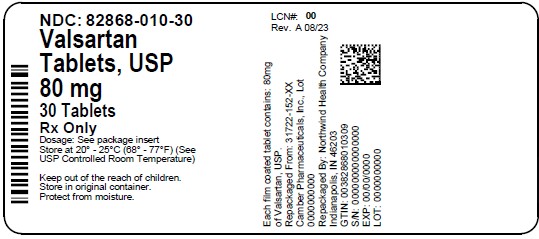
(valsartan · DailyMed)
DICARD 200MG FILM COATED TABLETS
SACUBITRIL VALSARTAN TRISODIUM SALT HEMIPENTAHYDRATE
What it does
Hemipentahydrate is used in various medical treatments. Specific details about its drug class, interactions, and cautions are not available.
Read more in plain English ↓Plain-language summary for general understanding - not medical advice. Always follow your pharmacist/doctor.
Ask about this medicine
Answers come only from this medicine's registration record, BNF monograph and interaction data - not medical advice.
Hard to find? We help patients in Kenya source rare medicines. We don't sell or dispense medicines - licensed pharmacies do.
Source this medicineRegistration & product details
Source: Pharmacy and Poisons Board · fetched 2026-01-28 19:41:56 · updated 2026-09-29 02:30:38
Drug Interactions
1Pharmacodynamic Warnings
Valsartan appears in TABLE 7: Drugs that cause first dose hypotension
Valsartan appears in TABLE 8: Drugs that cause hypotension
Sacubitril appears in TABLE 8: Drugs that cause hypotension
Valsartan appears in TABLE 16: Drugs that increase serum potassium
Unknown (1)
Valsartan - affects exposure
Taxanes (cabazitaxel) are predicted to affect the exposure to valsartan. Manufacturer advises take 12 hours before or 3 hours after cabazitaxel. Antacids SEPARATION OF ADMINISTRATION Aluminium- and ma
Data from BNF 85 (British National Formulary). This is not a substitute for professional medical advice. Matched via: exact
About hemipentahydrate
Hemipentahydrate is used in various medical treatments. Specific details about its drug class, interactions, and cautions are not available.
How it works
The exact way hemipentahydrate works in the body is not detailed, but it is used to help manage certain health conditions.
Who it's for
Hemipentahydrate may be prescribed for individuals with specific health issues as determined by a healthcare provider.
AI-assisted summary grounded in BNF data - general information only, not medical advice. Always confirm with your pharmacist or doctor.
About sacubitril
Sacubitril is a medication used to help manage heart failure.
What it treats
- heart failure
- chronic heart failure (CHF)
How it works
Sacubitril works by helping the heart pump more effectively and reducing the strain on it.
Who it's for
This medication is for adults with heart failure.
Cautions
- • Be careful if you are taking other medications that can lower blood pressure.
AI-assisted summary grounded in BNF data - general information only, not medical advice. Always confirm with your pharmacist or doctor.
About salt
Salt is a mineral that is essential for many bodily functions, including maintaining fluid balance and nerve function.
What it treats
- supporting hydration
- electrolyte balance
- preventing low sodium levels (hyponatremia)
How it works
Salt helps to regulate the amount of water in your body and is crucial for proper muscle and nerve function.
Who it's for
Anyone who needs to maintain proper hydration and electrolyte levels, especially those with low sodium levels.
AI-assisted summary grounded in BNF data - general information only, not medical advice. Always confirm with your pharmacist or doctor.
About trisodium
Trisodium is a compound used in various medical treatments. It may be involved in managing certain health conditions.
How it works
Trisodium works through its chemical properties to assist in medical treatments.
Who it's for
Trisodium may be prescribed for specific medical conditions, but please consult your healthcare provider for more details.
AI-assisted summary grounded in BNF data - general information only, not medical advice. Always confirm with your pharmacist or doctor.
About valsartan
Valsartan is a medication that helps lower high blood pressure and protect heart function.
What it treats
- high blood pressure (hypertension)
- heart failure
How it works
Valsartan works by blocking a substance in the body that causes blood vessels to tighten, helping them relax and lower blood pressure.
Who it's for
Valsartan is for adults who need help managing high blood pressure or heart failure.
Drug class
Angiotensin-II receptor antagonists
Cautions
- • Be careful if you are taking other medications that can lower blood pressure.
- • Avoid drugs that may cause low blood pressure.
- • Use caution with medications that can raise potassium levels in the blood.
AI-assisted summary grounded in BNF data - general information only, not medical advice. Always confirm with your pharmacist or doctor.
Clinical monograph: Valsartan
BNF-referencedValsartan is an antihypertensive medication belonging to the class of angiotensin II receptor antagonists (ARBs). It is primarily used to manage hypertension and to reduce cardiovascular events in patients with established atherosclerotic cardiovascular disease. By blocking the action of angiotensin II, a potent vasoconstrictor, valsartan helps to lower blood pressure and has protective effects on the heart and kidneys.
Indications
- Hypertension
- Heart failure
- Prevention of cardiovascular events in patients with established atherosclerotic cardiovascular disease
Dosage
Children: For neonates, 250–500 micrograms/kg every 8–12 hours, increased if necessary to 2–3
Adults: Initially 80 mg once daily, increased if necessary up to a maximum of 320 mg daily, based on clinical response.
Mechanism of action
Valsartan selectively binds to angiotensin receptor 1 (AT1), preventing angiotensin II from exerting its hypertensive effects, such as vasoconstriction and aldosterone secretion. This blockade results in reduced blood pressure, lower aldosterone levels, decreased cardiac activity, and increased sodium excretion. Additionally, valsartan modulates the renin-angiotensin-aldosterone system (RAAS), which is critical in cardiovascular and kidney function regulation.
Pharmacodynamics
Valsartan inhibits the hypertensive effects of angiotensin II, with an oral dose of 80 mg achieving approximately 80% inhibition of the pressor effect at peak, and about 30% inhibition persisting for 24 hours. It minimally affects plasma aldosterone levels and does not significantly alter total cholesterol, triglycerides, serum glucose, or uric acid levels. Hypotension is rare, but caution is advised in patients with an activated renin-angiotensin system, such as those on high-dose diuretics or with heart failure.
Pharmacokinetics
Valsartan is well absorbed after oral administration, with peak plasma concentrations occurring within 2 to 4 hours. It has an elimination half-life of approximately 6 hours, with a bioavailability of around 25% due to first-pass metabolism. Valsartan is primarily eliminated via the feces and to a lesser extent through urine, with renal impairment not significantly affecting its pharmacokinetics.
Contra-indications
- Biliary obstructive disorders
- Cholestasis
Adverse effects
- Anaemia
- Arrhythmias
- Chest pain
- Cystitis
- Depression
- Dyspnoea
- Flatulence
- Gastrointestinal disturbances
- Interstitial lung disease
- Liver disorder
- Pain in extremities
- Sepsis
- Taste alteration
- Tendon pain
- Visual impairment
Interactions
- Taxanes (unknown effect on exposure)
Precautions
- Caution in patients with heart failure
- Monitor for symptomatic hypotension in patients with activated renin-angiotensin system
- Adjust dose in hepatic impairment
- Initial lower doses in renal impairment
Pregnancy
Use only if potential benefit justifies potential risk to the fetus. Contraindicated in the second and third trimesters due to potential harm.
Breast-feeding
Not recommended due to potential adverse effects on the infant.
Storage
Store at room temperature, away from moisture and heat.
Formulations
- Valsartan 40 mg capsules
- Valsartan 80 mg capsules
- Oral suspension
AI-synthesized from BNF references - general information only, not a substitute for professional medical advice or the current BNF. Verify doses with a pharmacist.
Clinical monograph: hemipentahydrate
Hemipentahydrate is a crystalline form of certain pharmaceutical compounds, often used in various medicinal formulations. It is characterized by its hydration state, which affects its solubility and bioavailability. Hemipentahydrate forms are typically utilized in formulations to enhance the stability and absorption of the active ingredients in the body.
Dosage
Children: Refer to specific product guidelines for dosage recommendations.
Adults: Refer to specific product guidelines for dosage recommendations.
Mechanism of action
The mechanism of action of hemipentahydrate varies depending on the specific compound it is associated with. Generally, compounds in a hemipentahydrate form are designed to dissolve in bodily fluids, allowing for the active ingredients to be released and exert their pharmacological effects. This can involve interactions with specific receptors or enzymes, leading to therapeutic outcomes.
Pharmacodynamics
Pharmacodynamics of hemipentahydrate compounds is reliant on the active drug's properties. Typically, these compounds may exhibit effects such as anti-inflammatory, analgesic, or antimicrobial actions, depending on the specific drug. The pharmacological effect is often dose-dependent, requiring careful consideration of the concentration of the active ingredient released from the hemipentahydrate form.
Pharmacokinetics
The pharmacokinetics of hemipentahydrate compounds include absorption, distribution, metabolism, and excretion (ADME). The hydration state can influence the solubility and, consequently, the absorption profile of the drug. Once absorbed, the distribution throughout the body will depend on the drug’s lipophilicity and protein binding capacity. Metabolism usually occurs in the liver, where the active compound may be converted into metabolites, and excretion typically happens via the kidneys.
Pregnancy
Safety in pregnancy has not been established. Consult healthcare provider before use.
Breast-feeding
Safety during breastfeeding has not been established. Consult healthcare provider before use.
Storage
Store in a cool, dry place away from light. Keep out of reach of children.
AI-synthesized from BNF references - general information only, not a substitute for professional medical advice or the current BNF. Verify doses with a pharmacist.
Clinical monograph: hemipentahydrobromide
Hemipentahydrobromide is a chemical compound that may refer to a derivative of a hydrobromide salt. It is typically used in specific therapeutic contexts, though detailed information on its clinical use is limited. Its pharmacological applications may extend to various fields, including psychiatry and neurology, depending on its mechanism of action and effects on neurotransmitter systems.
Indications
- Anxiety disorders
- Depression
- Neurological conditions
Dosage
Children: Refer to specific clinical guidelines or consult a healthcare provider for appropriate pediatric dosing.
Adults: Refer to specific clinical guidelines or consult a healthcare provider for appropriate dosing.
Mechanism of action
The precise mechanism of action for hemipentahydrobromide is not well-documented. However, compounds of this class often act on neurotransmitter receptors or ion channels, influencing synaptic transmission and neuronal excitability. This can lead to therapeutic effects in conditions like anxiety or depression, though further specific information is necessary for conclusive understanding.
Pharmacodynamics
Hemipentahydrobromide may exhibit dose-dependent effects on the central nervous system, potentially enhancing inhibitory neurotransmission through modulation of GABAergic pathways or antagonizing excitatory neurotransmitters. Its pharmacodynamic profile would depend on its affinity for various receptors and its effects on neuronal signaling pathways.
Pharmacokinetics
The pharmacokinetic properties of hemipentahydrobromide, such as absorption, distribution, metabolism, and excretion, are not well-established. Typically, drugs in this category may demonstrate variable absorption rates depending on formulation, while distribution may be influenced by lipophilicity. Metabolism could involve hepatic pathways, and elimination may be renal or through bile, requiring clinical monitoring for individual patient response.
Pregnancy
The safety of hemipentahydrobromide in pregnancy has not been established. Use with caution and only if the potential benefit justifies the potential risk to the fetus.
Breast-feeding
It is not known whether hemipentahydrobromide is excreted in human milk. Caution is advised when administering to nursing mothers.
Storage
Store at room temperature, away from light and moisture. Keep out of reach of children.
AI-synthesized from BNF references - general information only, not a substitute for professional medical advice or the current BNF. Verify doses with a pharmacist.
Clinical monograph: sacubitril
BNF-referencedSacubitril is an angiotensin receptor neprilysin inhibitor (ARNI) used primarily in the management of heart failure with reduced ejection fraction (HFrEF). It is administered in combination with valsartan under the trade name Entresto. The drug acts by inhibiting neprilysin, an enzyme responsible for the breakdown of natriuretic peptides, leading to increased levels of these peptides which promote vasodilation, natriuresis, and diuresis. Sacubitril is indicated for reducing the risk of cardiovascular death and hospitalization in patients with chronic heart failure.
Indications
- Heart failure with reduced ejection fraction (HFrEF)
- Reduction of cardiovascular death and hospitalization in chronic heart failure patients
Dosage
Adults: The usual recommended dose of sacubitril/valsartan is 49 mg/51 mg taken twice daily. The dose
Mechanism of action
Sacubitril's active metabolite, LBQ657, inhibits neprilysin, a neutral endopeptidase that cleaves natriuretic peptides such as atrial natriuretic peptide (ANP) and brain natriuretic peptide (BNP). By inhibiting neprilysin, sacubitril increases the concentrations of these peptides, which leads to vasodilation, natriuresis, and diuresis. Furthermore, when combined with valsartan, it also blocks the action of angiotensin II, resulting in decreased vascular resistance and blood pressure.
Pharmacodynamics
Clinical studies have demonstrated that sacubitril, especially in combination with valsartan, leads to significant increases in natriuresis and urine levels of cGMP. It has been shown to decrease plasma levels of NT-proBNP, aldosterone, and endothelin-1, indicating an overall beneficial effect on heart failure parameters. It has no significant effect on the QTc interval.
Pharmacokinetics
Sacubitril is rapidly converted to its active metabolite LBQ657, which is responsible for its therapeutic effects. It has a half-life of approximately 11 hours. The drug is metabolized primarily by hydrolysis and conjugation, and it is excreted mainly in the urine. The pharmacokinetics may be affected by renal function, necessitating dose adjustments in patients with significant renal impairment.
Contra-indications
- Hypersensitivity to sacubitril, valsartan or any of the excipients
- History of angioedema related to previous treatment with an angiotensin-converting enzyme (ACE) inhibitor or angiotensin receptor blocker (ARB)
- Concurrent use of ACE inhibitors
- Severe hepatic impairment
- Pregnancy
Adverse effects
- Hypotension
- Hyperkalemia
- Cough
- Dizziness
- Renal impairment
- Angioedema
- Fatigue
Interactions
- ACE inhibitors
- NSAIDs may reduce the antihypertensive effect
- Potassium-sparing diuretics may increase the risk of hyperkalemia
- Lithium levels may increase
Precautions
- Monitor renal function and potassium levels
- Use with caution in patients with a history of angioedema
- Adjust dose in patients with renal impairment
- Risk of hypotension in volume-depleted patients
Pregnancy
Contraindicated due to potential harm to the fetus.
Breast-feeding
Not recommended, as it is not known if sacubitril is excreted in human milk.
Storage
Store at room temperature, away from moisture and heat.
Formulations
- Tablets: 24 mg/26 mg, 49 mg/51 mg, 97 mg/103 mg (sacubitril/valsartan)
AI-synthesized from BNF references - general information only, not a substitute for professional medical advice or the current BNF. Verify doses with a pharmacist.
Clinical monograph: salt
BNF-referencedSalt, primarily composed of sodium chloride (NaCl), is a vital electrolyte that plays a crucial role in maintaining fluid balance, osmotic pressure, and proper physiological function in the human body. It is essential for various bodily functions, including nerve transmission, muscle contraction, and hydration. Sodium and chloride ions are the primary components that help regulate blood pressure and extracellular volume. Additionally, sodium chloride has specific clinical applications, including its use in hypertonic solutions for inducing abortion under certain medical conditions.
Indications
- Fluid and electrolyte replenishment
- Management of hyponatremia
- Induction of abortion in specific medical circumstances
Dosage
Children: Refer to the BNF for Children for appropriate dosing information for pediatric patients.
Adults: Refer to the BNF for specific dosing guidelines based on clinical context and condition being treated.
Mechanism of action
Sodium and chloride, as major electrolytes in the extracellular fluid, work together to control extracellular volume and blood pressure. Disturbances in sodium concentrations are linked to disorders of water balance. Intra-amniotic instillation of hypertonic sodium chloride may induce uterine contractions, leading to abortion, potentially mediated by prostaglandins released from damaged decidual cells.
Pharmacodynamics
Sodium, the principal cation in extracellular fluid, is critical for regulating water distribution, fluid balance, and osmotic pressure in body fluids. It works in conjunction with chloride and bicarbonate to maintain acid-base equilibrium. Chloride, as the major extracellular anion, mirrors sodium metabolism, and alterations in acid-base balance are reflected in chloride concentrations.
Pharmacokinetics
Sodium and chloride ions are absorbed from the gastrointestinal tract and distributed throughout the body fluids. Their concentration in extracellular fluid is tightly regulated by mechanisms involving renal excretion and hormonal control, primarily through aldosterone. Changes in dietary intake can also influence sodium levels significantly.
Pregnancy
Intra-amniotic instillation of hypertonic sodium chloride is associated with abortion and fetal death. Caution is advised during pregnancy.
Breast-feeding
Sodium is considered safe during breastfeeding as it is an essential electrolyte.
Storage
Store in a cool, dry place away from direct sunlight.
Formulations
- 20% sodium chloride injection
AI-synthesized from BNF references - general information only, not a substitute for professional medical advice or the current BNF. Verify doses with a pharmacist.
Clinical monograph: trisodium
BNF-referencedTrisodium is a compound consisting of three sodium ions. It is not a specific medication, but rather a term used to describe sodium salts that contain three sodium atoms. Trisodium compounds can be used in various pharmaceutical formulations, primarily as electrolytes or stabilizers in solutions. Their role in maintaining electrolyte balance is crucial for various physiological functions.
Indications
- Electrolyte replacement
- Management of dehydration
- Support in intravenous fluid therapy
Dosage
Children: Refer to the BNF for Children for appropriate dosing based on age and clinical condition.
Adults: Refer to the BNF for specific dosing recommendations based on clinical condition and formulation.
Mechanism of action
Trisodium compounds typically function as electrolytes that help maintain osmotic balance and proper hydration in cells. Sodium ions play a critical role in nerve impulse transmission and muscle contraction, as well as in regulating blood pressure and fluid balance within the body.
Pharmacodynamics
Trisodium compounds affect the body by influencing the electrolyte composition of body fluids. Sodium ions are essential for the depolarization of nerve membranes and the contraction of muscle fibers. They also participate in the regulation of blood volume and blood pressure through their effects on renal function and fluid retention.
Pharmacokinetics
Trisodium compounds are generally absorbed readily from the gastrointestinal tract when ingested. They are distributed throughout the body fluids and tissues, playing a role in maintaining extracellular fluid volume. The kidneys are primarily responsible for the excretion of excess sodium, regulating its concentration in the body to prevent hypernatremia or hyponatremia.
Pregnancy
There is limited data on the safety of trisodium in pregnancy. Caution is advised.
Breast-feeding
Trisodium is not known to be excreted in human milk. Caution is advised.
Storage
Store in a cool, dry place. Protect from light.
AI-synthesized from BNF references - general information only, not a substitute for professional medical advice or the current BNF. Verify doses with a pharmacist.
Molecular reference: Valsartan
PubChem CID 60846Molecular formula: C24H29N5O3
Mechanism of action
Valsartan belongs to the angiotensin II receptor blocker (ARB) family of drugs, which selectively bind to angiotensin receptor 1 (AT1) and prevent angiotensin II from binding and exerting its hypertensive effects. These include vasoconstriction, stimulation and synthesis of aldosterone and ADH, cardiac stimulation, and renal reabsorption of sodium among others. Overall, valsartan's physiologic effects lead to reduced blood pressure, lower aldosterone levels, reduced cardiac activity, and increased excretion of sodium. Valsartan also affects the renin-angiotensin aldosterone system (RAAS), which plays an important role in hemostasis and regulation of kidney, vascular, and cardiac functions. Pharmacological blockade of RAAS via AT1 receptor blockade inhibits negative regulatory feedback within RAAS which is a contributing factor to the pathogenesis and progression of cardiovascular disease, heart failure, and renal disease. In particular, heart failure is associated with chronic activation of RAAS, leading to inappropriate fluid retention, vasoconstriction, and ultimately a further decline in left ventricular function. ARBs have been shown to have a protective effect on the heart by improving cardiac function, reducing afterload, increasing cardiac output and prevent ventricular hypertrophy. The angiotensin-converting enzyme inhibitor (ACEI) class of medications (which includes drugs such as [ramipril], [lisinopril], and [perindopril]) inhibits the conversion of angiotensin I to angiotensin II by inhibiting the ACE enzyme but does not prevent the formation of all angiotensin II. ARB activity is unique in that it blocks all angiotensin II activity, regardless of where or how it was synthesized. Valsartan is commonly used for the management of hypertension, heart failure, and type 2 diabetes-associated nephropathy, particularly in patients who are unable to tolerate ACE inhibitors. ARBs such as valsartan have been shown in a number of large-scale clinical outcomes trials to improve cardiovascular outcomes including reducing risk of myocardial infarction, stroke, the progression of heart failure, and hospitalization. Valsartan also slows the progression of diabetic nephropathy due to its renoprotective effects. Improvements in chronic kidney disease with valsartan include both clinically and statistically significant decreases in urinary albumin and protein excretion in patients diagnosed with type 2 diabetes and in nondiabetic patients diagnosed with chronic kidney disease. Valsartan also binds to the AT2 receptor, however AT2 is not known to be associated with cardiovascular homeostasis like AT1. Valsartan has about 20,000-fold higher affinity for the AT1 receptor than for the AT2 receptor. The increased plasma levels of angiotensin II following AT1 receptor blockade with valsartan may stimulate the unblocked AT2 receptor. Valsartan, a nonpeptide tetrazole derivative, is an angiotensin II type 1 (AT1) receptor antagonist. Valsartan has pharmacologic actions similar to those of losartan; however, unlike losartan, valsartan is not a prodrug and its pharmacologic activity does not depend on hydrolysis in the liver. Valsartan blocks the physiologic actions of angiotensin II, including vasoconstrictor and aldosterone-secreting effects, by selectively inhibiting access of angiotensin II to AT1 receptors within many tissues, including vascular smooth muscle and the adrenal gland. By comparison, angiotensin-converting enzyme (ACE, kininase II) inhibitors block the conversion of angiotensin I to angiotensin II; however, the blockade of angiotensin II production by ACE inhibitors is not complete since the vasopressor hormone can be formed via other enzymes that are not blocked by ACE inhibitors. Because valsartan, unlike ACE inhibitors, does not inhibit ACE, the drug does not interfere with response to bradykinins and substance P; a beneficial consequence is the absence of certain ACE inhibitor-induced adverse effects (e.g., cough),
Pharmacodynamics
Valsartan inhibits the pressor effects of angiotensin II with oral doses of 80 mg inhibiting the pressor effect by about 80% at peak with approximately 30% inhibition persisting for 24 hours. Removal of the negative feedback of angiotensin II causes a 2- to 3-fold rise in plasma renin and consequent rise in angiotensin II plasma concentration in hypertensive patients. Minimal decreases in plasma aldosterone were observed after administration of valsartan. In multiple-dose studies in hypertensive patients, valsartan had no notable effects on total cholesterol, fasting triglycerides, fasting serum glucose, or uric acid. **Hypotension** Excessive hypotension was rarely seen (0.1%) in patients with uncomplicated hypertension treated with valsartan alone. In patients with an activated renin-angiotensin system, such as volume- and/or salt-depleted patients receiving high doses of diuretics, symptomatic hypotension may occur. This condition should be corrected prior to administration of valsartan, or the treatment should start under close medical supervision. Caution should be observed when initiating therapy in patients with heart failure. Patients with heart failure given valsartan commonly have some reduction in blood pressure, but discontinuation of therapy because of continuing symptomatic hypotension usually is not necessary when dosing instructions are followed. In controlled trials in heart failure patients, the incidence of hypotension in valsartan-treated patients was 5.5% compared to 1.8% in placebo-treated patients. If excessive hypotension occurs, the patient should be placed in the supine position and, if necessary, given an intravenous infusion of normal saline. A transient hypotensive response is not a contraindication to further treatment, which usually can be continued without difficulty once the blood pressure has stabilized. **Impaired Renal Function** Changes in renal function including acute renal failure can be caused by drugs that inhibit the renin-angiotensin system and by diuretics. Patients whose renal function may depend in part on the activity of the renin-angiotensin system (e.g., patients with renal artery stenosis, chronic kidney disease, severe congestive heart failure, or volume depletion) may be at particular risk of developing acute renal failure on valsartan. Monitor renal function periodically in these patients. Consider withholding or discontinuing therapy in patients who develop a clinically significant decrease in renal function on valsartan. **Hyperkalemia** Some patients with heart failure have developed increases in potassium. These effects are usually minor and transient, and they are more likely to occur in patients with pre-existing renal impairment. Dosage reduction and/or discontinuation of valsartan may be required.
Biological pathways
Source: PubChem (NCBI) · pathways from PathBank, Reactome, WikiPathways & PharmGKB.
Molecular reference: sacubitril
PubChem CID 9811834Molecular formula: C24H29NO5
Mechanism of action
Sacubitril's active metabolite, LBQ657 inhibits neprilysin, a neutral endopeptidase that would typically cleave natiuretic peptides, which includes: atrial natriuretic peptide (ANP), brain natriuretic peptide (BNP), and c-type natriuretic peptide (CNP). ANP and BNP are released under atrial and ventricle stress, which activate downstream receptors leading to vasodilation, natriuresis and diuresis. Under normal conditions, neprilysin breaks down other vasodilating peptides and also vasoconstrictors such as angiotensin I and II, endothelin-1 and peptide amyloid beta-protein. Therefore, the inhibition of neprilysin leads to reduced breakdown and increased concentration of endogenous natriuretic peptides in addition to increased levels of vasoconstricting hormones such as angiotensin II. (However, when combined with valsartan, would result in blocking of angiotensin II to its receptor, preventing the vasoconstrictive effects and resulting in a decrease in vascular resistance and blood pressure.) Cardiovascular and renal effects of sacubitril is a result of the increased levels of peptides that are normally degraded by neprilysin.
Pharmacodynamics
n a 7-day valsartan-controlled study in patients with reduced ejection fraction (HFrEF), administration of sacubitril + valsartan (Entresto) resulted in a significant non-sustained increase in natriuresis, increased urine cGMP, and decreased plasma MR-proANP and NT-proBNP compared to valsartan. In a 21-day study in HFrEF patients, it significantly increased urine ANP and cGMP and plasma cGMP, and decreased plasma NT-proBNP, aldosterone and endothelin-1. In clinical studies, this combination had no effect on QTc interval.
Source: PubChem (NCBI) · pathways from PathBank, Reactome, WikiPathways & PharmGKB.
Molecular reference: salt
PubChem CID 5234Molecular formula: ClNa
Mechanism of action
Sodium and chloride - major electrolytes of the fluid compartment outside of cells (i.e., extracellular) - work together to control extracellular volume and blood pressure. Disturbances in sodium concentrations in the extracellular fluid are associated with disorders of water balance. Intra-amniotic instillation of 20% sodium chloride injection induces abortion and fetal death. Although the mechanism has not been conclusively determined, some studies indicate that the drug's abortifacient activity may be mediated by prostaglandins released from decidual cells damaged by hypertonic solutions of sodium chloride. Hypertonic sodium chloride-induced uterine contractions are usually sufficient to cause evacuation of both the fetus and placenta; however, abortion may be incomplete in 25-40% of patients. /20% injection/
Pharmacodynamics
Sodium, the major cation of the extracellular fluid, functions primarily in the control of water distribution, fluid balance, and osmotic pressure of body fluids. Sodium is also associated with chloride and bicarbonate in the regulation of the acid-base equilibrium of body fluid. Chloride, the major extracellular anion, closely follows the metabolism of sodium, and changes in the acid-base balance of the body are reflected by changes in the chloride concentration.
Biological pathways
Source: PubChem (NCBI) · pathways from PathBank, Reactome, WikiPathways & PharmGKB.
Molecular reference: trisodium
PubChem CID 16219045Molecular formula: Na3+3
Source: PubChem (NCBI) · pathways from PathBank, Reactome, WikiPathways & PharmGKB.
This drug in other countries
The same active ingredient registered across other registries we cover - including different brands.
- AMSTAN TABLETS (Each film coated tablet contains Amlodipine Besylate/Valsartan 5mg/160mg) · Scilife Pharma
- AMSTAN TABLETS (Each tablet contains Amlodipine Besylate/Valsartan 5mg/80mg) · Scilife Pharma
- AMSTAN TABLETS (Each film coated tablet contains Amlodipine besilate/ Valsartan 10/160mg) · Scilife Pharma
- AMVA-DENK 10/160MG · Balkanpharma
- AMVA-DENK 5/160MG · Balkanpharma
- AMVA-DENK 5/80MG · Balkanpharma