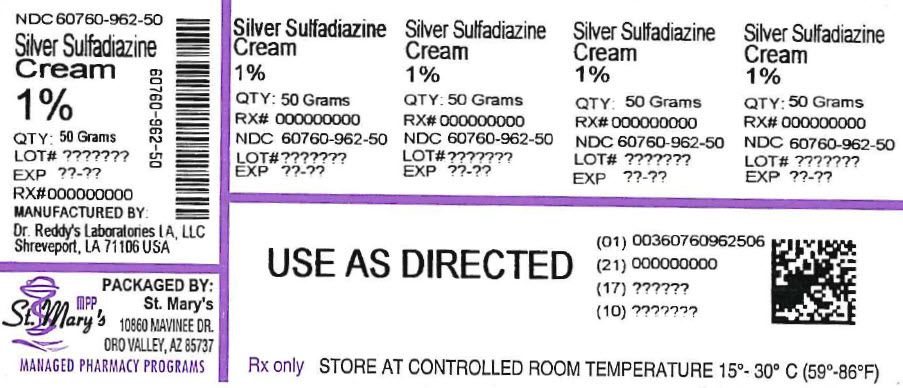
(sulfadiazine · DailyMed)
Diseptoprim
Sulfadiazine
What it does
Sulfadiazine is an antibiotic used to treat infections caused by bacteria.
Commonly used for: bacterial infections, toxoplasmosis
Read more in plain English ↓Plain-language summary for general understanding - not medical advice. Always follow your pharmacist/doctor.
Ask about this medicine
Answers come only from this medicine's registration record, BNF monograph and interaction data - not medical advice.
Medicine sourcing is available in Kenya only. We don't sell or dispense medicines - licensed pharmacies do.
Sourcing - Kenya onlyRegistration & product details
Source: Tanzania Medicines and Medical Devices Authority · fetched 2026-03-11 23:52:12 · updated 2026-09-28 03:00:45
Drug Interactions
3Moderate (3)
Antiepileptics - increases concentration
Sulfadiazine is predicted to increase the concentration of antiepileptics (fosphenytoin). Monitor and adjust dose.
Fosphenytoin - increases concentration
Sulfadiazine is predicted to increase the concentration of antiepileptics (fosphenytoin). Monitor and adjust dose.
Phenytoin - increases concentration
Sulfadiazine increases the concentration of antiepileptics (phenytoin). Monitor and adjust dose.
Data from BNF 85 (British National Formulary). This is not a substitute for professional medical advice. Matched via: exact
About this medicine
Sulfadiazine is an antibiotic used to treat infections caused by bacteria.
What it treats
- bacterial infections
- toxoplasmosis
How it works
It works by stopping the growth of bacteria in the body.
Who it's for
It is for people with bacterial infections, including those with weakened immune systems.
AI-assisted summary grounded in BNF data - general information only, not medical advice. Always confirm with your pharmacist or doctor.
Clinical monograph: Sulfadiazine
BNF-referencedSulfadiazine is a short-acting sulfonamide antibiotic with bacteriostatic activity against a wide spectrum of bacteria. It works primarily by inhibiting the bacterial enzyme dihydropteroate synthetase, which is necessary for folic acid synthesis. Its use has declined due to increasing resistance, but it remains relevant in specific indications such as toxoplasmosis in pregnancy.
Indications
- Bacterial infections
- Toxoplasmosis in pregnancy (in combination with pyrimethamine and folinic acid)
- Congenital toxoplasmosis (in combination with pyrimethamine and folinic acid)
Dosage
Children: For children aged 12–17 years, the recommended dose is 1 g three times a day until delivery for toxoplasmosis in pregnancy. For other specific conditions, refer to the BNF for Children for detailed dosing guidelines.
Adults: For adults, the typical dosing for bacterial infections can vary, and it is essential to refer to the BNF for specific recommendations based on the condition being treated. Generally, dosage adjustments may be necessary in renal impairment.
Mechanism of action
Sulfadiazine acts as a competitive inhibitor of the bacterial enzyme dihydropteroate synthetase, blocking the conversion of para-aminobenzoic acid (PABA) to folic acid. This inhibition is crucial for bacterial growth and reproduction, as folic acid is vital for nucleic acid synthesis.
Pharmacodynamics
Sulfadiazine is a synthetic bacteriostatic antibiotic effective against many gram-positive and some gram-negative organisms. It inhibits bacterial multiplication by interfering with folic acid metabolism. Resistance to sulfadiazine usually implies resistance to all sulfonamides, as they share similar mechanisms of action.
Pharmacokinetics
Sulfadiazine is well absorbed when administered orally, with high tissue distribution. It achieves significant concentrations in various bodily fluids, including pleural and synovial fluids. While it is effective, its absorption can be affected by the presence of pus, which can inhibit its antibacterial action. Renal function can influence its clearance, necessitating dose adjustments in cases of impaired renal function.
Contra-indications
- Acute porphyrias
Adverse effects
- Agranulocytosis
- Aplastic anaemia
- Haemolytic anaemia
- Decreased appetite
- Ataxia
- Back pain
- Blood disorders
- Cough
- Crystaluria
- Cyanosis
- Depression
- Diarrhoea
- Dizziness
- Drowsiness
- Dyspnoea
- Eosinophilia
- Erythema nodosum
- Fatigue
- Fever
- Haematuria
- Hallucination
- Headache
- Hepatic disorders
- Hypoglycaemia
- Neutropenia
- Oral disorders
- Pancreatitis
- Photosensitivity reaction
- Skin reactions
- Thrombocytopenia
- Tinnitus
- Vertigo
- Vomiting
Interactions
- Sulfadiazine + antiepileptics: Moderate (increases concentration)
- Sulfadiazine + fosphenytoin: Moderate (increases concentration)
- Sulfadiazine + phenytoin: Moderate (increases concentration)
Precautions
- Caution in asthma
- Caution in blood disorders
- Caution in elderly patients
- Monitor blood counts on prolonged treatment
- Plasma concentration monitoring may be required in moderate to severe renal impairment
Pregnancy
Risk of neonatal haemolysis and methaemoglobinaemia in the third trimester; fear of increased risk of kernicterus in neonates appears to be unfounded.
Breast-feeding
Small risk of kernicterus in jaundiced infants and of haemolysis in G6PD-deficient infants.
Storage
Store in a cool, dry place away from light.
Formulations
- Solution for infusion
- Oral suspension
AI-synthesized from BNF references - general information only, not a substitute for professional medical advice or the current BNF. Verify doses with a pharmacist.
Molecular reference: Sulfadiazine
PubChem CID 5215Molecular formula: C10H10N4O2S
Mechanism of action
Sulfadiazine is a competitive inhibitor of the bacterial enzyme dihydropteroate synthetase. This enzyme is needed for the proper processing of para-aminobenzoic acid (PABA) which is essential for folic acid synthesis. The inhibited reaction is necessary in these organisms for the synthesis of folic acid.
Pharmacodynamics
Sulfadiazine is a sulfonamide antibiotic. The sulfonamides are synthetic bacteriostatic antibiotics with a wide spectrum against most gram-positive and many gram-negative organisms. However, many strains of an individual species may be resistant. Sulfonamides inhibit multiplication of bacteria by acting as competitive inhibitors of <i>p</i>-aminobenzoic acid in the folic acid metabolism cycle. Bacterial sensitivity is the same for the various sulfonamides, and resistance to one sulfonamide indicates resistance to all. Most sulfonamides are readily absorbed orally. However, parenteral administration is difficult, since the soluble sulfonamide salts are highly alkaline and irritating to the tissues. The sulfonamides are widely distributed throughout all tissues. High levels are achieved in pleural, peritoneal, synovial, and ocular fluids. Although these drugs are no longer used to treat meningitis, CSF levels are high in meningeal infections. Their antibacterial action is inhibited by pus.
Source: PubChem (NCBI) · pathways from PathBank, Reactome, WikiPathways & PharmGKB.
This drug in other countries
The same active ingredient registered across other registries we cover - including different brands.
- ALFATRIM POWDER · Agrilords
- ASTRISUL POWDER · Bimeda
- BURNFIX CREAM · Signature Healthcare
- BURNOX CREAM · Beta Healthcare
- BURNSIL CREAM · Madawa Pharmaceuticals
- DAWATRIM BOLUS · Dawa
- BURNOX COMBINATION PRODUCT CREAM
- E.S.T COMBINATION PRODUCT POWDER
- FLAMAZOLE 1%W/W CREAM
- HILDERM-CH 1.0%W/W , 2.0%W/W CREAM
- SILVAMAX COMBINATION PRODUCT CREAM
- SILVERKANT 1%W/W CREAM
- BURNCURE CREAM ( Silver Sulfadiazine cream 1.0%w/w) · Baader-schulz Labs
- HILDEM-CH CREAM ( Silver Sulfadiazine/ Chitosan 10mg/ 20mg) · Absun Pharma
- SILDIAZINE CREAM · Centurion Remedies
- SILVER SULFADIAZINE CREAM · Brassica Pharma
- SILVERDERMA CREAM ( Silver Sulfadiazine 10mg/g) · Laboratorio Aldo-Unión
- SULFAMOON CREAM · Aura Lifecare
- Biotrim Oral Suspension · Zenex Animal Health
- Burnox cream · Shelys Pharmaceuticals
- Hilderm - CH cream · Bliss Gvs Pharma
- SILVACACH · Curetech Skincare
- Silvadex Cream · Galentic Pharma
- Silveleb 1% cream · Leben Laboratories