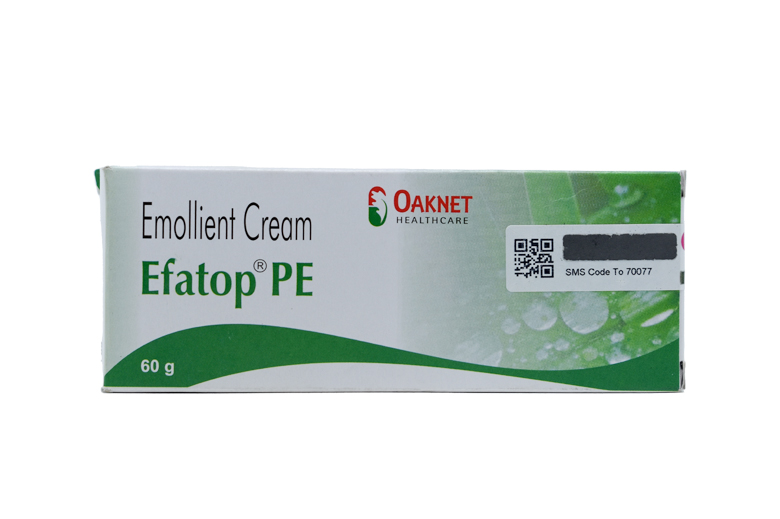
EFATOP PE CREAM
SODIUM PYROLIDONE CARBOXYLIC ACID SODIUM LACTATE SOLUTION USP OLIVE OIL BP VITAMIN E ACETATE
What it does
Carboxylic is a type of compound used in various treatments. It has specific roles in medicine but is not commonly referenced alone as a drug. Always consult with a healthcare provider for detailed information.
Read more in plain English ↓Plain-language summary for general understanding - not medical advice. Always follow your pharmacist/doctor.
Ask about this medicine
Answers come only from this medicine's registration record, BNF monograph and interaction data - not medical advice.
Hard to find? We help patients in Kenya source rare medicines. We don't sell or dispense medicines - licensed pharmacies do.
Source this medicineRegistration & product details
Source: Pharmacy and Poisons Board · fetched 2026-01-28 21:26:26 · updated 2026-07-20 11:00:30
Drug Interactions
7Severe (2)
Vitamin - increases risk of vitamin a toxicity
TretinoinispredictedtoincreasetheriskofvitaminAtoxicity whengivenwithvitaminA.Avoid.rStudy Ribavirin e
Vitamin - increases risk of vitamin a toxicity
Retinoids(tretinoin)arepredictedtoincreasetheriskof vitaminAtoxicitywhengivenwithvitaminA.Avoid.r Study VitaminDsubstances . . . . . alfacalcidol.calcipotri..ol calcitriol colecalciferol ergocalcifero
Moderate (1)
Vitamin - increases risk of toxicity
Retinoids (bexarotene) are predicted to increase the risk of toxicity when given with vitamin A. Adjust dose.
Unknown (4)
Vitamin - decreases effects
Carbamazepine is predicted to decrease the effects of vitamin D substances.
Vitamin - increases exposure
Cobicistat is predicted to increase the exposure to vitamin D substances (paricalcitol).
Vitamin - increases exposure
Idelalisib is predicted to increase the exposure to vitamin D substances (paricalcitol).
Vitamin - increases exposure
Clarithromycin is predicted to increase the exposure to vitamin D substances (paricalcitol).
Data from BNF 85 (British National Formulary). This is not a substitute for professional medical advice. Matched via: exact
About carboxylic
Carboxylic is a type of compound used in various treatments. It has specific roles in medicine but is not commonly referenced alone as a drug. Always consult with a healthcare provider for detailed information.
How it works
Carboxylic compounds can affect various biological pathways, but specific mechanisms depend on the exact formulation and use.
Who it's for
This compound may be used in different populations, but specific groups depend on the particular medication it is included in.
AI-assisted summary grounded in BNF data - general information only, not medical advice. Always confirm with your pharmacist or doctor.
About lactate
Lactate is a substance used in medical settings to help manage certain conditions related to acid-base balance in the body.
What it treats
- metabolic acidosis
- lactic acidosis
- supporting hydration
How it works
Lactate helps to correct acid levels in the body, providing energy to cells and supporting metabolic processes.
Who it's for
Adults and children who have conditions causing an imbalance in body acids.
AI-assisted summary grounded in BNF data - general information only, not medical advice. Always confirm with your pharmacist or doctor.
About olive
Olive is derived from the olive tree and is often used for its potential health benefits.
What it treats
- high cholesterol (hyperlipidemia)
- heart health
- diabetes management
How it works
Olive may help improve cholesterol levels and support heart health by providing healthy fats.
Who it's for
Suitable for adults looking to improve their heart health or manage cholesterol levels.
AI-assisted summary grounded in BNF data - general information only, not medical advice. Always confirm with your pharmacist or doctor.
About pyrolidone
Pyrolidone is a compound often used in various formulations but lacks specific therapeutic uses or interactions listed.
How it works
The exact way pyrolidone works in the body is not clearly defined.
Who it's for
This information may be relevant for those considering products containing pyrolidone.
AI-assisted summary grounded in BNF data - general information only, not medical advice. Always confirm with your pharmacist or doctor.
About vitamin
Vitamins are essential nutrients that support various bodily functions and overall health.
What it treats
- nutritional deficiency
- general health maintenance
How it works
Vitamins support normal bodily functions, including metabolism, immune function, and cell repair.
Who it's for
Anyone needing to improve their nutrient intake or maintain good health.
AI-assisted summary grounded in BNF data - general information only, not medical advice. Always confirm with your pharmacist or doctor.
Clinical monograph: carboxylic
Carboxylic acids are a class of organic compounds characterized by the presence of a carboxyl group (-COOH). They are widely found in nature and play crucial roles in various biochemical processes. Common examples include acetic acid and citric acid. Carboxylic acids can act as weak acids in solution and can donate protons (H+) to form carboxylate anions. Their reactivity and properties are influenced by the structure of the carbon chain and substituents attached to the carboxyl group.
Dosage
Children: Refer to specific carboxylic acid medications for dosing information.
Adults: Refer to specific carboxylic acid medications for dosing information.
Mechanism of action
Carboxylic acids can participate in various biochemical reactions, including esterification, amidation, and decarboxylation. They can interact with biological molecules through hydrogen bonding, affecting enzyme activity and metabolic pathways. Some carboxylic acids can act as substrates or inhibitors in metabolic processes, influencing energy production and cellular function.
Pharmacodynamics
The pharmacodynamics of carboxylic acids depend on their specific structure and the biological systems they interact with. They can modulate the pH of biological systems, influence the solubility of drugs, and affect membrane permeability. Their acidic nature allows them to interact with positively charged amino acids in proteins, potentially altering protein conformation and function.
Pharmacokinetics
Carboxylic acids are generally well absorbed in the gastrointestinal tract. Their absorption can be affected by factors such as molecular weight and solubility. Once absorbed, they are metabolized primarily in the liver through processes such as oxidation and conjugation. The elimination of carboxylic acids from the body is typically via renal excretion, with their metabolites being excreted in urine.
Pregnancy
Safety during pregnancy has not been established. Use only if the potential benefit justifies the potential risk to the fetus.
Breast-feeding
It is unknown whether carboxylic substances are excreted in human milk. Caution is advised when administering to breastfeeding women.
Storage
Store in a cool, dry place away from direct sunlight. Ensure the container is tightly closed.
AI-synthesized from BNF references - general information only, not a substitute for professional medical advice or the current BNF. Verify doses with a pharmacist.
Clinical monograph: lactate
BNF-referencedLactate, the anion of lactic acid, is a key intermediate in metabolic processes, primarily produced during anaerobic glycolysis. It serves as an important energy source, particularly for heart and skeletal muscle, and plays a crucial role in the Cori cycle, where it is converted back to glucose in the liver. Elevated lactate levels can indicate anaerobic metabolism, often observed in conditions such as sepsis, shock, or strenuous exercise.
Indications
- Metabolic acidosis
- Lactic acidosis
- Energy substrate in critical illness
- Monitoring tissue perfusion and oxygenation
Dosage
Children: Refer to the BNF for Children for appropriate dosing in paediatric patients.
Adults: Refer to specific guidelines based on clinical context as dosing is highly variable and situation-dependent.
Mechanism of action
Lactate acts as a signaling molecule and energy substrate in various physiological and pathological processes. It is involved in the modulation of several metabolic pathways, including the Cori cycle and Krebs cycle. Lactate also participates in metabolic reprogramming, especially in cancer cells, where it can promote tumor growth and survival by providing an alternative energy source and influencing cellular signaling pathways such as the PI3K/AKT/mTOR pathway.
Pharmacodynamics
Lactate plays a vital role in energy metabolism. It can be oxidized back to pyruvate by lactate dehydrogenase, entering the Krebs cycle for ATP production. In addition to serving as an energy substrate, lactate impacts pH regulation and can influence the function of various immune cells. Its levels can indicate the state of oxygen delivery and utilization in tissues, thus serving as a marker for metabolic stress.
Pharmacokinetics
Lactate is produced primarily in the cytoplasm during glycolysis, with its concentration in the blood reflecting the balance between production and clearance. It is metabolized predominantly in the liver, where it can be converted back to glucose or utilized in the Krebs cycle. Lactate levels can vary based on factors such as exercise, tissue hypoxia, and metabolic conditions.
Pregnancy
Lactate is generally regarded as safe during pregnancy as it is a naturally occurring metabolite in the body, but specific clinical advice should be sought.
Breast-feeding
Lactate is considered safe during breastfeeding as it is a normal component of human metabolism, but consult a healthcare provider for personalized advice.
Storage
Store in a cool, dry place away from direct sunlight. Keep out of reach of children.
AI-synthesized from BNF references - general information only, not a substitute for professional medical advice or the current BNF. Verify doses with a pharmacist.
Clinical monograph: olive
Olive (Olea europaea) is a species of small tree in the family Oleaceae, native to the Mediterranean region. Its fruit, commonly known as olives, and the oil extracted from them, are widely consumed and utilized for various health benefits. Olive oil is particularly rich in monounsaturated fatty acids, antioxidants, and anti-inflammatory compounds, making it a staple in the Mediterranean diet.
Indications
- Cardiovascular health
- Anti-inflammatory conditions
- Oxidative stress reduction
- Metabolic syndrome management
- Supporting digestive health
Dosage
Children: Refer to specific dietary guidelines; olive oil can be incorporated into children's diets with caution, typically as part of foods.
Adults: Refer to specific dietary guidelines as there is no standard dose; typically, 1 to 2 tablespoons of olive oil per day is recommended as part of a balanced diet.
Mechanism of action
Olive oil exerts its beneficial effects primarily through its high content of oleic acid, which has been shown to reduce inflammation and oxidative stress. It also contains polyphenols, such as oleuropein, which contribute to its antioxidant properties, enhancing endothelial function and providing cardiovascular protection. The oil's anti-inflammatory effects may inhibit the expression of pro-inflammatory cytokines and enzymes.
Pharmacodynamics
The pharmacodynamic effects of olive oil include modulation of lipid profiles, reduction of low-density lipoprotein (LDL) cholesterol, and potential improvement in high-density lipoprotein (HDL) cholesterol levels. Its antioxidant properties help to neutralize free radicals, reducing oxidative damage to cells. Olive oil has also been associated with improved insulin sensitivity and may aid in the management of metabolic syndrome.
Pharmacokinetics
Olive oil is absorbed through the gastrointestinal tract, with its fatty acids being transported in the bloodstream bound to albumin and lipoproteins. The peak plasma concentration of oleic acid occurs approximately 3 to 6 hours after consumption. The metabolism of olive oil involves beta-oxidation in the liver, with its components being utilized for energy or stored as fat. The elimination half-life of individual fatty acids varies, but overall, the metabolic pathways are well-established in terms of energy utilization.
Pregnancy
Olive oil is generally considered safe during pregnancy when used in normal dietary amounts. However, high doses should be avoided due to a lack of sufficient safety data.
Breast-feeding
Olive oil is considered safe during breastfeeding when consumed in normal dietary amounts. It is a common component of a healthy diet.
Storage
Store in a cool, dark place away from direct sunlight to preserve quality. Keep tightly sealed to prevent oxidation.
Formulations
- Olive oil (liquid)
- Olive oil capsules
- Olive leaf extract (tablet, capsule)
AI-synthesized from BNF references - general information only, not a substitute for professional medical advice or the current BNF. Verify doses with a pharmacist.
Clinical monograph: pyrolidone
Pyrolidone, also known as 2-pyrrolidone, is a cyclic amide that is commonly used as a solvent and in various chemical syntheses. It is characterized by its polar nature and ability to dissolve a wide range of organic compounds. In the pharmaceutical industry, pyrolidone derivatives are often explored for their potential therapeutic applications, including but not limited to anti-inflammatory and analgesic effects.
Indications
- Solvent in pharmaceutical formulations
- Potential use as an analgesic
- Potential use in anti-inflammatory treatments
Dosage
Children: Refer to specific formulations and associated dosing guidelines as appropriate.
Adults: Refer to specific formulations and associated dosing guidelines as appropriate.
Mechanism of action
Pyrolidone and its derivatives are believed to exert their pharmacological effects through modulation of neurotransmitter systems and inhibition of specific enzymes involved in inflammatory pathways. The exact mechanism can vary depending on the specific derivative and its intended use.
Pharmacodynamics
Pyrolidone shows significant interaction with various receptors and enzymes in the body, potentially affecting pain perception, inflammation, and other physiological processes. Its role in enhancing the solubility and bioavailability of other drugs makes it a valuable component in formulations.
Pharmacokinetics
Pyrolidone is absorbed well when administered orally, with peak plasma concentrations typically reached within a few hours. It is metabolized primarily in the liver, undergoing hydrolysis and subsequent conjugation. Elimination occurs mainly through renal excretion, with a half-life that can vary depending on individual metabolic factors.
Pregnancy
There is limited data on the use of pyrolidone in pregnancy. Caution is advised, and it should only be used if the potential benefit justifies the potential risk to the fetus.
Breast-feeding
It is not known whether pyrolidone is excreted in human milk. Caution should be exercised when administering to nursing mothers.
Storage
Store in a cool, dry place away from light. Keep out of reach of children.
AI-synthesized from BNF references - general information only, not a substitute for professional medical advice or the current BNF. Verify doses with a pharmacist.
Clinical monograph: vitamin
BNF-referencedVitamins are organic compounds that are essential for various metabolic processes in the body. They play crucial roles in maintaining health, supporting the immune system, and promoting growth and development. Different vitamins have specific functions, and they are required in varying amounts depending on age, sex, and physiological conditions.
Indications
- Vitamin deficiency syndromes (e.g., scurvy for vitamin C deficiency, rickets for vitamin D deficiency)
- Support for immune function
- Antioxidant support
- Bone health maintenance
- Vision health
- Energy metabolism support
Dosage
Children: Refer to the BNF for Children for specific vitamin dosing guidelines, which depend on age and nutritional requirements.
Adults: Refer to specific vitamin guidelines as dosage varies significantly depending on the type of vitamin and individual needs.
Mechanism of action
Vitamins function primarily as coenzymes or precursors for coenzymes in enzymatic reactions. For instance, B vitamins are involved in energy metabolism, while vitamins A, C, D, E, and K support various physiological functions including vision, antioxidant activity, calcium regulation, and blood clotting. Each vitamin has a unique mechanism of action based on its structure and role in the body.
Pharmacodynamics
Vitamins exert their effects at the cellular level, influencing metabolic pathways, gene expression, and immune responses. For example, vitamin D regulates calcium and phosphate homeostasis, while vitamin A is crucial for vision and immune function. Deficiencies in vitamins can lead to a range of disorders, highlighting their importance in maintaining health.
Pharmacokinetics
The pharmacokinetics of vitamins vary widely. Fat-soluble vitamins (A, D, E, and K) are stored in liver and adipose tissues and can be released into circulation as needed. Water-soluble vitamins (B-complex and C) are not stored and must be consumed regularly, with excess amounts excreted in urine. Absorption rates, half-lives, and distribution can also differ based on the specific vitamin and individual metabolic factors.
Interactions
- tretinoin+vitamin: Severe (increases risk of vitamin toxicity)
- retinoids+vitamin: Severe (increases risk of vitamin toxicity)
- retinoids+vitamin: Moderate (increases risk of toxicity)
- carbamazepine+vitamin: Unknown (decreases effects)
- cobicistat+vitamin: Unknown (increases exposure)
- vitamin D substances+digoxin: Unknown (increases risk of toxicity)
- idelalisib+vitamin: Unknown (increases exposure)
- clarithromycin+vitamin: Unknown (increases exposure)
Pregnancy
Consult healthcare professional before use. Vitamin supplementation during pregnancy should be carefully managed to avoid hypervitaminosis.
Breast-feeding
Consult healthcare professional before use. Some vitamins can pass into breast milk and may affect the infant.
Storage
Store in a cool, dry place, away from direct sunlight. Ensure it is kept out of reach of children.
Formulations
- {'name': 'Vitamin A', 'form': 'Capsule', 'strength': '10000 IU'}
- {'name': 'Vitamin D', 'form': 'Tablet', 'strength': '1000 IU'}
- {'name': 'Vitamin E', 'form': 'Softgel', 'strength': '400 IU'}
AI-synthesized from BNF references - general information only, not a substitute for professional medical advice or the current BNF. Verify doses with a pharmacist.
Molecular reference: lactate
PubChem CID 91435Molecular formula: C3H5O3-
Biological pathways
Source: PubChem (NCBI) · pathways from PathBank, Reactome, WikiPathways & PharmGKB.
Molecular reference: vitamin
PubChem CID 266052Molecular formula: C14H15NO7
Source: PubChem (NCBI) · pathways from PathBank, Reactome, WikiPathways & PharmGKB.
This drug in other countries
The same active ingredient registered across other registries we cover - including different brands.
- ABIVIT DROPS · Accelius Global
- ABYTONE FORTE CAPSULES (Each hard gelatin capsule contains Cyproheptadine HCL (Anhydrous) BP/Vitamin A (as palmitate) BP/Vitamin D3 BP/Thiamine Hydrochloride BP/Riboflavin BP/Cyanocobalamin BP/Niacinamide BP/Calcium Pantothenate BP/Calcium Lactate BP 4mg/2500IU/200IU/2mg/1mcg/25mg/5mg/100mg/) · Socomed Pharma
- ACTIKID MAGIC BEANS JELLY BEANS · Amapharm
- ADVANCED EGG FORMULA POWDER · Advanced Agrovets Biotechnologies
- AJ WELLNESS VITALMAN 45+ CAPSULES · Renown Pharmaceuticals
- AJ WELLNESS VITALMAN 65+ CAPSULES · Renown Pharmaceuticals