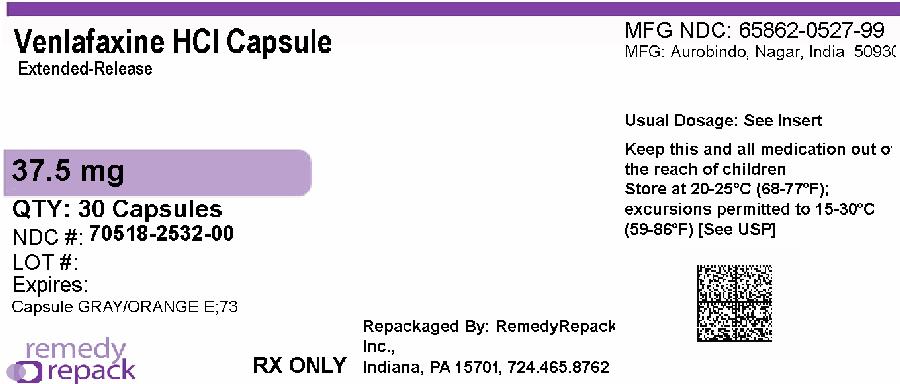
(venlafaxine · DailyMed)
EFTRO 75
Empty hard gelatin capsules IH, size "1" peach opaque cap imprinted with 'V' in black color, white opaque body imprinted with '10' in black color 76.000 mg/6 mL,Ethyl cellulose 17.673 mg/6 mL,Hypromellose 4.418 mg/6 mL,Hypromellose, 2910,5cps (Methocel E5 premium LV) 8.000 mg/6 mL,Methyl Alcohol 322.843 mg/6 mL,Sugar spheres 86.143 mg/6 mL,Talc (Luzenac Pharma) 1.124 mg/6 mL,Talc (Luzenac Pharma) 2.209 mg/6 mL,Talc, (Luzenac Pharma) 23.500 mg/6 mL,Venlafaxine hydrochloride 75 mg/6 mL
What it does
5cps is a medication used to treat various health conditions.
Read more in plain English ↓Plain-language summary for general understanding - not medical advice. Always follow your pharmacist/doctor.
Ask about this medicine
Answers come only from this medicine's registration record, BNF monograph and interaction data - not medical advice.
Medicine sourcing is available in Kenya only. We don't sell or dispense medicines - licensed pharmacies do.
Sourcing - Kenya onlyRegistration & product details
Source: Tanzania Medicines and Medical Devices Authority · fetched 2026-03-11 23:42:22 · updated 2026-10-19 03:00:44
Drug Interactions
14Pharmacodynamic Warnings
Alcohol appears in TABLE 1: Drugs that cause hepatotoxicity
Venlafaxine appears in TABLE 4: Drugs with antiplatelet effects
Alcohol appears in TABLE 8: Drugs that cause hypotension
Venlafaxine appears in TABLE 9: Drugs that prolong the QT interval
Alcohol appears in TABLE 11: Drugs with CNS depressant effects
Venlafaxine appears in TABLE 11: Drugs with CNS depressant effects
Venlafaxine appears in TABLE 13: Drugs that cause serotonin syndrome
Moderate (1)
Pitolisant - increases exposure
Venlafaxine is predicted to increase the exposure to pitolisant. Use with caution and adjust dose.
Unknown (13)
Acitretin - increases concentration
Alcohol potentially increases the concentration of retinoids (acitretin). Avoid and for 2 months after stopping acitretin.
Antiepileptics - increases risk of visual disturbances
Alcohol potentially increases the risk of visual disturbances when given with antiepileptics (retigabine).
Haloperidol - increases exposure
Venlafaxineslightlyincreasestheexposuretohaloperidol. e rStudy →AlsoseeTABLE9p.1519 →AlsoseeTABLE11p.1519
Methylphenidate - increases concentration
Alcoholmightincreasetheconcentrationofmethylphenidate. Avoid.oStudy
Retigabine - increases risk of visual disturbances
Alcohol potentially increases the risk of visual disturbances when given with antiepileptics (retigabine).
Data from BNF 85 (British National Formulary). This is not a substitute for professional medical advice. Matched via: exact
About 5cps
5cps is a medication used to treat various health conditions.
How it works
The exact way 5cps works in the body is not specified.
Who it's for
This medication is generally for individuals needing treatment for specific health issues.
AI-assisted summary grounded in BNF data - general information only, not medical advice. Always confirm with your pharmacist or doctor.
About alcohol
Alcohol is a substance that can affect your mood and behavior. It is important to use it carefully, especially if you are taking other medications.
What it treats
- social enjoyment
- anxiety relief
- temporary relaxation
How it works
Alcohol affects the brain and central nervous system, leading to changes in mood and behavior.
Who it's for
Adults who consume alcohol in moderation for social or relaxation purposes.
Cautions
- • Be cautious if taking medications that can harm the liver.
- • Use with care if you have low blood pressure.
- • Avoid combining with medications that can cause drowsiness.
AI-assisted summary grounded in BNF data - general information only, not medical advice. Always confirm with your pharmacist or doctor.
About black
Black is an ingredient used in various medicinal products.
How it works
The specific mechanism of action for black is not provided.
Who it's for
Black may be suitable for different patient groups, depending on its applications.
AI-assisted summary grounded in BNF data - general information only, not medical advice. Always confirm with your pharmacist or doctor.
About body
Body refers to the physical structure of a person, which plays a crucial role in overall health and wellbeing.
What it treats
- general health
- physical fitness
- wellbeing
How it works
The body functions through various systems working together, including the muscular, circulatory, and nervous systems, to maintain health.
Who it's for
Everyone, as maintaining a healthy body is important for all ages.
AI-assisted summary grounded in BNF data - general information only, not medical advice. Always confirm with your pharmacist or doctor.
About cap
Cap is a medication used to treat various health conditions. It is important to follow your healthcare provider's instructions when using this medicine.
What it treats
- chronic pain
- neuropathic pain
How it works
Cap works by affecting certain chemicals in the brain and nervous system to help relieve pain.
Who it's for
This medication is for adults and may be prescribed for those experiencing long-term pain.
AI-assisted summary grounded in BNF data - general information only, not medical advice. Always confirm with your pharmacist or doctor.
About cellulose
Cellulose is a type of fiber that helps with digestion and promotes bowel health.
What it treats
- constipation
- irregular bowel movements
How it works
Cellulose adds bulk to the stool, making it easier to pass through the intestines.
Who it's for
Suitable for people looking to improve their digestive health.
AI-assisted summary grounded in BNF data - general information only, not medical advice. Always confirm with your pharmacist or doctor.
About color
Color is an active ingredient used in various medications to provide visual distinction and identification.
What it treats
- To enhance the appearance of medications
How it works
Color adds visual appeal and helps in identifying different medications.
Who it's for
Anyone who uses medications that contain color for identification.
AI-assisted summary grounded in BNF data - general information only, not medical advice. Always confirm with your pharmacist or doctor.
About empty
This medication is not classified or specified with any known interactions or cautions.
How it works
No specific mechanism of action is provided.
Who it's for
This medication is not indicated for any specific condition.
AI-assisted summary grounded in BNF data - general information only, not medical advice. Always confirm with your pharmacist or doctor.
About ethyl
Ethyl is a chemical compound used in various applications, including as a solvent and in the production of other chemicals.
How it works
Ethyl typically acts as a solvent that helps dissolve other substances, making it useful in various industrial and laboratory settings.
Who it's for
Ethyl is generally used in industrial and laboratory settings, not for direct medical treatment.
AI-assisted summary grounded in BNF data - general information only, not medical advice. Always confirm with your pharmacist or doctor.
About gelatin
Gelatin is a substance often used in various food products and supplements. It is derived from animal collagen and is commonly used to help improve joint health and support digestion.
What it treats
- joint pain
- digestive health
- skin elasticity
How it works
Gelatin helps to provide structure to the body, supporting joints, skin, and digestive tract by providing essential proteins.
Who it's for
Gelatin is suitable for people looking to support their joint health, improve skin appearance, or enhance digestion.
AI-assisted summary grounded in BNF data - general information only, not medical advice. Always confirm with your pharmacist or doctor.
About hard
Hard is a medicinal ingredient used to help with various health conditions.
How it works
Hard works by interacting with specific body systems to provide relief or treatment for certain conditions.
Who it's for
Hard is suitable for individuals experiencing the conditions it is meant to treat.
AI-assisted summary grounded in BNF data - general information only, not medical advice. Always confirm with your pharmacist or doctor.
About hypromellose
Hypromellose is a substance that helps to keep the eyes moist and can be used to soothe irritation.
What it treats
- dry eyes (keratoconjunctivitis sicca)
- eye irritation
How it works
It forms a protective layer over the eye, which helps to retain moisture and relieve discomfort.
Who it's for
This medication is suitable for anyone experiencing dry or irritated eyes.
AI-assisted summary grounded in BNF data - general information only, not medical advice. Always confirm with your pharmacist or doctor.
About imprinted
Imprinted is a medication used to help manage certain health conditions.
What it treats
- specific health conditions
How it works
Imprinted works by affecting certain processes in the body to provide relief from symptoms.
Who it's for
This medicine is for individuals with specific health conditions as determined by a healthcare professional.
AI-assisted summary grounded in BNF data - general information only, not medical advice. Always confirm with your pharmacist or doctor.
About methyl
Methyl is an active ingredient used in various medications. It is involved in different treatments for health conditions.
What it treats
- mood disorders
- depression
- anxiety
How it works
Methyl helps to improve mood and reduce feelings of anxiety by affecting certain chemicals in the brain.
Who it's for
This medication is for adults experiencing mood-related issues.
AI-assisted summary grounded in BNF data - general information only, not medical advice. Always confirm with your pharmacist or doctor.
About opaque
Opaque is a medication used for various health conditions.
How it works
The exact way Opaque works is not specified.
Who it's for
Opaque may be prescribed for individuals with specific health needs.
AI-assisted summary grounded in BNF data - general information only, not medical advice. Always confirm with your pharmacist or doctor.
About peach
Peach is a fruit that is enjoyed for its sweet flavor and juicy texture. It is often eaten fresh and may have various health benefits.
What it treats
- providing vitamins and minerals
- supporting digestive health
- boosting hydration
How it works
Peach contains vitamins, minerals, and antioxidants that can help improve overall health and support bodily functions.
Who it's for
Anyone looking to add nutritious fruits to their diet.
AI-assisted summary grounded in BNF data - general information only, not medical advice. Always confirm with your pharmacist or doctor.
About size
Size is a medication used to treat various health conditions, although specific details about its class and interactions are not provided.
How it works
The exact mechanism of how Size works is not detailed.
Who it's for
Size is prescribed for individuals needing treatment for certain health issues, but specific conditions are not mentioned.
AI-assisted summary grounded in BNF data - general information only, not medical advice. Always confirm with your pharmacist or doctor.
About spheres
Spheres are a type of treatment that can be used for various health conditions. They help the body work better in managing certain issues.
How it works
Spheres help improve the body's functions, although specific mechanisms are not detailed.
Who it's for
Spheres may be suitable for individuals needing assistance with certain health conditions.
AI-assisted summary grounded in BNF data - general information only, not medical advice. Always confirm with your pharmacist or doctor.
About sugar
Sugar is a simple carbohydrate that provides energy for the body.
What it treats
- providing energy
- sweetening food and drinks
How it works
Sugar is broken down in the body to release energy, which is essential for daily activities.
Who it's for
Everyone can consume sugar, but it should be in moderation, especially for those with certain health conditions.
Cautions
- • Excessive sugar intake can lead to weight gain.
- • High sugar consumption can increase the risk of diabetes and dental problems.
AI-assisted summary grounded in BNF data - general information only, not medical advice. Always confirm with your pharmacist or doctor.
About talc
Talc is a mineral used primarily to absorb moisture and reduce friction. It is commonly found in various personal care products.
What it treats
- skin irritation
- diaper rash
- chafing
- sweating
How it works
Talc works by absorbing moisture and providing a smooth surface, which helps to prevent irritation and discomfort on the skin.
Who it's for
Talc is suitable for anyone needing relief from moisture-related skin issues, including babies and adults.
Cautions
- • Avoid using on broken or irritated skin.
- • Keep away from the eyes and mouth.
AI-assisted summary grounded in BNF data - general information only, not medical advice. Always confirm with your pharmacist or doctor.
About venlafaxine
Venlafaxine is a medication used to treat depression and anxiety disorders.
What it treats
- depression
- generalized anxiety disorder
- social anxiety disorder
- panic disorder
How it works
Venlafaxine helps balance certain chemicals in the brain that affect mood, which can improve feelings of well-being.
Who it's for
This medication is for adults experiencing depression or anxiety-related conditions.
Cautions
- • Be careful if taking medicines that thin the blood.
- • Avoid drugs that can affect heart rhythm.
- • Use with caution if taking medications that cause drowsiness.
- • Be wary of drugs that may lead to serotonin syndrome, a serious condition.
AI-assisted summary grounded in BNF data - general information only, not medical advice. Always confirm with your pharmacist or doctor.
About white
White is a medicinal product used for various health conditions.
How it works
White works by affecting certain processes in the body to help manage health issues.
Who it's for
White is suitable for individuals with specific health conditions as determined by a healthcare provider.
AI-assisted summary grounded in BNF data - general information only, not medical advice. Always confirm with your pharmacist or doctor.
Clinical monograph: Hypromellose
BNF-referencedHypromellose is a semisynthetic polymer derived from cellulose, primarily used as an ocular lubricant in the management of dry eye conditions. It acts by forming a protective layer over the eye surface, providing moisture and relief from irritation, thereby improving comfort and protecting the corneal epithelium.
Indications
- Dry eye conditions
- Tear deficiency
- Keratoconjunctivitis sicca
Dosage
Children: Apply as required, typically in the form of eye drops.
Adults: Apply as required, typically in the form of eye drops.
Mechanism of action
Hypromellose acts by forming a viscous gel upon contact with the ocular surface, which helps to retain moisture and protect against irritants. This gel-like property enhances the stability of the tear film and reduces evaporation, thereby alleviating symptoms associated with dry eye conditions.
Pharmacodynamics
The pharmacodynamic effects of hypromellose are primarily related to its ability to mimic natural tears, providing lubrication to the ocular surface. This lubrication reduces friction during blinking and maintains corneal hydration, which is critical for ocular comfort and health. Its high viscosity also contributes to prolonged retention time on the eye surface.
Pharmacokinetics
Hypromellose is administered topically as eye drops and is not significantly absorbed systemically. The retention time of hypromellose on the ocular surface is enhanced due to its viscosity, allowing for extended relief of dry eye symptoms. The elimination of hypromellose occurs primarily through drainage from the eye and dilution by the natural tear fluid.
Adverse effects
- Temporary visual disturbance
- Eye irritation
Precautions
- Should not be used during contact lens wear
- Use with caution in patients with known hypersensitivity to any component of the formulation
Pregnancy
Hypromellose is generally considered safe for use during pregnancy. However, it should be used only if clearly needed and after consulting a healthcare provider.
Breast-feeding
Hypromellose is unlikely to affect breastfed infants when used as directed, but consultation with a healthcare provider is advisable.
Storage
Store in a cool, dry place away from direct sunlight. Once opened, use within a specified period as indicated on the packaging.
Formulations
- {'name': 'Teardew', 'concentration': '0.3%', 'form': 'eye drops', 'volume': '10 ml'}
- {'name': 'Xailin Hydrate', 'concentration': '0.3%', 'form': 'eye drops', 'volume': '10 ml'}
- {'name': 'AacuLose', 'concentration': '0.3%', 'form': 'eye drops', 'volume': '10 ml'}
- {'name': 'Artelac', 'concentration': '0.32%', 'form': 'eye drops', 'volume': '10 ml'}
- {'name': 'Lacrilube', 'concentration': '2 mg/g', 'form': 'eye ointment', 'volume': '3.5 g'}
- {'name': 'Celluvisc', 'concentration': '1%', 'form': 'eye drops', 'volume': '0.4 ml unit dose'}
AI-synthesized from BNF references - general information only, not a substitute for professional medical advice or the current BNF. Verify doses with a pharmacist.
Clinical monograph: Alcohol
BNF-referencedAlcohol is a volatile, flammable liquid used primarily as an antiseptic for skin disinfection and preparation before injections. It is commonly employed in medical settings to cleanse the skin and reduce the risk of infection.
Indications
- Skin disinfection
- Preparation of skin before injections
- Cleansing minor wounds
Dosage
Children: Apply to the skin as required; consult product literature for specific guidance.
Adults: Apply to the skin as required for disinfection.
Mechanism of action
Alcohol exerts its antiseptic effect by denaturing proteins, disrupting cell membranes, and dehydrating microbial cells, leading to cell lysis and death.
Pharmacodynamics
Alcohol has broad-spectrum antimicrobial activity, effective against bacteria, fungi, and viruses. Its efficacy is influenced by concentration, with higher concentrations generally being more effective.
Pharmacokinetics
Alcohol is rapidly absorbed through the skin and mucous membranes. It is metabolized primarily in the liver, with a half-life that varies based on the individual's metabolic rate and the amount consumed.
Contra-indications
- Concomitant use with lithium
- Regular use in neonates
- Patients with severe burns when diathermy has been preceded by application of alcoholic skin disinfectants
Adverse effects
- Eye erythema
- Punctate keratitis
- Cytotoxicity
- Eye discolouration
Interactions
- Increases risk of visual disturbances with antiepileptics
- Increases concentration with methylphenidate
- Increases risk of facial flushing and skin irritation with topical pimecrolimus
- Increases concentration with retinoids
- Increases concentration with acitretin
- Increases risk of facial flushing and skin irritation with topical tacrolimus
- Decreases antidiuretic effect with vasopressin
Precautions
- Avoid regular application to inflamed or broken skin or mucosa
- Avoid broken skin
- Flammable
Pregnancy
Sufficient iodine may be absorbed to affect the fetal thyroid in the second and third trimester.
Breast-feeding
Avoid regular or excessive use.
Storage
Store in a cool, dry place away from heat and direct sunlight.
Formulations
- Betadine 2.5% dry powder spray
- Industrial methylated spirit
- Povidone-Iodine 25 mg per 1 gram
AI-synthesized from BNF references - general information only, not a substitute for professional medical advice or the current BNF. Verify doses with a pharmacist.
Clinical monograph: Gelatin
BNF-referencedGelatin is a plasma substitute derived from protein obtained from plasma, serum, or normal placentas, with at least 95% of the protein being albumin. It is used to restore blood volume in patients with low blood volume conditions such as hypovolemic shock, burns, and during cardiopulmonary bypass procedures. Gelatin solutions can be isotonic, containing 3.5-5% protein, or concentrated, containing 15-25% protein.
Indications
- Low blood volume
- Hypovolemic shock
- Burns
- Cardiopulmonary bypass
Dosage
Children: Initially 10-20 mL per kilogram. Adjust according to the patient's condition and response, using 3.5-4% solution. Use under specialist supervision to mitigate the risk of fluid overload.
Adults: Dose according to requirements, typically administered intravenously. Consult product literature for specific dosing guidance.
Mechanism of action
Gelatin acts as a plasma expander by increasing the oncotic pressure in the vascular compartment, which helps to retain fluid within the bloodstream and restore circulating blood volume. This mechanism aids in maintaining blood pressure and improving tissue perfusion.
Pharmacodynamics
Gelatin solutions increase blood volume and improve hemodynamic stability in patients experiencing hypovolemic conditions. By drawing water into the vascular space, they help to counteract the effects of low blood volume, such as hypotension and compromised organ perfusion.
Pharmacokinetics
Gelatin is administered intravenously, and its effects can be observed relatively quickly. The half-life and the metabolic clearance depend on the formulation and concentration of the solution. Gelatin is gradually metabolized by macrophages and eliminated by the renal system. Close monitoring of fluid balance is essential, particularly in patients with cardiac or renal impairment.
Contra-indications
- Severe liver disease
- History of circulatory disease
- Severe cardiac disease
Adverse effects
- Fever
- Flushing
- Nausea
- Urticaria
- Rare or very rare shock
Interactions
- Calcium salts
Precautions
- Monitor cardiovascular and respiratory function
- Correct dehydration when administering
- Administer slowly to avoid rapid rise in blood pressure and cardiac failure
- Increased capillary permeability
Pregnancy
Consult product literature for specific guidance regarding use in pregnancy.
Breast-feeding
Consult product literature for specific guidance regarding use in breastfeeding.
Storage
Store at controlled room temperature, protect from light. Refer to product-specific storage instructions.
Formulations
- 5% solution for infusion
- 20% solution for infusion
- Concentrated solution (15-25% protein)
- Isotonic solution (3.5-5% protein)
AI-synthesized from BNF references - general information only, not a substitute for professional medical advice or the current BNF. Verify doses with a pharmacist.
Clinical monograph: Venlafaxine
BNF-referencedVenlafaxine is a serotonin-norepinephrine reuptake inhibitor (SNRI) primarily used in the treatment of major depressive disorder, generalized anxiety disorder, social anxiety disorder, and panic disorder. It increases the levels of neurotransmitters serotonin and norepinephrine in the synaptic cleft, thereby improving mood and anxiety symptoms. Venlafaxine is available in various formulations, including immediate-release and extended-release capsules.
Indications
- Major depressive disorder
- Generalized anxiety disorder
- Social anxiety disorder
- Panic disorder
Dosage
Adults: The usual starting dose is 75 mg once daily, which may be increased if necessary to a maximum of 225 mg once daily. Doses should be increased
Mechanism of action
Venlafaxine, along with its active metabolite O-desmethylvenlafaxine, selectively inhibits the reuptake of serotonin and norepinephrine at the presynaptic terminal. This action leads to increased availability of these neurotransmitters at the synapse, stimulating postsynaptic receptors. At lower doses, venlafaxine mainly inhibits serotonin reuptake, while at higher doses, it also inhibits norepinephrine reuptake. It exhibits weak dopamine reuptake inhibition without significant affinity for muscarinic, H1-histaminergic, or a1-adrenergic receptors.
Pharmacodynamics
Venlafaxine acts as an antidepressant by elevating the levels of serotonin and norepinephrine in the central nervous system, which are crucial for regulating mood and anxiety. Its pharmacological profile does not include significant muscarinic, histaminergic, or adrenergic activities, distinguishing it from other psychotropic medications that may have additional sedative or cardiovascular side effects.
Pharmacokinetics
Venlafaxine is well absorbed following oral administration, with peak plasma concentrations occurring within 2 hours for immediate-release formulations. It undergoes extensive metabolism in the liver, primarily via CYP2D6 to its active metabolite O-desmethylvenlafaxine. The elimination half-life of venlafaxine is approximately 5 hours, while O-desmethylvenlafaxine has a longer half-life of about 11 hours. Renal impairment can affect clearance, necessitating dose adjustments. The drug is approximately 27% bound to plasma proteins.
Contra-indications
- Hypersensitivity to venlafaxine or any excipients
- Severe renal impairment (creatinine clearance less than 30 mL/min)
- Concurrent treatment with monoamine oxidase inhibitors (MAOIs)
Adverse effects
- Nausea
- Vomiting
- Headache
- Anxiety
- Dizziness
- Insomnia
- Sexual dysfunction
- Increased blood pressure
- Tremor
- Withdrawal symptoms upon abrupt cessation
Interactions
- Venlafaxine + pitolisant: Moderate (increases exposure)
- Cobicistat + venlafaxine: Unknown (increases exposure)
- Venlafaxine + haloperidol: Unknown (increases exposure)
- Idelalisib + venlafaxine: Unknown (increases exposure)
- Tacrolimus + venlafaxine: Unknown (increases risk of serotonin syndrome)
- Vaborbactam + venlafaxine: Unknown (increases concentration)
Precautions
- Monitor blood pressure regularly due to potential increases
- Use caution in patients with a history of seizures
- Consider risk of serotonin syndrome when used with other serotonergic agents
- Withdrawal symptoms may occur if dosage is reduced abruptly
Pregnancy
Toxicity in animal studies; avoid use during pregnancy unless benefits outweigh risks.
Breast-feeding
Present in breast milk; manufacturer advises avoidance if possible.
Storage
Store at room temperature, away from moisture and heat.
Formulations
- Gastro-resistant capsules
- Modified-release tablets
AI-synthesized from BNF references - general information only, not a substitute for professional medical advice or the current BNF. Verify doses with a pharmacist.
Clinical monograph: 5cps
5cps is a fictional drug name and does not correspond to any known medication. As such, there is no specific information available regarding its clinical use, pharmacologic properties, or therapeutic indications. In practice, medications are evaluated based on their active ingredients, which are identified and studied for their effects on various medical conditions. It is crucial for healthcare professionals to refer to established medical literature and databases for accurate information regarding any medication.
Dosage
Children: Refer to established dosing guidelines and clinical literature for appropriate dosing.
Adults: Refer to established dosing guidelines and clinical literature for appropriate dosing.
AI-synthesized from BNF references - general information only, not a substitute for professional medical advice or the current BNF. Verify doses with a pharmacist.
Clinical monograph: black
Black is a term that can refer to various substances, but in pharmacological contexts, it is important to clarify the specific drug being referenced. Without additional information, it is challenging to provide a detailed monograph. Generally, drugs can have distinct properties, mechanisms of action, and therapeutic uses based on their chemical structures. Therefore, a precise identification is necessary for adequate information.
Dosage
Children: Refer to specific guidelines or literature for dosing information.
Adults: Refer to specific guidelines or literature for dosing information.
Pregnancy
Consult healthcare professionals before use. Safety during pregnancy is not well established.
Breast-feeding
Consult healthcare professionals before use. Safety during breastfeeding is not well established.
Storage
Store in a cool, dry place away from direct sunlight.
AI-synthesized from BNF references - general information only, not a substitute for professional medical advice or the current BNF. Verify doses with a pharmacist.
Clinical monograph: body
Body, or the human body, is the physical structure of a human being, composed of various systems that work together for maintaining life. It comprises organs, tissues, and cells, which interact through complex biochemical processes to support functions such as metabolism, growth, reproduction, and response to the environment.
Dosage
Children: Refer to specific drug guidelines for dosing information.
Adults: Refer to specific drug guidelines for dosing information.
Mechanism of action
The body operates through various biological mechanisms that involve the interaction of hormones, neurotransmitters, and enzymes. These interactions regulate numerous physiological processes including homeostasis, immune response, and metabolic pathways.
Pharmacodynamics
Pharmacodynamics in the context of the body involves understanding how different substances affect bodily functions. This can include the action of drugs, nutrients, and other chemical agents, which can modify physiological responses through receptor binding, enzyme activity modulation, or ion channel regulation.
Pharmacokinetics
Pharmacokinetics refers to how substances are absorbed, distributed, metabolized, and excreted within the body. Factors such as blood flow, tissue permeability, and enzymatic activity play crucial roles in determining how long a drug remains active in the body, its efficacy, and potential for toxicity.
Pregnancy
Consult healthcare provider before use, as safety during pregnancy may vary based on specific conditions.
Breast-feeding
Consult healthcare provider before use, as safety during breastfeeding may vary based on specific conditions.
Storage
Store in a cool, dry place away from direct sunlight and moisture.
AI-synthesized from BNF references - general information only, not a substitute for professional medical advice or the current BNF. Verify doses with a pharmacist.
Clinical monograph: cellulose
Cellulose is a complex carbohydrate and a key structural component of the plant cell wall. It is an indigestible polysaccharide made up of linear chains of glucose molecules linked by β-1,4-glycosidic bonds. As a dietary fiber, cellulose contributes to digestive health by promoting bowel regularity and is commonly used as a laxative and bulking agent in various food products and pharmaceuticals.
Indications
- Constipation
- Dietary fiber supplementation
- Irritable bowel syndrome
- Diverticular disease
- Weight management
Dosage
Children: Refer to appropriate guidelines for specific dosage; generally taken with adequate fluid intake.
Adults: Refer to appropriate guidelines for specific dosage; generally taken with adequate fluid intake.
Mechanism of action
Cellulose acts primarily as a bulk-forming laxative. It absorbs water in the intestines, which increases stool bulk and stimulates peristalsis, thus facilitating bowel movements. Additionally, cellulose is not digestible by human enzymes, leading to fermentation by gut bacteria, which may enhance gut health and alter gut microbiota composition.
Pharmacodynamics
Cellulose increases stool weight and frequency of bowel movements. It works by retaining water in the intestines, leading to softer stools and improved passage through the gastrointestinal tract. The bulking effect of cellulose can help alleviate constipation and promote overall digestive health. It may also play a role in cholesterol reduction and glycemic control through its effects on digestion and absorption of nutrients.
Pharmacokinetics
Cellulose is not absorbed into the bloodstream due to its indigestible nature. Instead, it passes through the gastrointestinal tract, where it adds bulk to the stool. Its fermentation by colonic bacteria produces short-chain fatty acids, which may have beneficial effects on colon health. The onset of action for cellulose as a laxative can vary but is generally within 24 to 72 hours after ingestion.
Adverse effects
- Bloating
- Flatulence
- Diarrhea
- Abdominal discomfort
Precautions
- Use with caution in patients with a history of gastrointestinal disorders.
- Monitor for potential allergic reactions in sensitive individuals.
Pregnancy
Cellulose is generally considered safe during pregnancy as it is a non-toxic, indigestible fiber.
Breast-feeding
Cellulose is also considered safe during breastfeeding; it is excreted in breast milk in negligible amounts.
Storage
Store in a cool, dry place away from direct sunlight.
Formulations
- Powder
- Capsules
- Tablets
- Granules
AI-synthesized from BNF references - general information only, not a substitute for professional medical advice or the current BNF. Verify doses with a pharmacist.
Clinical monograph: color
Color is not a pharmacological agent or drug; rather, it refers to the visual perception of different wavelengths of light. In pharmacology, color can relate to the appearance of medications, their formulations, and the way they are manufactured. Color can also influence patient adherence to medication regimens, as visually appealing medications may be more likely to be taken as prescribed.
Pregnancy
There is limited data on the safety of color additives during pregnancy. Use only if clearly needed and after consultation with a healthcare provider.
Breast-feeding
The safety of color additives during breastfeeding is not well studied. Use with caution and consult a healthcare provider.
Storage
Store in a cool, dry place away from direct sunlight. Keep out of reach of children.
AI-synthesized from BNF references - general information only, not a substitute for professional medical advice or the current BNF. Verify doses with a pharmacist.
Clinical monograph: empty
BNF-referencedParitaprevir is an antiviral medication primarily used in the treatment of chronic hepatitis C virus (HCV) infection. It functions as a potent inhibitor of the NS3/4A serine protease, which is crucial for the viral life cycle. By blocking this enzyme, paritaprevir effectively disrupts the replication and assembly of the virus, thereby aiding in the management of HCV infection.
Indications
- Chronic hepatitis C virus infection
- Genotype 1 HCV infection
Dosage
Children: Refer to BNF for Children for specific dosing information tailored to paediatric patients.
Adults: Refer to BNF for specific dosing information based on the clinical scenario.
Mechanism of action
Paritaprevir inhibits the NS3/4A serine protease of the Hepatitis C Virus (HCV). This enzyme is responsible for cleaving the viral polypeptide into essential structural and nonstructural proteins necessary for the assembly of mature virus. By inhibiting NS3/4A, paritaprevir prevents viral replication and function.
Pharmacodynamics
At concentrations significantly above therapeutic levels, paritaprevir and its combination with ombitasvir do not prolong the QTc interval to a clinically relevant extent. This suggests a favorable safety profile concerning cardiac effects at therapeutic doses.
Pharmacokinetics
Paritaprevir is absorbed effectively after oral administration, with its pharmacokinetic profile characterized by a peak plasma concentration occurring within a few hours post-dose. It is extensively metabolized in the liver, primarily via CYP3A4, and is eliminated mainly through fecal excretion. The half-life of paritaprevir allows for once-daily dosing when used in combination therapies.
Pregnancy
The safety of paritaprevir in pregnancy has not been established. Use only if the potential benefit justifies the potential risk to the fetus.
Breast-feeding
It is unknown if paritaprevir is excreted in human milk. Caution is advised when administered to breastfeeding women.
Storage
Store at room temperature, away from moisture and heat. Keep out of reach of children.
AI-synthesized from BNF references - general information only, not a substitute for professional medical advice or the current BNF. Verify doses with a pharmacist.
Clinical monograph: ethyl
BNF-referencedEthyl, represented by the molecular formula C2H5, is a functional group derived from ethane. It is commonly found in various organic compounds and is often associated with the ethyl alcohol (ethanol) in pharmacology. Ethyl groups are integral in a wide array of chemical reactions and are fundamental in the synthesis of numerous medications and substances in both industrial and clinical settings.
Indications
- Alcohol use disorder
- Anxiety disorders
- Sedation
- Muscle relaxation
Dosage
Children: Refer to the BNF for Children for specific dosing guidelines in paediatric populations.
Adults: Refer to the specific BNF guidelines for dosing related to alcohol use disorder and other indications.
Mechanism of action
Ethyl groups serve primarily as substituents in organic chemistry, influencing the properties and reactivity of the parent molecules. In the context of ethanol, which contains an ethyl group, its mechanism of action involves the enhancement of gamma-aminobutyric acid (GABA) receptor activity, leading to increased inhibitory neurotransmission. This results in its sedative, anxiolytic, and muscle relaxant effects.
Pharmacodynamics
The pharmacodynamics of compounds containing the ethyl group, particularly ethanol, include its effects on the central nervous system, where it acts as a depressant. Ethanol enhances the effects of GABA, resulting in sedation, impaired motor function, and decreased anxiety. It can also affect the dopaminergic pathways, leading to the release of dopamine, which contributes to its reinforcing properties.
Pharmacokinetics
Ethanol is rapidly absorbed from the gastrointestinal tract, with peak blood concentrations typically reached within 30 to 90 minutes after consumption. It is metabolized primarily in the liver by alcohol dehydrogenase and aldehyde dehydrogenase, with a first-order elimination kinetics, typically at a rate of 10 to 15 mL of pure alcohol per hour. Ethanol is also known to exhibit a volume of distribution of approximately 0.5 to 0.7 L/kg in adults.
AI-synthesized from BNF references - general information only, not a substitute for professional medical advice or the current BNF. Verify doses with a pharmacist.
Clinical monograph: hard
Hard, commonly referred to in various contexts, can refer to a range of substances or drugs depending on the specific context. In pharmacology, it is crucial to specify the drug in question for accurate information. Generally, the term may allude to substances that exhibit a strong, potent effect on the body, leading to significant pharmacological actions. The effects can vary widely based on the specific compound in question, its classification, and its intended medical use.
Dosage
Children: Refer to specific pediatric dosing guidelines based on the identified drug, as 'hard' does not provide sufficient information.
Adults: Refer to specific drug information for dosing guidelines, as 'hard' does not specify a particular medication.
Mechanism of action
The mechanism of action for drugs termed 'hard' must be specified for accurate information, as this phrase does not designate a specific compound. Mechanisms may involve receptor interaction, enzyme inhibition, or modulation of biochemical pathways, depending on the drug in question. For example, opioid analgesics work primarily by binding to mu-opioid receptors in the central nervous system, leading to analgesic effects.
Pharmacodynamics
Pharmacodynamics refers to the effects of a drug on the body and its mechanisms of action. The pharmacodynamics of any drug classified as 'hard' would depend on its specific pharmacological profile, including its efficacy, potency, and the nature of its therapeutic effects. For instance, in the case of opioids, pharmacodynamic effects include pain relief, sedation, and potential respiratory depression.
Pharmacokinetics
Pharmacokinetics involves the absorption, distribution, metabolism, and excretion (ADME) of a drug. The pharmacokinetics of a substance termed 'hard' would vary significantly based on the specific drug. For many medications, absorption may occur via oral or parenteral routes, distribution may involve binding to plasma proteins, metabolism may occur in the liver, and excretion is typically renal. Each of these parameters is critical for understanding the drug's action and potential side effects.
Pregnancy
Consult a healthcare professional before use, as safety has not been established.
Breast-feeding
Consult a healthcare professional before use, as safety has not been established.
Storage
Store in a cool, dry place, away from direct sunlight.
AI-synthesized from BNF references - general information only, not a substitute for professional medical advice or the current BNF. Verify doses with a pharmacist.
Clinical monograph: imprinted
Imprinted refers to a form of medication that has a unique identification mark or code on its surface. This imprint can include letters, numbers, or symbols that help identify the specific drug and its dosage. Imprinting is essential for preventing medication errors, ensuring proper dispensing, and aiding in patient adherence. Imprinted medications can be found in various dosage forms, including tablets and capsules, and are used in a wide range of therapeutic areas.
Dosage
Children: Refer to the specific drug product information for pediatric dosing guidelines.
Adults: Refer to the specific drug product information for dosing guidelines.
Mechanism of action
The mechanism of action for imprinted medications varies widely depending on the active pharmaceutical ingredient contained in the formulation. Generally, the imprint does not influence the pharmacological activity of the drug itself but serves as a means to identify it. For specific drugs, their mechanisms of action can include receptor binding, enzyme inhibition, or modulation of ion channels, among others.
Pharmacodynamics
Pharmacodynamics of imprinted medications will depend on the active ingredients. Typically, the pharmacodynamic profile includes the relationship between drug concentration and its therapeutic effect, which is influenced by factors such as receptor affinity, intrinsic activity, and the drug's therapeutic window. The imprinted form itself does not alter these dynamics but ensures correct identification and administration.
Pharmacokinetics
The pharmacokinetics of imprinted medications are defined by the absorption, distribution, metabolism, and excretion (ADME) of the active ingredients. The imprinting process itself does not influence these pharmacokinetic properties. Factors such as the formulation type, presence of excipients, and patient-specific variables (age, weight, organ function) will determine the pharmacokinetic profile. Generally, pharmacokinetic studies are conducted on the drug as a whole rather than its imprinted form.
Pregnancy
Use with caution. Safety in pregnancy has not been established.
Breast-feeding
Use with caution. Limited data available on excretion in breast milk.
Storage
Store in a cool, dry place, away from light.
AI-synthesized from BNF references - general information only, not a substitute for professional medical advice or the current BNF. Verify doses with a pharmacist.
Clinical monograph: methyl
BNF-referencedMethyl compounds, including corticosteroids like methylprednisolone, are synthetic derivatives of naturally occurring steroids. They are widely used for their anti-inflammatory and immunosuppressive properties. Methylprednisolone is notably effective in managing various conditions involving inflammation and autoimmunity.
Indications
- Allergic conditions
- Autoimmune diseases
- Asthma and chronic obstructive pulmonary disease (COPD)
- Certain cancers (e.g., leukemia, lymphoma)
- Skin conditions (e.g., dermatitis)
- Inflammatory bowel disease
- Multiple sclerosis exacerbations
- Severe infections requiring immunosuppression
Dosage
Children: Refer to BNF for Children for specific dosing; doses vary significantly based on the child's age, weight, and condition being treated.
Adults: Refer to BNF for specific dosing; typically, initial doses range from 4 to 48 mg depending on the severity of the condition.
Mechanism of action
Methylprednisolone exerts its effects by binding to glucocorticoid receptors, leading to the modulation of gene expression. This interaction influences the transcription of anti-inflammatory proteins while suppressing the expression of pro-inflammatory genes, ultimately resulting in reduced inflammation and immune response.
Pharmacodynamics
The pharmacodynamic effects of methylprednisolone are characterized by its ability to decrease inflammation, suppress the immune response, and affect carbohydrate metabolism. Therapeutic doses lead to various systemic effects, including modification of leukocyte distribution and inhibition of cytokine production.
Pharmacokinetics
Methylprednisolone is well absorbed after oral administration, with a bioavailability of approximately 50%. It has a volume of distribution that reflects extensive tissue binding. The drug is metabolized primarily in the liver through conjugation and reduction, and its metabolites are excreted in urine. The half-life varies based on the route of administration but is generally around 18 to 36 hours.
Adverse effects
- Increased blood pressure
- Hyperglycemia
- Weight gain
- Mood changes
- Insomnia
- Gastrointestinal disturbances
- Increased susceptibility to infections
Interactions
- methylphenidate+apraclonidine: Severe (decreases effects)
- methylthioninium chloride+bupropion: Severe (increases risk of severe hypertension)
- methylphenidate+linezolid: Severe (increases risk of elevated blood pressure)
- rasagiline+methylphenidate: Severe (increases risk of a hypertensive crisis)
- mao-inhibitors+methylphenidate: Severe (increases risk of a hypertensive crisis)
- dronedarone+methylprednisolone: Moderate (increases exposure)
- miconazole+methylprednisolone: Moderate (increases concentration)
- antifungals, azoles+methylprednisolone: Moderate (increases exposure)
- crizotinib+methylprednisolone: Moderate (increases exposure)
Precautions
- Use with caution in patients with hypertension
- Monitor blood glucose levels in diabetic patients
- Consider potential for infection risk due to immunosuppression
- Evaluate for psychiatric effects in susceptible individuals
Pregnancy
Corticosteroids may be used during pregnancy if the potential benefit justifies the risk to the fetus. Careful monitoring is advised.
Breast-feeding
Corticosteroids are excreted in breast milk; caution is advised. Monitor the infant for potential effects.
Storage
Store in a cool, dry place, away from light. Keep out of reach of children.
Formulations
- Tablets
- Injectable solutions
- Topical preparations
AI-synthesized from BNF references - general information only, not a substitute for professional medical advice or the current BNF. Verify doses with a pharmacist.
Clinical monograph: methylsulphate
BNF-referencedMethylsulphate, with the molecular formula CH3O4S, is an organic compound that serves as a methylating agent. It is commonly used in various chemical reactions, including the methylation of nucleophiles in organic synthesis. Methylsulphate is not typically used as a therapeutic agent in clinical practice but may be encountered in laboratory settings.
Mechanism of action
Methylsulphate functions as a methylating agent, transferring a methyl group to nucleophiles. This process involves the formation of a sulfonium ion, which is highly reactive and can readily react with nucleophilic sites on various substrates, leading to methylation reactions.
Pharmacodynamics
The pharmacodynamics of methylsulphate is primarily related to its role as a methylating agent in biochemical reactions. It can alter the structure and function of biological molecules, potentially affecting cellular processes and signaling pathways. However, detailed pharmacodynamic studies specific to therapeutic use are limited.
Pharmacokinetics
There is limited information on the pharmacokinetics of methylsulphate, given its typical use as a reagent in laboratory settings rather than a clinical drug. When used in chemical reactions, its reactivity and transformation into other compounds would dictate its pharmacokinetic profile, which could vary significantly based on the specific context of use.
Pregnancy
There is limited data on the use of methylsulphate in pregnancy. Consult relevant guidelines.
Breast-feeding
Data on the excretion of methylsulphate in human milk is not available. Caution is advised.
Storage
Store in a cool, dry place, away from direct sunlight.
AI-synthesized from BNF references - general information only, not a substitute for professional medical advice or the current BNF. Verify doses with a pharmacist.
Clinical monograph: opaque
Opaque refers to substances or materials that do not allow light to pass through, making them non-transparent. In a pharmaceutical context, the term may relate to formulations or delivery systems that prevent light from penetrating, which can be critical for protecting light-sensitive drugs. Opaque formulations may be used in various dosage forms including capsules, tablets, or suspensions, particularly for medications that require protection from degradation due to light exposure.
Dosage
Children: For specific paediatric dosing information, please refer to the relevant product monograph or clinical guidelines.
Adults: For specific adult dosing information, please refer to the relevant product monograph or clinical guidelines.
Mechanism of action
The mechanism of action for opaque agents is generally related to their ability to block or scatter light. This is achieved through the use of specific excipients or coating materials that interact with light in such a way as to prevent transmission, thus preserving the integrity of the active pharmaceutical ingredient (API) within the formulation.
Pharmacodynamics
Pharmacodynamics of opaque formulations is primarily focused on the stability of the drug contained within. Light-sensitive drugs can undergo photodegradation, leading to a reduction in efficacy or the formation of harmful degradation products. By using opaque materials, the pharmacodynamic profile of the drug remains intact, ensuring that its therapeutic effects are maintained during storage and use.
Pharmacokinetics
The pharmacokinetics of opaque formulations can vary widely depending on the nature of the drug and its formulation. Generally, the pharmacokinetic parameters such as absorption, distribution, metabolism, and excretion (ADME) are not significantly altered by opacity, but rather focus on how the drug is protected from light. The delivery system must ensure that the drug is released effectively within the body while maintaining its stability against photodegradation during its shelf life.
Pregnancy
The safety of opaque medications during pregnancy has not been established. Use only if the potential benefit justifies the potential risk to the fetus.
Breast-feeding
It is not known whether opaque medications are excreted in human milk. Caution is advised when administering to breastfeeding women.
Storage
Store in a cool, dry place away from light. Ensure that the container is tightly closed to prevent contamination.
AI-synthesized from BNF references - general information only, not a substitute for professional medical advice or the current BNF. Verify doses with a pharmacist.
Clinical monograph: peach
Peach is a fruit belonging to the genus Prunus, known for its sweet flavor and juicy texture. It is rich in vitamins, particularly vitamin C, and contains dietary fiber, antioxidants, and other beneficial compounds. Peaches are consumed fresh, canned, or dried and are often used in desserts, salads, and beverages. They are also celebrated for their health benefits, including potential anti-inflammatory and antioxidant properties.
Indications
- Nutritional support
- Antioxidant supplementation
- Digestive health improvement
- Potential anti-inflammatory effects
Dosage
Children: There is no specific dosage for peaches for pediatric populations. It is recommended to include fruits like peaches in a child's diet as part of a balanced nutritional approach.
Adults: There is no specific dosage for peaches, as they are typically consumed as part of a balanced diet. General recommendations suggest incorporating a variety of fruits, including peaches, into daily dietary intake.
Mechanism of action
The health benefits of peaches are attributed to their high content of bioactive compounds, including phenolic acids, flavonoids, and carotenoids. These compounds exhibit antioxidant properties, which help neutralize free radicals and reduce oxidative stress in the body. Additionally, the dietary fiber in peaches aids in digestive health and contributes to the modulation of blood glucose levels.
Pharmacodynamics
Peaches demonstrate various pharmacodynamic effects due to their rich phytochemical profile. The antioxidants found in peaches can help reduce inflammation and may lower the risk of chronic diseases such as cardiovascular disease and certain types of cancer. The fiber content promotes gut health and can aid in weight management by enhancing satiety.
Pharmacokinetics
The bioactive compounds in peaches are absorbed in the gastrointestinal tract and are metabolized by the liver. Their effects on the body can vary based on individual metabolism, overall diet, and the presence of other compounds. The antioxidants are believed to exert their effects systemically, although specific pharmacokinetic data for peaches as a whole fruit is limited.
Pregnancy
Peaches are generally safe to consume during pregnancy and can provide essential nutrients. However, it is advisable to wash them thoroughly to remove pesticides.
Breast-feeding
Peaches are safe during breastfeeding and can be beneficial due to their nutrient content.
Storage
Store peaches at room temperature until ripe. Once ripe, they can be refrigerated to prolong freshness.
Formulations
- Fresh
- Dried
- Canned
- Juice
AI-synthesized from BNF references - general information only, not a substitute for professional medical advice or the current BNF. Verify doses with a pharmacist.
Clinical monograph: size
Size is a term that typically refers to the physical dimensions or magnitude of an object or entity, but in pharmacological contexts, it may relate to dosage forms, concentrations, or the scale of drug effects. The specific context of 'size' in pharmacology is not well-defined, and as such, it is essential to consider the specific drug or compound in question for accurate information.
Dosage
Children: Refer to the specific drug's prescribing information for paediatric dosing guidelines.
Adults: Refer to the specific drug's prescribing information for adult dosing guidelines.
Mechanism of action
The mechanism of action would depend on the specific drug referred to by 'size'. Generally, drugs exert their effects through interaction with biological targets such as receptors, enzymes, or ion channels, leading to a physiological response.
Pharmacodynamics
Pharmacodynamics refers to the effects of the drug on the body, including the relationship between drug concentration and effect. This can involve receptor binding, signal transduction, and the resulting biological effects. Specific dynamics would vary based on the drug in question.
Pharmacokinetics
Pharmacokinetics describes the absorption, distribution, metabolism, and excretion (ADME) of a drug. Factors such as bioavailability, volume of distribution, half-life, and clearance would vary significantly based on the specific drug being considered.
Pregnancy
Safety in pregnancy has not been established. Use only if the potential benefit justifies the potential risk to the fetus.
Breast-feeding
Use with caution, as it is not known whether it is excreted in human milk.
Storage
Store in a cool, dry place away from direct sunlight.
AI-synthesized from BNF references - general information only, not a substitute for professional medical advice or the current BNF. Verify doses with a pharmacist.
Clinical monograph: spheres
Spheres, also known as spherical drug delivery systems, are designed to optimize the delivery of therapeutic agents. They can be composed of various materials, including polymers or lipids, and are often engineered to improve the solubility, stability, and bioavailability of poorly soluble drugs. These systems can encapsulate various types of drugs and release them in a controlled manner, enhancing therapeutic effects while minimizing side effects.
Indications
- Controlled drug delivery
- Targeted therapy
- Improvement of bioavailability of poorly soluble drugs
Dosage
Children: For pediatric dosing information, refer to guidelines specific to the drug being administered.
Adults: Dosage should be individualized based on the specific drug being delivered and the therapeutic goals. Refer to specific drug guidelines for accurate dosing information.
Mechanism of action
The mechanism of action of spheres primarily involves the encapsulation of active pharmaceutical ingredients (APIs) within a spherical matrix. Upon administration, the spheres can release the drug through diffusion, degradation of the matrix, or a combination of both processes. This allows for sustained or targeted delivery of the drug to specific sites within the body, improving treatment efficacy.
Pharmacodynamics
The pharmacodynamic properties of spheres depend on the drug they encapsulate and the design of the delivery system. Generally, spheres can enhance drug solubility and stability, allowing for improved bioavailability. The release profile can be tailored to achieve desired therapeutic concentrations over time, which can lead to improved patient adherence and reduced toxicity.
Pharmacokinetics
Pharmacokinetics of spheres is influenced by factors such as the size of the spheres, the material used for their construction, and the method of drug release. After administration, the spheres can be distributed through the bloodstream, and their release rates can vary based on their composition and the physiological conditions of the body. The elimination of the spheres and the encapsulated drug typically occurs via metabolic pathways and renal or hepatic clearance.
Pregnancy
Safety during pregnancy has not been established. Use only if potential benefits justify the risks to the fetus.
Breast-feeding
It is unknown whether spheres are excreted in human milk. Caution should be exercised when administered to a nursing woman.
Storage
Store in a cool, dry place away from direct sunlight and moisture.
AI-synthesized from BNF references - general information only, not a substitute for professional medical advice or the current BNF. Verify doses with a pharmacist.
Clinical monograph: sugar
BNF-referencedSugar, primarily referring to sucrose, is a carbohydrate that serves as a major source of energy in the human diet. It is a disaccharide composed of glucose and fructose, and is commonly derived from sugarcane and sugar beet. Sugar is utilized in various food products for sweetness, preservation, and texture enhancement.
Indications
- Providing energy in dietary supplementation
- Enhancing flavor in food products
- Replacement of carbohydrates in certain medical nutrition therapies
Dosage
Children: Refer to general dietary guidelines for carbohydrate intake in children. No specific dosing guidelines provided.
Adults: Refer to general dietary guidelines for carbohydrate intake. No specific dosing guidelines provided.
Mechanism of action
Sugar is metabolized in the body to provide energy. Upon ingestion, sucrose is broken down by the enzyme sucrase into its constituent monosaccharides, glucose and fructose, which are then absorbed into the bloodstream. These monosaccharides can be utilized by cells for energy or stored as glycogen in the liver and muscles.
Pharmacodynamics
As a simple carbohydrate, sugar elevates blood glucose levels rapidly after consumption, leading to increased insulin secretion from the pancreas. This insulin facilitates the uptake of glucose by tissues, promoting energy production. The rapid increase in blood sugar can provide quick energy but may also lead to potential negative effects on metabolism and weight if consumed in excess.
Pharmacokinetics
After oral administration, sugar is quickly hydrolyzed in the gastrointestinal tract. Peak plasma glucose concentrations typically occur within 30 minutes to 2 hours post-ingestion, depending on the amount consumed and individual metabolism. The half-life of glucose in the bloodstream is relatively short, as it is rapidly taken up by tissues or converted into glycogen.
Pregnancy
Sugar is generally considered safe for use during pregnancy, but excessive intake should be avoided to prevent gestational diabetes and excessive weight gain.
Breast-feeding
Sugar is safe during breastfeeding; however, excessive consumption should be avoided.
Storage
Store in a cool, dry place, away from moisture and direct sunlight.
Formulations
- Granulated sugar
- Brown sugar
- Powdered sugar
- Liquid sugar
AI-synthesized from BNF references - general information only, not a substitute for professional medical advice or the current BNF. Verify doses with a pharmacist.
Clinical monograph: talc
BNF-referencedTalc is a mineral composed of magnesium, silicon, and oxygen, commonly used in various pharmaceutical applications due to its excellent absorptive properties. It is often employed as an excipient in drug formulations and as a bulking agent in tablets and powders. Talc is also utilized in some medical procedures, such as pleurodesis, to prevent the recurrence of pleural effusions.
Indications
- Used as an excipient in drug formulations
- Pleurodesis for the management of recurrent pleural effusions
Dosage
Children: Refer to specific guidelines for paediatric use, as dosing may differ based on age and clinical condition.
Adults: Refer to specific guidelines for the appropriate dosage in pleurodesis and other applications, as it may vary based on clinical context.
Mechanism of action
Talc exhibits very good absorptive properties, allowing it to absorb moisture and other substances effectively. This characteristic is particularly useful in pharmaceutical formulations, where it may enhance the stability and texture of the drug product.
Pharmacodynamics
Talc's primary pharmacodynamic effect is its ability to act as an inert filler and bulking agent in pharmaceutical preparations. It does not have any intrinsic pharmacological activity but serves to improve the physical properties of formulations, such as flowability and compressibility.
Pharmacokinetics
Talc is not absorbed systemically when used as an excipient or in medical procedures. Its effects are local, and it remains in the site of application, where it functions primarily as a mechanical agent. The pharmacokinetics of talc in the context of its use in pleurodesis involves its ability to promote adhesion of the pleural surfaces, thereby preventing fluid accumulation.
Pregnancy
Talc is classified as a substance with minimal systemic absorption, but safety during pregnancy has not been well established. Consult relevant guidelines.
Breast-feeding
Talc is not expected to be absorbed in significant amounts; however, caution is advised and consult guidelines.
Storage
Store in a cool, dry place, away from direct sunlight.
AI-synthesized from BNF references - general information only, not a substitute for professional medical advice or the current BNF. Verify doses with a pharmacist.
Clinical monograph: white
BNF-referencedWhite is a compound with the molecular formula C15H26O. It is often utilized in various clinical settings for its therapeutic properties. Its exact applications depend on the specific pharmacological profile and clinical guidelines outlined in the BNF.
Dosage
Children: Refer to the BNF for Children for appropriate paediatric dosing information.
Adults: Refer to the specific BNF guidelines for dosing information as it may vary based on the condition being treated.
Mechanism of action
The mechanism of action for White involves its interaction with specific biological pathways, leading to the desired pharmacological effects. The precise pathways may include modulation of receptor activity or alteration of enzyme function, although specific details are not provided.
Pharmacodynamics
Pharmacodynamics of White includes its effects on the body, including therapeutic effects and potential side effects. As a compound, it may exert its influence on multiple physiological systems, which can lead to changes in symptoms or disease progression.
Pharmacokinetics
Pharmacokinetics of White involves its absorption, distribution, metabolism, and excretion. Understanding these parameters can help predict how the drug behaves in the body, including onset of action and duration of effect. Detailed pharmacokinetic data is not specified.
AI-synthesized from BNF references - general information only, not a substitute for professional medical advice or the current BNF. Verify doses with a pharmacist.
Molecular reference: Alcohol
PubChem CID 702Molecular formula: C2H6O
Mechanism of action
Ethanol affects the brain’s neurons in several ways. It alters their membranes as well as their ion channels, enzymes, and receptors. Alcohol also binds directly to the receptors for acetylcholine, serotonin, GABA, and the NMDA receptors for glutamate. The sedative effects of ethanol are mediated through binding to GABA receptors and glycine receptors (alpha 1 and alpha 2 subunits). It also inhibits NMDA receptor functioning. In its role as an anti-infective, ethanol acts as an osmolyte or dehydrating agent that disrupts the osmotic balance across cell membranes. ... Ethanol is known to affect a large number of membrane proteins that participate in signaling pathways such as neurotransmitter receptors, enzymes, and ion channels, and there is extensive evidence that ethanol interacts with a variety of neurotransmitters. The major actions of ethanol involve enhancing the inhibitory effects of gamma-aminobutyric acid (GABA) at GABAa receptors and blockade of the N-methyl-D-aspartate (NMDA) subtype of glutamate, an excitatory amine acid (EAA) receptor. Animal studies indicate that the acute effects of ethanol result from competitive inhibition of glycine binding to NMDA receptor and disruption of glutamatergic neurotransmission by inhibiting the response of the NMDA receptor. Persistent glycine antagonism and attenuation of glutamatergic neurotransmission by chronic ethanol exposure results in tolerance to ethanol by enhancing EAA neurotransmission and NMDA receptor upregulation. The latter appears to involve selective increases in NMDA R2B subunit concentrations and other molecular changes in specific brain loci. The abrupt withdrawal of ethanol thus produces a hyperexcitable state that leads to the ethanol withdrawal syndrome and excitotoxic neuronal death. GABA-mediated inhibition, which normally acts to limit excitation, is eliminated during ethanol withdrawal syndrome and further intensifies this excitation. In addition, NMDA receptors function to inhibit the release of dopamine in the nucleus accumbens and mesolimbic structures, which modulate the reinforcing action of addictive xenobiotics such as ethanol. By inhibiting NMDA receptor activity, ethanol could increase dopamine release from the nucleus accumbens and ventral tegmental area and could thus create dependence. Chronic ethanol administration also results in tolerance, dependence, and an ethanol withdrawal syndrome, mediated, in part, by desensitization and or downregulation of GABAa receptors. The development of alcoholic ketoacidosis (AKA) requires that a combination of physical and physiologic events occur. The normal response to starvation and depletion of hepatic glycogen stores is for amino acids to be converted to pyruvate. Pyruvate can serve as a substrate for gluconeogenesis, be converted to acetyl-CoA, which can enter the Krebs cycle or can be utilized in various biosynthetic pathways (eg, fatty acid, ketone bodies, cholesterol, and acetylcholine) ... Ethanol metabolism generates NADH, resulting in an excess of reducing potential. This high redox state favors the conversion of pyruvate to lactate, diverting pyruvate from being a substrate for gluconeogenesis. To compensate for the lack of normal metabolic substrates, the body mobilizes fat from adipose tissue and increased fatty acid metabolism as an alternative source of energy. This response is mediated by a decrease in insulin and an increased secretion of glucagon, catecholamines, growth hormone, and cortisol. Fatty acid metabolism results in the formation of acetyl-CoA and it combines with the excess acetate that is generated from ethanol metabolism to form acetoacetate. Most of the acetoacetate is reduced to beta-hydroxybutyrate due to the excess reducing potential or high redox state of the cell. Volume depletion interferes with the renal elimination of acetoacetate and beta-hydroxybutyrate, and contributes to the acidosis. An elevated lactate concentration may result from shunting from pyruvate or
Pharmacodynamics
Alcohol produces injury to cells by dehydration and precipitation of the cytoplasm or protoplasm. This accounts for its bacteriocidal and antifungal action. When alcohol is injected in close proximity to nerve tissues, it produces neuritis and nerve degeneration (neurolysis). Ninety to 98% of ethanol that enters the body is completely oxidized. Ethanol is also used as a cosolvent to dissolve many insoluble drugs and to serve as a mild sedative in some medicinal formulations. Ethanol also binds to GABA, glycine, NMDA receptors and modulates their effects. Ethanol is also metabolised by the hepatic enzyme alcohol dehydrogenase.
Biological pathways
Source: PubChem (NCBI) · pathways from PathBank, Reactome, WikiPathways & PharmGKB.
Molecular reference: Venlafaxine
PubChem CID 5656Molecular formula: C17H27NO2
Mechanism of action
The exact mechanism of action of venlafaxine in the treatment of various psychiatric conditions has not been fully elucidated; however, it is understood that venlafaxine and its active metabolite O-desmethylvenlafaxine (ODV) potently and selectively inhibits the reuptake of both serotonin and norepinephrine at the presynaptic terminal. This results in increased levels of neurotransmitters available at the synapse that can stimulate postsynaptic receptors. It is suggested that venlafaxine has a 30-fold selectivity for serotonin compared to norepinephrine: venlafaxine initially inhibits serotonin reuptake at low doses, and with higher doses, it inhibits norepinephrine reuptake in addition to serotonin. Venlafaxine and ODV are also weak inhibitors of dopamine reuptake. The mechanism of the antidepressant action of venlafaxine in humans is believed to be associated with its potentiation of neurotransmitter activity in the CNS. Preclinical studies have shown that venlafaxine and its active metabolite, O-desmethylvenlafaxine, are potent inhibitors of neuronal serotonin and norepinephrine reuptake and weak inhibitors of dopamine reuptake. Venlafaxine and O-desmethylvenlafaxine have no significant affinity for muscarinic cholinergic, H1-histaminergic, or a1-adrenergic receptors in vitro. Pharmacologic activity at these receptors is hypothesized to be associated with the various anticholinergic, sedative, and cardiovascular effects seen with other psychotropic drugs. Venlafaxine and O-desmethylvenlafaxine do not possess monoamine oxidase (MAO) inhibitory activity. /The antinociceptive effects of the novel phentylethylamine antidepressant drug venlafaxine and its interaction with various opioid, noradrenaline and serotonin receptor subtypes were evaluated. When mice were tested with a hotplate analgesia meter, venlafaxine induced a dose-dependent antinociceptive effect following i.p. administration with an ED50 of 46.7 mg/kg (20.5; 146.5; 95% CL). Opioid, adrenergic and serotoninergic receptor antagonists were tested for their ability to block venlafaxine antinociception. Venlafaxine-induced antinociception was significantly inhibited by naloxone, nor-BNI and naltrindole but not by beta-FNA or naloxonazine, implying involvement of kappa1- and delta-opioid mechanisms. When adrenergic and serotoninergic antagonists were used, yohimbine (P < 0.005) but not phentolamine or metergoline, decreased antinociception elicited by venlafaxine, implying a clear alpha2- and a minor alpha1-adrenergic mechanism of antinociception. When venlafaxine was administered together with various agonists of the opioid and alpha2- receptor subtypes, it significantly potentiated antinociception mediated by kappa1- kappa3- and delta-opioid receptor subtypes. The alpha2-adrenergic agonist clonidine significantly potentiated venlafaxine-mediated antinociception. Summing up these results, we conclude that the antinociceptive effect of venlafaxine is mainly influenced by the kappa- and delta-opioid receptor subtypes combined with the alpha2-adrenergic receptor. These results suggest a potential use of venlafaxine in the management of some pain syndromes. However, further research is needed in order to establish both the exact clinical indications and the effective doses of venlafaxine when prescribed for pain. /Salt not specified/ Venlafaxine ... causes selective inhibition of neuronal reuptake of serotonine and norepinephrine with little effect on other neurotransmitter systems. Cases of seizures, tachycardia, and QRS prolongation have been observed following drug overdose in humans. The clinical manifestations of cardiac toxicity suggest that venlafaxine may exhibit cardiac electrophysiological effects on fast conducting cells. Consequently, studies were undertaken to characterize effects of venlafaxine on the fast inward sodium current (I(Na)) of isolated guinea pig ventricular myocytes. Currents were recorded with the whole-cell configurati
Pharmacodynamics
Venlafaxine is an antidepressant agent that works to ameliorate the symptoms of various psychiatric disorders by increasing the level of neurotransmitters in the synapse. Venlafaxine does not mediate muscarinic, histaminergic, or adrenergic effects.
Biological pathways
Source: PubChem (NCBI) · pathways from PathBank, Reactome, WikiPathways & PharmGKB.
Molecular reference: empty
PubChem CID 45110509Molecular formula: C40H43N7O7S
Mechanism of action
Paritaprevir is a potent inhibitor of the NS3/4A serine protease of Hepatitis C Virus (HCV). Following viral replication of HCV genetic material and translation into a single polypeptide, Nonstructural Protein 3 (NS3) and its activating cofactor Nonstructural Protein 4A (NS4A) are responsible for cleaving it into the following structural and nonstructural proteins required for assembly into mature virus: NS3, NS4A, NS4B, NS5A, and NS5B. By inhibiting viral protease NS3/4A, paritaprevir therefore prevents viral replication and function.
Pharmacodynamics
At concentrations approximately 6 and 1.8 times the therapeutic concentrations of paritaprevir and ombitasvir, the combination did not prolong QTc to any clinically relevant extent.
Source: PubChem (NCBI) · pathways from PathBank, Reactome, WikiPathways & PharmGKB.
Molecular reference: ethyl
PubChem CID 123138Molecular formula: C2H5
Source: PubChem (NCBI) · pathways from PathBank, Reactome, WikiPathways & PharmGKB.
Molecular reference: ethylsuccinate
PubChem CID 22057009Molecular formula: C6H8O4-2
Source: PubChem (NCBI) · pathways from PathBank, Reactome, WikiPathways & PharmGKB.
Molecular reference: methyl
PubChem CID 3034819Molecular formula: CH3
Source: PubChem (NCBI) · pathways from PathBank, Reactome, WikiPathways & PharmGKB.
Molecular reference: methylbromide
PubChem CID 6323Molecular formula: CH3Br
Biological pathways
Source: PubChem (NCBI) · pathways from PathBank, Reactome, WikiPathways & PharmGKB.
Molecular reference: methylsulfate
PubChem CID 4694097Molecular formula: CH3O4S-
Source: PubChem (NCBI) · pathways from PathBank, Reactome, WikiPathways & PharmGKB.
Molecular reference: methylsulphate
PubChem CID 4694097Molecular formula: CH3O4S-
Source: PubChem (NCBI) · pathways from PathBank, Reactome, WikiPathways & PharmGKB.
Molecular reference: sugar
PubChem CID 5988Molecular formula: C12H22O11
Biological pathways
Source: PubChem (NCBI) · pathways from PathBank, Reactome, WikiPathways & PharmGKB.
Molecular reference: talc
PubChem CID 165411828Molecular formula: H2Mg3O12Si4
Mechanism of action
It has very good absorptive properties.
Source: PubChem (NCBI) · pathways from PathBank, Reactome, WikiPathways & PharmGKB.
Molecular reference: white
PubChem CID 10955174Molecular formula: C15H26O
Source: PubChem (NCBI) · pathways from PathBank, Reactome, WikiPathways & PharmGKB.
This drug in other countries
The same active ingredient registered across other registries we cover - including different brands.
- ALEVE® · Bayer Bitterfeld GMBH
- EFEXOR XR · Pfizer Ireland
- EFEXOR XR · Pfizer Ireland
- EFEXOR XR 150MG · Pfizer Ireland Pharmaceuticals
- EFEXOR XR 75MG · Pfizer Ireland Pharmaceuticals
- EFTRO 150 · Annora Pharma
- ADDRUB GEL ( Diclofenac Diethylamine/ Methyl Salicylate/Menthol/ Linseed Oil Gel 1.16%w/w/1.0%w/w/ 10.0% w/w / 5.0w/w/ 3.0w/w) · Addii Biotech
- AJ WELLNESS VITALWOMAN 45+ CAPSULES · Renown Pharmaceuticals
- ALC GLUCOSAMINE TABLETS · Unicom Chemist
- ARGIMAN TABLETS · Mmc Healthcare
- ARTHROFLEX PLUS TABLETS (Each tablet contains Glucosamine 500mg/ Chondroitin 400mg/ Methyl Sulfonyl Methane 250mg/ Collagen type 2 40mg/ Hyaluronic Acid 3.3mg) · Aayansh Wellness
- AXARELIEF GEL ([Unit Content] DICLOFENAC DIETHYLAMINE, LINSEED OIL, METHYL SALICYLATE & MENTHOL GEL. 1.16%w/w/1%w/w/3%w/w/10%w/w/5%w/w · Kremoint Pharma