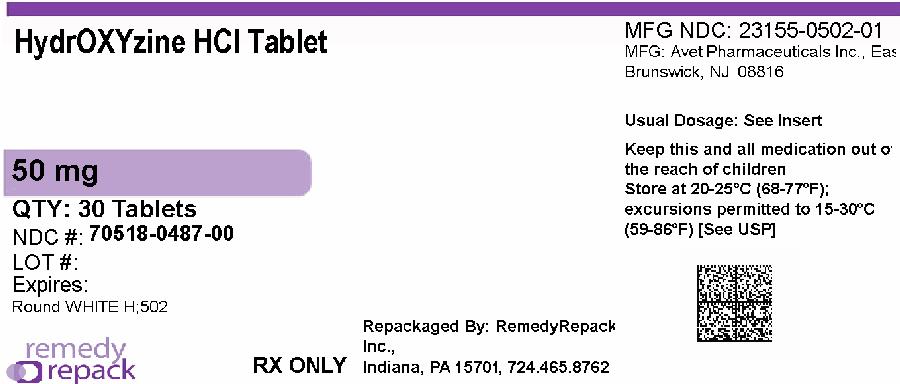
(hydroxy · DailyMed)
Emami Mentho Plus Balm
Butylated Hydroxy Toluene 0.08 %w/w,Camphor oil 7.5 %w/w,Clove Oil 0.75 %w/w,Eucalyptus Oil 9 %w/w,Hard Paraffin Wax qs %w/w,Lactic Acid 0.2 %w/w,Liquid Paraffin qs %w/w,Menthol 20 %w/w,Microcrystalline Wax qs %w/w,Perfume 0.1 %w/w,Tartaric Acid 0.03 %w/w,Thymol 0.75 %w/w,Turpentine Oil 2.25 %w/w,Wintergreen oil 10 %w/w
What it does
Butylated is a chemical used to prevent food and products from spoiling by stopping fats and oils from going bad.
Commonly used for: preservative in food products, stabilizer in cosmetics
Read more in plain English ↓Plain-language summary for general understanding - not medical advice. Always follow your pharmacist/doctor.
Ask about this medicine
Answers come only from this medicine's registration record, BNF monograph and interaction data - not medical advice.
Medicine sourcing is available in Kenya only. We don't sell or dispense medicines - licensed pharmacies do.
Sourcing - Kenya onlyRegistration & product details
Source: Tanzania Medicines and Medical Devices Authority · fetched 2026-03-11 23:47:02 · updated 2026-09-17 03:00:44
About butylated
Butylated is a chemical used to prevent food and products from spoiling by stopping fats and oils from going bad.
What it treats
- preservative in food products
- stabilizer in cosmetics
How it works
It works by slowing down the process of oxidation, which can cause spoilage and rancidity in fats and oils.
Who it's for
It is generally used in food manufacturing and cosmetic industries.
AI-assisted summary grounded in BNF data - general information only, not medical advice. Always confirm with your pharmacist or doctor.
About camphor
Camphor is a natural compound used for its soothing properties and is often found in topical products.
What it treats
- muscle pain relief
- cough relief
- skin irritation treatment
How it works
Camphor works by creating a cooling sensation on the skin, which helps reduce pain and irritation.
Who it's for
Camphor is suitable for adults and children for topical use, but should be used with caution.
Cautions
- • Do not apply to broken skin or open wounds.
- • Avoid using on large areas of the body.
- • Keep away from the eyes and mouth.
AI-assisted summary grounded in BNF data - general information only, not medical advice. Always confirm with your pharmacist or doctor.
About clove
Clove is a spice that has been used for its potential health benefits, including its anti-inflammatory and antioxidant properties.
What it treats
- digestive issues
- pain relief
- inflammation reduction
- oral health
How it works
Clove contains compounds that may help reduce inflammation and fight infections.
Who it's for
Clove may be suitable for people looking for natural remedies for digestive problems, pain relief, or to improve oral health.
AI-assisted summary grounded in BNF data - general information only, not medical advice. Always confirm with your pharmacist or doctor.
About eucalyptus
Eucalyptus is a natural remedy often used for its soothing properties, especially for respiratory issues.
What it treats
- coughs
- cold symptoms
- respiratory infections
How it works
Eucalyptus contains compounds that can help relieve symptoms by reducing inflammation and acting as a mild antiseptic.
Who it's for
Eucalyptus is suitable for adults and children, but care should be taken with young children and those with allergies.
Cautions
- • Avoid if allergic to eucalyptus or related plants.
- • Use with caution in young children.
AI-assisted summary grounded in BNF data - general information only, not medical advice. Always confirm with your pharmacist or doctor.
About hard
Hard is a medicinal ingredient used to help with various health conditions.
How it works
Hard works by interacting with specific body systems to provide relief or treatment for certain conditions.
Who it's for
Hard is suitable for individuals experiencing the conditions it is meant to treat.
AI-assisted summary grounded in BNF data - general information only, not medical advice. Always confirm with your pharmacist or doctor.
About hydroxy
Hydroxy is a medication used to treat various health conditions. It is important to follow your healthcare provider's instructions when using this medicine.
What it treats
- autoimmune diseases (such as rheumatoid arthritis)
- malaria prevention and treatment
- certain skin conditions (like lupus)
How it works
Hydroxy helps to reduce inflammation and the activity of the immune system.
Who it's for
This medicine is for people with specific autoimmune disorders, those at risk of malaria, or those with certain skin issues.
AI-assisted summary grounded in BNF data - general information only, not medical advice. Always confirm with your pharmacist or doctor.
About lactic
Lactic acid is a substance that helps in various body functions and can be used in treatments.
What it treats
- muscle soreness
- lactic acidosis
- skin conditions
How it works
Lactic acid helps to improve the acidity level in certain body fluids, supporting better metabolism and skin health.
Who it's for
Lactic acid can be used by individuals experiencing muscle soreness or specific skin issues.
AI-assisted summary grounded in BNF data - general information only, not medical advice. Always confirm with your pharmacist or doctor.
About liquid
Liquid medications can come in various forms, including solutions, syrups, and suspensions. They are often used for easier swallowing and faster absorption.
What it treats
- nausea and vomiting
- pain relief
- fever reduction
- cough relief
How it works
Liquid medications are absorbed quickly into the body, providing rapid relief for various symptoms.
Who it's for
Liquid medications can be suitable for people of all ages, especially those who have difficulty swallowing tablets or capsules.
AI-assisted summary grounded in BNF data - general information only, not medical advice. Always confirm with your pharmacist or doctor.
About menthol
Menthol is a natural compound often used for its soothing and cooling effects.
What it treats
- cough relief
- muscle pain relief
- skin irritation treatment
How it works
Menthol creates a cooling sensation on the skin and mucous membranes, which can help relieve discomfort.
Who it's for
Menthol is suitable for adults and children who need relief from coughs, muscle aches, or skin irritation.
AI-assisted summary grounded in BNF data - general information only, not medical advice. Always confirm with your pharmacist or doctor.
About microcrystalline
Microcrystalline is a type of substance often used in medicines to help with various health issues. It is commonly used as a filler or binder in tablets and capsules.
What it treats
- stomach issues
- constipation
- weight management
How it works
It helps to improve the texture of medicines and can assist in the absorption of other ingredients in the body.
Who it's for
Adults and children who need help with specific health conditions, as directed by a healthcare professional.
AI-assisted summary grounded in BNF data - general information only, not medical advice. Always confirm with your pharmacist or doctor.
About paraffin
Paraffin is a substance used to help relieve constipation by softening stools.
What it treats
- constipation
- hard stools
How it works
Paraffin works by coating the stool and the intestines, making it easier to pass stools.
Who it's for
Paraffin is suitable for people experiencing constipation, particularly in cases where dietary changes are not sufficient.
Cautions
- • Avoid using if you have abdominal pain or intestinal blockage.
- • Consult a healthcare provider if symptoms persist.
AI-assisted summary grounded in BNF data - general information only, not medical advice. Always confirm with your pharmacist or doctor.
About perfume
Perfume is a scented product commonly used to enhance personal fragrance.
What it treats
- to provide a pleasant smell
- to boost mood
- for personal grooming
How it works
Perfume contains fragrant oils that release pleasant scents when applied to the skin.
Who it's for
Perfume can be used by anyone who wants to smell good and feel refreshed.
Cautions
- • May cause skin irritation in some people
- • Avoid contact with eyes
AI-assisted summary grounded in BNF data - general information only, not medical advice. Always confirm with your pharmacist or doctor.
About tartaric
Tartaric is a natural substance that may be used in various health-related products.
What it treats
- digestive issues
- food additive
How it works
Tartaric can help with digestion and may improve the taste and texture of food.
Who it's for
People looking for digestive support or those using certain food products.
AI-assisted summary grounded in BNF data - general information only, not medical advice. Always confirm with your pharmacist or doctor.
About thymol
Thymol is a natural compound found in thyme oil, often used for its antiseptic and antimicrobial properties.
What it treats
- antiseptic for minor cuts and wounds
- mouthwash for oral hygiene
- treatment for infections
How it works
Thymol helps kill bacteria and fungi, preventing infections and promoting healing.
Who it's for
Thymol is suitable for adults and children needing antiseptic treatment.
Cautions
- • Avoid using on large areas of skin or on deep wounds.
- • Do not swallow thymol products unless directed.
AI-assisted summary grounded in BNF data - general information only, not medical advice. Always confirm with your pharmacist or doctor.
About toluene
Toluene is a chemical commonly used as a solvent in various industrial applications. It is not typically used as a medication.
How it works
Toluene works by dissolving substances, making it useful in manufacturing and cleaning processes.
Who it's for
Toluene is primarily used by industries; it is not intended for personal use or treatment of medical conditions.
AI-assisted summary grounded in BNF data - general information only, not medical advice. Always confirm with your pharmacist or doctor.
About turpentine
Turpentine is a substance that has been used in traditional medicine, but it is not commonly recommended for modern medical treatments due to safety concerns.
What it treats
- skin conditions
- respiratory issues
How it works
Turpentine may have properties that can help in treating certain ailments, but its exact effects are not well understood.
Who it's for
Turpentine is generally not recommended for most people due to potential health risks.
Cautions
- • Not safe for ingestion
- • Can cause skin irritation
- • May be harmful if inhaled
AI-assisted summary grounded in BNF data - general information only, not medical advice. Always confirm with your pharmacist or doctor.
About wintergreen
Wintergreen is a natural product often used for its soothing properties, especially in topical applications.
What it treats
- muscle pain
- joint pain
- inflammation
How it works
Wintergreen contains a compound called methyl salicylate, which helps relieve pain by reducing inflammation and soothing sore areas.
Who it's for
Wintergreen is suitable for adults and children who need relief from muscle or joint discomfort.
AI-assisted summary grounded in BNF data - general information only, not medical advice. Always confirm with your pharmacist or doctor.
Clinical monograph: butylated
Butylated compounds, particularly butylated hydroxyanisole (BHA) and butylated hydroxytoluene (BHT), are synthetic antioxidants widely used in food preservation and cosmetics. They prevent the oxidative degradation of fats and oils, thereby extending the shelf life of products. While they are generally regarded as safe at low concentrations, concerns have been raised regarding their long-term effects and potential carcinogenicity.
Dosage
Children: Refer to specific formulations and usages, as dosing can vary widely depending on the application and regulatory guidelines.
Adults: Refer to specific formulations and usages, as dosing can vary widely depending on the application and regulatory guidelines.
Mechanism of action
Butylated hydroxyanisole (BHA) and butylated hydroxytoluene (BHT) act as antioxidants by inhibiting the oxidation of lipids. They scavenge free radicals and donate hydrogen atoms to reactive species, thus stabilizing and preventing oxidative damage to cellular components. This action helps to protect the integrity of cell membranes and prevent the formation of harmful peroxides.
Pharmacodynamics
The pharmacodynamic properties of butylated compounds are primarily related to their antioxidant activity. They exhibit a dose-dependent ability to inhibit lipid peroxidation, which is crucial in protecting cells from oxidative stress. Furthermore, they may modulate certain biochemical pathways involved in cell signaling and apoptosis, although these effects are less well-characterized.
Pharmacokinetics
Butylated compounds are absorbed from the gastrointestinal tract following oral ingestion. They undergo metabolic processing primarily in the liver, where they are conjugated and excreted in urine. The half-life of butylated compounds in humans is variable, influenced by factors such as dosage and individual metabolism. Accumulation in tissues is generally low, but prolonged exposure may lead to higher tissue concentrations.
Adverse effects
- Gastrointestinal disturbances
- Allergic reactions
- Potential carcinogenic effects with prolonged exposure
Precautions
- Use with caution in patients with a history of hypersensitivity to butylated compounds
- Avoid prolonged exposure due to potential toxicity
Pregnancy
Limited data available, use only if the benefits outweigh the risks.
Breast-feeding
Unknown, exercise caution and consult a healthcare provider.
Storage
Store in a cool, dry place away from light.
Formulations
- Butylated hydroxytoluene (BHT)
- Butylated hydroxyanisole (BHA)
AI-synthesized from BNF references - general information only, not a substitute for professional medical advice or the current BNF. Verify doses with a pharmacist.
Clinical monograph: camphor
BNF-referencedCamphor is a naturally occurring compound with a chemical formula of C10H16O. It is primarily used as an active ingredient in topical analgesics, such as balms and liniments, due to its ability to relieve pain and inflammation. Camphor has been traditionally utilized in various cultures for its soothing properties and is often applied to the skin for symptomatic relief.
Indications
- Topical pain relief
- Muscle aches
- Joint pain
- Inflammation
Dosage
Children: For children, the
Adults: For topical application, camphor is usually applied as needed to the affected area, following the instructions on the specific product used. Consult the product label or a healthcare professional for detailed dosing guidelines.
Mechanism of action
Camphor activates the transient receptor potential vanilloid 1 (TRPV1) and TRPV3 channels, which are involved in sensing pain and temperature. It requires higher concentrations to activate TRPV1 compared to capsaicin but notably desensitizes TRPV1 more rapidly and completely. This action is enhanced under inflamed conditions through phospholipase C-coupled receptor stimulation. The distinct activation pathways of camphor contribute to its analgesic effects, making it effective in reducing pain sensitivity.
Pharmacodynamics
The pharmacodynamic properties of camphor are primarily related to its interaction with TRPV1 and TRPV3 channels. By activating these receptors, camphor induces a sensation of warmth and can result in analgesia through sensory nerve excitation and subsequent desensitization. This mechanism is similar to that of other topical analgesics like capsaicin and menthol but is characterized by a faster desensitization of TRPV1. Additionally, camphor's effects may include local vasodilation and increased blood flow to the area of application, which can further alleviate pain and inflammation.
Pharmacokinetics
Camphor is absorbed through the skin when applied topically. Its pharmacokinetic profile involves distribution to various tissues, where it can exert local effects. The metabolism of camphor occurs primarily in the liver, and it is eliminated from the body mainly through urine. The onset of action is typically rapid due to its topical application, and the duration of effect may vary depending on the formulation and concentration used.
Adverse effects
- Skin irritation
- Allergic reactions
- Nausea
- Vomiting
- Dizziness
Precautions
- Use with caution in individuals with sensitive skin
- Avoid contact with eyes and mucous membranes
- Do not apply to broken or irritated skin
- Keep out of reach of children
Pregnancy
Camphor should be used with caution during pregnancy. It is advisable to consult a healthcare professional before use.
Breast-feeding
Camphor should be used with caution while breastfeeding. Consult a healthcare professional for advice.
Storage
Store in a cool, dry place, away from direct sunlight and heat.
Formulations
- Topical ointments
- Liniments
- Creams
- Gels
AI-synthesized from BNF references - general information only, not a substitute for professional medical advice or the current BNF. Verify doses with a pharmacist.
Clinical monograph: clove
Clove, derived from the flower buds of the Syzygium aromaticum tree, is a spice and herbal remedy known for its distinct flavor and potential health benefits. It has been used traditionally in various cultures for its analgesic, anti-inflammatory, and antimicrobial properties. Clove oil is particularly noted for its high eugenol content, which is responsible for many of its therapeutic effects.
Indications
- Pain relief
- Anti-inflammatory conditions
- Antimicrobial applications
- Dental pain
- Digestive disorders
Dosage
Children: Refer to healthcare professional for appropriate dosing guidelines as clove oil is generally not recommended for children without medical supervision.
Adults: For topical application, clove oil can be diluted with a carrier oil and applied as needed. For oral use, standard culinary doses are generally considered safe, but specific therapeutic doses should be guided by a healthcare professional.
Mechanism of action
Eugenol, the primary active compound in clove, exhibits its effects through several pathways. It acts as an analgesic by inhibiting the synthesis of prostaglandins, which are mediators of pain and inflammation. Additionally, eugenol has been shown to interact with voltage-gated sodium channels, which may contribute to its analgesic effects. Its antimicrobial properties are partly due to its ability to disrupt the cell membranes of bacteria and fungi.
Pharmacodynamics
Clove has a variety of pharmacodynamic effects, primarily attributed to eugenol. It exhibits analgesic, anti-inflammatory, and antioxidant properties. Clove oil has been found to reduce pain and inflammation in various experimental models. Its antimicrobial activity is effective against a range of pathogens, making it a candidate for use in oral health products. Furthermore, the antioxidant properties help in neutralizing free radicals, thereby providing protective effects against cellular damage.
Pharmacokinetics
Clove oil is absorbed through the gastrointestinal tract when ingested and can also be absorbed through the skin when applied topically. The bioavailability of eugenol can be influenced by its formulation and method of administration. Once absorbed, eugenol is distributed throughout the body, metabolized primarily in the liver, and excreted via the kidneys. The half-life of eugenol varies but is generally short, necessitating frequent dosing for sustained effects in therapeutic use.
Adverse effects
- Allergic reactions
- Gastrointestinal irritation
- Liver toxicity with excessive use
- Hypoglycemia
Interactions
- May enhance the effects of anticoagulants
- May interact with antidiabetic medications
- May reduce the effectiveness of certain antiepileptic drugs
Precautions
- Use with caution in individuals with liver disease
- Caution in patients with bleeding disorders
- Monitor blood sugar levels in diabetics
Pregnancy
Use during pregnancy is not recommended due to potential effects on the fetus.
Breast-feeding
Limited data available; use with caution as clove can affect milk production.
Storage
Store in a cool, dry place away from direct sunlight.
Formulations
- Essential oil
- Dried whole cloves
- Powdered clove
AI-synthesized from BNF references - general information only, not a substitute for professional medical advice or the current BNF. Verify doses with a pharmacist.
Clinical monograph: eucalyptus
Eucalyptus is a genus of flowering trees and shrubs in the myrtle family, Myrtaceae. The leaves and oil extracted from eucalyptus are commonly used in traditional medicine and as flavoring agents. Eucalyptus oil is known for its antiseptic, anti-inflammatory, and analgesic properties, making it popular in respiratory therapies for conditions such as coughs, colds, and sinusitis.
Indications
- Respiratory infections
- Cough and cold symptoms
- Sinusitis
- Bronchitis
- Muscle pain and inflammation
Dosage
Children: Refer to specific product guidelines or consult a healthcare professional for appropriate dosing of eucalyptus oil in children, as it varies based on formulation and indication.
Adults: Refer to specific product guidelines or consult a healthcare professional for appropriate dosing of eucalyptus oil, as it varies based on formulation and indication.
Mechanism of action
Eucalyptus oil contains compounds such as eucalyptol (1,8-cineole) that exhibit antimicrobial properties. It acts on the respiratory system by promoting bronchodilation and reducing mucus production. The oil also has a cooling effect, which can provide relief from symptoms of respiratory distress. Additionally, the oil's anti-inflammatory properties help decrease inflammation in the airways.
Pharmacodynamics
The primary active ingredient in eucalyptus oil, eucalyptol, interacts with the body's inflammatory response and can modulate the activity of neurotransmitters involved in pain signaling. It may enhance mucociliary clearance in the respiratory tract, facilitating the expulsion of mucus and pathogens. The analgesic effects can help relieve discomfort associated with respiratory infections.
Pharmacokinetics
Eucalyptus oil is typically administered via inhalation or topical application. When inhaled, components like eucalyptol are absorbed through the mucous membranes of the respiratory tract and rapidly distributed throughout the body. The oil is metabolized primarily in the liver, and its metabolites are excreted in urine. The half-life of eucalyptol varies but is generally short, necessitating frequent dosing for sustained effects.
Adverse effects
- Allergic reactions
- Skin irritation
- Nausea
- Vomiting
- Diarrhea
- Dizziness
Interactions
- May interact with anticoagulants, potentially increasing bleeding risk
- May enhance the effects of other medications that cause sedation
Precautions
- Use with caution in individuals with asthma or other respiratory conditions
- Avoid use in young children without medical supervision
- Eucalyptus oil should not be ingested in large quantities due to toxicity
Pregnancy
Eucalyptus oil is generally considered unsafe in pregnancy due to potential toxicity and should be avoided unless prescribed by a healthcare professional.
Breast-feeding
Caution is advised when using eucalyptus during breastfeeding, as it may pass into breast milk and could affect the infant.
Storage
Store in a cool, dry place away from direct sunlight. Keep out of reach of children.
Formulations
- Eucalyptus oil (topical, inhalation, or oral preparations)
- Eucalyptus leaves (dried for teas or extracts)
AI-synthesized from BNF references - general information only, not a substitute for professional medical advice or the current BNF. Verify doses with a pharmacist.
Clinical monograph: hard
Hard, commonly referred to in various contexts, can refer to a range of substances or drugs depending on the specific context. In pharmacology, it is crucial to specify the drug in question for accurate information. Generally, the term may allude to substances that exhibit a strong, potent effect on the body, leading to significant pharmacological actions. The effects can vary widely based on the specific compound in question, its classification, and its intended medical use.
Dosage
Children: Refer to specific pediatric dosing guidelines based on the identified drug, as 'hard' does not provide sufficient information.
Adults: Refer to specific drug information for dosing guidelines, as 'hard' does not specify a particular medication.
Mechanism of action
The mechanism of action for drugs termed 'hard' must be specified for accurate information, as this phrase does not designate a specific compound. Mechanisms may involve receptor interaction, enzyme inhibition, or modulation of biochemical pathways, depending on the drug in question. For example, opioid analgesics work primarily by binding to mu-opioid receptors in the central nervous system, leading to analgesic effects.
Pharmacodynamics
Pharmacodynamics refers to the effects of a drug on the body and its mechanisms of action. The pharmacodynamics of any drug classified as 'hard' would depend on its specific pharmacological profile, including its efficacy, potency, and the nature of its therapeutic effects. For instance, in the case of opioids, pharmacodynamic effects include pain relief, sedation, and potential respiratory depression.
Pharmacokinetics
Pharmacokinetics involves the absorption, distribution, metabolism, and excretion (ADME) of a drug. The pharmacokinetics of a substance termed 'hard' would vary significantly based on the specific drug. For many medications, absorption may occur via oral or parenteral routes, distribution may involve binding to plasma proteins, metabolism may occur in the liver, and excretion is typically renal. Each of these parameters is critical for understanding the drug's action and potential side effects.
Pregnancy
Consult a healthcare professional before use, as safety has not been established.
Breast-feeding
Consult a healthcare professional before use, as safety has not been established.
Storage
Store in a cool, dry place, away from direct sunlight.
AI-synthesized from BNF references - general information only, not a substitute for professional medical advice or the current BNF. Verify doses with a pharmacist.
Clinical monograph: hydroxy
BNF-referencedHydroxyzine is an antihistamine of the first generation, primarily used for its sedative and anxiolytic properties. It is effective in treating anxiety, nausea, and allergic conditions. Hydroxyzine also possesses anticholinergic properties, which contribute to its sedative effects. It is commonly used in both adult and pediatric populations for various indications, including preoperative sedation and management of pruritus.
Indications
- Anxiety disorders
- Nausea and vomiting
- Allergic conditions
- Preoperative sedation
- Pruritus
Dosage
Children: Refer to the BNF for Children for appropriate dosing recommendations based on age and weight.
Adults: Refer to the BNF for specific dosing guidelines based on the indication and patient characteristics.
Mechanism of action
Hydroxyzine works by antagonizing the H1 histamine receptors, leading to a reduction in the effects of histamine in the body. This action helps alleviate symptoms of allergic reactions and promotes sedation. Additionally, it may exert effects on serotonin and adrenergic receptors, which could contribute to its anxiolytic properties. Hydroxyzine is also involved in various metabolic pathways, including selenium metabolism and the degradation of reactive oxygen species.
Pharmacodynamics
The pharmacodynamic effects of hydroxyzine include sedation, anxiolysis, and reduction of allergic symptoms. Its sedative effects can make it useful in managing anxiety and inducing sleep, while its antihistaminic properties help to relieve symptoms such as itching and rashes associated with allergic reactions. The onset of action is typically within 15 to 30 minutes when taken orally, with peak effects occurring within 1 to 2 hours.
Pharmacokinetics
Hydroxyzine is well absorbed from the gastrointestinal tract, with peak plasma concentrations occurring approximately 2 hours after oral administration. It is extensively metabolized in the liver, with metabolites, including cetirizine, possessing their own therapeutic effects. Hydroxyzine has a half-life of approximately 20 hours, allowing for once or twice daily dosing. It is primarily excreted in the urine, with less than 1% of the unchanged drug found in urine.
Interactions
- hydroxyzine+antiepileptics: Severe (increases risk of overheating and dehydration)
- hydroxyzine+zonisamide: Severe (increases risk of overheating and dehydration)
- hydroxychloroquine+penicillamine: Severe (increases risk of haematological toxicity)
- hydroxychloroquine+agalsidase alfa: Unknown (decreases effects)
- hydroxychloroquine+agalsidase beta: Unknown (decreases exposure)
- hydroxychloroquine+oral cholera vaccine: Unknown (decreases efficacy)
- live vaccines+hydroxy carbamide: Unknown (increases risk of generalised infection (possibly life-threatening))
- lanthanum+hydroxychloroquine: Unknown (decreases absorption)
- macrolides+hydroxychloroquine: Unknown (increases risk of serious cardiovascular adverse effects)
- hydroxychloroquine+remdesivir: Unknown (decreases effects)
Pregnancy
Safety in pregnancy has not been established. Use only if the potential benefit justifies the potential risk to the fetus.
Breast-feeding
Use with caution. Hydroxychloroquine is excreted in breast milk, and effects on the infant are unknown.
Storage
Store in a cool, dry place, protected from light. Keep out of reach of children.
Formulations
- Tablets
- Oral solution
AI-synthesized from BNF references - general information only, not a substitute for professional medical advice or the current BNF. Verify doses with a pharmacist.
Clinical monograph: lactic
Lactic acid is a naturally occurring organic acid involved in various metabolic processes, particularly in anaerobic respiration. It is a byproduct of glycolysis, the process of converting glucose to energy in the absence of oxygen. Lactic acid is commonly used in clinical settings, particularly in the management of metabolic acidosis. It is also studied for its role in muscle metabolism and exercise physiology.
Indications
- Metabolic acidosis
- Lactic acidosis
- Support in shock or severe dehydration
- Exercise physiology research
Dosage
Children: Refer to clinical guidelines for specific dosing recommendations based on the clinical condition being treated.
Adults: Refer to clinical guidelines for specific dosing recommendations based on the clinical condition being treated.
Mechanism of action
Lactic acid primarily functions by contributing to the acid-base balance in the body. It can serve as a substrate for gluconeogenesis in the liver and is utilized in the Cori cycle, where it is converted back to glucose. Furthermore, lactic acid can act as a signaling molecule in various physiological processes, influencing metabolism and cellular responses during hypoxic conditions.
Pharmacodynamics
Lactic acid dissociates into lactate and hydrogen ions in solution, which can lead to a decrease in pH (acidosis) when produced in excess. Its accumulation in the body is indicative of anaerobic metabolism, often observed during intense exercise or in conditions of oxygen deprivation. The body can buffer the effects of lactic acid through bicarbonate and other mechanisms, maintaining homeostasis.
Pharmacokinetics
Lactic acid is rapidly absorbed and distributed throughout the body. It is metabolized primarily in the liver, where it can be converted to glucose or further metabolized to carbon dioxide and water. The elimination half-life of lactate varies depending on the metabolic state of the individual and the presence of underlying conditions. Renal function also plays a role in the clearance of lactate from the body.
Adverse effects
- Nausea
- Vomiting
- Abdominal pain
- Diarrhea
- Hypersensitivity reactions
Precautions
- Use with caution in patients with renal impairment
- Monitor for signs of metabolic acidosis
- Caution in patients with liver disease
Pregnancy
Lactic acid is generally regarded as safe, but clinical use should be evaluated on a case-by-case basis during pregnancy.
Breast-feeding
Considered safe for use during breastfeeding, but consult healthcare provider for individual cases.
Storage
Store at room temperature, away from direct sunlight and moisture.
Formulations
- Lactic acid injection
- Lactic acid oral solution
AI-synthesized from BNF references - general information only, not a substitute for professional medical advice or the current BNF. Verify doses with a pharmacist.
Clinical monograph: liquid
BNF-referencedMethyl parathion is an organophosphate compound primarily used as an insecticide. It exerts its effects through inhibition of key enzymes involved in neurotransmission, leading to toxic effects associated with acute poisoning. It is important to note that toxic manifestations generally occur only after significant inhibition of plasma cholinesterase levels, specifically when more than 50% inhibition is observed. This compound has been studied for its acute toxicity and enzymatic interactions.
Indications
- Insecticide for agricultural use
- Research tool in toxicology
Dosage
Children: Refer to the BNF for Children for specific dosing and administration guidelines.
Adults: Refer to the BNF for specific dosing and administration guidelines.
Mechanism of action
Methyl parathion acts primarily by inhibiting the enzyme acetylcholinesterase, which is essential for the breakdown of the neurotransmitter acetylcholine. Its active metabolite, methyl paraoxon, is a potent inhibitor of both acetylcholinesterase and butyrylcholinesterase. The inhibition of these enzymes results in the accumulation of acetylcholine at synapses, leading to overstimulation of cholinergic receptors and resultant toxic effects.
Pharmacodynamics
The pharmacodynamics of methyl parathion involve its action as a noncompetitive inhibitor of acetylcholinesterase, causing prolonged effects of acetylcholine due to its inability to be hydrolyzed. The resultant cholinergic toxicity can lead to symptoms such as muscle twitching, respiratory distress, and potentially fatal outcomes if not treated promptly. The extent of inhibition is dose-dependent, with significant toxicity occurring after substantial enzyme inhibition.
Pharmacokinetics
Methyl parathion is absorbed through the gastrointestinal tract and can also be absorbed through the skin and respiratory tract. It is metabolized in the liver to form methyl paraoxon, which is responsible for the majority of its toxic effects. The distribution of methyl parathion in body tissues is influenced by its lipophilicity, and it is primarily excreted as metabolites in the urine. The elimination half-life and specific pharmacokinetic parameters can vary based on individual metabolism and exposure levels.
Pregnancy
There are no adequate and well-controlled studies in pregnant women. Use only if the potential benefit justifies the potential risk to the fetus.
Breast-feeding
It is not known whether this drug is excreted in human milk. Caution is advised when administering to nursing women.
Storage
Store in a cool, dry place away from direct sunlight. Keep out of reach of children.
Formulations
- Liquid formulation
AI-synthesized from BNF references - general information only, not a substitute for professional medical advice or the current BNF. Verify doses with a pharmacist.
Clinical monograph: menthol
BNF-referencedMenthol is a cyclic monoterpene alcohol that is widely used as a flavoring agent and in topical analgesic preparations due to its cooling sensation. It is commonly derived from peppermint oil and is known for its soothing properties in various applications, including cough drops, ointments, and as a fragrance in personal care products.
Indications
- Topical analgesic for muscle and joint pain
- Cough suppressant in cough drops and lozenges
- Relief of minor throat irritation
- Cooling agent in various cosmetic and personal care products
Dosage
Children: Refer to BNF for Children for specific dosing guidelines, as doses may vary based on age and formulation.
Adults: For topical use, apply a thin layer to the affected area not more than 3 to 4 times daily. For cough drops, follow the product-specific instructions as per the formulation.
Mechanism of action
Menthol acts as an agonist for the transient receptor potential subtype M8 (TRPM8), a non-selective cation channel that is activated by cold temperatures. This activation leads to calcium influx in mast cells, inducing the release of histamine, which can trigger allergic responses such as urticaria, asthma, and rhinitis. Menthol's ability to induce histamine release via TRPM8 suggests potential therapeutic applications for TRPM8 antagonists in managing cold- and menthol-induced allergies.
Pharmacodynamics
Menthol produces a cooling effect by stimulating sensory neurons that convey cold sensations. It interacts with TRPM8 channels, leading to the activation of intracellular signaling pathways that can result in vasodilation and increased blood flow to the area of application. This cooling sensation can provide symptomatic relief in conditions characterized by pain or irritation.
Pharmacokinetics
Menthol is absorbed through the skin and mucous membranes, with systemic effects depending on the route of administration. Its bioavailability can vary, and it is metabolized primarily in the liver. The elimination half-life and excretion pathways have not been extensively characterized, but menthol is generally considered to have a rapid onset of action with effects lasting for a few hours.
Adverse effects
- Allergic reactions
- Urticaria
- Asthma
- Rhinitis
- Skin irritation
Precautions
- Use with caution in patients with known allergies to menthol or related compounds
- May exacerbate asthma in sensitive individuals
Pregnancy
There are no well-controlled studies of menthol in pregnant women. Menthol should be used during pregnancy only if clearly needed.
Breast-feeding
Menthol is excreted in breast milk. Caution should be exercised when administering to nursing mothers.
Storage
Store in a cool, dry place away from light. Keep out of reach of children.
Formulations
- Topical ointment
- Cream
- Liquid
AI-synthesized from BNF references - general information only, not a substitute for professional medical advice or the current BNF. Verify doses with a pharmacist.
Clinical monograph: microcrystalline
Microcrystalline cellulose is a refined wood pulp, commonly used as an excipient in pharmaceutical formulations. It serves as a bulking agent and stabilizer in tablets and capsules, improving the physical properties of the drug formulation. It is characterized by its ability to absorb moisture and provide a suitable texture for various dosage forms.
Indications
- Used as an excipient in tablet formulations
- Used as a bulking agent in capsule formulations
- Used in food products as a thickener or stabilizer
Dosage
Children: Refer to specific product guidelines as dosage will depend on the formulation and the active ingredients.
Adults: Refer to specific product guidelines as dosage will depend on the formulation and the active ingredients.
Mechanism of action
Microcrystalline cellulose acts as a non-digestible filler that enhances the flow properties of powders during the manufacturing of tablets and capsules. It does not have a direct pharmacological action on the body but ensures that the active ingredients are effectively delivered to the patient.
Pharmacodynamics
As a non-active ingredient, microcrystalline cellulose does not exert pharmacodynamic effects typical of active pharmaceutical ingredients. Its primary role is to provide a stable and consistent matrix for the drug, facilitating the release of the active compound once ingested.
Pharmacokinetics
Microcrystalline cellulose is not absorbed in the gastrointestinal tract; it passes through the digestive system largely unchanged. It adds bulk to the stool, which may aid in promoting regular bowel movements. The substance is excreted in feces, where it contributes to dietary fiber intake.
Pregnancy
Data regarding the use of microcrystalline cellulose during pregnancy is limited. It is advisable to consult with healthcare professionals before use.
Breast-feeding
Microcrystalline cellulose is considered safe during breastfeeding, as it is not absorbed systemically.
Storage
Store in a cool, dry place away from direct sunlight and moisture.
AI-synthesized from BNF references - general information only, not a substitute for professional medical advice or the current BNF. Verify doses with a pharmacist.
Clinical monograph: paraffin
Paraffin, commonly referred to as mineral oil, is a colorless, odorless, and tasteless oil derived from petroleum. It is primarily used as a laxative and emollient. In medicinal formulations, it is often employed to relieve constipation by lubricating the intestinal tract, thus facilitating the passage of stool. Additionally, it can be used in topical applications to soften and moisturize the skin.
Indications
- Constipation
- Dry skin
- Skin irritation
Dosage
Children: Refer to specific guidelines and prescribing information for paediatric dosing.
Adults: Refer to specific guidelines and prescribing information for adult dosing.
Mechanism of action
Paraffin acts as a lubricating agent in the gastrointestinal tract. It coats the stool and the intestinal walls, which helps to ease the passage of feces by reducing friction. This action promotes bowel movements and alleviates constipation. When used topically, it forms a barrier on the skin, which helps to retain moisture and protect against irritants.
Pharmacodynamics
Paraffin has a low viscosity and surface tension, which allows it to spread easily over surfaces. Its lubricating properties facilitate the movement of stool through the intestines, while its emollient properties help in maintaining skin hydration and barrier function. The onset of action for oral administration typically occurs within 6 to 8 hours, making it effective in treating occasional constipation.
Pharmacokinetics
Paraffin is not absorbed systemically when ingested; it remains in the gastrointestinal tract and is excreted unchanged in the feces. After oral administration, it acts locally in the intestines without significant systemic effects. When used topically, it remains on the skin surface and does not penetrate deeply, providing a protective layer without altering systemic pharmacokinetics.
Adverse effects
- Abdominal cramps
- Diarrhea
- Nausea
- Vomiting
- Lipid pneumonia (when aspirated)
- Electrolyte imbalances
Precautions
- Use with caution in patients with gastrointestinal obstruction
- Avoid in patients with a history of aspiration
- Monitor for signs of dehydration with prolonged use
Pregnancy
Use only if clearly needed. Consult a healthcare provider for advice.
Breast-feeding
Paraffin can be excreted in breast milk, use with caution.
Storage
Store at room temperature away from moisture and heat.
Formulations
- Liquid paraffin
- Soft paraffin (for topical use)
AI-synthesized from BNF references - general information only, not a substitute for professional medical advice or the current BNF. Verify doses with a pharmacist.
Clinical monograph: perfume
Perfume is a mixture of fragrant essential oils, aroma compounds, fixatives, and solvents used to create a pleasant scent. It is primarily used in personal care products, cosmetics, and household items to enhance fragrance and provide a pleasant sensory experience.
Indications
- Personal fragrance enhancement
- Mood enhancement
- Social interaction
- Cosmetic use
Dosage
Children: Perfume is not typically recommended for use in children due to the potential for skin irritation and allergic reactions. Refer to guidelines for specific products.
Adults: Perfume is applied as desired, typically in small amounts to pulse points such as the wrists, neck, or behind the ears.
Mechanism of action
The mechanism of action of perfume involves the interaction of volatile aromatic compounds with olfactory receptors in the nasal cavity. These receptors send signals to the brain, which interprets the scent, triggering emotional and physiological responses. Perfumes can influence mood, evoke memories, and enhance social interactions by engaging the limbic system, which is involved in emotion and memory.
Pharmacodynamics
Perfume does not have pharmacodynamic effects in the traditional sense as medicinal drugs do. However, certain components may have mild effects on mood and emotional well-being by stimulating the olfactory system. Essential oils present in some perfumes may also have mild antidepressant or relaxing properties, although these effects are not clinically significant.
Pharmacokinetics
Perfume is primarily applied topically to the skin or clothing, where it evaporates and releases fragrance into the air. The compounds in perfume can be absorbed through the skin, but systemic absorption is generally low. The duration and intensity of fragrance depend on the volatility of the components used and their concentration. The scent usually lasts from a few hours to a day, depending on the formulation and individual skin chemistry.
Adverse effects
- Skin irritation
- Allergic reactions
- Headaches
- Respiratory issues
- Nausea
Precautions
- Use with caution in individuals with sensitive skin or allergies
- Avoid direct contact with eyes
- Use in well-ventilated areas to prevent respiratory irritation
Pregnancy
Generally regarded as safe in pregnancy, but some fragrances may cause allergic reactions or sensitivities.
Breast-feeding
Generally considered safe, but individual fragrances should be assessed for potential allergens.
Storage
Store in a cool, dry place away from direct sunlight and heat sources.
Formulations
- Eau de parfum
- Eau de toilette
- Cologne
- Perfume oil
- Body spray
AI-synthesized from BNF references - general information only, not a substitute for professional medical advice or the current BNF. Verify doses with a pharmacist.
Clinical monograph: tartaric
Tartaric acid is a naturally occurring organic acid that is commonly found in various plants, particularly grapes. It is often used in the food and beverage industry, as well as in pharmaceutical formulations. Tartaric acid serves as an acidulant, stabilizer, and emulsifying agent. In medicine, it may be utilized as a part of certain formulations or as a buffering agent.
Indications
- Used as an acidulant in food and beverages
- Utilized in pharmaceutical formulations to enhance stability
- Serves as a buffering agent in various preparations
Dosage
Children: Refer to specific formulation guidelines for dosage; no standard dose established.
Adults: Refer to specific formulation guidelines for dosage; no standard dose established.
Mechanism of action
Tartaric acid acts primarily as a mild acid, contributing to the acidity of solutions and influencing the solubility and stability of compounds. It can also play a role in stabilizing the pH of formulations, which can enhance the bioavailability of specific drugs. The precise molecular interactions of tartaric acid in biological systems are not fully elucidated but involve the modulation of pH and ionic strength.
Pharmacodynamics
Tartaric acid does not exhibit significant pharmacological activity on its own but influences the properties of other compounds when used in pharmaceutical preparations. Its role as an acidulant can enhance the solubility of certain drugs, thereby improving their absorption and therapeutic efficacy. The acid's buffering capacity can also help maintain a stable environment for drug stability.
Pharmacokinetics
Tartaric acid is absorbed in the gastrointestinal tract, although specific pharmacokinetic parameters such as half-life, peak plasma concentration, and elimination pathways are not well-defined in the literature. It is generally metabolized in the body to various metabolites, primarily through normal metabolic pathways, with renal excretion of its conjugates. Its effects are more related to its role in formulations rather than systemic pharmacodynamics.
Pregnancy
Tartaric acid is generally recognized as safe when used in food and beverages. However, specific safety during pregnancy has not been extensively studied, thus caution is advised.
Breast-feeding
There is limited information on the safety of tartaric acid during breastfeeding, but it is considered to be safe in normal dietary amounts.
Storage
Store in a cool, dry place away from moisture and light.
Formulations
- Tartaric acid powder
- Tartaric acid solution
AI-synthesized from BNF references - general information only, not a substitute for professional medical advice or the current BNF. Verify doses with a pharmacist.
Clinical monograph: thymol
BNF-referencedThymol is a natural monoterpenoid phenol derived from the oil of thyme (Thymus vulgaris) and is known for its antimicrobial, antifungal, and anti-inflammatory properties. It is also recognized for its potential immunomodulatory effects, particularly in enhancing macrophage activity, which can be beneficial in treating various immunological disorders.
Indications
- Immunological disorders
- Infections (bacterial and fungal)
- Inflammatory conditions
Dosage
Children: Refer to BNF for Children for specific dosages pertinent to paediatric patients.
Adults: Refer to BNF for specific dosages, as they can vary based on indication and formulation.
Mechanism of action
Thymol modulates macrophage activity by enhancing phagocytosis and increasing the proliferation of splenocytes, acting as a mitogen. It improves macrophage uptake capacity through increased membrane fluidity and enhances lysosomal activity. Thymol also stimulates the respiratory burst in macrophages, leading to increased generation of superoxide anions. Additionally, it shows anti-inflammatory effects by decreasing the secretion of pro-inflammatory cytokines such as TNF-alpha, IL-1beta, and PGE(2).
Pharmacodynamics
Thymol exhibits various pharmacodynamic effects including antimicrobial, antifungal, and immunomodulatory activities. Its ability to enhance macrophage function suggests a role in boosting the immune response, potentially benefiting conditions characterized by immune dysfunction. The compound also demonstrates antioxidant properties, contributing to its anti-inflammatory effects.
Pharmacokinetics
The pharmacokinetic profile of thymol is not fully characterized; however, it is known to be readily absorbed and distributed in the body due to its lipophilic nature. Metabolism occurs in the liver, with excretion primarily through the urine. The exact half-life and elimination pathways require further investigation to provide a comprehensive overview.
Pregnancy
There is insufficient data on the use of thymol during pregnancy. Caution is advised.
Breast-feeding
Limited information is available regarding the excretion of thymol in human milk. Caution is recommended.
Storage
Store in a cool, dry place away from light. Keep out of reach of children.
AI-synthesized from BNF references - general information only, not a substitute for professional medical advice or the current BNF. Verify doses with a pharmacist.
Clinical monograph: toluene
BNF-referencedToluene is an aromatic hydrocarbon commonly used as an industrial solvent and in the production of various chemicals. It is known for its psychoactive properties when inhaled, leading to its misuse as an inhalant. Toluene exposure can result in both reversible and irreversible effects on the central nervous system, particularly affecting dopaminergic pathways. Its molecular formula is C7H8.
Dosage
Children: There are no established therapeutic doses for toluene in pediatric populations due to its potential for abuse and toxicity. Exposure should be avoided.
Adults: There are no established therapeutic doses for toluene due to its potential for abuse and toxicity. Exposure should be minimized as per occupational safety guidelines.
Mechanism of action
Toluene primarily affects the dopaminergic mechanisms of the basal ganglia, leading to alterations in sensory-motor integration. At low concentrations, it reduces dopamine turnover in the anterior nucleus caudate, while at higher concentrations, it increases dopamine turnover in the cholecystokinin-dopamine terminals of the limbic system, contributing to its euphoric effects. Toluene also influences various neurotransmitter systems, including glutamate and GABA, and alters the activities of neurotransmitter synthesizing enzymes, which can indicate permanent loss of neuronal activity.
Pharmacodynamics
Toluene exhibits central nervous system depressant effects, which can lead to symptoms such as euphoria, dizziness, and cognitive impairment. Chronic exposure may result in neurotoxic effects, including potential damage to catecholaminergic neurons and changes in neurotransmitter levels. The drug's psychoactive effects are associated with its ability to modulate dopamine pathways, ultimately affecting mood, perception, and motor coordination.
Pharmacokinetics
Toluene is rapidly absorbed through inhalation and can distribute throughout the body, with a high affinity for fatty tissues. It undergoes metabolic degradation primarily in the liver, where it is converted into various metabolites. The elimination half-life of toluene varies depending on the route of exposure and the concentration, with significant excretion occurring through urine as metabolites, including hippuric acid.
Adverse effects
- CNS depression
- Dizziness
- Headaches
- Nausea
- Vomiting
- Respiratory irritation
- Cognitive impairment
- Potential for addiction and euphoric effects
Precautions
- Use with caution in individuals with pre-existing neurological disorders
- Avoid exposure in pregnant women due to potential risks to fetal development
- Monitor for signs of abuse in individuals with a history of substance misuse
Pregnancy
Toluene exposure during pregnancy may pose risks to fetal development, including potential teratogenic effects. Caution is advised.
Breast-feeding
Due to the potential for adverse effects, breastfeeding is not recommended during exposure to toluene.
Storage
Store in a cool, well-ventilated area away from sources of ignition. Keep container tightly closed.
Formulations
- Inhalation vapors
- Solvent formulations
AI-synthesized from BNF references - general information only, not a substitute for professional medical advice or the current BNF. Verify doses with a pharmacist.
Clinical monograph: turpentine
Turpentine is a volatile oil obtained from the resin of pine trees, primarily used as a solvent in paints and varnishes. In traditional medicine, it has been used for its potential antiseptic and irritant properties. It is known to cause irritation of mucous membranes and can be toxic in high doses.
Indications
- Local antiseptic
- Irritant for mucous membranes
- Traditional medicinal uses
Dosage
Children: Refer to established guidelines and clinical practice for specific dosages, as turpentine is not commonly used in modern medicine.
Adults: Refer to established guidelines and clinical practice for specific dosages, as turpentine is not commonly used in modern medicine.
Mechanism of action
Turpentine acts as a local irritant, leading to increased blood flow and inflammatory response in tissues. It may also exert some antimicrobial effects, although the exact pathways are not well defined. The main active components are terpenes, which can affect cellular membranes and interfere with microbial function.
Pharmacodynamics
Turpentine exhibits irritant properties, resulting in stimulation of sensory nerves and local inflammatory responses. It may also have some systemic effects when absorbed, which can lead to toxicity if ingested or inhaled in large amounts. The pharmacological effects are primarily due to its terpene content, which can impact various biological pathways.
Pharmacokinetics
Turpentine is rapidly absorbed through mucous membranes and skin. It is metabolized in the liver, where it undergoes oxidation and conjugation. The metabolites are primarily excreted via the urine. Due to its volatile nature, turpentine can also be inhaled, leading to rapid absorption into the bloodstream. The half-life of turpentine varies based on the method of exposure and individual metabolism.
Contra-indications
- Hypersensitivity to turpentine or any component of the formulation
- Pregnancy and lactation due to potential harmful effects
Adverse effects
- Skin irritation or dermatitis upon topical application
- Gastrointestinal disturbances such as nausea, vomiting, and diarrhea
- Respiratory irritation from inhalation
- Central nervous system effects including headache, dizziness, and confusion
- Kidney damage with prolonged exposure or high doses
Interactions
- May interact with other CNS depressants, increasing sedation
- Potentially enhances the effects of certain medications metabolized by the liver
Precautions
- Use with caution in individuals with pre-existing respiratory conditions
- Should not be ingested or applied to broken skin
- Avoid inhalation of vapors
Pregnancy
Not recommended. Potentially harmful effects on the fetus have been reported.
Breast-feeding
Not recommended. Potential for excretion in breast milk and harmful effects on the infant.
Storage
Store in a cool, dry place away from light, and keep tightly closed. Keep out of reach of children.
Formulations
- Topical ointments or liniments
- Inhalation solutions
- Oral preparations (not commonly recommended due to toxicity)
AI-synthesized from BNF references - general information only, not a substitute for professional medical advice or the current BNF. Verify doses with a pharmacist.
Clinical monograph: wintergreen
BNF-referencedWintergreen oil, primarily containing methyl salicylate, is a topical analgesic used for the relief of musculoskeletal pain. It acts by providing counter-irritation, which is believed to alleviate pain through sensory nerve stimulation. Methyl salicylate is structurally similar to aspirin and exhibits properties akin to non-steroidal anti-inflammatory drugs (NSAIDs).
Indications
- Musculoskeletal pain
- Arthritis
- Tendinitis
- Back pain
- Muscle strains and sprains
Dosage
Children: Refer to the BNF for Children for specific dosing guidelines.
Adults: Apply to the affected area, usually 3 to 4 times daily as needed, ensuring not to exceed the recommended amount.
Mechanism of action
Counter-irritation is thought to be effective at alleviating musculoskeletal pain as the irritation of the sensory nerve endings alters or offsets pain in the underlying muscle or joints served by the same nerves. When applied topically, methyl salicylate penetrates the skin and underlying tissues, where it reversibly inhibits cyclooxygenase enzyme and prevents the production of inflammatory mediators such as prostaglandin and thromboxane A2.
Pharmacodynamics
Methyl salicylate relieves musculoskeletal pain in muscles, joints, and tendons by causing irritation and reddening of the skin due to dilated capillaries and increased blood flow. It acts as a rubefacient and skin irritant, providing a soothing sensation of warmth. Its pharmacological profile is similar to that of aspirin and other NSAIDs.
Pharmacokinetics
Methyl salicylate is absorbed through the skin upon topical application, where it exerts its effects locally. It undergoes metabolism primarily in the liver, and its metabolites are excreted via urine. The onset of action is relatively rapid, given the local application.
Adverse effects
- Skin irritation
- Allergic reactions
- Burning sensation at the application site
Precautions
- Avoid contact with eyes and mucous membranes
- Do not apply to broken or irritated skin
- Use with caution in patients with sensitive skin or allergies
Pregnancy
Data on the safety of wintergreen during pregnancy is limited. Consult a healthcare professional before use.
Breast-feeding
Limited data available; consult a healthcare professional before use.
Storage
Store in a cool, dry place away from direct sunlight. Keep out of reach of children.
Formulations
- Topical ointment
- Topical gel
- Liniment
AI-synthesized from BNF references - general information only, not a substitute for professional medical advice or the current BNF. Verify doses with a pharmacist.
Molecular reference: camphor
PubChem CID 2537Molecular formula: C10H16O
Mechanism of action
Camphor is a naturally occurring compound that is used as a major active ingredient of balms and liniments supplied as topical analgesics. ... Capsaicin and menthol, two other topically applied agents widely used for similar purposes, are known to excite and desensitize sensory nerves by acting on two members of transient receptor potential (TRP) channel superfamily: heat-sensitive TRP vanilloid subtype 1 (TRPV1) and cold-sensitive TRP channel M8, respectively. Camphor has recently been shown to activate TRPV3, and here /investigators/ show that camphor also activates heterologously expressed TRPV1, requiring higher concentrations than capsaicin. Activation was enhanced by phospholipase C-coupled receptor stimulation mimicking inflamed conditions. Similar camphor-activated TRPV1-like currents were observed in isolated rat DRG neurons and were strongly potentiated after activation of protein kinase C with phorbol-12-myristate-13-acetate. Camphor activation of rat TRPV1 was mediated by distinct channel regions from capsaicin, as indicated by camphor activation in the presence of the competitive inhibitor capsazepine and in a capsaicin-insensitive point mutant. Camphor did not activate the capsaicin-insensitive chicken TRPV1. TRPV1 desensitization is believed to contribute to the analgesic actions of capsaicin. /The authors/ found that, although camphor activates TRPV1 less effectively, camphor application desensitized TRPV1 more rapidly and completely than capsaicin. Conversely, TRPV3 current sensitized after repeated camphor applications, which is inconsistent with the analgesic role of camphor. /Investigators/ also found that camphor inhibited several other related TRP channels, including ankyrin-repeat TRP 1 (TRPA1). The camphor-induced desensitization of TRPV1 and block of TRPA1 may underlie the analgesic effects of camphor.
Source: PubChem (NCBI) · pathways from PathBank, Reactome, WikiPathways & PharmGKB.
Molecular reference: hydroxy
PubChem CID 961Molecular formula: HO-
Biological pathways
Source: PubChem (NCBI) · pathways from PathBank, Reactome, WikiPathways & PharmGKB.
Molecular reference: liquid
PubChem CID 4130Molecular formula: C8H10NO5PS
Mechanism of action
Acute poisoning ... is related to ... inhibiting action on enzyme acetylcholinesterase. Toxic manifestations generally occur only after more than 50% of plasma cholinesterase is inhibited. ... Methyl parathion ... depend on oxidative activation by replacement of thiono-sulfur with oxygen for ... toxicity. Methyl parathion has only a slight inhibitory action on acetylcholinesterase and butyrylcholinesterase, but its active metabolite, methyl paraoxon, is a potent inhibitor of both these enzymes. A study was conducted examining the inhibition of (Ca2+ and Mg2+)-ATPase by parathion (56382) and methyl parathion. Enzyme activity was assessed spectrophotometrically in pig erythrocyte membranes containing calcium2+ (Ca2+) and magnesium2+ and in solubilized membrane preparations incubated with the test agents. The enzyme response to ATP was biphasic. Equations expressing the kinetics of the substrate curves described two classes of the ATP binding active site, one with high affinity and low maximum rate and one with low affinity and high maximum rate. High affinity active sites were stimulated by low ATP concentrations (20 uM), whereas low affinity active sites were stimulated by high ATP levels (2 mM). Parathion and methylparathion dose dependently inhibited enzyme activity; parathion had a greater inhibitory effect than methylparathion. Lineweaver-Burke and Dixon plots indicated noncompetitive inhibition. Parathion and methylparathion induced enzyme inhibition occurred over a range of free calcium ion concentrations (0.5 to 5 mM); the inhibition was significantly greater at lower Ca2+ concentrations (1 to 100 uM) than at higher concentrations. The authors conclude that parathion and methylparathion inhibit ATPase activity by binding to a site on the enzyme rather than through an interaction with associated lipids. For more Mechanism of Action (Complete) data for METHYL PARATHION (6 total), please visit the HSDB record page.
Biological pathways
Source: PubChem (NCBI) · pathways from PathBank, Reactome, WikiPathways & PharmGKB.
Molecular reference: menthol
PubChem CID 1254Molecular formula: C10H20O
Mechanism of action
Exposure to low temperatures often causes allergic responses or urticaria. Similarly, menthol, a common food additive is also known to cause urticaria, asthma, and rhinitis. However, despite the obvious clinical implications, the molecular mechanisms responsible for inducing allergic responses to low temperatures and menthol have not been determined. Because a non-selective cation channel, transient receptor potential subtype M8 (TRPM8) is activated by cold and menthol, we hypothesized that this channel mediates cold- and menthol-induced histamine release in mast cells. Here, we report that TRPM8 is expressed in the basophilic leukemia mast cell line, RBL-2H3, and that exposure to menthol or low temperatures induced Ca(2+) influx in RBL-2H3 cells, which was reversed by a TRPM8 blocker. Furthermore, menthol, a TRPM8 agonist, induced the dose-dependent release of histamine from RBL-2H3 cells. When TRPM8 transcripts were reduced by siRNA (small interfering RNA), menthol- and cold-induced Ca(2+) influx and histamine release were significantly reduced. In addition, subcutaneous injection of menthol evoked scratching, a typical histamine-induced response which was reversed by a TRPM8 blocker. Thus, our findings indicate that TRPM8 mediates the menthol- and cold-induced allergic responses of mast cells, and suggest that TRPM8 antagonists be viewed as potential treatments for cold- and menthol-induced allergies. /DL-Menthol/ Menthol's characteristic cooling sensation is due, in part, to the activation of sensory neurons generally termed transient receptor potential (TRP) channels, in particular transient receptor potential melastatin family member 8 (TRPM8) and transient receptor potential subfamily A, member 1 (TRPA1). Menthol acts upon TRPM8 receptors by rapidly increasing intracellular calcium and mobilizing calcium flux through the channels to induce cold response signals at the application site. Aside from its cold-inducing sensation capabilities, menthol exhibits cytotoxic effects in cancer cells, induces reduction in malignant cell growth, and engages in synergistic excitation of GABA receptors and sodium ion channels resulting in analgesia. /DL-Menthol/ In recent years, the transient receptor potential melastatin member 8 (TRPM8) channel has emerged as a promising prognostic marker and putative therapeutic target in prostate cancer. We have found that forced overexpression of TRPM8 in PC-3 cells can inhibit the cell proliferation and motility probably through the TRPM8 activation. In this study, we aimed to investigate whether activating the TRPM8 channel by its selective agonist menthol can inhibit the proliferation and motility of androgen-independent prostate cancer (AIPC) with remarkable expression of TRPM8. Menthol is a naturally occurring compound, which has been widely used in cosmetics and pharmaceutical products, and also as flavoring in food. DU145 cells are androgen-independent but have a remarkable expression of TRPM8. The demonstration of the existence of TRPM8 and the absence of TRPA1 in DU145 cells provided the foundation for the following experiments, because both TRPM8 and TRPA1 are molecular targets of menthol. The outcome of MTT assay indicated that menthol inhibited the cell growth (p < 0.01). Cell cycle distribution and scratch assay analysis revealed that menthol induced cell cycle arrest at the G(0)/G(1) phase (p < 0.01). Furthermore, menthol inhibited the migration of DU145 cells by downregulating the focal-adhesion kinase. So it suggests that the activation of the existing TRPM8 channels may serve as a potential and pragmatic treatment for those AIPC with remarkable expression of TRPM8, and menthol is a useful compound for future development as an anticancer agent. /DL-Menthol/
Source: PubChem (NCBI) · pathways from PathBank, Reactome, WikiPathways & PharmGKB.
Molecular reference: thymol
PubChem CID 6989Molecular formula: C10H14O
Mechanism of action
The potent role of thymol, a natural compound, in modulation of macrophage activity was evaluated by determining all the sequential steps involved during phagocytosis. We found a significant increase in the proliferation of splenocytes in the presence of thymol and it proved to be a good mitogen. Uptake capacity of macrophages was enhanced due to increased membrane fluidity after treatment with thymol and it also increases lysosomal activity of macrophages. Data of superoxide anion generation revealed the involvement of thymol in the generation of respiratory burst as it potentiated this property of macrophages at a concentration of 150 uM. In the case of TNF-a, IL-1beta and PGE(2) a decreased level of secretion was observed 154 pg/mL, 736.1 pg/mL, and 151 pg/mL respectively when compared with lipopolysaccharide treated cells, where the level of these cytokines was significantly high. We also determined the anti-complementary activity of thymol which showed to be more effective than rosmarinic acid. Thus, the results obtained from the study suggest the potential role of thymol as a natural immunostimulatory drug which can be used in the treatment of various immunological disorders.
Source: PubChem (NCBI) · pathways from PathBank, Reactome, WikiPathways & PharmGKB.
Molecular reference: toluene
PubChem CID 1140Molecular formula: C7H8
Mechanism of action
The present study demonstrates reductions of dopamine (DA) turnover in various areas of the anterior nucleus caudate of rat by toluene at concentrations lower than the current OSHA threshold limit value (100 ppm). Thus, toluene at low concentrations may produce disturbances in dopaminergic mechanisms of the basal ganglia probably leading to functional changes in sensory-motor integration. The increases in DA turnover in the cholecystokinin (CCK)-DA terminals of the subcortical limbic system induced by high concentrations of toluene may be part of the neurochemical basis for its abuse as a euphoric agent in man. Exposure to toluene causes both reversible and irreversible changes in the central nervous system. The effects of toluene inhalation on some specific enzymes and glutamate and GABA receptor binding in defined parts of the rat brain were studied following several exposure schemes. The activities of the transmitter synthesizing enzymes glutamic acid decarboxylase (GAD), choline acetyltransferase (ChAT) and aromatic amino-acid decarboxylase (AAD) were used as markers for permanent loss of neuronal activity. Catecholaminergic neurons showed a 50% reduction in the brain stem after 4 weeks exposure to 250 and 1000 ppm toluene. Following 500 ppm of toluene, 16 hr/day for 3 months, a general increase in the activities was seen. This is most probably due to a reduction in total protein content, to which the activities were related. The neurotransmitters glutamate and GABA had their specific receptor binding increased in most of the brain areas studied, but decreased in some areas. The glial enzyme, glutamine synthetase, has its activity increased in the cerebellar hemisphere following 4 weeks exposure to 1000 ppm. This suggests that glial cells in the area may have proliferated, a frequent phenomenon following CNS damage. The effect on energetic metabolism of rat liver mitochondria (RLM) of styrene and other aliphatic benzene derivatives, i.e. toluene, ethylbenzene, alpha-methylstyrene and butylbenzene, is studied. It is shown that these compounds uncouple oxidative phosphorylation and this effect is connected with the stimulation of passive entry of protons into mitochondria. The relationship between hydrophobicity of these compounds and their biological activity and mechanism of uncoupling effect are discussed.
Biological pathways
Source: PubChem (NCBI) · pathways from PathBank, Reactome, WikiPathways & PharmGKB.
Molecular reference: wintergreen
PubChem CID 4133Molecular formula: C8H8O3
Mechanism of action
Counter-irritation is thought to be effective at alleviating musculoskeletal pain as the irritation of the sensory nerve endings is thought to alter or offset pain in the underlying muscle or joints that are served by the same nerves. This is thought to mask the underlying musculoskeletal pain and discomfort. When applied topically, methyl salicylate is thought to penetrate the skin and underlying tissues where it reversibly inhibits cyclooxygenase enzyme and locally and peripherally prevents the production of inflammatory mediators such as prostaglandin and thromboxane A2.
Pharmacodynamics
Methyl salicylate relieve musculoskeletal pain in the muscles, joints, and tendons by causing irritation and reddening of the skin due to dilated capillaries and increased blood flow. It is pharmacologically similar to aspirin and other NSAIDs but as a topical agent it primarily acts as a rubefacient and skin irritant. Counter-irritation is believed to cause a soothing sensation of warmth.
Biological pathways
Source: PubChem (NCBI) · pathways from PathBank, Reactome, WikiPathways & PharmGKB.
This drug in other countries
The same active ingredient registered across other registries we cover - including different brands.
- ABICOF JUNIOR SYRUP · Socomed Pharmaceutical
- ABICOF SYRUP · Socomed Pharmaceutical
- ADDRUB GEL · Addii Biotech
- ADDRUB GEL ( Diclofenac Diethylamine/ Methyl Salicylate/Menthol/ Linseed Oil Gel 1.16%w/w/1.0%w/w/ 10.0% w/w / 5.0w/w/ 3.0w/w) · Addii Biotech
- ADULT MALIN COUGH SYRUP · M&g Pharmaceuticals
- AMCOF ADULT COUGH SYRUP · Salom Pharmacy