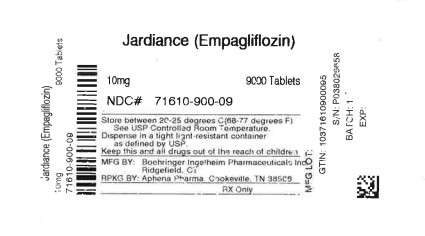
(empagliflozin · DailyMed)
Empadil 25
Crospovidone (Kollidon CL) 3.600 mg/6 mL,Empagliflozin 25 mg/6 mL,Magnesium stearate (vegetable) 2.700 mg/6 mL,Mannitol(Pearlitol) 101.900 mg/6 mL,Opadry 03F82335 Yellow 5.000 mg/6 mL,Pregelatinized Starch (Starch 1500) 37.800 mg/6 mL,Purified Water. q.s ml,Talc 9.000 mg/6 mL
What it does
Crospovidone is a substance used primarily as an excipient in medications, helping to improve their effectiveness.
Commonly used for: used in various medications as a binder, helps in the absorption of active ingredients
Read more in plain English ↓Plain-language summary for general understanding - not medical advice. Always follow your pharmacist/doctor.
Ask about this medicine
Answers come only from this medicine's registration record, BNF monograph and interaction data - not medical advice.
Medicine sourcing is available in Kenya only. We don't sell or dispense medicines - licensed pharmacies do.
Sourcing - Kenya onlyRegistration & product details
Source: Tanzania Medicines and Medical Devices Authority · fetched 2026-03-11 23:40:40 · updated 2026-10-19 03:00:45
Drug Interactions
2Pharmacodynamic Warnings
Empagliflozin appears in TABLE 8: Drugs that cause hypotension
Empagliflozin appears in TABLE 14: Antidiabetic drugs
Unknown (2)
Empagliflozin - decreases exposure
Antiepileptics (phenytoin) might decrease the exposure to empagliflozin. Avoid or monitor diabetic control.
Empagliflozin - decreases exposure
Rifamycins (rifampicin) might decrease the exposure to empagliflozin. Avoid or monitor diabetic control.
Data from BNF 85 (British National Formulary). This is not a substitute for professional medical advice. Matched via: exact
About crospovidone
Crospovidone is a substance used primarily as an excipient in medications, helping to improve their effectiveness.
What it treats
- used in various medications as a binder
- helps in the absorption of active ingredients
How it works
Crospovidone acts by increasing the solubility and stability of drugs, ensuring that they work effectively in the body.
Who it's for
Crospovidone is suitable for people taking medications that require improved absorption and effectiveness.
AI-assisted summary grounded in BNF data - general information only, not medical advice. Always confirm with your pharmacist or doctor.
About empagliflozin
Empagliflozin is a medication that helps lower blood sugar levels in people with diabetes.
What it treats
- type 2 diabetes (non-insulin dependent diabetes)
- high blood sugar (hyperglycemia)
How it works
It helps your kidneys remove excess sugar from your blood through urine, which lowers blood sugar levels.
Who it's for
This medicine is for adults with type 2 diabetes who need help controlling their blood sugar.
Cautions
- • Be cautious if you are taking medications that can lower blood pressure.
- • Consult your doctor if you are using other diabetes medications.
AI-assisted summary grounded in BNF data - general information only, not medical advice. Always confirm with your pharmacist or doctor.
About mannitol
Mannitol is a type of sugar alcohol used mainly to help reduce swelling and pressure in the body, especially in the eyes and brain.
What it treats
- reducing pressure in the brain (intracranial hypertension)
- treating eye swelling (ocular hypertension)
- promoting urine production in kidney failure
How it works
Mannitol works by drawing water out of tissues and into the bloodstream, helping to decrease swelling and pressure.
Who it's for
Mannitol is typically used for patients with conditions that cause high pressure in the brain or eyes, and those with certain kidney issues.
AI-assisted summary grounded in BNF data - general information only, not medical advice. Always confirm with your pharmacist or doctor.
About opadry
Opadry is a coating agent used in pharmaceutical formulations.
What it treats
- to improve the taste of medicines
- to protect the active ingredients in tablets and capsules
How it works
Opadry forms a protective layer around tablets and capsules, which helps to mask their taste and protect the ingredients from moisture and light.
Who it's for
Opadry is suitable for various patients who are taking medications in tablet or capsule form.
AI-assisted summary grounded in BNF data - general information only, not medical advice. Always confirm with your pharmacist or doctor.
About pregelatinized
Pregelatinized is a modified starch used in various pharmaceutical formulations.
What it treats
- used as a binder in tablet formulations
- used as a thickening agent in liquid medicines
How it works
Pregelatinized helps to hold together the ingredients in tablets and improves the consistency of liquid medicines.
Who it's for
It is suitable for patients requiring solid or liquid medications that need binding or thickening.
AI-assisted summary grounded in BNF data - general information only, not medical advice. Always confirm with your pharmacist or doctor.
About purified
Purified ingredients are often used in various medicines to ensure safety and effectiveness by removing impurities.
What it treats
- various medical conditions
How it works
Purified ingredients help in delivering the intended effects of the medicine without the risk of contaminants.
Who it's for
People who need medications with safe and effective ingredients.
AI-assisted summary grounded in BNF data - general information only, not medical advice. Always confirm with your pharmacist or doctor.
About starch
Starch is a carbohydrate that serves as a source of energy and is often used in various food products.
What it treats
- energy source
- dietary supplement
How it works
Starch is broken down by the body into glucose, which provides energy for daily activities.
Who it's for
Starch can be used by anyone needing extra energy in their diet, particularly those with increased energy needs.
AI-assisted summary grounded in BNF data - general information only, not medical advice. Always confirm with your pharmacist or doctor.
About talc
Talc is a mineral used primarily to absorb moisture and reduce friction. It is commonly found in various personal care products.
What it treats
- skin irritation
- diaper rash
- chafing
- sweating
How it works
Talc works by absorbing moisture and providing a smooth surface, which helps to prevent irritation and discomfort on the skin.
Who it's for
Talc is suitable for anyone needing relief from moisture-related skin issues, including babies and adults.
Cautions
- • Avoid using on broken or irritated skin.
- • Keep away from the eyes and mouth.
AI-assisted summary grounded in BNF data - general information only, not medical advice. Always confirm with your pharmacist or doctor.
About yellow
Yellow is a medicinal product used to treat various conditions.
What it treats
- general health support
How it works
The exact way Yellow works is not specified, but it is designed to support overall well-being.
Who it's for
Yellow is suitable for individuals looking to improve their general health.
AI-assisted summary grounded in BNF data - general information only, not medical advice. Always confirm with your pharmacist or doctor.
Clinical monograph: Mannitol
BNF-referencedMannitol is an osmotic diuretic and a sugar alcohol that is used primarily to reduce elevated intracranial pressure and to promote diuresis in various medical conditions, including cerebral edema and acute kidney injury. It is metabolically inert in humans and is eliminated primarily through the kidneys. Mannitol works by elevating blood plasma osmolality, drawing water out of tissues and into the bloodstream, which helps to reduce fluid volume and pressure in the brain and other compartments.
Indications
- Cerebral edema
- Elevated intracranial pressure
- Acute kidney injury
- Oliguria
- Glaucoma
- Renal function diagnostic aid
Dosage
Adults: For cerebral edema, administer 0
Mechanism of action
Mannitol elevates blood plasma osmolality, resulting in enhanced flow of water from tissues, including the brain and cerebrospinal fluid, into interstitial fluid and plasma. This action reduces cerebral edema and intracranial pressure. As a diuretic, it increases the osmolality of glomerular filtrate, leading to increased urinary excretion of water and preventing sodium and chloride reabsorption in the renal tubules. Mannitol also facilitates the urinary excretion of toxic substances and can help in assessing renal function by measuring glomerular filtration rate (GFR).
Pharmacodynamics
Mannitol is classified as an osmotic diuretic. It is chemically similar to other sugar alcohols but has a unique ability to promote diuresis by remaining unabsorbed in the renal tubules. Its use is indicated for conditions associated with increased body fluids, such as cerebral edema and glaucoma. Mannitol may be combined with other diuretics to enhance diuretic efficacy. Inhaled formulations are used in cystic fibrosis, though they may cause bronchospasm and hemoptysis.
Pharmacokinetics
Mannitol is freely filtered by the glomeruli with less than 10% tubular reabsorption, which allows for its urinary excretion rate to serve as a measurement of GFR. It does not undergo significant metabolism and is eliminated primarily through the kidneys. The onset of action occurs within 30 to 60 minutes after intravenous administration, with effects lasting for several hours. Administration may require monitoring of renal function and fluid balance.
Contra-indications
- Anuria
- Severe dehydration
- Severe renal impairment
- Intracranial bleeding
Adverse effects
- Asthenia
- Gastrointestinal disturbances
- Dry mouth
- Confusion
- Visual impairment
- Hypotension
- Electrolyte imbalances
- Pulmonary edema
- Hemoptysis (with inhalation use)
- Bronchospasm (with inhalation use)
Interactions
- Potassium-sparing diuretics may increase the risk of hyperkalemia
- Other diuretics may have additive effects
- Caution with nephrotoxic agents
Precautions
- Caution in patients with diabetes mellitus
- Caution in the elderly
- Caution in patients with gout
- Caution in patients with hepatic impairment
- Monitor renal function and electrolytes regularly
- May cause blue fluorescence of urine
Pregnancy
Manufacturer advises avoid due to potential toxicity in animal studies.
Breast-feeding
Manufacturer advises avoid due to lack of information available.
Storage
Store in a cool, dry place, away from light. Do not freeze.
Formulations
- Solution for injection
- Inhalation powder
- Oral solution
AI-synthesized from BNF references - general information only, not a substitute for professional medical advice or the current BNF. Verify doses with a pharmacist.
Clinical monograph: Empagliflozin
BNF-referencedEmpagliflozin is a sodium-glucose co-transporter 2 (SGLT2) inhibitor used primarily for the management of type 2 diabetes mellitus. It lowers blood glucose levels by preventing the reabsorption of glucose in the proximal renal tubules, which increases urinary glucose excretion. Empagliflozin also has potential cardiovascular benefits, particularly in reducing the risk of heart failure.
Indications
- Type 2 diabetes mellitus as monotherapy (if metformin is inappropriate)
- Type 2 diabetes mellitus in combination with insulin or other antidiabetic drugs (if existing treatment fails to achieve adequate glycaemic control)
- Symptomatic chronic heart failure
Dosage
Adults: 10 mg once daily, increased to 25 mg once daily if necessary and tolerated.
Mechanism of action
Empagliflozin inhibits the SGLT2 transporters in the proximal tubules of the kidneys. By blocking the co-transport of sodium and glucose into the blood, it increases glucosuria, leading to lower blood glucose levels. Additionally, it may offer cardiovascular benefits by mechanisms yet to be fully elucidated, including effects on myocardial sodium/hydrogen exchangers and diuretic actions.
Pharmacodynamics
Empagliflozin effectively reduces blood glucose levels through increased urinary glucose excretion, necessitating once-daily dosing due to its prolonged action. Patients should be monitored for ketoacidosis, as it can occur even in the absence of significantly elevated blood glucose. The drug also poses a risk of urogenital infections due to the elevated glucose levels in urine.
Pharmacokinetics
Empagliflozin is absorbed after oral administration, with peak plasma concentrations occurring within 1.5 hours. It has a volume of distribution of approximately 73 liters and is primarily excreted via urine. Renal function should be monitored, as impaired renal function may affect drug efficacy and safety.
Contra-indications
- Diabetic ketoacidosis
- Severe renal impairment (eGFR < 30 mL/min)
- Hypersensitivity to empagliflozin or any of the excipients
Adverse effects
- Genital infections
- Urinary tract infections
- Dehydration
- Hypotension
- Diabetic ketoacidosis (rare)
- Fournier's gangrene (necrotizing fasciitis of the genitalia)
Interactions
- Antiepileptics (unknown effect on exposure)
- Rifamycins (unknown effect on exposure)
- Insulin and insulin secretagogues (may require dose adjustments)
Precautions
- Monitor for signs of diabetic ketoacidosis, particularly in patients with risk factors
- Consider temporary interruption in patients with complicated urinary tract infections
- Caution in elderly patients due to risk of hypotension and volume depletion
- Monitor renal function periodically
Pregnancy
Empagliflozin is not recommended during pregnancy due to potential risks to the fetus. Consult a healthcare provider for alternatives.
Breast-feeding
Empagliflozin is not recommended for use while breastfeeding. The effects on a nursing infant are unknown.
Storage
Store below 30°C. Protect from moisture. Keep out of reach of children.
Formulations
- Tablets: 10 mg, 25 mg
AI-synthesized from BNF references - general information only, not a substitute for professional medical advice or the current BNF. Verify doses with a pharmacist.
Clinical monograph: crospovidone
Crospovidone is a synthetic polymer of N-vinyl-2-pyrrolidone that is primarily used as an excipient in pharmaceutical formulations. It serves as a disintegrant, promoting the breakdown of tablets and capsules in the gastrointestinal tract to enhance the absorption of active pharmaceutical ingredients. Crospovidone is characterized by its ability to hydrate rapidly and swell, facilitating the disintegration process in solid dosage forms.
Indications
- Used as an excipient in solid dosage forms
- Facilitates drug disintegration and dissolution
Dosage
Children: Refer to specific product formulation guidelines as crospovidone is used as an excipient and does not have a direct dosage.
Adults: Refer to specific product formulation guidelines as crospovidone is used as an excipient and does not have a direct dosage.
Mechanism of action
Crospovidone acts by rapidly absorbing water and swelling upon contact with moisture. This action leads to the disintegration of solid dosage forms, thus increasing the surface area of the active ingredients and promoting their dissolution and subsequent absorption in the gastrointestinal tract. It does not affect the pH of the formulation, ensuring that the active ingredients remain stable.
Pharmacodynamics
Crospovidone exhibits properties that enhance the bioavailability of active ingredients in pharmaceutical formulations. Its ability to rapidly disintegrate tablets and capsules leads to quicker release and absorption of the drug into systemic circulation. As a disintegrant, it aids in the effective delivery of drugs that may otherwise be poorly soluble.
Pharmacokinetics
Crospovidone itself is not absorbed systemically when administered orally. It remains in the gastrointestinal tract, where it performs its function as a disintegrant. The pharmacokinetic profile of drugs formulated with crospovidone may be influenced by the enhanced dissolution and absorption rates provided by this excipient.
Pregnancy
Crospovidone is considered to have low toxicity and is generally regarded as safe for use during pregnancy, but specific studies are limited.
Breast-feeding
There is insufficient data on the excretion of crospovidone in human milk, but it is deemed safe for use during breastfeeding.
Storage
Store in a cool, dry place away from light and moisture, in tightly closed containers.
Formulations
- Powder
- Tablets
AI-synthesized from BNF references - general information only, not a substitute for professional medical advice or the current BNF. Verify doses with a pharmacist.
Clinical monograph: opadry
Opadry is a film-coating system used in the pharmaceutical industry to coat tablets and granules. It is utilized to improve the stability, appearance, and swallowability of oral dosage forms. Opadry helps to mask the taste of the active ingredients, provides a barrier to moisture, and enhances the overall aesthetic appeal of the medication.
Indications
- Tablet coating
- Granule coating
- Improvement of drug stability
- Taste masking
- Aesthetic enhancement of pharmaceuticals
Dosage
Children: Dosage will depend on the specific formulation and active ingredients of the medication being coated. Refer to the specific product information for guidance.
Adults: Dosage will depend on the specific formulation and active ingredients of the medication being coated. Refer to the specific product information for guidance.
Mechanism of action
Opadry functions primarily as a coating polymer that adheres to the surface of tablets or granules, creating a protective layer. This layer can control the release of the active ingredient and protect it from environmental factors such as moisture and light. The specific composition of Opadry can vary, but it typically includes film-forming agents, plasticizers, and colorants that work together to achieve the desired coating characteristics.
Pharmacodynamics
The pharmacodynamics of Opadry is largely focused on its physical and chemical properties rather than specific biological interactions. The coating alters the dissolution characteristics of the drug, potentially leading to modified release profiles. This can enhance drug bioavailability or control the release rate of the active ingredient, thereby impacting the therapeutic effect.
Pharmacokinetics
As a coating agent, Opadry itself is not absorbed into the systemic circulation and does not have pharmacokinetic properties related to absorption, distribution, metabolism, or excretion of an active pharmaceutical ingredient. Its impact on pharmacokinetics is indirect, as it affects how the active drug is released and absorbed in the gastrointestinal tract.
Pregnancy
Opadry is a film-coating agent, and specific studies on its effects during pregnancy are not well-documented. Generally, it is advisable to use medications cautiously during pregnancy. Consult a healthcare provider for guidance.
Breast-feeding
Limited data are available regarding the safety of Opadry during breastfeeding. It is recommended to consult a healthcare provider before use.
Storage
Store in a cool, dry place away from direct sunlight and moisture. Keep out of reach of children.
Formulations
- Opadry OY - a coating system for oral solid dosage forms
- Opadry II - a polymer-based coating system for tablet and capsule applications
AI-synthesized from BNF references - general information only, not a substitute for professional medical advice or the current BNF. Verify doses with a pharmacist.
Clinical monograph: pregelatinized
Pregelatinized starch is a modified starch that is used as an excipient in pharmaceutical formulations. It is produced by gelatinizing starch granules through a process of heating in the presence of water, followed by drying. This modification enhances the solubility and dispersibility of the starch, making it suitable for use in tablet formulations, granules, and other dosage forms.
Indications
- Used as a binder in tablet formulations
- Serves as a disintegrant to enhance drug release
- Utilized in the formulation of granules and powders
Dosage
Children: Refer to specific formulation guidelines as doses vary based on the formulation and active ingredients.
Adults: Refer to specific formulation guidelines as doses vary based on the formulation and active ingredients.
Mechanism of action
Pregelatinized starch acts primarily as a binder and disintegrant in tablet formulations. When exposed to moisture, it swells and rapidly absorbs water, leading to the disintegration of the tablet and facilitating the release of the active pharmaceutical ingredients.
Pharmacodynamics
The pharmacodynamic properties of pregelatinized starch are closely related to its physicochemical characteristics. It enhances the dissolution rate of poorly soluble drugs and helps in achieving a uniform distribution of the active ingredients within a formulation. Its ability to form a gel-like consistency in the presence of water aids in the controlled release of the drug.
Pharmacokinetics
As an excipient, pregelatinized starch is not intended to exert pharmacological effects on its own. It is generally regarded as safe and is not absorbed systemically. Its role is primarily mechanical, aiding in the formulation process of pharmaceutical products. The pharmacokinetics of any drug formulated with pregelatinized starch will depend on the active ingredients present in the formulation.
Pregnancy
Pregelatinized starch is generally considered safe for use during pregnancy as it is a food grade ingredient, but it is advisable to consult with a healthcare professional.
Breast-feeding
Pregelatinized starch is also considered safe during breastfeeding as it is unlikely to affect milk production or quality.
Storage
Store in a cool, dry place away from direct sunlight and moisture.
Formulations
- Powder
- Granules
AI-synthesized from BNF references - general information only, not a substitute for professional medical advice or the current BNF. Verify doses with a pharmacist.
Clinical monograph: purified
Purified refers to a substance that has been processed to remove impurities, contaminants, or unwanted substances, resulting in a more concentrated and effective form of the original compound. In pharmacology, purified compounds are often used to enhance therapeutic efficacy and reduce adverse effects. The purification process can apply to a variety of substances, including drugs, biological products, and chemical compounds.
Dosage
Children: Refer to specific drug formulations and product labels as purified substances can vary widely in their use and dosing.
Adults: Refer to specific drug formulations and product labels as purified substances can vary widely in their use and dosing.
Mechanism of action
The mechanism of action for purified compounds varies widely depending on the specific substance. Generally, purified drugs exert their effects by interacting with specific biological targets, such as receptors, enzymes, or ion channels, leading to a desired therapeutic effect. This interaction can involve binding to receptors to activate or inhibit signaling pathways, modulating enzymatic activity, or altering physiological processes.
Pharmacodynamics
Pharmacodynamics describes the effects of a drug on the body and the relationship between drug concentration and effect. For purified drugs, this can involve dose-response relationships and the time course of their action. The purified form often enhances potency and reduces variability in response among patients, which can lead to more predictable therapeutic outcomes. The overall effect is determined by the drug's affinity for its target, the efficacy of the drug-receptor interaction, and the downstream signaling pathways activated as a result of this interaction.
Pharmacokinetics
Pharmacokinetics involves the absorption, distribution, metabolism, and excretion (ADME) of a drug. For purified substances, absorption can be more efficient due to the absence of impurities that may affect solubility or stability. Distribution may also be enhanced, leading to higher bioavailability. Metabolism can be influenced by the structure of the purified compound, as it may be metabolized more readily by liver enzymes. Excretion typically occurs through the kidneys or liver, depending on the molecular characteristics of the purified drug.
Pregnancy
Consult with a healthcare professional, as the safety of purified forms of medications during pregnancy may vary depending on the specific substance.
Breast-feeding
Consult with a healthcare professional, as the safety of purified forms of medications during breastfeeding may vary depending on the specific substance.
Storage
Store in a cool, dry place, away from light and moisture, and keep out of reach of children.
AI-synthesized from BNF references - general information only, not a substitute for professional medical advice or the current BNF. Verify doses with a pharmacist.
Clinical monograph: starch
Starch is a polysaccharide carbohydrate consisting of a large number of glucose units joined by glycosidic bonds. It is a major energy source in the human diet and is found in numerous food sources such as grains, legumes, and tubers. In a clinical setting, starch can also be used as an excipient in various pharmaceuticals and is sometimes utilized in enteral nutrition formulations.
Indications
- Nutritional supplementation
- Energy source in enteral nutrition
- Excipient in pharmaceutical formulations
Dosage
Children: Refer to specific guidelines or product inserts for dosing information, as it can vary based on the context of use.
Adults: Refer to specific guidelines or product inserts for dosing information, as it can vary based on the context of use.
Mechanism of action
Starch is broken down into glucose units by enzymes such as amylase during digestion. The glucose is then absorbed in the intestines and utilized for energy production in the body's cells. This pathway involves hydrolysis of the glycosidic bonds, converting starch into simpler sugars.
Pharmacodynamics
Starch primarily serves as an energy source. Its digestion and absorption lead to an increase in blood glucose levels, which provides energy for metabolic processes. In this context, it plays a crucial role in maintaining energy homeostasis in the body.
Pharmacokinetics
Starch is not absorbed in its polymeric form; it must first be enzymatically hydrolyzed into simpler sugars such as maltose and glucose. The digestion and absorption of starch occur predominantly in the small intestine, with glucose being readily absorbed into the bloodstream. The rate of absorption can vary depending on the type of starch and its physical form.
Adverse effects
- Allergic reactions
- Gastrointestinal discomfort
- Diarrhea
- Constipation
Precautions
- Use with caution in individuals with known allergies to starch or starch derivatives
- Monitor for gastrointestinal symptoms in patients with a history of digestive disorders
Pregnancy
Starch is generally considered safe for use during pregnancy. However, it should be consumed in moderation as part of a balanced diet.
Breast-feeding
Starch is deemed safe for nursing mothers when used in moderation as part of a balanced diet.
Storage
Store in a cool, dry place away from moisture and direct sunlight.
Formulations
- Powder
- Granules
- Tablets
- Suspensions
AI-synthesized from BNF references - general information only, not a substitute for professional medical advice or the current BNF. Verify doses with a pharmacist.
Clinical monograph: talc
BNF-referencedTalc is a mineral composed of magnesium, silicon, and oxygen, commonly used in various pharmaceutical applications due to its excellent absorptive properties. It is often employed as an excipient in drug formulations and as a bulking agent in tablets and powders. Talc is also utilized in some medical procedures, such as pleurodesis, to prevent the recurrence of pleural effusions.
Indications
- Used as an excipient in drug formulations
- Pleurodesis for the management of recurrent pleural effusions
Dosage
Children: Refer to specific guidelines for paediatric use, as dosing may differ based on age and clinical condition.
Adults: Refer to specific guidelines for the appropriate dosage in pleurodesis and other applications, as it may vary based on clinical context.
Mechanism of action
Talc exhibits very good absorptive properties, allowing it to absorb moisture and other substances effectively. This characteristic is particularly useful in pharmaceutical formulations, where it may enhance the stability and texture of the drug product.
Pharmacodynamics
Talc's primary pharmacodynamic effect is its ability to act as an inert filler and bulking agent in pharmaceutical preparations. It does not have any intrinsic pharmacological activity but serves to improve the physical properties of formulations, such as flowability and compressibility.
Pharmacokinetics
Talc is not absorbed systemically when used as an excipient or in medical procedures. Its effects are local, and it remains in the site of application, where it functions primarily as a mechanical agent. The pharmacokinetics of talc in the context of its use in pleurodesis involves its ability to promote adhesion of the pleural surfaces, thereby preventing fluid accumulation.
Pregnancy
Talc is classified as a substance with minimal systemic absorption, but safety during pregnancy has not been well established. Consult relevant guidelines.
Breast-feeding
Talc is not expected to be absorbed in significant amounts; however, caution is advised and consult guidelines.
Storage
Store in a cool, dry place, away from direct sunlight.
AI-synthesized from BNF references - general information only, not a substitute for professional medical advice or the current BNF. Verify doses with a pharmacist.
Clinical monograph: yellow
BNF-referencedYellow is a compound with the molecular formula C24H12O2. It is not a specific drug but may refer to a class of compounds or a colorant used in various applications. Detailed pharmacological data and clinical applications are not provided in the standard references.
Pregnancy
No specific data available, consult a healthcare professional.
Breast-feeding
No specific data available, consult a healthcare professional.
Storage
Store in a cool, dry place away from light.
AI-synthesized from BNF references - general information only, not a substitute for professional medical advice or the current BNF. Verify doses with a pharmacist.
Molecular reference: Empagliflozin
PubChem CID 11949646Molecular formula: C23H27ClO7
Mechanism of action
The vast majority of glucose filtered through the glomerulus is reabsorbed within the proximal tubule, primarily via SGLT2 (sodium-glucose linked co-transporter-2) which is responsible for ~90% of the total glucose reabsorption within the kidneys. Na<sup>+</sup>/K<sup>+</sup>-ATPase on the basolateral membrane of proximal tubular cells utilize ATP to actively pump Na+ ions into the interstitium surrounding the tubule, establishing a Na<sup>+</sup> gradient within the tubular cell. SGLT2 on the apical membrane of these cells then utilize this gradient to facilitate secondary active co-transport of both Na+ and glucose out of the filtrate, thereby reabsorbing glucose back into the blood – inhibiting this co-transport, then, allows for a marked increase in glucosuria and decrease in blood glucose levels. Empagliflozin is a potent inhibitor of renal SGLT2 transporters located in the proximal tubules of the kidneys and works to lower blood glucose levels via an increase in glucosuria. Empagliflozin also appears to exert cardiovascular benefits - specifically in the prevention of heart failure - independent of its blood glucose-lowering effects, though the exact mechanism of this benefit is not precisely understood. Several theories have been posited, including the potential inhibition of Na<sup>+</sup>/H<sup>+</sup> exchanger (NHE) 1 in the myocardium and NHE3 in the proximal tubule, reduction of pre-load via diuretic/natriuretic effects and reduction of blood pressure, prevention of cardiac fibrosis via suppression of pro-fibrotic markers, and reduction of pro-inflammatory adipokines.
Pharmacodynamics
Empagliflozin lowers blood glucose levels by preventing glucose reabsorption in the kidneys, thereby increasing the amount of glucose excreted in the urine. It has a relatively long duration of action requiring only once-daily dosing. Patients should be monitored closely for signs and symptoms of ketoacidosis regardless of blood glucose level as empagliflozin may precipitate diabetic ketoacidosis in the absence of hyperglycemia. As its mechanism of action is contingent on the renal excretion of glucose, empagliflozin may be held in cases of acute kidney injury and/or discontinued in patients who develop chronic renal disease. The overexcretion of glucose creates a sugar-rich urogenital environment which increases the risk of urogenital infections in both male and female patients - monitor closely for signs and symptoms of developing infection.
Source: PubChem (NCBI) · pathways from PathBank, Reactome, WikiPathways & PharmGKB.
Molecular reference: Mannitol
PubChem CID 6251Molecular formula: C6H14O6
Mechanism of action
Mannitol is an osmotic diuretic that is metabolically inert in humans and occurs naturally, as a sugar or sugar alcohol, in fruits and vegetables. Mannitol elevates blood plasma osmolality, resulting in enhanced flow of water from tissues, including the brain and cerebrospinal fluid, into interstitial fluid and plasma. As a result, cerebral edema, elevated intracranial pressure, and cerebrospinal fluid volume and pressure may be reduced. As a diurectic mannitol induces diuresis because it is not reabsorbed in the renal tubule, thereby increasing the osmolality of the glomerular filtrate, facilitating excretion of water, and inhibiting the renal tubular reabsorption of sodium, chloride, and other solutes. Mannitol promotes the urinary excretion of toxic materials and protects against nephrotoxicity by preventing the concentration of toxic substances in the tubular fluid. As an Antiglaucoma agent mannitol levates blood plasma osmolarity, resulting in enhanced flow of water from the eye into plasma and a consequent reduction in intraocular pressure. As a renal function diagnostic aid mannitol is freely filtered by the glomeruli with less than 10% tubular reabsorption. Therefore, its urinary excretion rate may serve as a measurement of glomerular filtration rate (GFR). The exact mechanism of action of inhaled mannitol in the symptomatic maintenance treatment of cystic fibrosis remains unclear. It is hypothesized that mannitol produces an osmotic gradient across the airway epithelium that draws fluid into the extracellular space and alters the properties of the airway surface mucus layer, allowing easier mucociliary clearance. MANNITOL IS.../USED/ IN PROPHYLAXIS OF ACUTE RENAL FAILURE. IT IS USED FOR THIS PURPOSE IN CONDITIONS AS DIVERSE AS CARDIOVASCULAR OPERATIONS, SEVERE TRAUMATIC INJURY, OPERATIONS IN THE PRESENCE OF SEVERE JAUNDICE, AND MGMNT OF HEMOLYTIC TRANSFUSION REACTIONS. IN EACH OF THESE CONDITIONS, A PRECIPITOUS FALL IN THE FLOW OF URINE MAY BE ANTICIPATED EITHER AS THE RESULT OF AN ACUTELY REDUCED FILTRATION RATE OR FROM ACUTE CHANGES IN TUBULAR PERMEABILITY. THE LATTER MAY BE CONSEQUENCE OF THE PRESENCE OF NOXIOUS AGENT WITHIN THE TUBULAR FLUID IN EXCESSIVELY HIGH CONCN, IN SOME INSTANCES SUFFICIENT TO RESULT IN ACTUAL PRECIPITATION. IN THESE SITUATIONS, MANNITOL EXERTS OSMOTIC EFFECT WITHIN THE TUBULAR FLUID, INHIBITS WATER REABSORPTION, & MAINTAINS THE RATE OF URINE FLOW. ...CONCN OF TOXIC AGENT WITHIN TUBULAR FLUID DOES NOT REACH EXCESSIVELY HIGH LEVELS THAT OTHERWISE WOULD HAVE BEEN ACHIEVED BY MORE COMPLETE REABSORPTION OF WATER. ...EVEN THOUGH /GLOMERULAR/ FILTRATION RATE IS REDUCED, MANNITOL IS STILL FILTERED @ GLOMERULUS. THE TUBULAR IMPERMEABILITY TO MANNITOL IS NOT ALTERED BY ACUTE RENAL ISCHEMIA OF SHORT DURATION. HENCE, THE MANNITOL THAT IS FILTERED IS ALSO EXCRETED IN THE VOIDED URINE. UNREABSORBED SOLUTE LIMITS BACK DIFFUSION OF WATER. ...URINE VOL CAN BE MAINTAINED EVEN IN PRESENCE OF DECR GLOMERULAR FILTRATION.
Pharmacodynamics
Chemically, mannitol is an alcohol and a sugar, or a polyol; it is similar to xylitol or sorbitol. However, mannitol has a tendency to lose a hydrogen ion in aqueous solutions, which causes the solution to become acidic. For this reason, it is not uncommon to add a substance to adjust its pH, such as sodium bicarbonate. Mannitol is commonly used to increase urine production (diuretic). It is also used to treat or prevent medical conditions that are caused by an increase in body fluids/water (e.g., cerebral edema, glaucoma, kidney failure). Mannitol is frequently given along with other diuretics (e.g., furosemide, chlorothiazide) and/or IV fluid replacement. Inhaled mannitol has the possibility to cause bronchospasm and hemoptysis; the occurrence of either should lead to discontinuation of inhaled mannitol.
Biological pathways
Source: PubChem (NCBI) · pathways from PathBank, Reactome, WikiPathways & PharmGKB.
Molecular reference: talc
PubChem CID 165411828Molecular formula: H2Mg3O12Si4
Mechanism of action
It has very good absorptive properties.
Source: PubChem (NCBI) · pathways from PathBank, Reactome, WikiPathways & PharmGKB.
Molecular reference: yellow
PubChem CID 31412Molecular formula: C24H12O2
Source: PubChem (NCBI) · pathways from PathBank, Reactome, WikiPathways & PharmGKB.
This drug in other countries
The same active ingredient registered across other registries we cover - including different brands.
- BEEHIVE BALSAM SYRUP · Ayrton Saunders
- EMFLOZIN 10 TABLETS · Aristopharma
- EMFLOZIN 25 TABLETS · Aristopharma
- EMGLY 10 TABLETS (Each film coated tablet contains Empagliflozin 25mg) · Annora Pharma
- EMPAZOX-L 25MG/15MG TABLETS (Each tablet contains Empagliflozin/Linagliptin 25mg/5mg · Annora Pharma
- EMPIGET M 12.5/100 TABLETS · Getz Pharma
- ABHAYRAB · Surgipharm
- ARTHRELLA OINTMENT · Surgilinks
- ARTHRELLA TABLET · Surgilinks
- AXATOL-20 · Evka Consultz
- AXATOL-20 · Danvantri Enterprises
- BEVAC · Galaxy Pharmaceutical
- BEVAC® · Biological E. Limited
- CARBAMAZEPINE TABLETS 200MG · Medreich Limited
- COTRIMOL 400/80 · Ipca Labotratories Ltd
- CP-GLIMEPIRIDE 2 · Acme Formulation Pvt. Ltd
- EMPIGET TABLET 10MG · Getz Pharma Private Limited
- EMPIGET TABLET 25MG · Getz Pharma Private Limited